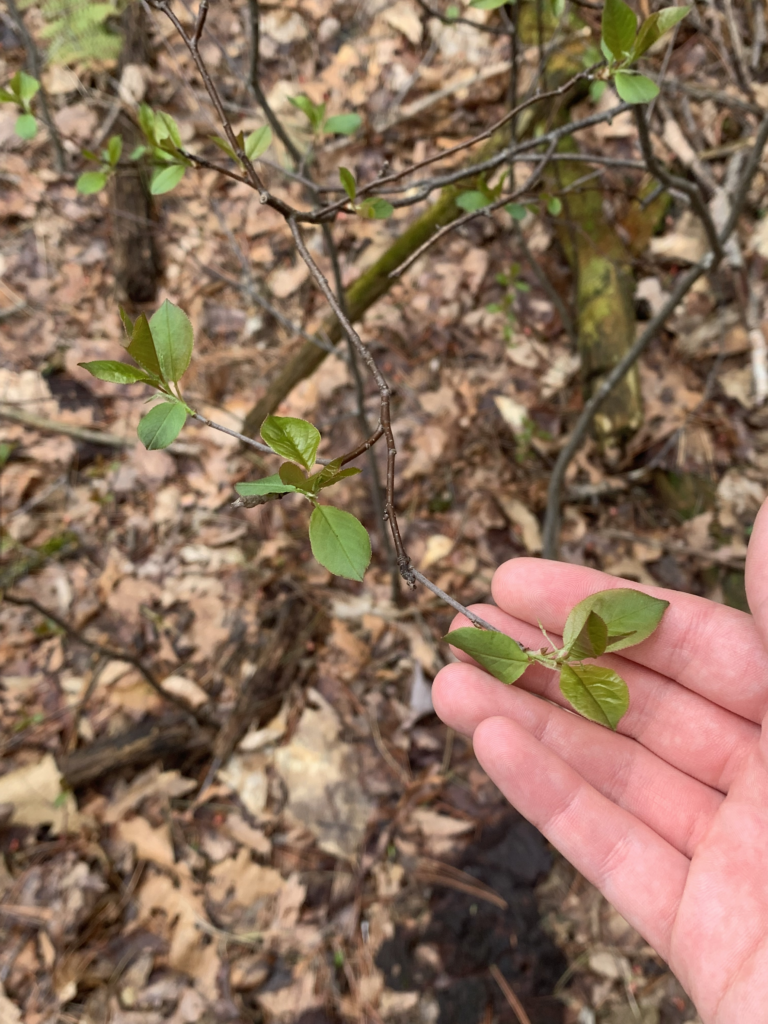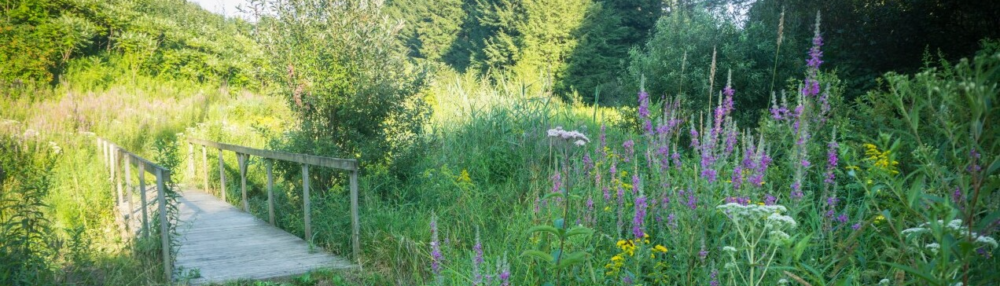
Today I visited my phenology spot for the final time this semester. Understanding that this is the last time I will be here for this class and project, I can’t help but reflect on the changes that have occurred at this site over the past year. For the past two semesters, I have been visiting this spot every month, observing the changes in the plants and animals that call this place home. When I first began my observations, the site was in late summer. The trees were full of green leaves, and the ground was covered in grass. As the months progressed, I saw leaves fall and temperatures drop. I witnessed winter come and go, and wildlife migrate and return. Now, I have seen the buds on the trees begin to swell, and the first signs of spring begin to emerge. The birds have returned, and the sound of their songs fills the air. The forest floor has come alive and the insects have come back.
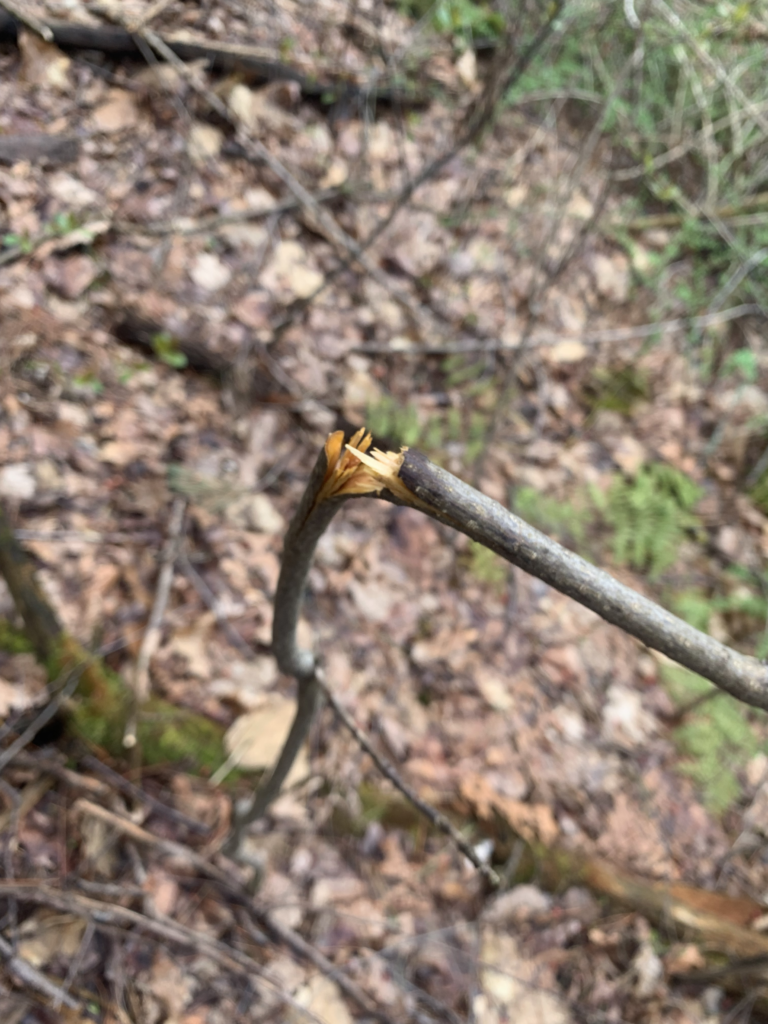
Observing these phenological changes has allowed me to see how closely nature and culture are connected at this site. This is not simply a wild space, but also a place where humans have left their mark. There are foot trails surrounding my site, and the trees bear scars of interactions with humans. Broken trigs off the path and footprints in mud tell the stories of visitors before. Even in the face of human intervention, nature has found a way to thrive. The plants and animals here have adapted to the changing landscape, and the ecosystem continues to evolve.
Observing this place for the past year has allowed me to see how different species are interconnected and how changes in one part of the ecosystem can have ripple effects throughout the entire system. It’s a reminder that everything in nature is connected, and that we as humans are a part of that larger whole. The site will continue to grow and change after I am gone. I know that this place will continue to thrive as long as we respect and appreciate it as an important natural landscape and ecosystem.