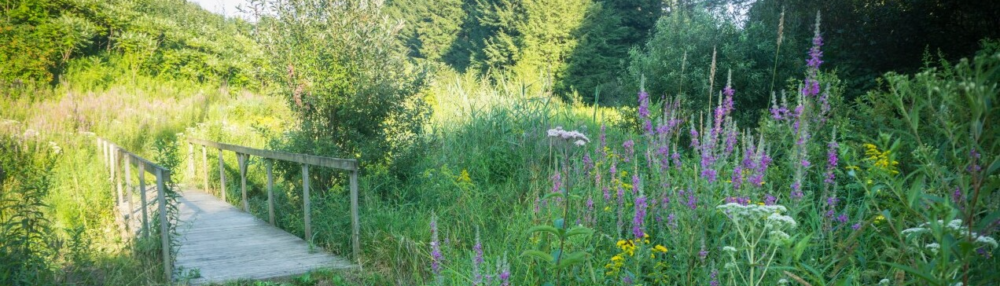
Today, while in my final NR lab of the year, I walked by my phenology spot in Centennial Woods. I immediately noticed some changes since my last visit on November 16th. Warm weather patterns and rainfall has melted all of the snow. This change is saddening, however colder weather is on the way. Strong wind gusts on my walk today made the journey difficult. The surrounding trees at my site are completely bare, and the fallen leaves have begun to decompose on the forest floor. Earthworms and other soil animals have broken the leaves into smaller pieces in a process called fragmentation. Over time these decaying leaves will release carbon back into the atmosphere. The thick wall of vegetation present at the beginning of the semester has also been reduced to sticks. With few barriers, my view of the surrounding land has increased, allowing me to see deep into the woods. The barberry bush at my site has completely shed its leaves, however its red berries are still present. There were no signs of animals present when I visited. With the drop in temperatures, insects have gone dormant, birds have flown south, and many animals have begun to hibernate.
The aspect of my phenology spot that I enjoyed the most was spending time in the natural world. At the beginning of the semester, my phenology location was just a pretty place that I chose by chance. Over time, I have become familiar with the surroundings and processes at my spot and have grown more attached to it. I feel lucky that I am able to take classes that allow me to get outside.
I look forward to returning to my phenology spot and documenting changes during semester two!

