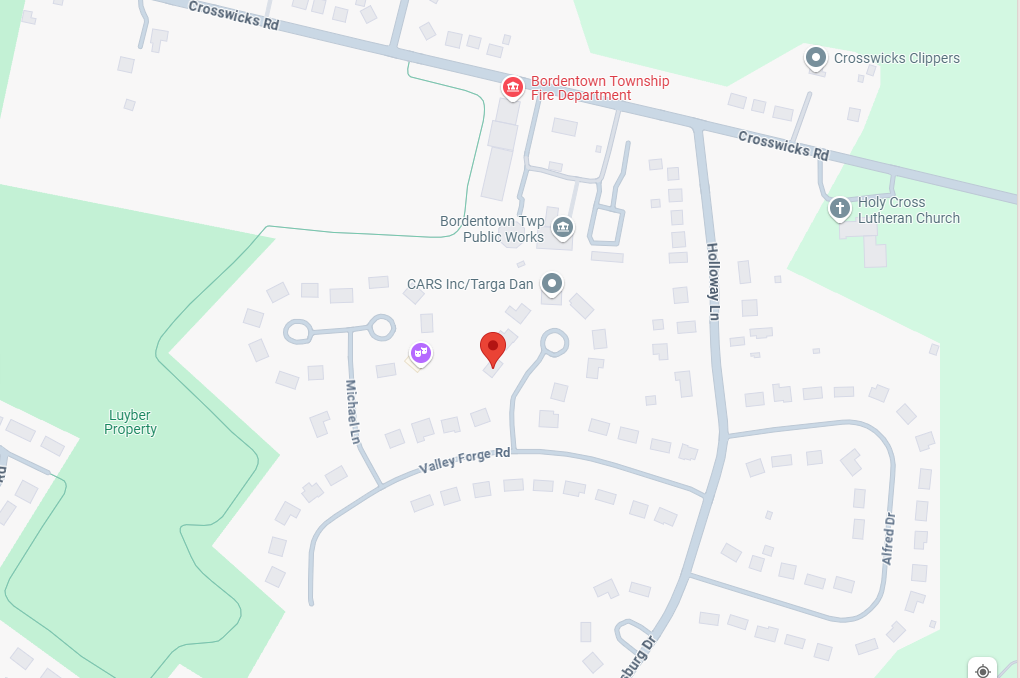
This week, I spent Thanksgiving at home in New Jersey. I live in a small town located right on the Delaware River called Bordentown, and my phenology place was my backyard.
The phenology of my backyard is similar to Centennial Woods but still very different. My backyard doesn’t have many trees, except for three maples (two sugar and one red) and some large cedar trees that we planted around 15 years ago for privacy.

While my backyard has maples like Centennial Woods, these are really the only types of trees we have around my neighborhood, besides the small woods behind my neighbor’s house. My area is very suburban, and my neighborhood is only about 30-40 years old. It is a very uniformed development, as there are only four different house models in the whole neighborhood. This lack of diversity in housing is also mirrored in the trees lining the street. All of the trees were planted at the same time, and all by the same developer, so most of them are sugar maples. One or two of the trees on my street are red maples, but they are so few and far between that it seems the developer didn’t understand they were two different kinds of maple and planted them thinking they were sugar maples as well. Since we planted our cedar trees, they are really the only ones in the neighborhood, and the cedars we planted are not native to New Jersey. The cedars that are native to our area are Atlantic White Cedars, while the ones we have planted are Northern White Cedars.
I didn’t notice many animals around, besides squirrels, which is the same that I’d noticed the last time I was in Centennial Woods. Another difference I spotted was that many of the trees in my neighborhood, besides the ones in my backyard, still had some of their leaves, while a majority of the trees in Centennial Woods had lost basically all of theirs. This makes sense because the climate in New Jersey, while cooling down, is still warmer than Vermont.
