Posts

My Phenology Journey

What’s up party peopleeeee! The semester is coming to a close (its already over but I’m reminiscing) which means that our exploration of phenology is also ending. But fear not! Neither phenology or Burlington are going anywhere so stay curious and keep exploring!

Yes, it has been a whole year.

We spent an entire year together looking at the phenology of Centennial Woods in Burlington. Pat yourself on the back! This is no small feat and I’m so glad we did it together.

At the beginning of the year, I thought my professors made up the word phenology themselves – it sounded funny and kind of weird. Since then, I have successfully learned what phenology is, and learned to care very deeply about the world around me.
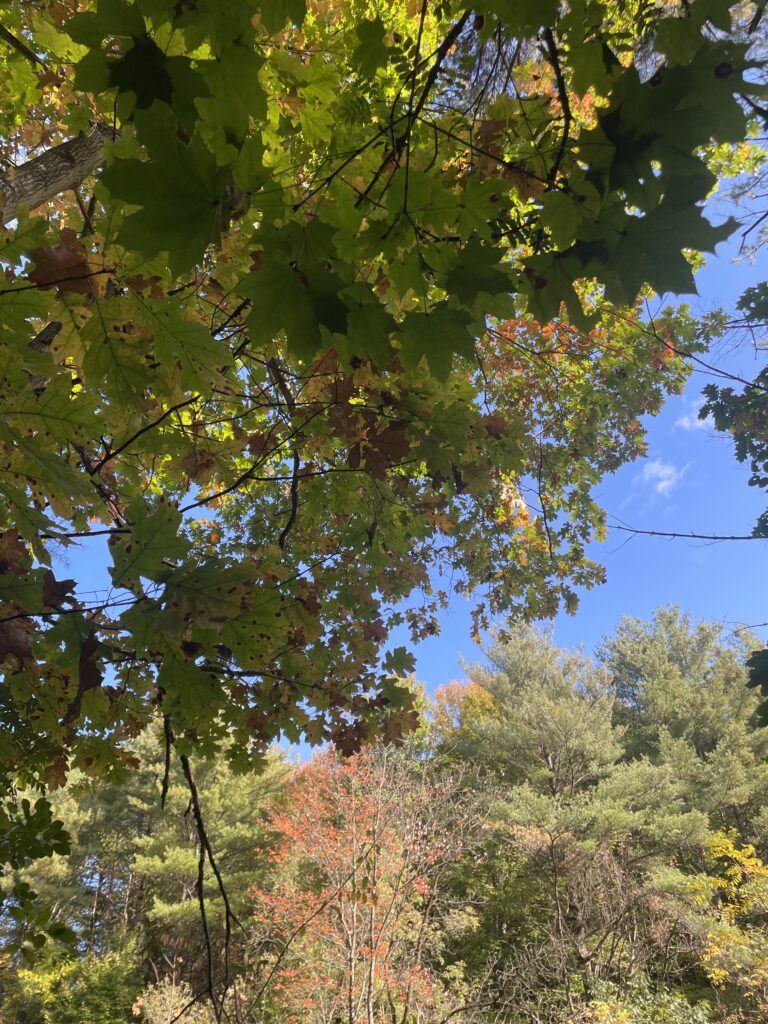
I think that Centennial Woods was the perfect pace to observe phenology because it is a place where nature and people thrive together. It is a popular walking spot, but it is also prime habitat for hundreds of living species.

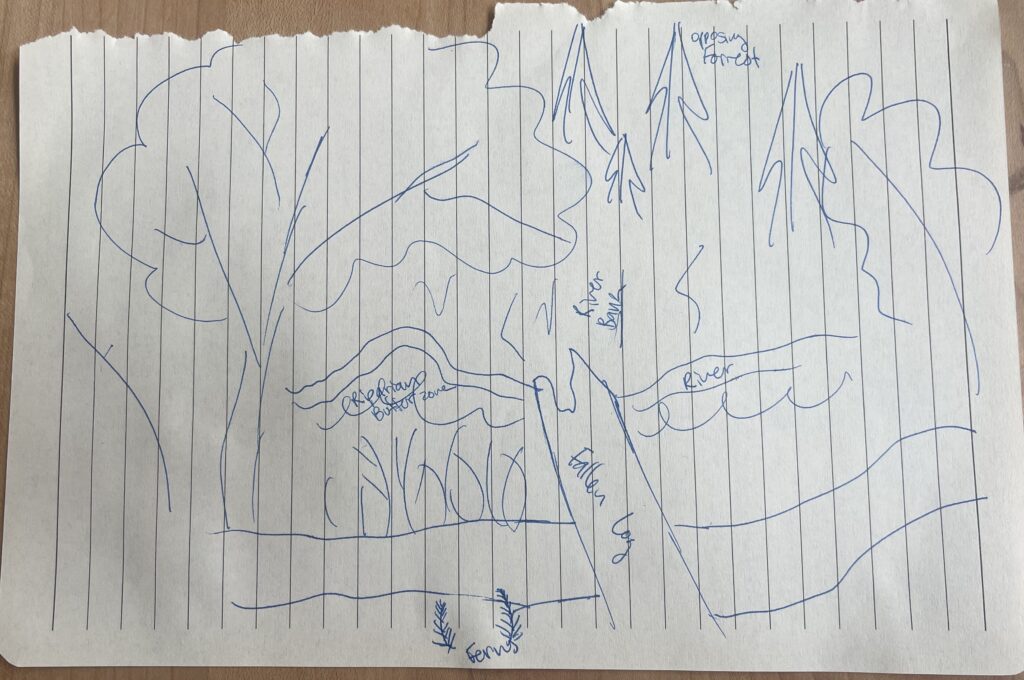
My site, as seen here by my amazing and very detailed drawing, became more than just a spot in the woods to me. It has become a place where I feel very calm and it is an escape in nature. I know the trees that surround it, like the sugar maple seen on the left side of the drawing next to my log. Over the course of the year, I feel like I started to become part of my site – I was more than a visiter. I watched the leaves drop, and then new ones take their place. I saw how the moss grew back on the log I always sat on.
I have learned that I am part of nature. It is not something that is seperate from me and not part of my daily life – I am a living species that relies on nature, and it relies on me as well. I have watched the seasons change, the snow come and go, grass die and sprout. I also like to think that my site has seen me change – I am not the same person that I was in September and I think that is a good thing. Change is good and healthy. It shows that we are growing and adapting to our surroundings. I feel like I have grown into myself this semester while the trees grew their new leaves and the ferns turned green again.
Burlington Phenology

What’s up phenology friends!! We areeee back!! This week, I explored an area of the Burlington area, in a town called Milton. It is about 20 minutes from the UVM campus but the drive is very pretty. This location is home to the boathouse of Vermont Rowing, a club that I am a part of.

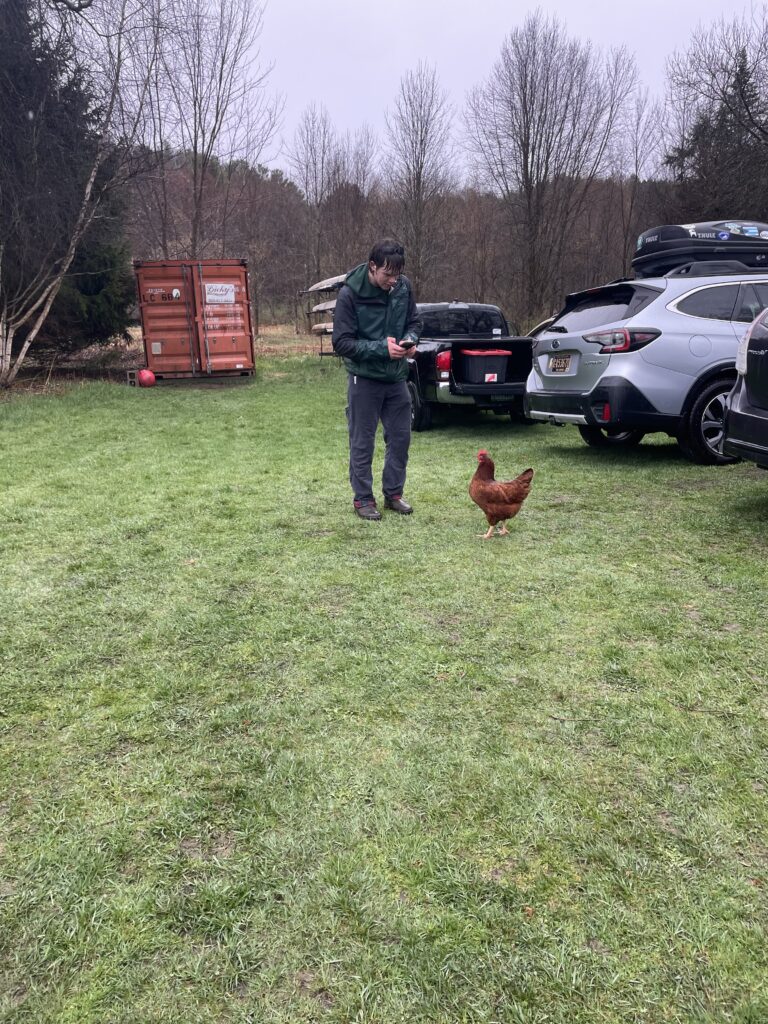
This landscape is very diverse – there are muddy, watery marshes, grassy areas, and river bank. At this site, I encountered lots of different species such as chickens, beaver, morning dove, raven, robin, bald eagle, and more. I counted 10 different species. The photo to the left is my teammate Nick being approached by a chicken.

It was interesting exploring the global reports and seeing how they compared to my sightings. Many sites are experiencing changes due to climate change, which can be seen at my site as well. The growing seasons of plant and tree species is starting earlier, and ending later which puts pressure on animal species to have a shorter winter season. This cycle of earlier warming is only going to get worse around the world with climate change and global warming, unless something is done.

Screenshot
Screenshot

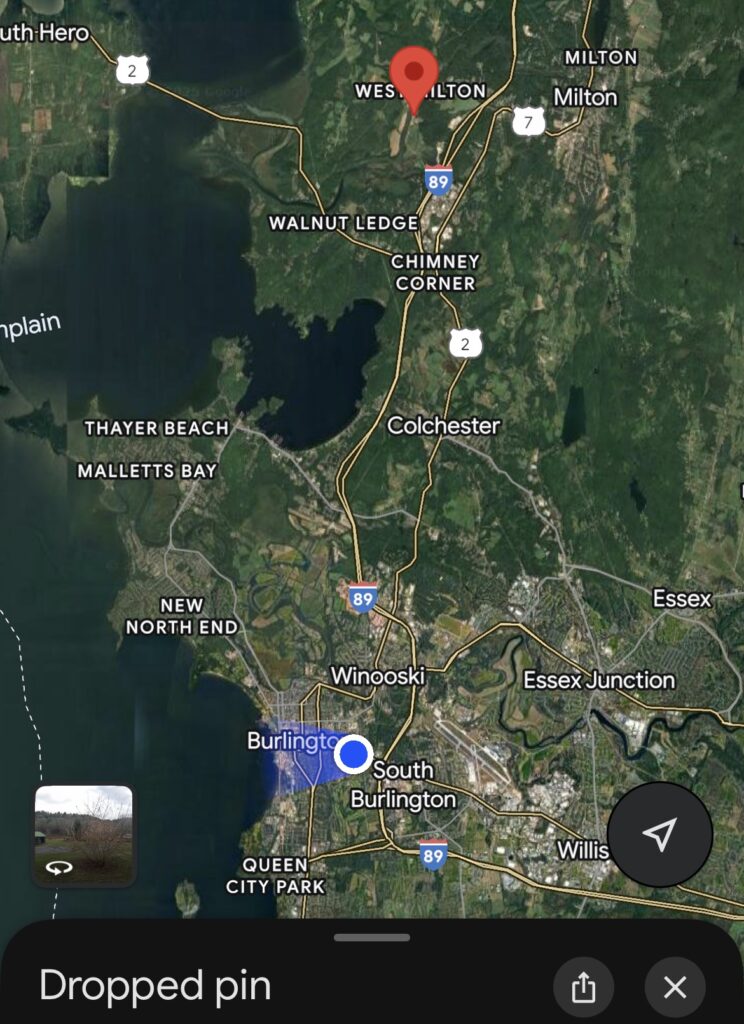
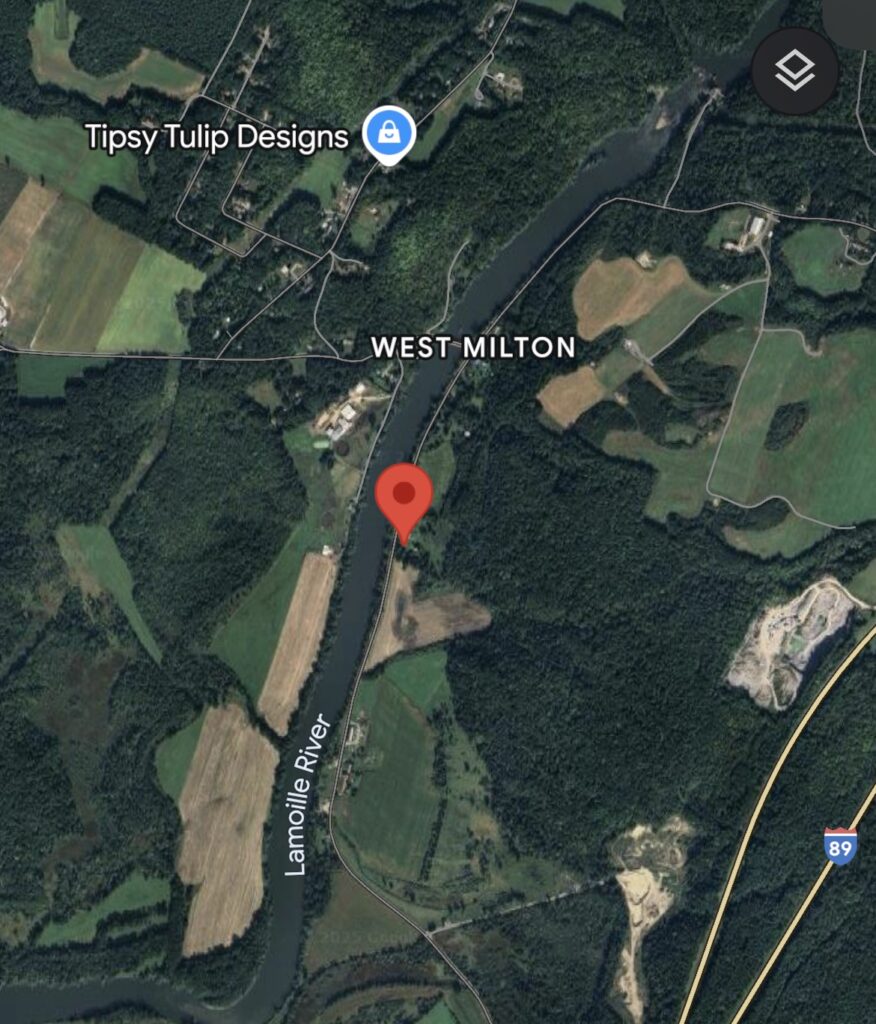
Above are map images of my site in Milton. On the left is a more zoomed in graphic, while the image on the right is my site in relation to Burlington and my current location, at the University of Vermont.

That is a wrap friends!! I hope you learned something cool today about climate change and are feeling amped up to take some climate action!! See you next time 🙂

Phenology is back!!

Hi friends!! Luckily for us, phenology is sooo back in Vermont. Today, April 28th, I walked around the University of Vermont campus and took a close look at a few different tree species: red oak, sugar maple, white oak, red maple, and norway maple. These trees were spread around central campus and while each species was experiencing mildy different growing patterns, the overall presence of spring was very prominent. Some trees had breaking buds, most had some amount of pollen, and one species had flowers. I noticed that the trees with breaking buds, the red maple, was particularly different compared to the other trees. The buds were angled toward the sun, their energy source.

Next, I explored the National Phenology Network, the npn, website and looked at a news publication about the impact of climate change on plant and animal species. A team of researchers found that plant species are performing spring/summer events like flowering and leafing out much earlier than they did 40 years ago, and they are performing these events at a much faster rate than they used to. They also found that pollinator species are similarly flowering earlier than normal, but the pollinators that rely on them are not changing their patterns. This means that the period where pollinators are actively pollinating the plants is getting shorter. If nothing changes, this pattern will only get worse and it could significantly reduce pollinator visits in the early parts of the growing season.

Well friends, this is all for today. I hope you learned something and I encourage you to go look at some trees!!

Phenology of Burlington

What’s up phenology friends! We are here in the 802 looking at, you guessed it: phenology! Instead of my usual spot in Centennial Woods, I explored the UVM campus to explore phenology on a more urban scale.

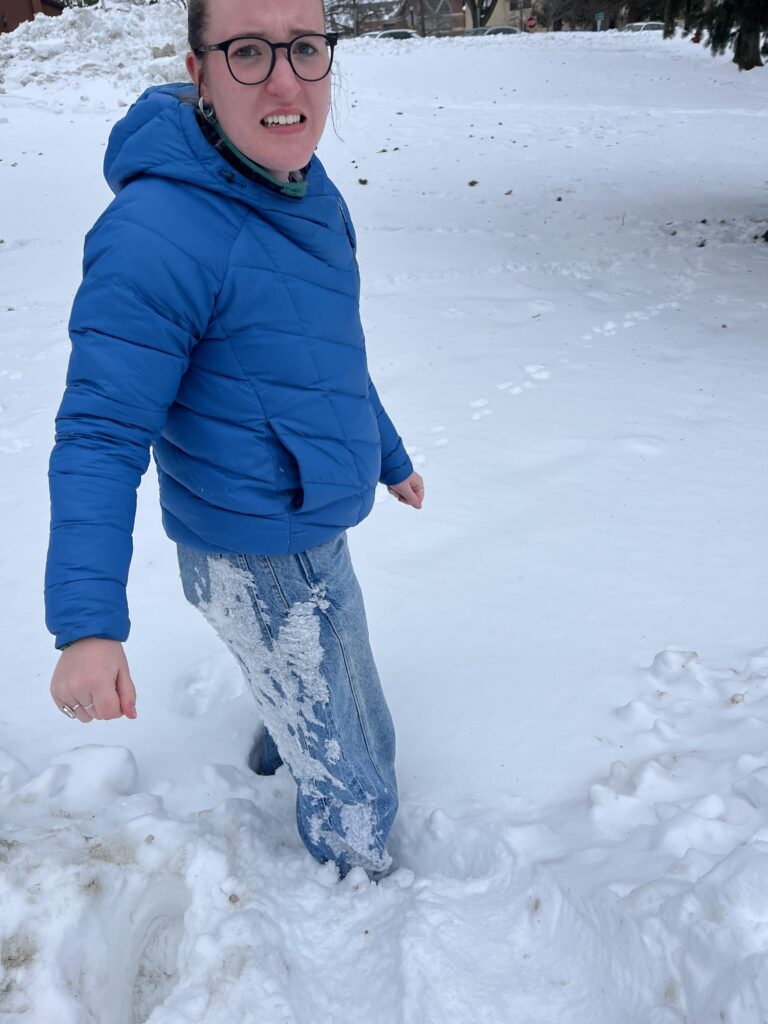
The trek through campus started off with a bang – me falling in the snow and my exploration buddy, Sky, taking a very badly timed picture (seen to the right). As seen by my face, this did not make me very happy. Or dry.

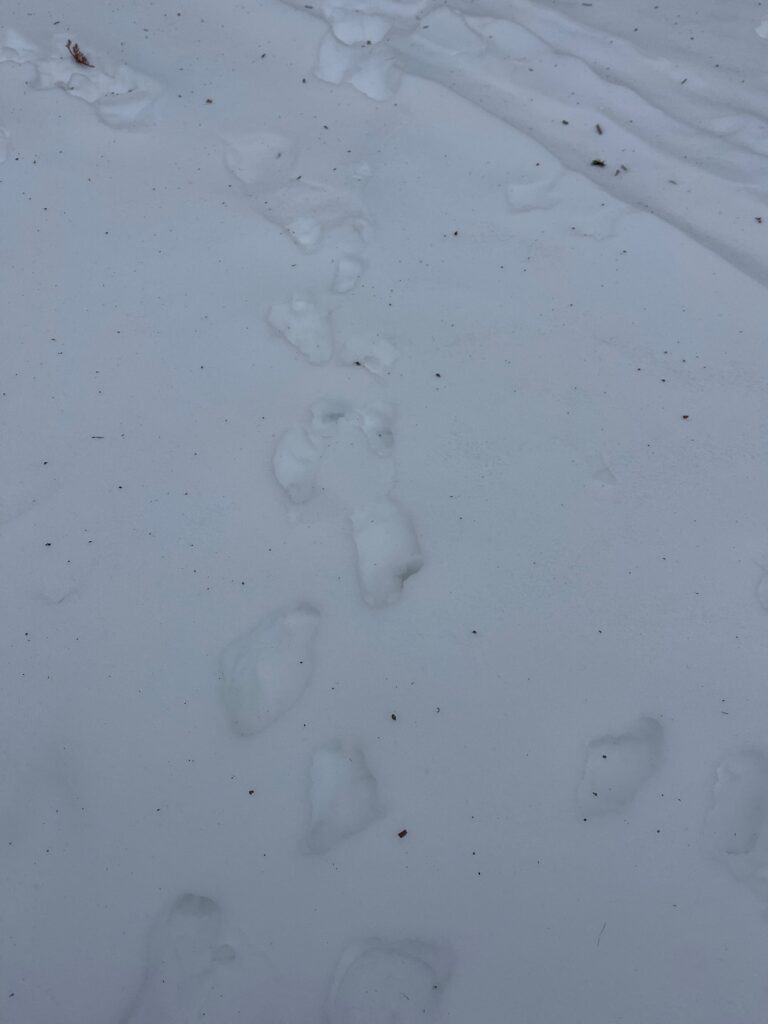
But the trip only went up from there! Right away we found lots of tracks in the snow, all coming from or leading to trees which led us to believe that they were squirrel tracks.

For this phenology exploration, Sky and I used the app iNaturalist to record our nature observations. This phenology project was linked to a class-wide project called the NR1020: Wildlife Signs in Burlington 2/15/25 – 2/24/25 on iNaturalist. All of the observations were added to the project to compile information about the phenology of the entire Burlington area.

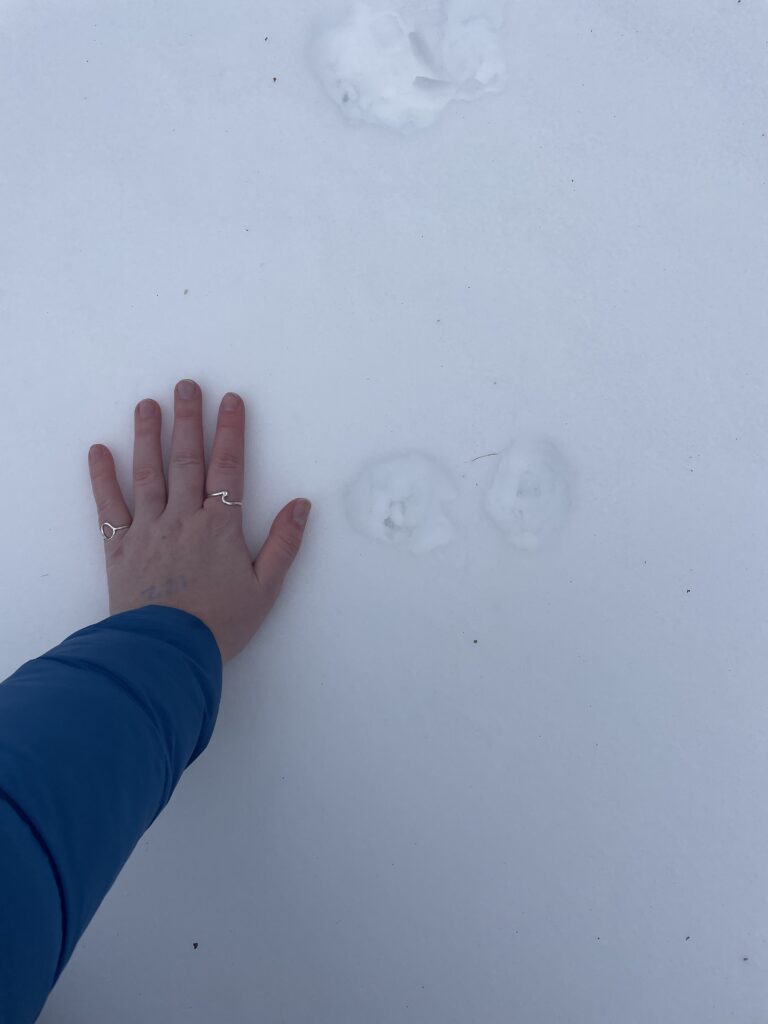
While walking around, we saw lots of tracks, a majority of which we identified to be squirrel. The area we were walking around had lots of trees which makes sense for the amount of squirrel tracks we found. The photo to the right is the only non-squirrel set of tracks Sky and I found during our walk through the Burlington area.

These tracks were harder to identify – they were uneven and deeper which made us believe that they came from a larger animal. We were unable to identify them in our animal tracking guide books.

After unsuccessfully identifying them using our guides, Sky and I came to the conclusion that the tracks were made by a small dog, or very small human.

Well – thats all for today folks! I had so much fun walking through Burlington, looking at its phenology with my friend Sky, even though I was covered in snow and cold! Looking at the phenology of an urban area was very different than my usual spot in Centennial Woods, and I liked being able to apply my phenology knowledge to a new area. I hope you all learned something and I’ll see you next time!

Peace!

Phenology is so back!

What’s up phenology friends!! We are back for the spring semester in our favorite place ever – Centennial Woods! Vermont has been crazy cold these past few weeks but the phenology grind does not stop, don’t worry.

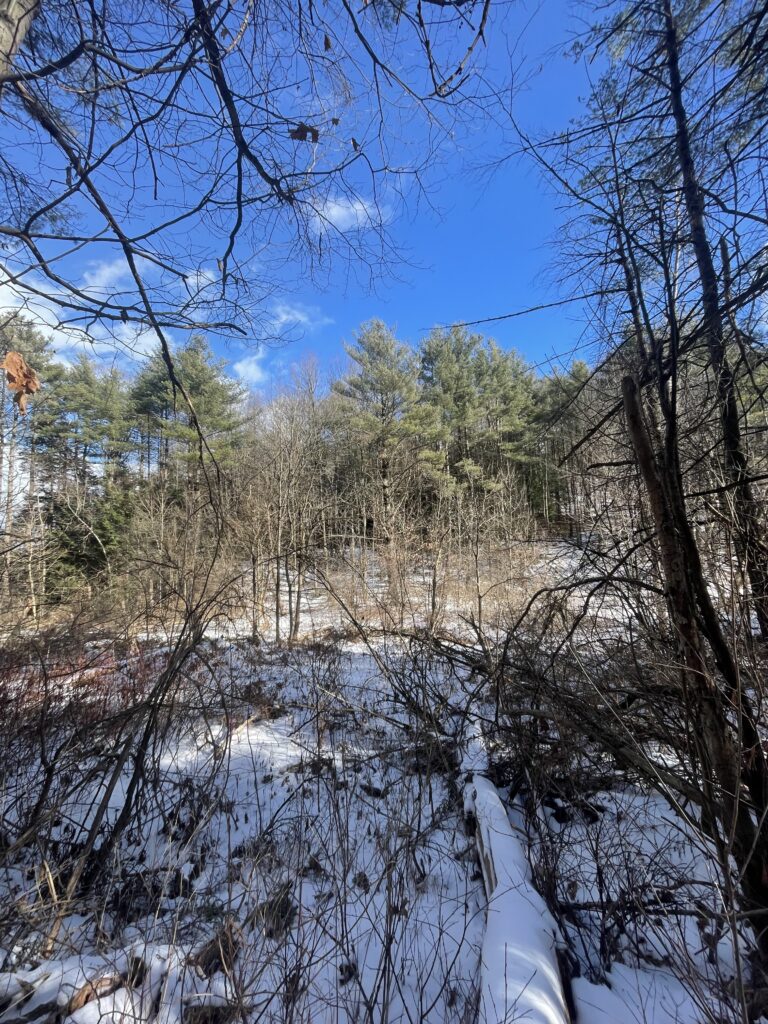
I visited Centennial a few days ago to see how my spot has changed since I left for winter break and I am happy to report that I found it just the way I left it! While the snow cover was a bit thinner than it was in December, the tress were still bare, and the creek was frozen.

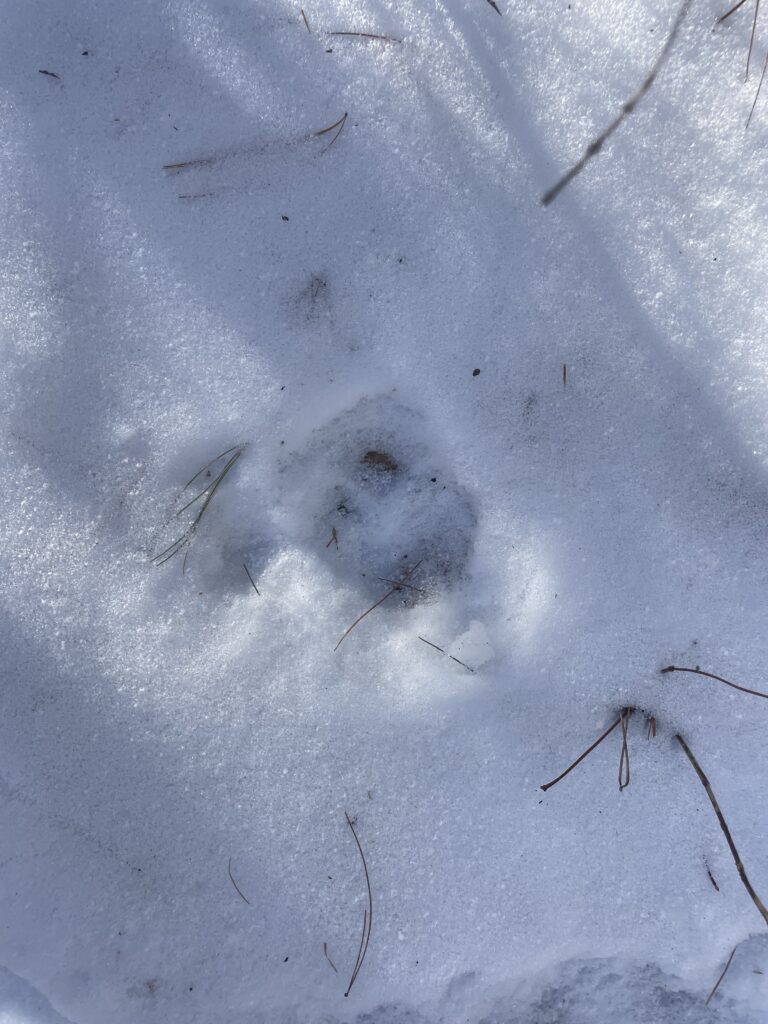
The photo to the left is a dog track that was beside the pathway near my phenology spot. I used my Mammal Tracks and Scat guid to help me identify these tracks. The paths through Centennial were covered with dog tracks that ranged in size.

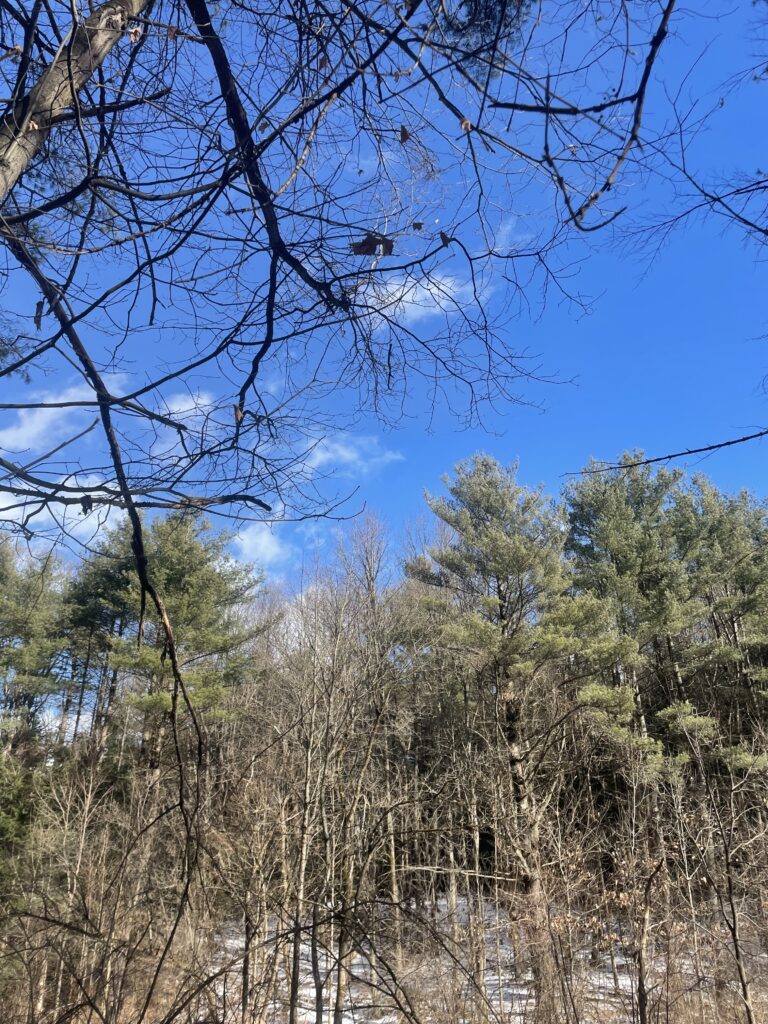
Here is more of a sky-view of my phenology spot in Centennial woods. Every time I visit my spot, I take a picture from this angle as a way to track how the changing seasons have impacted the red maple that is pictured in the top left corner of this photo. In the fall, it was flush with leaves and now it is bare and twiggy. I am very excited to keep watching it as new leaves begin to grow as we approach spring.

See you in 2025!

Phenology friends hello! We have made it to the last blog post of 2024 and wow what a semester. I started this blog series not known “phenology” was a real word and now I could talk about it and my phenology spots for hours (I think).

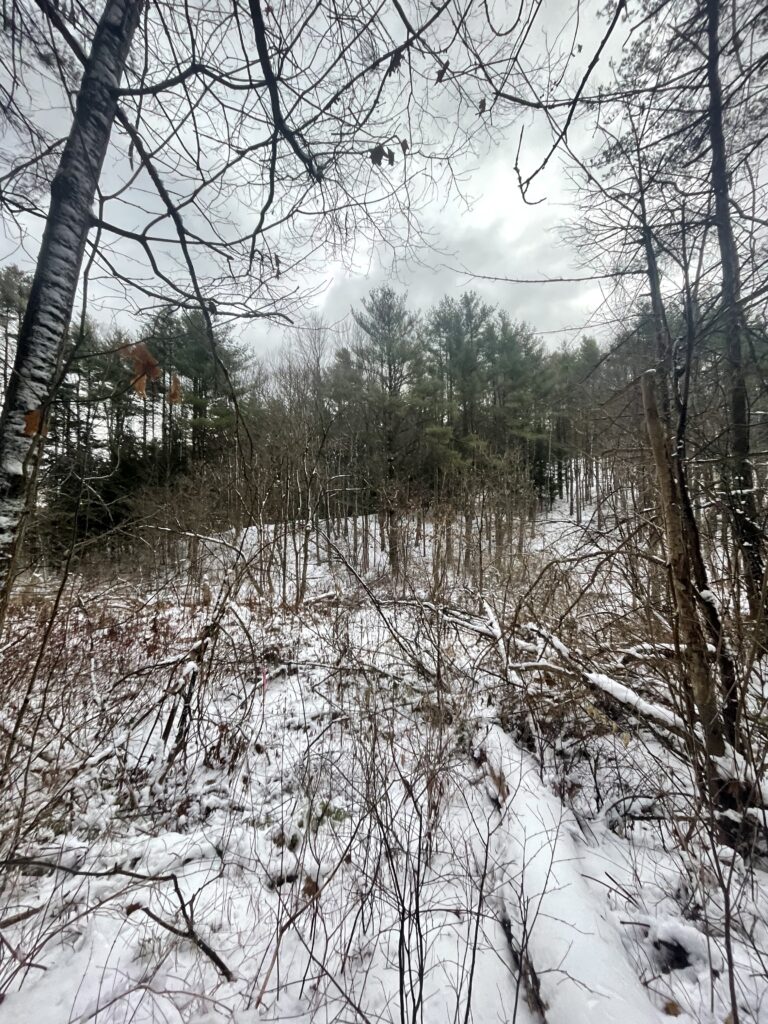
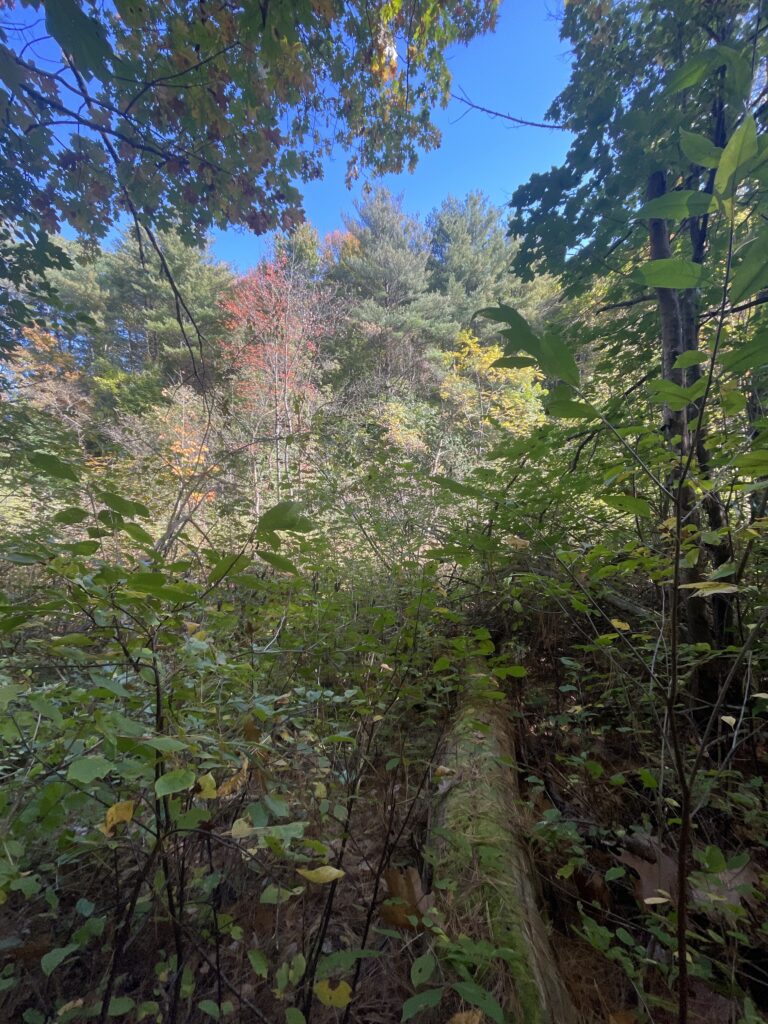
Today, I revisited my phenology spot in Burlington to see how it has changed now that winter is upon us. The first thing I noticed when I walked into Centennial Woods was how different the understory was. When the leaves are green and on the trees, it is almost impossible to see through them. But today, the woods were white and empty. The woods were still and quiet and it was so peaceful to spend some time sitting in the stillness.

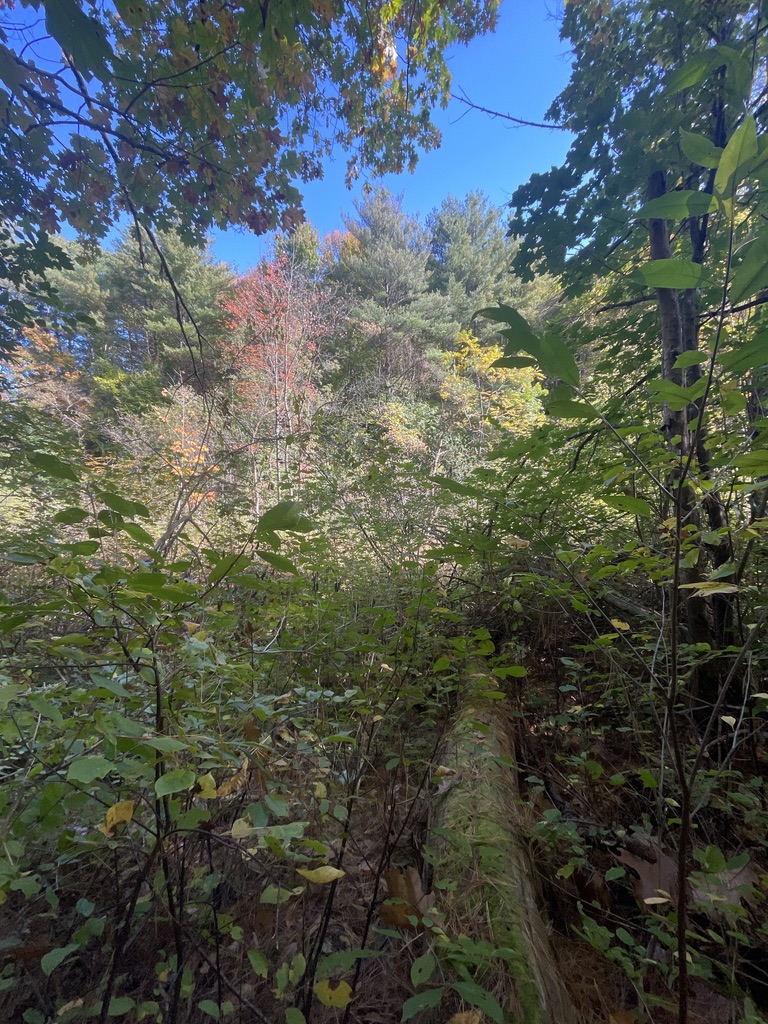
The lack of leaves and the presence of snow were not the only differences between my phenology spot this fall versus today. This fall, the woods were full of sounds – birds, rustling leaves, the sounds of the creek… Below I have put pictures taken from exactly the same spot, three months apart.

Today, the trees are bare and the ground was frozen. Three months ago, the woods were full of life and the ground was covered with soft leaves and moss. Today, there were very few signs of life – there were some dog tracks, and a few ferns sticking out of the snow. I wouldn’t say that the woods were lifeless, but the vibe was different today. It was just peaceful and quiet.

Well friends! We have made it to the end of our last post of the 2024 season! How exciting! But fear not because we will be back in the new year. So long and farewell!

Home Phenology Project

Hi! I’m Erin and welcome to my blog!

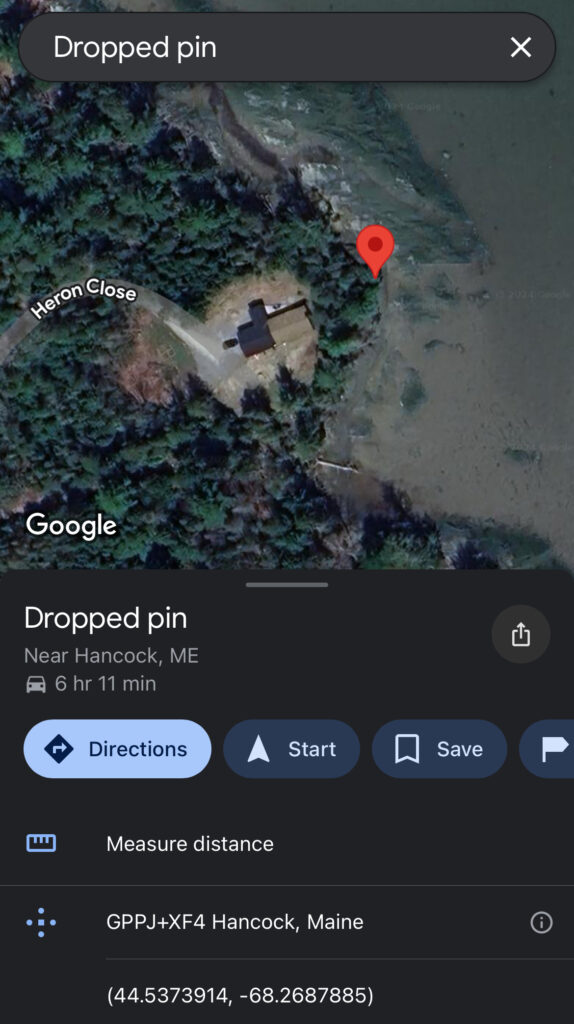
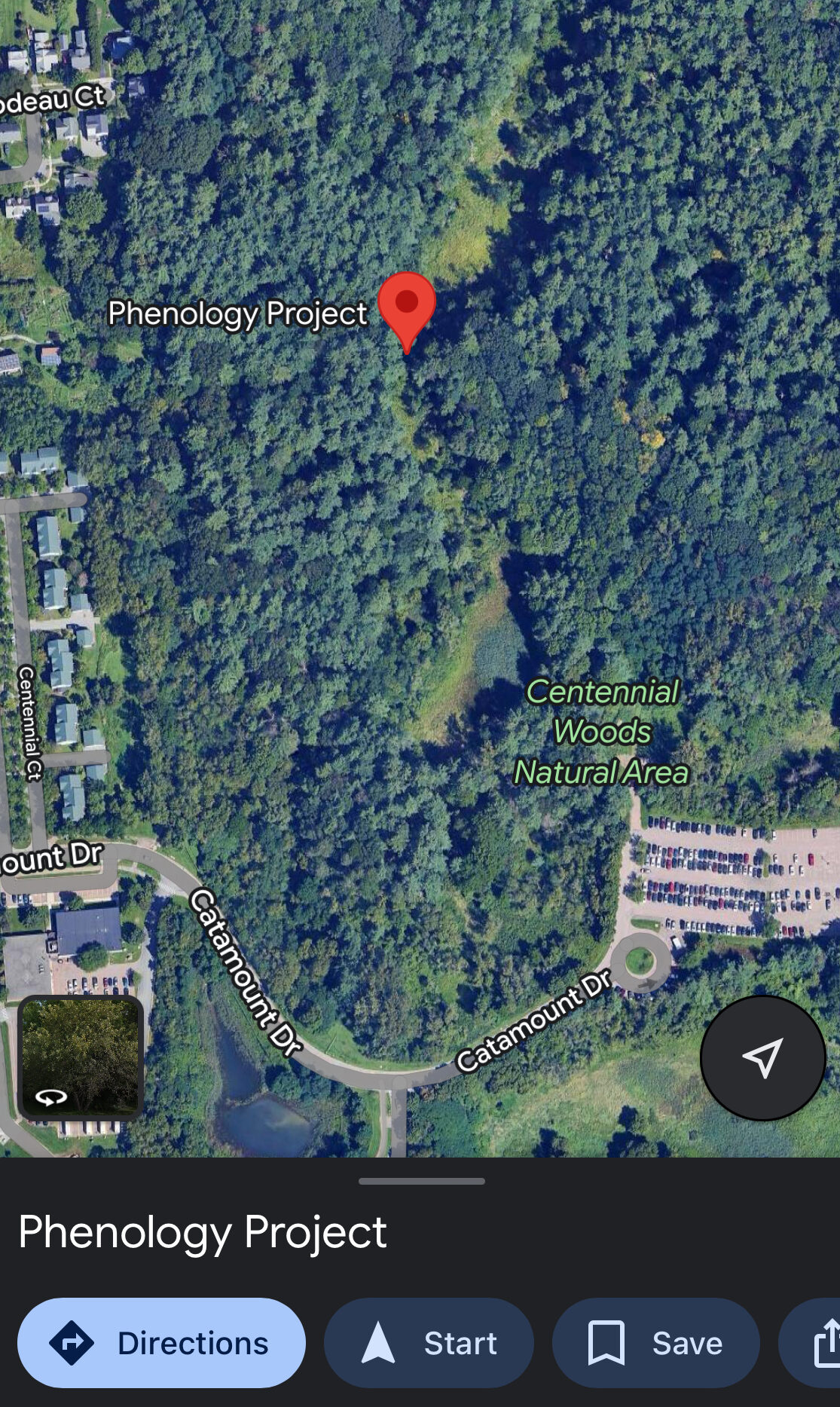
This post is all about the phenology of a place that means a lot to my in my hometown on the coast of Maine. To the left is a google maps image of the location of my ‘new’ phenology spot. This new spot is very close to my house (the one in the picture (: ) which is on the coast of Maine, in a town called Hancock.

My phenology spot here in Burlington is very different from my spot at home, but they are some similarities. My spot at home is on the ocean which means that it has very different topography and overall phenology. The climate in my hometown is not the same as Burlingtons which also impacts the landscape – the coast of Maine experiences much less snowfall a year but it is much more susceptible to strong winter storms that hit the East Coast almost every winter.

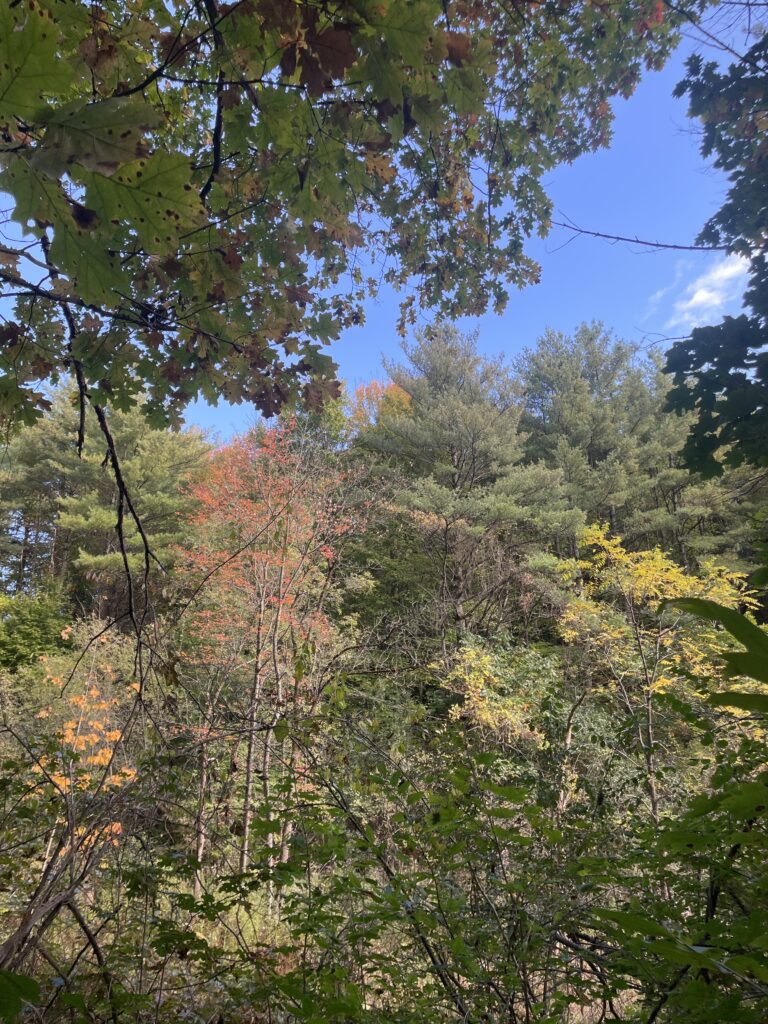
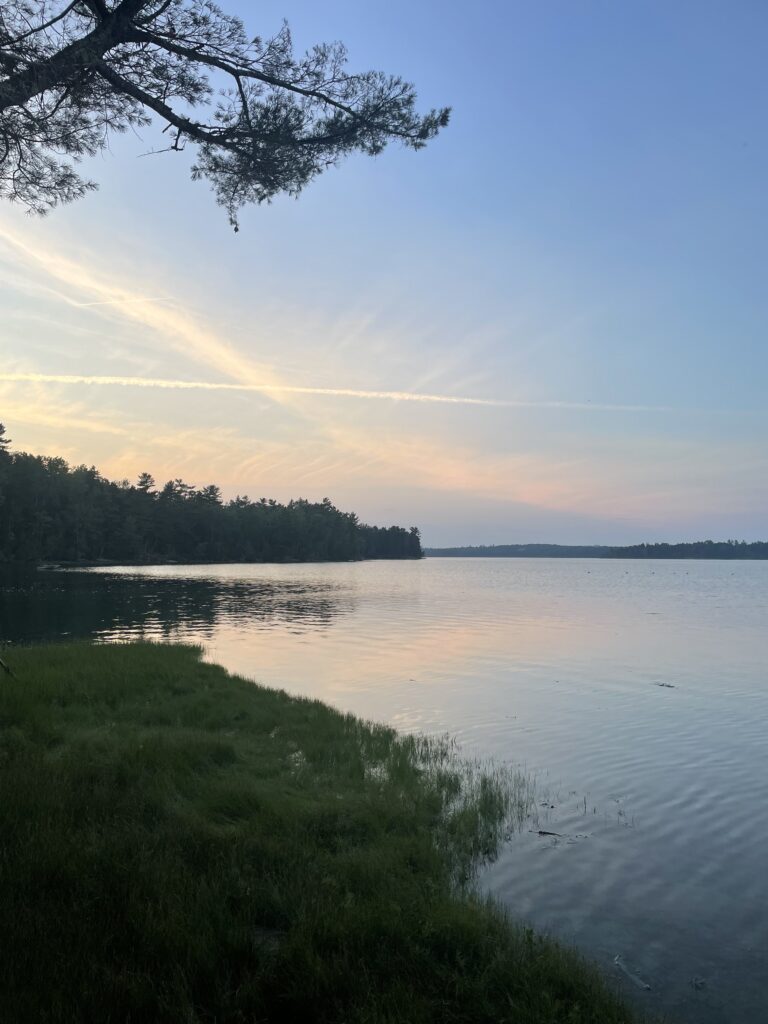
Below are pictures of both of my phenology sites, side by side. The photo on the left is in Burlington and the photo on the right is in Hancock.

My site in Maine is on a marshy grassland, as seen above, while my site in Burlington is in the middle of a forest. Although my sites have different climates, ecosystems, and experience different weather patterns, they share a few key tree species. Both sites are home to Red Maple, Red Oak, White Cedar, Paper Birch, and Hemlock. The area around my house is home to predominantly the Eastern White Pine which is a species that is also very present at my phenology spot in Burlington.

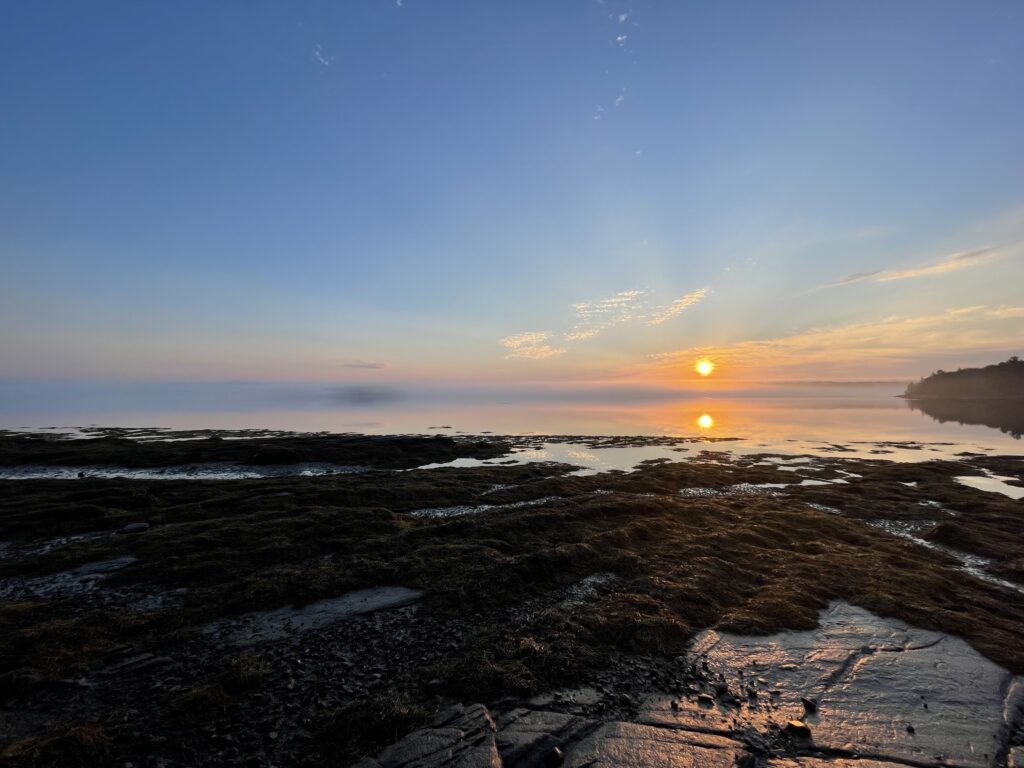
That’s it for today friends, but before you go I thought I’d leave you with something! This is a sunrise from my home phenology spot (from a different angle) this summer. This was taken before work at 5:50 am!

See you later!

Phenology of Centennial Woods

Erin MacDonald

I chose to do my phenology project in Centennial Woods, along the small stream that runs through the forest. Centennial Woods is located around .5 miles off of the UVM campus and is always open to the public. I chose this spot because, although it is very easy to access and close to campus, it is also a natural forest that has its own unique ecosystem and is an accurate representation of the forested landscapes that cover Vermont.

The photo above is the Google Map that shows the location of my phenology spot.

Vegetation and Common Woody Plants:

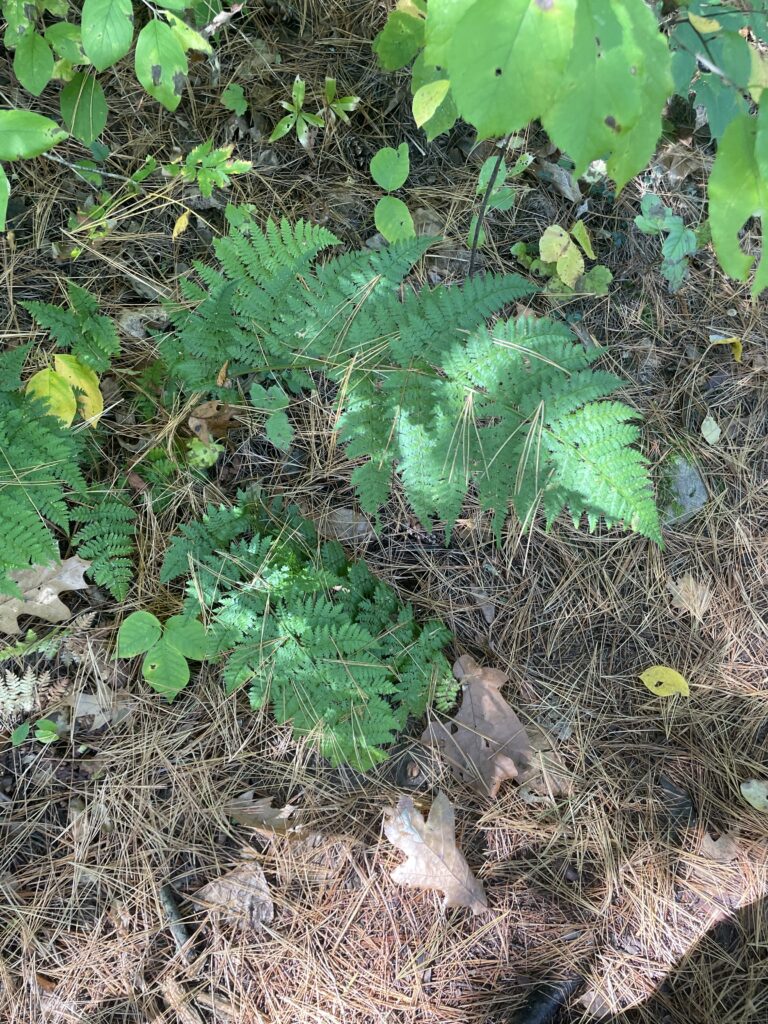
Here is a list of common woody plants and other vegetation that were abundant in my phenology spot in Centennial Woods:

Skip to toolbar