
source: https://www.hydro.com/en-US/about-hydro/hydro-worldwide/asia/singapore/
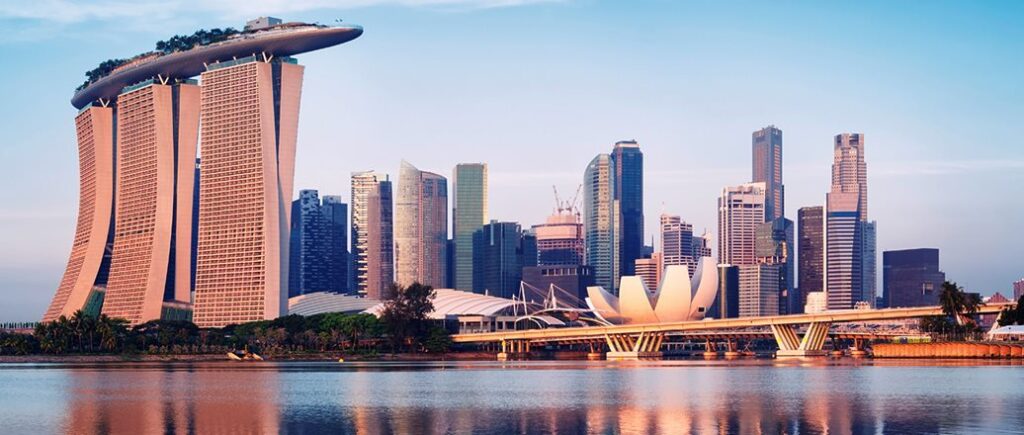
Prior to its colonization, Singapore was an important seaport for traders from China, the Middle East, and Southeast Asia since it was located at natural meeting point of trade routes at the tip of the Malay Peninsula. After British colonization, the colonial economy was based again on Singapore’s strategic position for trade. Singapore was established as a trading hub under British control. The primary source of labor in the economy was composed of visiting merchants and businesses run by local residents. The resident population of Singapore was incredibly diverse as people from all over the world would settle there.
source: https://www.visitsingapore.com/see-do-singapore/history/memorials/sir-raffles-statue-landing-site/
source: https://www.visitsingapore.com/see-do-singapore/architecture/historical/old-supreme-court/
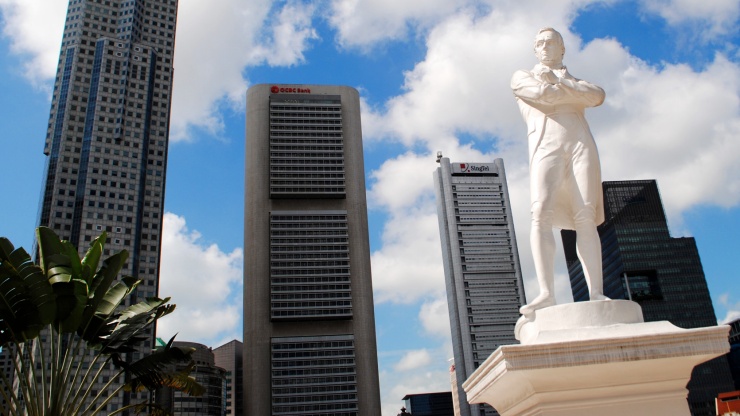
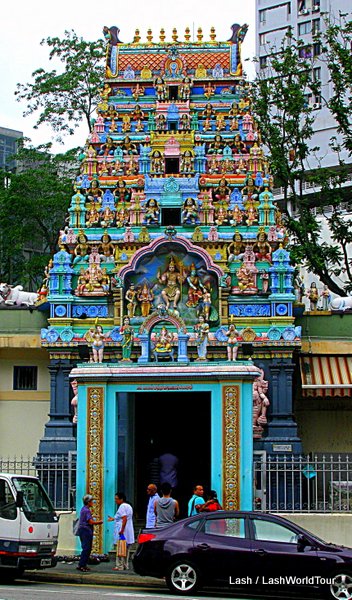
The colonization of Singapore was relatively peaceful. Sir Thomas Stamford Raffles, the British lieutenant-governor in Sumatra, arranged a treaty with local Malay officials to establish a trading post on the island in 1819. The colony was lead by British military leaders, who enforced their laws with their military presence. The Jackson Plan of 1822 was an example of a British rule that was enforced upon the residents of Singapore. The Jackson Plan segregated European, Chinese, Indian, and Muslim residents into four areas of the city based on their ethnicity, in order to combat ‘disorderliness’ in the city.
source: https://lashworldtour.com/2013/02/10-free-things-singapore-chinatown.html
Britain’s motive to colonize Singapore was primarily for their own economic benefit. They wanted to establish a strong trading port in Southeast Asia before the Dutch did. They likely thought that establishing a trading port on the island would put the land ‘to use’ and bring order and prosperity to the people in the region.
source: https://asiatimes.com/2019/08/trade-war-salvos-singe-singapores-chipmakers/
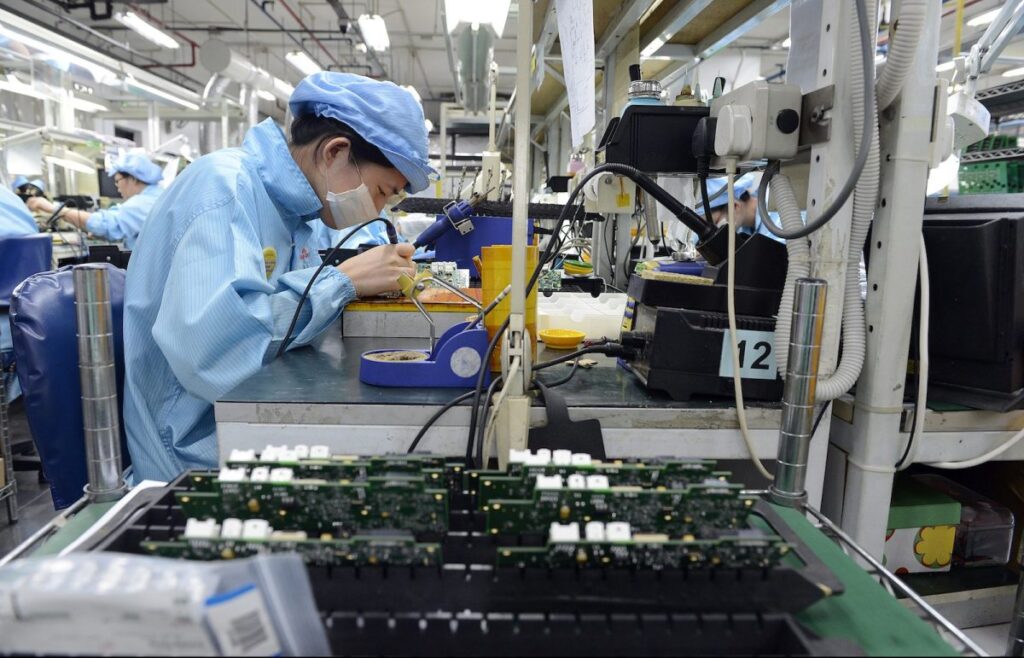
Today Singapore is an extremely high tech and developed country that is still a center for trade. Its largest industries include electronic manufacturing and the financial services industry. The trading hub that the British established on the island in the 1800’s likely helped Singapore along in becoming the bustling and wealthy city that it is today.
Citations
Kästle, K. (n.d.). History of Singapore. History of Singapore – Nations Online Project. Retrieved January 28, 2022, from https://www.nationsonline.org/oneworld/History/Singapore-history.htm
Singapore Tourism Board. (n.d.). About Singapore. Brief History of Singapore – Visit Singapore Official Site. Retrieved January 28, 2022, from https://www.visitsingapore.com/travel-guide-tips/about-singapore/
What makes the Singapore Economy Tick? GuideMeSingapore. (n.d.). Retrieved January 28, 2022, from https://www.guidemesingapore.com/business-guides/incorporation/why-singapore/singapore-economy—a-brief-introduction