
This video shows the stream and sounds of many species of birds chirping around my phenology site
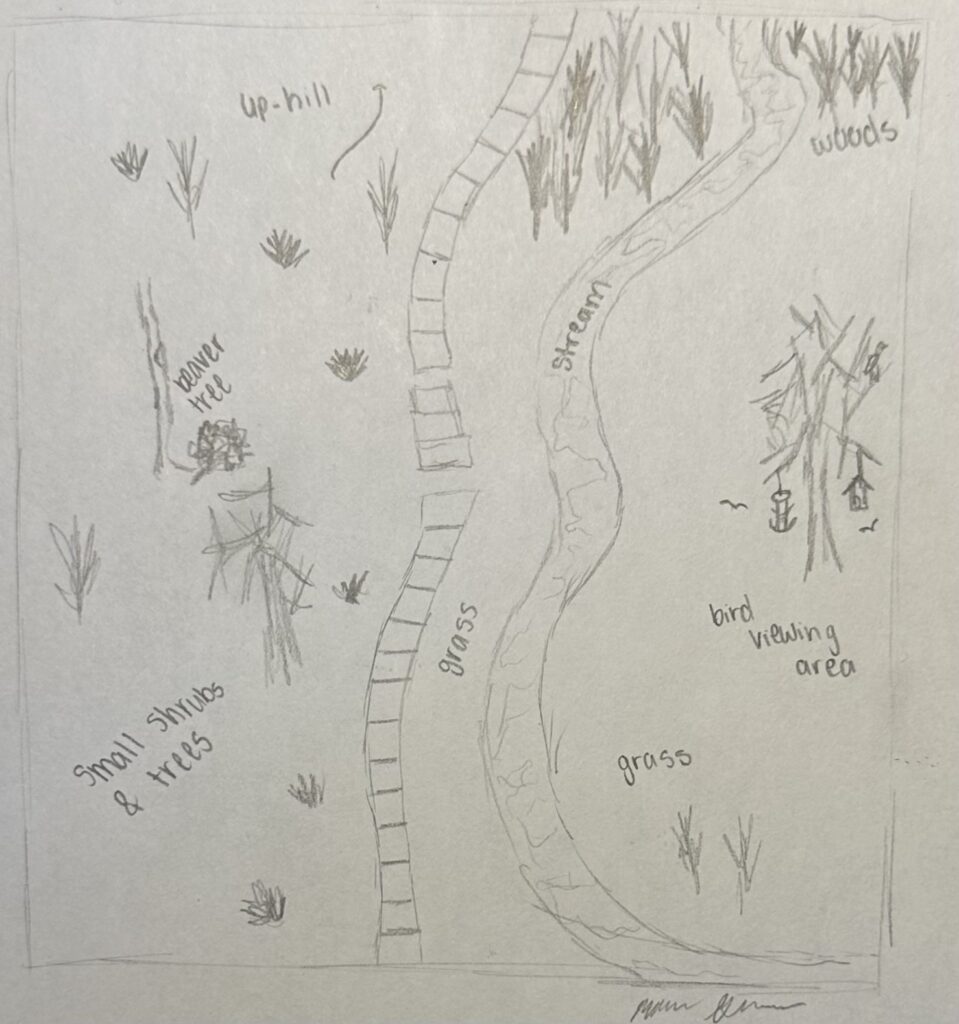
The map I drew shows the areas in my site that I identified as the most important and notable.
Changes
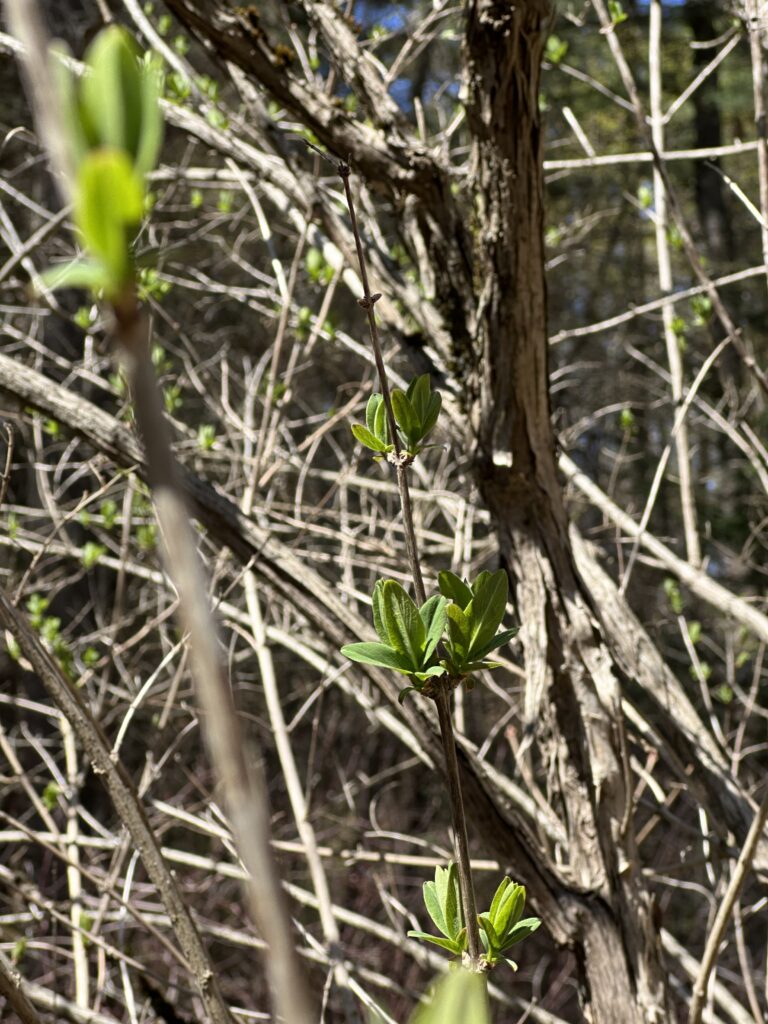
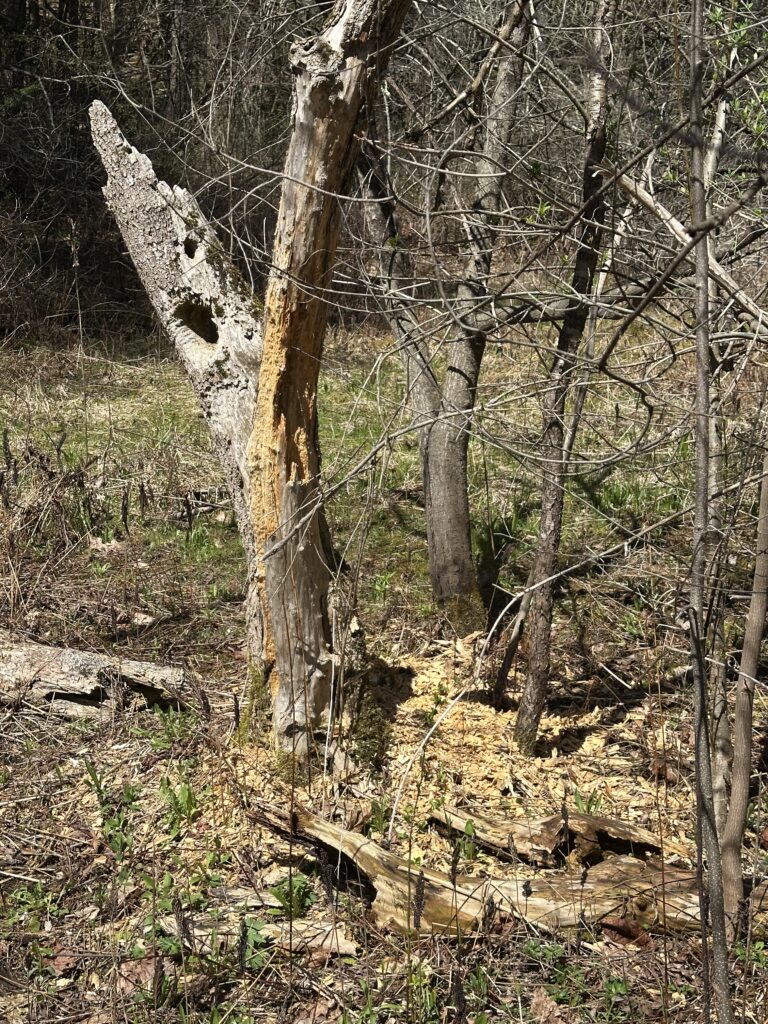
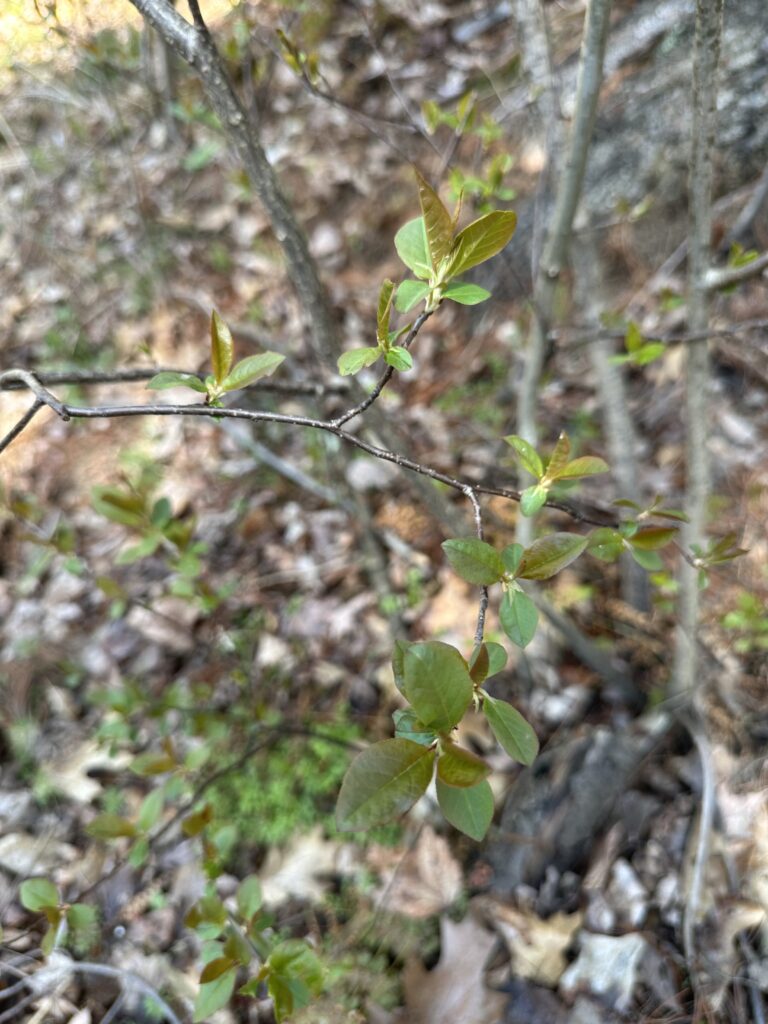
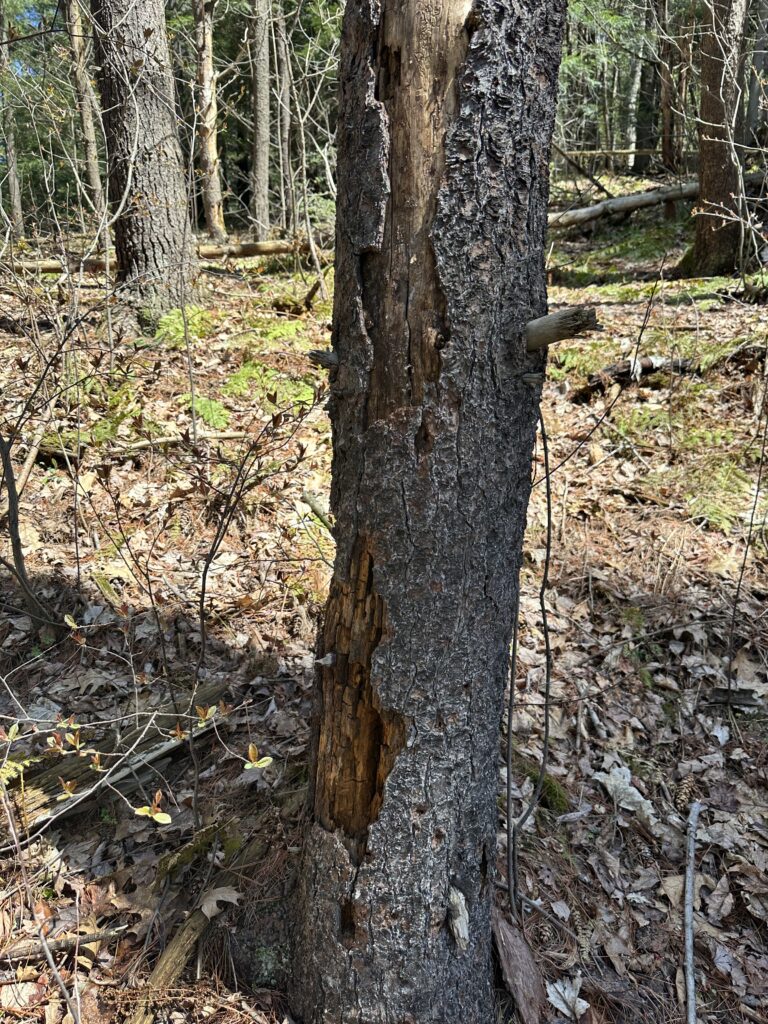
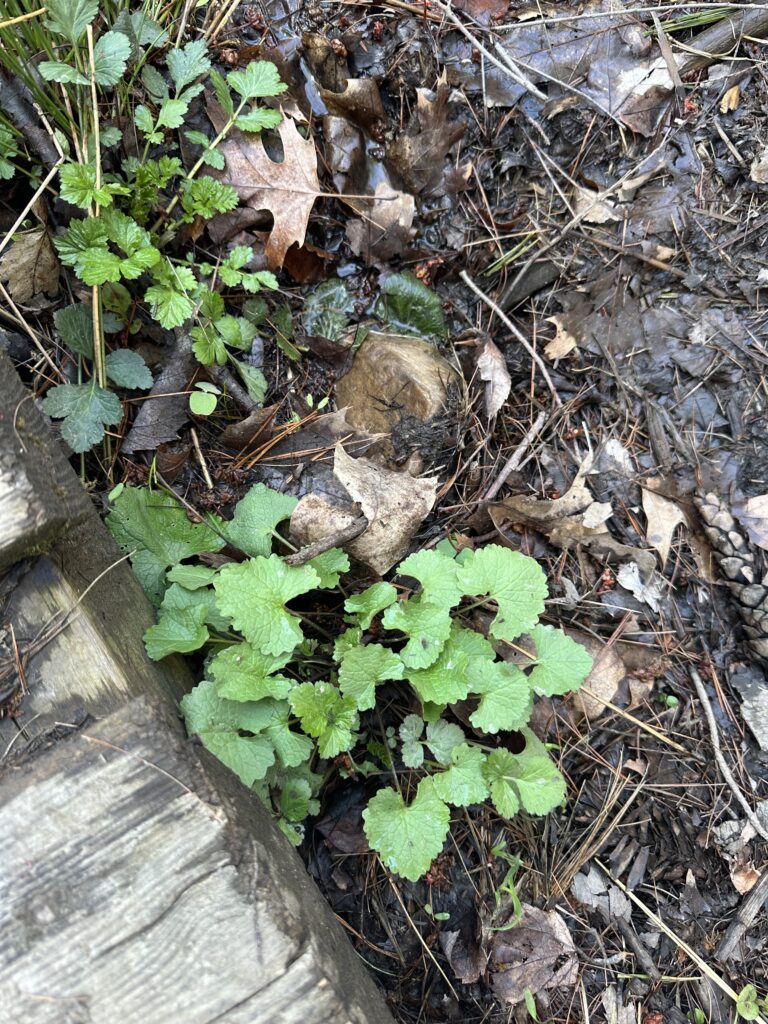
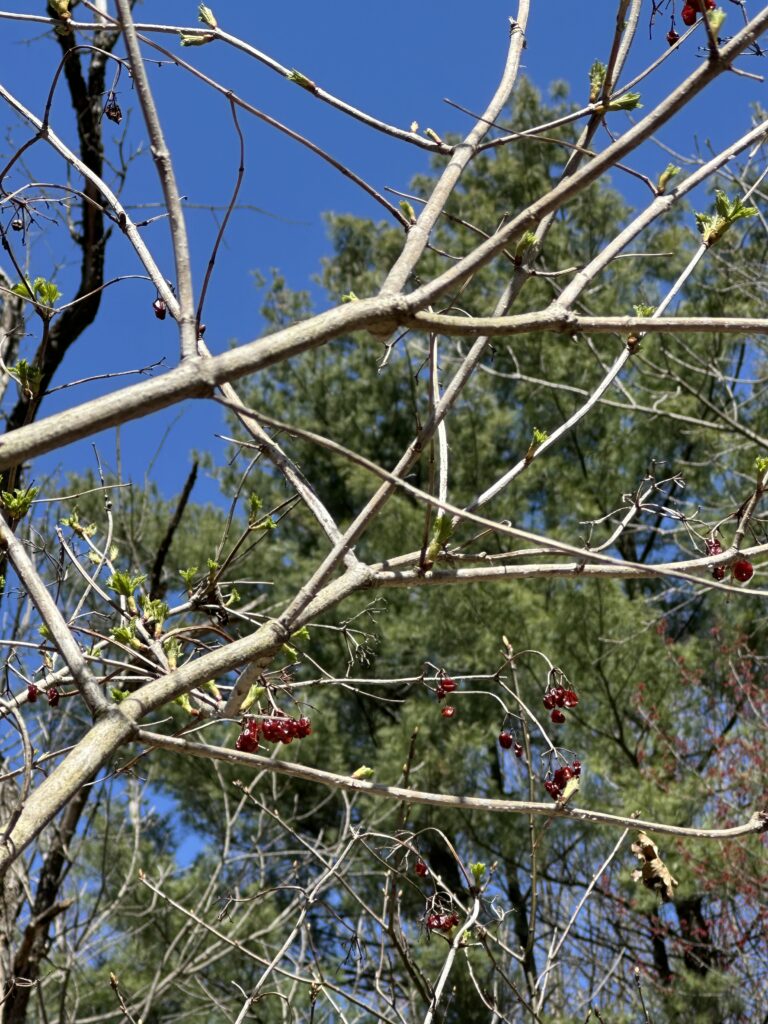
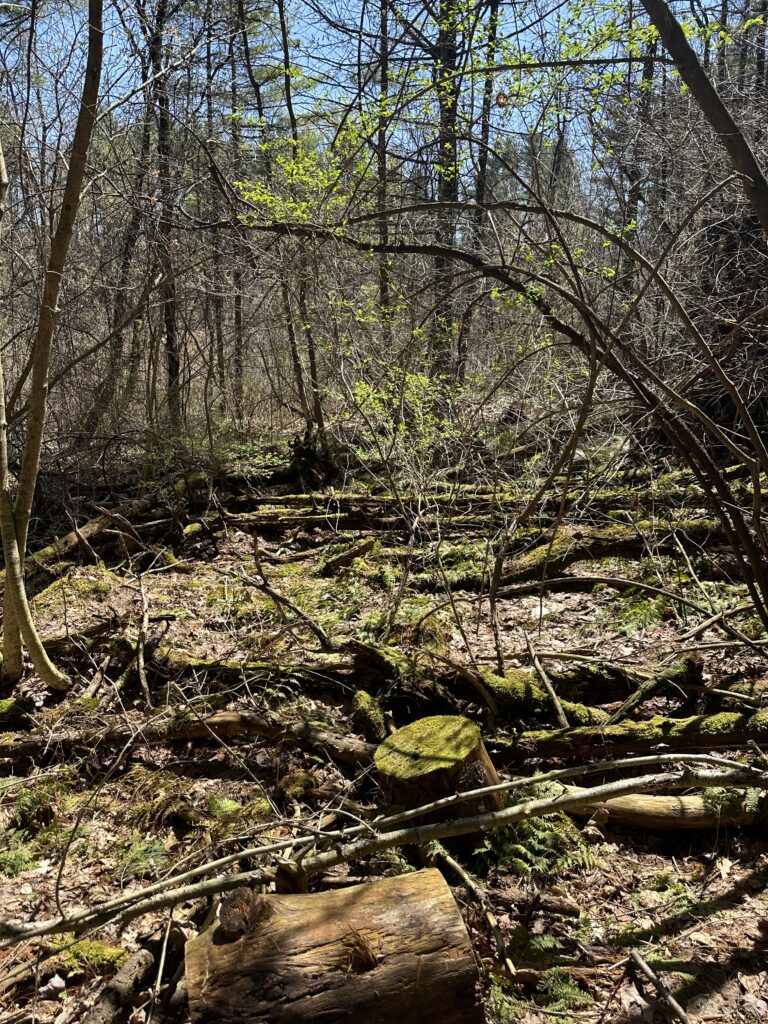
My site has significantly changed over the past few months since I have last visited. I did not even notice the stream when I first found my area, but now it is flowing fast. Now many of the trees have buds and are growing flowers back. I also spotted a tree that seems to have significant beaver activity (top right) with a large pile of shaved off bark next to the affected tree. Many woodpeckers also seem to be prevalent in the area. Additionally, there is a lot of grassy areas where students were sitting in the sun enjoying the surrounding environment. Ferns and understory shrubs have also began to grow. Moss was also very prevalent across downed wood, making the forest slowly change back to its green state.
Final Thoughts
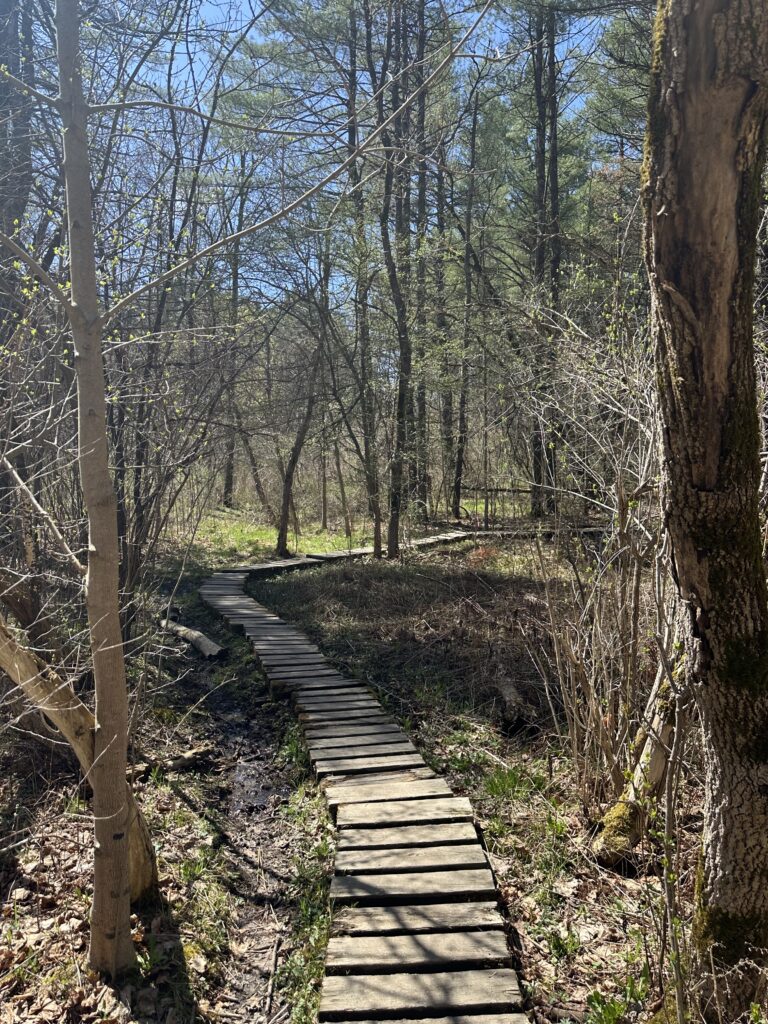
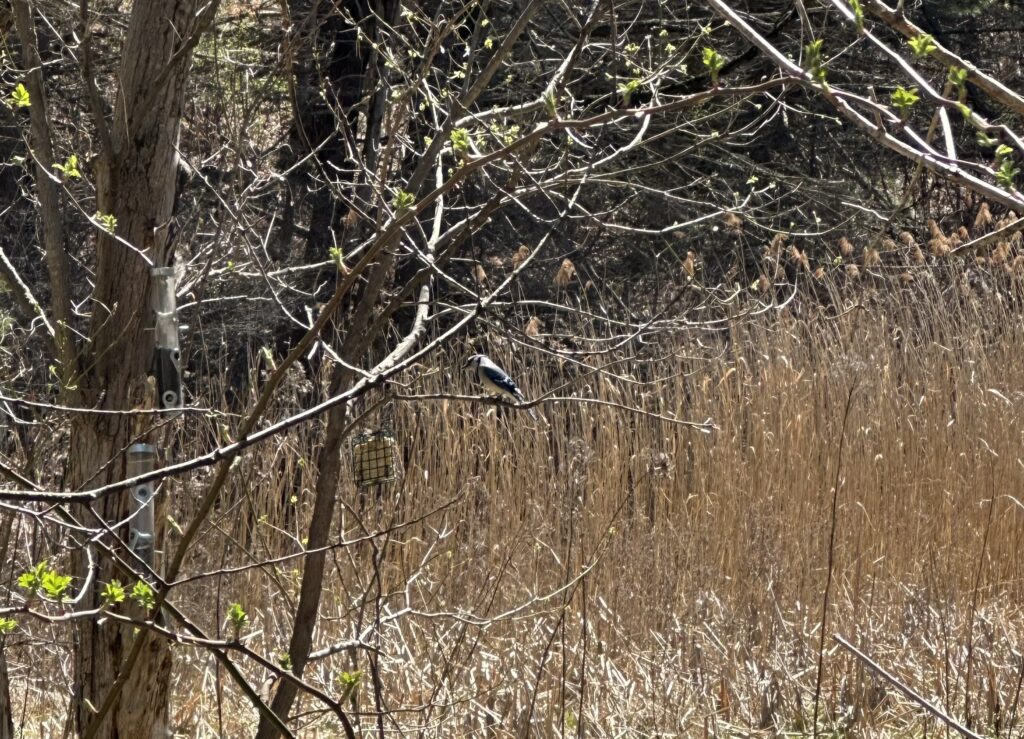
One major landmark I have become familiar with in my phenology site is the area where the bird feeders hang on the tree to the right of the path. It attracts many students who are looking for a quiet place to study as well as multiple bird species who live in the area. Most notably, I spotted a blue jay (bottom left) and heard many chickadees. This also demonstrates how nature and culture intertwine here. While many Abenaki people used to settle in these areas, students now immerse themselves in the environment in this forest. By observing and respecting the woods, students can support the nature that lives here while also enjoying it for themselves. In this sense, I do consider myself a part of this place. I went on a sunny and warm day after experiencing a cold, harsh winter, and it made me appreciate the sunny patches that shone through the over-story into the perfect grassy spots. The beauty of the forest glowed with the sun and I could not wait to come back and study here the next nice day.