Posts

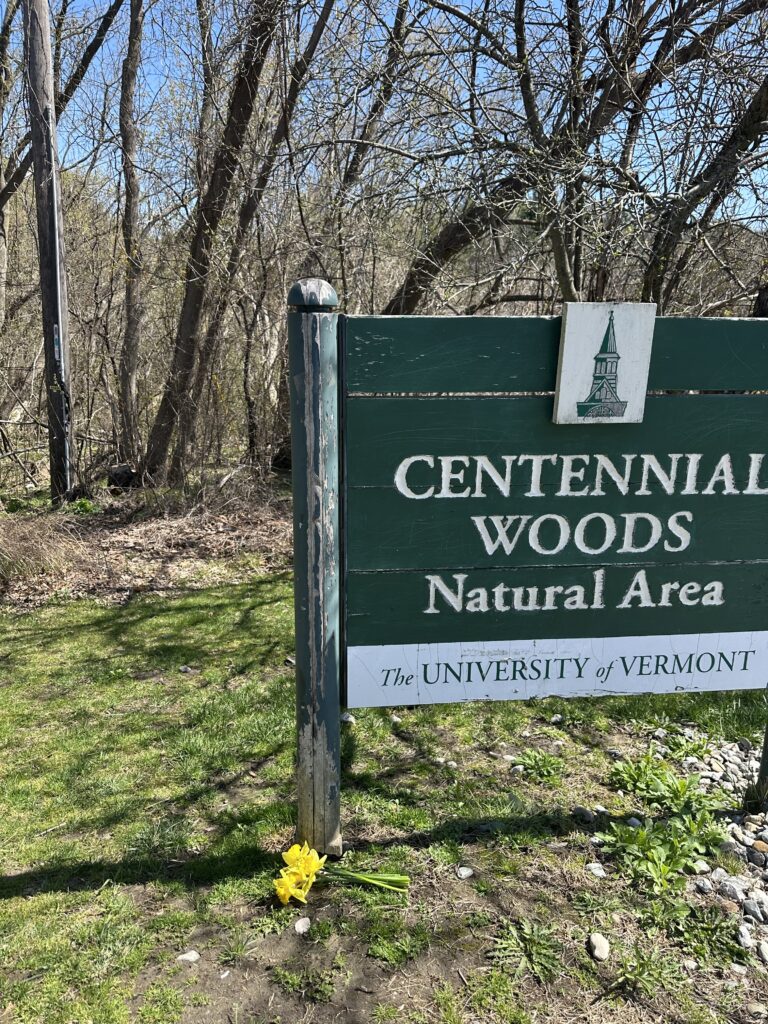
Phenology Visit Centennial Woods: 4/28

This video shows the stream and sounds of many species of birds chirping around my phenology site


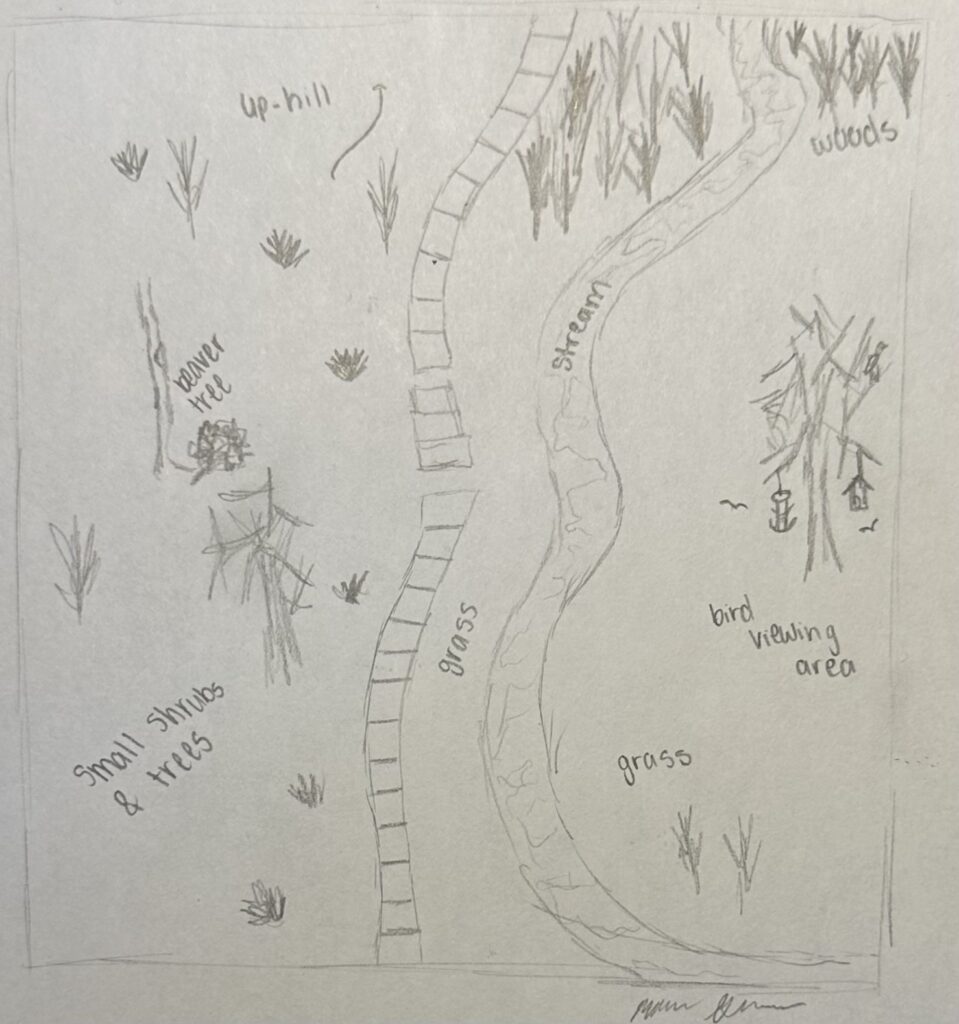
The map I drew shows the areas in my site that I identified as the most important and notable.
Changes

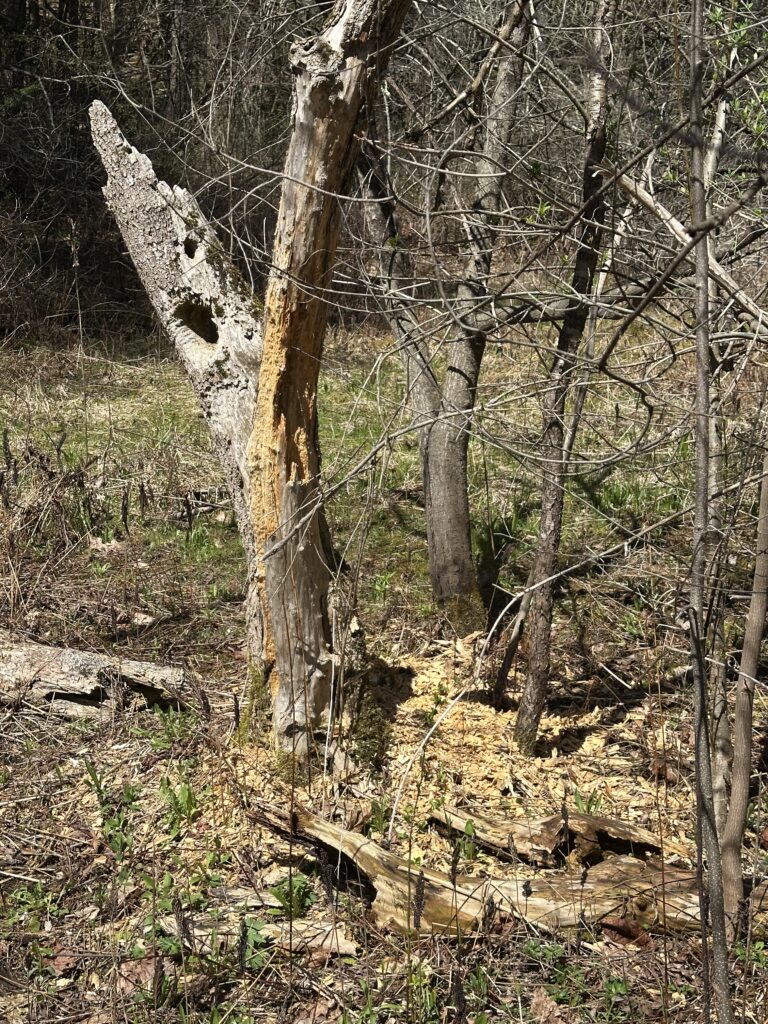
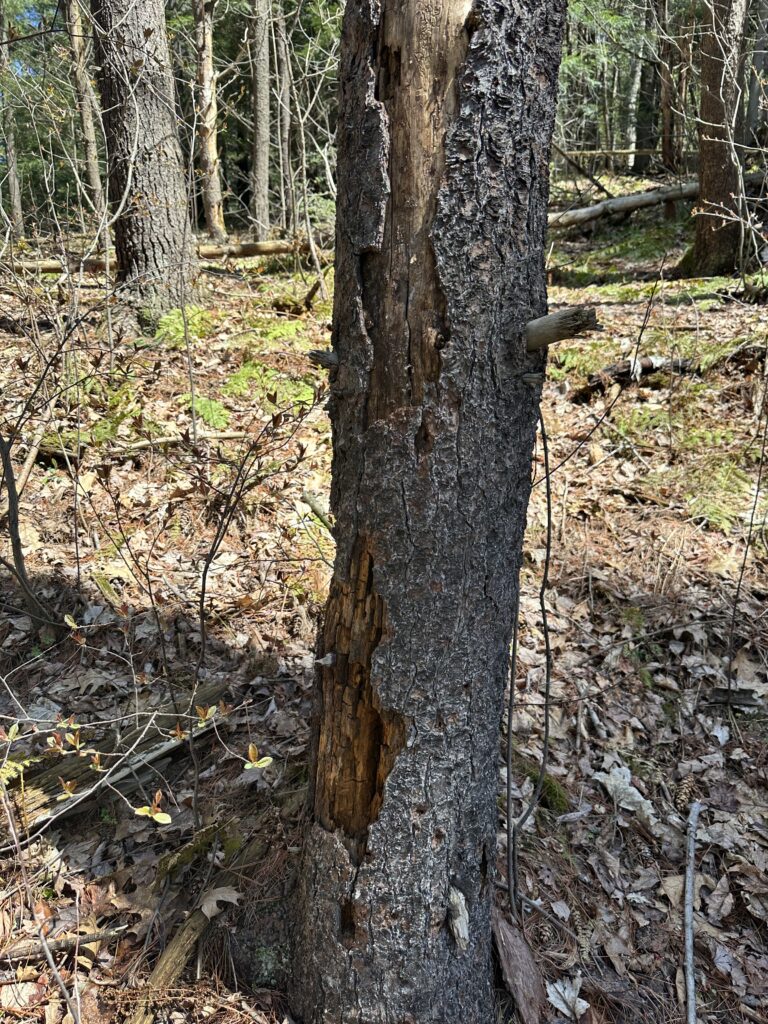
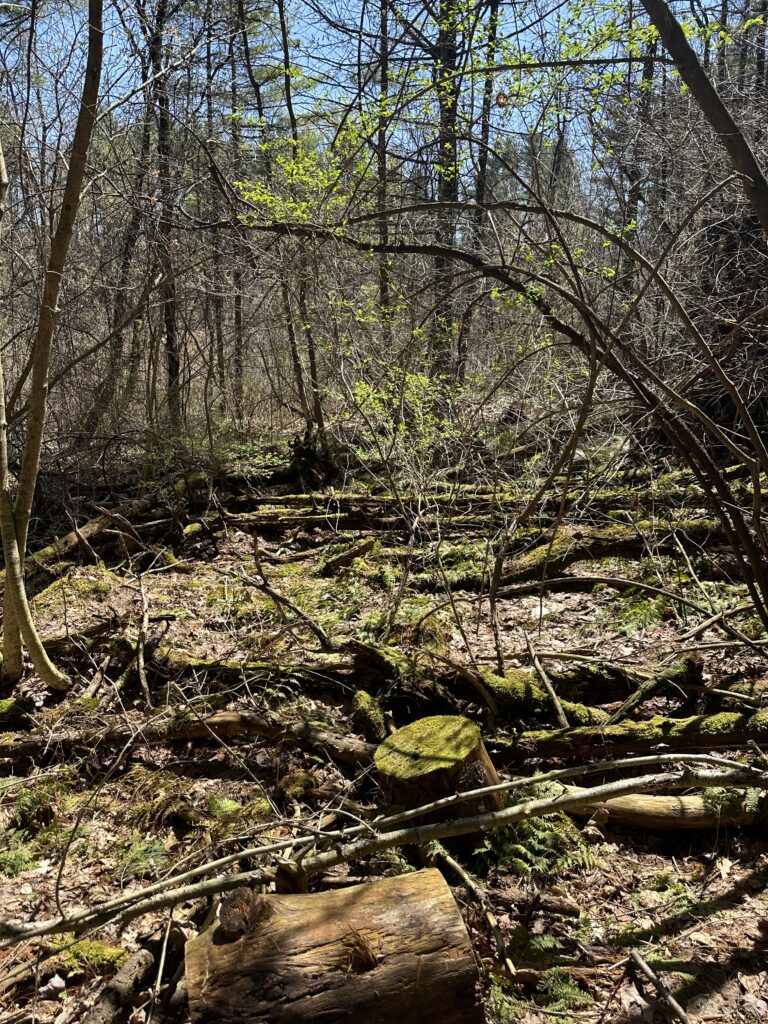
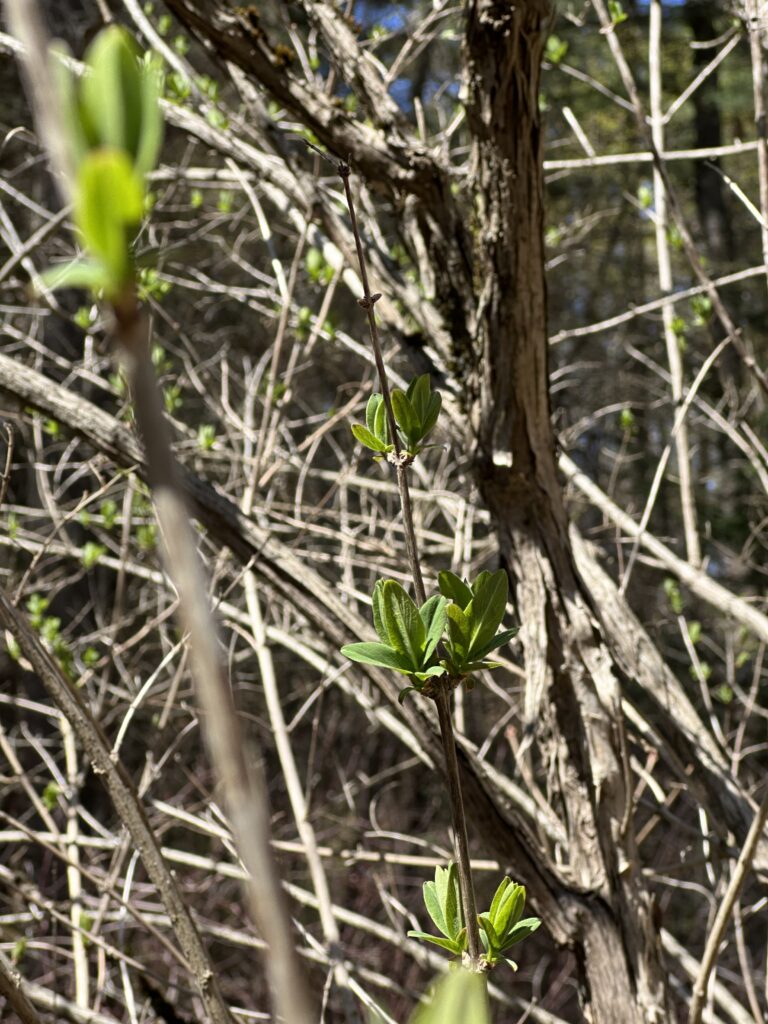
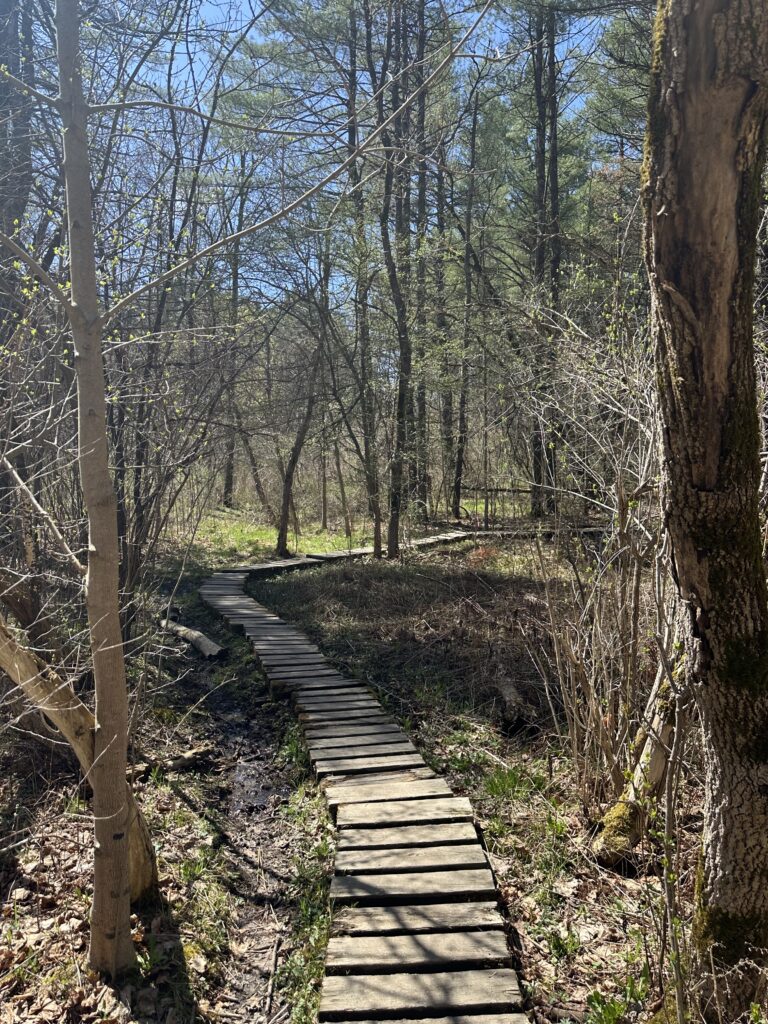
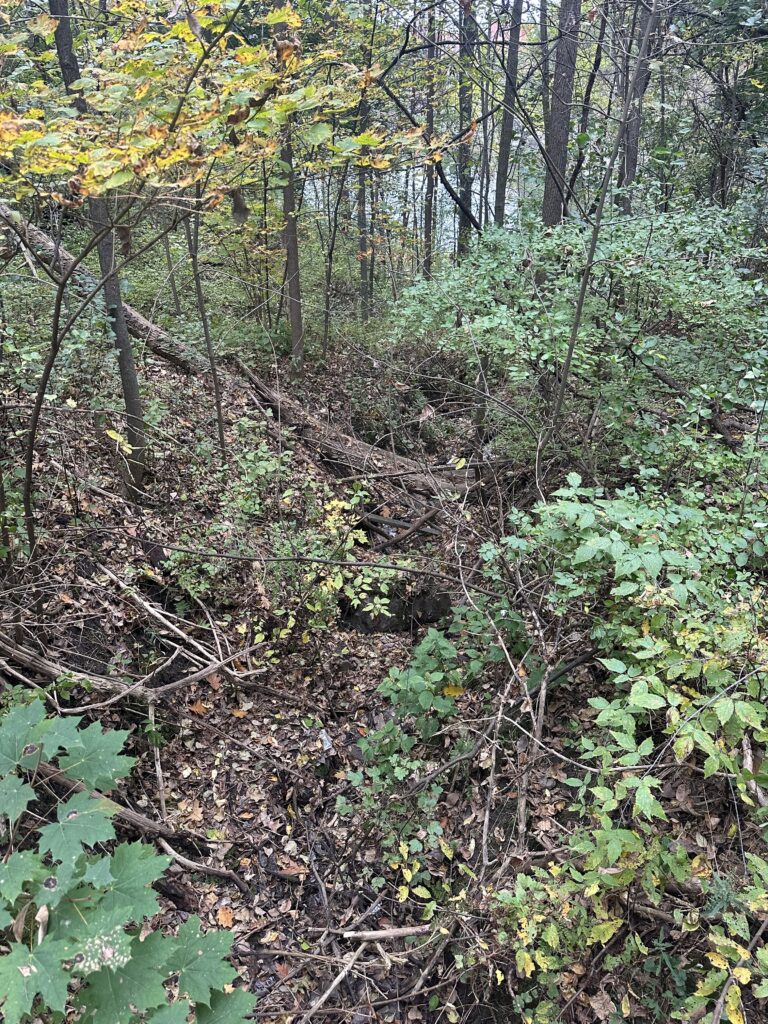
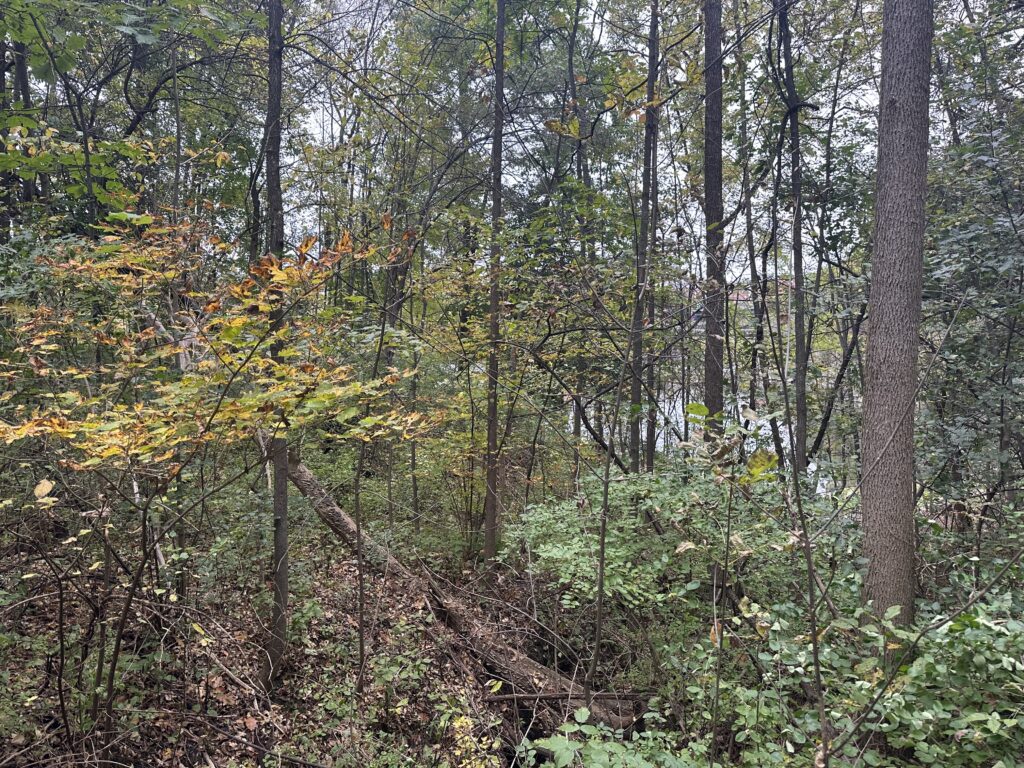
My site has significantly changed over the past few months since I have last visited. I did not even notice the stream when I first found my area, but now it is flowing fast. Now many of the trees have buds and are growing flowers back. I also spotted a tree that seems to have significant beaver activity (top right) with a large pile of shaved off bark next to the affected tree. Many woodpeckers also seem to be prevalent in the area. Additionally, there is a lot of grassy areas where students were sitting in the sun enjoying the surrounding environment. Ferns and understory shrubs have also began to grow. Moss was also very prevalent across downed wood, making the forest slowly change back to its green state.
Final Thoughts

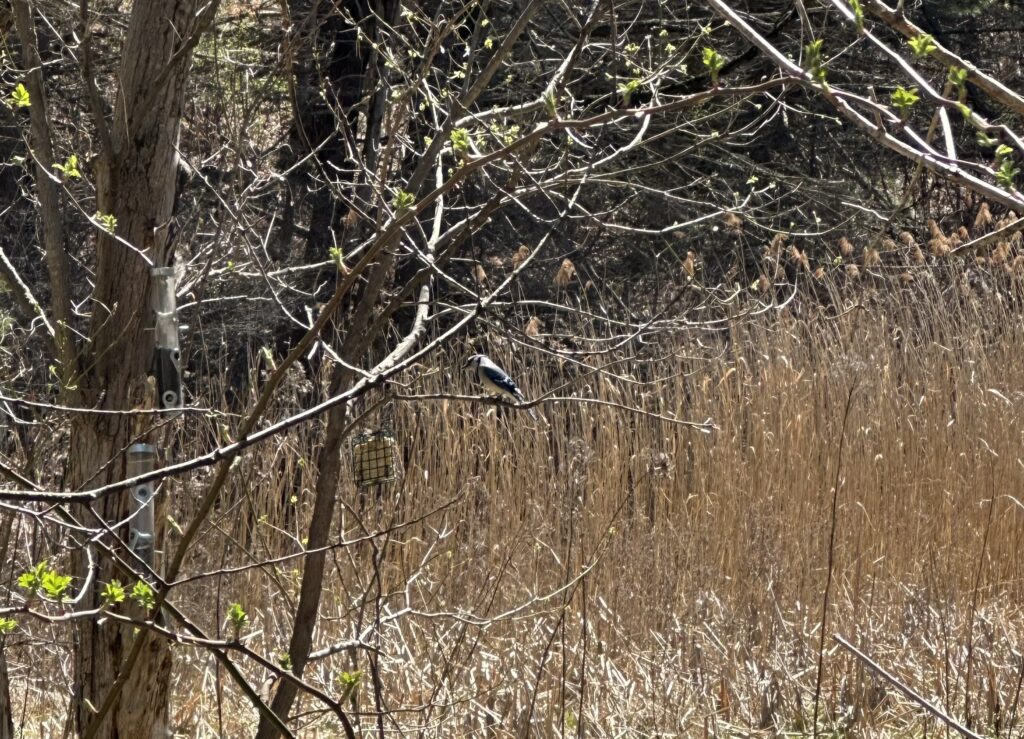
One major landmark I have become familiar with in my phenology site is the area where the bird feeders hang on the tree to the right of the path. It attracts many students who are looking for a quiet place to study as well as multiple bird species who live in the area. Most notably, I spotted a blue jay (bottom left) and heard many chickadees. This also demonstrates how nature and culture intertwine here. While many Abenaki people used to settle in these areas, students now immerse themselves in the environment in this forest. By observing and respecting the woods, students can support the nature that lives here while also enjoying it for themselves. In this sense, I do consider myself a part of this place. I went on a sunny and warm day after experiencing a cold, harsh winter, and it made me appreciate the sunny patches that shone through the over-story into the perfect grassy spots. The beauty of the forest glowed with the sun and I could not wait to come back and study here the next nice day.
iNaturalist BioBlitz: Centennial Woods Edition

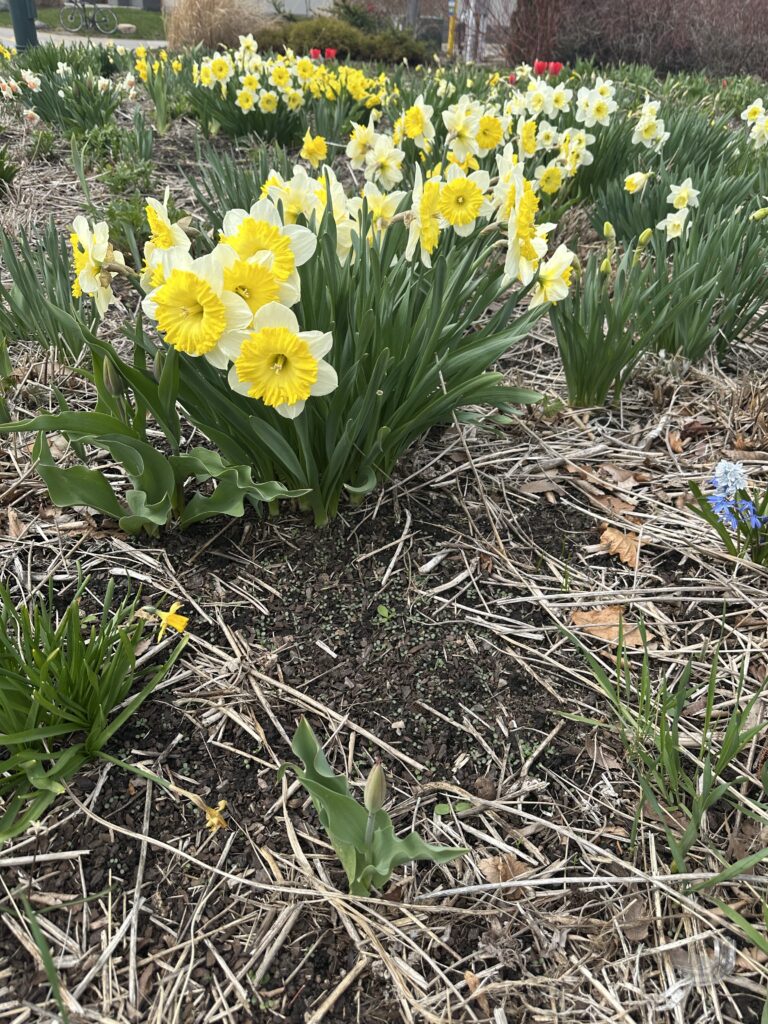
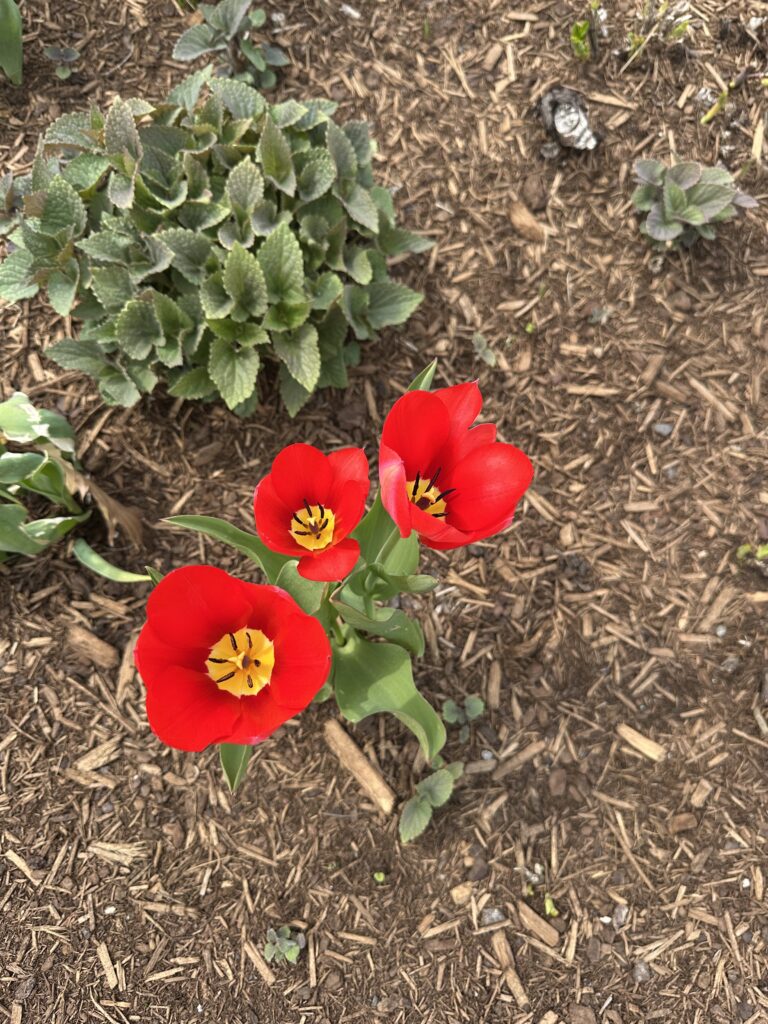
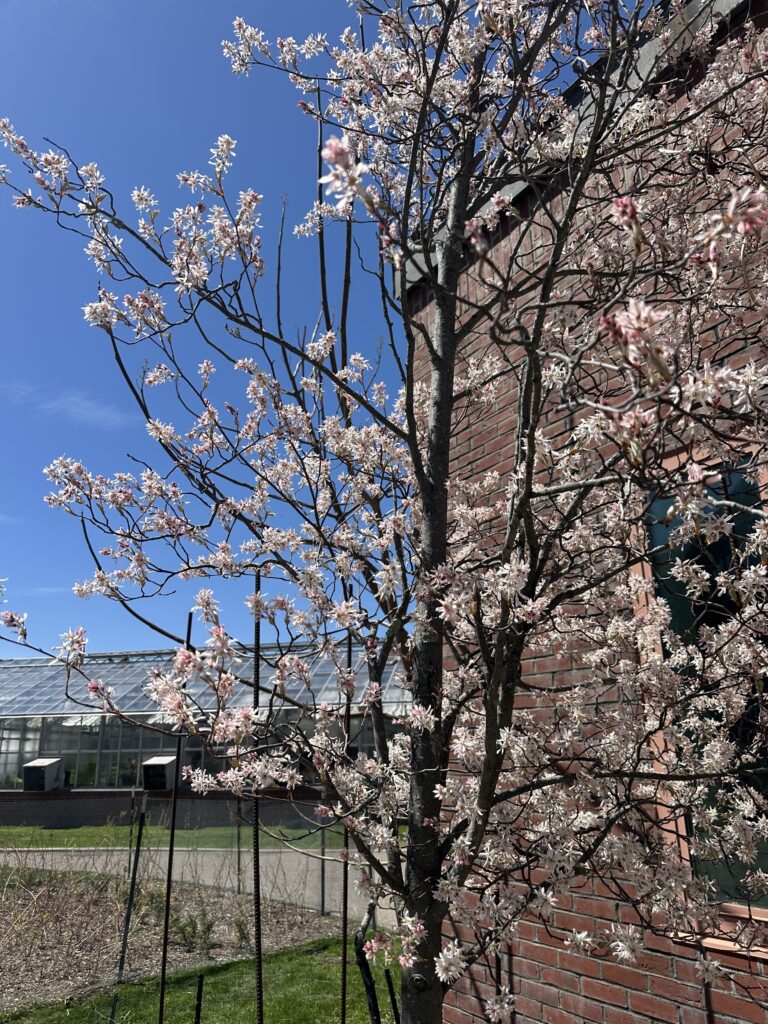
For this year’s BioBlitz, I explored Centennial woods to see all of the wildlife and plant species that have appeared for Spring. Although the image to the left is not in Centennial woods, they are spread all around campus and I decided to get a picture of one since they all seemed to appear overnight! This species is a Tulip, but there are also many Daffodils spotted in the area.


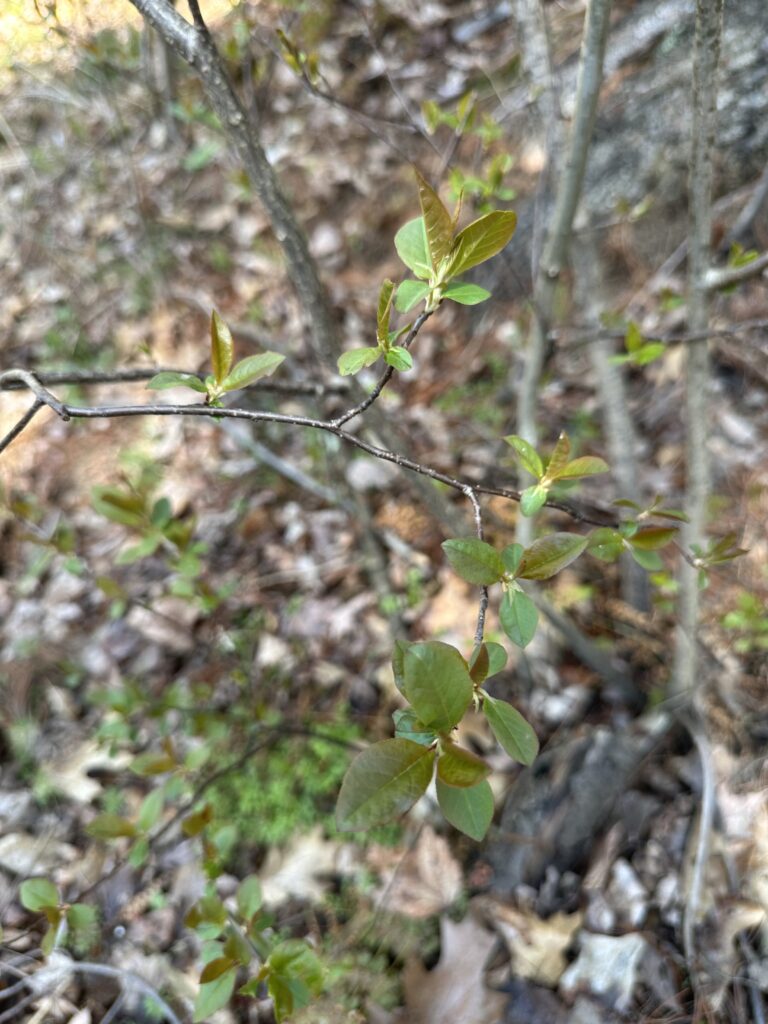
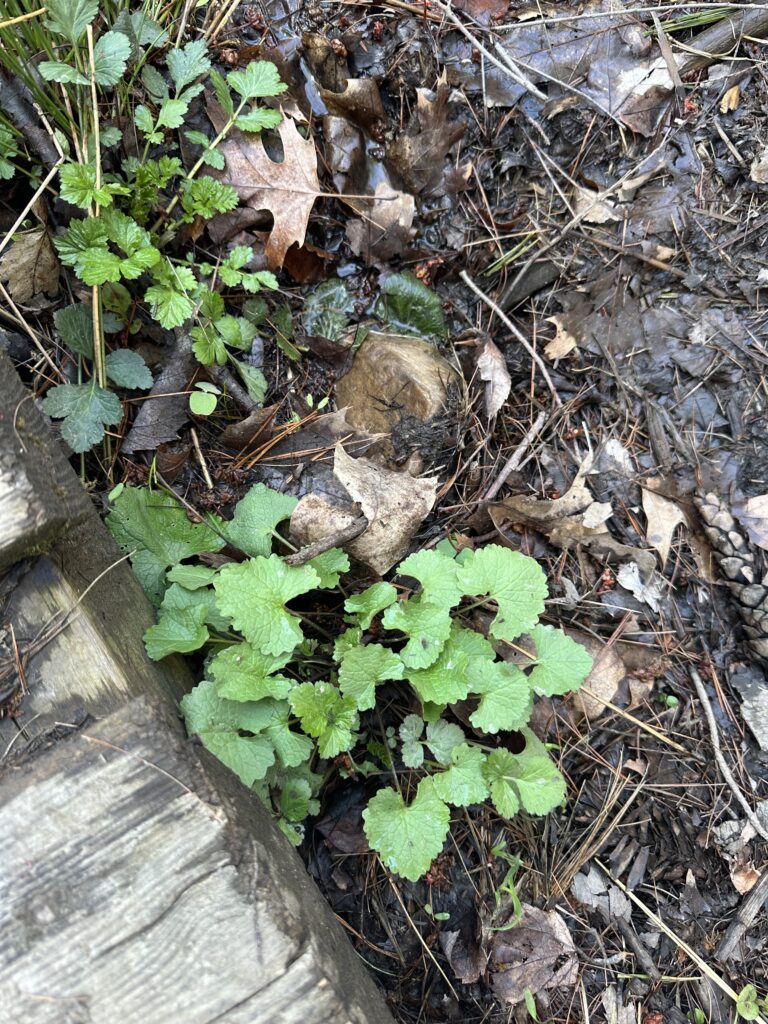
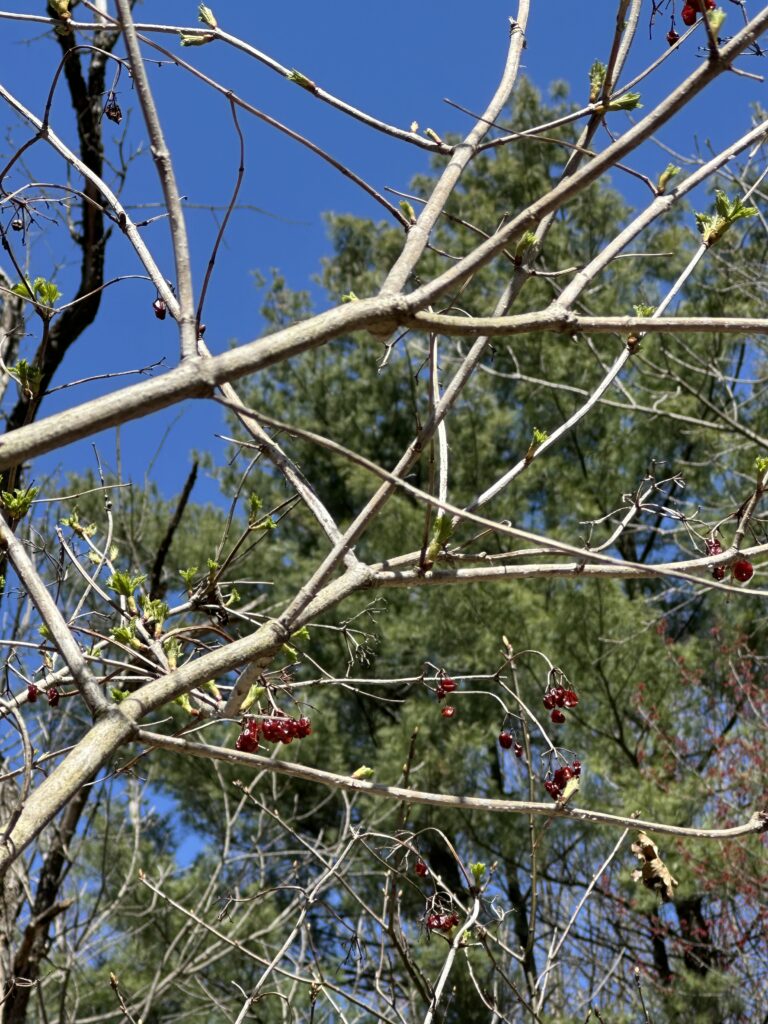
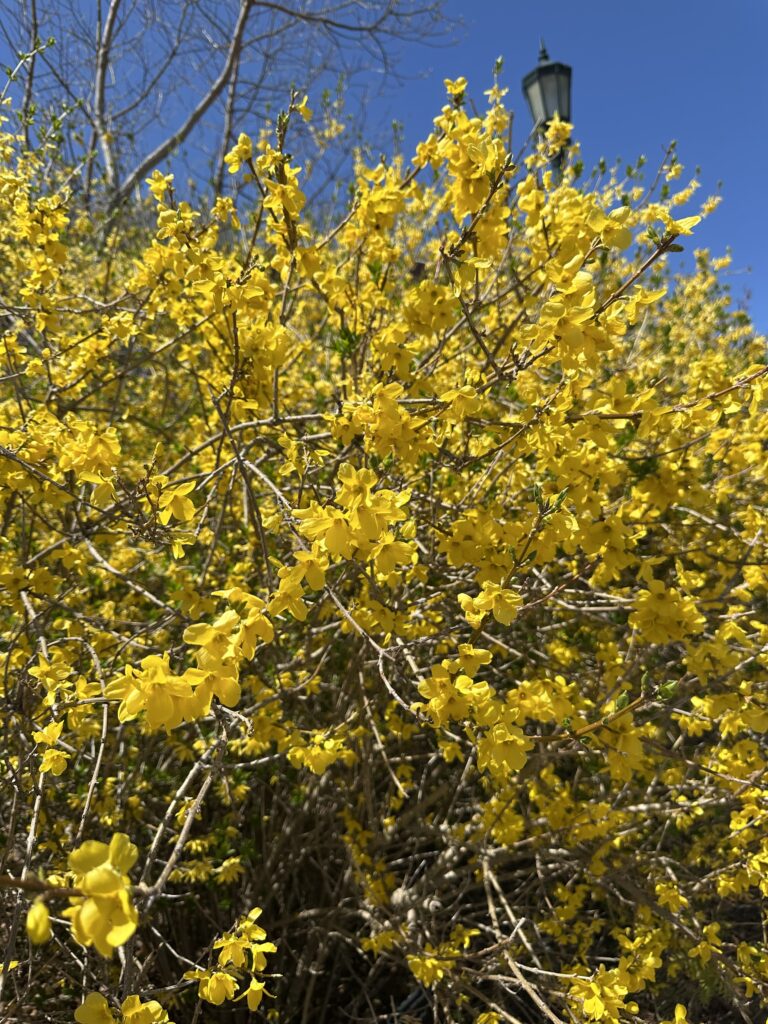
Using iNaturalist is a very easy process. I took photos of all of the species and plants that I observed and I was able to upload them when I got back to my dorm, with wifi, to the app. It was easy to get helpful identification suggestions with the location I was in. I encountered signs of species such as a beaver, but also saw/ heard birds like a Blue Jay and Warbler as well as many Squirrels. In addition to animal species, many tree and plant species were budding and blooming! Some examples are a large Forsynthia bush, ground-ivy, honeysuckle, and viburnums.


In terms of other reports from cities globally, I was shocked to hear that Cape Town has continuously been in the running as first place. There is so much species diversity there, but I did not realize how many communities participated to document what is being seen. However, this year currently La Paz and San Antonio are in a close race. South America has a wide range of biodiversity, so I am not surprised to see them on the leaderboard.


here are some of the beautiful flowers I saw on my way to Centennial as well!

Phenology Walk 4/25

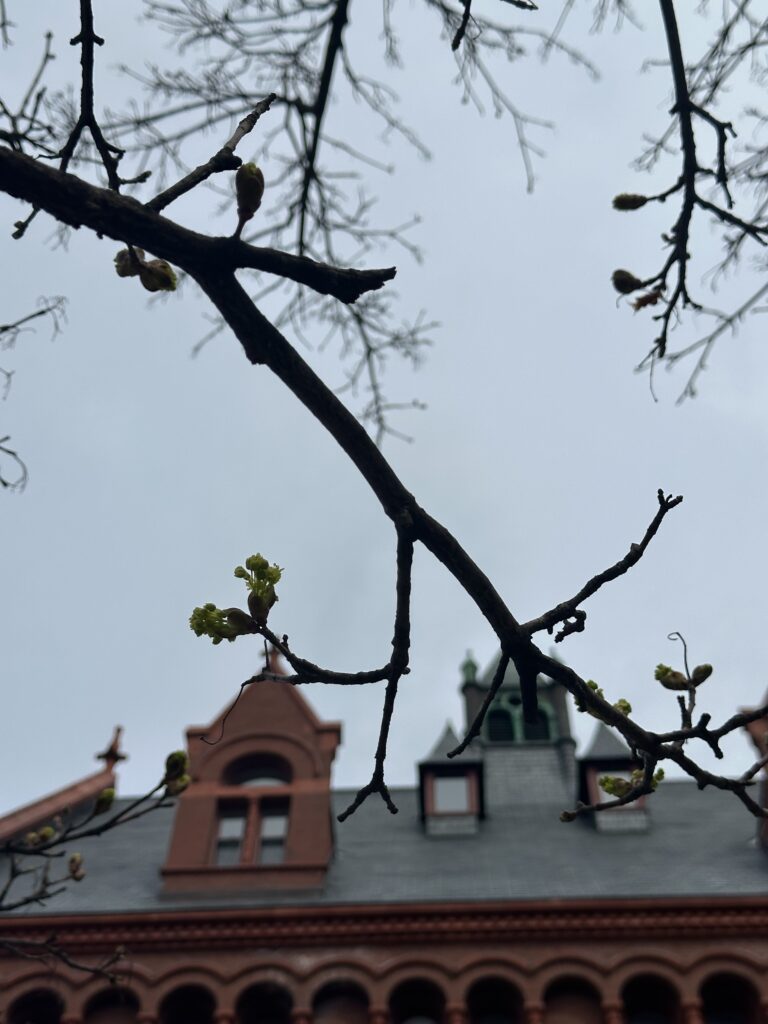
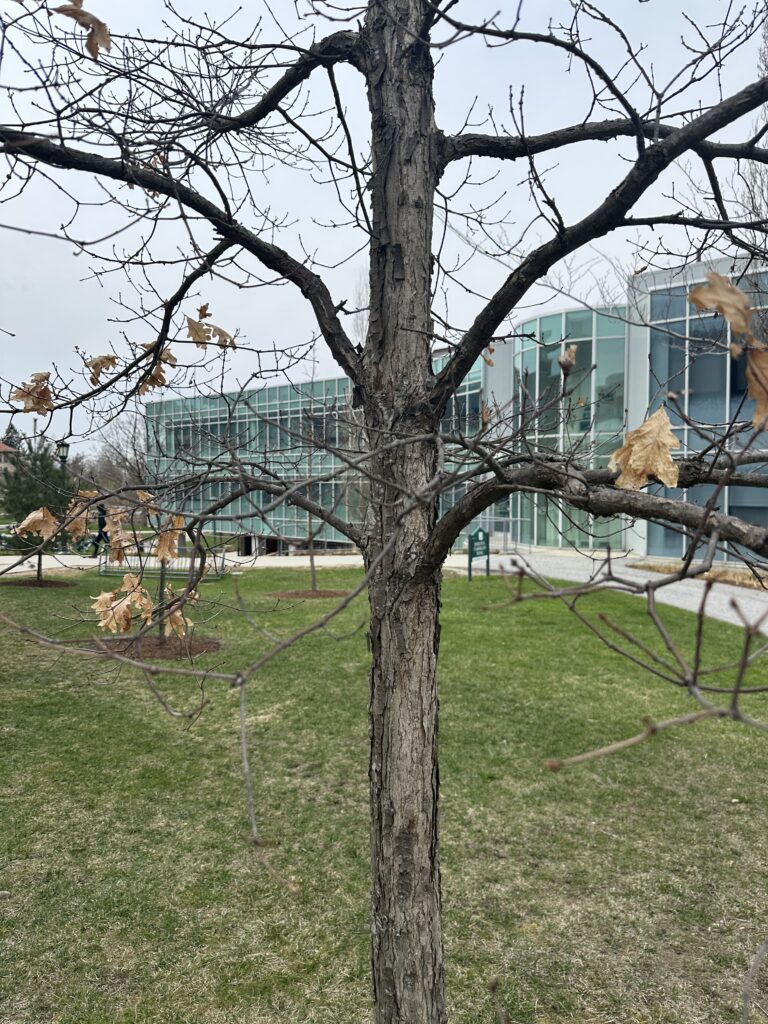
The images above depict each of the 5 trees visited across campus.

  • 1- Norway Maple
  • 2- Red Maple
  • 3- White Oak
  • 4- Red Oak
  • 5- Sugar Maple

The date I explored the phenology walk was April 25th. It was a little overcast, but warm and slightly sunny. Most of the trees across campus seemed to be in the same phenophase. They had buds sprouting all across the species. Many even started to bloom into flowers as well as possible expanding leaves. However, the White Oak behind Aiken surprisingly still had some shedding, dead leaves with zero to little budding on the branches. The buds on the Sugar Maple were very green, looking like they would bloom soon. In contrast, the Norway Maple had many green flowered buds at the end of most branches. The Red Oak also had some budding and left over acorn tops still attached to some of the tree as well. Overall, the sign of spring can be seen all across the campus trees.

The article I explored on the NPR website discussed how signs of spring this year compares to past years. It was published in mid-March and explores how much earlier the anticipation of spring in nature has been compared to previous years. This article also explains how the arrival of spring is determined through the Spring Leaf Index and the Spring Bloom Index. Although only predicting the earliest signs of spring, looking into weather and conditions for growing is also of benefit in addition to recording any observations on different plant species.

https://www.usanpn.org/news/article/more-complete-picture-timing-spring: Phenology Walk 4/25

Phenology in Burlington: 2/21/25

Where is the spot?

The phenology spot I went to was in the greater North Burlington area where the Winooski River flows into Lake Champlain

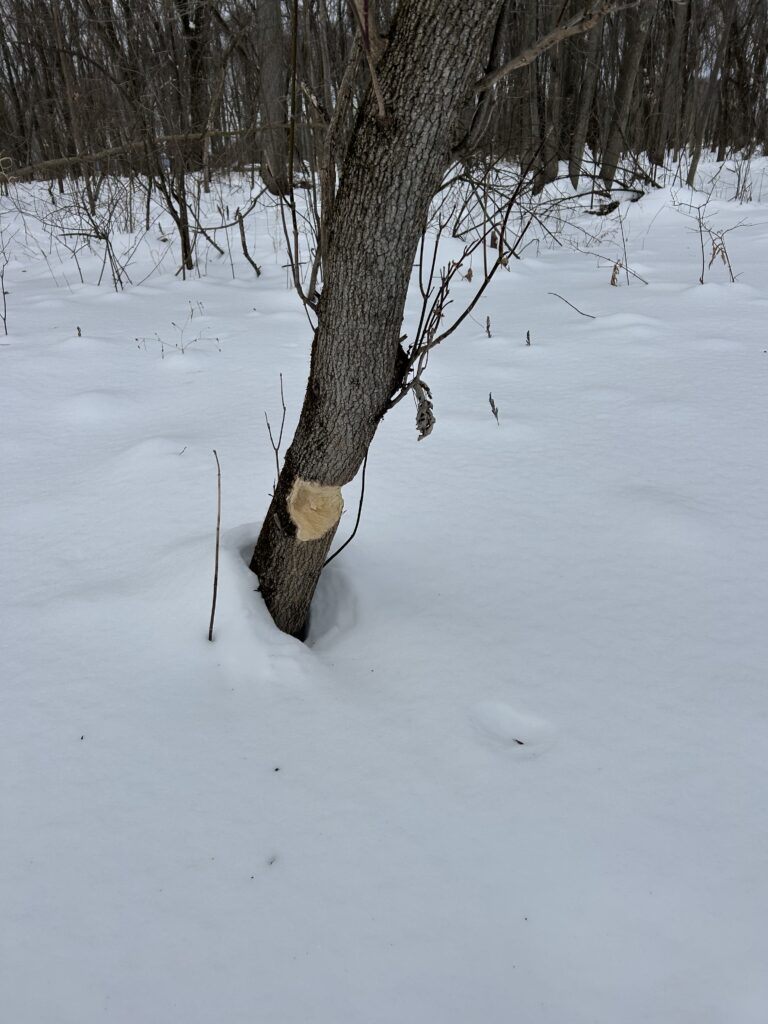
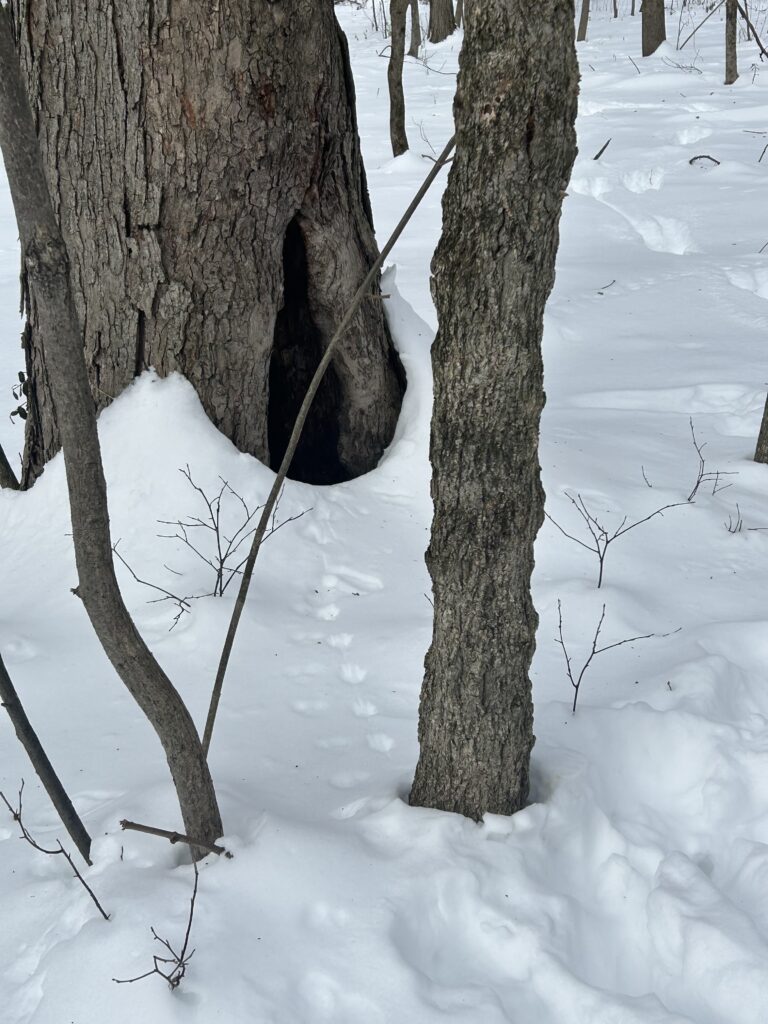
While exploring this area, there were many different animal tracks that we observed. Animals such as mice and beavers hold habitat in this environment. When capturing photos using the iNaturalist app, the program helped us identify species we were not sure of. Below displays the multiple species and woody elements we observed.

The easiest identifiable species in these pictures includes the mouse tracks running towards the den in the tree trunk. Additionally, the tree that has been fed on by a beaver was an exciting observation to come across. However, some tracks were harder to identify due to snow overlay as well as resemblance to multiple species.


This area was more open than my phenology spot in Centennial Woods. Beavers, raccoons, and other mid-sized mammal tracks were easier to be seen in the Burlington spot. In Centennial Woods, birds, squirrels, and smaller mammals are spotted instead.

Second Semester Spot: Centennial Woods 1/24/25

I decided to move my phenology spot to Centennial Woods. This video shows the area I chose to observe for this semester.


Observations

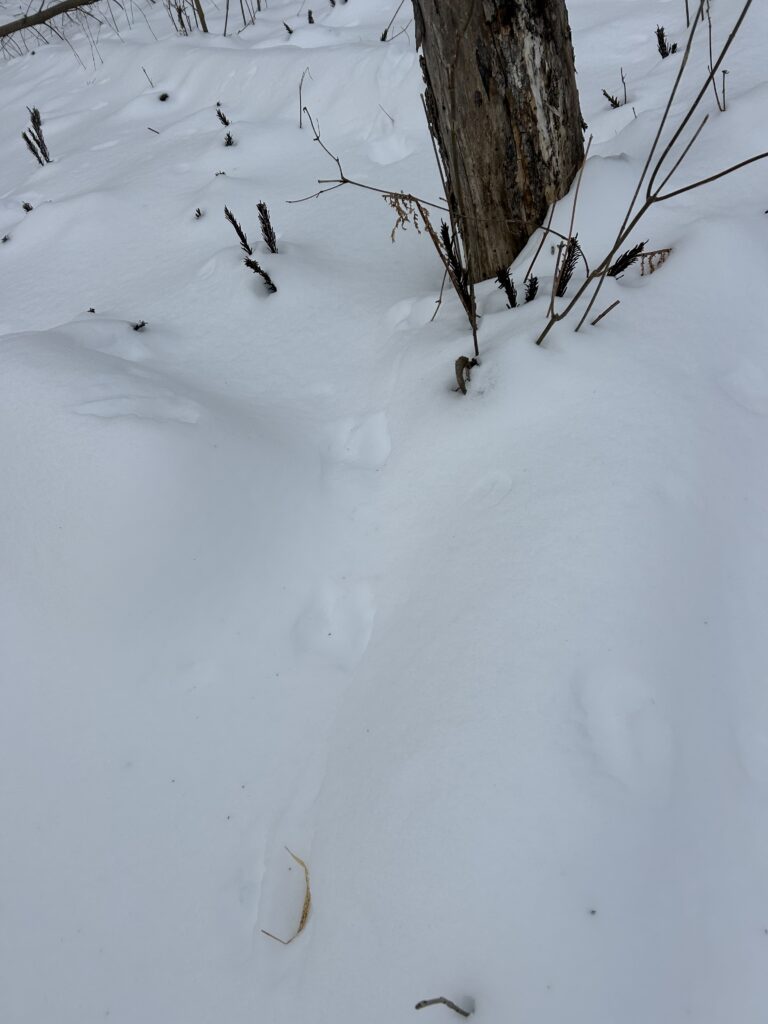
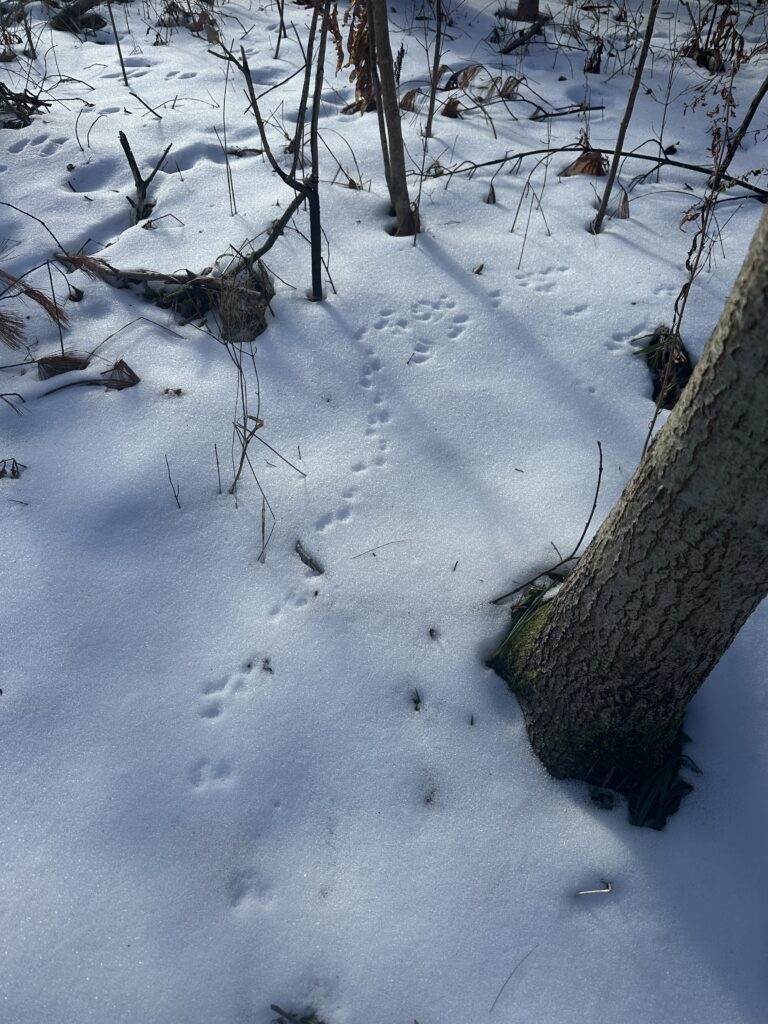
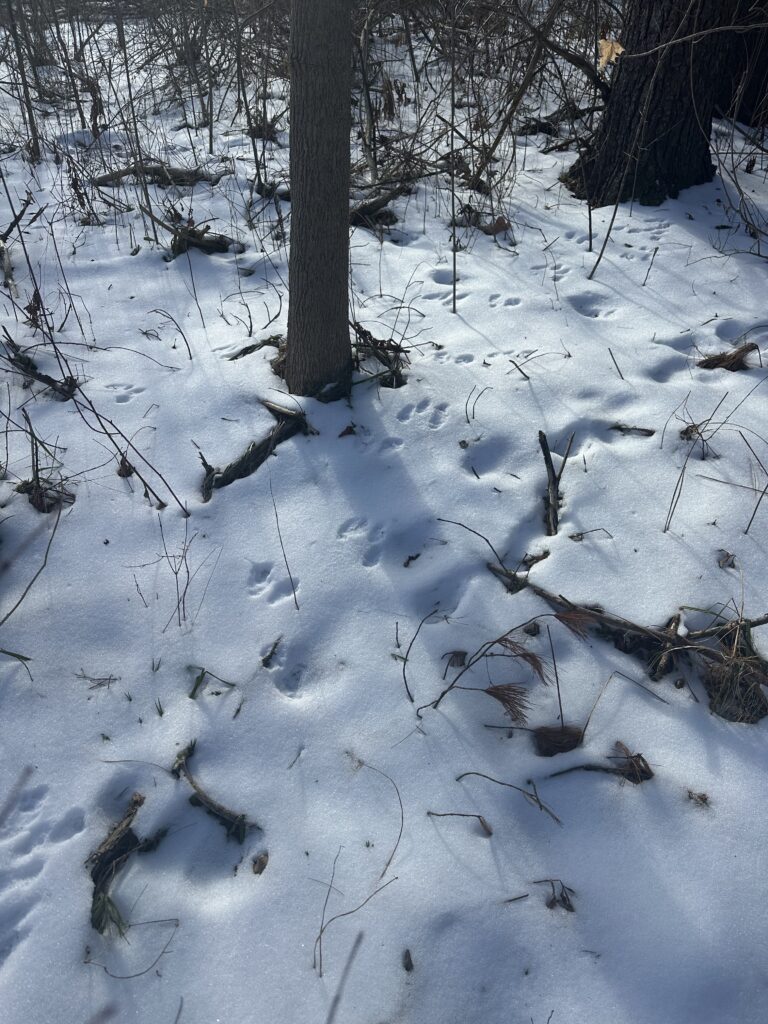
These were the only track-like features I saw in the snow around my area. The one on the right seems to disappear after reaching the tree, indicating it may be a squirrel.

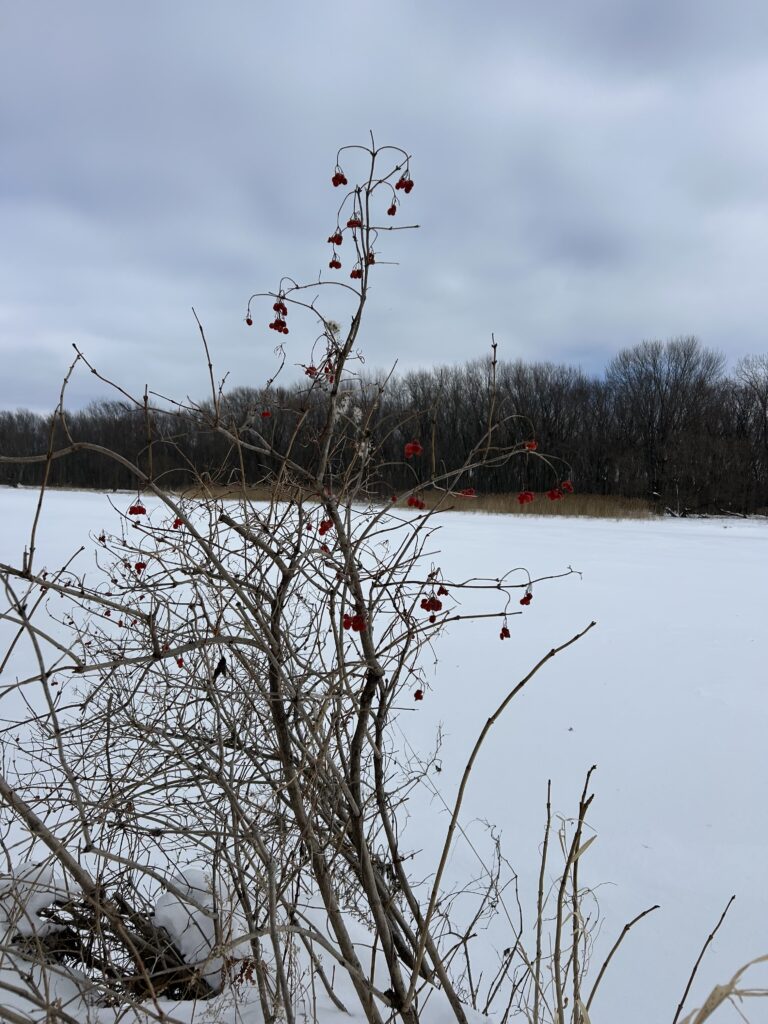
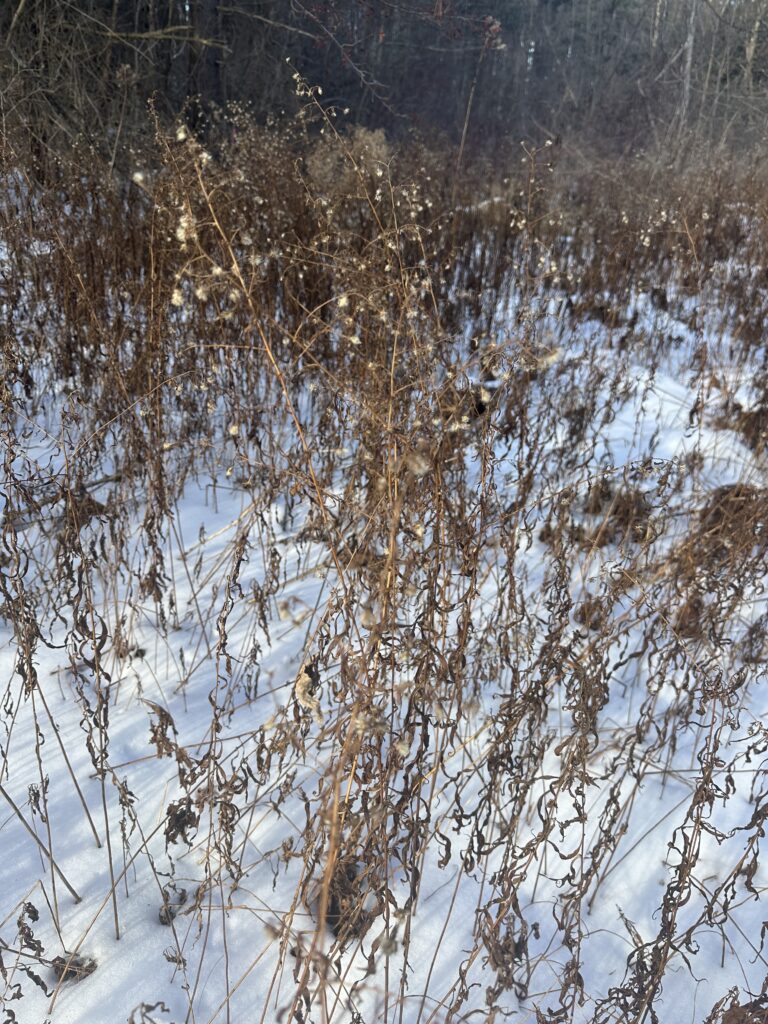
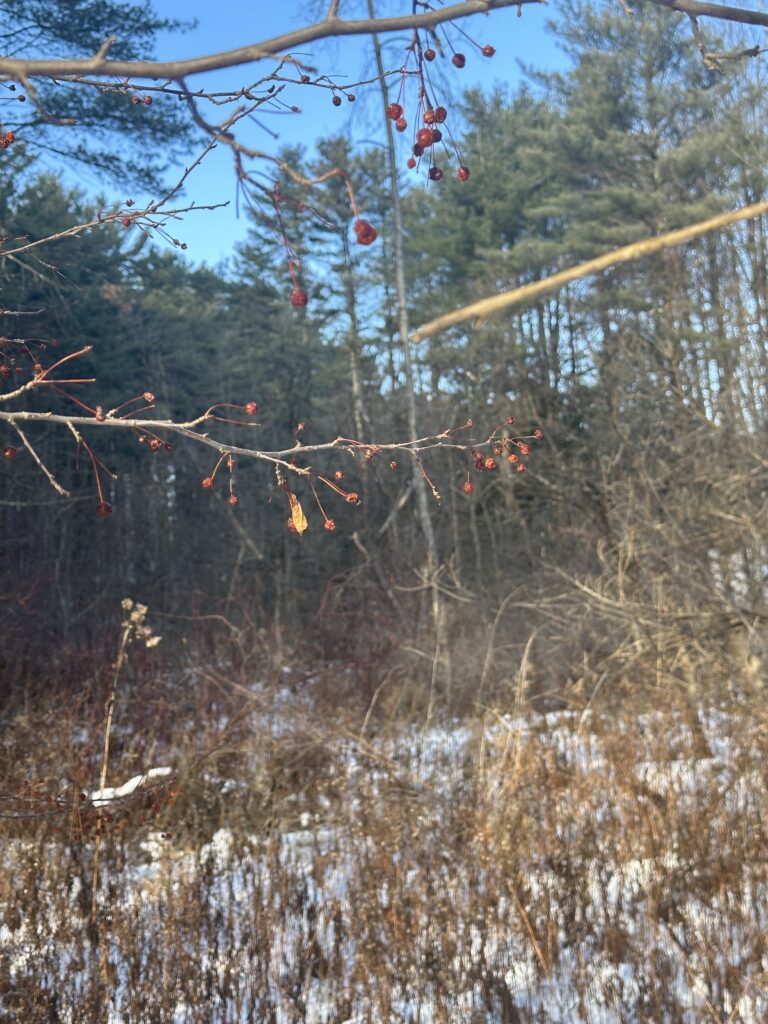
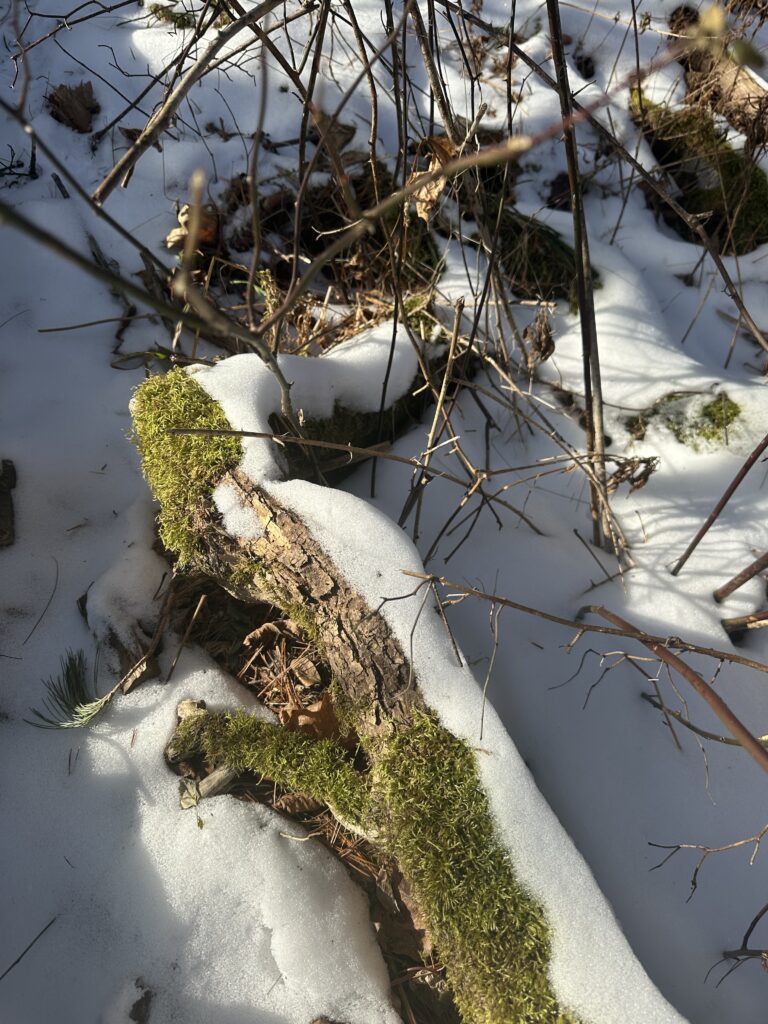
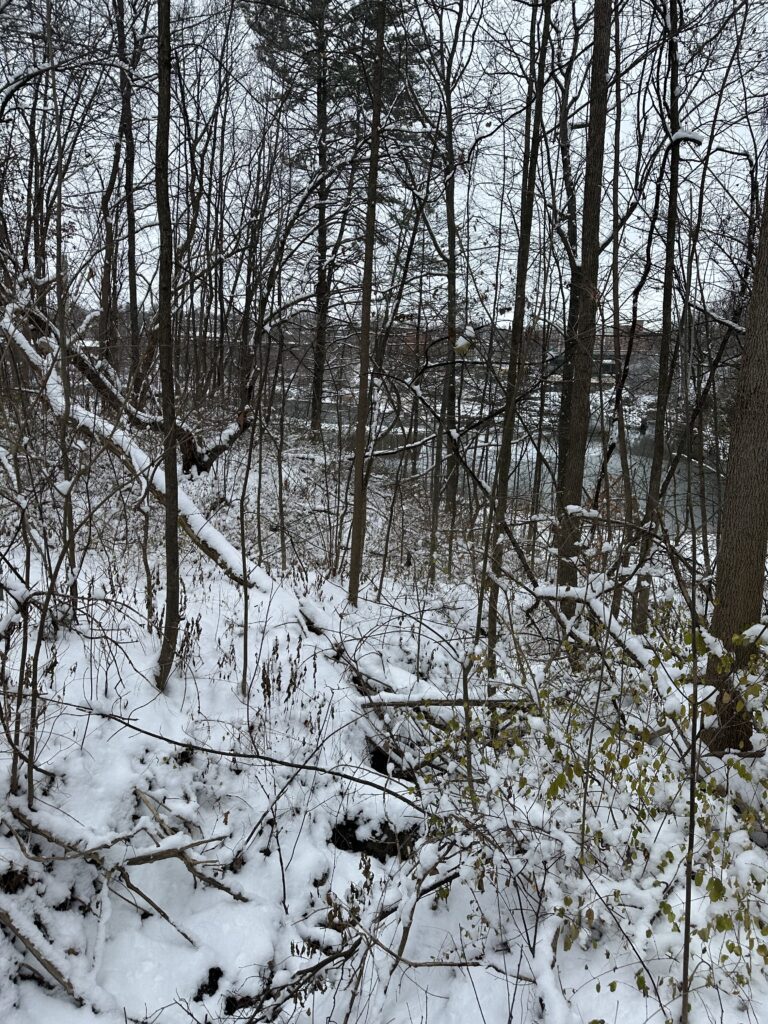
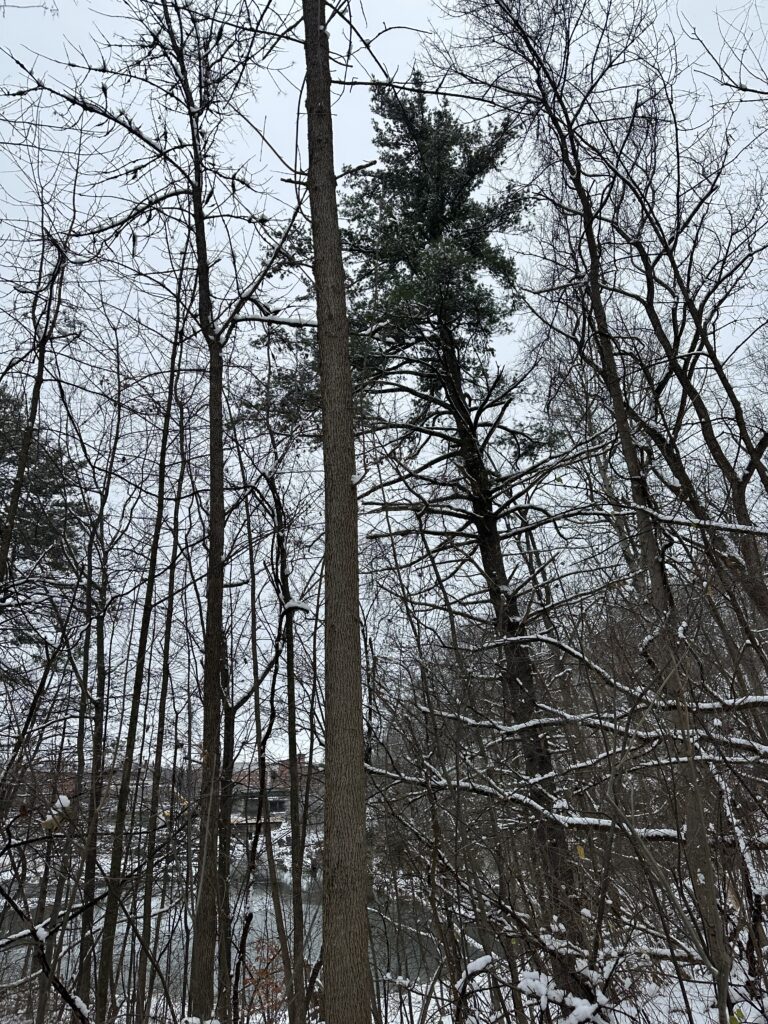
The pictures in this gallery show more of the species I found in the Centennial spot I decided to observe. There are some berries on one tree as well as green moss growing on the fallen branch on the ground.


Directions

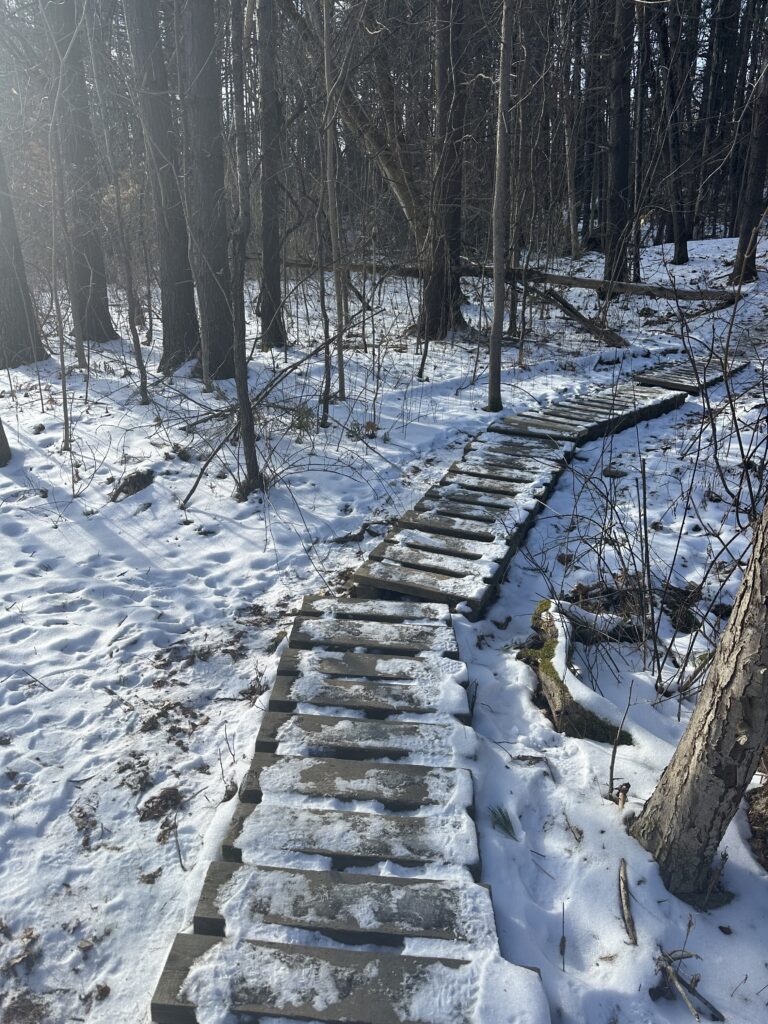
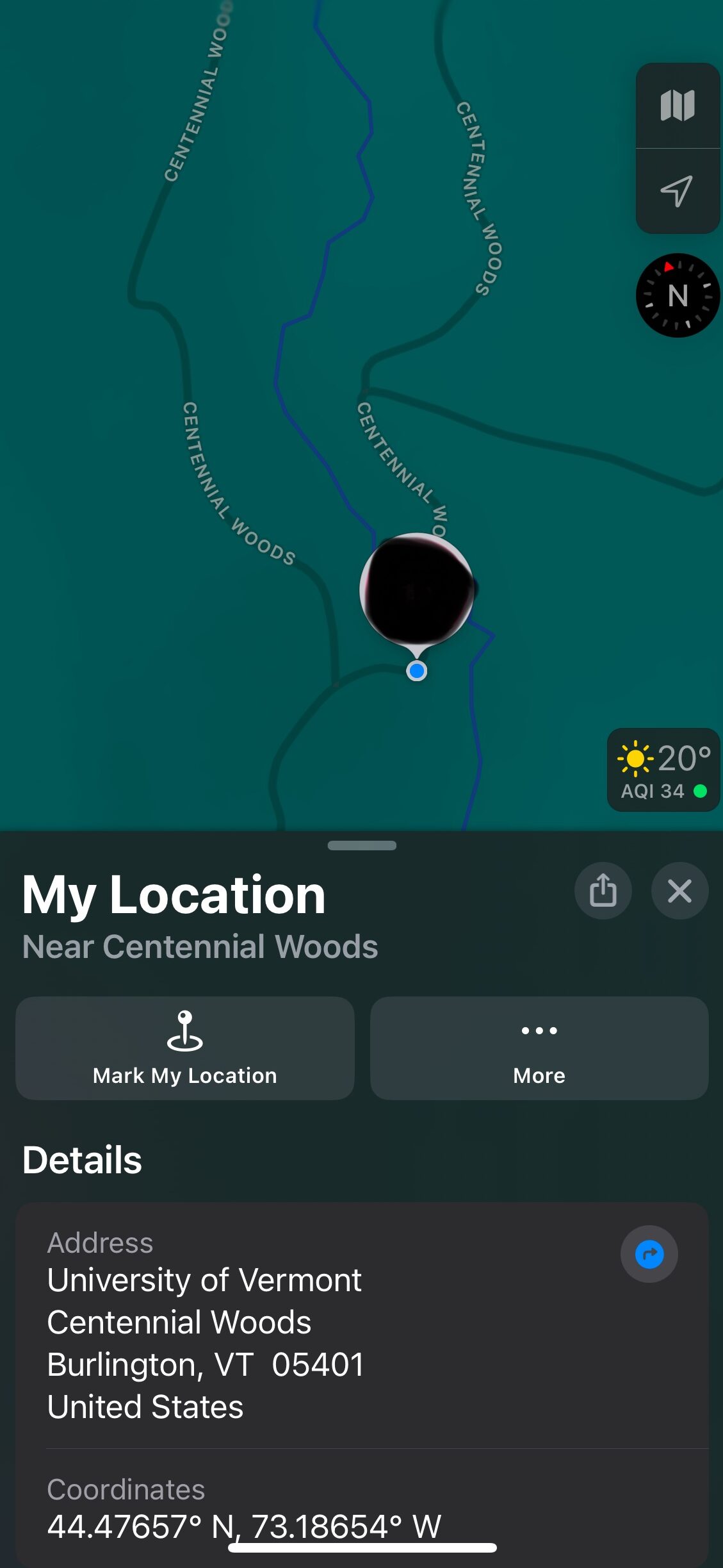
To get to my phenology spot once on the main campus of UVM by the Davis Center, you walk straight towards Jeffords Hall and the Medical Building. Then continue by crossing the street towards UVM police and the sign for the Centennial Woods entrance is visible. My spot is along the wooden pathways at the bottom of the first hill when walking deeper into the woods.

Salmon Hole 12/7/24

This video shows my entire phenology spot and the overall look of the immediate changes… the snow!


SNOW!

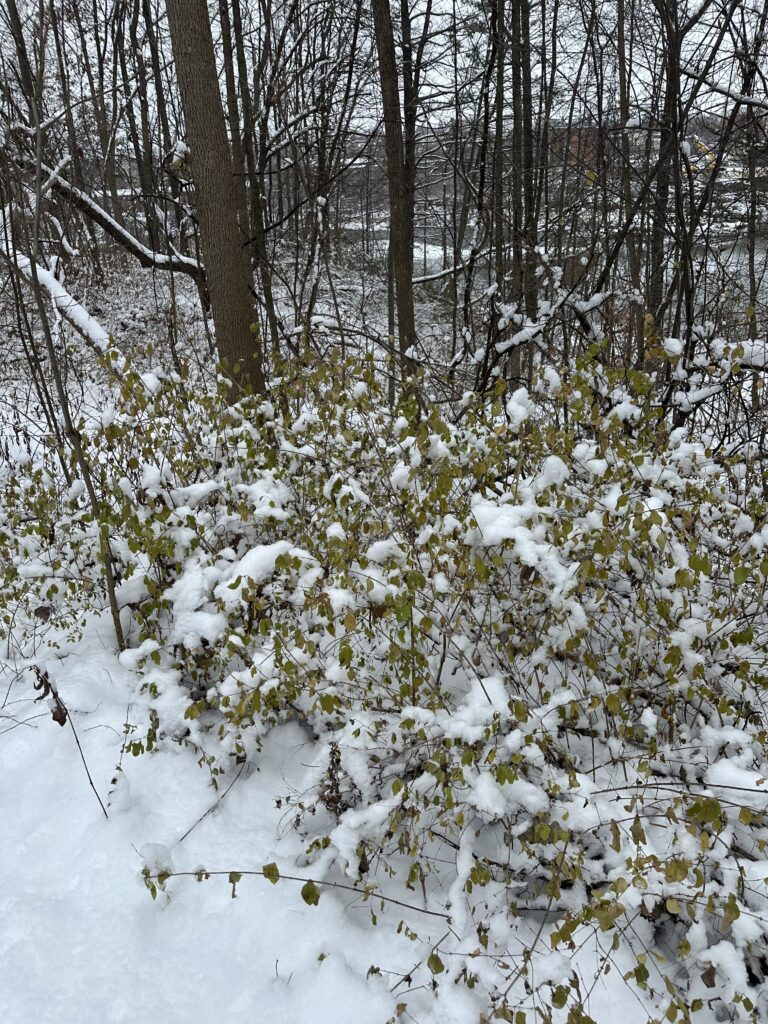
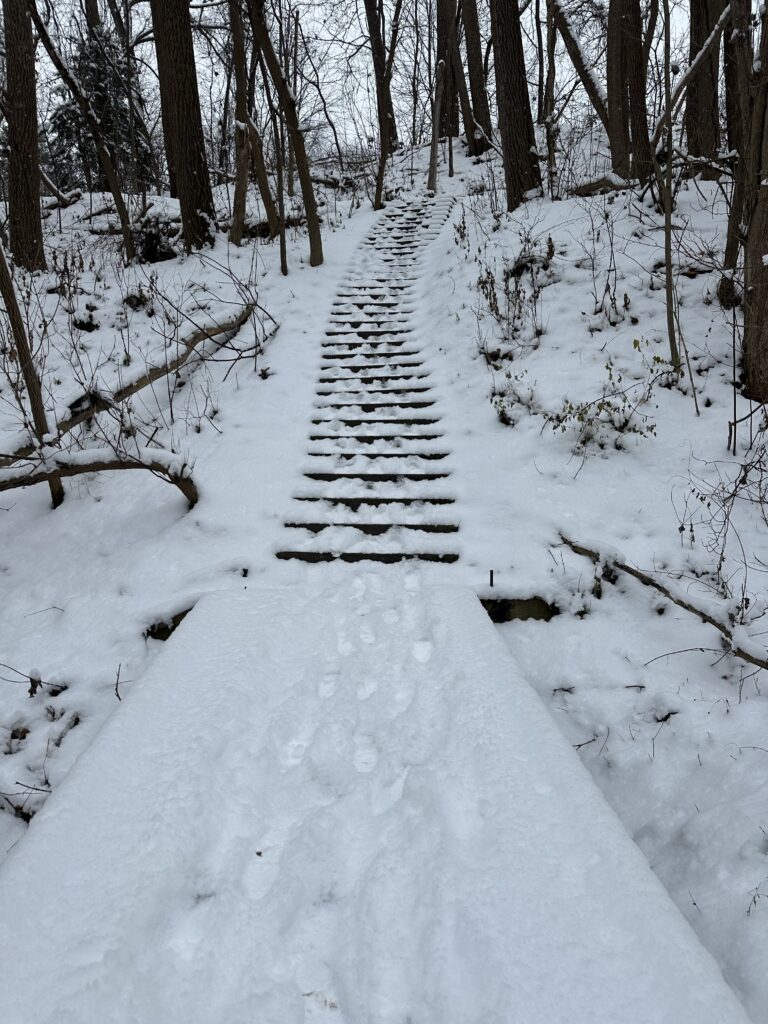
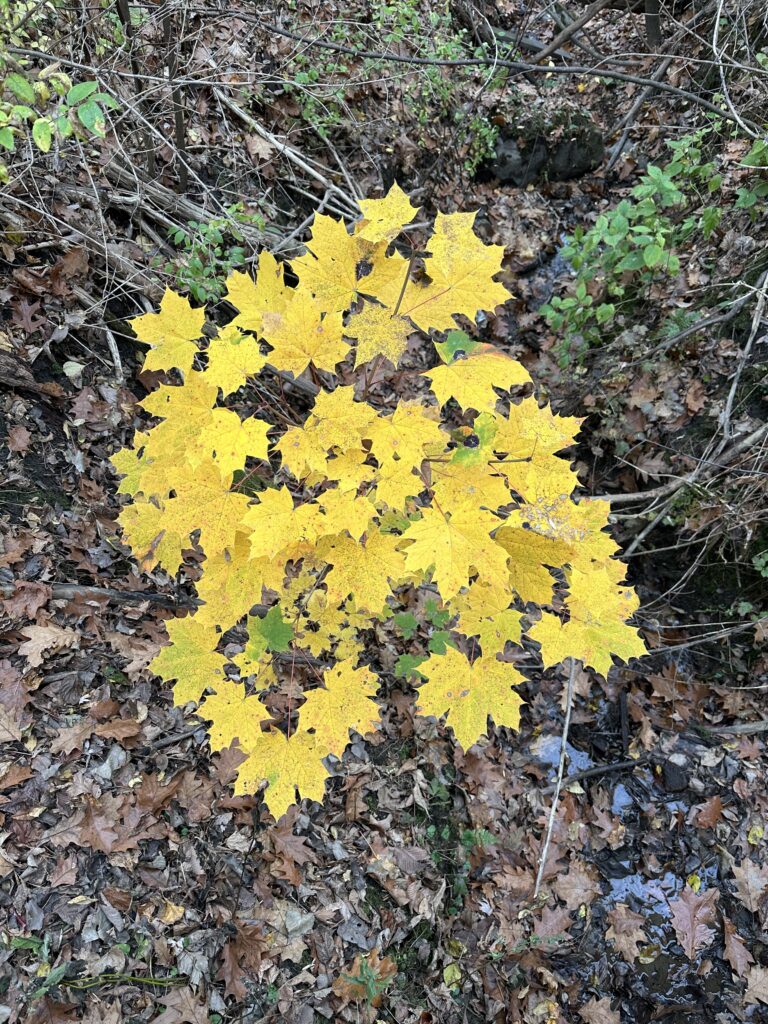
The biggest change in the foliage is the addition of the snow from the past few days. Compared to the last time I visited Salmon Hole, the trees have now lost all of their leaves, minus a few oak leaves still hanging on. However, the eastern white pines that are present still have their green needles which are noticeable in the over-story of the forest. The leaf litter is covered by the abundance of snow during this visit, so no decomposition of what made up the ground coverage could be observed. One woody species that has also survived the cold is the buckthorn. The leaves are a yellowish-green and mostly being weighed down by the snowfall, which can be seen in the third picture below.

Since there is a large amount of snow on the trails, it makes it easier to observe any animal tracks made in the area. However, Salmon Hole is a well traveled path by the community, so the only noticeable tracks were shoe prints of those walking the trail. Animal activity also remains low besides the occasional squirrels in the trees.


What did I enjoy?

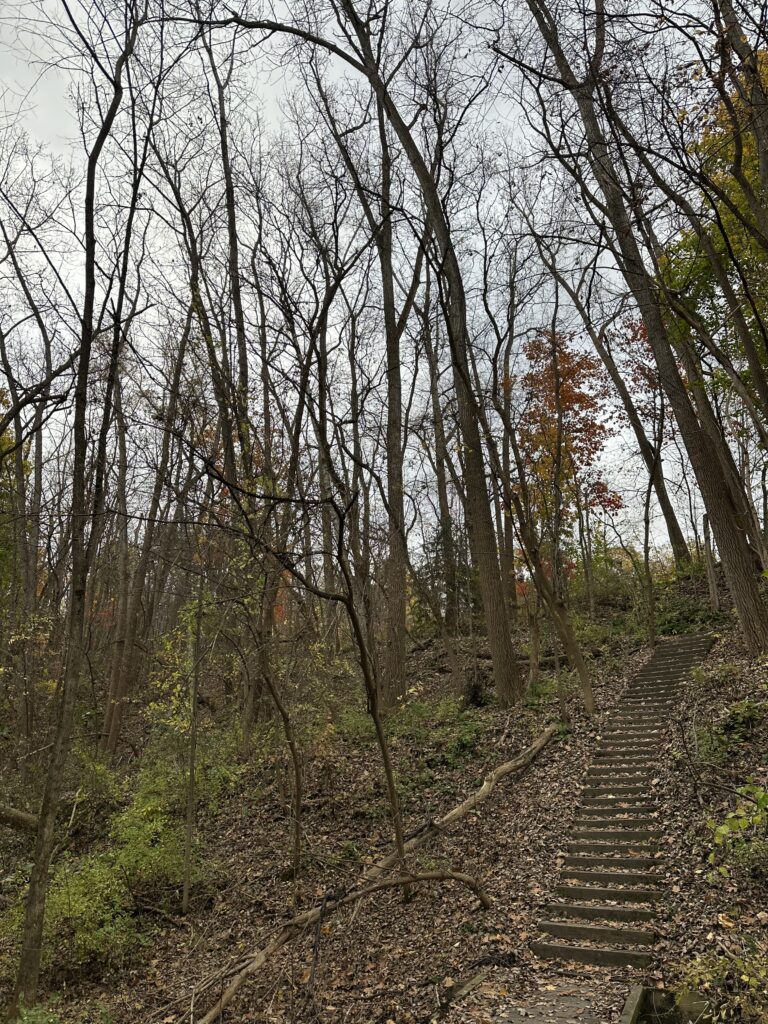
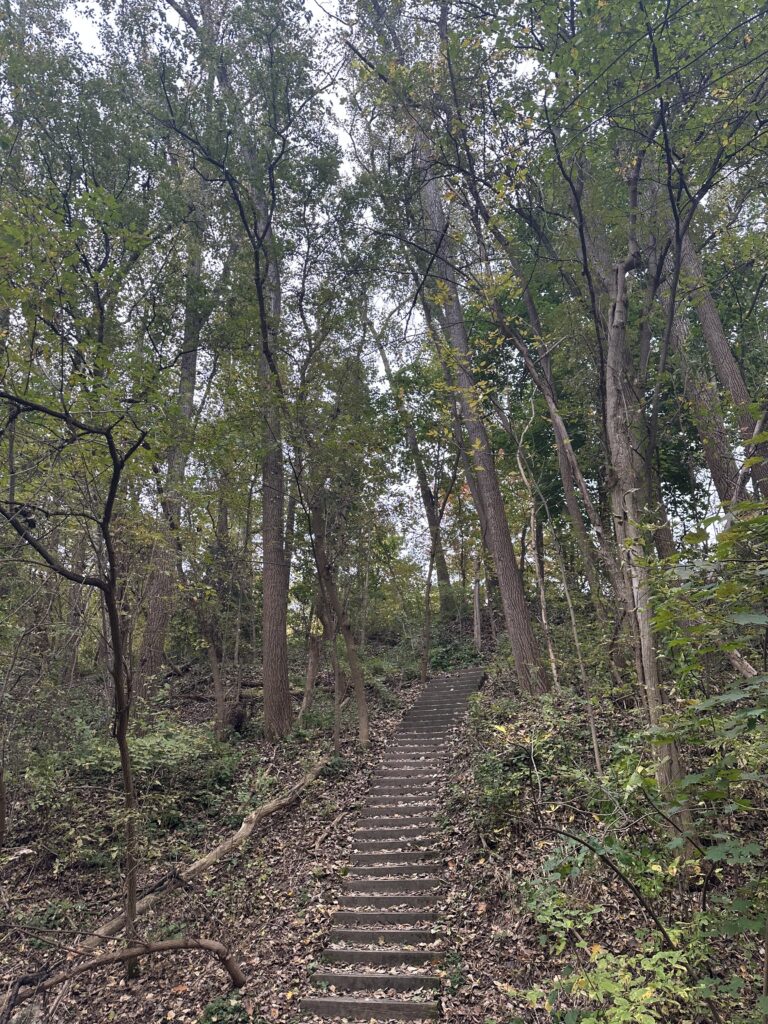
Salmon Hole was a different spot to observe phonology than I thought it would be. I liked the area I chose and how I found changes in the stream running through my spot as well as the changes in foliage. Being able to get out of the general Burlington area and go to Winooski was a nice change in scenery and the stairs right above my spot were photo-worthy. Walking down to the river each time I visited my spot was enjoyable too!

Wellfleet, MA: Audubon Phenology Spot 11/29/24

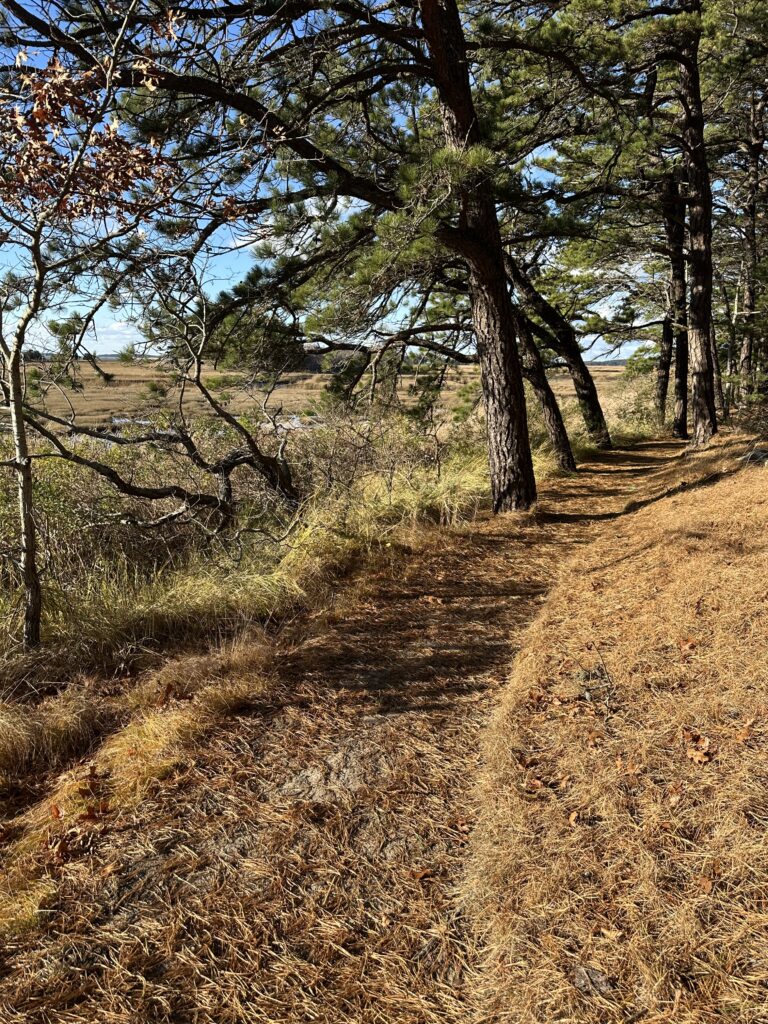
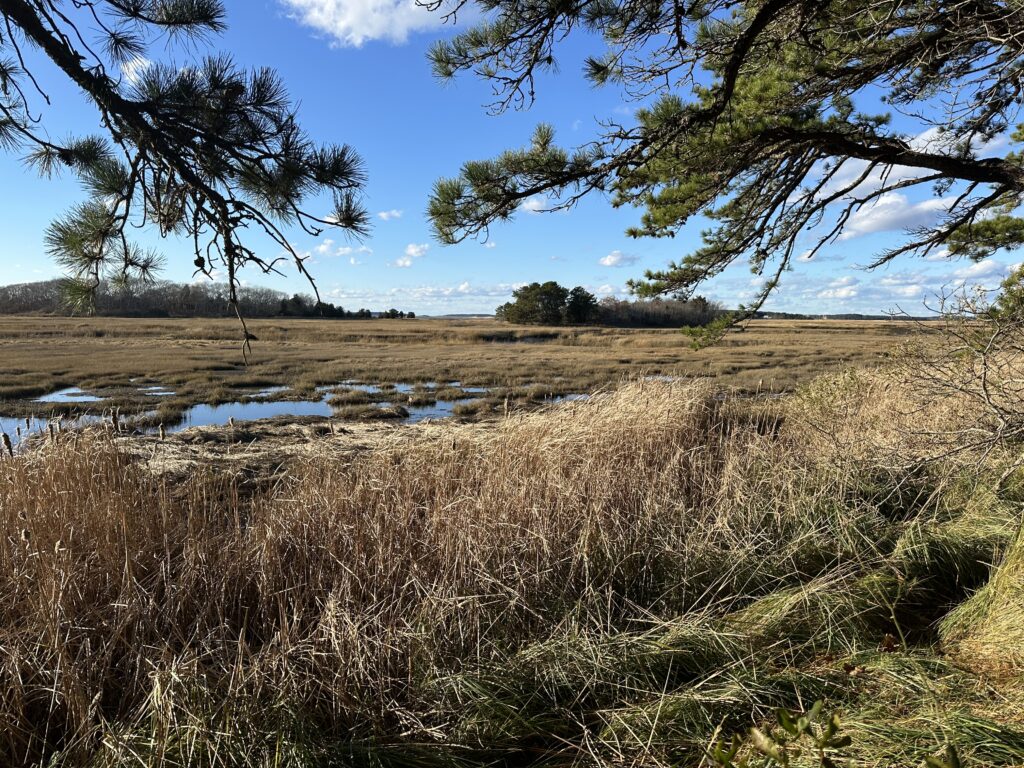
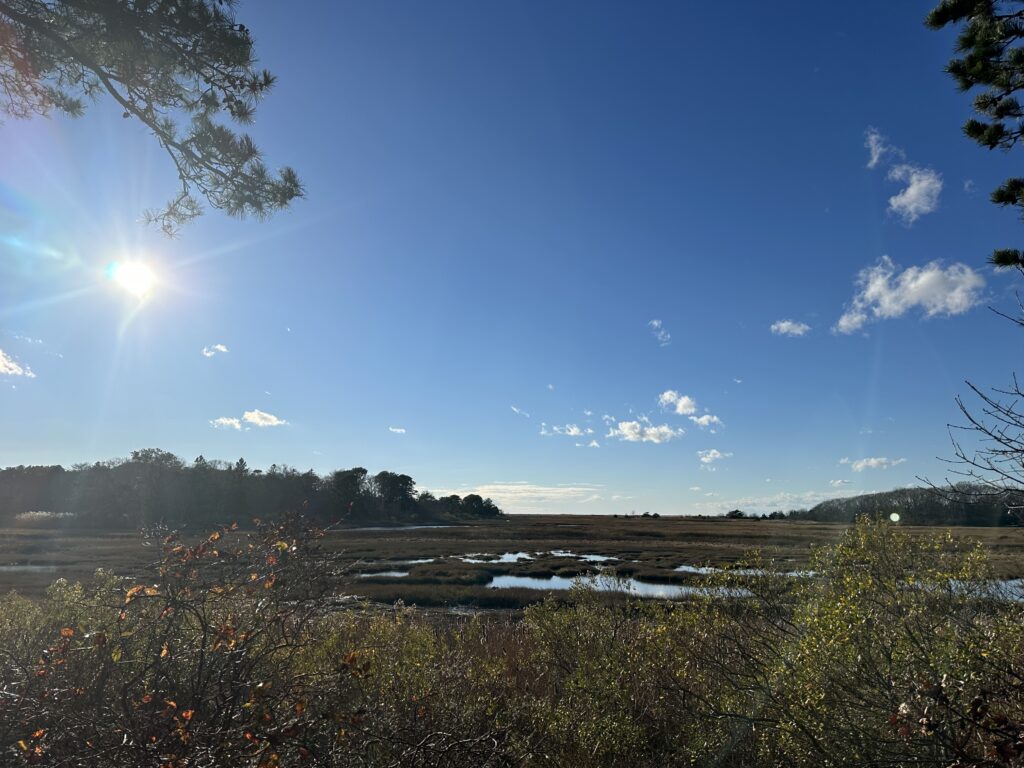
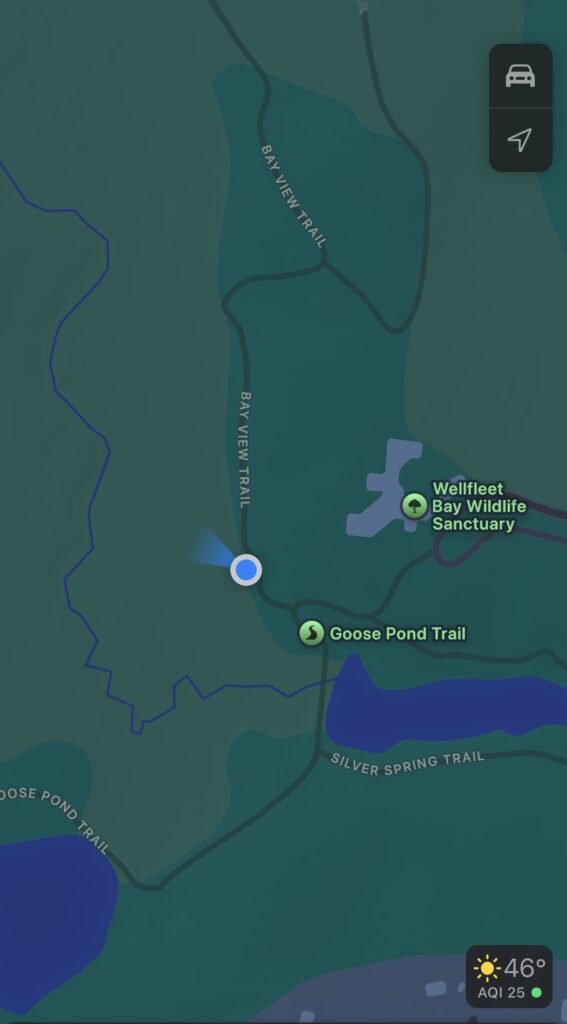
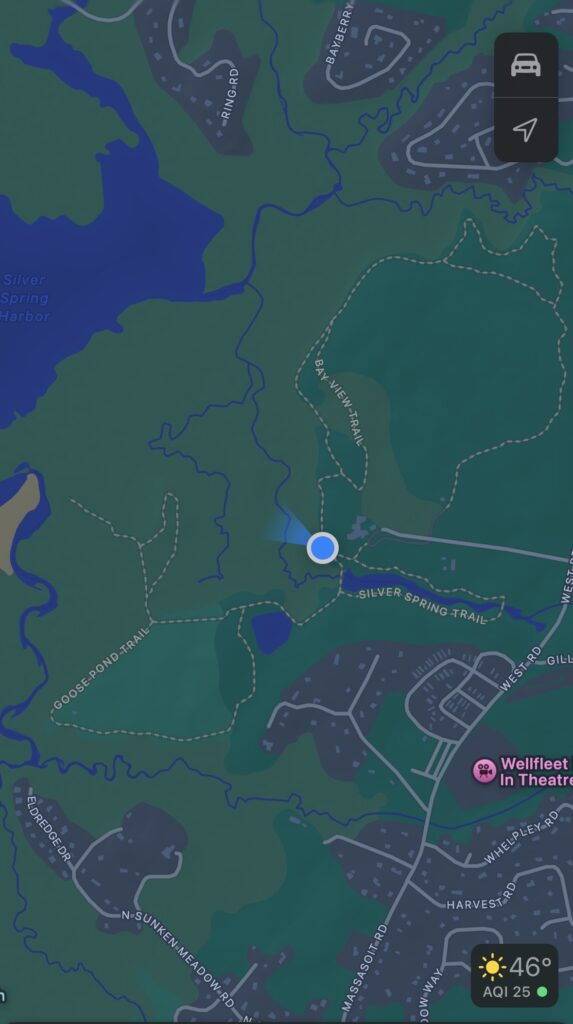
Over my break, I decided to choose the Wellfleet Bay Sanctuary and Audubon as my phenology spot. Wellfleet is where I usually spend the summer, but also visit in the winter (or in this case, Thanksgiving). The Audubon is located on the bay side of Cape Cod, creating marsh land to surround the woody trails and habitats in the area. I decided to choose a spot located between the marsh life and woody species to determine the differences in the species here in Wellfleet, and those in my phenology spot in Burlington!

This video displays the spot I chose to observe. It is clear the trail divides the woody ecosystem from that of the marsh life.


Comparisons

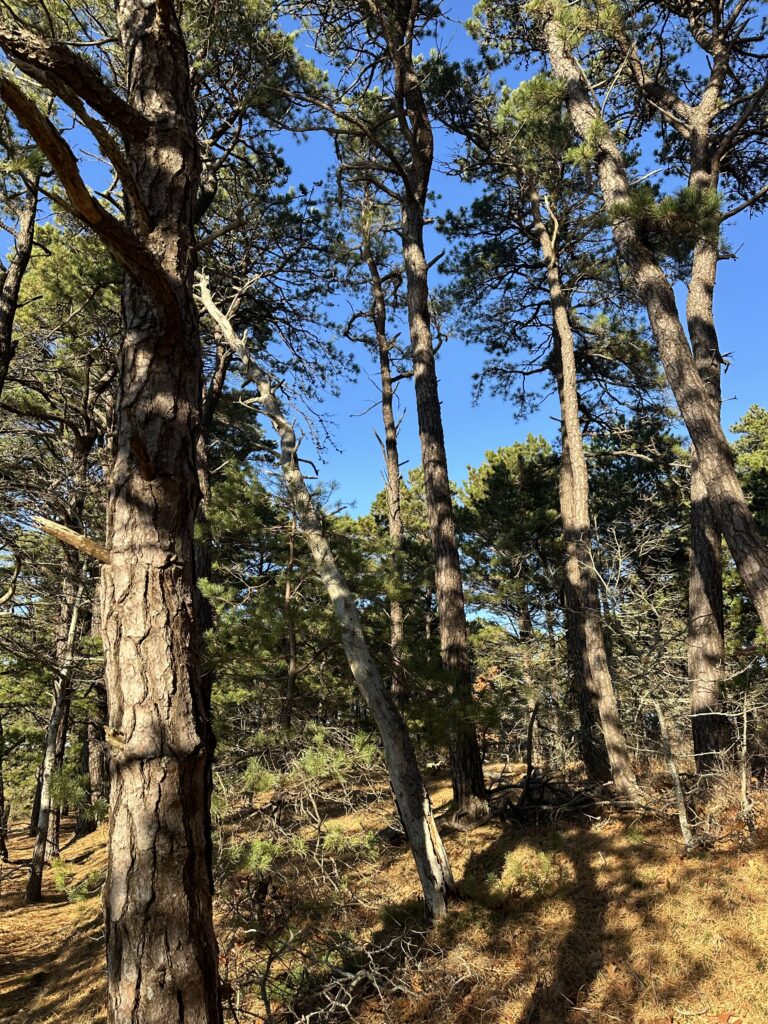
The most obvious difference of my new phenology spot is the addition of the marsh. However, at Salmon Hole the water equivalent would be the Winooski River that flows just a short walk down from my spot. In Wellfleet, there are many different woody species along this trail that are not present in Winooski. There are significantly more Northern White Pine trees in Wellfleet than in my previous spot. Additionally, the sea-side trail allows many different species to thrive such as “Ripgut Brome”(long sea grass), Broadleaf Cattail, and the Common Greenbrier. Larger tree species I noticed included scattered spruce trees in the area, and oak trees which were also abundant at Salmon Hole.

Some ecological differences between the places would be the human uses and impact. In Wellfleet, the Audubon is a naturally protected area, so all of its surroundings and environment have been maintained. However, human impacts include trail usage and disruption to animal habitats in the woods and marsh. In Salmon Hole, my phenology spot consists of man made elements such as stairs, wooden bridges, and a small culvert to divert water into the Winooski River. The Winooski River used to be a source of water power for the factories in the area, causing buildings to be made and more pollution for the surrounding town, ultimately affecting the forests as well.


Although I did not leave a gift in my new spot in relation to Honorable Harvest, the natural beauty of the area speaks for its self. The trail overlooking the bay and marsh alongside an ecosystem rich in diversity was enough to take in and admire.


Location

Salmon Hole 11/1/24

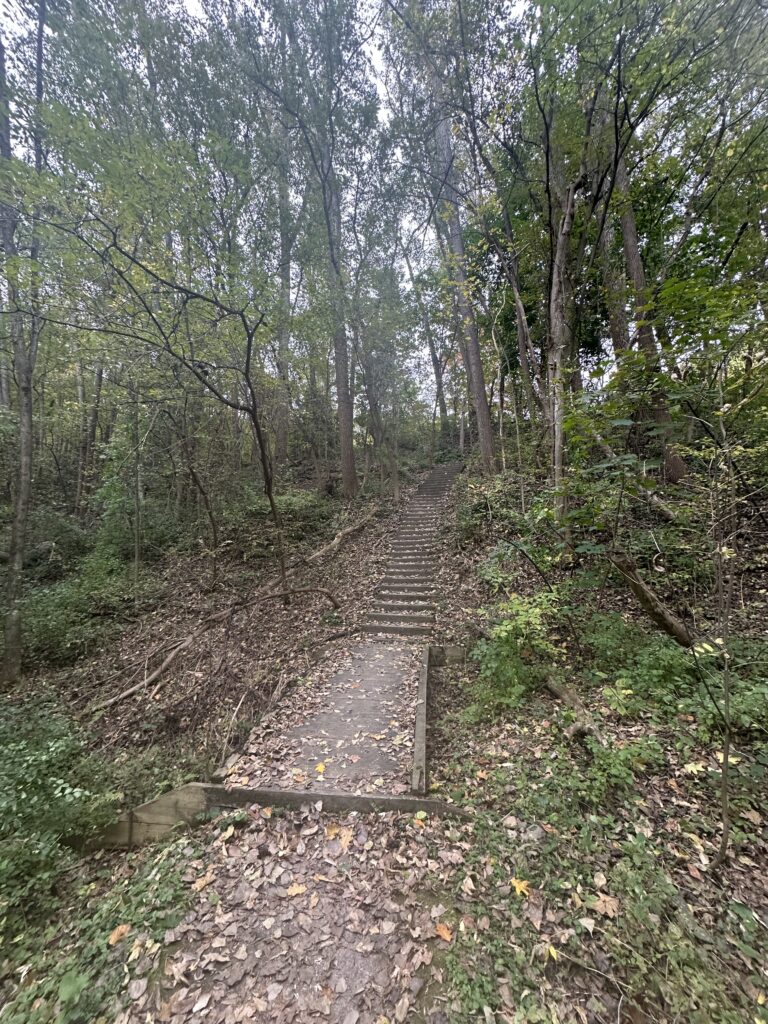
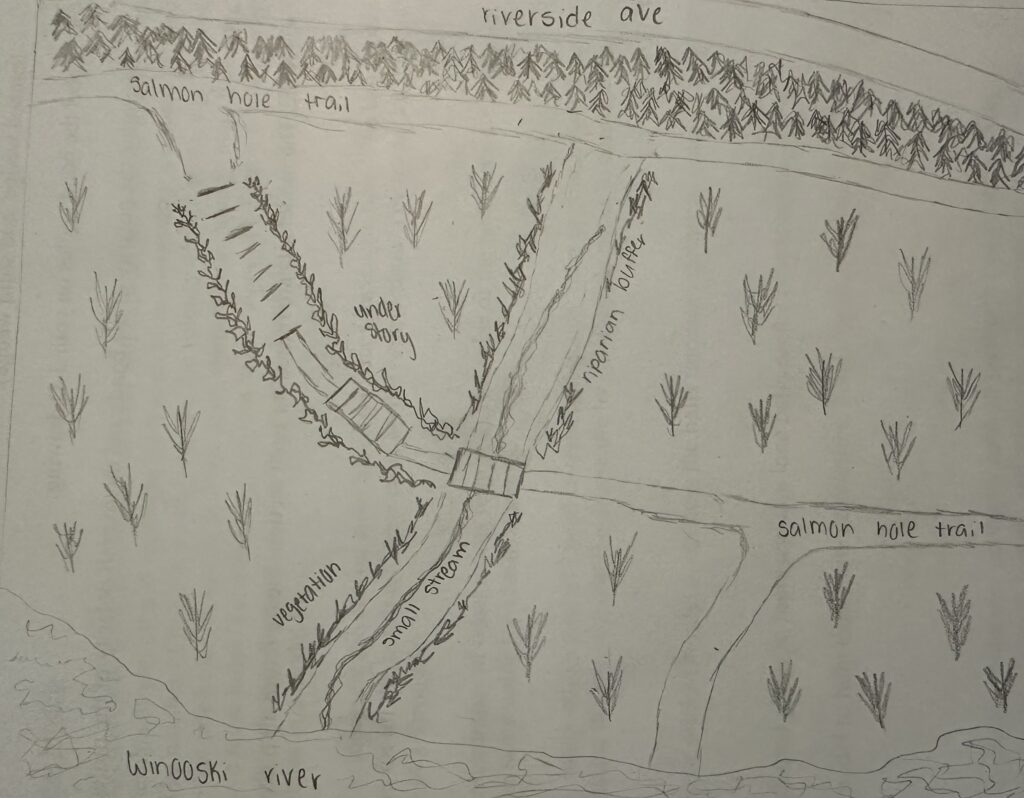
The picture to the left depicts a birds-eye view of what my phenology spot at Salmon Hole looks like. As previously described, my area in Salmon Hole is open with prominent features including the staircase and two bridges where the small stream flows towards the larger Winooski River.


OBSERVATIONS

While observing my phenology spot, I recognized the noise from traffic and downtown Winooski prevalent in the area. At points when the bustling noise settled, I could focus my attention on the sound of the rushing water from the river and the birds chirping. Without the constant distraction from the traffic above, the scenery was calming and I could really take in the environment around me. During the quietest points, I could even hear the slight running of water from the stream below the bridges. Taking the time to observe the different surroundings at Salmon Hole allowed me to appreciate the scenic pieces of the ecosystem and how much of an impact human interaction and actions indirectly affect the area.


CHANGES

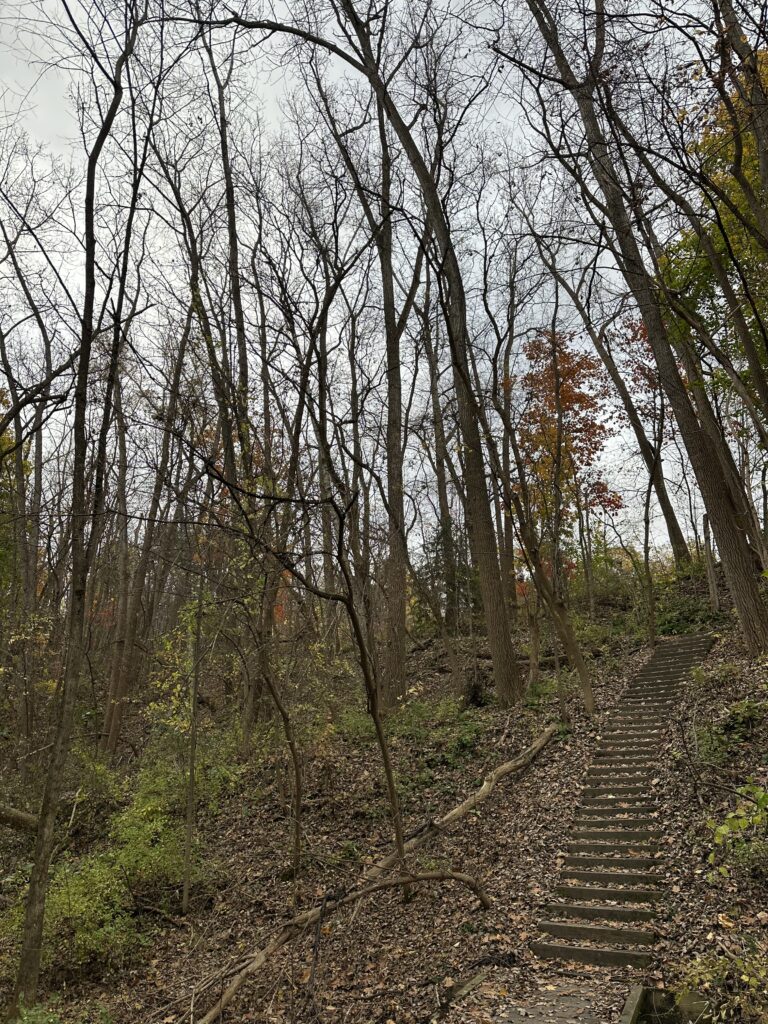
While visiting Salmon Hole for the second time, there were a few noticeable changes. The trees had fully lost all of their leaves while a couple others just reached the peak of changing color. All of the leaves were dead on the ground, creating a lot of leaf litter in the area and causing little ground to be seen. However, the understory vegetation was still alive and green. Riverside Ave and the Winooski River was more visible from my spot now due to the bare and sparse trees as well. This demonstrates how road runoff and winter salting may be affecting the Winooski River in the upcoming seasons.

Salmon Hole 10/13/24

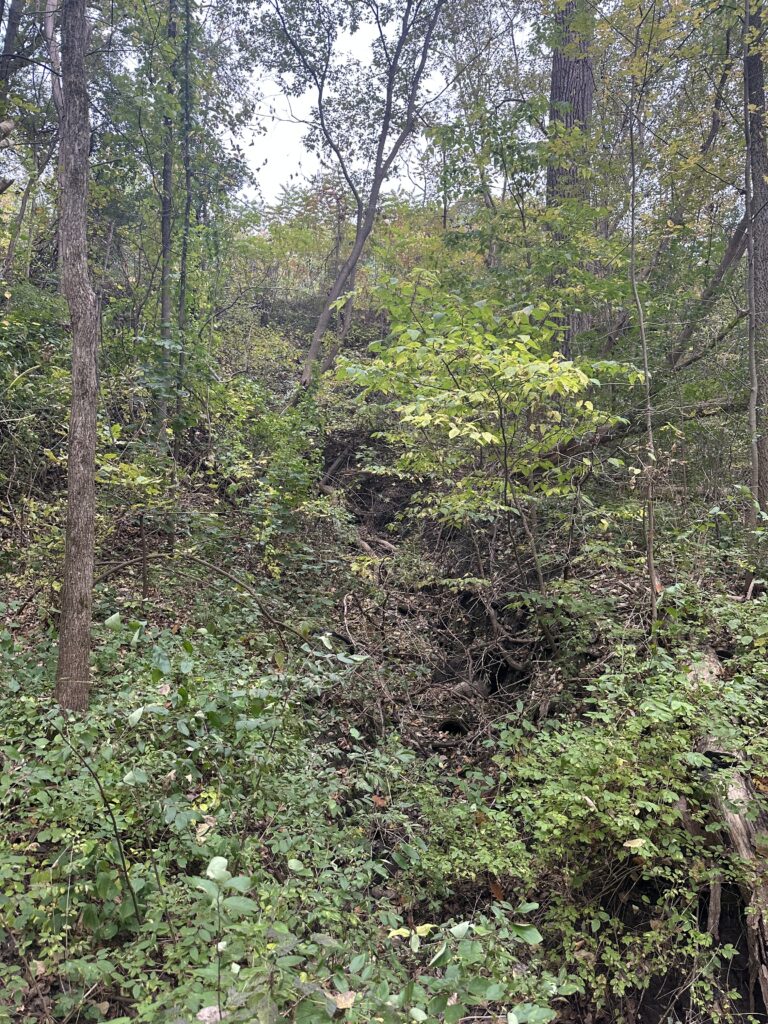
At Salmon Hole, you are surrounded by busy traffic ways, a flowing river, and a small downtown Winooski. I was intrigued in choosing this specific phenology spot because I wanted to identify if the surrounding area, especially the Winooski river, had any effect on the phenology within the forest throughout the seasons. Within Salmon Hole, I chose the area at the bottom of the stairs. There is a large riparian buffer, and what seems to be a small stream that drains into the river right under the bridges. I am excited to study if any of these natural features alter the surrounding ecosystems over the next few months!

This video shows the area within Salmon Hole I chose to study. At the end you can recognize the darker riparian buffer which is where the small stream flows towards the Winooski River.
  • Norway Maple
  • Common Buckthorn
  • Honeysuckle
  • Intermediate Wood Fern
  • Broad-Leaved Goldenrod
  • Multiflora Rose
  • Oriental Bittersweet

Woody Species Description & Other Observations

The woody species in the area are still fairly green, while the taller trees are starting to change color, or have already shed all of their leaves. There is about 60% ground coverage between all of the ferns and shrubs while the leaves are covering the majority or about 30% more of the ground. A lot of the shrubs such as the buckthorn, honeysuckle, and multiflora roses were intertwined with each other. These species were located closest to the riparian buffer as well. The tree species were spread throughout the area, including Norway and Sugar maple. They have slim trunks and stand straight with other fallen trees scattered in the forest.

The stream is currently clogged by the fallen leaves, so it was difficult to capture a picture of the flowing water. However, it is noticeable how the land slopes down from the busy rode at the top towards the Winooski river, most likely becoming the biggest source of surface runoff and soil erosion. I am interested to see if the there will continue to be a stream as the months get colder, or if it was present due to the amount of rain the past few days.

Directions

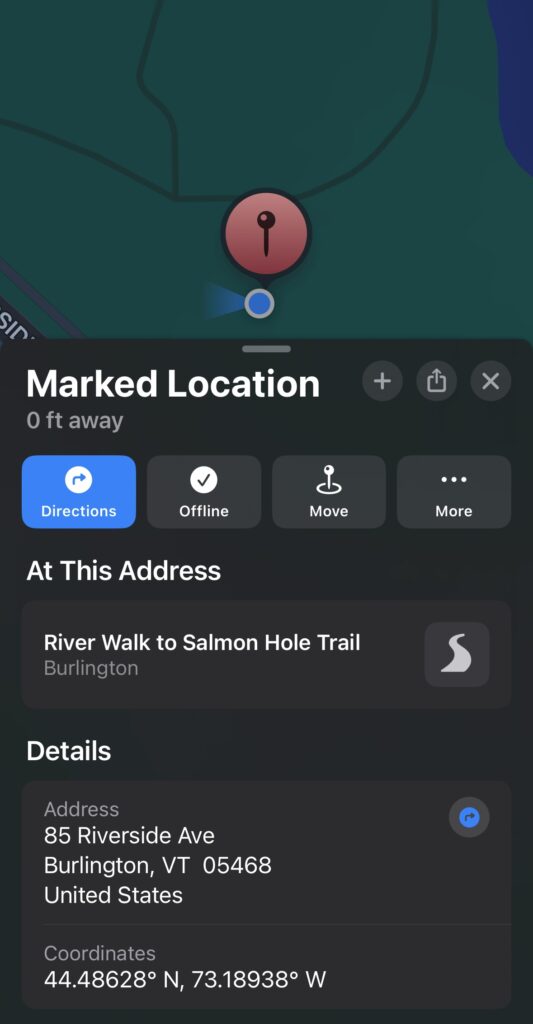
To get to Salmon Hole from campus, you can either take the bus to downtown Winooski and then walk, but for today, I walked to get there. From the main part of campus, you can start the walk towards the Medical Center and take a right on to Colchester Ave. From there, the walk continues straight all the way to the bottom of the hill, past Trinity Campus, until you reach Riverside Ave. When you take a left on to the street, you will notice the large sign for Salmon Hole as you walk down, if you take a few steps further you will notice a trail start to form into the woods. This will take you straight to the stairs, and at the bottom is where my phenology spot is!

Skip to toolbar