
The phenology spot I chose over Thanksgiving break is in Thorncrag bird sanctuary in Lewiston Maine. My family just recently moved to Lewiston, so this phenology assignment provided a good excuse to explore the surrounding natural area. Lewiston is a very urbanized city, but only a 15-minute walk from my house is Thorncrag, a beautifully preserved natural area.
https://goo.gl/maps/UJqi1YukH4zAAz1Y9
The spot I chose within Thorncrag sanctuary is the Anthony fireplace. I chose this spot because it is quite deep in the woods and far from any audible traffic. The Anthony fireplace is made of stone and was built in the 1800s. It is part of the land’s interesting land use history of being a clear-cut pasture in post-settlement times. to the west of the Anthony fireplace is a nearly pure eastern hemlock stand, containing the oldest known tree in the sanctuary, a 250 year old eastern hemlock.
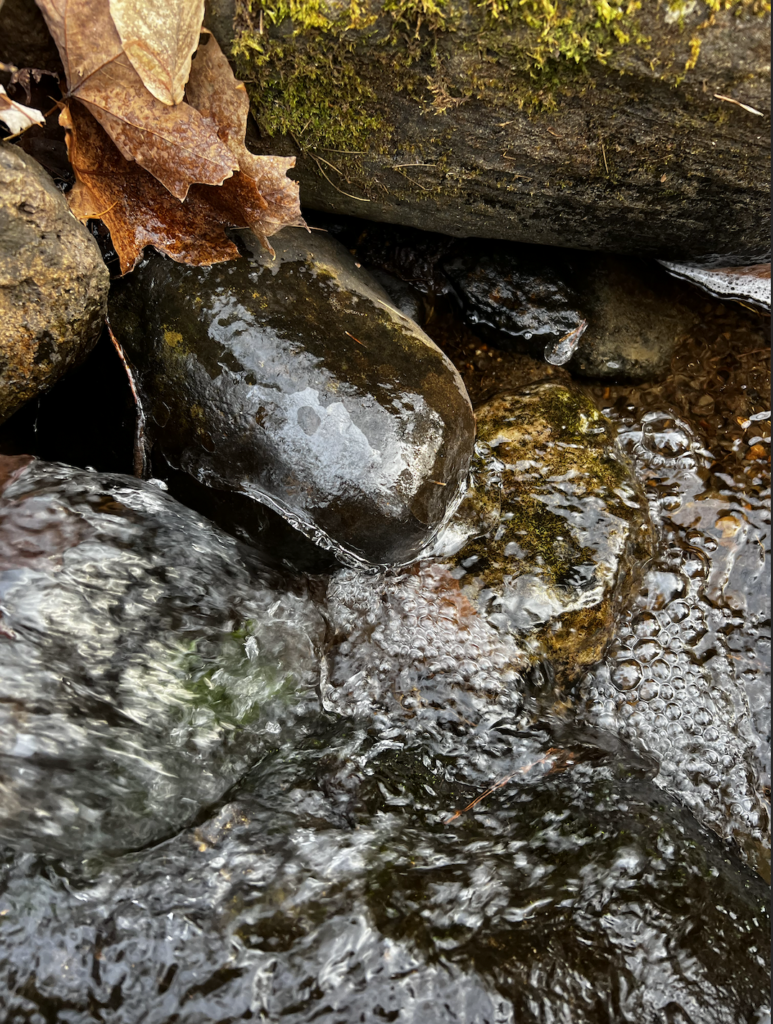
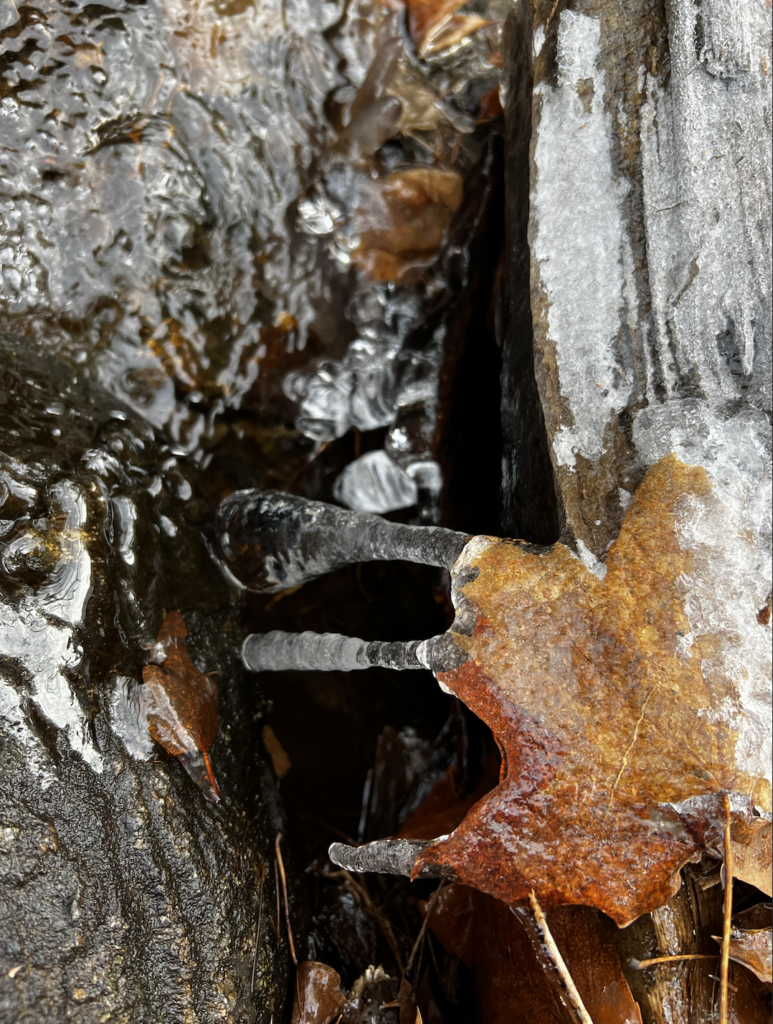
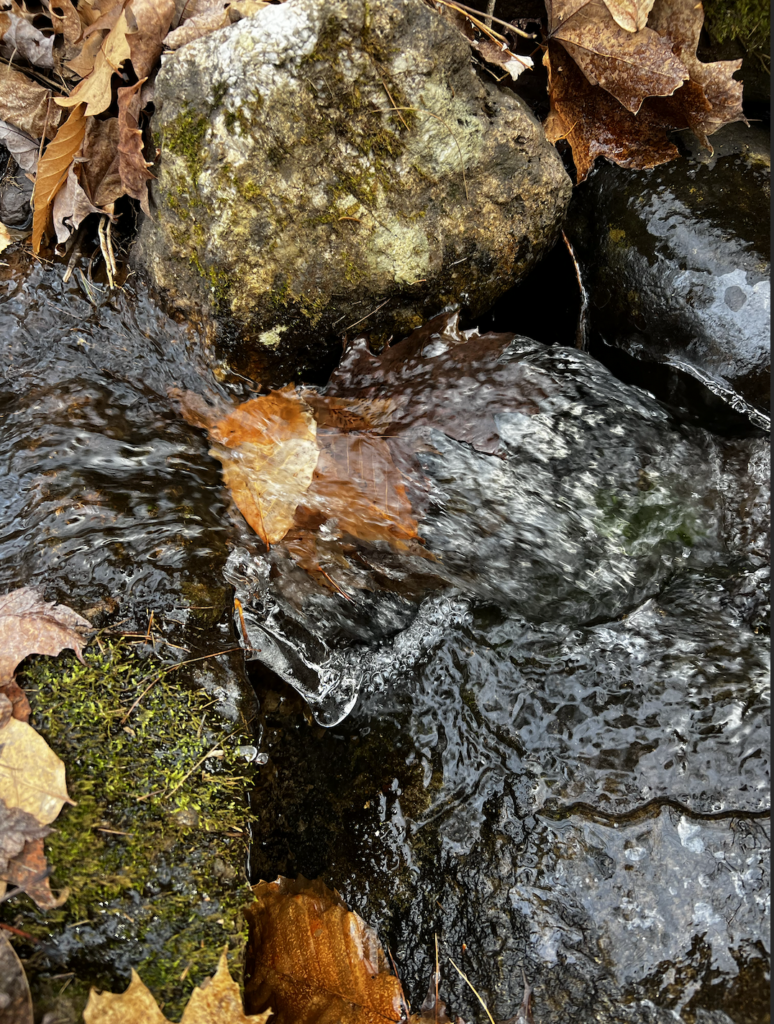
Because Maine and Vermont are in the same climate region, the ecology of this site is very similar to my site in Centennial woods. The sites have a similar land use history of being clear-cut and then preserved as a natural area. Both areas are hilly and contain streams. Both sites contain deciduous trees such as Red Oak, Red Maple, and Beech as well as an abundance of Eastern Hemlock and Eastern White Pine.
Thorncrag Sanctuary differs from Centennial Woods in that is a larger natural area, and it is not within an audible range of traffic. My site at Thorncrag didn’t have an open meadow space like my site in Centennial Woods. Although both sites had Hemlock trees, the Thorncrag site had much more, as it was almost exclusively Hemlock. Overall, my two phenology sites seemed more similar than different; however it will be interesting to compare these sites in the spring/summer when more vegetation diversity is visible.