Posts

Phenology Post #6

Over time, my site has changed phenologically. It began lush in the early fall and is now beginning to return to this state after being void of visible life for a few months. I didn’t notice any human or storm-caused changes.

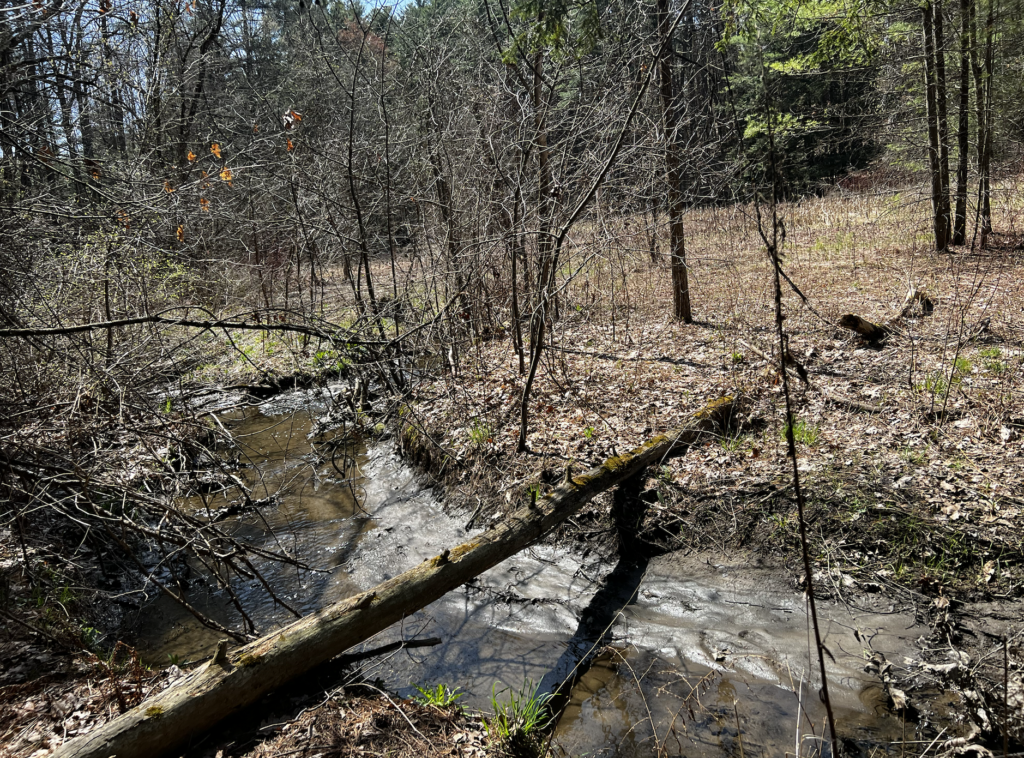
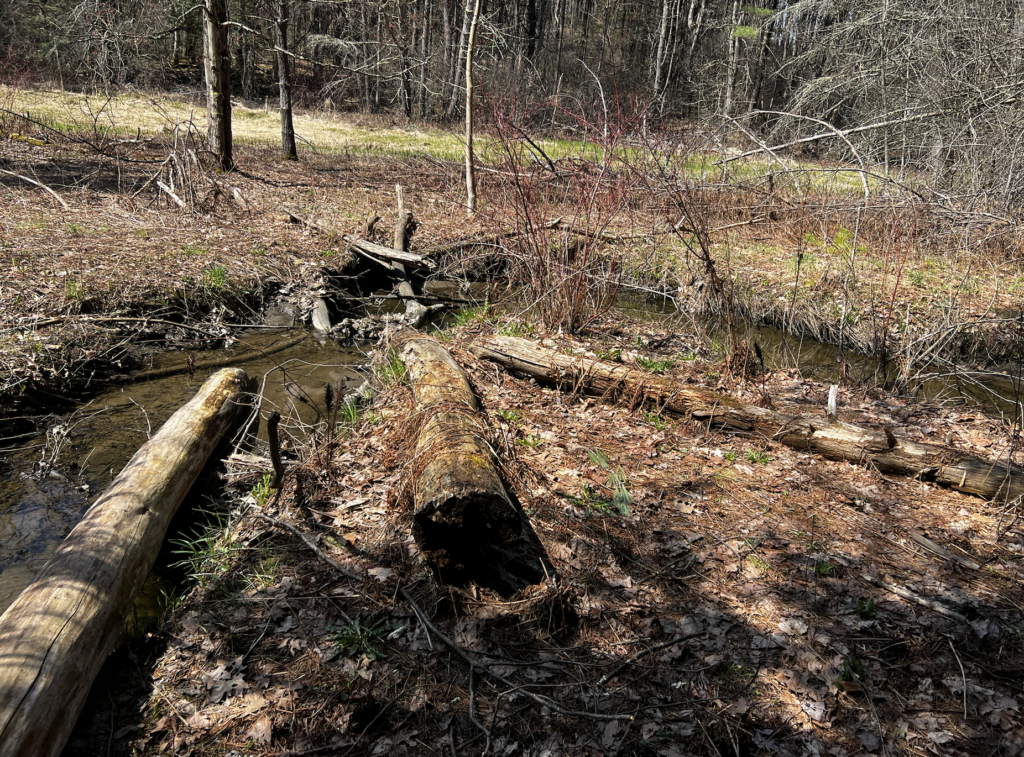
I have become familiar with my spot by noticing the large fallen pine tree that stretches across the brook and the other downed wood that lays in that area. I also consider the sugar maple that I often climb to be a significant landmark.

Culture is intertwined with this natural area because this spot has a path running on either side of it. The one that I use to access it, and the other one that runs on the far side of the river. Also, this being my phenology spot intertwines the space with culture, as I use it for my education.

I do consider myself to be a part of my place, but only when I am there. When I sit on my favorite log and observe all that is going on, I do feel connected to it. I don’t have a deep enough connection to this spot to consider myself to be a part of it when I am not there, but there are many other places in my life where I do.
Phenology Post #5

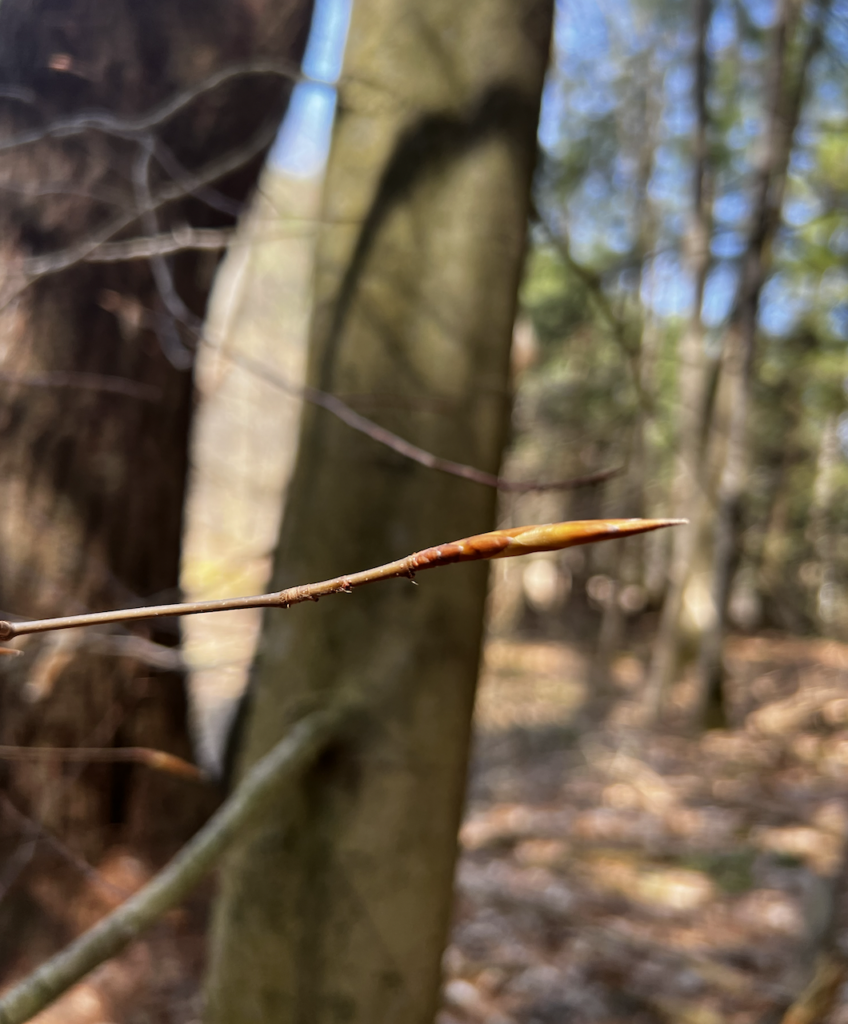
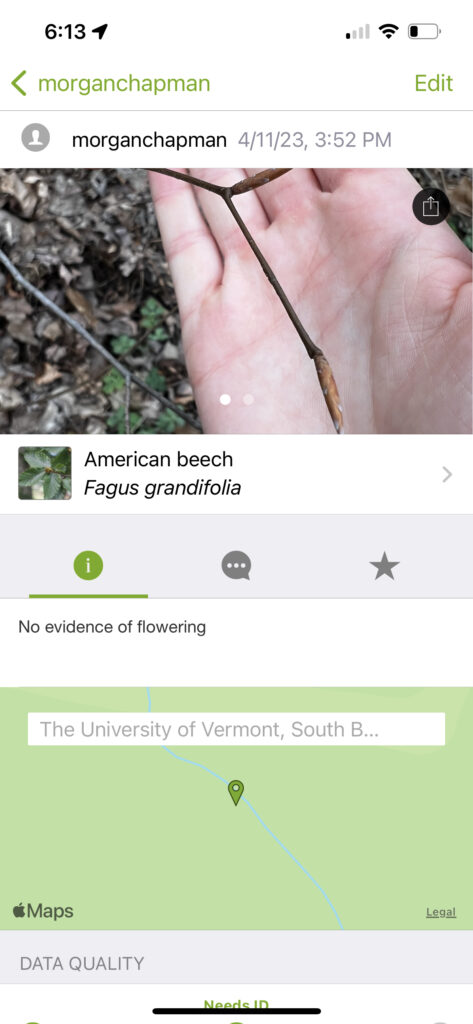
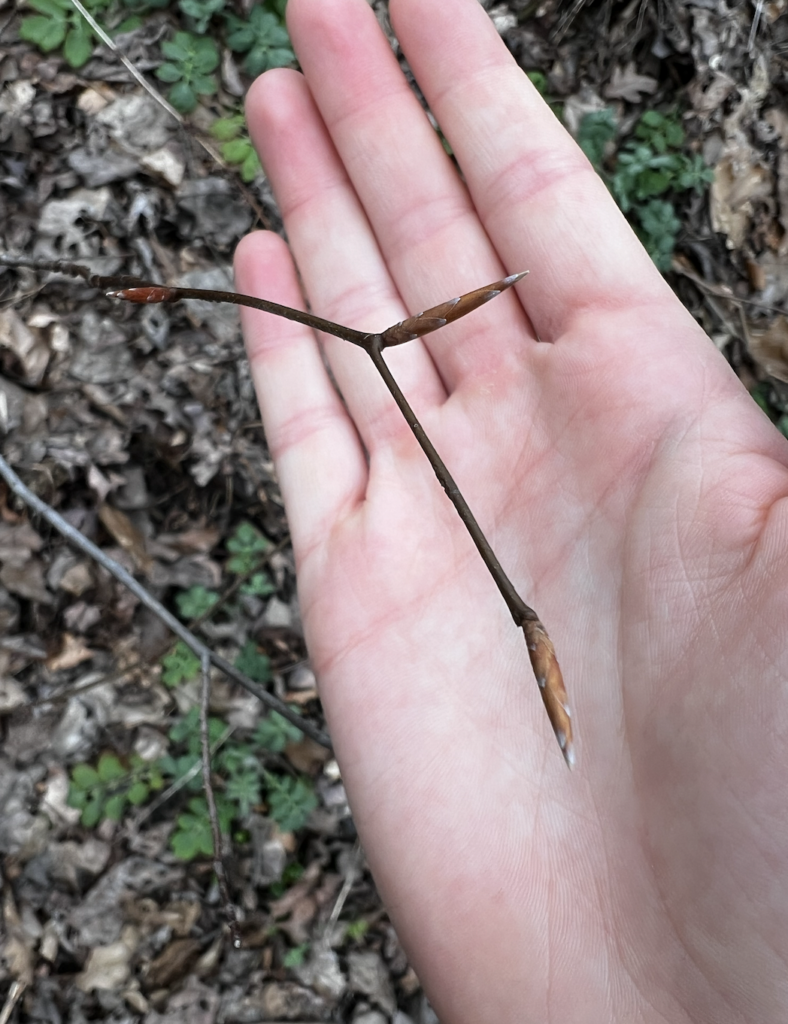
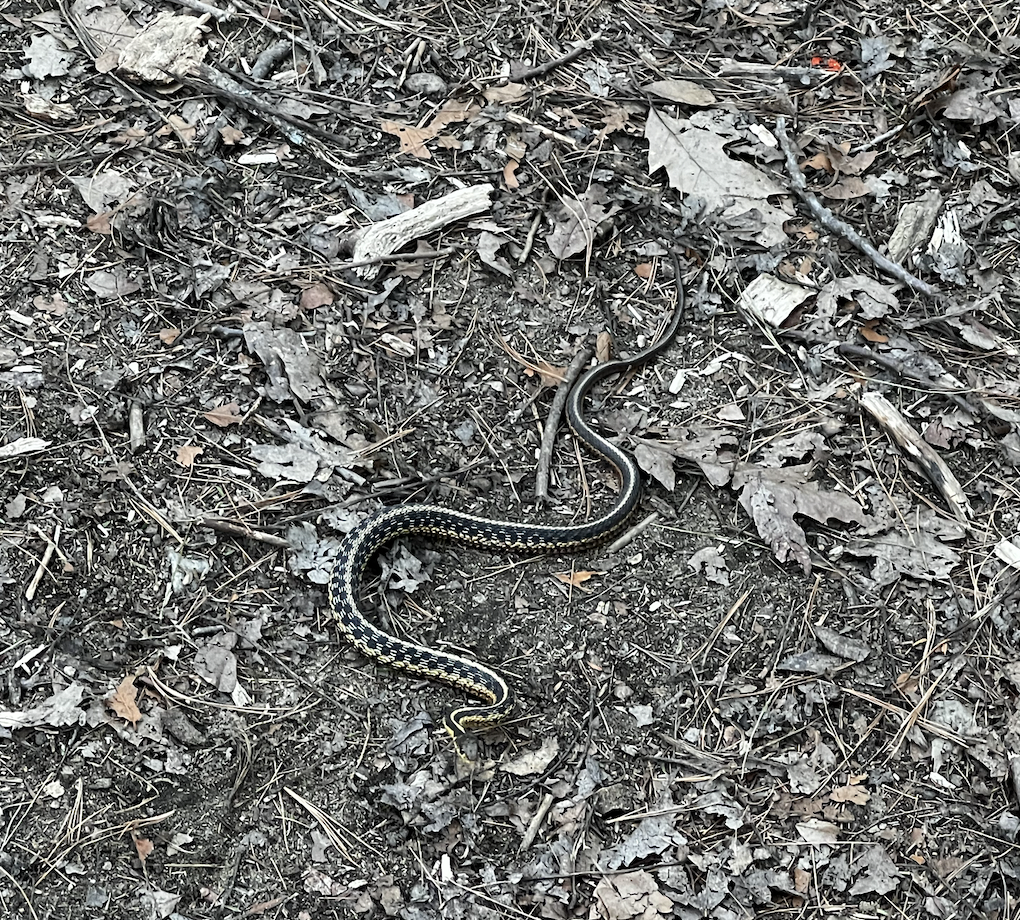
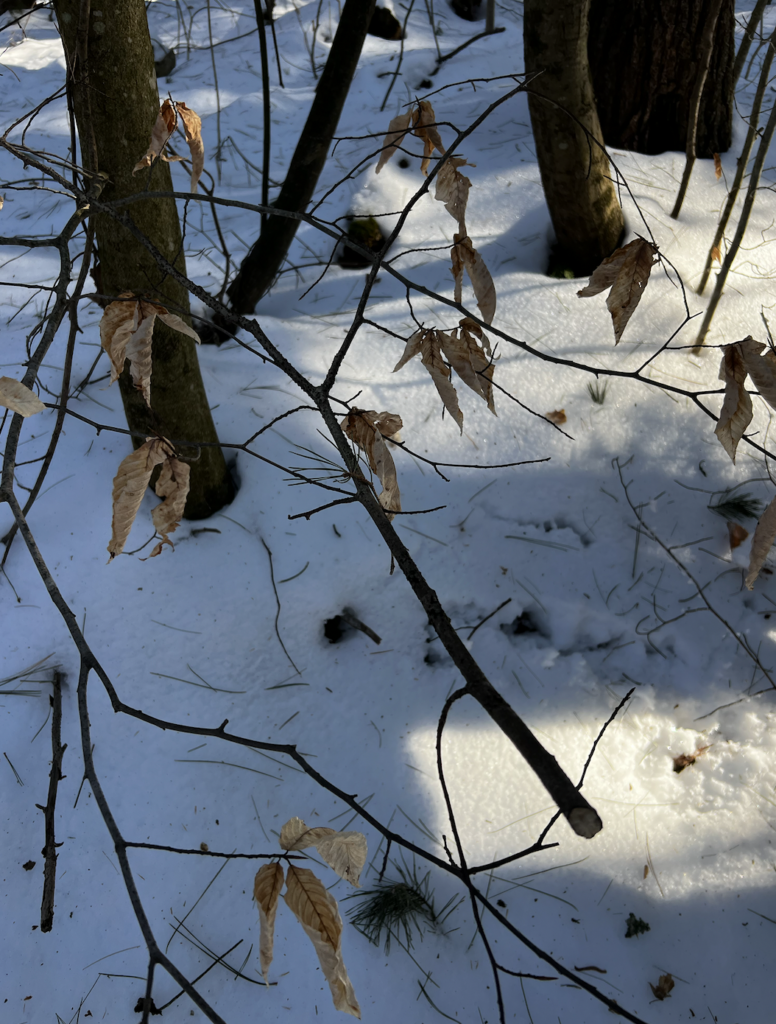
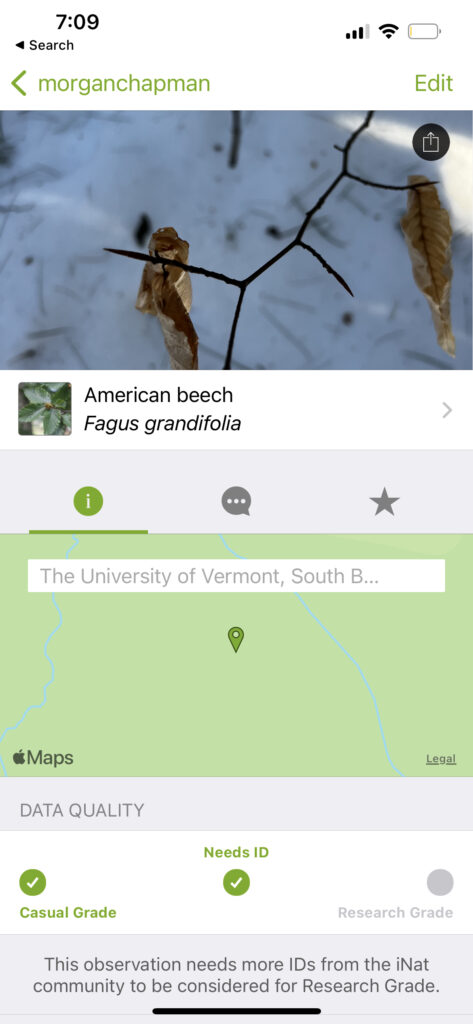
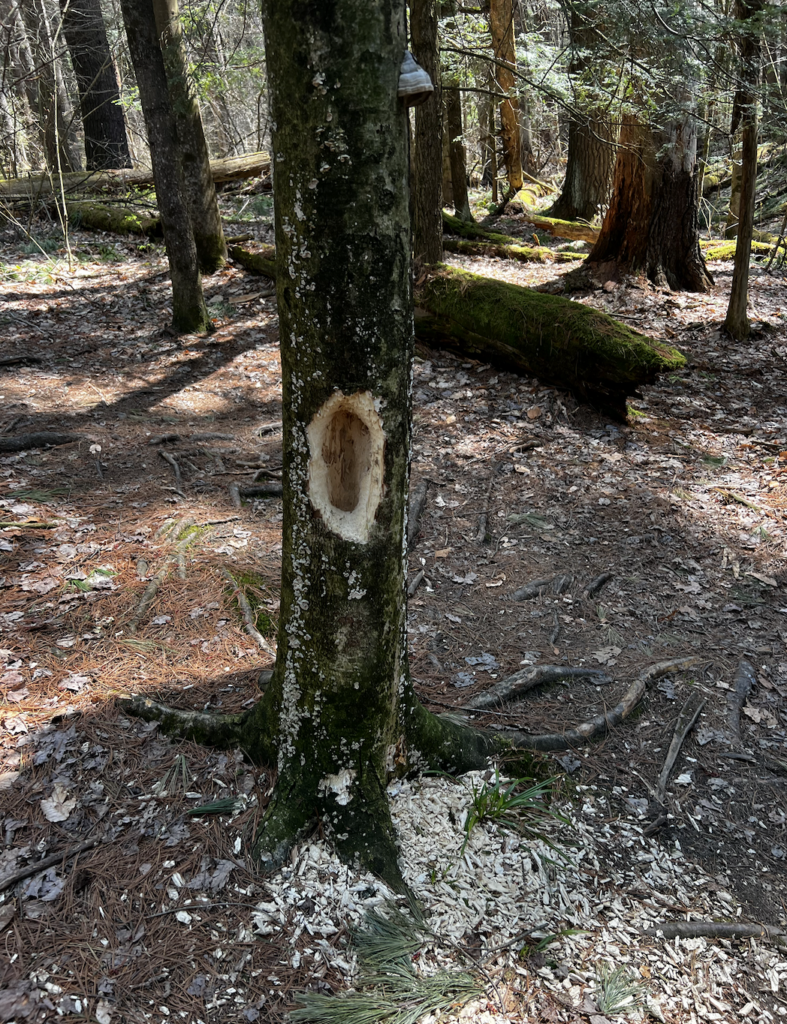
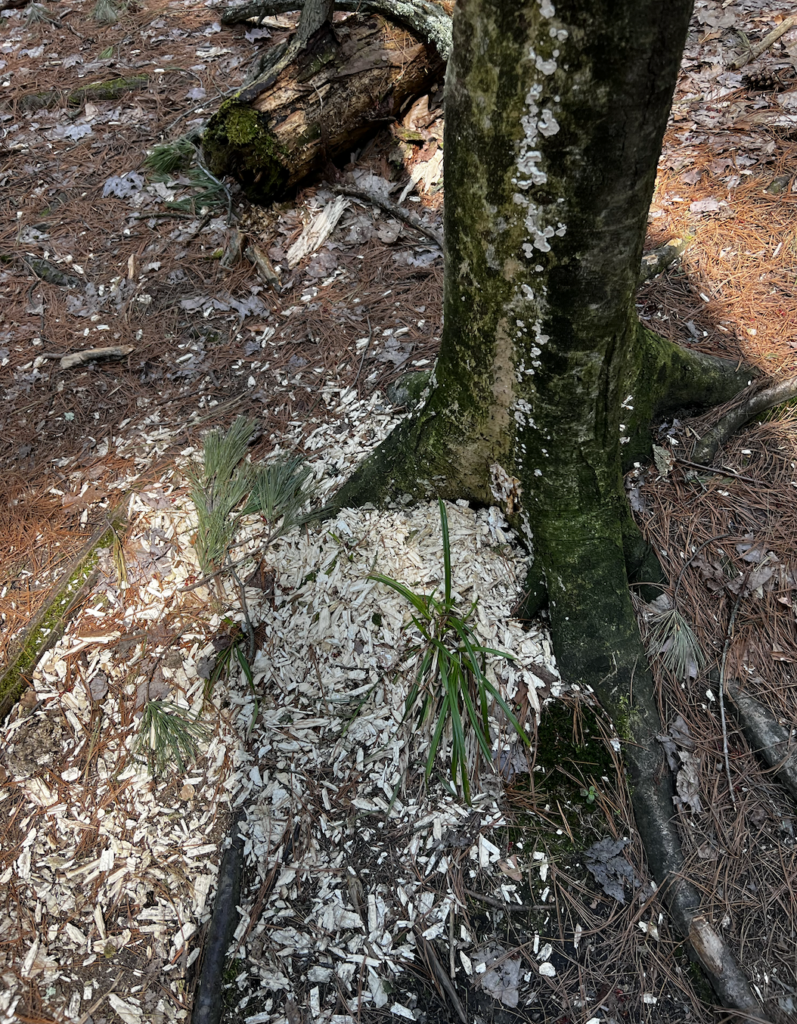
When re-visiting my sight there is now no snow on the ground at all, and lots of mud which makes me happy and hopeful for warmer weather. There are various plants poking out of the ground, many trees have noticeably bigger buds, and the birds seem to be chirping louder than before. The buds on this American beech seems slightly different than before, but it is hard to tell. there seems to be white tips forming on the edges of this bud which could be an early sign of flowering. Another cool thing I saw during this visit was a snake!

Phenology Post #4

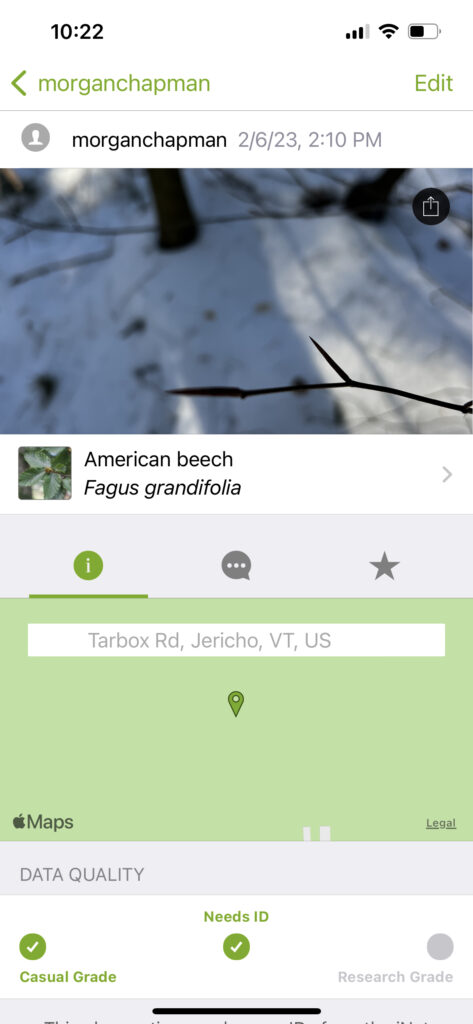
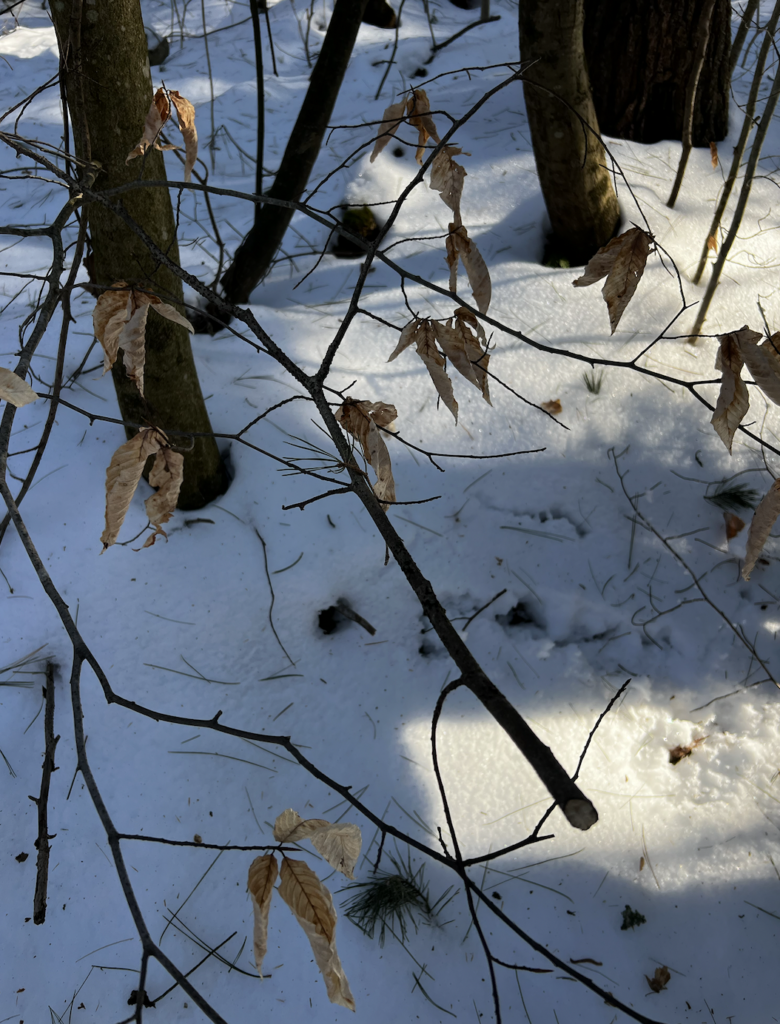
I had a very pleasant experience revisiting my site. Although there was still snow on the ground, it was a much warmer temperature than it was during my last visit. There were no changes that I observed in the bud, but a few fewer dead leaves remained on the tree.

Phenology post #2

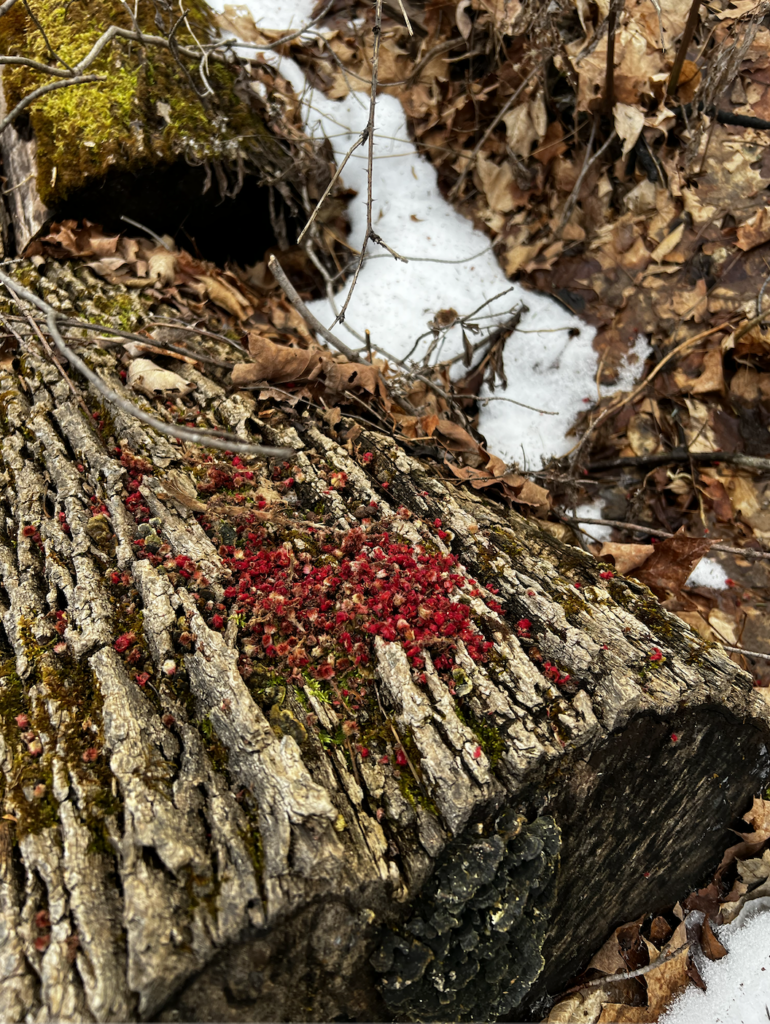
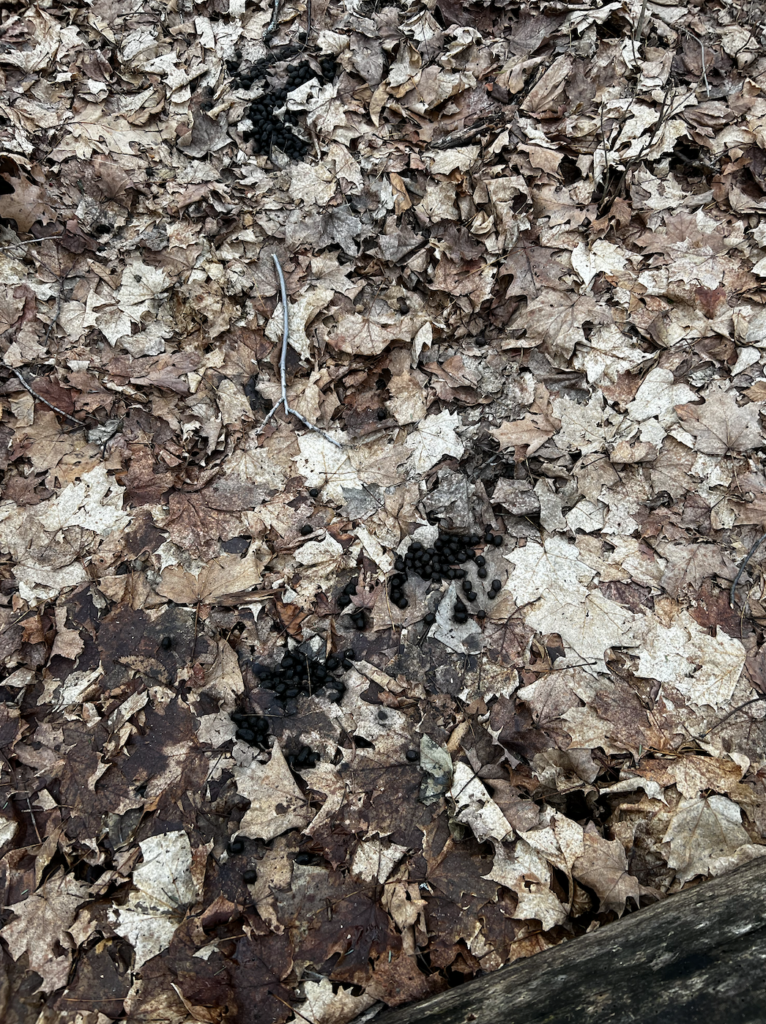
Last Thursday my friend and I took a long walk to Rock Point. It was very warm out for February so the walk was a comfortable temperature. I encountered some tracks that I expected to see like domestic dog and squirrel. I found deer scar and signs of deer feeding on Sumac berries. It took only a few steps off trail to find the first signs of deer. I didn’t use my book to identify this as I have had enough experience with deer in my life to identify it’s recognizable scat. Deer scar is simile to rabbit scat but I could tell the difference due to the large amount and the presence of sumac which only deer are tall enough to eat.

Overall, I liked using INaturalist. This wasn’t complicated because I have used it many times before.

Centennial Woods Site: 1st of the 2nd semester

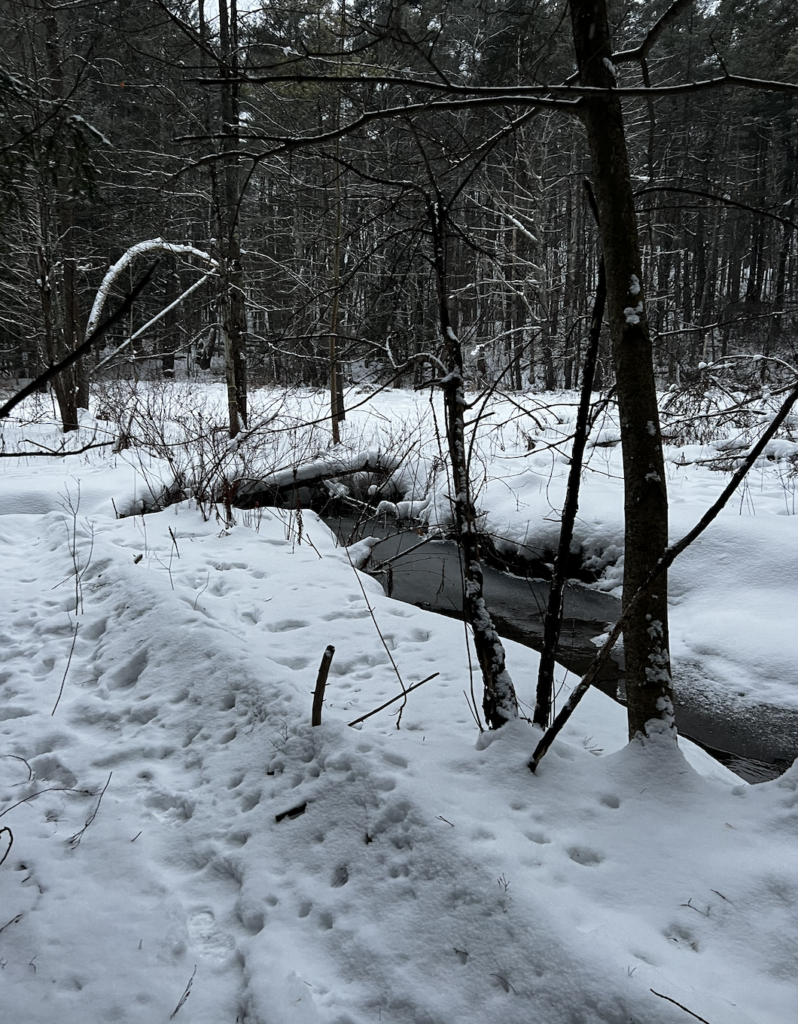
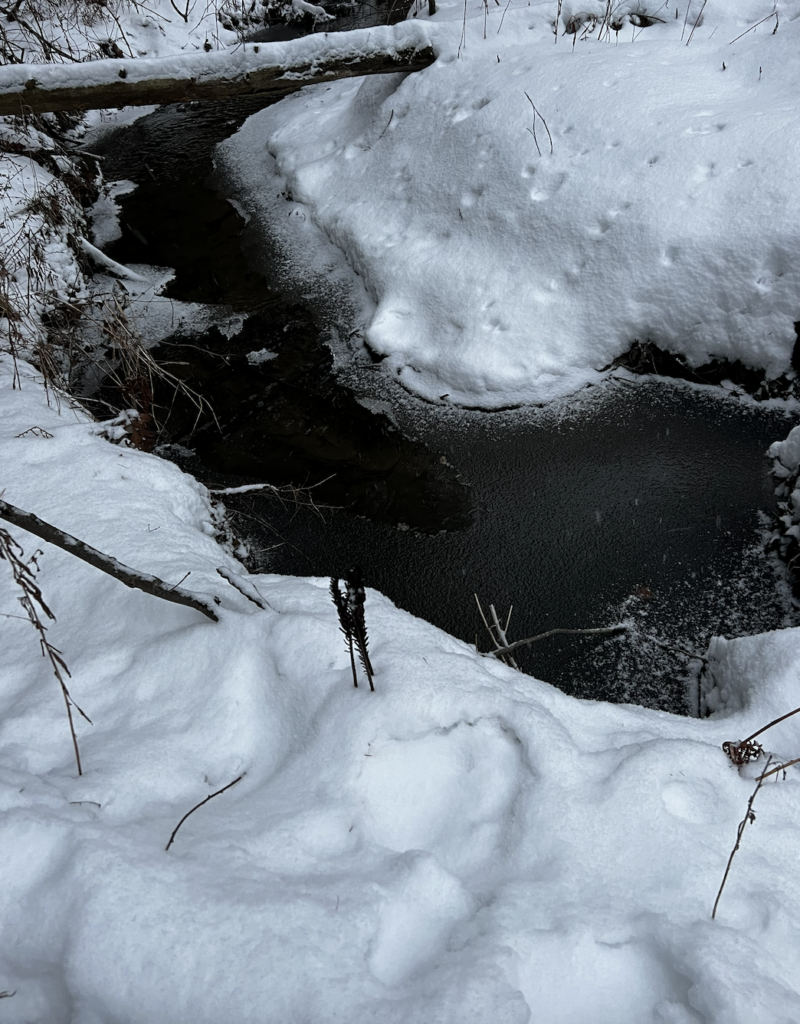
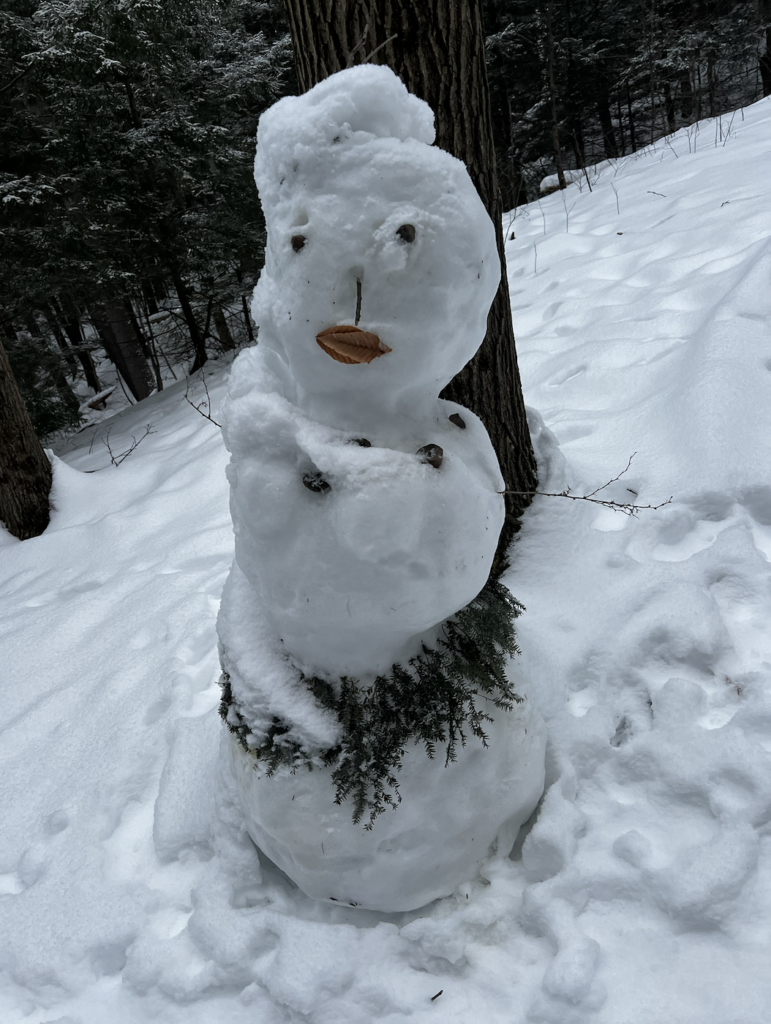
The phenology of my centennial woods has changed drastically since my last visit. The most noticeable difference is the thorough snow cover and the thin cover of ice in the stream. There were a few spots with visible tracks but none of these were identifiable due to very recent snowfall. I also found 3 mysterious snowmen/women surrounding my site. I chose to keep the same spot as last semester so I can thoroughly track one location throughout the entire phenological calendar.

Centennial Woods Site: Visit #3

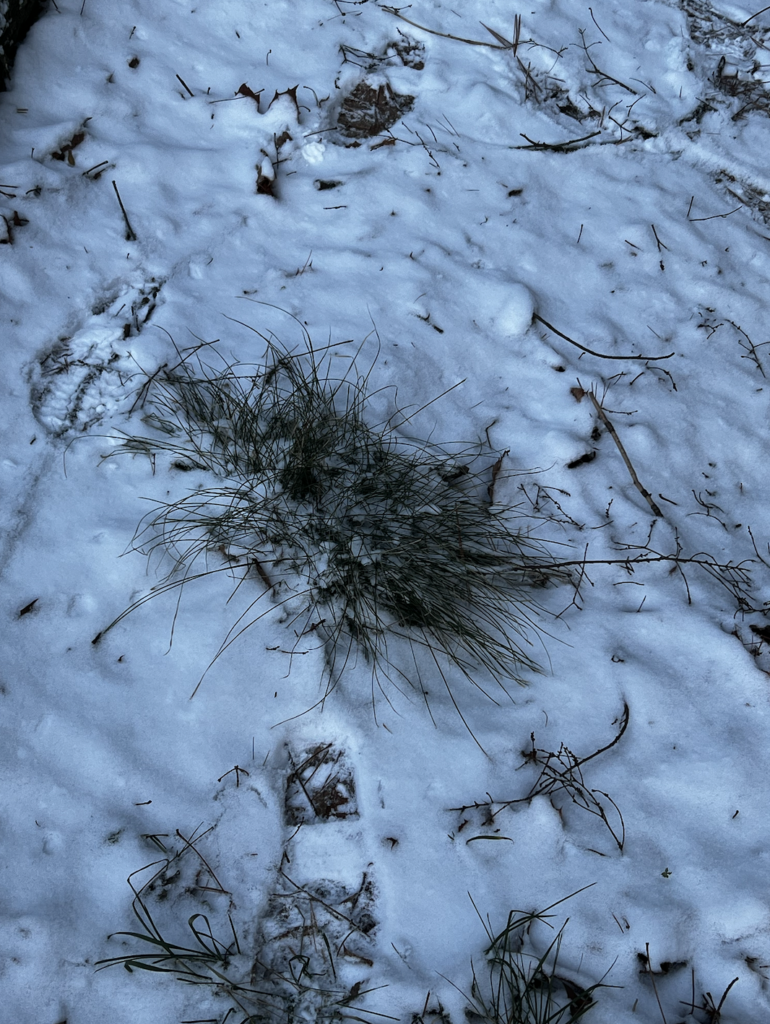
The only one deciduous tree that has retained its leaves is a single red oak. The only vegetation that is still green are ferns and grasses. I added pictures below. When clearing snow off a log, I also noticed persisting green moss. The leaf litter is difficult to asses, as there is snow covering most of the forest floor. The leaf litter is no longer causing blockages in the stream like it was in my last visit. The only decomposers I found were a few different types of fungi.


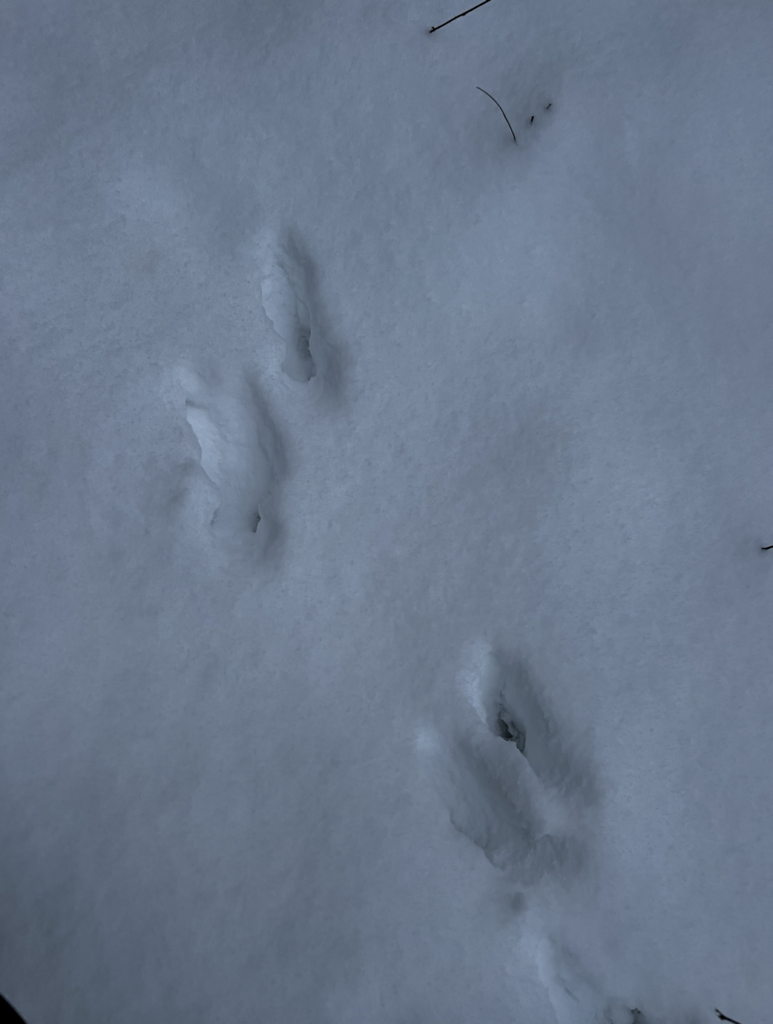
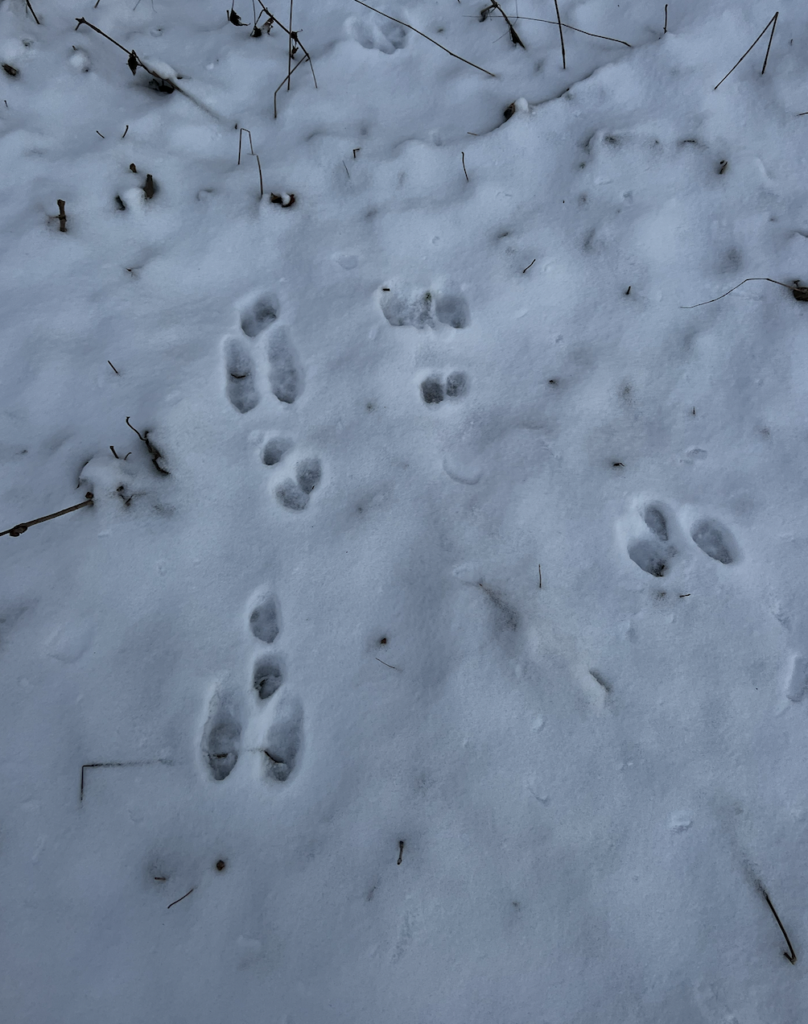
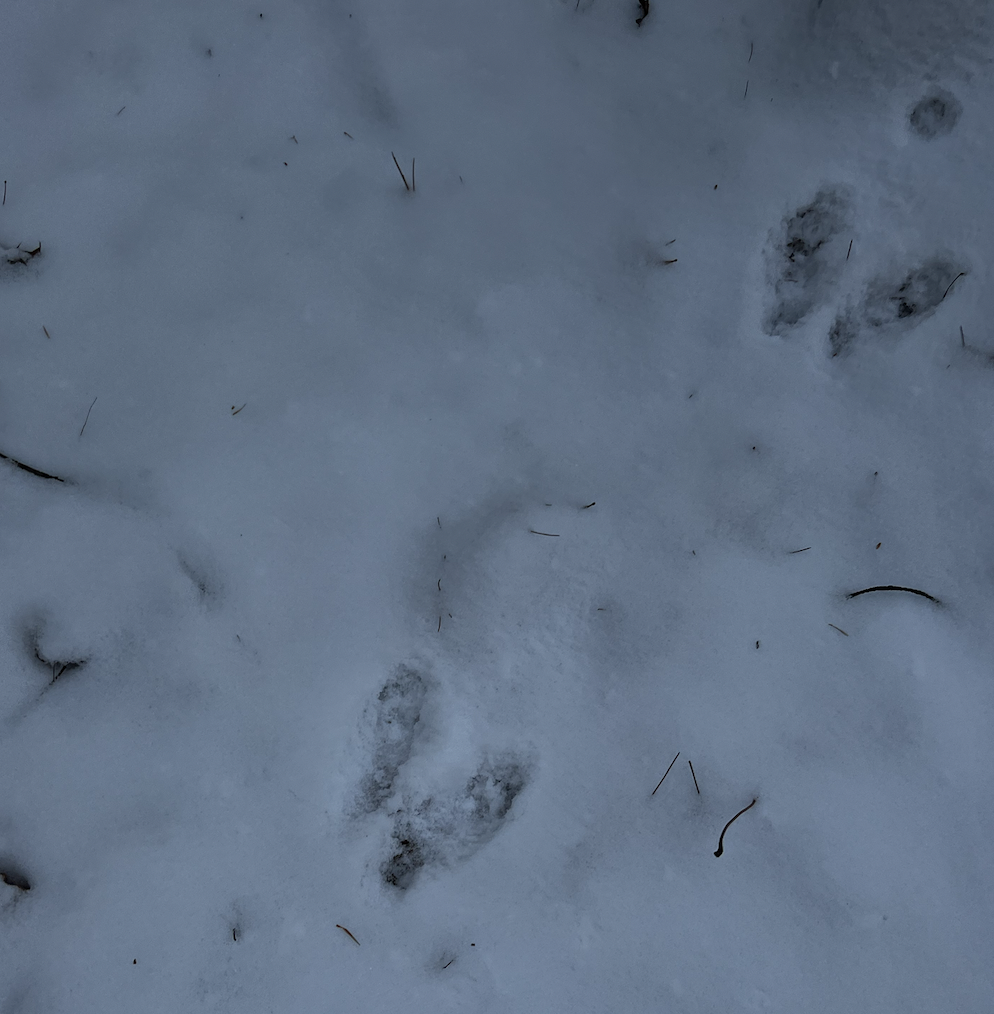
The animal activity in the area is normally low, so I didn’t notice much of a difference. I can still hear occasional bird sounds. Although I couldn’t find any scat or tracks within my plot, I noticed cotton-tail rabbit tracks in another part of Centennial Woods.


The aspects of my phenology site that I enjoy the most are the stream, and the proximity to campus. I like that I could visit regularly, even when blog posts weren’t due. There was a perfect place to sit and observe on a log by the stream, a perfect place to relax, listen, and watch.

Phenology Site in Lewiston, Maine

The phenology spot I chose over Thanksgiving break is in Thorncrag bird sanctuary in Lewiston Maine. My family just recently moved to Lewiston, so this phenology assignment provided a good excuse to explore the surrounding natural area. Lewiston is a very urbanized city, but only a 15-minute walk from my house is Thorncrag, a beautifully preserved natural area.

https://goo.gl/maps/UJqi1YukH4zAAz1Y9

The spot I chose within Thorncrag sanctuary is the Anthony fireplace. I chose this spot because it is quite deep in the woods and far from any audible traffic. The Anthony fireplace is made of stone and was built in the 1800s. It is part of the land’s interesting land use history of being a clear-cut pasture in post-settlement times. to the west of the Anthony fireplace is a nearly pure eastern hemlock stand, containing the oldest known tree in the sanctuary, a 250 year old eastern hemlock.

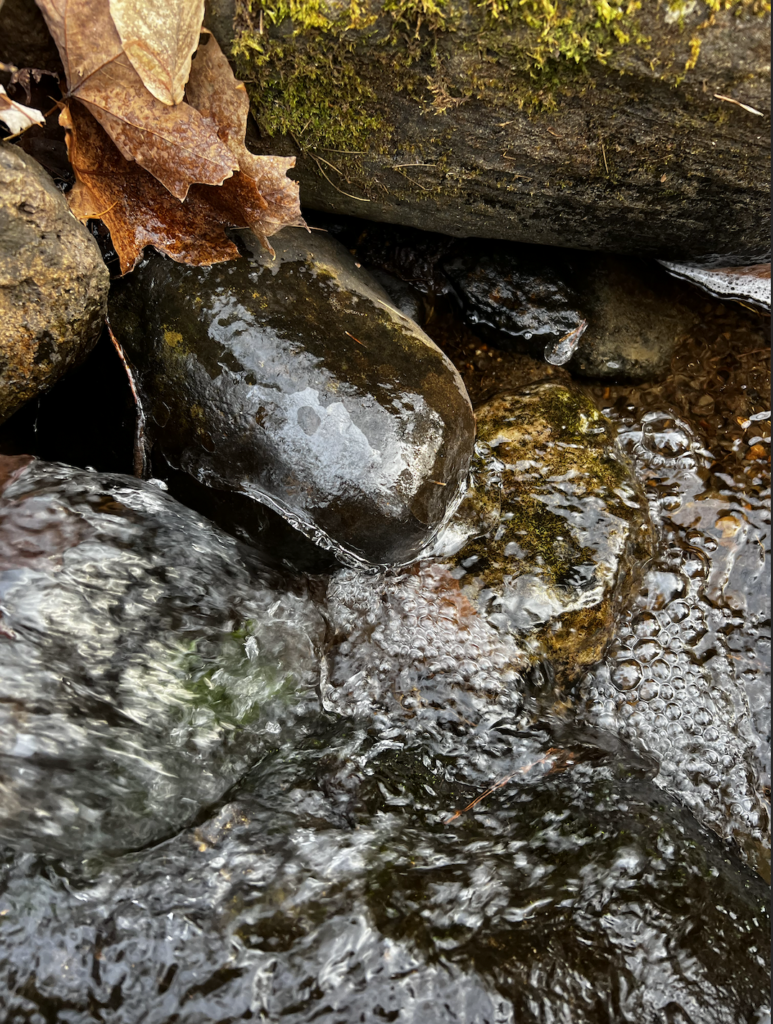
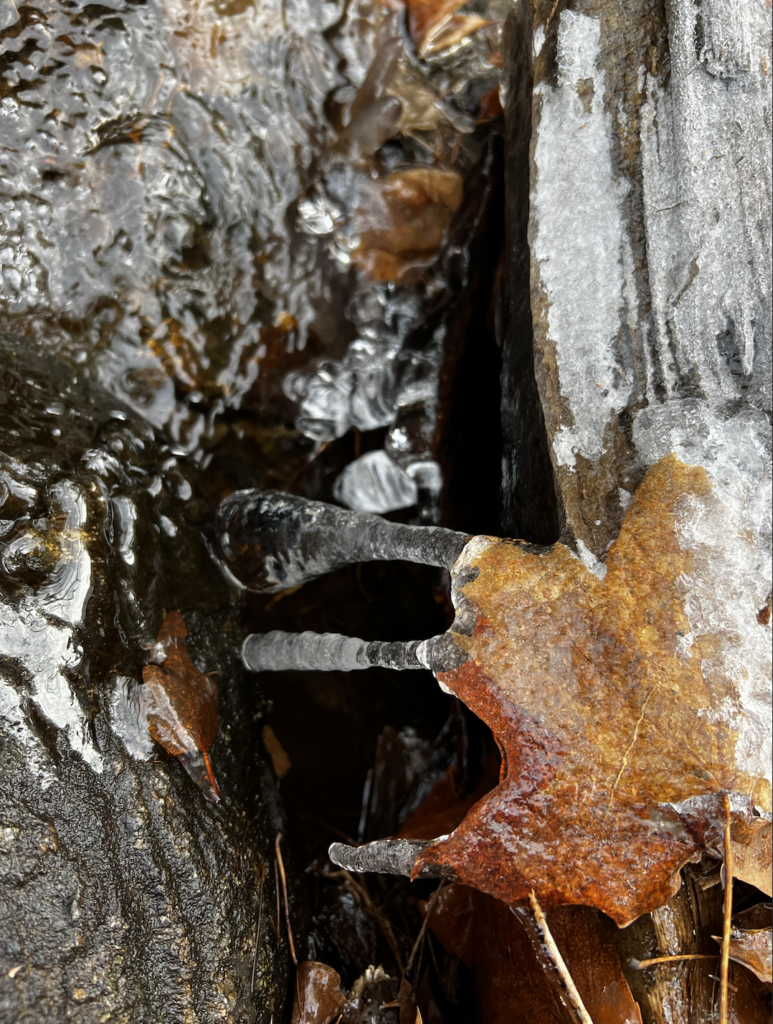
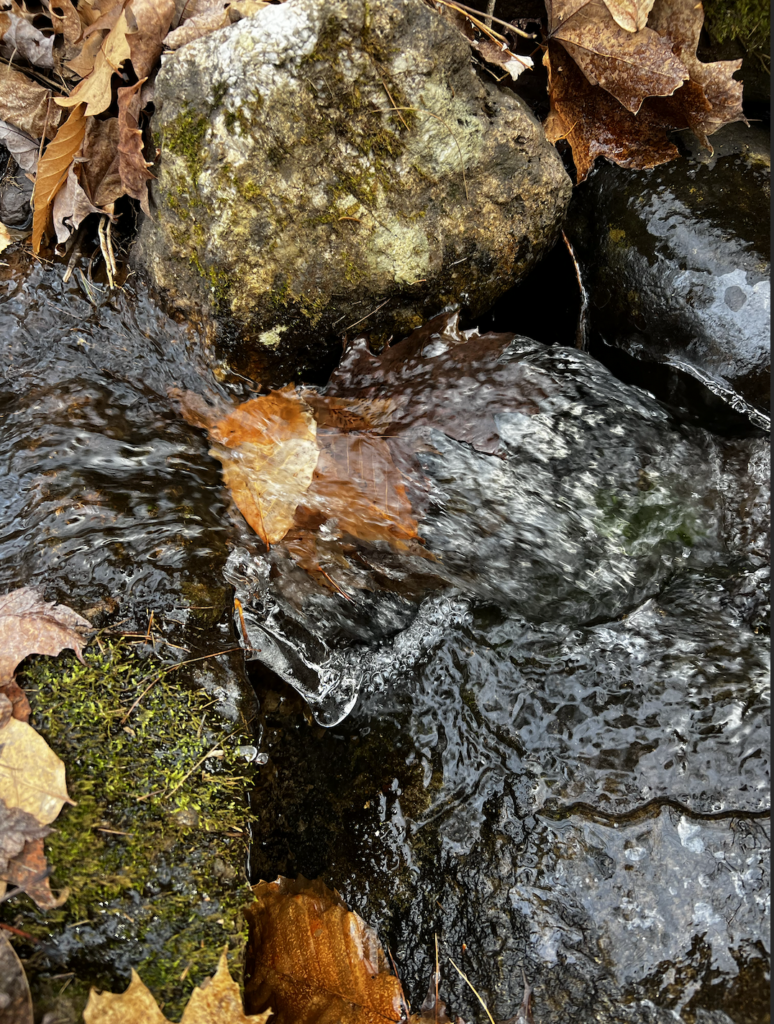
Ice formations in stream flowing by the Anthony fireplace

Because Maine and Vermont are in the same climate region, the ecology of this site is very similar to my site in Centennial woods. The sites have a similar land use history of being clear-cut and then preserved as a natural area. Both areas are hilly and contain streams. Both sites contain deciduous trees such as Red Oak, Red Maple, and Beech as well as an abundance of Eastern Hemlock and Eastern White Pine.

Thorncrag Sanctuary differs from Centennial Woods in that is a larger natural area, and it is not within an audible range of traffic. My site at Thorncrag didn’t have an open meadow space like my site in Centennial Woods. Although both sites had Hemlock trees, the Thorncrag site had much more, as it was almost exclusively Hemlock. Overall, my two phenology sites seemed more similar than different; however it will be interesting to compare these sites in the spring/summer when more vegetation diversity is visible.

Centennial Woods Site: Visit #2

While sitting quietly on a fallen tree in the center of my plot, I observed my surroundings. One thing that is important to note on this November day is that it was so warm and sunny that I was wearing shorts and a t-shirt. This is unusual for a Vermont November, but not unusual compared to the past few weeks. The biggest sense that I observed was sound. One of the loudest sounds I could hear were chirps and caws from many different bird species. This sound was unfortunately competing with the rumbling of car engines in the distance. When the wind died down and the distant traffic thinned out, I could hear the faint sounds of the forest. I could hear the the eastern hemlock branches creaking behind me. I could hear each leaf hit he forest floor after a gust of wind. I could hear the faint trickling of the stream and the sounds of forest animals snapping small twigs and leaping through leaves. The light was low, as it usually is this time of year, and it beautifully illuminated the remaining foliage.

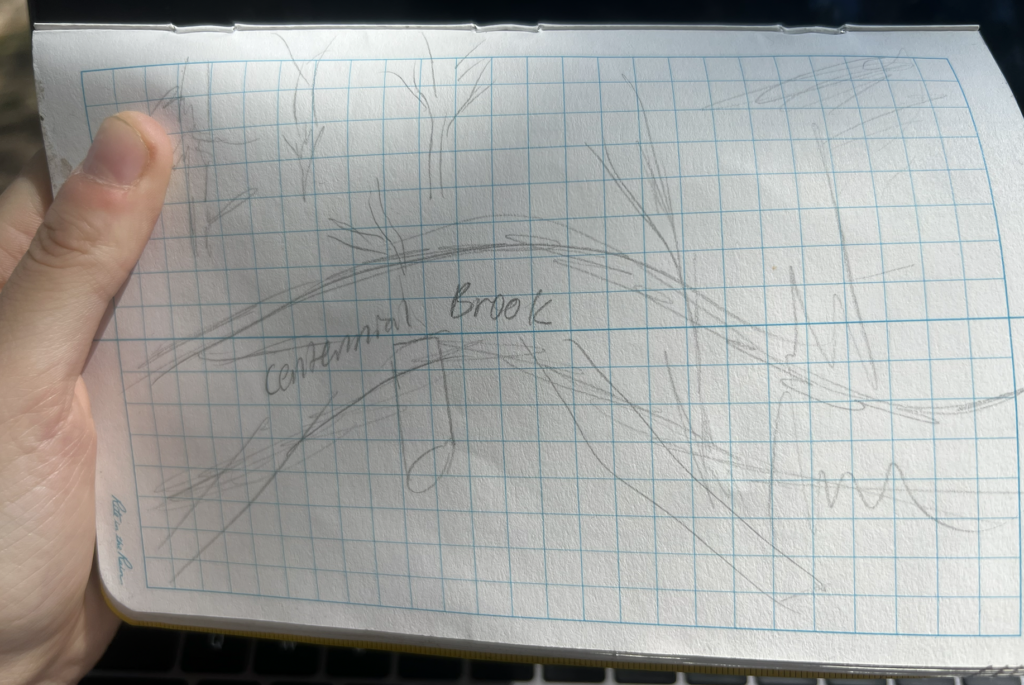
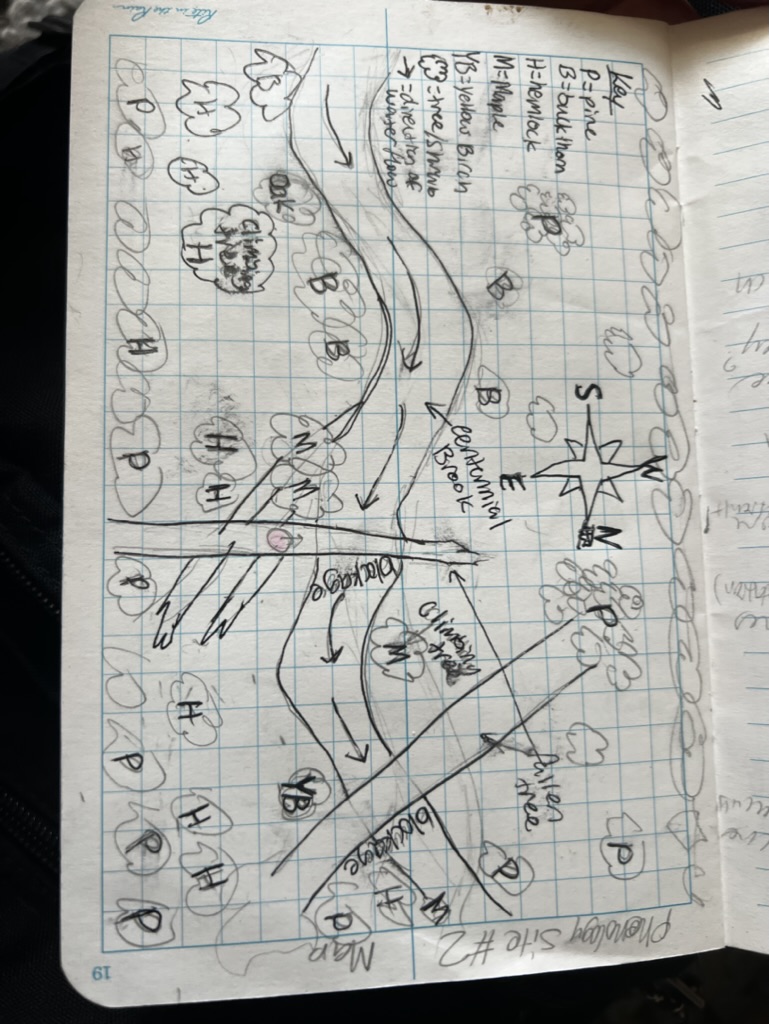
Map of my plot

Changes I have noticed since my last visit to this site:

  • Deciduous trees have lost their leaves, but a few still hang on. Some trees have more than others
  • One particular sugar maple that was fully green at my last visit, is now fully yellow, with much less than half of its leaves remaining.
  • All of the flowers that were growing on the far side of the stream last are now dead and dried up. Despite this, almost all of them still have their green/yellow leaves.
  • The orange jelly that was growing on a dead tree is now dried up and barely visible.
  • The fallen leaves are now accumulating in the stream, which is contributing to the blockages. The water is still flowing through.

Centennial Woods Phenology Site

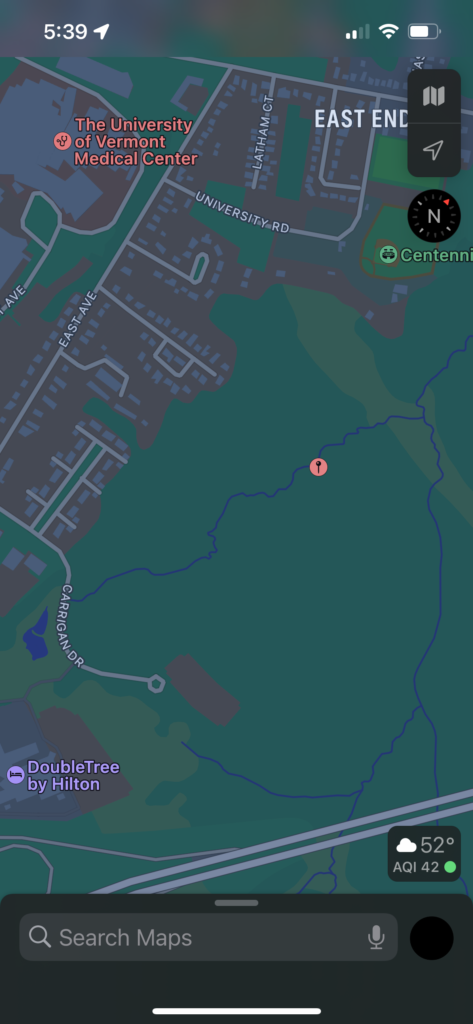
The phenology site I chose is in Centennial Woods, beside Centennial brook. The easiest way to describe how to get there is to go to the last station of the centennial woods self guided lab, where there is a clearing and a three way path intersection. Take the path to the left, instead of taking the straight, up-hill path. If you walk down about a quarter of a mile, my phenology spot is on the left of the path, a few meters off the trail beside the brook.

Google Maps pin of site

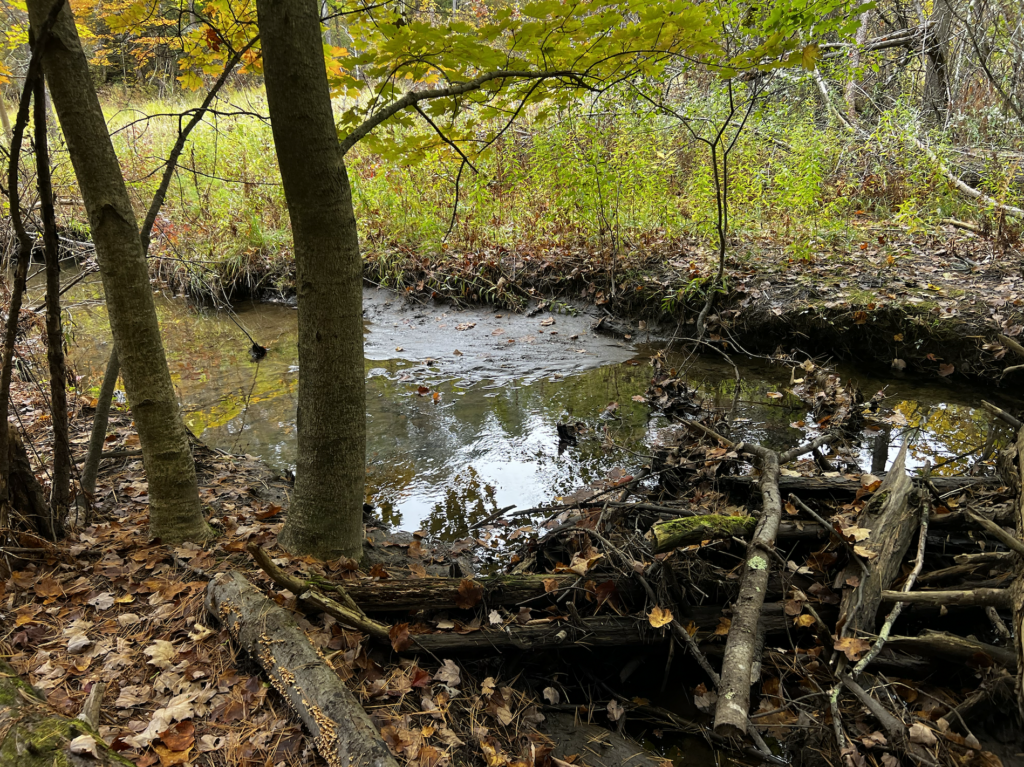
This location has lots of downed wood with mosses/fungi. On the path side of the brook, the ground is sparsely covered by herbaceous species, most of which included ferns and grasses. The bank of the brook is muddy and rocky, the maximum depth of the brook in the area is about a foot and a half. I noticed a fish swimming in the brook. The flow is interrupted by downed wood in some areas. The opposite side of the brook was mostly clear with a few trees. The ground area on this side was densely covered by herbaceous species, mostly Sweet Joe-Pye weeds and goldenrod. The site overall had a large concentration of buckthorn.

Photo of site

I chose this location because it is close by and easy to access. This means that I will be able to visit frequently and really get to know my site. I also chose it because it is decently far from the road/developments, it is near flowing water, and it is relatively diverse.

The woody species I found in my plot were: Eastern Hemlock, Northern White pine, Norway Maple, Sugar maple, Red Maple, Red Osier Dogwood, Buckthorn, Honeysuckle, Yellow Birch, and American Beech.

Skip to toolbar