
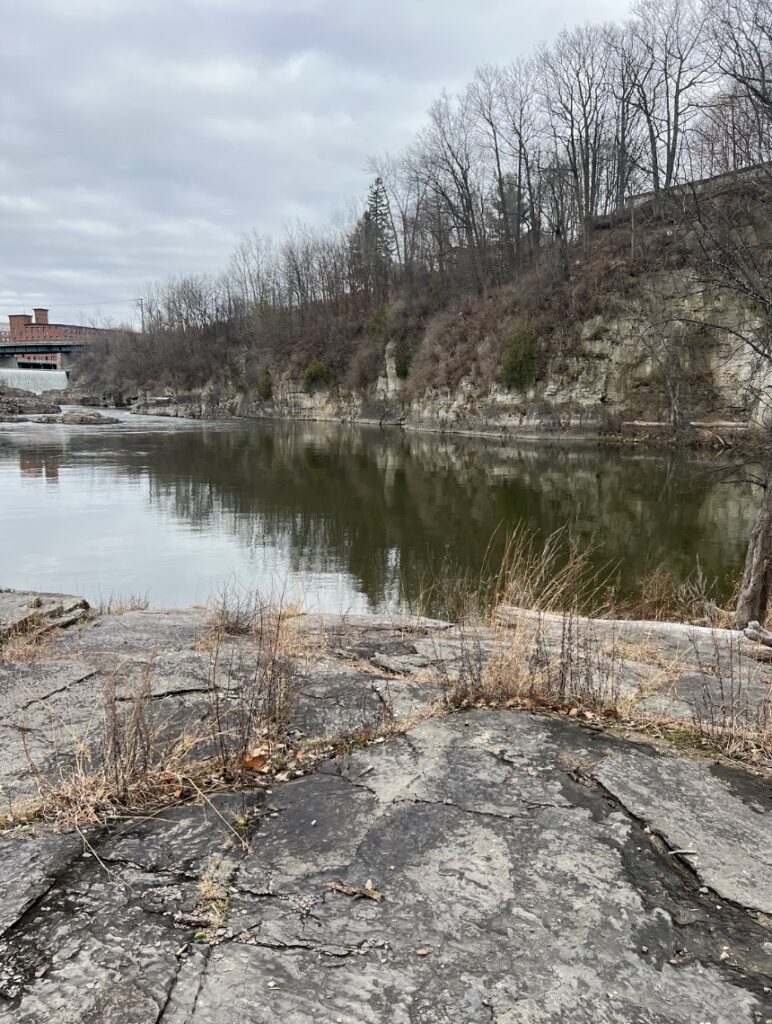
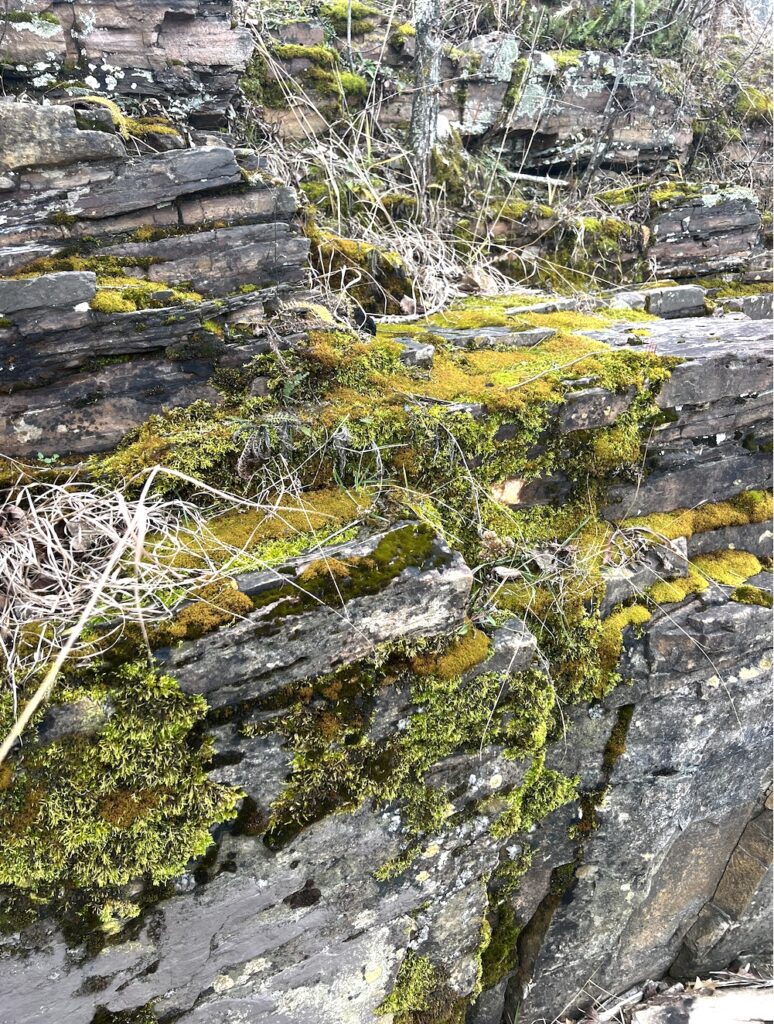
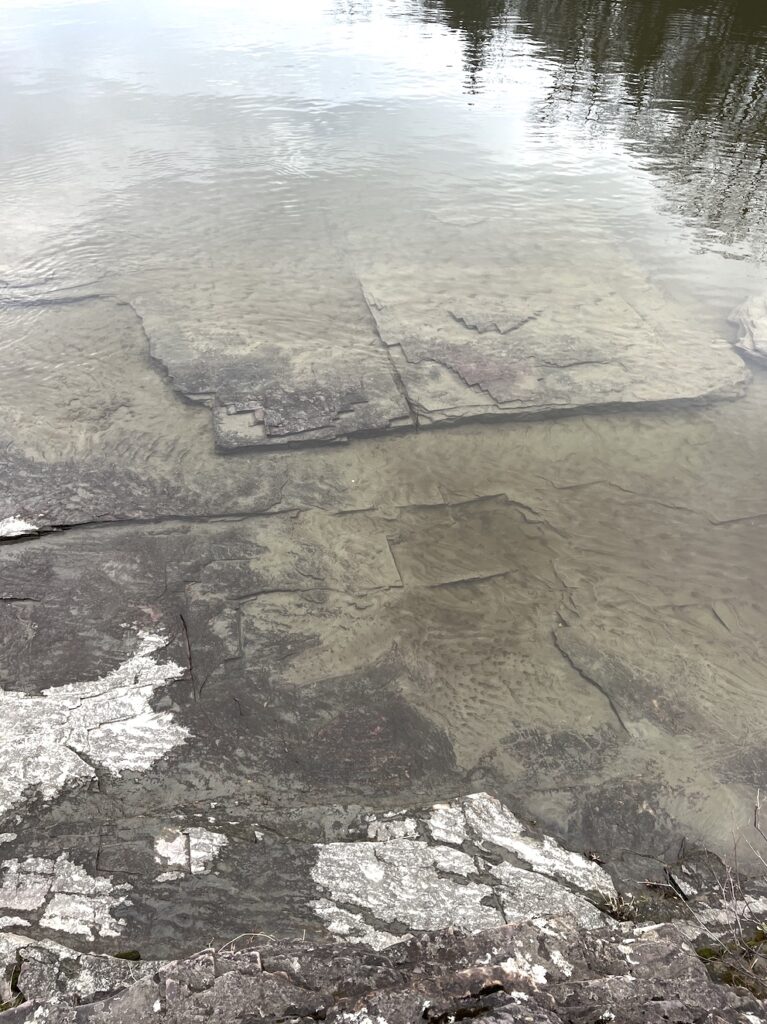
When visiting Salmon Hole this week, I noticed that not much has changed from my last visit. Majority of the trees are bare (with the only remaining leaves being dead), with the exception of a couple coniferous trees that grow from the shallow soil above the rocks or deep along the trails. There is also little to no sign of any vegetation in the understory, with there only being occasional ferns and dying shrubs among the maze of fallen tree branches and sticks. There is an abundance of moss that can be found when walking on the rocks near the water. There appears to be two different types of moss on the rocks, a yellow/brown colored moss that feels much less soft than the brighter green moss that grows around the other.
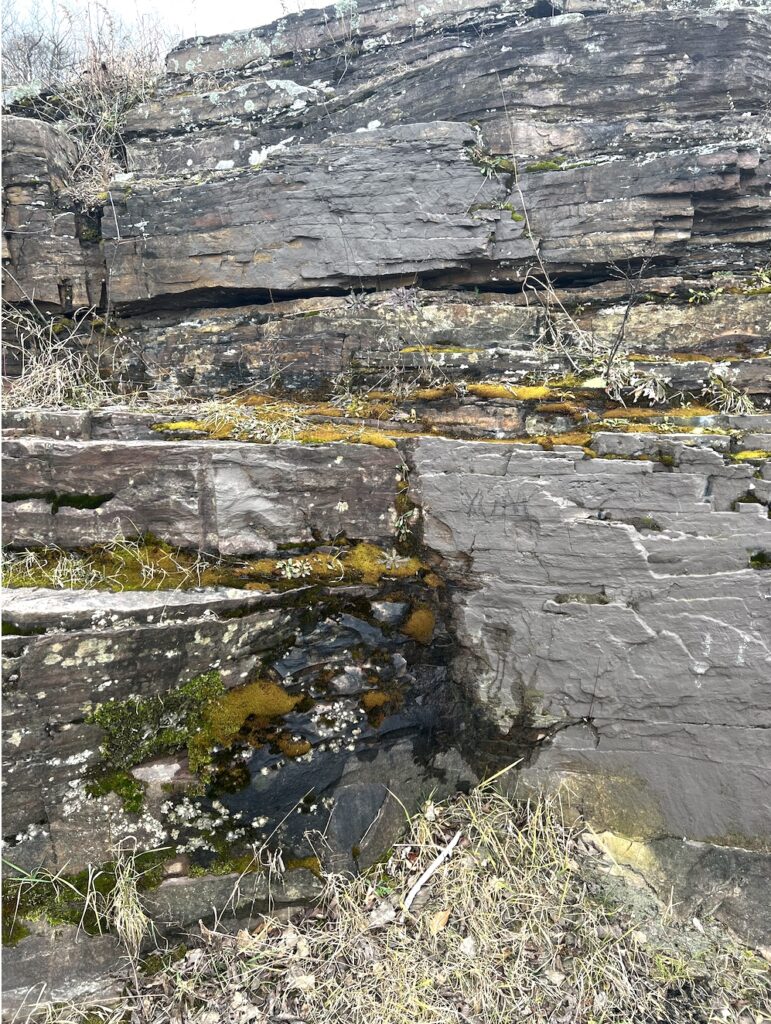
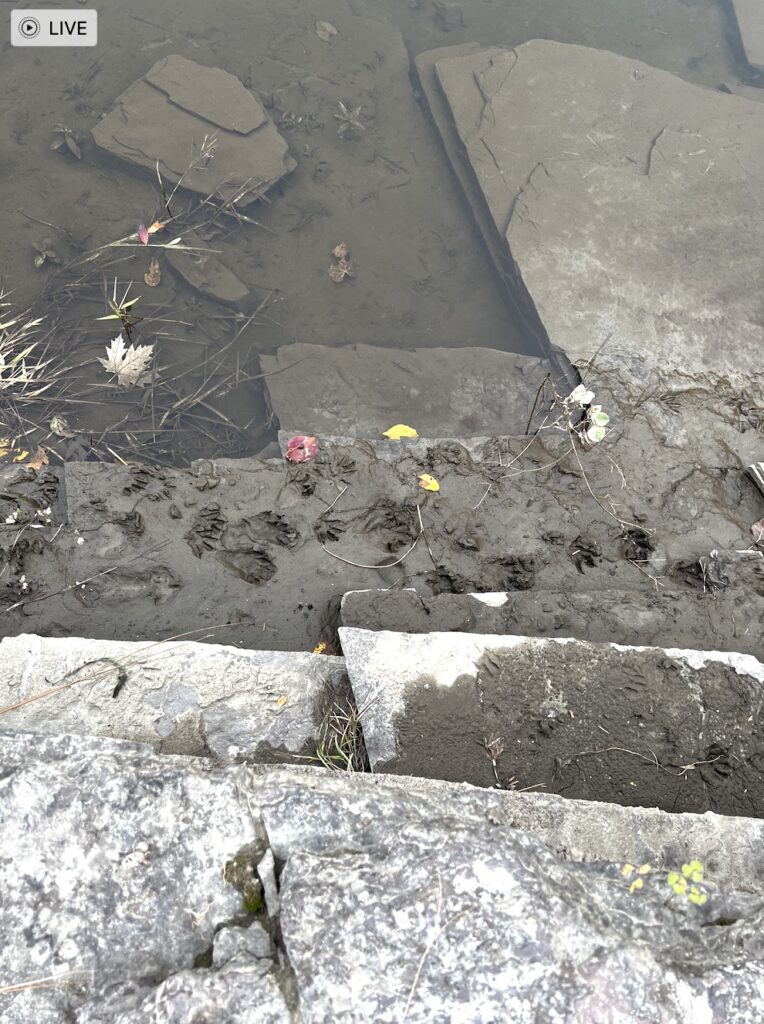
In contrast to my first visit, there were no signs of wildlife or wildlife tracks. When I first visited this area, there were animal tracks in the sand under the shallow water and I the mud along the rocks. I was able to identify some heron and raccoon tracks, and even saw a few small fish back in October, but with the colder temperatures, no animals or fish were in sight.
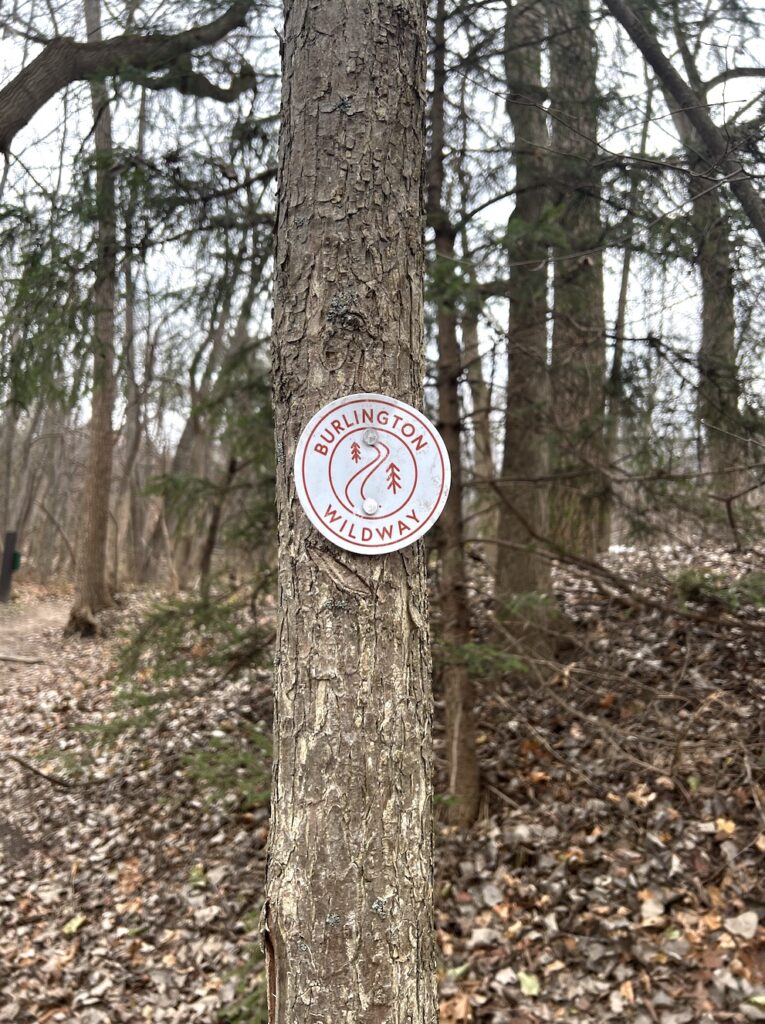
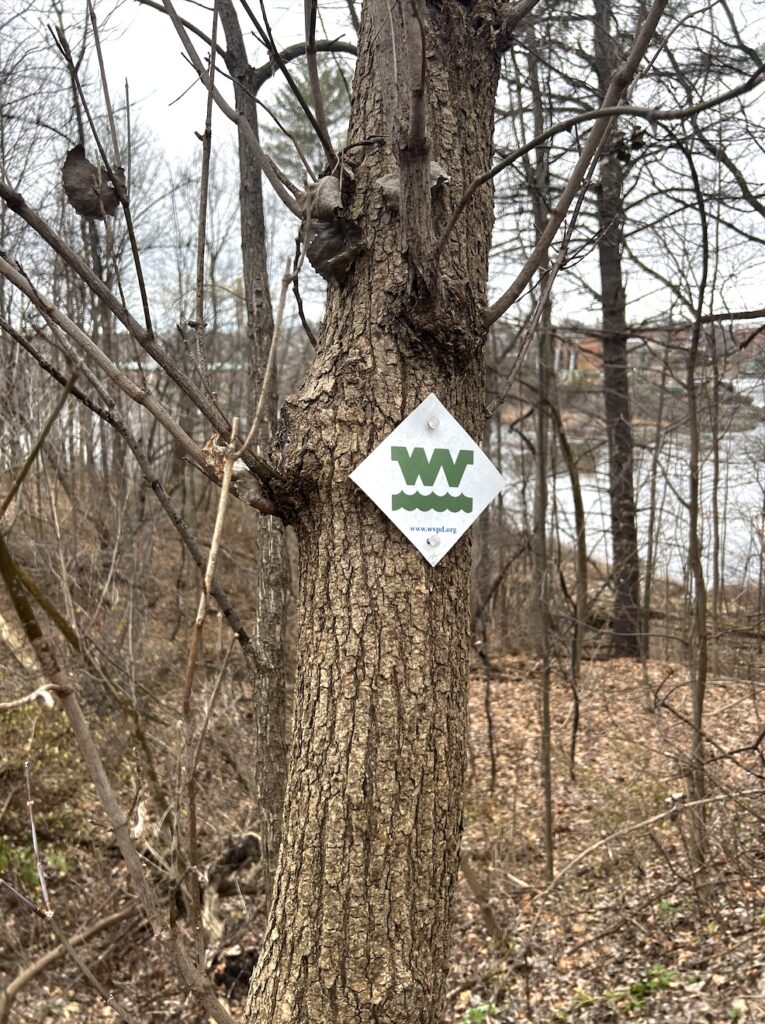
I also noticed on my visit this week that Salmon Hole is listed under the Burlington Wildways as a “wild place”, and if you go to the Burlington Wildways website, you can view a layout of the Salmon Hole trails. It is also protected by the Winooski Valley Park District (WVPD) which opens its parks to the public while also protecting and conserving the area.
After many visits to Salmon Hole, I’ve come to enjoy certain aspects to the area, like the waterfall, the rocky area right before the water, and the beach-like peninsula. These aspects are what I believe make Salmon Hole so unique and peaceful. For anyone looking to go for a hike, go fishing, or just need to see some nice scenery, I highly recommend checking out Salmon Hole.