Posts

Final Arms Forest Phenology Post

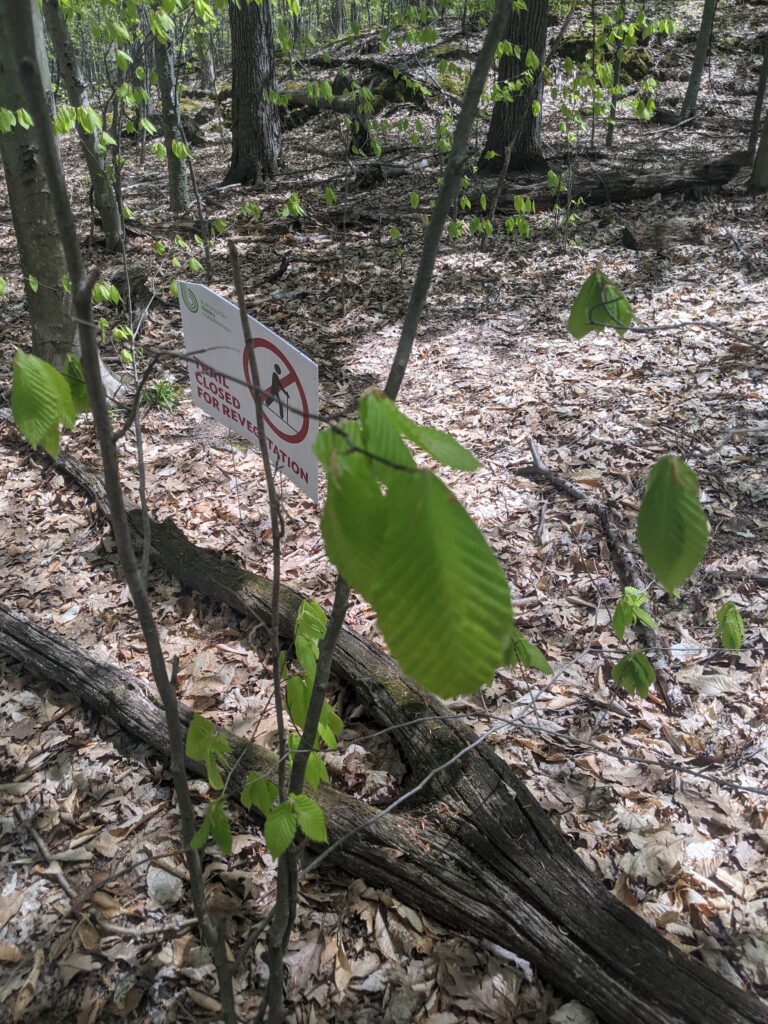
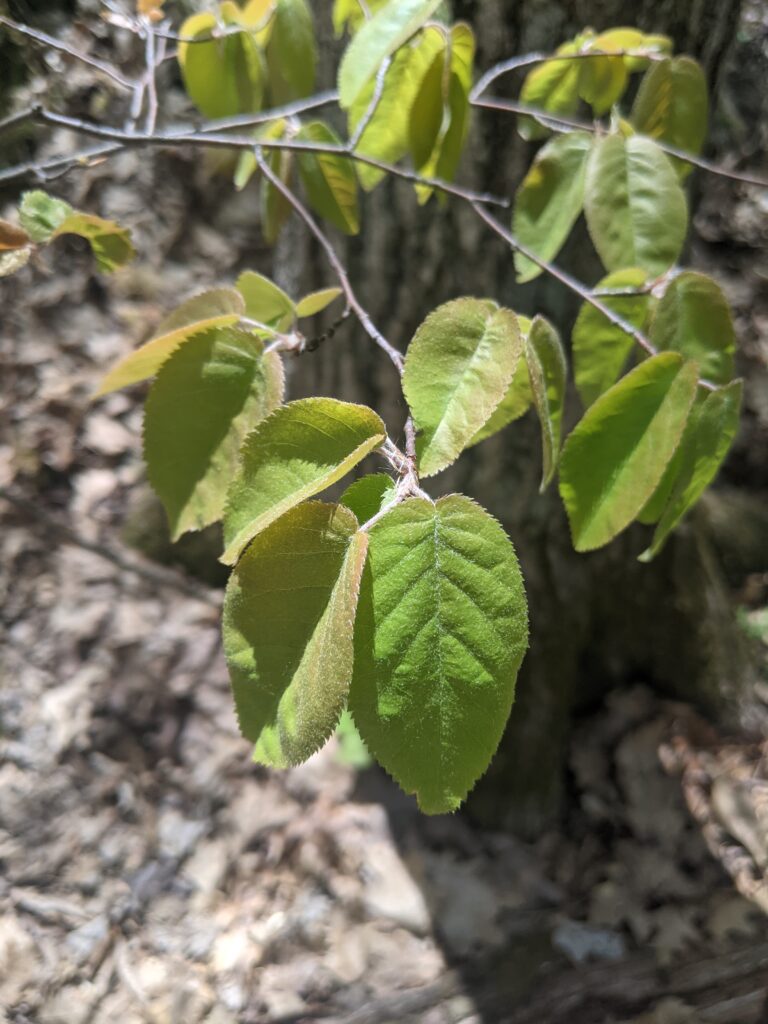
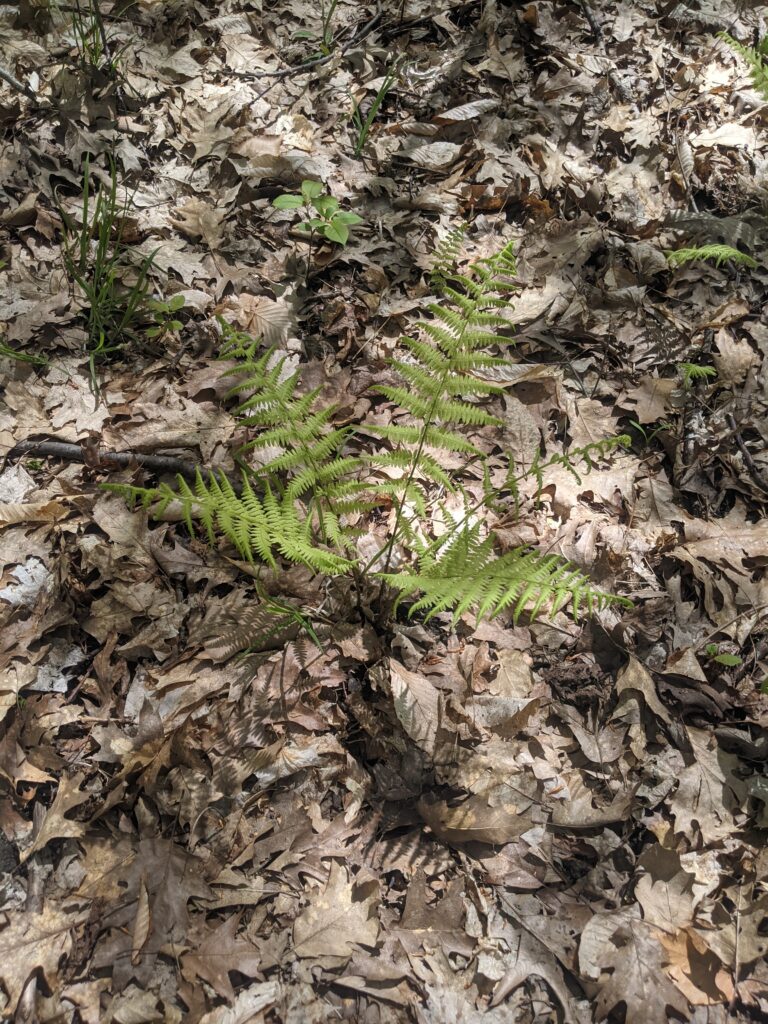
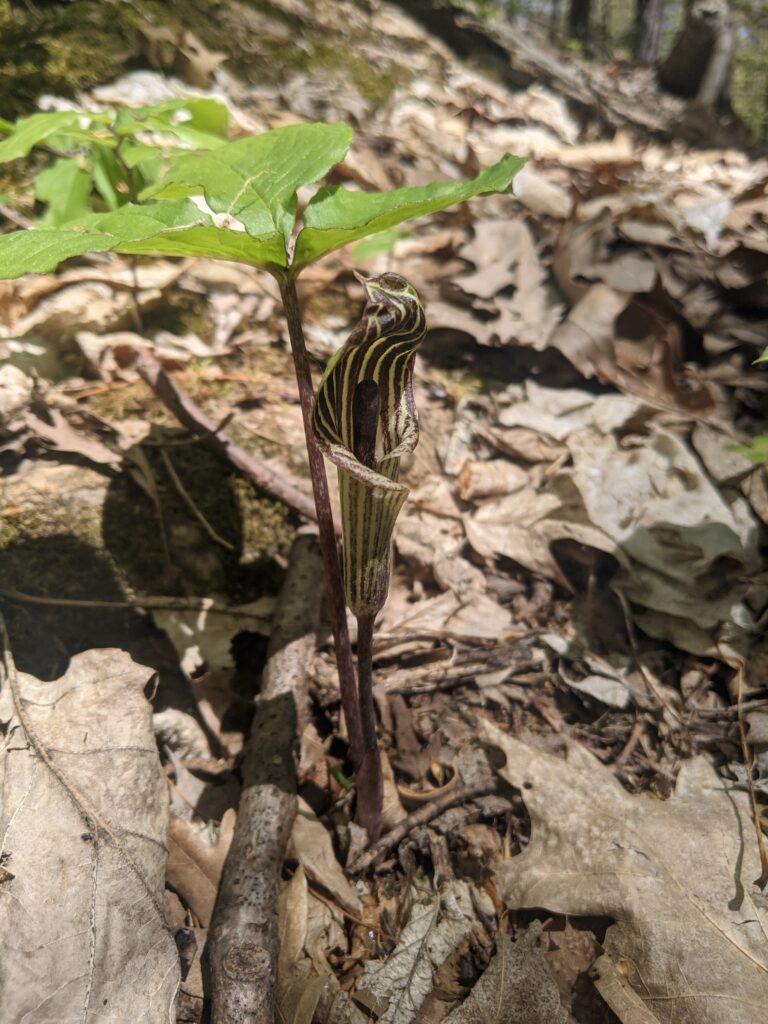
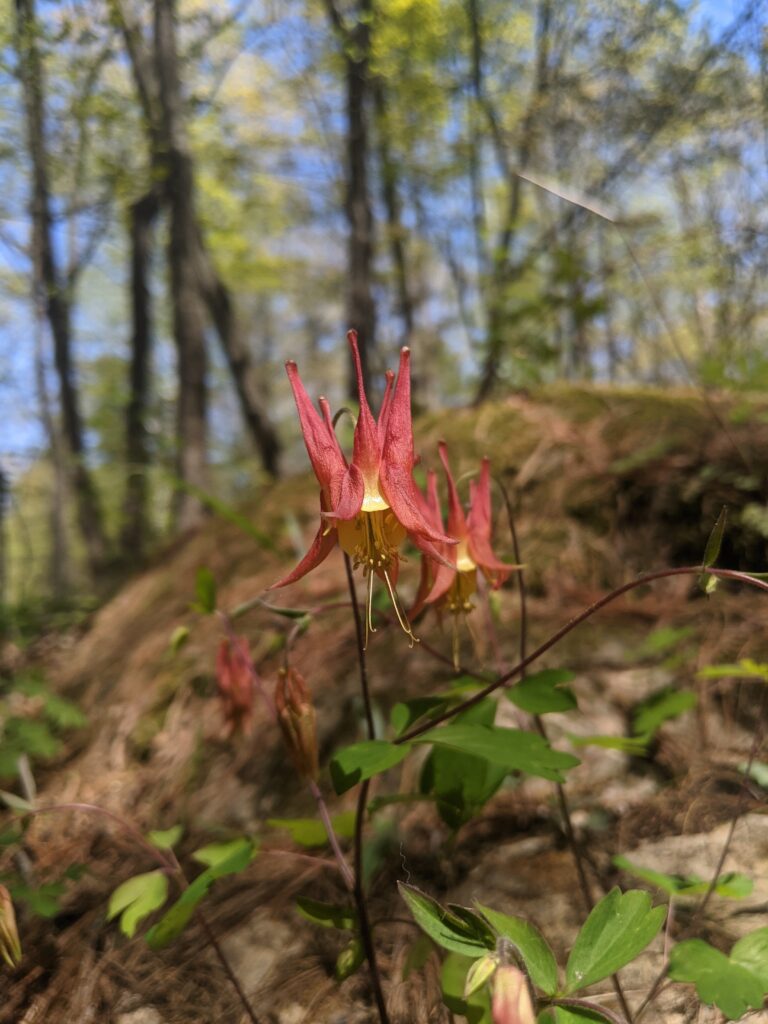
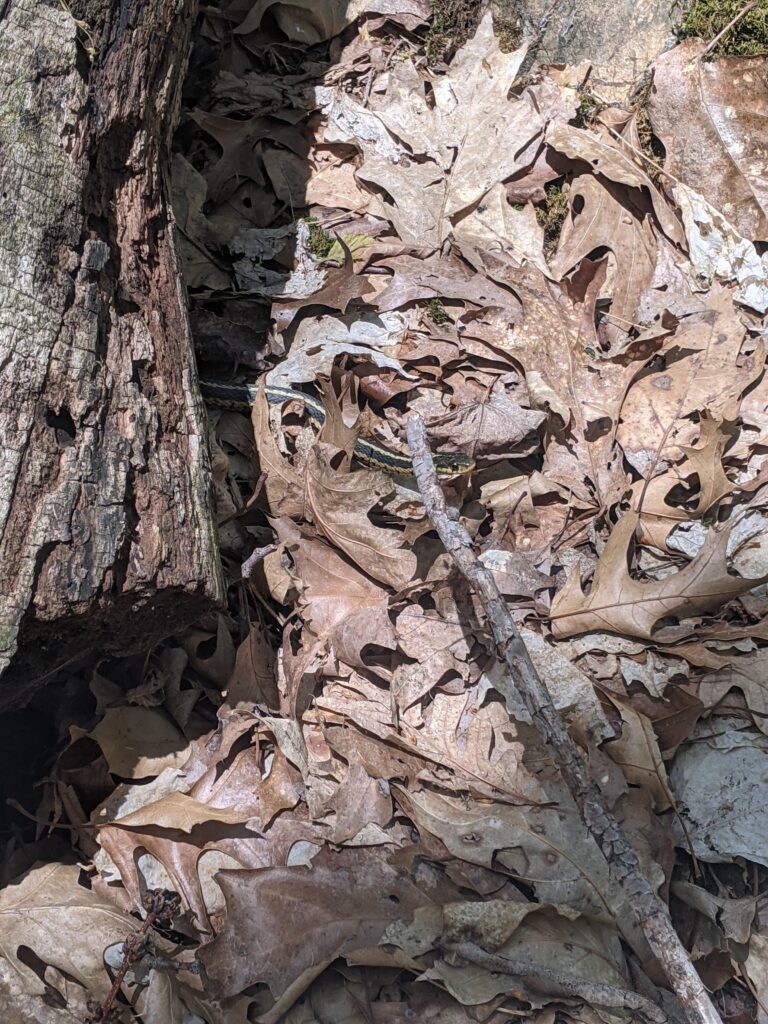
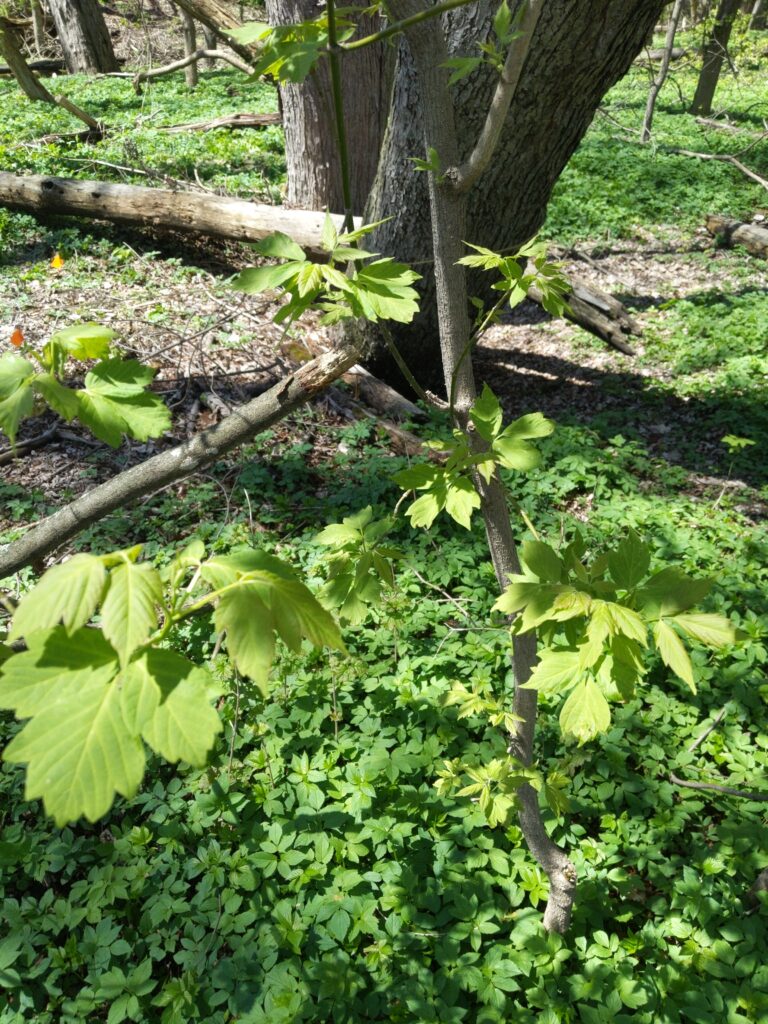
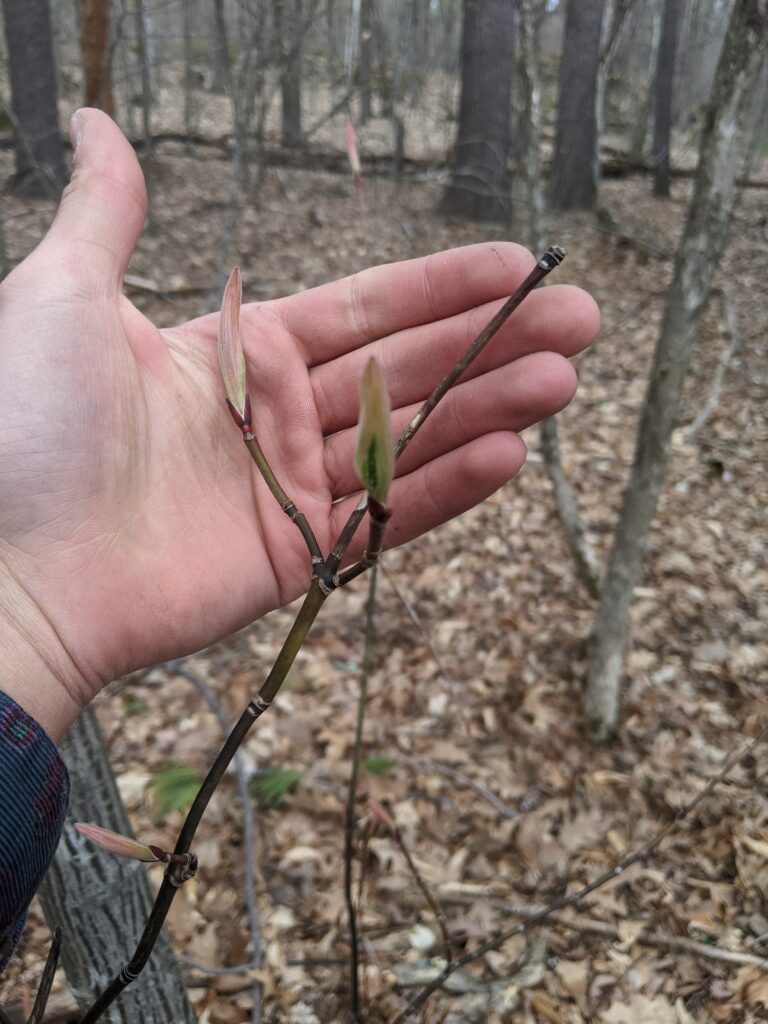
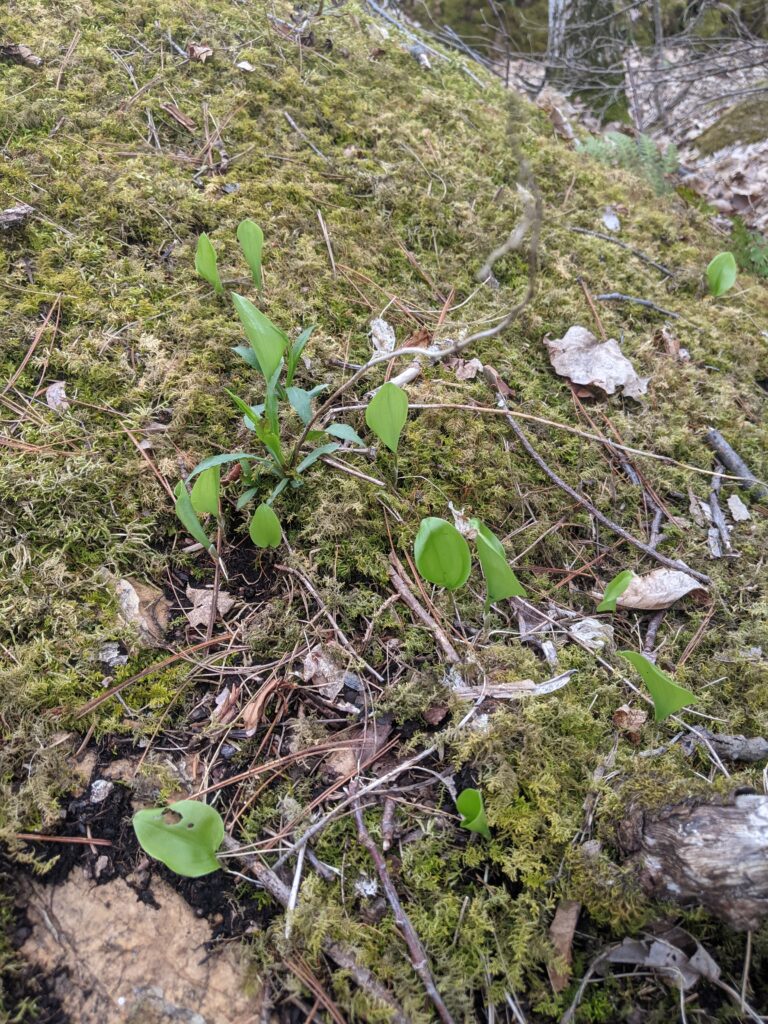
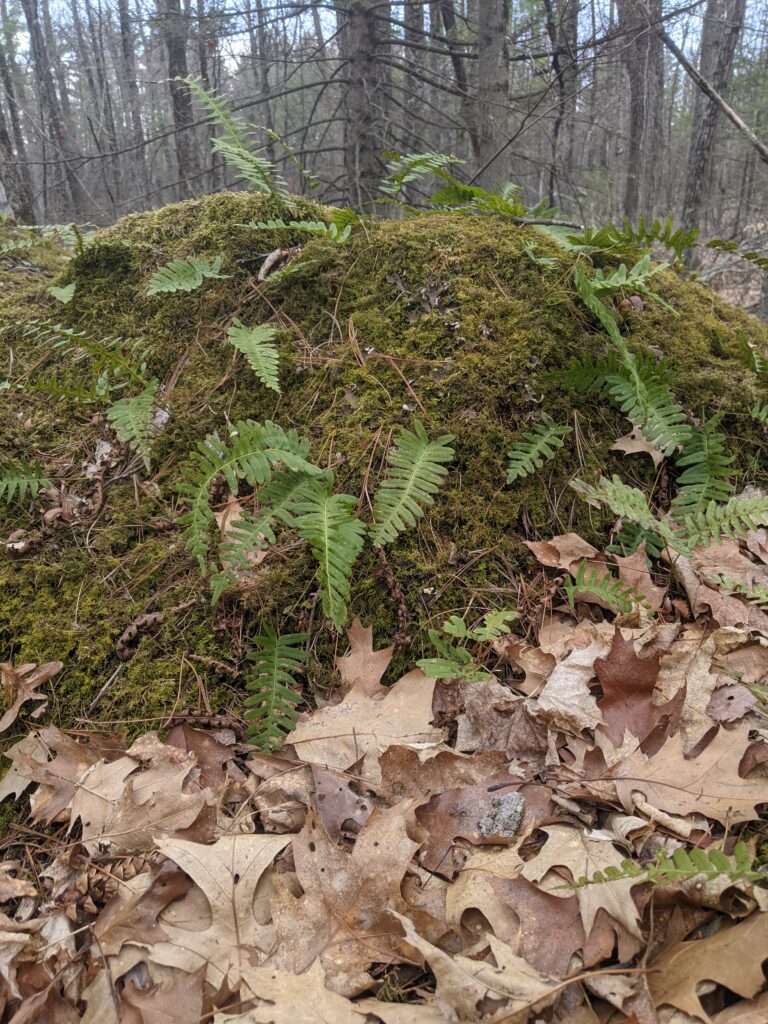
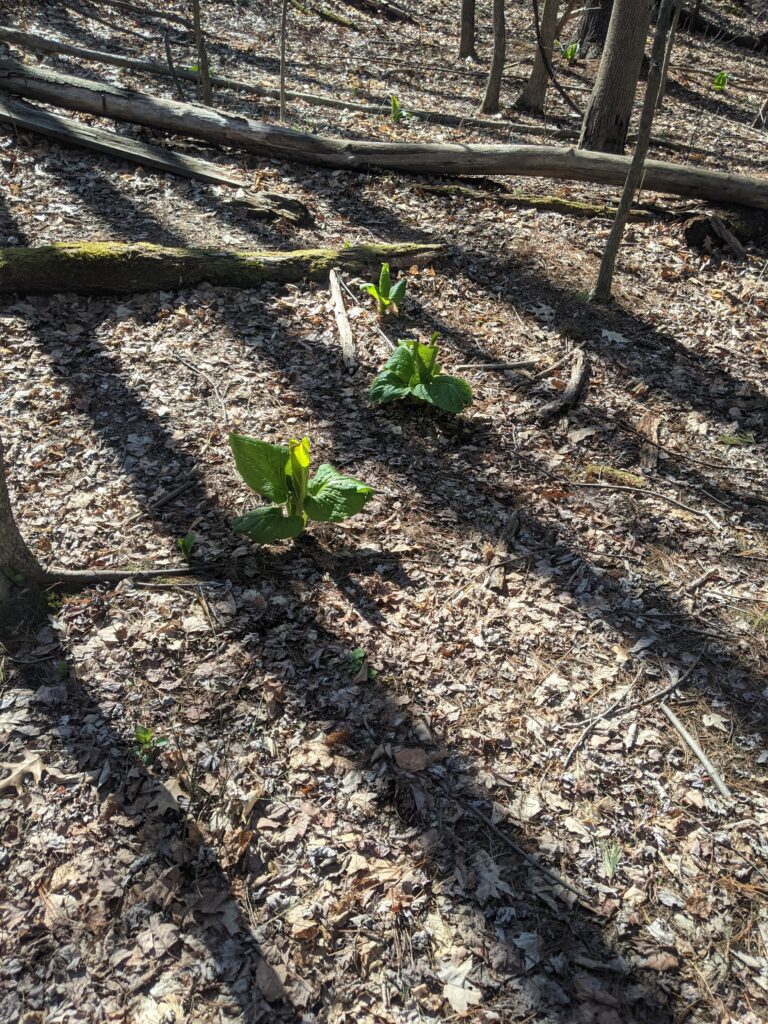
There was an incredible amount of change in this last visit. Everything is turning green!! Most understory trees are leafing out and the empty space of leafless trees are starting to fill in. There is also a lot of ground level herbaceous plants such as ferns, horsetails, flowers, and other kinds that I did not identify. There wasn’t a huge increase in wildlife activity that I was able to notice. However, there were a lot more insects out such as various flies, bees, and other kinds. I also saw a garter snake which was super cool. It was oddly calm around me and Emma. We got really close to it and it didn’t slither away. We were thinking about trying to pick it up but figured that might be a bad idea. The it seemed like the oak trees are a little later to leaf out, as the only trees I really saw leafing were beech, maple, and I think it was an ironwood. There were also some beautiful flowers such as a Jack in the pulpit and red columbine.
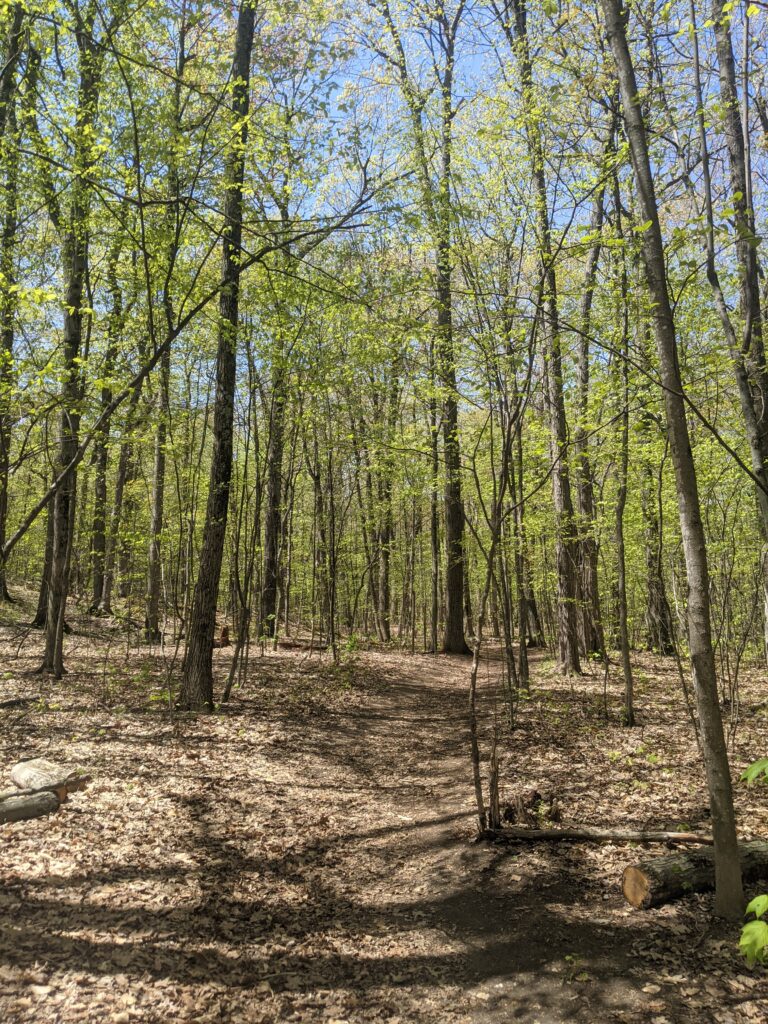
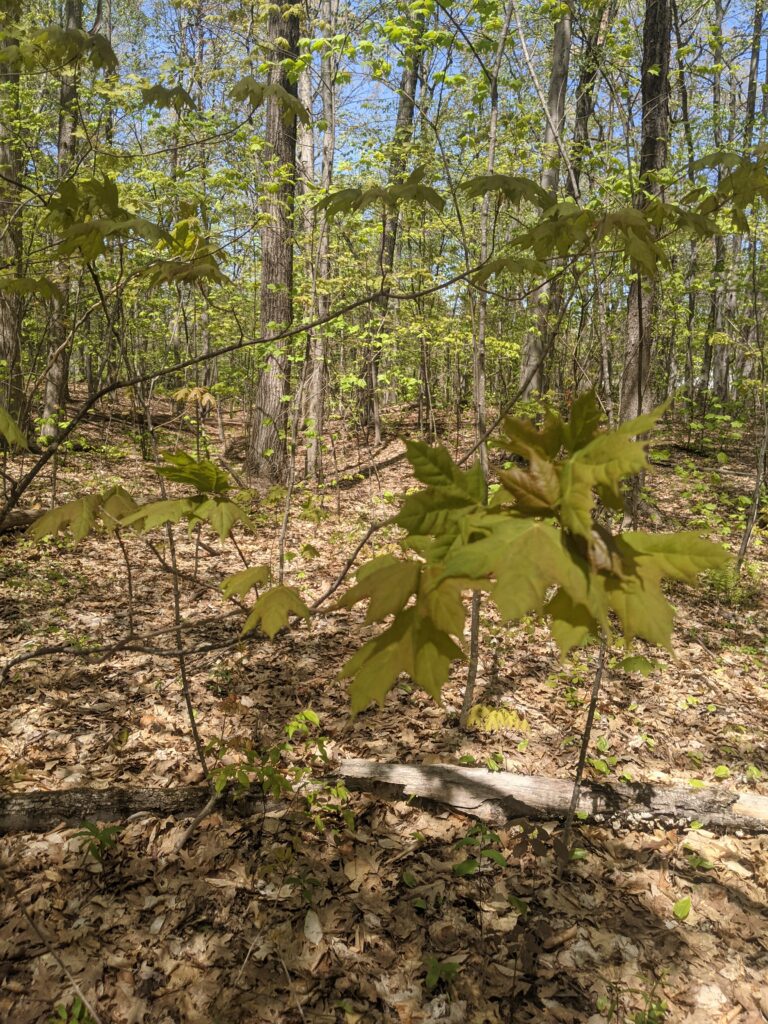
Green!!!
Sugar maple sapling leafing out
Small American beech leafing out
Ironwood tree leafing out
Ferns
Jack-in-the-pulpit
red columbines
Garter snake

Nature and culture are very intertwined at my place because of the land use history of the area. First of all, it is now a somewhat heavily used area of recreation and education which is a way that culture and nature are intertwined. However, the land use history of it being used as a quarry, and being the only protected forested area of a larger agricultural property, shows how much nature and culture go hand in hand. Additionally, it is a small forest tucked right in next to Burlington High School, Rock Point, and developed residential areas.

I definitely do consider myself at least somewhat apart of Arms Forest. I feel that because I have been going there frequently over the past year, and observing the area closely, this makes me intimately tied to the nature-human connection of that place. Also, I have felt very connected to the changing of the seasons this year because of this project, and especially at Arms Forest. I think we are always a part of all the natural spaces we interact with, but it is just about realizing that. I have definitely realized that I am a part of this area in particular, but also the whole socio-ecological system. It has been a very valuable and eye opening experience.
City Nature Challenge: Phenology of the Intervale

Overall, I had an amazing experience with the City Nature Celebration. I did not record as many species as I thought I would going into it, but I used the multi-day celebration as a way to especially appreciate nature and to just be more aware of my surroundings. Whenever I would walk around campus or through town I would be trying to observe the trees and birds around me, but my main place of observation and recording was at the Intervale. I went to the event there being hosted by Burlington Wildways. I ended up staying there for about four and a half hours walking around, observing the nature and natural processes around me. I love using iNaturalist to record species I find, as it has been valuable to my learning about the natural world. However, I have a strong dislike in using it a lot when I am out and about in nature because it means I have to be on my phone when I really just want to be taking it all in free of distraction. This is a battle I will continue to struggle with. I found it interesting to look at the cities, such as Cape Town, which had the most recorded observations. I am just super curious why certain cities did better than others. What were they doing that others weren’t? Does this just mean they have a more naturally curious population? Or better organizational skills to rally their people to work together? I have no idea, I just had fun thinking about these things. Now, here are some photos from my time at the Intervale.

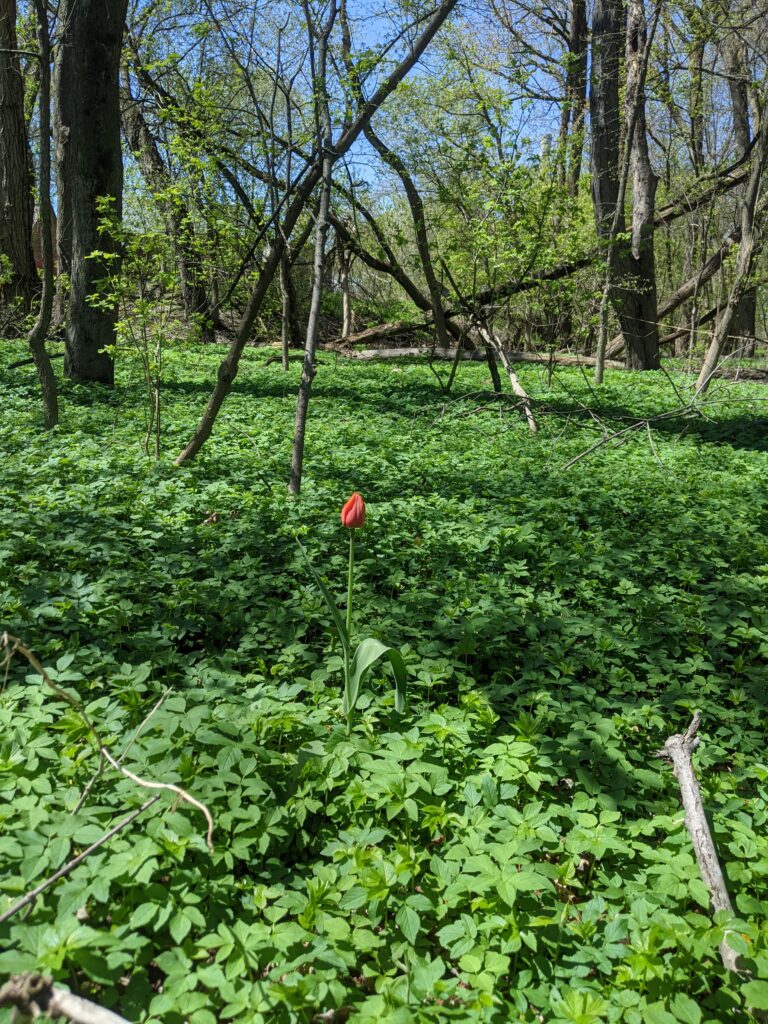
This is my favorite picture. It shows a lone tulip in a field of invasive goutweed
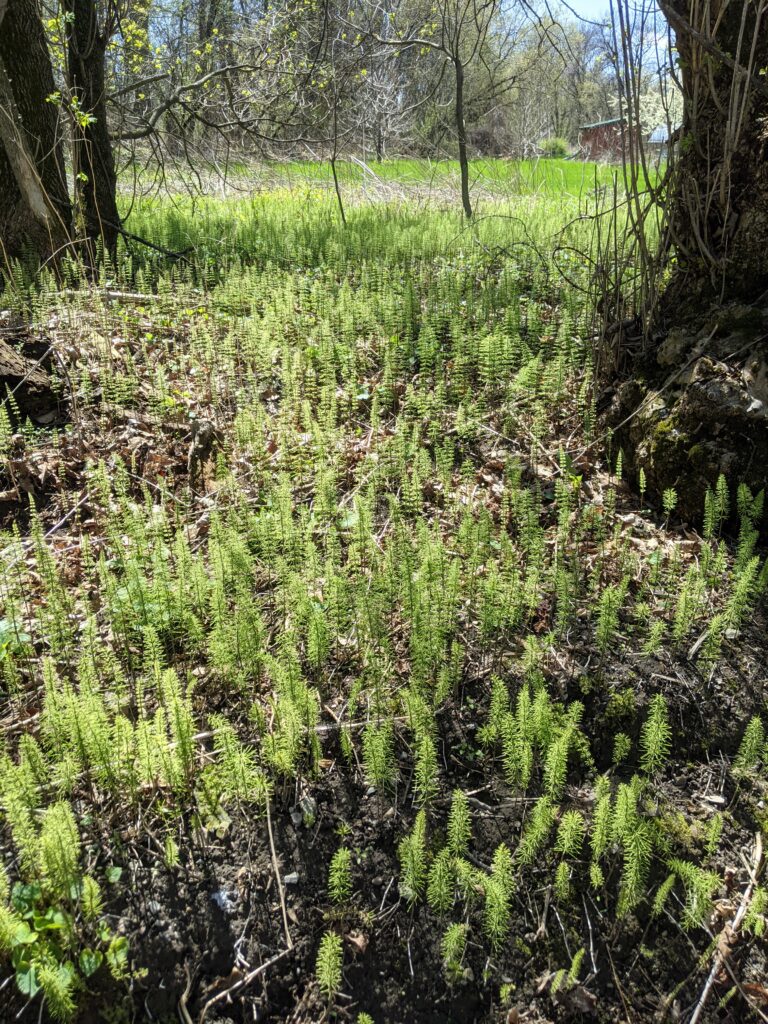
A beautiful field of horsetails. To me it looks like a mini forest of conifers
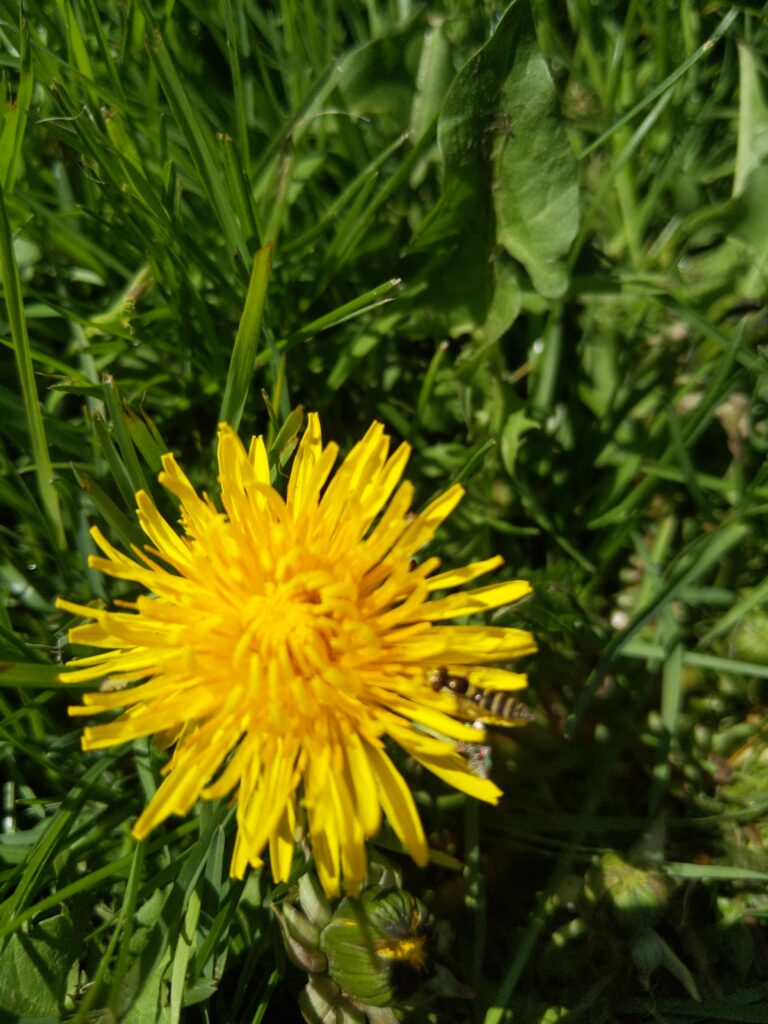
A dandelion with some kind of fly on it, maybe a Syrphid fly
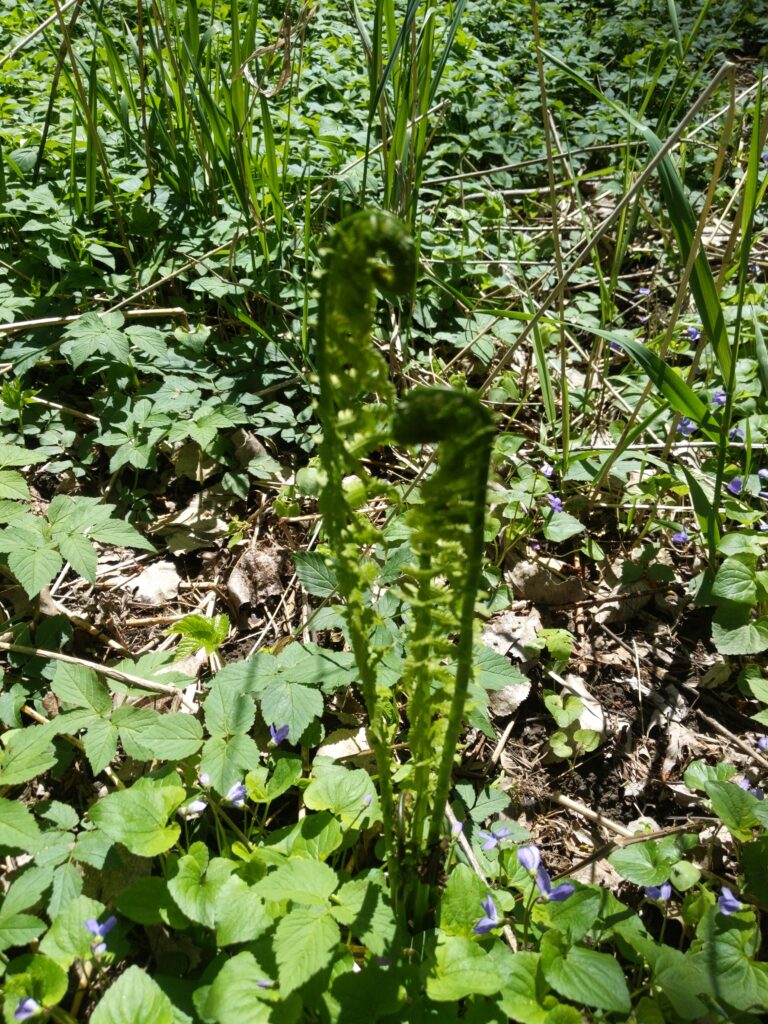
Unfurling Ostrich Fern
Here is a small boxelder tree

Arms Forest April Phenology

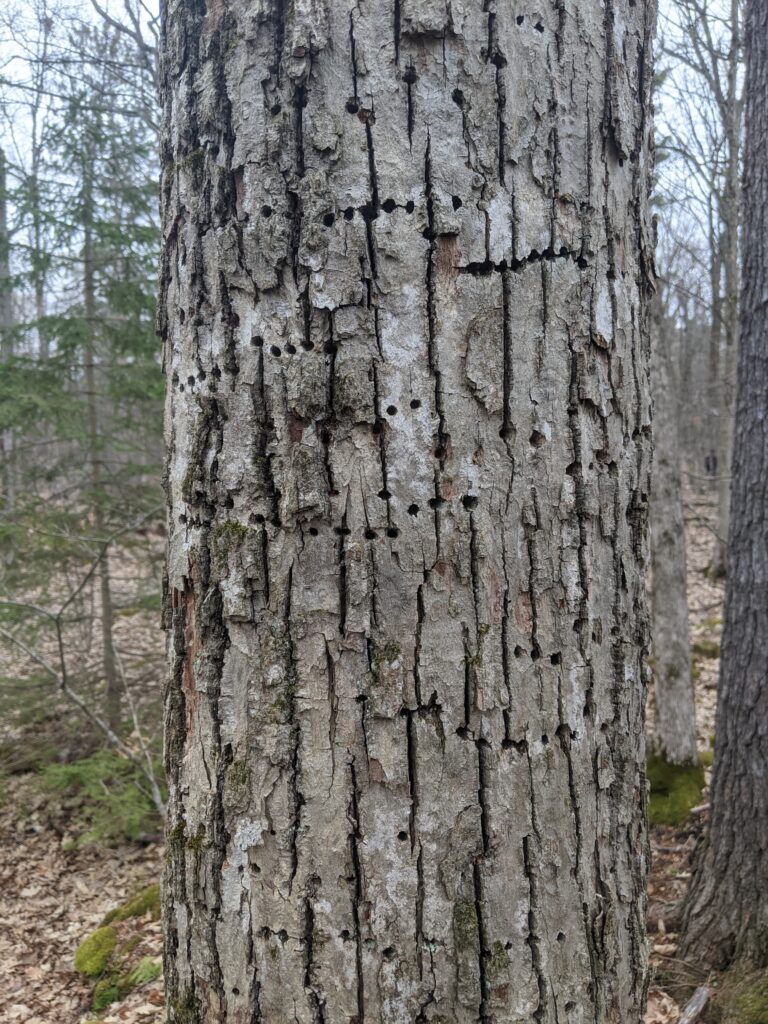
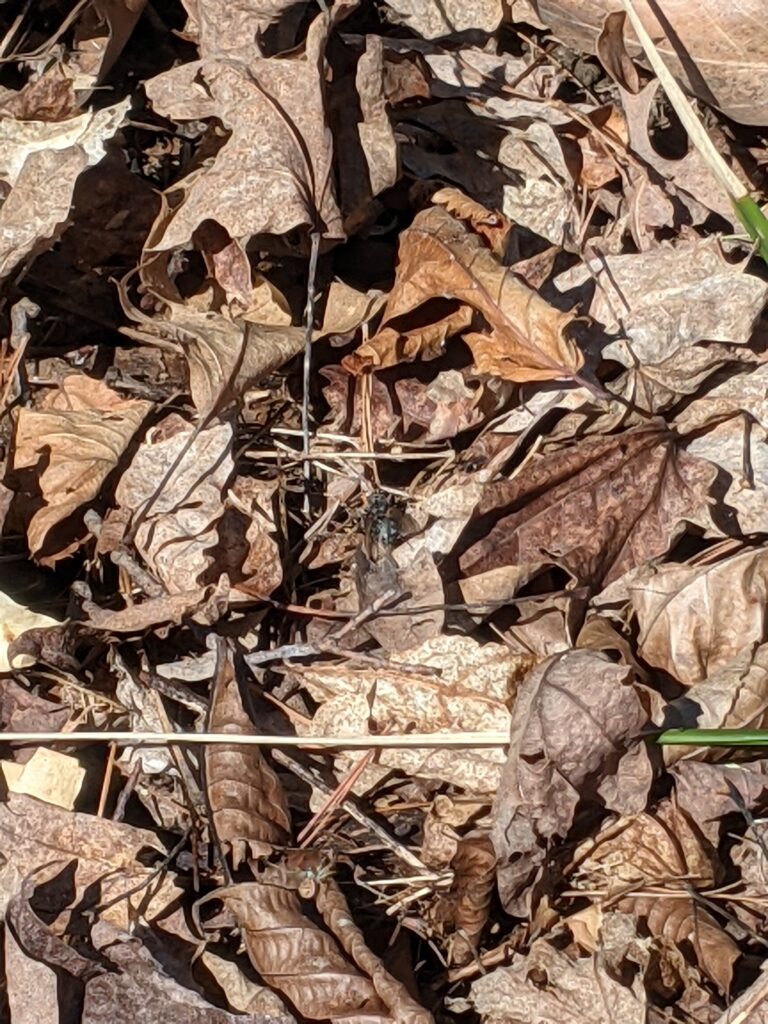
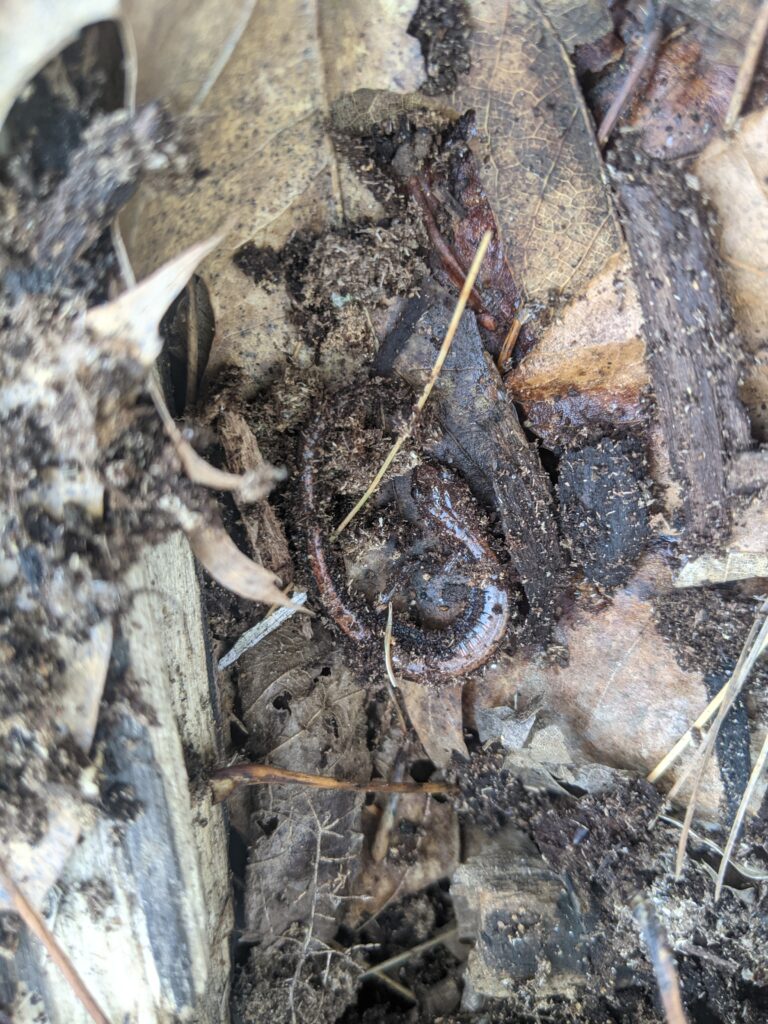
The general theme of April in Arms Forest is Spring starting to emerge. There are buds breaking on many of the trees and some flowers starting to pop up. Additionally, herbaceous plants are popping up and shrubs are leafing out. The main difference I noticed, however, is the amount of birds that are active. I am still working on my bird ID so I am not sure that I got everything I was hearing, but I heard much more bird chirping and was able to identify at least five species. Activity is still low, but there is movement in the air and you can tell that significant changes are starting to happen. The birds I was able to identify were the Black Capped Chickadee, White Breasted Nuthatch, Tufted Titmouse, Downey Woodpecker, American Crow, and I think an American Robin. The birds seem to be interacting with each other a lot, and more actively looking for food. I saw the Chickadees flying around with one another and potentially looking for food, as well as the Woodpecker pecking at trees probably in search of food. I did not see any scat, but I spotted a Fisher and Red Fox leisurely strolling along. They did not seem like they were in any rush getting anywhere, so maybe they were starting to wind down for the evening. Additionally, there was more squirrel activity than my last visit. More activity and observations include seeing many more insects such as flies and a bumble bee, as well as either a newt or salamander! In terms of human activity, the trails seemed much more used as of late, and I saw a lot of people walking.

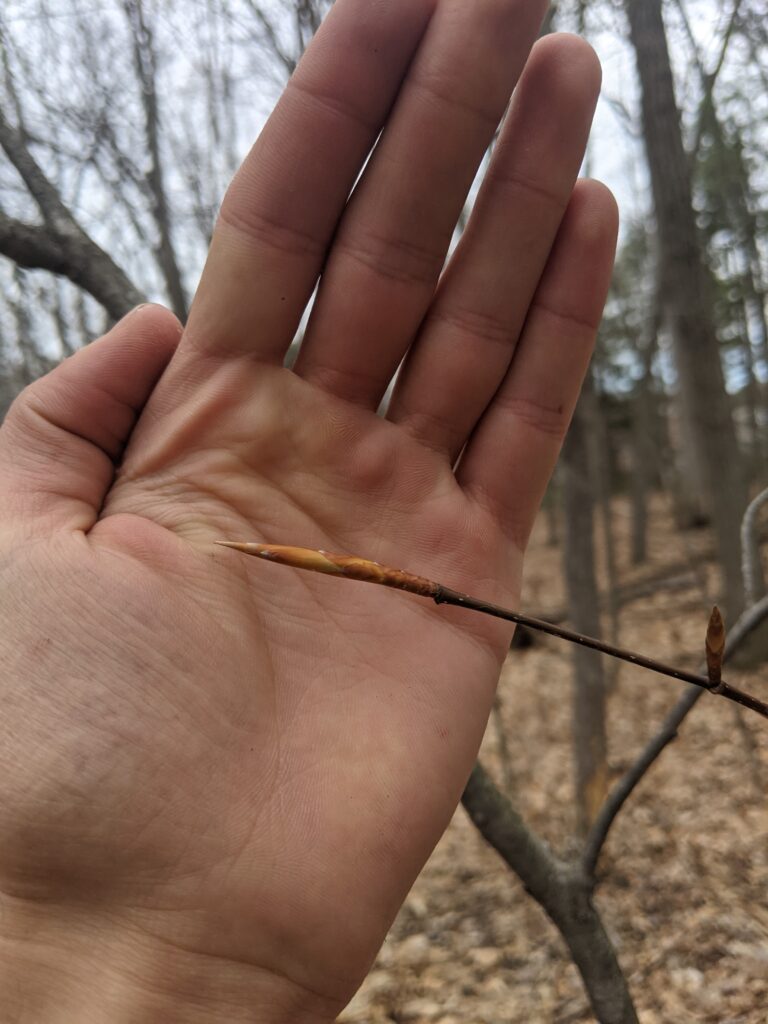
Swelling Beech bud
Swelling and breaking Striped Maple buds

Above are different forms of herbaceous growth popping up

Holes from a woodpecker searching for food
There is a common fly in the middle of this picture
Here is a salamander
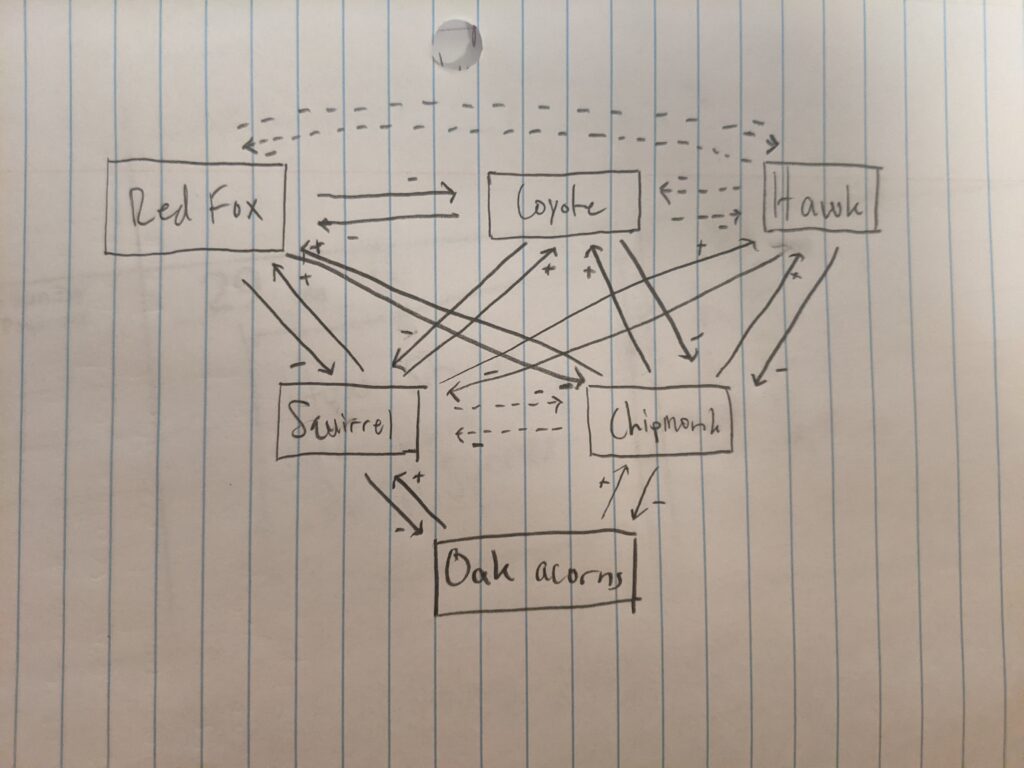
Species diagram

Burlington Waterfront Phenology

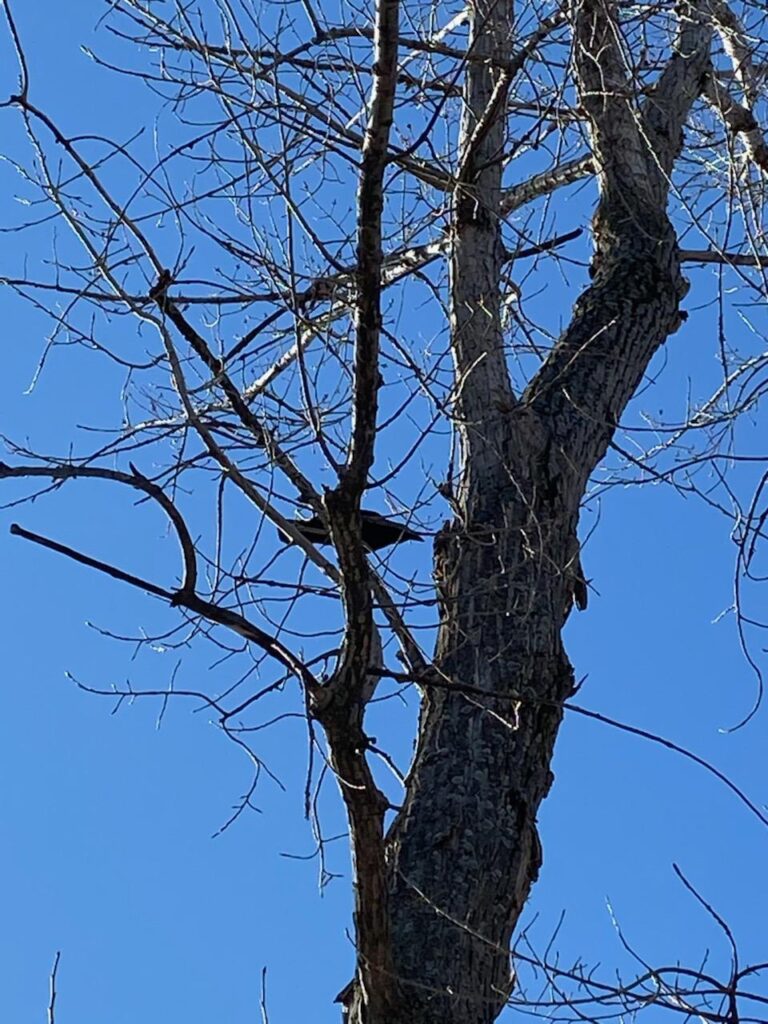
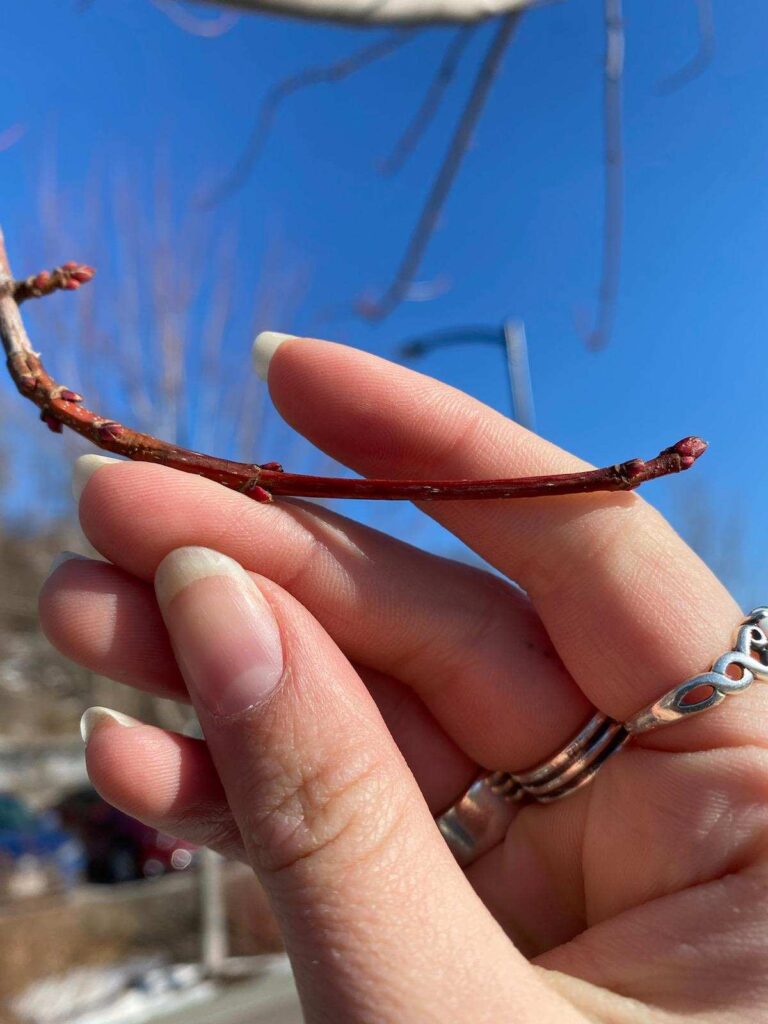
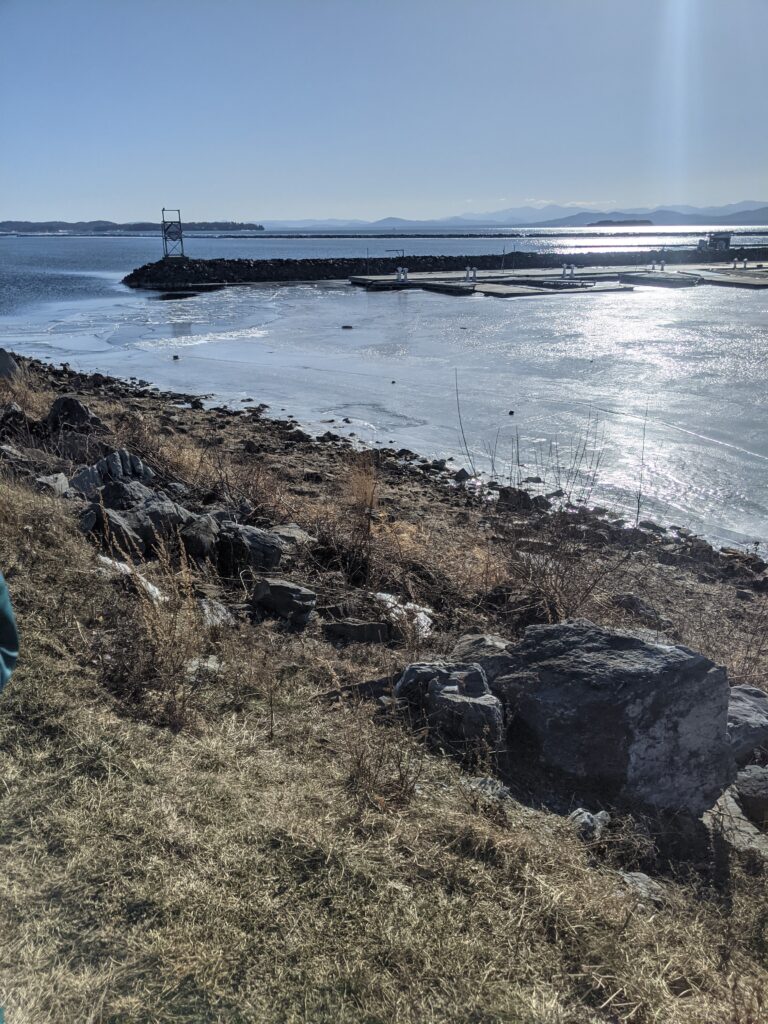
As the months change in Burlington, from February to March, the most obvious difference which I observed was the weather which then influences human activity. There have already been much warmer days which is causing significant snow melt, and more sun even on colder days. I walked along the bike path next to the lake and there were many people out biking and walking. The skate park was very populated as well. There were not many birds out, unlike Centennial woods where there were chickadees and other species of small song birds. Out on the walk I saw an American Crow and Seagull. The ice formations were very smooth because they had been slowly melted away by the slightly warmer days we have had and direct sunlight. There were what I thought were birch trees and red maple trees. They still had no leaves on them, however, there were some dead leaves that are uncovered because of snow melt.

Crow perched on tree
Red maple twig (featuring Emma’s hand)
Solid ice next to docks
More ice formation around shore
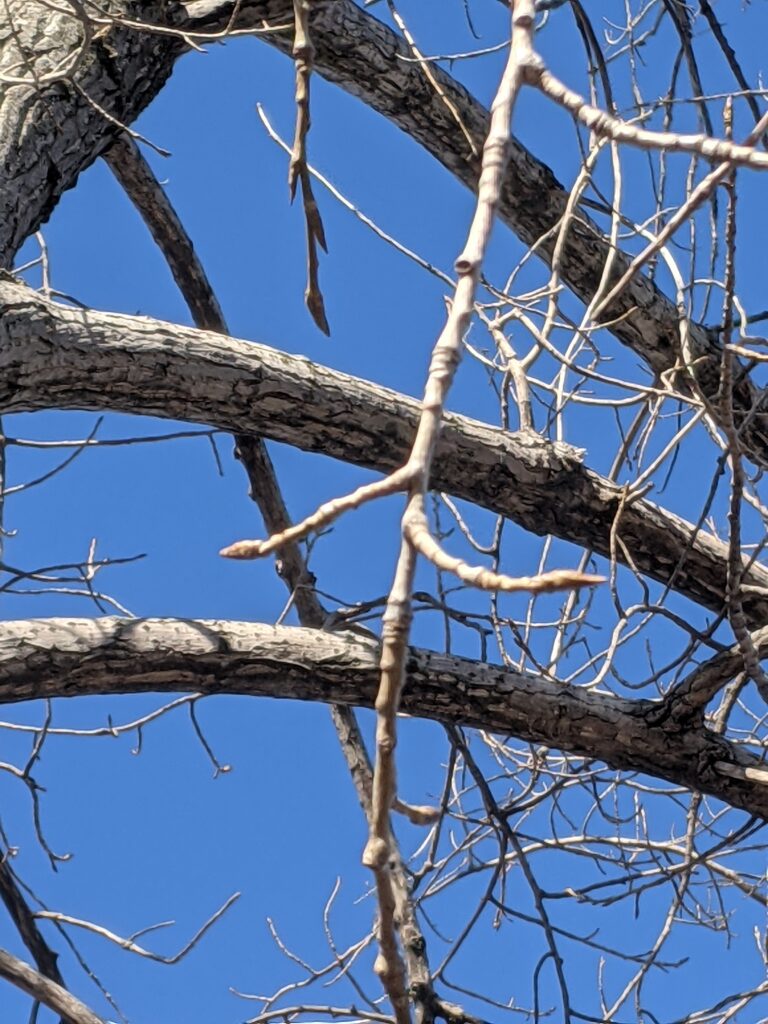
Unknown twig (basswood?)
Me in cool sunglasses on the ride back

Arms Forest 2/6/2021

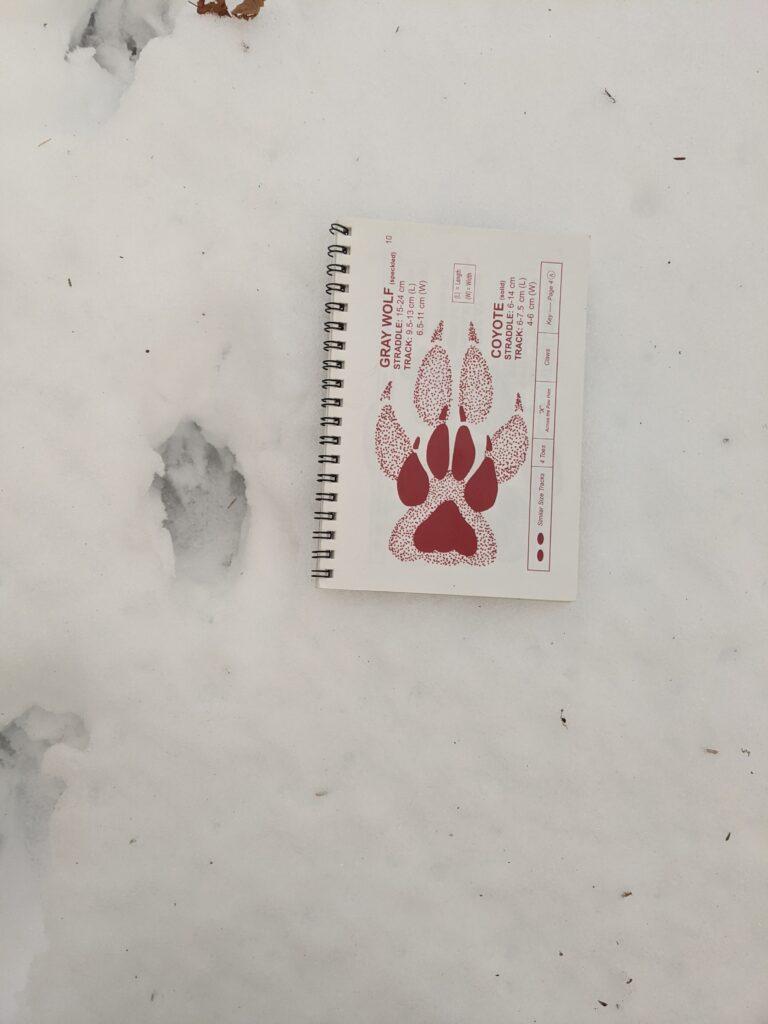
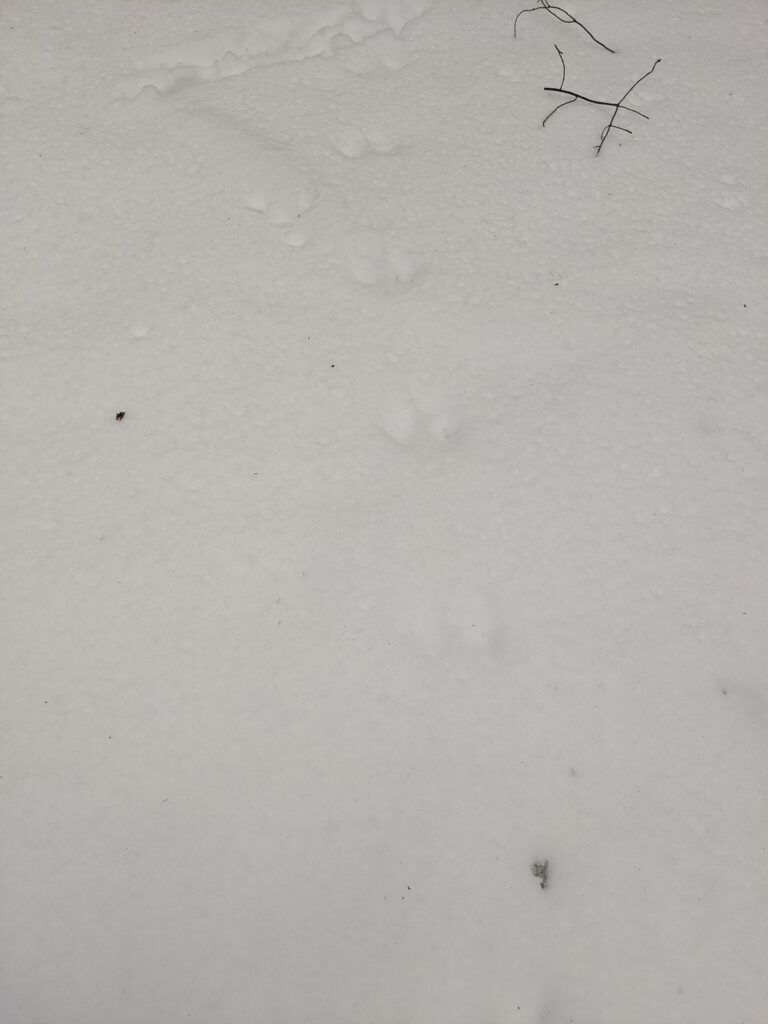
There are a few main phenological changes which occurred at Arms Forest from November until now. These include now having snow on the ground, less birds and squirrels visible, and generally colder temperatures. These changes are all characteristic and expected for this time of the winter. Having all this snow on the ground makes tracking animals relatively easy because their tracks appear obviously in the snow. I observed many old and new grey squirrel tracks all over the forest, as well as what was either a fox or coyote. Other signs of animals included quiet bird chirping of the birds that are still around, such as the Black-capped Chickadee and American Crow.

Potential fox or coyote tracks
Same track as first picture
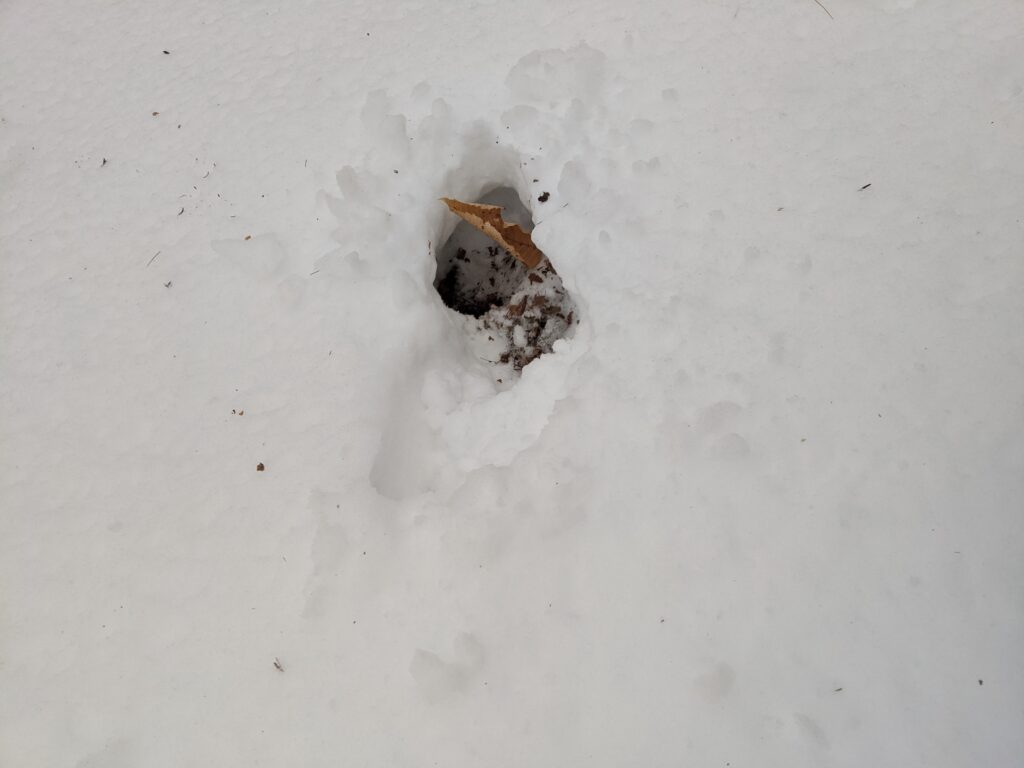
A potential burrowing hole
Slightly older squirrel tracks

Human Use History of Arms Forest

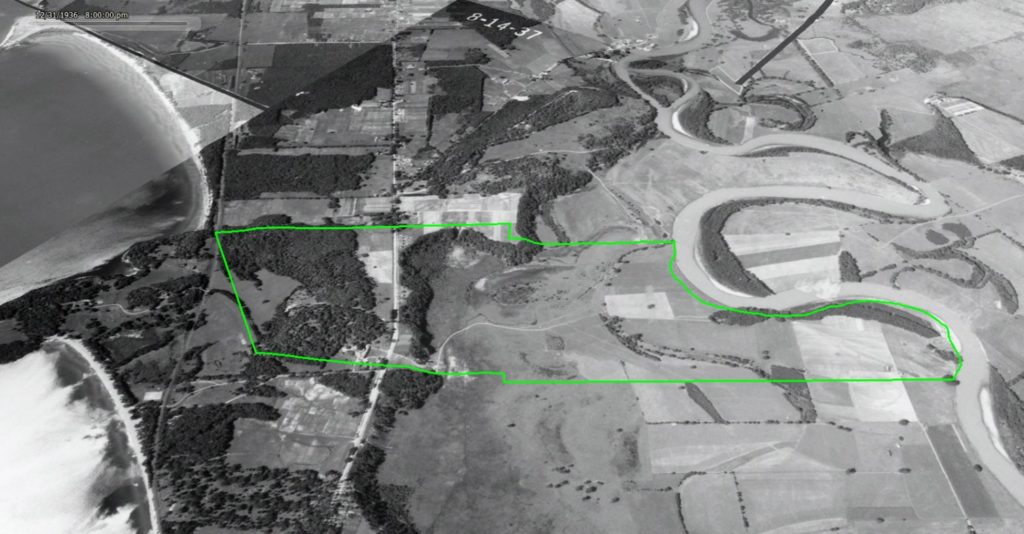
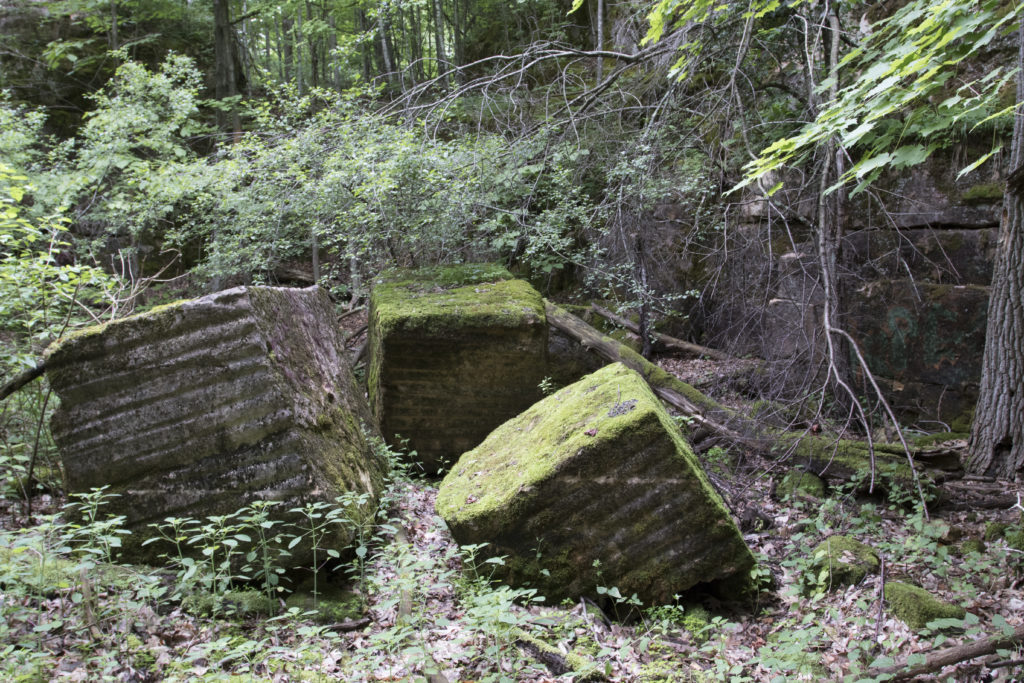
Arms Forest has a very rich human land use history, ranging from being farmland passed from family to family, to being used as a quarry, to now being surrounded by suburbs and Burlington High School. The land was owned by Thaddeus Fletcher, until he sold it to Philip and Esther Manwell in 1868. The Manwells created a very successful dairy farm which included the land which is now Arms Forest, and many more acres stretching east, over North Avenue. However, what is now Arms Forest was not used for agriculture due to its thin soil and exposed bedrock. In 1898, Philip Manwell died and Esther married Allen B. Kingsman. After Esther died in 1910, Allen continued the farming legacy of the land instead of selling it, maintaining a successful operation. After Allen’s death in 1921, the farm would have been passed onto to Esther’s nephew, Philip Sherman. However, Philip Sherman was killed on a ship which was attacked by a German U-Boat in 1918. The farm was then purchased by Willard Arms. After years of successful operation of a dairy farm, Willard was asked to sell his land to the City of Burlington in order to build a new high school, and keep up with the expanding population of the city. The only condition of this sale was to leave the forested area, previously unused for agriculture due to its thin soil and exposed bedrock, untouched. This was the first protected forest in Burlington to be used for education. There is another parallel path of land use history going on at the same time as the farming operations. From the late 19th century/early 20th century to around 1925, a corner of the Manwell farm was being leased to the Burlington Marble company, and used as a quarry. This was due to the fact that the dolostone bedrock in this area is rich in limestone. However, after about 20 years of this operation, it was deemed not financially viable to continue the quarrying, and it was abandoned. Due to this rich land use history of the area, and unique bedrock geology, the Arms Forest is home to a very diverse forest and unique plants for the area which require high levels of calcium to thrive (Arms Forest, 2019).

Outline of the Arms’ property over 1937 aerial imagery of Burlington’s North End.
The Arms property aerial view from 1937

Excavated blocks left in abandoned dolostone “marble” quarry. Photo: Sean Beckett
Current evidence of use as a quarry

Works Cited

Arms Forest. (2019, May 13) Retrieved from enjoyburlington.com/arms- forest/.

Sean Beckett (Photographer). Excavated blocks left in abandoned dolostone “marble” quarry [Photograph]. Retrieved December 2, 2020, from https://enjoyburlington.com/arms-forest/

Unknown (Photographer). (1937). Outline of the Arms’ property over 1937 aerial imagery of Burlington’s North End [Photograph]. Retrieved December 2, from 2020, https://enjoyburlington.com/arms-forest/

Home Phenology Site – Cutler Park

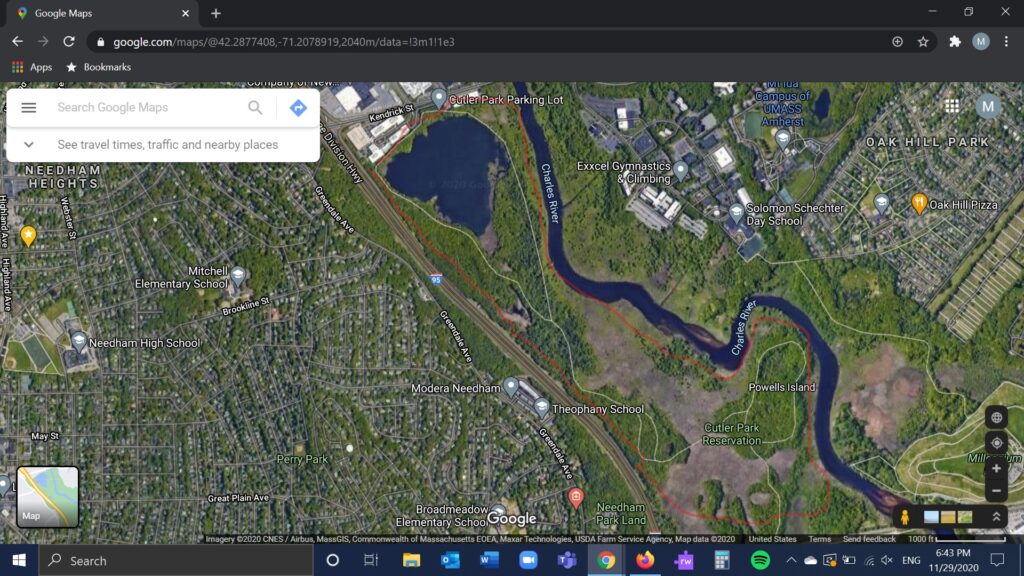
The phenology site I chose at home is called Cutler Park. This is a place which is used heavily for recreation such as walking and mountain biking. It is tucked away surrounded by the Charles River on one side, a highway on the other side, suburban Needham and an industrial park closing it off. One of the center pieces of the park is Cutler Pond which is located in the middle of the main walking trail, a 1.5 mile loop.

Here is a map of Cutler Park. I have outlined the general boundary of the park in a light red line. To the left of the park in this picture is a portion of Needham (my town), and to the right of the park is the town of Newton.

Cutler Park is very similar to my Burlington phenology site, Arms Forest. They are both relatively diverse wooded areas used for recreation, closely surrounded by development on all sides. Cutler Park is larger than Arms Forest, and includes more diverse kinds of ecosystems. Arms Forest does not have many distinct or unique features, whereas Cutler Park has more features. Cutler Park contains more changes in elevation, none significant however. It is also along a river and surrounds a pond which provides habitat for fish and waterfowl such as ducks and swans. Cutler Park also has a significant amount of marsh land filled with reeds. There were many of the same kinds of trees in Cutler as in Arms Forest such as Northern Red Oak, White Oak, Eastern White Pine, Red Maple, and some Norway Maple. Cutler Park, however, had a significant amount of Red Pines which were very sparse in Arms Forest. Additionally there were some trees which I was not able to identify for certain, but I think they could have been White Ash and Scarlet Oak. As for animals, I am not familiar with birds, but I believe there were some of the same kinds of birds in both areas. They are also both home to many squirrels. Overall, Arms Forest and Cutler Park are similar in their general location and uses, however contain some different kinds of lands and tree species.

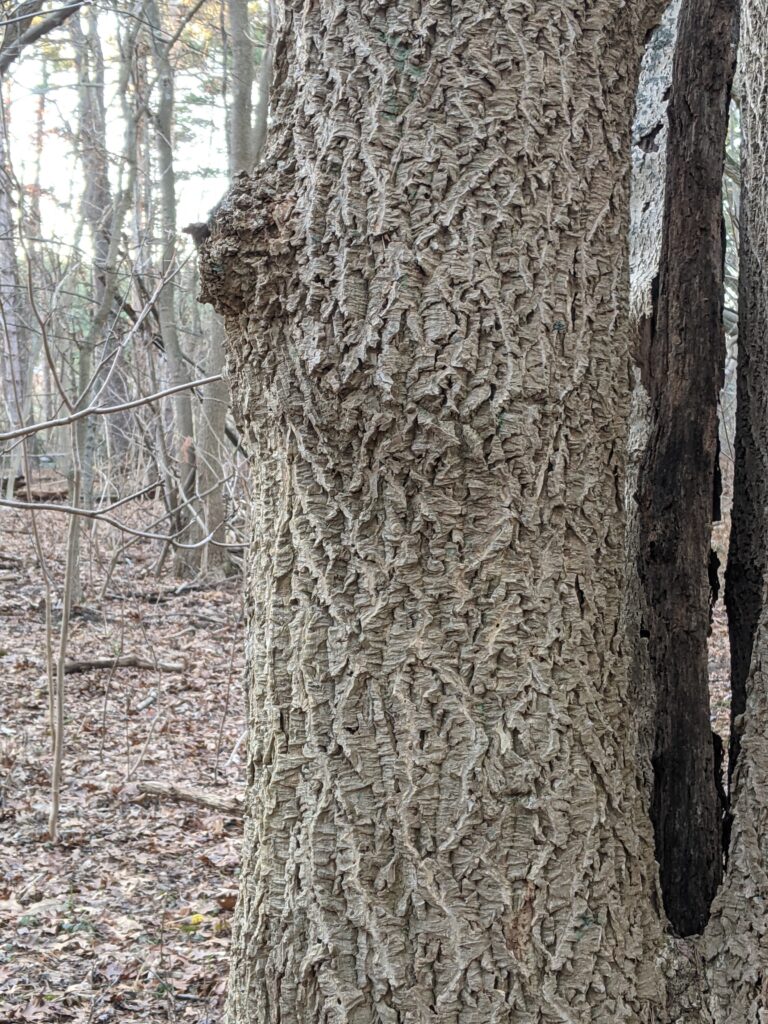
Here is a picture of an unidentified tree. I particularly like the bark of this tree.
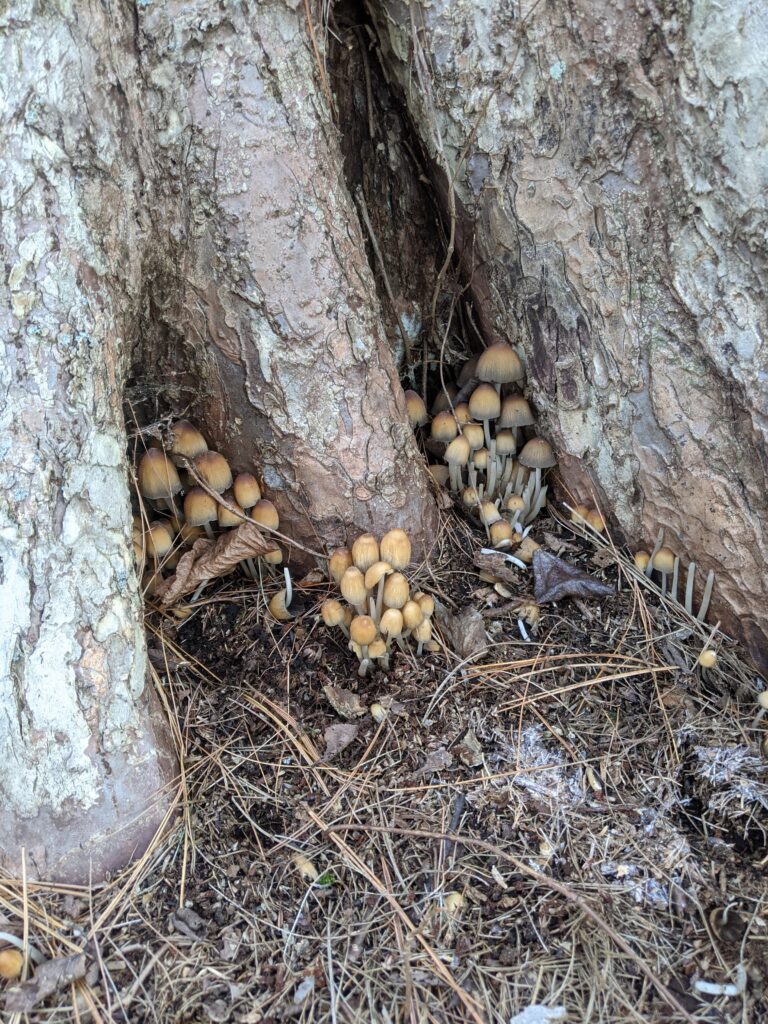
Here is a beautiful cluster of the Coprinellus micaceus mushroom at the base of a rotting White Oak
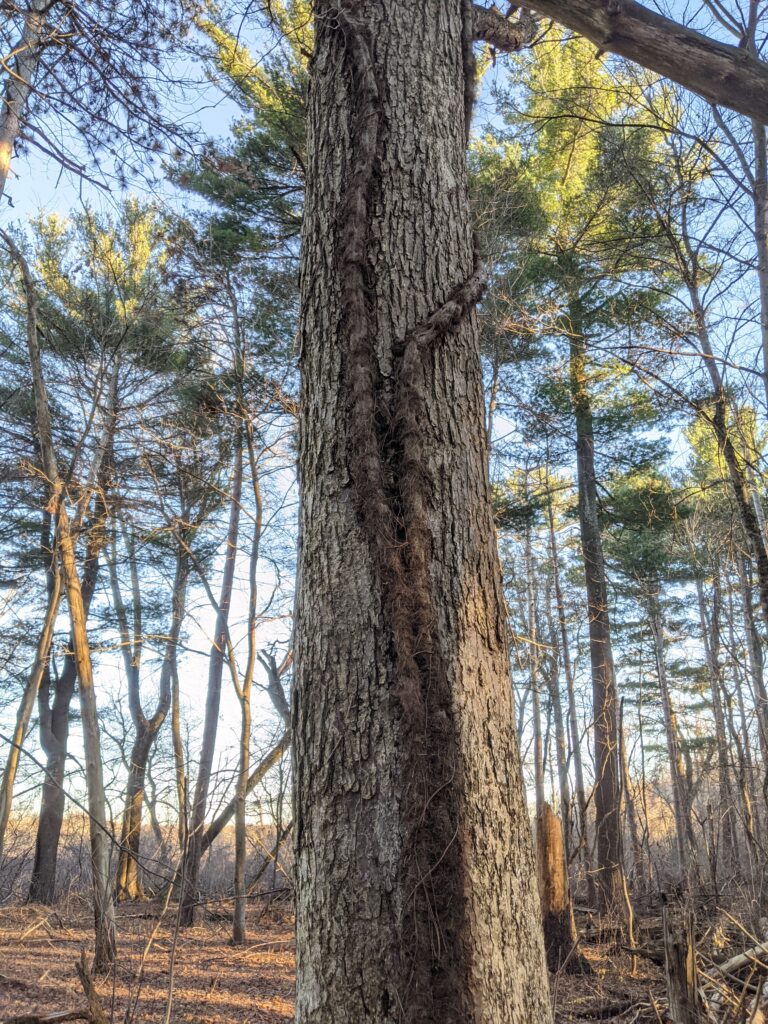
Here is that same rotting White Oak in which the mushrooms were growing on. This tree seemed to have been taken over by this sort of vine making its way up and around the tree. This vine like thing was relatively common to see in the park.
Here is a picture of the Charles River through the brush

I believe Cutler Park is special because it is central place of recreation for two towns, and has a wide range of habitats and vegetation species which makes it very ecologically important for the area.

Works Cited

Micah Bernat (Photographer). (2020). Cutler Park Map [Photograph].

Micah Bernat (Photographer). (2020). Unidentified Tree [Photograph].

Micah Bernat (Photographer). (2020). Mushrooms [Photograph].

Micah Bernat (Photographer). (2020). Vine [Photograph].

Micah Bernat (Photographer). (2020). River [Photograph]

Arms Forest Visit #3

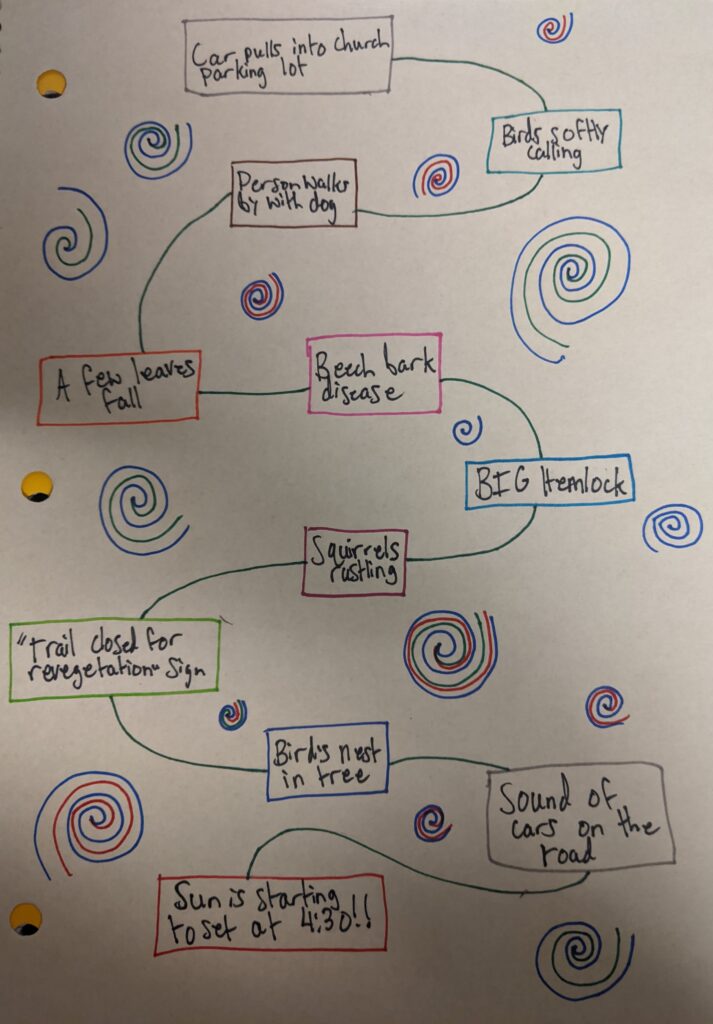
This visit to Arms Forest didn’t show much change from the last one however there were some minor changes. I saw slightly less squirrels and heard less birds chirping and calling. Also almost all the leaves were on the ground. Some of the beeches and oaks still had some brown leaves left, and the pines and hemlocks had green needles. Also, today was an especially weird visit because all of the leaves were gone and the sun started setting before 5:00pm, but it was still almost 60 degrees.

Event map of Arms Forest
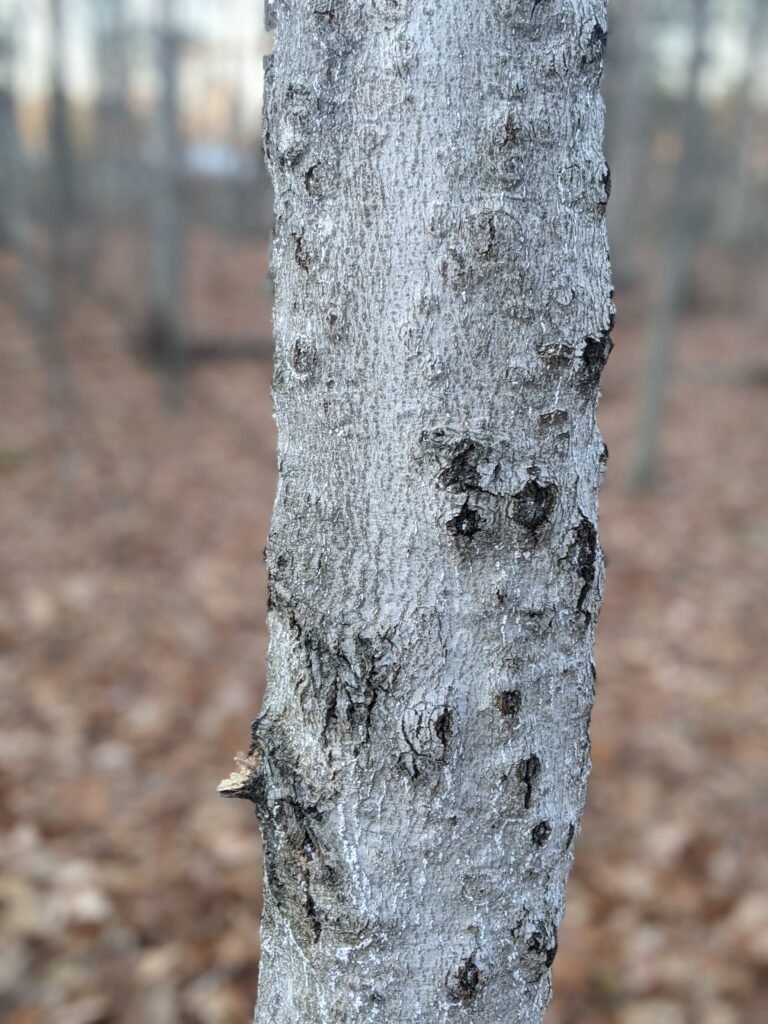
Beech tree with beach bark disease
POV riding down the trail
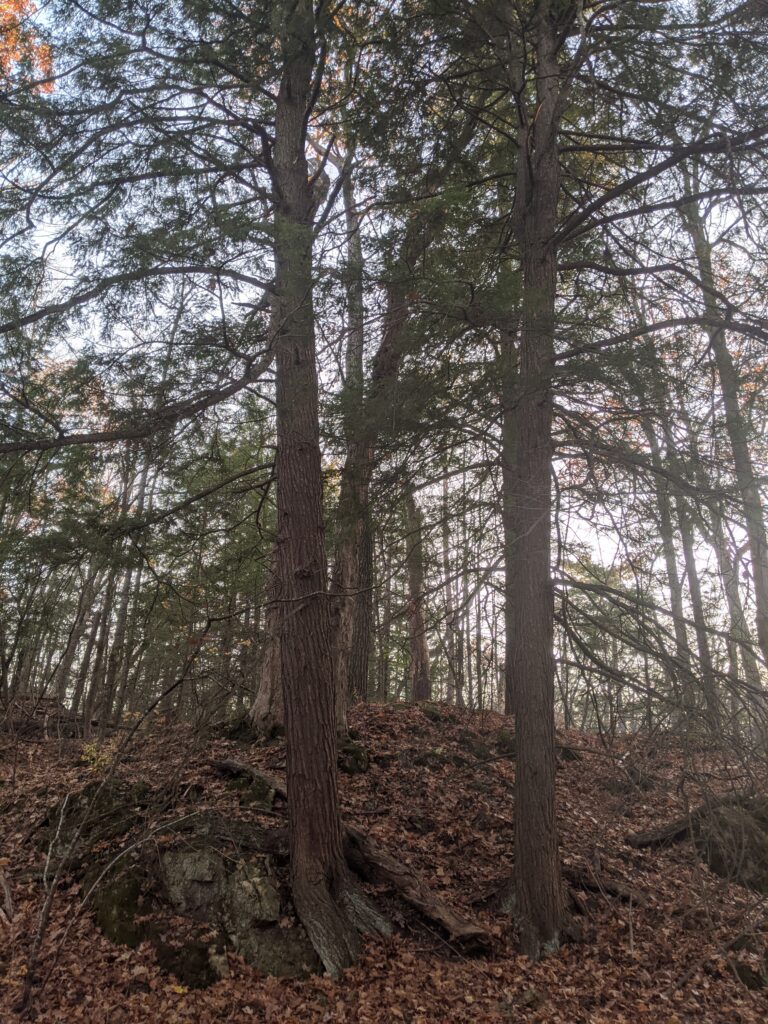
Large hemlock
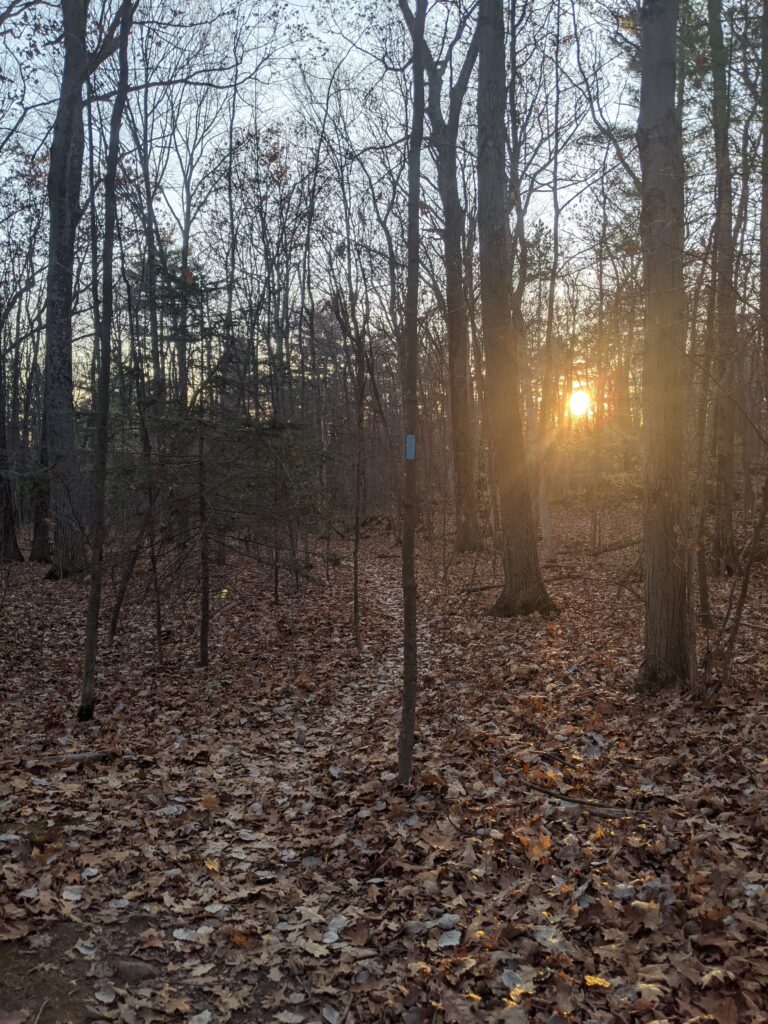
Sun peeking through the trees
Trail closure sign
Fun self-timer photo of me

Works Cited

Micah Bernat (Photographer). (2020). Event Map of Arms Forest [Photograph].

Micah Bernat (Photographer). (2020). Beech tree with beech bark disease [Photograph].

Micah Bernat (Photographer). (2020). POV riding down the trail [Photograph].

Micah Bernat (Photographer). (2020). Large hemlock [Photograph].

Micah Bernat (Photographer). (2020). Sun peeking through the trees [Photograph].

Micah Bernat (Photographer). (2020). Trail closure sign [Photograph].

Micah Bernat (Photographer). (2020). Fun self-timer photo of me [Photograph].

Arms Forest Visit #2 – Birds Eye Map

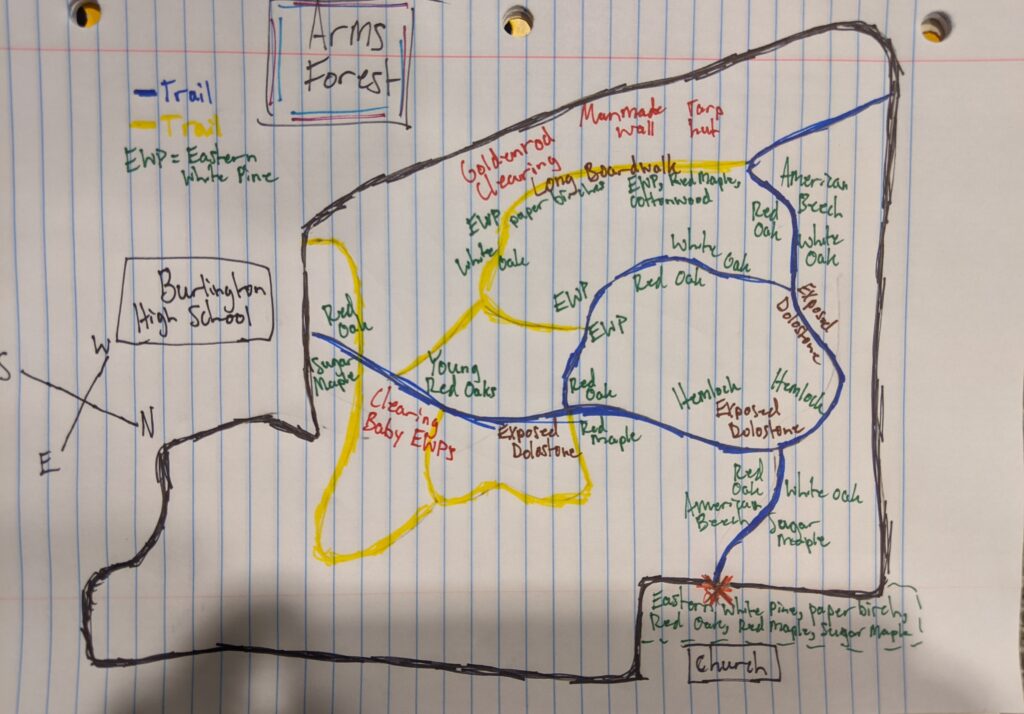
Bird’s eye view map of Arms Forest’s trees and features

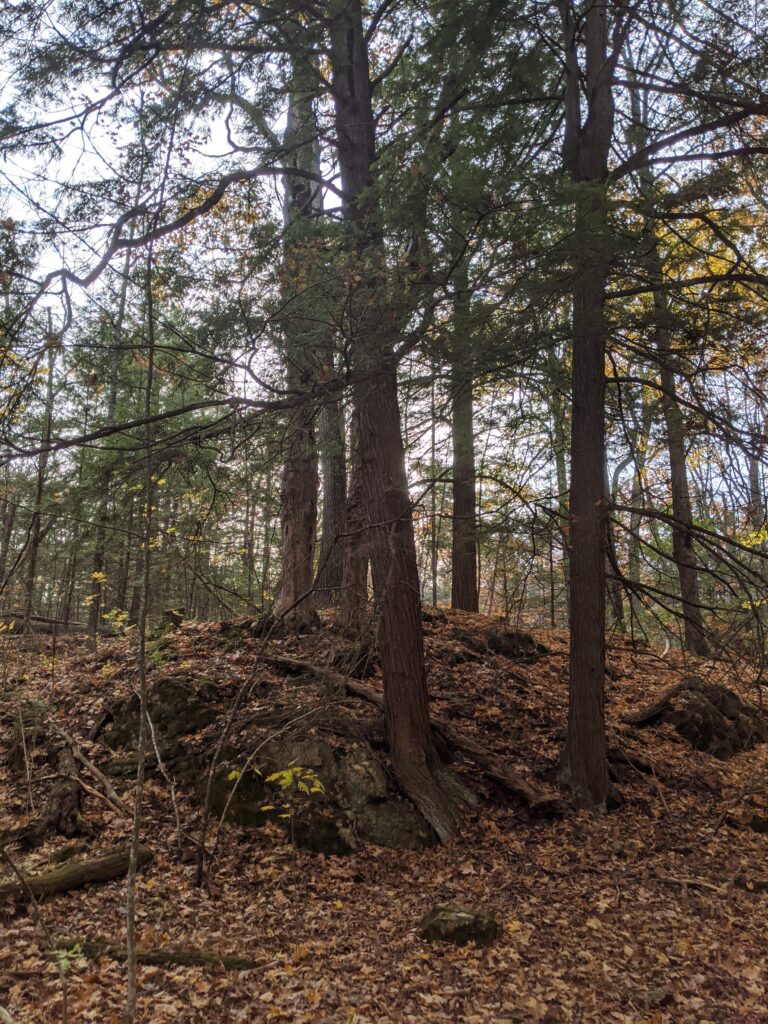
Arms Forest has been undergoing changes which are in line with vegetation everywhere this time of year. The trees are losing their leaves, and the smaller herbaceous vegetation is slowly dying. The forest floor is covered with much more dead organic matter such as leaves, needles, and twigs. The leaves which are left in the trees are either vibrant shades of red, yellow, and orange, or obviously dead and just waiting for a strong breeze to blow them off.

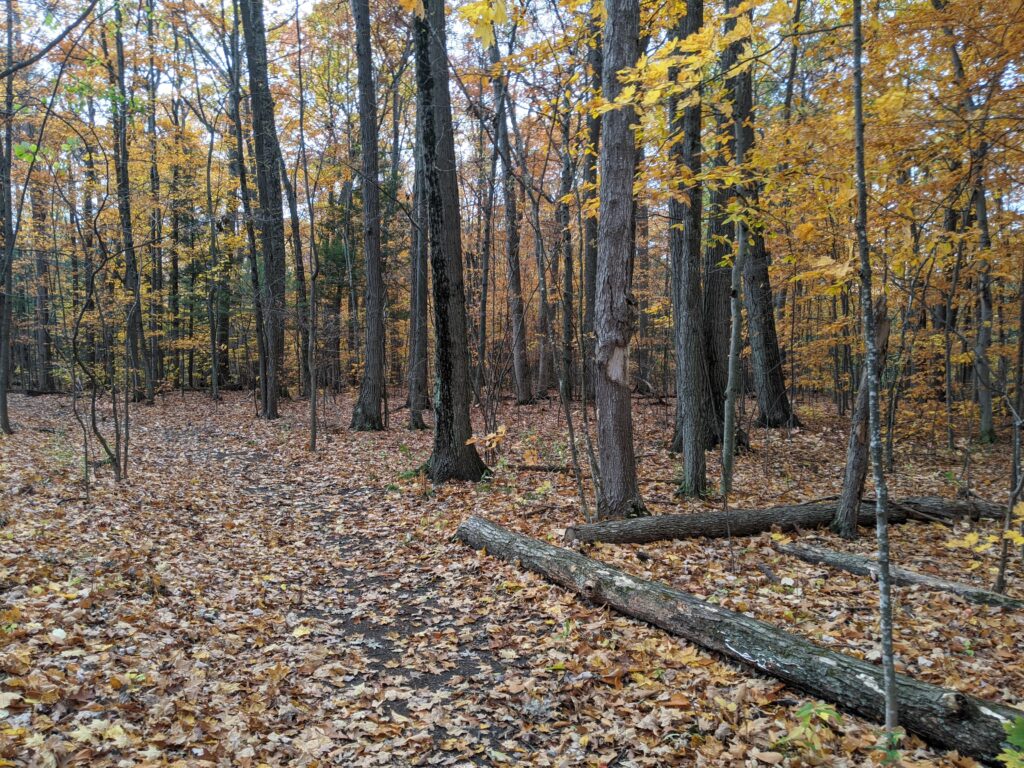
Main entrance trail. Very little leaves on the trees, and the leaves still left are changing color drastically. Lots of dead leaves on the forest floor.
Large Eastern Hemlock growing over the exposed Dolostone bedrock
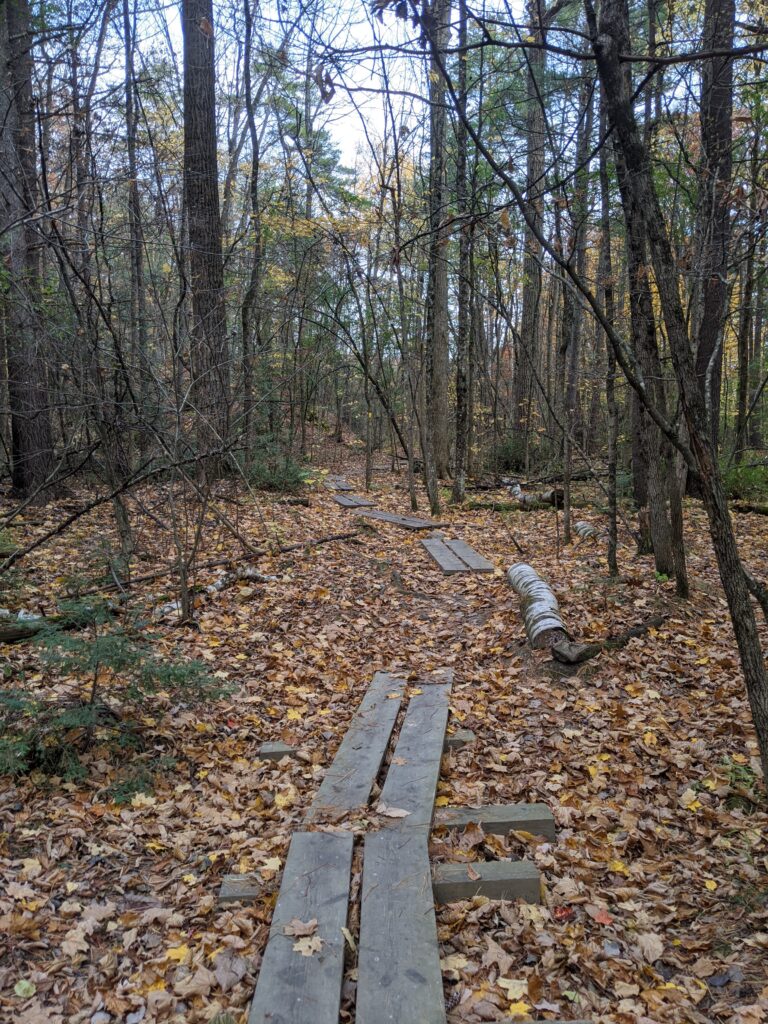
Boardwalk which extends a relatively long distance on one of the yellow blazed trails

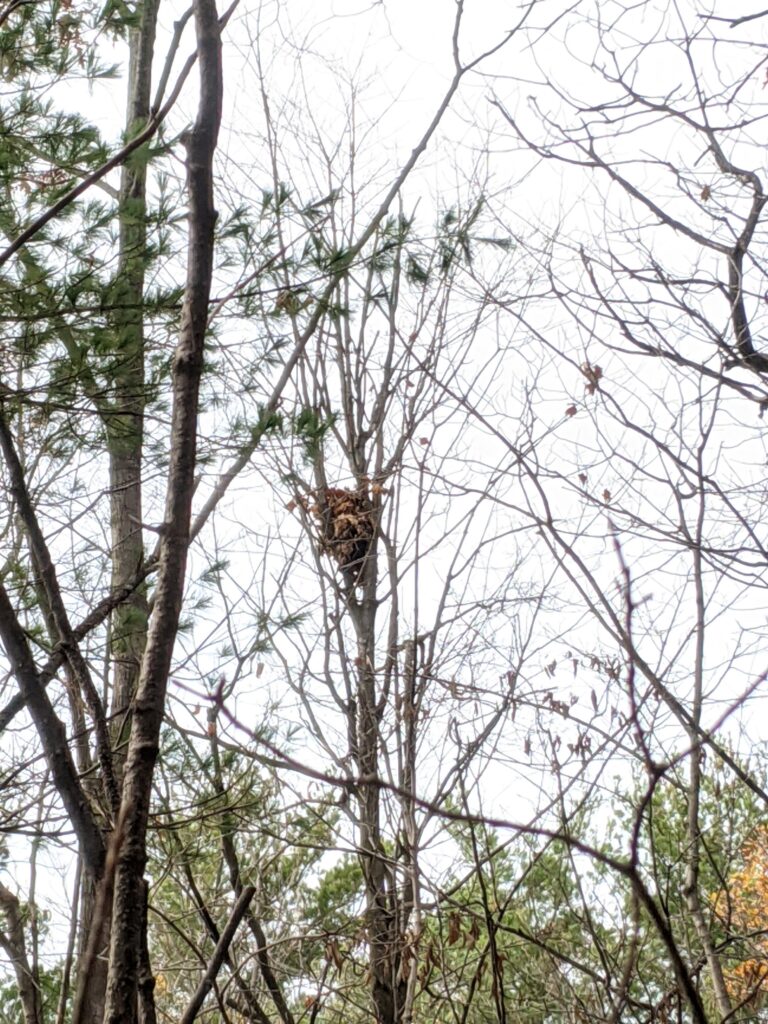
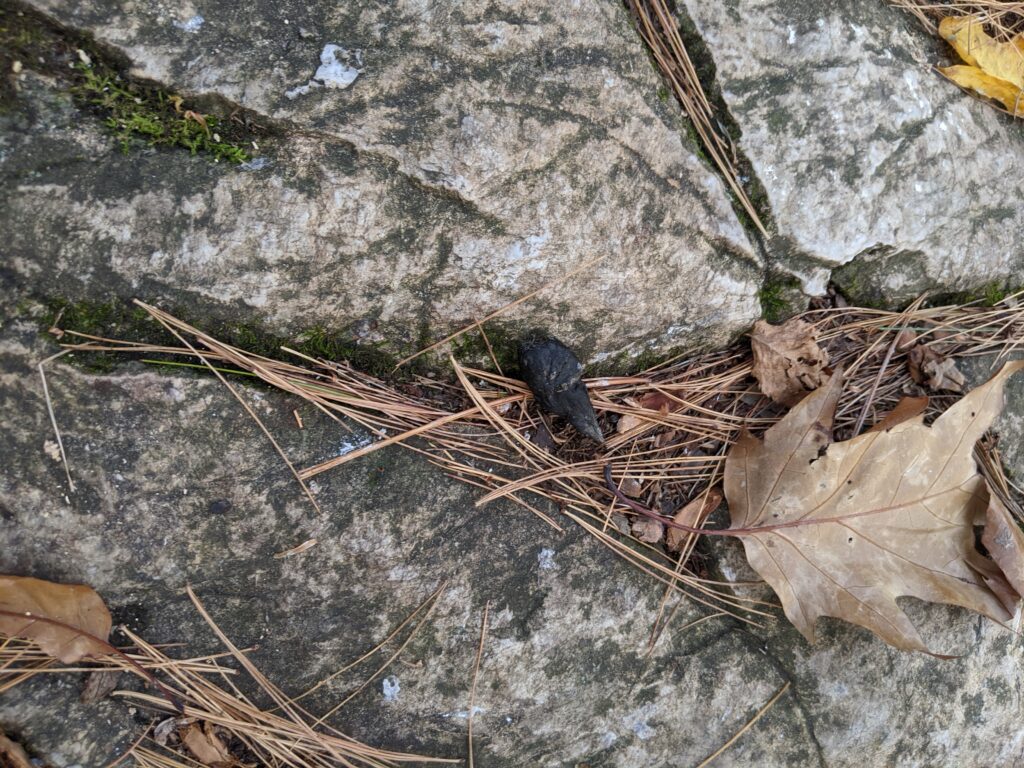
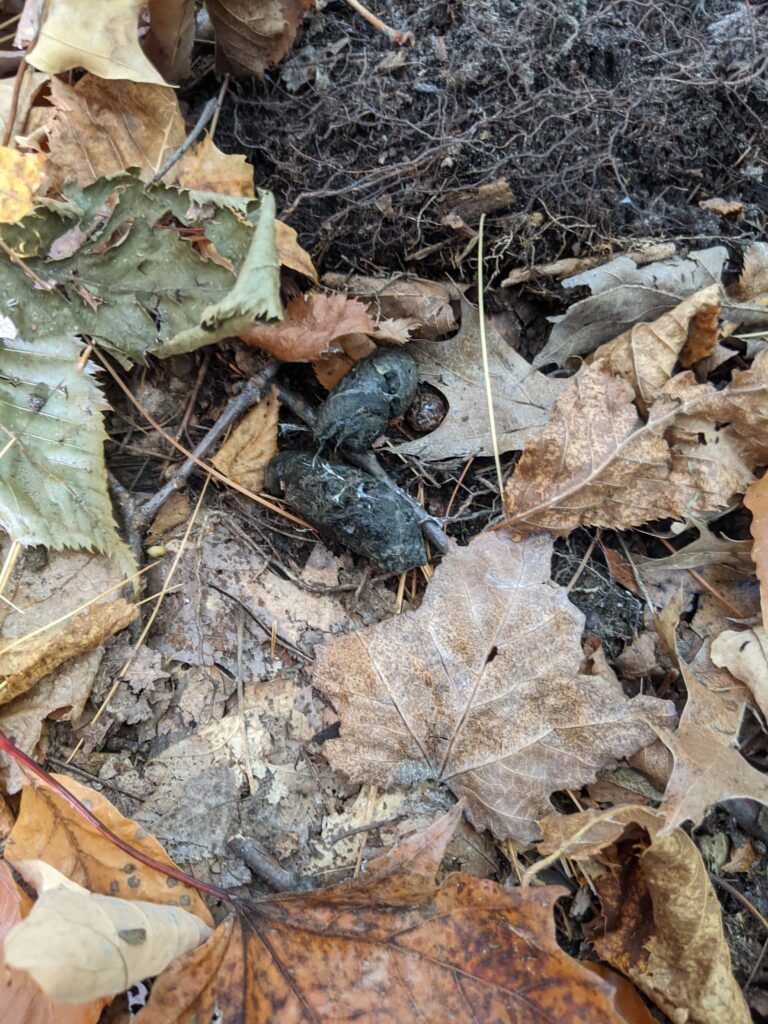
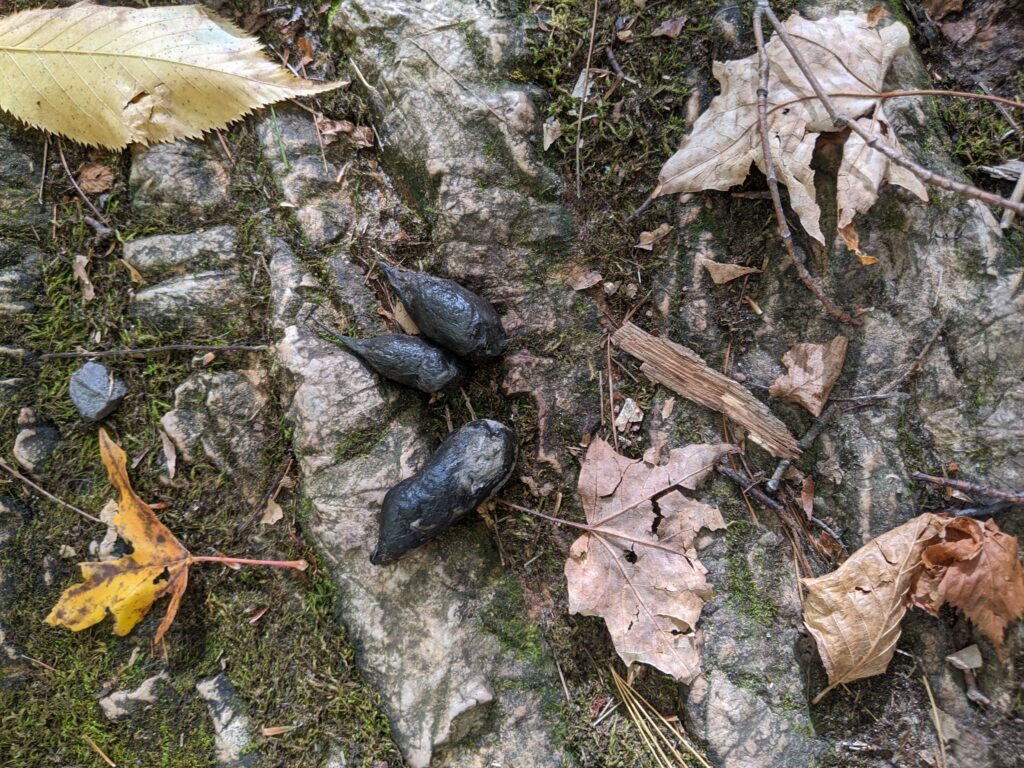
It is clear that forest animals make their homes here. Throughout the entire forest you will find yourself constantly surrounded by scurrying squirrels. I observed several of what looked like birds nests made out of twigs, leaves, and other debris. Additionally, there were holes in dead trees, as well as in the ground in some places which is evidence of animals using these places to live. I also found scat which I am having difficulty identifying.

A potential bird’s nest

Works Cited

Micah Bernat (Photographer). (2020). Bird’s eye map [Photograph].

Micah Bernat (Photographer). (2020). Main entrance trail [Photograph].

Micah Bernat (Photographer). (2020). Large Eastern hemlock [Photograph].

Micah Bernat (Photographer). (2020). Boardwalk [Photograph].

Micah Bernat (Photographer). (2020). Holes used by borrowing animals [Photograph].

Micah Bernat (Photographer). (2020). Holes used by borrowing animals [Photograph].

Micah Bernat (Photographer). (2020). Unidentified scat [Photograph].

Micah Bernat (Photographer). (2020). Unidentified scat [Photograph].

Micah Bernat (Photographer). (2020). Unidentified scat [Photograph].

Arms Forest intro and woody vegetation

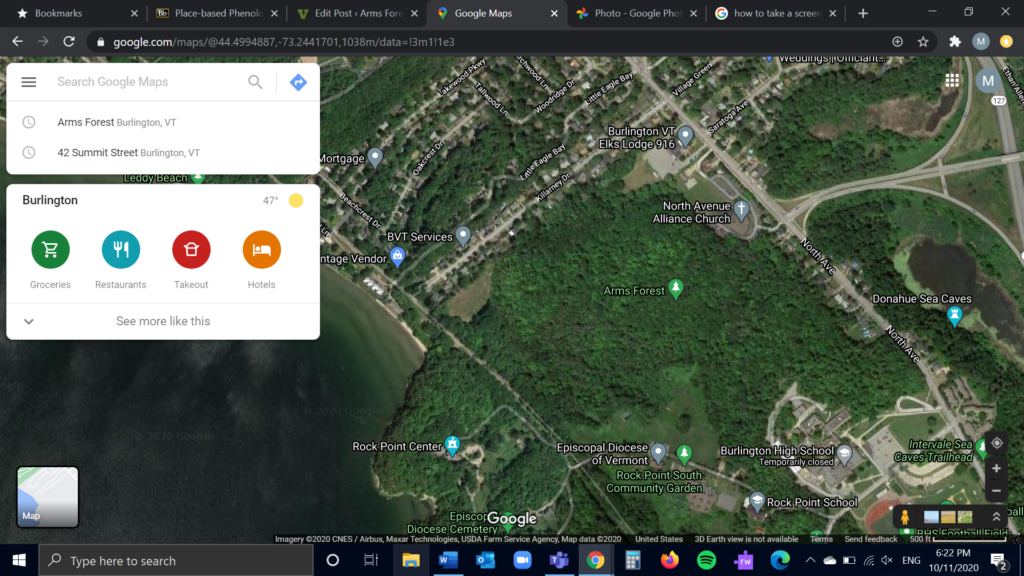
Arms Forest is a small forest off of North Avenue in Burlington. I chose this location to do my phenology project because it is a small, concentrated forest which is known to have high ecological importance as an “urban wild” in Burlington. To get there from campus, go down North Prospect Street and take a left on North Street. Follow North Street to the end and take a right on North Ave. The forest entrance will be behind the church on the left side of the road.

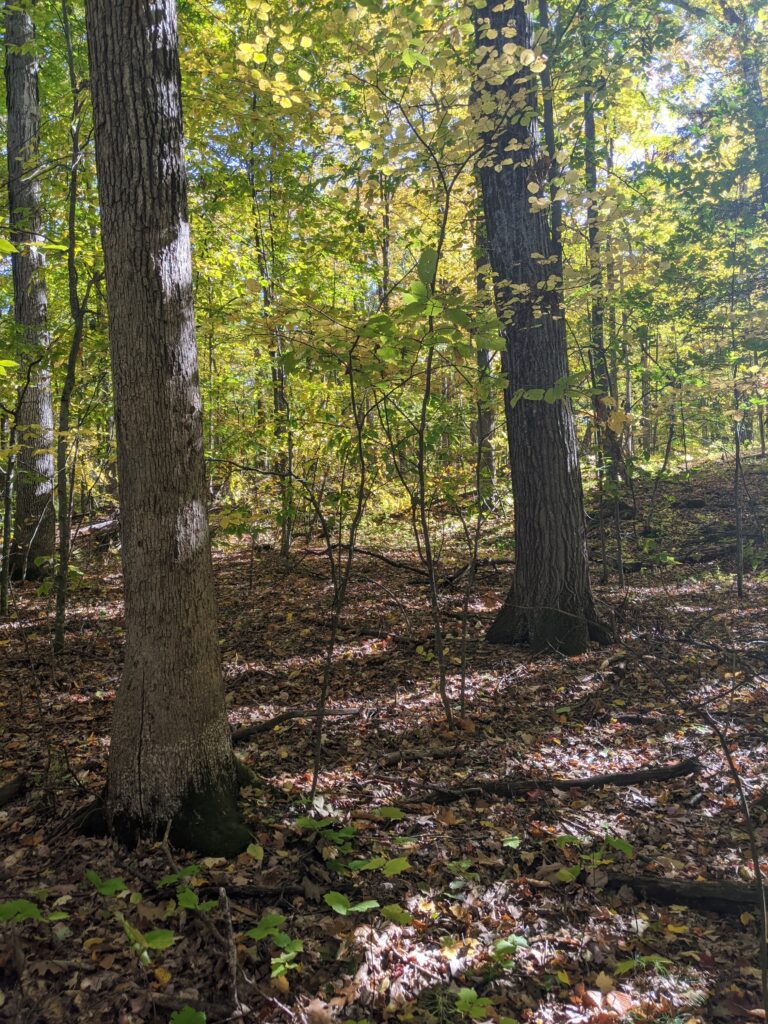
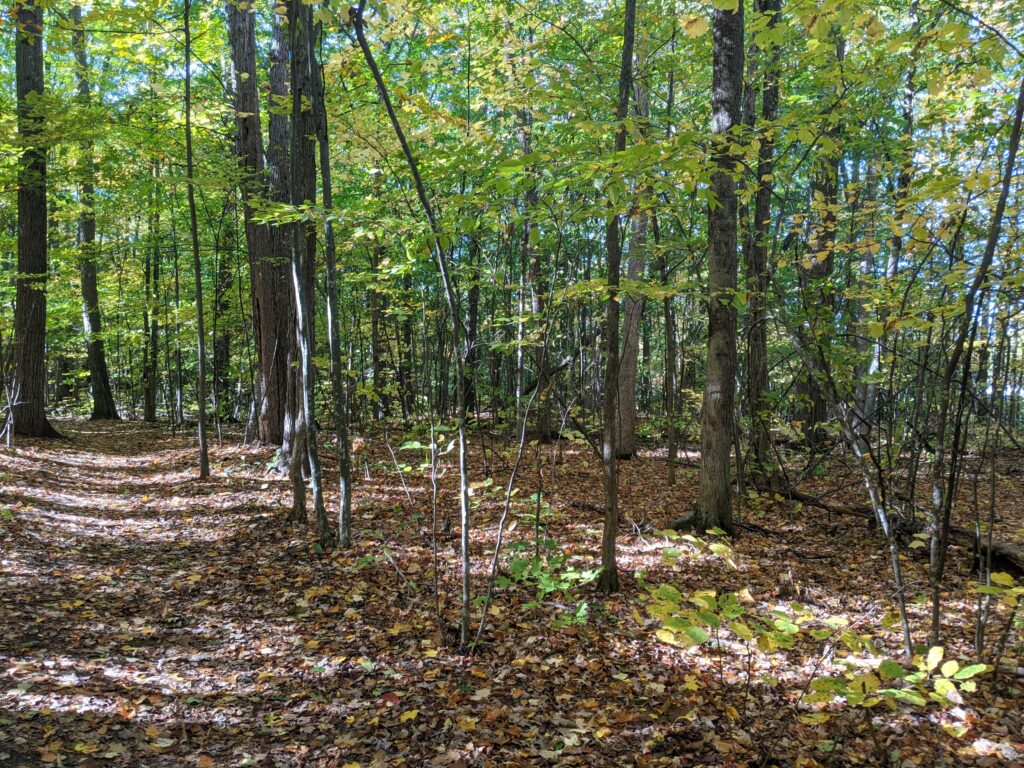
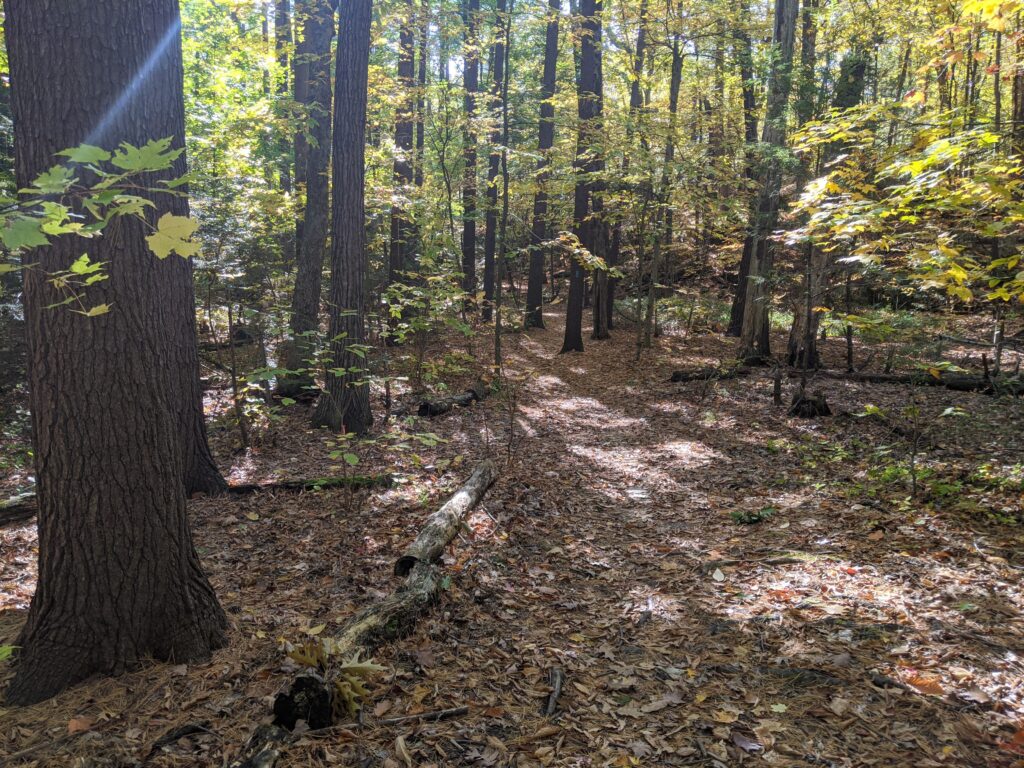
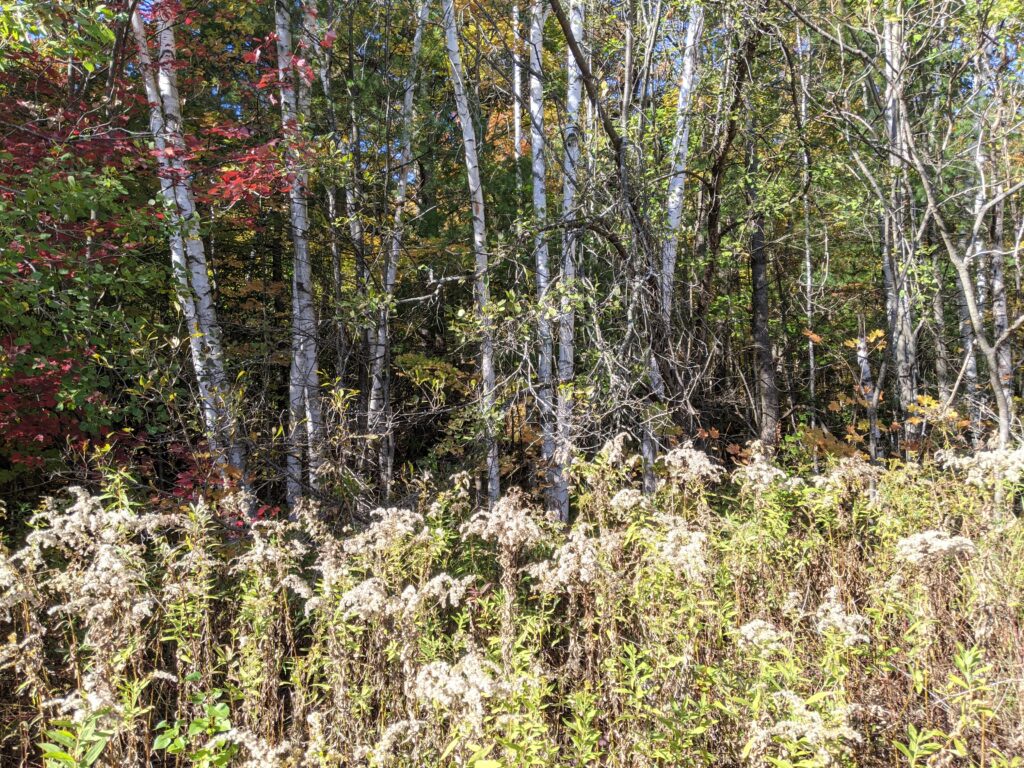
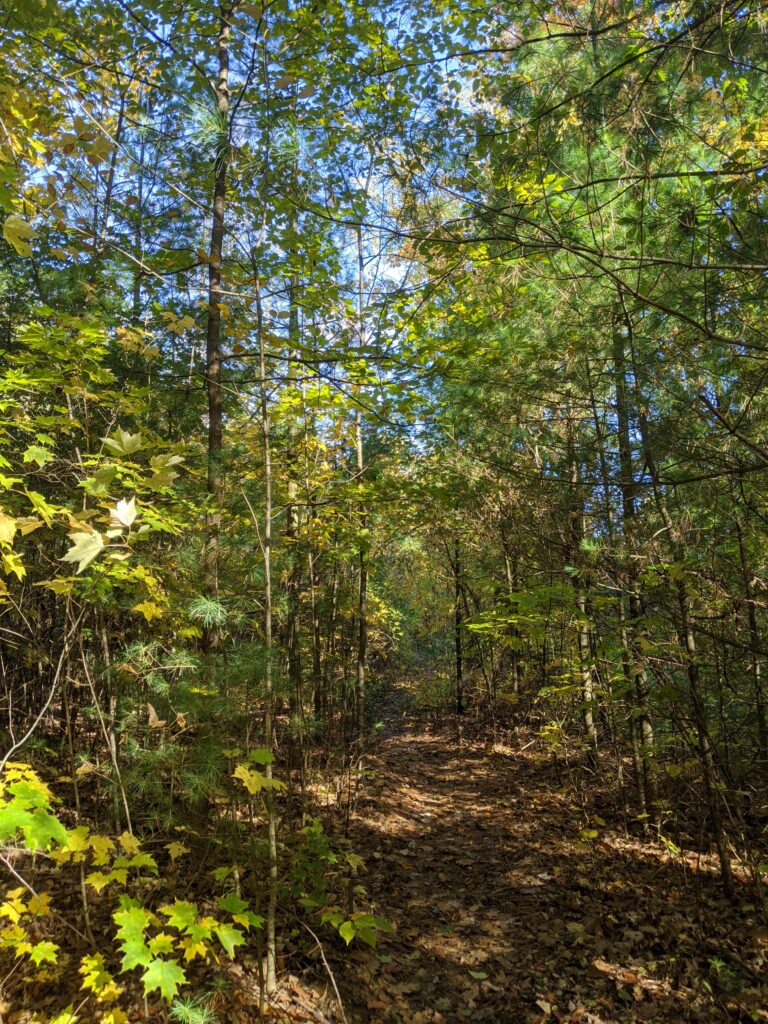
It seems to be a younger forest based on the fact that is has a relatively dense understory. The primary species in the overstory were Northern Red Oak and White Oak, Sugar Maple, Eastern White Pine in specific areas, and some Paper Birch. There were also some scattered Eastern Hemlocks in the overstory. There were many different trees occupying the understory such as Norway Maple, Eastern Hemlock, American Beech (many of which had Beech Bark disease), and Northern White Cedar which showed up in scattered groups of very small trees. Trees like Eastern White Pines and Paper Birch really only showed up in areas right next to clearings or in places where there was more open space. The healthiest Paper Birches were next to the entrance or on the edge of a clearing. I also observed one Red Pine, several of what was most likely Bigtooth Aspen, and what I believe was some Green Ash in fewer abundance.

Map of Arms Forest location
Pictured above is a White Oak to the left and a Northern Red Oak to the right
This picture was taken near the entrance and it displays the density of the understory
Above is an American Beech tree which is suffering from Beach Bark disease
Above is a picture of a more open area which has many Eastern White Pines in the overstory
Above is from the edge of a clearing which was filled with dying Goldenrods. There are also healthy Paper Birches lining the edge of the clearing
Above shows a section of the forest with no visible overstory. It shows primarily Eastern White Pines and some Sugar Maples on the left side of the picture in the understory

Works Cited

Micah Bernat (Photographer). (2020). Map of Arms Forest [Photograph].

Micah Bernat (Photographer). (2020). White Oak and Northern Red Oak [Photograph].

Micah Bernat (Photographer). (2020). Dense understory near entrance [Photograph].

Micah Bernat (Photographer). (2020). Beech bark disease [Photograph].

Micah Bernat (Photographer). (2020). Open area with Eastern White Pines [Photograph].

Micah Bernat (Photographer). (2020). Goldenrod clearing [Photograph].

Micah Bernat (Photographer). (2020). No overstory [Photograph].

Skip to toolbar