Overall Experience
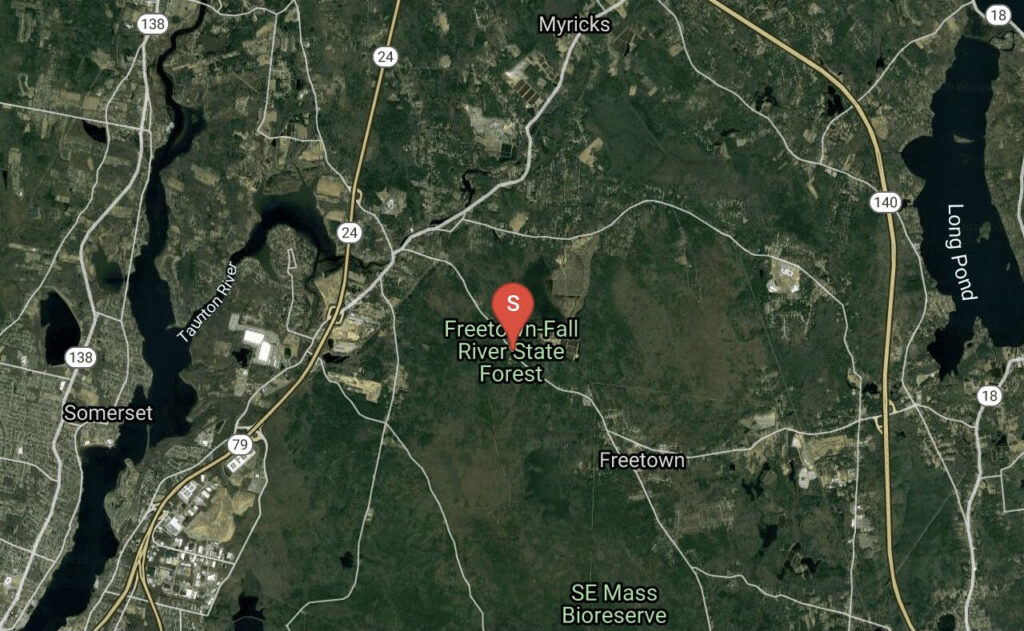
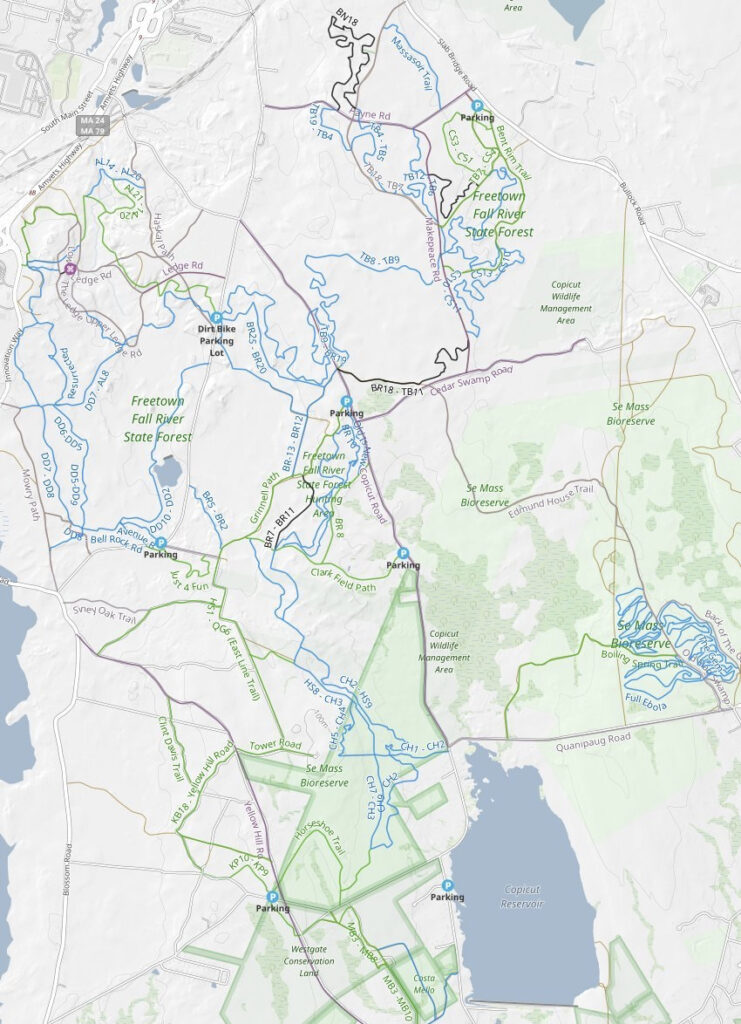
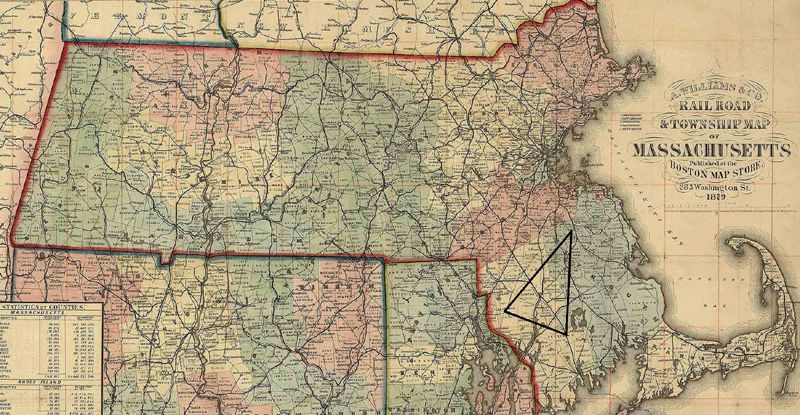
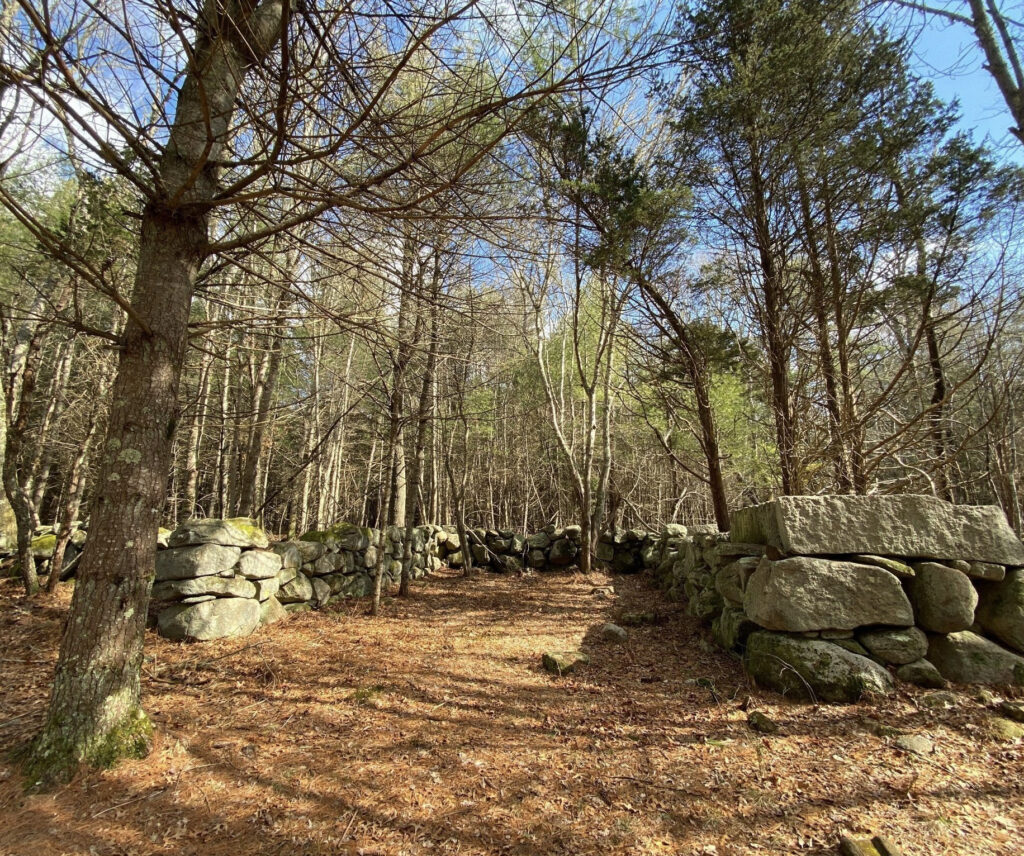
I conducted my exploration at the Freetown-Fall River Stare Forest, which is about 20-25 minutes from where I live. It is located between the two areas and provides habitat for many species you would typically find in Southeastern Massachusetts including white and red oak, sugar and red maple, eastern white pine, squirrels chipmunks, deer, owls, and coyotes. I also explored the woods near my house and the mills close to the forest in Fall River for my labs, which involved tracking and the history of the Industrial Era in America. I recently learned that the forest is part of the cursed “Bridgewater Triangle,” an area including about 4 towns in Southeastern Massachustss where ghosts and Big Foot were claimed to have been sighted, making it a famous spot for thrill-seekers to visit.
My most memorable observations were the red maple and white oak trees because they were so plentiful in my area and reminded me of last semester when I was on campus and had to identify the different trees by their leaves and bark. I loved seeing the trees transition from one season to another as the leaves turned color in the fall, the branches became bare in the winter, and buds formed in the spring.
I loved using iNaturalist to identify plants and trees in the forest that I did not recognize, especially on the forest floor. It also helped me decipher between bird species when I went out into the woods. I will continue using the app in the future for academic purposes and my own interest, especially when traveling to new places where the geography is different from New England’s.
I liked seeing the different species coming from the various cities. I did not think s many people would participate in the City Nature Challenge from all over the world! Knowing the types of species that live in certain cities can help determine the biome and habitats that exist in that part of the world.