March
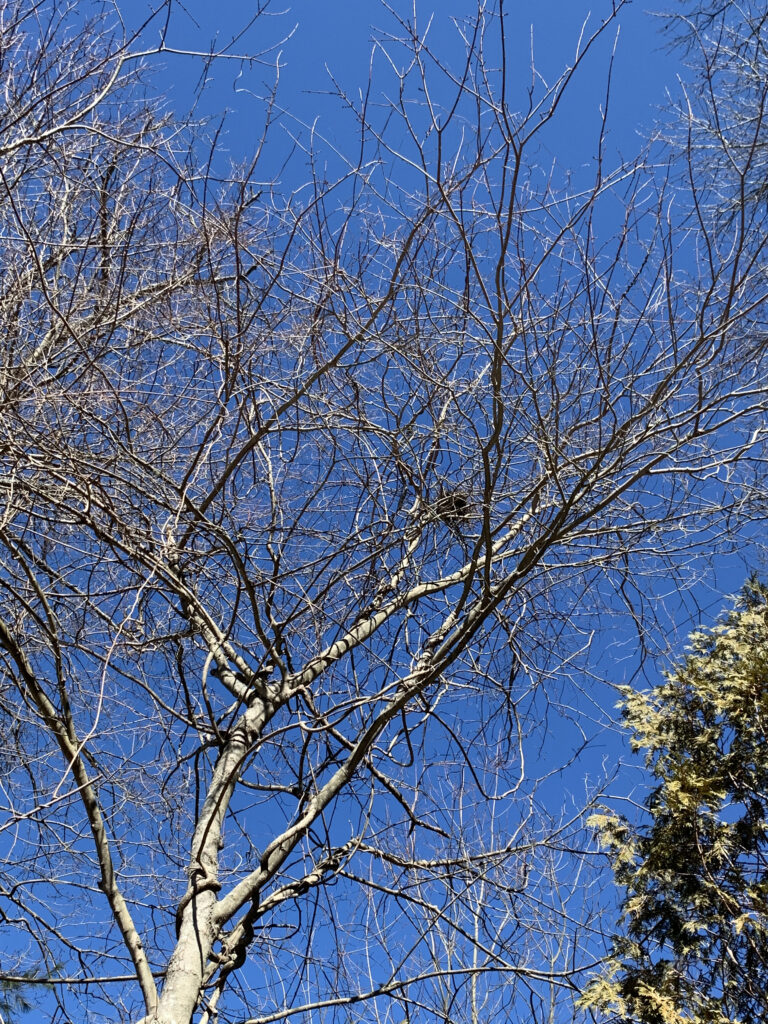
In the woods near my house and in my own backyard in Swansea, MA, I noticed many more birds flying and singing loudly. I found many nests that were visible through the bare trees. They are much more active now that the spring season is approaching. Birds, especially robins, also travel in flocks to hunt down sources of food in case they encounter competition from other larger birds or mammals who eat the same berries, worms, and insects. By the end of winter, food sources become more scarce.
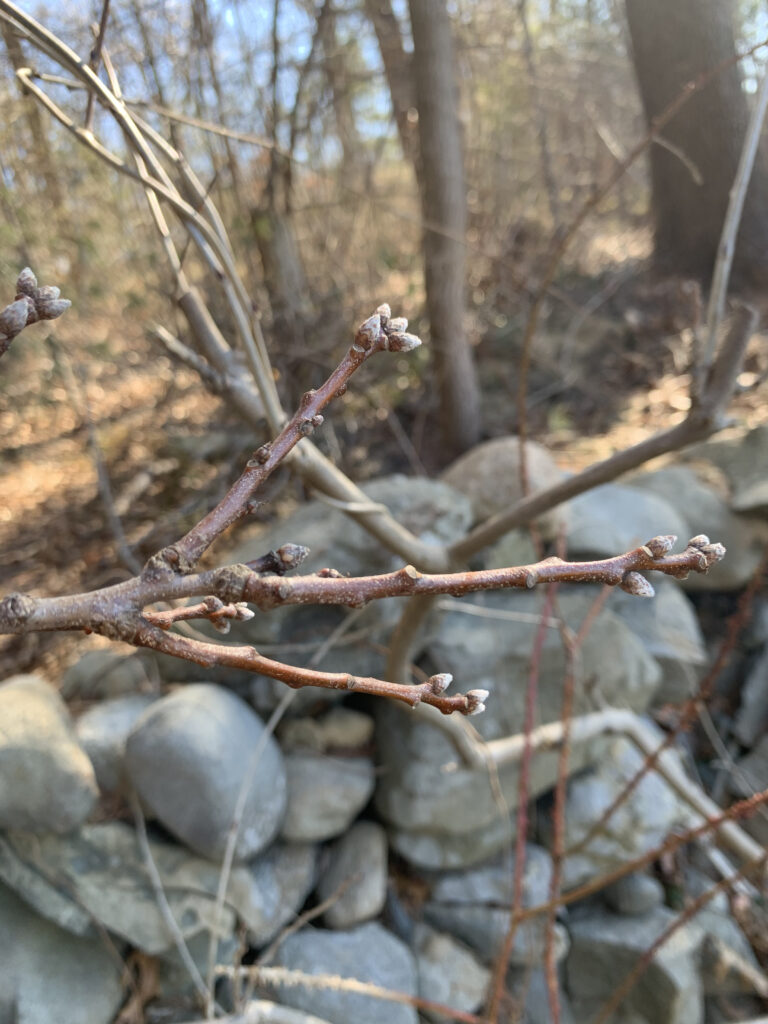
The buds on many of the deciduous trees, specifically the northern red oats that grow on my property and in my neighborhood, have started to form buds. There are also many stone walls that were once built to divide farmland in the nineteenth century. Most of this farmland has turned into woodlands over the years.
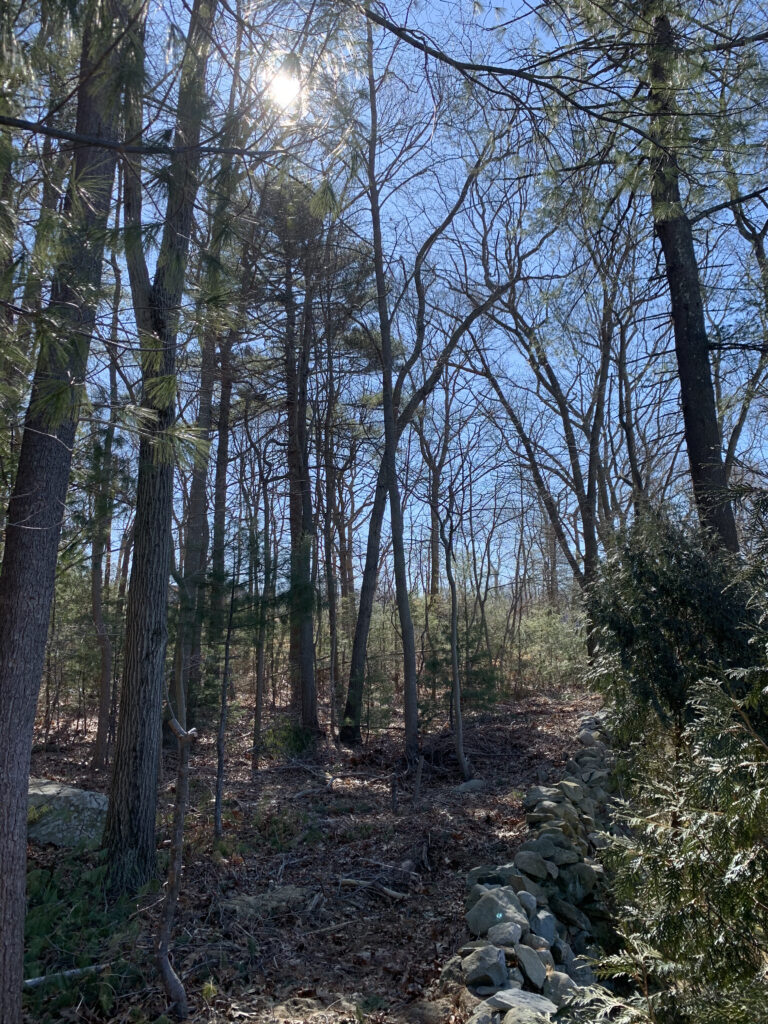
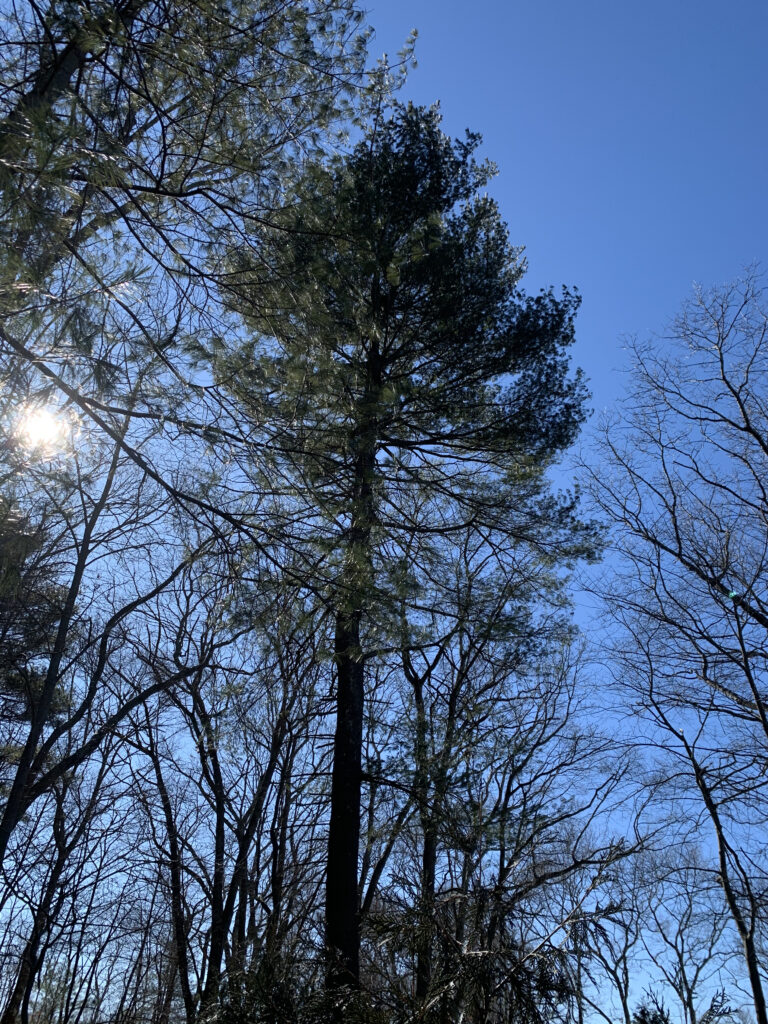
The trees are still bare; however, all of the snow has melted, which is a sign that warmer weather is near. Most of the eastern white pines still have their needles towards the top of their trunks, which is characteristic of their species.
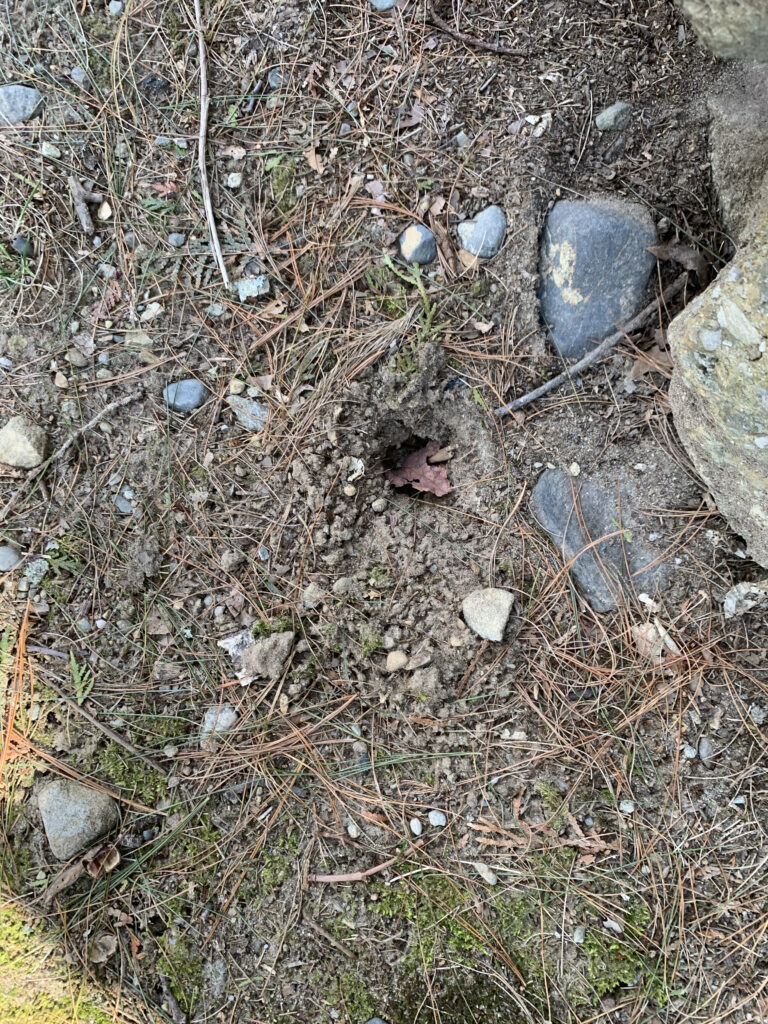
No animal tracks were found since the snow is gone and the ground was dry and still frozen, however, I did find this hole that I believe is a snake hole. There are many garter snakes that live in my yard that mostly I see in the summertime.
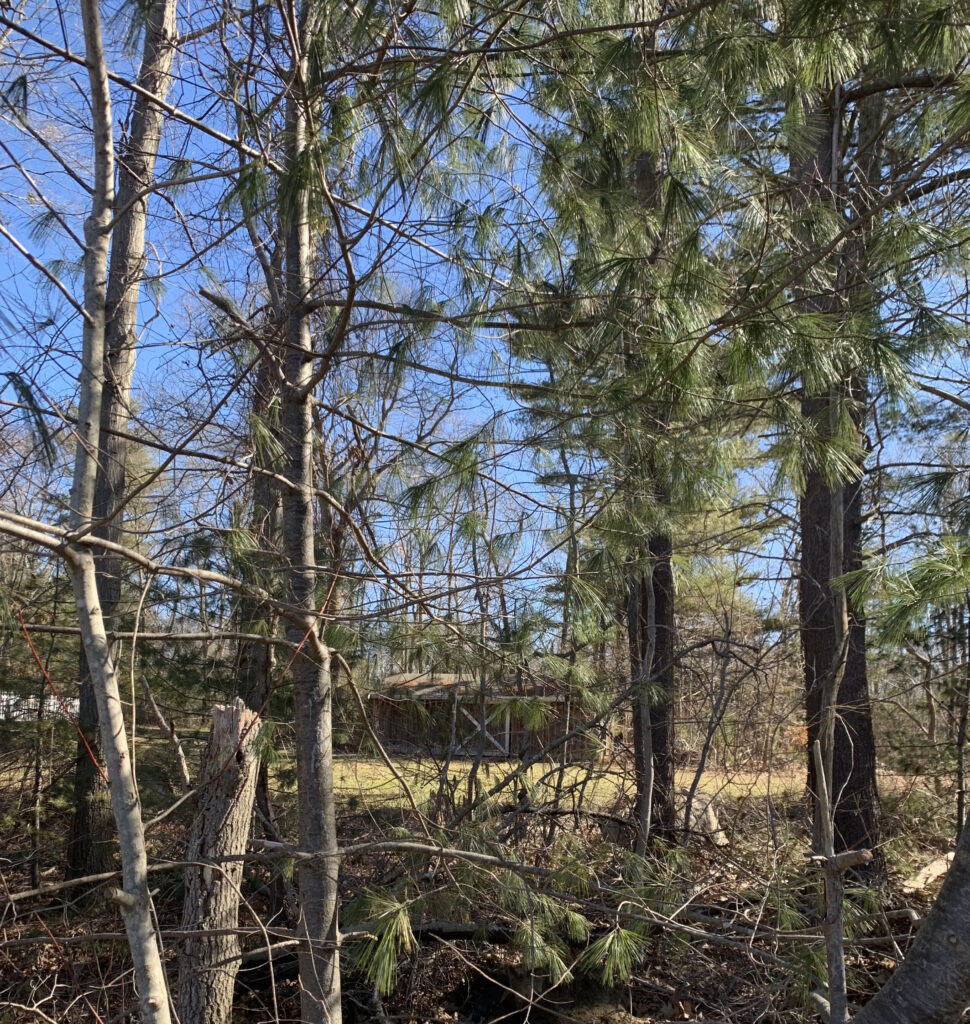
There are many barns in my town and in Rehoboth, the town which borders Swansea. These barns typically house cows used for dairy and beef. While driving by farms in the area, I noticed how they still have their thick winter coats, indicating that the season is not yet over. They enjoy basking in the sun in March when temperatures begin to rise to about 35-45 degrees Fahrenheit compared to temperatures below 20 degrees, which is normal for winters in Southeastern Massachusetts.