Posts

Wonder Blog Mini-Project

My mini-project is a group of sketches and photographs taken and drawn at my site. Over the past three weeks, I have focused on the visible relationship between humans and the land here. I have also thought a lot about urban ecology and the importance of outdoor recreation spaces in urban settings. I recently moved to the Boston area and before then was living in Mount Washington Valley in New Hampshire. I think that because of this I have previously seen nature as a pristine and beautiful thing separate from humans that we go and visit. I have recently spent a lot of time reflecting on and critiquing this belief. Nature is everything around us and we are included in nature. I think for me this site reinforced that and taught me how to cherish an outdoor space even when it has been severely changed by human activity. There are three photos with coinciding sketches that I will share.

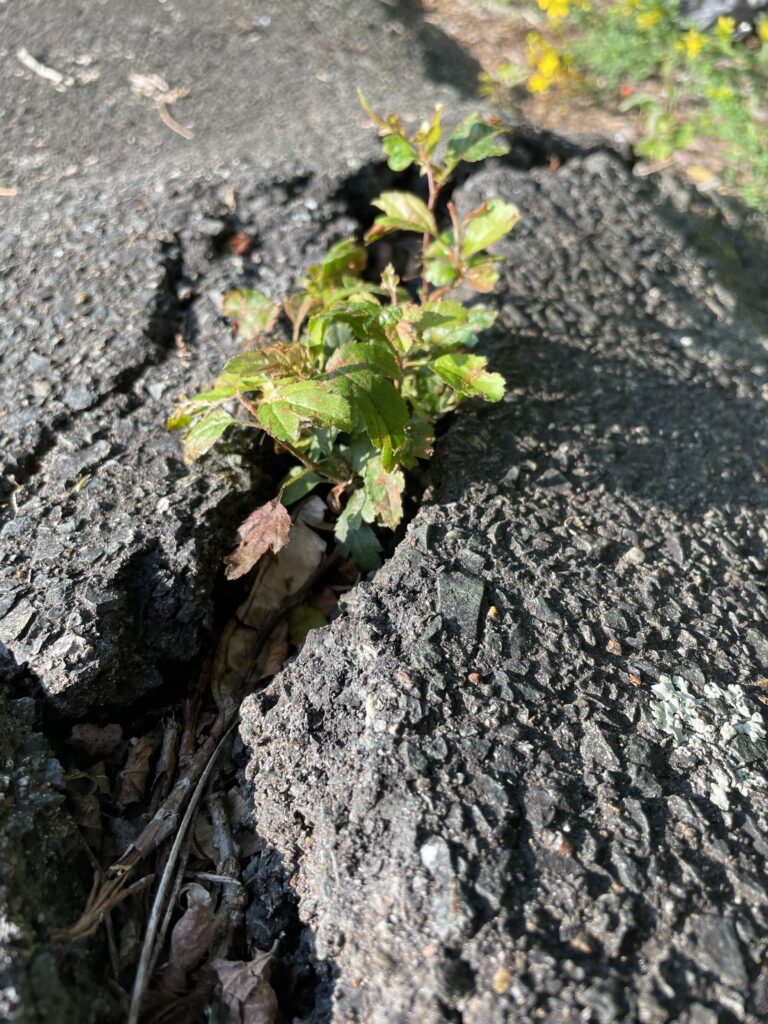
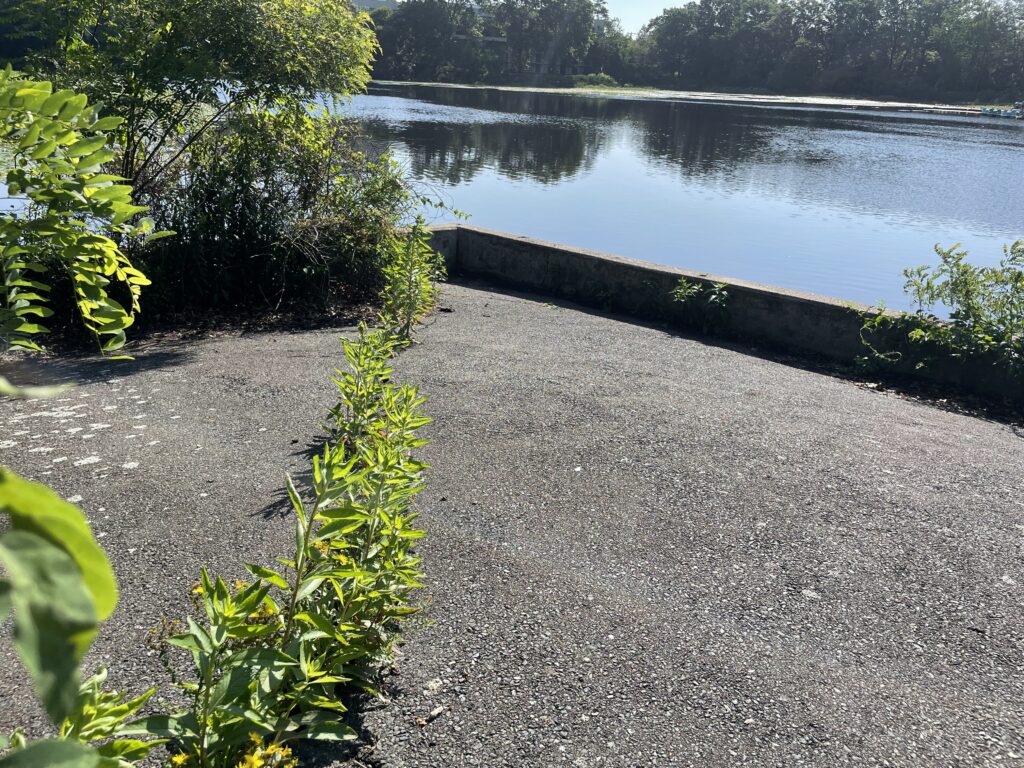
The first is the cracked and weathered pavement with plants erupting from and thriving within the cracks.
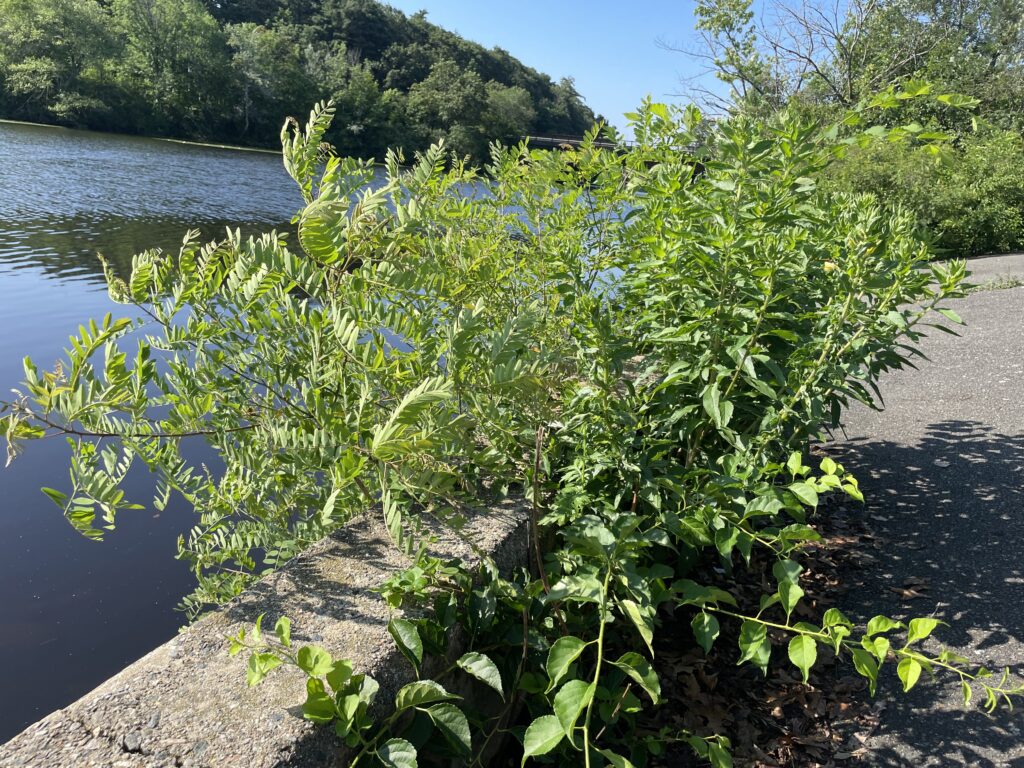
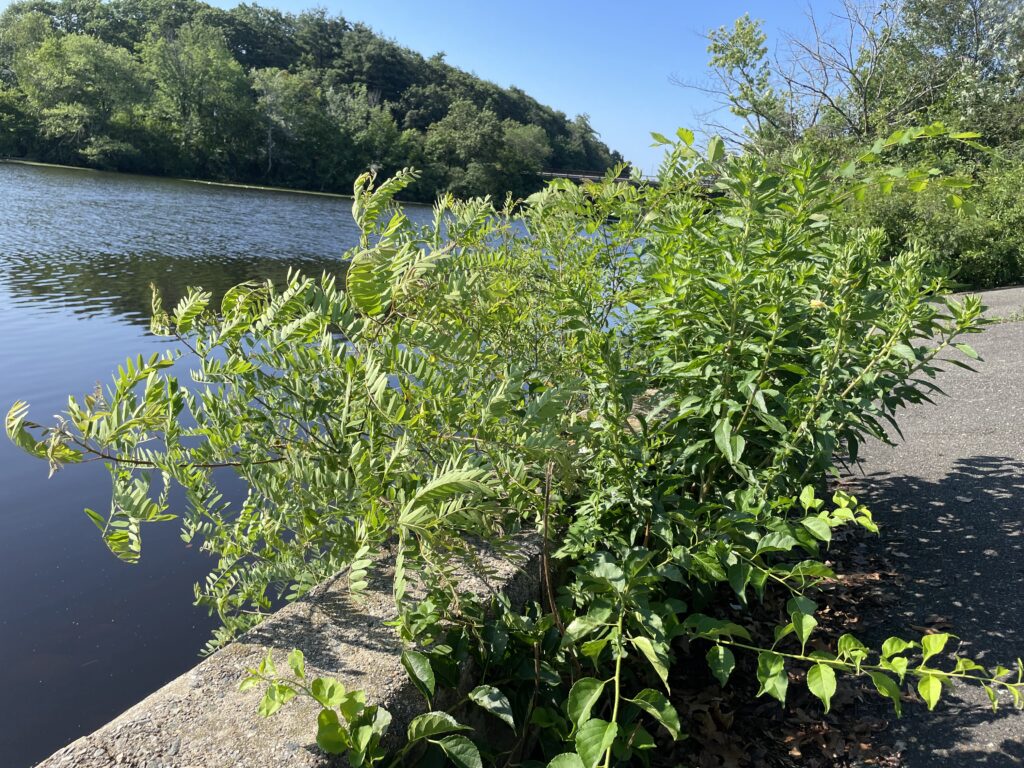
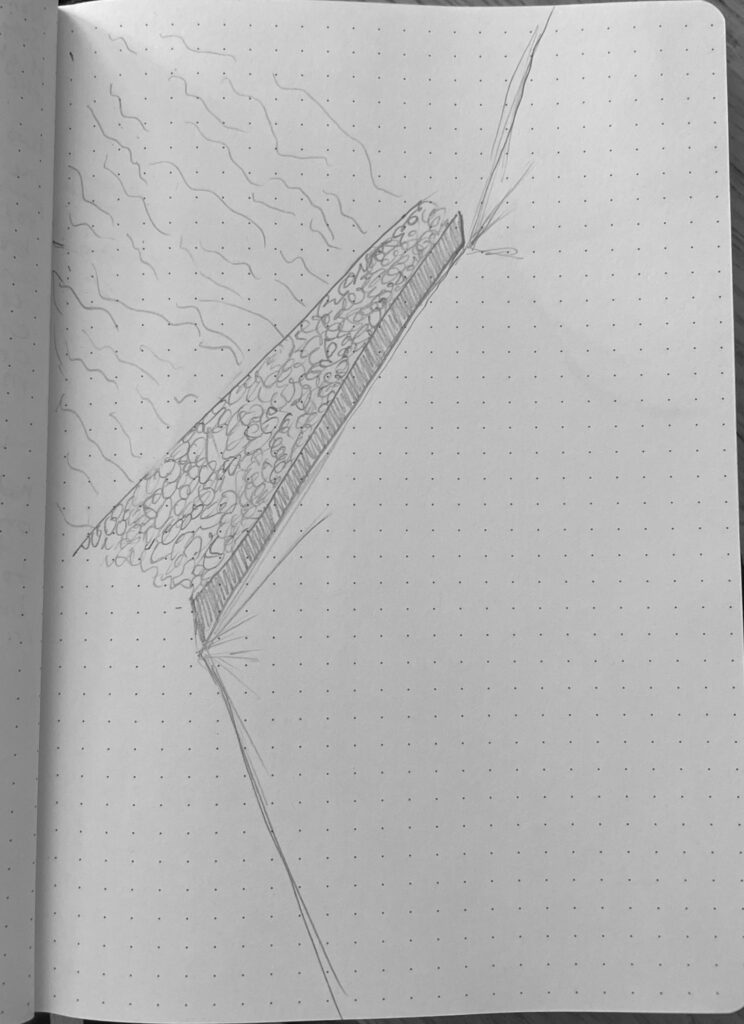
The second is a concrete barrier, on one side flows the Charles River an ecosystem with a deep and layered environmental and social history, on the other side lies a concrete jungle, entirely pavement right up to the river’s edge.
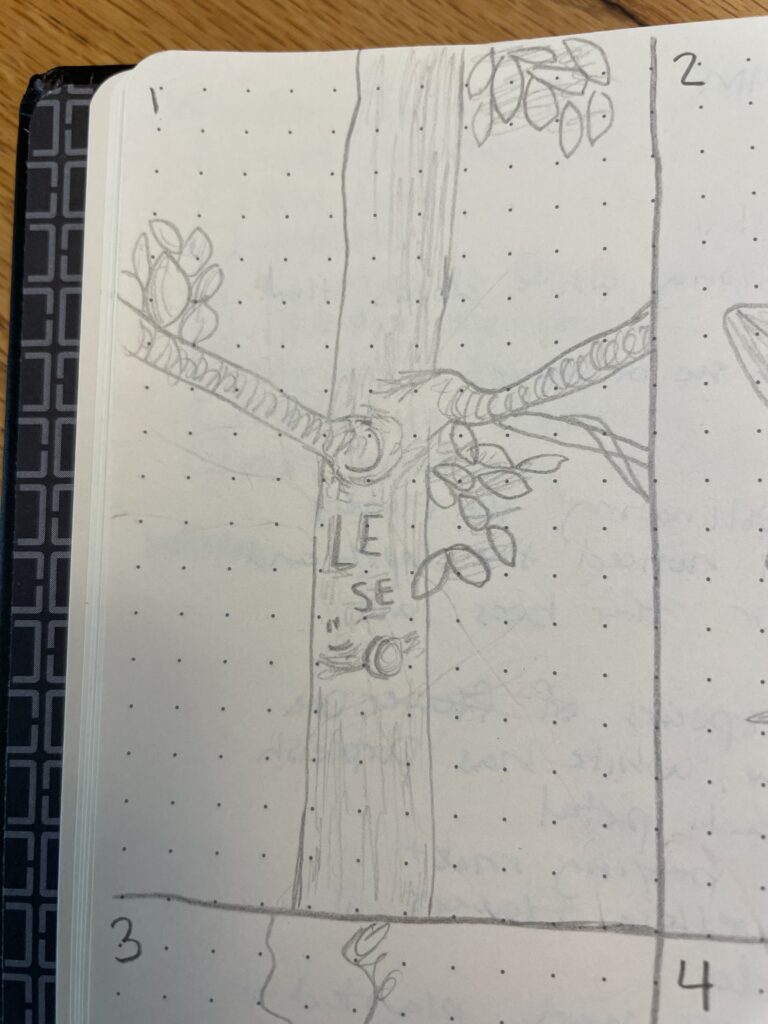
The third is carved initials in a tree, a sign that will remain throughout the tree’s life that this environment has been altered by humans, a small sign of much larger damage.

Wonder Journal 3

Wednesday, July 5, 8:36 AM – Charles River, Waltham, Massachusetts

Weather- This morning it is in the high 70s with a very slight breeze that I can feel on my skin but is not making any noise or causing movement on the river. The sky is bright blue with a haze at the horizon but no clouds are present in the sky. The air is heavy with humidity this morning as well.

Wonder- As I sat this morning two Canadian Geese came up right next to where I was and ate the greenery growing from the cracks in the pavement. They both had bands on their right legs, I am wondering what organization bands them and what research purpose these bands have. Aside from the two geese that walked by me, there are 5 more in the water in two separate groups. Three swimming in line with one another and two swimming across the river from them also in one line. Another thing I notice that has changed since the last time I was here is the growth in the plants along the bank of the river. As I have talked about in previous journals there is pavement that leads to a concrete barrier separating the pavement from the water. Now that growth has occurred it is clear that the plants on either side of the barrier are two very distinct species. The one on the riverside looks as though it is in the fern family, very large ferns that wave in the breeze, and has a deep green color to it. The plant growing on the concrete/pavement side is also green but has a lighter hue. This plant is a mix of grassy with large and long leaves and stands less upright than the species growing on the other side of the barrier. I wonder why and how each of these species began to grow here?

Natural History Mystery-My mystery today is why geese tend to walk in line one behind the other and swim in the same manner, and if this trend is recreated in other places and environments. I of course have always known the infamous V-shape that Canadian Geese can be seen flying in and understand scientifically why that occurs but here have noticed another pattern of movement in a straight line. In my research, I found a few scientific articles and first-hand blog accounts about this formation of geese and other birds. I found that the causes of their V formation apply to their line formation while walking and swimming. This formation can prevent wind resistance, preserve energy, protect young geese, and keeps everyone in the group safe.

Photos-

I believe these are Daisy-Fleabanes, one of the species I focused on and sketched in my last journal, and wanted to have the experience of photographing them as well.
These are St Johns-Wort flowers and I love the stringy hairy legs growing from the center and wanted to capture them in this photo.
This is a closeup of plants growing from cracks in the pavement. I am fascinated by this process and wonder what began the cycle. Did the pavement crack first from age? Did the soil below and roots below push it up? Has water played a role in this process? At what stage did the plants appear?
This photo is of an almost perfect line of plants growing out of one continuous crack in the pavement. I have focused a lot on the plants growing from the pavement and this shows that beautifully.
This is a photo of the plants growing on either side of the cement barrier in the Riparian zone. I photographed this as I am fascinated by the distinct difference in species on either side growing so closely.

Reflection and Conclusion- I found that taking photos did not ask for the same focus and attention to detail of me as sketching did. I did enjoy the process and found it to be easier to capture what I was trying to than while sketching. However, when sketching I was more able to focus on articulate details in the scene. Something I am excited to look for at my next visit is the continued growth of the two different species of plant growing on either side of the cement barrier on the bank of the river. I will also work to identify these species on my next trip.

Wonder Journal 2

Friday, June 30, 7:18 AM – Charles River, Waltham, Massachusetts

Weather- This morning it is in the high 60s and incredibly sunny out. There is little to no wind and it is very humid. The sky is blue primarily this morning with some long and narrow bluish-white clouds that blend into the blue sky.

Wonder-Something new that I’m noticing today are the bees around me pollinating. I am sitting on the same bench I was last time surrounded by the same flowers, yet this time the flowers are covered in bees pollinating the flowers. The sound of their buzzing is the dominant sound today with the rush of the highway taking a backseat in the soundscape. I had also not noticed the amount and depth of the flowers here last time. There are two distinct species of flower, one predominantly white with a purple hue and one bright yellow. The yellow flowers, the Common St. Johns-Wort, open into five ovular but pointed petals from a deep yellow center. There are many straight yellow “hairs” with small spheres on the end also coming from the center. The white flower, Daisy Fleabanes, have I would say between 20 and 40 petals each that come from the center in an elongated ovals shape. The petals themselves start white at the base and ombre into a purplish hue. The center of this flower is circular as well and has a light yellow color. The bees seem to pay the most attention to the yellow flower, I wonder what makes this the preferred flower? Is it the color, the shape, the abundance? I am especially enthralled by the flowers today because I recently moved from a rural to an urban environment and have been wondering about the health and abundance of pollinator species in urban areas, clearly, they have a presence here.

New Species- A species I found and identifies was the Common St Johns-Wort, scientifically the hypericum perforatum. I have seen this flower many times before but had never taken the time to identify it. To identify I took a photo while I was there and then was able to use the app Seek to identify it and match it when I returned home. Through some research, I found out that this flower has historically been used in many medicinal practices for various conditions, including depression, kidney disease, insomnia, and numerous others.

Hypericum Perforatum “Common St. Johns-Wort”

Sketches:

Trembling Aspen with Carved Initials- I decided to sketch this Aspen as I am very focused on human impacts at this spot. This is a clear and distinct impact of human behavior on the environment.
Bee on Common St Johns-Wort – I chose to sketch this as the focus of my writing today was on the bees and this particular flower. Sketching bees was fun as I kept waiting for them to land so I could draw another bit of them.
Unknown plant growing out of the pavement- I am fascinated by nature retaking volatile and unnatural spaces like this concrete and pavement slab.
Perennial pepperweed- This was a beautiful and new species to me and the closer I got the more interesting and stunning it became so I sat down and sketched it.

Conclusion: Sketching was new and exciting for me. It really helped me dial into intricate details of the space I was in that I wouldn’t have noticed before. I feel like for me the practice of finding something to sketch was even more beneficial than sketching itself because it made me think about the spot in a new way. For me, the challenging part of sketching was obviously the artistic talent required but also trying to capture everything I wanted to through drawing. During my next visit, I want to follow up on the bees at different times of day and see when they are most present.

Wonder Journal 1

Thursday, June 22, 8:17 PM – Charles River, Waltham, Massachusetts

Weather- Cloudy grey and pinkish skies in the low to mid 60’s (Fahrenheit). Enough of a breeze that I can feel it, hear it in the leaves, and see it ripple the water of the river. Between 5 and 10 mph wind. No precipitation of any kind.

Description-I am sitting along the bank of the Charles River in Waltham, Massachusetts. I am just off of a paved path that leads to a boat launch parking lot. I am seated on a bench on a concrete slab that goes all the way to the edge of the water before creating a concrete barrier up against the river. The river itself is quiet, without much movement or life other than the breeze moving over the water creating ripples. The sides of the river are thoroughly covered in two distinct aquatic vegetation, one being Lily Pads and the other I am unsure of. This is a green long stringy plant that seems to be tangling around itself and the Lily Pads. The center of the river is free of any vegetation or greenery, the water a deep brown and blue. Across the river to the left is a hotel and the other right is a large stone structure that functions as a boat rental. I’m sitting on a bench installed concrete surrounded by trees, flowers, weeds, and greenery. this vegetation is all growing lusciously from cracks in the pavement below me. I can hear many birds around me, so far I have counted four distinct calls, I am unsure of what species they are and have not gotten the chance to see them. I can also vividly hear the roar of the cars on the Mass Pike nearby. Plants are alive with color, there are bright yellow flowers, and so many varying shades of green in the other trees and shrubbery. I have been hearing lots of scurrying behind me and saw two small mole-like animals that I believe to be shrews. There is also a swarm of bugs surrounding my head and flying around but they don’t seem to make any noise or land on me to bite. Based on the trees and leaves I am seeing around me there seem to be at least three tree species surrounding me and along the banks of the river. As the sun goes down and it gets darker some more ducks and geese have come out onto the river, I would estimate at around 15 ducks and 10 geese so far. As I end my time here today I am most amazed and enthralled by the growth and power of the vegetation growing all around me directly out of cracks in the pavement and concrete. They seem to be trying to and successfully taking up their space in nature that was taken from them.

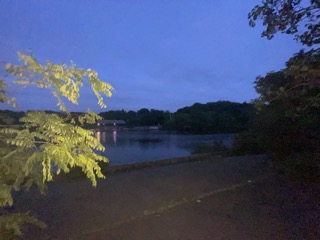
Photo taken at the end of my wonder session.

Questions?

  1. What species is the bright yellow flower?
  2. What impact does the sound pollution from the highway have on this environment?
  3. Does light pollution affect fish or any aquatic life?
  4. What is the current health of this section of the Charles River? What is the general current health of the Charles River?
  5. Was the pavement cracked and pushed up by water, roots, just by time?
  6. What sediment/kind of sediment is beneath the pavement/concrete barrier along the banks?
  7. Is there a balance of nutrients in the river? Algae overgrowth? Other imbalances?
  8. What human contaminants are present in the water?
  9. What species of birds are here? Are they specific to the aquatic environment?
  10. What is the health of the fish population?
  11. There are a lot of people fishing. What regulations are in place?
  12. Litter is very present along the banks of the river? How does this affect specific species?
  13. There is clearly a lot of recreation on the river. Are there other uses? If so, what are they?
  14. How has the shape of the river and the geology of the river changed naturally over time?
  15. How have humans changed the flow of this river with infrastructure?
  16. How do kinds of sediment and layering of soil under water versus on land differ?
  17. Is it hazy do to the weather and atmosphere today or due to air pollution?
  18. On the sides of the river the plants go from very short flowers and bushes to large and tall trees wihtotu many in between, why is this?
  19. Is the water at it’s normal level?
  20. How much does the water level in the Charles vary throughout the year naturally? Has this changed in the last few decades?
  21. The buildings along the river are very close to the water, what regulations are in place for building, and who sets these regulations?
  22. Why do the birds get drastically quieter here as the sun goes down?
  23. What kind of small rodent was it that scurried by?
  24. There appears to be a whiteish lichen growing on the pavement? What causes this, what is the biology of lichen?
  25. Does the water quality vary on the two sides of the river? One that is heavily developed and one that still developed but more natural.
  26. Why did the ducks and geese appear on the water as it got darker?
  27. The sides of the river have lots of vegetation while the center has little vegetation. Is this natural/where the plants prefer to be or has the center been trimmed or pushed down by boaters and recreation?

Research Question: Does light pollution affect fish or any aquatic life?

In the research I did to answer this question I was unable to find data on fish populations in the Charles River, or even Massachusetts more broadly. I did find that extensive research has been done on the health of Salmon in California due to light pollution. In that research there were extensive affects on the Salmon’s population, food sources, growth etc. I would need to and would be excited to dive deeper and find more research focused on Massachusetts fish populations. I did, however, find that light pollution has been shown to have extensive affects on bird species across the board, as well as some frogs and amphibians. These studies have been completed largely in Western Massachusetts however have and could be replicated in Eastern Massachusetts were there is even greater light pollution. Through this research I found that light pollution is the only form of “pollution” not regulated by the EPA, although many states like Massachusetts have begun to set their own standards for light pollution. In the end, I was unable to answer my original question but found that light pollution can be a big factor and problem within river environments like the one I am located.

https://www.gazettenet.com/Light-pollution-25896451

https://fishbio.com/like-dark-light-pollution-salmon-survival/#:~:text=Light%20pollution%20from%20the%20iconic,lights%20are%20bad%20for%20fish.

https://theberkshireedge.com/27432-2/

Conclusion- My first wonder blog experience opened my eyes to many things I would not notice in any given environment just passing by or even sitting for a minute or two. I also find my spot to be extra interesting as it is a very natural environment bordered on either side by extensive human development. I am incredibly excited to return to my spot again and again and learn all of the lessons that it has to teach me and ask more questions. For my next wonder session I would like to focus in on the species of wildlife and vegetation a bit more, learning their names, habitats, needs, etc.

Skip to toolbar