Posts

One Last Visit to Oakledge

Wow, what a year it has been! It’s unbelievable to think that we have come full circle already. Many things have changed, while others have remained the same. This can be seen through the natural world at Oakledge Park as I visited here one final time this semester.
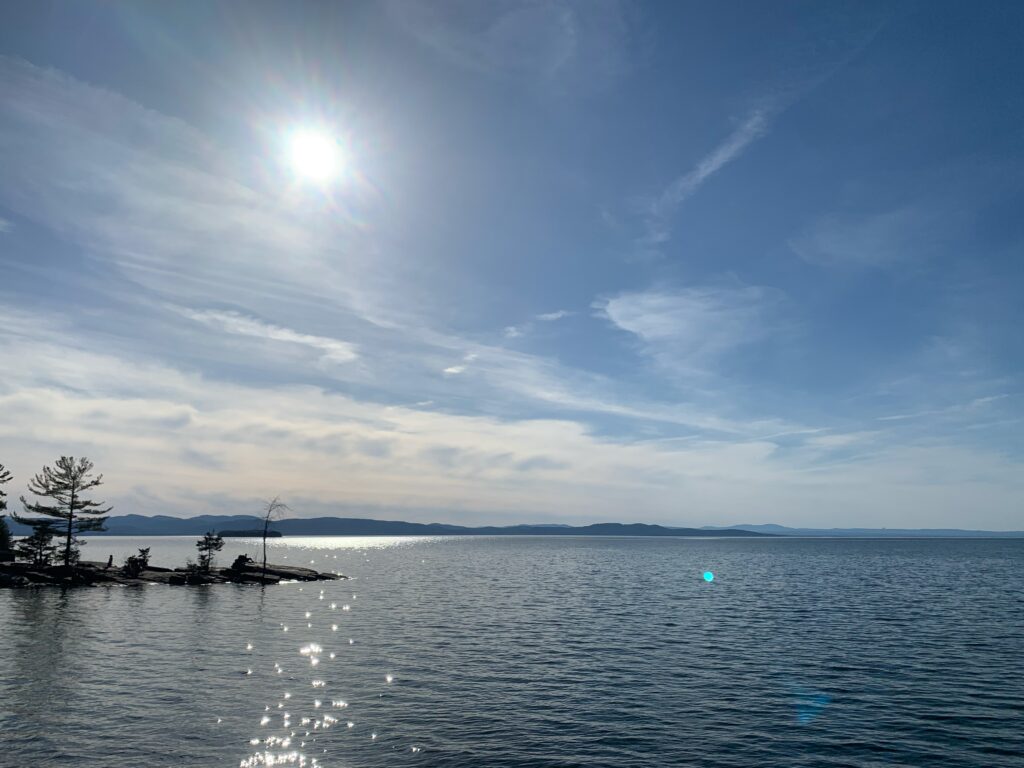
Lake Champlain

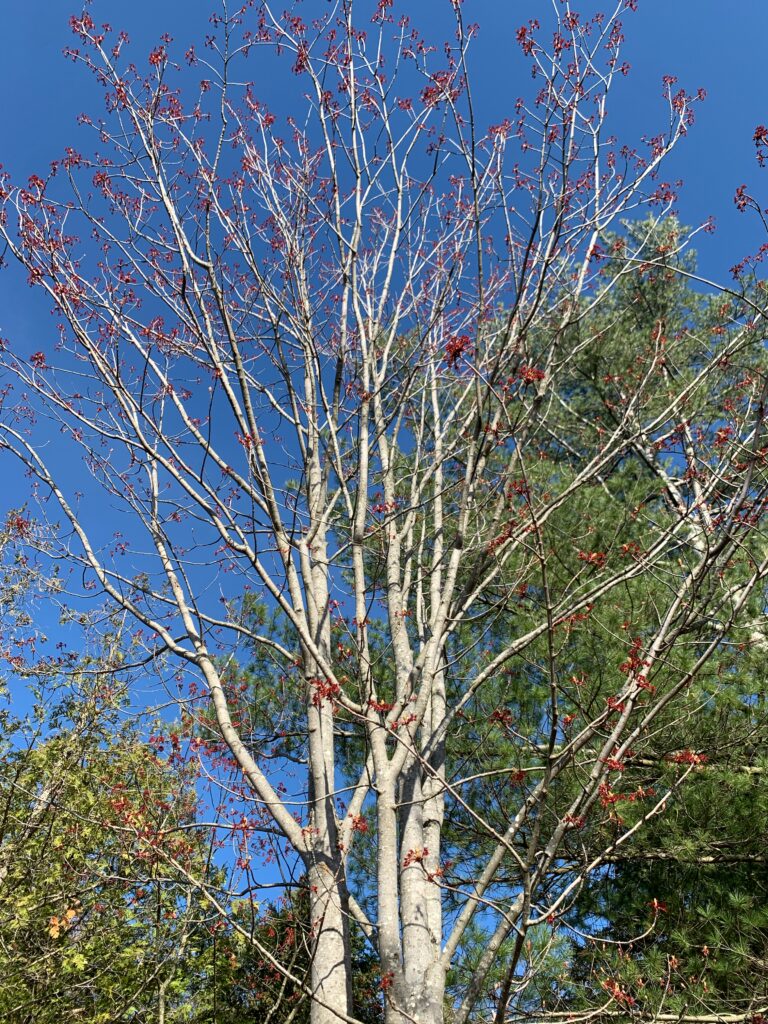
The evergreens and firs were stills standing strong and tall, while the young saplings take root and have begun their growth. Trees such as the Red Maple have also started to bud as their leaves come out to play.
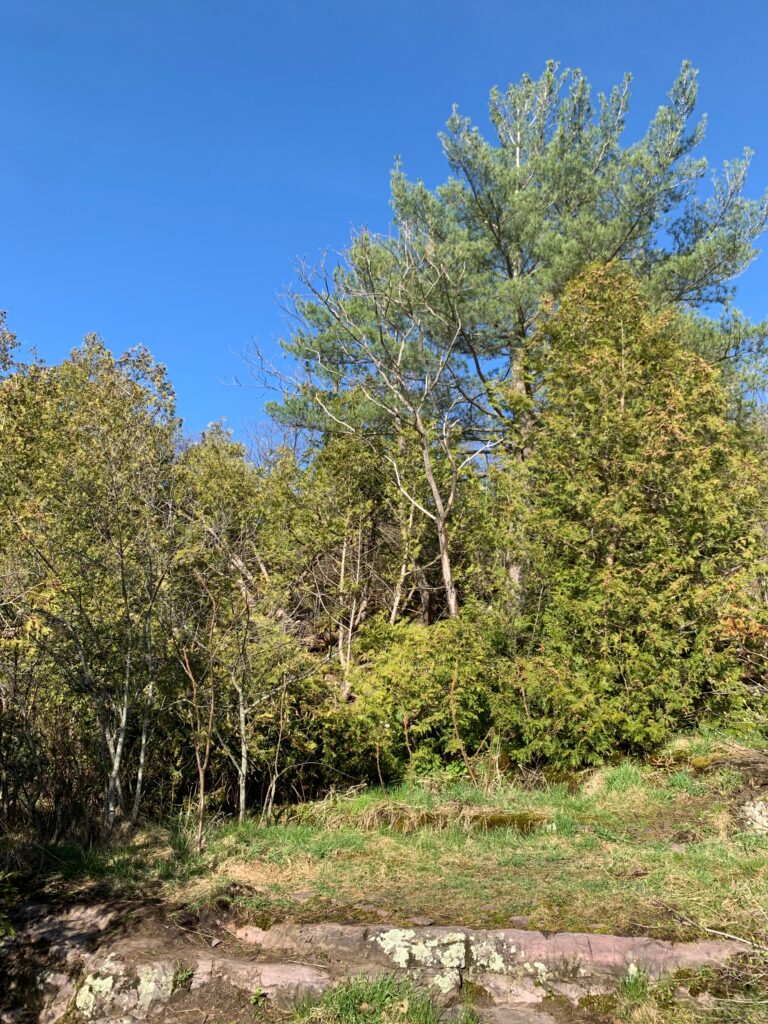
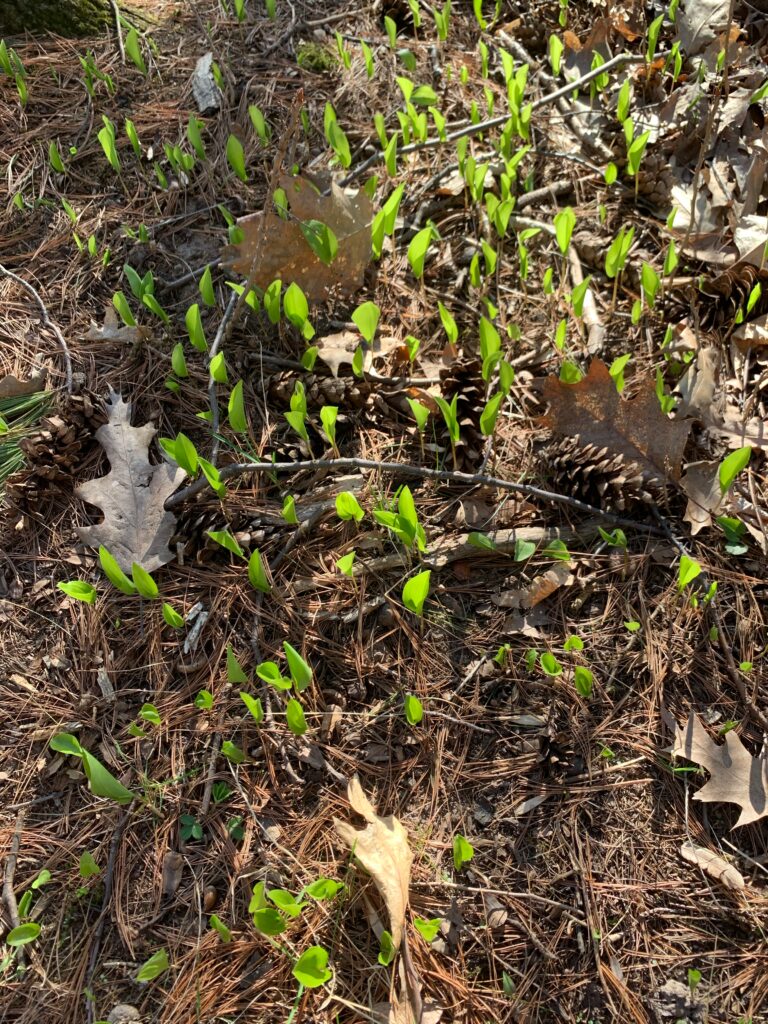
Another observation I made was that the grass, ferns, and shrubs are making their return and are glowing green as they regain their life.

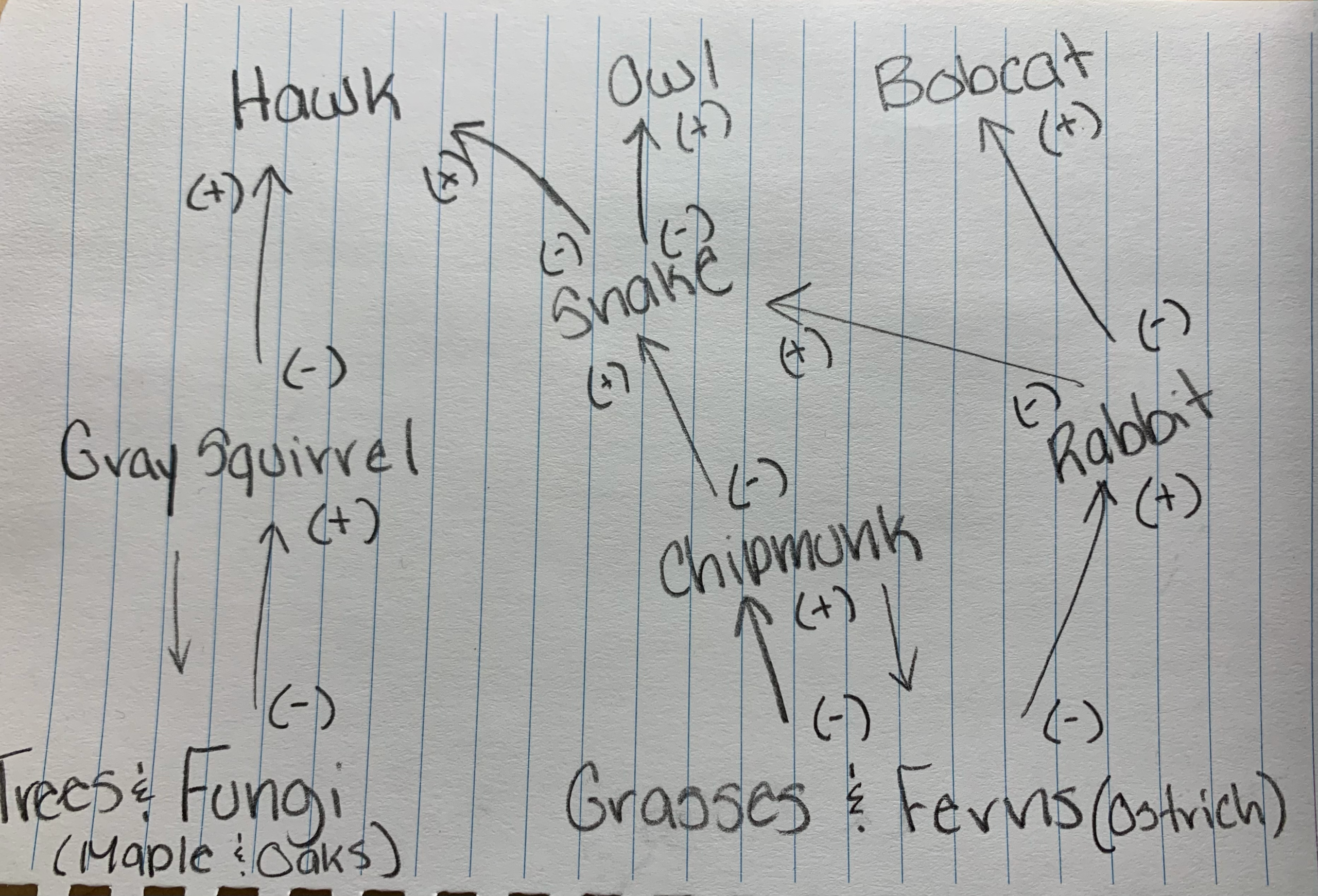
Animals that I observed while I spent time here include a gray squirrel, chipmunk, and several bird species. I believed one of the bird species I saw to be a hawk. Based on this I was able to design a species interaction diagram shown below…
When it comes to nature and culture being intertwined, Oakledge is a great place to witness it. I visited here on a beautiful, sunny day which led me to find many people of different cultures collectively enjoying the nature here at Oakledge. For example there was a family barbecue or grill out, multiple games of beach volleyball going on, soccer games occurring, and people just hanging out! No matter what your culture is, there is something for everyone at Oakledge Park. It is a very inclusive place for all ages as well.

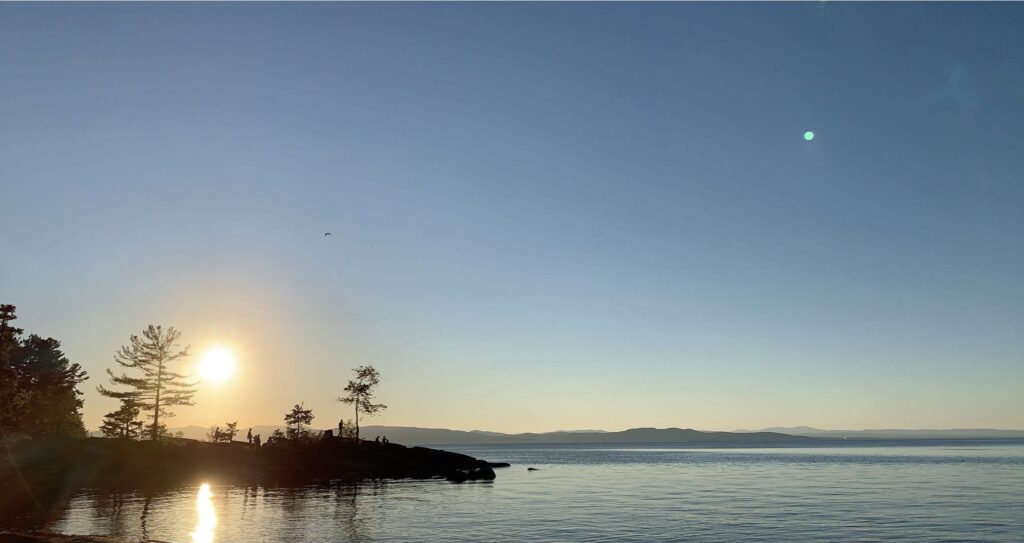
While I did spend a great deal of time here at Oakledge Park over the course of the year, visiting each month to check out the phenology; I never really considered myself part of this place. Personally, I believe an individuals connection to a place comes from experiences or memories that occurred in that particular spot. I often visited this site by myself, and was unable to make lasting memories that would lead me to feel a connection Oakledge. As time goes on, I plan to show my friends this place in hope of creating a connection with Oakledge as it is such a beautiful spot to watch sunsets which is one of my favorite things to do.
City Nature Challenge

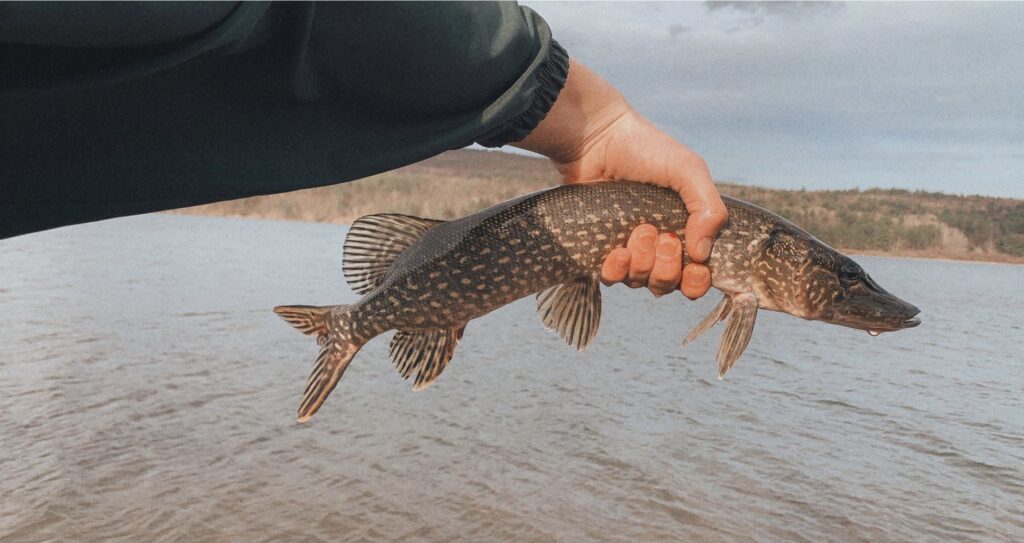
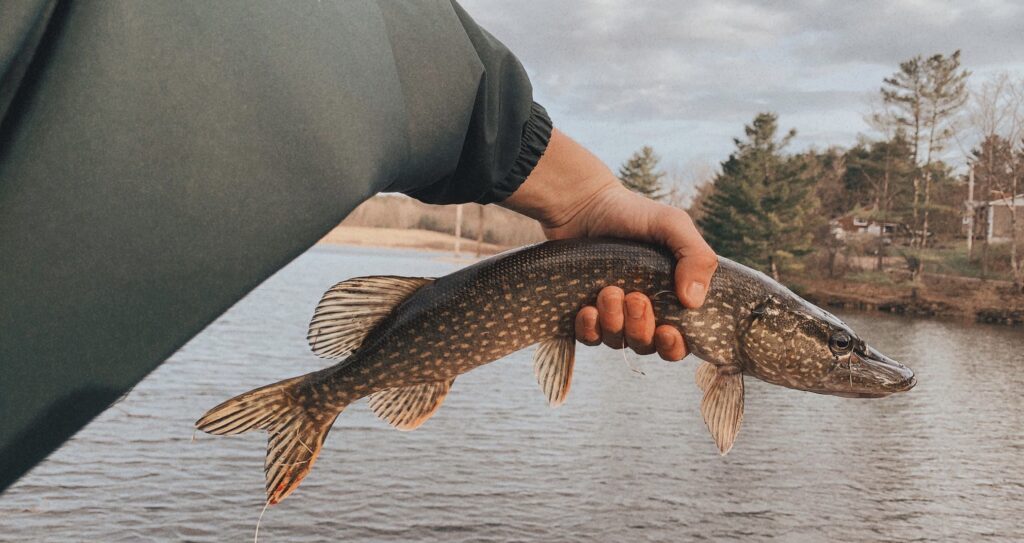
Engaging in this challenge provided me with the opportunity to explore new places, and to see new things. Personally I wanted to see how many different species of species of fish I could catch within the time span.

One area I chose to explore were Colchester Pond located in Colchester, VT. I was able to catch numerous Northern Pike using spinnerbaits. However this was the only species of I was able to get my hands on here.

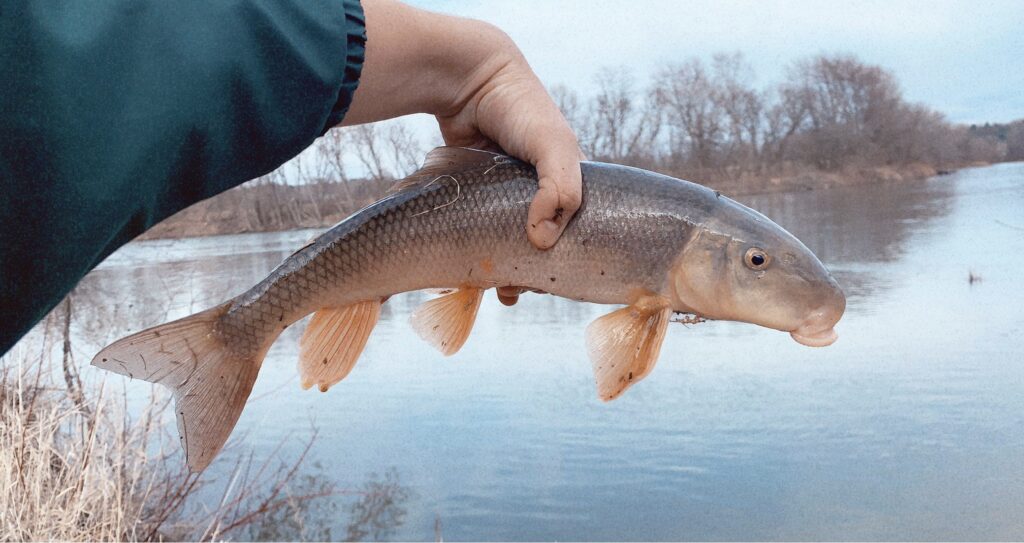
The next are I chose to explore was Muddy Brook, more specifically where it ran into the Winooski River behind the Burlington Airport. The water quality and habitat of Muddy Brook seemed impaired when I arrived, and I was not expecting to catch much. I ended up catching a White Sucker at this location.

While I was only able to find two different species of fish during this challenge, I would say that it was an overall success. I got the chance to explore the natural world and even discover species that I’ve never caught before! Seeing all the different observations of species not only here in the Greater Burlington area, but across the world as well was a very eye opening experience.

Spring Break Phenology

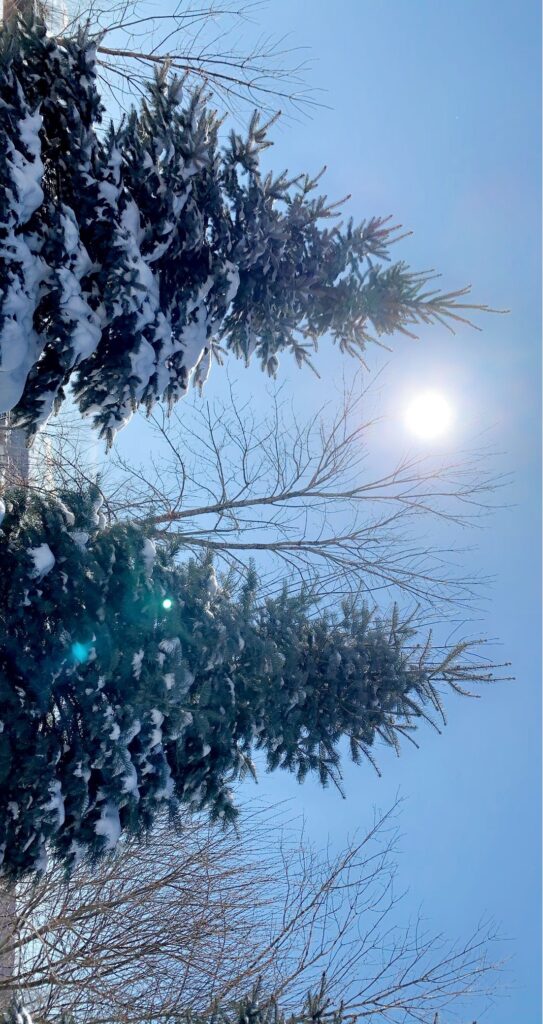
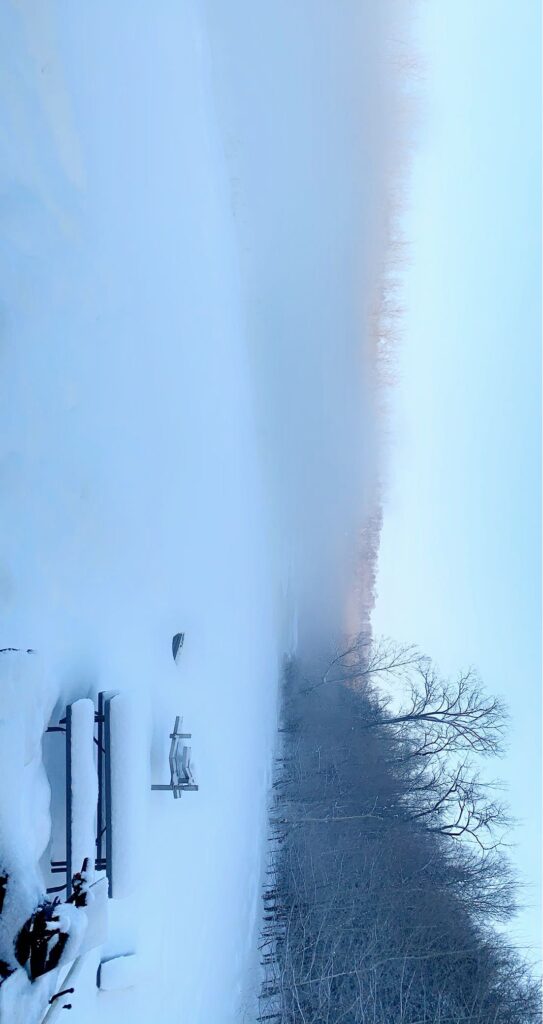
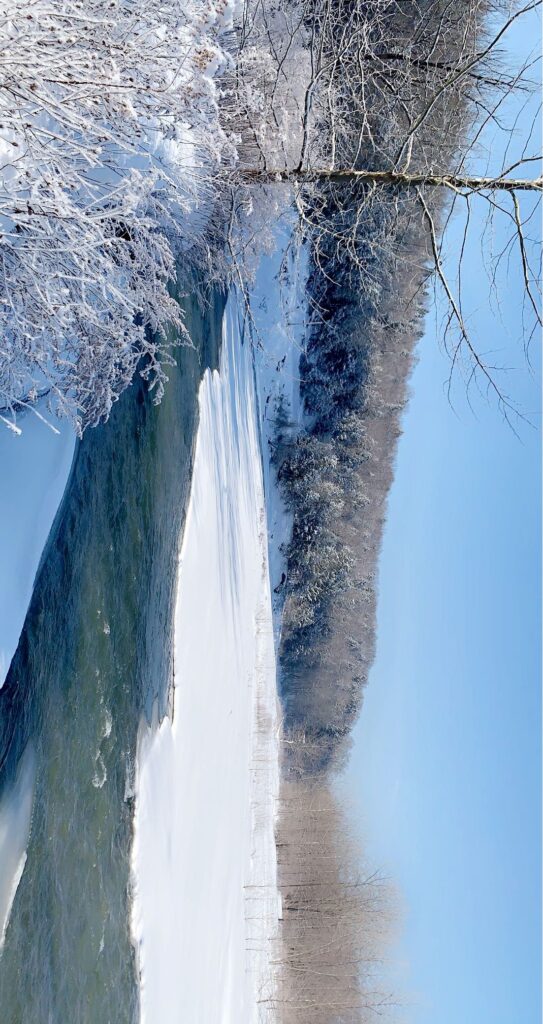
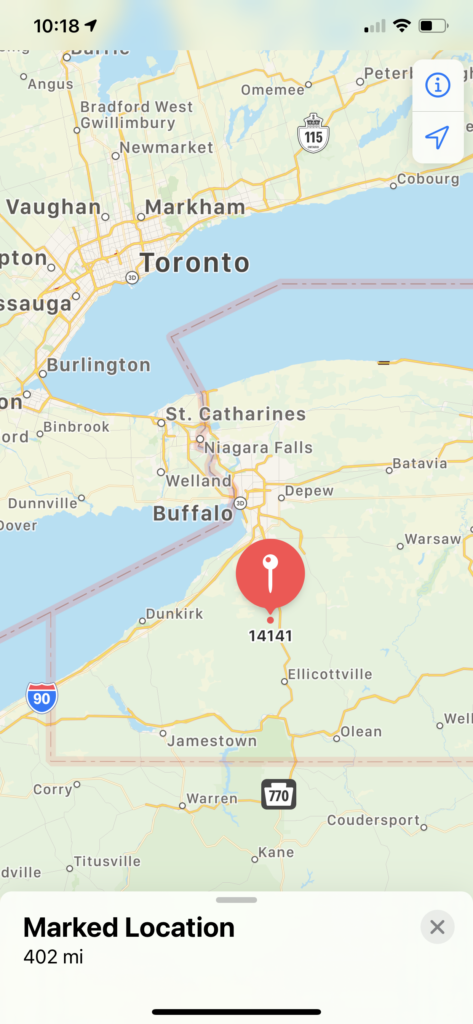
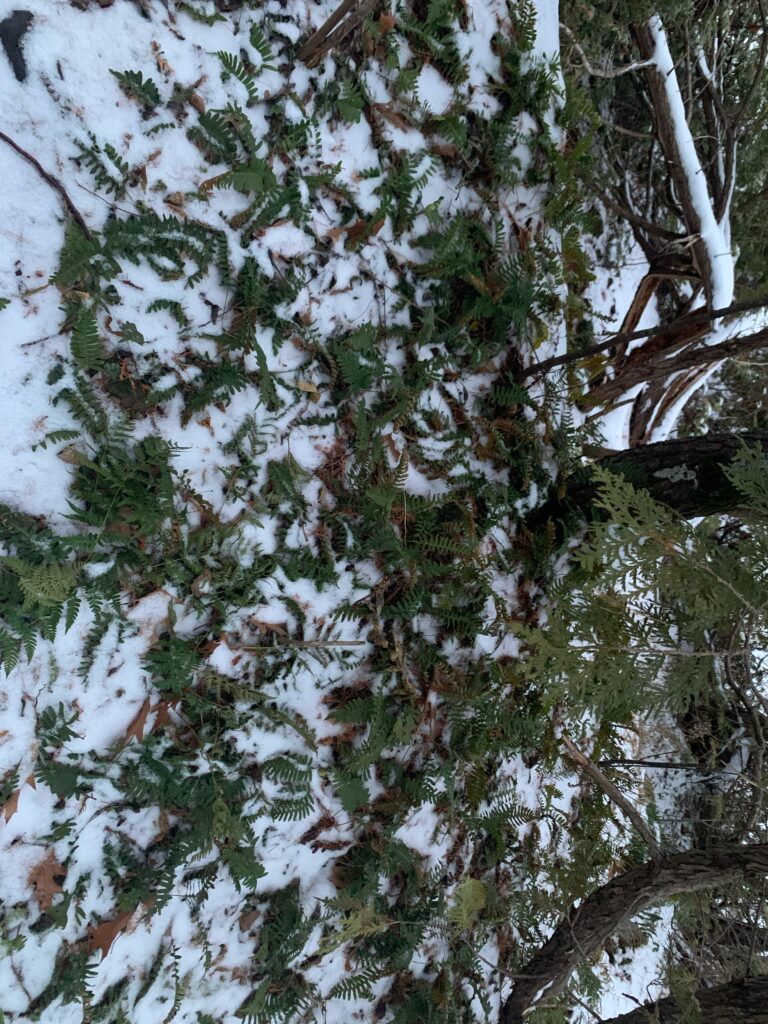
For spring break this year, I traveled back home to my cabin in little Zoar Valley, New York. While I was there we received quite a bit of snow as you can tell by the photos above. This place is very unique area as the fast moving Cattaraugus Creek rips through the land. As the creek rips through, it cuts away more and more land each year. It seems every time I come down to the cabin, our front yard gets significantly smaller due to erosion. Surrounding the creek is a lowland hardwood forest containing woody-like young trees with scarce giant oaks, and you can find evergreens as you increase elevation up the hillside. The vegetation seemed to be not quite into the budding phase as the weather has been cold and snowy. While I was there I was able to spot a few birds far off in the sky, and another specifically caught my attention. It was a bright red Cardinal, these are my favorite birds due to their spiritual significance. It was a very peaceful moment as I stood there and observed the bird.

Centennial Woods Exploration

It’s always great to get out into nature, and we are located in an excellent city to do so. Even though Centennial Woods is technically part of campus, it still offers that feeling of being totally secluded within a dense forest. Personally, coming here was very stress relieving and mind freeing. I have not explored these woods since the first semester and it felt amazing to be able to experience the phenology this time of year.

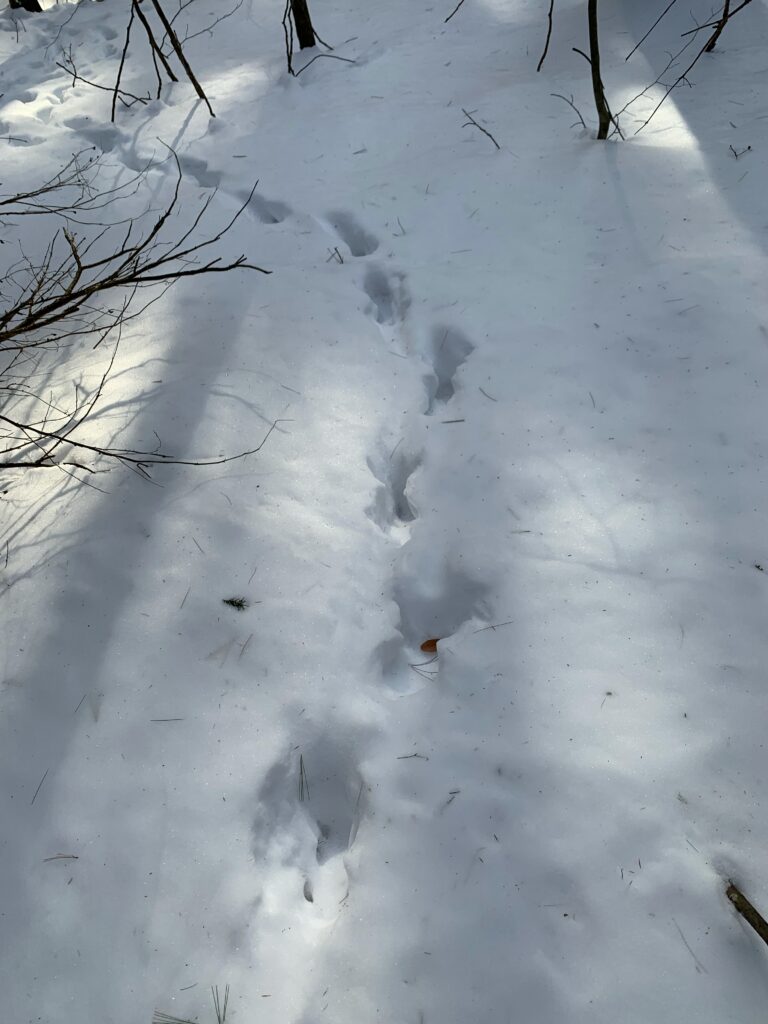
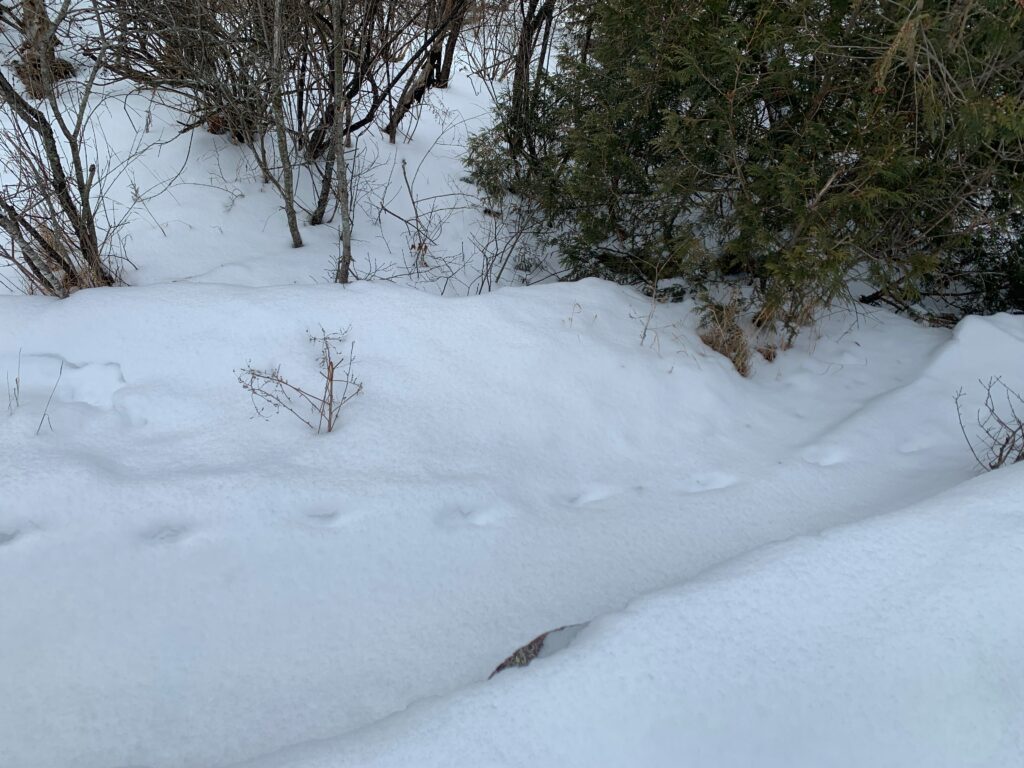
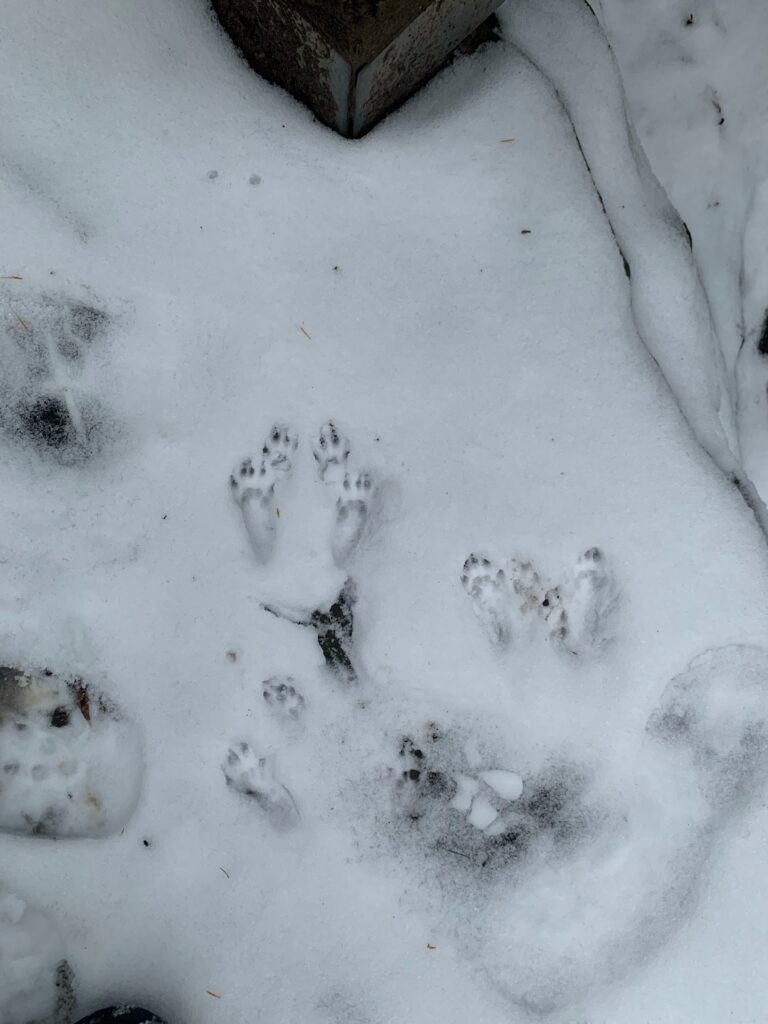
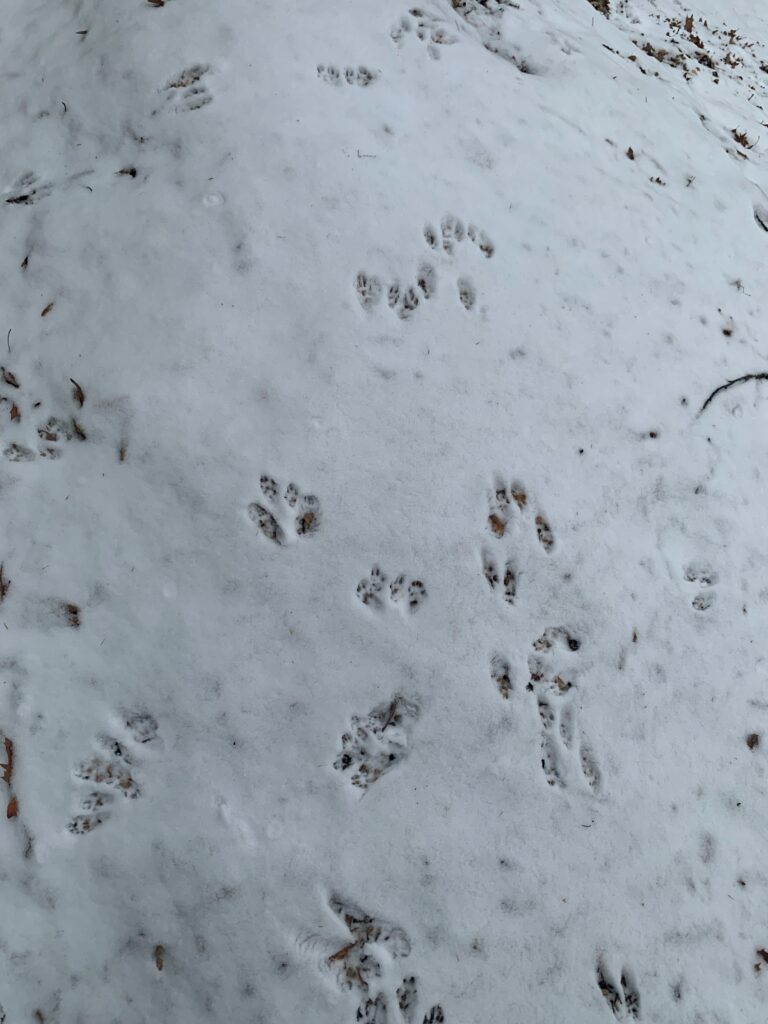
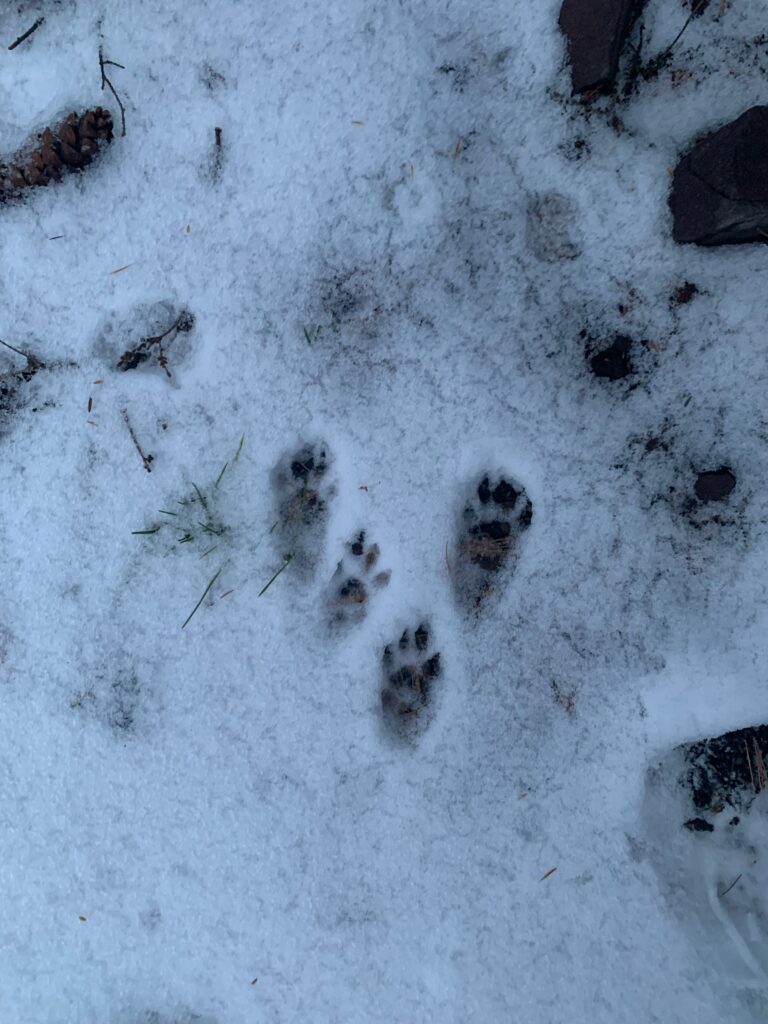
When exploring the woods I noticed a squirrel scurrying about, however I was unable to determine whether or not to was from the red or grey species. This was the only wildlife I was able to see with my own eye besides from a few birds soaring high up above the trees. Few tracks were discovered and I believe they came from that squirrel, as well as another animal that I could not identify. I was able to take some photos provide below. While I did not locate any scat or animal dens, the iNaturalist app was still very useful as it provided me with evidence that wildlife did in fact exist in the area. The app was relatively easy to use, and I will definitely be using it in the future when exploring new places.

Unidentifiable Tracks
More Tracks (squirrel?)

Winter Mysteries and Tracks

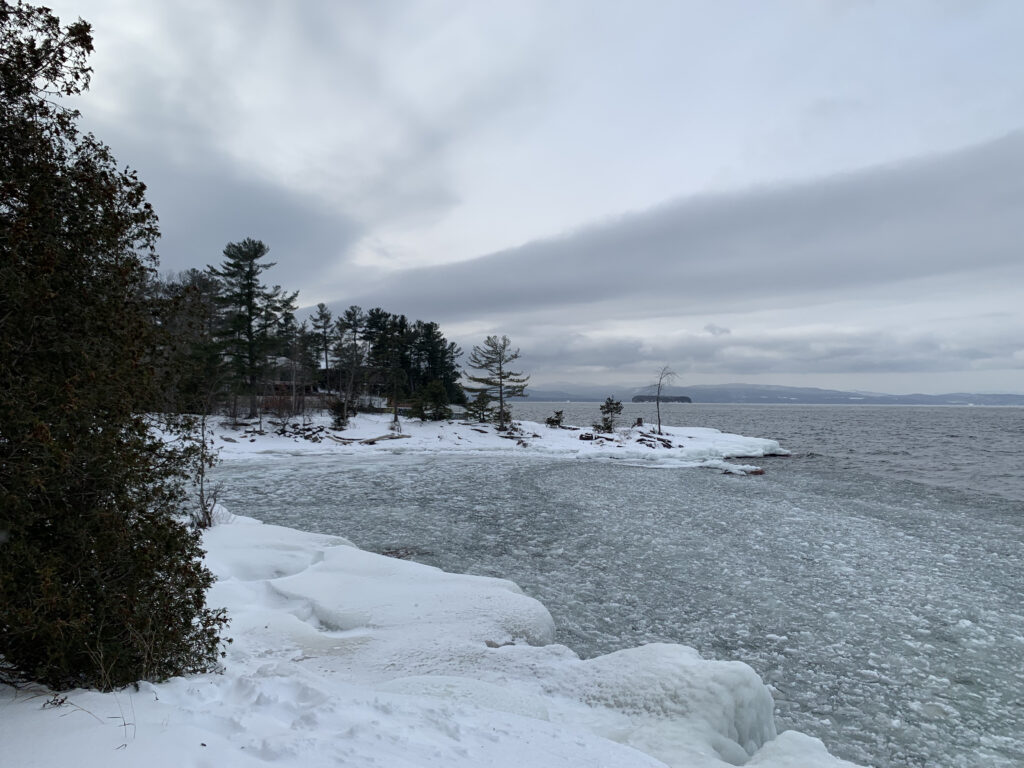
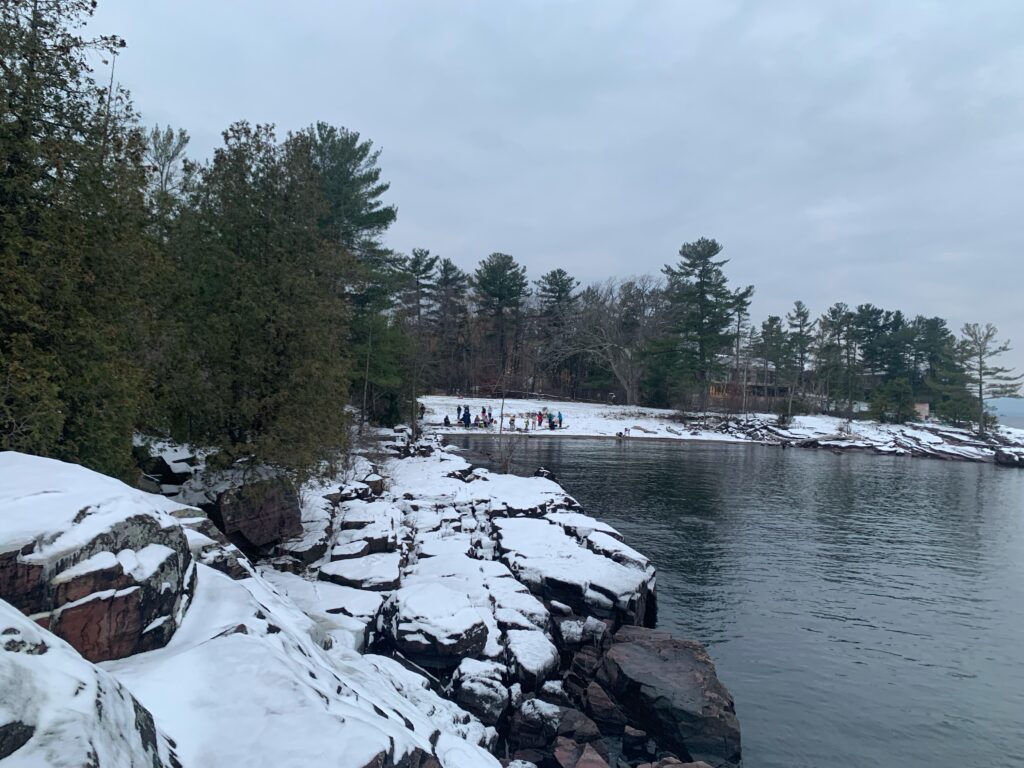
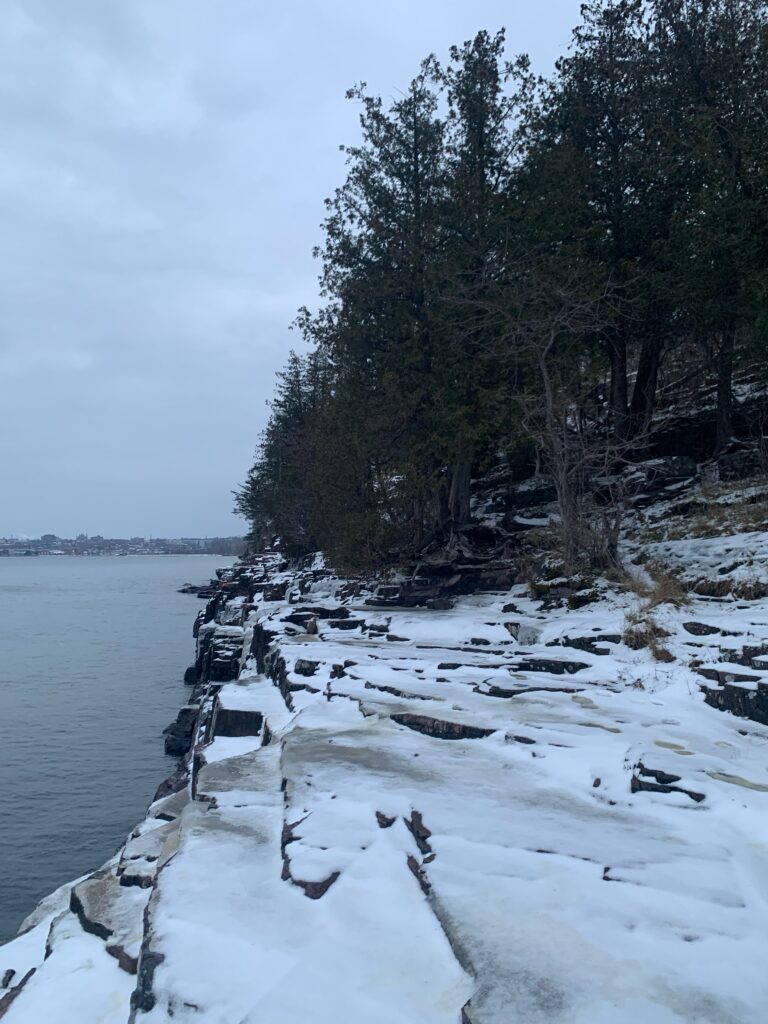
It was a great feeling to be back at Oakledge Park, it almost feels like I never left in a way. Few things throughout the area have changed significantly, some being the addition of freshly fallen snow, or the iced over frozen bluffs on the shore of the lake. Slowly but surely, I observed the lake beginning to freeze as the chunky blocks of ice floating in the water surfed over the waves. Vegetation was little to none as the forest was populated with stick like plants, and woody trees with evergreens spread thoroughly throughout.

Frozen Bluffs and Icy Lake

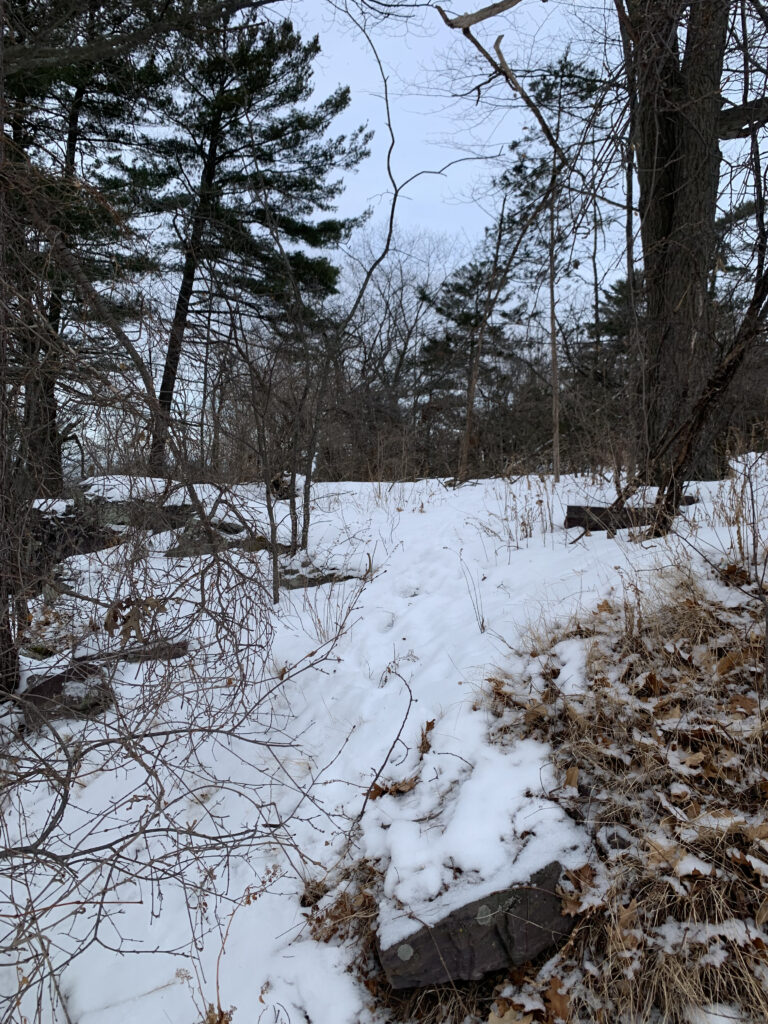
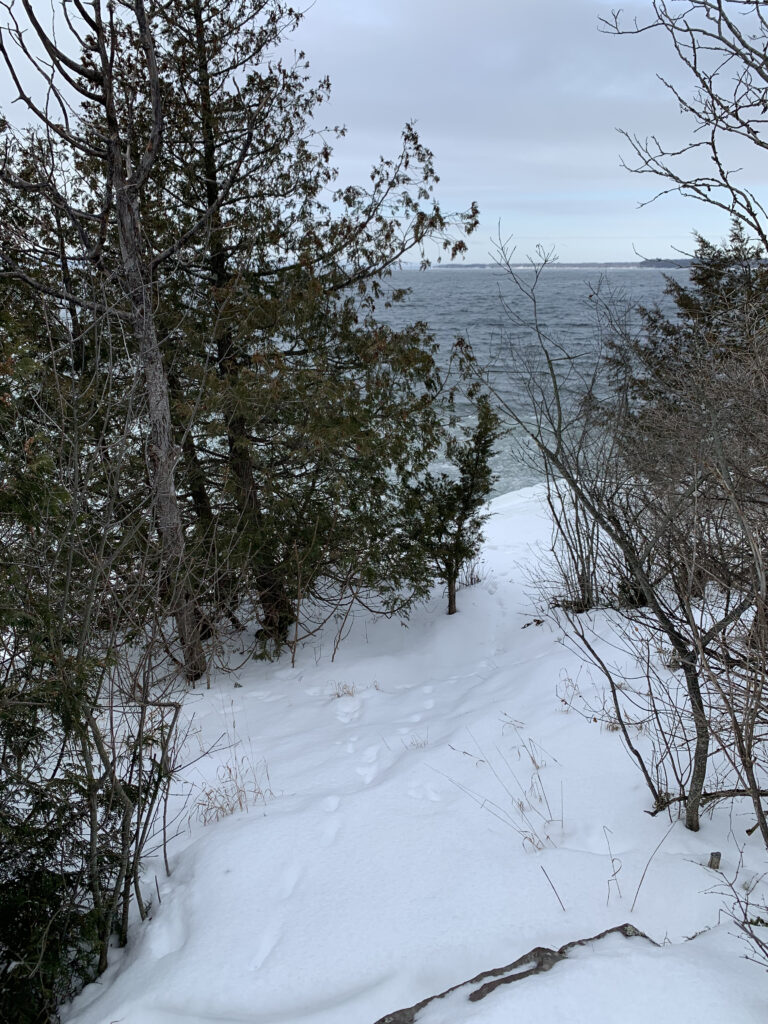
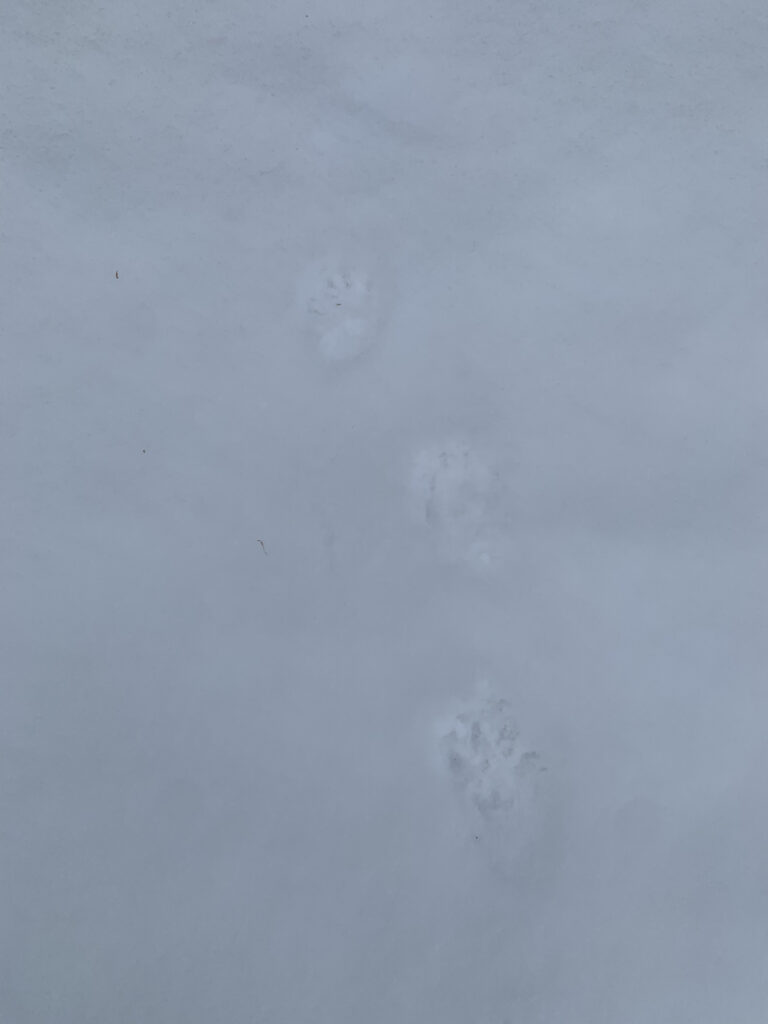
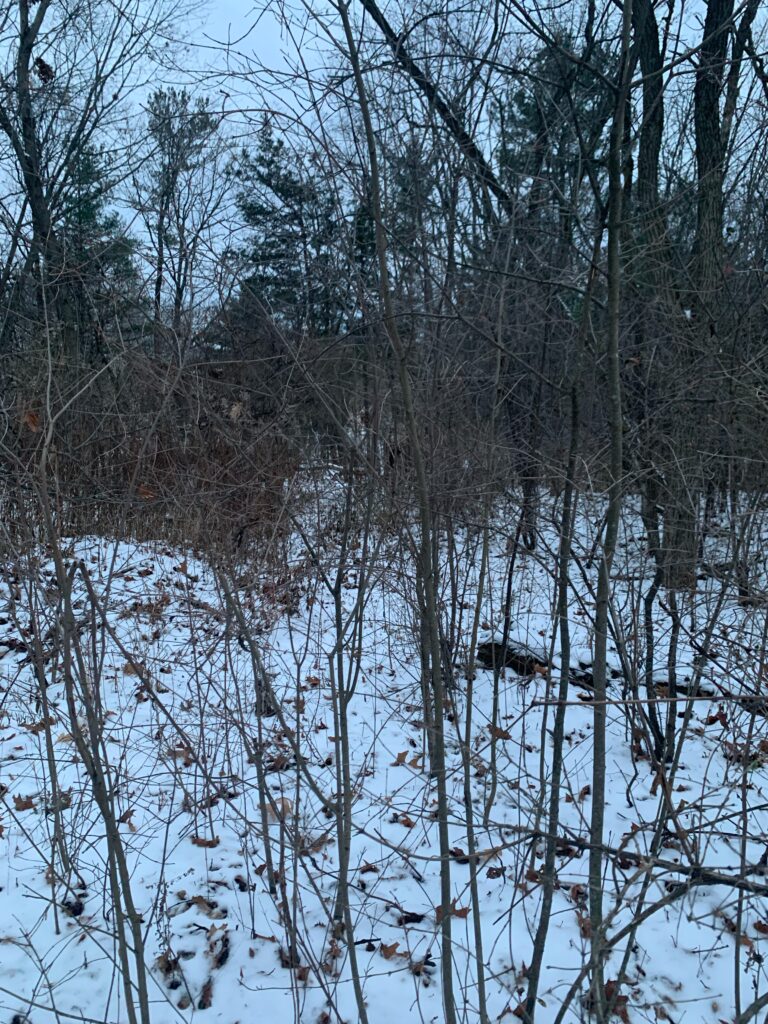
While walking around the woods I found several signs of wildlife including different sets of tracks, and even a heavily trafficked route that they tend to use for travel. I was unable to find any sort of mysterious clues in the snow like a landing owl our anything along those lines, however the mystery I did leave myself with is figuring out which animal species has been making these different prints in the snow.

Heavily Trafficked Animal Route
Tracks Leading Down to Lake
More Tracks! (not sure which species)

Unfolding of December at Oakledge

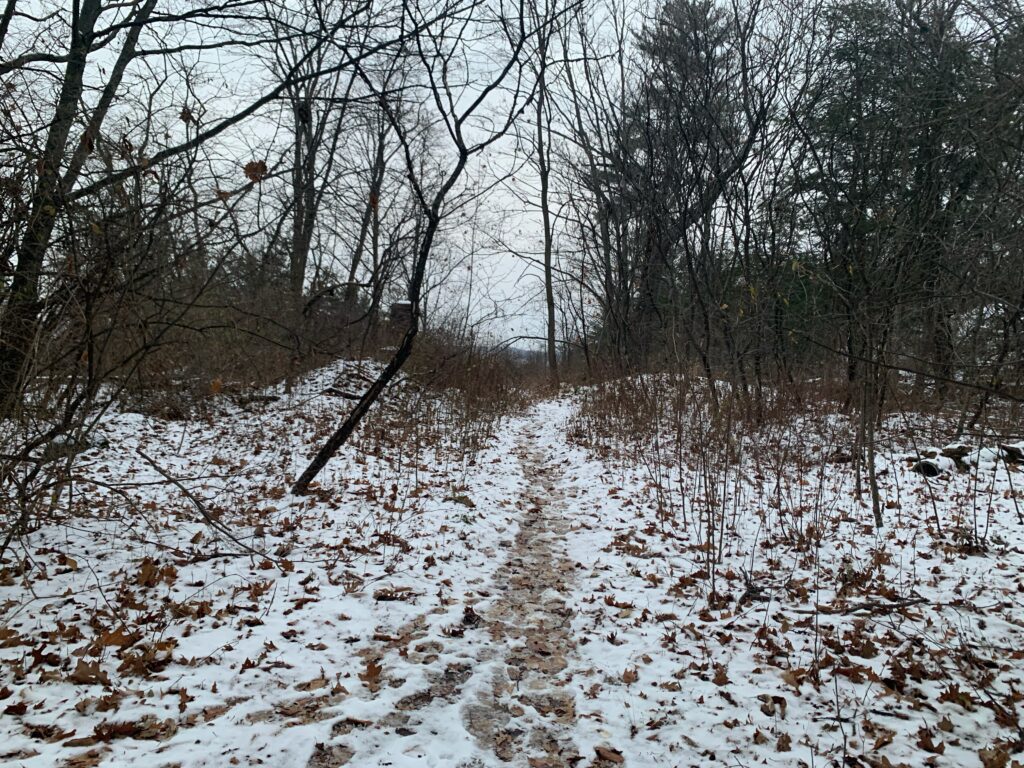
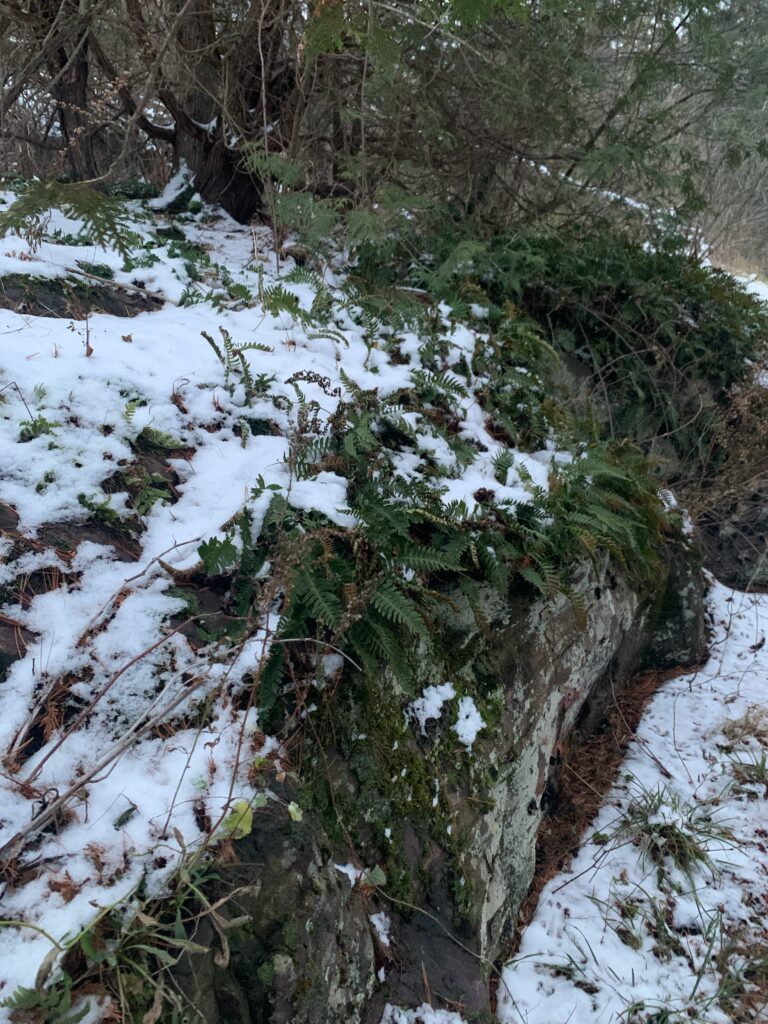
Upon arrival to Oakledge Park, I immediately noticed that there was less green vegetation, and more woody stick plant life. I did expect this type of vegetation as winter slowly grasps the surrounding environment and greenery starts to die off due to lack of nutrients and sunlight. Although, one plant that was still green and thriving was the moss I spotted. I love moss, it’s natures carpet! As I walked throughout the forest heading towards Lake Champlain, I found several animal tracks, but no scat. However, I found it difficult to differentiate between domesticated dog tracks and wild animals. I was hoping to find trees showing signs of scrapes or rubs from whitetail deer or moose but unfortunately I was unsuccessful. During my adventure here at Oakledge, I collected a gallery of many photos, here they are!

Phenology Of The Niagara Gorge

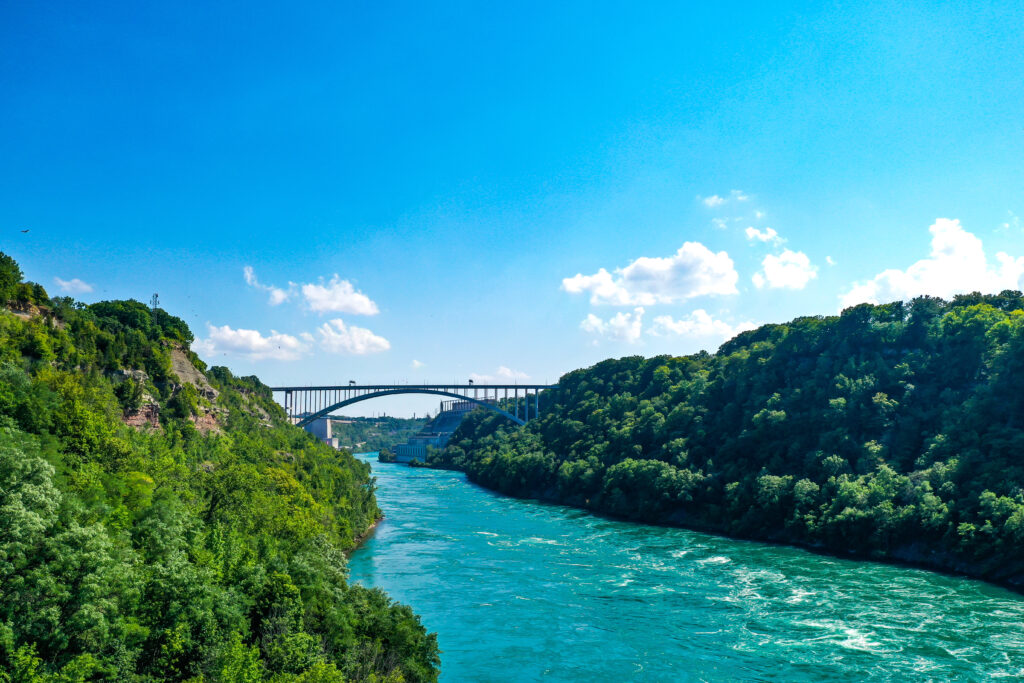
A place close to my heart is the Niagara Gorge, it is my home.

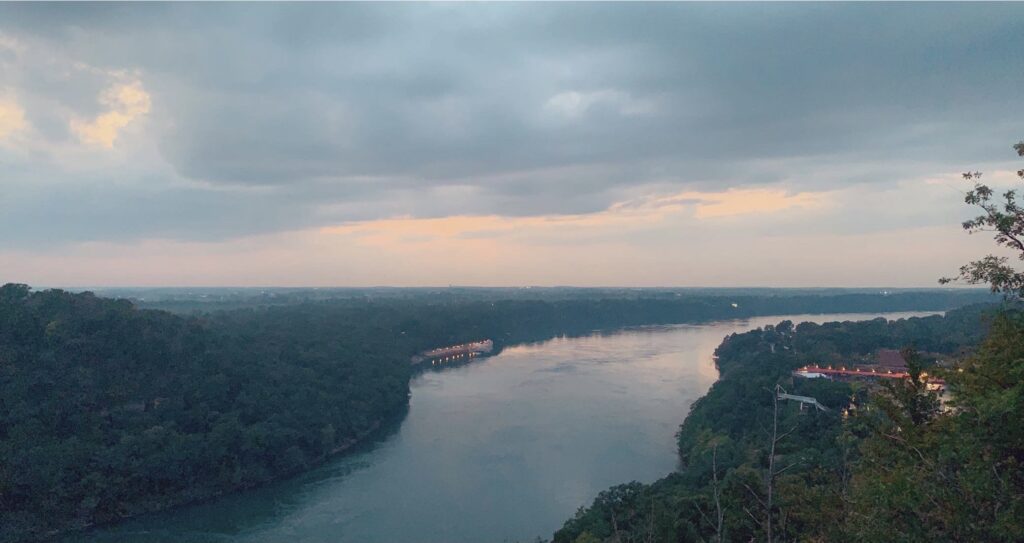
Niagara Gorgel, August 2021
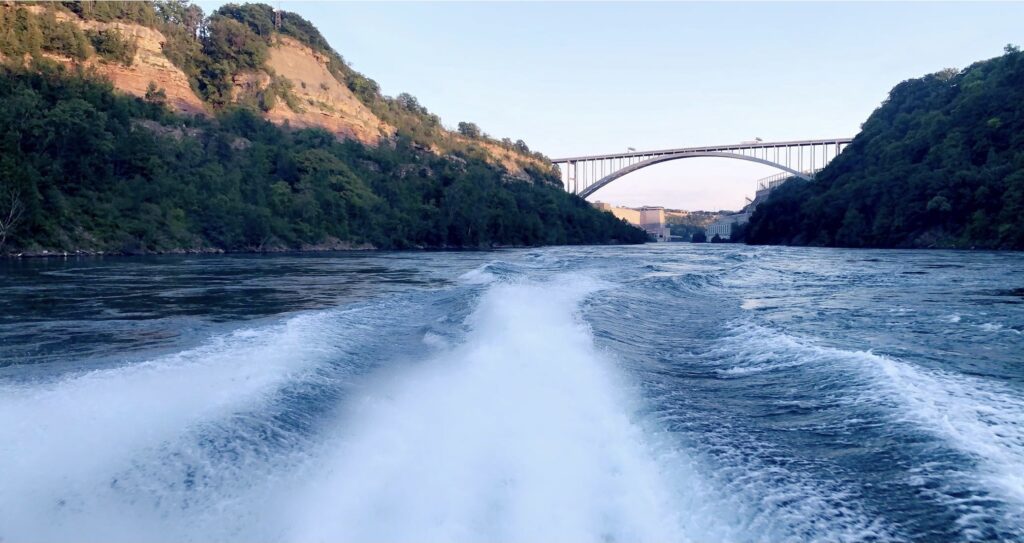
Niagara River, Late August
Niagara Gorge
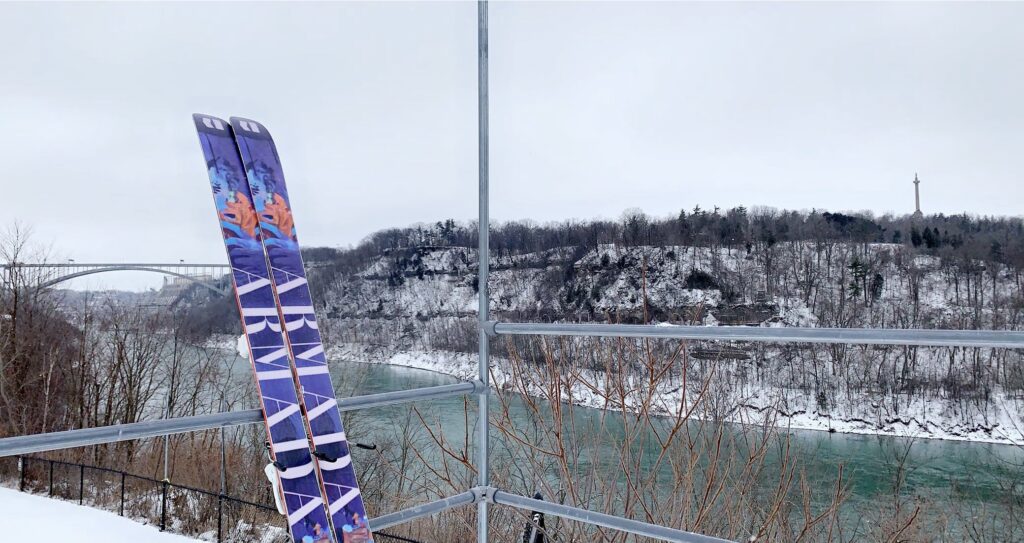
Niagara Gorge, November 27th

While home I visited the Niagara Gorge almost every single day, enjoying the surrounding environment. In my opinion it is a very unique phenology location based on geography, river morphology, and recreation. The site I chose sits about 8 miles down river from the famous Niagara Falls, in a place called Artpark State Park, Lewiston NY. The 300 foot cliffs surrounding the river were formed by the Niagara Falls eroding away at the limestone bluffs year after year. The limestone that gets eroded away provides the river with a unique greenish blue sparkle. This is not much different from my phenology site at Oakledge where Lake Champlain meets the rocky shoreline and has been eroding it for years, at a much slower pace however due to it being a Lake instead of a fast moving river. Two main communities are present in the Niagara Gorge, Calcareous Cliff Community and Calcareous Talus Slope Woodland, as well as rare old growth forests. In both areas I have chosen to study there has been a concentration of calcium in the soil, allowing only certain growths to thrive. It is very cool to see the comparisons between two different spots that are now very dear to me, and I cannot wait to keep exploring!

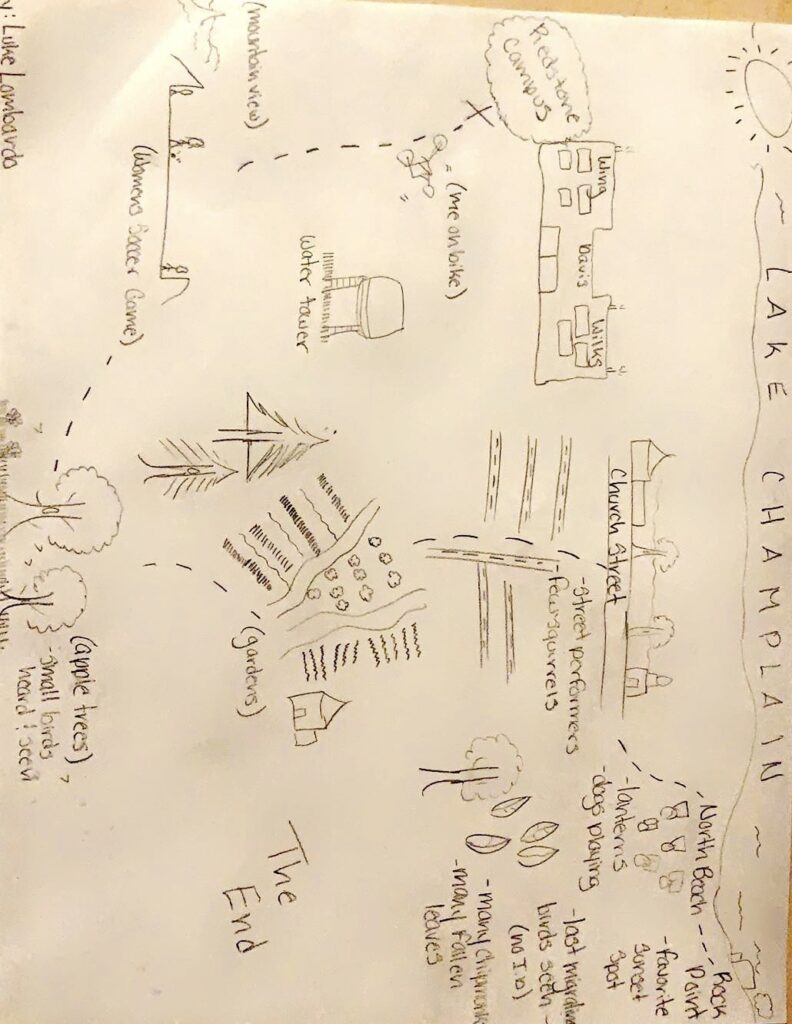
Event Map

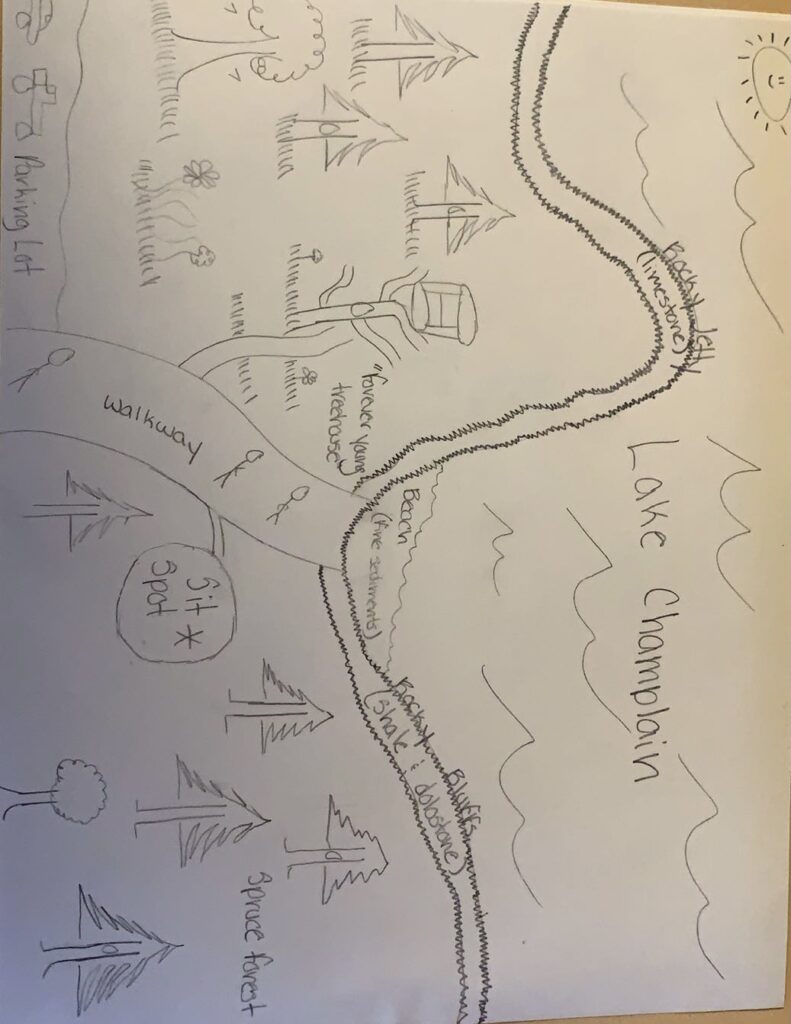
During this phenological explanation I took a bike ride starting at my dorm room on Redstone Campus, to Rock Point on Lake Champlain. My specific route took my past the women’s soccer game where they won the championship! I then rode to the nearby apple orchards where there a a couple fresh ones left to eat. After biking through some more gardens, I made my way downtown to Church Street where I saw a few street performers including a man playing guitar. I also observed small birds jumping around the ground. From Church Street, I rode to North Beach where there were lanterns being set off into the sky. It was truly a beautiful and peaceful moment. At the north tip of the beach, is a small trail leading to my final destination of Rock Point which is one of my favorites spots to watch the sunset and just spend time freeing my mind. Here, I observed many fallen leaves on the ground, chipmunks scurrying around, and the last of the migrating birds flying overhead.

Phenological Event Map

Observing with Senses

As I sat quietly in the center of my site, I took some time to observe with my senses. It was a very calming, and peaceful practice, especially after a stressful week of midterms. Whenever I am feeling overwhelmed, being outside surrounded in nature seems to make me feel a whole lot better. Some observations I made include the following…

  • Strong scent of mud and pines (came day after rain storm)
  • Lots of chipmunks scurrying around
  • Two squirrels
  • Beautiful bird songs however I could not identify the species
  • Many seagulls heard in the distance

The change in vegetation can be described as the losing of leaves in the oak trees, and maples trees. Perhaps this is due to the lack of necessary sunlight and temperature drop in the past few weeks. The rocky bluffs by the shores of Lake Champlain did not seem to change, however I cannot wait to see the effect of the lake freezing over this winter.

“Birds Eye View” of sit spot

Oakledge Park

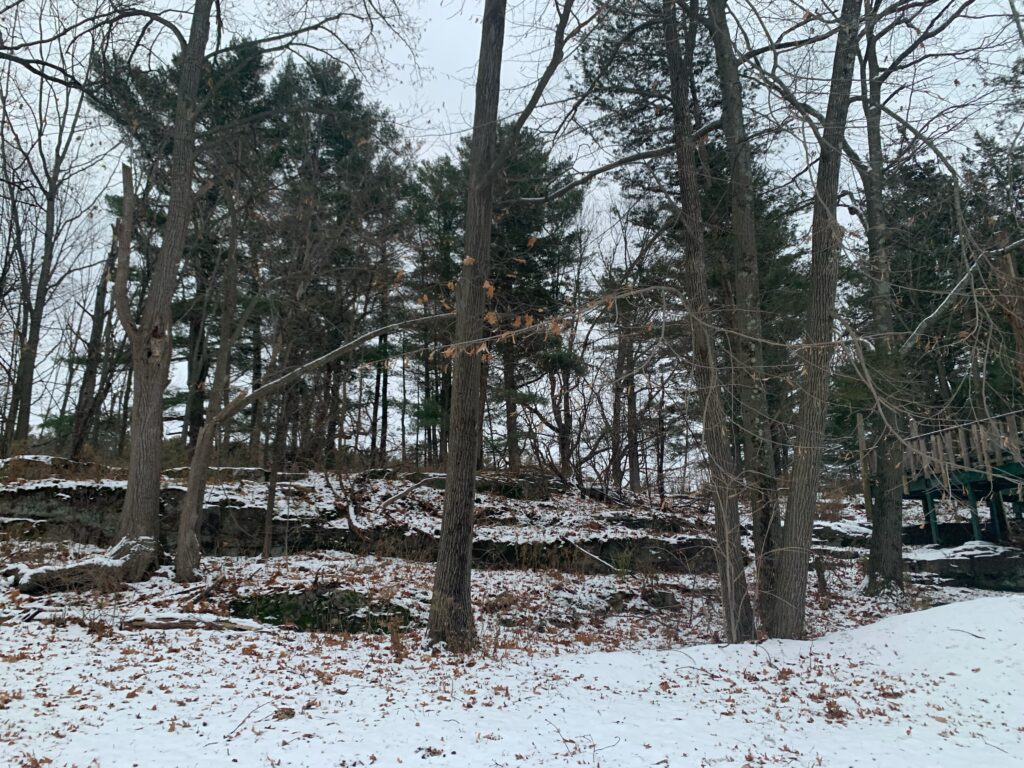
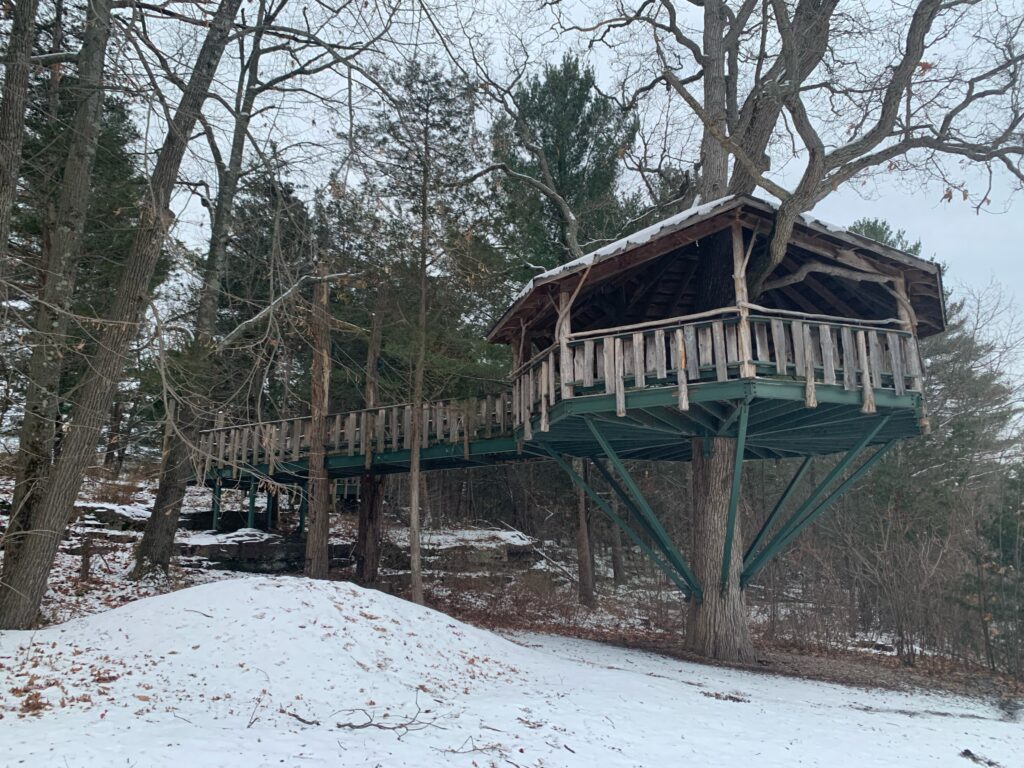
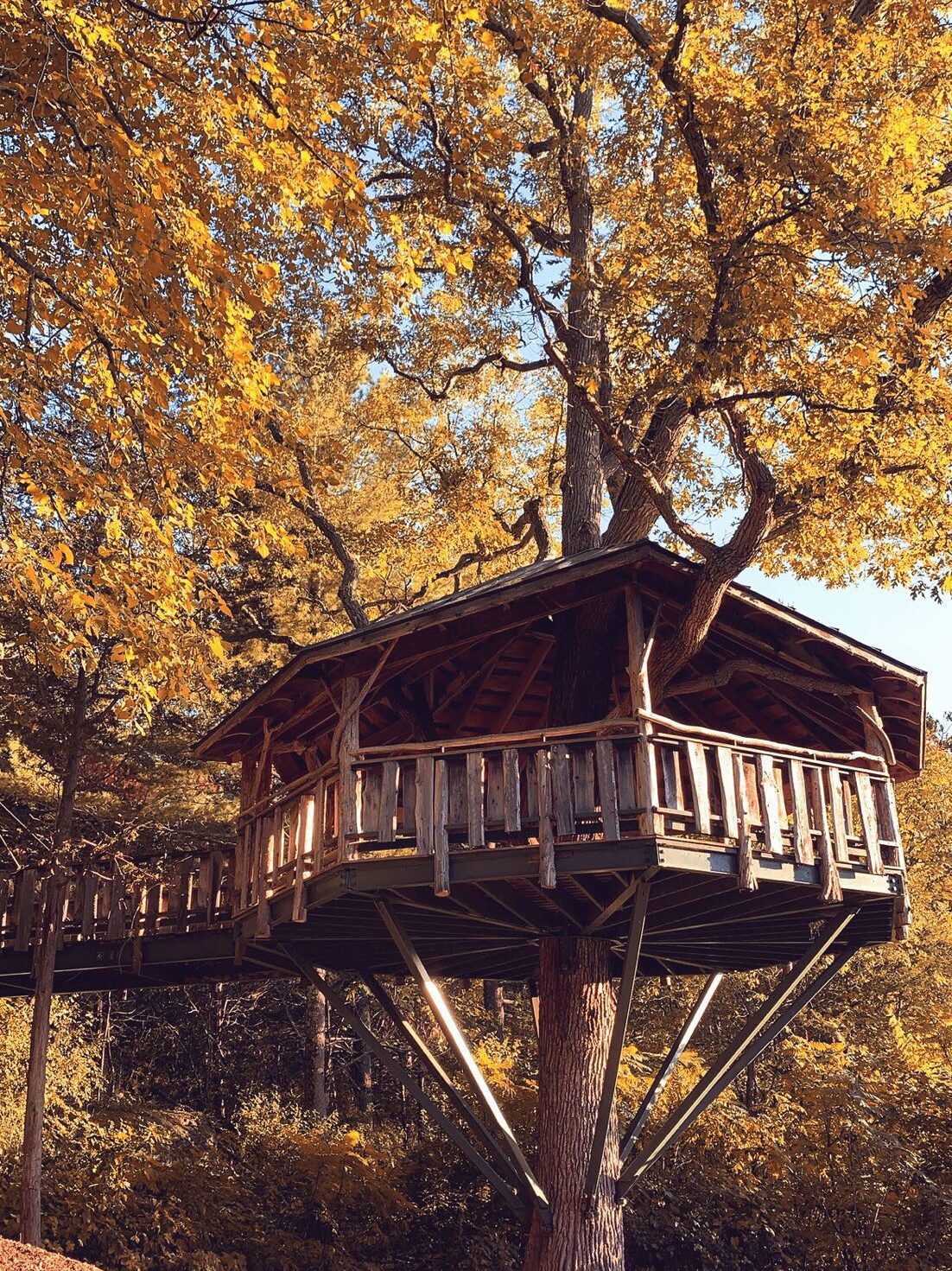
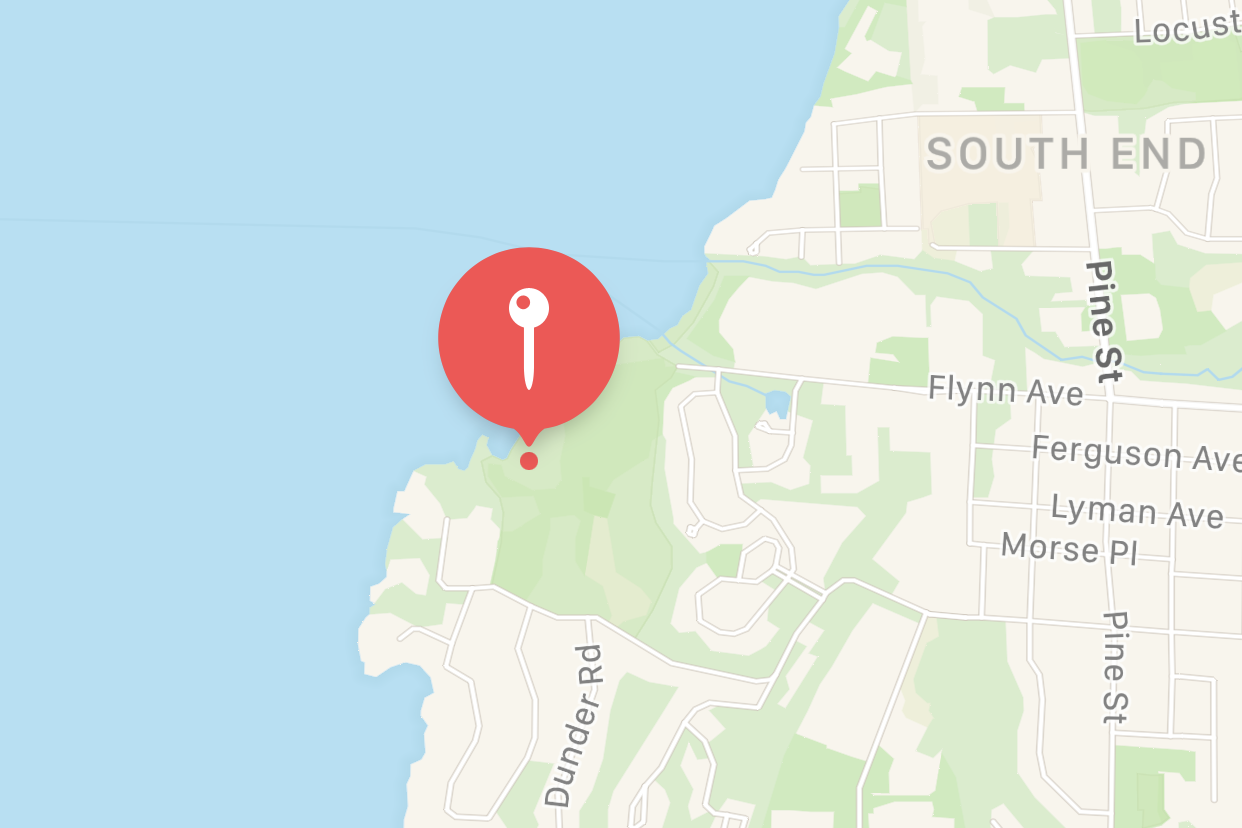
Oakledge Park is a very beautiful location located on the shores of Lake Champlain, in South Burlington. I have chosen this site for my ongoing phonology project because it has a wide variety of unique ecosystem features such as dense hardwood forests, rocky cliffs, and Lake Champlain itself. In order to reach this location you must arrive at Oak Ledge State Park. From the parking lot, continue down the “Forever Young Treehouse” trail.

Forever Young Tree House

At the base of this treehouse, is a path through the woods. Continue down this path, and you will reach Lake Champlain and its rocky bluffs.

Lake Champlain waterfront at Oakledge Park

Some common woody plants in the thicker forested area include Eastern White Pines, White Oaks, Northern Red Oaks, and even Buckthorn. However, as I approached the lake I noticed vegetation got increasingly scarce. It is hard for plants to survive near the shore of the lake due to lack of necessary nutrients and soil. Many grasses, and small shrublike bushes lived here, but I was unable to identify them.

Thank you for reading about my phenology site at Oakledge Park! I hope you get a chance to check it out.

Screenshot of Phenology Site
Skip to toolbar