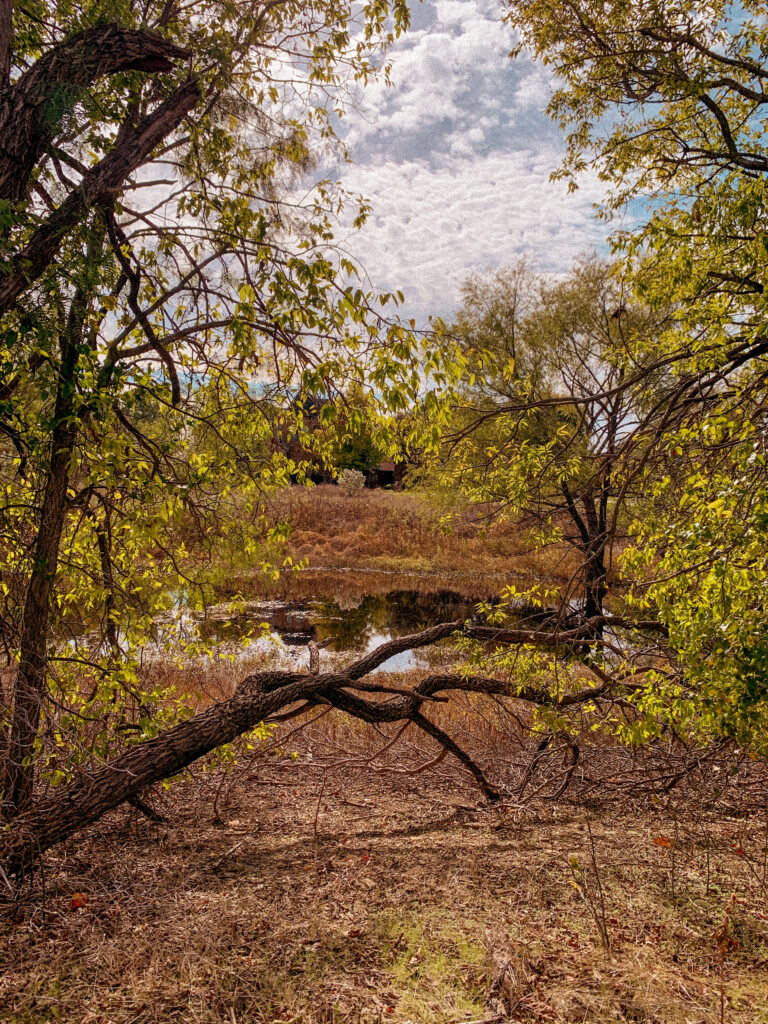
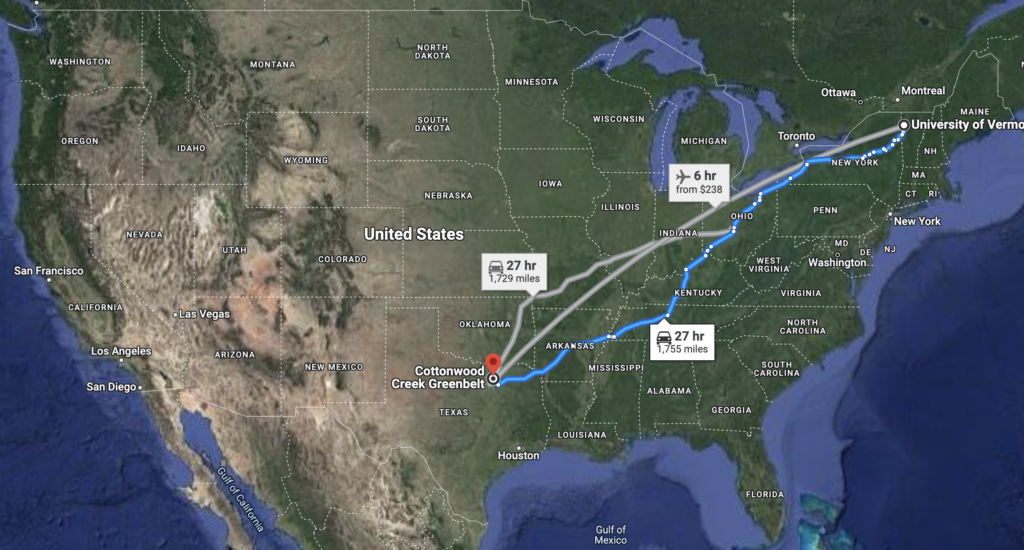
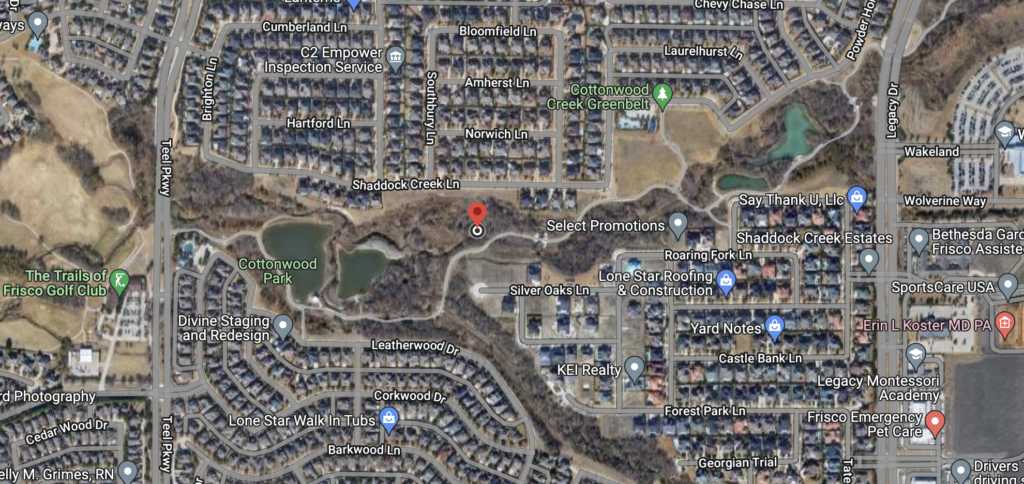
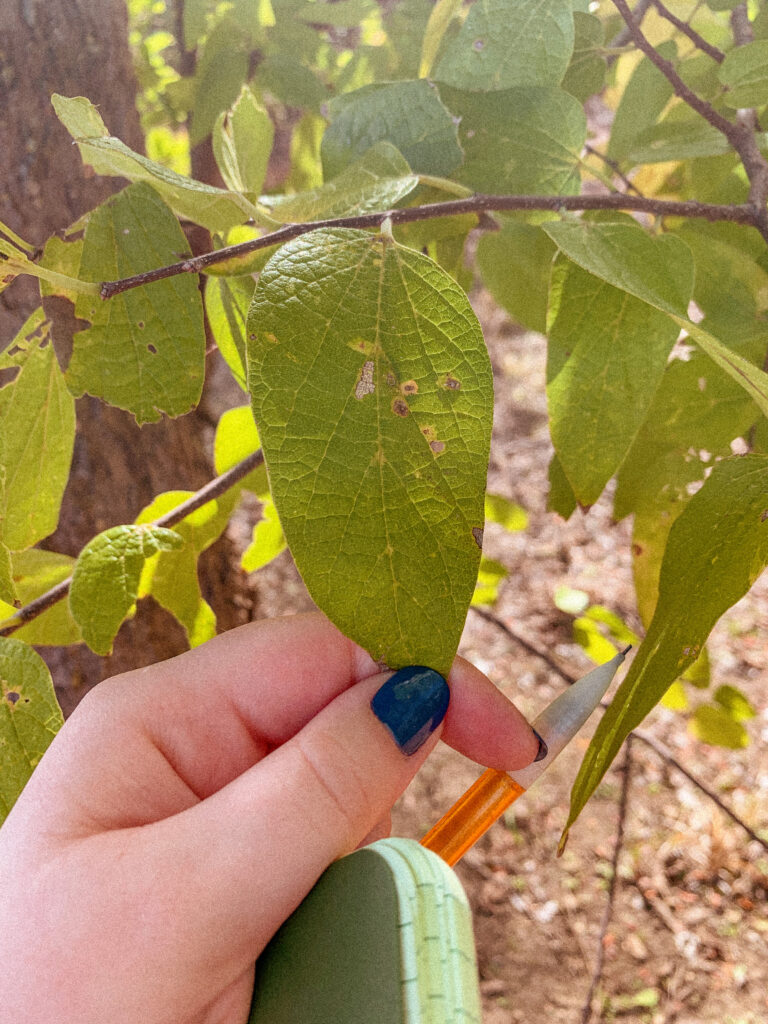
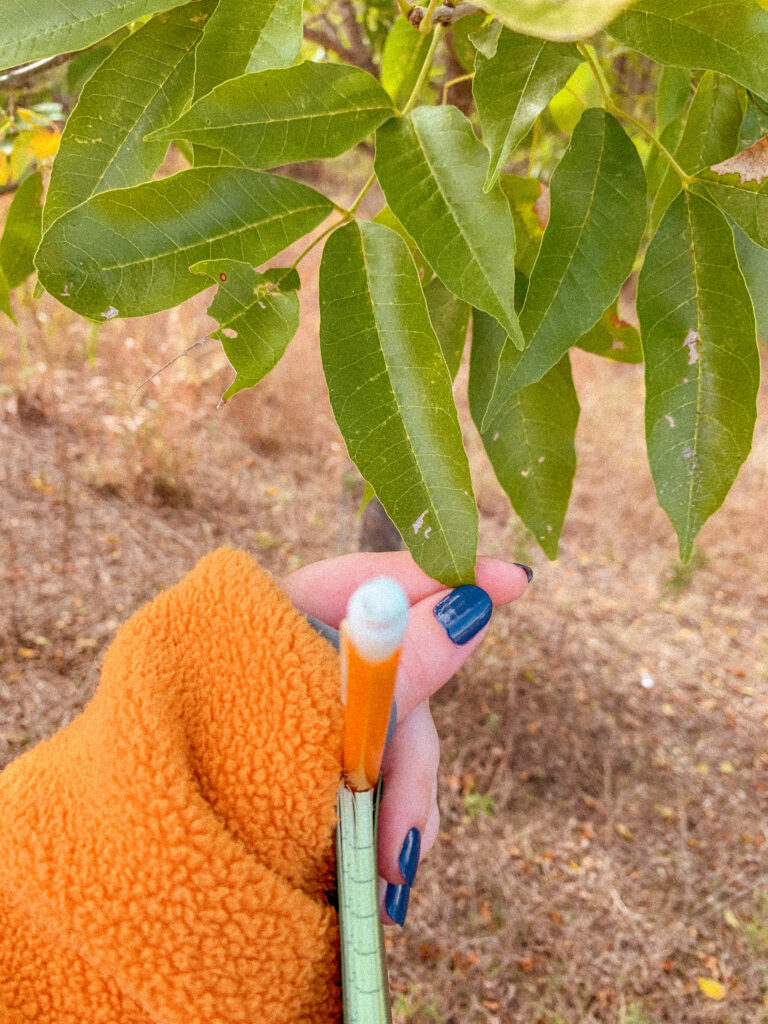
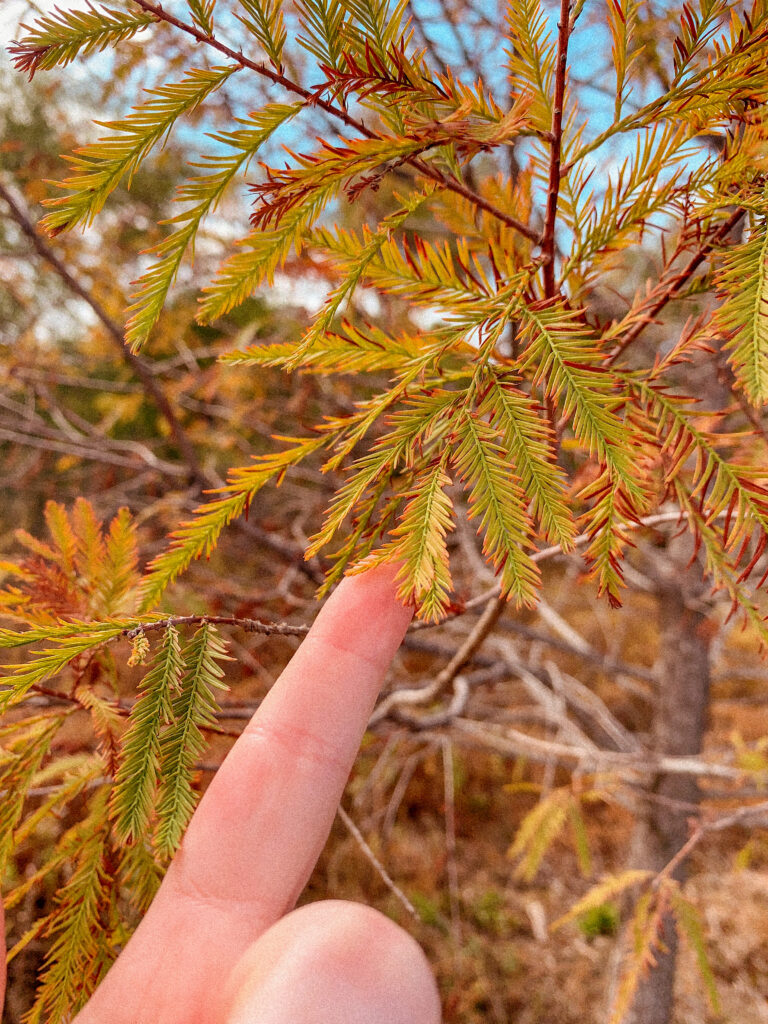
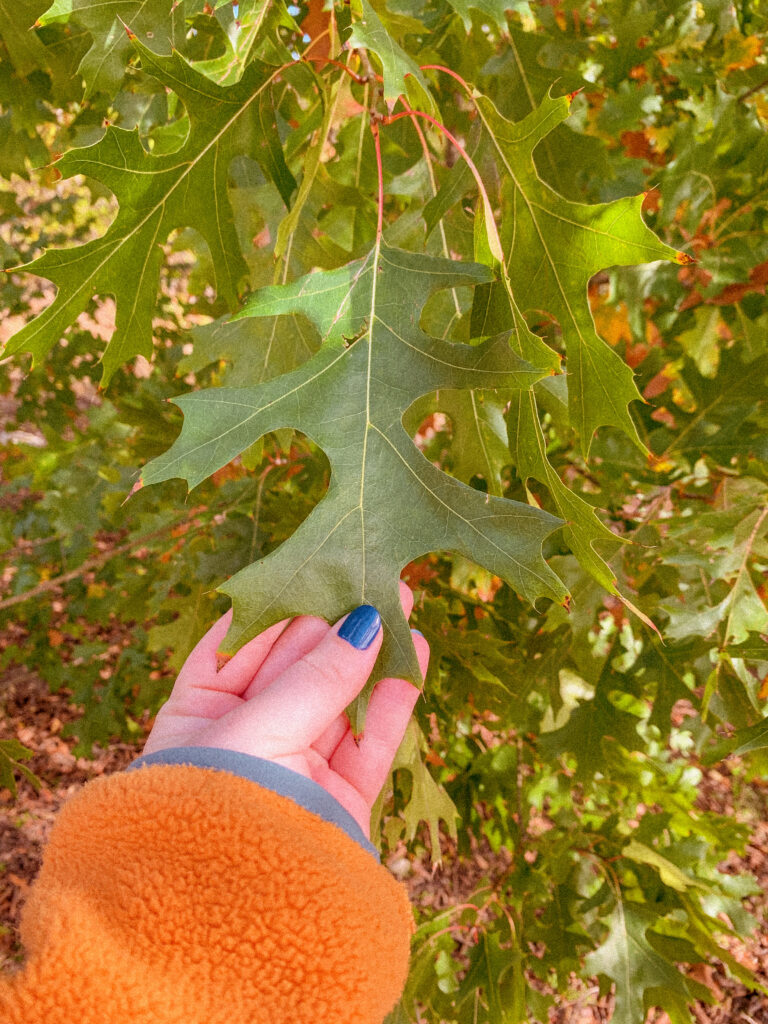
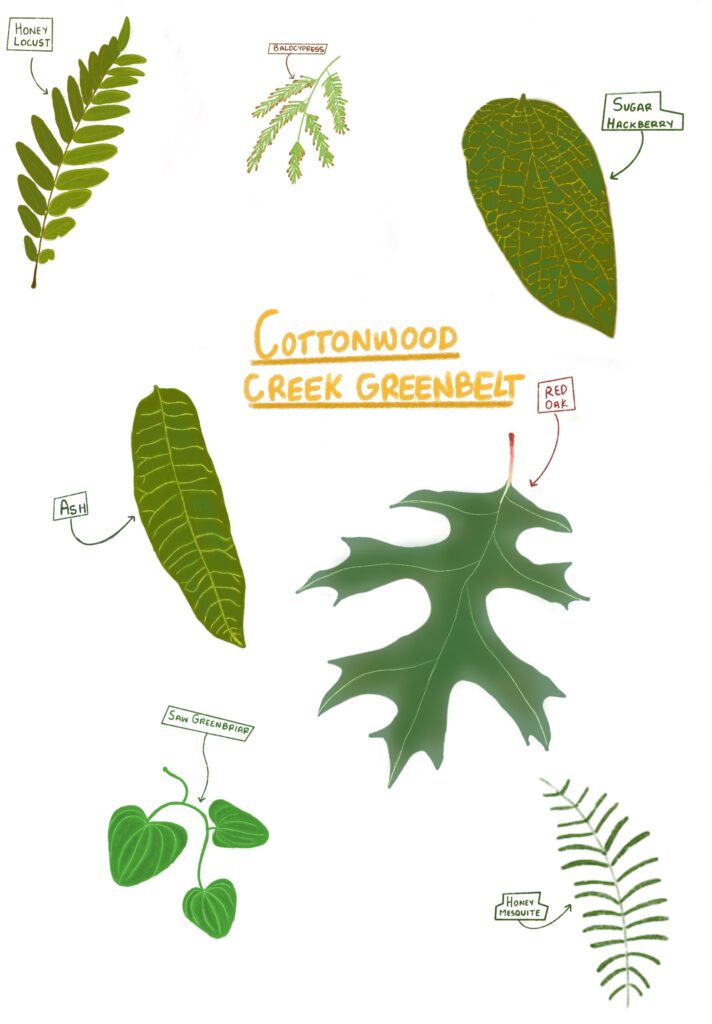
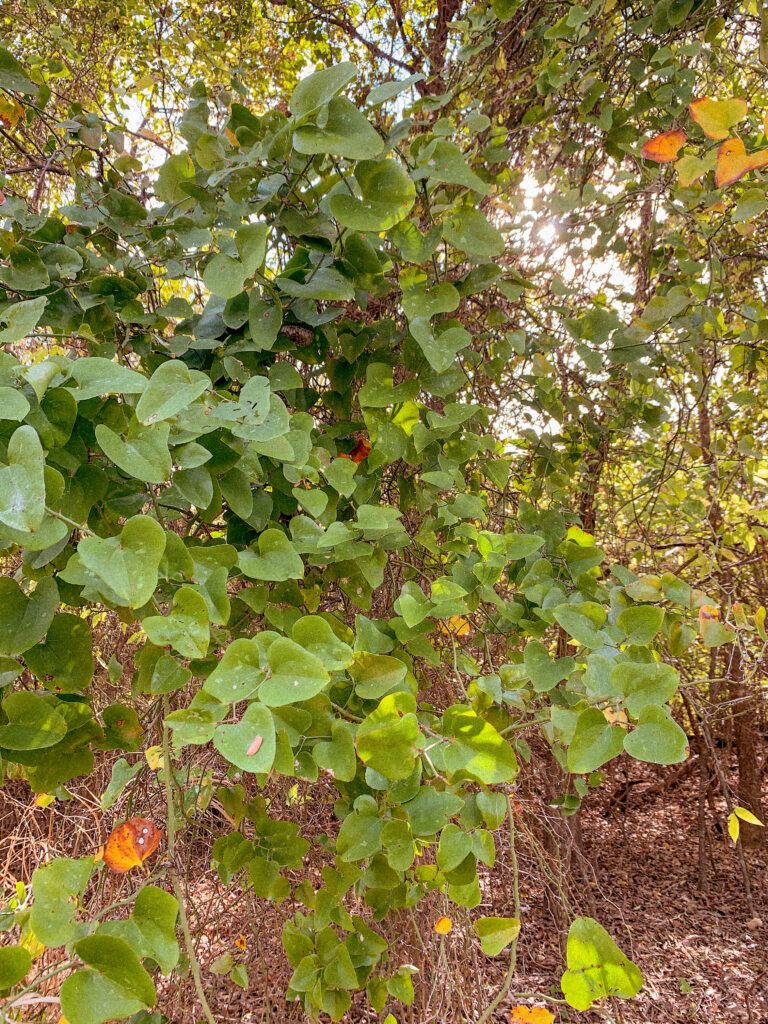
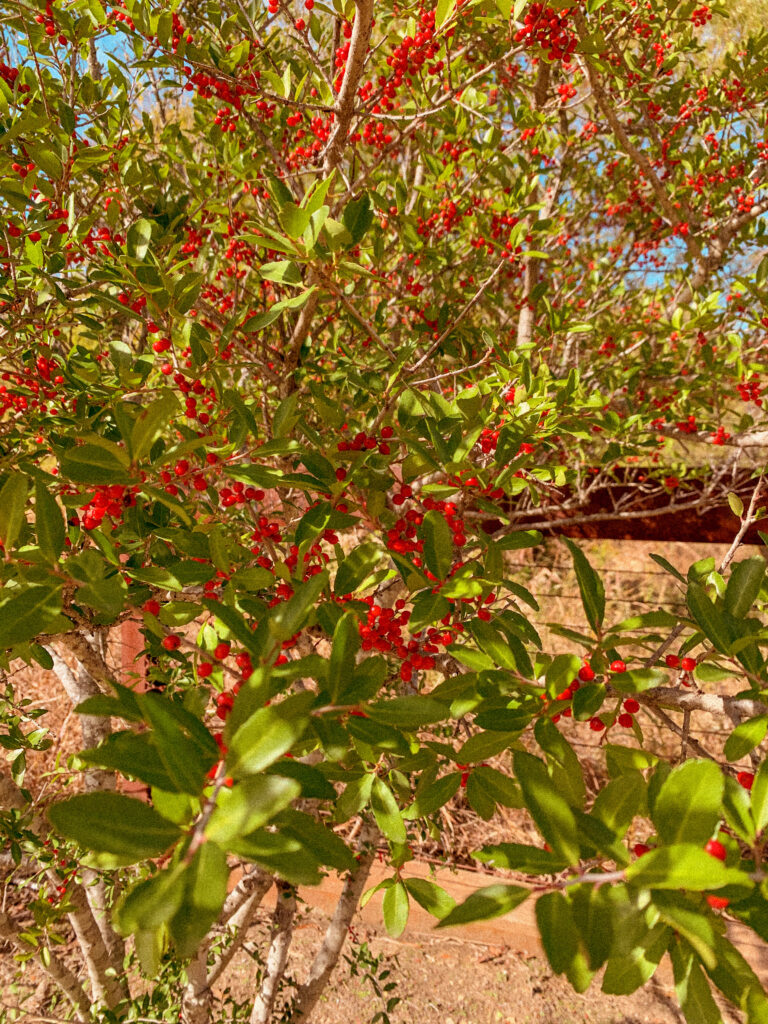
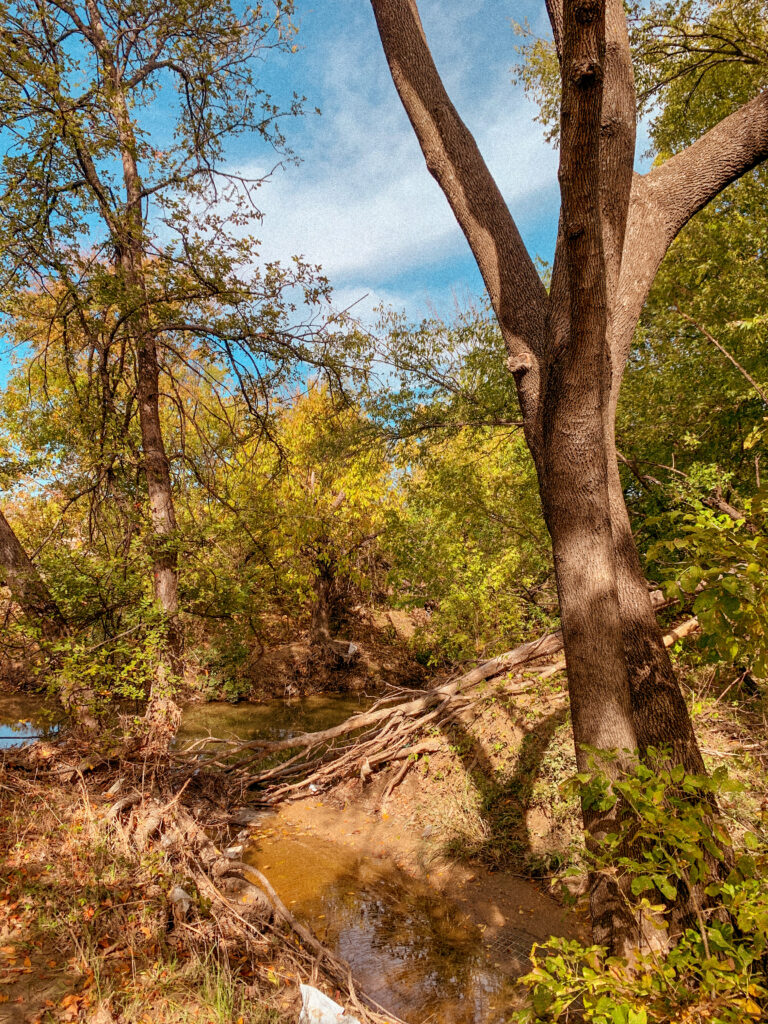
I moved to Frisco, TX about a month before I started college. Because of this, I knew that finding a natural area to visit would require some research. This natural area, the Cottonwood Creek Greenbelt, which hopes to preserve the habitats and natural plant and animal species is in a crucial spot between two busy roads, and two large residential areas.
I was very interested to see such a bold take on conservation, public education, involvement, and sustainability in such a highly populated area. Although this spot is vastly different from Lone Rock Point, I was able to learn a lot and discover some very fascinating wildlife, much different from that in Vermont.
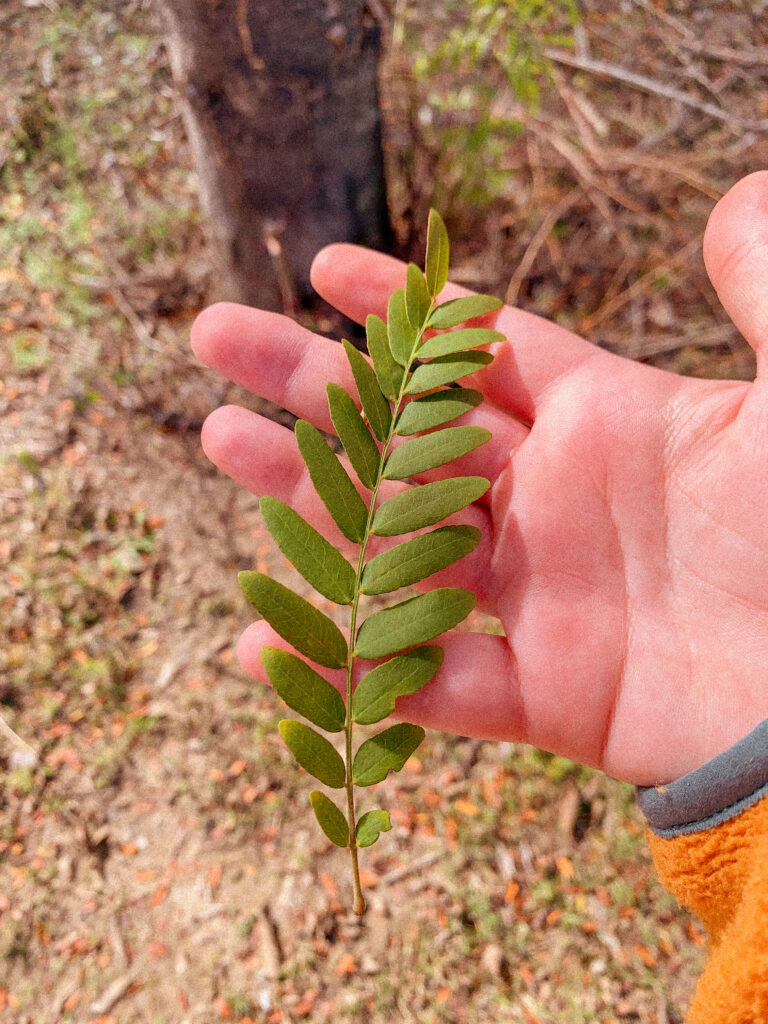
These are the tree species that I captured while walking through the greenbelt, many of which, I had never seen before, but I was able to identify the Red Oak leaf in the bottom right! I also took the time to draw out some sketches and label each of the leaves pictured above from what I was able to identify with iNaturalist.
What’s Different About This Place?
It was very refreshing to be back in a place that had many green leaves, and animals that were still roaming about. Other than the Red Oak, which isn’t even present at Lone Rock Point, I didn’t recognize any of the tree or animal species. I don’t find this alarming because Texas and Vermont are vastly different places, with vastly different wildlife, but nevertheless, they are both beautiful, and I have had a great time getting to explore each of them!
Not only this, but I got to share this trip to the Cottonwood Creek Greenbelt with my younger brother. I got to teach him about some of the ways in which I identify trees and the importance of natural areas. It was a great moment to get to share my passion for the environment with my younger brother, and I hope that he starts to take notice of the beautiful environment around him.
Luke kept upgrading his walking stick!
Two Fascinating Finds…
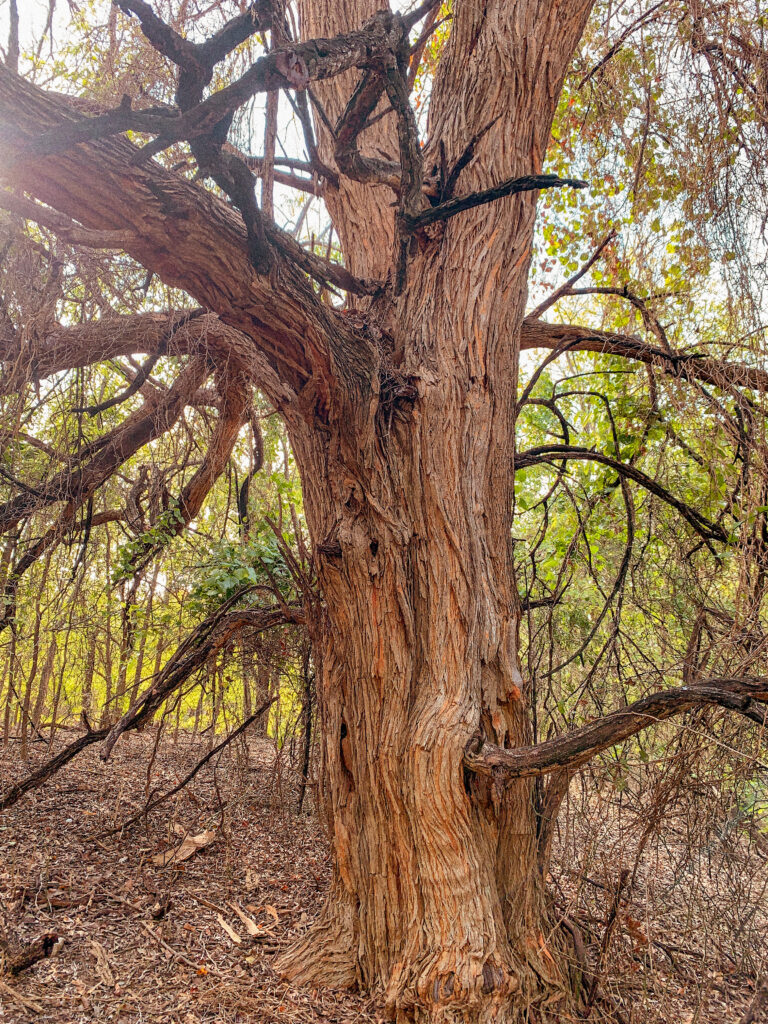
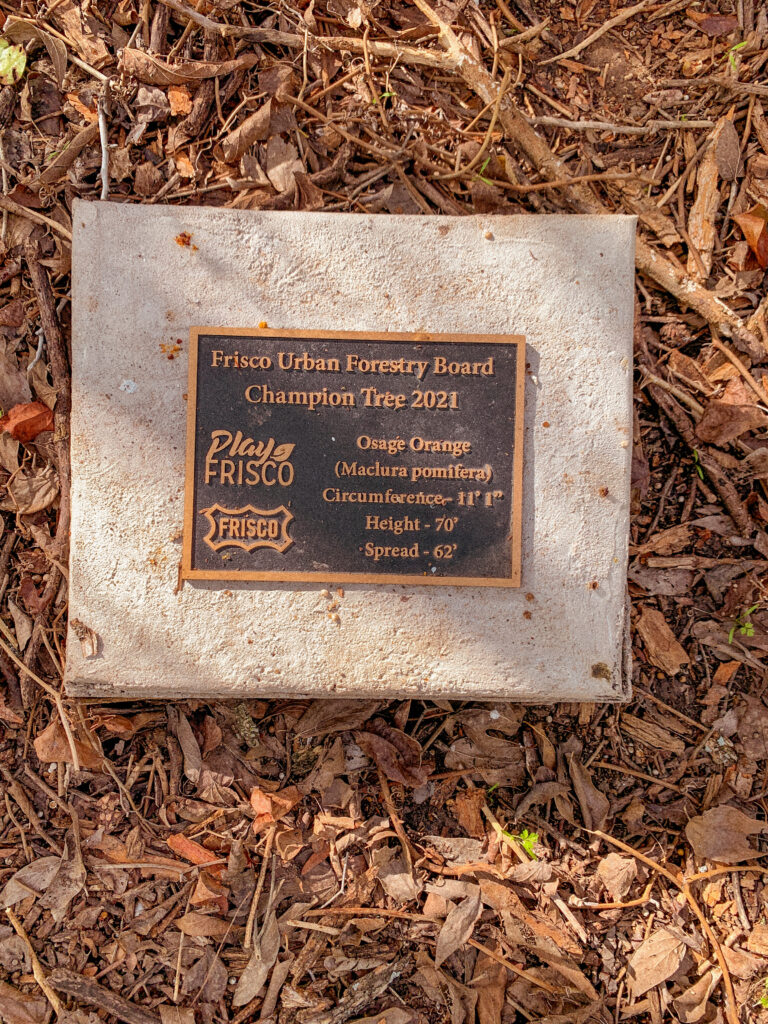
To the left is a bird of unknown species that I found on my brother and I’s walk throughout the greenbelt. On the right was a remarkable tree called the Osagé Orange tree, which actually won an award as pictured below:
Luke and I hope that everyone enjoyed their break!
“This is a wonderful day. I’ve never seen this one before.”
I was so excited to be back at my Phenology spot and to take the time to really soak up everything around me. The sights, sounds, and smells, all felt different from my visit in October.
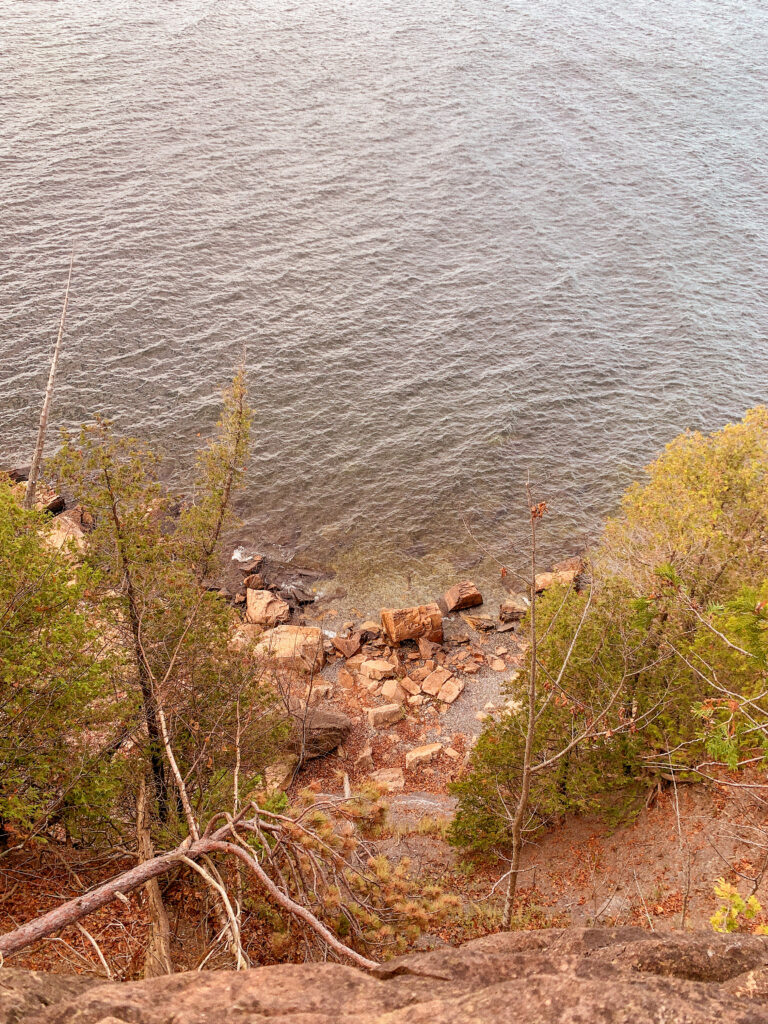
The sounds of Lake Champlain from the overlook!
Sights and Sounds of Lone Rock Point…
Once I arrived at the Overlook, I sat down to begin my fifteen minutes of engaging with my place. I struggled to get the hang of doing nothing but observing, but once I got into the swing of it, the minutes flew past. At the end of my observations, I jotted down a few notes about what I heard, felt, saw, and smelt during the time. I noticed most, that the sound of Lake Champlain crashing into the rocks below me was drowning out most of the other noises around me. I heard an occasional bird chirping and some of the nearby leaves making their final descent to the ground. It was also quite windy, so the brisk air was rustling the trees, and wisping past my ear. I paned the view around me and saw most abundantly leaves. All of the leaves from the surrounding trees covered everything in their path, so much so, that there wasn’t much of a path at all.
I found it rather therapeutic to take the time to connect to the environment around me, and really remain present in that moment. It was quite peaceful, and I think more than anything, that I really observed the location and everything that it encompasses.
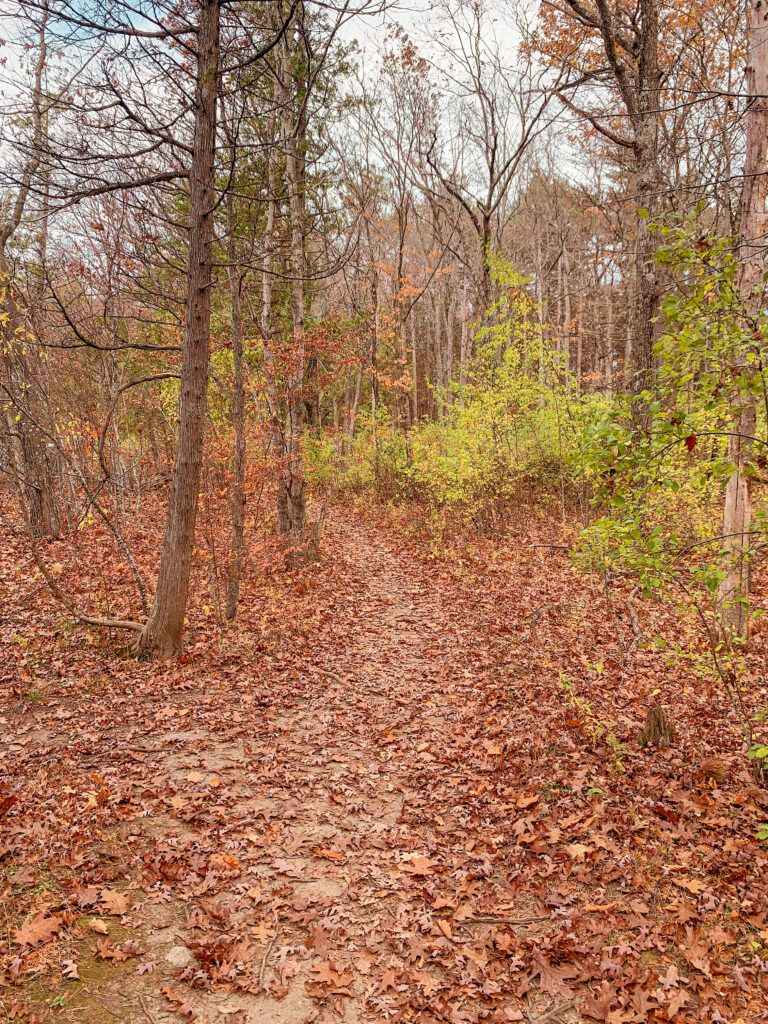
A Leafy Trail!
Winter is Coming & Vegetation is Changing!
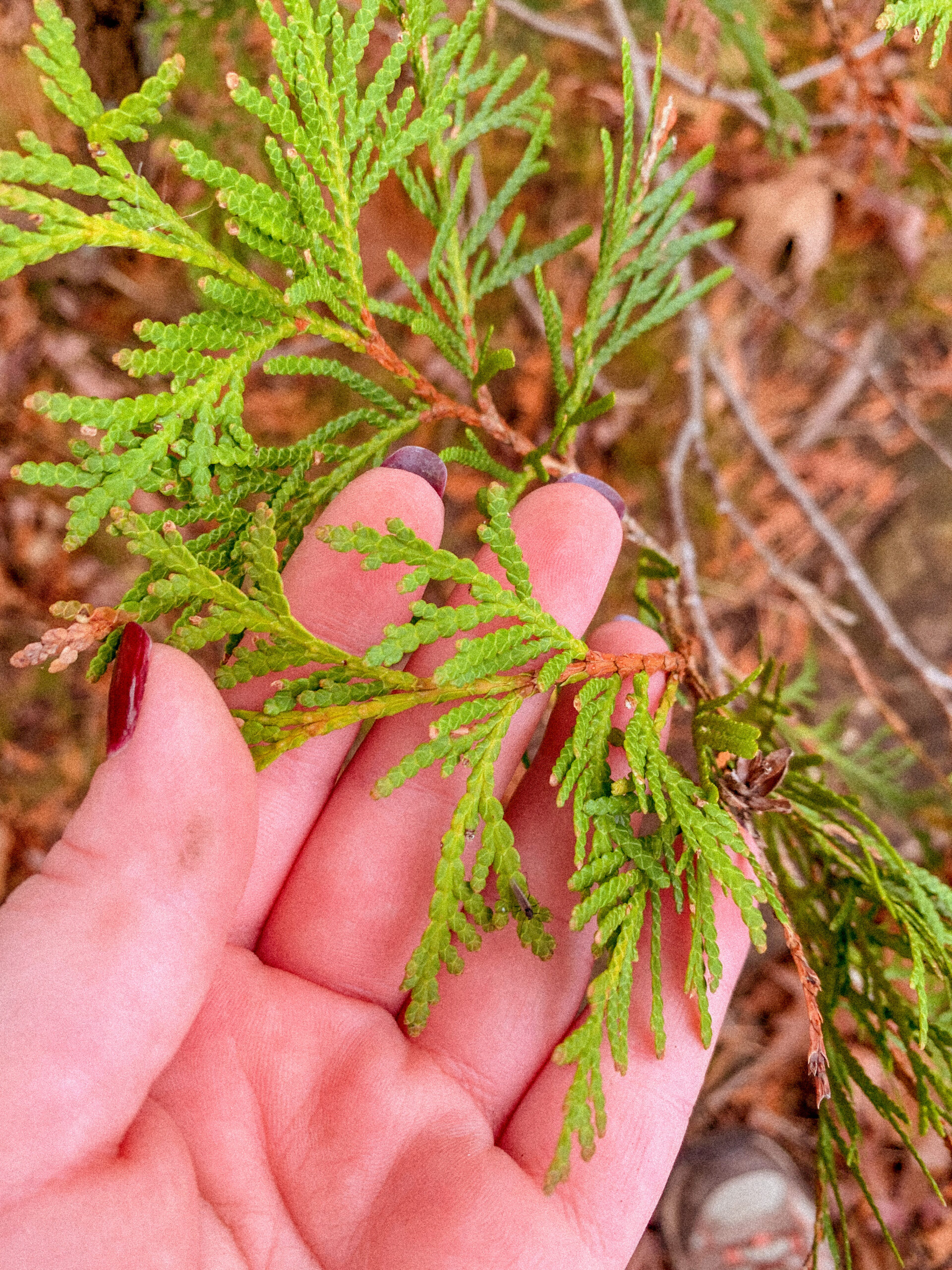
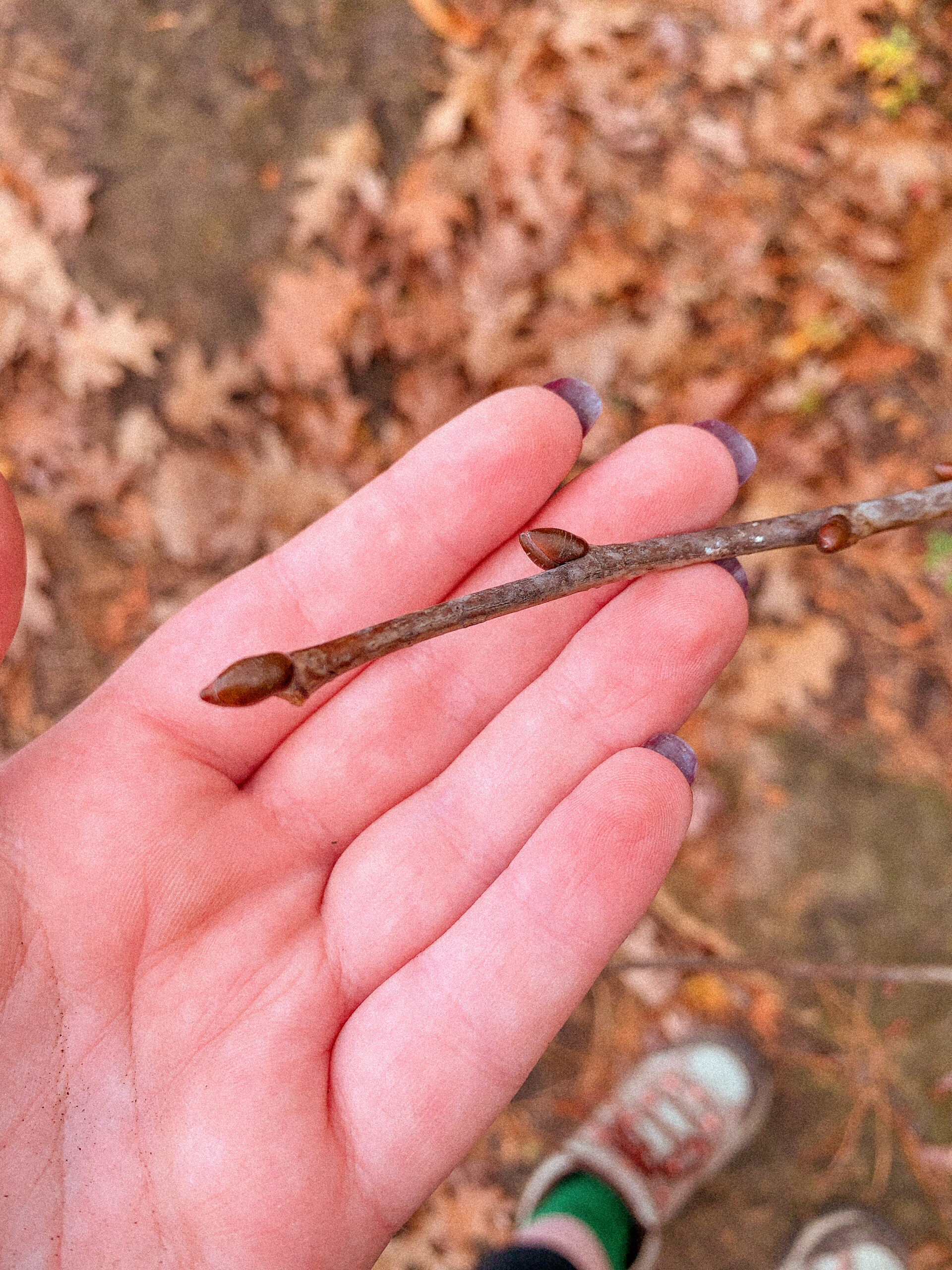
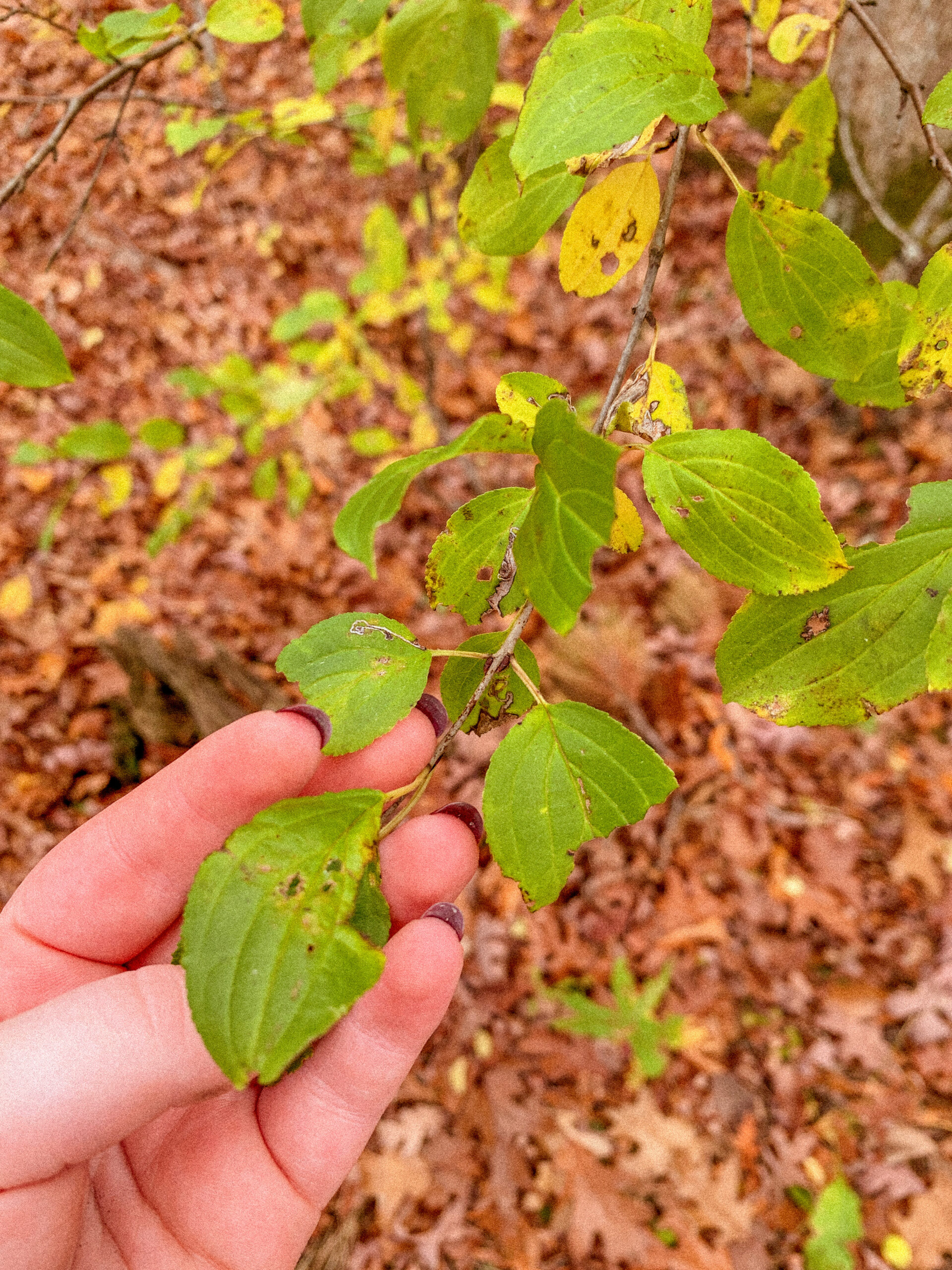
From the photo of the trail alone, it is obvious that Lone Rock Point is changing. Deciduous trees have dwindling foliage, but most have no leaves left at all, The Northern White Cedar remains heavily present, and The Buckthorn pictured above is looking rather worse for wear. On the other hand, some trees are down to the bud, prepping for winter!
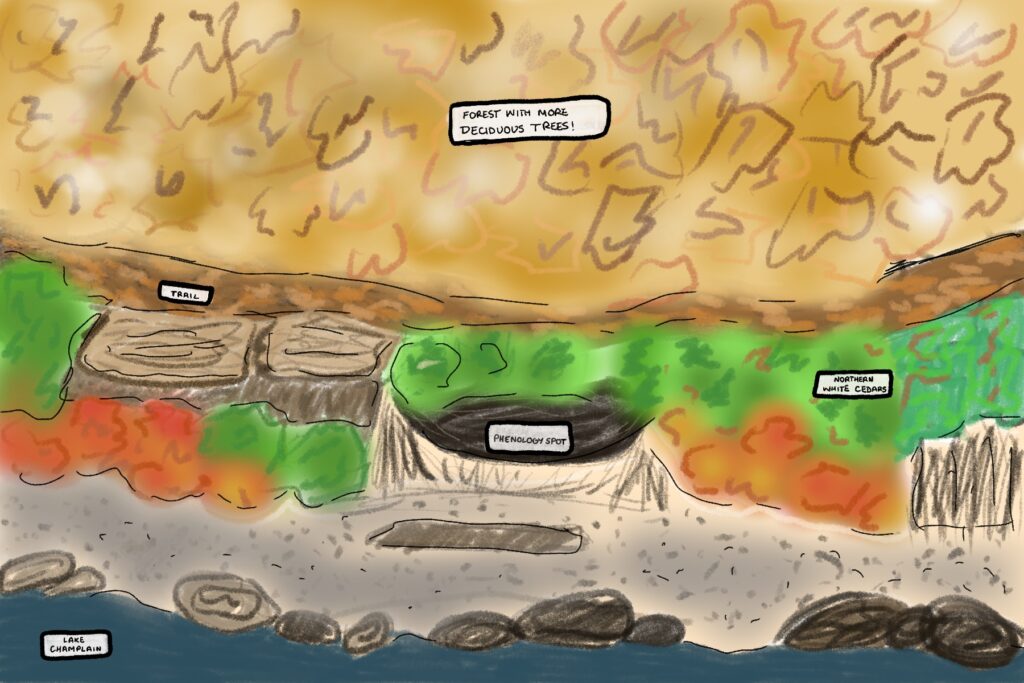
Bird’s Eye View!
Above is a roughly drawn Bird’s Eye View of my phenology spot!
As leaves cover the forest floor in a carpet of vibrant rusts, orange and gold, autumn proves that sometimes death, too, can be a beautiful thing