Featured post

April 30th Visit: City Nature Challange iNaturalist BioBlitz

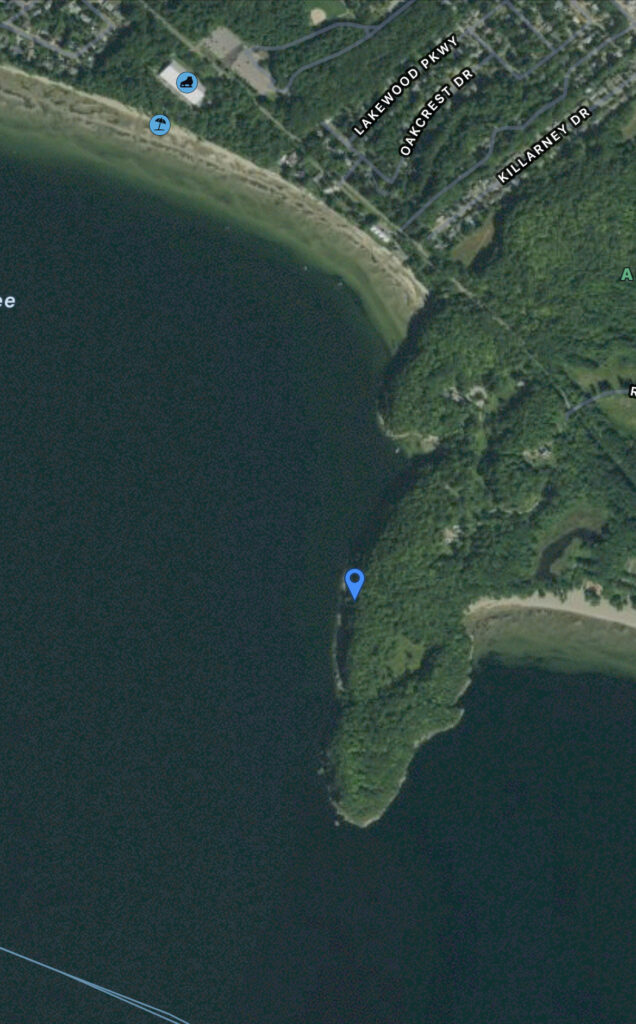
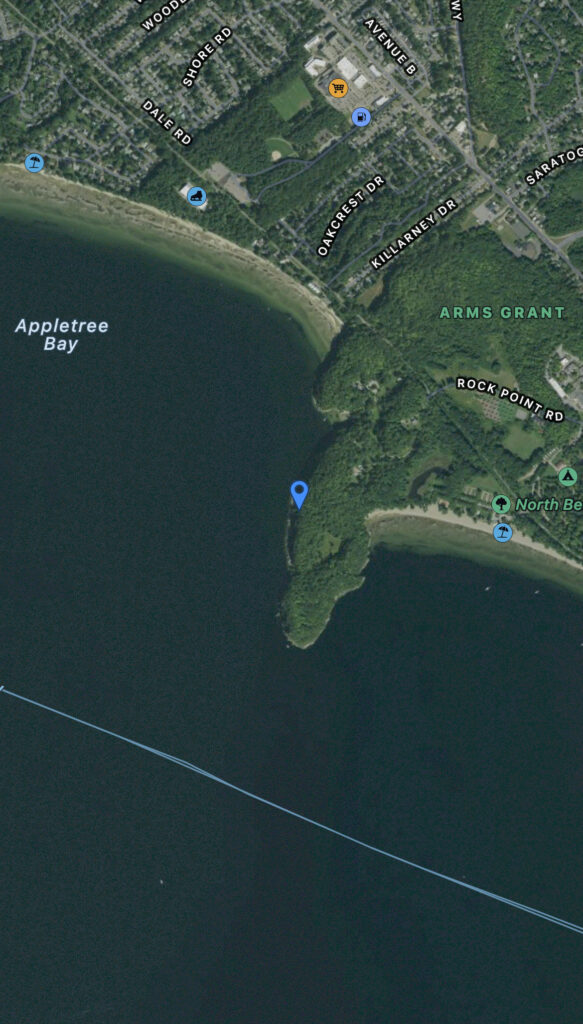
My Location for the iNaturalist BioBlitz!

What did I find?

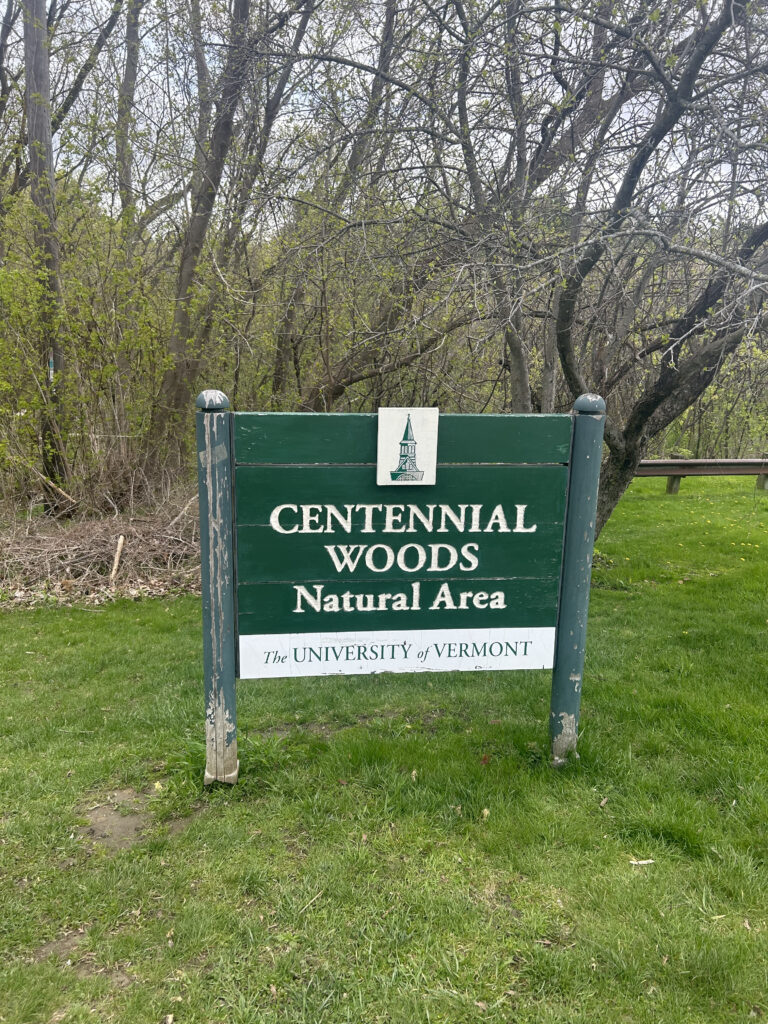
Beyond the few flowers I stopped to take a photo of on Saturday while walking downtown, my main observations came from a visit to Centennial Woods. I tried to take a photo of anything that stood out to me and tried to make a great effort to really pay attention to everything around me, sights and sounds, and smells included! I enjoyed using iNaturalist, and I have for a long time. My Senior year Environmental Science Professor encouraged me to get it, so I’ve been using it for over a year now!
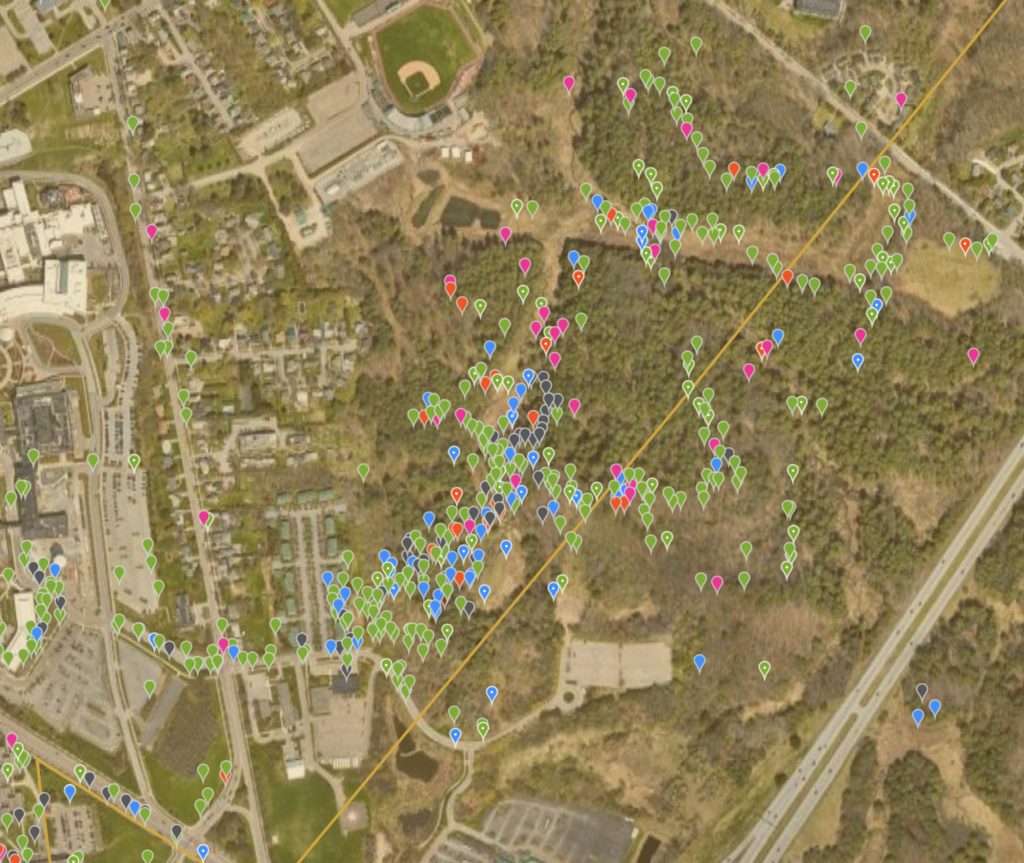
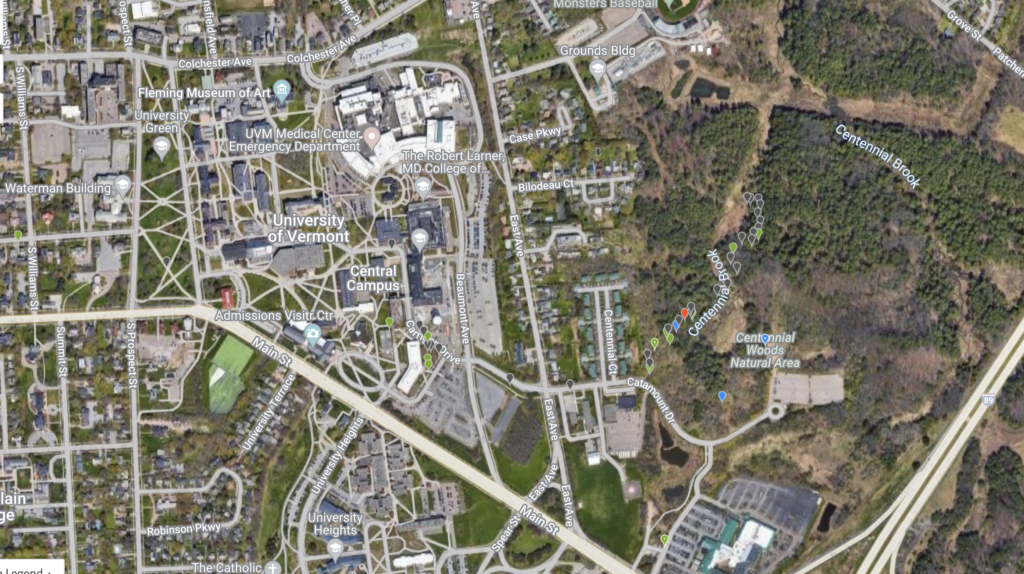
Although somewhat hard to decipher, the left is a map of the general area surrounding Cenntenial Woods and the observations of all of the Lab Sections. On the right, is my specific path of observations.

How Many Species?

According to iNaturalist, I on my own was able to identify about 16 species, although as a whole, I made 55 Observations. I will attempt to caption all of the photos of the findings that I have the names available.
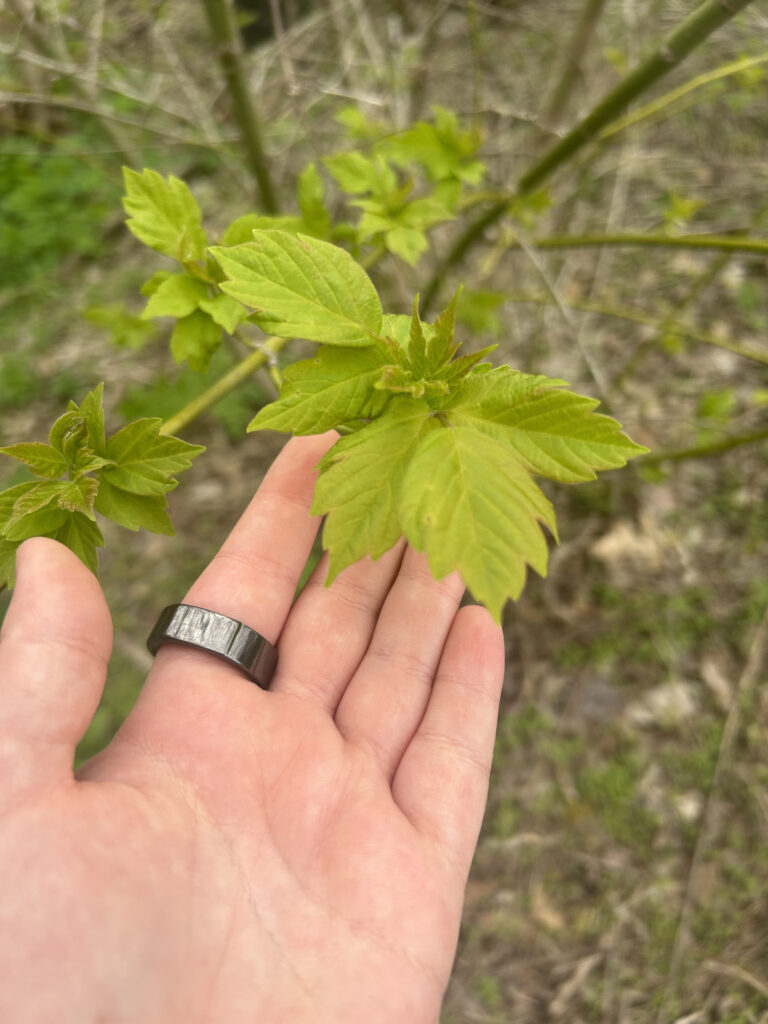
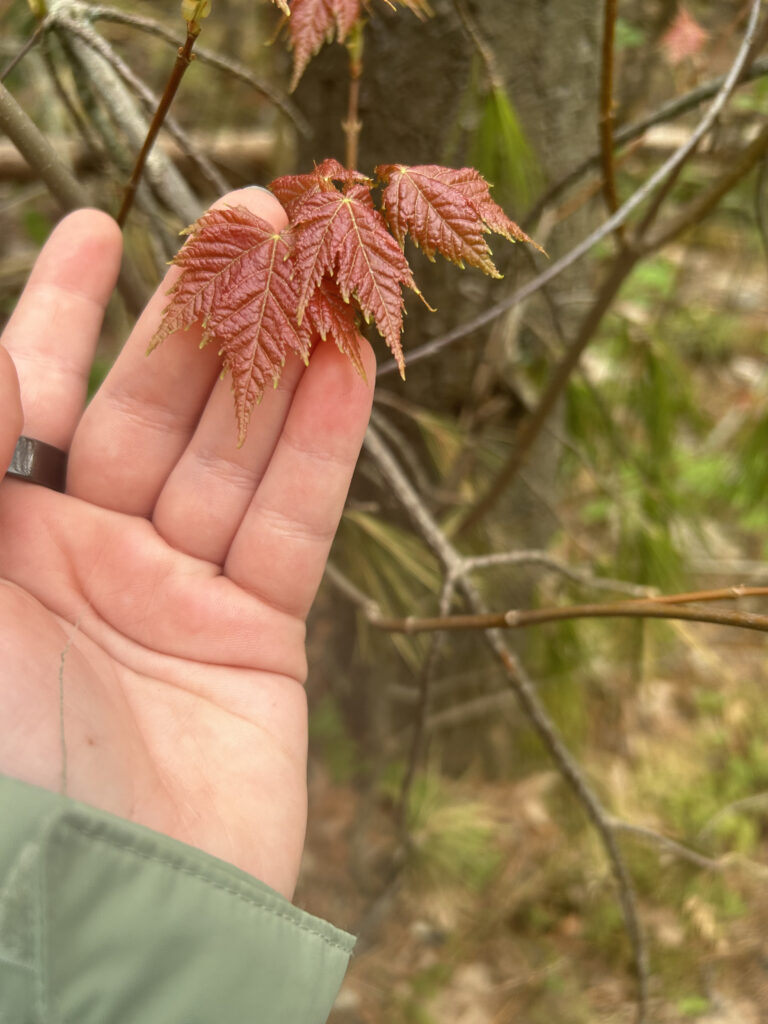
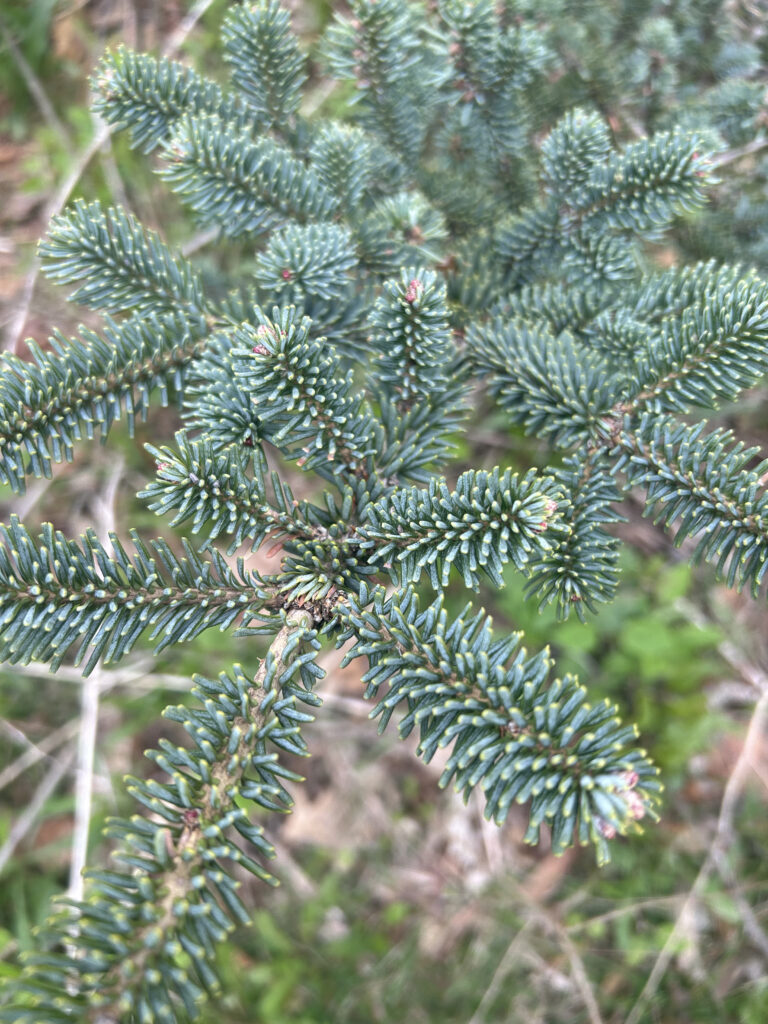
In an effort to not excessively include tree species I frequently identify, I only included three of the many I took a photo of.
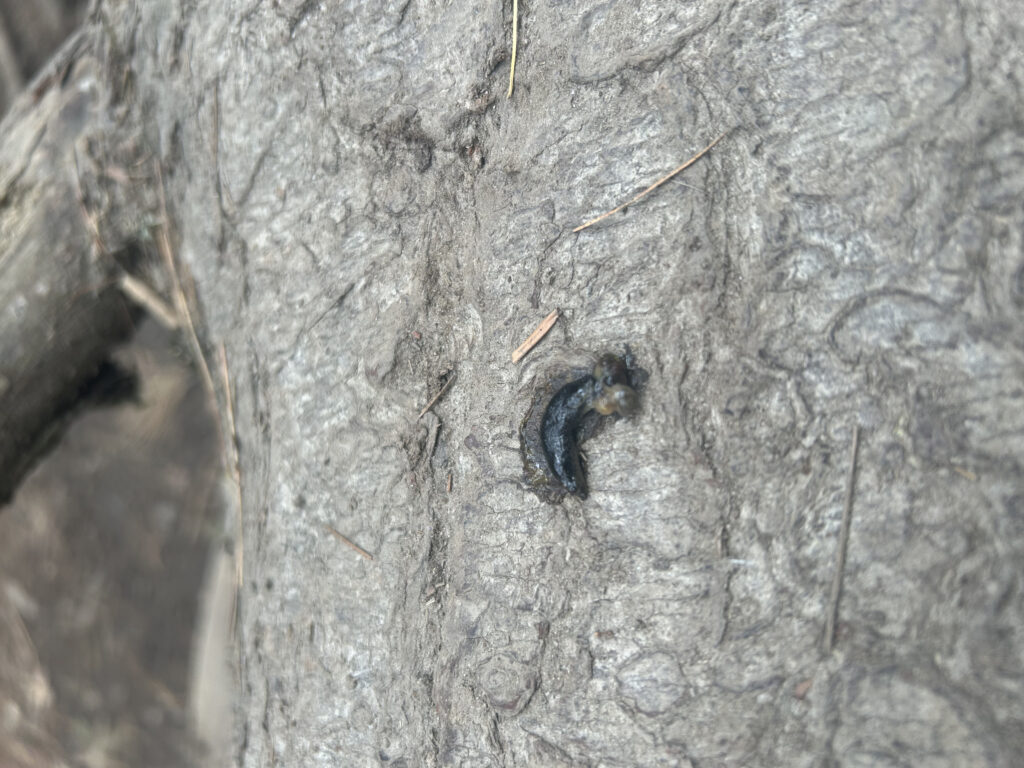
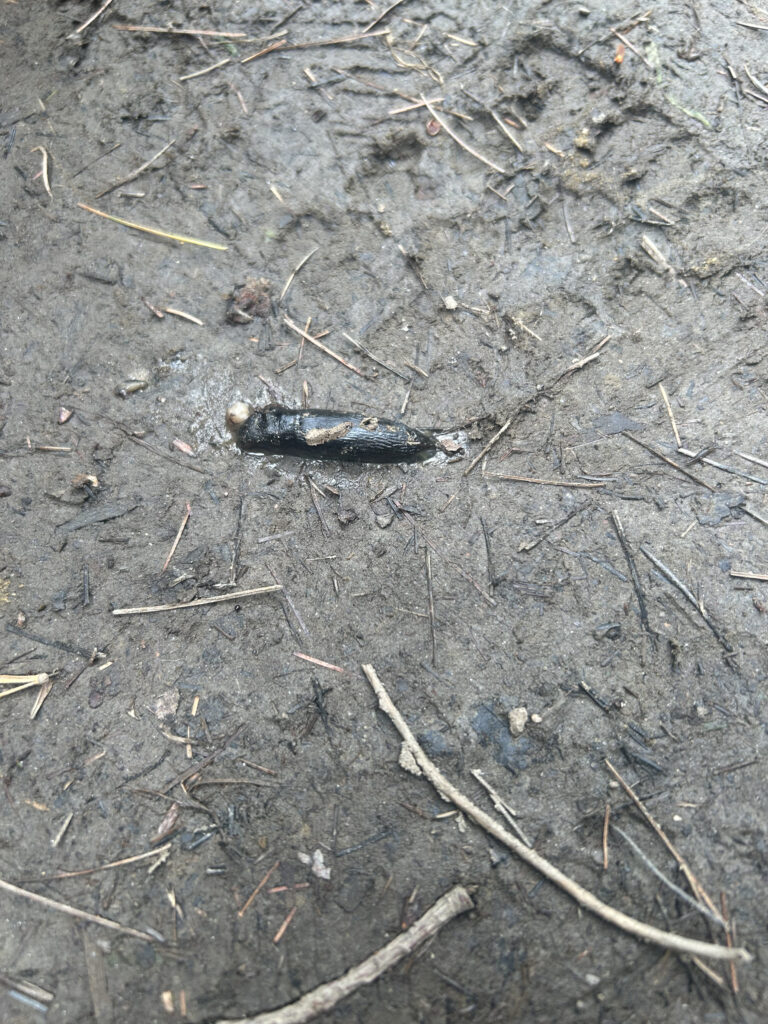
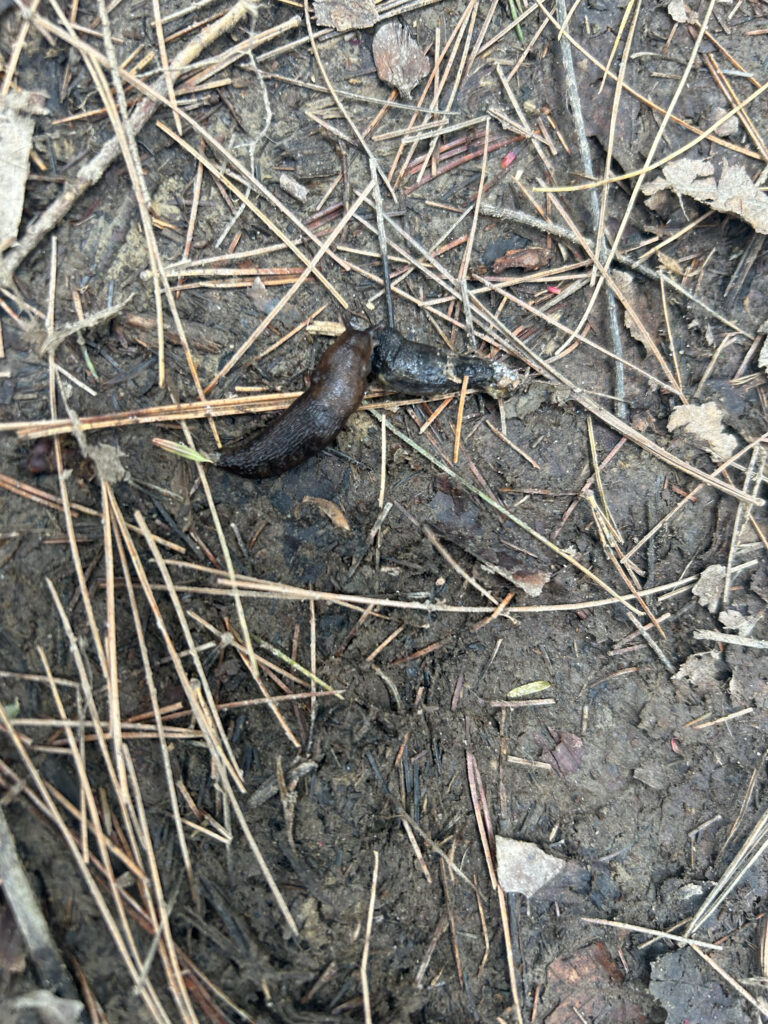
Finding Slugs was new for me, but I was pleasantly surprised to see many of them showing up in Cenntenial Woods. I am not entirely certain about my identification, but according to iNaturalist suggestions, the three slugs above can be classified as Arion Slugs.
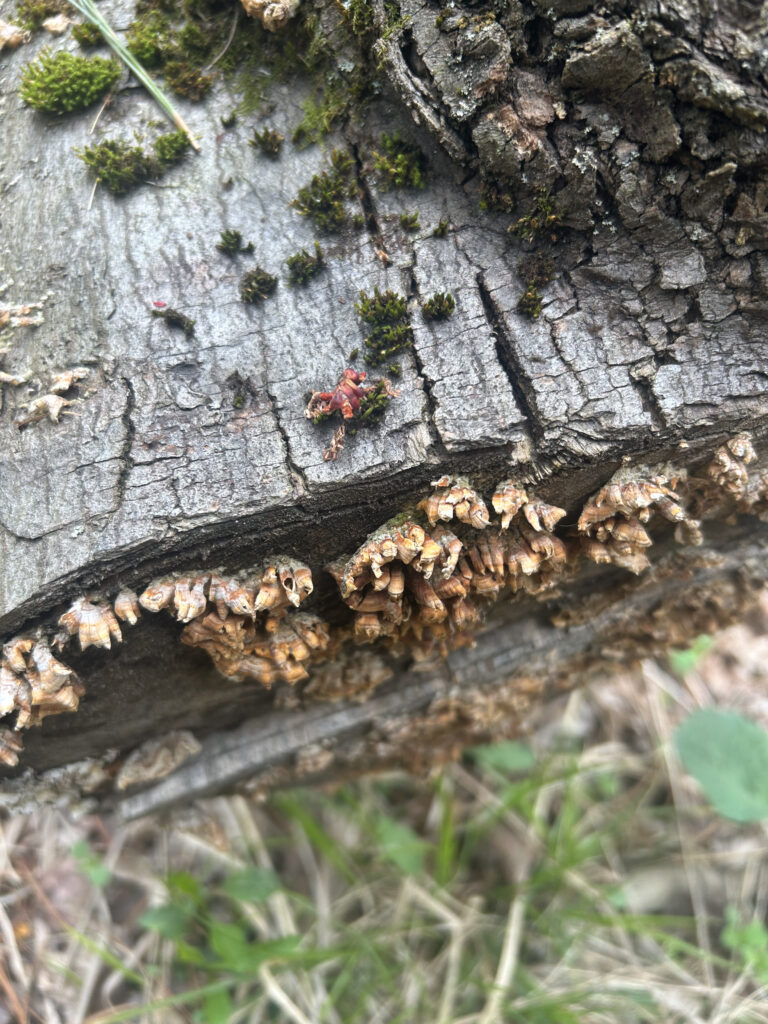
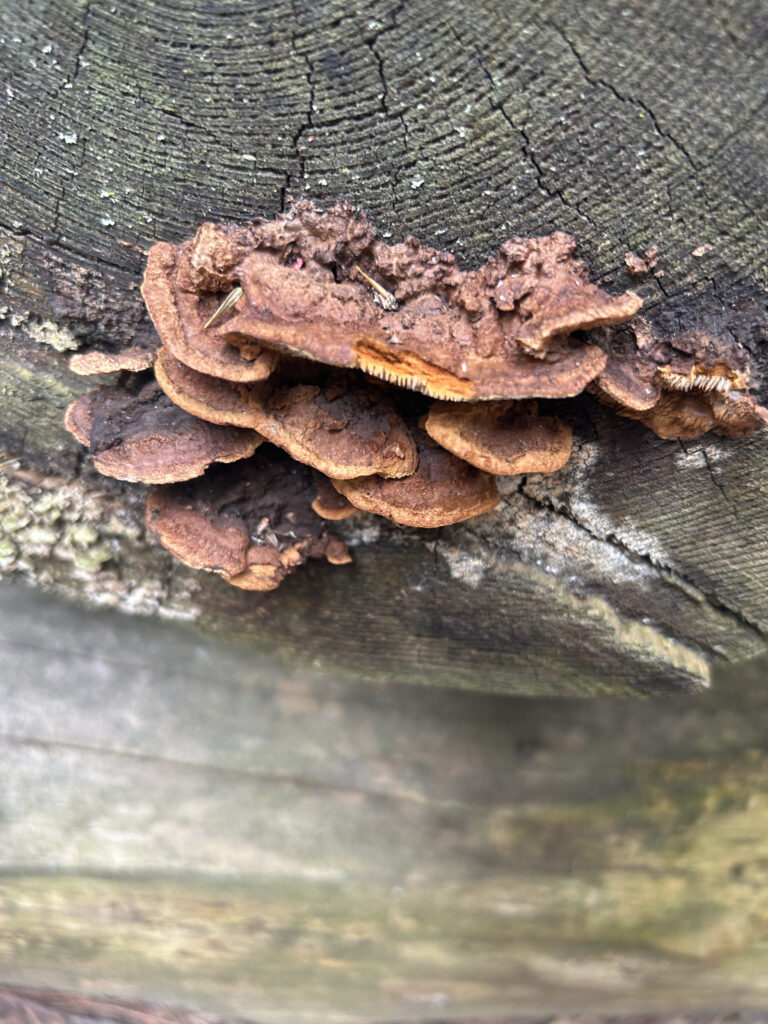
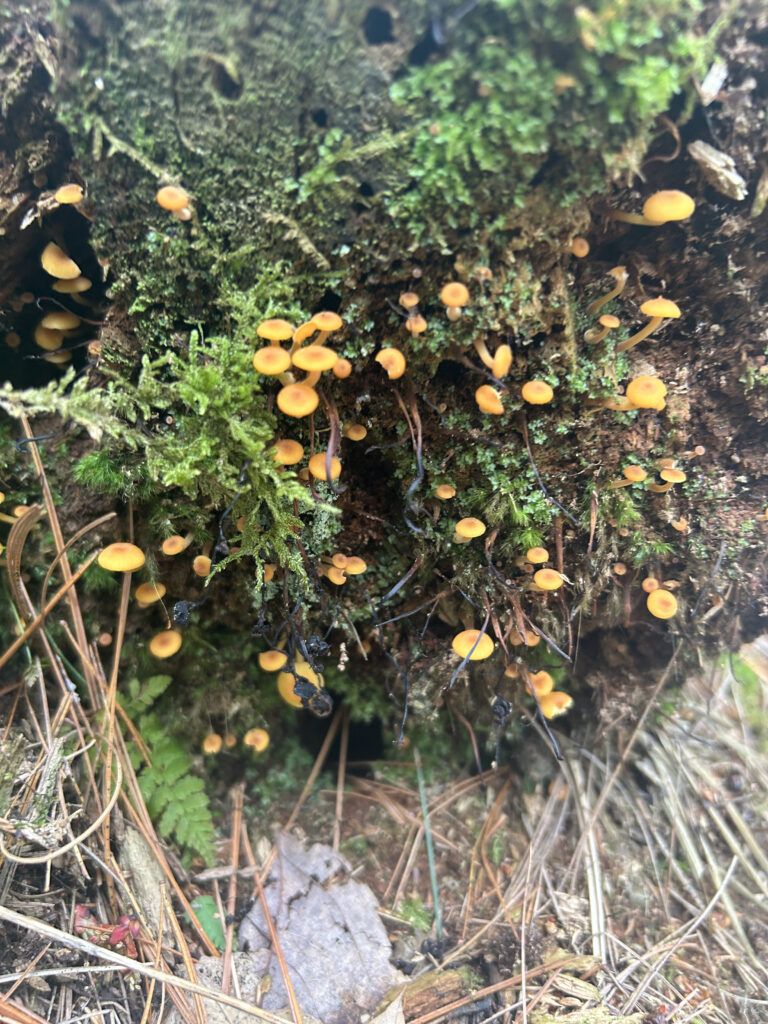
Not only did I see a lot of trees and a few species, I saw quite a few beautiful fungi species!

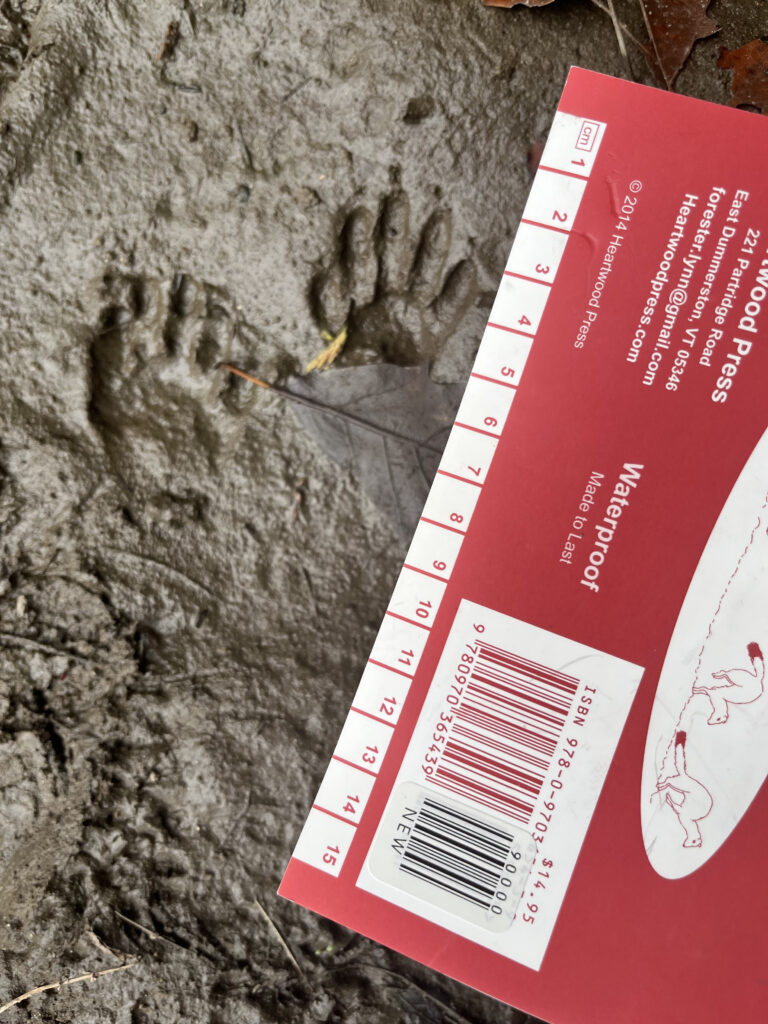
There were a few species that were out and about in Cenntenial including a Black Capped Chickadee, a Mouse of some sort, and a Common Racoon!
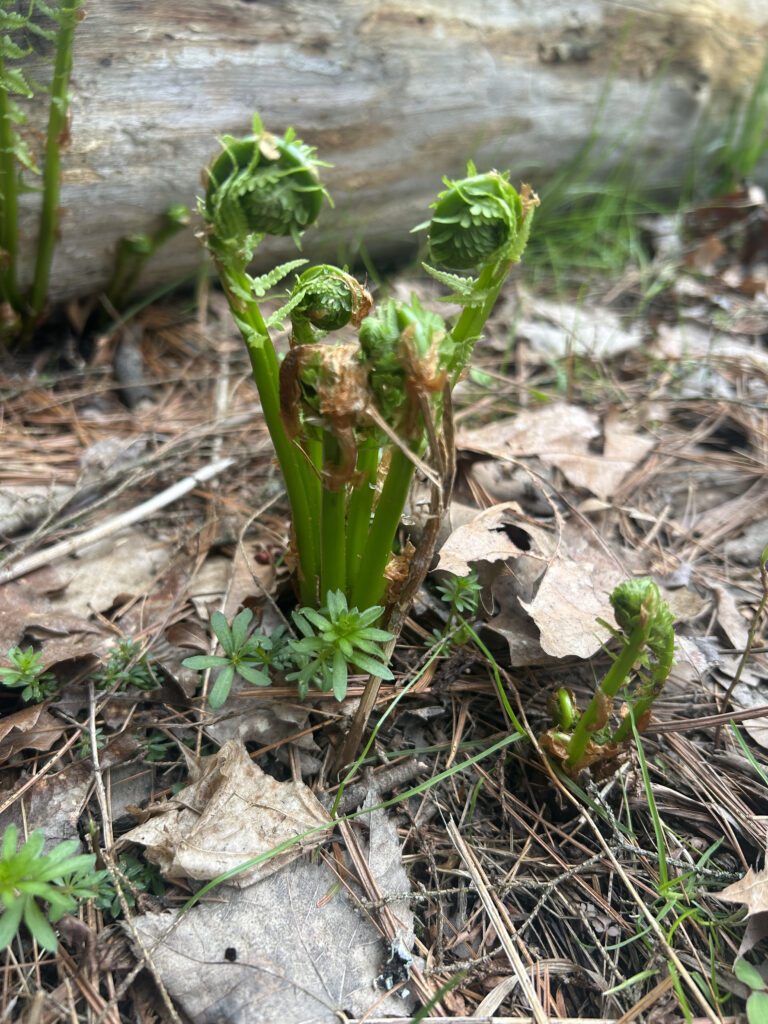
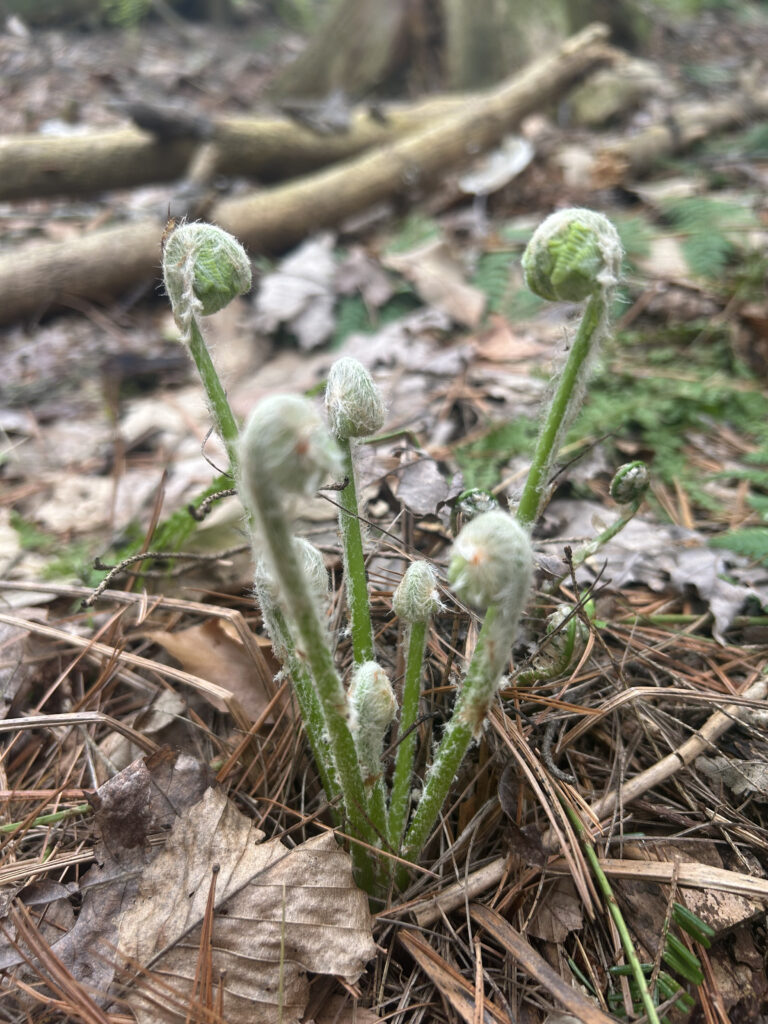
I loved getting to see some ferns out and about today, and I was mesmerized by just how beautiful they were!
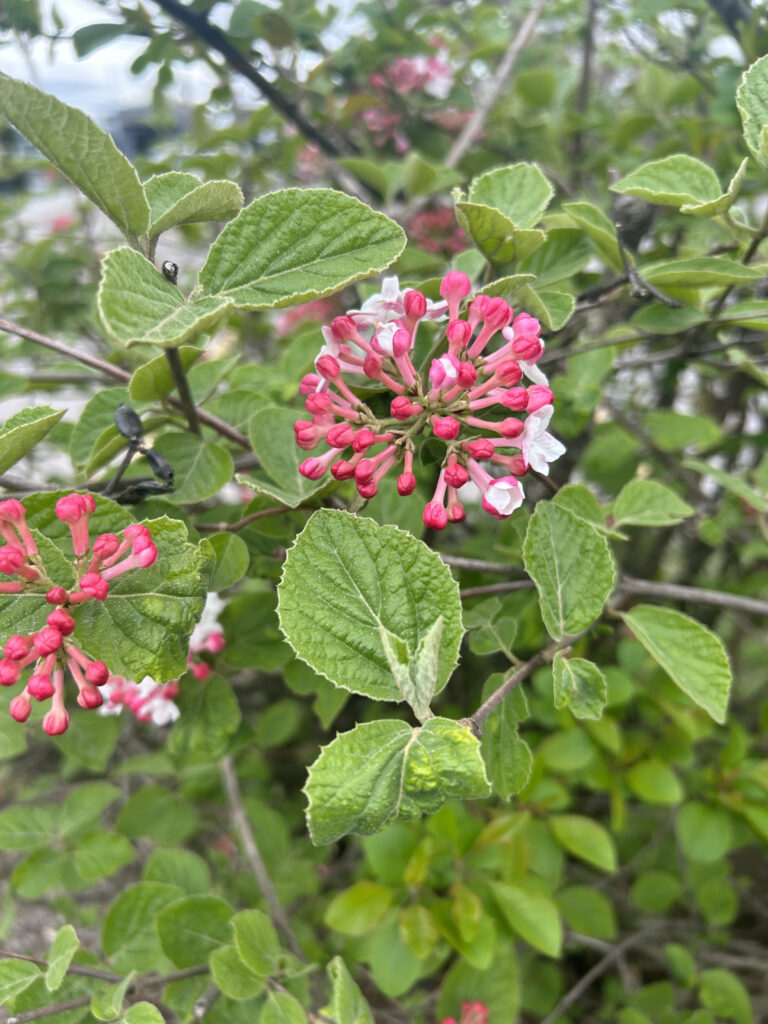
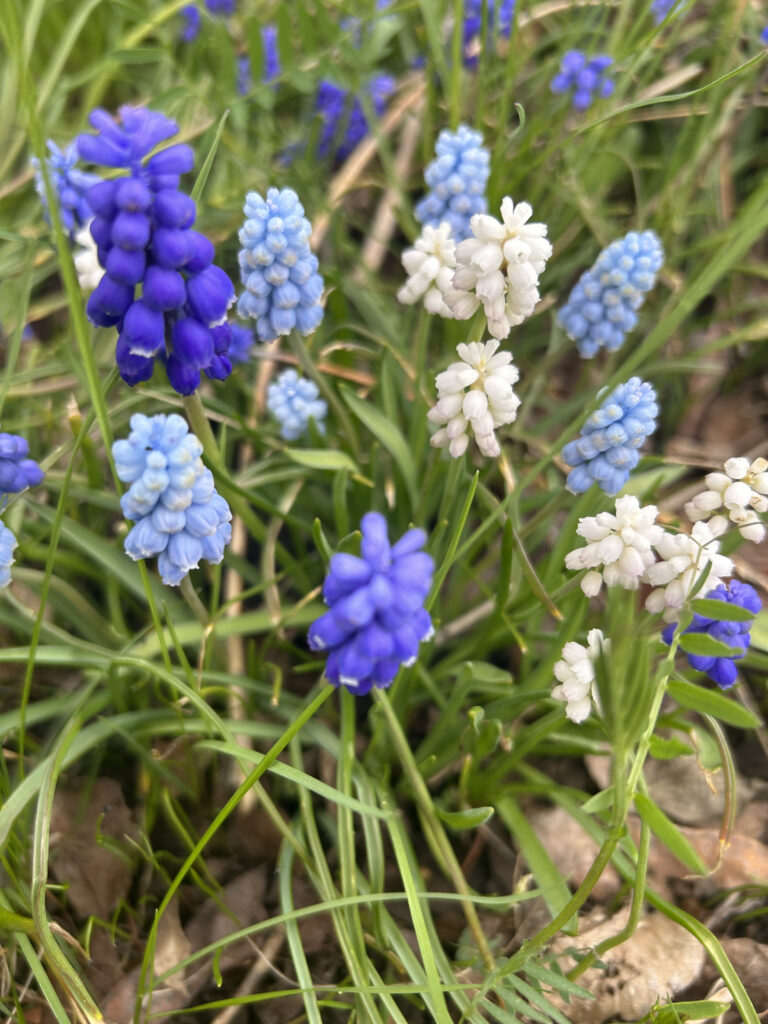
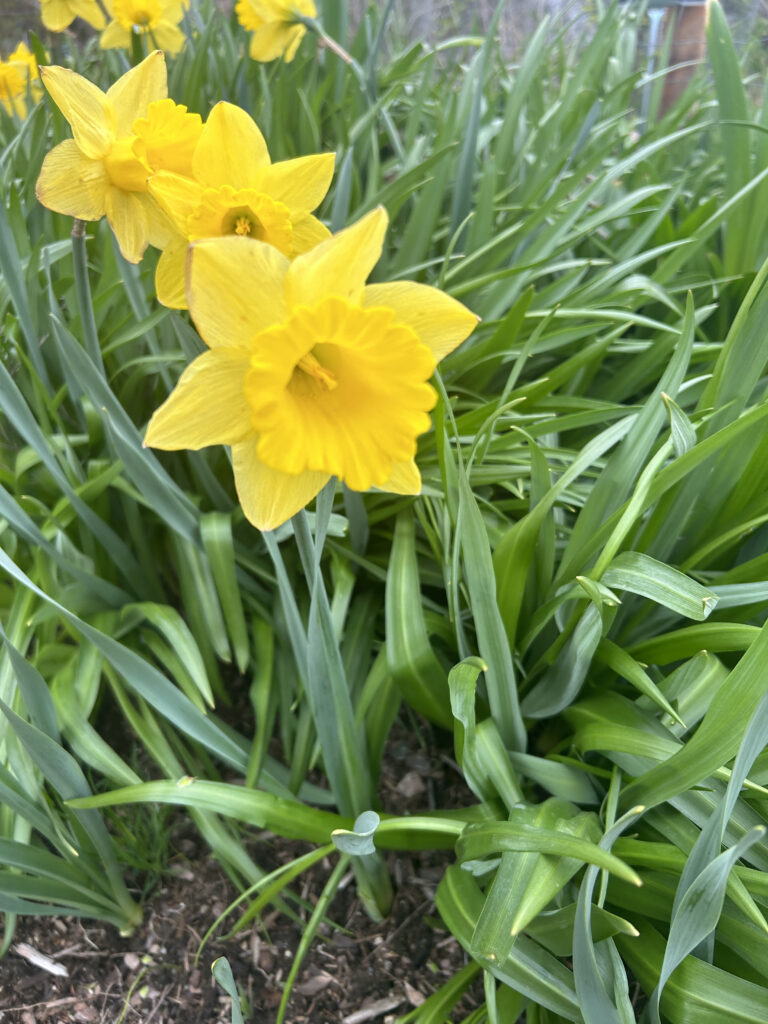
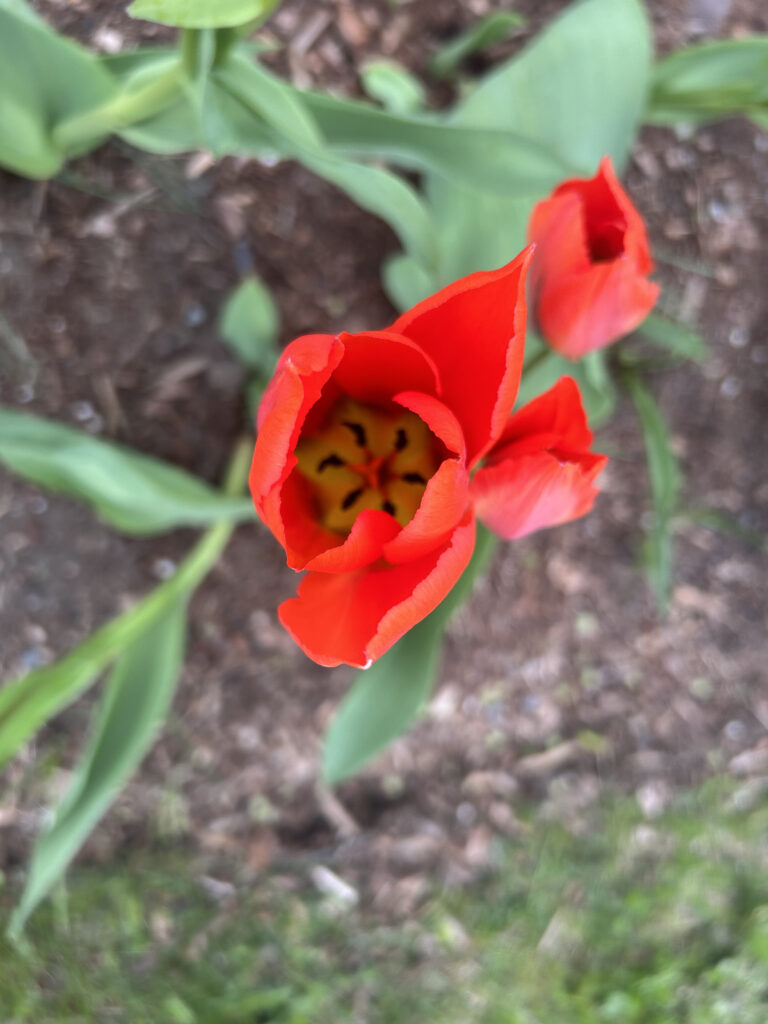
On my walk back to campus, I stopped outside of Jeffords Hall to take a look at all the spring flowers that were planted and there were some pretty beautiful colors to behold!

City Nature Challenge Takeaways?

I went looking into other City Nature Challenge pages and was amazed by some of the beautiful observations I found! I went first to my home state of Texas, where the Dallas/Fort Worth City Nature Challenge is currently in fourth place! I put some of my favorite photos I found scrolling through the observations below:
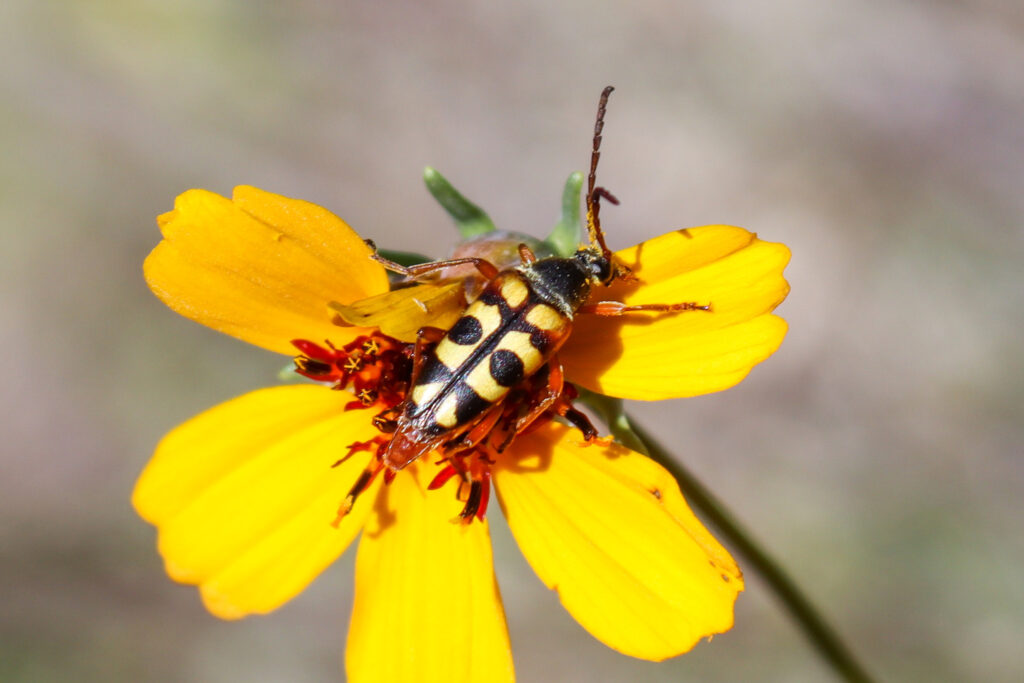
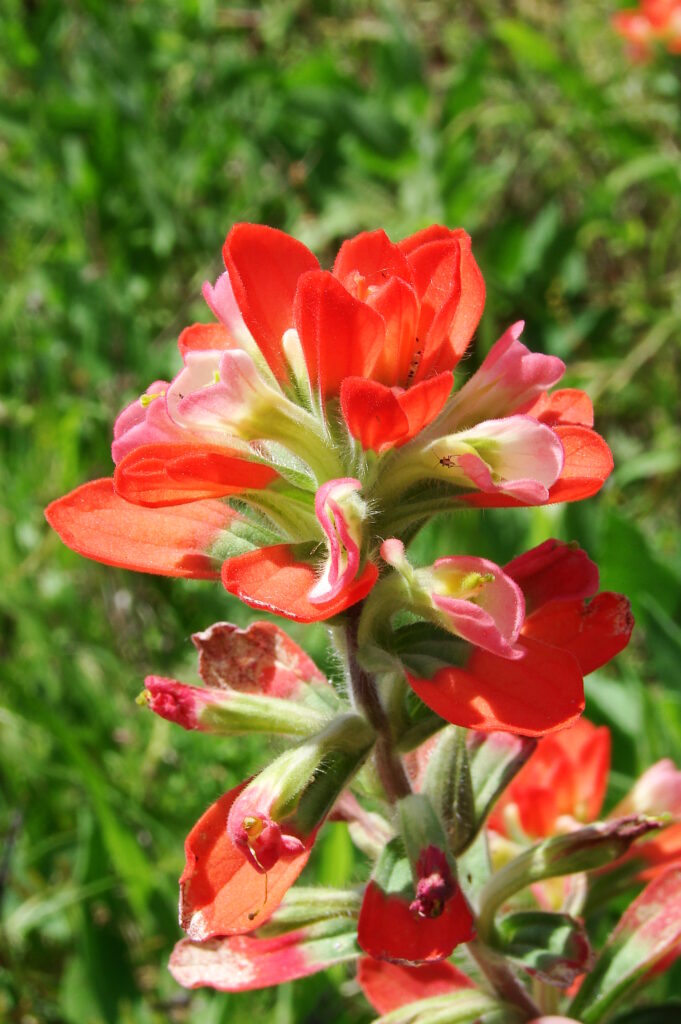
I decided to look at the location in First Place as well, La Paz in Bolivia and I find it so interesting and inspiring how much participation there is! I also found out through a quick Google search that La Paz is actually the World’s highest city as well! Some interesting photos from Bolivia I included below:
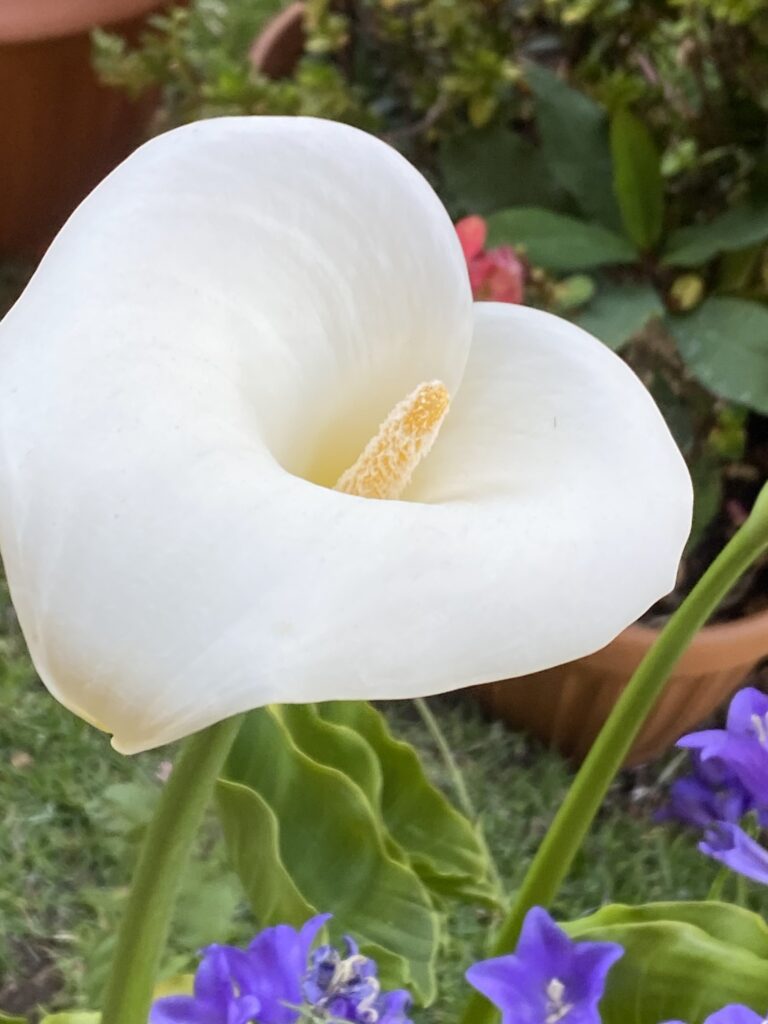
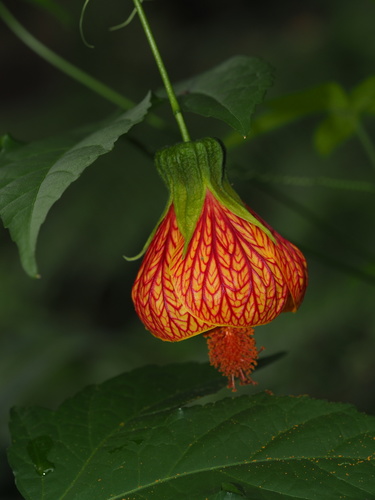
If it wasn’t obvious, I am a big flower person, so I really enjoyed seeing all of the various and diverse flora of the world, and I will be excited to see the winner of the whole challenge!

The End

Even though I was a whole sentimental mess at the end of the last blog post, I will spare this post from being a follow-up to that. I was excited to return to Centennial Woods today for the BioBlitz just like I was excited to visit Centennial as my very first Tree ID trip from last semester!

I am so happy to have learned so much, and gotten to document it here. I will miss getting to ramble on about trees and flowers and tracks all the time, but I am grateful that I had somewhere to go on about it all!

“There is no real ending. It’s just the place where you choose to stop the story.”

Frank Herbert
Featured post

April 21st Visit: Overlook At Lone Rock Point

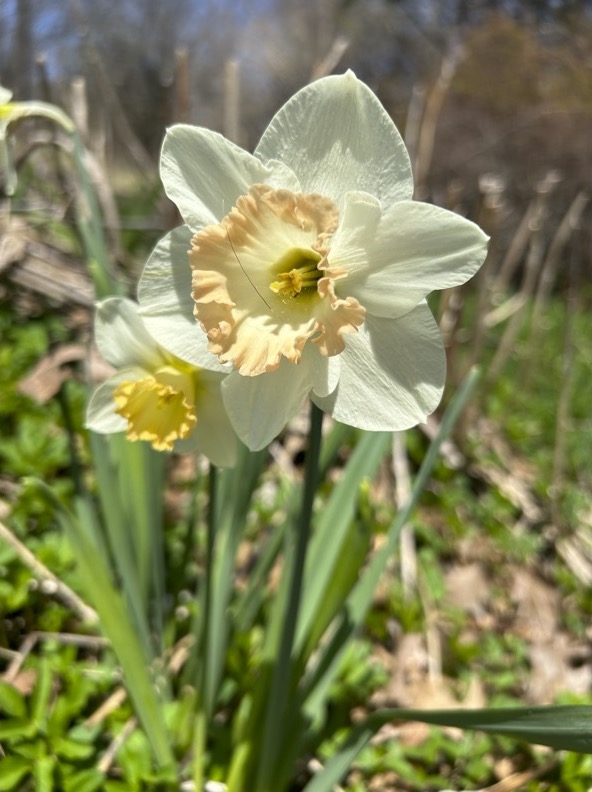
Daffodil!

A Final Visit

I really didn’t expect to be as saddened as I was that this would be my last blog post and that I wasn’t going to have to go to Rock Point every month to notice changes. That’s not to say that I can’t, but it’s a great reminder about all of the changes that are not only happening phenologically at Rock Point but in my life as well. I have come to learn so much through the past semesters that each time I returned to Rock Point I knew more than I did before, and it’s strange to think that as I have taken the time to notice the changes at Rock Point, I now know what many of them mean.

When I got to my sit spot to sit and sketch, I felt more inclined to write about the prompts, and I probably spent about forty minutes or so writing. Just taking the time to soak in my spot, and remember all of the ways that I have seen it change. I’m going to include what I wrote here, with photos in between that will scale the entire length of my visits to Lone Rock Point.

Some Spring Images From Today’s Visit!

My Sit-Spot Writing

When winter came, and the deciduous trees lost all their leaves, I added layers of jackets and hats for warmth and felt the same cold that the trees did. On days when it was snowy and brisk, I experienced that with Rock Point too, and left with my icy wet hair. When all the snow froze, slick and icy, I held to the cedars and oaks that lined the paths for support.

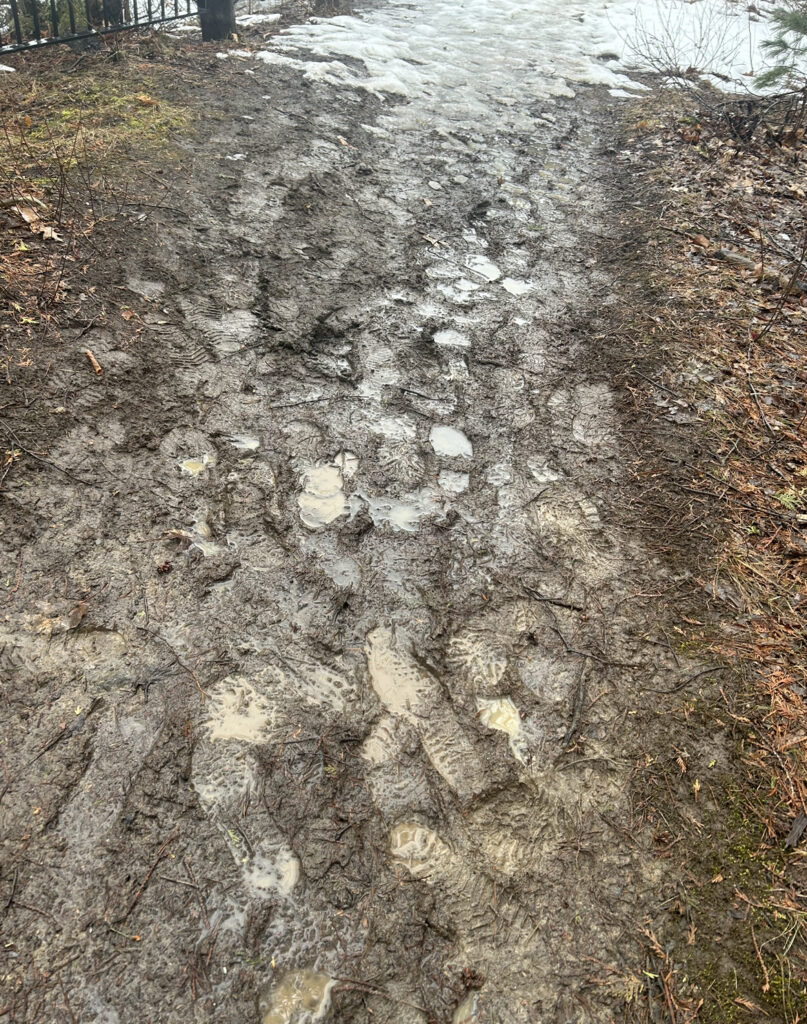
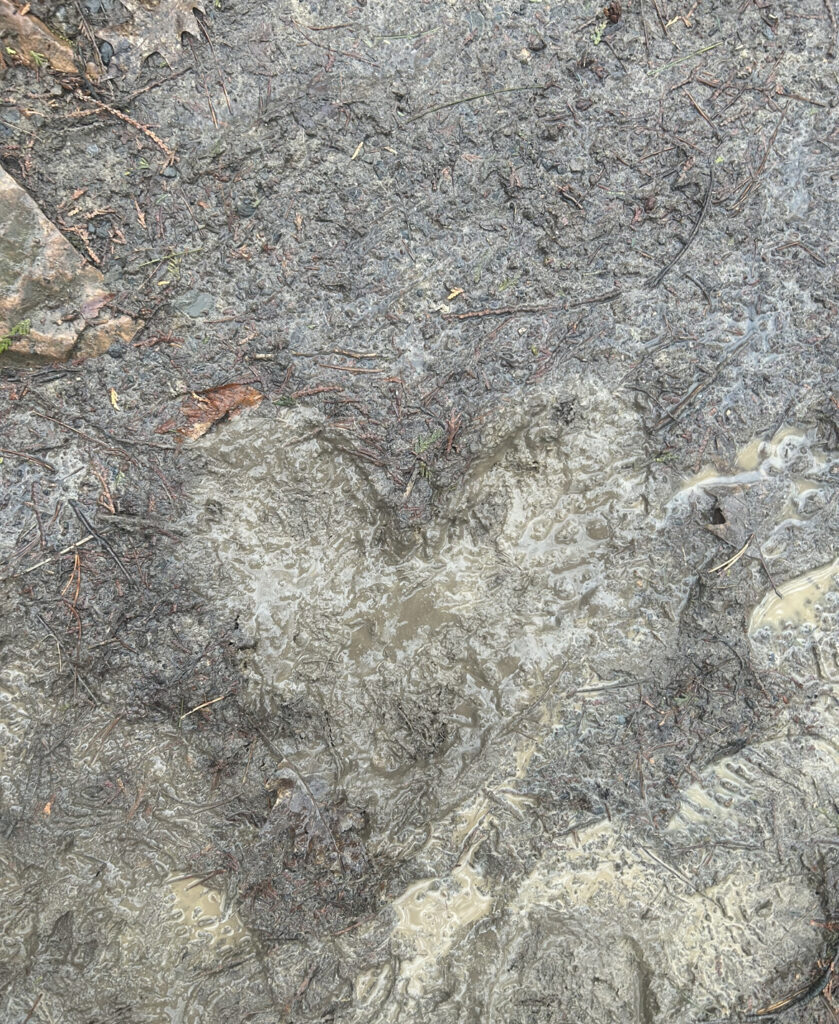
When the snow melted, leaving muddy trails, puddles, and damp air, I left Rock Point with that very same mud caked on my boots and speckled onto my leggings.

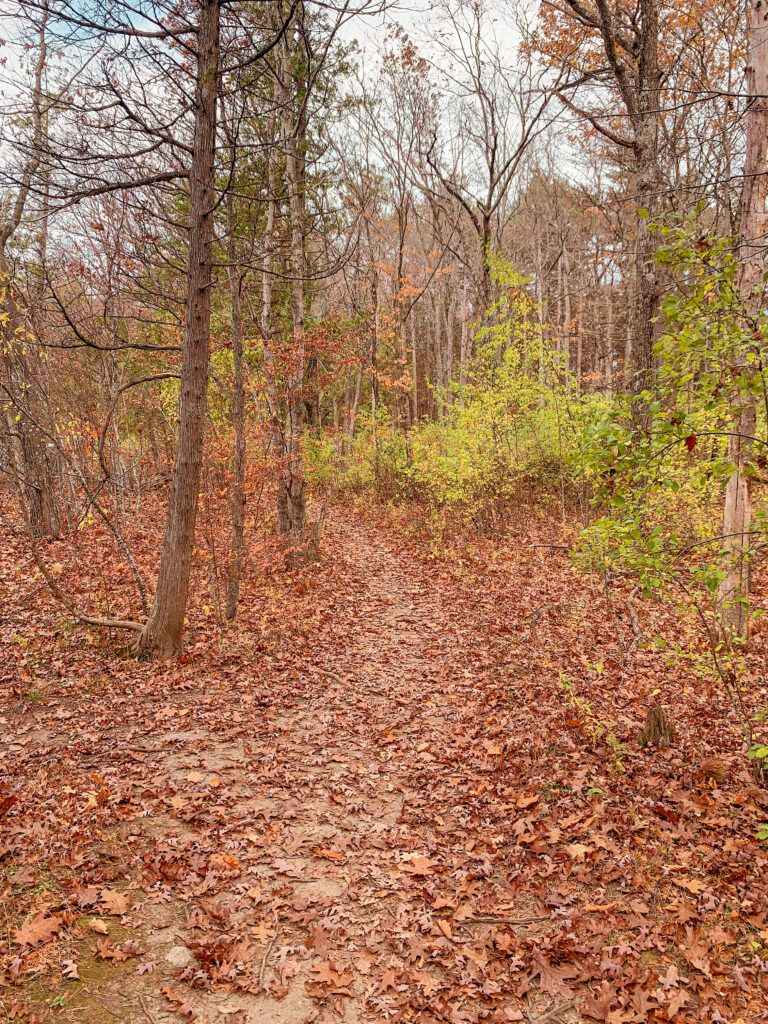
I have walked the golden yellow and brown covered foliage that hid the paths in the fall, passing the trees bare and vulnerable.

I have heard the birds come back, and the squirrels and chipmunks appearing from their wintertime disappearances.

I have come to Rock Point at nearly every landmark of its phenological timeline, and so I had asked myself: What’s Changed?

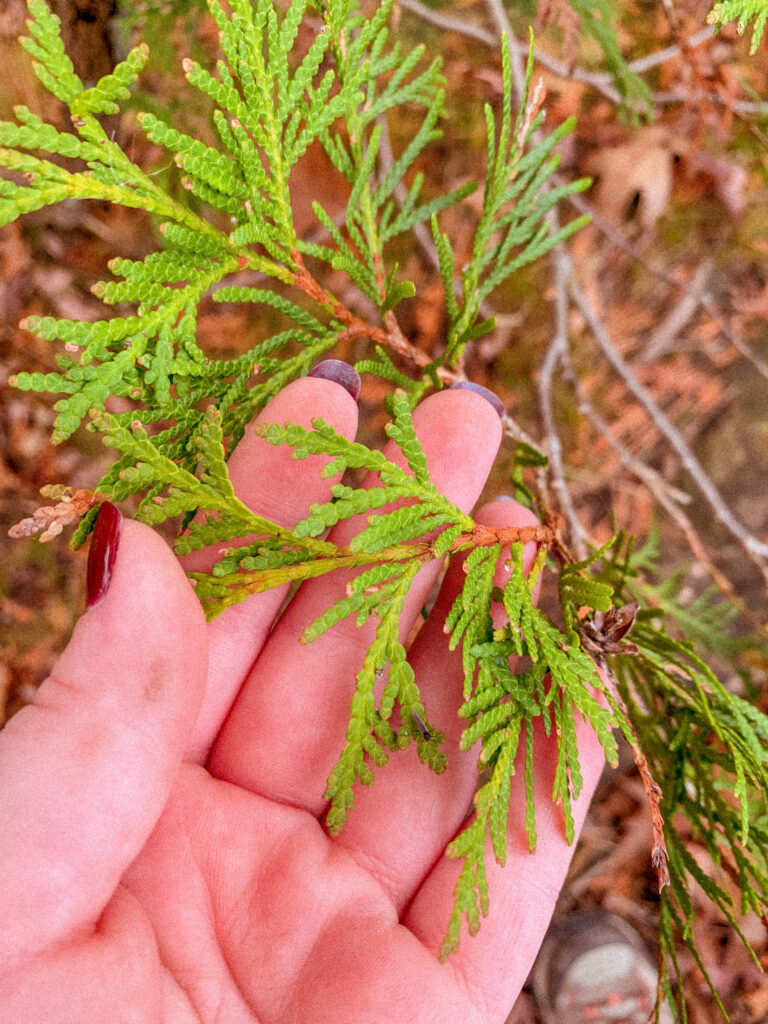
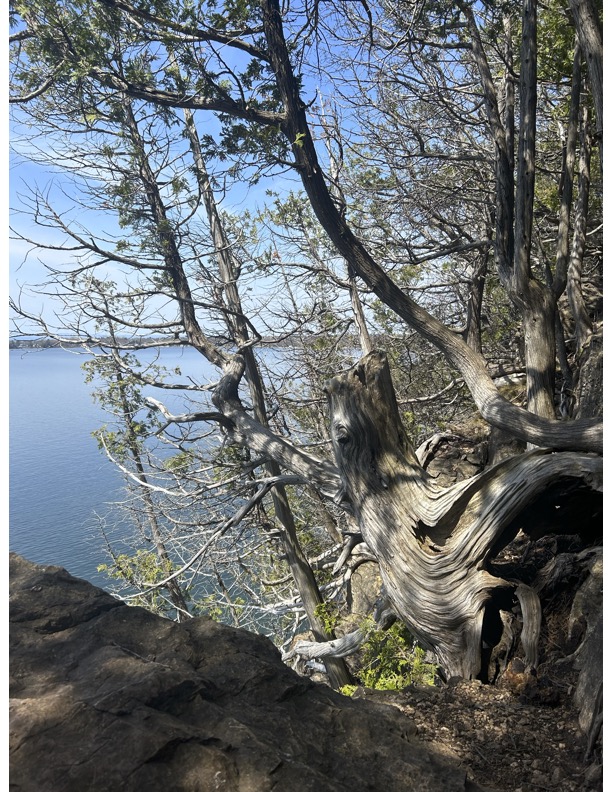
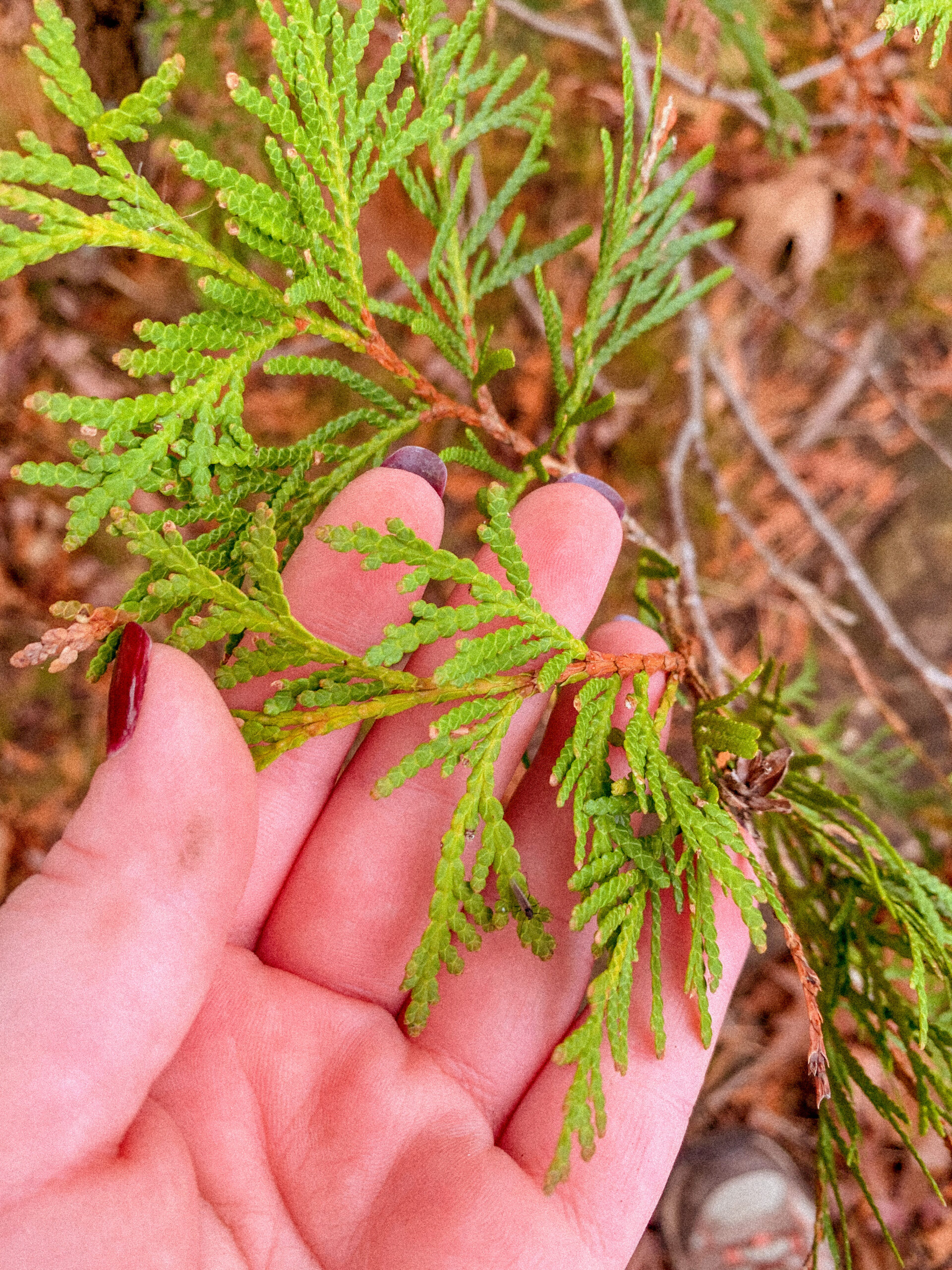
The Northern White Cedars, still strong and sturdy went from golden brown in the fall to freezing over with ice, and then back to the vibrant green that they once were.

The Leaves that once overwhelmed the pathways have gone back to the trees, with buds blooming all around. The rocks on the shore are no longer frozen together, and the sounds of the Limestone Cedar Bluff have re-emerged.

These changes are hard to spot with the everyday eye, but focusing on Lone Rock Point has shown the complex and distinct changes that have come with a phenological calendar.

Humans… Hurt or Help?
The sign that is to the right of my sit spot that once read, “Please do not cross roped area; protected wildlife habitat.” is no longer there, there’s hope that this was a change for the better?
Storms? Massive Changes to the Landscape?

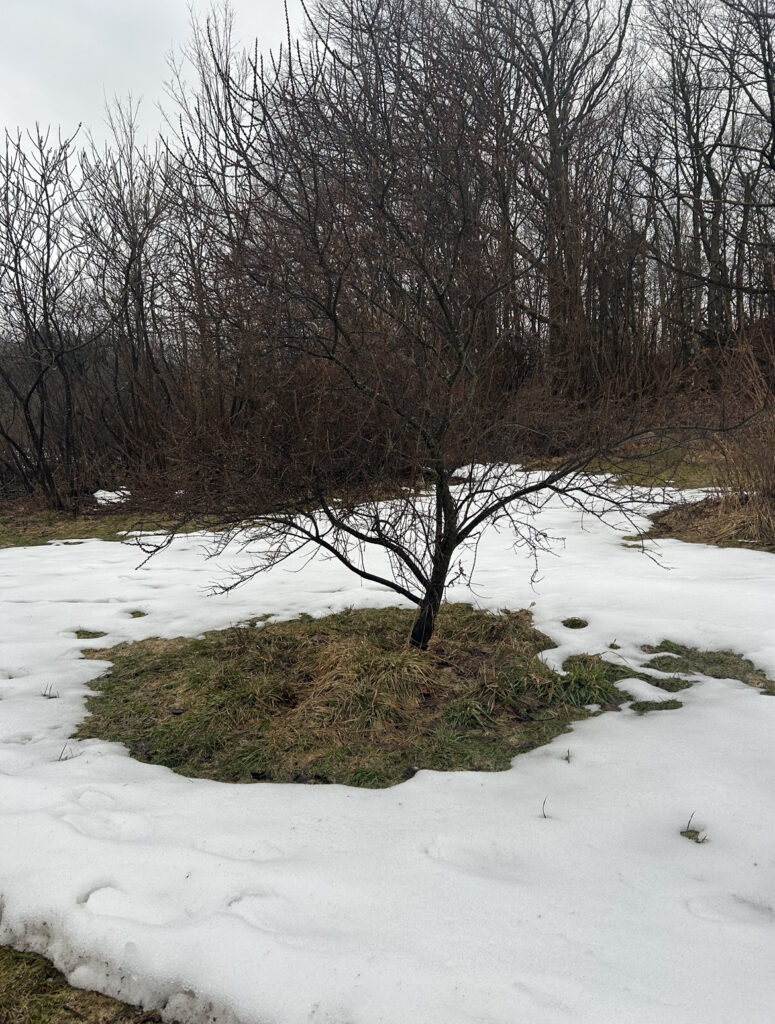
The forest and all of its surroundings survived the fairly mild winter, and with no major changes due to storms, the landscape remains for the most part the same throughout the seasons.
My Major and Minor Landmarks

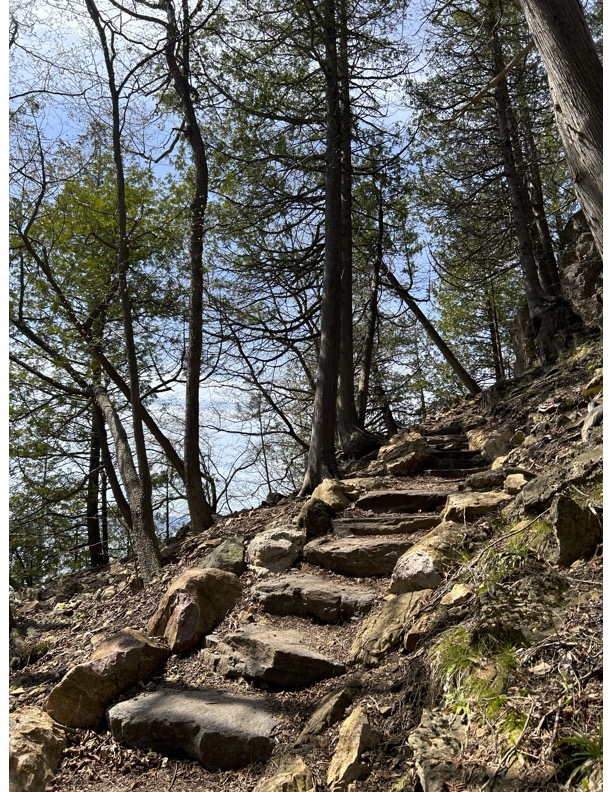
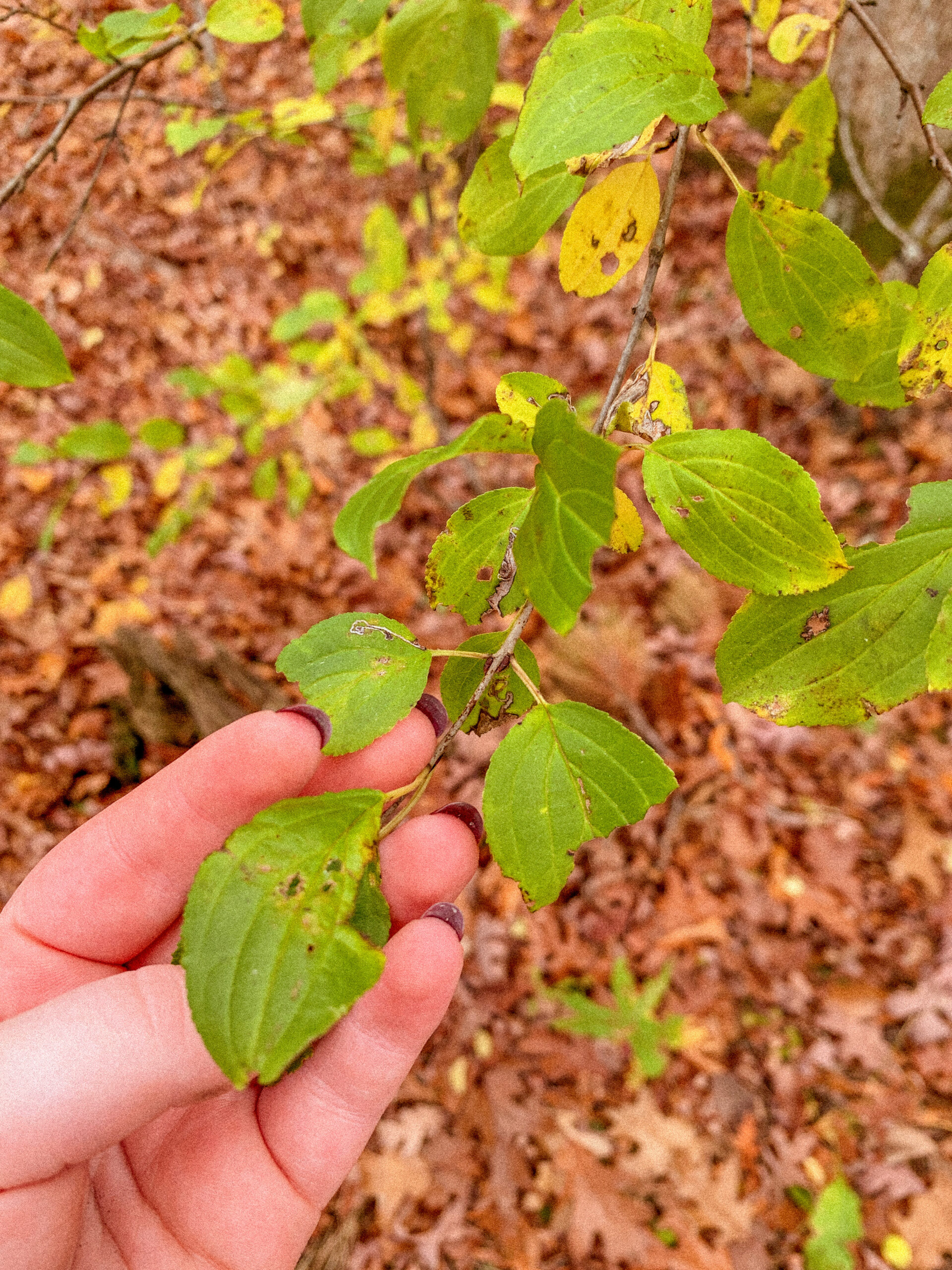
I have become familiar with the community garden and mini library that Elise, Isabella, and I have stopped to look at each walk down to the point. I’ve become familiar with the Paper Birch tree I have spent the last month analyzing and visiting (which is now budding!!) Familiar with the ferns that line the ground beside the base of the Northern Red Oaks and Eastern White Pines. I’ve become familiar with the ever-allusive Adirondacks, which have been green, gray, snowy, and completely hidden by dense fog, but now are back and on display.

How are Humans, Culture, and Nature Intertwined at Lone Rock Point?

Rock Point School and Episcopal Stewardship maintain Rock Point, as well as the respect and adoration of the beauty of the spot of all the people who come to visit. It is undoubtedly that nature and culture are intertwined at Lone Rock Point, as well as the people who partake in admiring the view.

How do I fit in?

I do consider myself a part of Rock Point. I feel so obliged to take care of the landscape and as I have been sitting listening to birdsong, and feeling the sunshine peak through the leaves of the Cedar above me, how could I not consider myself a part of this place?

Strength In Numbers!

I have had such a great experience coming to Rock Point, and I have learned so much about what it means to be a part of a place and to have a relationship with it. I didn’t do it alone though, I have great friends (and a brother) that have accompanied me, and I am so glad to have gotten to share this place with them too!

Words of My Own!

I usually end with a quote, but I thought that I would end with a poem I wrote with magnets on my dorm fridge, just because this is my last post about Lone Rock Point, and it generally fits the themes of what I usually choose!

I feel like spring
so today I dance beneath 
the stars and like the flowers
my heart will bloom too

Lauren Holloway
Featured post

April 8th Visit: Overlook at Lone Rock Point

Warmer Days and New Signs of Life!

Today, I went back to Rock Point to look at my tree and try to notice any changes or signs of budding since the last time. While there wasn’t a significant change in the bud, there were significant changes that point to springtime and new life all around!

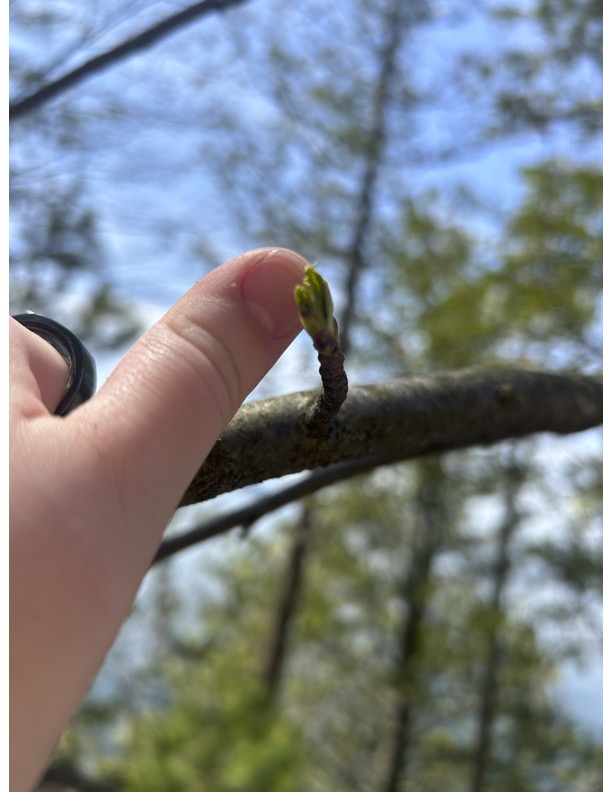
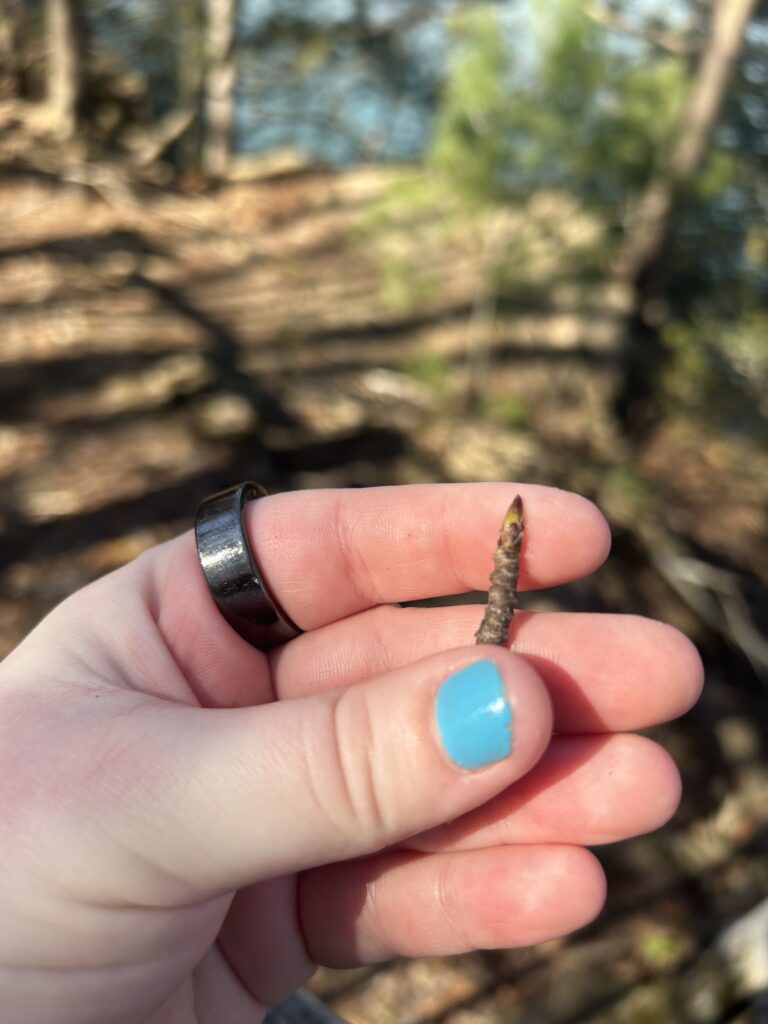
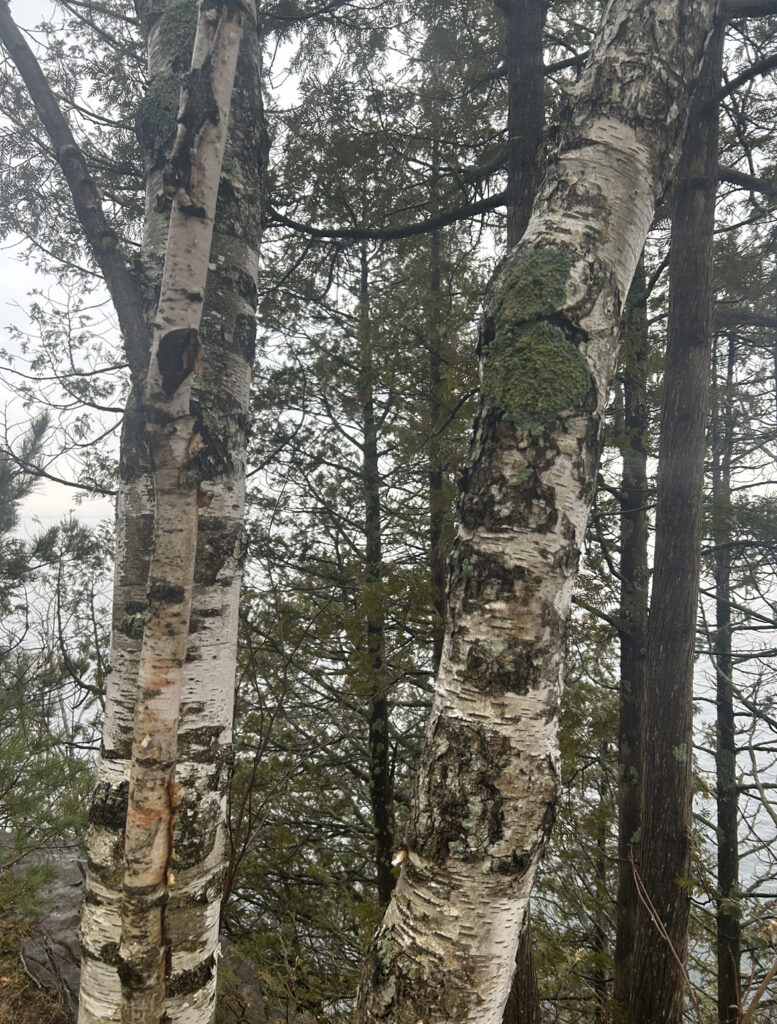
It was a beautiful sunny day at Rock Point and my Paper Birch is looking as good as ever. It may have just been the sun, but the bud, as pictured on the right, has more green to it, and appears to be slightly more protruding than during my prior visits.

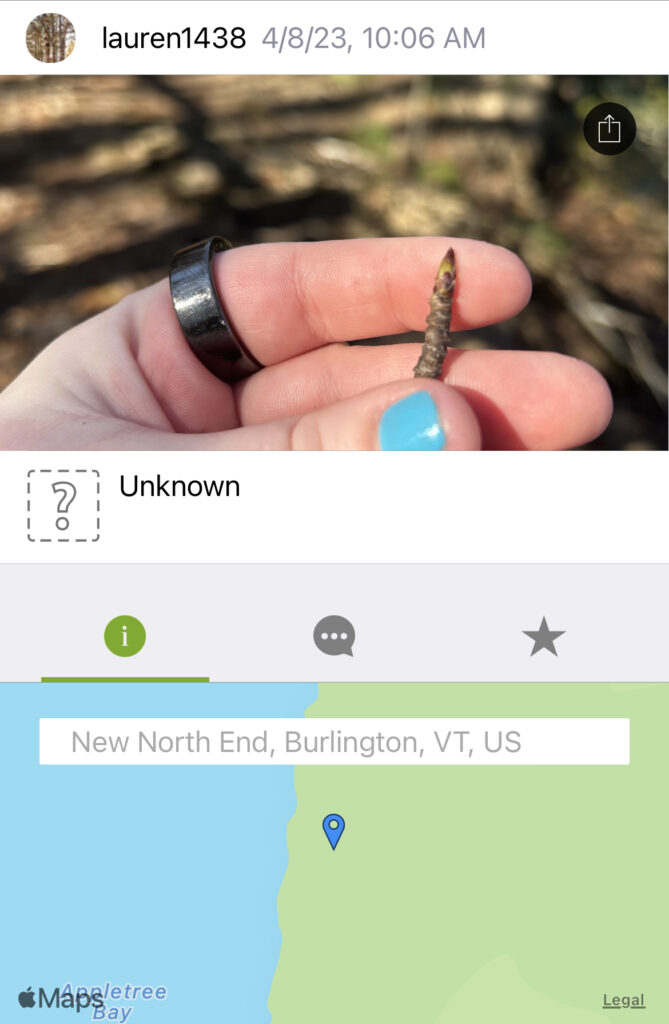
iNaturalist Post!

This is my iNaturalist post, which gets very little action from fellow Tree ID-ers!

Other Signs of Life!

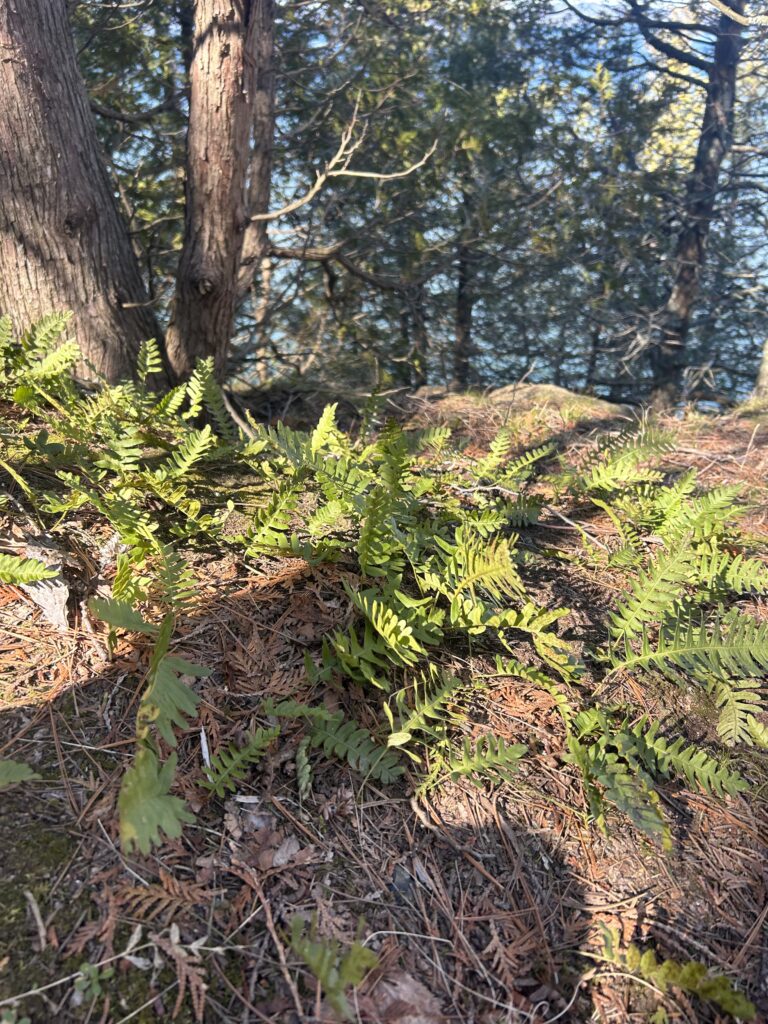
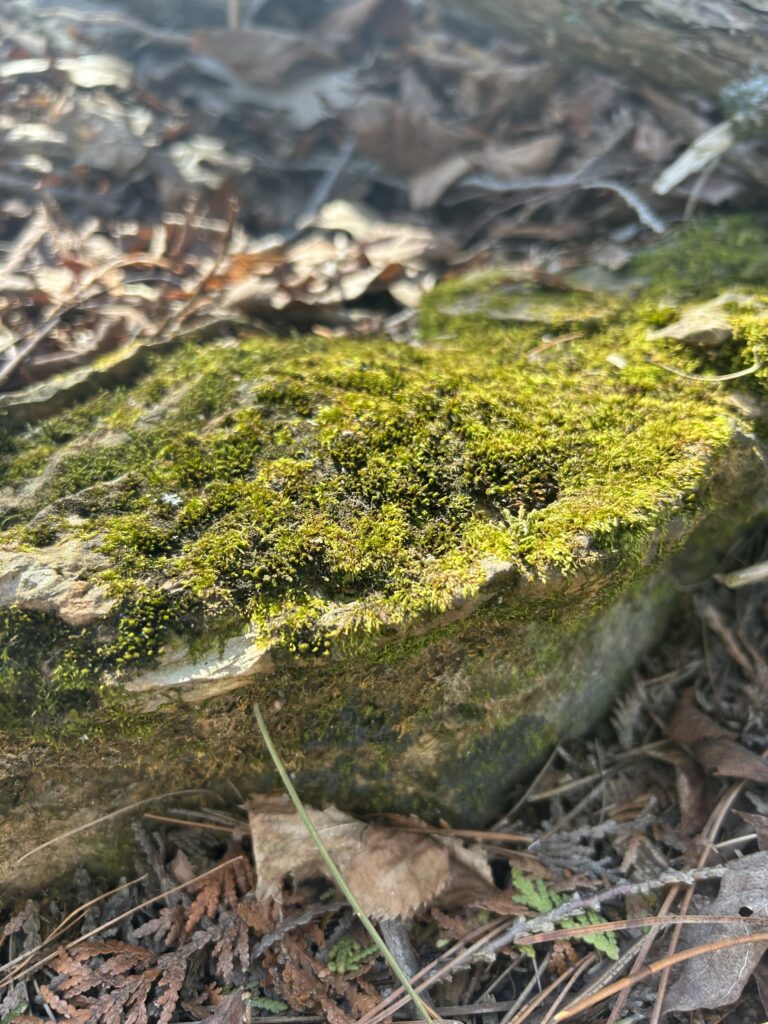
Even though there wasn’t much of a change with my bud and Paper Birch tree, there were quite a few noticeable changes throughout my walk at Rock Point. From new Ferns, mosses, budding grasses, and birdsong, it is clear that spring, even more than last time, is upon us.

Close-up Waters!

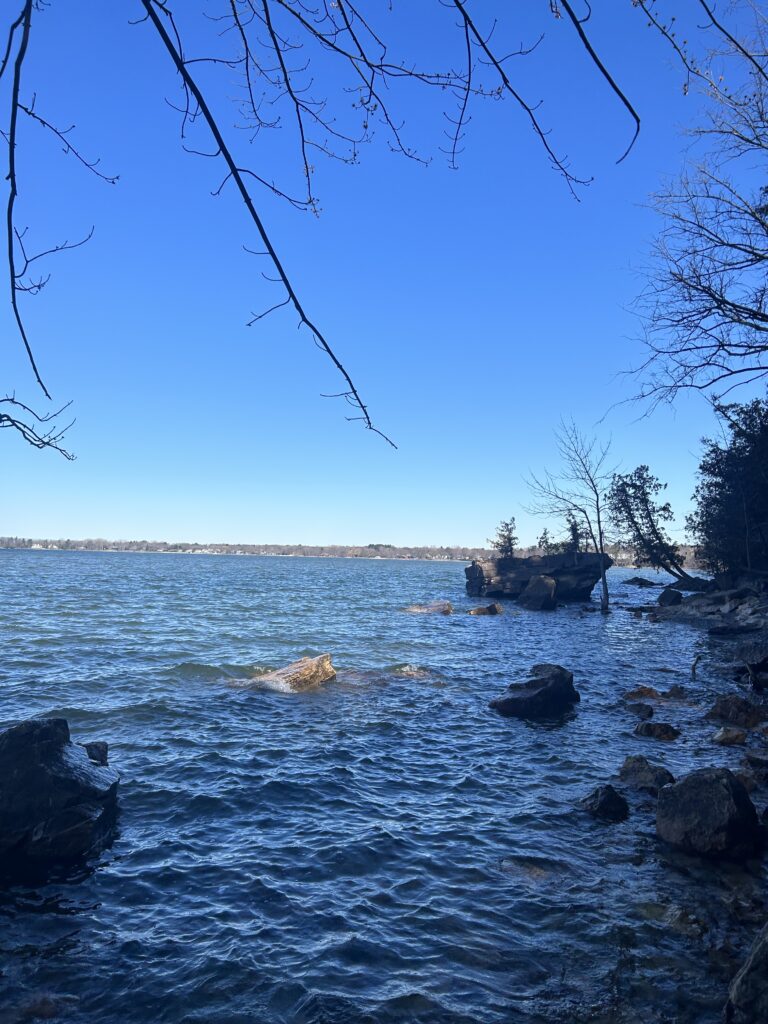
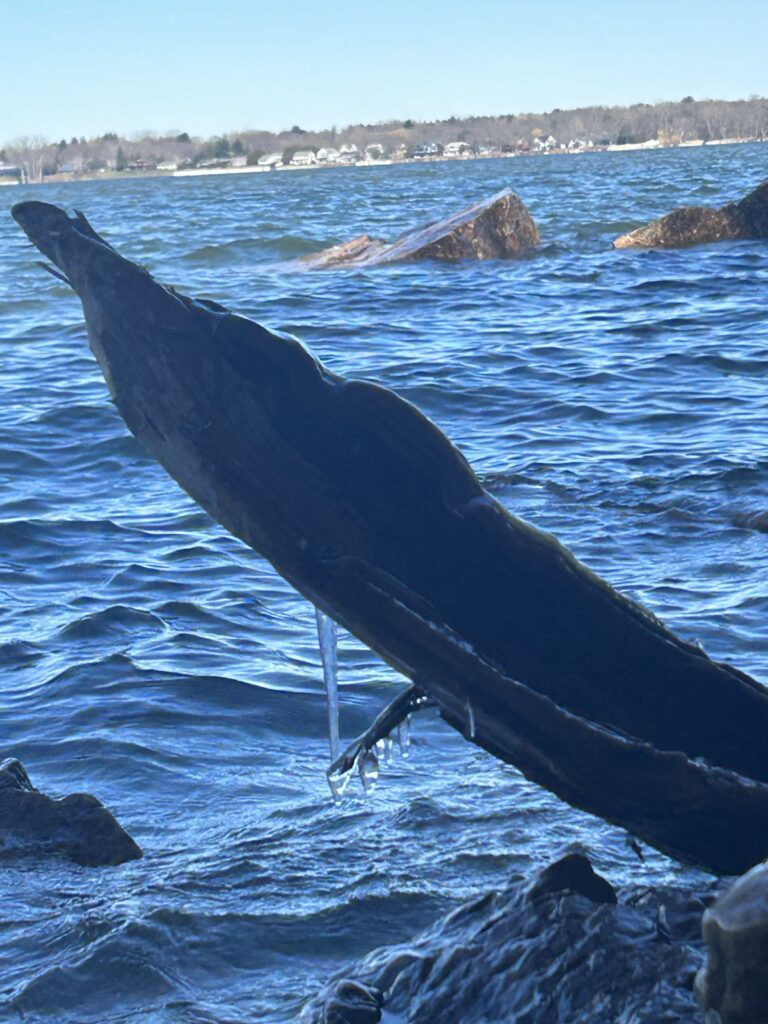
Another interesting find that I thought I would share, is that Elise and I went down to the water this trip because there was no longer any ice that made it difficult to get down to the shore. This time down by the water, the water was incredibly close, and there was a small icicle that showed the remaining winter weather!

Birdsong and New Friends!

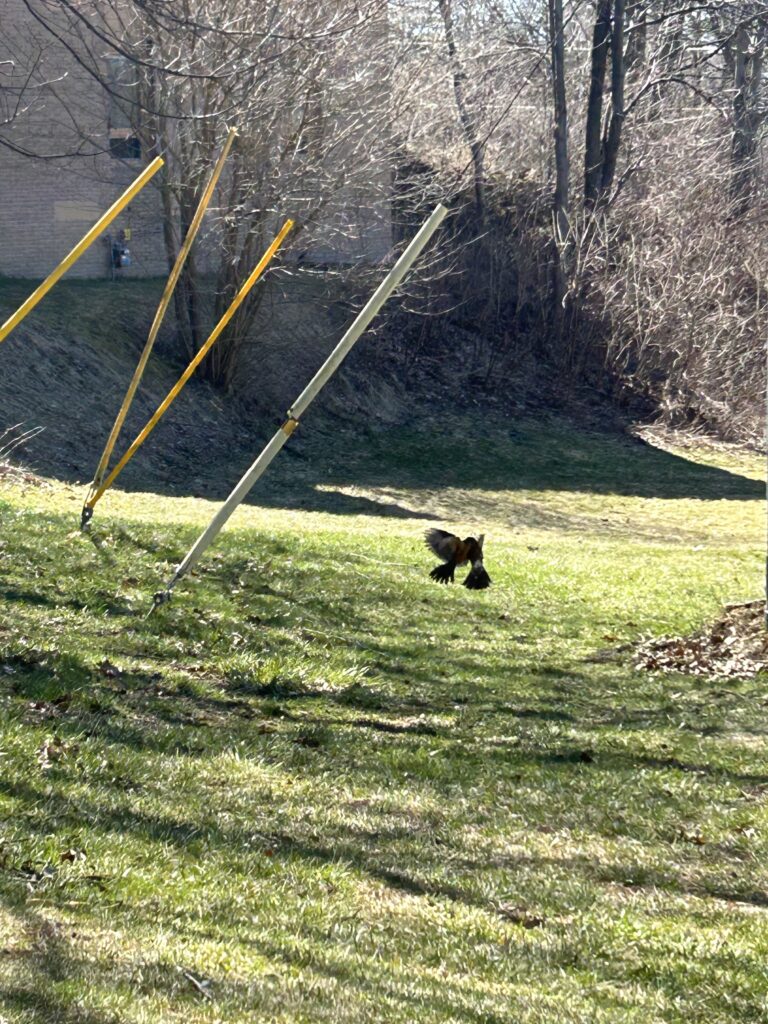
Birds Fighting? Or Mating? Either way, they were some new faces at Lone Rock Point.

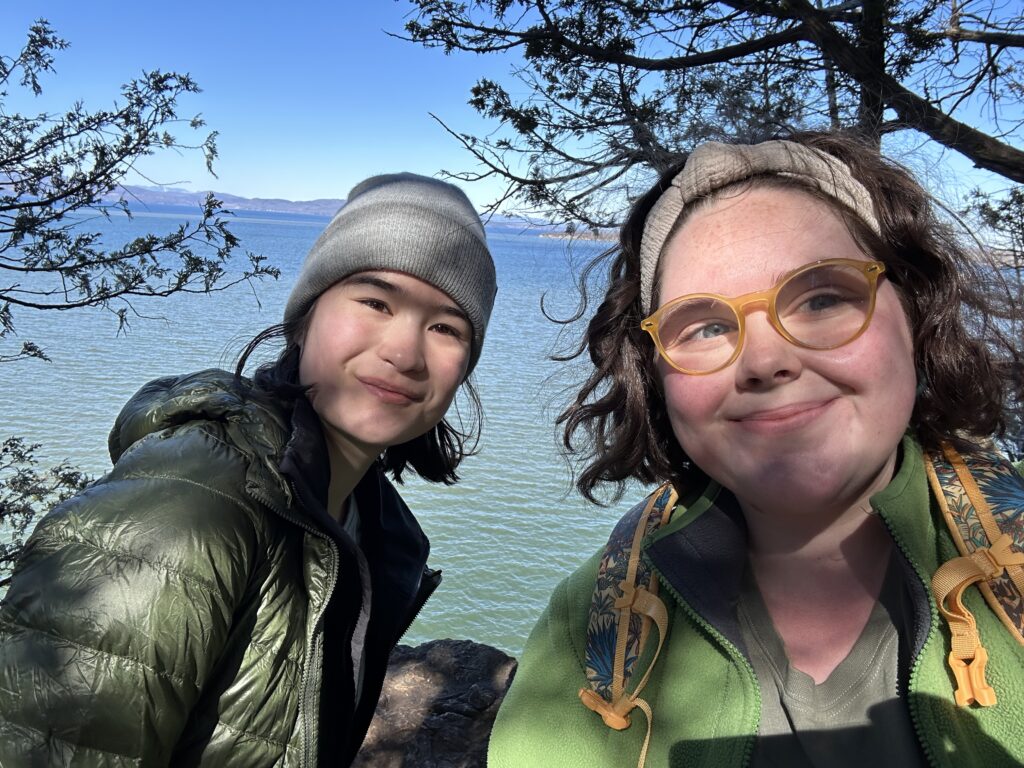
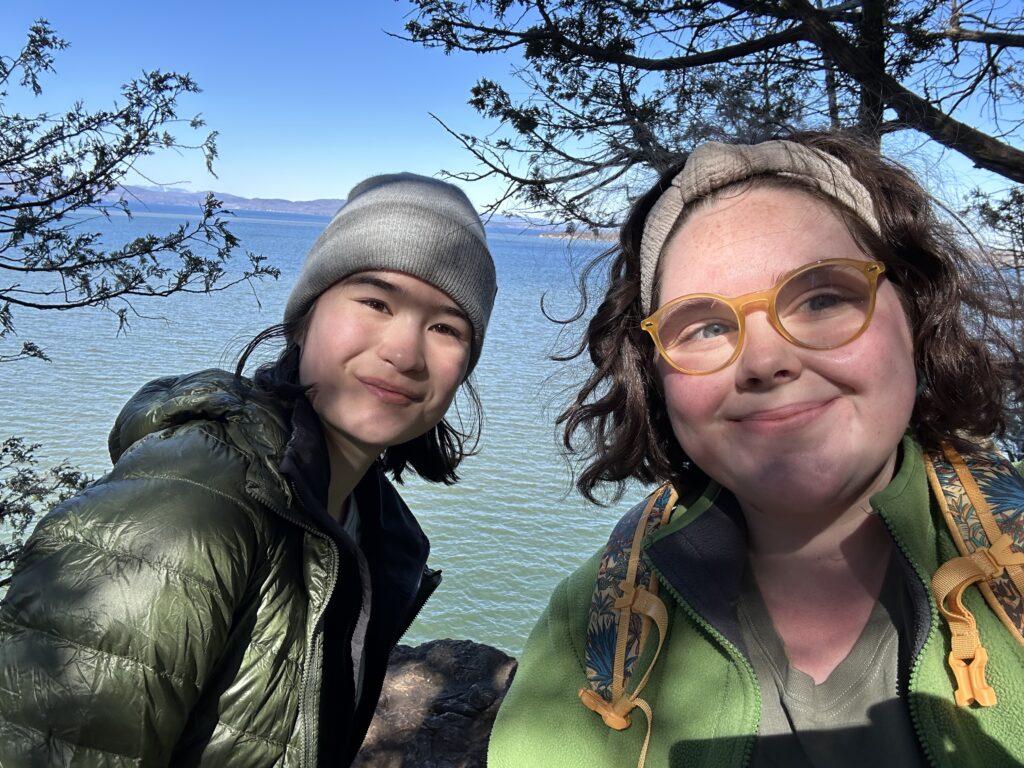
Sunny smiles from Elise and Lauren!

Showers and sunshine bring,
Slowly, the deepening verdure o’er the earth;
To put their foliage out, the woods are slack,
And one by one the singing-birds come back.

-William C. Bryant
Featured post

March 23rd Visit: Overlook at Lone Rock Point

A muddy day!

Back to the Tree…

In slight exhaustion, my friends and I traveled to our phenology spot following our NR002 lab (also located at Rock Point!) to visit our trees again, and there were a few exciting changes that not only showed on my tree but also signs of spring!

The green grass, the mud, and the slushy snow all displayed that spring is heading this way!

My Tree!

A very damp paper birch!

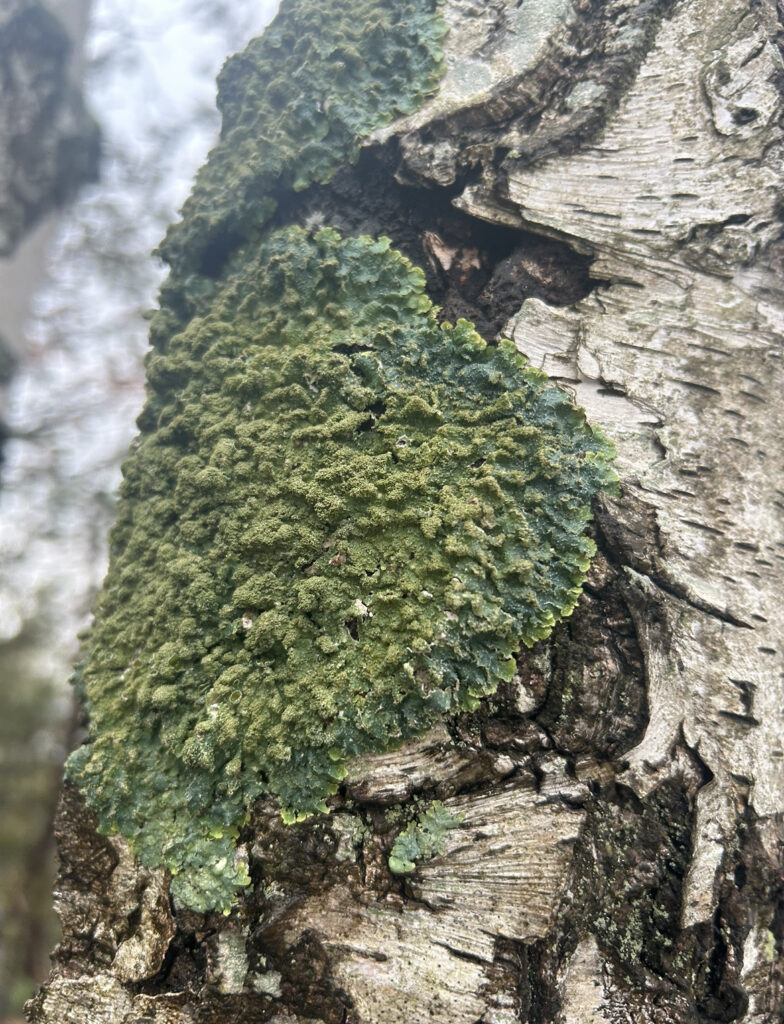
I didn’t notice any particular changes on the bud, and the rainy weather may have dampened the bud given its darkened appearance, one change I did notice is a change in the moss ( I’m not entirely sure it is actually moss, but that is my best guess) has grown in size on the trunk of the tree.

A Noticeable

Increase in “Moss”

Friendly Chirping!

The birds are back, and are singing to us to welcome the spring!

iNaturalist Post

Until Next Time…

As it is warming up, becoming muddier, and the green is slowly infiltrating our lives again, it is evident that changes with become more evident. As springtime becomes more and more prominent in our environment, I am excited to note the changes at Lone Rock Point ( and I can’t complain about the sunshine!)

Finally remembered to take a selfie!

“I know there will be spring, as surely as the birds know it when they see above the snow two tiny, quivering green leaves. Spring cannot fail us.”

– Olive Schreiner
Featured post

March 7th: Overlook at Lone Rock Point

A gray and icy day at Lone Rock Point!

What Tree Did I Identify?

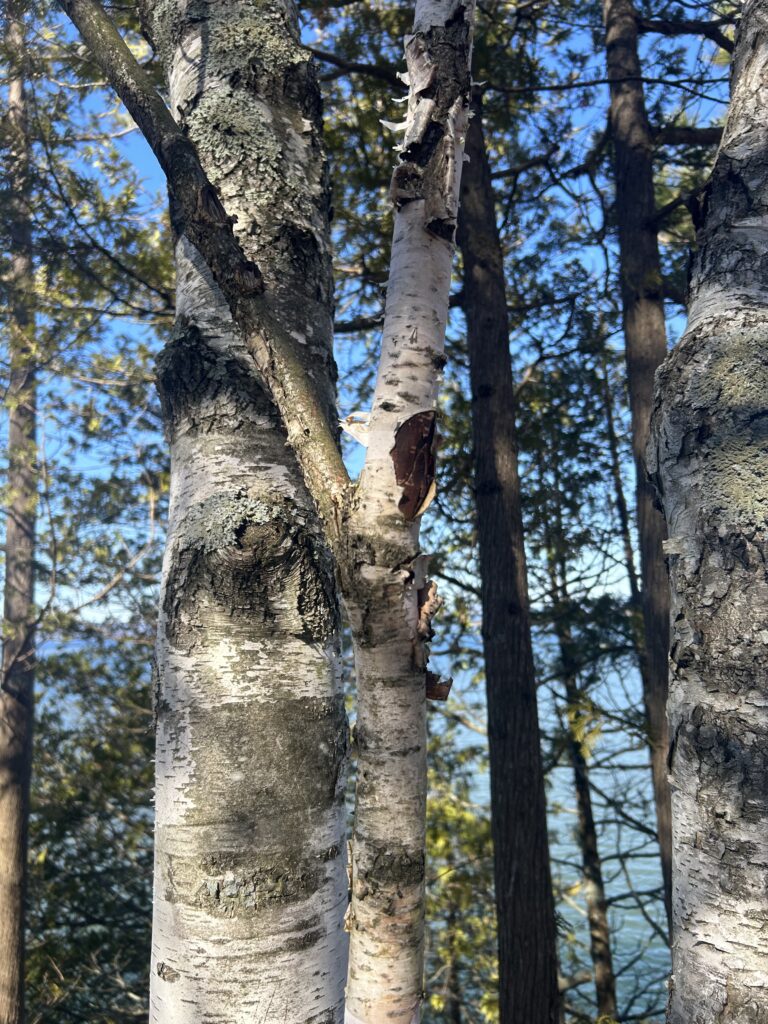
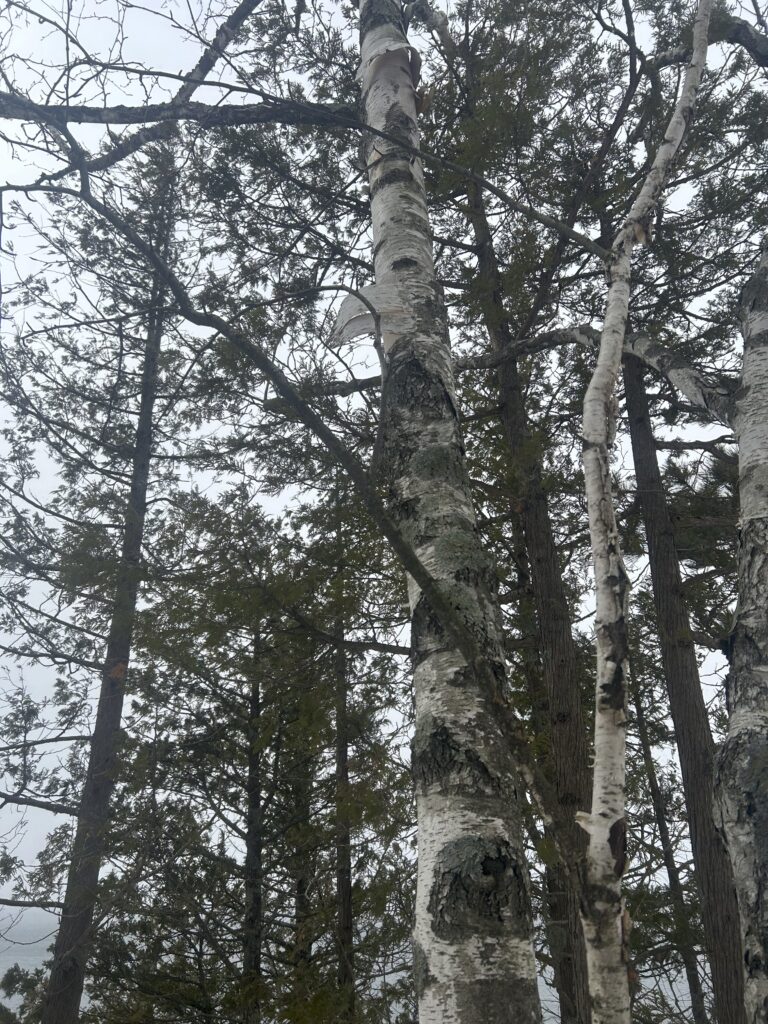
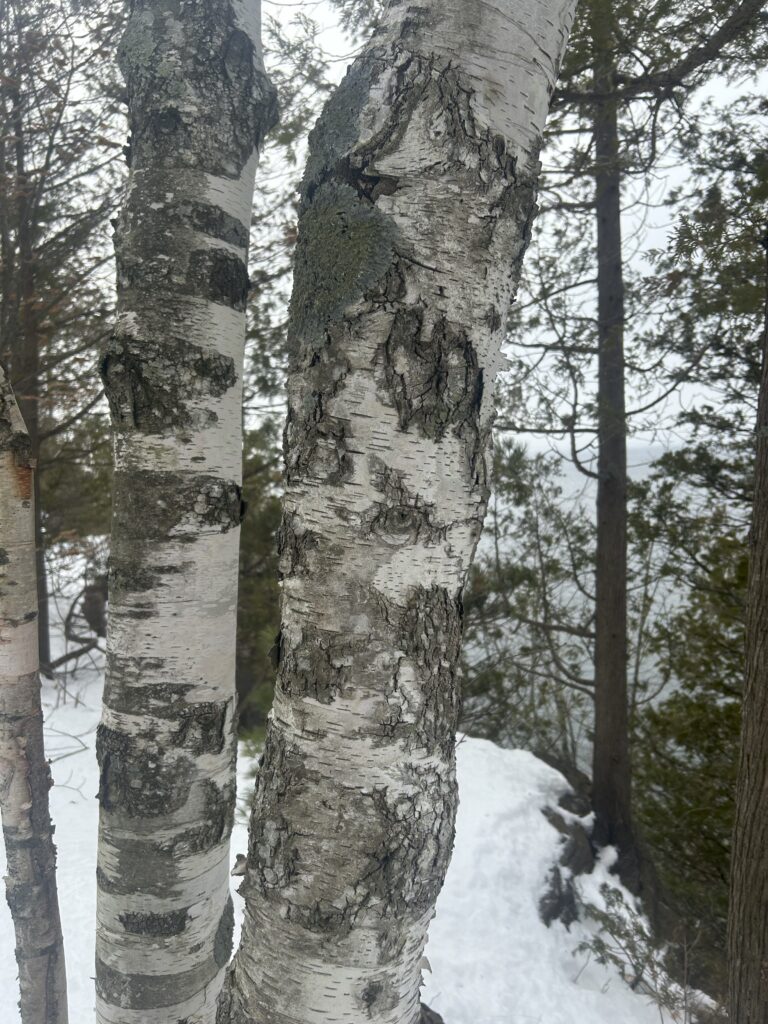
I knew that there were going to be plenty of the listed tree species on the route to my phenology spot, but I decided to stop to look at the Paper Birch pictured below.

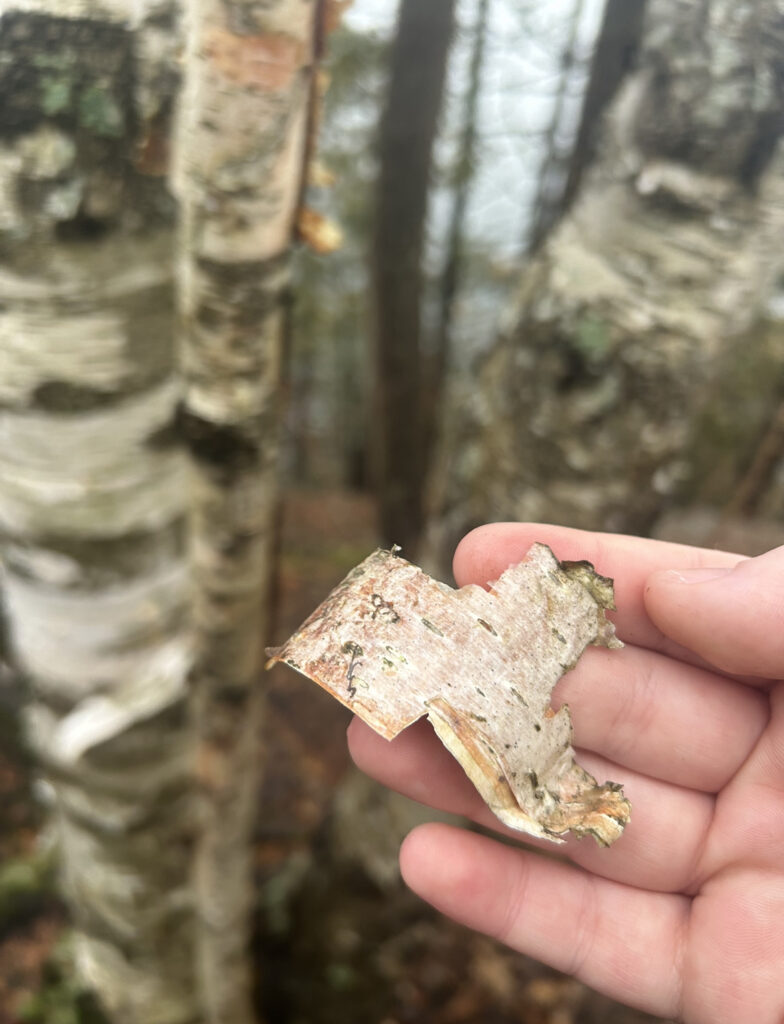
Unlike its common winter lookalikes, I was able to identify this tree as a Paper Birch for the following reasons:

  1. The bark was scaley and came off in paper-like strips
  2. The bark did not have a dark brown or yellow undertone like a Yellow Birch.
  3. It does not have large potato chip flakes like a River Birch.
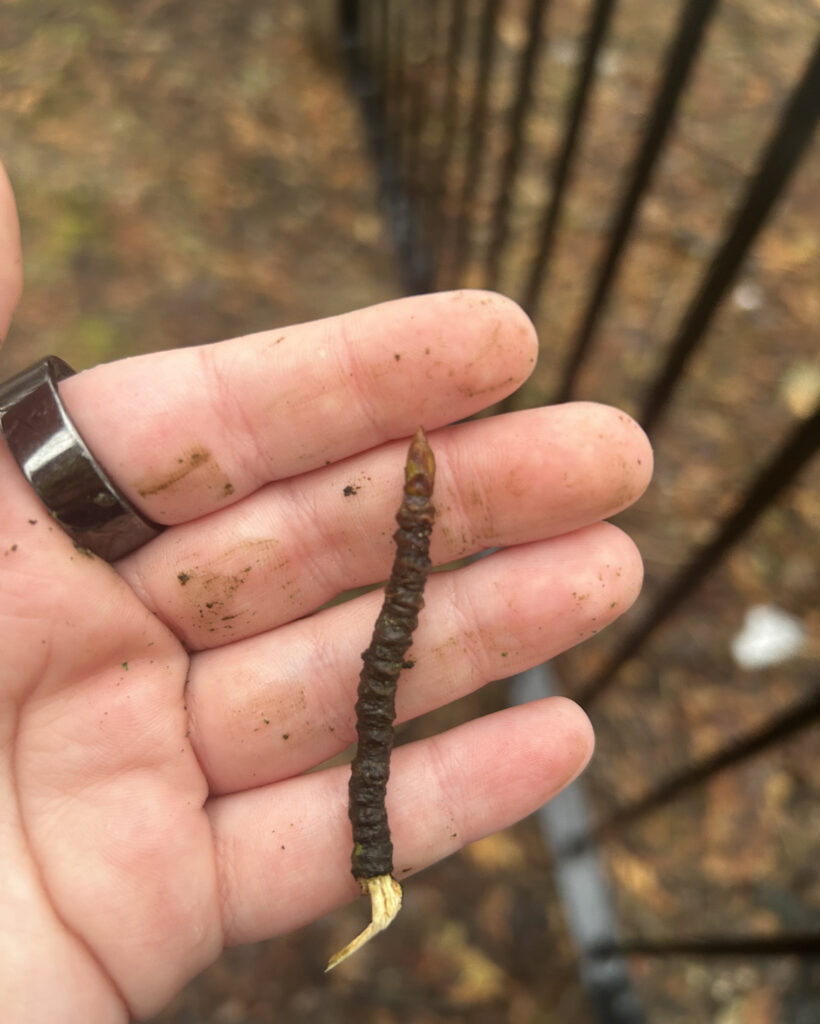
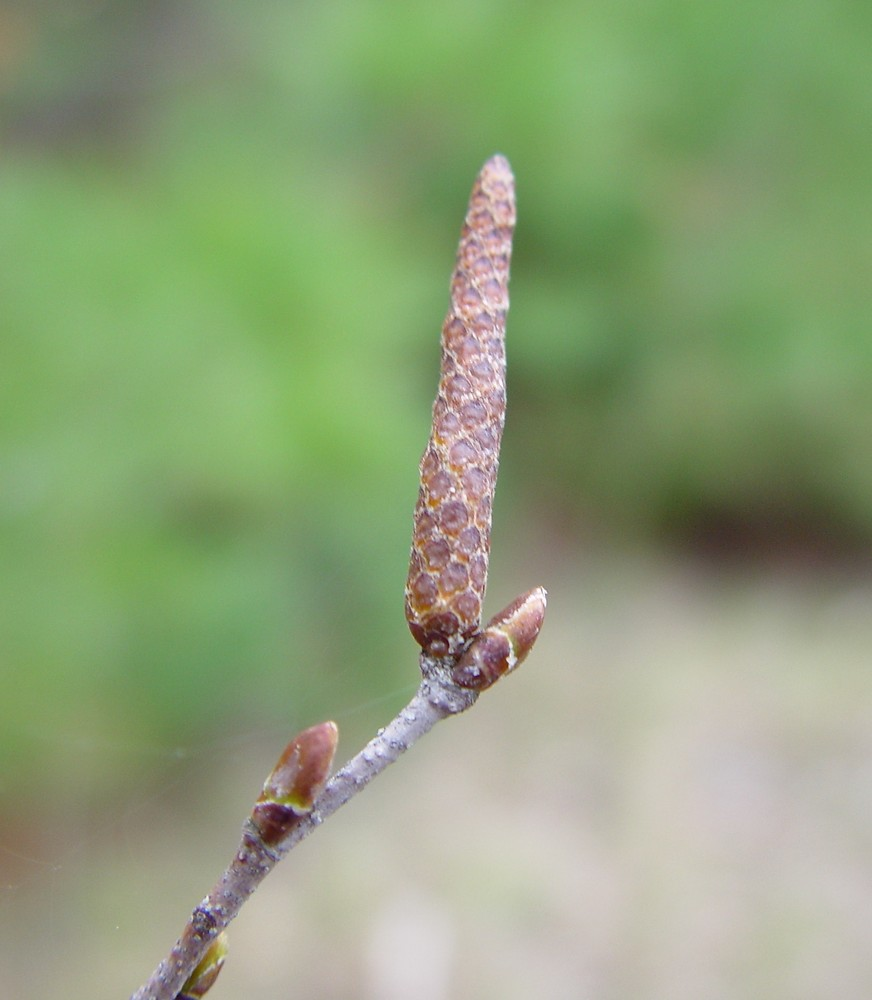
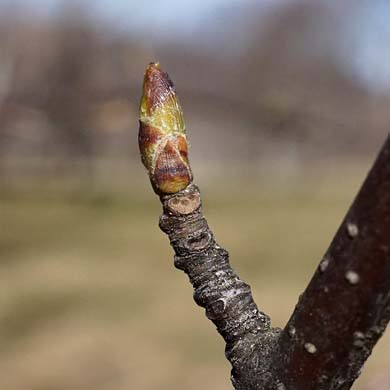
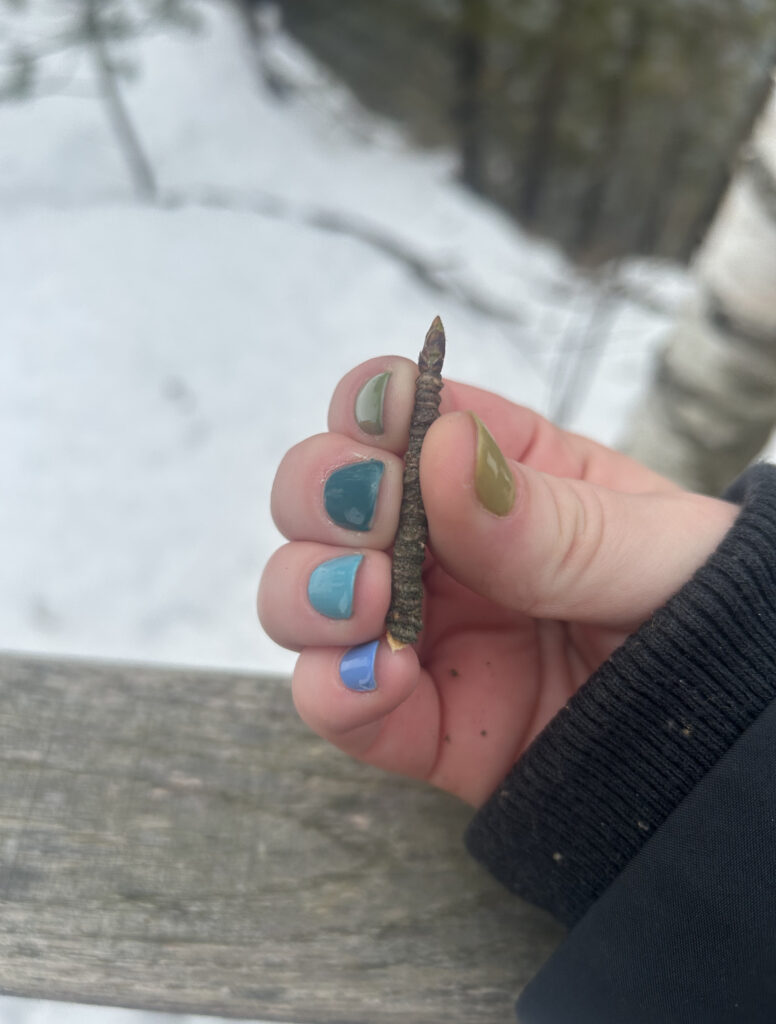
  4. The Gray Birch, which I struggled with the most, I was able to rule out by examining the twig and bud:

My twig photo was atrociously blurry, although I did include it below, so I resorted to google to find a better comparison photo of Gray vs. Paper Birch!

I used this photo (which was the least blurry) to compare to the Gray vs. Paper Birch to confirm my suspicion that the tree was in fact, a Paper Birch!

A few other angles!

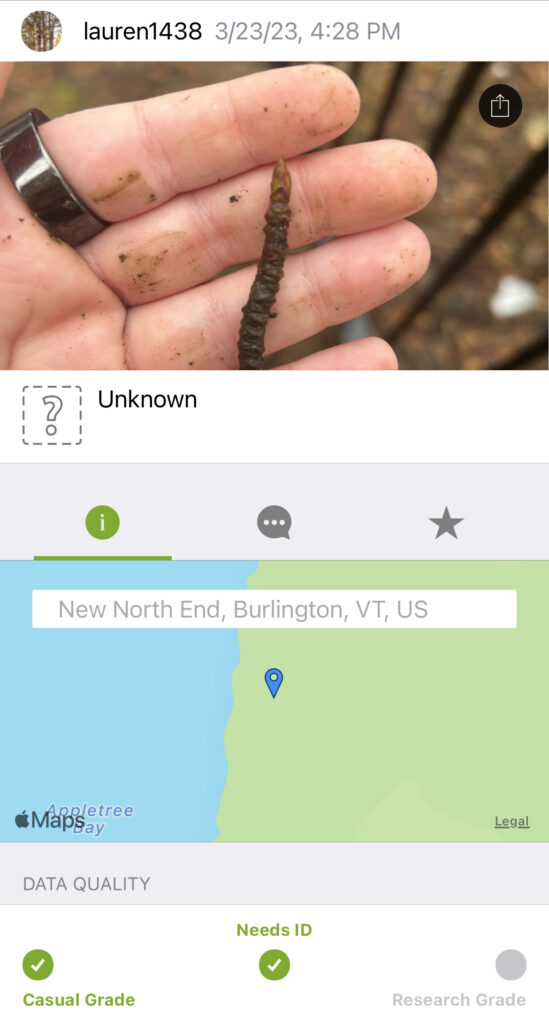
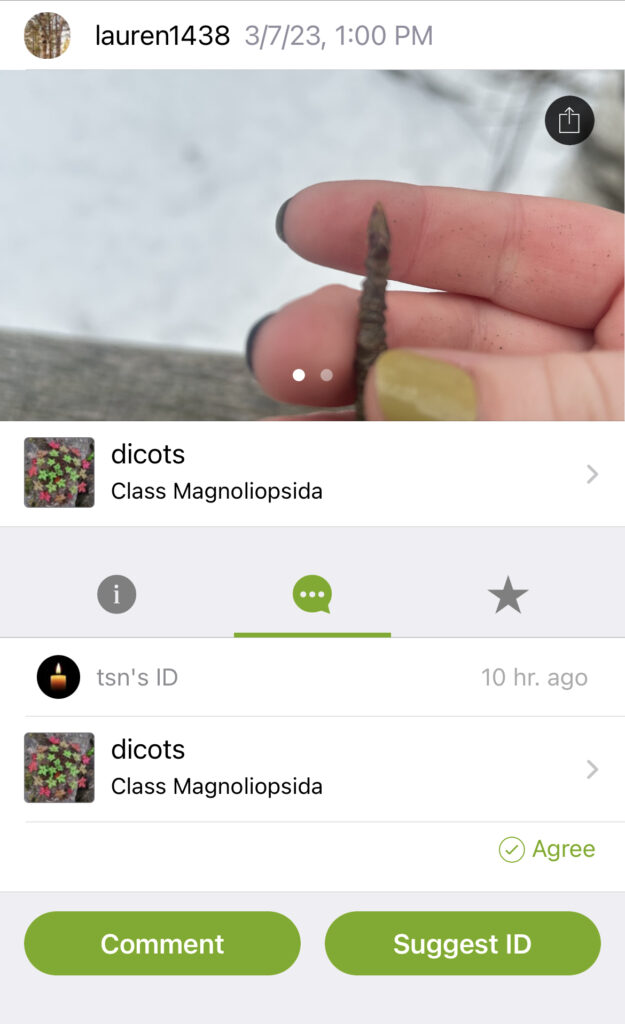
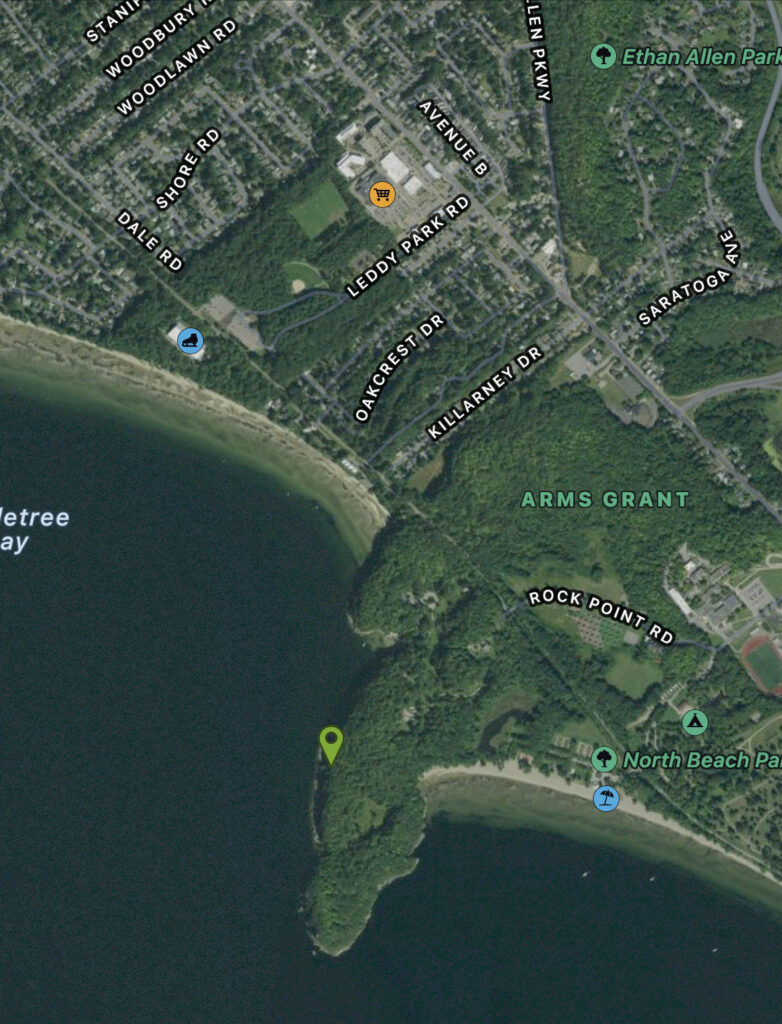
My iNaturalist Post and Location!

Although it was a cold and dreary day, I enjoyed getting to visit Lone Rock Point, and I am excited to see the change in the Paper Birch tree as I go back throughout the rest of the seasons!

“Winter, a lingering season, is a time to gather golden moments, embark upon a sentimental journey, and enjoy every idle hour.”

John Boswell
Featured post

February 16th Centennial Woods Visit for iNaturalist

Where did I go?

For my participation in the Wildlife Signs in Burlington iNaturalist Project, I went with a few of my friends to Centennial Woods. This was primarily because of accessibility, it’s close to campus, but it still has plenty to offer in the terms of wildlife tracking.

What did I Encounter?

The weather was very pleasant today for wildlife tracking, but because of the warmer weather there was a pretty major obstacle; MUD. It was incredibly muddy, which made walking a bit challenging and slippery. This being said, the mud did lend itself useful in finding tracks, in the absence of snow.

I found only a few species in my hour and a half in Centennial, so I’ll break down each one:

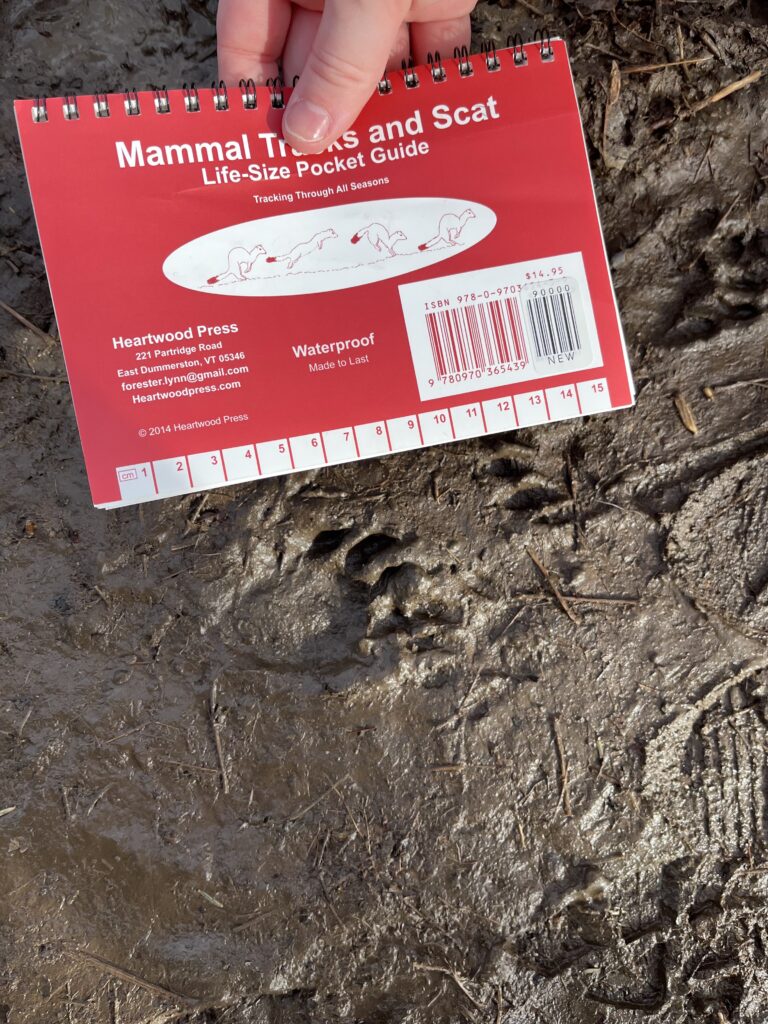
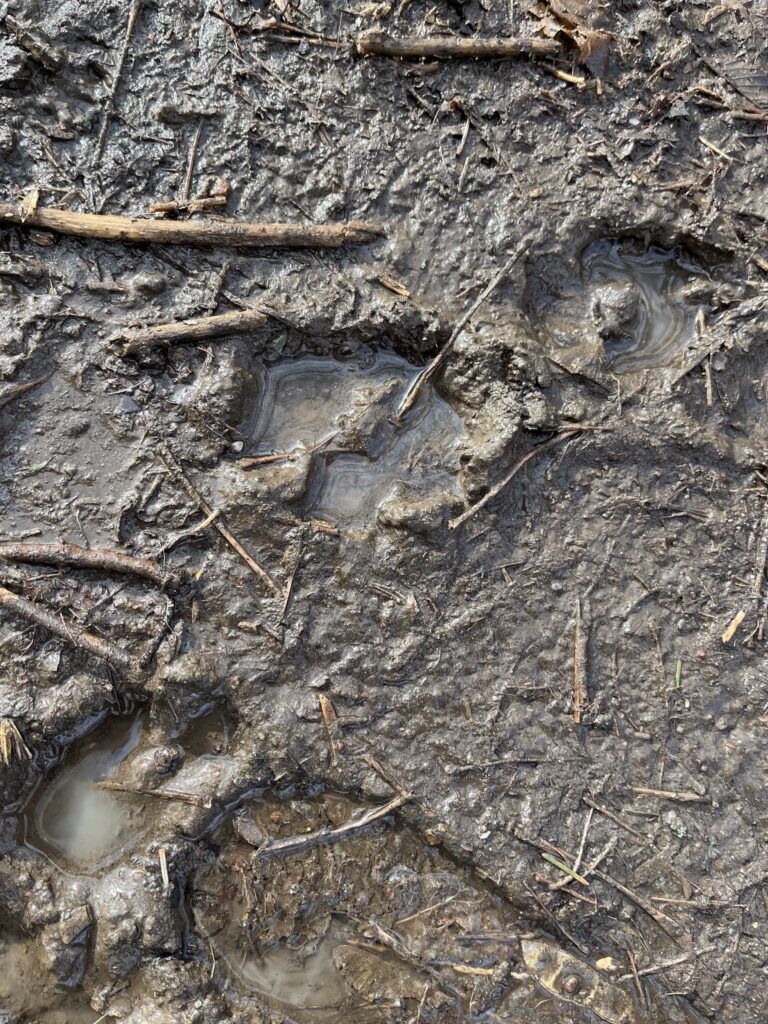
This Common Racoon print was found right near the entrance to Centennial, I identified it by the finger like prints, almost like a Human Hand.

This print I identified as a White Tailed Deer. I was able to identify this, due to the hoof shape, and what looks to be a straddle walking pattern.

How Did I Decide what to ID?

I used whichever prints looks the clearest, and anything that I thought was identifiable enough. There also was a lack of prints due to the heavy foot traffic along the trails in Centennial. Other than that, how I came to each individual ID is explained under each track photo.

No photo this time, but I am excited to get back to Rock Point soon, and test out even more of my animal tracking skills there!

Only as high as I reach can I grow, only as far as I seek can I go, only as deep as I look can I see, only as much as I dream can I be.

Karen Raven
Featured post

January 22nd Visit: Overlook at Lone Rock Point

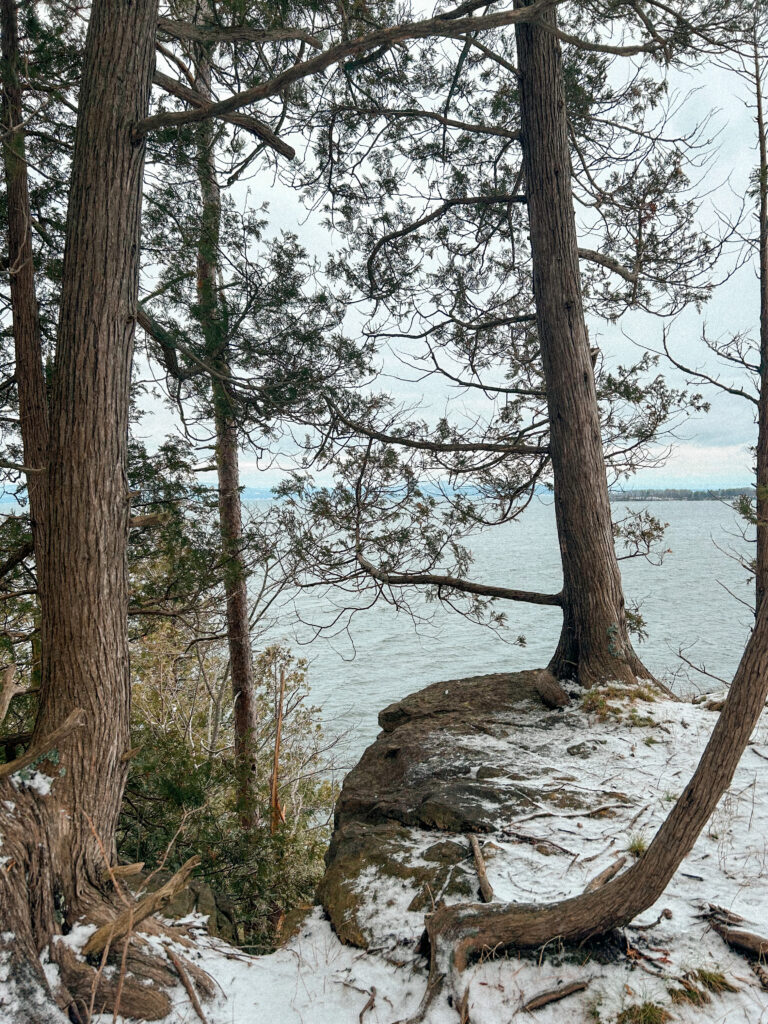
A Brisk, Snowy Day at Lone Rock Point!

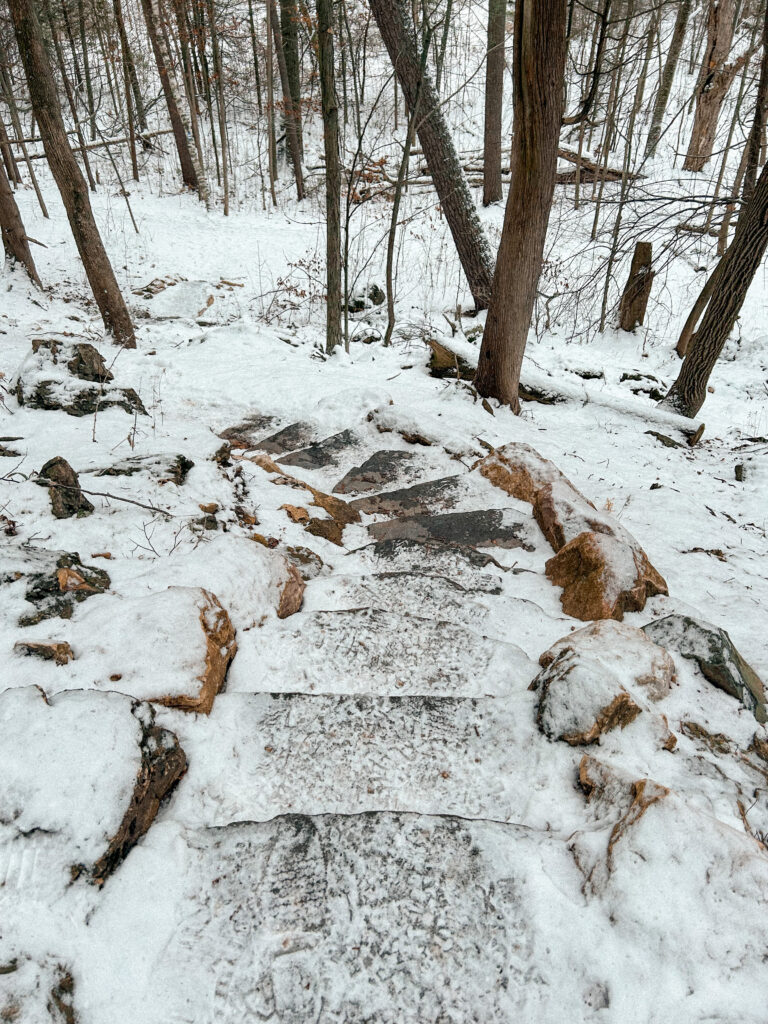
It felt great to be back at Lone Rock Point, having been gone for over a month! The weather was drastically different, in terms of temperature and the presence of snow! The snow and Ice posed a few complications with slippage, but other than that, it was relatively smooth sailing.

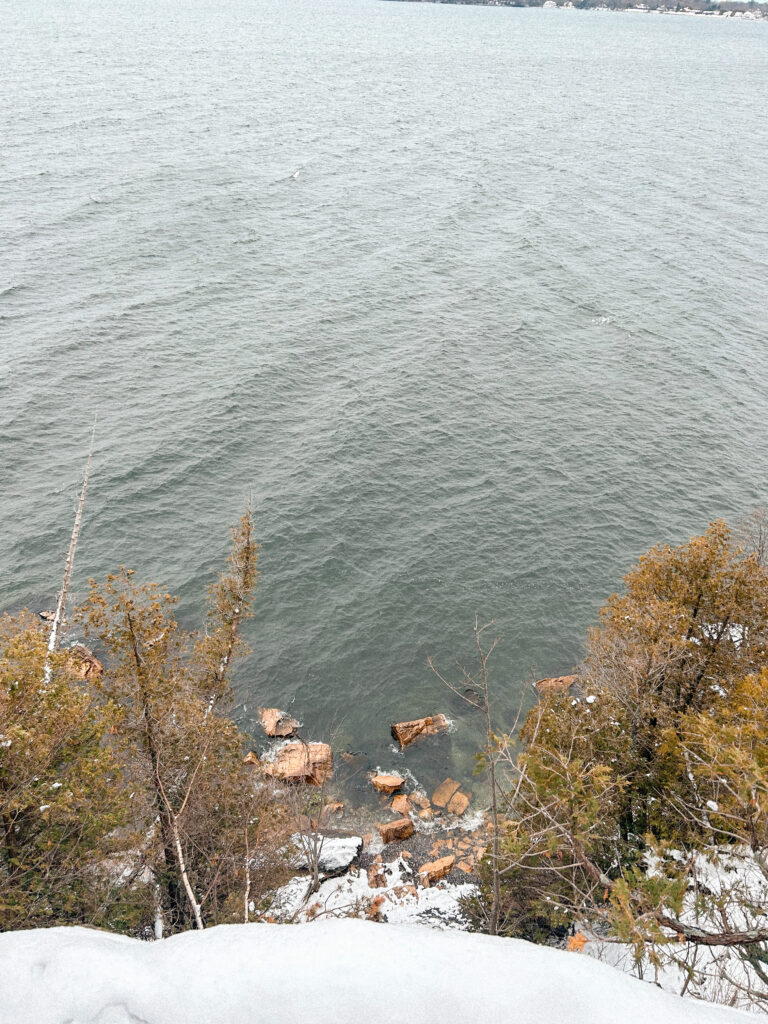
Lake Champlain is a little bit noisier than normal!

Any Changes?

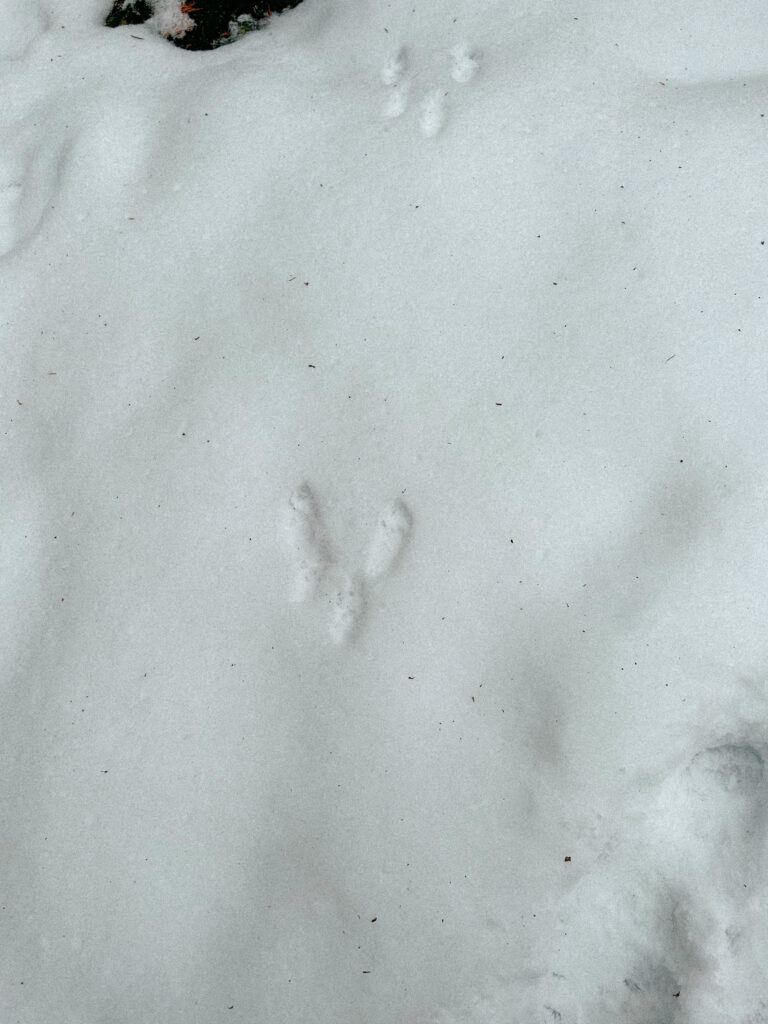
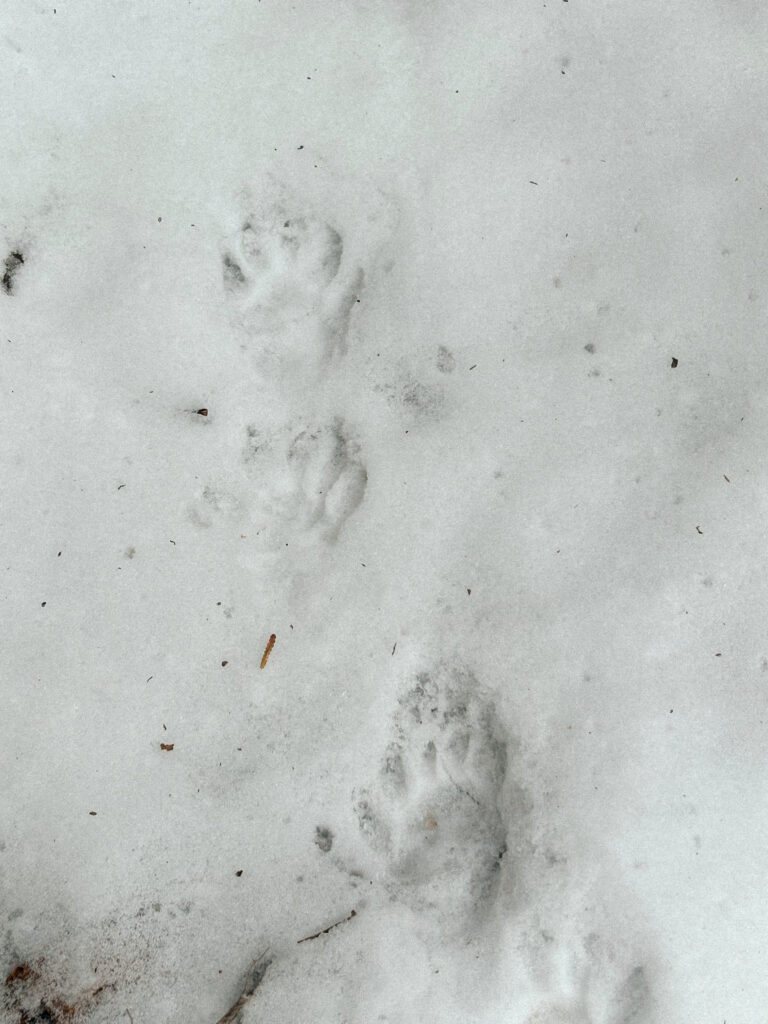
There weren’t too many changes to the vegetation that I noticed, but the layer of snow did expose some tracks of the wildlife in the area, which made me feel like a detective, searching for the path forged by a squirrel weaving around trees. I did consider how with the presence of snow, there might be some detriment to the vegetation, so I hope to look out for that in the coming months.

Who Goes There?

There were quite a few tracks that I found while walking to my phenology spot, many of which I’m sure were dog tracks from the many people who bring their pets with them to Rock Point, but some stood out, and from using my Mammal Scat and Tracks booklet, I was able to loosely guess what the tracks pictured above are.

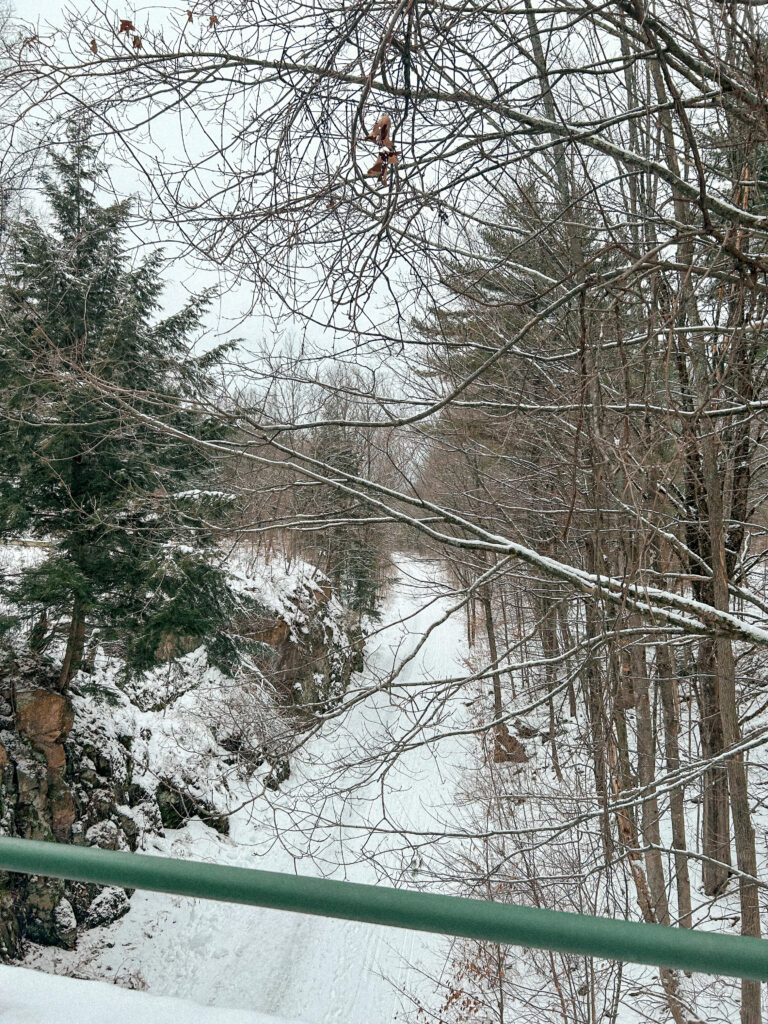
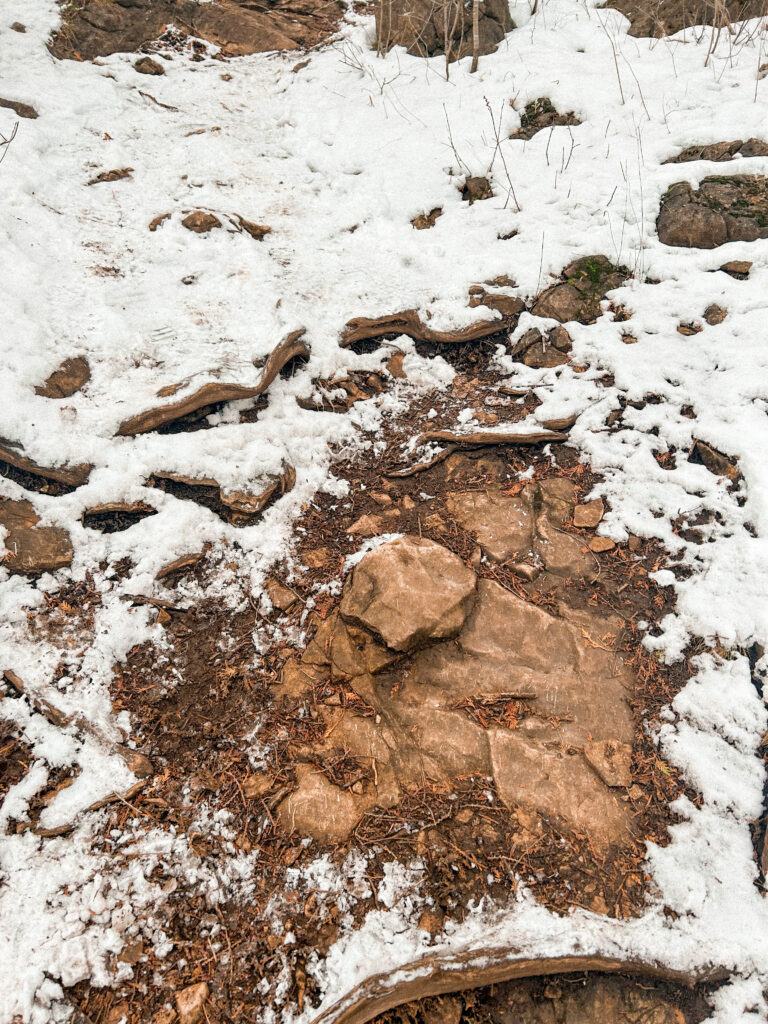
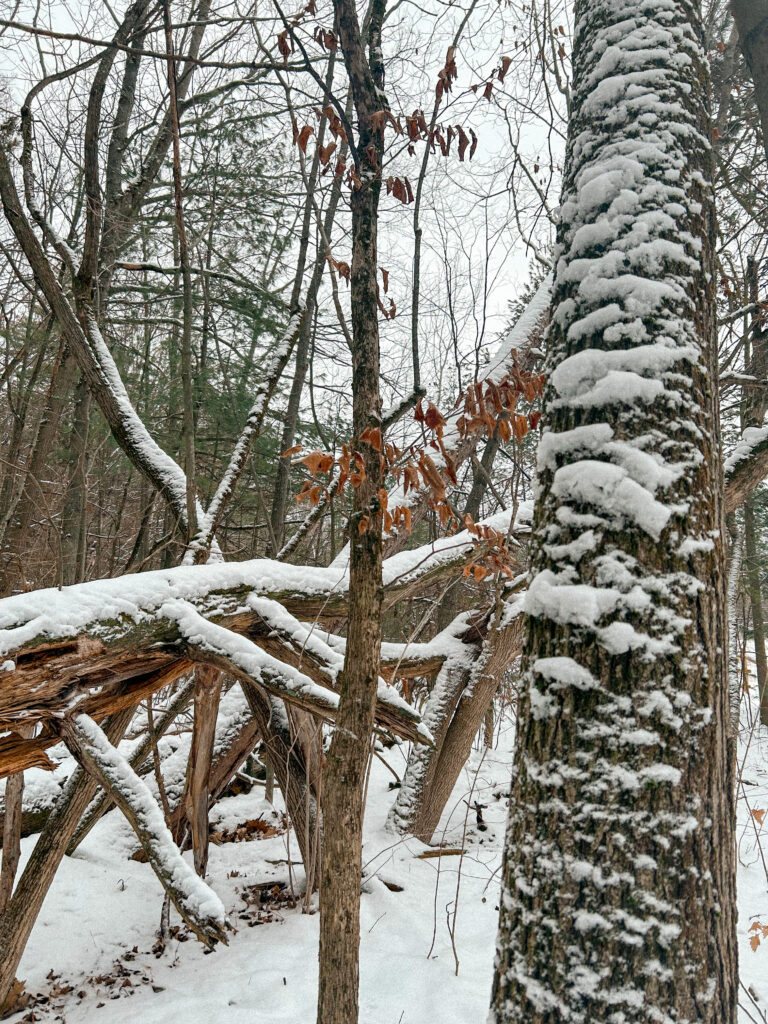
Some cool images I wanted to share that showcase the soil and rock peaking through the snow (left) and the interesting way the snow falls atop the ridges in the tree (right).

Obligatory photo to commemorate the first visit of the New Year!

Until Next Time!

I cannot wait to come back in February, hopefully with some mammal tracking under my belt, so that I can come to understand Lone Rock Point all the better!

“What good is the warmth of summer, without the cold of winter to give it sweetness. “

– John Steinbeck
Featured post

December 10th Visit: Overlook at Lone Rock Point

The Last Visit of the Semester

It was a very bittersweet experience to visit Rock Point for one last time before the end of the semester, but luckily, and despite a few rough patches on the way there, it was a beautiful day!

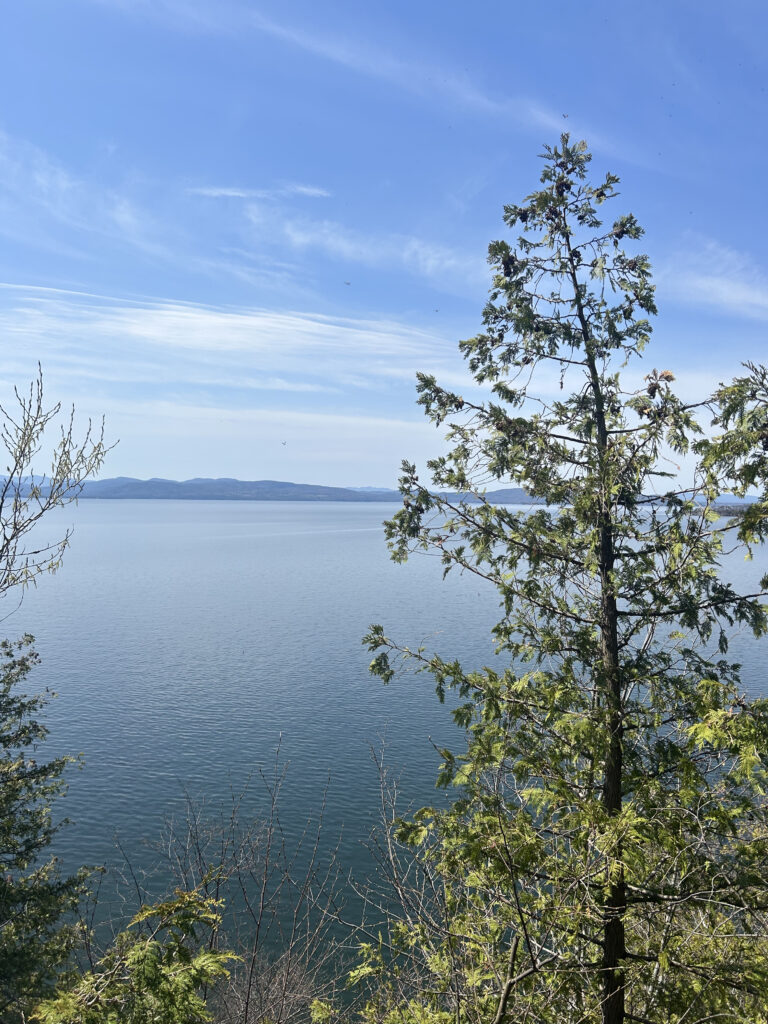
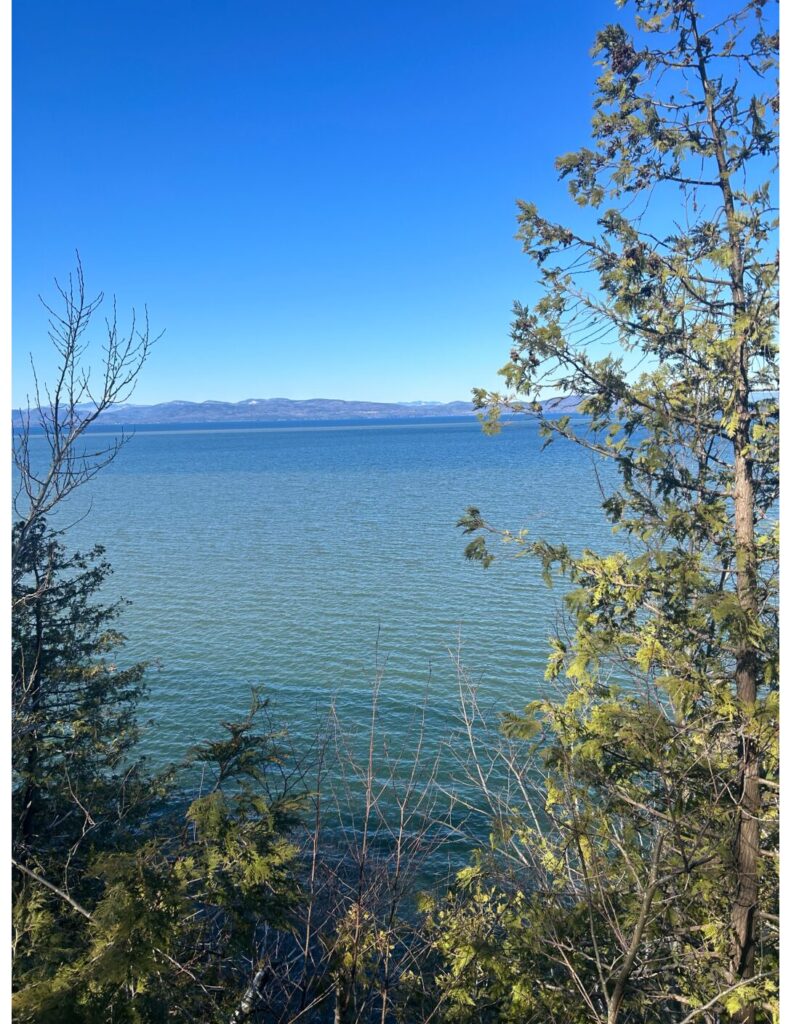
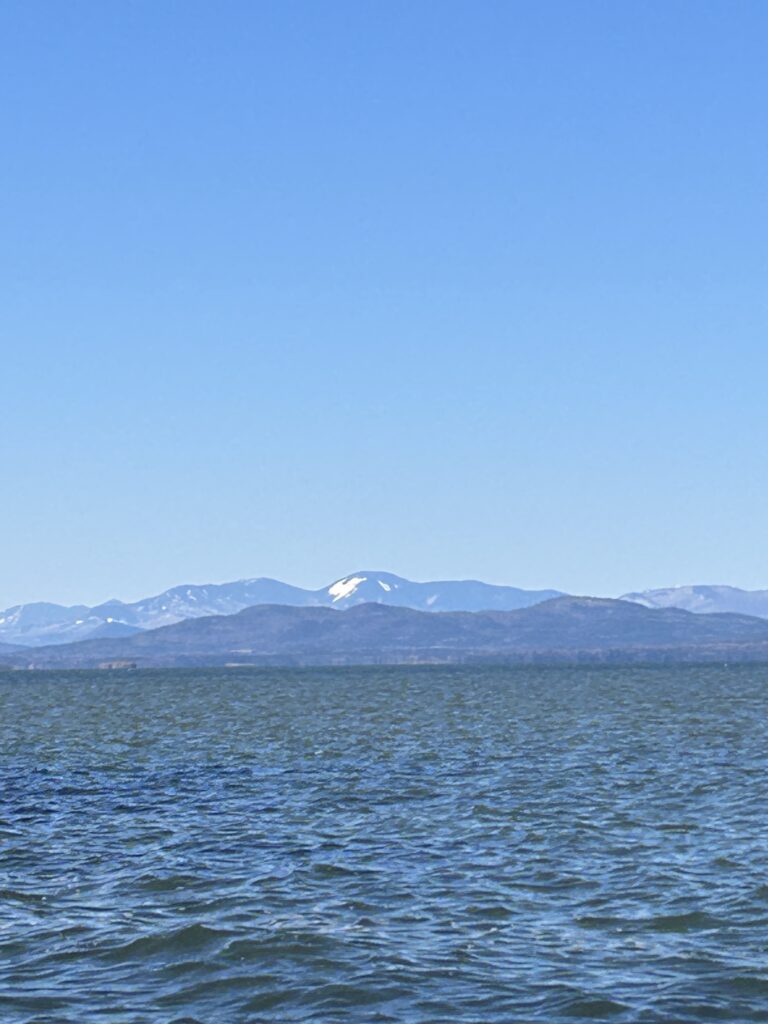
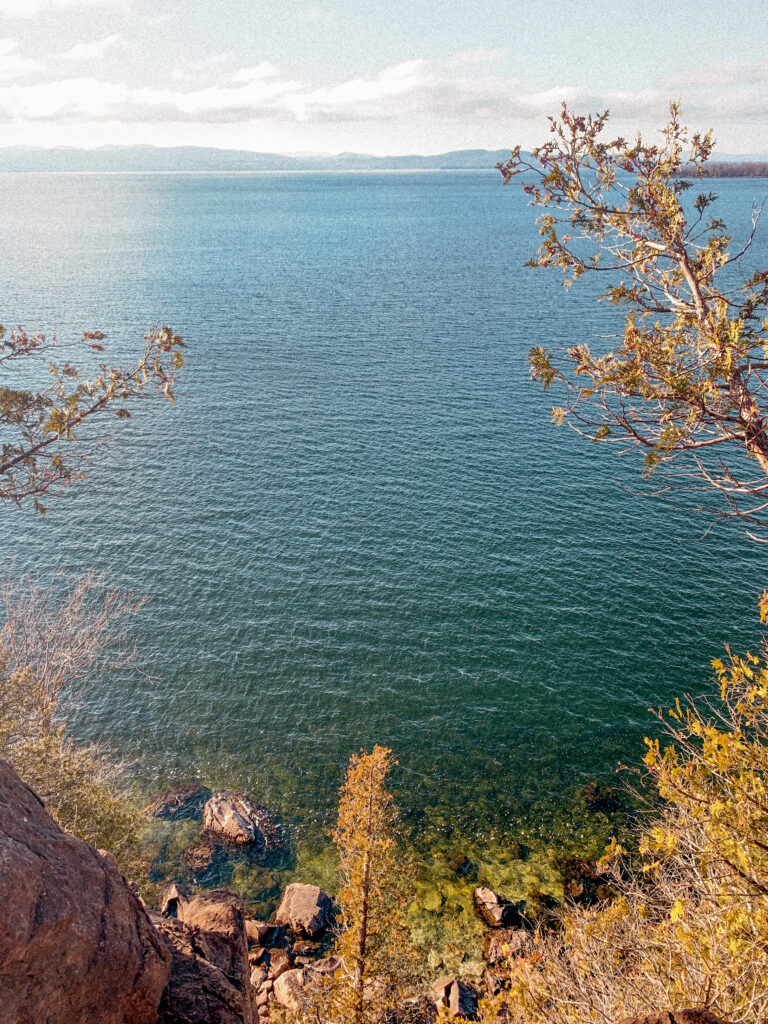
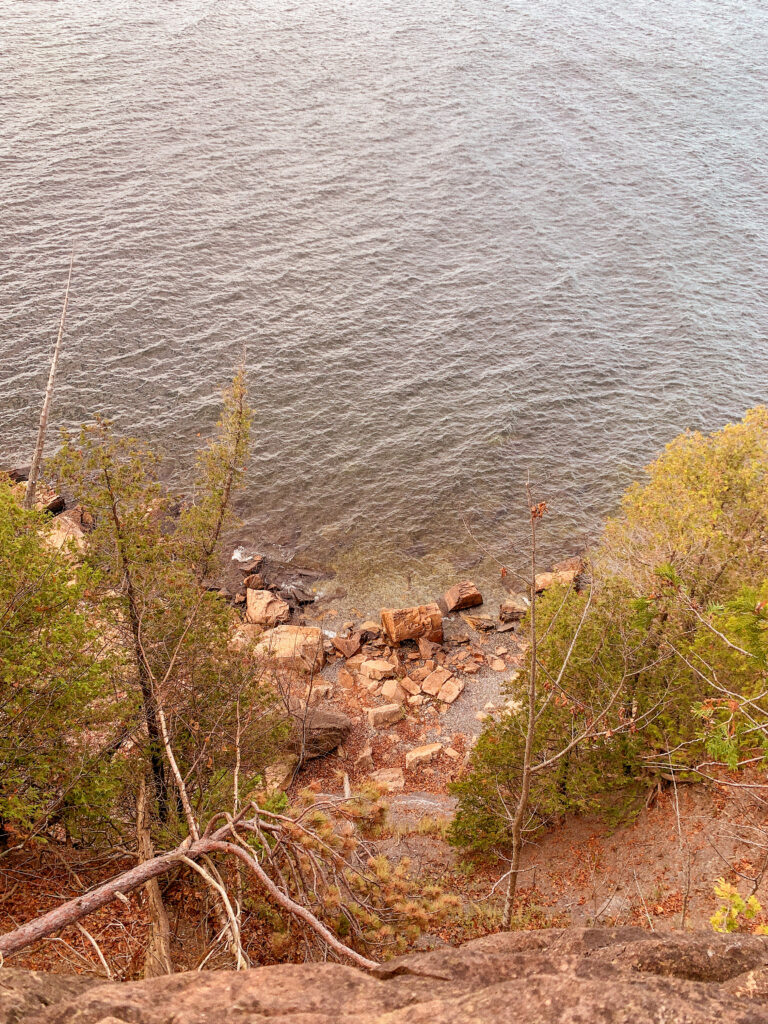
A beautiful view from the phenology spot!

Any Changes?

Since my November 5th visit to Lone Rock Point, not too much has changed, other than the weather. It was beautiful outside, but it was very chilly. It was about 19°F outside, but with a windchill of about 7°F. A substantial change that I took notice of, was the lack of leaf cover on the trails. Before, the trails were completely overrun by the foliage, but now they were gone. I think this is in part to decomposers, but more realistically, someone had to come to clear the trails.

One thing that remained constant was the vegetation. The Northern White Cedars were going strong, and a few leaves were hanging on by a thread nearby. I didn’t notice any animal prints or any significant traces of nests. There were some Black Cap Chickadees on the way into Rock Point ( identified by Isabella) as well as a few Eastern Gray Squirrels nearby. Beyond that, I think that animal activity has remained relatively constant, but the number of birds has decreased, and there were no more ducks present in the lake like the last visit.

Winter is Coming!

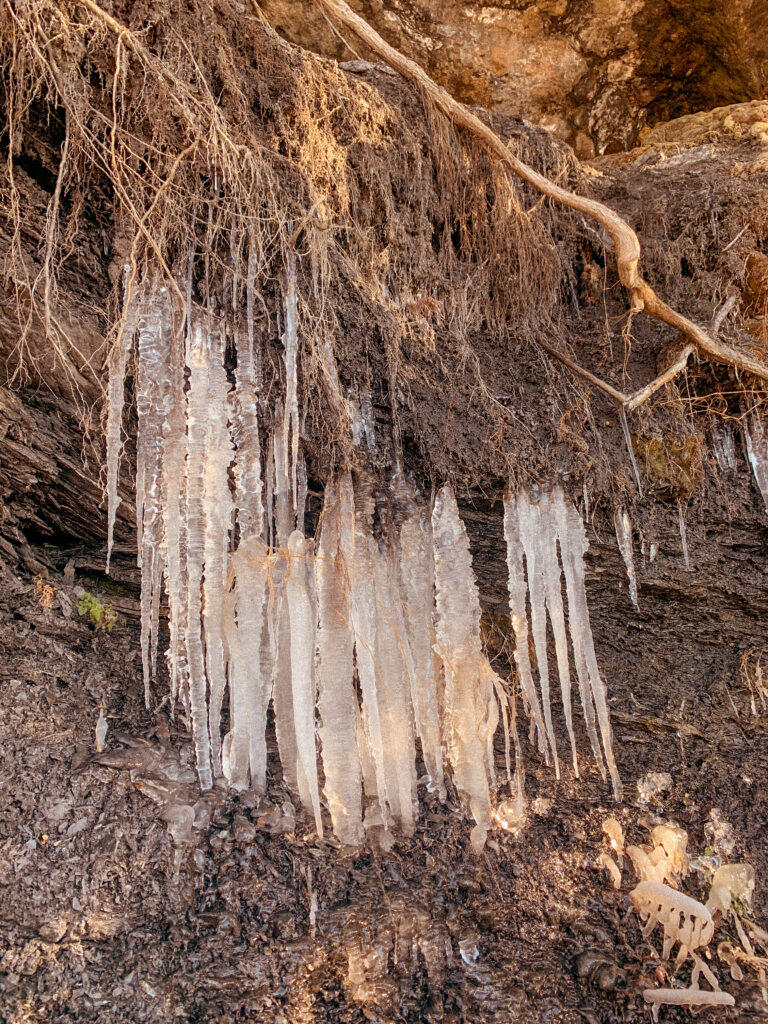
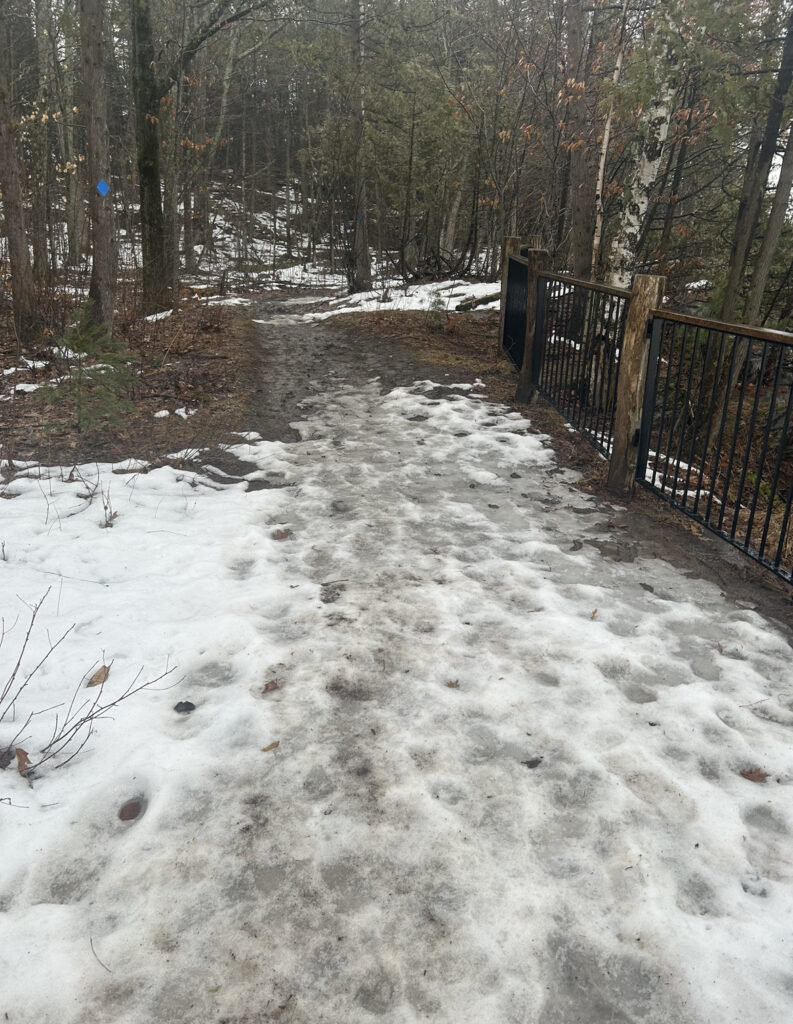
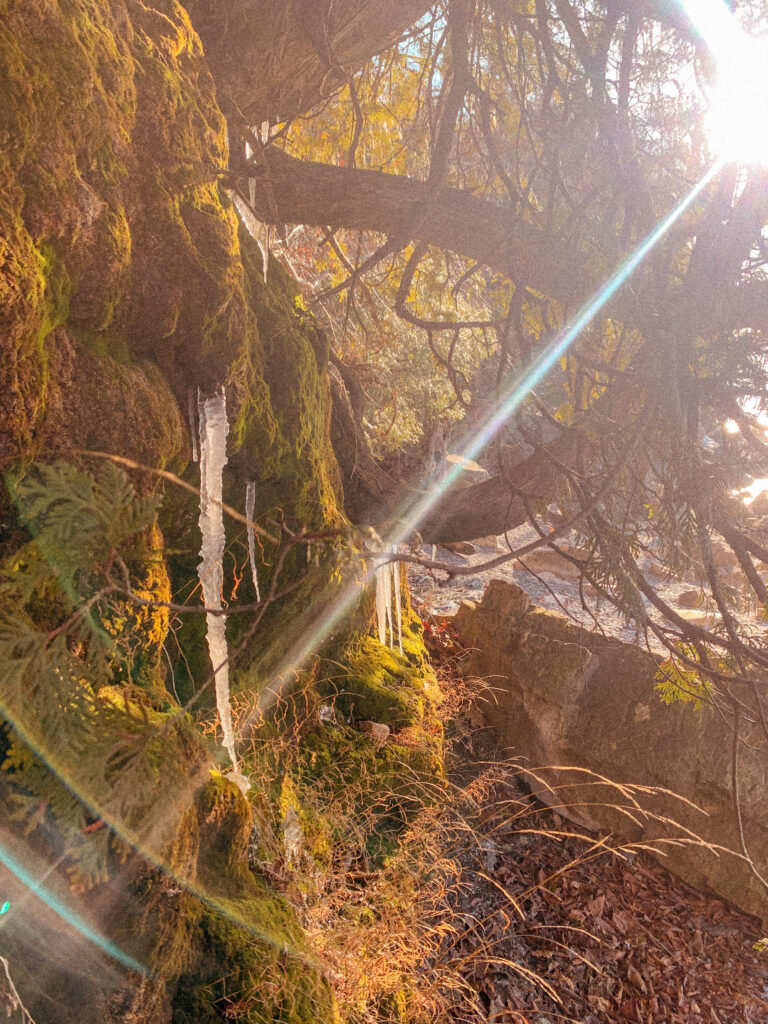
What I thought was most curious about this visit to Lone Rock Point is the clear indications of winter’s encroaching. The trails were slightly frozen, there were icicles hanging from the Shale, ice-covered rocks from the shoreline, and frozen Northern White Cedar needles. It was clear that the land was prepping for the brisk winter coming up!

My Final Thoughts…

I’m very sad that this is my last post of the semester because I will truly miss taking the trek with two of my greatest friends each month to spend time connecting to and learning about Lone Rock Point. I have enjoyed getting to trace the changes throughout the months to my specific spot, and really taking the time to know it like the back of my hand. I have enjoyed getting out of my dorm, and my busy schedule, to take the time to form a real relationship with a natural area. I cannot wait to see Rock Point again, and I have really enjoyed getting to share all of my experiences here!

Photo for the Last Visit!

“An understanding of the natural world and what’s in it is a source of not only a great curiosity but great fulfillment.”

David Attenborough
Featured post

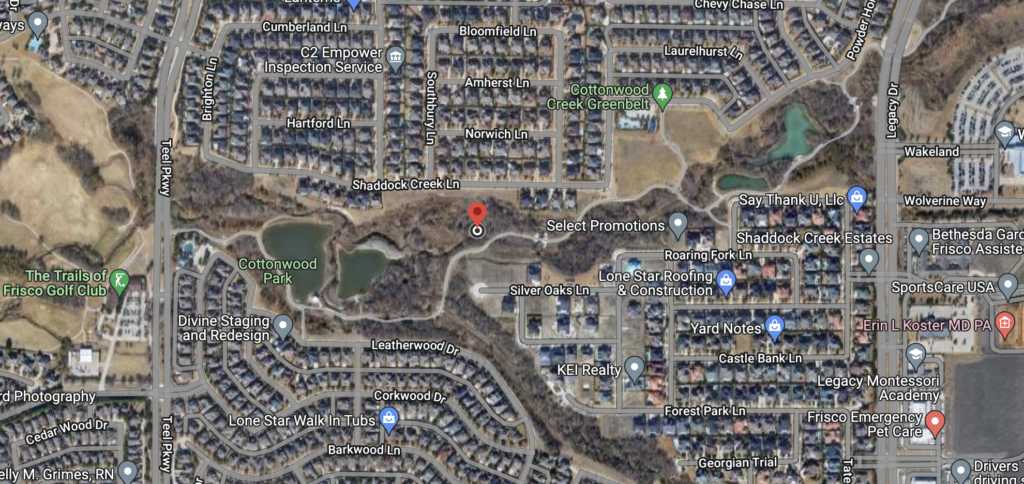
November 23rd Visit: Cottonwood Creek Greenbelt

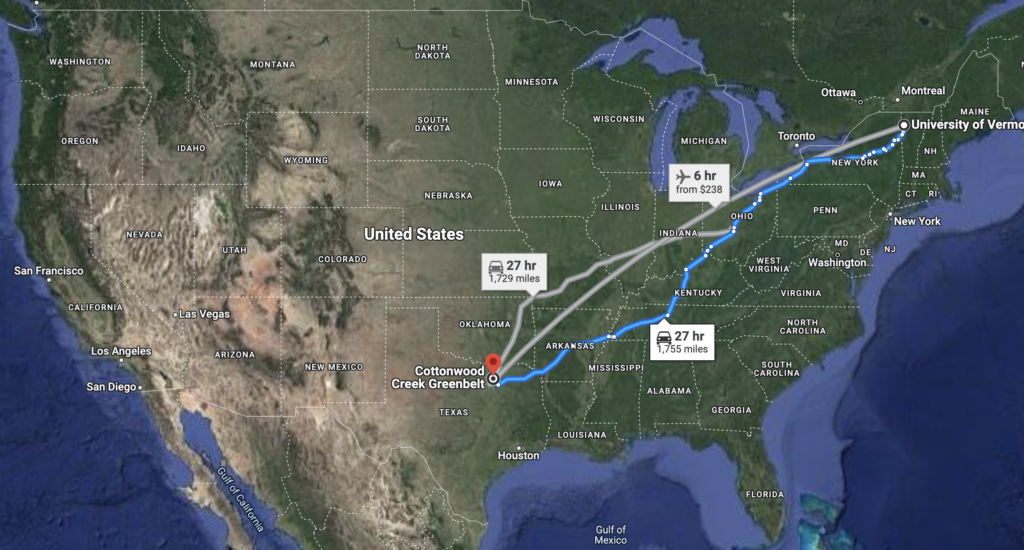
Where did I go over break?

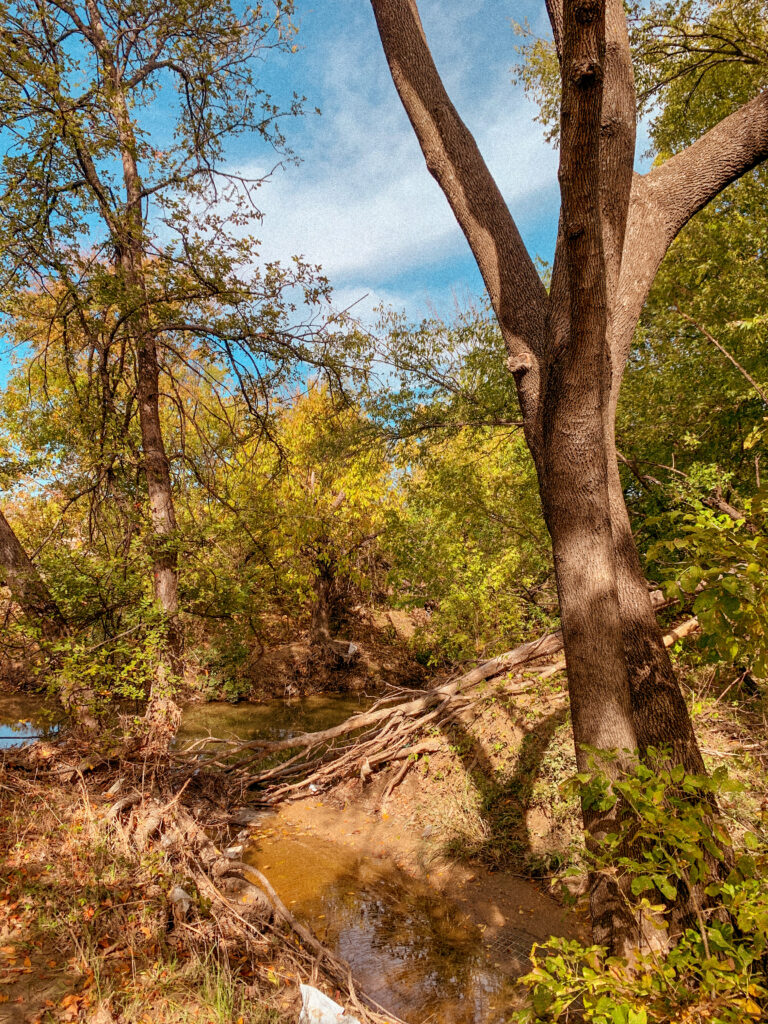
A large overview!
A little closer!

A Little About This Natural Area…

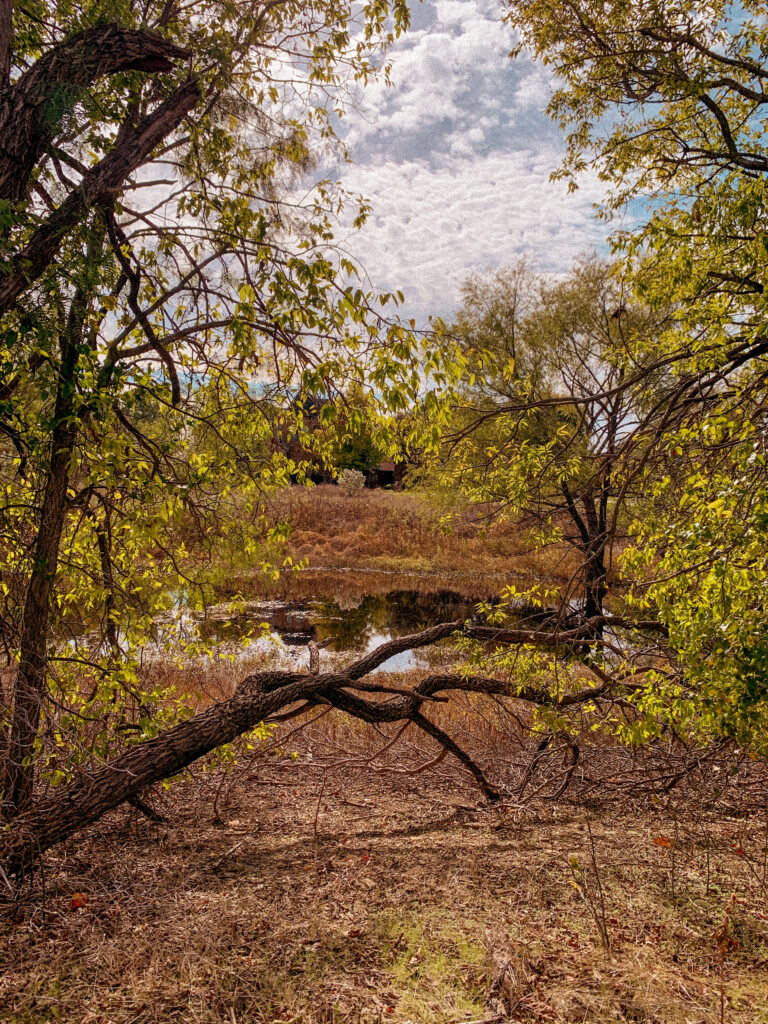
I moved to Frisco, TX about a month before I started college. Because of this, I knew that finding a natural area to visit would require some research. This natural area, the Cottonwood Creek Greenbelt, which hopes to preserve the habitats and natural plant and animal species is in a crucial spot between two busy roads, and two large residential areas.

I was very interested to see such a bold take on conservation, public education, involvement, and sustainability in such a highly populated area. Although this spot is vastly different from Lone Rock Point, I was able to learn a lot and discover some very fascinating wildlife, much different from that in Vermont.

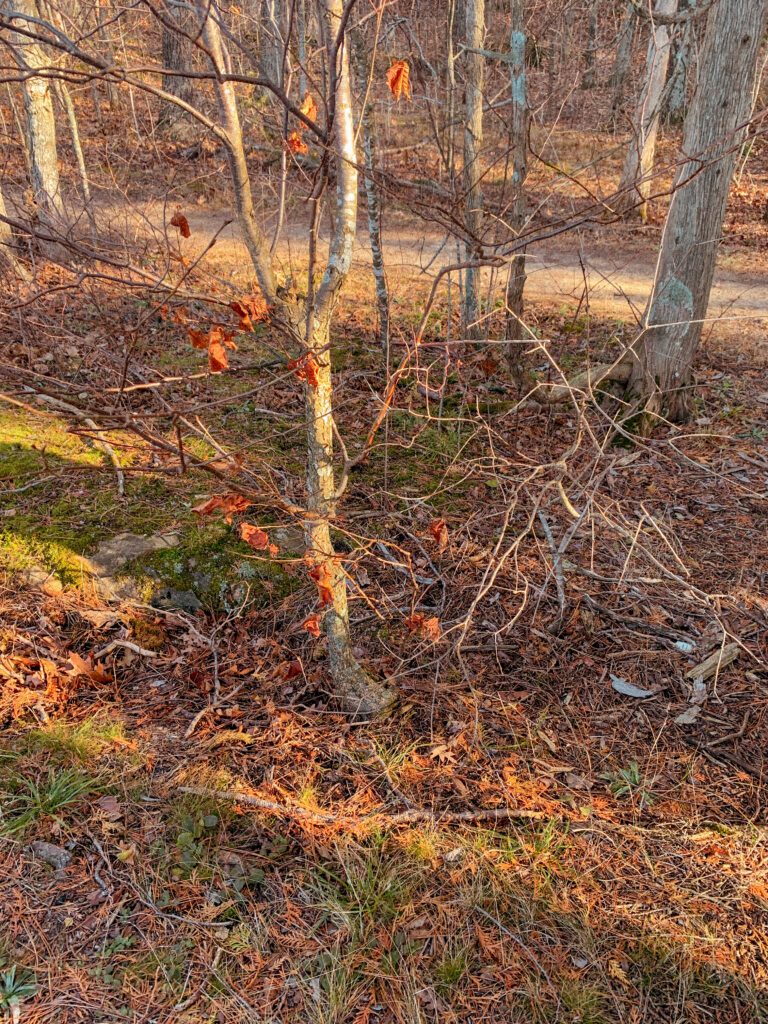
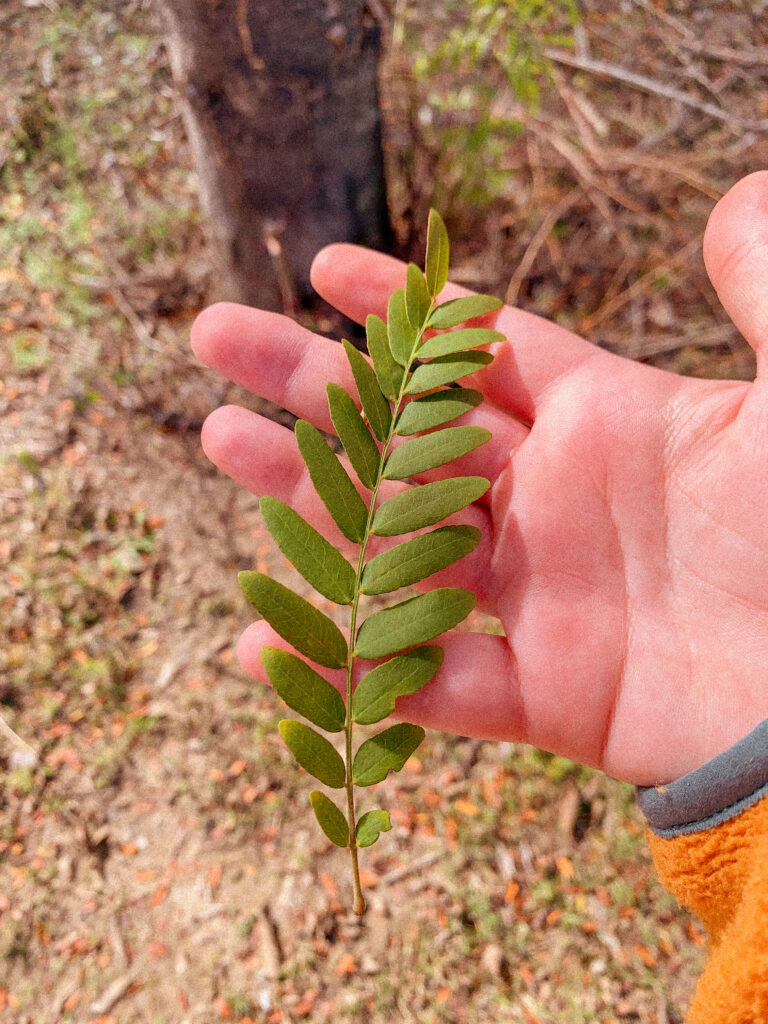
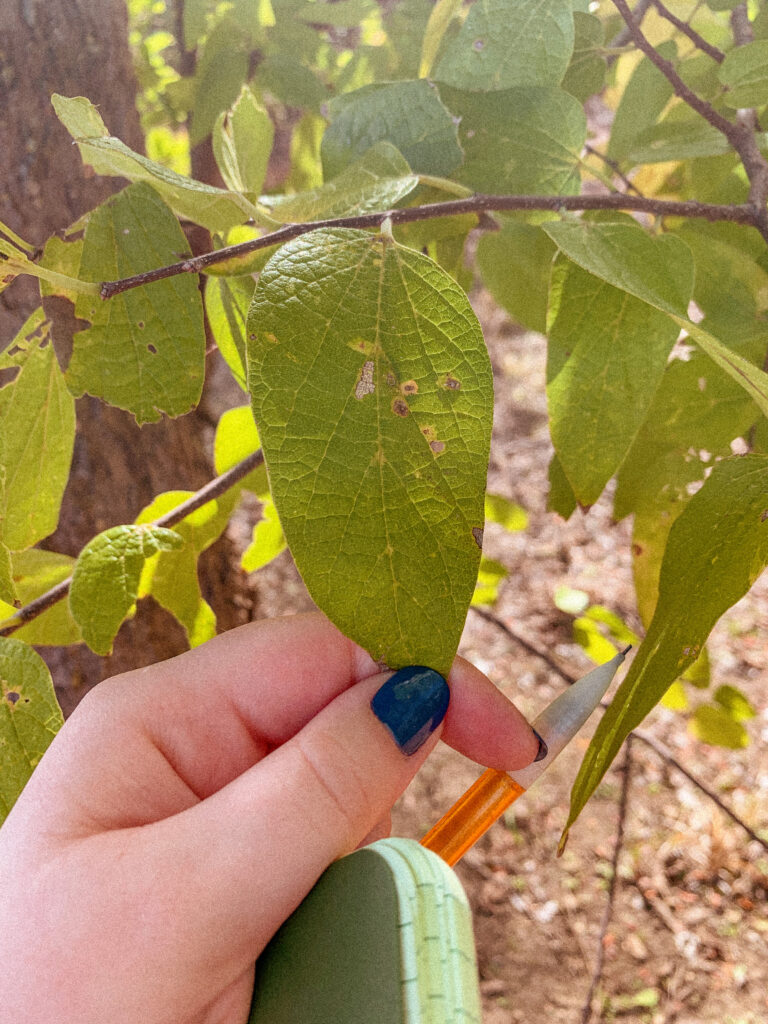
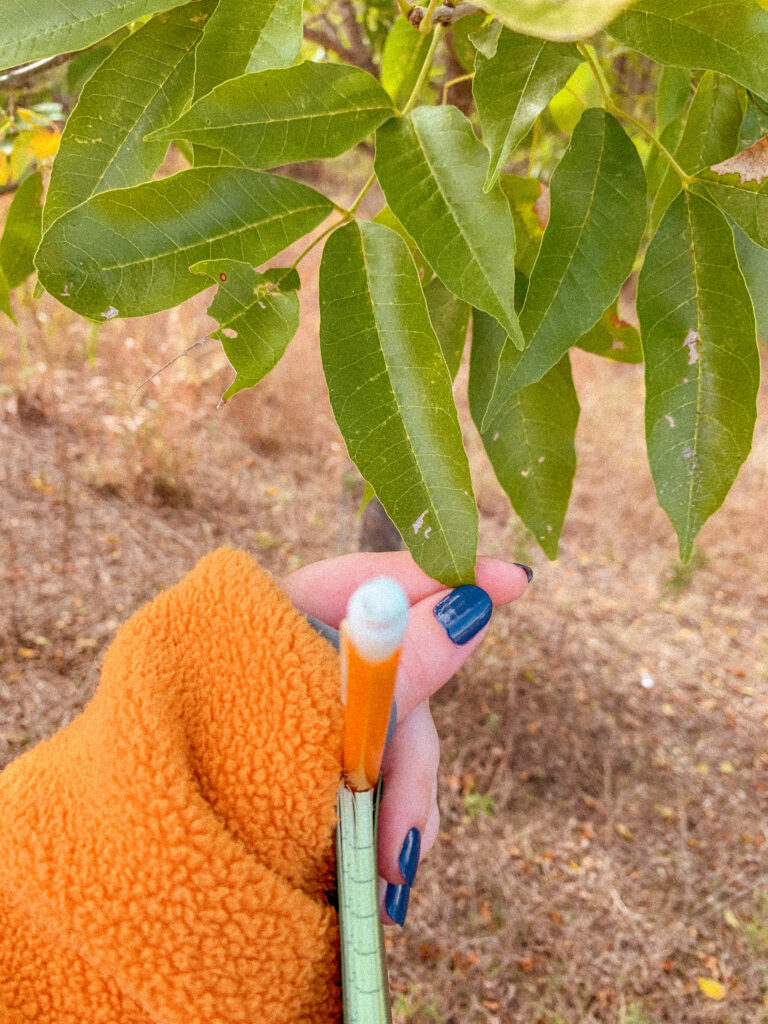
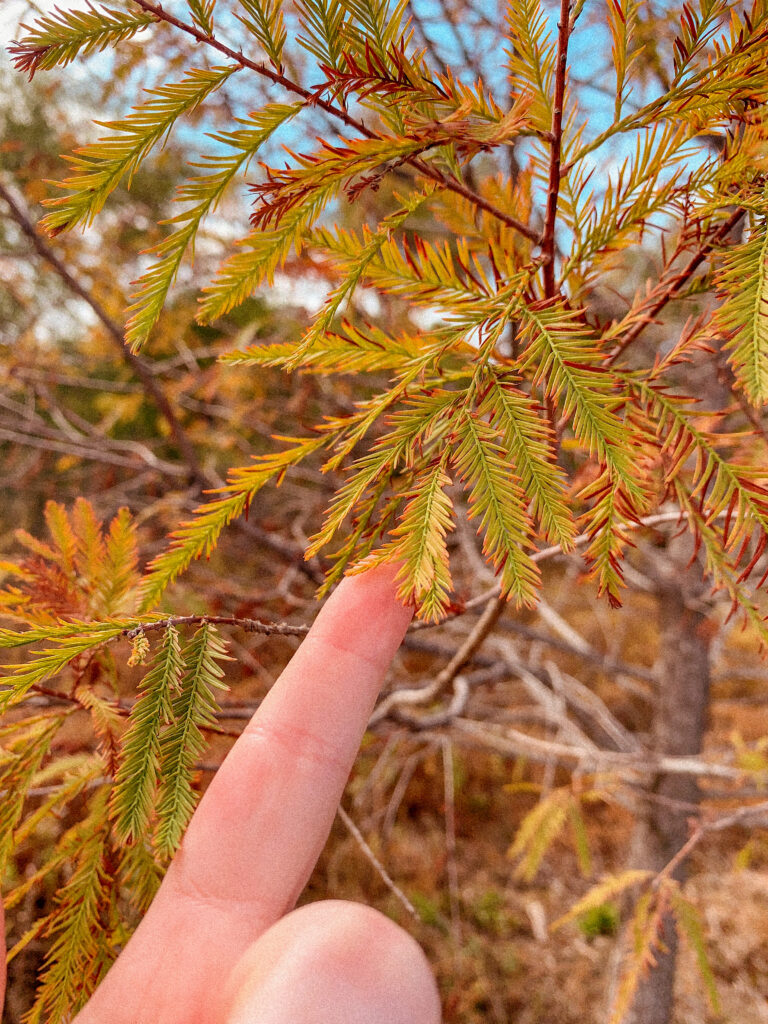
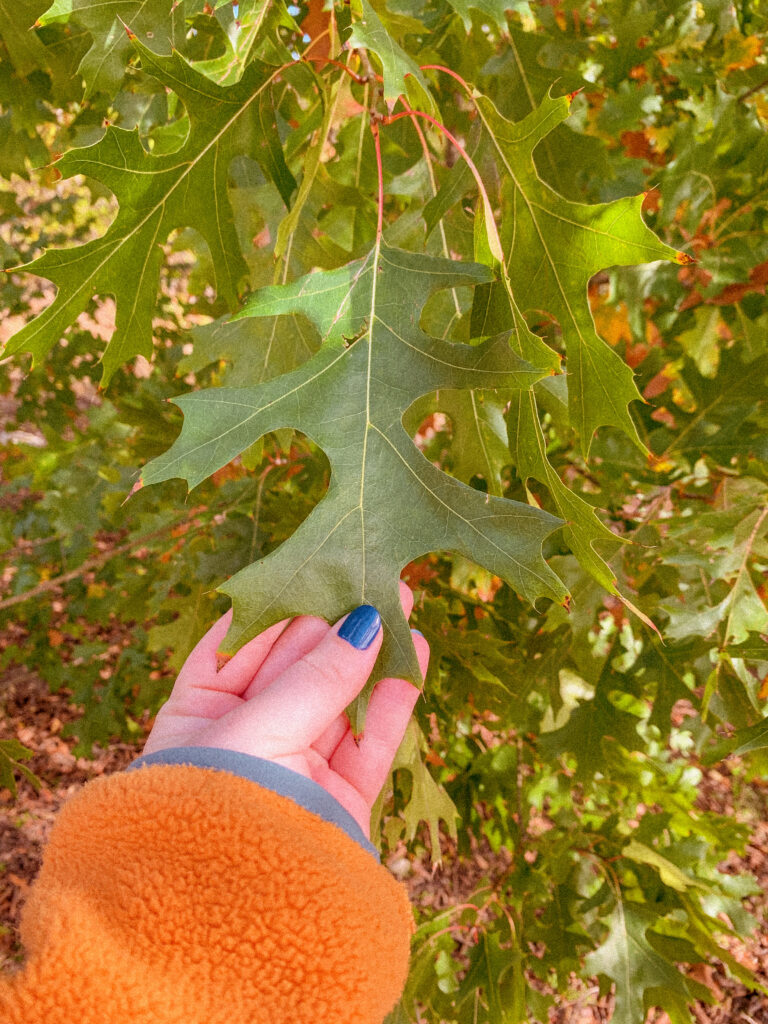
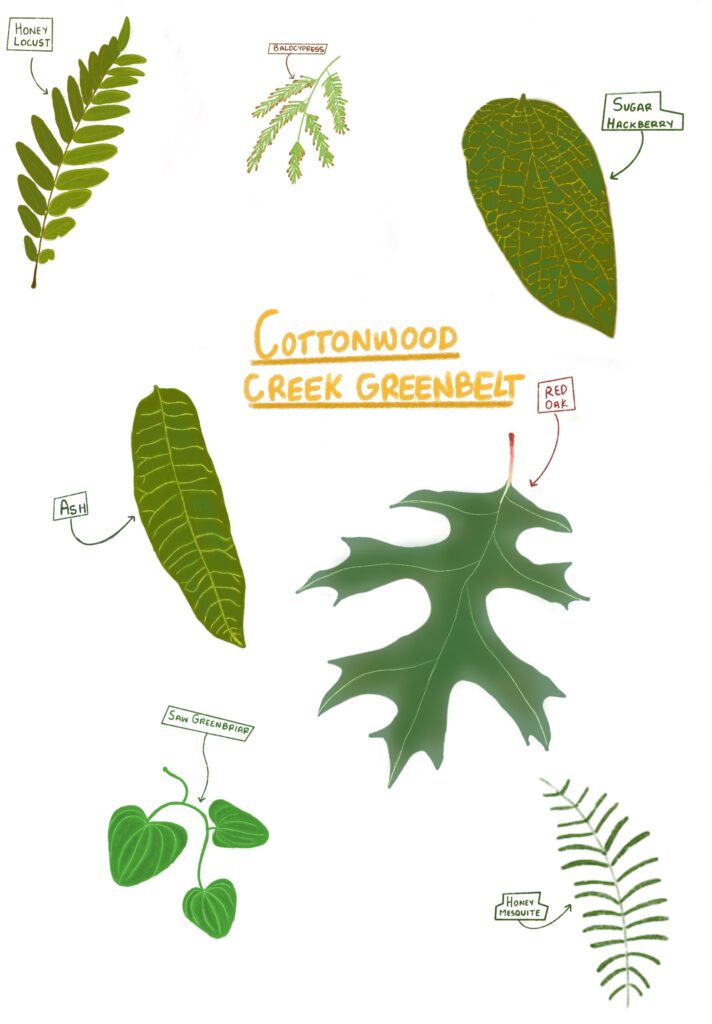
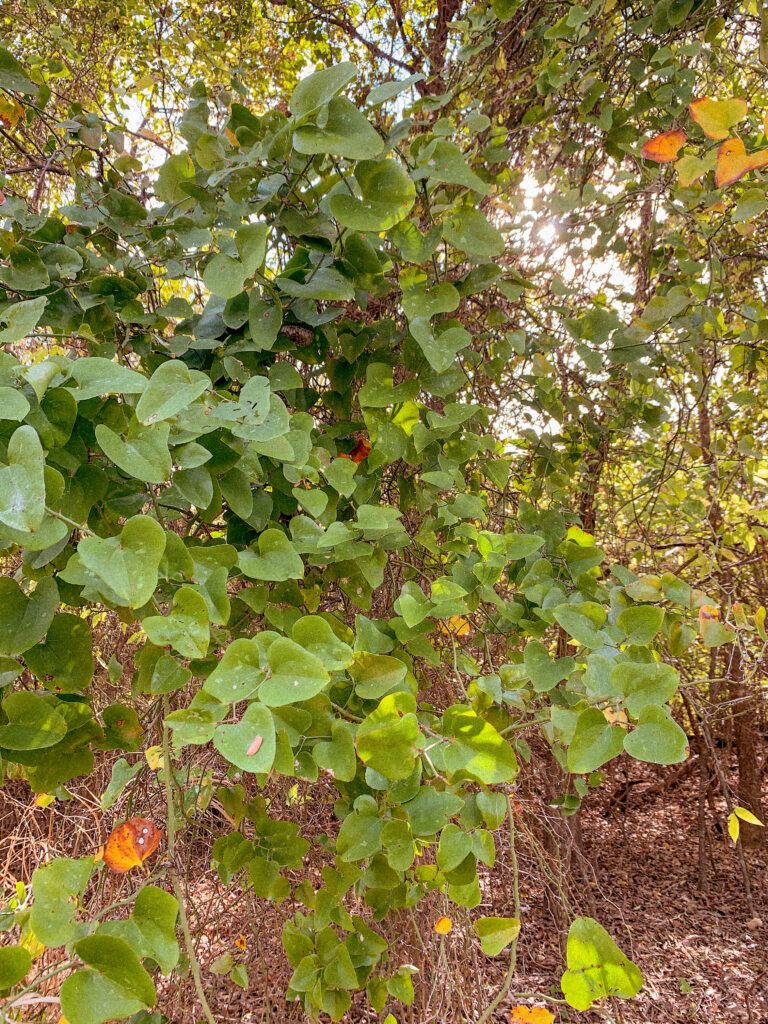
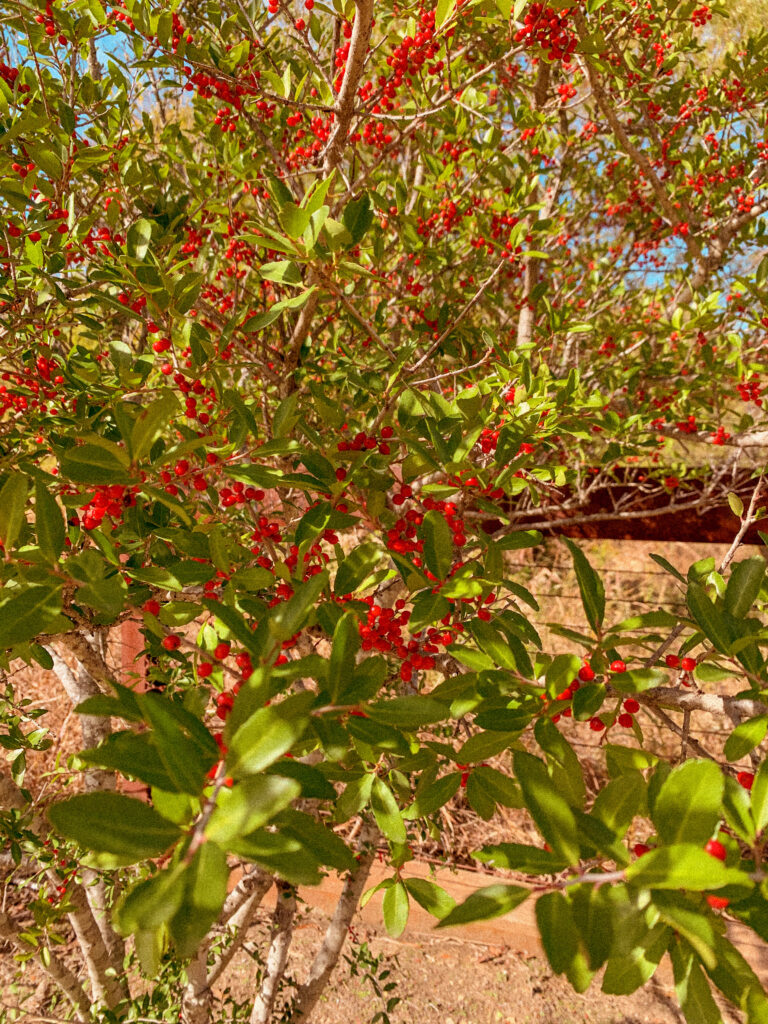
These are the tree species that I captured while walking through the greenbelt, many of which, I had never seen before, but I was able to identify the Red Oak leaf in the bottom right! I also took the time to draw out some sketches and label each of the leaves pictured above from what I was able to identify with iNaturalist.

What’s Different About This Place?

It was very refreshing to be back in a place that had many green leaves, and animals that were still roaming about. Other than the Red Oak, which isn’t even present at Lone Rock Point, I didn’t recognize any of the tree or animal species. I don’t find this alarming because Texas and Vermont are vastly different places, with vastly different wildlife, but nevertheless, they are both beautiful, and I have had a great time getting to explore each of them!

Not only this, but I got to share this trip to the Cottonwood Creek Greenbelt with my younger brother. I got to teach him about some of the ways in which I identify trees and the importance of natural areas. It was a great moment to get to share my passion for the environment with my younger brother, and I hope that he starts to take notice of the beautiful environment around him.

Luke kept upgrading his walking stick!

Two Fascinating Finds…

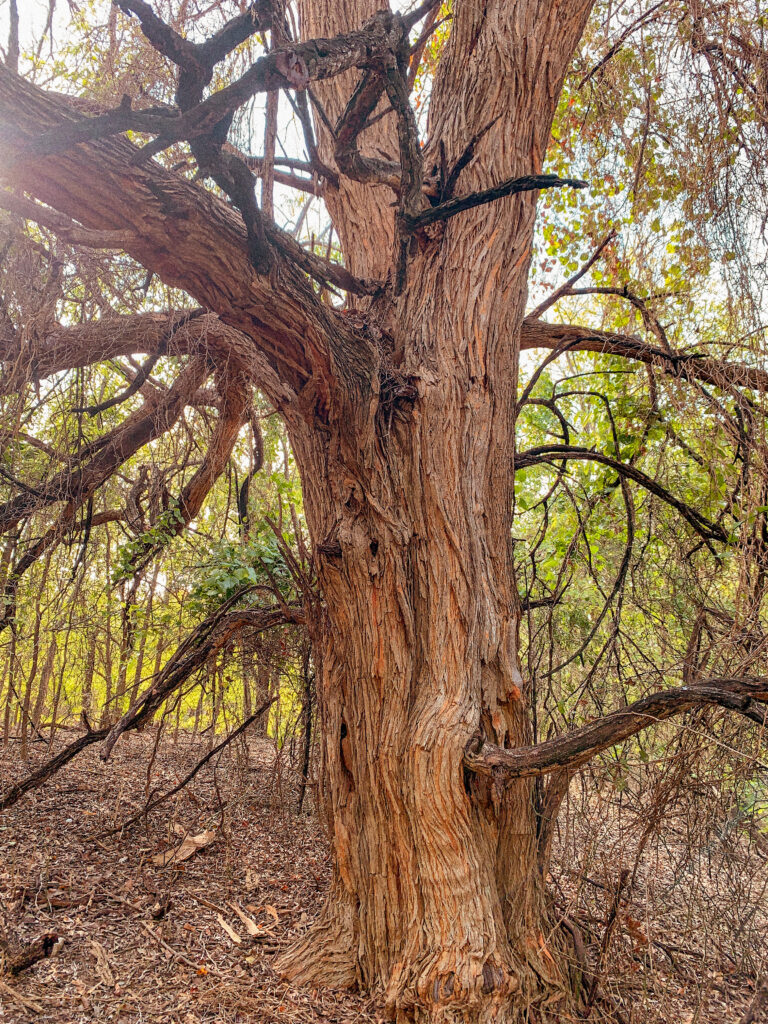
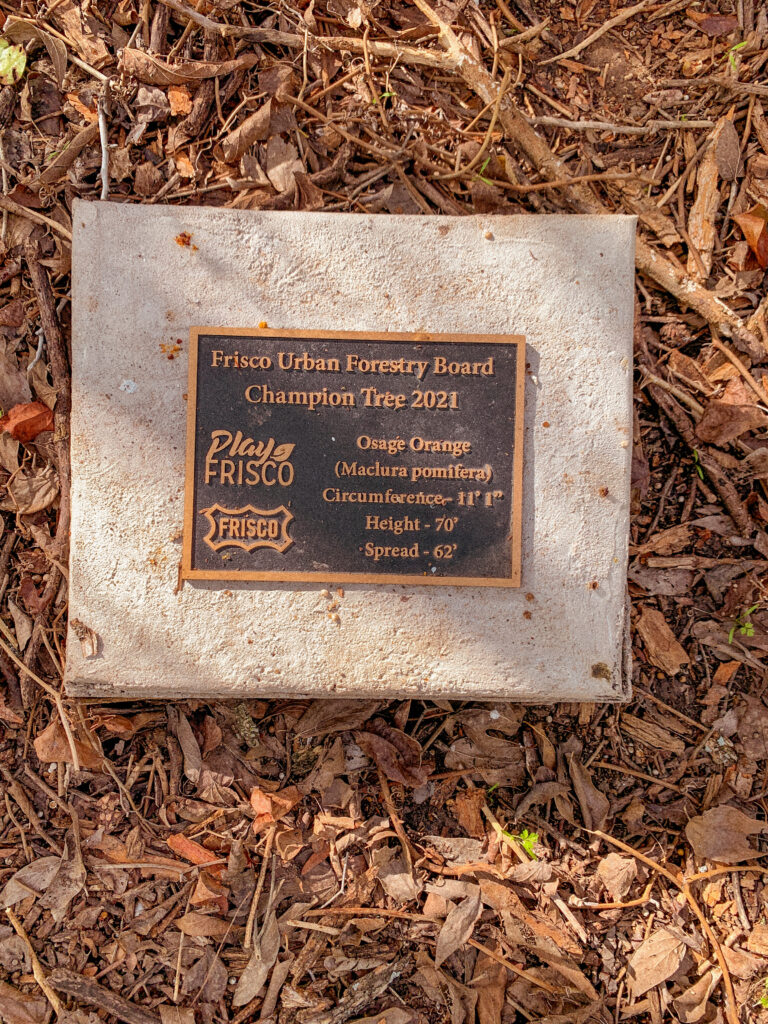
To the left is a bird of unknown species that I found on my brother and I’s walk throughout the greenbelt. On the right was a remarkable tree called the Osagé Orange tree, which actually won an award as pictured below:

Luke and I hope that everyone enjoyed their break!

“This is a wonderful day. I’ve never seen this one before.”

– Maya Angelou

Featured post

November 5th Visit: Overlook at Lone Rock Point

I was so excited to be back at my Phenology spot and to take the time to really soak up everything around me. The sights, sounds, and smells, all felt different from my visit in October.

The sounds of Lake Champlain from the overlook!

Sights and Sounds of Lone Rock Point…

Once I arrived at the Overlook, I sat down to begin my fifteen minutes of engaging with my place. I struggled to get the hang of doing nothing but observing, but once I got into the swing of it, the minutes flew past. At the end of my observations, I jotted down a few notes about what I heard, felt, saw, and smelt during the time. I noticed most, that the sound of Lake Champlain crashing into the rocks below me was drowning out most of the other noises around me. I heard an occasional bird chirping and some of the nearby leaves making their final descent to the ground. It was also quite windy, so the brisk air was rustling the trees, and wisping past my ear. I paned the view around me and saw most abundantly leaves. All of the leaves from the surrounding trees covered everything in their path, so much so, that there wasn’t much of a path at all.

I found it rather therapeutic to take the time to connect to the environment around me, and really remain present in that moment. It was quite peaceful, and I think more than anything, that I really observed the location and everything that it encompasses.

A Leafy Trail!

Winter is Coming & Vegetation is Changing!

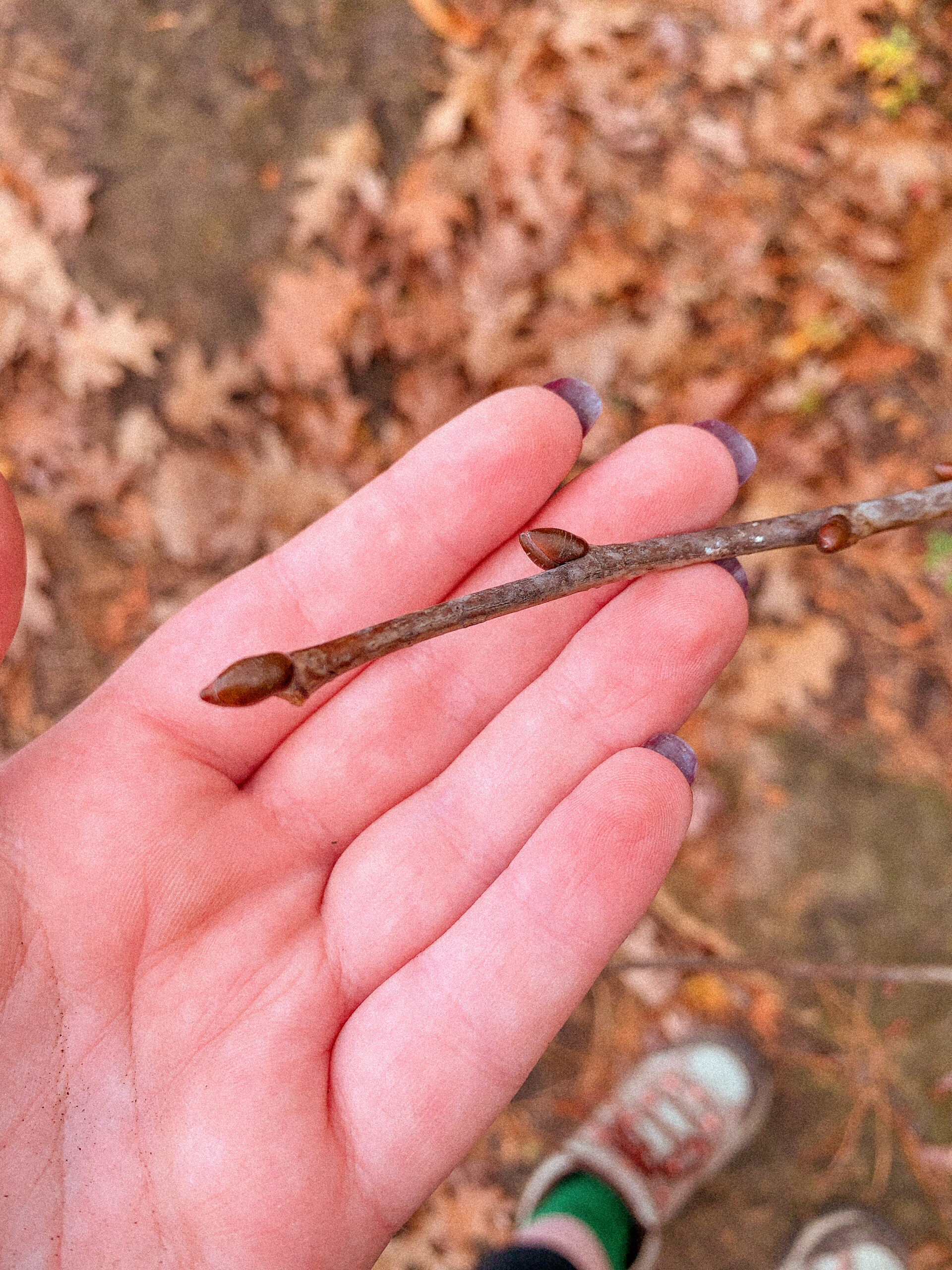
From the photo of the trail alone, it is obvious that Lone Rock Point is changing. Deciduous trees have dwindling foliage, but most have no leaves left at all, The Northern White Cedar remains heavily present, and The Buckthorn pictured above is looking rather worse for wear. On the other hand, some trees are down to the bud, prepping for winter!

Bird’s Eye View!

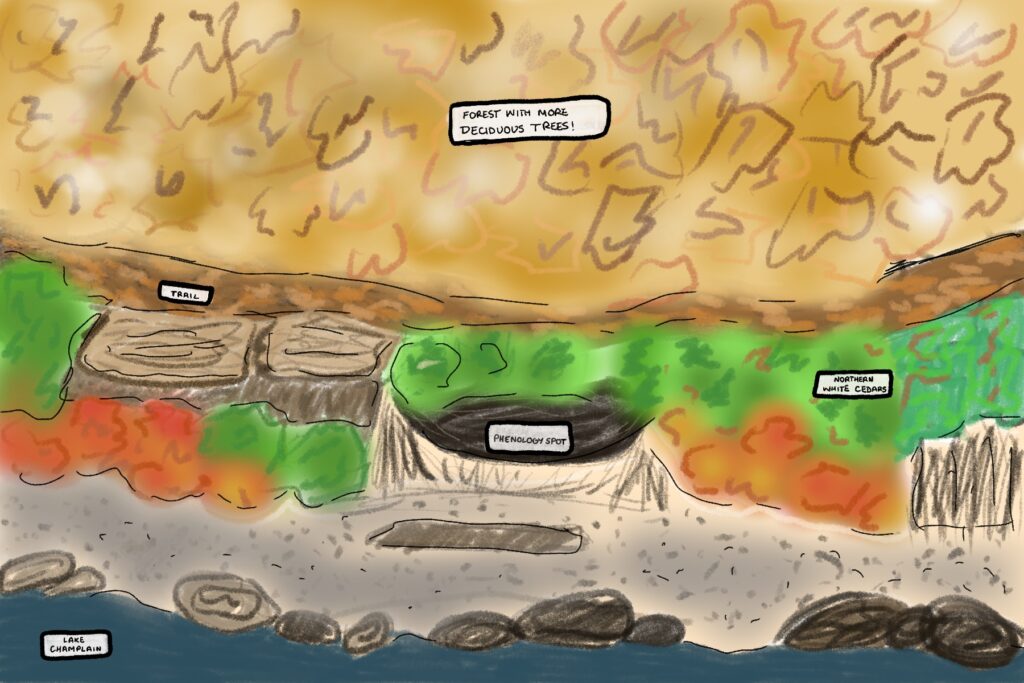
Above is a roughly drawn Bird’s Eye View of my phenology spot!

As leaves cover the forest floor in a carpet of vibrant rusts, orange and gold, autumn proves that sometimes death, too, can be a beautiful thing

-Nikita Gill