
Location
The phenology spot I choose is Oak Ridge Park in Clark, New Jersey. Oak Ridge park is special because it is a place I used to run at and walk my dog. It is an area I can go to clear my mind and connect with nature since the town I live in doesn’t have any outdoor outlets.

Phenology Comparison
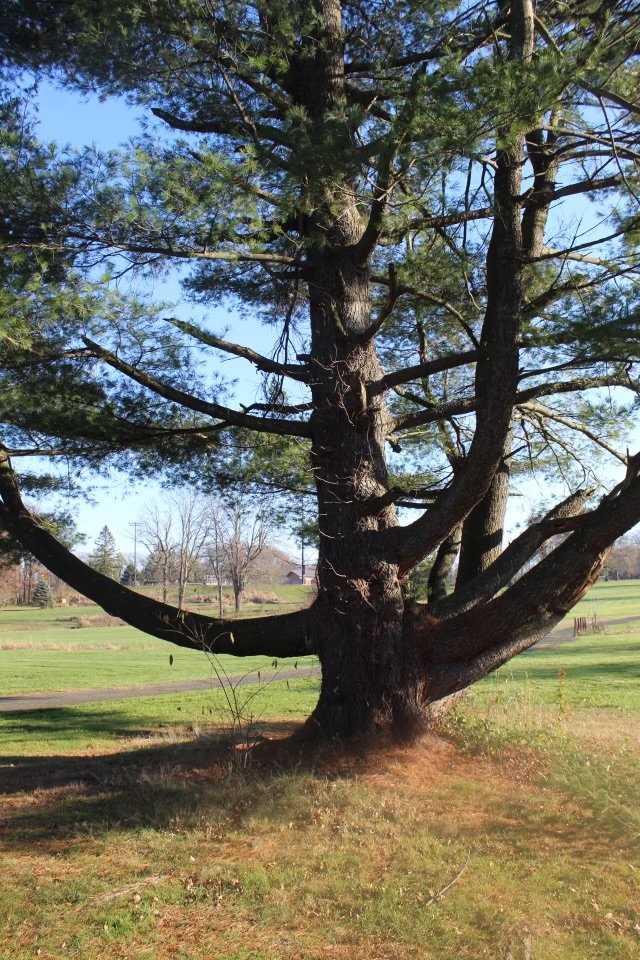
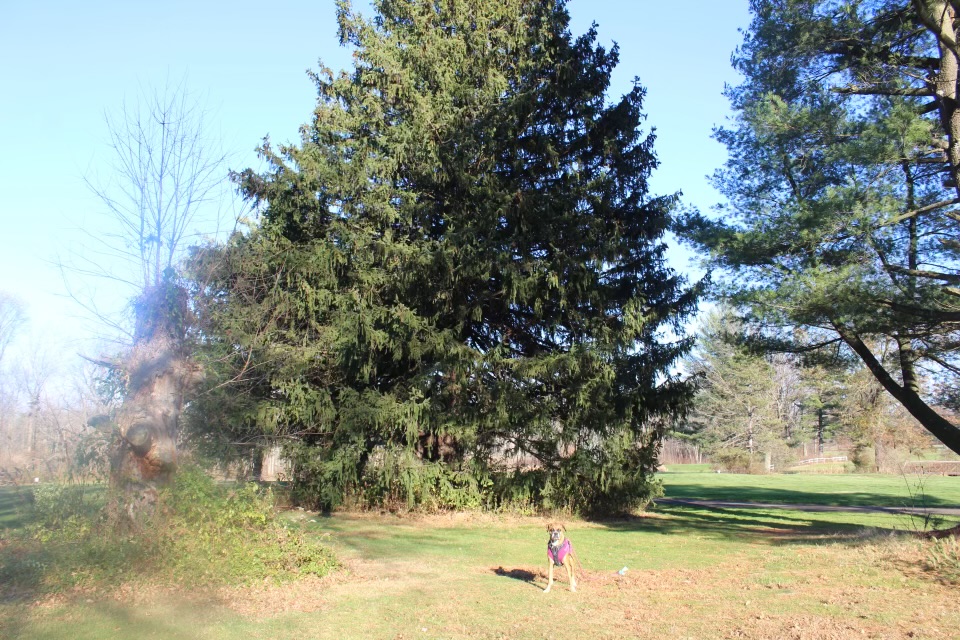
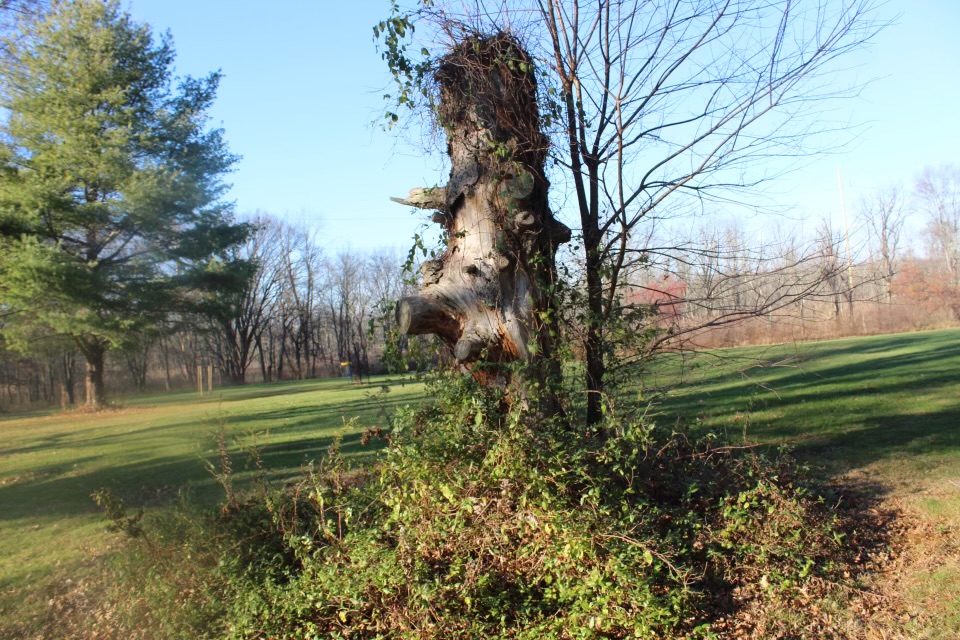
Oak Ridge Park’s climate is drastically different from Centinall Woods. The temperature is warmer; this particular day was 51 degrees Fahrenheit and sunny, which is significantly warmer than Vermont. Oak Ridge park also did not contain as many deciduous tree species resulting in fewer leaves on the ground. The tree growth was also spread out compared to Centennial Woods because of the recreational uses of the area. Oak Ridge Park contains a track and concrete trails used for biking and running and is used for cross-country races. Unlike Centennial Woods, it is not in an urban area but rather in a suburban area. Oak ridge is next to train tracks, making the only animal species present are squirrels and some birds similar to Centennial Woods. Centennial also is a watershed, and oak ridge park is not. Oak Ridge shade levels are different as the area is primarily open, and the trees are far apart. While Centennial tree species overlap and create a canopy.
Ecology Comparison
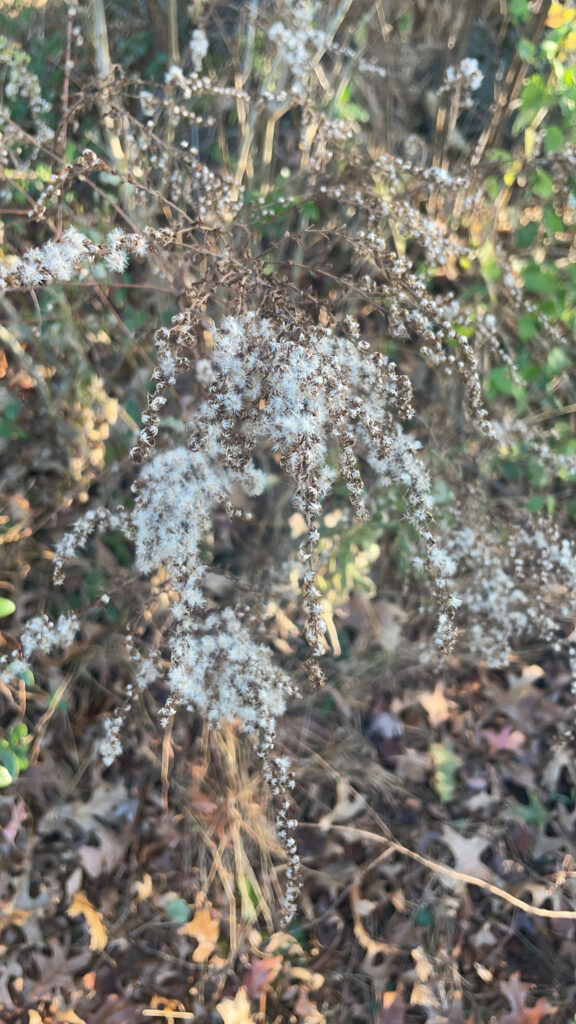
Centennial Woods’s tree diversity is much higher than Oak Ridge’s, and Centennial Woods contains more of an understory. Oak ridge species in the understory consisted mainly of honeysuckle and goldenrod. The overstory was mostly coniferous trees and a few deciduous trees. The species present were Eastern white pine, Eastern Hemlock, Norway spruce, and Northern Red oak. Oak Ridge also had fewer dead-standing trees, and the trees were much larger due to the area being flat and open. The soils were also different because Centennial Woods is located by the water, and Oak ridge park is more maintained to have a cleaner look. Centianals woods and Oak ridge park are different places with different diversity, growth levels, and purposes.