Posts

Phenology Post 4/28

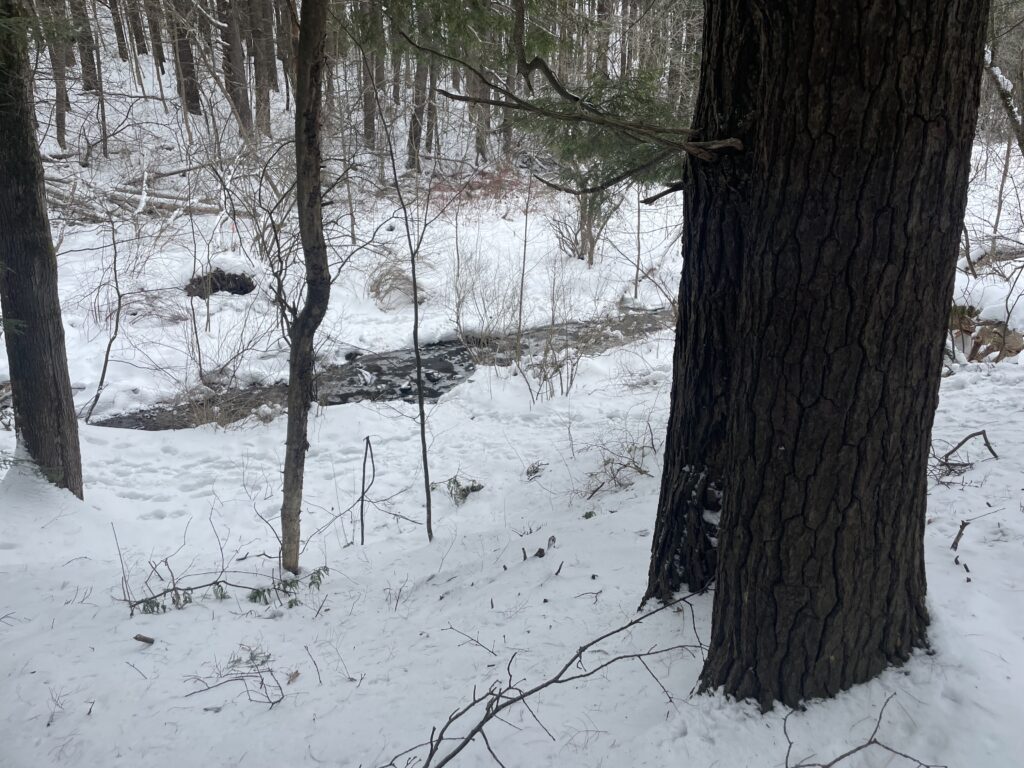
The site has changed dramatically over time, primarily due to weather. The site has gone from frozen ground to an area with grasses and moist soils. The excessive rain has also contributed to the composition of the area. My tree has sprouted leaves, and so have the trees around. American Beech, Yellow Birch, and many understory plants are among these trees. There has also been less snowfall and not as cold temperatures throughout the year. Human-caused changes could be the projects that happened in centennial woods.

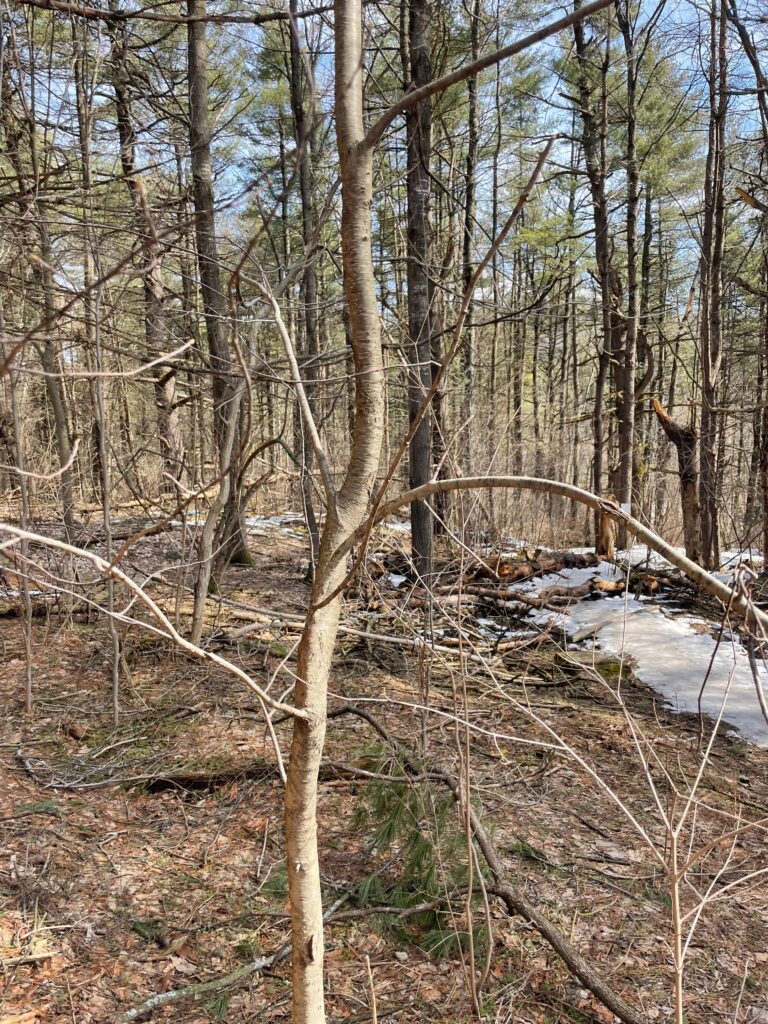
The significant landmarks I became familiar with were the entrance sign and the large fallen trees in my area. The smaller landmarks included small and large trees, the muddy ground my tree was in, and the small downhill my tree was on.

Nature and culture are intertwined here because of the location. The university, as well as the Burlington community, are a part of centennial woods. Many community members and students use this place to connect with nature. The Centennial Brook is also another way nature and culture are intertwined.

I consider myself a part of my place because this has been my second home for the past year, and Centennial Woods is the place that helped strengthen my connection to the environment.
Phenology Post 9

April 10th 2023

Changes

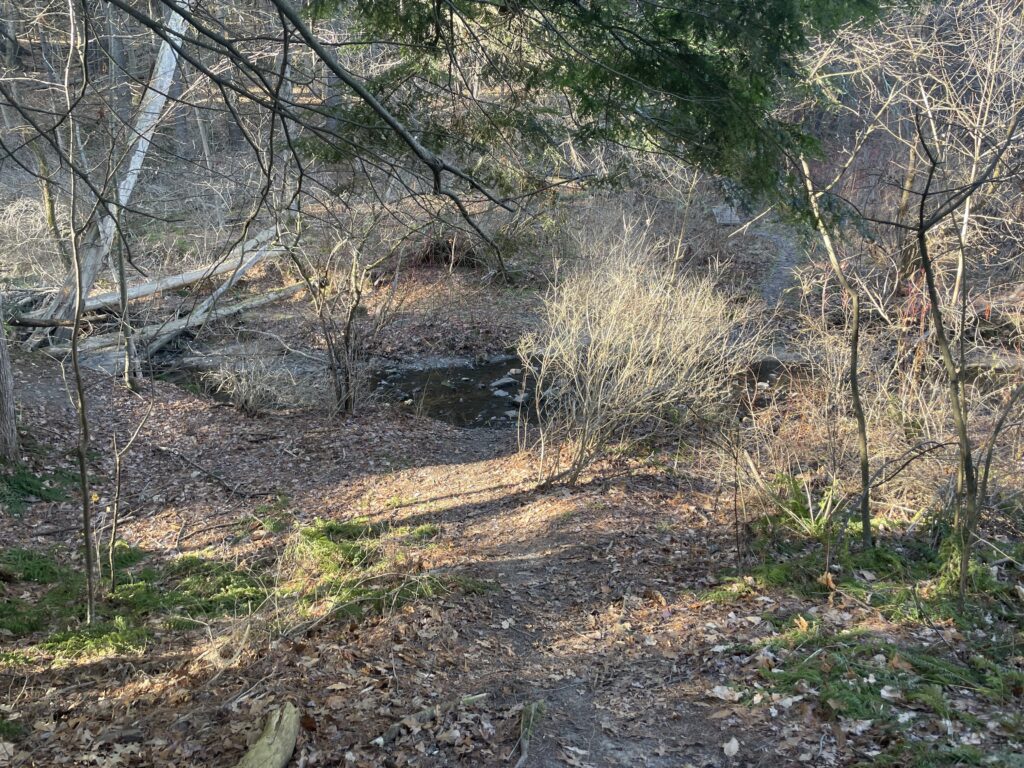
There has been no changes to the tree but the areas temperatures has increased and there is no longer snow on the ground. The buds color has become more visible. The tree will most likely start budding/flowering by my next visit.

Phenology Post 8

Changes

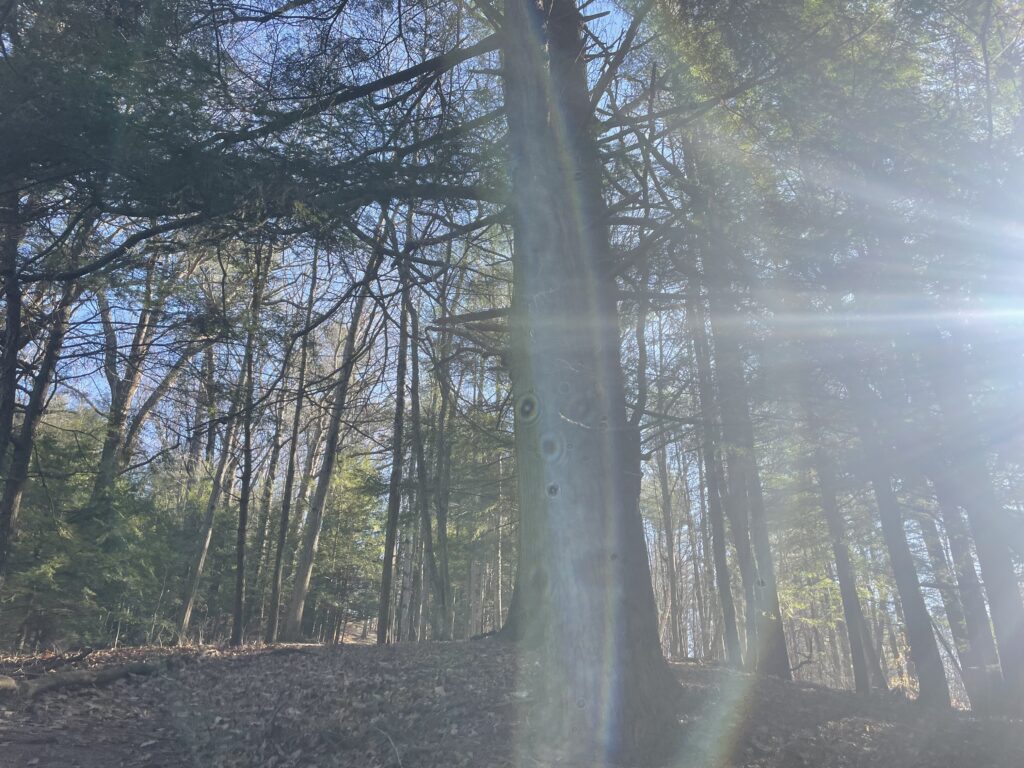
There is not many changes to the tree expect that the bark has gotten rough in more places along the tree. Some of the branches also have turned into a red/brown color. My experience visiting this time was much different has there was much more snow on the ground and much colder temperatures. Today was sunny and I can see more vegetation in the area.

Phenology Post 7

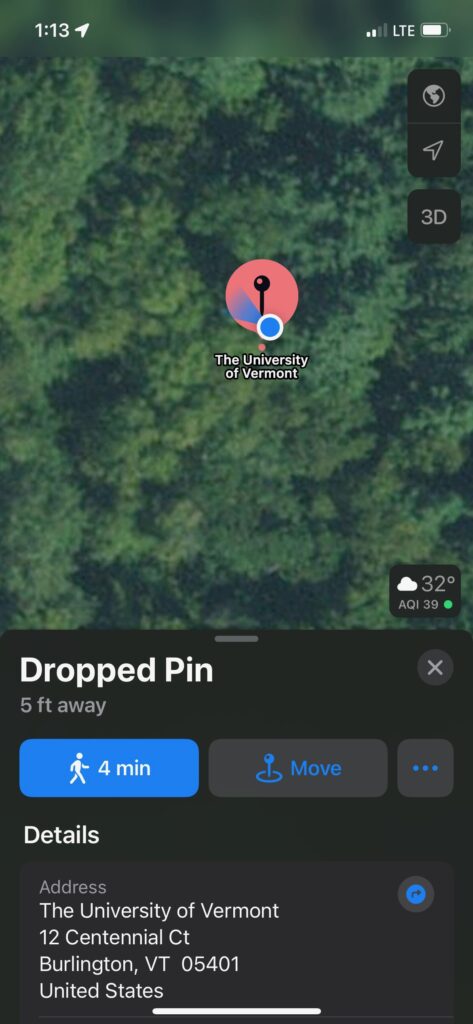
Location – Centennial Woods

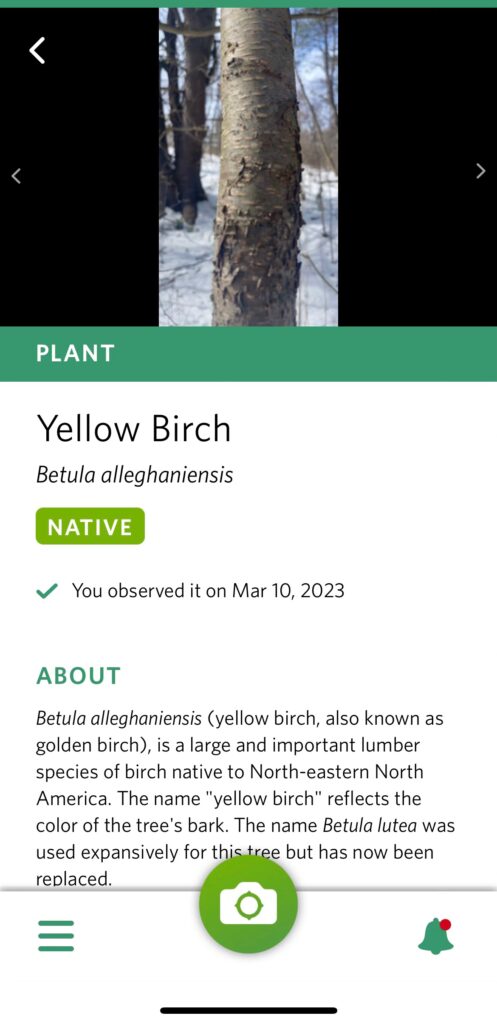
Species – Yellow Birch

Identification Process

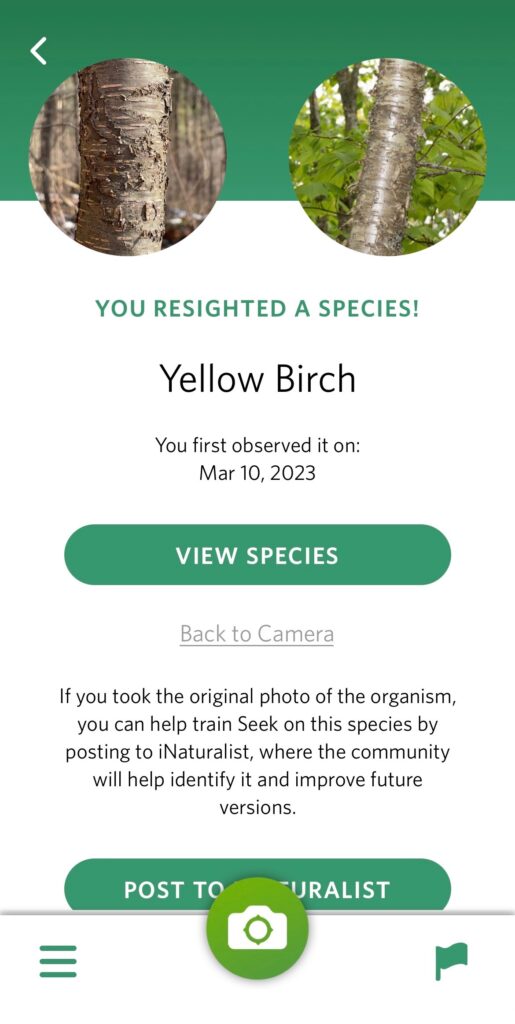
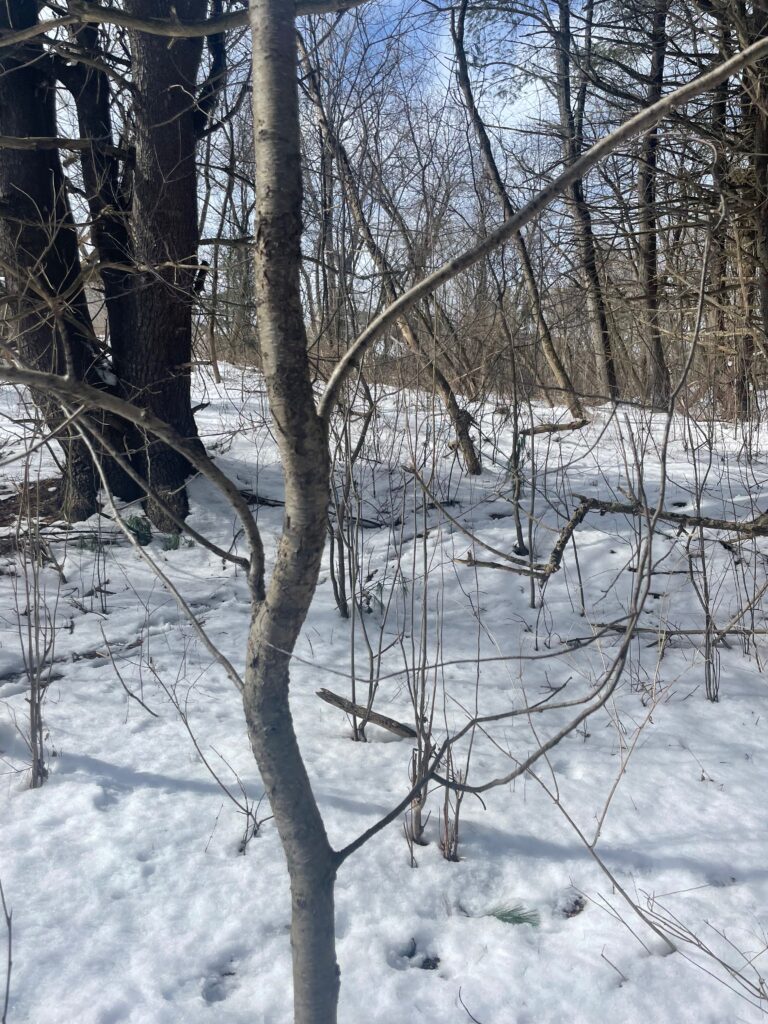
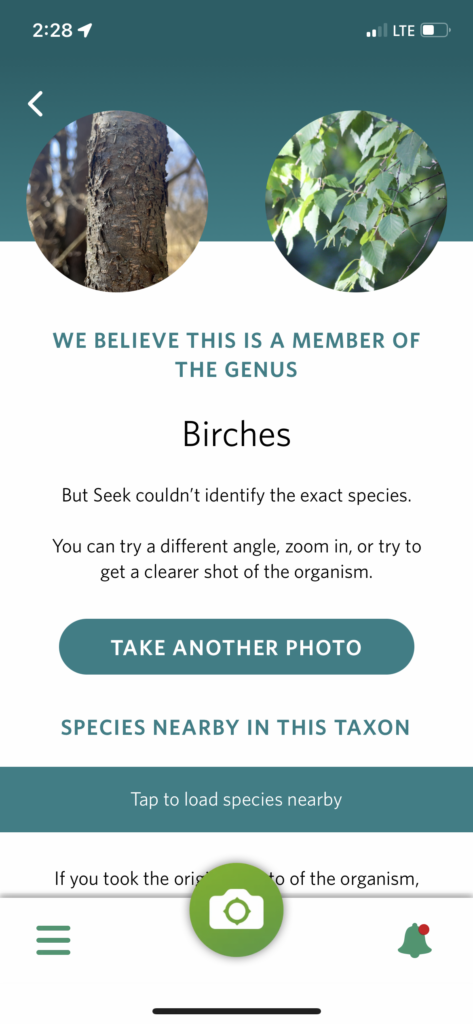
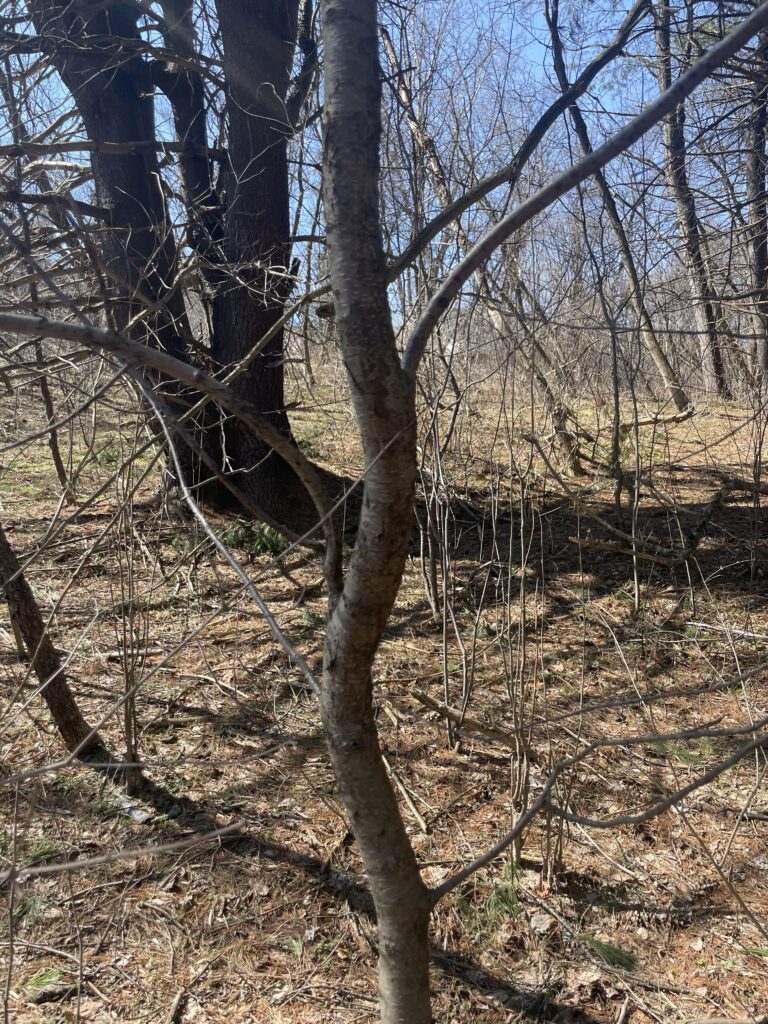
I identified this three through its bark as it was yellow-grayish and peeled off the tree. I also identified it through its buds. The buds on the tree were sharp and had a red-brownish color.

Phenological Observations

The tree shows no evidence of growing leaves and has no leaves still on it. Some of the trees bark is smoother than others.

Phenology Post 6

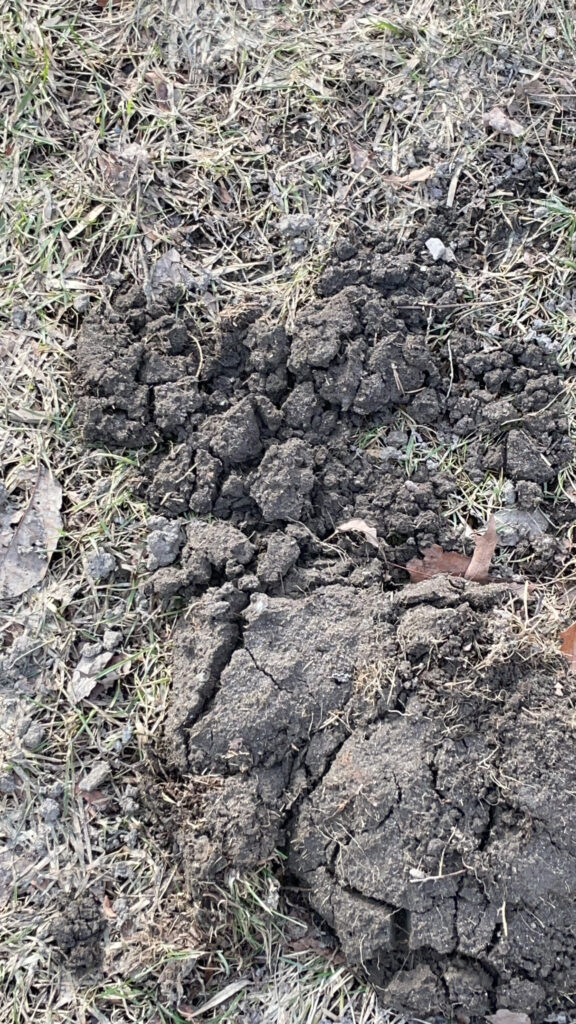
I decided to go near Centennial Woods and food my fist animal sign near the entrance. I noticed that the grass was not broken into expect for this one area of dirt that seemed to be from deep underground. I was thinking that it could be a mole or some type of species that burrows underground. Using iNaturalist it immediately narrowed it down to the Eastern Mole which is a native species.

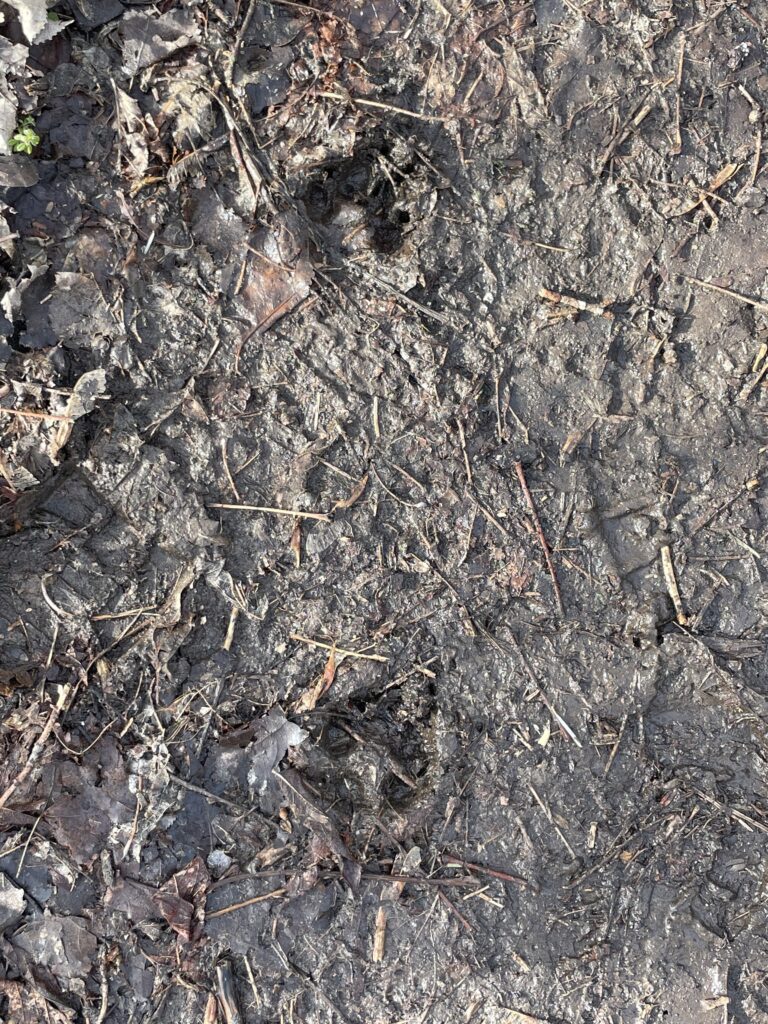
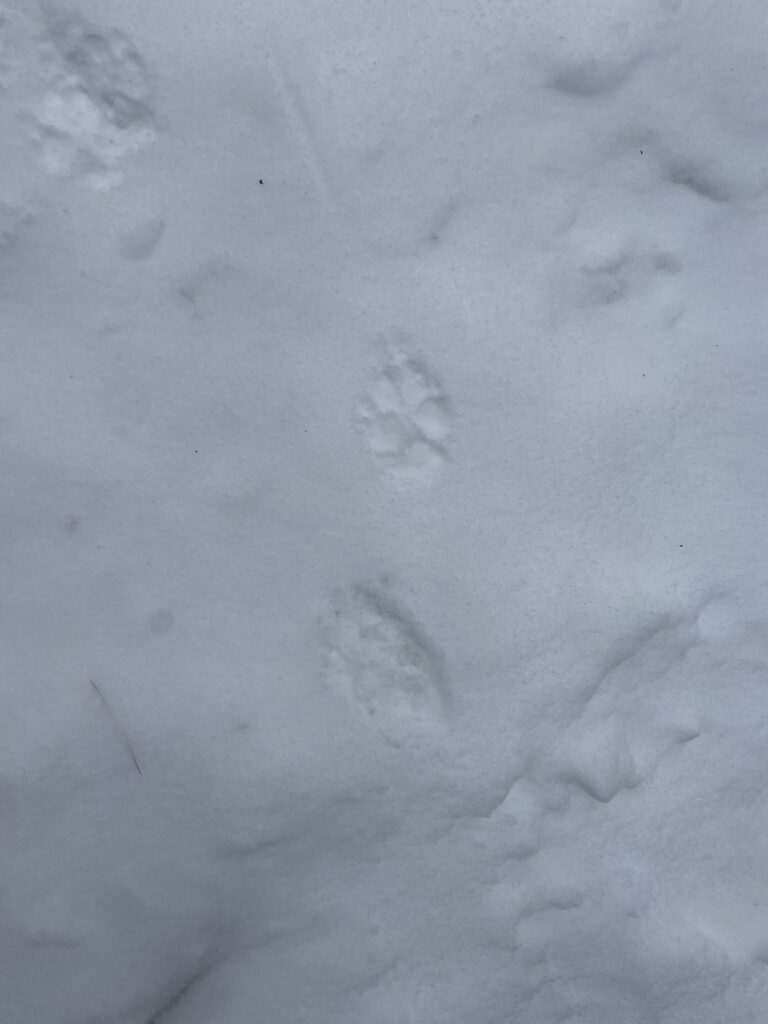
The second image couldn’t not be identified by iNaturalist. I saw this track right when you enter Centennial Woods. Based on the toes and size I think it could be a canine track, also since it was near the entrance I do not think an animal would like to be that close to human activity.

Phenology Post #5 1/30

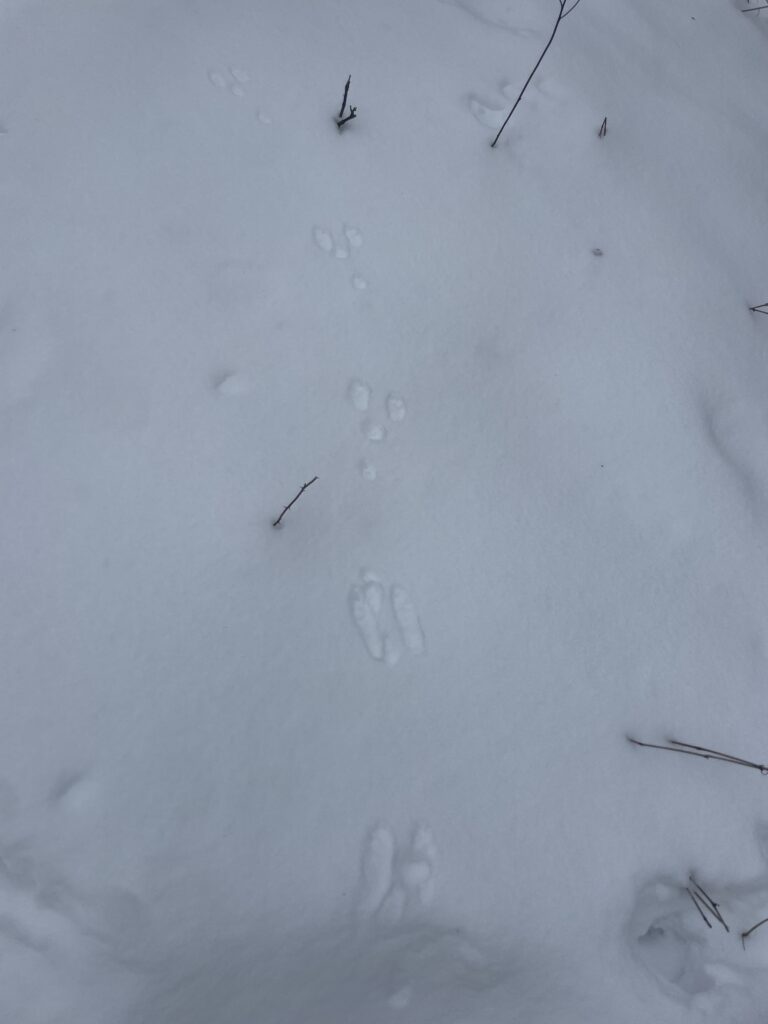
Snow Tracks

Phenological Changes

There mainly were fallen and dead-standing trees in my area, but the Eastern Hemlocks still have their leaves. The intermediate wood ferns are now gone as well as the fruit of the Barberry tree. The American beech tree has also lost the rest of its leaves. The understory is mainly gone, and the overstory consists of Eastern Hemlock and Eastern White Pine.

Phenology Post 4

Vegetation Changes

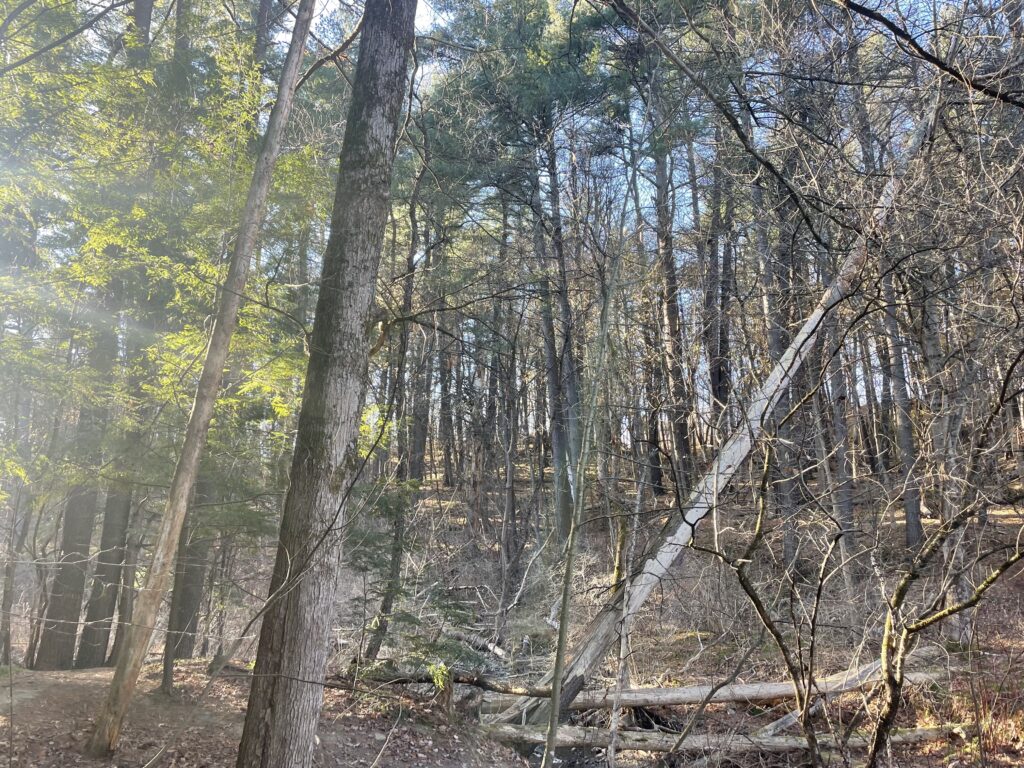
Most of the understory species have lost all of their leaves. Species such as the American Beech and Barberry had some leaves/fruits left. The intermediate wood ferns were also still present in the area. The leaf litter decreased dramatically from last time as the decomposer activity can be seen. The soil that was previously moist has developed frost.


The overstory species, such as the Eastern Hemlock and Eastern White pine, have retained their leaves

Animal Activity

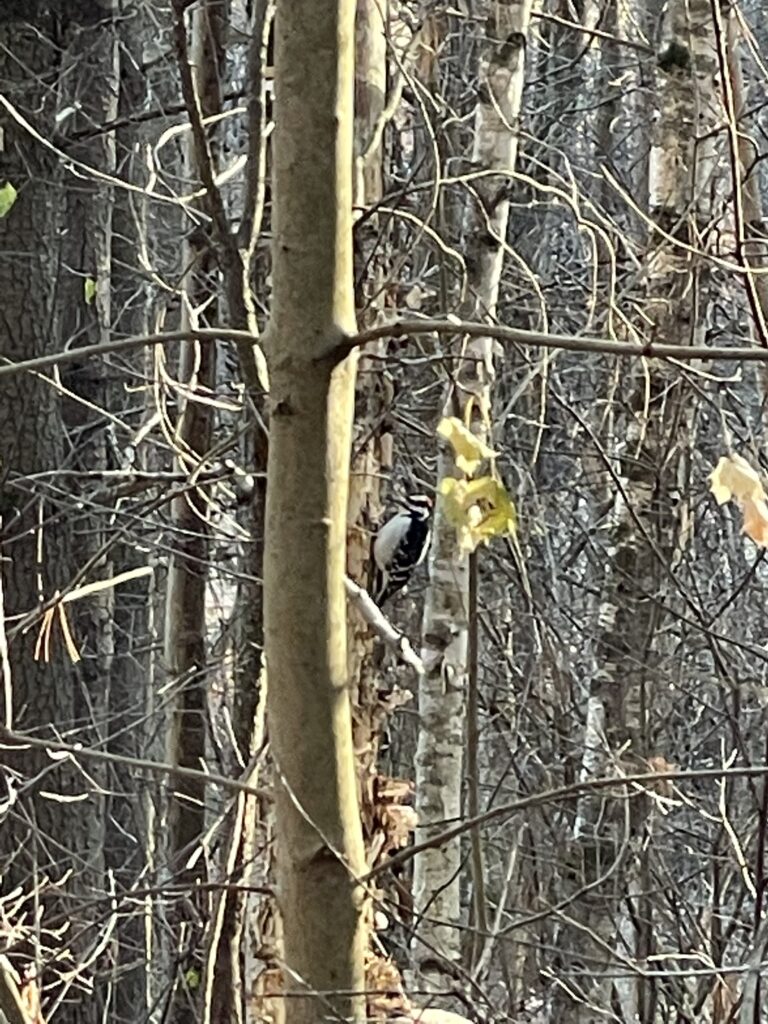
In my phenology spot, there is little animal activity; only some bird sounds can be heard. Exiting Centennial Woods, I saw a woodpecker and heard more bird sounds. Due to the temperature, there has been a decrease in insects in my phenology spot.

What I enjoyed about my phenology place

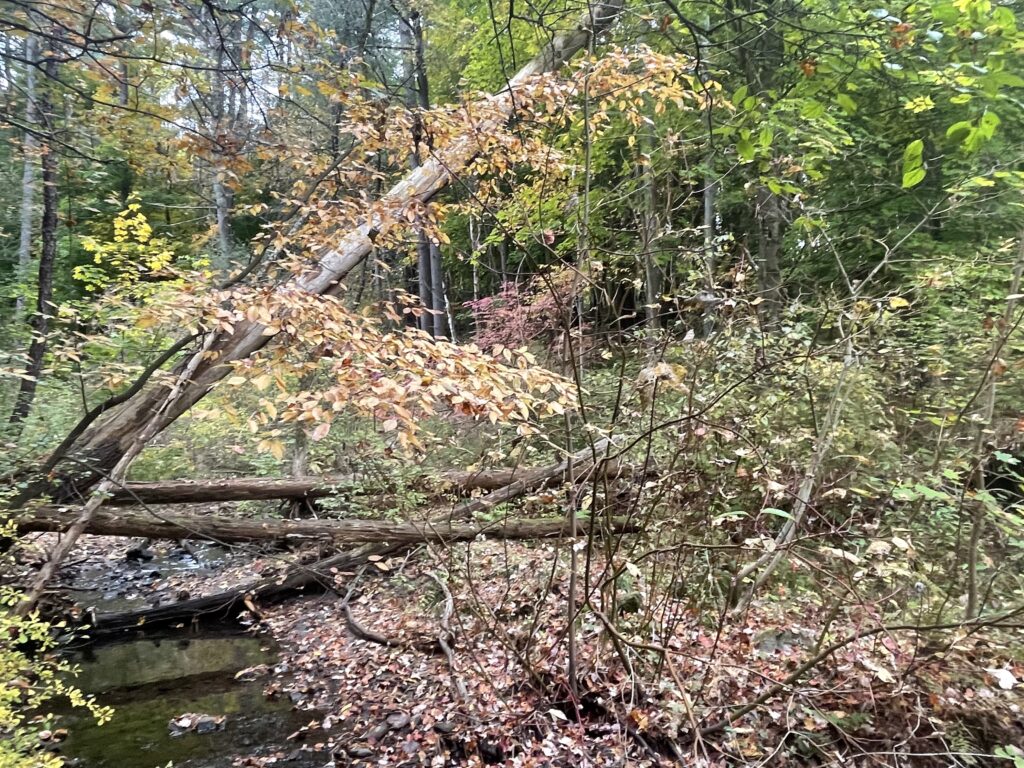
I enjoyed my phenology place for several reasons, but I especially appreciated that it was by some water and the diversity of the species. I also enjoyed that it had a lot of understory species. The area was also down a hill, with many fallen trees. I enjoyed the vicinity of it to school, and I found it to be a peaceful area.

Phenology Post #3

Location

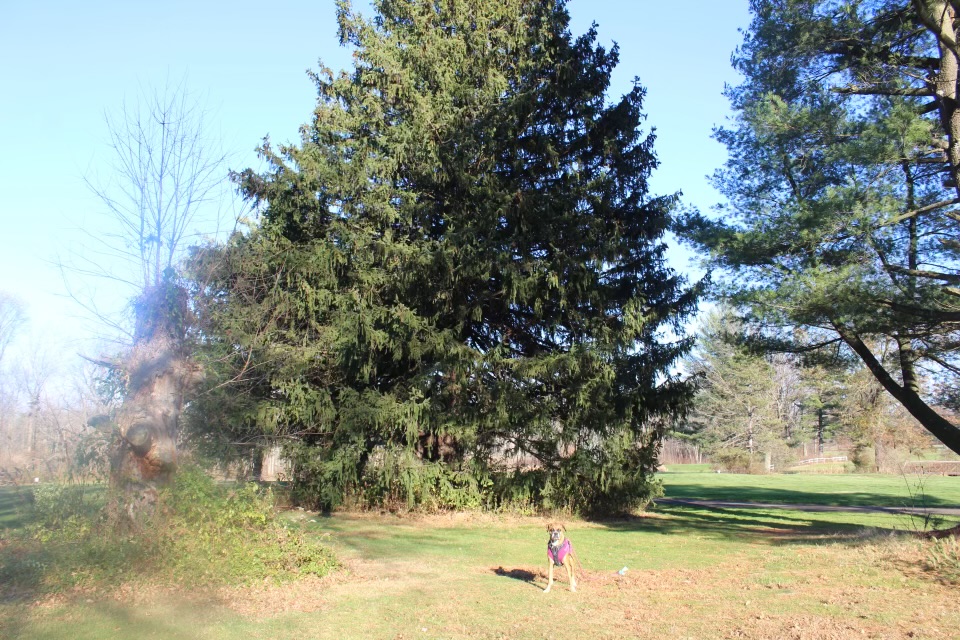
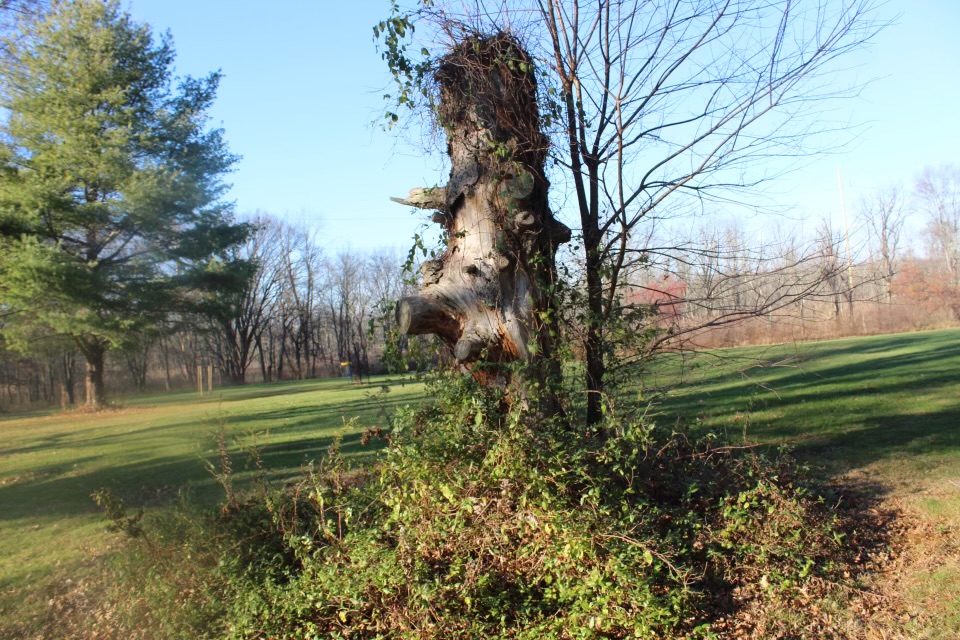
The phenology spot I choose is Oak Ridge Park in Clark, New Jersey. Oak Ridge park is special because it is a place I used to run at and walk my dog. It is an area I can go to clear my mind and connect with nature since the town I live in doesn’t have any outdoor outlets.

Phenology Comparison

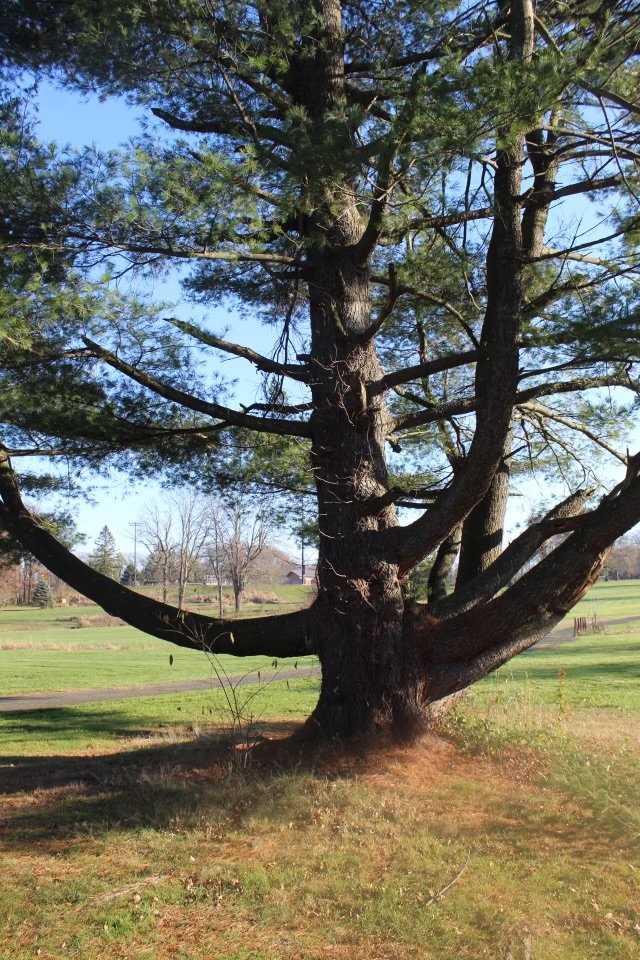
Oak Ridge Park’s climate is drastically different from Centinall Woods. The temperature is warmer; this particular day was 51 degrees Fahrenheit and sunny, which is significantly warmer than Vermont. Oak Ridge park also did not contain as many deciduous tree species resulting in fewer leaves on the ground. The tree growth was also spread out compared to Centennial Woods because of the recreational uses of the area. Oak Ridge Park contains a track and concrete trails used for biking and running and is used for cross-country races. Unlike Centennial Woods, it is not in an urban area but rather in a suburban area. Oak ridge is next to train tracks, making the only animal species present are squirrels and some birds similar to Centennial Woods. Centennial also is a watershed, and oak ridge park is not. Oak Ridge shade levels are different as the area is primarily open, and the trees are far apart. While Centennial tree species overlap and create a canopy.

Ecology Comparison

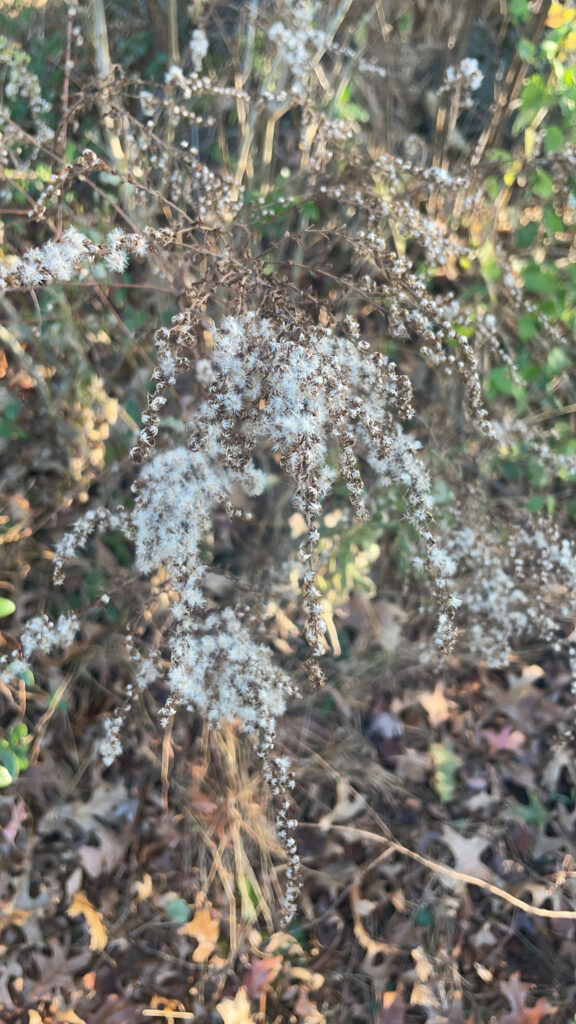
Centennial Woods’s tree diversity is much higher than Oak Ridge’s, and Centennial Woods contains more of an understory. Oak ridge species in the understory consisted mainly of honeysuckle and goldenrod. The overstory was mostly coniferous trees and a few deciduous trees. The species present were Eastern white pine, Eastern Hemlock, Norway spruce, and Northern Red oak. Oak Ridge also had fewer dead-standing trees, and the trees were much larger due to the area being flat and open. The soils were also different because Centennial Woods is located by the water, and Oak ridge park is more maintained to have a cleaner look. Centianals woods and Oak ridge park are different places with different diversity, growth levels, and purposes.

Phenology Post 2

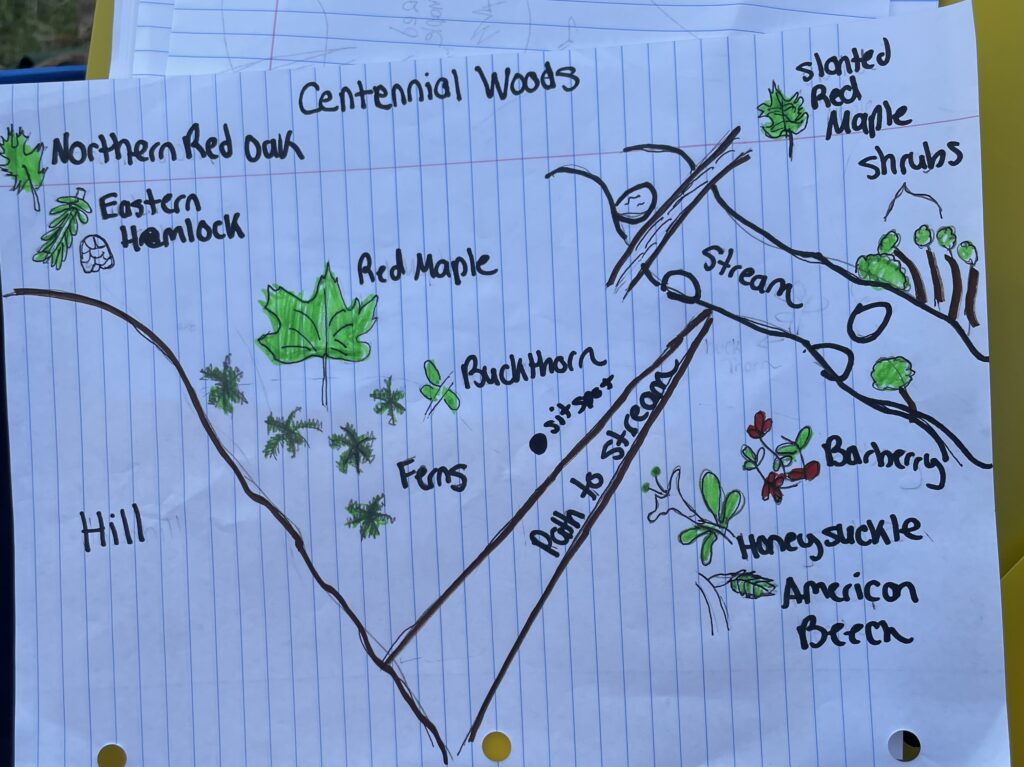
Bird Eyes view

Experience

While engaging with my place, I heard the water from the stream, the leaves crunching below me, and wildlife moving especially squirrels. I witnessed the leaves falling off the trees onto the ground. The soil beneath was moist and sandy. Overall it was a calming and stress-relieving experience.

Changes in Vegetation
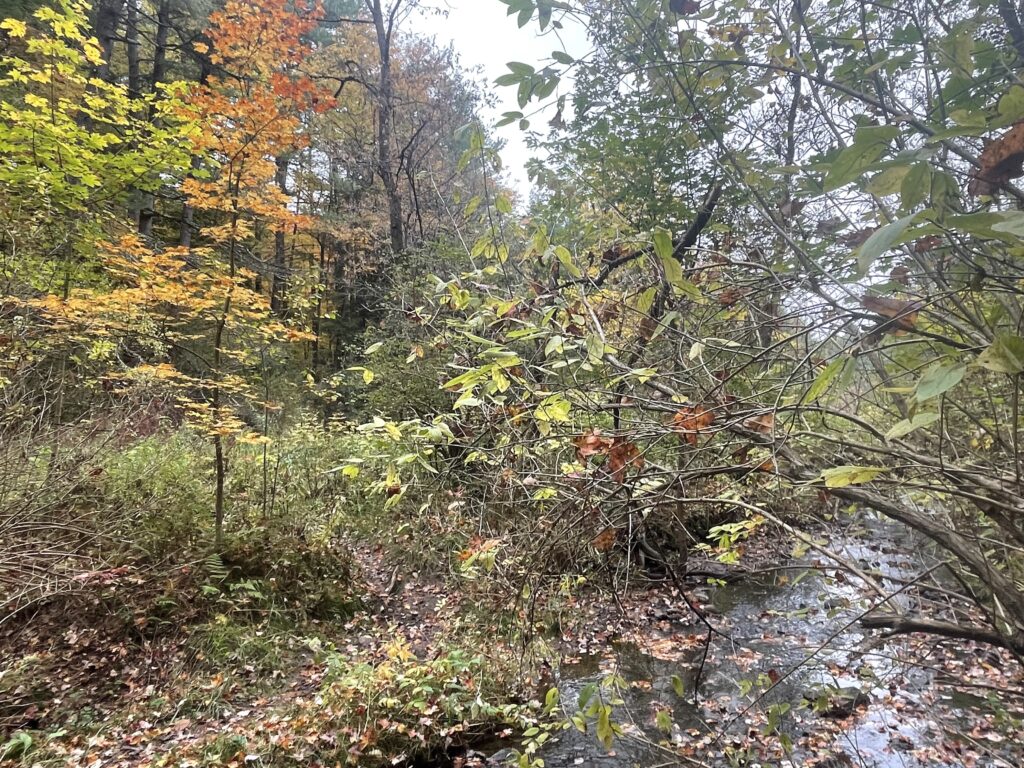
Most of the understory species, such as the beech, young maples, buckthorn, and barberry, lost their leaves. Leaves covered the ground floor of the area in leaves, but the soil underneath was moist from recent rainfall. The over-story species, such as the Easter Hemlock and Red Maple, have retained some of their leaves. The ferns are still alive, although some have started to die off. There was a significant decrease in vegetation.

Intro to Centennial Woods

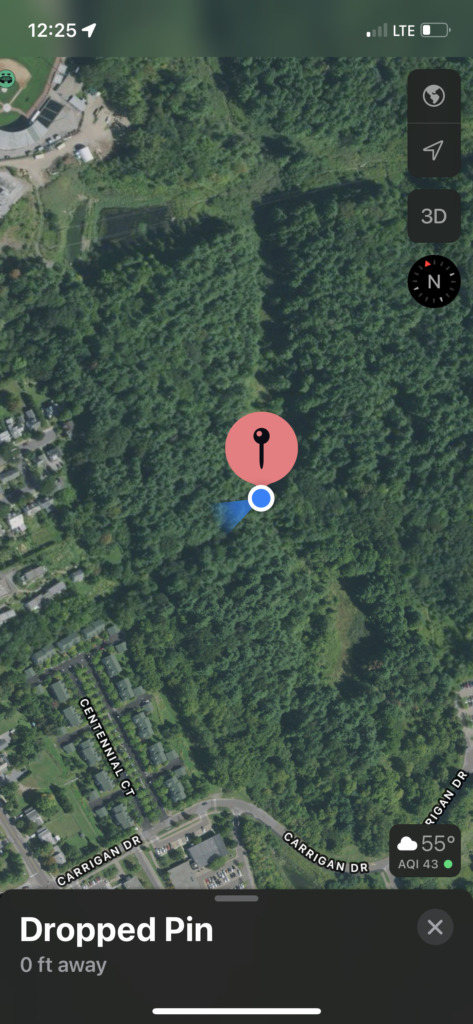
Intro: Centennial Woods is one of UVM’s owned natural areas since 1974 and is 65 acres. It includes conifer stands, mixed hardwoods, streams and wetlands. It is also a urbanized watershed because of its location in the city of Burlington and closeness to the UVM campus. I choose Centennial Woods because of its closeness to campus and I would like to observe a natural that is located in the middle of an urban area.

Directions to Centennial Woods: From my location, head south towards Main Street in Burlington then head north on East Avenue then turn right at stoplight with Carrigan Drive/Catamount Drive and you have arrived at the trailhead.

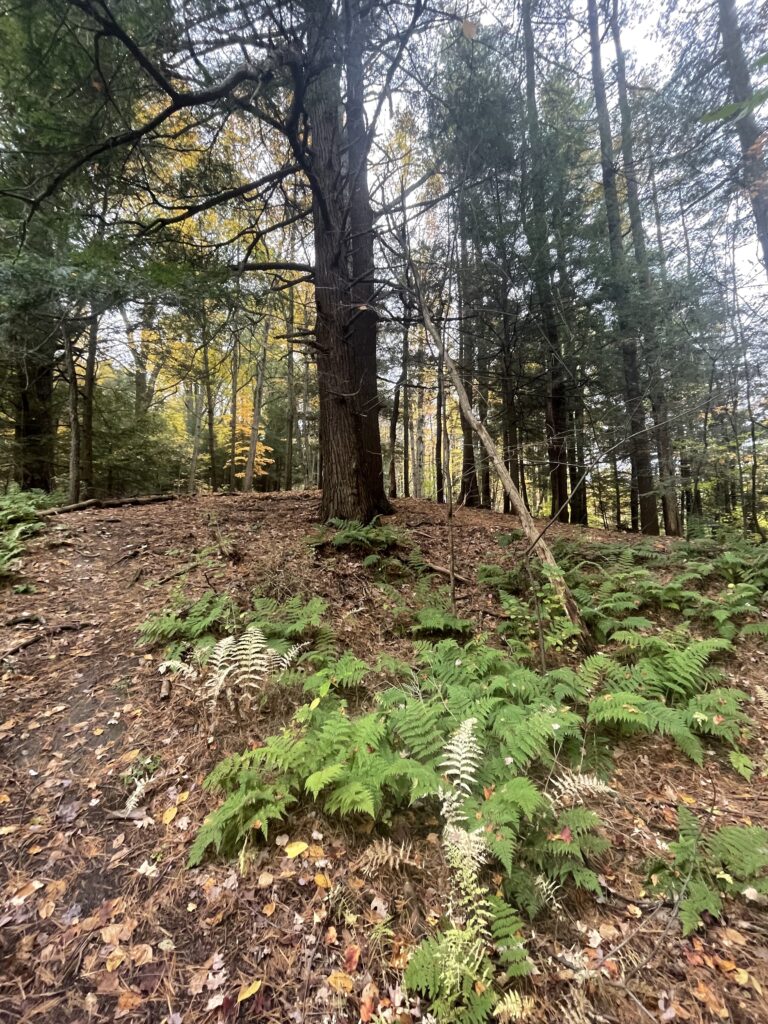
Description of Vegetation: Area is by an area of water making the vegetation mostly small woody plants, shrubs, and smaller trees. The understory makes up a large part of the vegetation but their area some larger tree species in the overs story. The season causes the ground to be covered in leaves and the soil is soft because of its location near the water.

List of Woody Plants and Understory Species

  • Intermediate Wood Fern
  • Honeysuckle
  • American Beech
  • Barberry
  • A young eastern hemlock
  • Common Buckthorn

List of Overstory Species

  • Red Maple
  • Northern Red Oak
  • Eastern Hemlock
Skip to toolbar