November Rock Point Visit
11/05/22
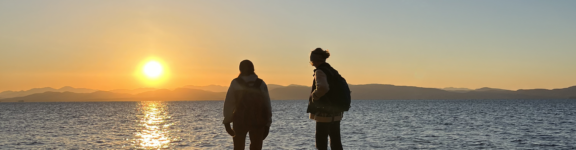
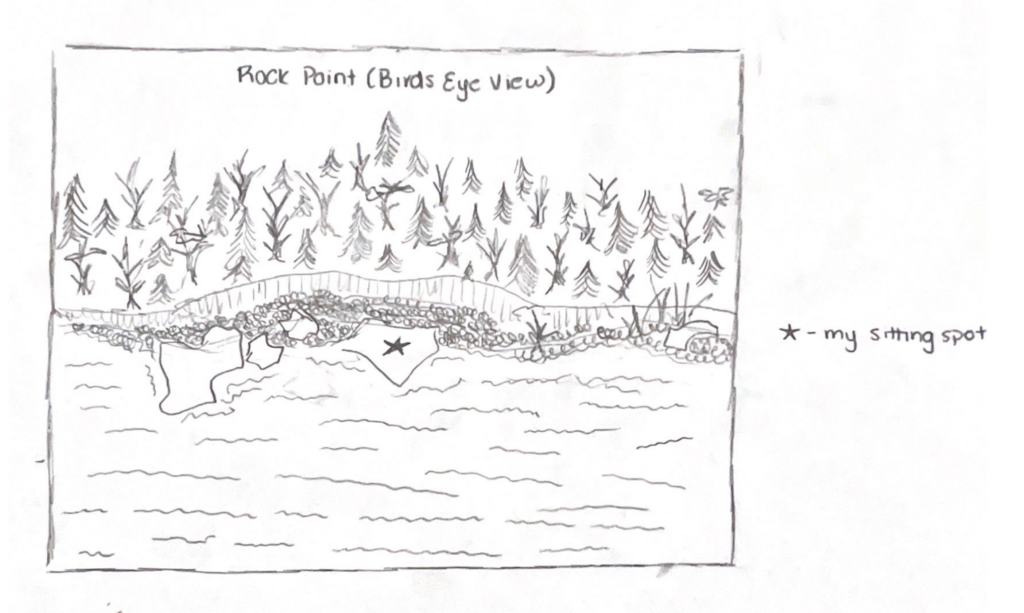
There is constant movement at this place. But every element blends together, and each identifiable pattern is a puzzle piece to an overall process of everlasting reformation of the natural landscape. The temperature was warm but strongly windy, and I felt vulnerable to its heavy force as it continuously tousled my hair. The trees around me remained strong and poised, despite the harsh winds pushing and pulling at their bark and leaves. The air was saturated with the smells of fresh pine and earth, whose scents had been awakened from the rain the previous night. I heard the strong ruffling of oak leaves, and watched their department from branches, as they drifted off into the wind. On this trip, a phenological change was happening right before my eyes, with leaves detaching from branches, causing Rock Point a loss in diversifying fall foliage and greenery. Overall though, my senses continued to gravitate mostly towards the water. I noticed the water-logged remnants of oak and cedar logs, and how their placement on the shoreline had moved upwards, farther away from the water. The waves were a bit chopier today, sporadically crashing into large chunks of dunham dolostone, and spraying some of the bark of the northern white cedars. I loved hearing the rippling waves and watching the mist on its crests drift through the wind to spray my face, as well as rocks and trees. Everything felt so peaceful. Despite the piling of different noises, scents and feelings, everything continued to remain as one. All elements blended together, and I felt so at peace, sitting on a block of dolostone with my eyes closed, listening to wind and water change the setting while the sun’s glow warmed my face.
Phenological Update:
One main change in appearance of my place was the colors of the trees on deciduous leaves, and the number of leaves still attached to branches. The last time I visited Rock Point, the surrounding canopy on the shoreline was alive with greens and bursting yellows, reds and oranges. It had been the prime foliage time for the oaks and maples squandered on the shoreline. Now, all the leaves of the oaks and maples have degraded to an orangey-brown, completely frail and dried of water that crumbles to your touch. Not only this change has endured, but there aren’t many leaves on the deciduous trees anymore. A mixture of drastically chilling temperatures and harsh winds have stripped many of the oaks and maple branches of their leaves, leaving them exposed and gray. The leaves have been tossed by the wind either to rest on the shoreline between rocks, in the water, or back towards the surrounding forest. The evergreens of cedar and eastern white pine remain sturdy and green, un-phased by the changing season.
Another Place: Bay View Beach
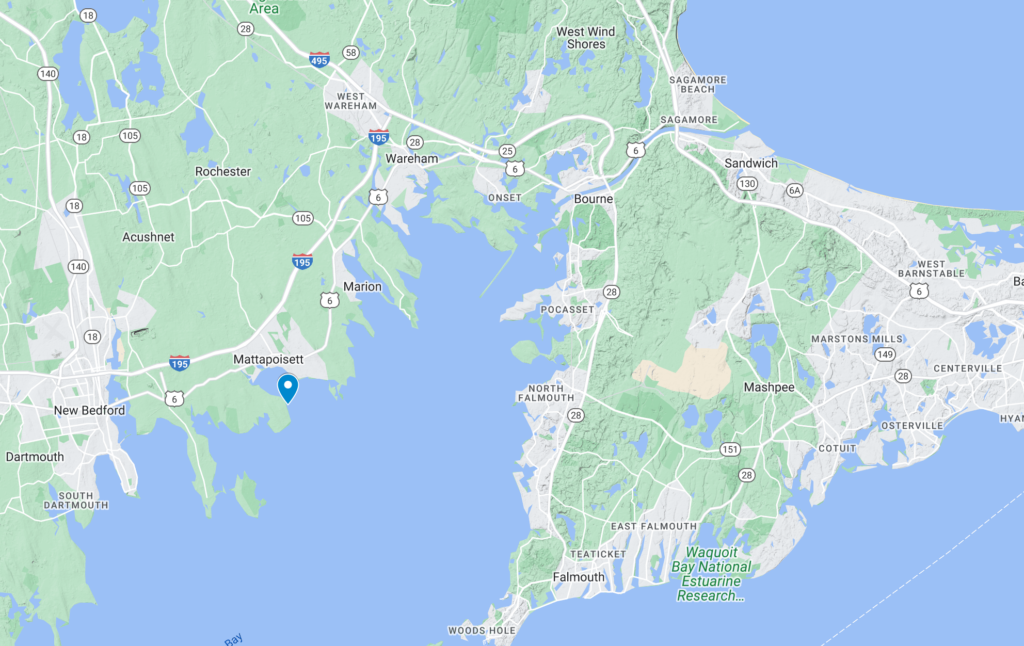
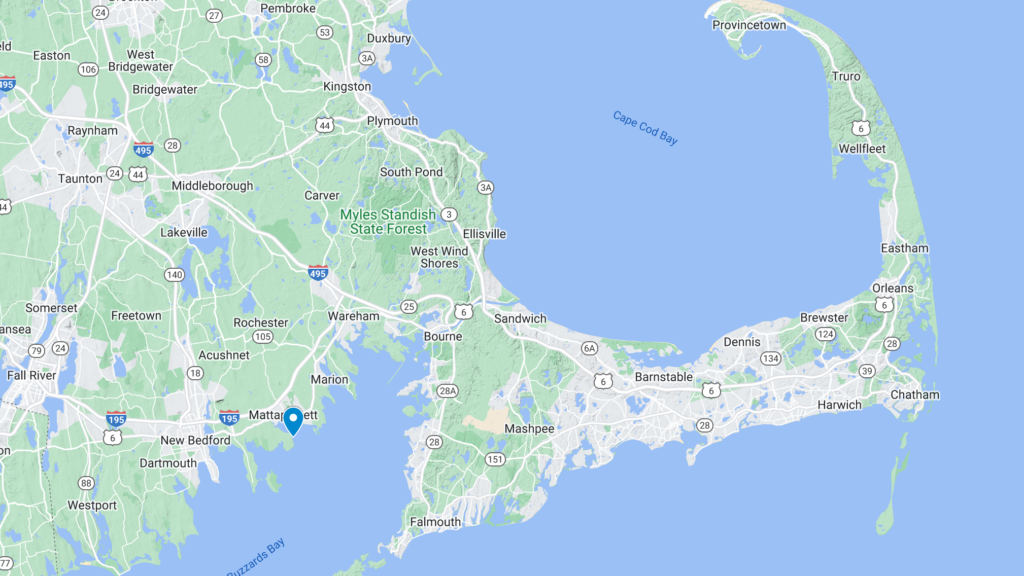
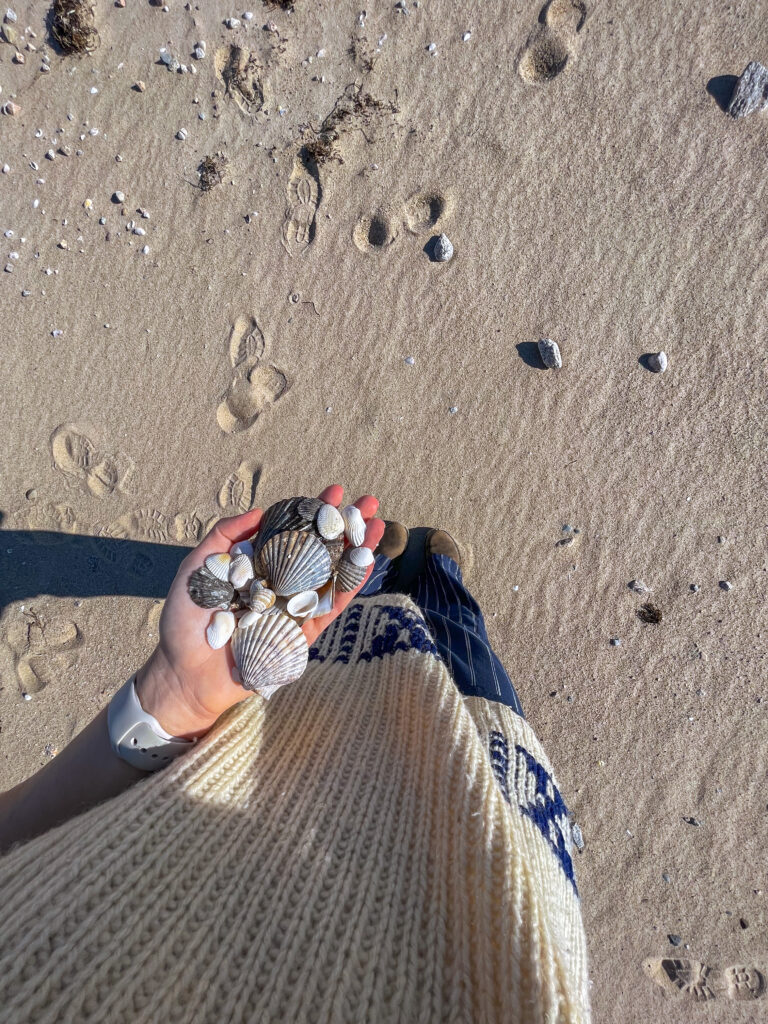
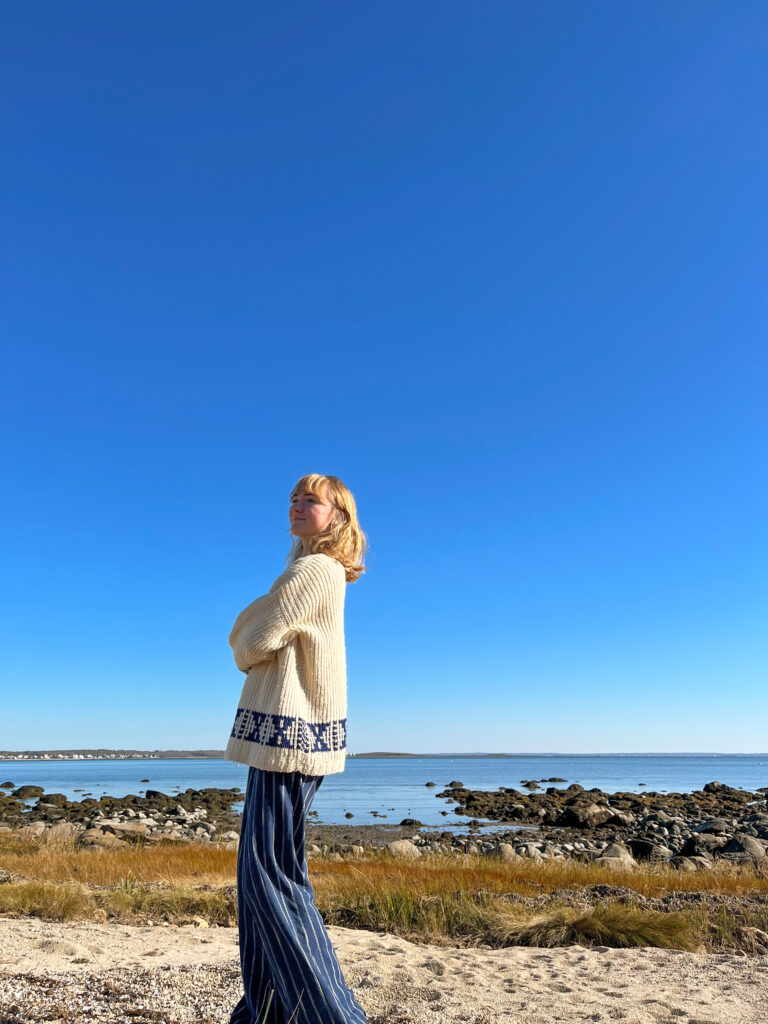
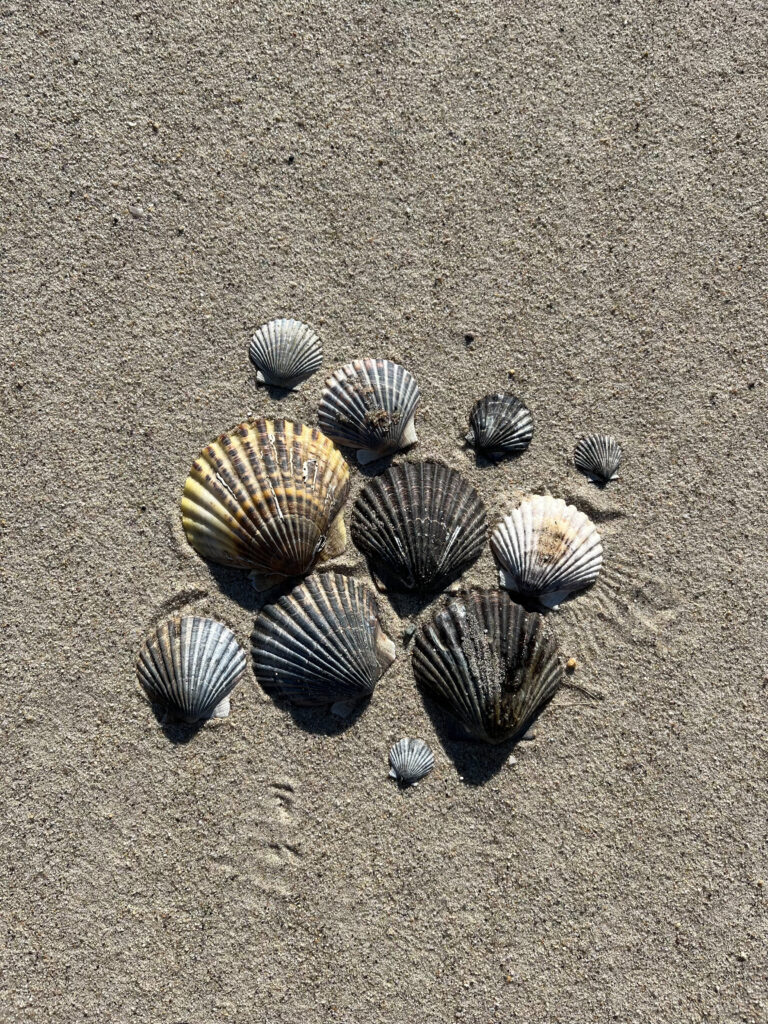
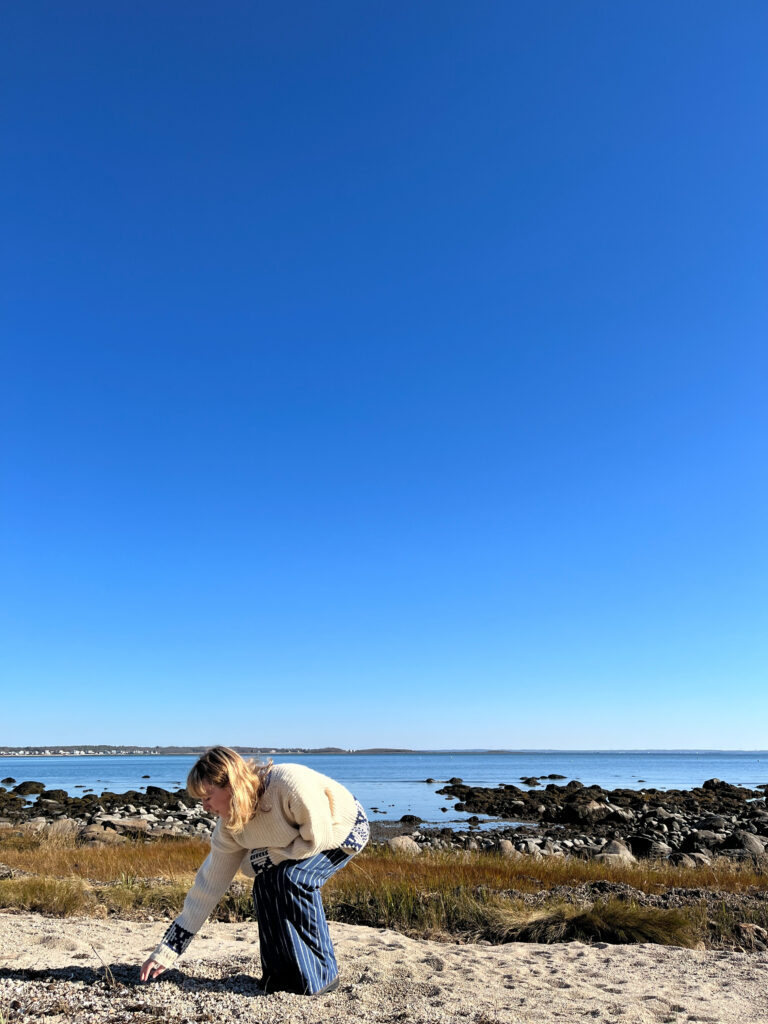
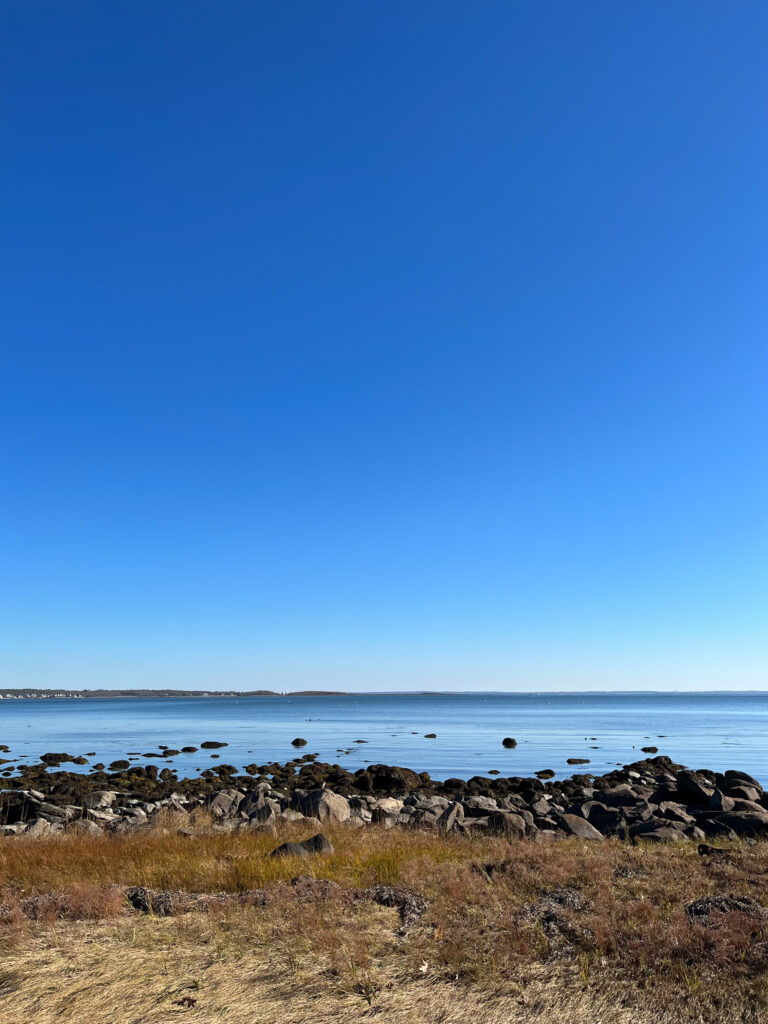
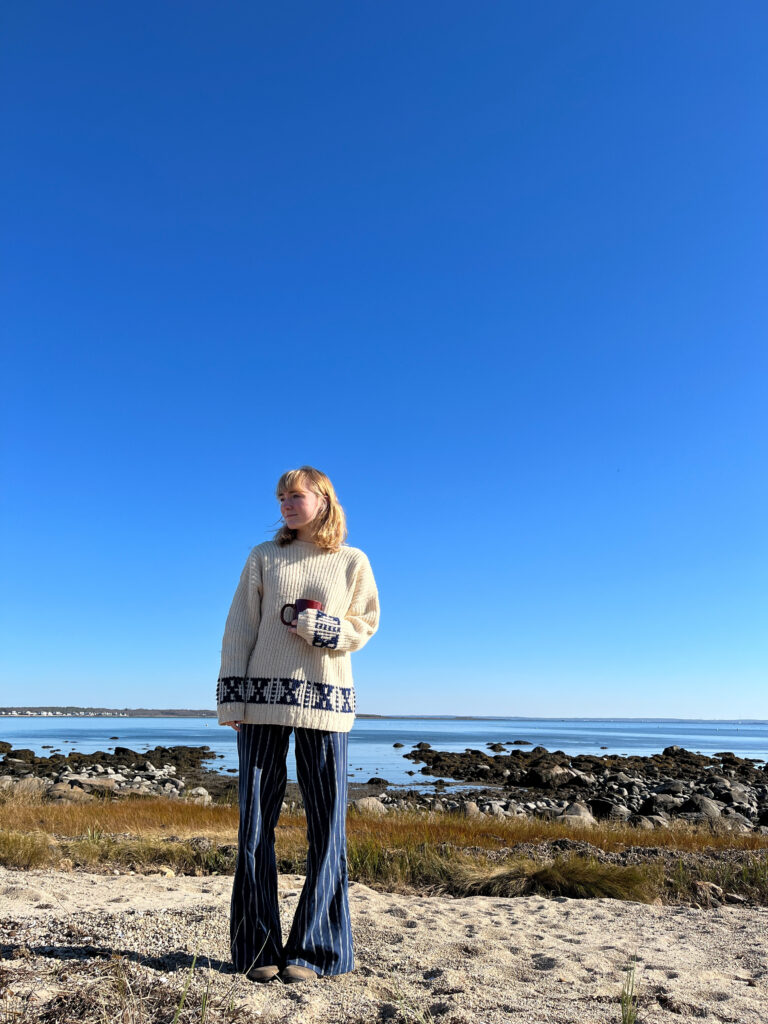
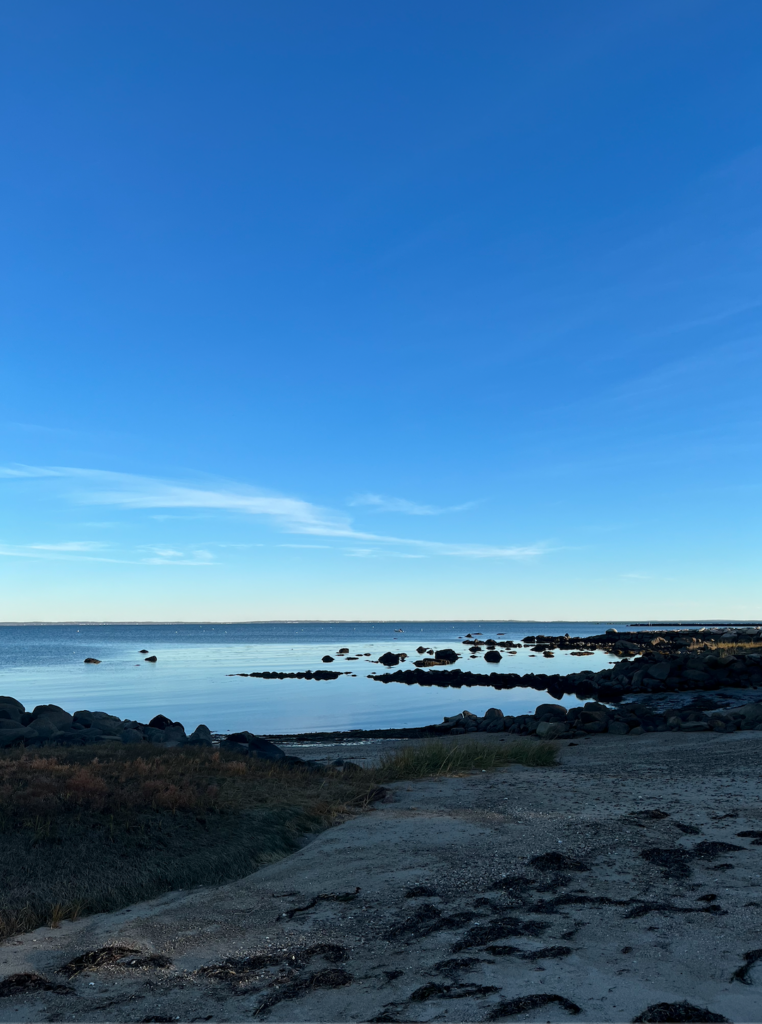
While Bay View beach has always been a few yards east from my home, I never really discovered a serene and meaningful attraction to this location till during the pandemic. It remains a beauty through every season, with something new and comforting to look forward to, in every trip I take. I loved the soothing sounds of waves on the shoreline, and gulls chirping in the distance. The sunrises are just as beautiful as the sunsets, and at night, countless constellations are reflected in quiet waters. This beach gives me so much peace, and was one of the main starting-points in my fascination with ecology and nature’s transformative process with humans.
Rock Point Vs. BayView Beach
There is an eternal beauty to nature that interacts differently with each individual’s emotions, causing them to be attracted to different places across the world. For me, a certain pattern protrudes from the two places I chose for this phenology study, having to do with water. Both locations are undergoing a loss in color and greenery of their vegetation, losing leaves and colors due to harsh winds and cold temperatures. Migratory animals and birds have left the areas now to, to warmer locations across the country. Both Rock Point and Bay View Beach have distinct bodies of water, influencing much of the composition and build of their natural foundations. For Rock Point, freshwater impedes on a rocky shore of Iberville Shale, underneath a dramatic fault line. The distinctive reverse thrust fault that exists within this stunning location has a significant impact on the vegetation that is growing there. The calcium content of the dolostone and limestone bedrocks amplifies the calcium content of the soil atop the rock. The Limestone Bluff Cedar-Pine Forest, which dominates the region along the Rock Point peninsula, is made up of northern white-cedar and white and red pines. White Ash, Red Maple, and Red and White Oaks coexist at the base and develop upward along the steep slope to the thrust fault. The Northern White Cedar that grows off of the Dunham Dolostone rock at Rock Point, not just at the base but also on cliff points, is what makes it so interesting. The herbaceous layer of Rock Point contains numerous dead trees, a few ferns, and wildflowers above the thrust fault. The Red and Sugar Maples, American Beech, Paper Birch, Honeysuckle, and Buckthorn make up the varied understory of Rock Point. Northern White Cedar, Red and White Pines, White Oak, and mature Paper Birch make up the overstory. The trees provide an abundance of nuts and acorns for the Wild Turkeys, Black-throated Blue Warbler, Tufted Titmouse and Goldfinch dwelling in the wooded parts of the shoreline. The trees also ensure squirrels, chipmunks and mice a safe home from predators.
Bay View Beach does not have many similarities in its ecology to Rock Point. Surrounded by salt water, the shore is coated in mesic, isotic, and ortstein Typic Duraquods. Rather than a composition of palm-sized rocks, the sand is fine and miniscule, threaded with small pieces of Scallop, Periwinkle and Ladyslipper shells. Dried bladderwrack and spiral wrack seaweed line the shore in ripples. While half of this place is sand and sea, the other half is a marshland, with barnacle encrusted rocks, Saltmeadow Cordgrass, Sea Lavender, Tall Seagrass and Atlantic White Cedar. The inhabitants of this beach include the year-round Herring Gull, Downy Woodpecker, White-Throated Sparrow and Song Sparrow. Grounded organisms consist of some coyotes, crabs and Much of the ecology of Bay View Beach is impacted by the water, not only for its salt composition, but tidal changes. The daily back-and-forth of low tide and high tide bring in an abundance of oceanic nutrients like clams, periwinkles, seaweed, and mussels for the organisms.
Honorable Harvest; An Inspiration
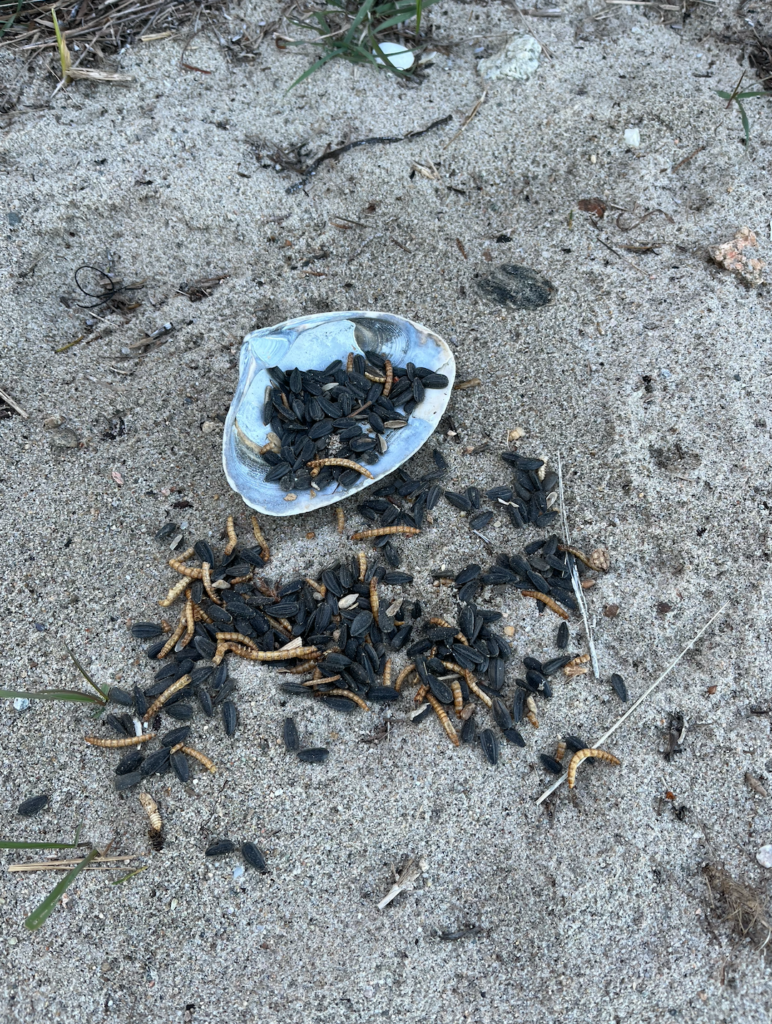
My Gift:
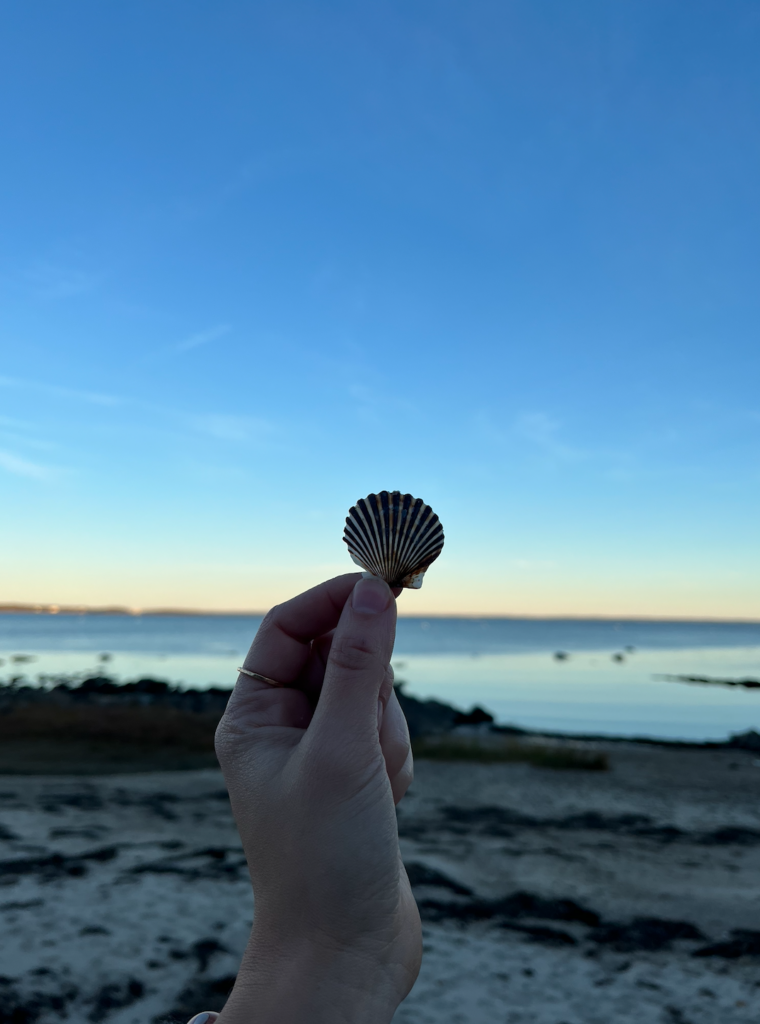
The chapter Honorable Harvest, from Robin Kimmerer’s Braiding Sweetgrass, inspired me to give a gift back to this place that has given me so much. I left some birdseed in a shell I collected years ago from this beach, for the sparrows and peckers that live in the bramble on the shoreline.