March; tree identification in the phenology spot
03/05/23
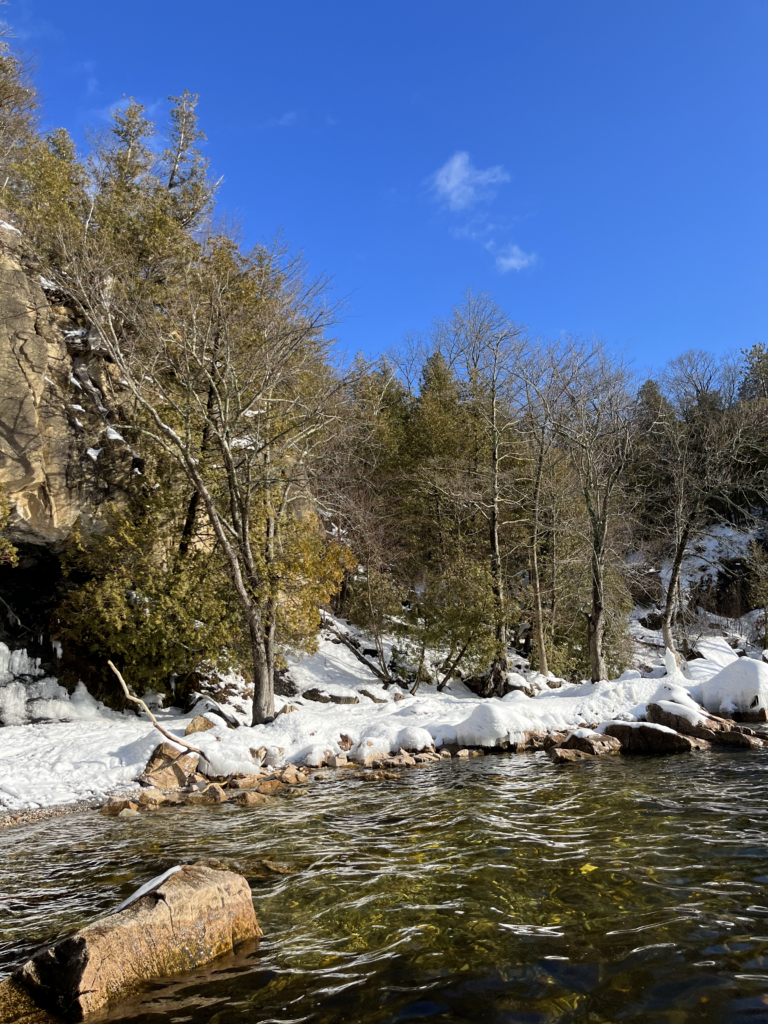
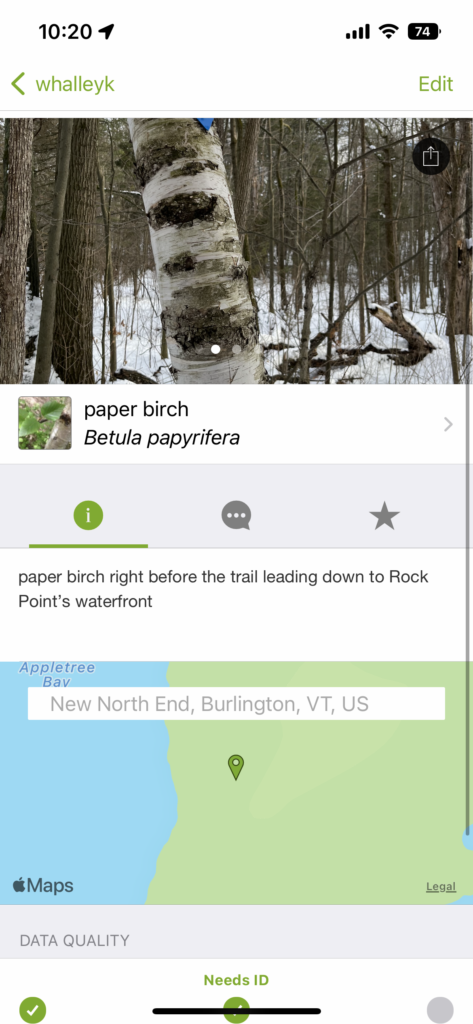
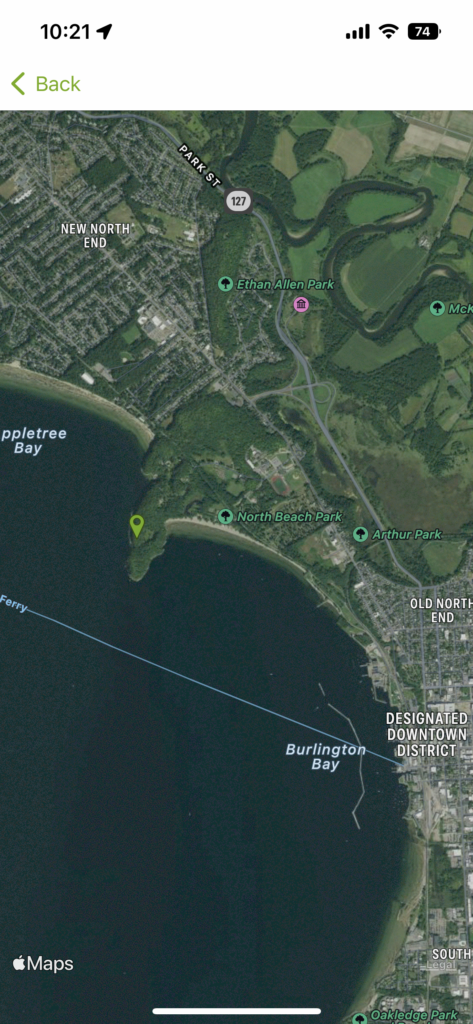
During this visit to my phenology spot, I focused more on the trees in the area. Rock Point is diverse in its trees, with many maples (both red and sugar), oaks, cedars, pines and birch. Today, I focused on a paper birch right before the boardwalk that leads down to the waterfront. I made sure to check that this paper birch was not one of the three lookalikes; either yellow birch, gray birch, or river birch. Most of my identification process for this paper birch was issued around the description of its bark.
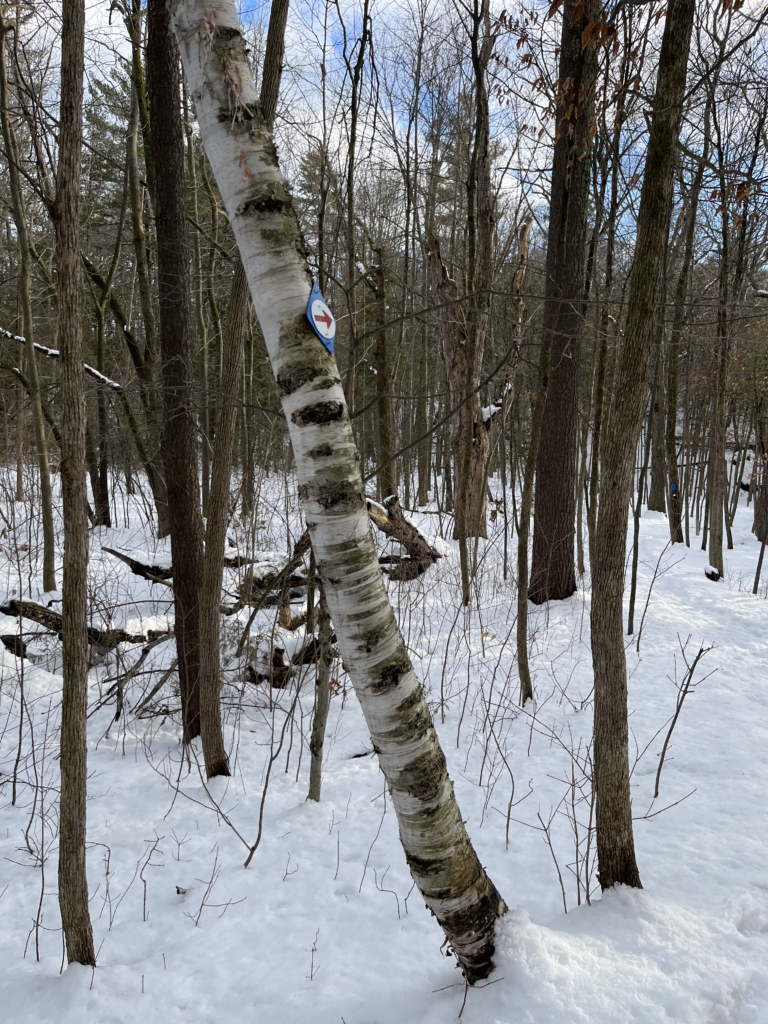
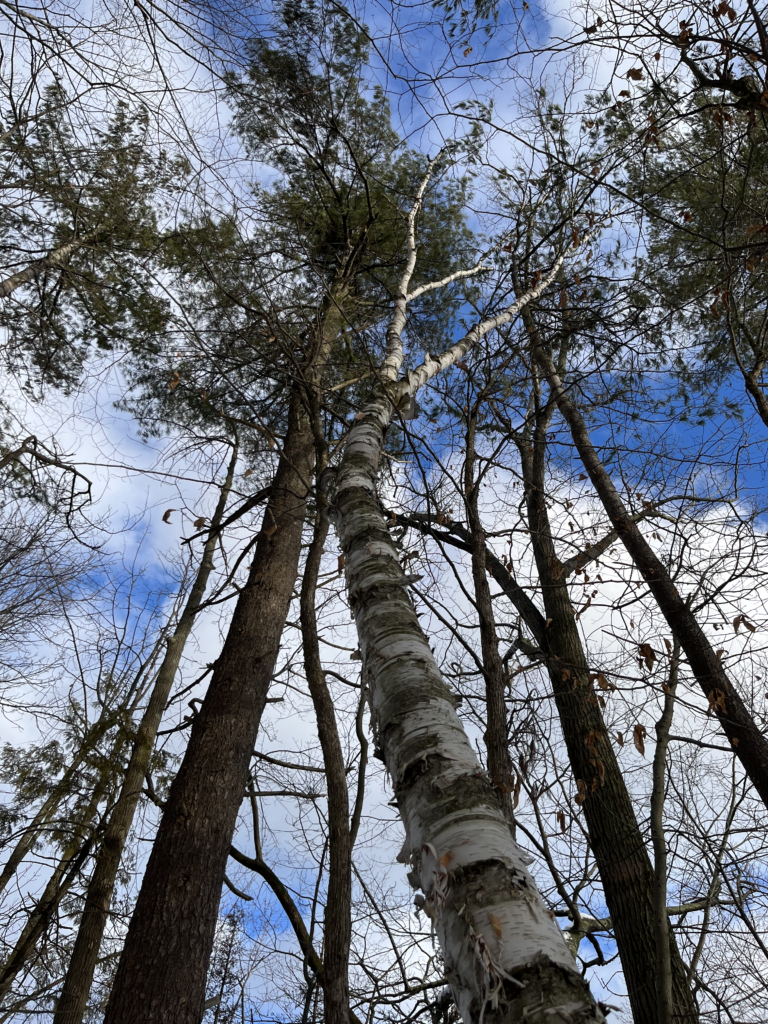
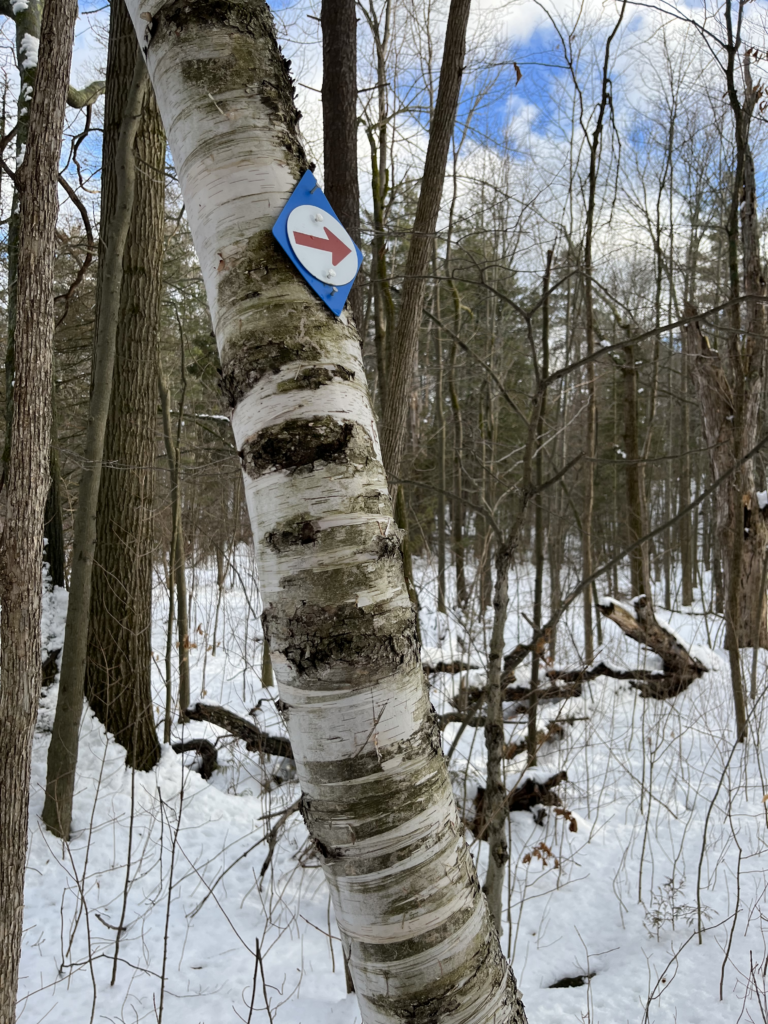
Bright white bark with a pink underside covers the Paper Birch tree. The peeling produces thick, fairly wide pieces. The bark of the Yellow Birch, in comparison, is more bronze in color and has a propensity to flake off in papery rings. This tree has bright white bark with peels coming off in wide and thick strips. Not only don’t the flakes of this tree come off like ringlets but its color is not bronze.
The gray birch tree tends to grow farther down South, unlike the paper birch that grows farther North and West. The bark on the gray birch does not peel as well and has a wider-horizontal striped pattern on its body. This tree observed is a paper birch for the fact there is peeling present on its body, with narrower horizontal dark strips. It can also be argued this tree is a paper birch given the fact it’s growing in an area up North, rather than South.
As for the river birch tree, the color of its bark is a reddish brown unlike the paper birch’s chalky-white color. Swamps and flood plains are where river birch is most likely to be found. The bark of river birch is a light pinkish tint and is covered in curled paper scales. Because this location is not in a flood or swamp zone and the peeling of this tree is wider and strip-like than curly, this is definitely not a river birch.
March; Phenology During Break
03/14/23
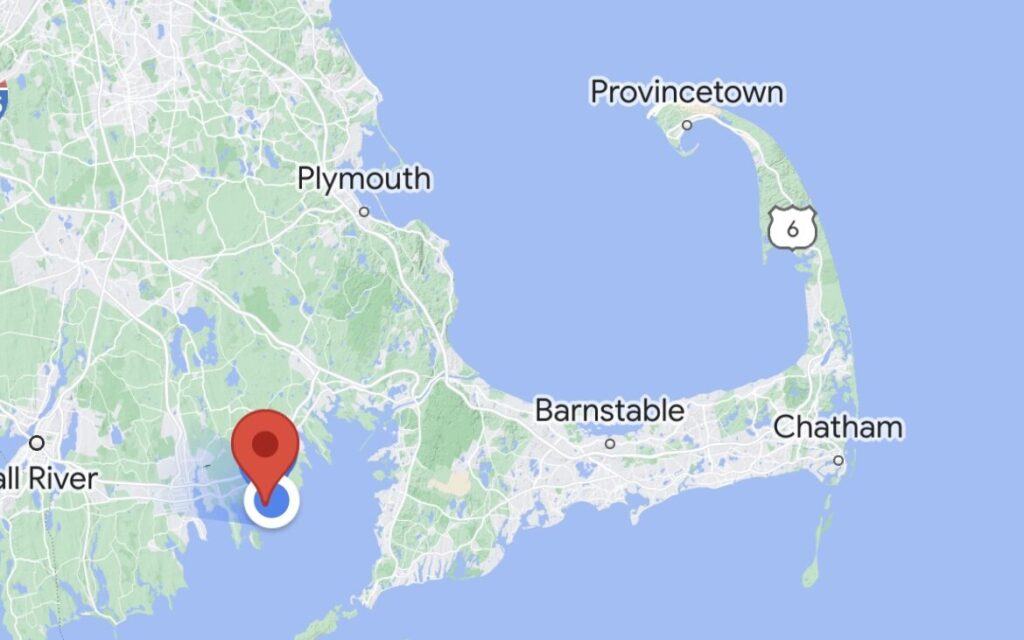
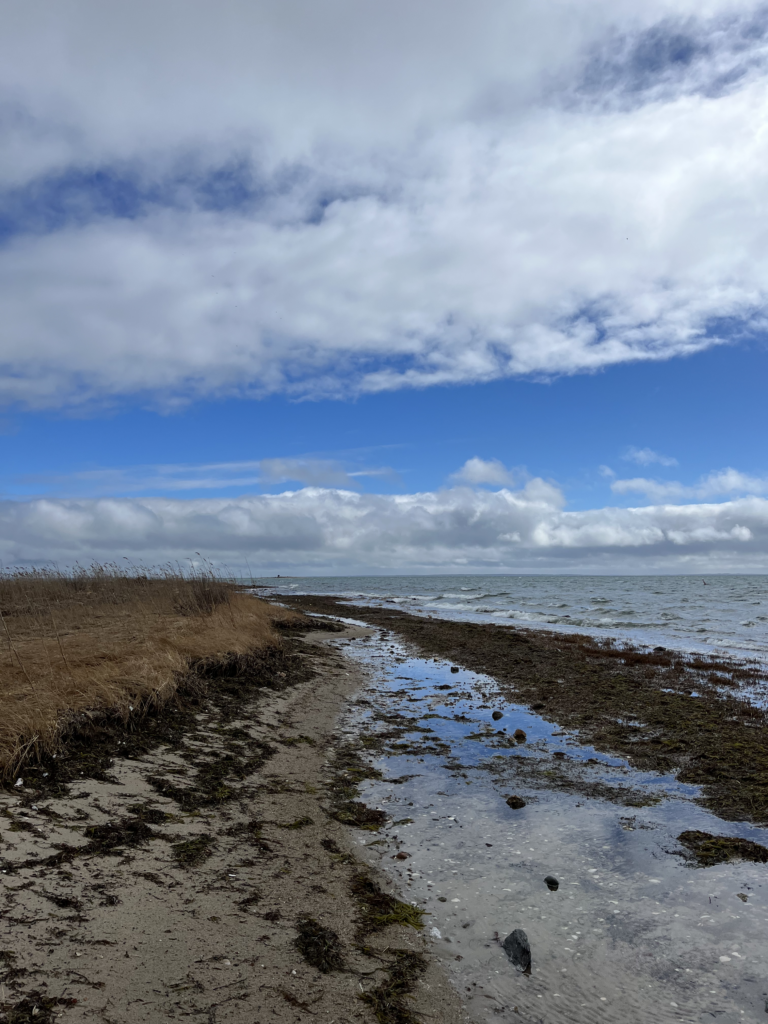
Spring break gave me the opportunity to visit my favorite natural place in my coastal town, known as Munn reserve. Owned by the Mattapoisett Land Trust, the Munn Preserve offers a stroll with a lovely conclusion with its straight, level path down to the sparkling waters of Brandt Island Cove. Because it’s simple to navigate and enjoyable to explore, families adore the Munn Preserve. Local dog owners visit this property to take their canine companions for a swim along the shore. The wide, flat, and convenient trail in the Munn Preserve is actually a former unpaved road. It is also convenient for older folks who don’t want a tough hike and families with young children as it is less than half a mile one way. One of the healthiest streams on the western border of Buzzards Bay, Brandt Island Cove, is protected by the Munn Preserve along a short section of its shoreline. Salt marshes surround the cove, fostering a tranquil habitat that attracts birds all year long.
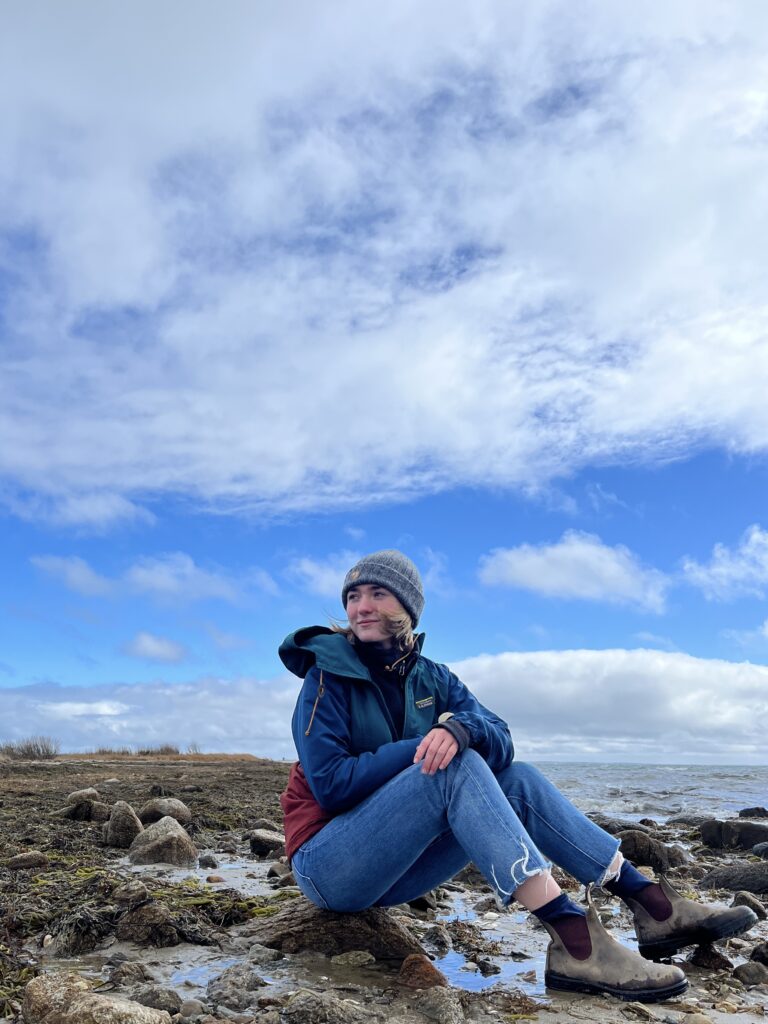
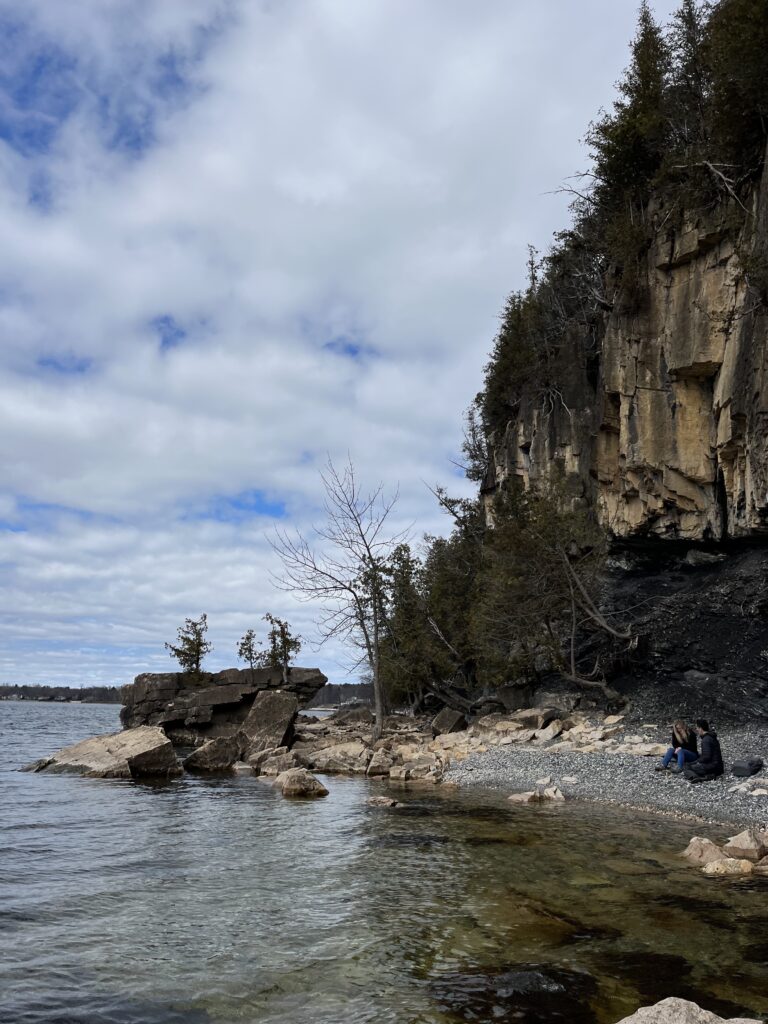
The two locations I selected for my phenology study have a clear trend that has to do with water. Due to the winds and temperatures of winter, the vegetation in both places has lost its color and greenness. Rock Point and BayView Beach both contain unique bodies of water, which has a significant impact on the make-up and structure of their natural foundations. Under a striking fault line, freshwater impedes on the stony Iberville Shale shore for Rock Point. The striking reverse thrust fault that runs across this beautiful area has a big effect on the vegetation that grows there. Down the steep slope leading to the thrust fault, White Ash, Red Maple, and Red and White Oaks grow together at the base. What makes Rock Point so intriguing is the Northern White Cedar that grows off of the Dunham Dolostone rock, not just at the base but also on cliff points. The trees give the Wild Turkeys, Black-throated Blue Warblers, Tufted Titmice, and Goldfinches living in the forested areas of the seashore plenty of nuts and acorns. Moreover, the trees provide mice, chipmunks, and squirrels with a predator-free haven.
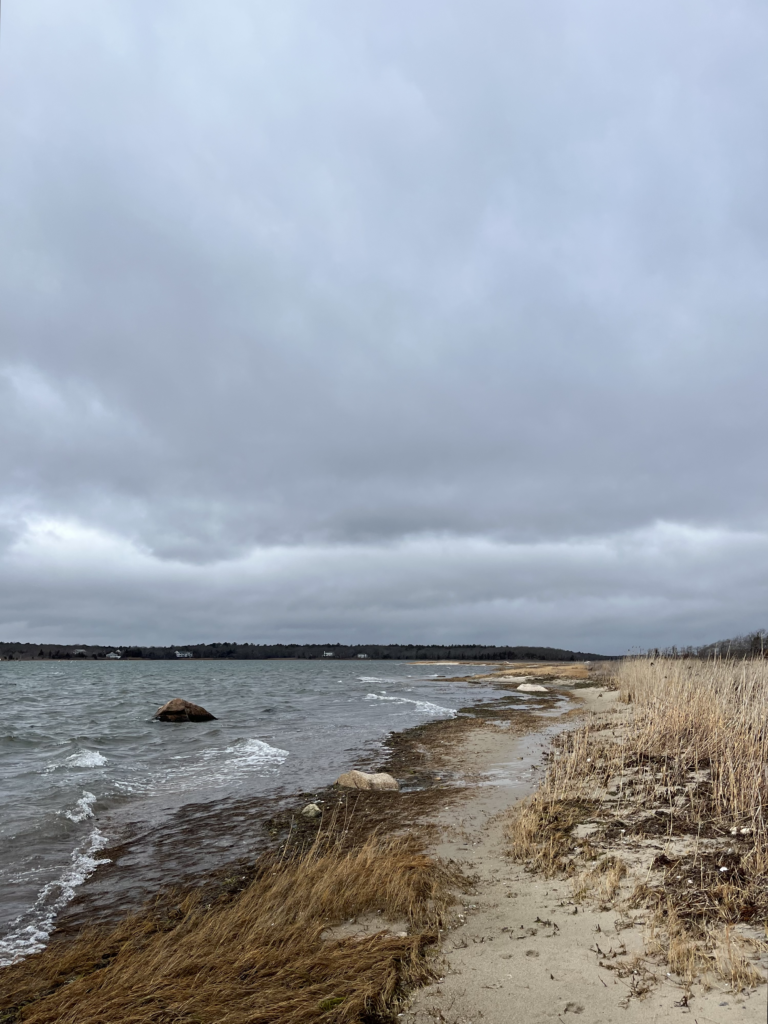
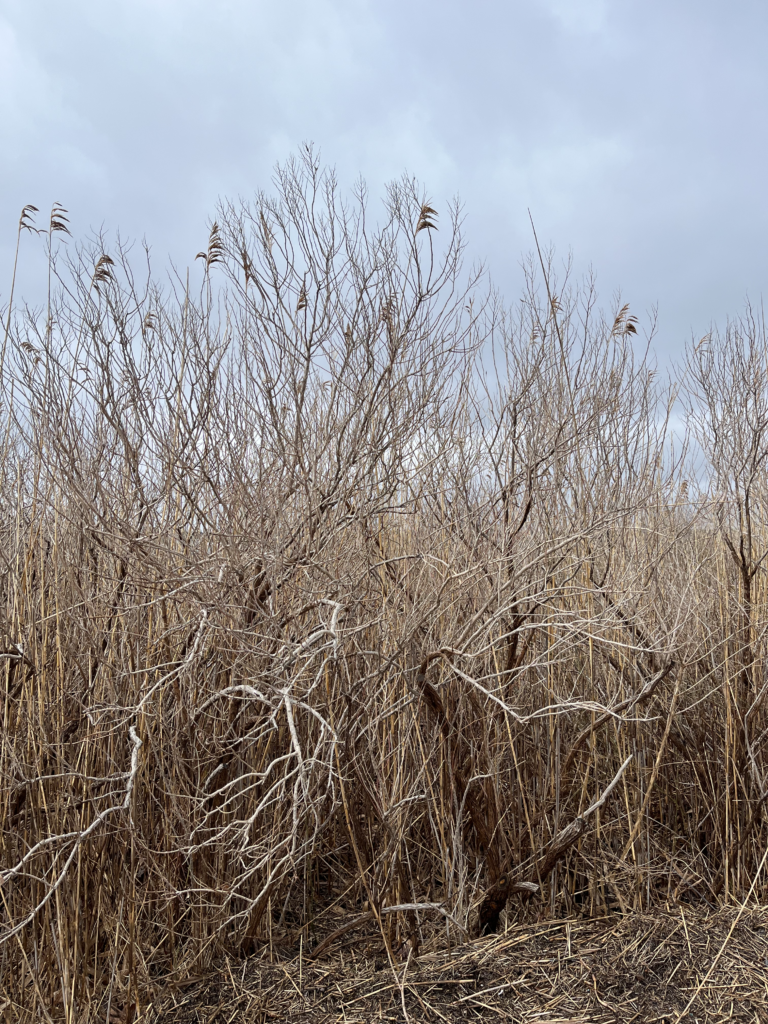
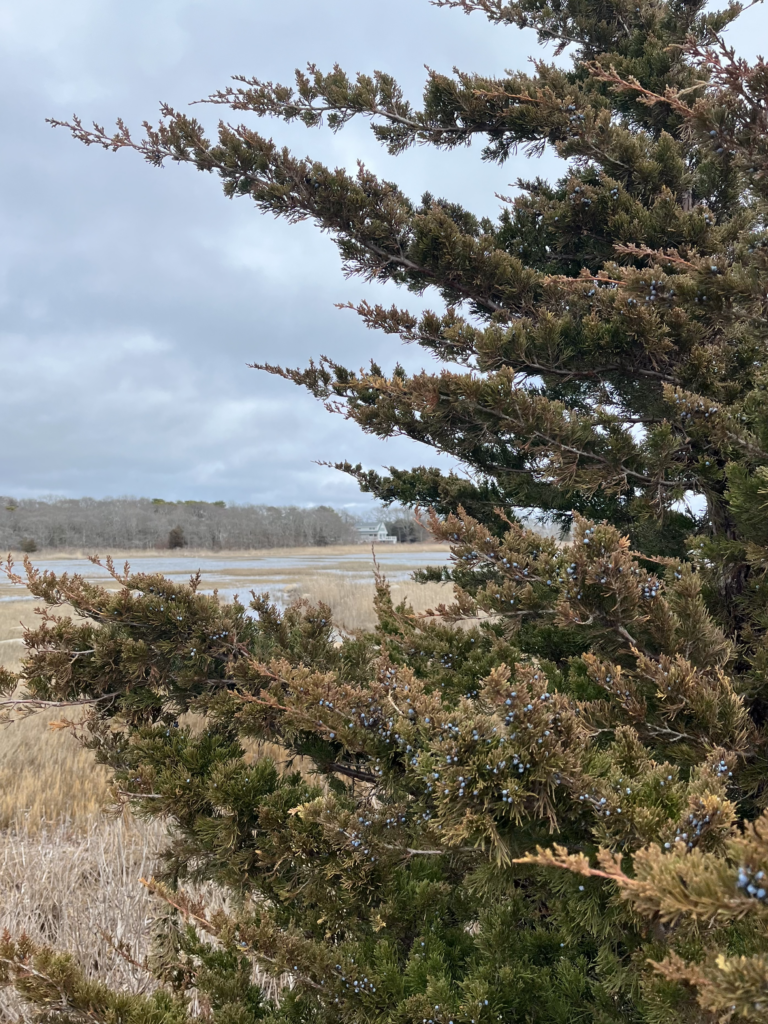
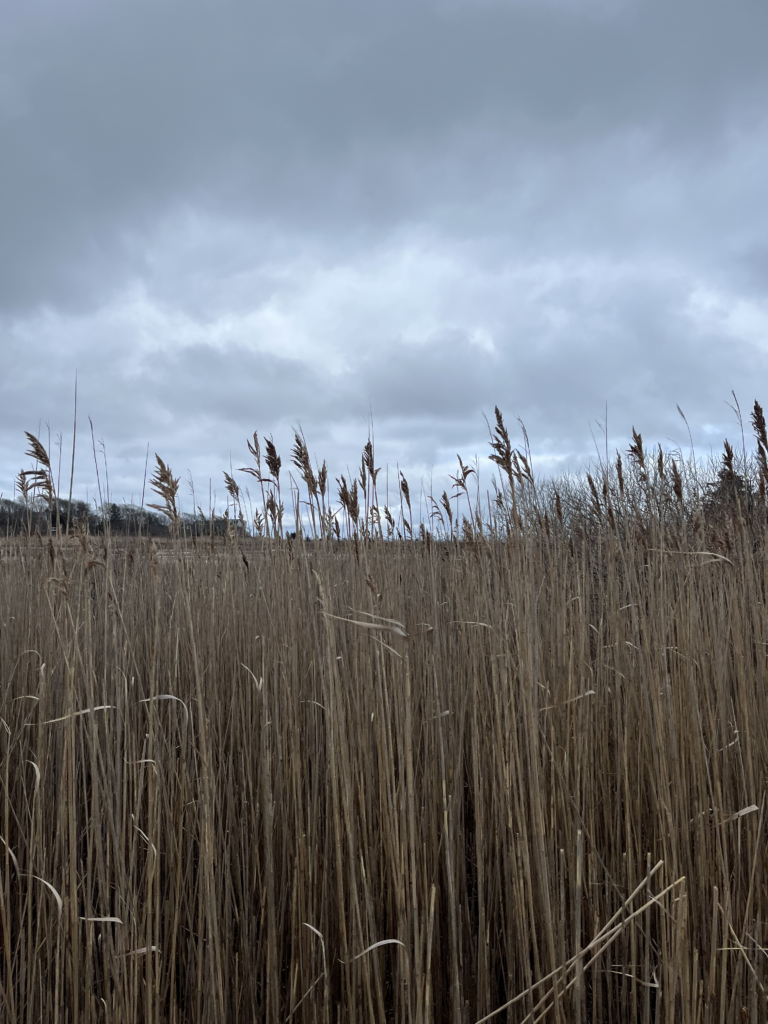
Munn Preserve does not have many ecological characteristics with Rock Point. The shore is covered in mesic, isotic, and ortstein typic duraquods and is surrounded by salt water. The sand is fine and tiny, interwoven with tiny fragments of scallop, periwinkle, and lady slipper shells, as opposed to being composed of palm-sized boulders. The shore ripples with dried bladderwrack and spiral wrack seaweed. A marshland with barnacle-covered rocks, Saltmeadow Cordgrass, Sea Lavender, Tall Seagrass, and Atlantic White Cedar makes up the other half of this location, which is split equally between the sea and the sand. The Herring Gull, Downy Woodpecker, White-Throated Sparrow, and Song Sparrow are year-round residents of this seashore. Certain coyotes, crabs, and a large portion of the ecology of Munn Preserve’s watershed are affected by the water’s salt content as well as tidal variations. A plethora of oceanic nutrients including clams, periwinkles, seaweed, and mussels are brought in by the daily back-and-forth of low tide and high tide for the organisms.
For the natural history of this place, it depends largely on the water and its erosion abilities. The majority of beach materials are the results of erosive weathering. Water and wind erode the ground over a long period of time. For instance, certain rocks may come free as a result of the constant motion of waves crashing against a rocky bluff. Massive boulders can be reduced to the size of sand grains. By being transported by the wind and waves, beach items can travel great distances. For instance, as the tide comes in, sediment from the ocean is left behind. Sand, shells, seaweed, and even marine life like crabs and sea anemones may be present in this silt. Sediment is carried out by the tide when it recedes. As the currents carry sediment and debris from one location to another, tides and currents are the primary factors in the creation, modification, and even destruction of beaches. Beaches undergo continuous change. Every day, tides and weather can change beaches by adding new materials and removing others. With the varying seasonal weather and tides, beaches likewise undergo seasonal alteration.
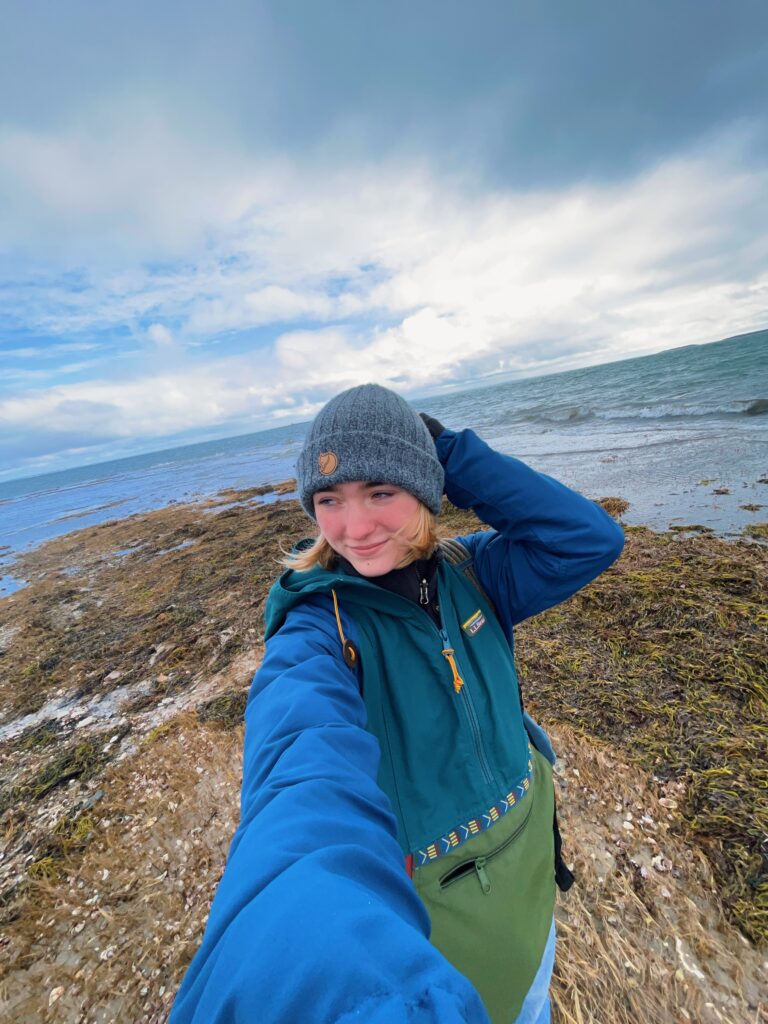
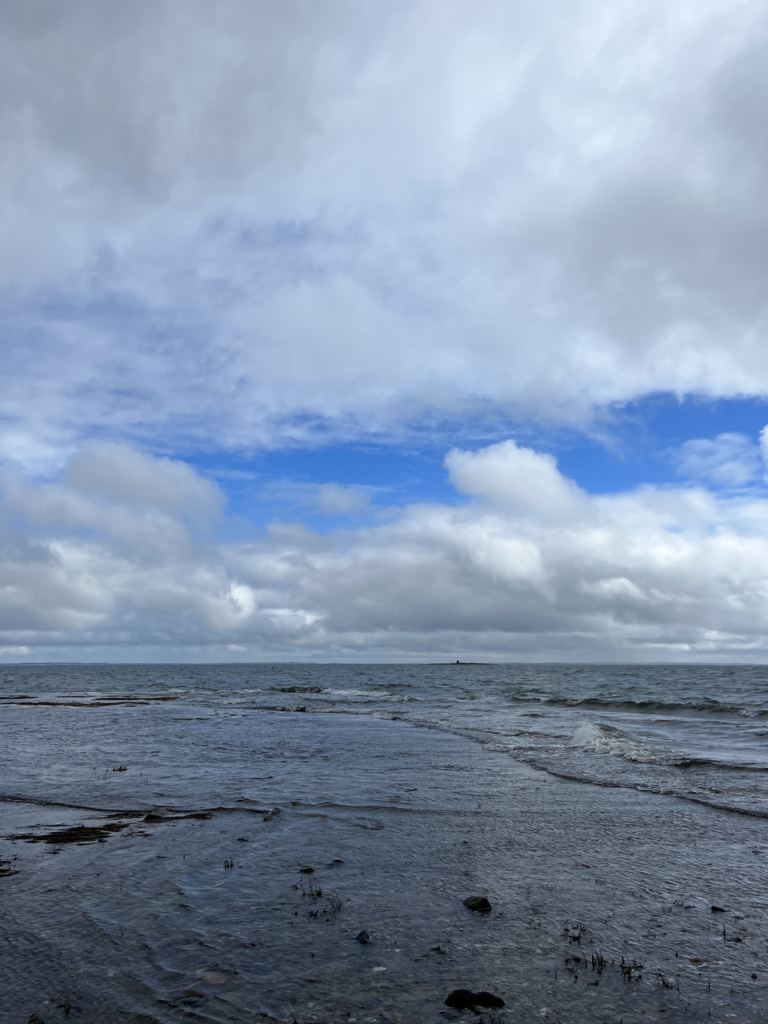
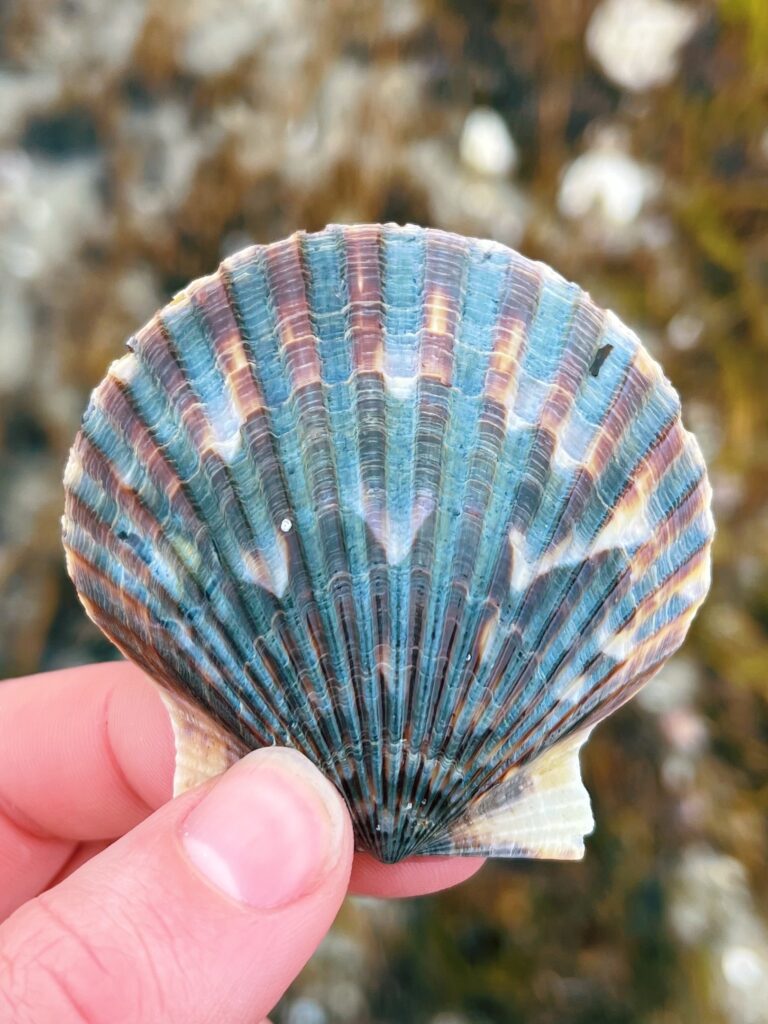
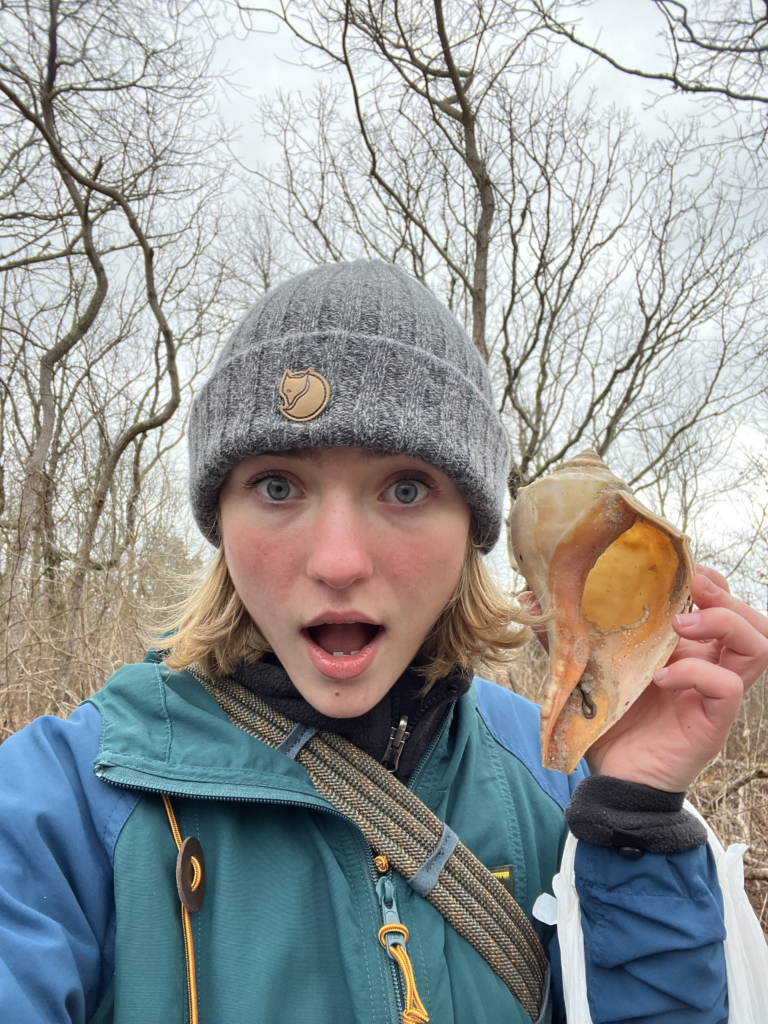
During this particular visit, I audibly encountered the peaceful sounds of the Black-capped Chickadee, the Downy Woodpecker and the White-Throated Sparrow. As for actual encounters, I only came across the White-Throated Sparrow sailing through the air. The main woody plants on this beach are the Atlantic White Cedar, and tall seagrass. The Atlantic White Cedar remains green with reddish-yellow flowers starting to bloom on some of the branches, signaling its reproductionary stage. The tall seagrass is shriveled, dried up and a dull shade of brown. In the springtime, this state of seagrass covers the fresh green sprouts ready to grow out during the summer time. I also could not help but collect a couple seashells as treasures for my bookshelf.
03/24/23
Update on the Paper Birch Tree
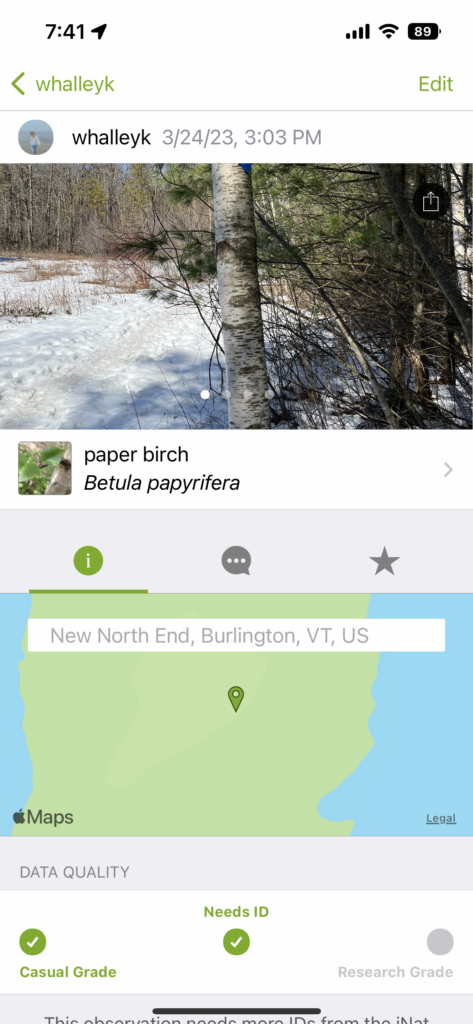
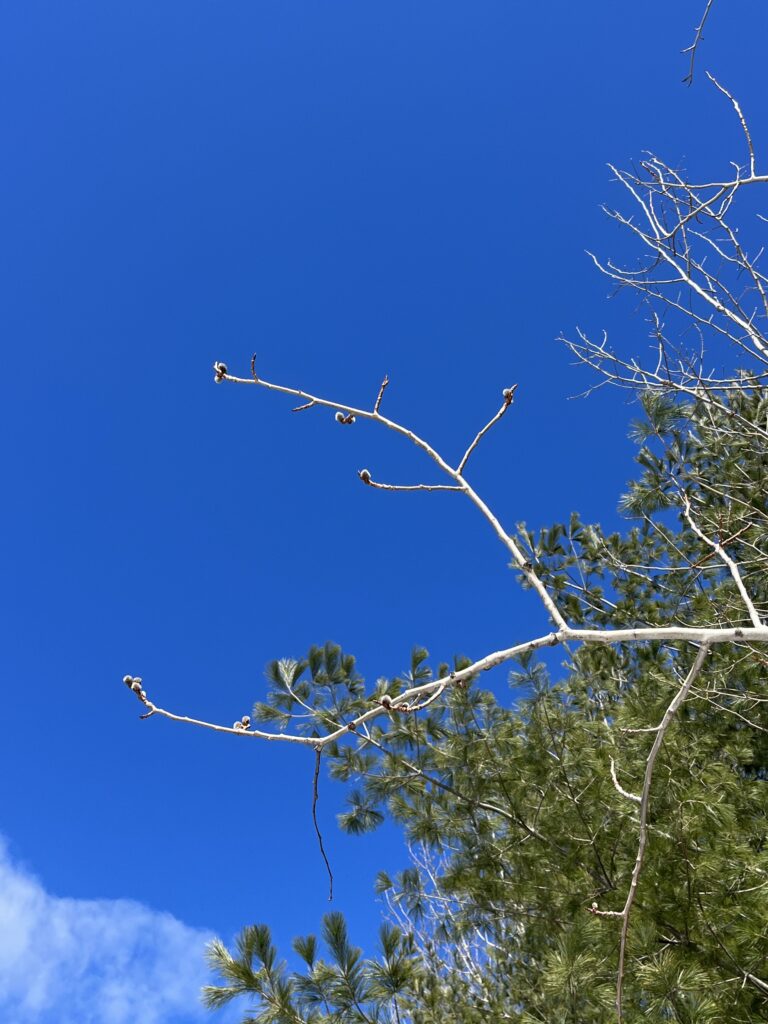
The original paper birch I focused on appears to be dying, as the health condition of the tree itself was evidently deteriorating. In order to continue an accurate observation of the phenological changes birch trees experience, I found another birch tree. This one, though very young, was exempting characteristics not present during my last visit. Looking up at the buds I noticed there was some catkins starting to break out in the tree’s crown. It is very subtle growth, but the buds that lay dormant my last visit are starting to break and carrying out soft fur-like heads.
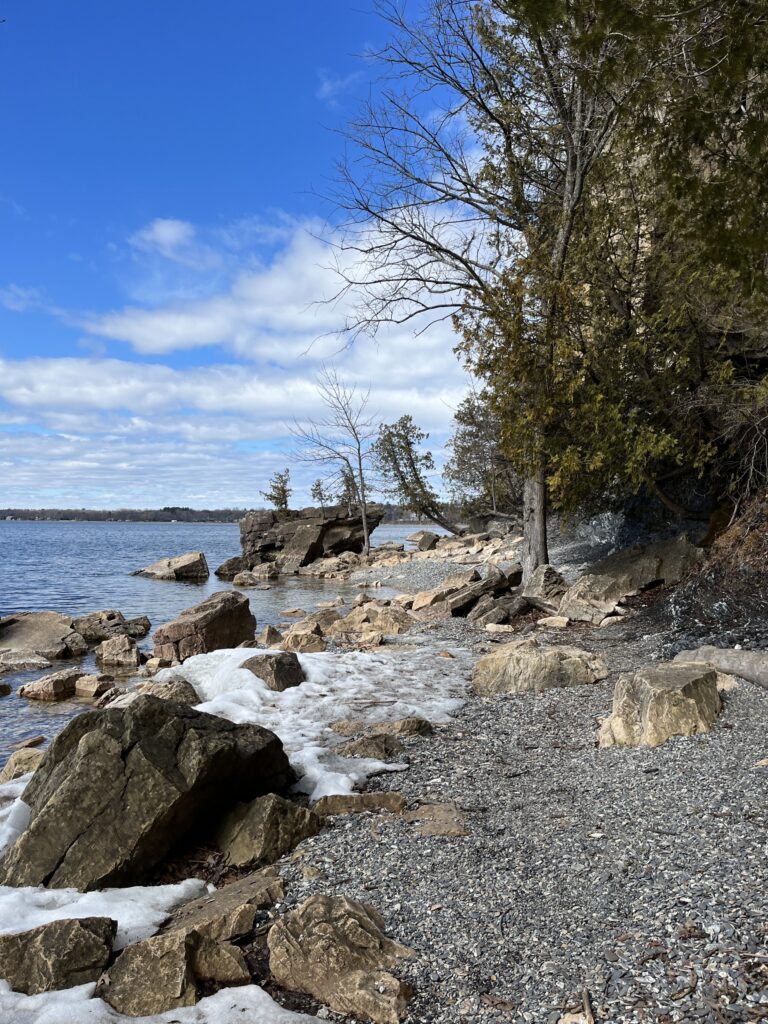
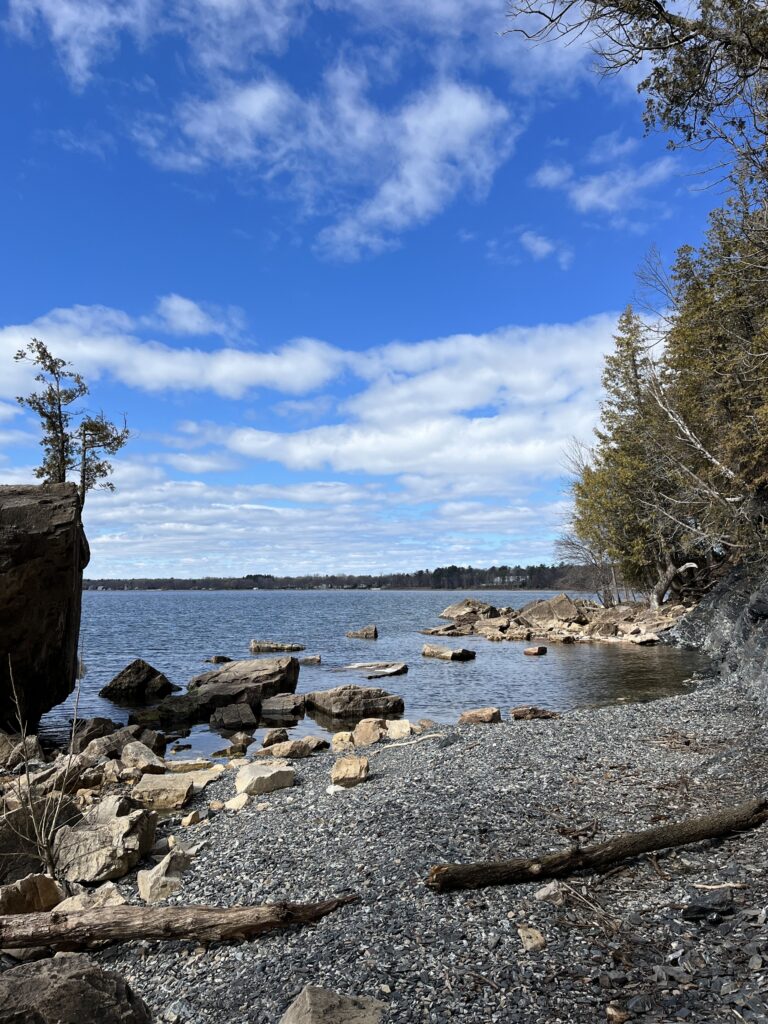
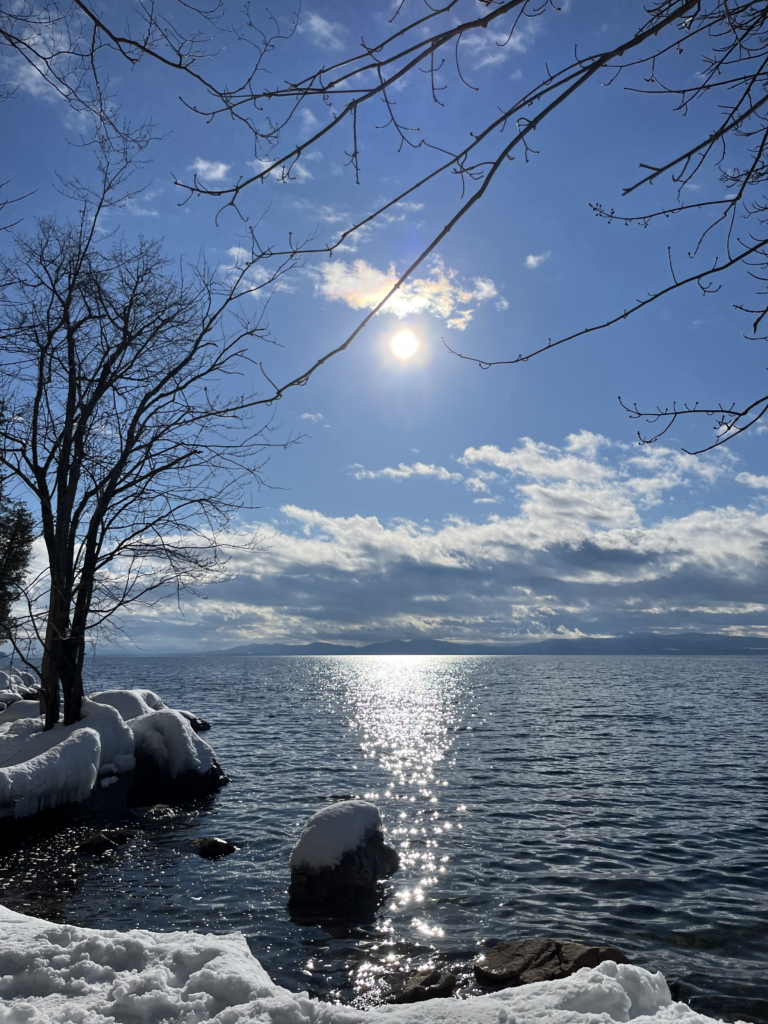
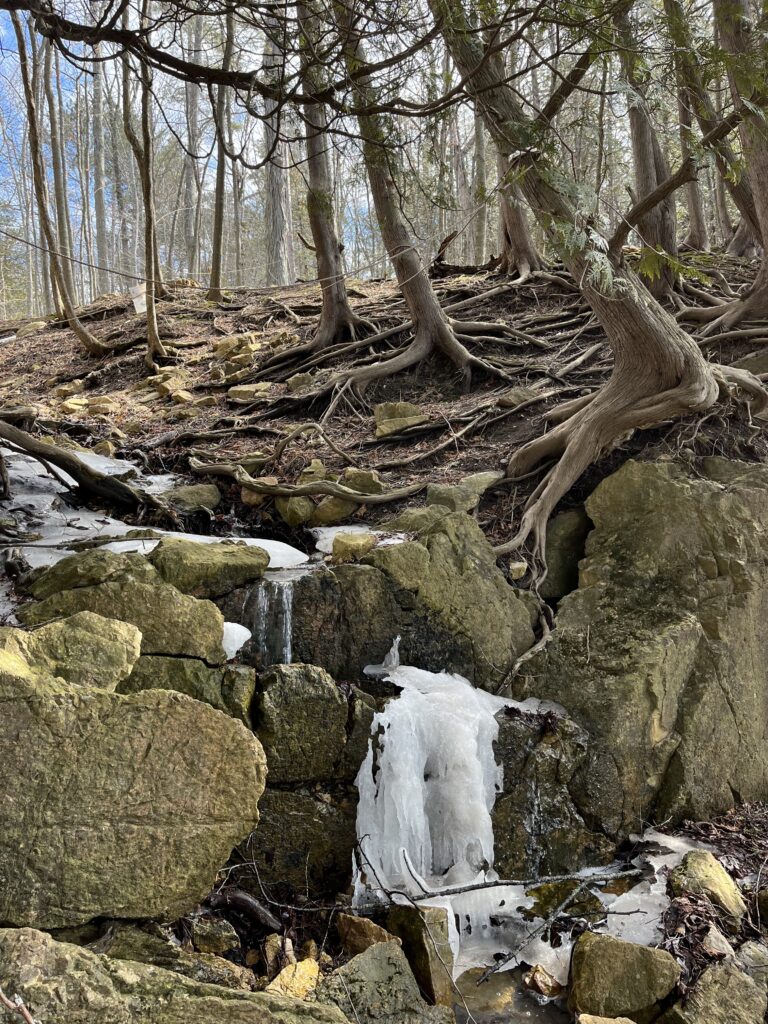
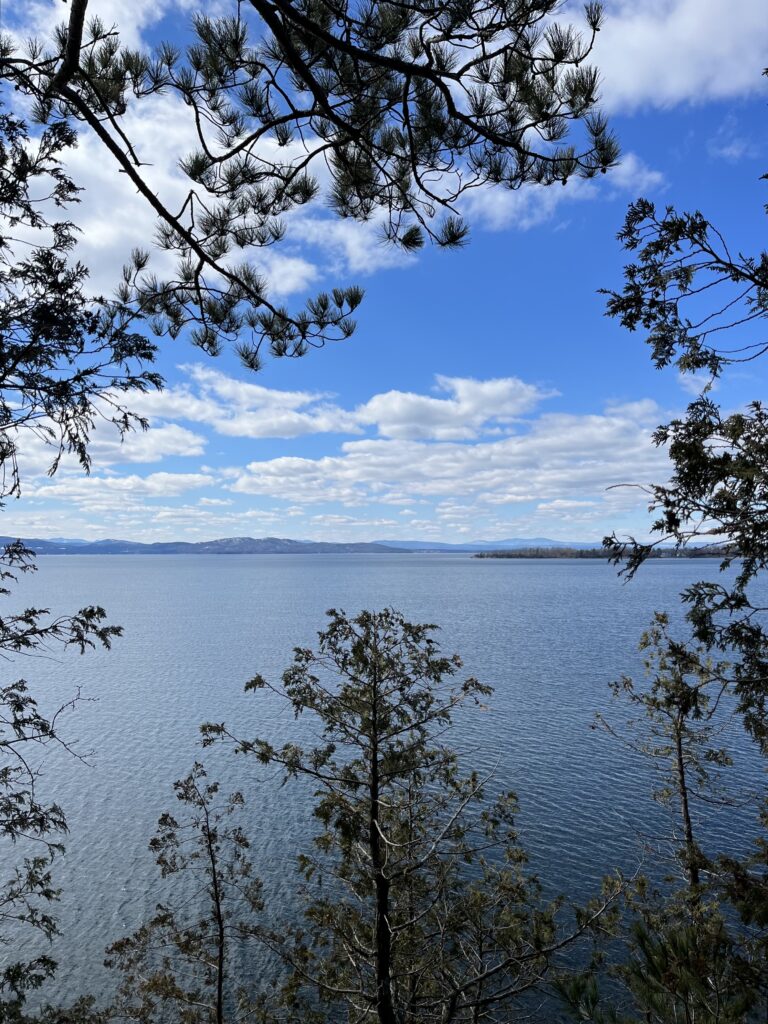
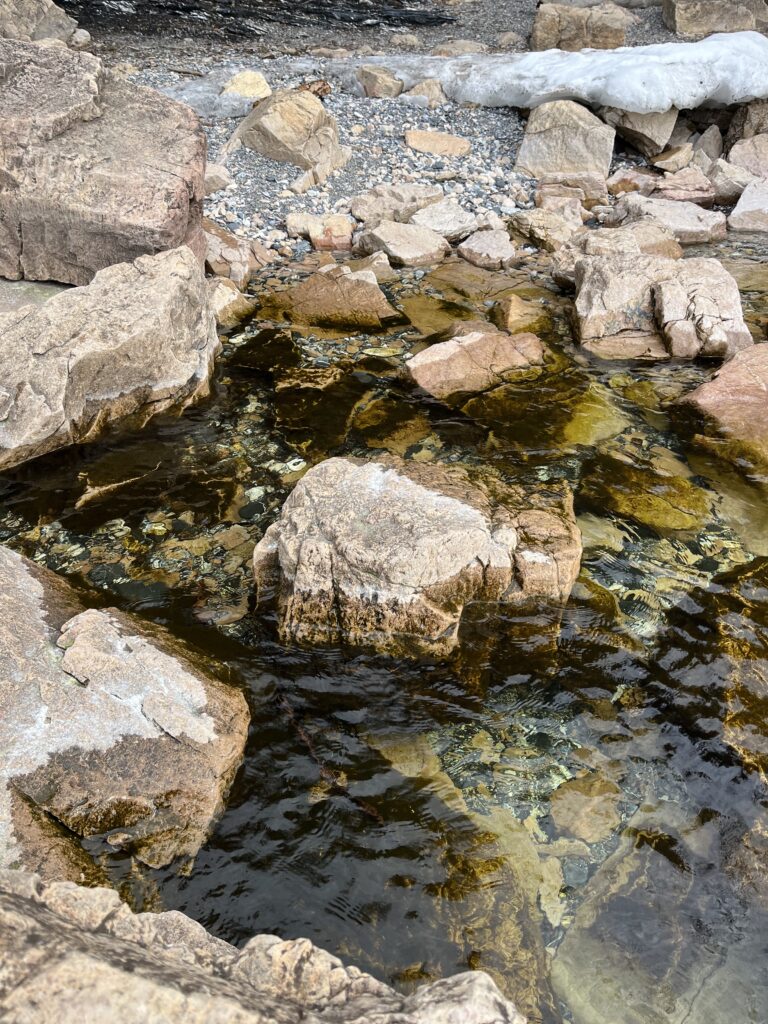
As for visiting my phenology location, I noticed a drastic change in the water’s behavior surrounding my place. Melting snow from atop the reverse thrust fault caused many types of water run offs, including small waterfalls and drippings down the dolostone and shale walls. As for the shoreline, it is loitered with new fallen branches and logs from trees. The water level along the shore has seem to shrink back as well, as there is more land to walk along compared to my last visit in January. There is still a lot of ice along the shore, trapping the shape of the shoreline with the shale rocks frozen in place. One last thing I noticed upon this visit, was the color of the water. Instead of its usual crystal-clear color, Lake Champlain gave off a green tint today. Many of the submerge rocks are covered in this brown-colored bacterial algae, staining the freshness of the lake with its pollening production.
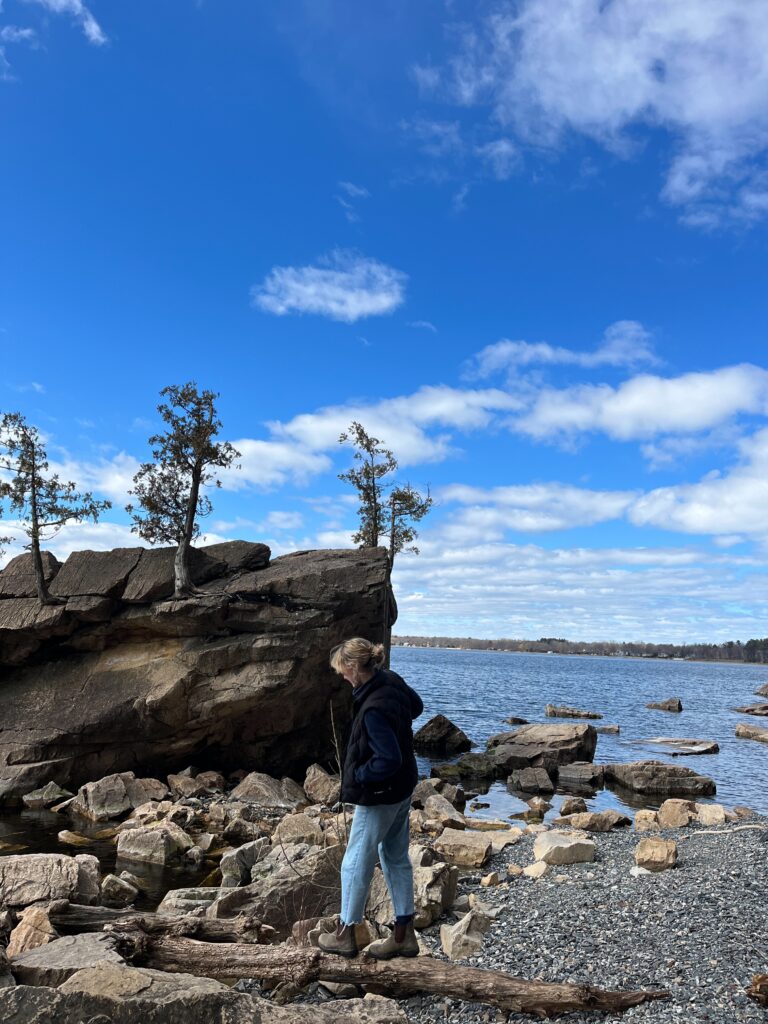
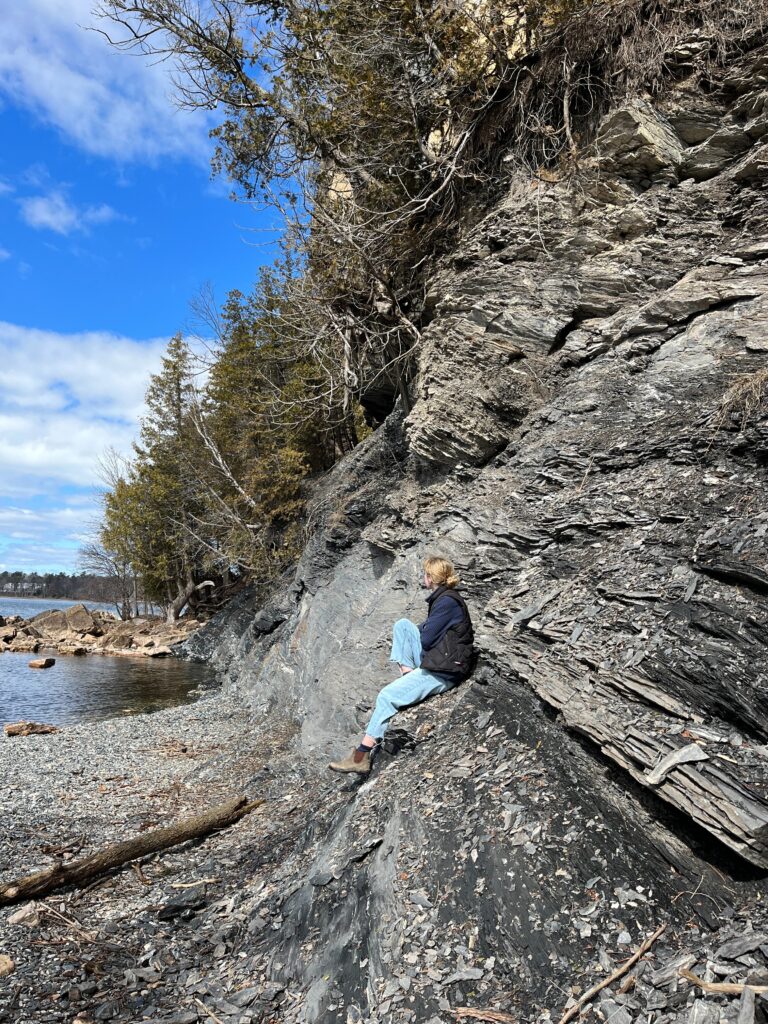
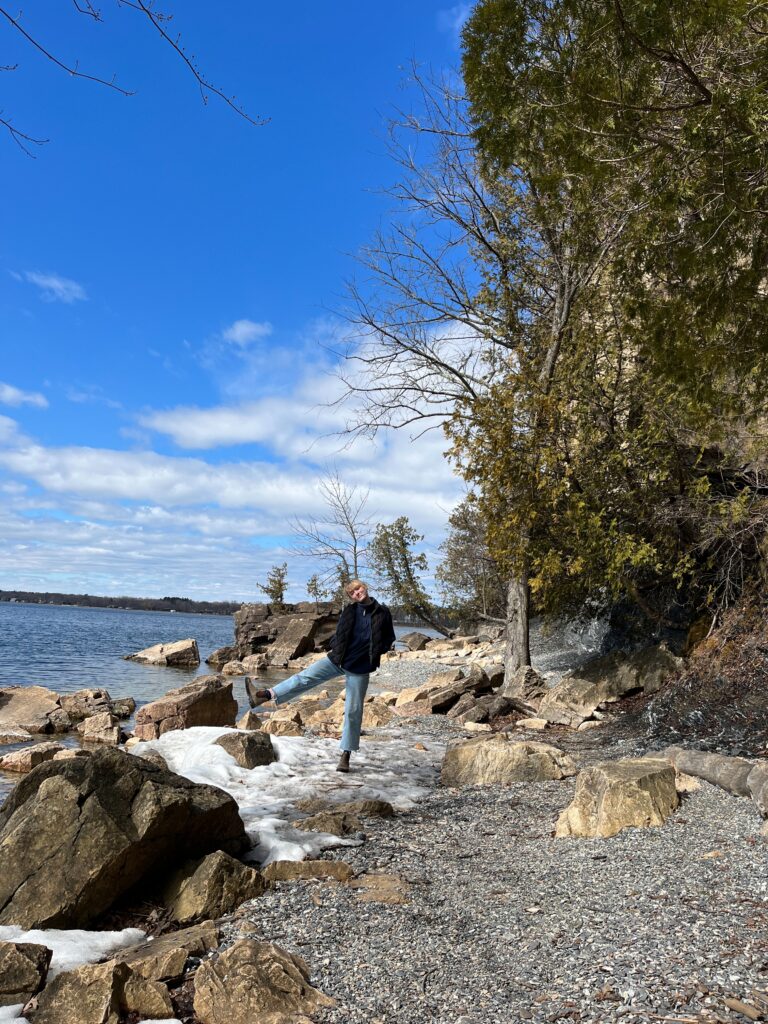
As always though, this trip to Rock Point is a wonderful adventure. I was happy the weather allowed me a trip here today, to be able to breath in that fresh air of water and cedar trees.
03/29/23
Update on the Paper Birch
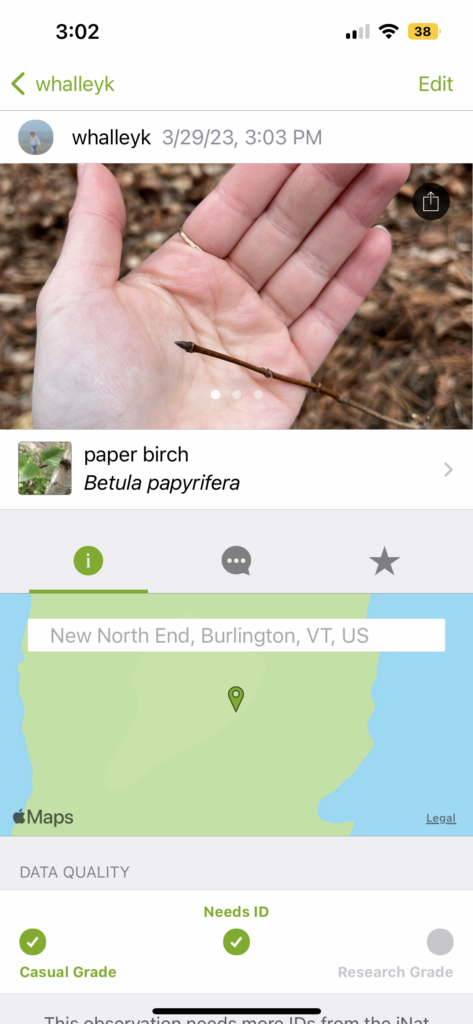
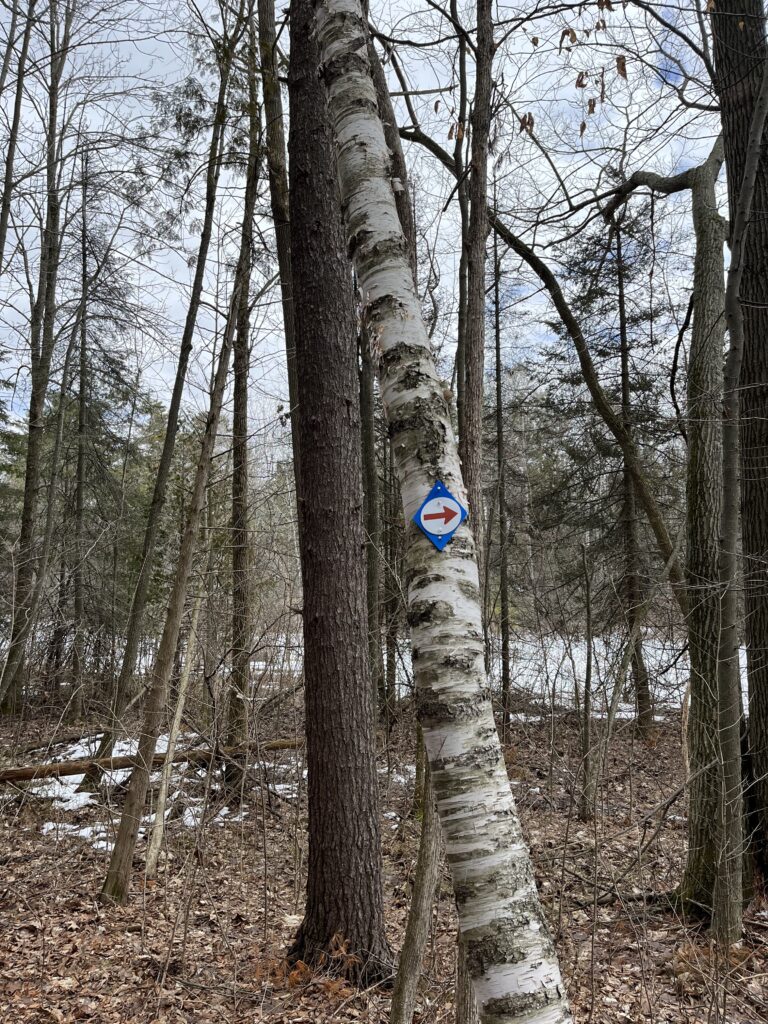
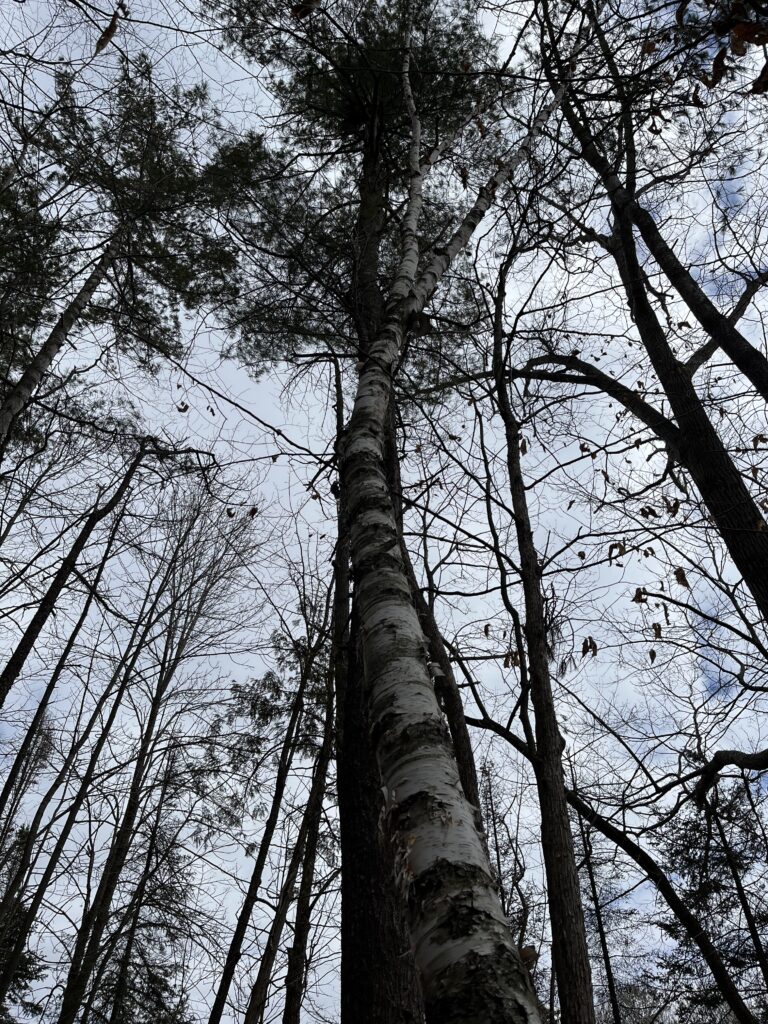
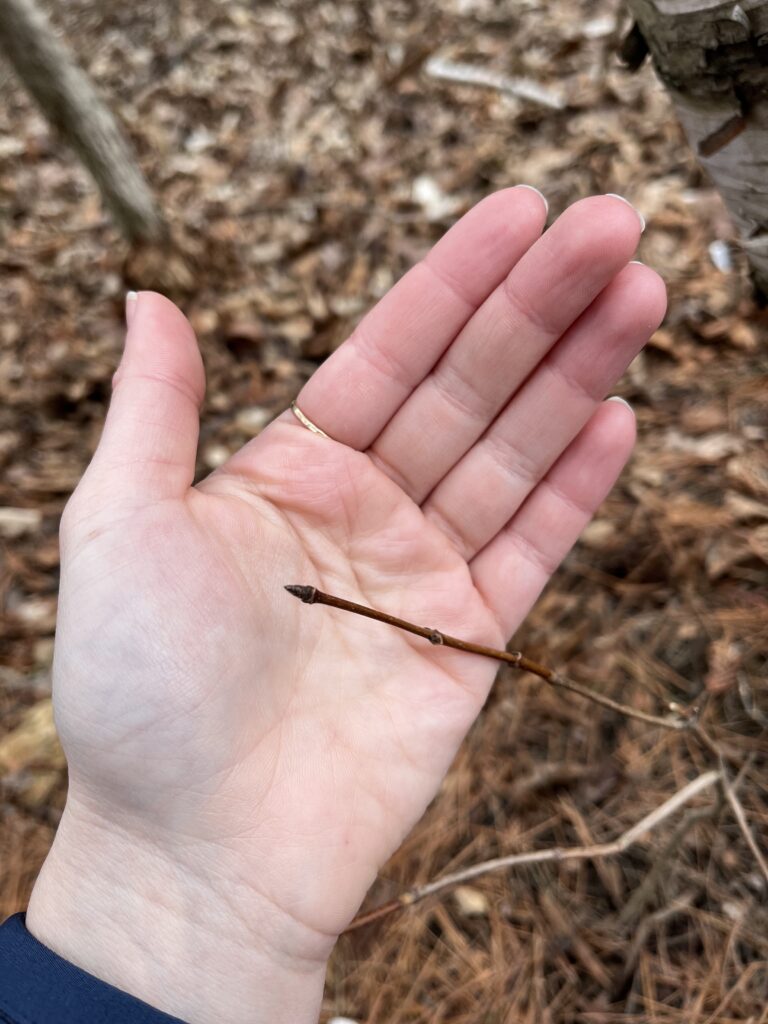
My paper birch tree has not changed much since the last visit I made to Rock Point. This makes sense given it’s only been a week. My original paper birch still stands the same, although there seems to be more rotting patterns standing out against its bark. To me this indicated that the birch tree was dying, and it may be helpful to look at surrounding paper birches for more accurate phenology results. Something else I noticed on this tree was a greater amount of peeling occurring on the tree, as spring is the given season for paper birches to start “shedding” their bark. I was not able to see the buds of the birch’s crown, as it blended in with the crowns of its neighboring pine trees. But, there was a birch sapling growing at the bottom of the tree, so I looked at those buds that were still dormant. I visited the second birch tree I saw last trip, and there were some tiny blossoms from the highest branches. The rest of the buds still remained dormant.
Besides that, upon visiting the actual site, there was not much of a noticeable change in the landscape. Besides the sunny day and stronger winds, the one change I could identify was the melting of the ice surrounding the shoreline (shale in direct contact with the water).