Rock Point Phenology Project
By: Klara Whalley
Date: 10/12/22
Why Rock Point?
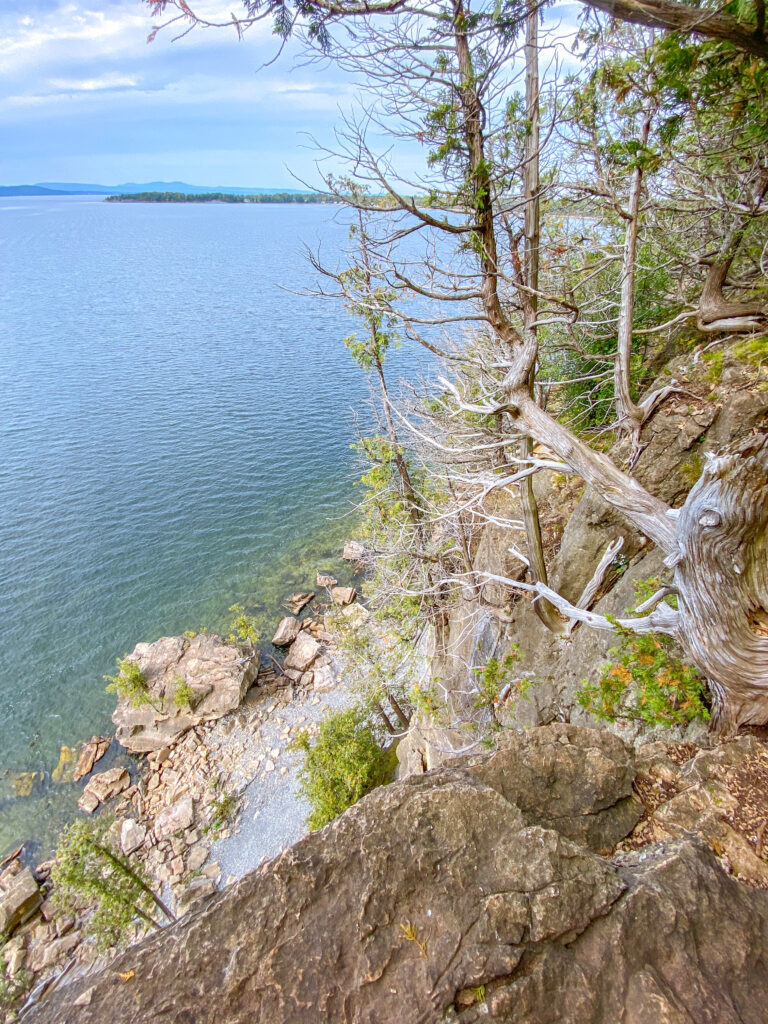
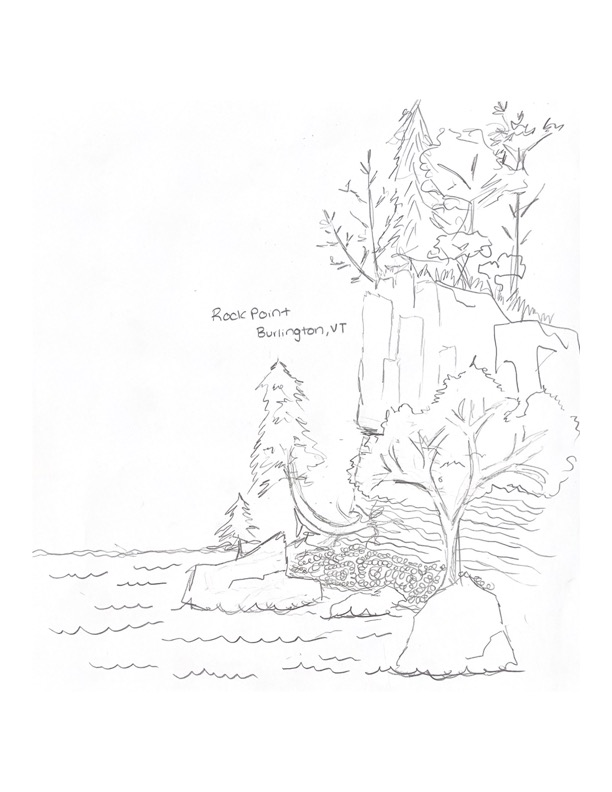
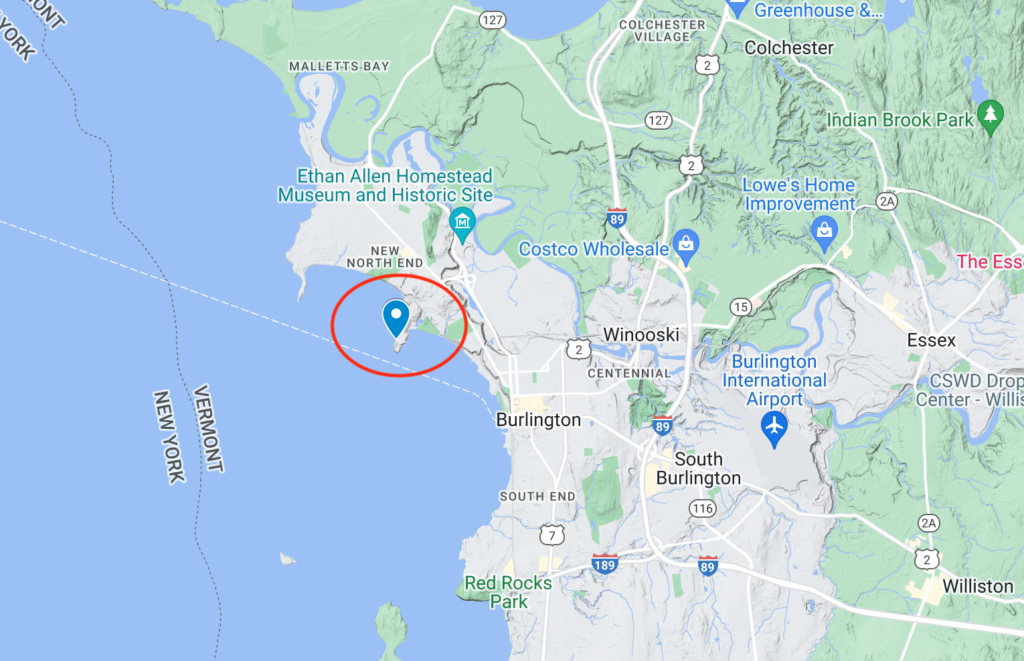
This is Rock Point. Rock Point can be described as a natural piece of art, exposing the ancient geological history of Vermont to present day viewers. To get there, you travel similarly to getting to North Beach in Burlington Vermont. The only difference is, when you reach that fork in the road right after Burlington High School, you take a right instead of a left. From there, you’ll find the “Rock Point” sign at the start of the paved road, and follow the road to a series of dirt trails that lead to the Thrust Fault, and Rock Point’s shoreline. Transportation by a public bus or private car will get you to the top of the fork, however no larger vehicles can pass through “Rock Point” unless permitted to. You can also get to Rock Point by simply walking or biking, as it’s found right off the Burlington Bike Path near North Beach.
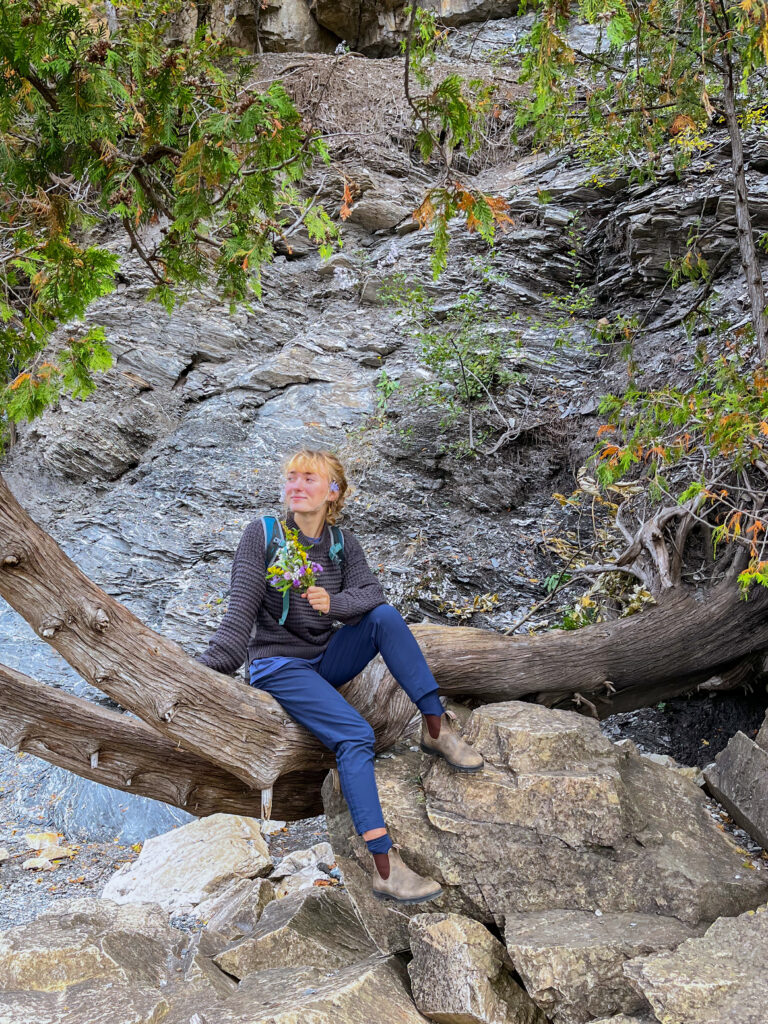
I chose Rock Point for its complex placement within a human-environment relationship. Rock Point resides in Vermont as a sanctuary for the epiphany of a human-environment connection. Its uses vary greatly, as can be seen when wandering through the Rock Point Center. It is a source for education, with its school establishments and research centers. It is a place of environmental supervision and sustainability, with its communal gardens and solar farms. But most importantly, it is also a home, protected as a conservation land for hundreds of endangered species and ecosystems. Life thrives at Rock Point Center, for all sorts of organisms including humans. I also chose Rock Point for its simple beauty. It genuinely has a little bit of everything, from the shoreline to cliffs, to forests. The soothing sound of the lake shore against finely eroded chips of Iberville shale. The uniquely curved White Cedars that grow off the sides of the rock, and the thrust fault itself composed of a vibrant agglomeration of colors. It’s a majestic piece of natural artwork that intrigues me for it to look so strong and yet so peaceful. I want to learn more about how such a vast range of natural structures in such a small space can work cohesively and depend on each other, including the ecosystem found within.