
Posts

Colonialism in Guatemala

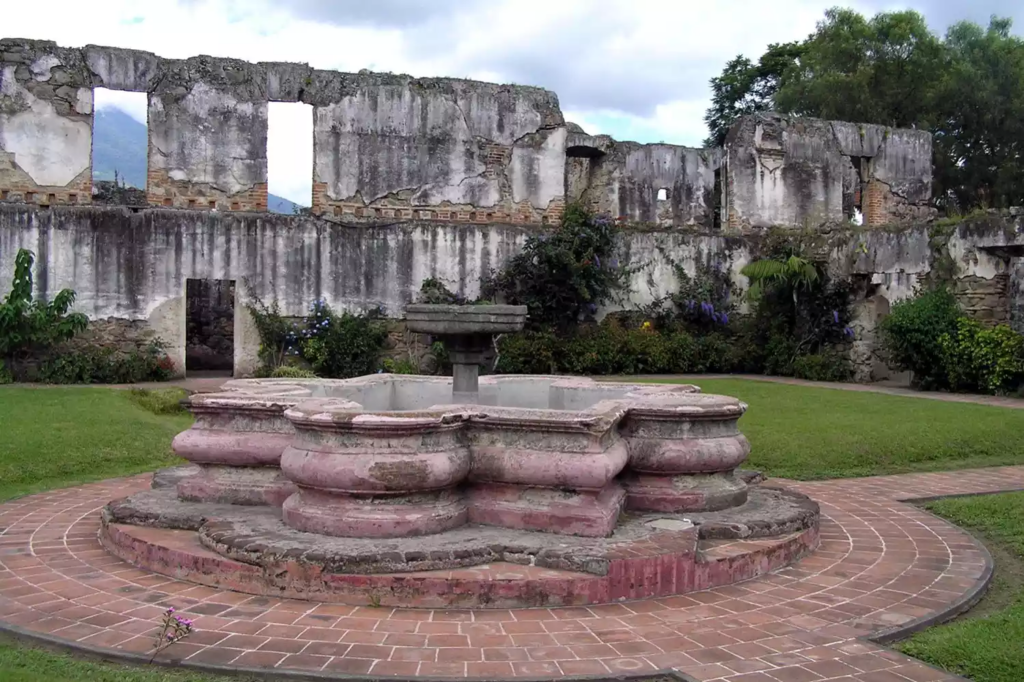
remnants of a Spanish military base in Guatemala

a Spanish church left behind in Antigua, still an important part of the culture of the area today
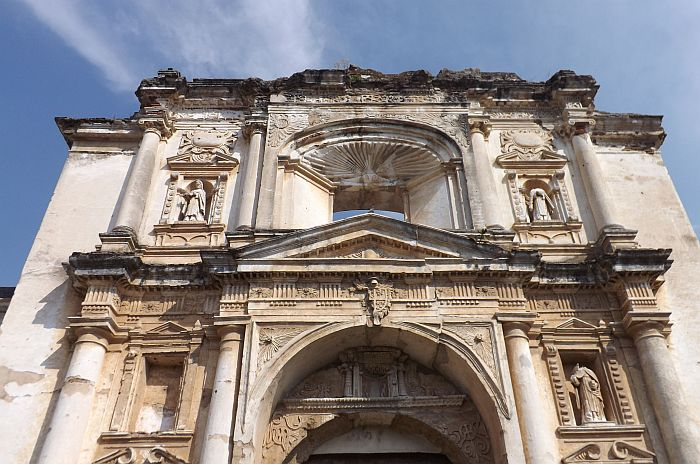
A convent from the 1700’s left behind by the Spanish
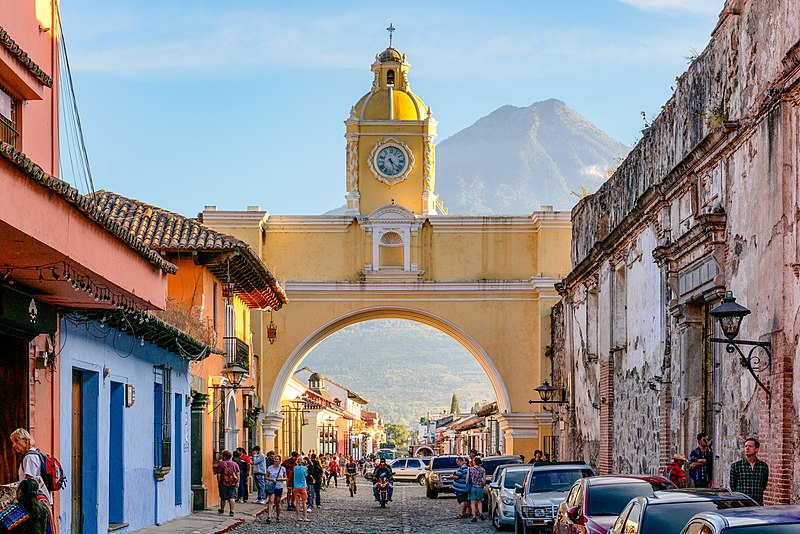
Another example from Antigua, the cobblestone streets left behind in the city are an additional framework trace of the Spanish occupation
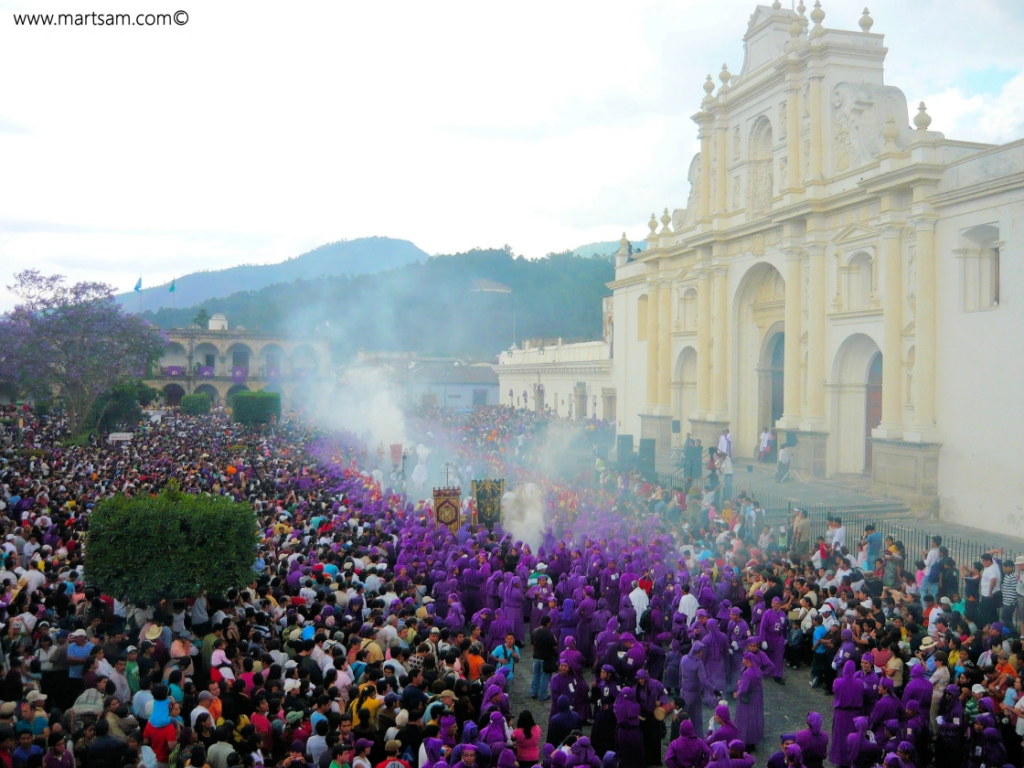
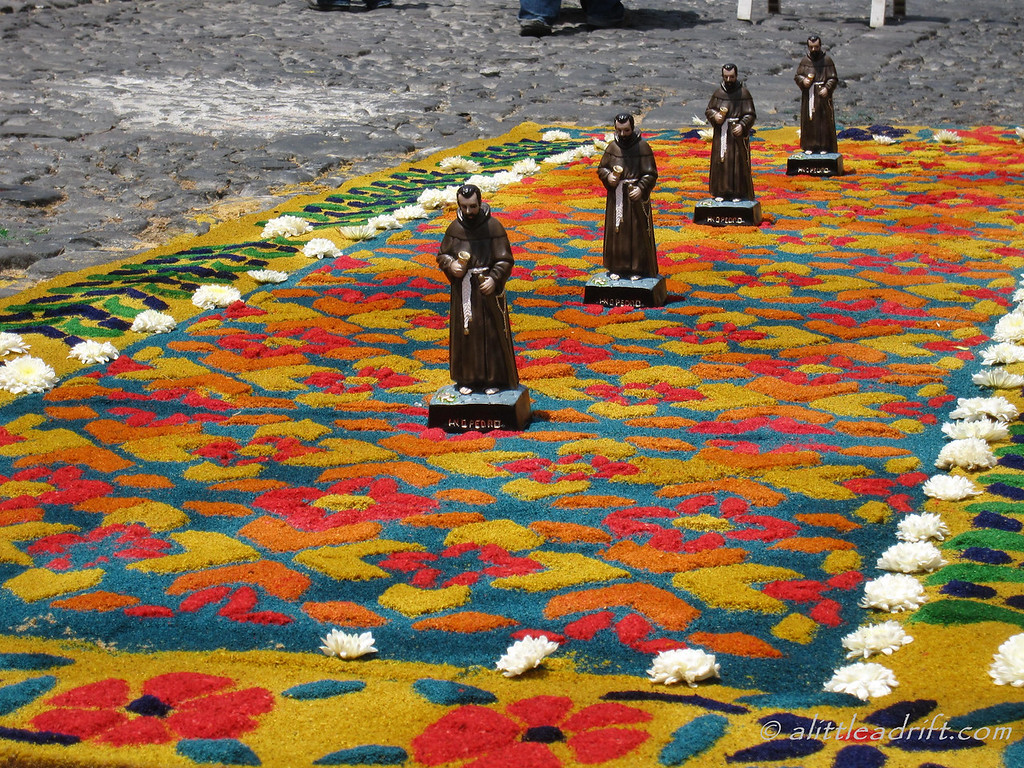
A carpet made of various colored sands, flowers, and other forms of decor for the Semana Santa celebration, a holiday existing in a blend of Spanish and indigenous culture.

1. Material basis of the colony – Was the colony built on extraction, agriculture, slave trade, or something else- i.e. land annexation/conquest. What was the primary source of labor in this economy? Slaves, indigenous people, indentured migrants, local residents, etc

  • The colonization of Guatemala was primarily driven in order to extract precious metals from the region, and to establish rule under the Spanish King. The region was dubbed “New Spain”. While slaves were taken from the indigenous populations, this was usually done not for the sake of the slave trade but in order to have laborers to mine the precious metals and conduct other resource extraction labor.

2. Political and Judicial basis of the colony – how did colonization sustain power and order in the economic system it established? Who were the rules, and how did they enforce their rules/laws?

  • The colony was functioning under the rule of the Spanish crown. Rulers were different levels of conquistadors who had travelled from Spain, usually former military leaders and lower level bureaucrats and lords who desired more land and gold. The highest ranking official was the conquerer of central Mexico, Hernando Cortes, and that is who the leading conquistador of Guatemala answered to. Other officials in the region then answered to the leading official of the Guatemalan conquistador, or viceroy, which the title had changed hands multiple times due to the multi-century occupation of the region by Spain.

3. Idealogical foundation of the colony – how did they justify their colonial presence? What good did the colonizing force think they were bringing to the people in the colonized region?

  • The Spanish viewed the native Maya as barbarous infidels who needed to be pacified and subdued in order to be educated and assimilated into the kingdom of “New Spain” that stretched across the Mayan kingdoms already present in Guatemala and nearby countries. The Spanish were not doing much good for the local peoples beyond the belief that they were assimilating them into a more civilized culture. (their own) The main drive behind the colonization was in order for the Spanish King to obtain more land and power, as well as to extract the natural resources found in the form of precious metals.

Hello world! These are some of the products grown, manufactured, and processed on the Osa Peninsula of Costa Rica

In my research, I learned that one of the most famous products of the Osa is not a tangible thing, but rather, experiences. Eco-tourism is a booming industry in Costa Rica, and the Osa is no exception. As a country boasting some of the most biodiverse land in not just Mesoamerica, but the world, the experiences to be gained from a visit to the Osa are highly sought after. Both the flora and fauna of the peninsula are remarkably fascinating and beautiful to observe, so it is no surprise that a major driver of the local economy is simply providing visitors the opportunity to bird watch in the forest, swim on the beaches, and generally learning about the ecosystems present in the region from locals. These experiences are marketed in a variety of ways, and can be different from each other. For example, one may spend a week in an eco-lodge in the rainforest on the Osa to experience the jungle, or one could go for a tour of a mangrove swamp to learn about the ecology of these biomes and their importance.

“Ecosystem Services and Sustainable Ecotourism.” Vascular Plants of the Osa Peninsula Costa Rica, sweetgum.nybg.org/science/projects/osa/ecosystemservices/. Accessed 1 Sept. 2023

Gold Mining is another resource that is a surprise to some, but is still an important part of the Osa’s economy historically and to this day. It is found in several major rivers on the Osa, some of which have been incorporated into Corcovado National Park. Historically, it has been collected from the rivers and used as a form of currency by locals. However, from the 30’s-80’s there was a large amount of foreign professional miners who harvested large amounts of gold from the region.

Guevara, Miguel. “Gold Mining Impacts on the Osa Peninsula Costa Rica.” Grow Jungles, 28 June 2021, growjungles.com/gold-mining-impacts-on-the-osa-peninsula-costa-rica/.

The cattle industry has been a major driver of the economy on the Osa Peninsula. Beginning in earnest around 1948, it was shown that the abiotic factors of the environment that allowed such biodiversity to flourish on the peninsula proved just as effective in helping livestock grow in the region. The animal products made from the cattle grown here are mainly distributed in the towns of Puerto Jimenez and Bahia Drake, both on the Osa. They are grown mainly by grazing, and used for both dairy and meat products.

Cordero-Castro, J. D., and R. WingChing-Jones. “Bovine Meat and Milk Production in the Osa Peninsula, Costa Rica”. UNED Research Journal, vol. 15, no. 2, July 2023, p. e4578, doi:10.22458/urj.v15i2.4578.

Rice is also a prime crop on the Osa. Farmers have very high yields in these areas due to the rich soil, similarly to the way that the richness of the natural resources of the region are optimal for growing livestock. While many grow rice for their own consumption, it is still very common for farmers to sell their crop at local markets or to partner with larger trade groups for export. After harvesting, seeds are washed and de-husked and sold as white rice usually, either at local markets or in the towns on the Osa, Puerto Jimenez and Bahia Drake. The main drag on this line of work is that it is heavily weather dependent, with widely ranging years of rain where there can be heavy amounts one year or a pretty dry year the next.

“SRI International Network and Resources Center.” System of Rice Intensification – Costa Rica, sri.ciifad.cornell.edu/countries/costarica/index.html. Accessed 1 Sept. 2023.

Bananas are another staple of the Osa, ever since the ownership of Costa Rica by the United Fruit Company. They’re grown usually on small plantations, on trees in bunches. They are pretty simply processed and distributed, due to the fact that they grow in bunches that just need to be cut down and sold as such. Often, farms such as Finca Kobo opt against using heavy machinery in harvesting due to tradition and years of small farming. They are often sold locally and in the nearby towns but some farmers form partnerships with larger companies.

“Agriculture at Finca Kobo.” Finca Kobo, www.fincakobo.com/finca_agri.html. Accessed 1 Sept. 2023.

“Learn about the Banana Industry.” Go Visit Costa Rica, www.govisitcostarica.com/travelInfo/day-trips/banana-industry.asp. Accessed 1 Sept. 2023.

Skip to toolbar