Final Phenology visit!

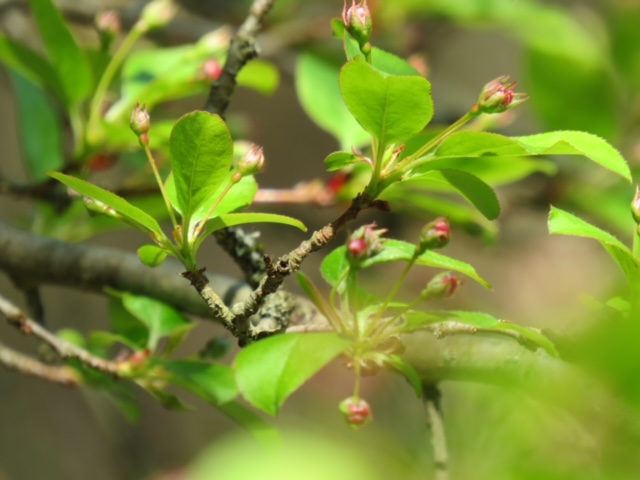
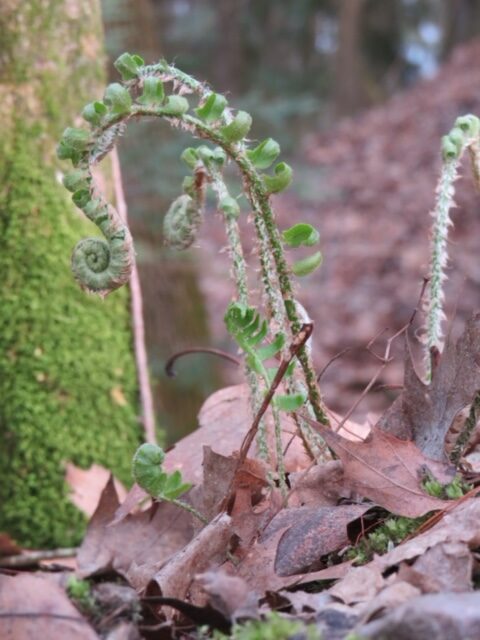
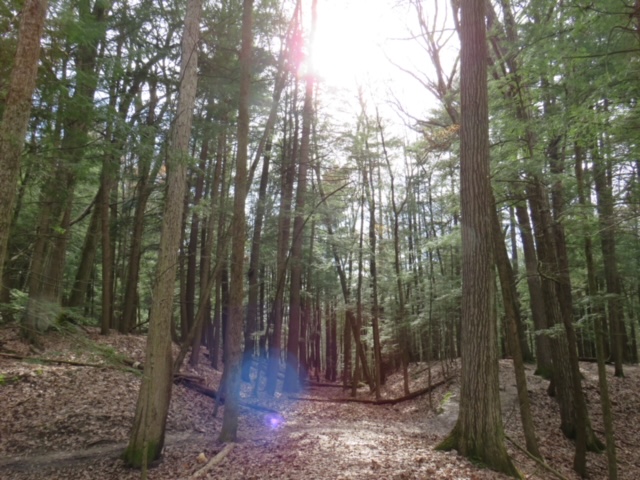
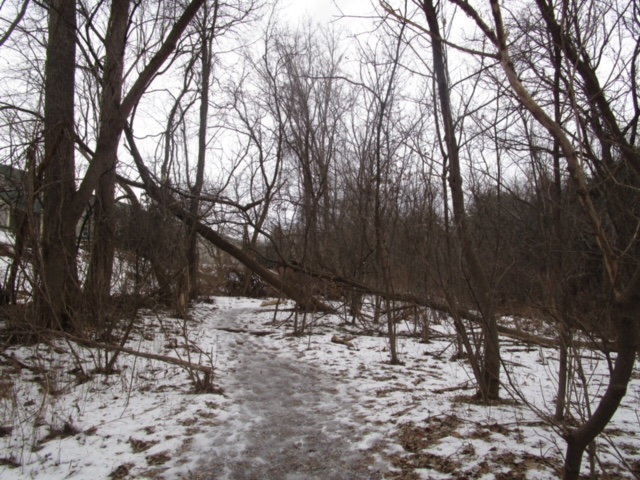
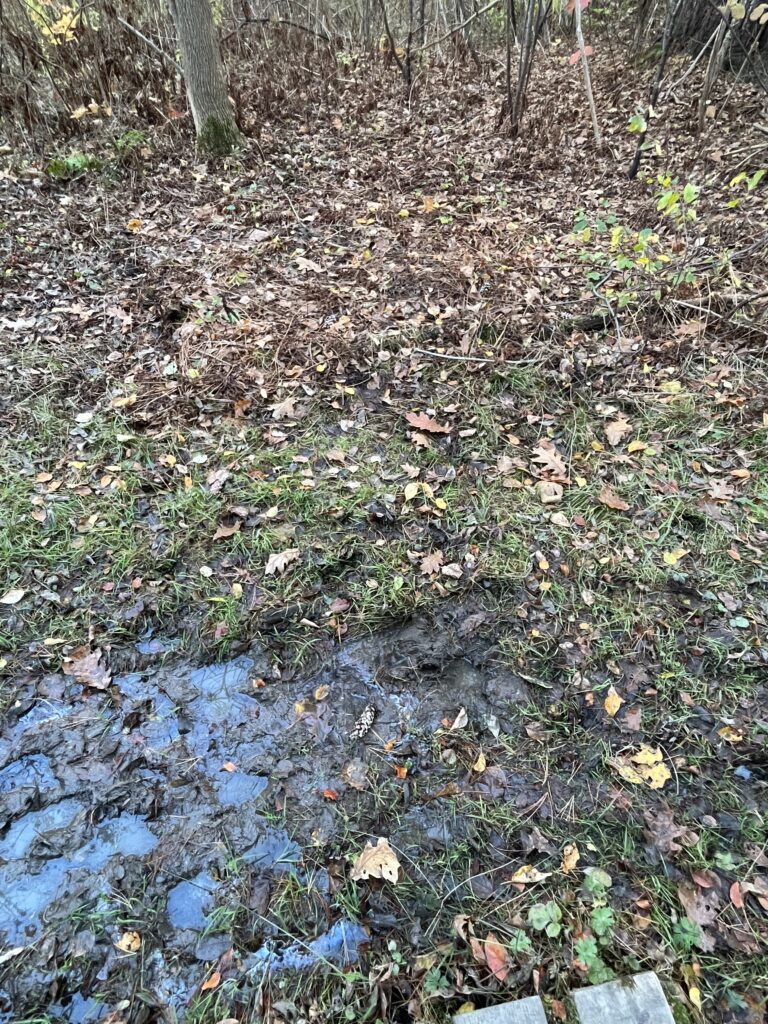
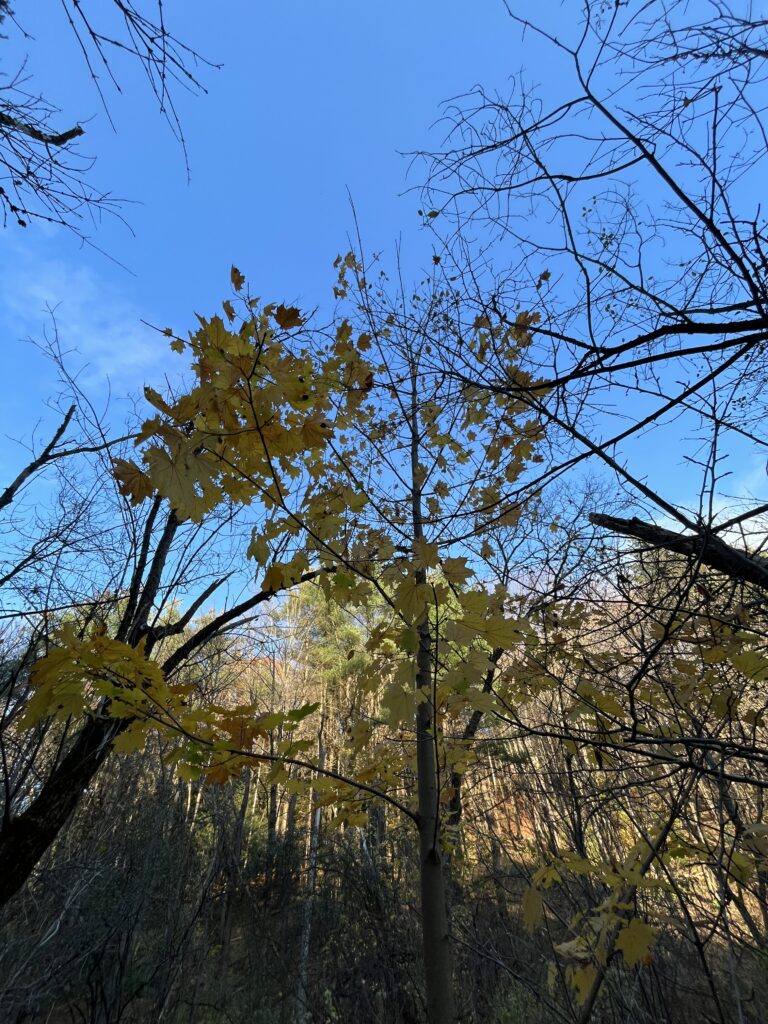
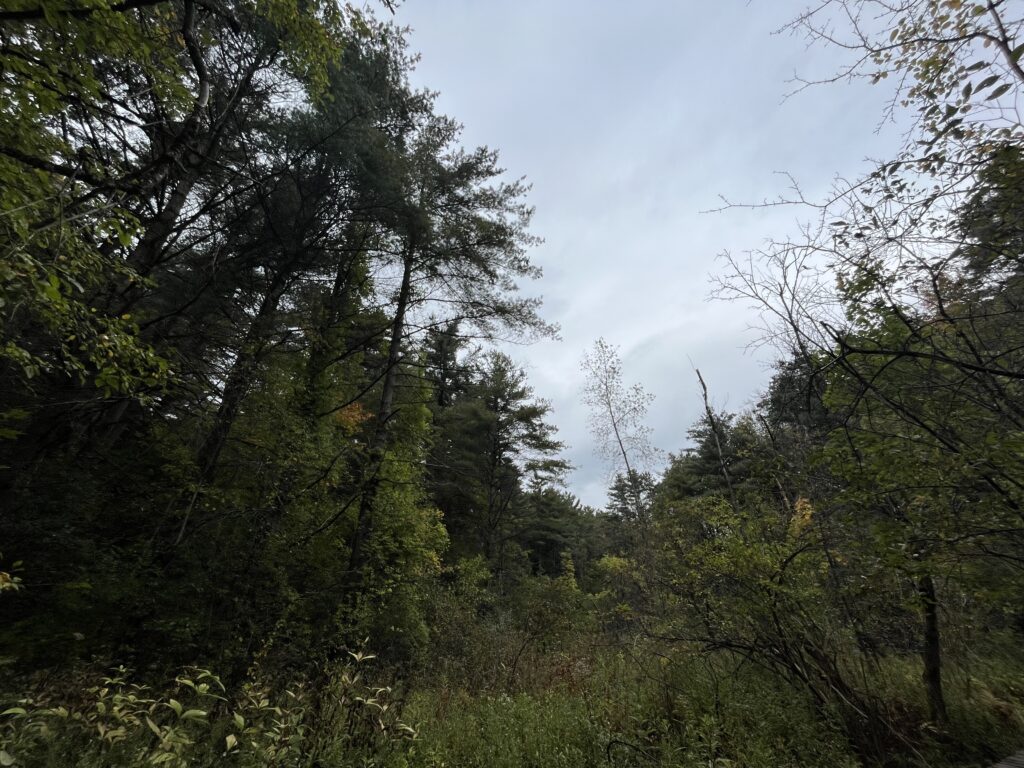
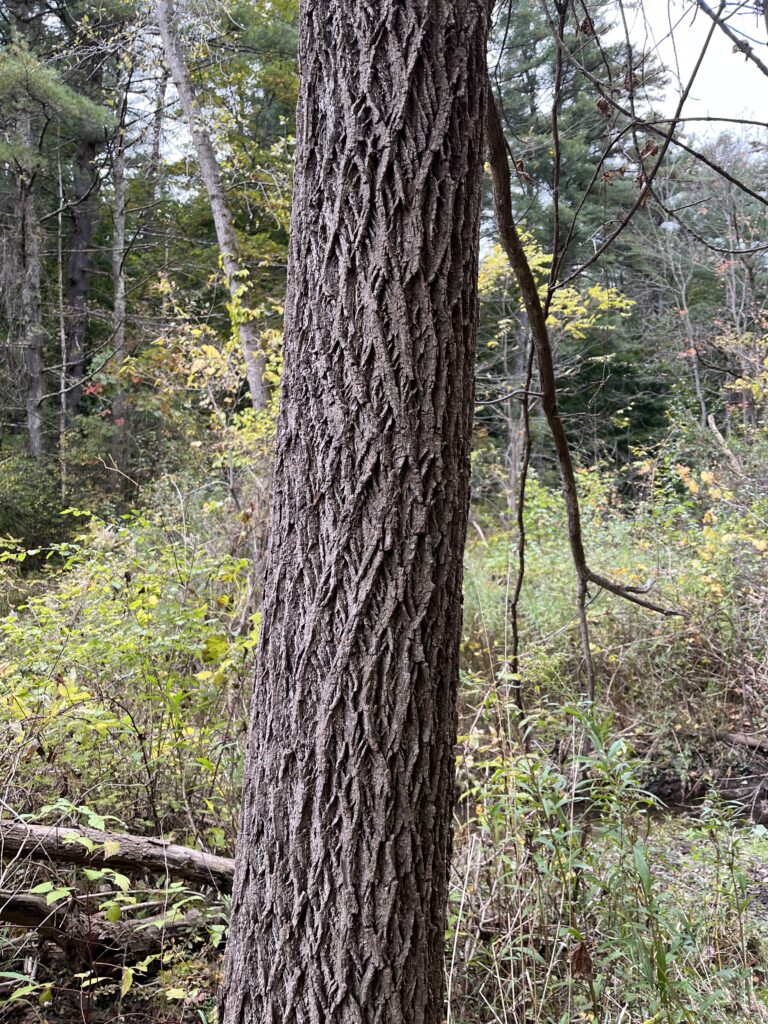
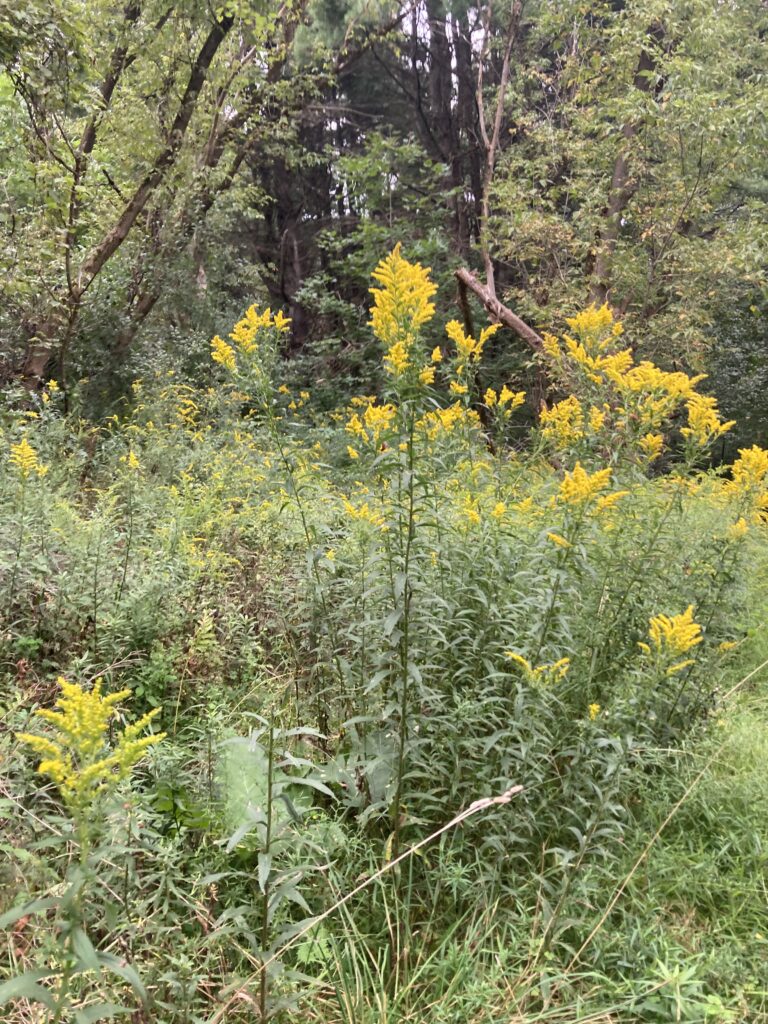
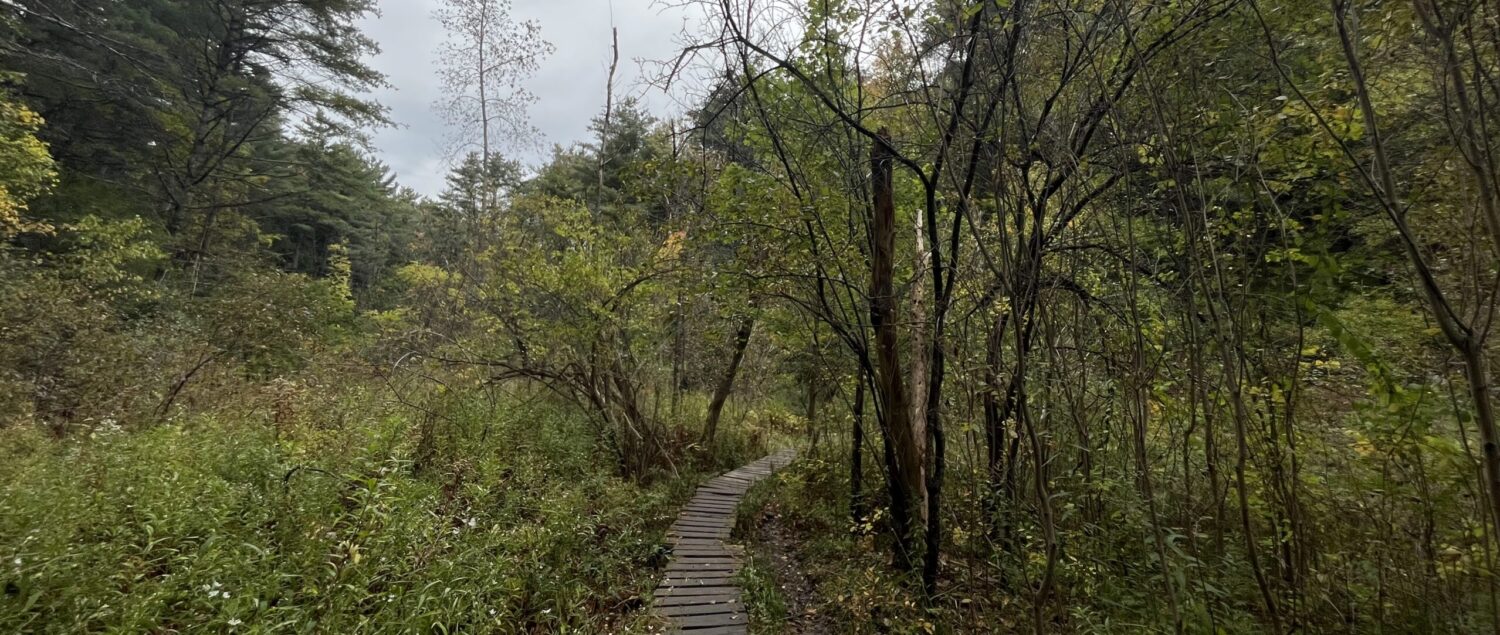
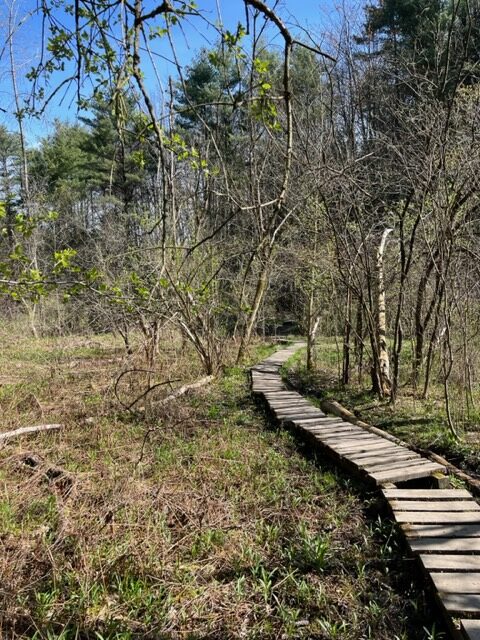
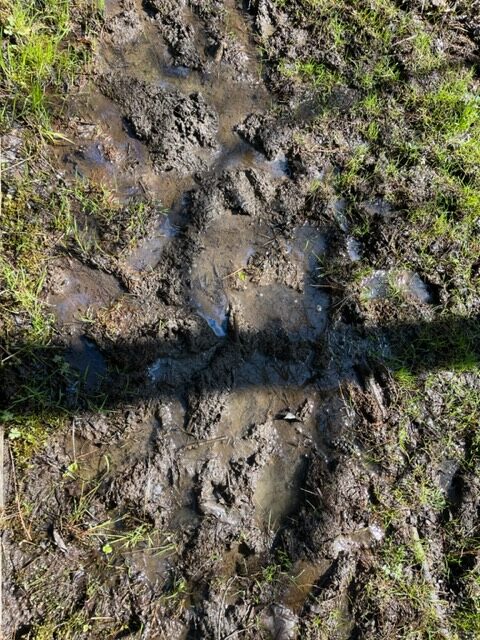
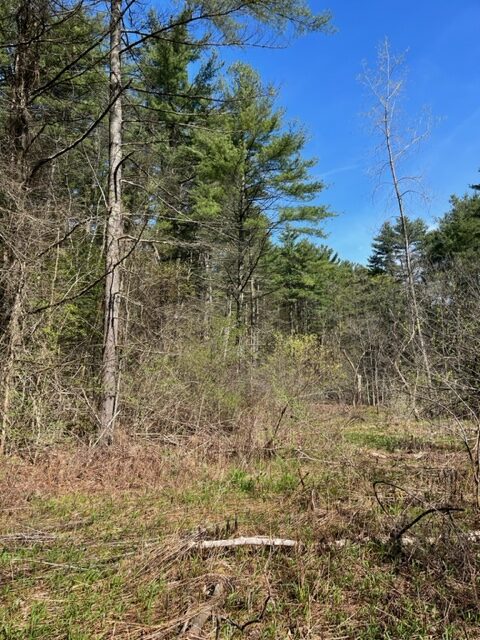
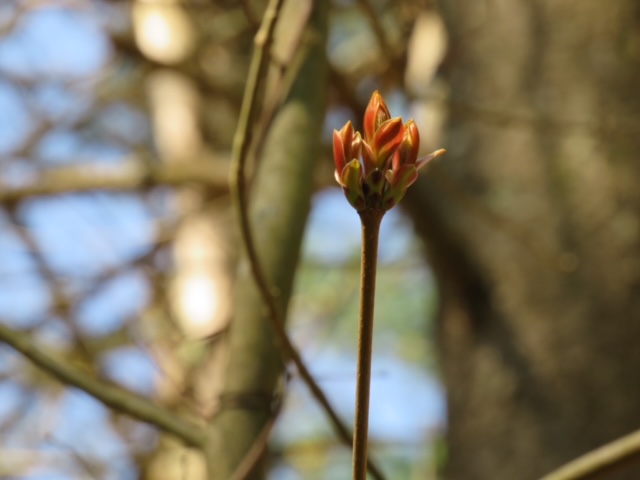
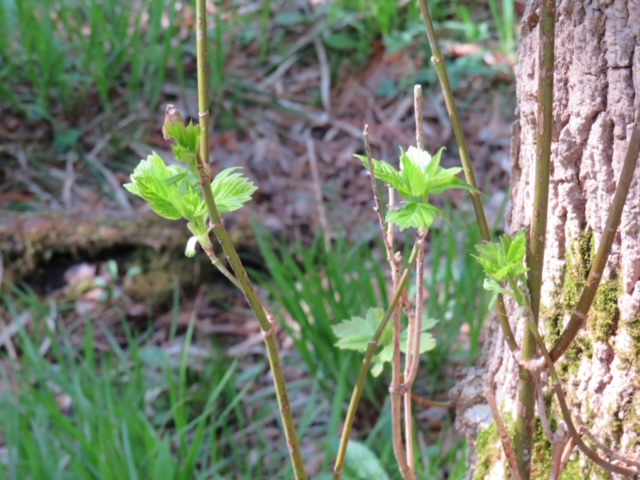
This is my last time for this year going to my phenology spot! It is now spring and almost summer, which means new changes in my spot at Centennial Woods! At my spot, there is no more snow, but lots of muddy spots along the trail. There are also buds that are blooming or almost done blooming. Unfortunately, I could not identify what tree or bush species the buds were. There was also lots more grasses and shrubs beginning to grow along the trail and in the meadow area.
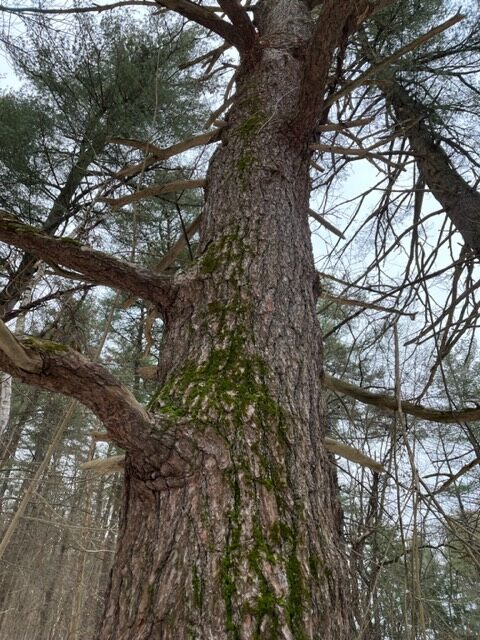
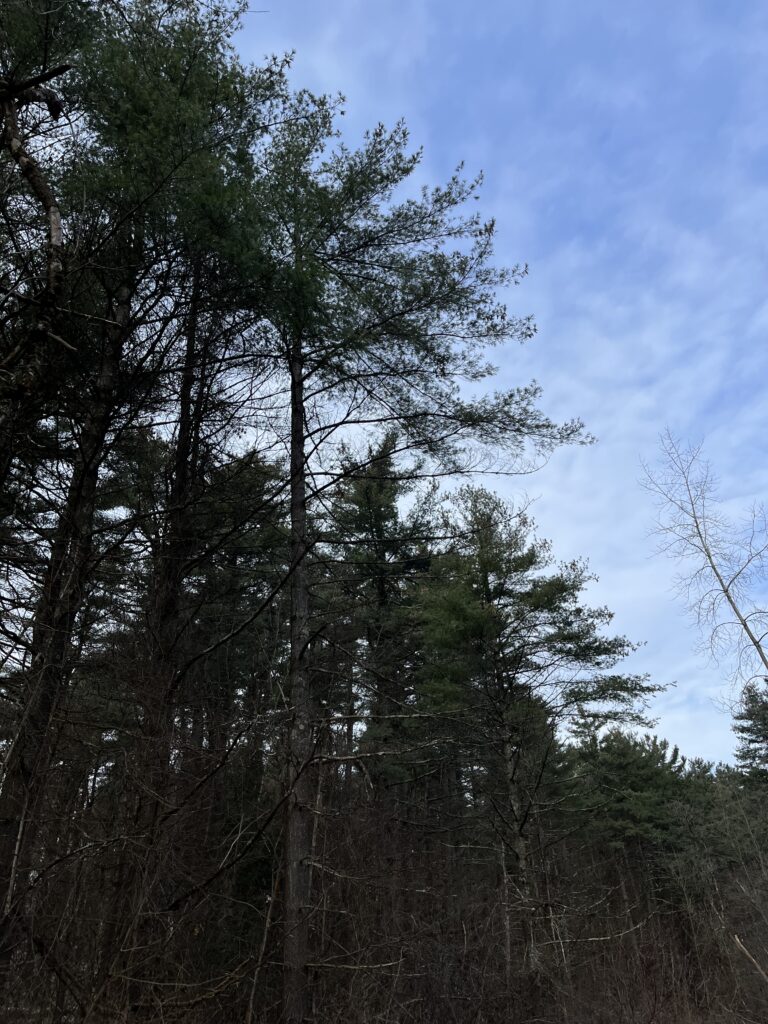
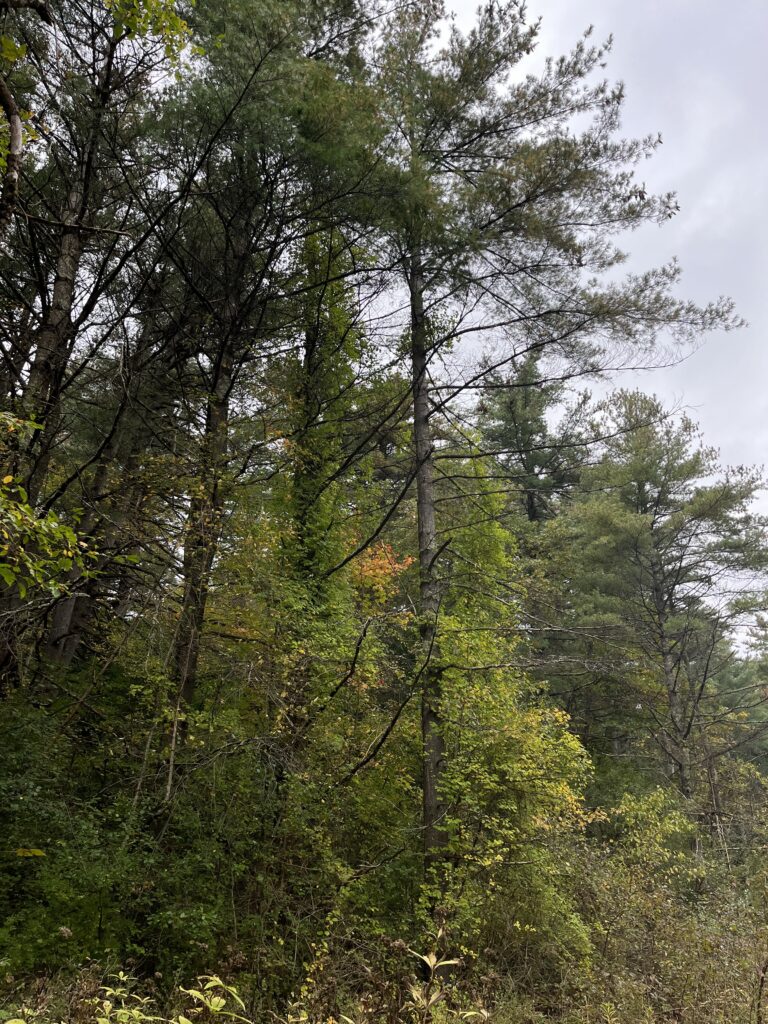
Some landmarks I have become familiar with are certain trees on or next to the trail, the meadow, and a certain tree across the stream. In the beginning of the trail, there is a partially fallen tree that I always go past and further down the trail, there is an eastern white pine that is in the middle of the trail. This tree is in an area of the trail where the trail splits. The Meadow is a major part of my phenology spot as it is the most open side and noticeable when at my spot. I have been able to see the changes of the different plant species in the meadow throughout the season while the eastern white pines remained the same. A little past my spot there is a single tree (I’m not sure what species the tree is) that usually has bird feeders on it.

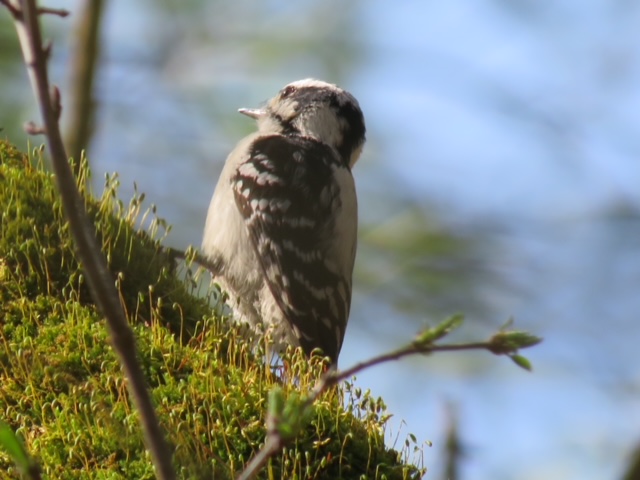
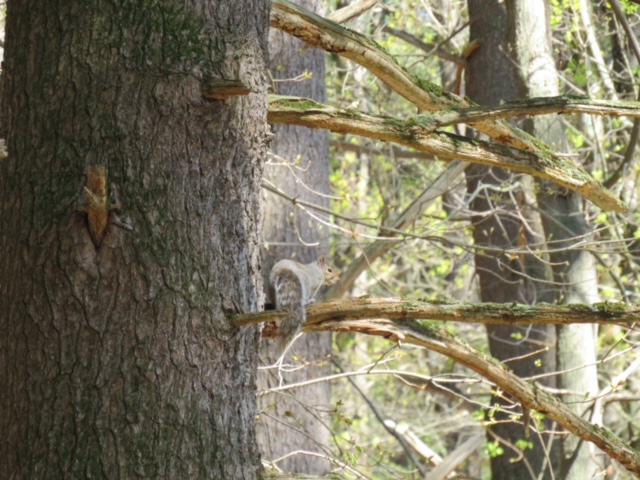
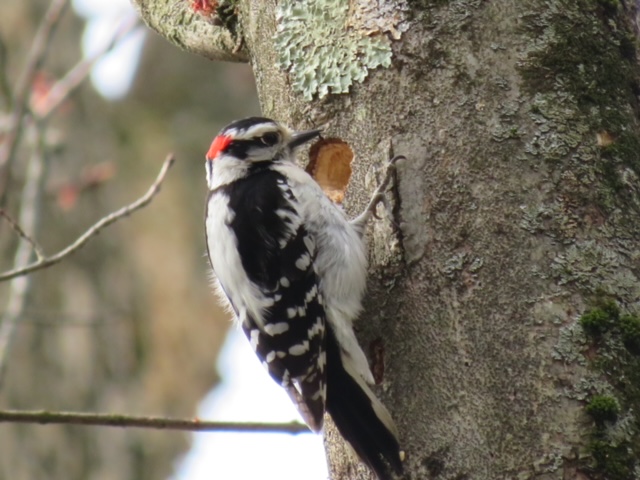
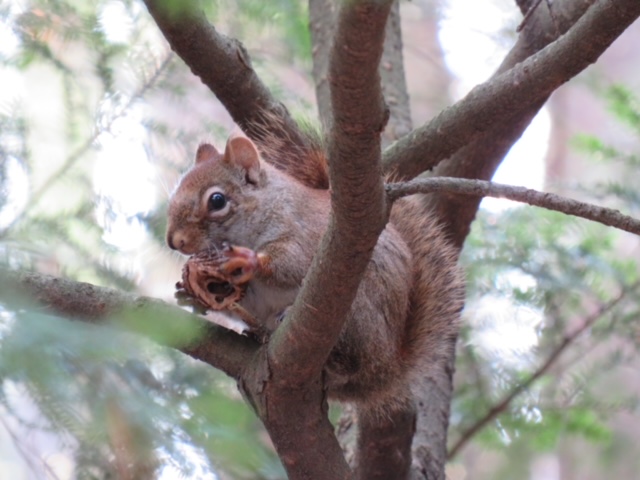
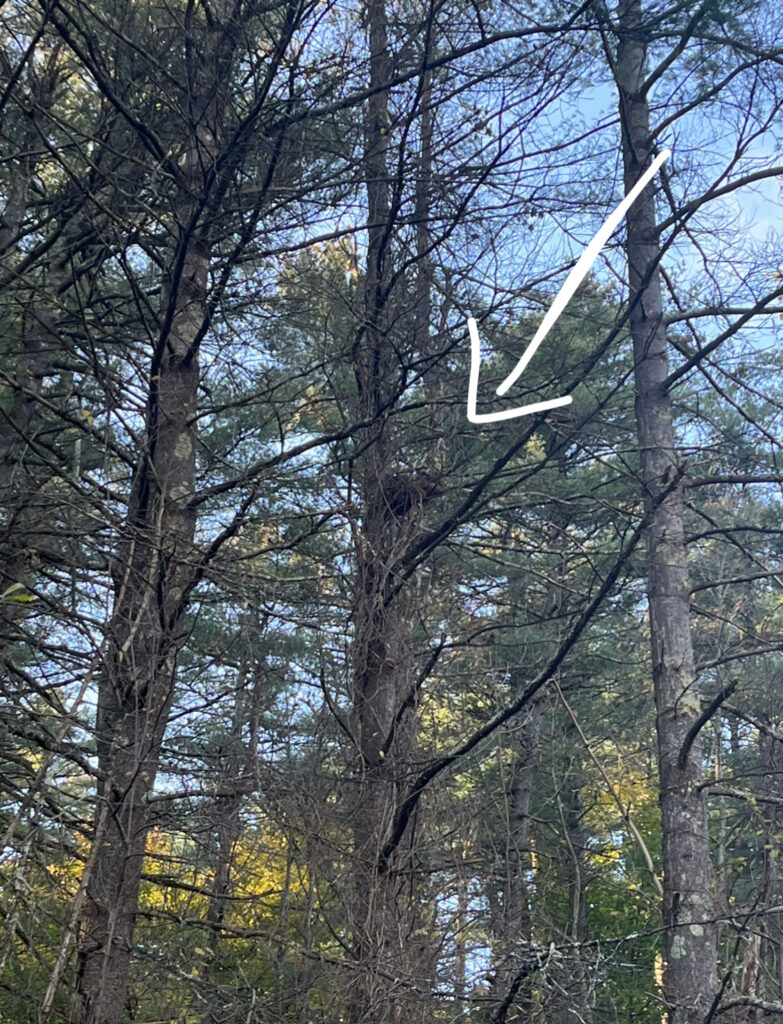
Other things I noticed this time were some of the animal and bird species in this area. There were many birds chirping almost everywhere in my spot, but going closer towards the eastern white pines, there were less. Using the Berlin app, it said there was a House Wren, Pine Siskin, Brown-headed Cowbird, Red-breasted Nuthatch, Dark-eyed Junco, Black-capped Chickadee, Ruby-crowned Kinglet, Downy Woodpecker and a White-throated Sparrow. I also saw two bird nests in the eastern white pine trees on my way to my spot. Other animals I saw were some squirrels running around and some young fish in the stream.
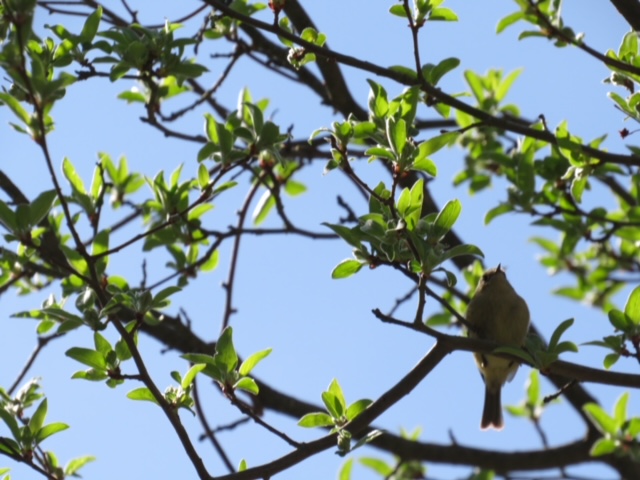
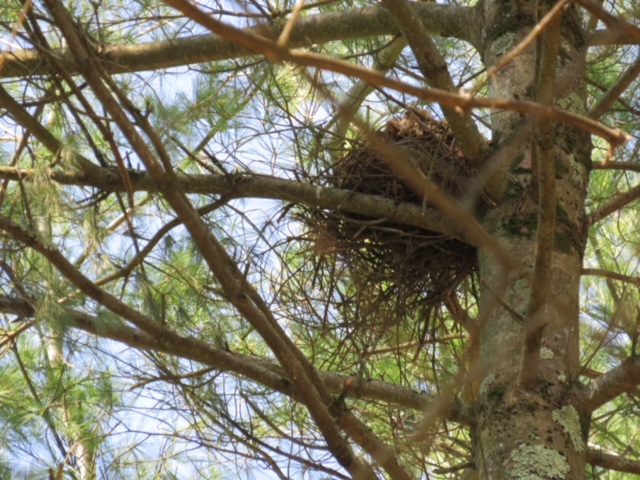
Nature and culture intertwine at my spot and in Centennial Woods in general. Nature is a good healing place for our mental and physical health. With Centennial close to UVM and Burlington, it allows the people who live here to have access to nature. Centennial is also a good learning place for the students at UVM. Much of Vermont is unceded land from the indigenous tribes that used to live here, so Centennial and many other natural areas in Vermont can be a place to recognize these tribes and their cultures and traditions.

I would not consider myself fully part of my place as I haven’t gotten involved with it entirely, but I do feel that with my time spent here, I have been able to learn about my spot and nature. I believe that with this blog and being at my site, I have been able to connect with the natural area in a sense to help with my own health and to deepen my understanding of nature.
City Nature Challenge!

Instead of observing my phenology spot at Centennial Woods, I participated in the City Nature Challenge iNaturalist BioBlitz!

For this challenge, I visited 3 different natural areas in the Greater Burlington area. The first area I visited was my phenology spot in Centennial Woods, the second was intervale, and the third was PotAsh Brook. In total, I was able to identify/observe at least 9 different species.

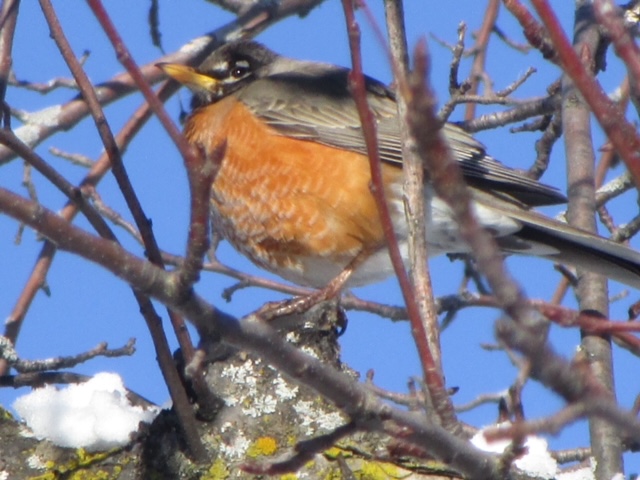
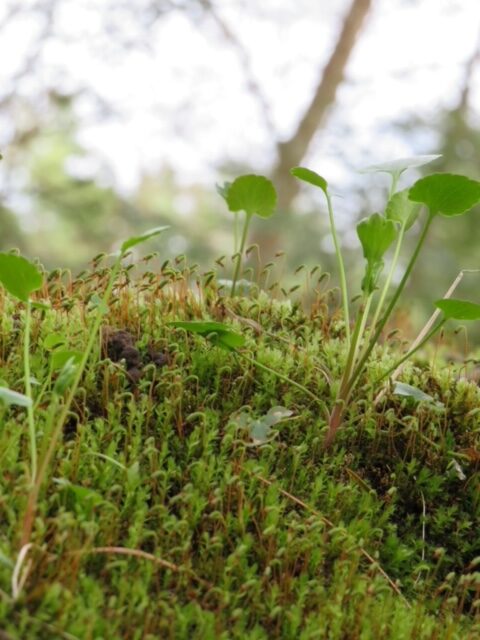
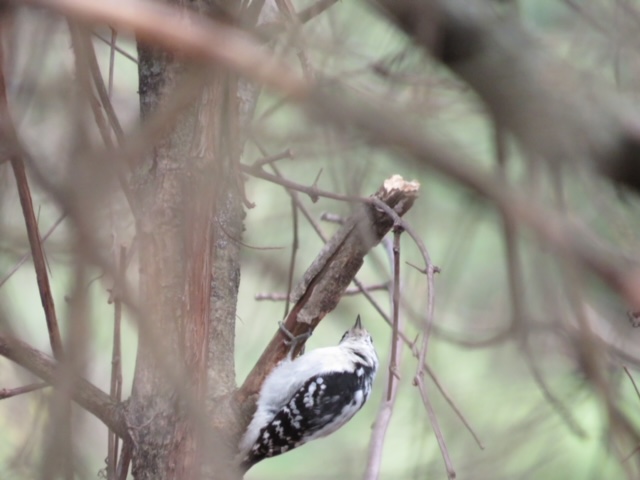
In Centennial Woods, I saw a few downy woodpeckers, an American goldfinch, and a young squirrel. I also was able to hear a song sparrow and white-throated sparrow using the Merlin app. At Intervale I identified some plants such as a genus aegopodium and a genus hesperis, which I used the iNaturalist app to identify. I also saw a cardinal, a robin, and a few chickadees. At PotAsh Brook, I observed some fungal species, birch trees, and some moss which I identified as smoothcap moss.

Using iNaturalist has allowed me to identify many different species and has also made me more aware of what is in these natural areas. From this app, I have learned about new species and was able to share what I found in my lab group, as well as others using the app. Compared to other cities participating globally, I noticed the leaderboard. What was most surprising to me was seeing San Francisco on it since that is a place close to my hometown and I visit often. I didn’t know that a city from the area I’m from was involved with iNaturalist. I also noticed that there were cities that I didn’t know about on iNaturalist who are in the lead.

Vernal Equinox

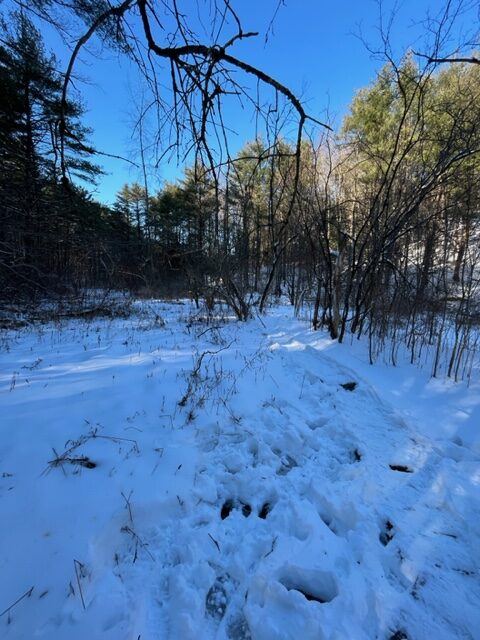
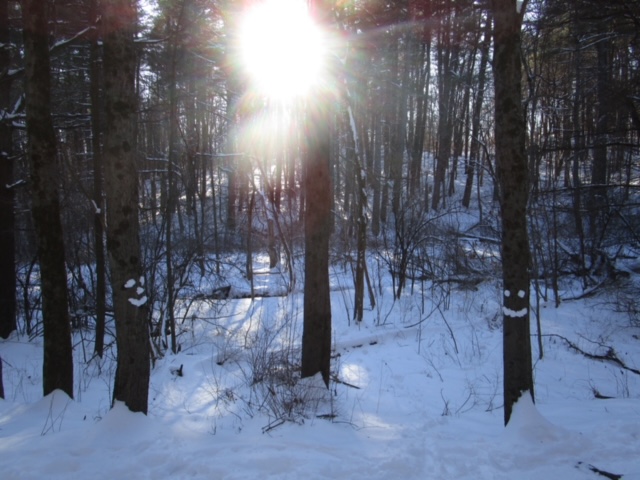
Happy spring! With a snow Vernal Equinox, it does not seem that spring has come yet, but there are already some signs of the beginning of spring!

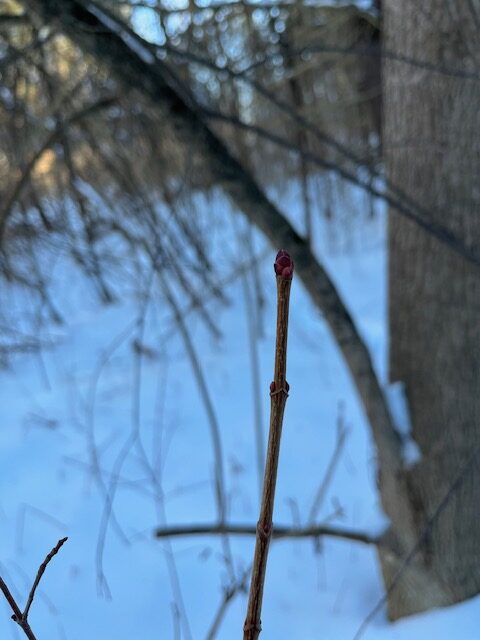
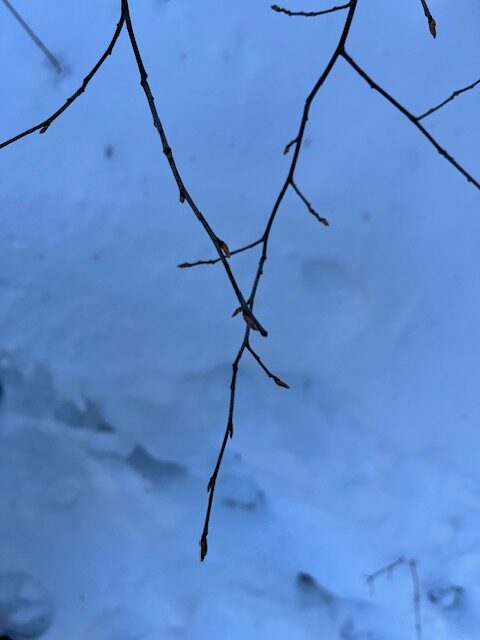
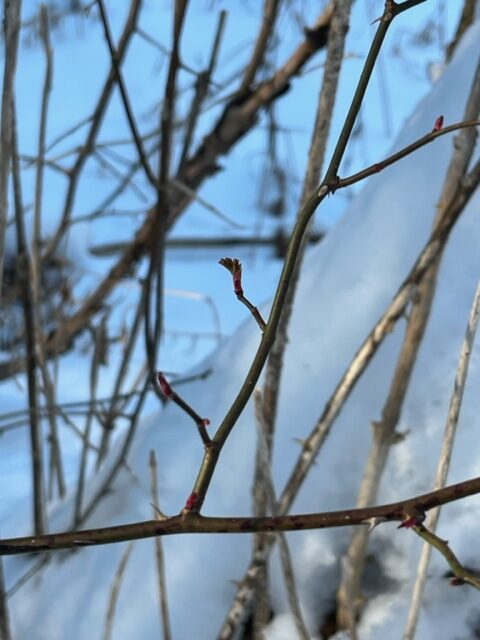
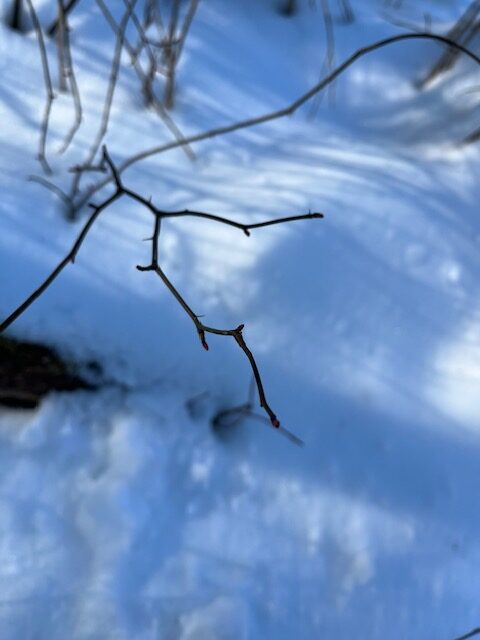
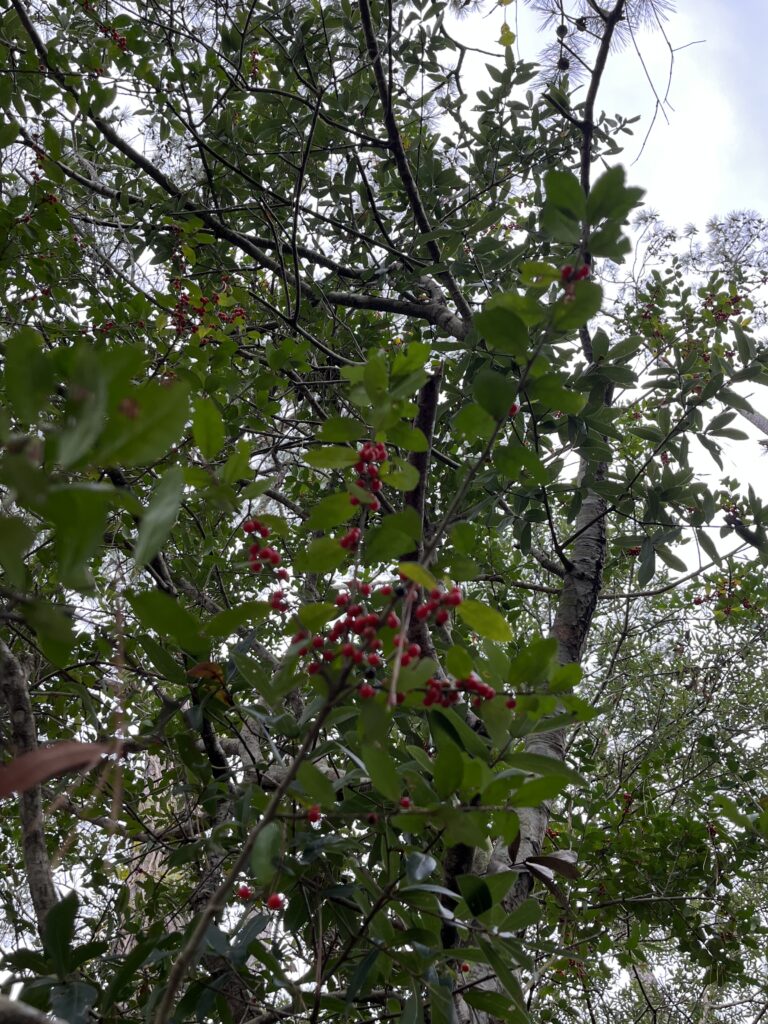
Some early signs of spring that I noticed were the tree buds. I was able to find what looked to be red maple tree buds as well as red oak tree buds. I was also able to find some other tree buds, but I was unsure what species they were because they were either too small or it was too dark with some of the shadows in the way to see full detail of them.

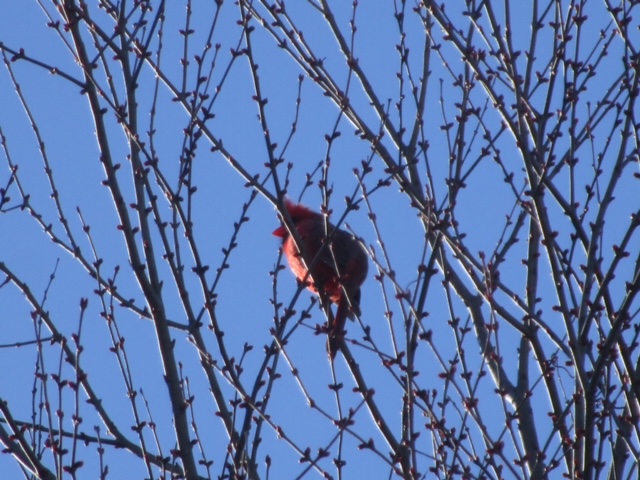
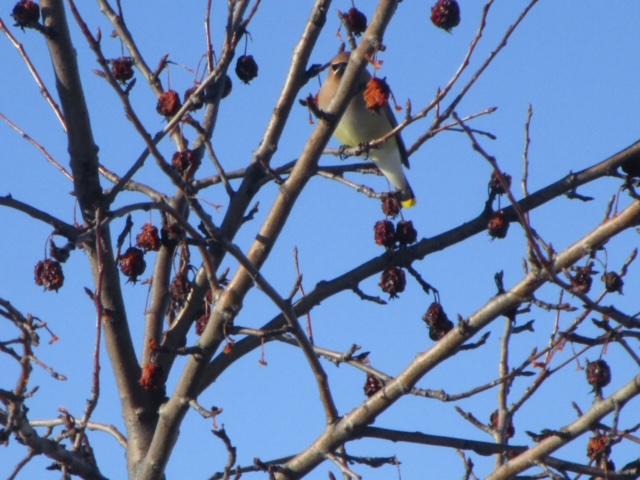
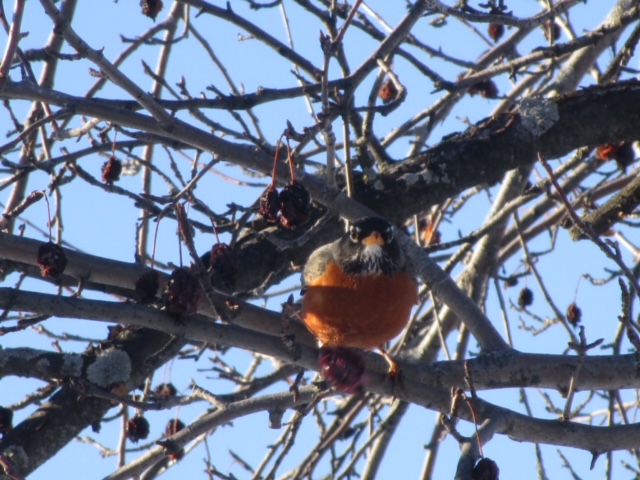
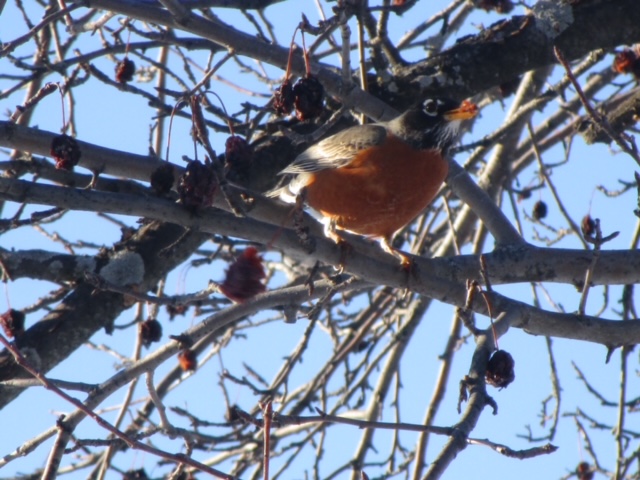
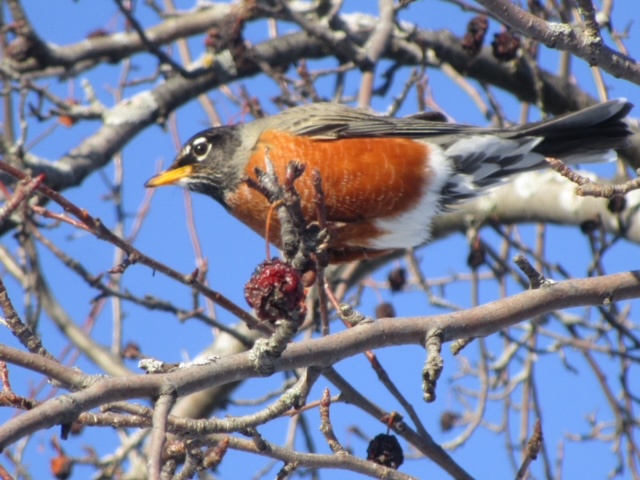
Another thing I noticed was the birds. Unfourtunuetly, there were not many birds I can find in my phenology spot, but I could hear them. On the way to my spot, I found a lot of robins puffed up in the trees or eating berries and other food they can find on the ground. I also found a cardinal in one of trees right before I left campus. There was another bird I found, but I was unsure of what species it was. I could not identify the bird sounds I heard as I have little knowledge of birds.


Animal Tracking Yayy!

1/17/24

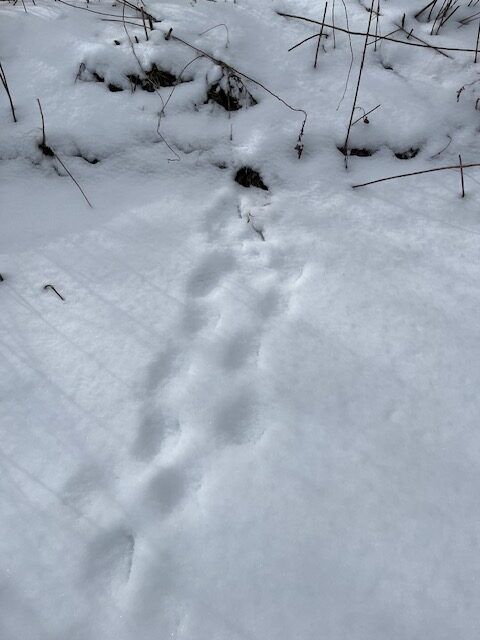
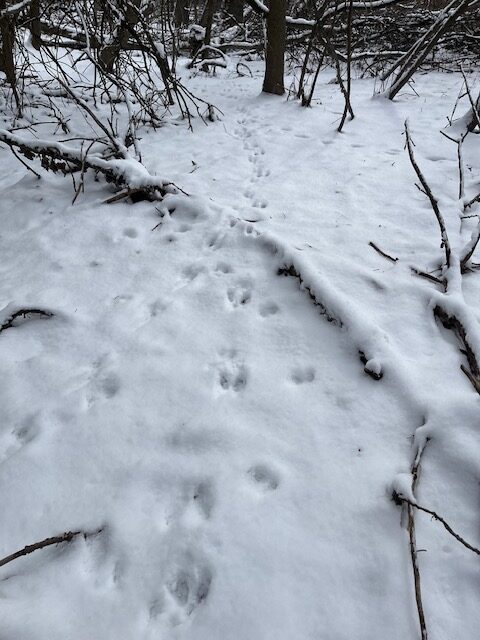
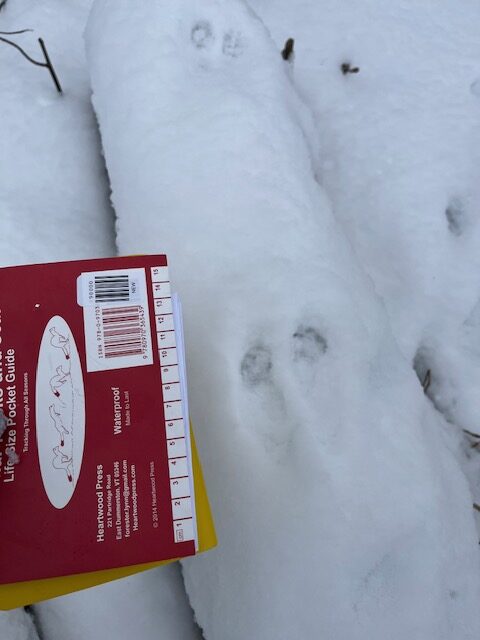
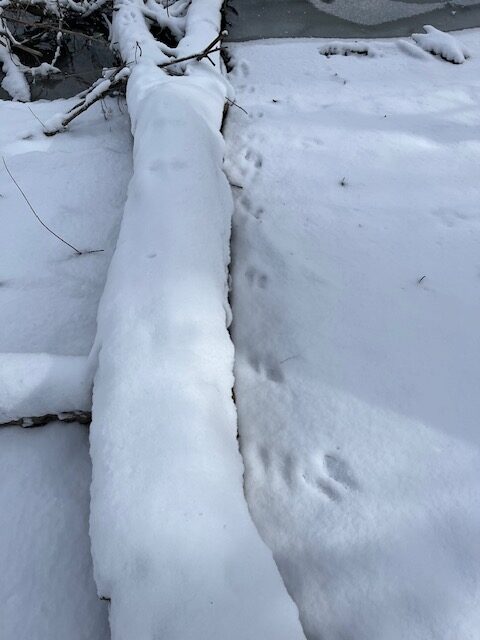
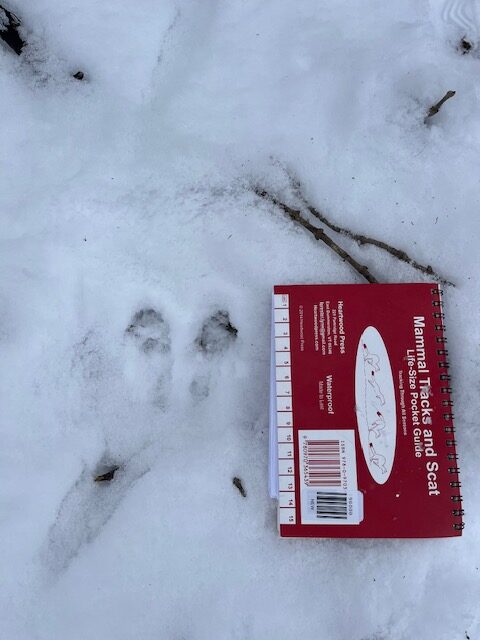
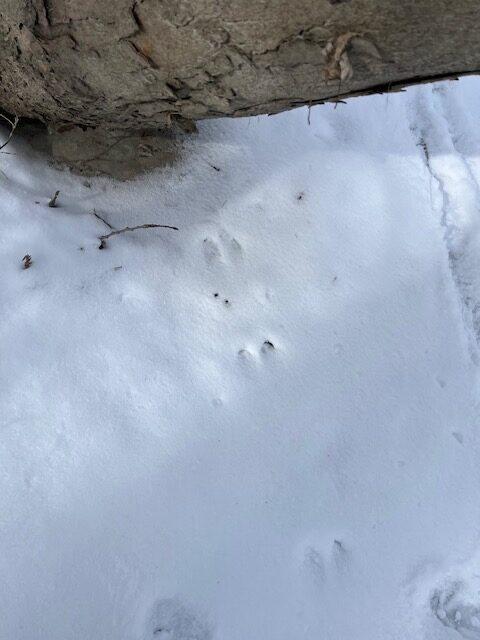
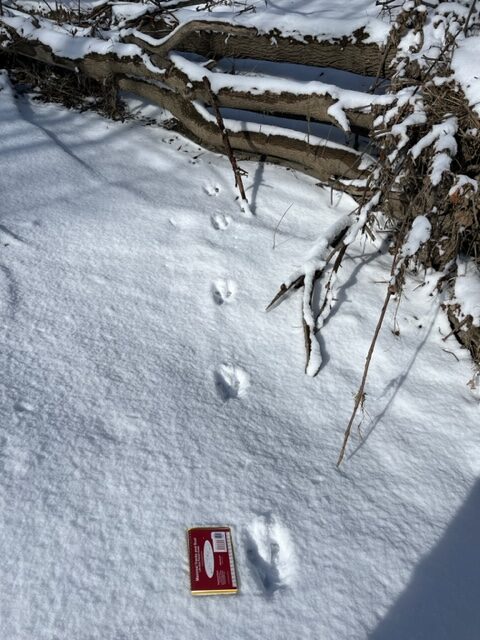
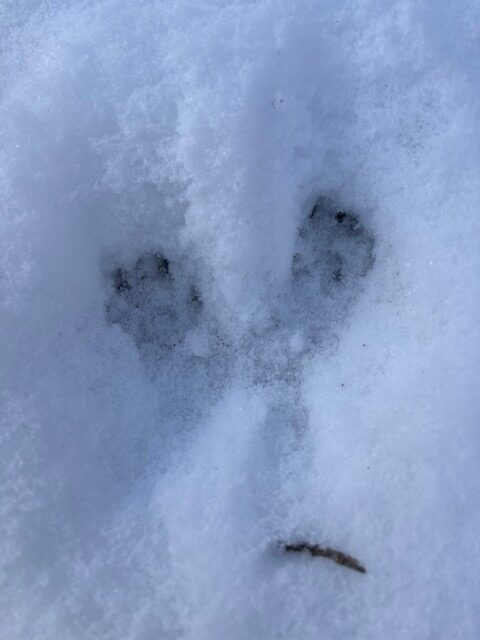
For my location, my friends and I went to Mackenzie Park at the Intervale to do some animal tracking and potential bird watching! It had snowed the night before and during the time we were there, so some tracks were new and some tracks were covered in a decent amount of snow. Because of the fresh snow, a lot of the tracks we found were hard to figure out what they were. The tracks we were able to identify were from cottontail rabbits (Genus Sylvilagus), which we found quite a lot of. I was able to compare my findings with others and show what I found in my area with the iNaturalist app, which helped a lot.

Unfortunately, we were not able to identify a lot of the tracks we found besides the cottontail rabbits due to the fresh snow. To identify the tracks the we found, I used my field tracking guide and information from the NR lectures to measure the tracks and look at the shape of them. There were some tracks that we were unsure if it was a rabbit or something else, but we narrowed it down and figured out it was a rabbit. My friends and I also heard and saw many birds which my friend was able to identify with a bird field guide. Some of the birds we found are: Hairy woodpecker (Leuconotopicus villosus) and Tufted titmouse (Baeolophus bicolor).

01/26/24

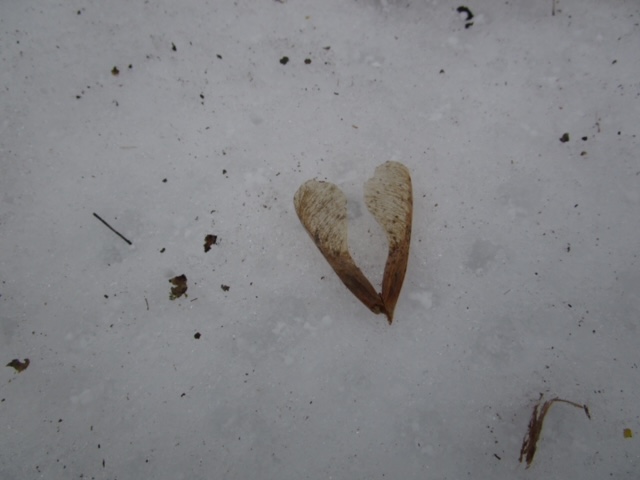
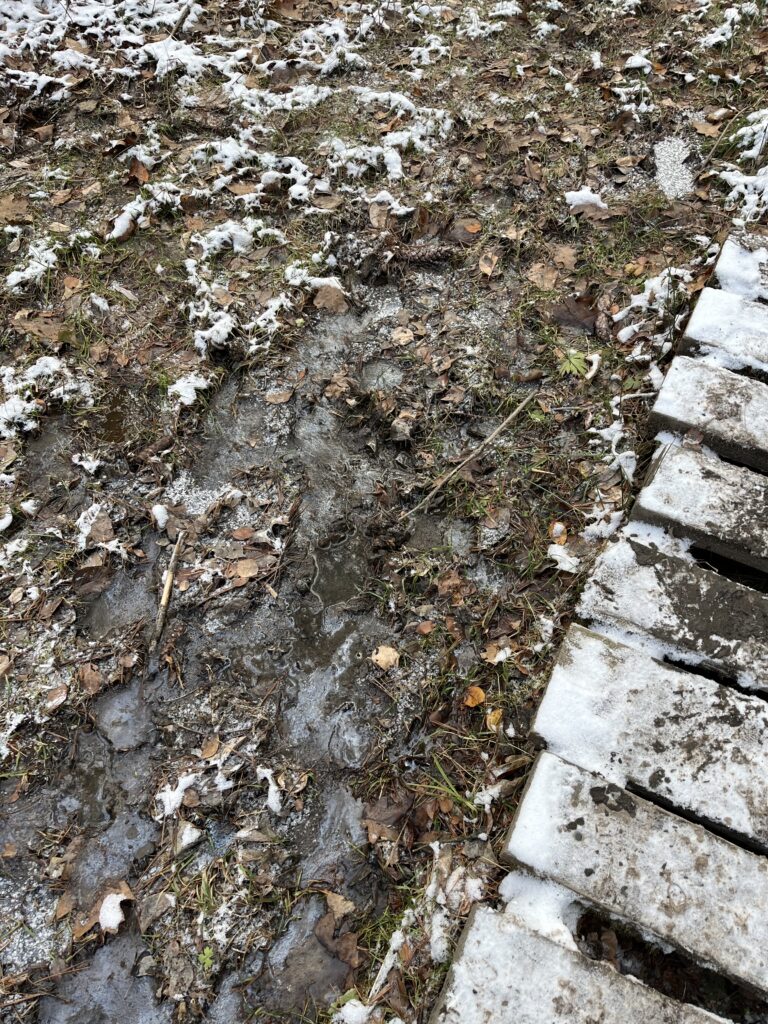
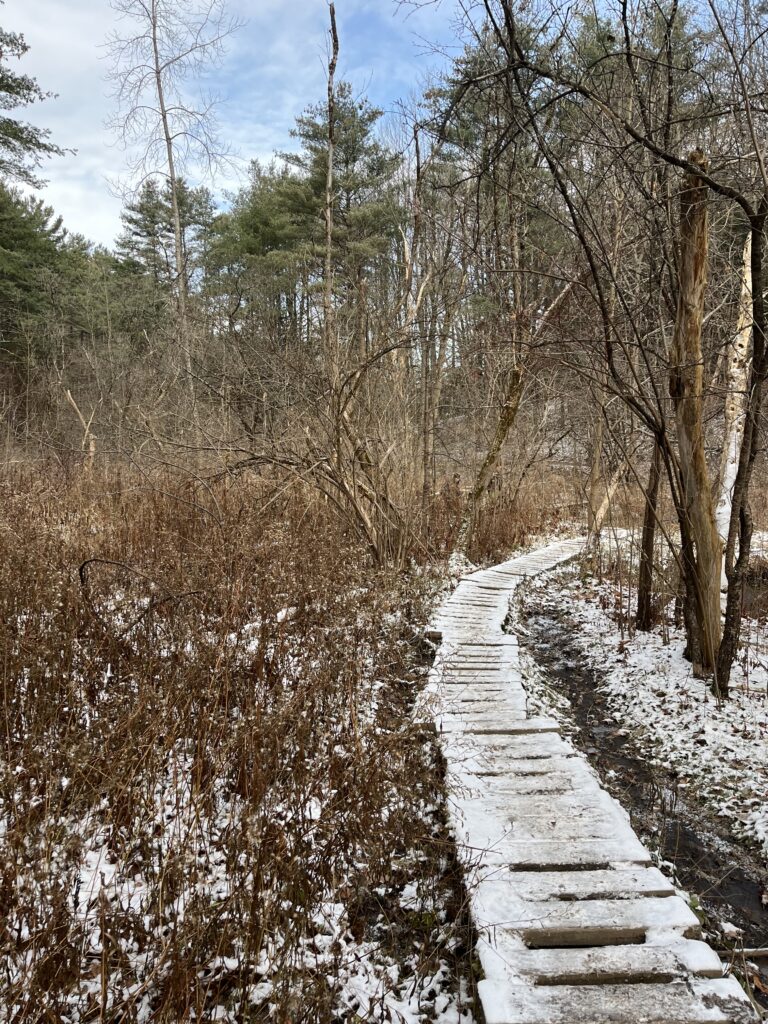
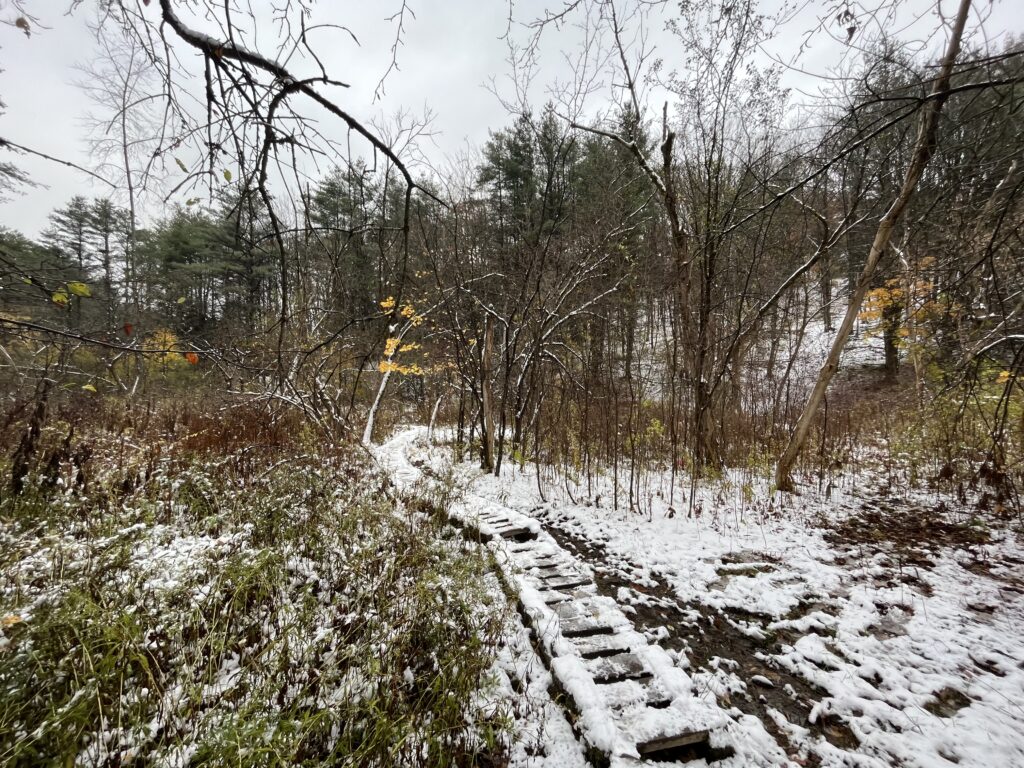
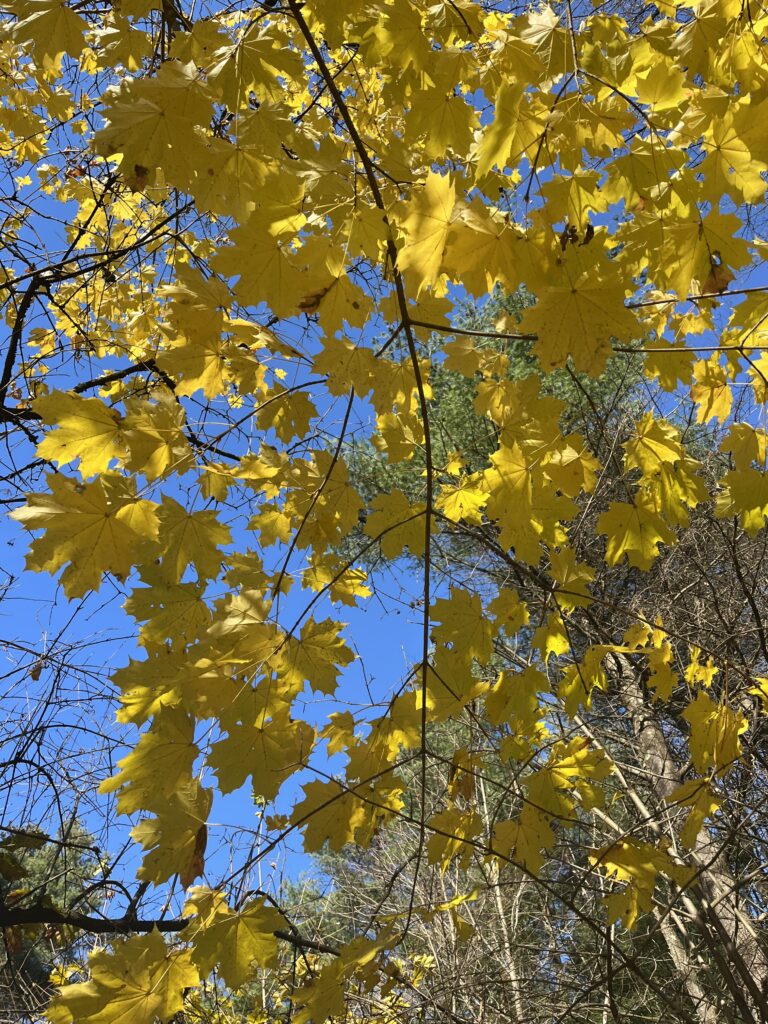
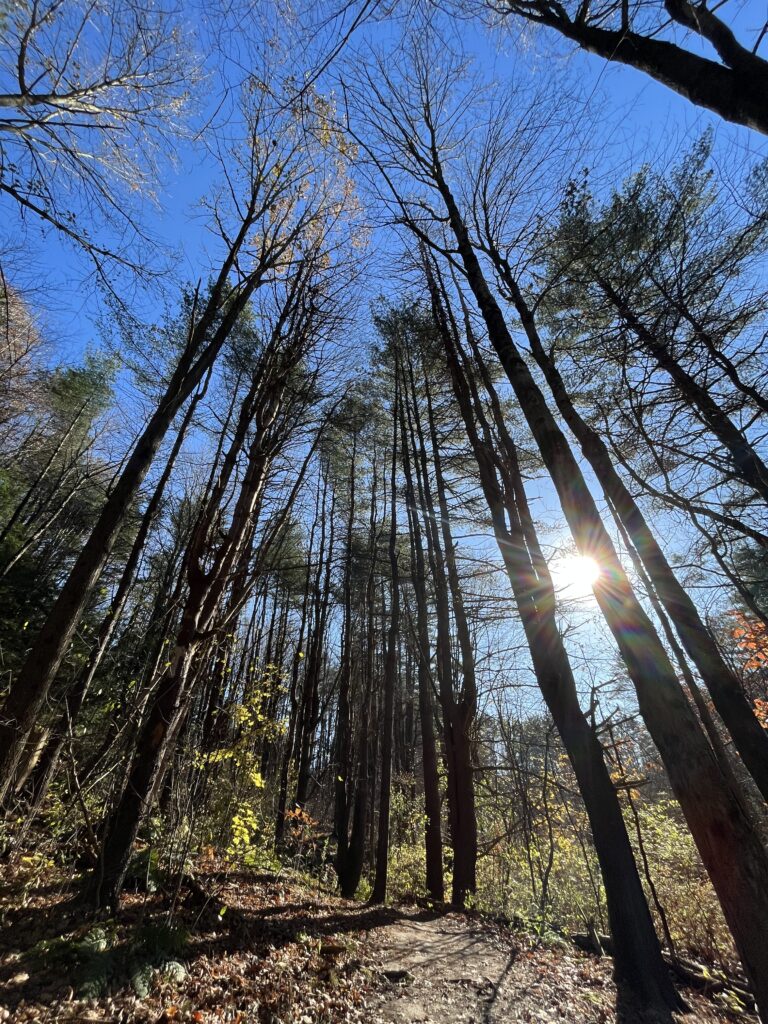
Hi 🙂 for the new semester, I will be continuing to blog phenology in the same location in Centennial Woods! During my most recent visit, there is more ice and snow covering the ground and bridge. There are also a few fallen leaves and pine needles from the Eastern White Pines and Maple Trees.

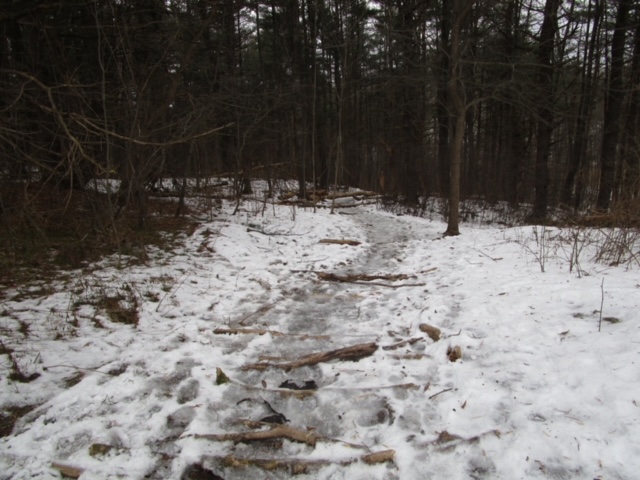
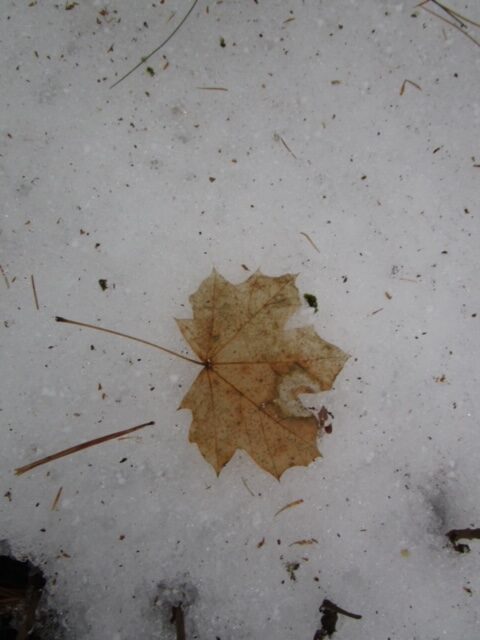
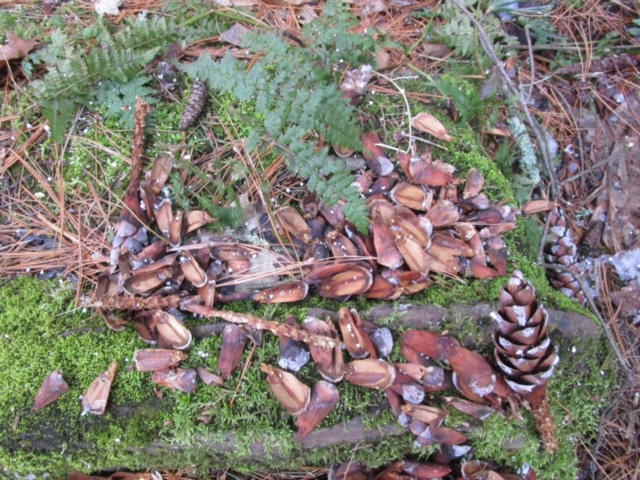
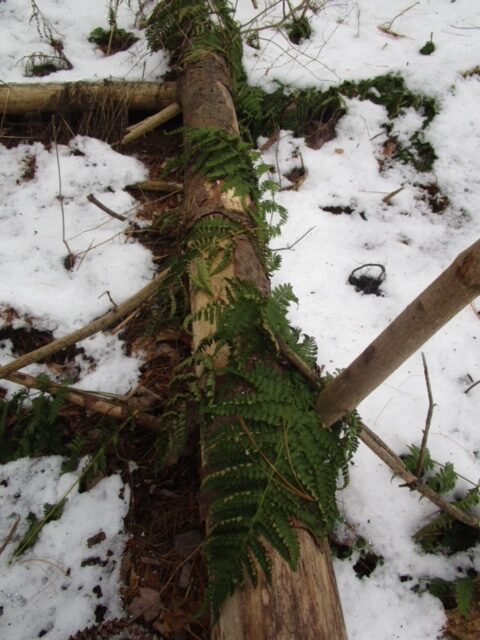
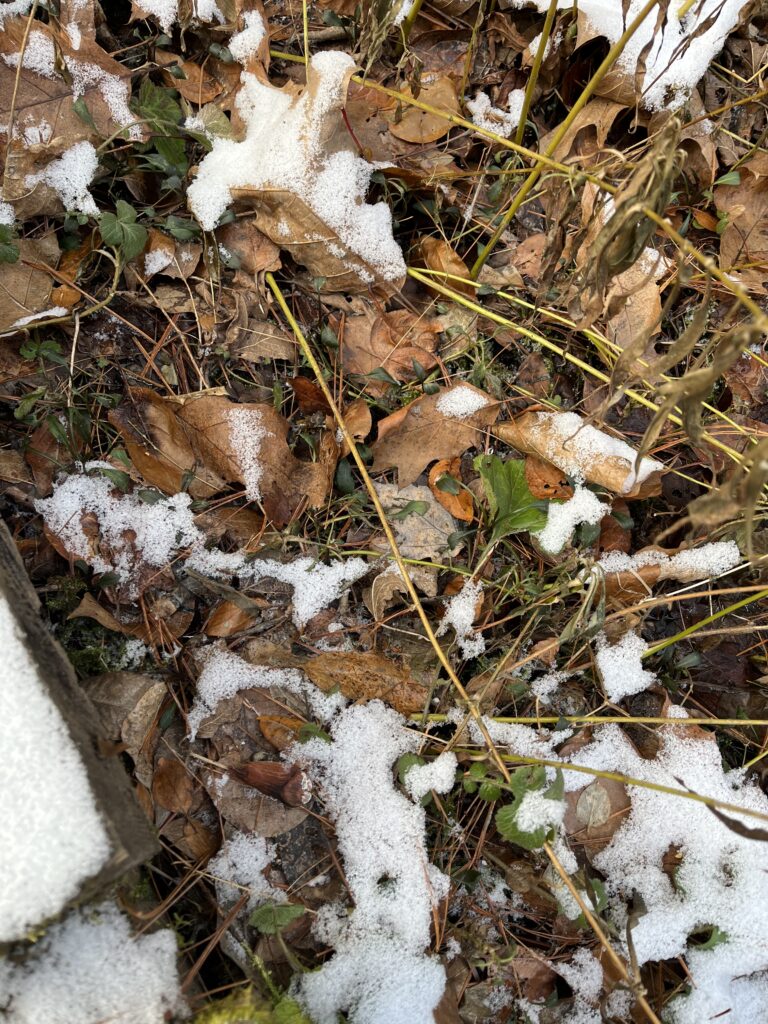
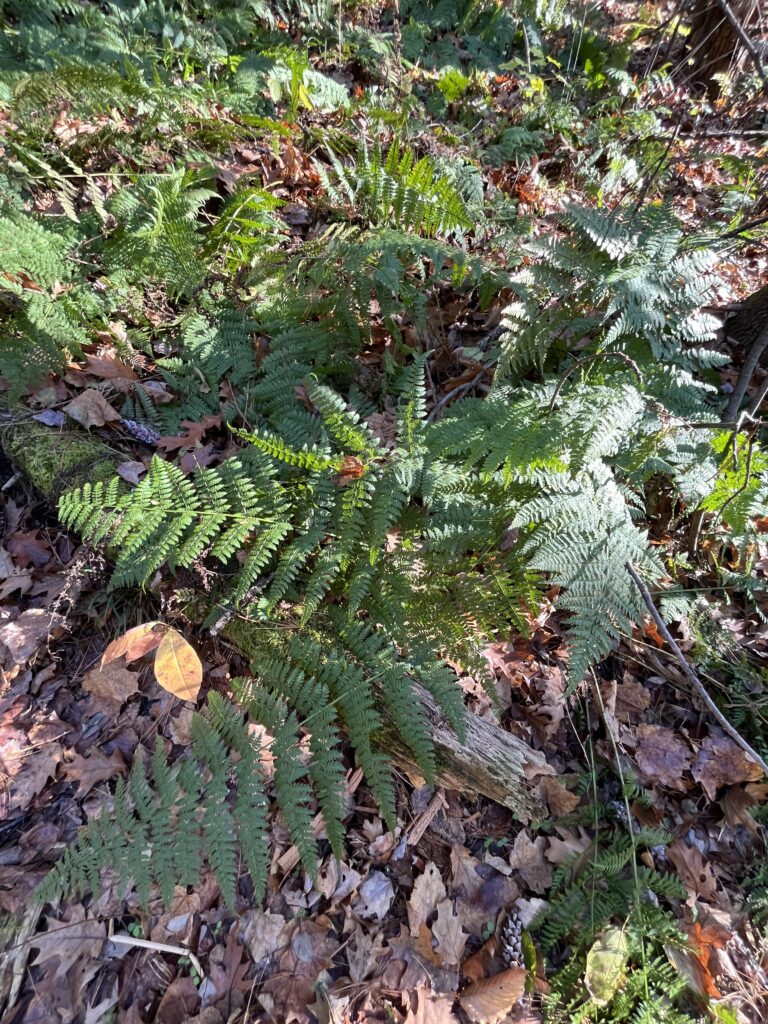
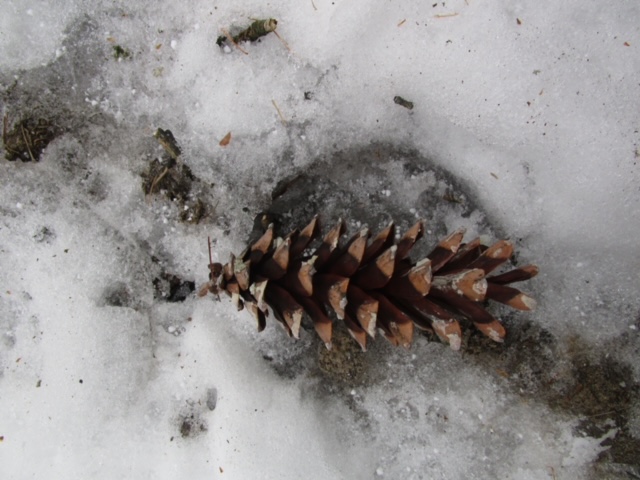
There were lots of pine cones and fallen trees covering the trail, as well as dead organic matter. The ferns were mostly covered by the snow and ice. There were also some Norway Maple leaves on the snow, but not a lot.

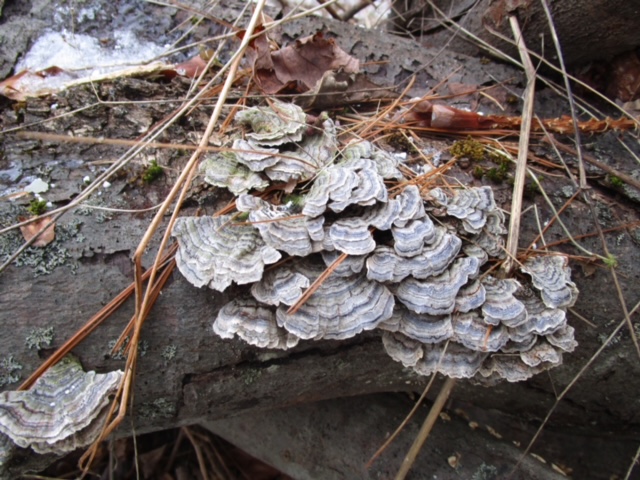
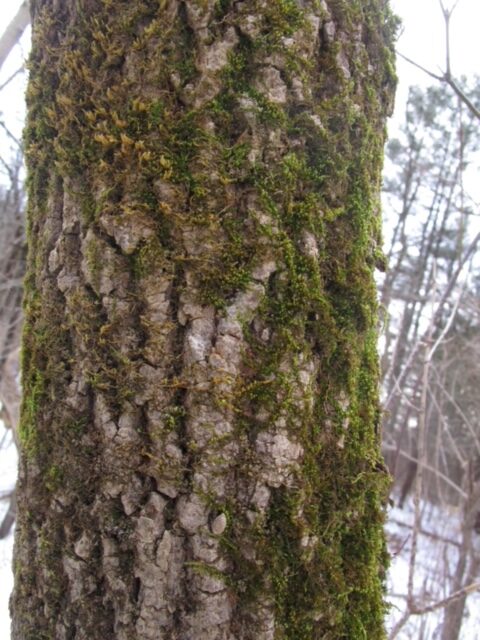
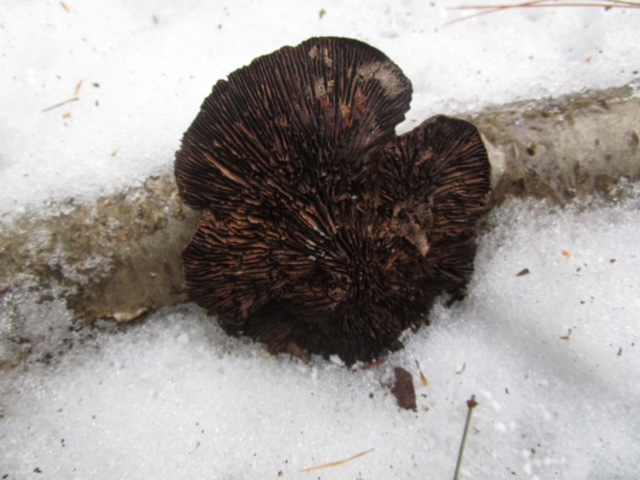
I found some fungus on the fallen trees a little past my phenology spot, which looked cool. There was also lots of moss on the trees

Unfortunately I was not able to find any animal tracks and most of the smaller plants and shrubs in the meadow or below the trees are dead or frozen.

11/08/23 :)

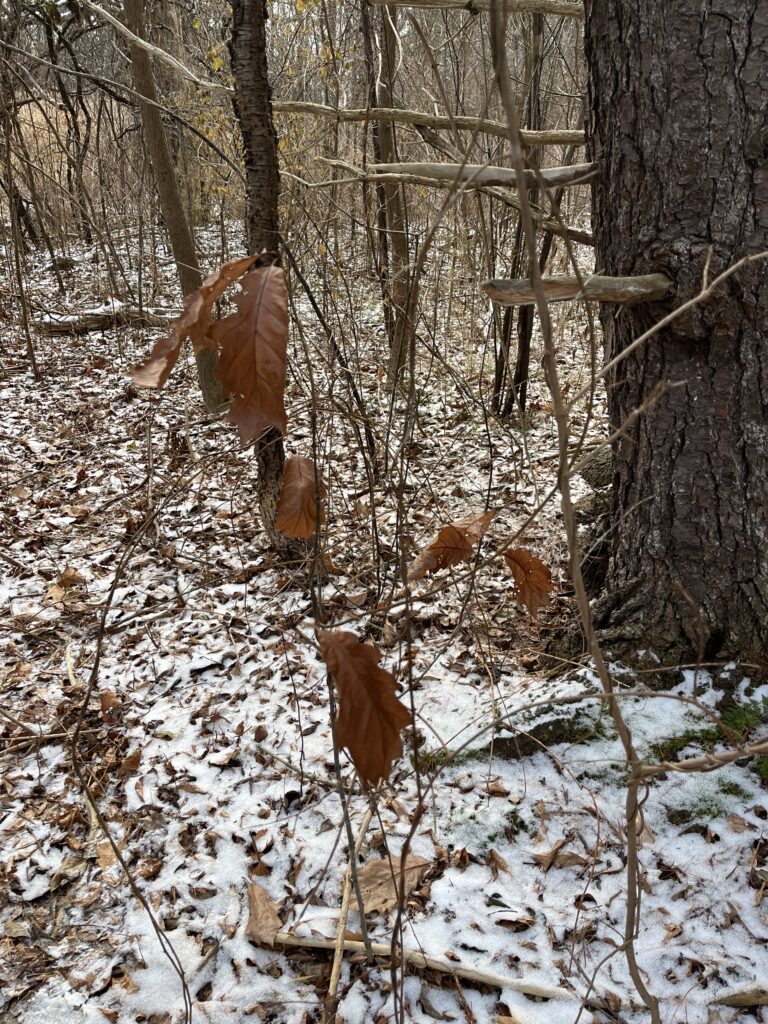
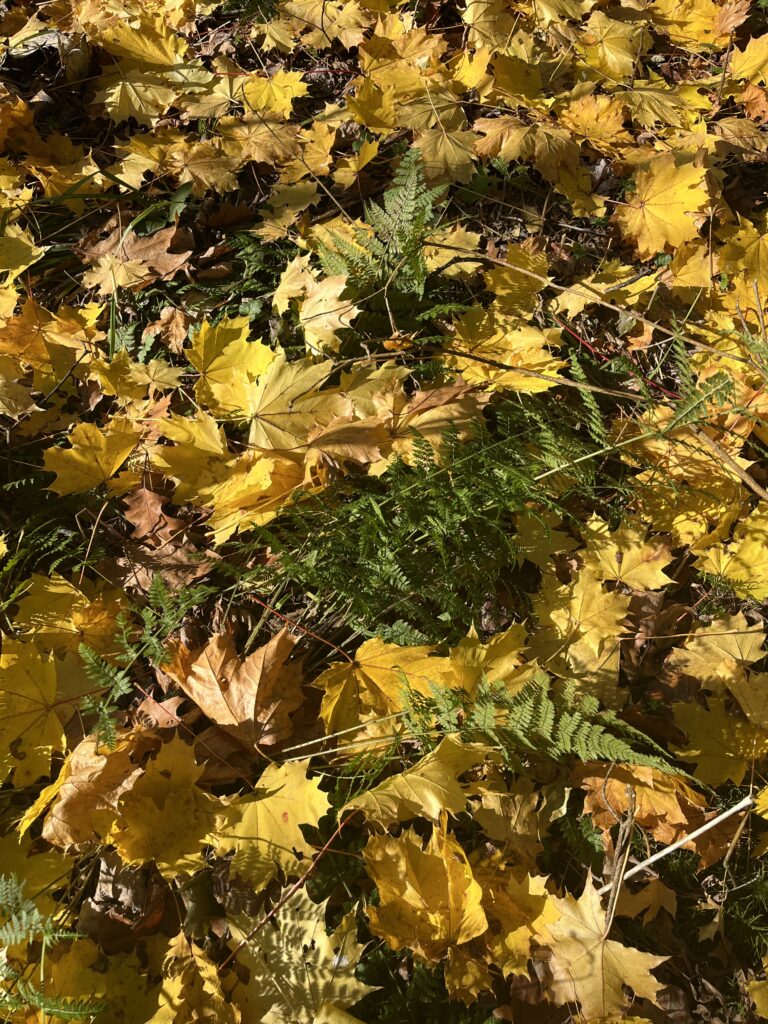
In the general area of my sit spot, all the tree species had no leaves anymore besides the White Oaks and a Norway Maple. The leaves that were still on the two deciduous were orange/red, curled, kind of crunchy, and droopy. The coniferous Eastern White Pine tree still had all their pine needles. Lots of the dead leaves were found on the ground and mixed in with the mud. With all the dead leaves on the ground, there was lots of dead organic matter being broken up which was frozen in the mud. There was sadly no traces of animals that I was able to find.

Most of the understory was either covered in snow/ice or dead which also mixed in with any organic matter in the mud. There were some patches of Threeleaf Goldthread near the bridge and some grass that was still alive. The plant species in the meadow were mostly dead. The leaf litter was smaller because some of it had already broken down/ decomposed or was hidden under snow.

Bringing the knowledge I have learned from NR 1010 into Centennial Woods has allowed me to deepen my understanding of natural areas and nature. With my relationship to this phenology spot, I have learned through observations how systems work in nature and was able to see my spot change with the seasons over time. I enjoyed observing how certain species are able to survive this long and how they adapted to the changing environment, such as the Easter White Pines and the plant species in the meadow. I hope to continue to observe the phenology of an area in the next semester. 🙂
11/24/23

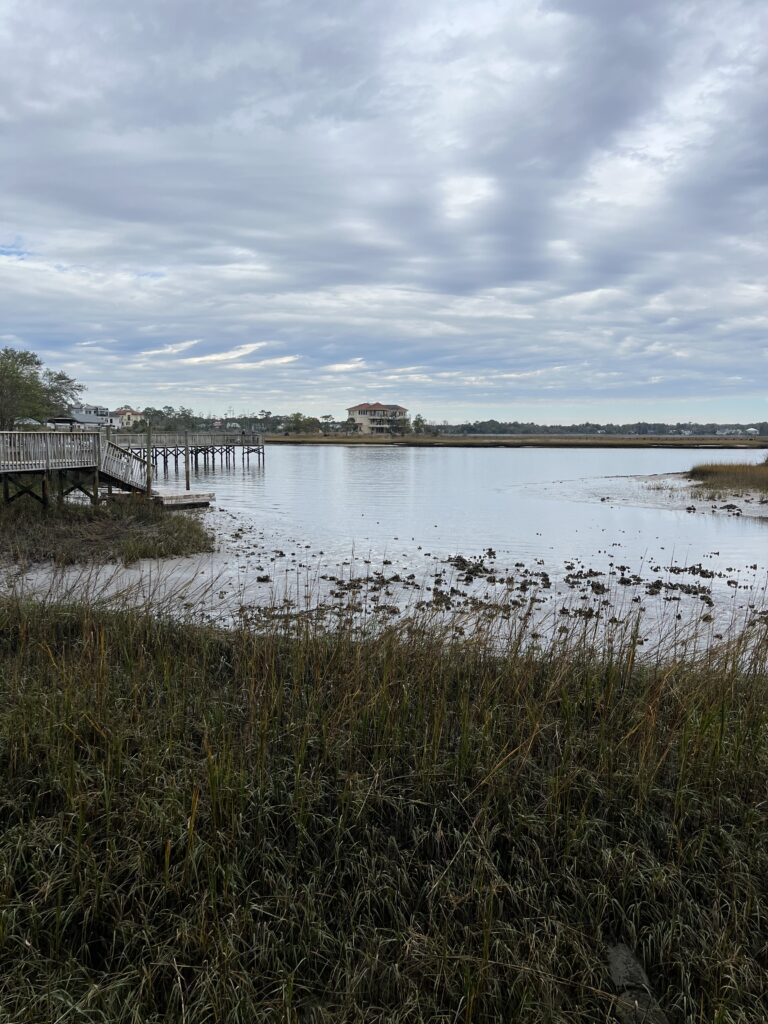
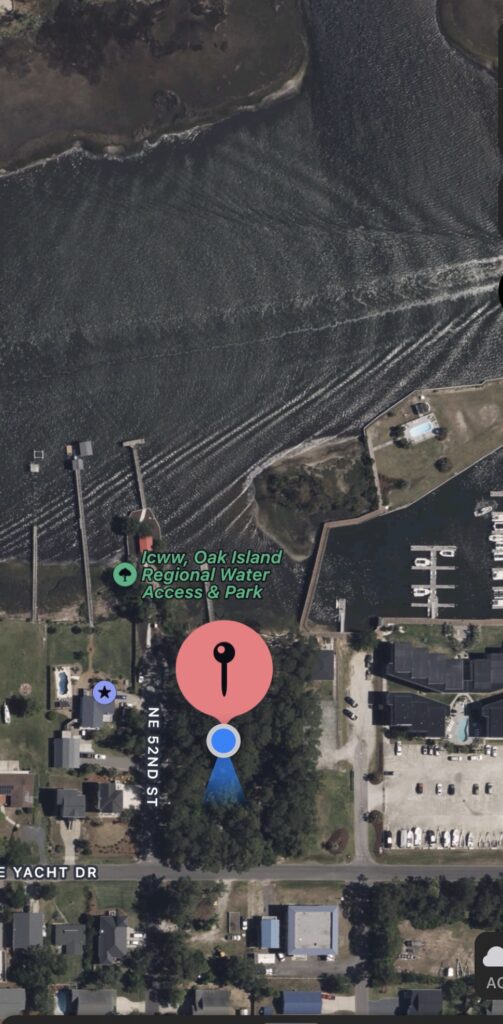
For break, I stayed with my friends family in Oak Island North Carolina. During our time in Oak Island, we spent some time outdoors at the nature center at the Memorial Waterway Park area.

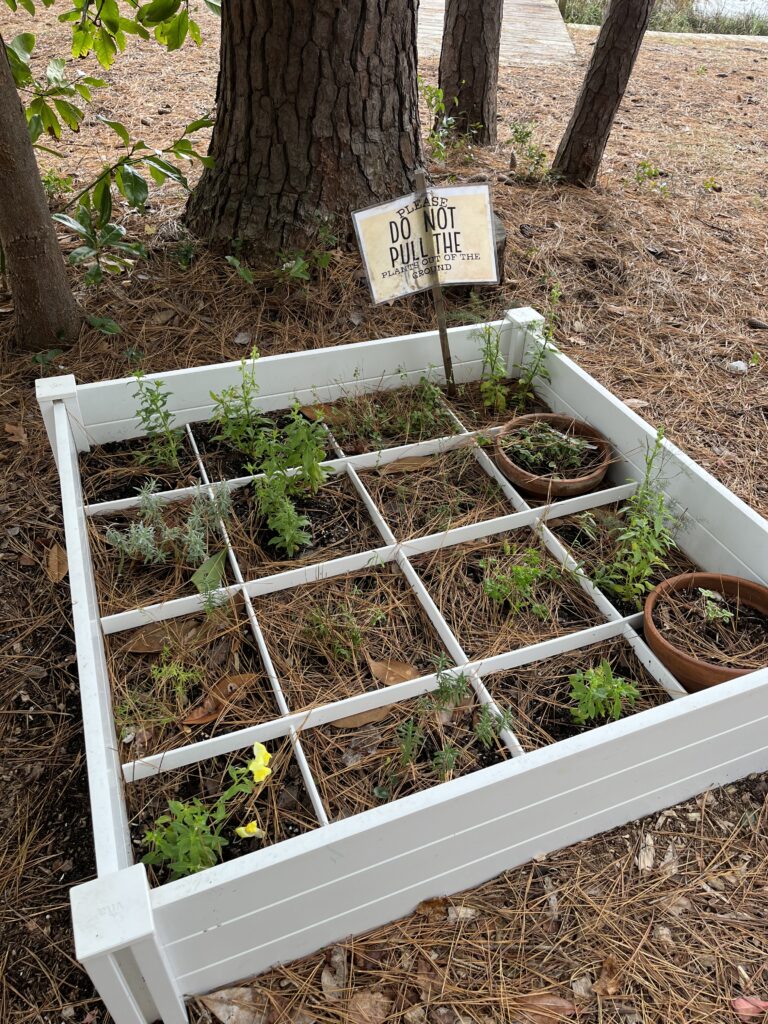
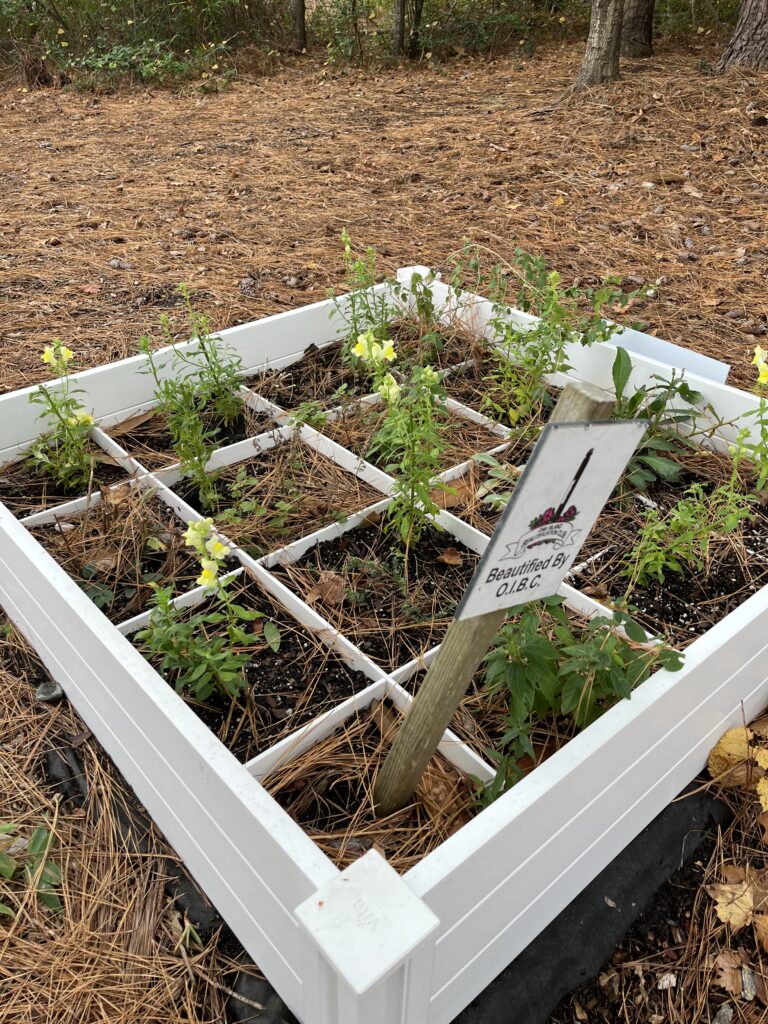
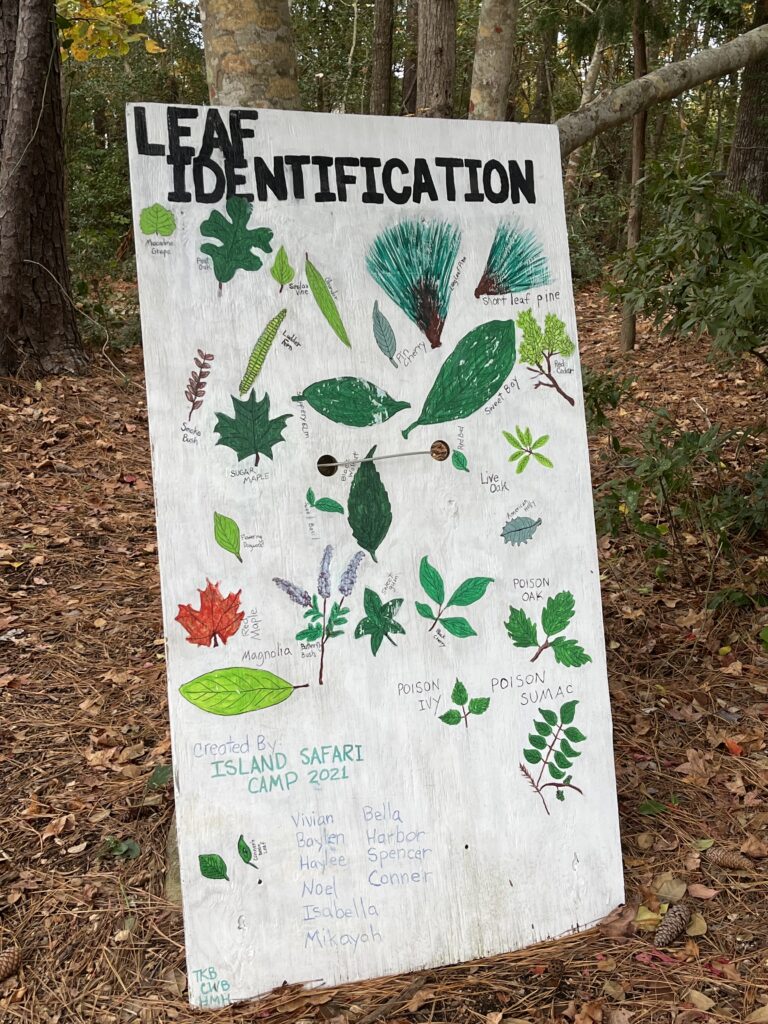
This place is special because it is an accessible place that allows people to be in nature. At this park, there are signs that help identify some plant and animal species, information about the land, a small garden, a dock that goes to the water, etc. With all that this place offers, it provides a natural area for everyone.
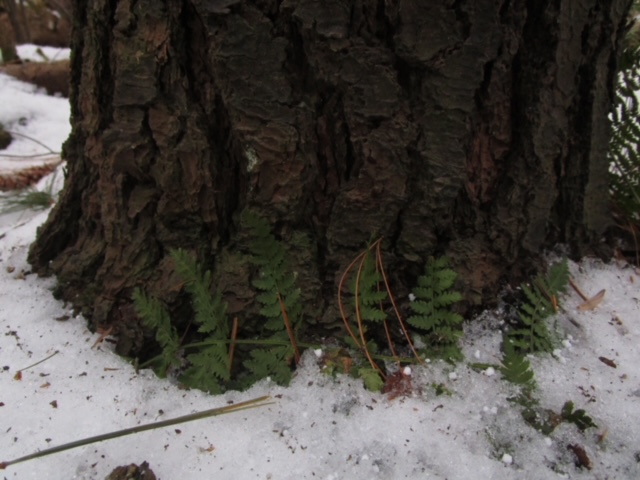
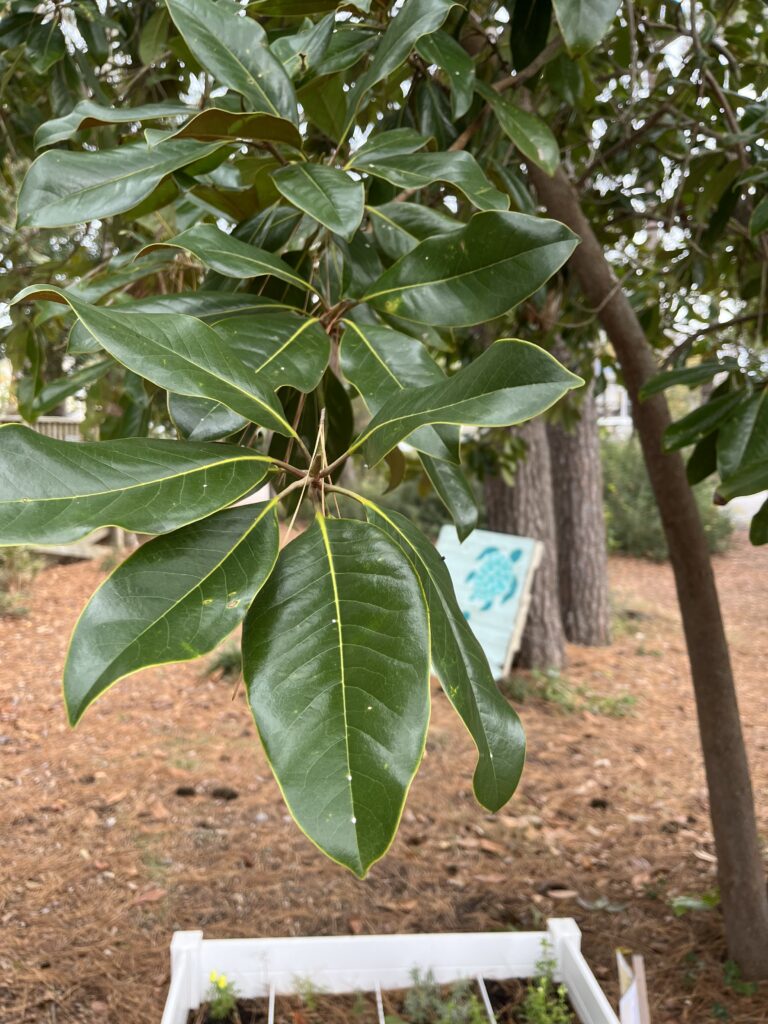
Compared to my phenology spot at Centennial, this place is smaller and has some similar and different plant species. Some of the plant species at this park are magnolia, red maple, sugar maple, red cedar, post oak, ladder fern, etc. Some of the animal species are great blue heron, red-tailed hawk, gray squirrel, snowy egret, etc.

11/16/23

Today I visited Kaylee Kendra’s phenology spot (blog: Phenology at Centennial Woods), which is further into centennial woods. Compared to my spot, Kaylee’s spot is more dense in trees and has a lot more white oak, eastern white pines, and lots of ferns. It was also had some norway maple, and sugar maple. Another part of her spot was that it was more open than my spot, had different vegetation than my spot, was less muddy and covered in a lot of leaf litter. Her blog was also interesting and has a nice layout/organization.

11/05/23

15 minutes in nature 🙂

Today I visited my phenology spot and spent 15 minutes of silence there where I observed my surroundings . It was really quiet and there were some noises from birds in the trees and flying around, a squirrel in the shrubs, the water from the stream, and the wind going through the trees.

Phenological Changes

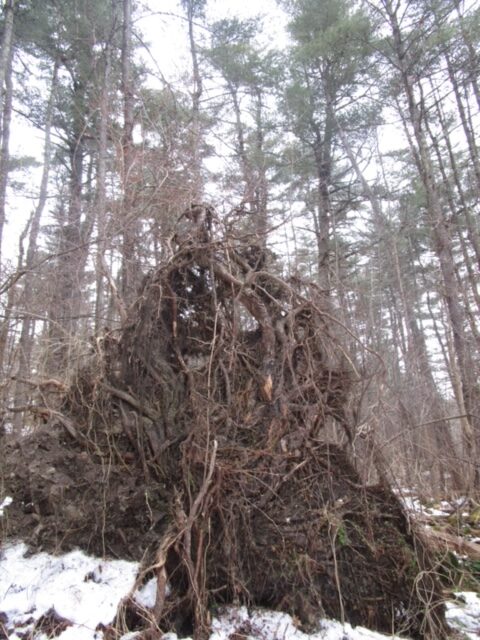
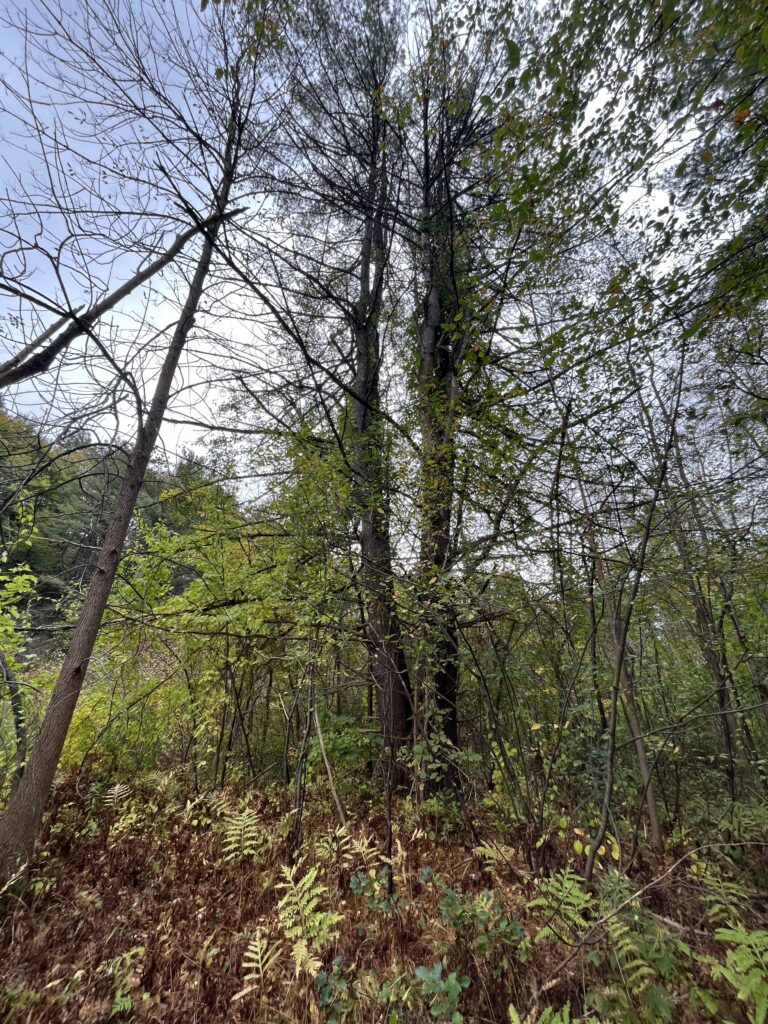
Compared to two weeks ago, very little of the vegetation is the same. There are some dead trees that have partially fallen over and some of the vegetation such as the ferns and grasses have died. Most of the leaves have fallen off all the trees except for the Eastern White Pines, and some of the White Oaks. The white oaks were short in height and had orange and red leaves. In the eastern white pines, there was a birds nest that my friends said was there last time. There was also lots of dead organic matter mixed with the mud on the ground. This included fallen leaves, pines, pinecones, grass, and some of the dead vegetation.

10/15/23

Introduction

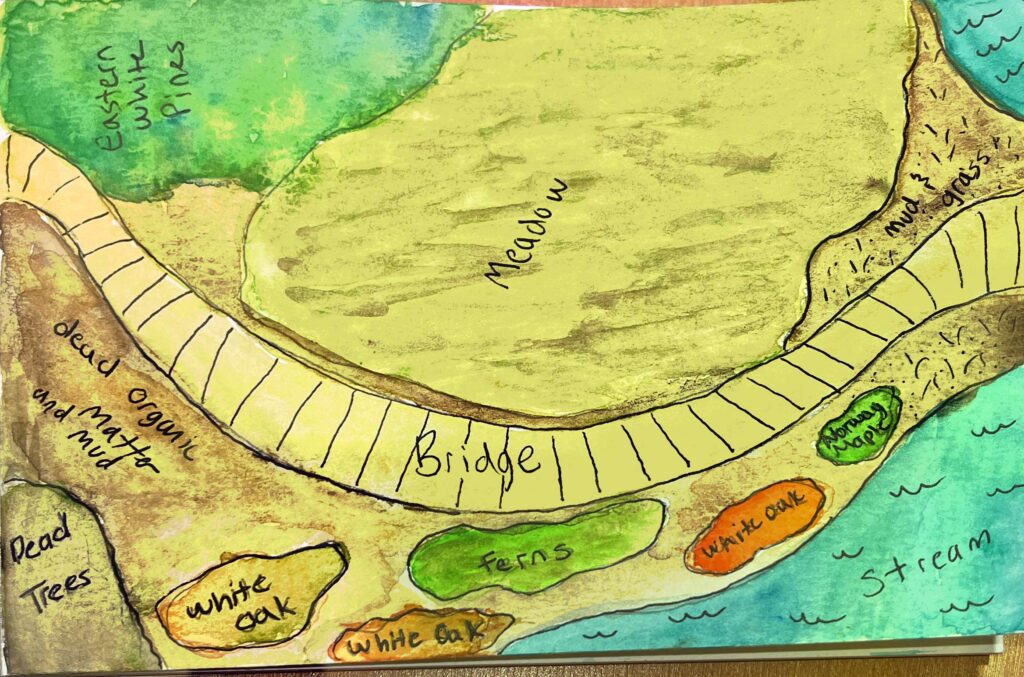
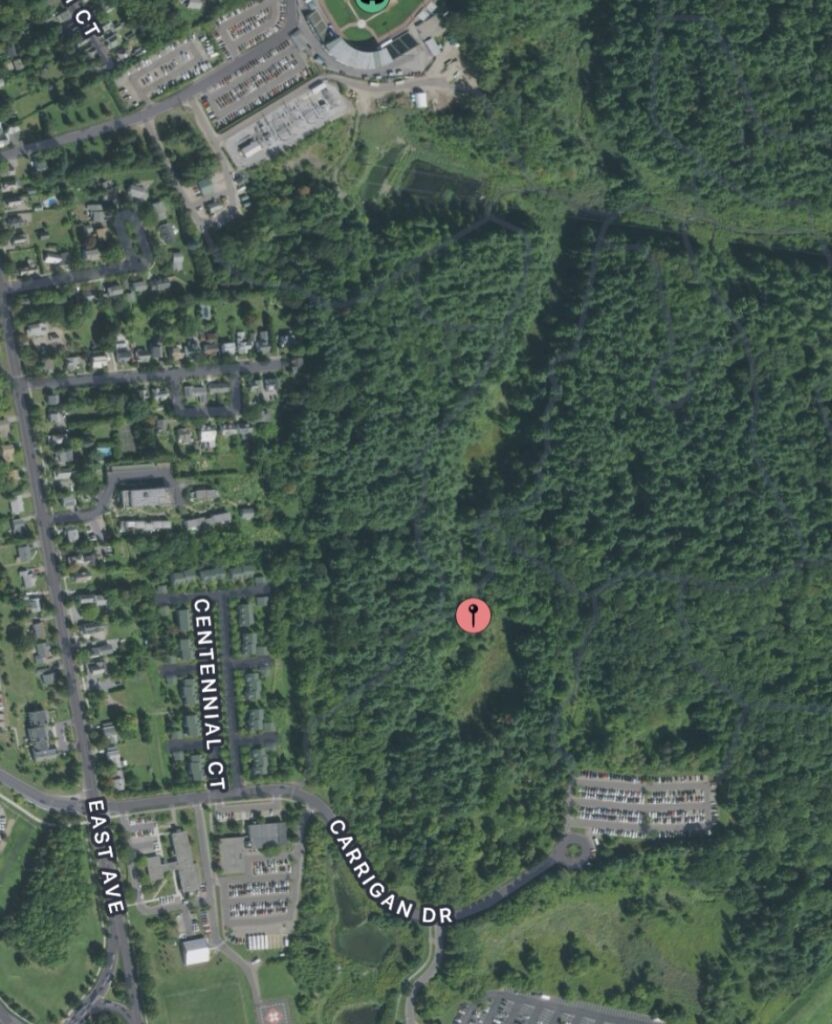
My site is in Centennial woods! It has lots of biodiversity which includes a forest, a meadow, and a small stream a few feet away. I chose this location because of the diverse landscape and how open it was since there is a meadow, so I am able to observe a large space. I also liked the peacefulness and quietness of the area!

Location

How to get there:

  1. Get to the centennial woods trail head 
  2. Once you get to a split where the poison ivy warning sign is, keep right
  3. Keep going until you get to the first bridge with an open meadow (not the first bridge on the trail)
  4. YAY you made it 🙂

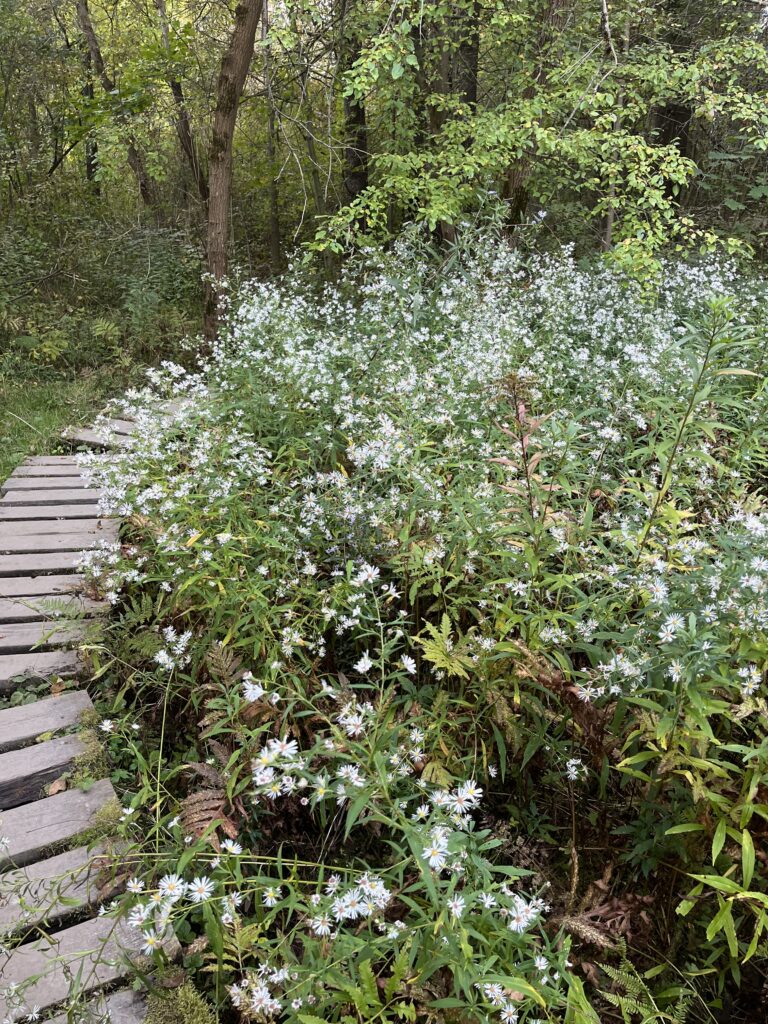
Plant Life:

Trees:

  • Eastern White Pine
  • Norway Maple
  • White Oak

Vegetation/ shrubs:

  • Intermediate Wood Fern
  • Staghorn Sumac
  • Swamp Aster
  • Common Boneset
  • Threeleaf Goldthread