
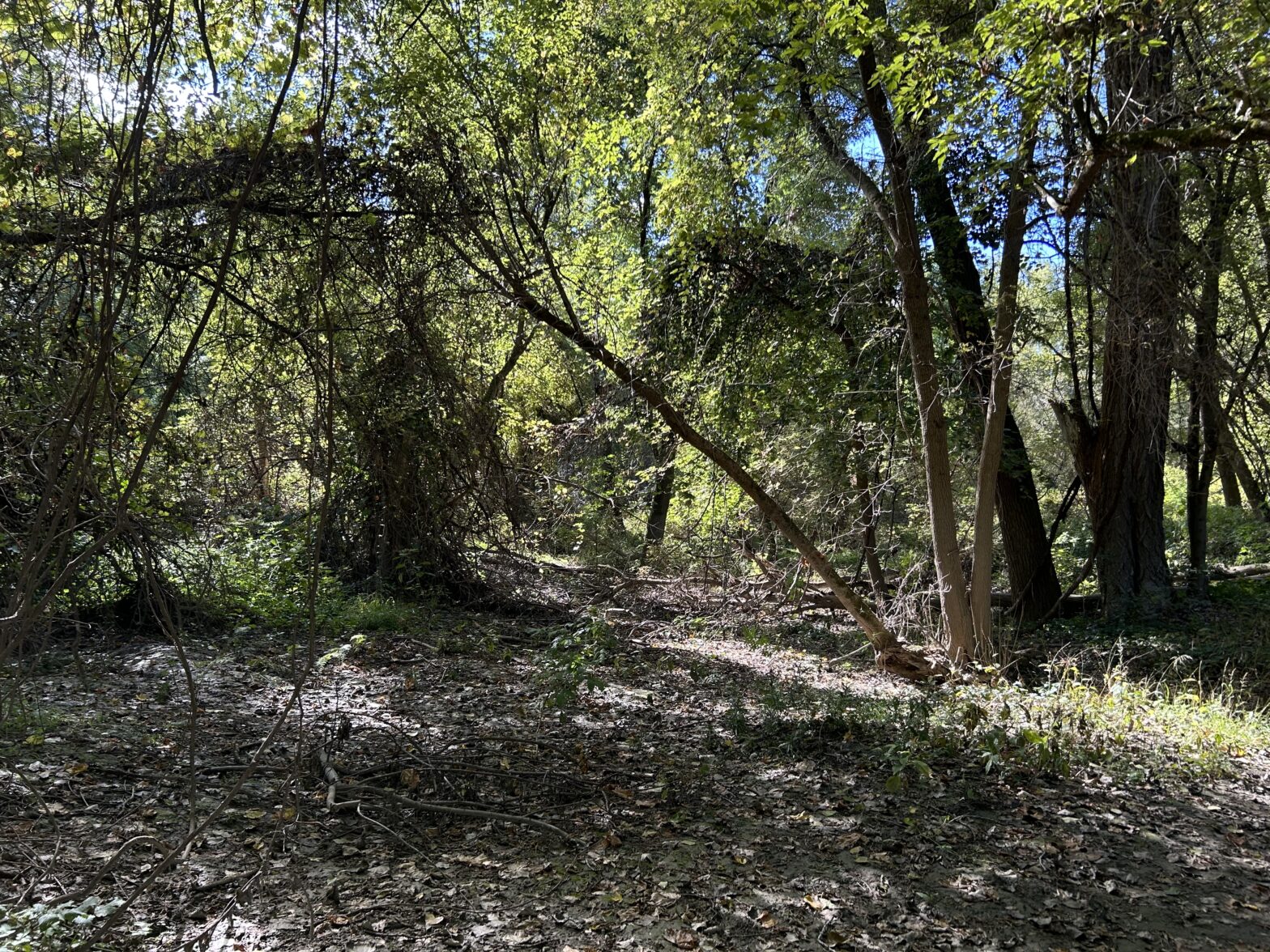
The Rena Calkins Trail was found in Green Mountain Audubon’s list of Burlington’s best birding hotspots. As an aspiring Ornithologist, I knew my phenology lab spot had to satisfy my birding needs. I settled on this trail hidden behind the Intervale Center, as it proved to be beautiful, near-campus, somewhat secluded and chock full of birds. It is also the very reason I decided to buy a bicycle, as it was a hike I would not want to miss out on.
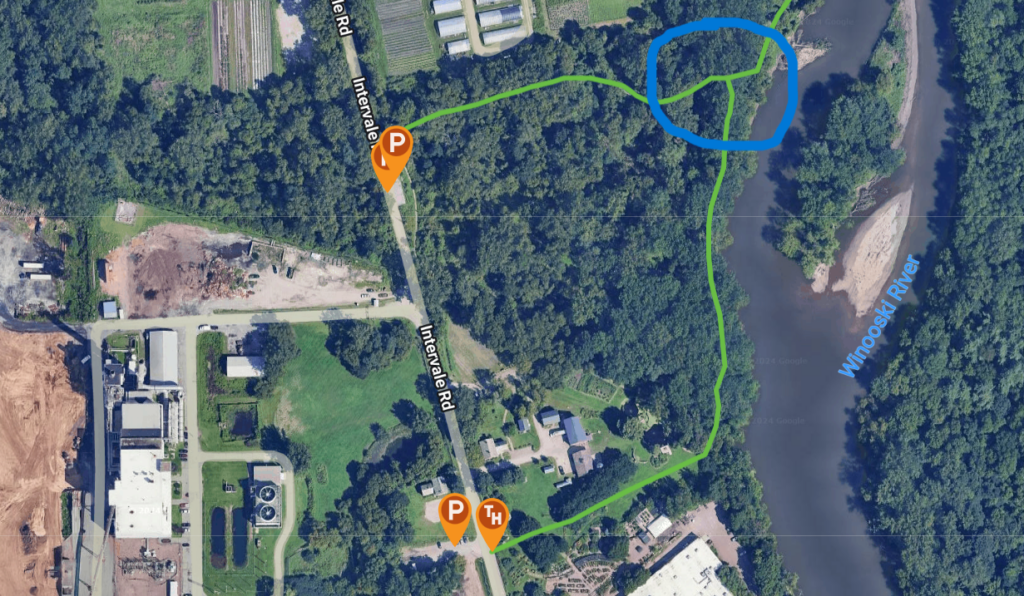
The trailhead is located at approximately 180 Intervale Road in Burlington, Vermont. It is estimated to be an eight minute bike ride from Central Campus and is described as a “mostly flat” trip. This is incorrect. Prepare to sail down the steepest street you’ve encountered in Burlington so far and sweat buckets on the way back. Despite, the ride is beautiful. It traverses through a delightful suburban area and ends crossing a railroad track.
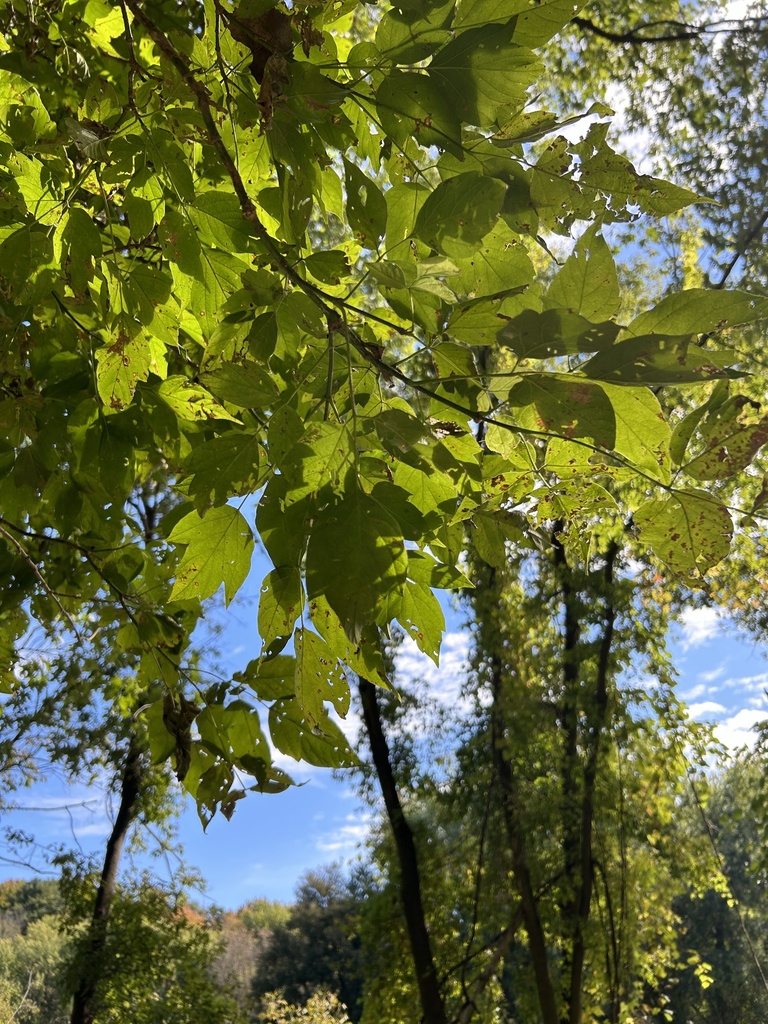
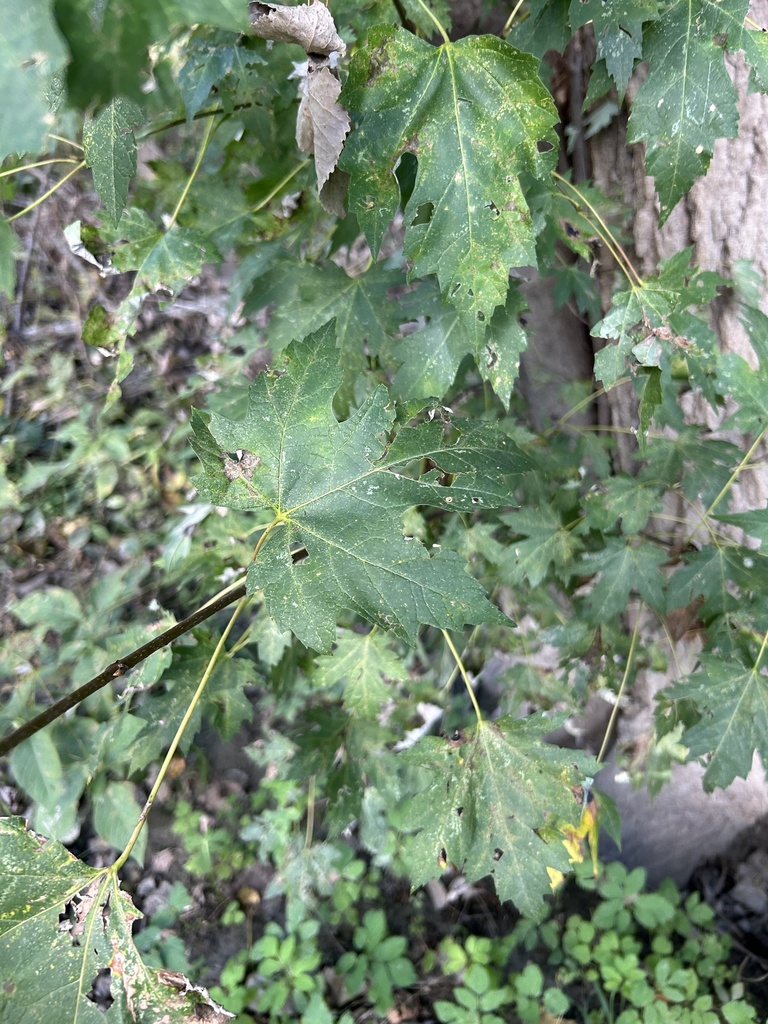
My first visit was today, October 8th, 2024. It was a sunny day at 54 degrees Fahrenheit, and I arrived at 11:30 AM. I found the vegetation was thick with clovers, ferns, various thick grasses, and many herbaceous plants such as wood nettle, common blue violet, common cocklebur, shaggy soldier, low smartweed, panicled aster, and devil’s beggarticks. These plants were embedded in a soil heavily concentrated with sand. The forest is deciduous, with Boxelder and Silver maples dominating the overstory. Below is a comprehensive list of the common woody plants in the area.
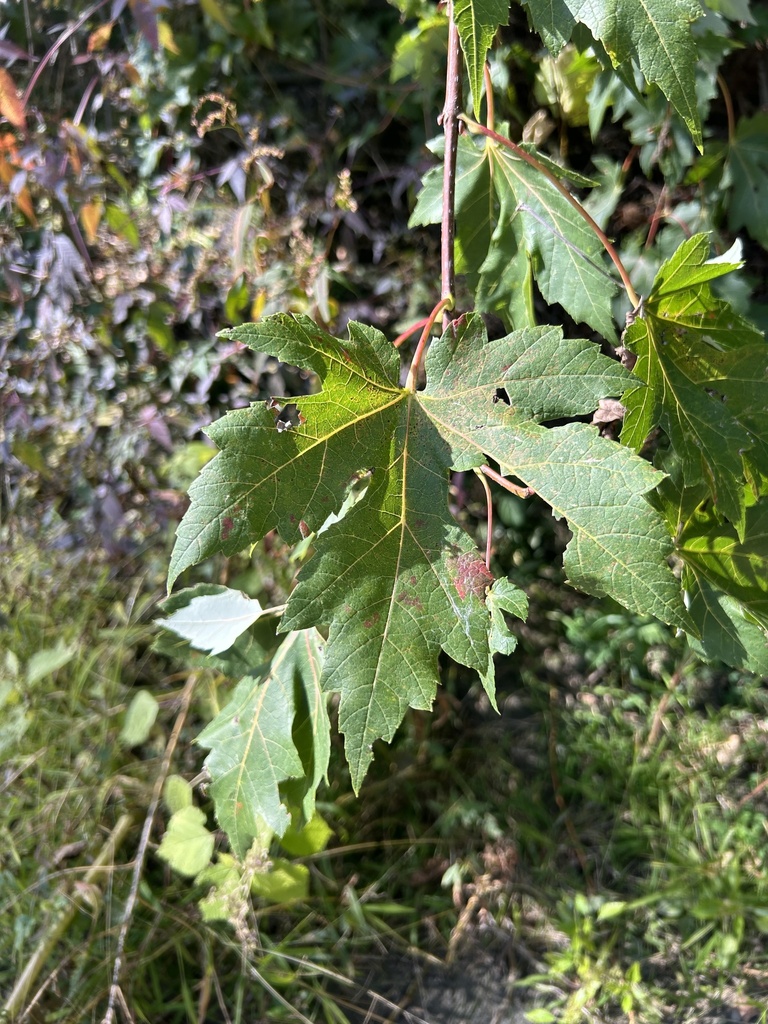
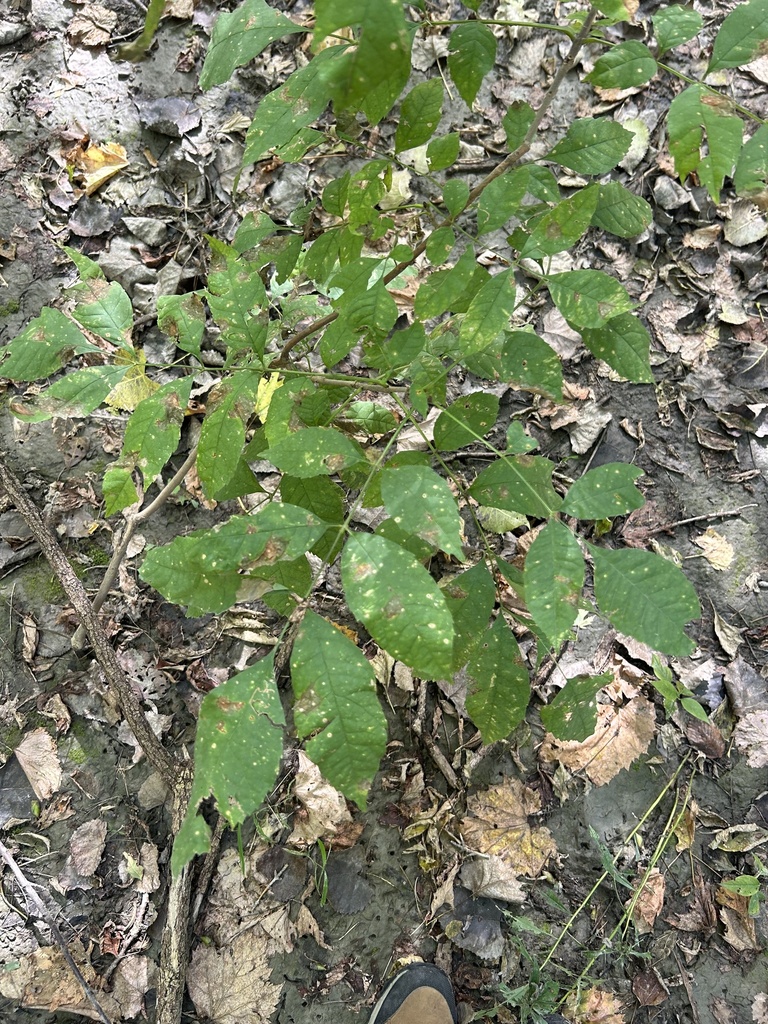

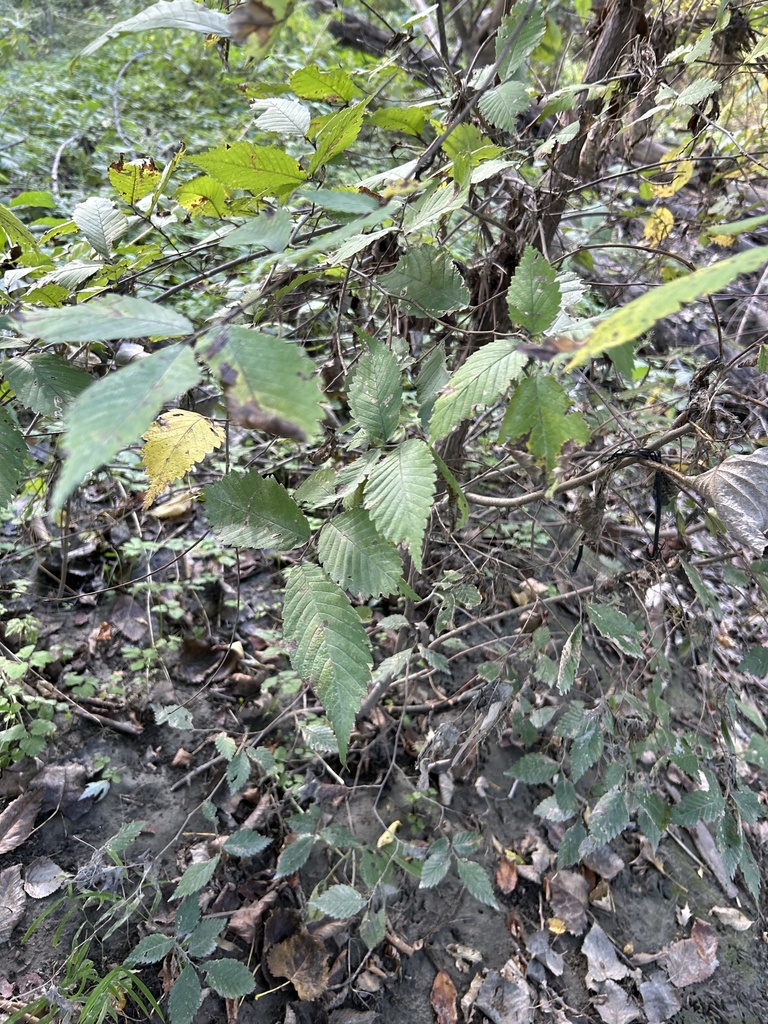
And we cannot forget about our precious avians! Over the course of an hour, I saw and/or heard (sometimes with the help of Merlin Bird ID) over ten species of birds. The most common species in the area seemed to be the Black-Capped Chickadee, White-Breasted Nuthatch, Tufted Titmouse, and White-Throated Sparrow. Others included the Blue Jay, Song Sparrow, Carolina Wren, American Goldfinch, American Crow, Northern Flicker, and the Downy Woodpecker featured drilling what seems to be a young Boxelder Maple. Merlin picked up on a couple I’m not sure about, as it only heard these species once and I did not see either of them. These were the Northern Cardinal, which is not out of the ordinary, and the Graylag Goose, which is certainly improbable. Another bird I saw, but unfortunately was unable to confidently determine, was some sort of yellow and gray warbler. The greatest matches in my search were the Orange-Crowned Warbler and the Pine-Warbler. I am eager to return and hopefully make a more assured identification.
Other wildlife observed were the squirrel, chipmunk, Common Earthworm, and the Common Eastern Bumble Bee
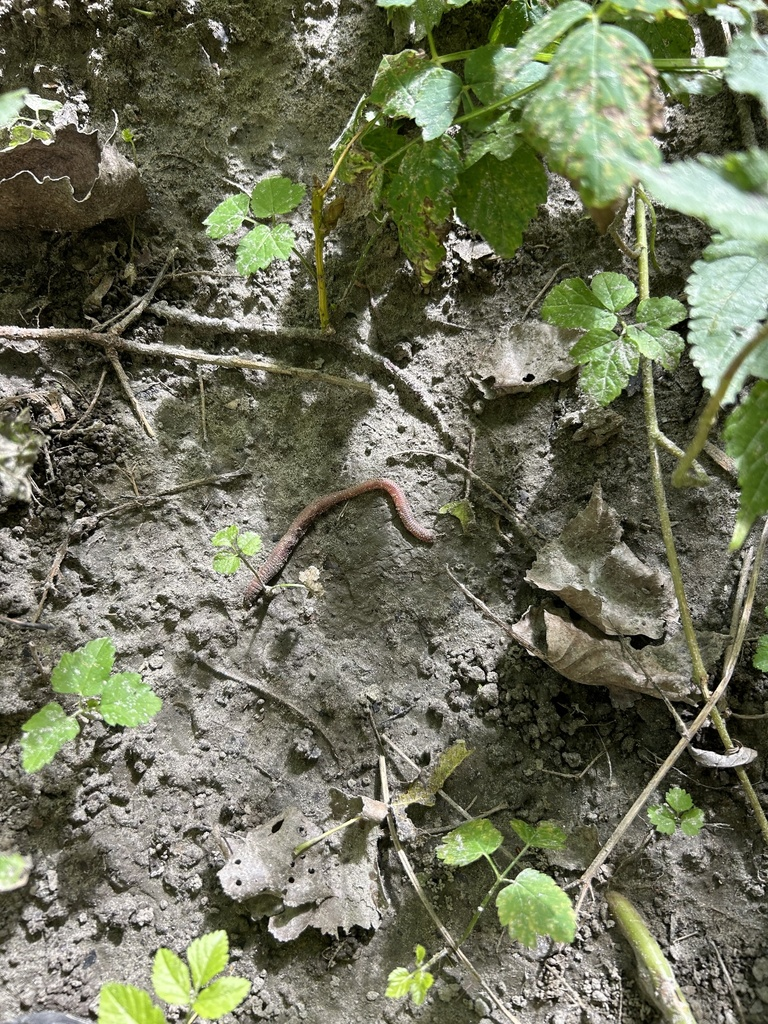
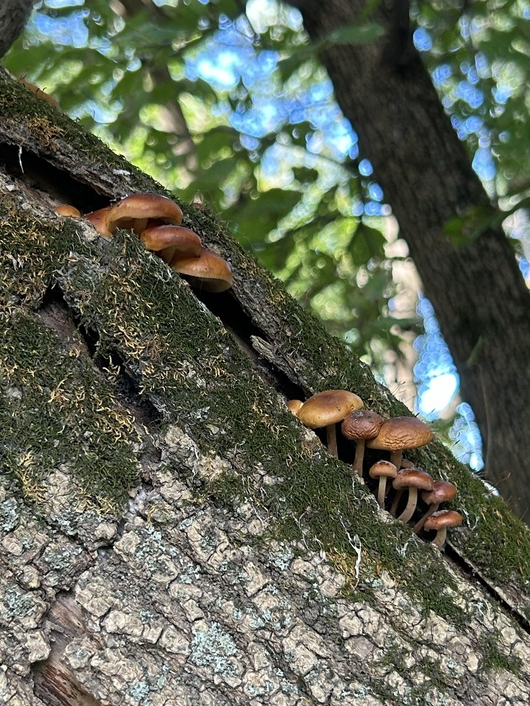
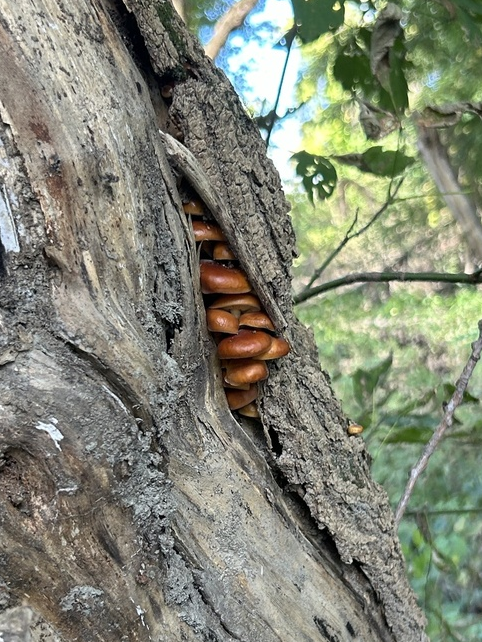
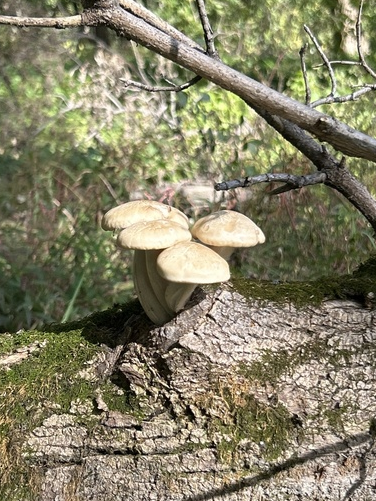
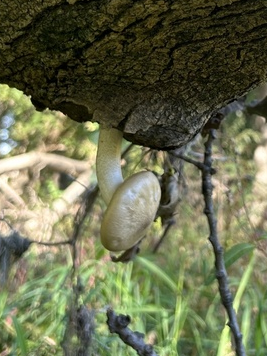
There was also some notable fungi in the area, such as the Elm Mushroom and Velvet Foot.
Sitting Quietly at Rena Calkins Trail
Today – Monday, October 28th, 2024 – I sat quietly by the bank of the Winooski River slightly off-trail. It was surprising how much I was able to see and hear while sitting for such a short time. At least two Great Blue Herons passed over my head, while a Pied-Billed Grebe passed by on the river’s surface. I found about twenty Canada Geese resting along the shoreline, and at least two woodpeckers tapping trees.
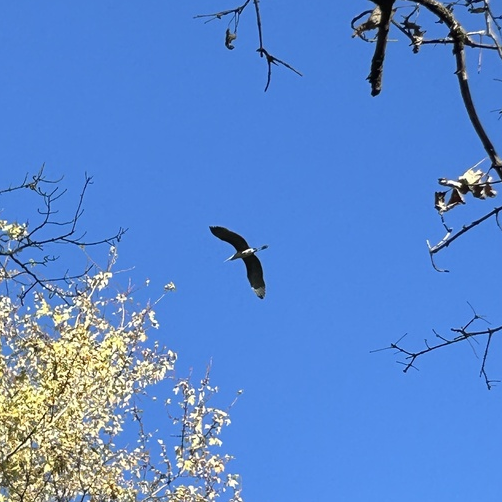
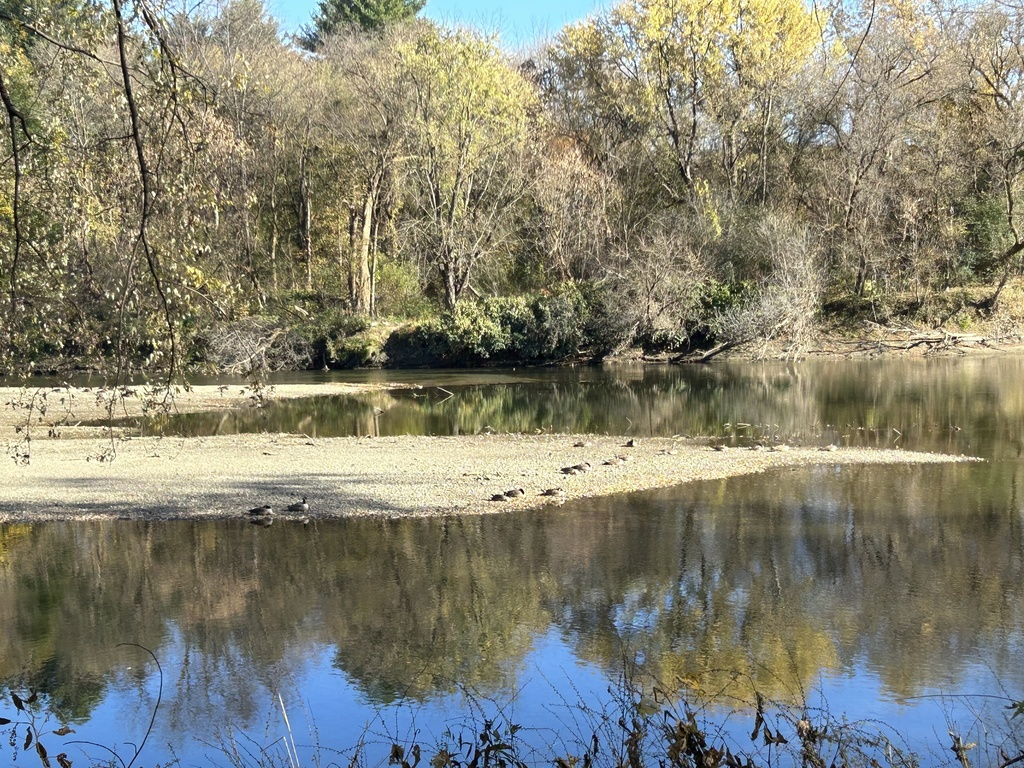
Below is a sketch of my surroundings during this sit.
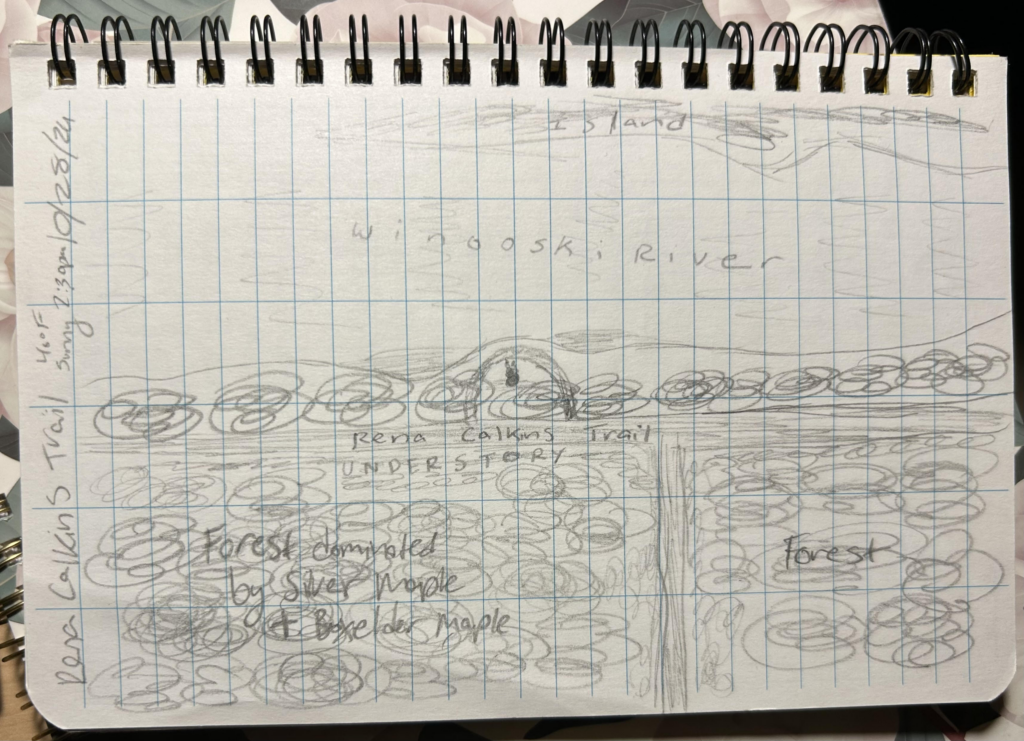
I noticed the slow flowing of the river and the beautiful yellow, orange, and red reflection of fall foliage on the water. I heard people talking along the trail in passing and the calls of various birds, some of which being the Red-Bellied Woodpecker, the American Robin, the American Crow, the Black-Capped Chickadee, and the Common Raven. I smelled the crisp fall air, touched the cold, hard log I sat upon, and tasted the chilly water from my water bottle.
The vegetation has started to become less lush, as it browns and dies with the cold weather. The trail is decorated with an abundance of fallen leaves, mainly silver maple. In comparison to last visit, there seemed to be less chattering from the birds I encountered before. This very well may be a coincidence, as its true that most of the birds from the beginning of October are not migratory birds and most likely would stay in this area year round.
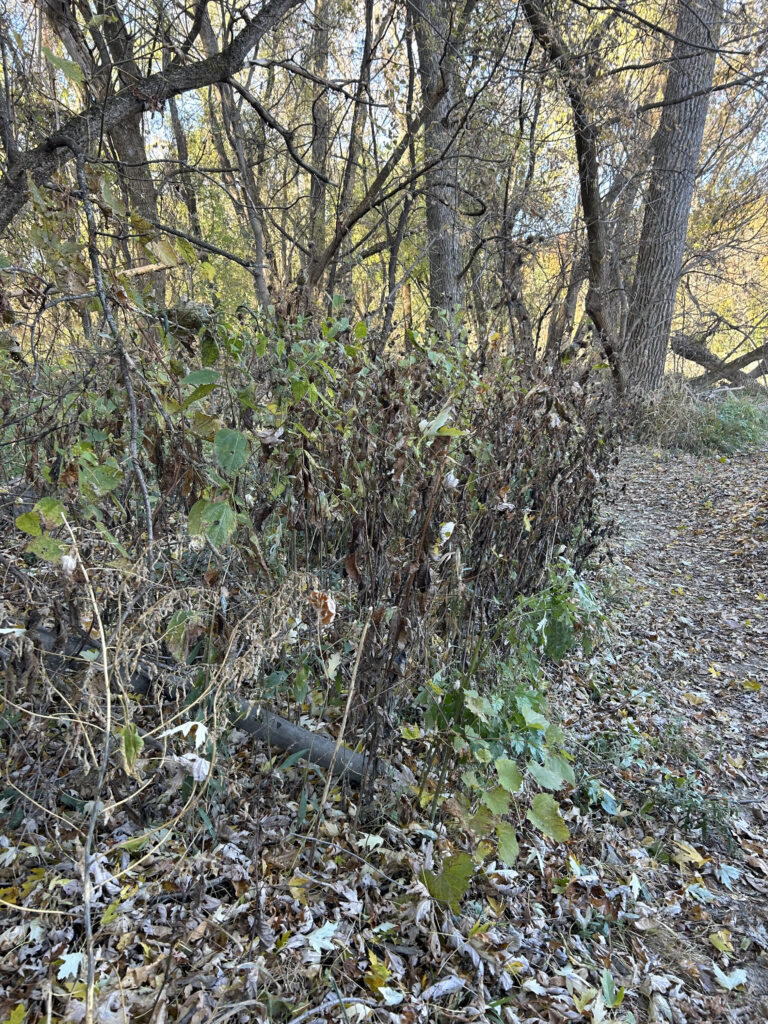
Comparing Rena Calkins to IBM Glen Loop
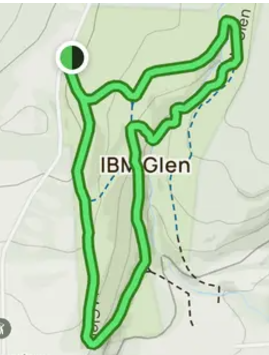
Over the break, I took a hike on the IBM Glen Loop with my family members. The trailhead can be located in the following link: https://maps.app.goo.gl/5ne6afTGtwxQJqDy8
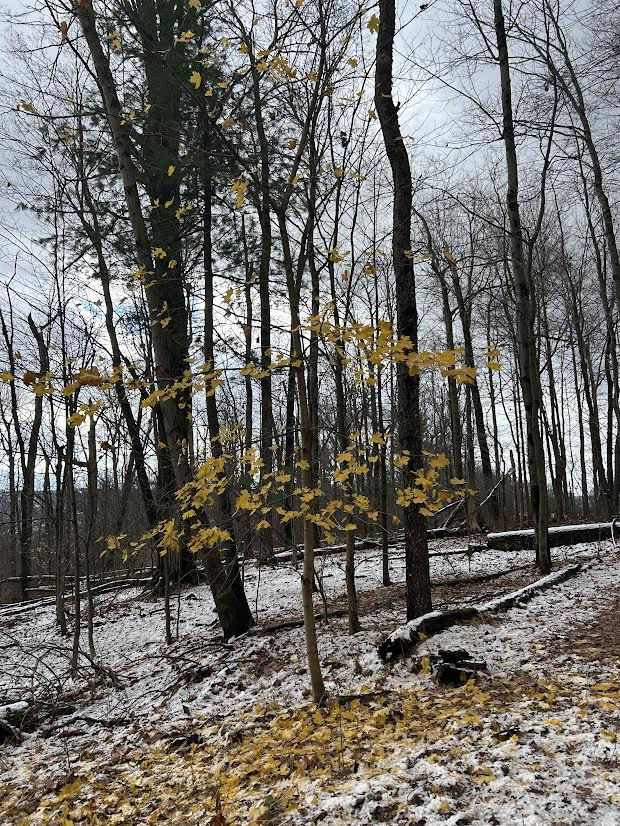
This spot had just a few trees that held onto their leaves much later than the rest. Despite visiting the trail on November 29th, a time where most trees’ leaves have fallen off and browned, a significant sugar maple and Norway maple had retained most of its colorful leaves.
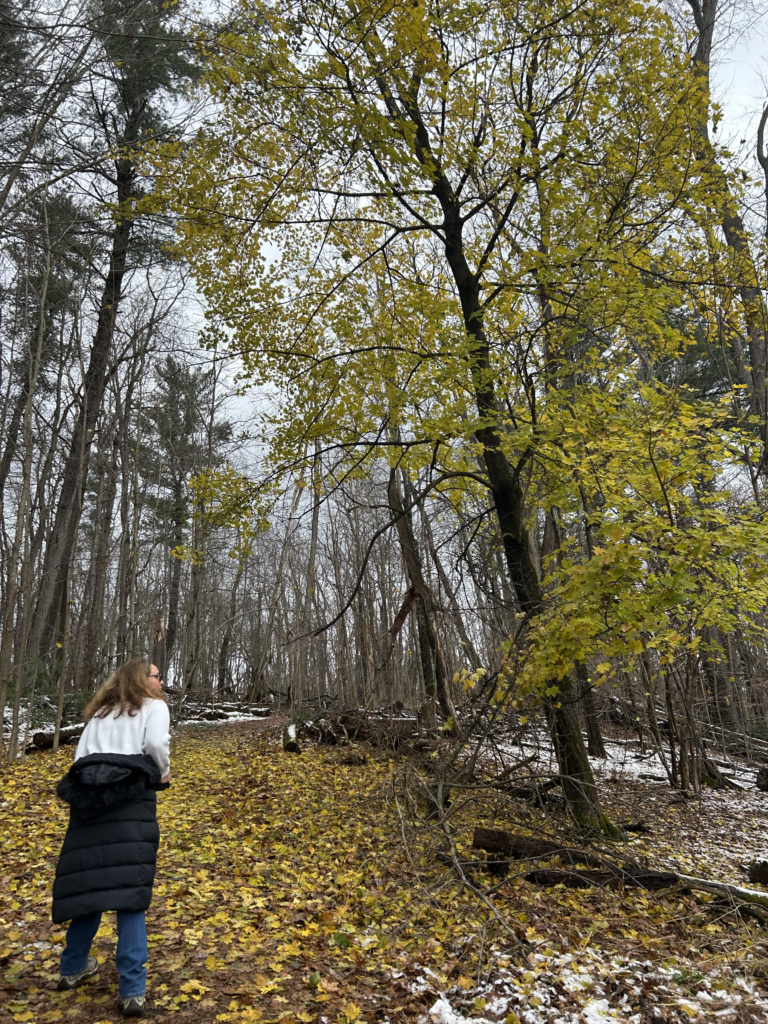
Along with sugar maples and Norway maples, the Northern Red Oak, White Oak, American Beech, American Elm, Eastern Hemlock, Eastern White Pine, and other trees were spotted in the forest surrounding the trail. Depending on the spot, coniferous or deciduous trees dominated. This contrasts to Rena Calkins where the deciduous trees Silver Maple and Boxelder Maple dominated the forest.
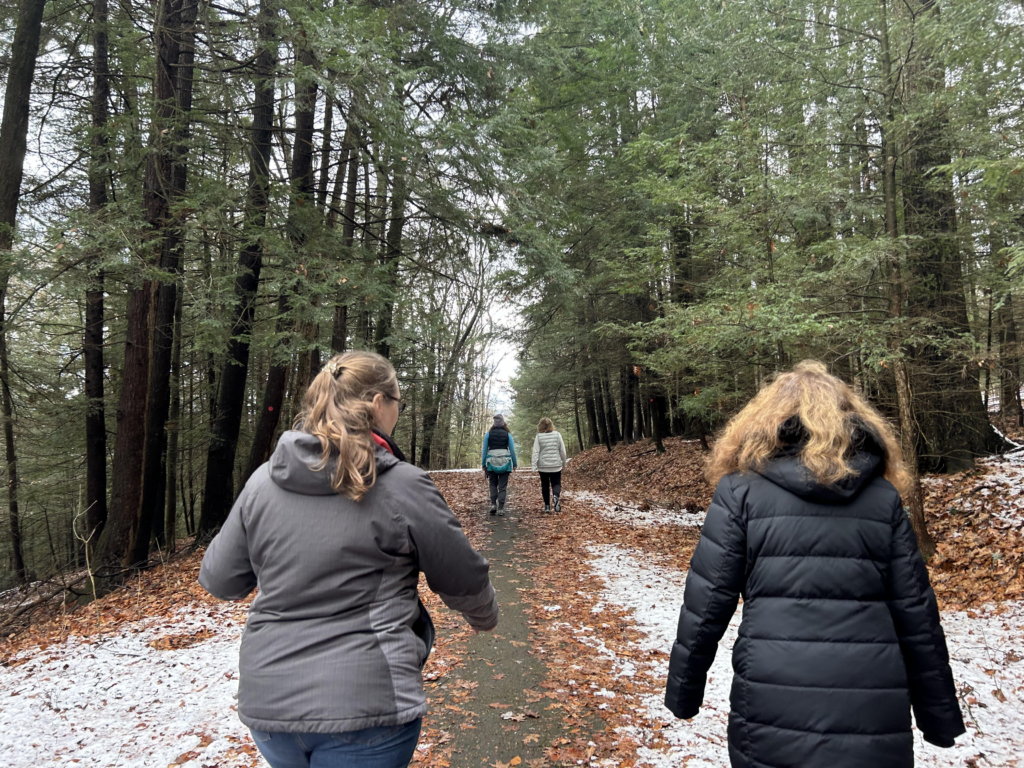
Below is a notable area where the forest was dominated by Eastern Hemlock:
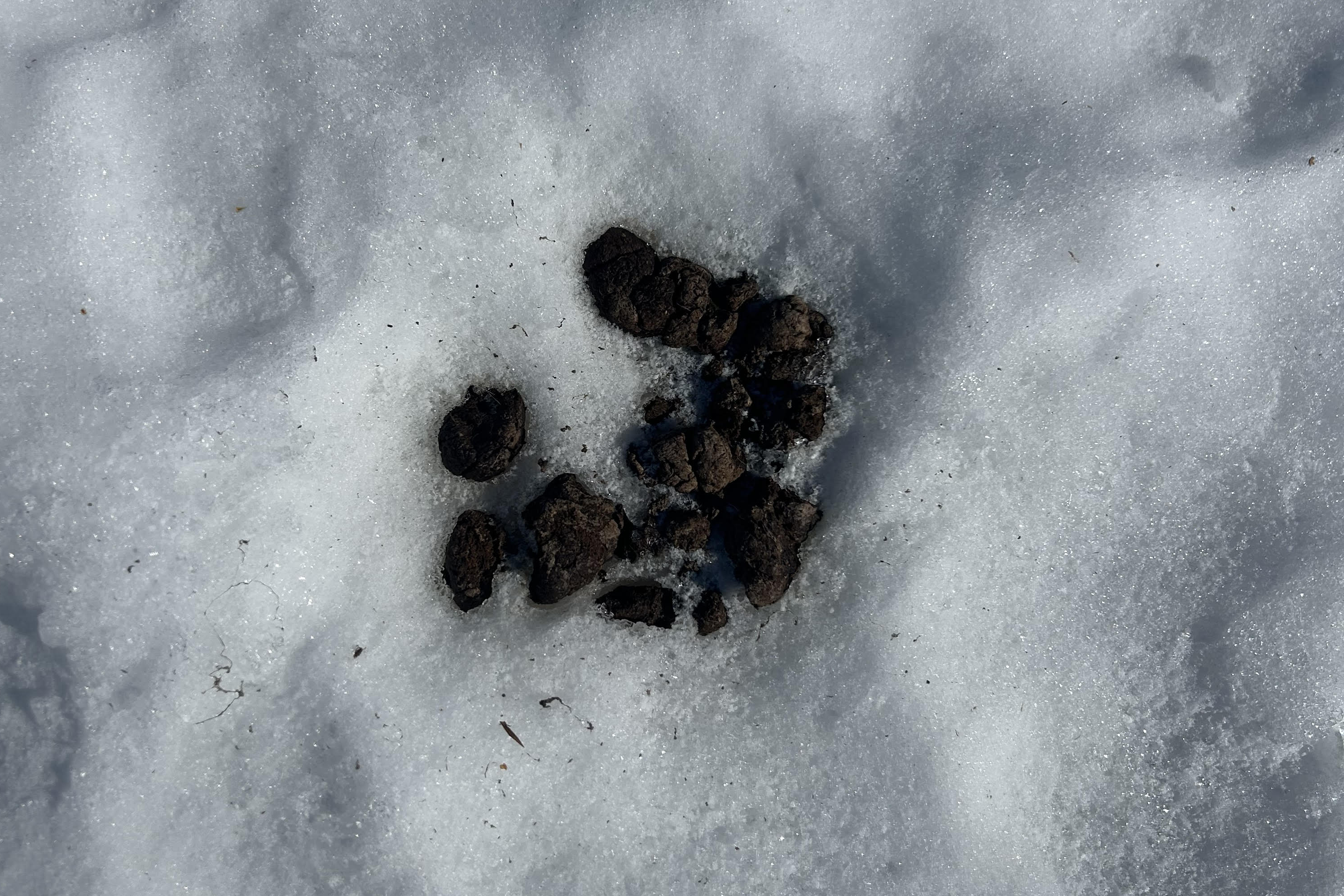
Another thing that contrasts the IBM Glen Loop to the Rena Calkins Trail is the lack of bird species. The popularity of the loop seems to depopularize the area to Avians. I only heard one bird – a Black-Capped Chickadee – the entire hour I spent there. The trail similarly lacked visible wildlife, and instead featured scat and tracks that are assumed to be left by rabbits and deer.
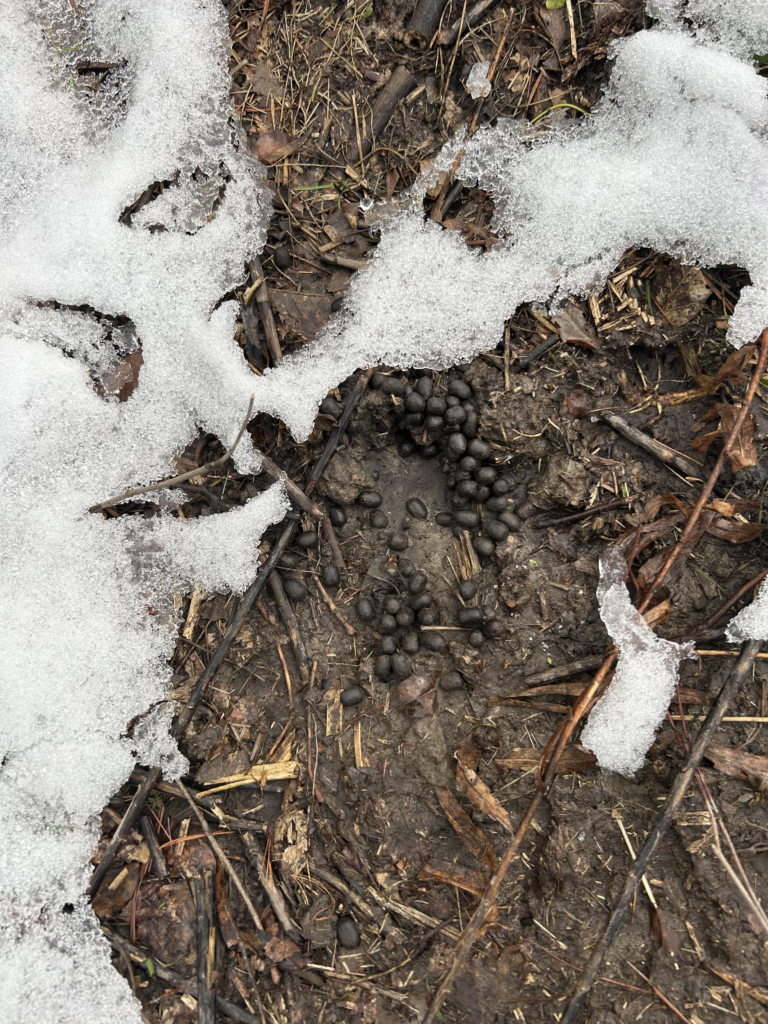
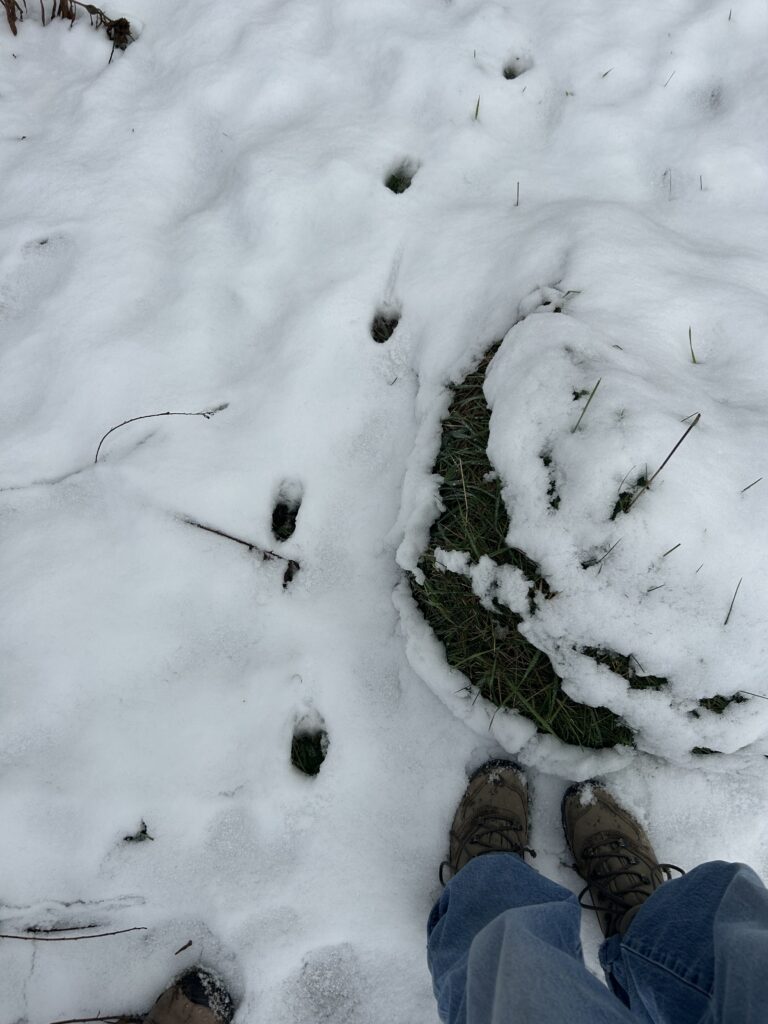
The trail of the IBM Glen loop was paved, which contrasts with the sandy soil path of the Rena Calkins Trail. However, in both trails, there is a body of water flowing past it at some point. The IBM Glen loop has a fast flowing stream that ultimately connects with the Susquehanna river, while the Rena Calkins sits along the Winooski river.
In light of the honorable harvest, I chose to leave a metaphorical gift rather than a physical gift. I felt as though I didn’t know the ecology of the place well enough to understand what it needed or wanted, so instead I offered my curiosity and in a conservation effort, refrained from leaving my mark on the trail as much as possible.
One Last Visit to Rena Calkins
My last visit to Rena Calkins Trail was at 3:00 pm on Thursday, December 5th, 2024. The day was partly cloudy and had a high of 37 degrees Fahrenheit. The forest was looking barren, with trees hanging onto their last persistent brown leaves. The majority of leaves have fallen onto the ground and littered the trail. It is clear the frequent trampling of feet on the leaves acts as a catalyst for their decomposition, as they sit in fragments upon the similarly colored ground.
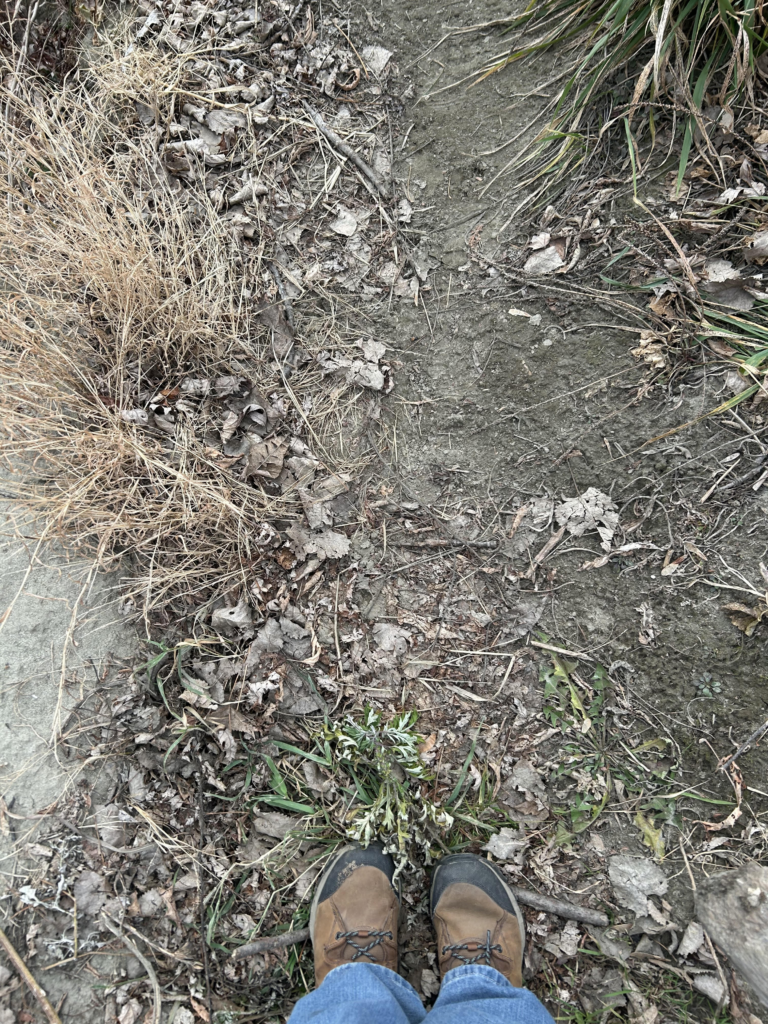
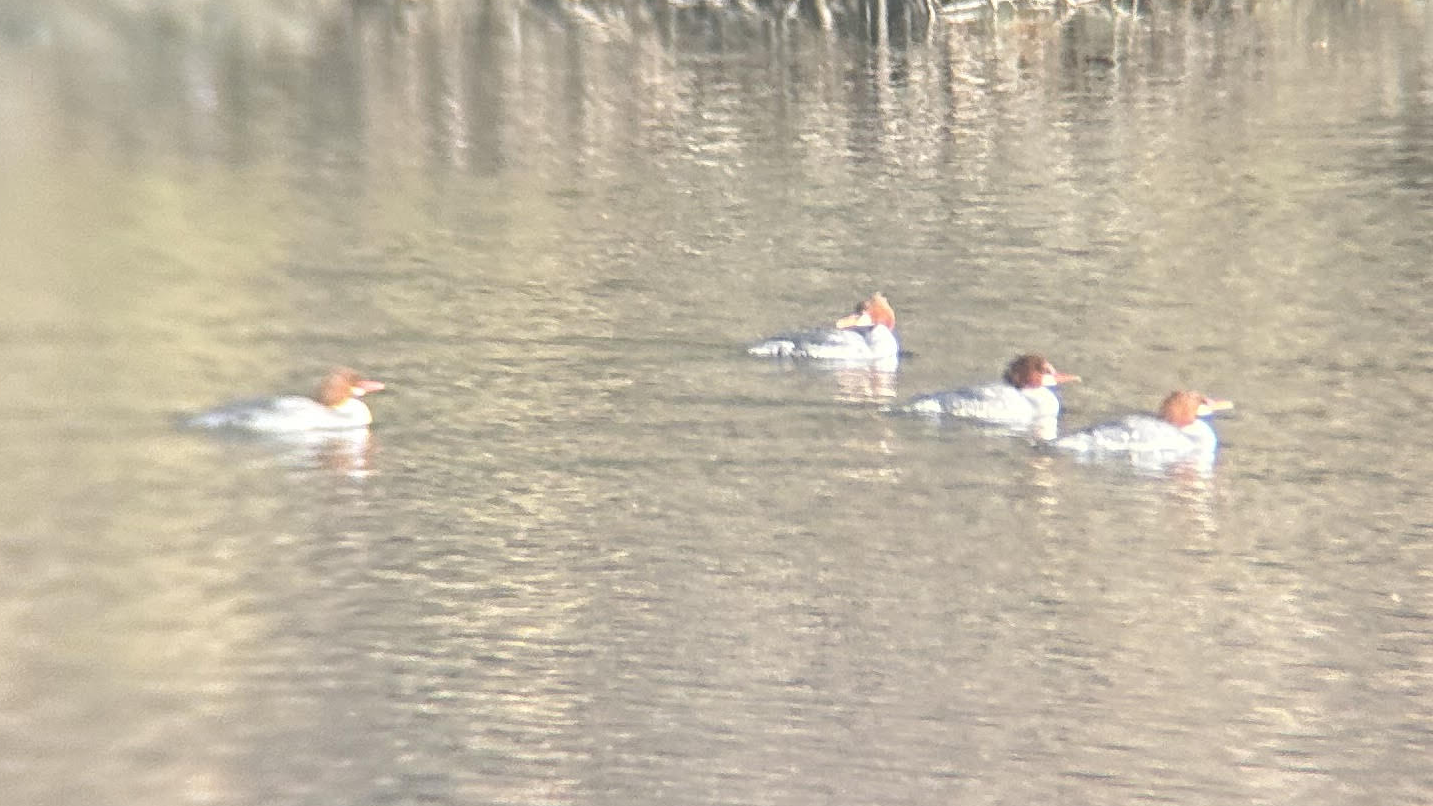
Wildlife activity, similar to the IBM Glen Loop, has greatly decreased. I hardly heard anything besides the wind rustling the crispy leaves. I noticed a few nests but never observed any activity around them. I was able to see, though, the Downy Woodpecker, the Red-Bellied Woodpecker, 4 Common Mergansers, and one squirrel, and hear a Black-Capped Chickadee and a White-Breasted Nuthatch.
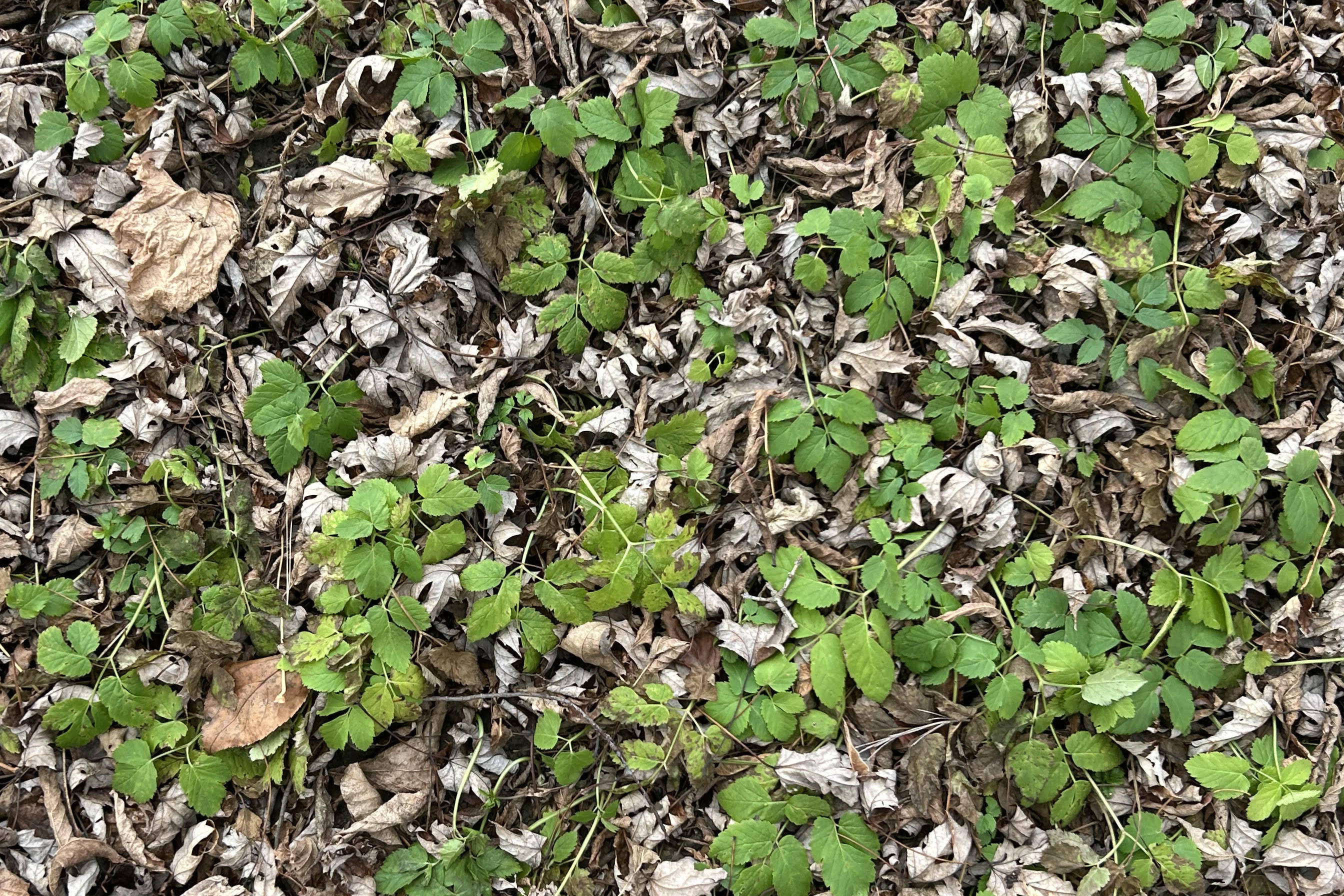
The vegetation off the trail is still fighting for its greenness. The ground elder gives the forest life in this time of common death.
What I like the most about Rena Calkins trail is the adventure that comes with it. Every time I have the privilege to visit, it’s such a nice refresher to be off campus for a couple of hours. I love that I can spend some time being alone with my place, and I believe I have created a bond with it. It’s lovely to know a place and its ecological qualities so well, and I cannot wait to begin to tracking animals in the snow next semester.
Back at Rena Calkins Trail
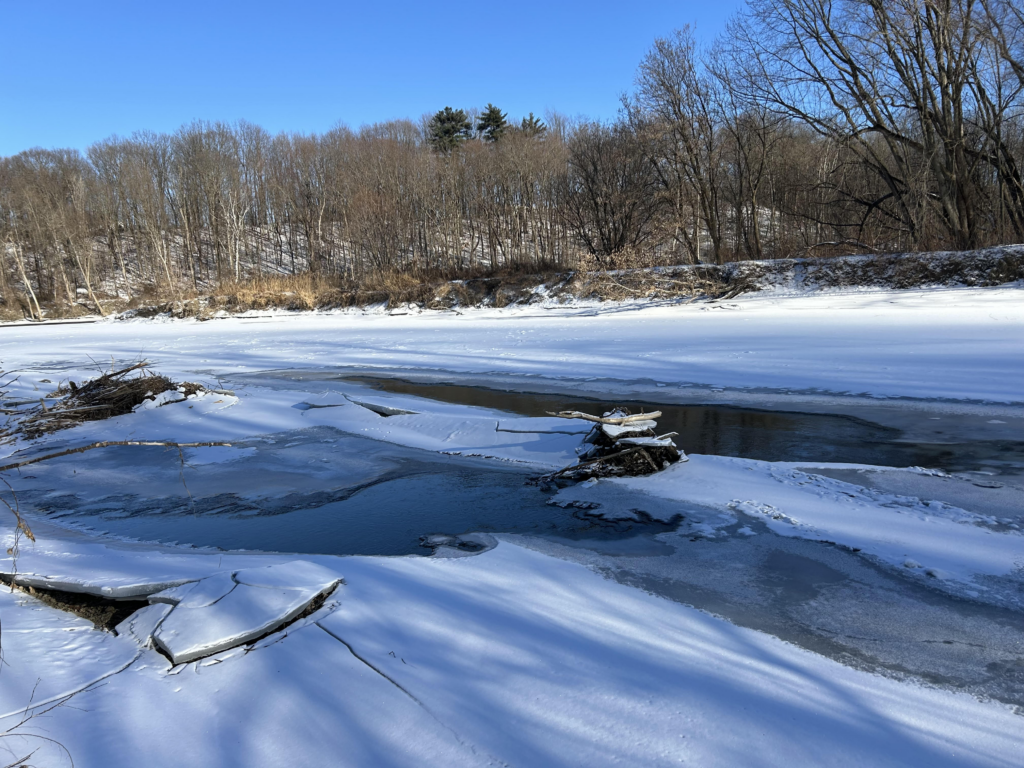
After a month and a half, I revisited Rena Calkins Trail on 1/20/25 at 2:00 pm. At this moment, it was about 9 degrees Fahrenheit. It was absolutely freezing, and the wind chill made it so I couldn’t take my hands out of my pocket for more than a few minutes at a time. The river has frozen over, and there is a layer of snow hiding all of the dead vegetation along the sides of the trail. At this point, no green could be seen.
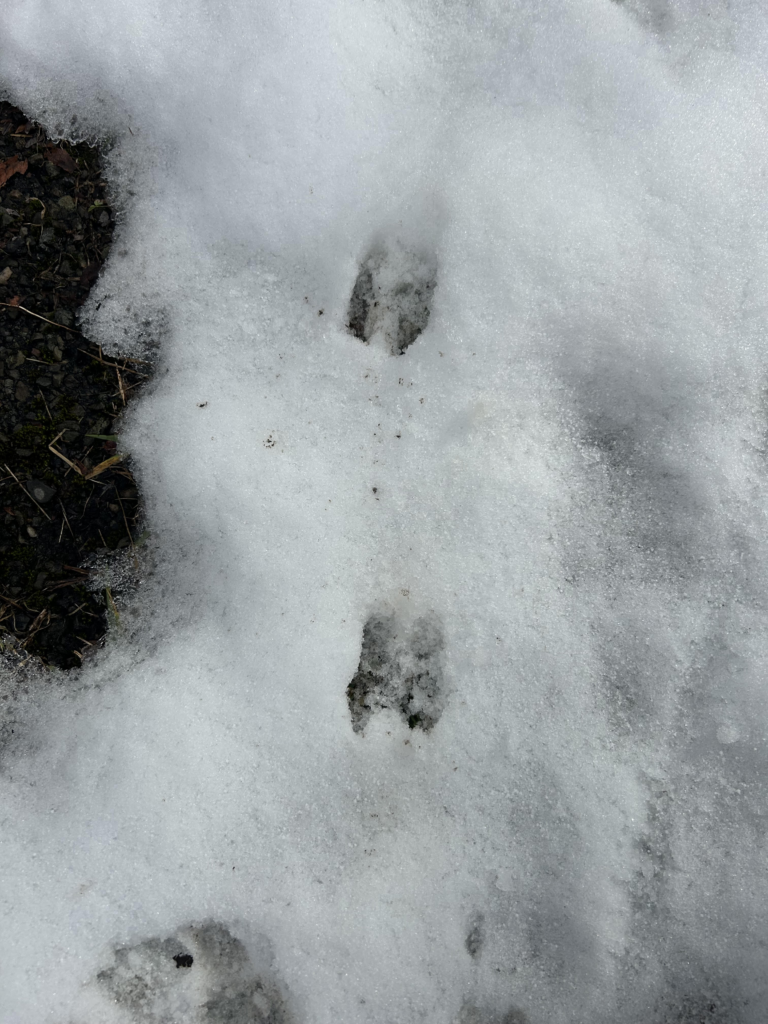
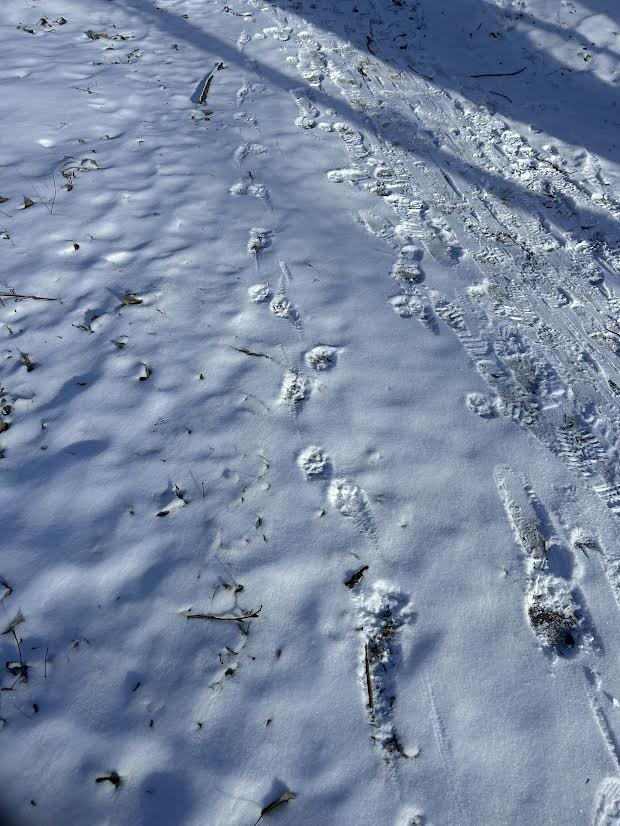
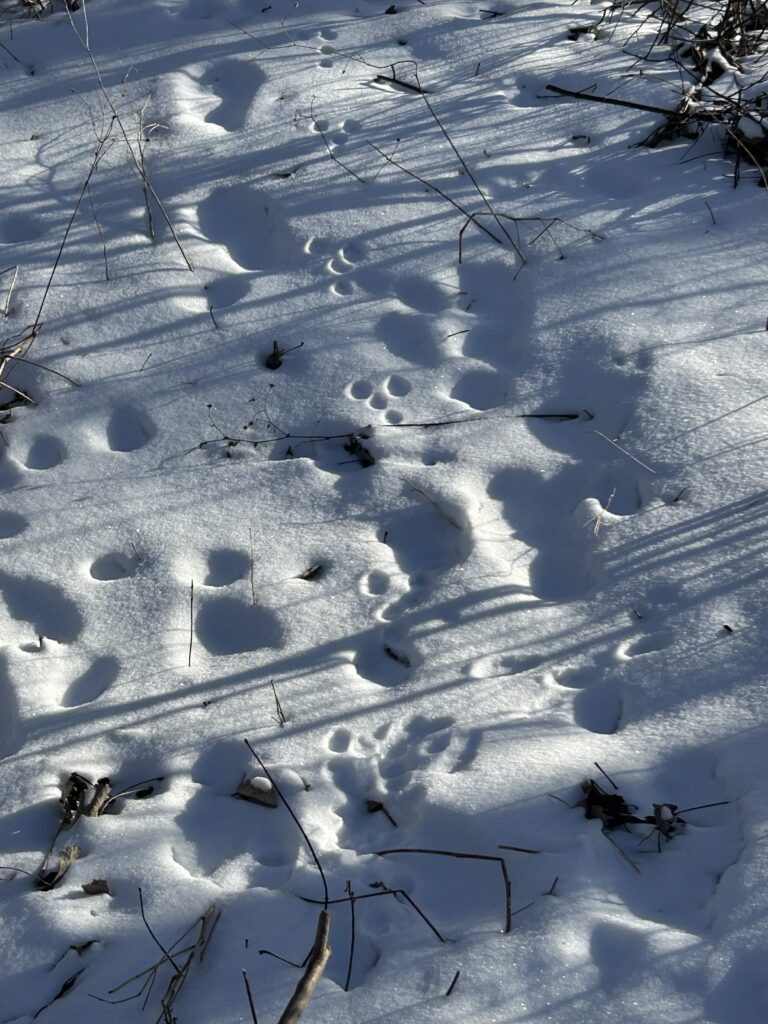
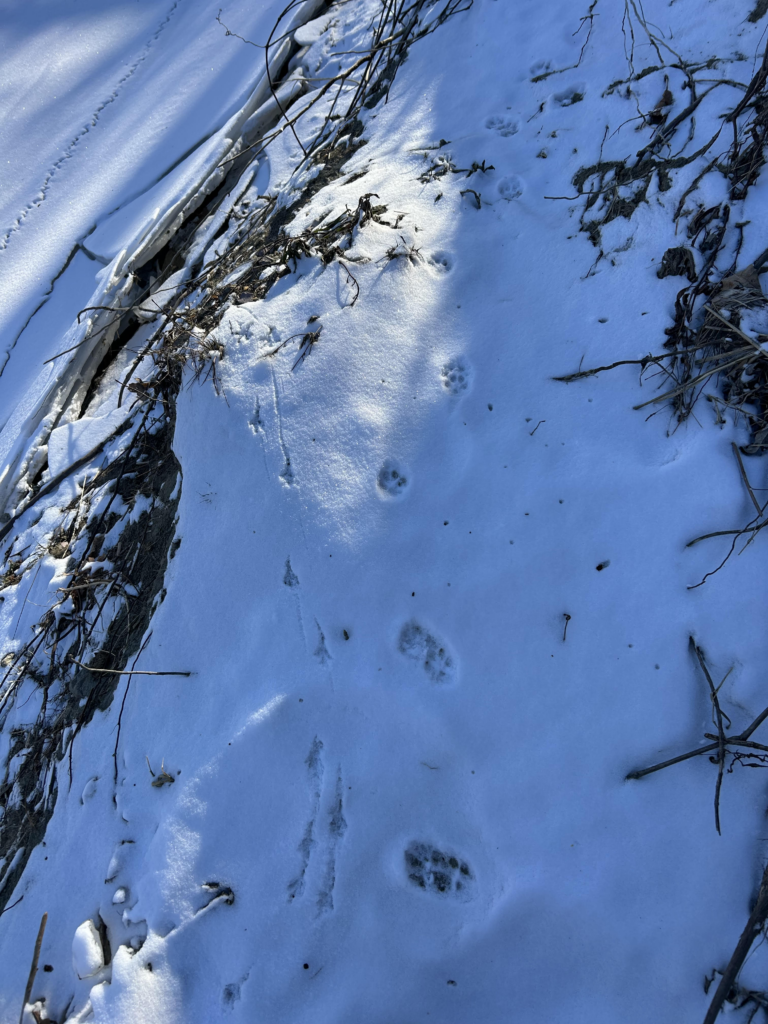
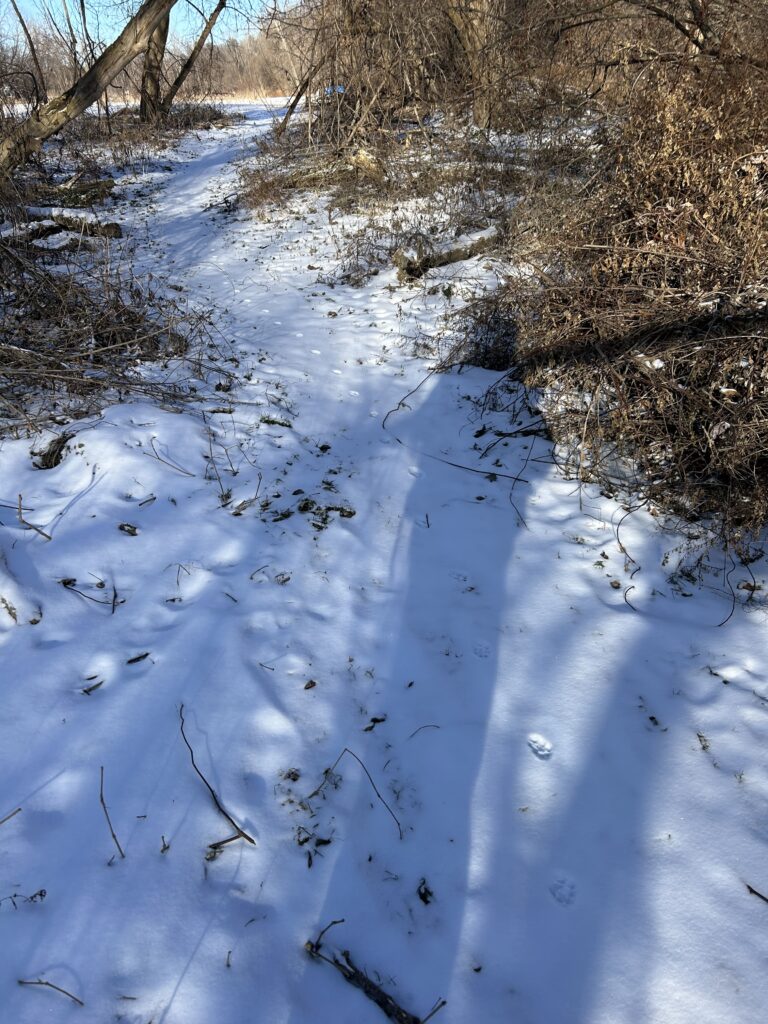
There were a few animal tracks that piqued my interest. In the future, I will make sure to more properly document my animal tracks with rulers or a hand/boot comparison. In the three pictures below, there are animal prints varying in size, shape, pattern, and cleanliness. Due to the messiness of the first picture, along with the footsteps directly beside it, I’m assuming these prints were left by a large dog. The second picture shows prints that I initially assumed to be some sort of rabbit. Now, I am unsure because the hind feet which would be oriented in the front of each set of prints do not seem to be much larger than the front feet. The third picture shows two different patterns of tracks. The left seems to show some sort of bird passing through, while the right shows clean, small paw prints, which could be a fox, housecat, bobcat, or something else. Unfortunately, I am not well versed enough to identify either of these tracks confidently.
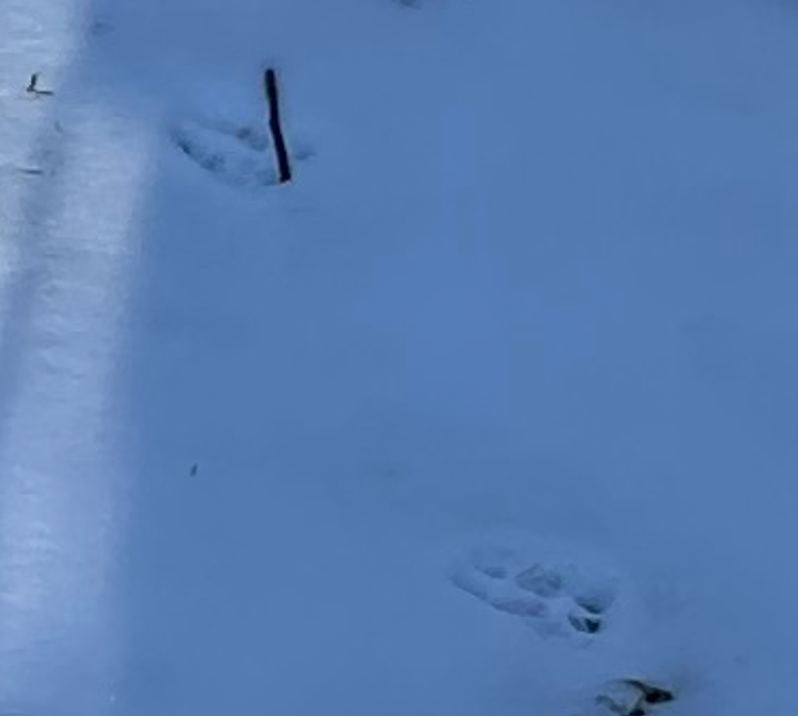
The picture below depicts some sort of cross-species walkway, with small clean pawprints and hooves. Again, I am unsure of the animal that left the pawprints, but I believe the hooves belong to a white-tailed deer.
Along with prints, there was evidence of sustained wildlife activity throughout this time of death with the birds. One notable bird was actually my favorite bird: the pileated woodpecker. This was a very special visit to the Rena Calkins trail for me, as I’d never seen an alive pileated woodpecker in real life, and I saw two individuals in just 20 minutes. Below is a video I got on my iPhone through binoculars.
Along with pileated woodpeckers, the area also held red-bellied and downy woodpeckers. Besides those species, I did not spot any other active wildlife.
A Visit to Wheeler Nature Park
This month, instead of revisiting the Rena Calkins trail, I ended up at Wheeler Park in South Burlington on February 28th, 2025 at 12:00 pm. It was sunny out and about 26 degrees Fahrenheit. This nature area had a great view of Mount Mansfield and a collection of trails that would eventually spit you out back onto Dorset street.
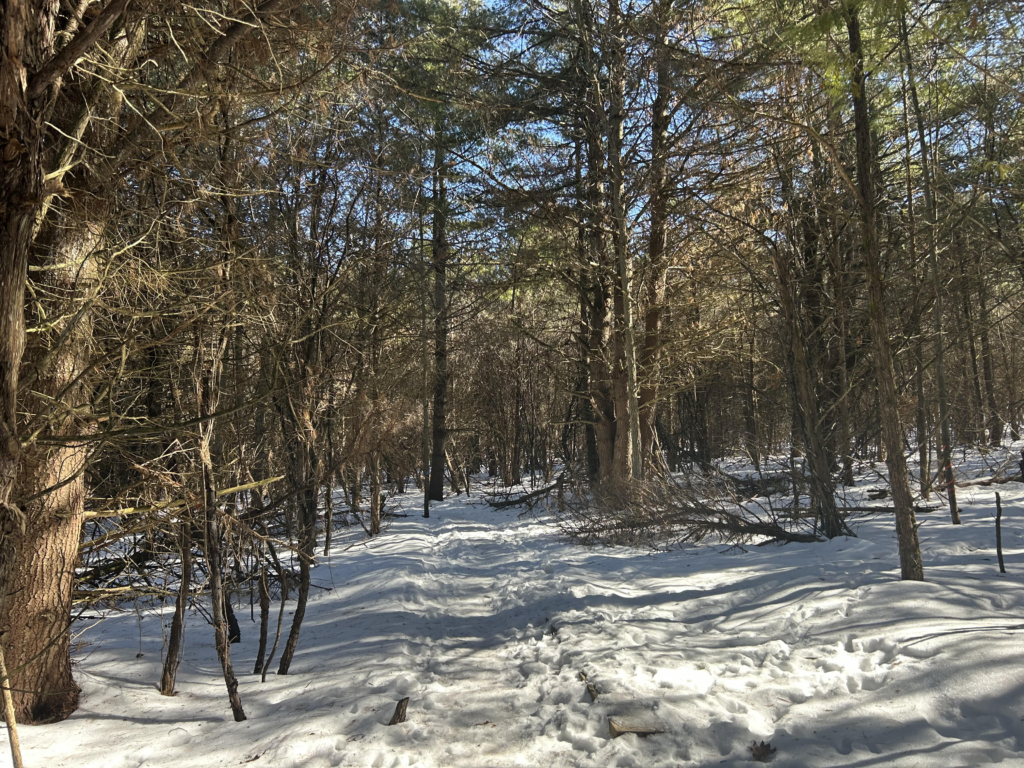
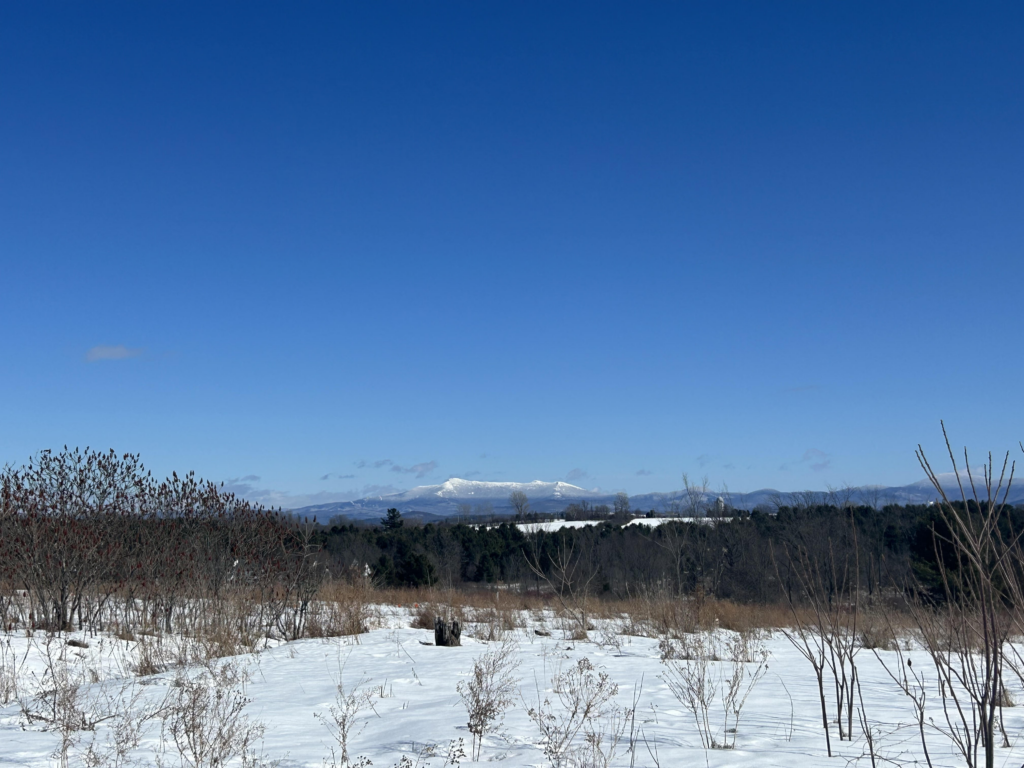
Because of the enduring snow cover, the trails were extremely icy and a bit difficult to navigate. The snow has also impacted prints left by animals, as the melting and additional precipitation gave some tracks a larger and more confusing appearance than their actual design. The majority of these tracks reflected the popularity of outdoor recreation in this area, primarily from humans and domesticated dogs.
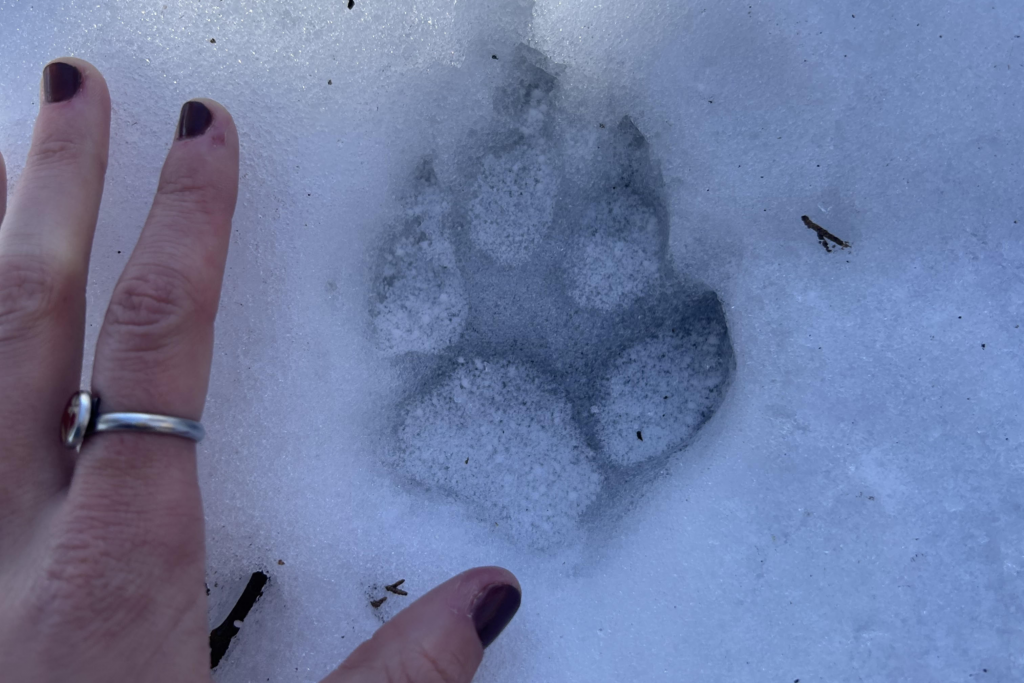
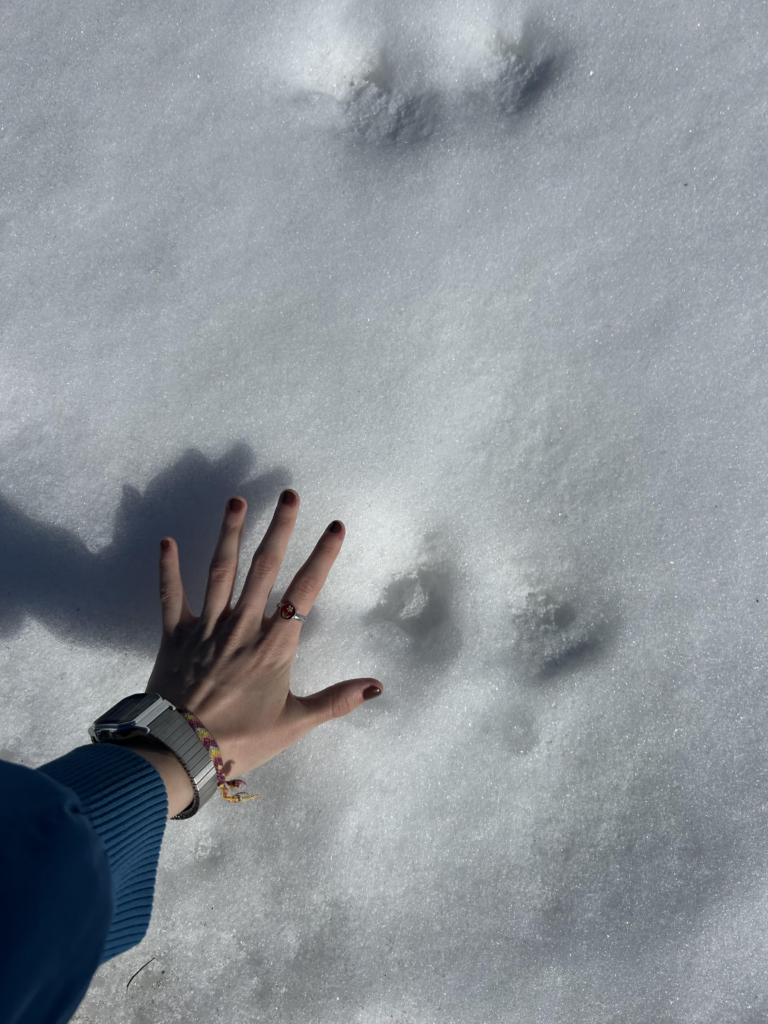
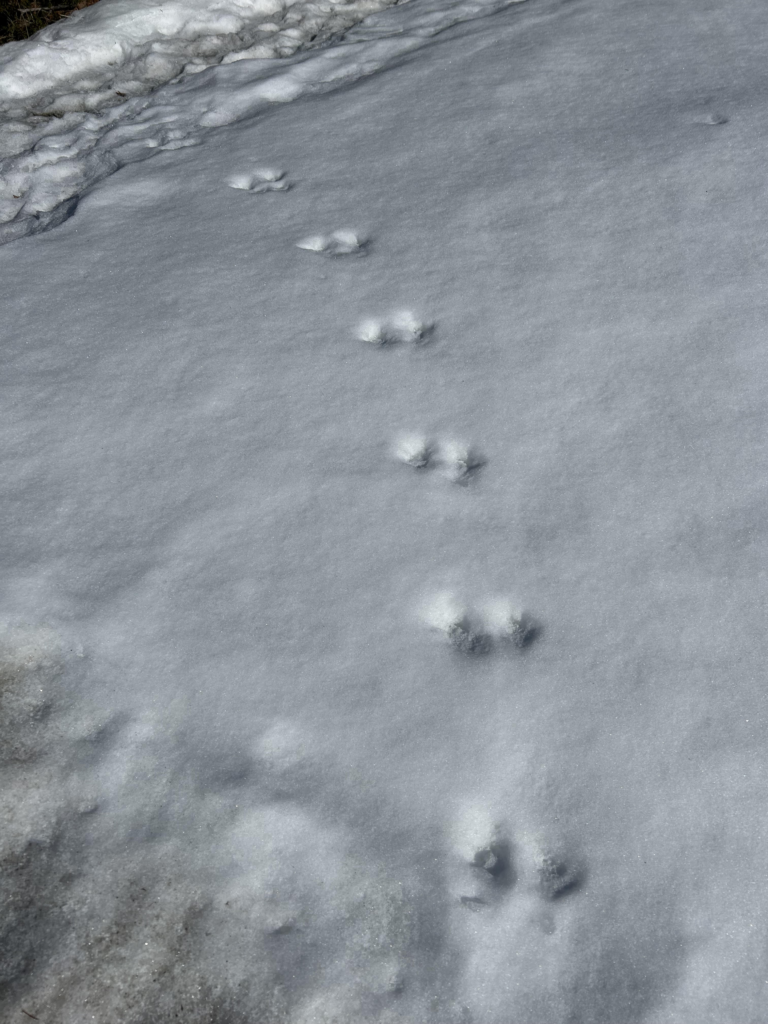
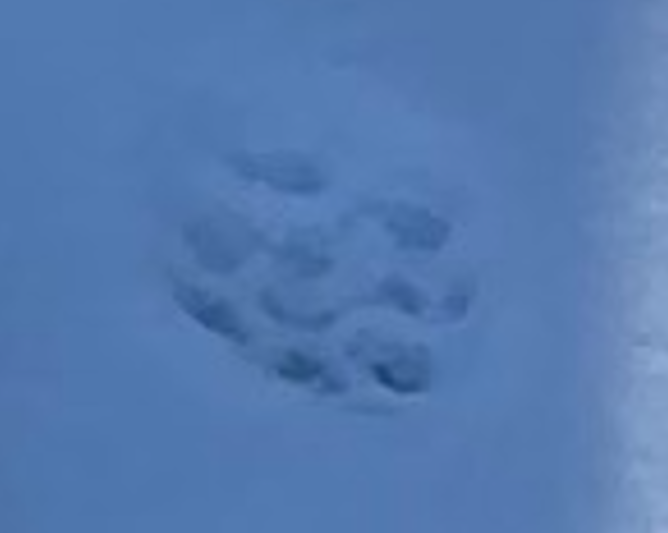
I had no idea what these tracks could be the moment I found them. The neat, side-by-side tracks are out of the ordinary for what I’ve seen around the greater Burlington area thus far. Due to the melting of the snow around them, it was a lot harder to tell what the original size of the paw might’ve been. Using my hand as a size comparison, which measures about 6 1/2 ” from base to the tip of my middle finger, the original imprints of the tracks seem to measure about 1 1/2″ in height. This size, along with the pattern, corresponds to that of a mink, who I would guess left these tracks. I was originally questioning if they were left by a river otter, which leaves behind a similar pattern, but I decided against it as river otters have feet measuring to be about an 1 1/2″ larger than minks’.
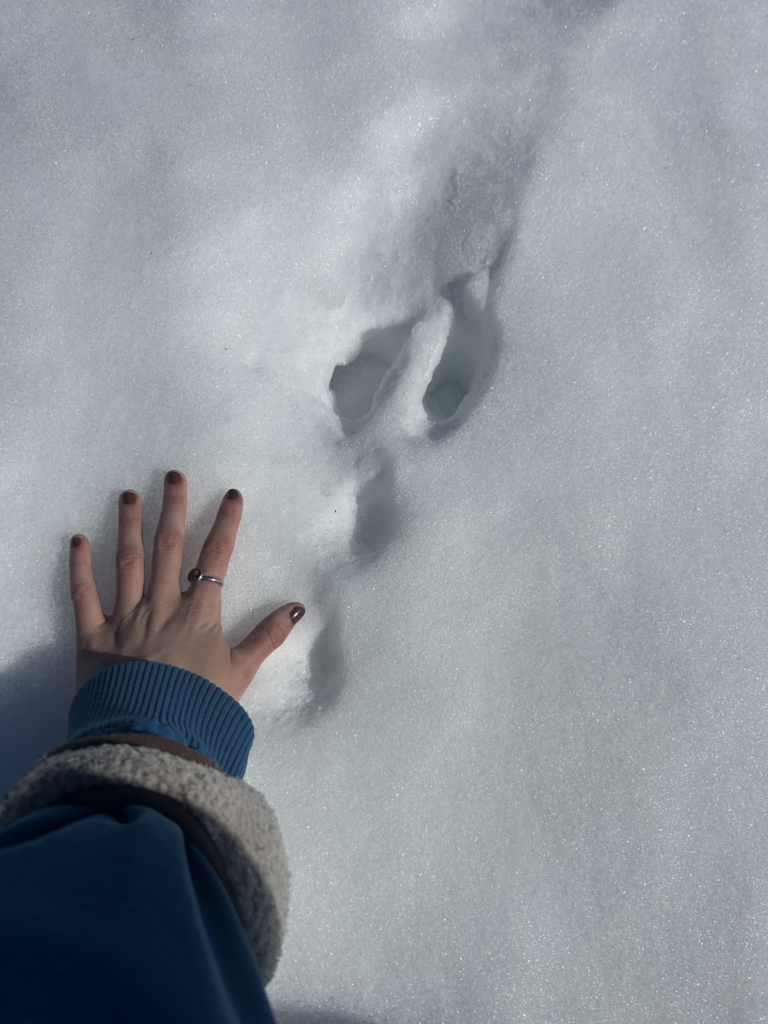
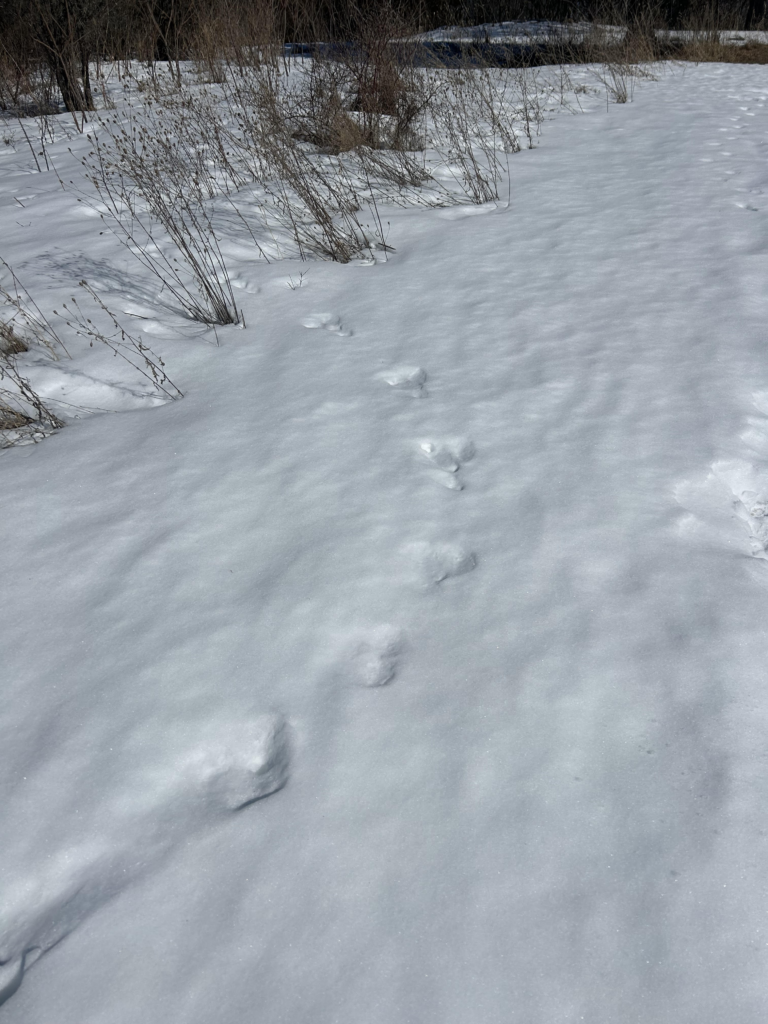
Again, using my hand as a metric, these prints seem to measure about an 1 1/2″. If I were to take a guess, accounting for the size and the pattern, I would guess these tracks were left by a cottontail rabbit. This would make more sense than a snowshoe hare, as those tracks measure a lot larger.
Over the course of my time, I saw and/or heard many bird species such as the black-capped chickadee, white-breasted nuthatch, downy woodpecker, red-bellied woodpecker, northern cardinal, American robin, American crow, dark-eyed junco, and despite their rarity in February, the song sparrow and horned lark.
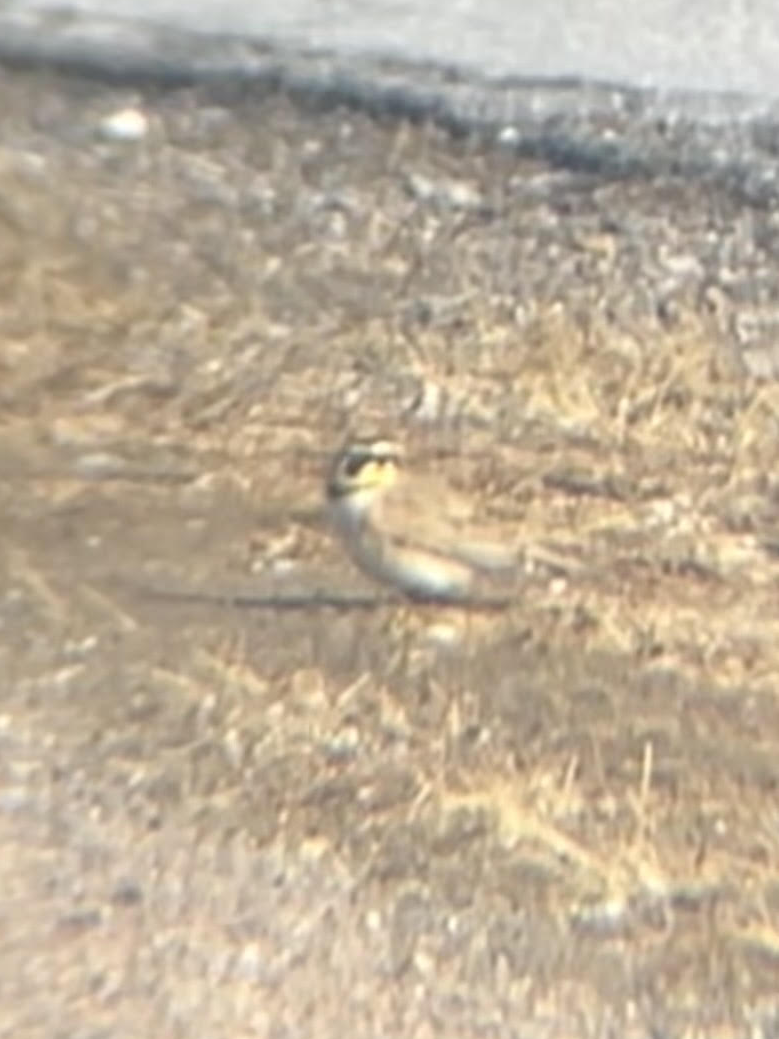
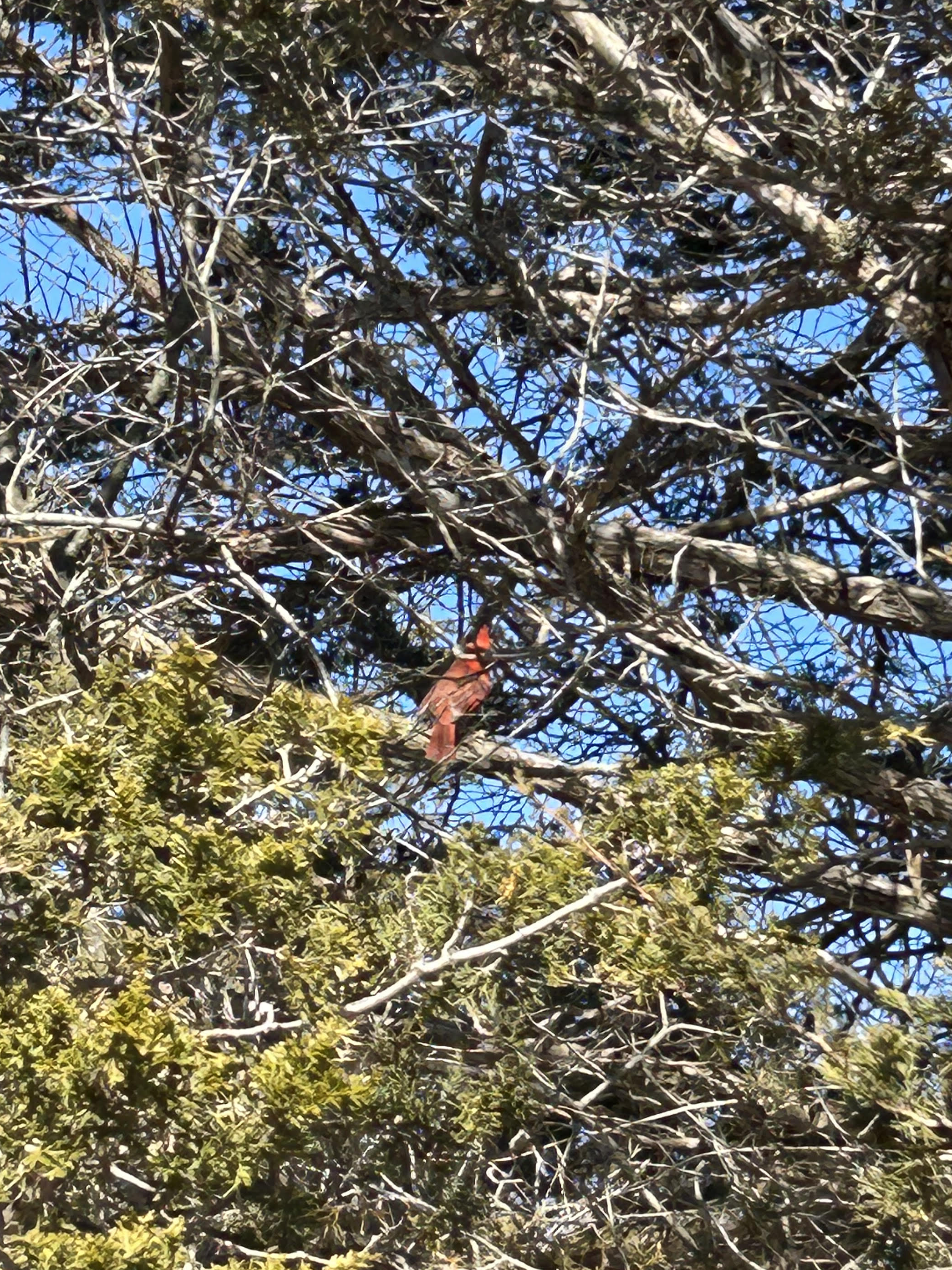
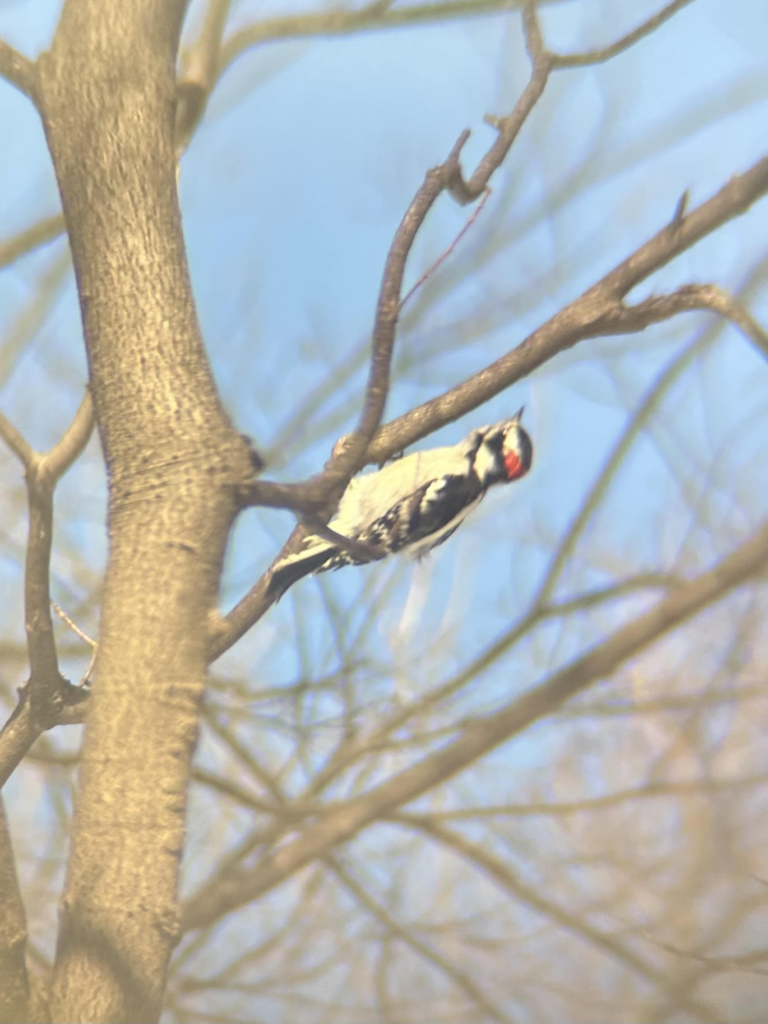
It was a beautiful sunny day to visit Wheeler Nature Park, and I am excited to return once the snow has melted a bit more and the trees showcase their beautiful array of leaves!
Phenology Tree Walk
On Friday, March 28th, 2025, I went on a bike ride around UVM to observe and record the phenophases of five campus trees: Red Oak-615, Sugar Maple-618, White Oak-761, Red Maple-280, and Norway Maple-3261. It was partly cloudy and about 36 degrees Fahrenheit at about 11:45 am when I went out. Since it is so early on in the season, there was not a single listed phenological change that any of the five trees have progressed into. In the Nature’s Notebook app I used to track them, for each tree, I clicked “no” on: breaking leaf buds, leaves, increasing leaf size, colored leaves, falling leaves, flowers or flower buds, open flowers, pollen release, fruits, ripe fruits, and recent fruit or seed drop.
I took a moment to explore the USA NPN website, and found that in Vermont that as of today, April 4th, 2025, there have still not been any ‘first leaf’s or ‘blooms’ yet in Vermont. This seems to follow the trend of Spring in this area so far. The website emphasizes how important it is for volunteers to collect phenology data in many different sites throughout the country to accurately portray predictions and maps of spring. These maps, in a comparison to previous years, can create trends that reveal truths about the changing climate, in which scientists and activists can work to adjust priorities and take action.
Visiting the Greater Denver Area and Barr Lake
On Saturday, April 26th, 2025, I visited Barr Lake State Park in Adams County, Colorado. During the entirety of the City Nature Challenge iNaturalist event, I unable to find observations in Burlington, Vermont, as I was visiting my boyfriend in Colorado. However, our trip to Barr Lake certainly showed us a wide array of biodiversity. We saw at least 23 different species of birds, along with eastern fox squirrels, European carp, mule deer, and some domesticated horses. I enjoy using iNaturalist because it is a great way for me to organize my wildlife sightings. The newer app has an interface that is much easier to use than the previous, which makes me more apt to record my observations.
When we arrived at about 7:30 am, it was about 50 degrees Fahrenheit and cloudy. The day progressively got warmer and sunnier with a high of 79 degrees Fahrenheit. Colorado’s dry climate and grass prairie creates a contrast with Rena Calkin’s wet marsh forest. The Barr Lake trail was busy and loud due to a race going on for a portion of the trail. After we traversed past that portion, we saw an abundance of species and witnessed some truly beautiful sights and natural events.
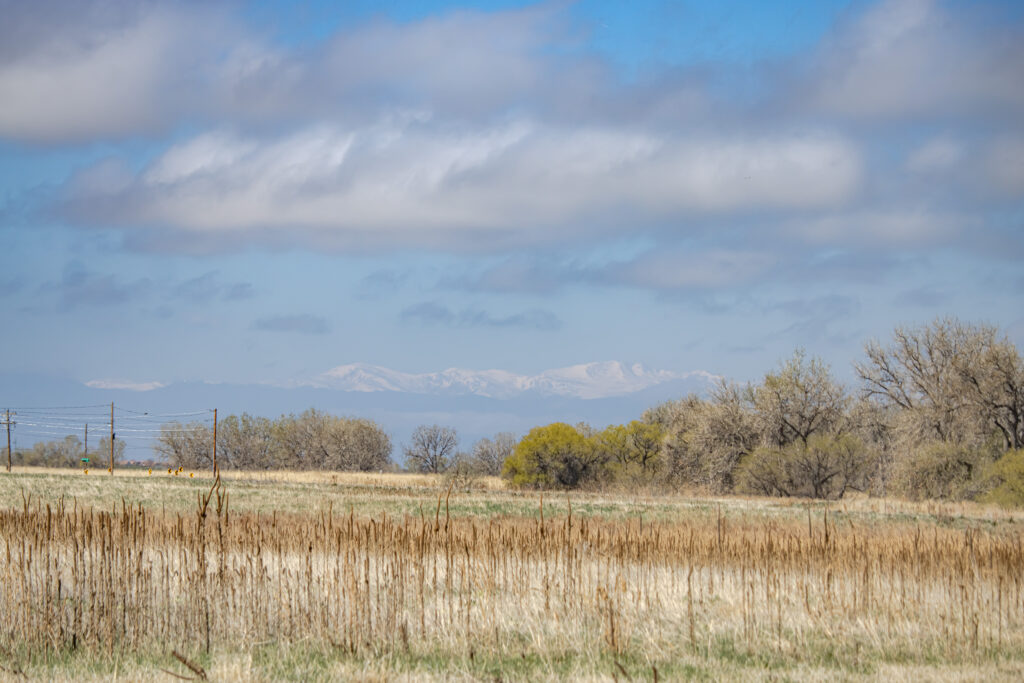
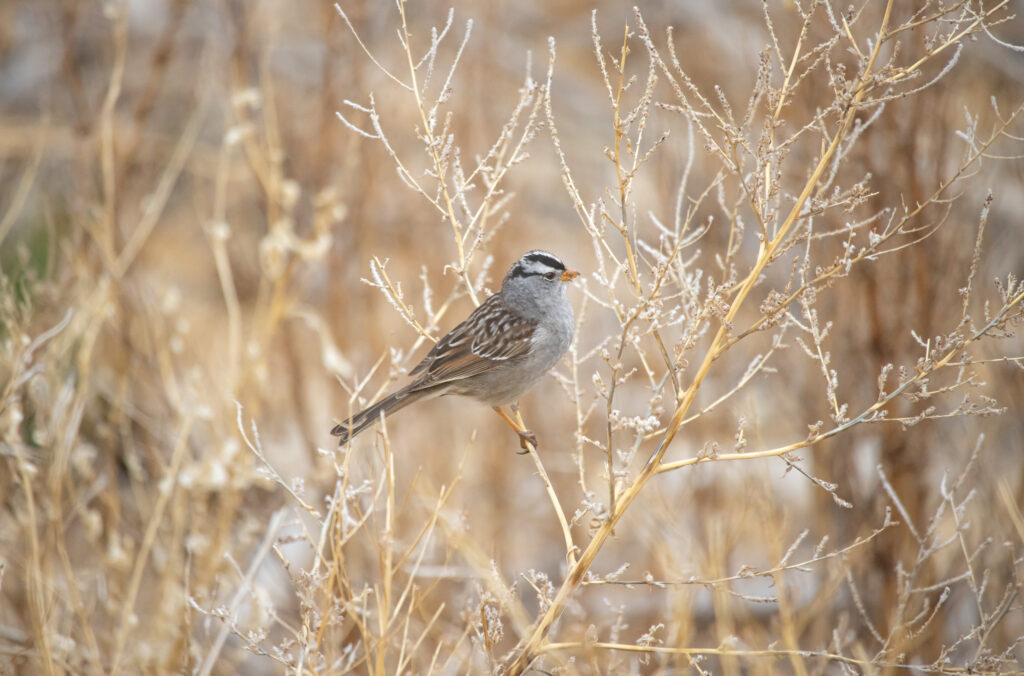
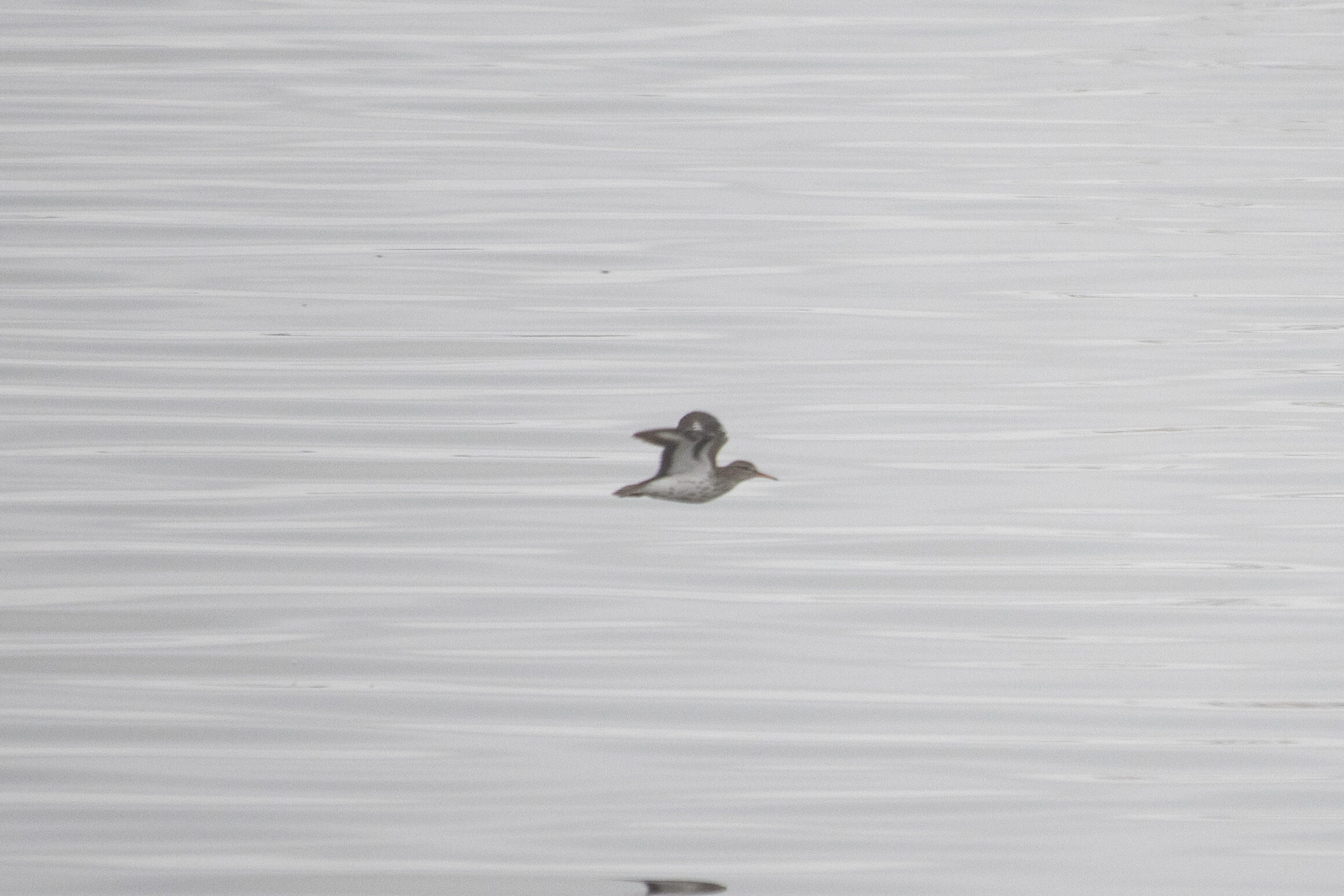
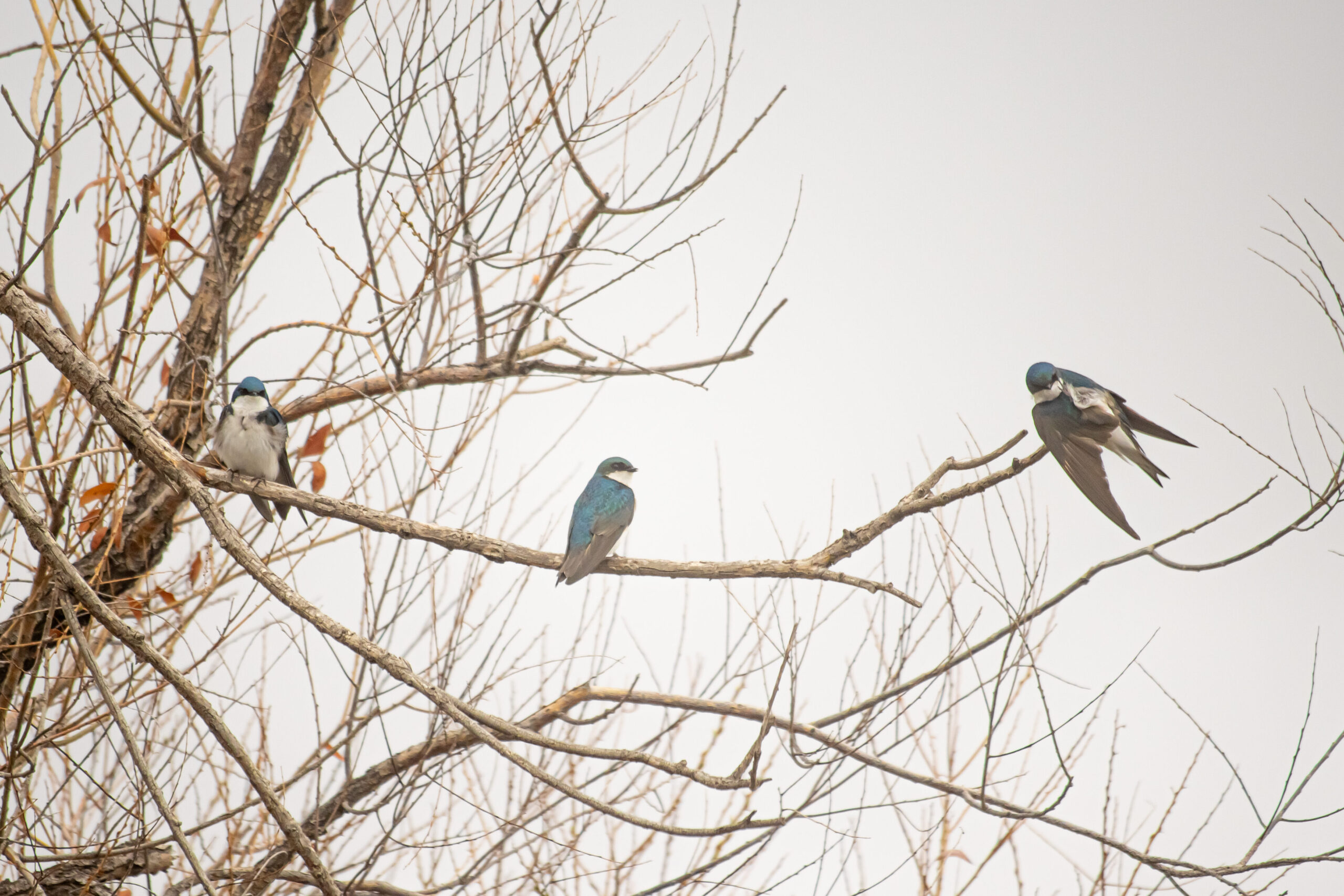
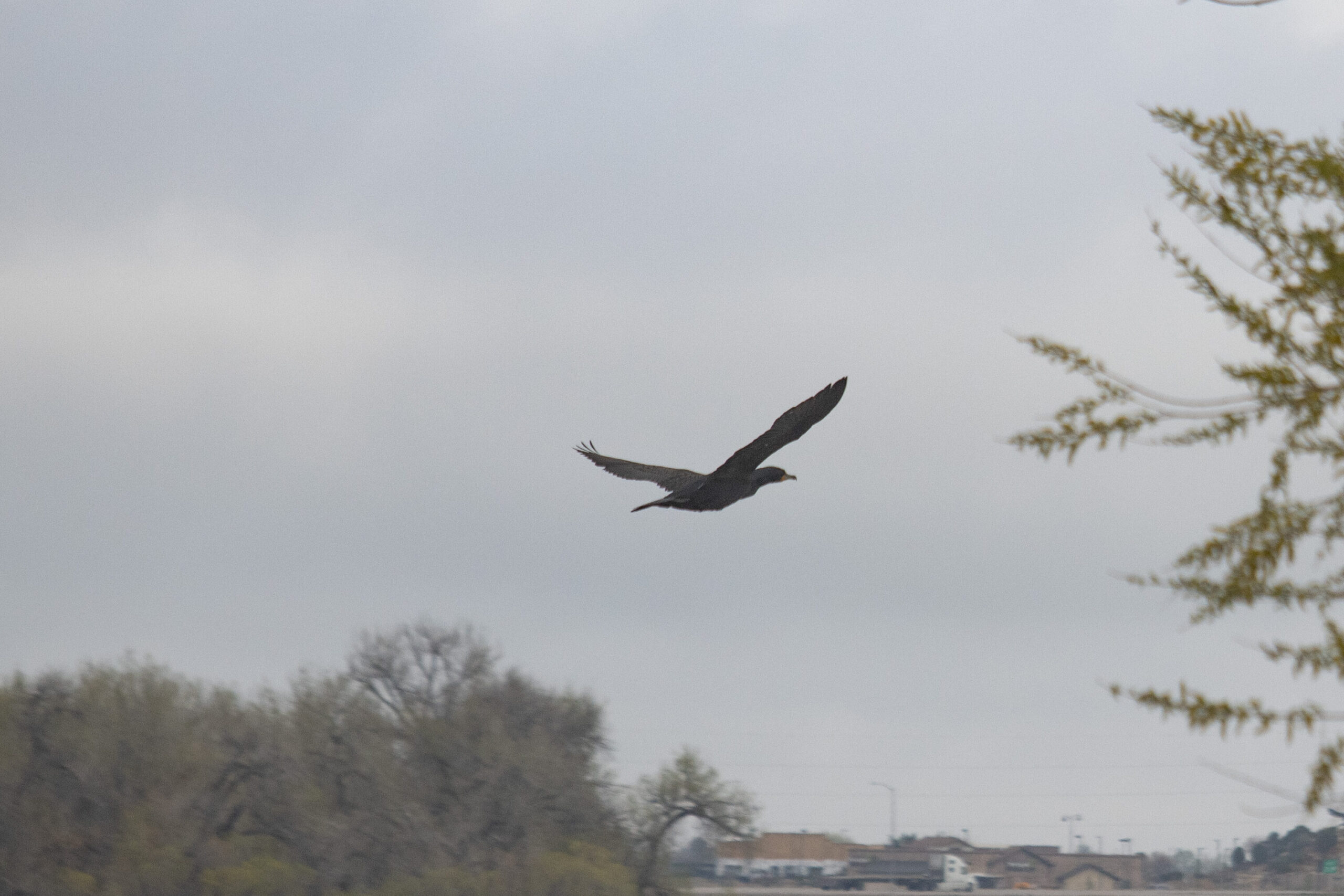
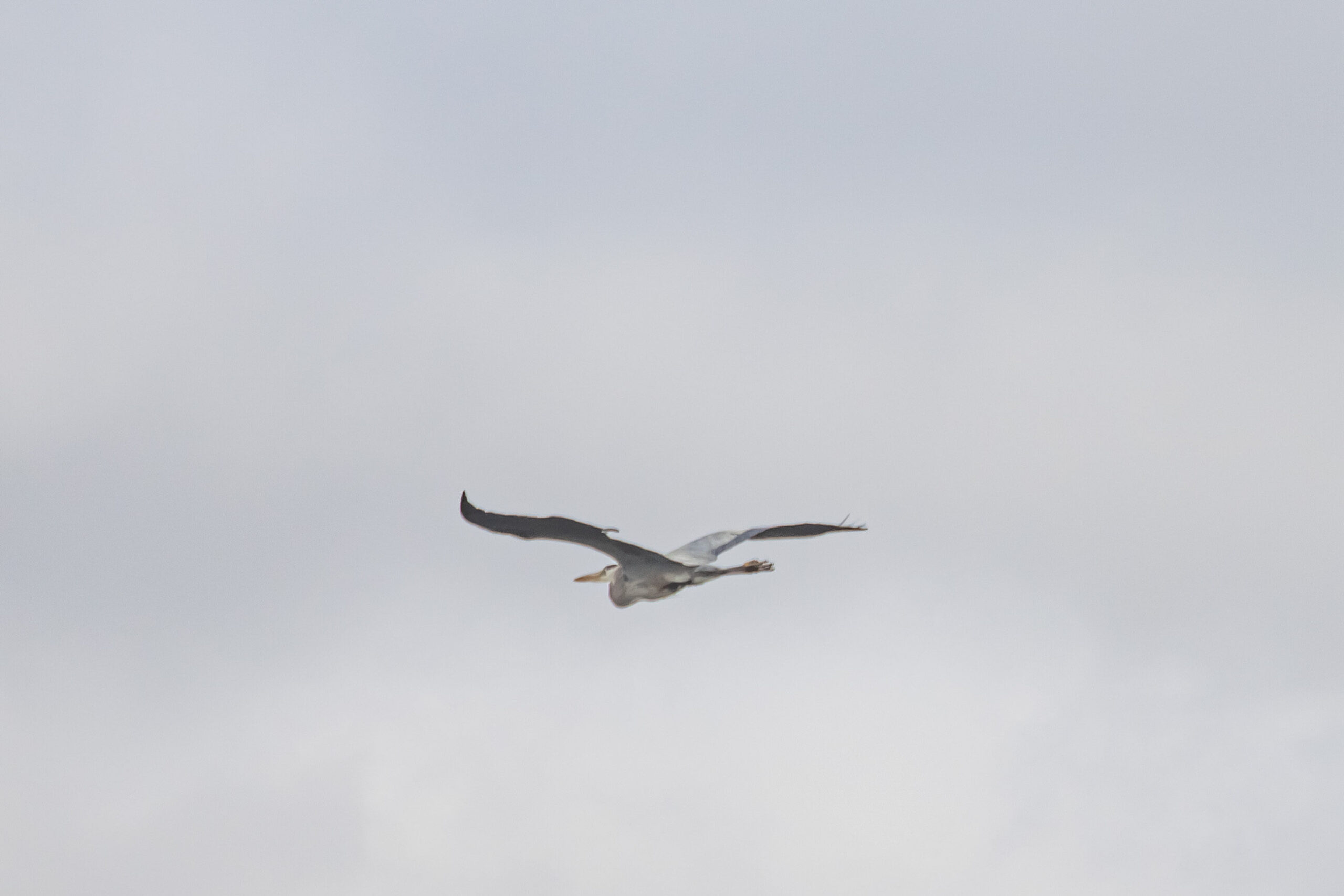
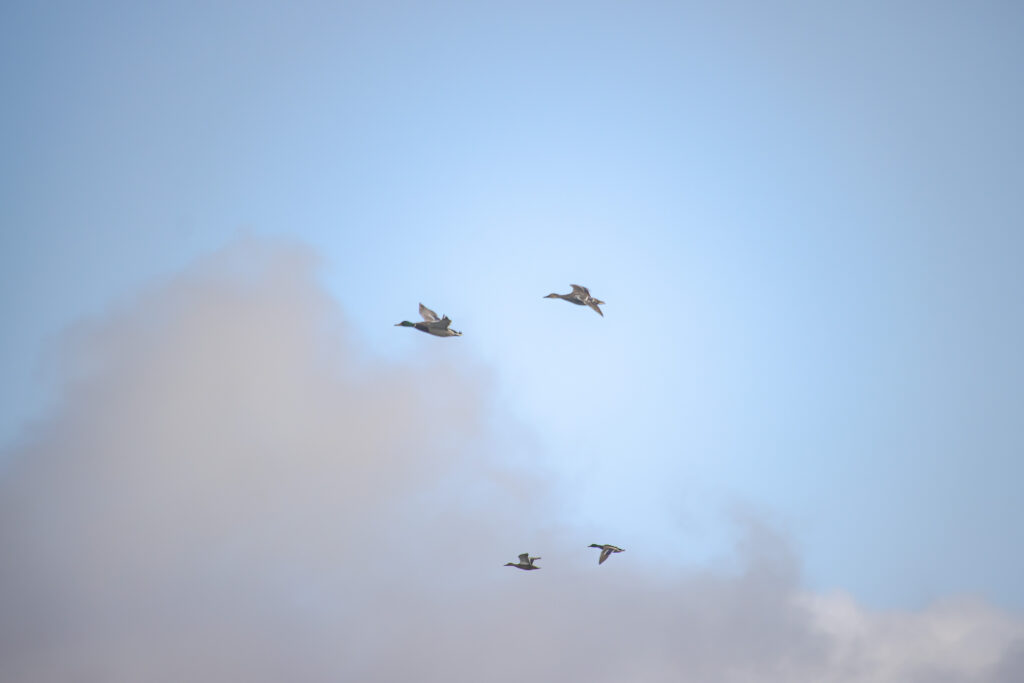
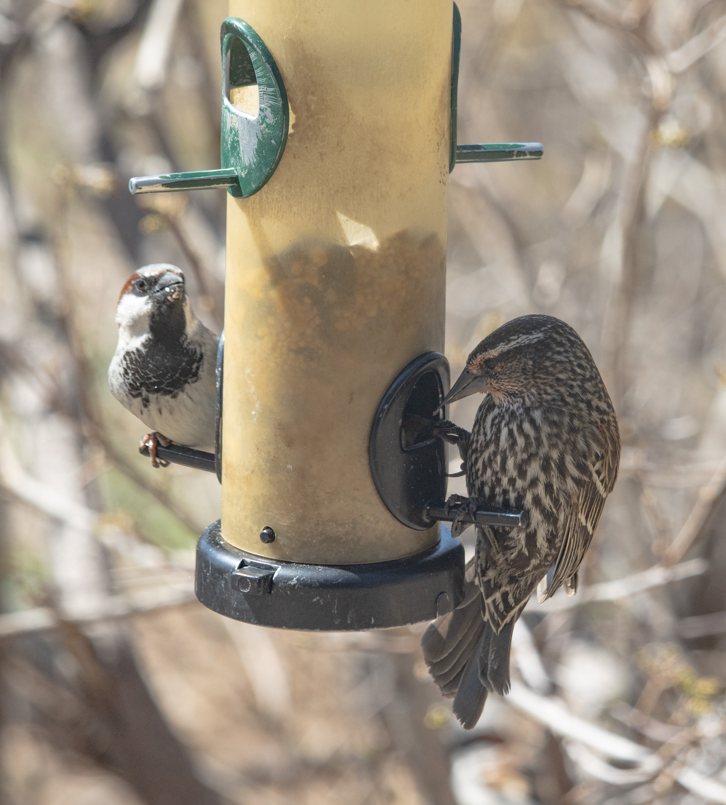
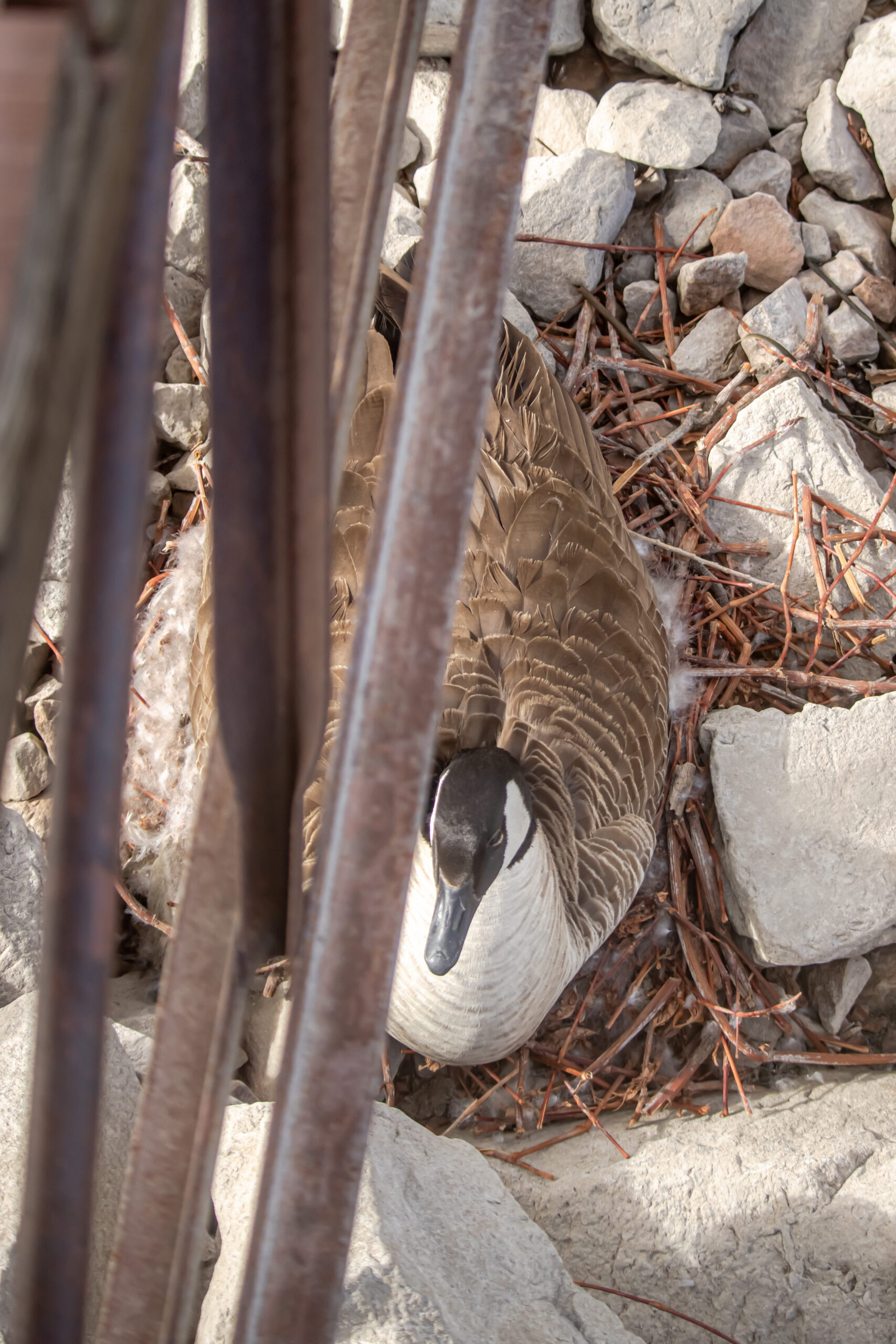
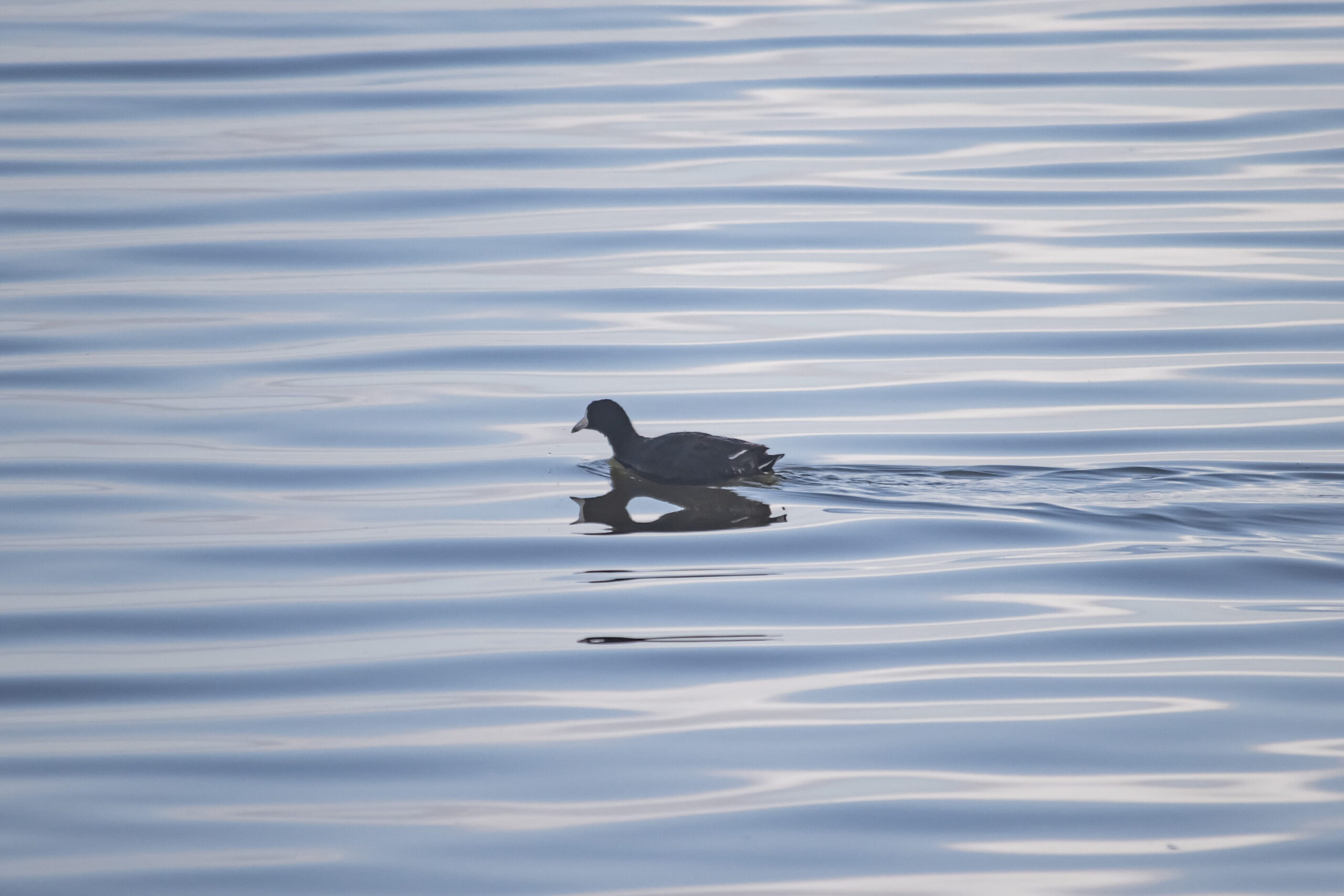
Below are some shots I got of 16 distinct bird species found at Barr Lake. Others include the black-capped chickadee, the red winged blackbird, wood ducks, gadwalls, the mourning dove, the blue jay, the American robin, the Common grackle, and the European starling.
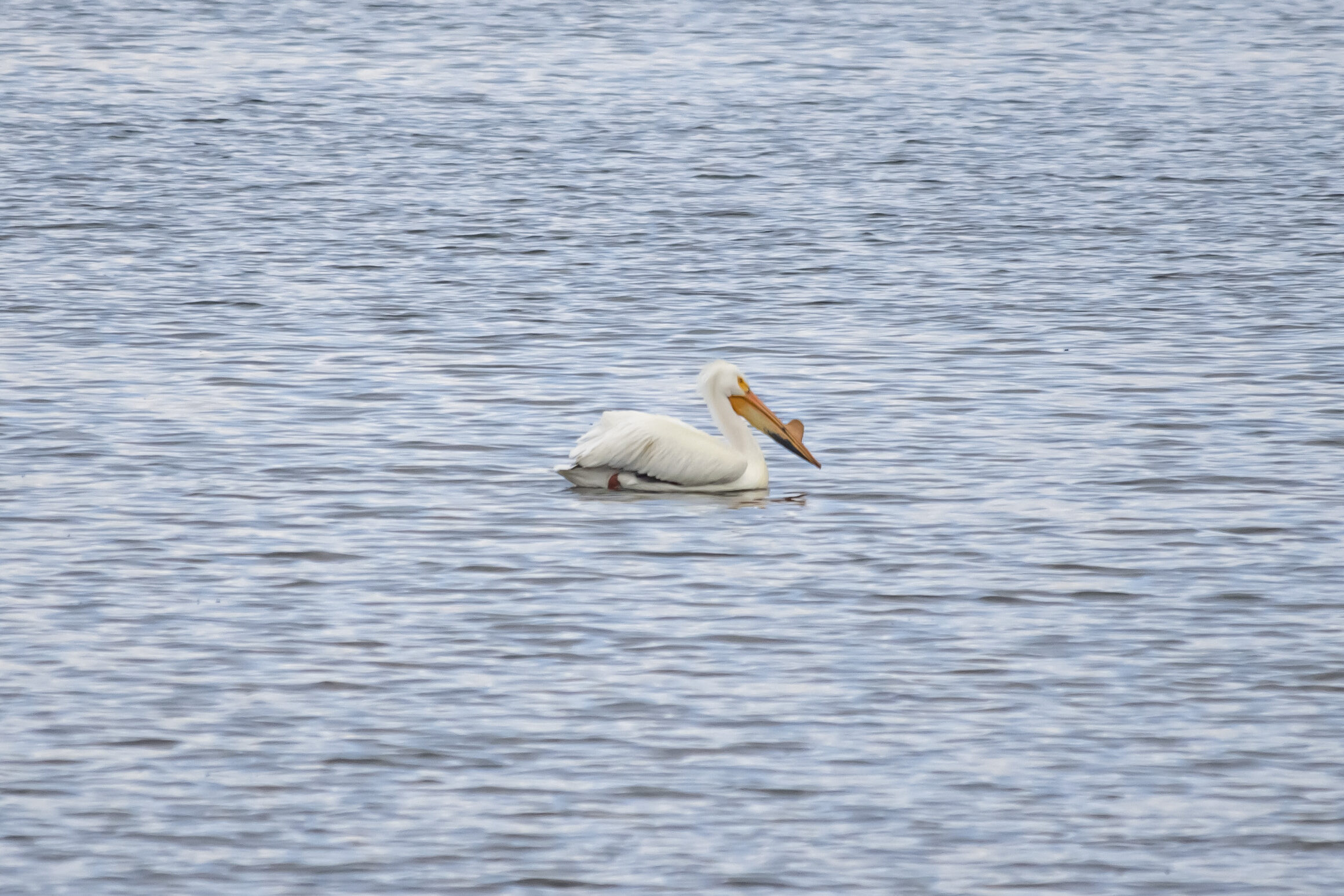
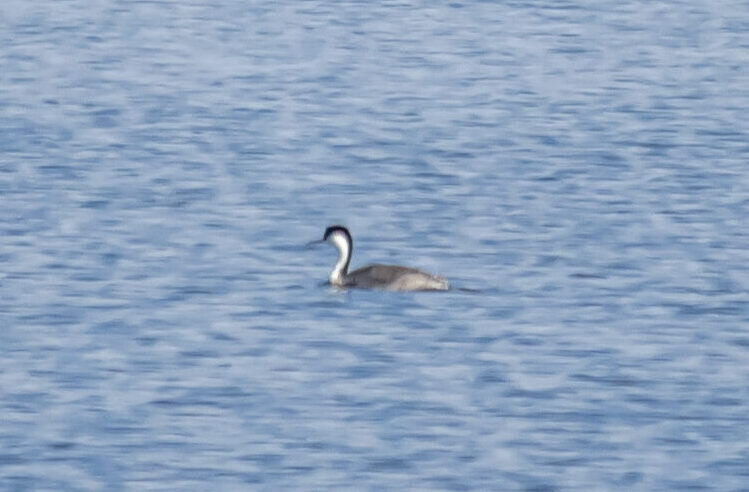
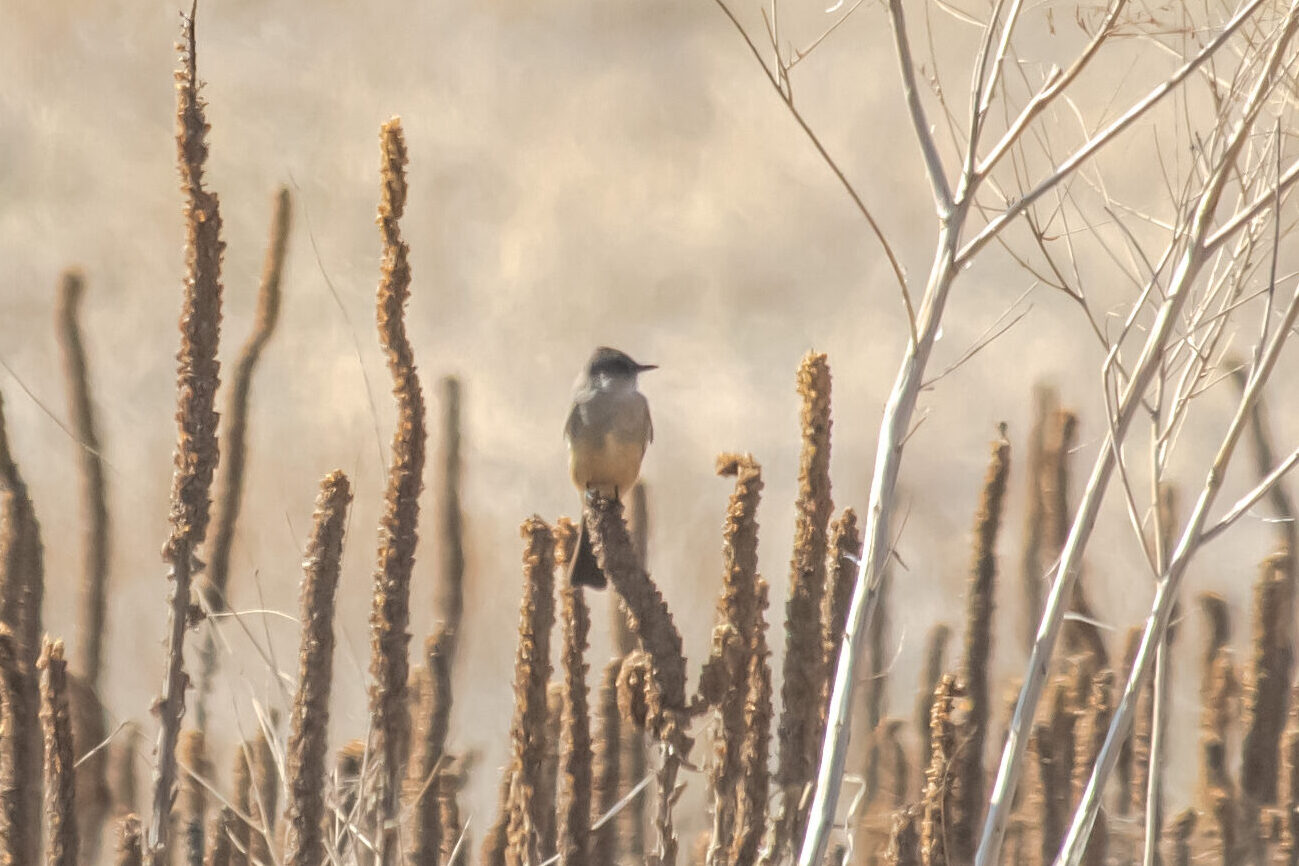
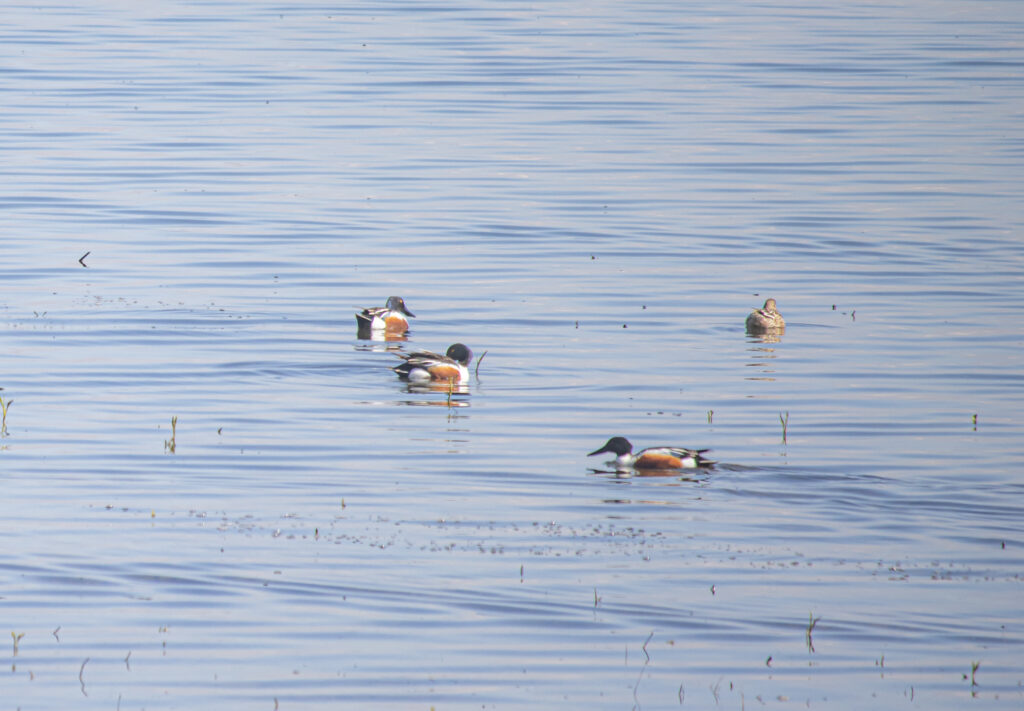
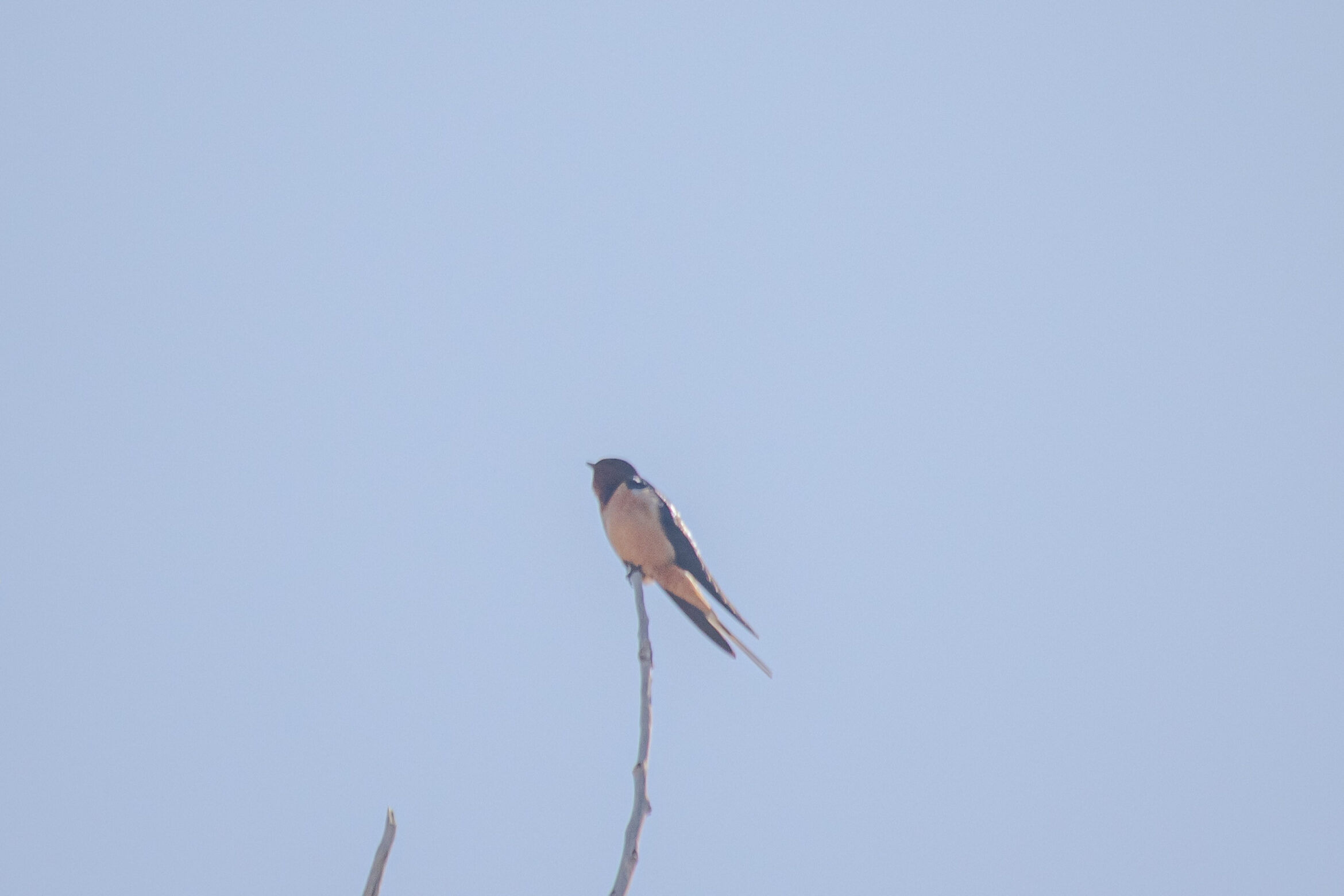
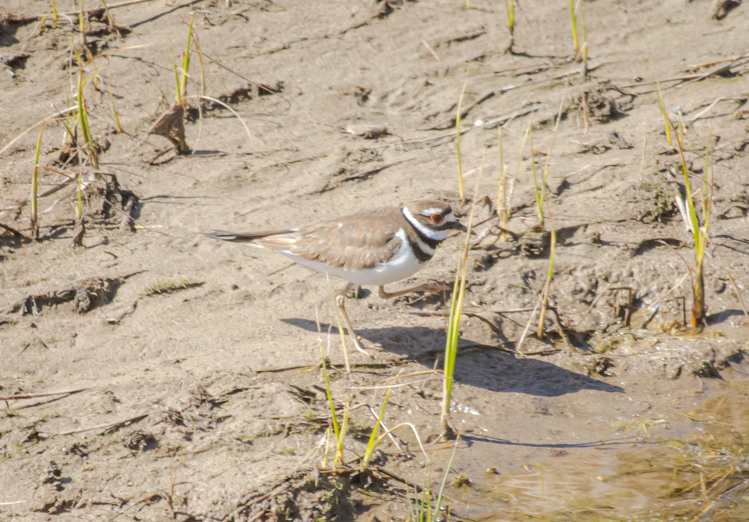
One particular event that stood out was when a second year bald eagle swooped down to the surface of the lake and caught a Western Grebe. From afar, it was assumed the eagle caught a carp or a different fish, but the pictures showcased its talons around a Western Grebe’s neck. The moment only escalated when a American White Pelican arose from its resting state on the lake to then fly after the eagle.
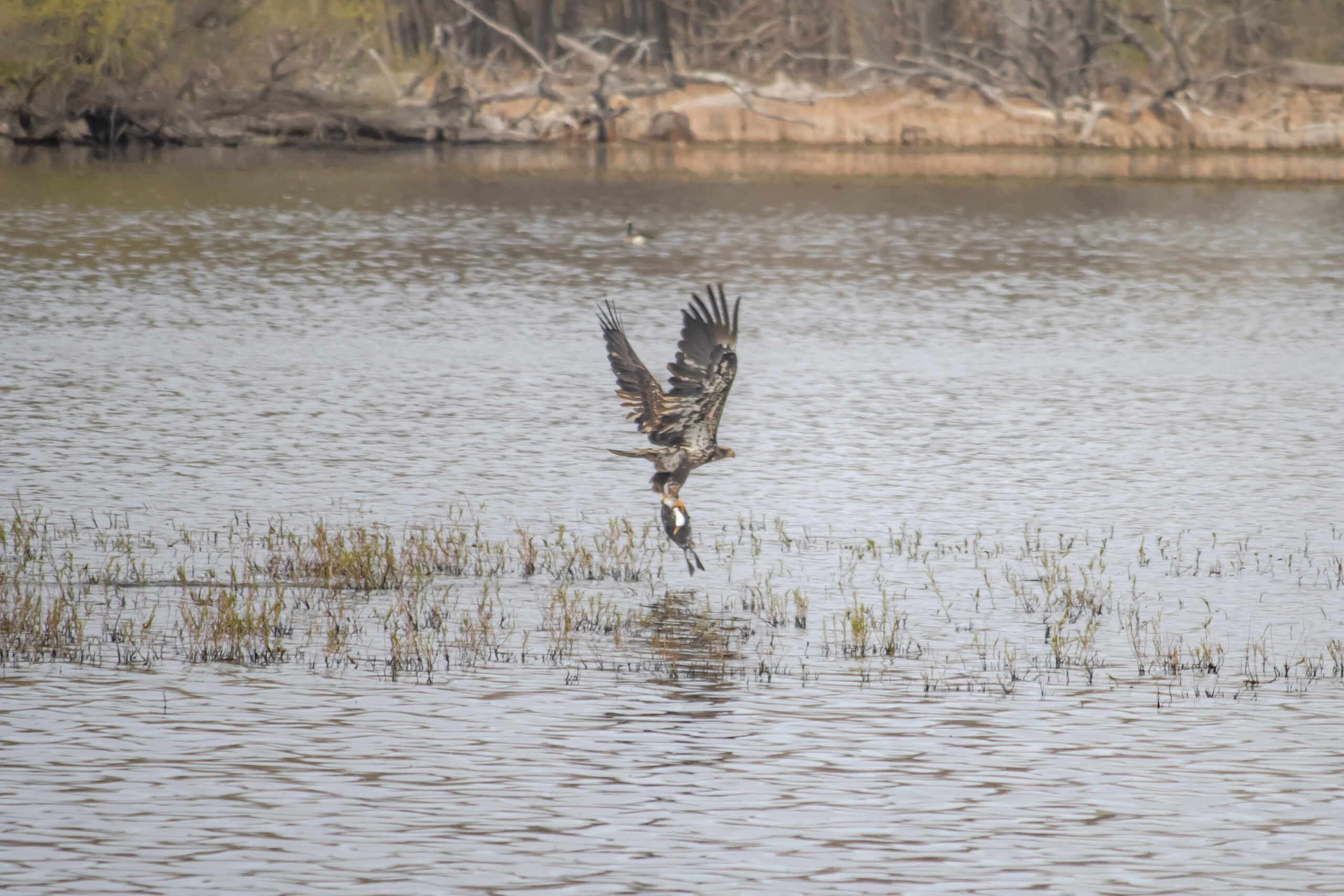
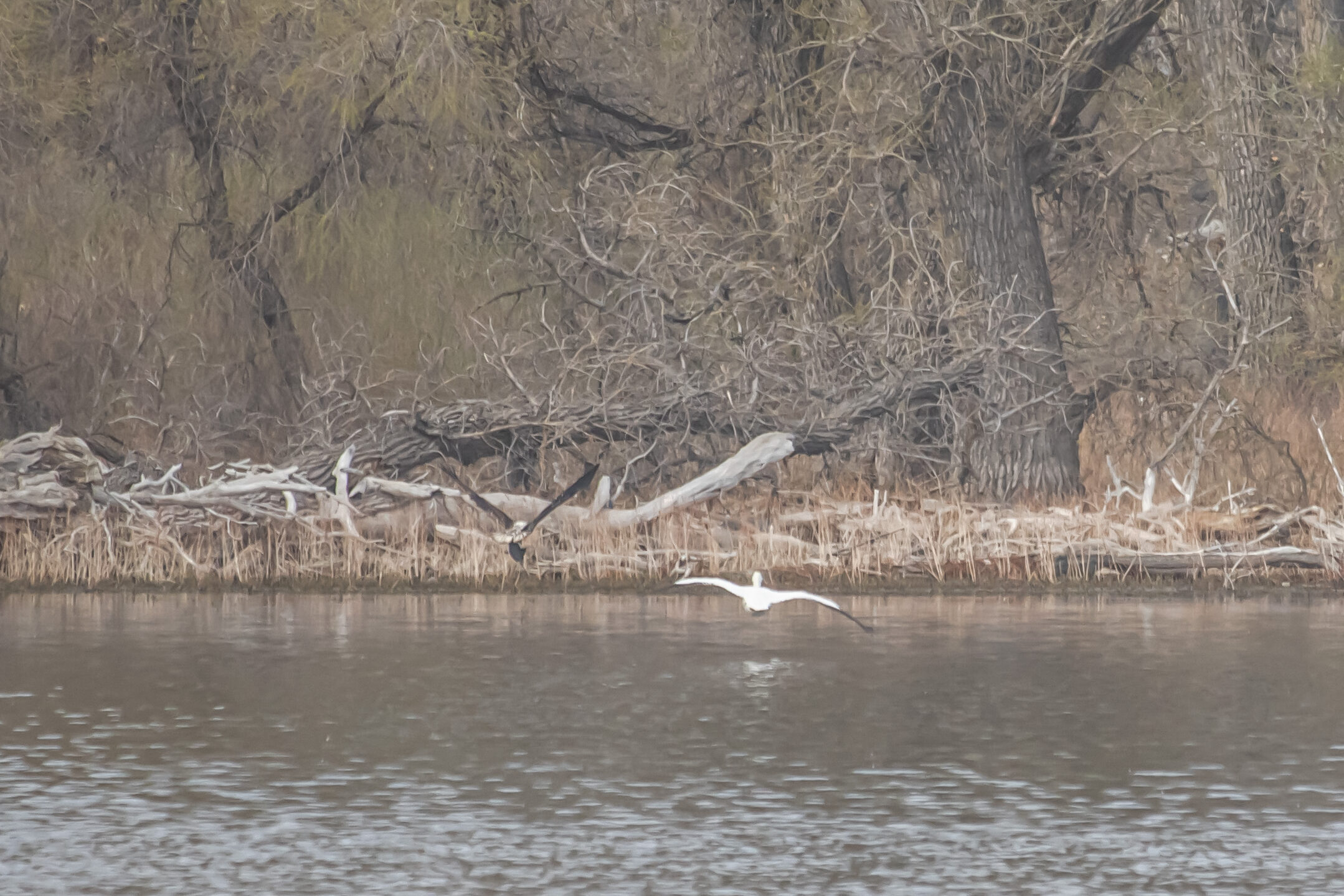
A couple of days earlier, I explored the more urban area of Denver to find wildlife. Even in the city, there were plenty of active birds. I found a very orange house finch making a nest, an unintimidated bush tit that remained on a branch right above me, some Canada geese strutting in the bike lane, a black-billed magpie perching on a bank besides the highway, and some northern flickers hanging out in a tree.
Denver is beautiful around this time of year, and I am so grateful to have been able to spend some time there making observations of some birds I’ve never seen before.
Final Visit to Rena Calkins
Spring has sprung at the Rena Calkins trail, and it the season was on display during my visit today, May 1st, 2025. At 2:05 pm it was sunny and about 61 degrees Fahrenheit. All of the parking spots were filled up in front of the trail and I encountered a lot of people walking the trails. A common theme in these people was their lack of hesitance to be loud. Many called their dogs at a high volume, and one couple even had a speaker that was unashamedly playing music. I found this to be a bit frustrating, especially because many birds in the area don’t show their presence during clamorous activity. Human access to natural spaces such as the Rena Calkins trail is important for the development of passion and progression in the environmental fields; however, I certainly try to show a bit more regard for other species when I’m existing in their habitat. With that, I’d say I don’t entirely consider myself as a part of the trail, but more as a visitor to it. I think if I knew the trail’s ins and outs and spent more time there my thinking could evolve, but even with my familiarity and fondness towards the place, I believe I am separate from it.
Its popularity on this given day is certainly an example of the usage of the space changing over time, as I hardly saw any others roaming the trails during the Winter time. As for the space itself, the trees have leafed and the ground has grown a layer of vegetation. The ostrich ferns are popping up, and the signage that promotes their conservation finally have context.

This is a stark contrast to my last visit in February. Then, the river was frozen over and there was a layer of snow on the ground. The majority of visible and audible signs of life were at a standstill, and now it has bounced back. I saw multiple species of birds today that I hadn’t seen at the Rena Calkins trail before. I saw a double crested cormorant fishing in the river, a plump song sparrow singing on a branch, a couple spotted sandpipers scurrying on the bank across the river, a few brown creepers scuttling up a tree, and most notably, an eastern bluebird hopping from tree to tree.


I’ve come to know the Rena Calkins trail well, and I have come to feel excited about visiting each of its landmarks I spend time with. Usually, this is by the first fork in the trail, and by two distinct logs by the river banks.


I hope I will make time to revisit Rena Calkins in my future semesters. It has been a very special place to me during this school year, and I’m sure my path will lead back here throughout my time in Vermont.