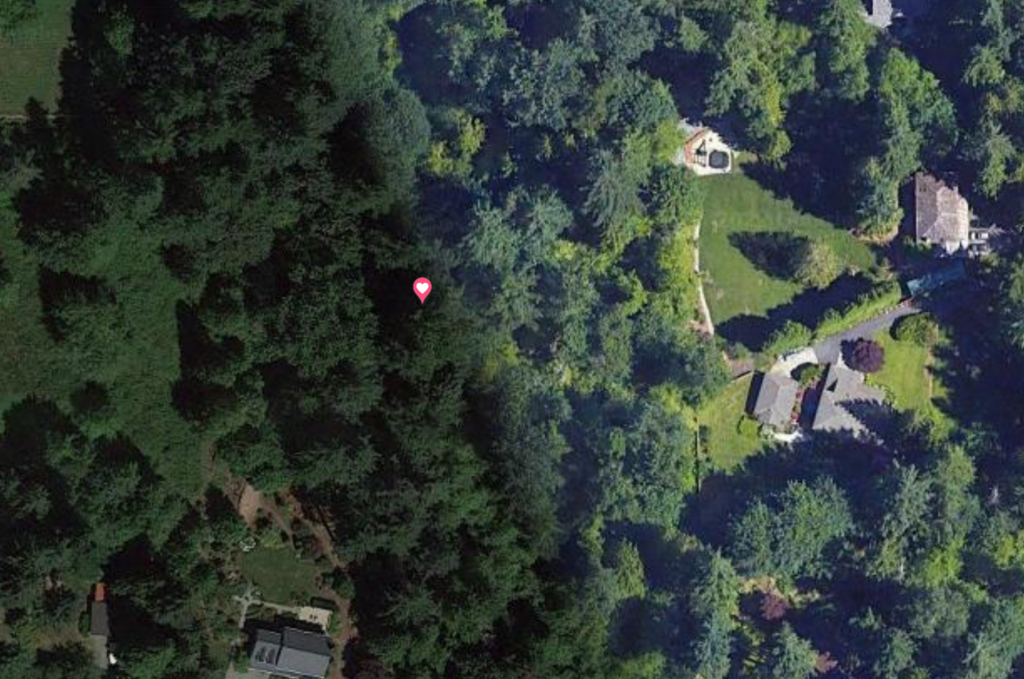
On November 21, I spent time in my new phenology location which resides in the dense forest surrounding my house in Seattle, Washington. This area is special to me personally as it is my safe place where I spend a large portion exploring and appreciating nature. It is also a very biodiverse region which has led to the development of a very popular travel route, feeding, and resting area for wildlife.
Vegetation Description & Plant Species
In comparison to Vermont, western Washington state has a very cool and wet climate which results in forests that grow primarily evergreen trees and very shade tolerant plant and tree species. Additionally, western Washington regions are known for their tokul soil, a mix of iron from glaciers and ash from volcanic eruptions that strongly influences plant growth. This contrasts greatly with the sandy loam soils that rest upon limestone in Vermont. When taking these differences into consideration, it is clear why these were the most common species within my new phenology location in Washington state.
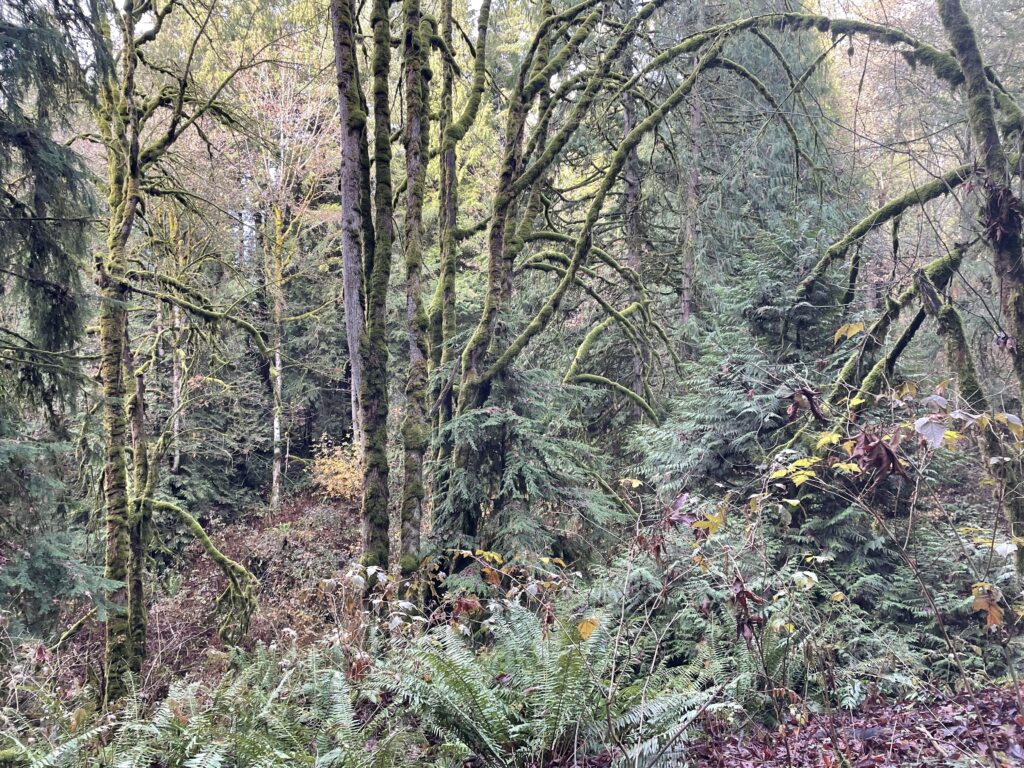
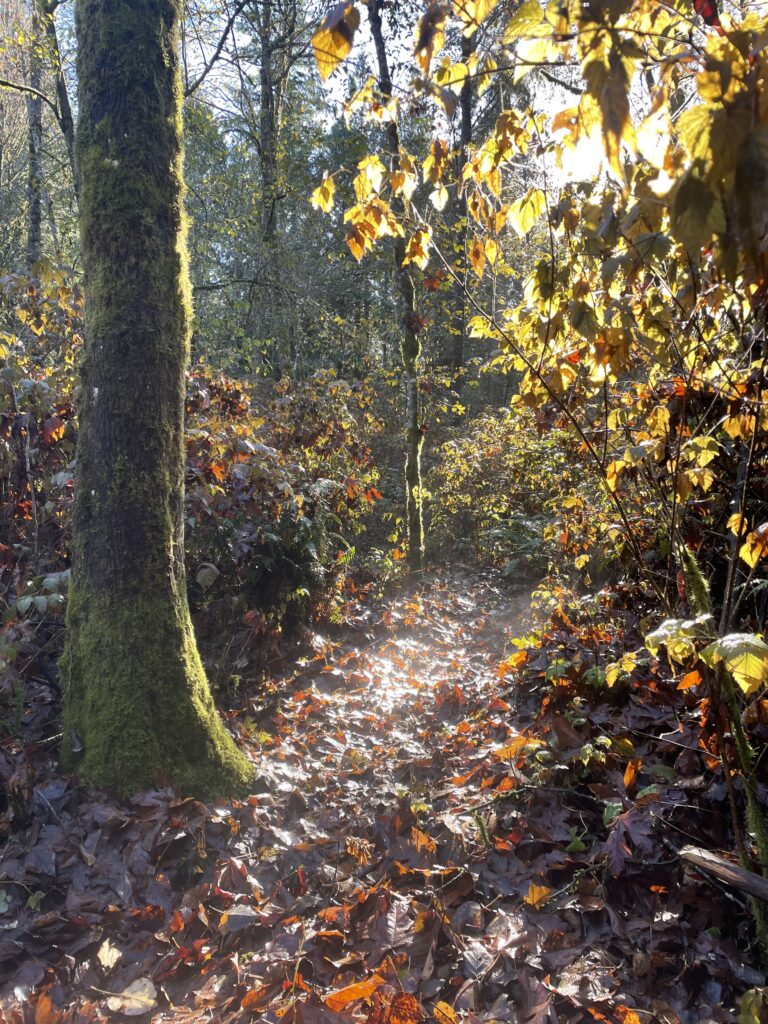
- Most Abundant Tree Species:
- Douglas Fir
- Bigleaf Maple
- Western Red cedar
- Western Hemlock
- Vine Maple
- Red Alder
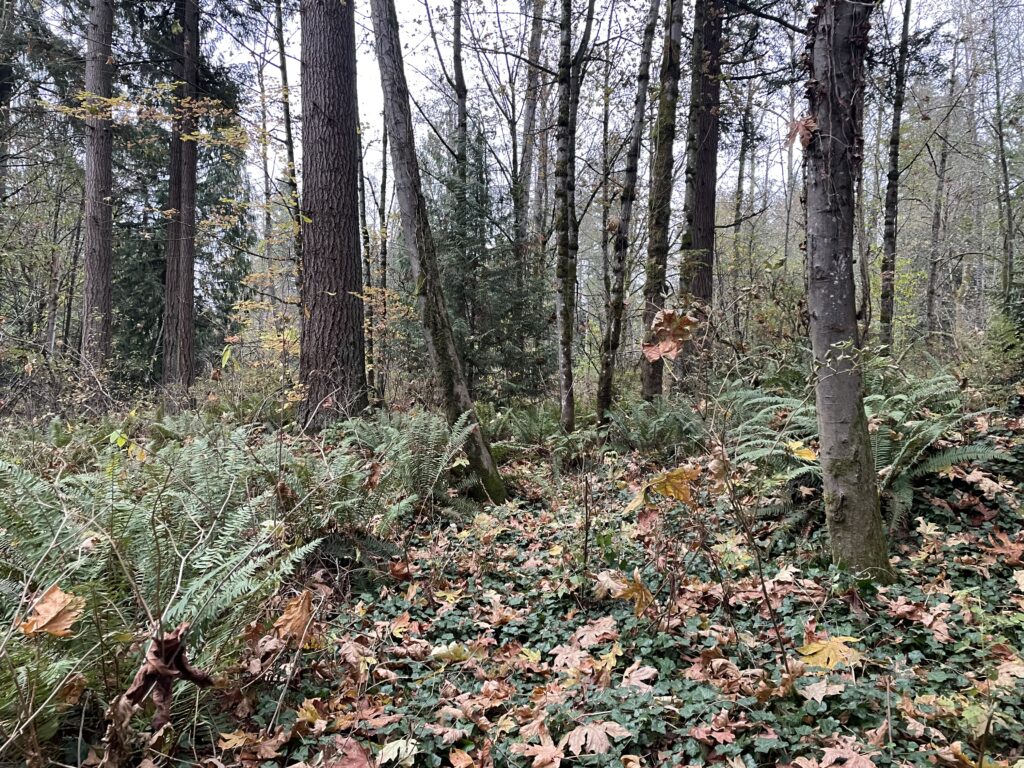
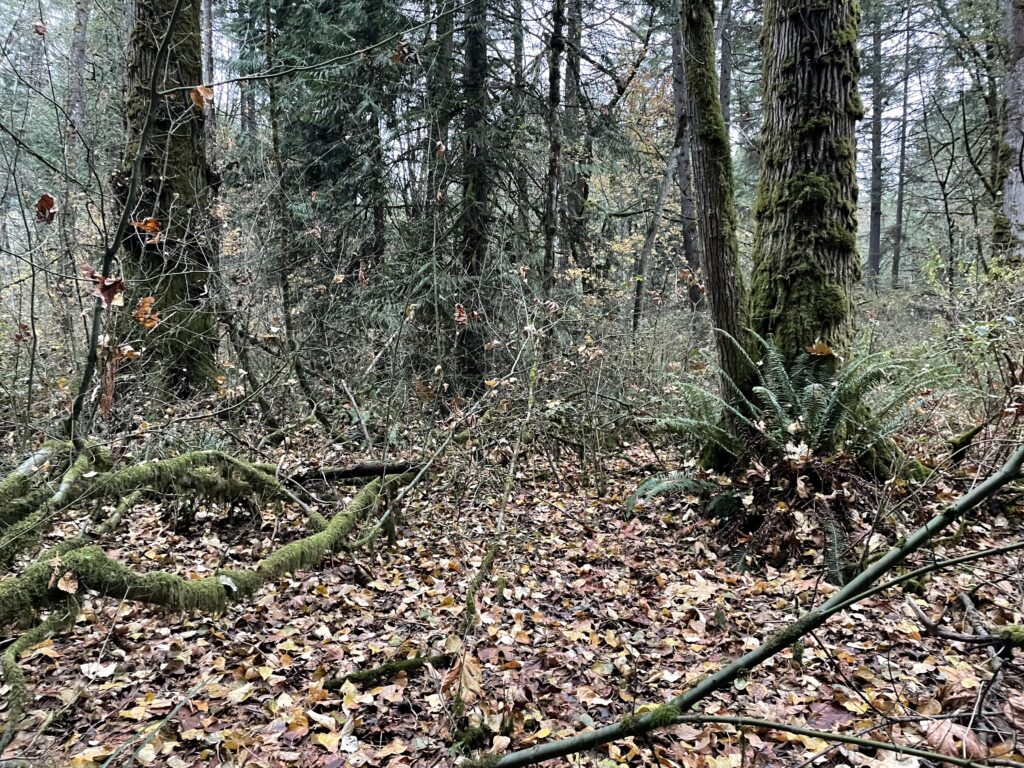
- Most Abundant Plant Species:
- Western Sword fern
- Salmonberry Bush
- Common Holly
- English Ivy (Invasive species)
- Moss
Honorable Harvest
To participate in the Honorable Harvest, I decided to “gift” the forest in two ways:
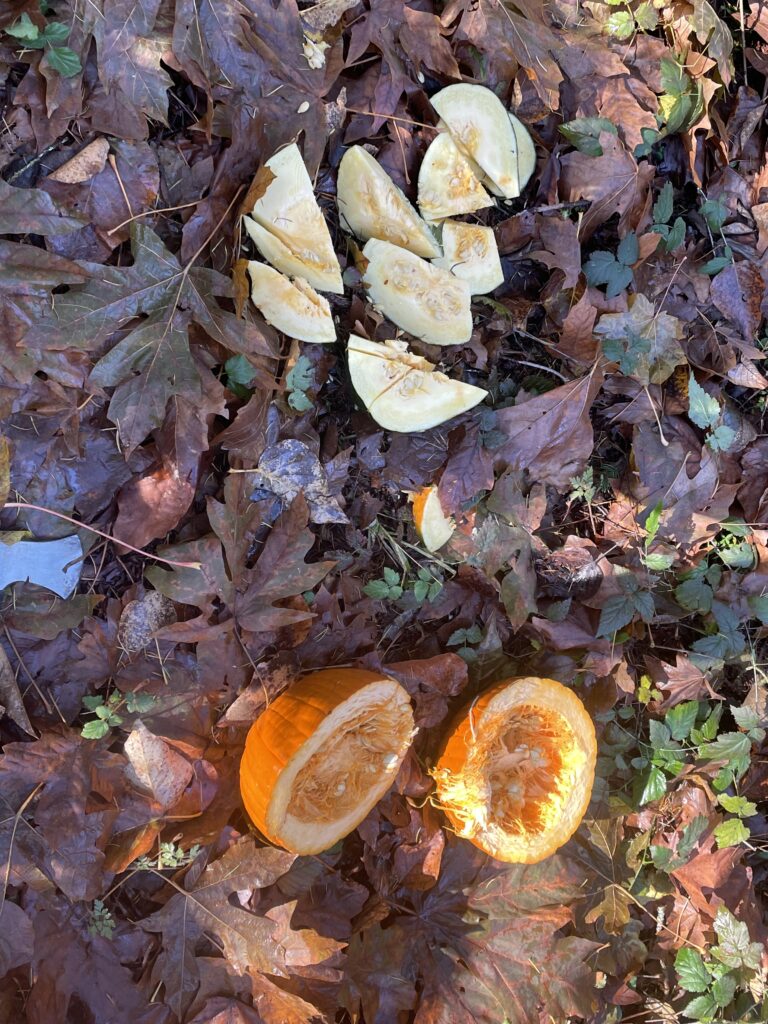
- Left two split pumpkins on the forest floor
- I brought two untouched pumpkins (were going to be taken to the dump) and put them in my location in order to provide food for wildlife and provide rich organic material to the soil
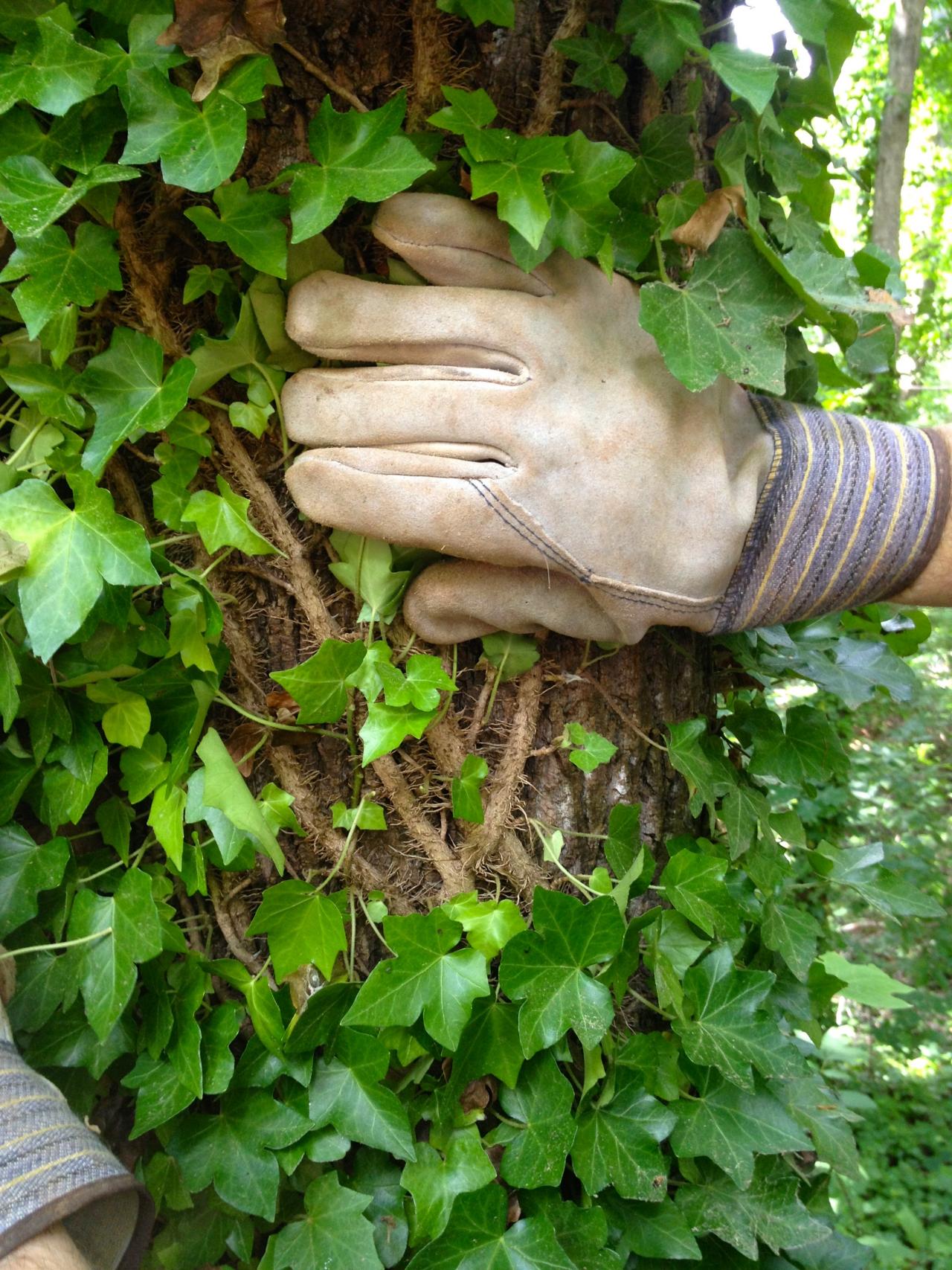
- Removed invasive ivy species from trees
- English ivy has overtaken a large portion of the forest and threatens to eliminate native plant and tree species. I removed the ivy from the plants and trees as well as tear the roots out to prevent regrowth