A UVM blog Phenology

Posts

Phenology Final

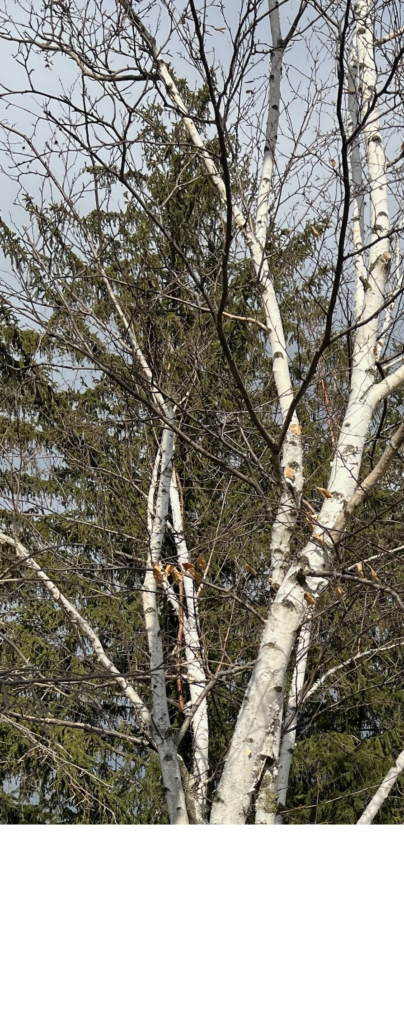
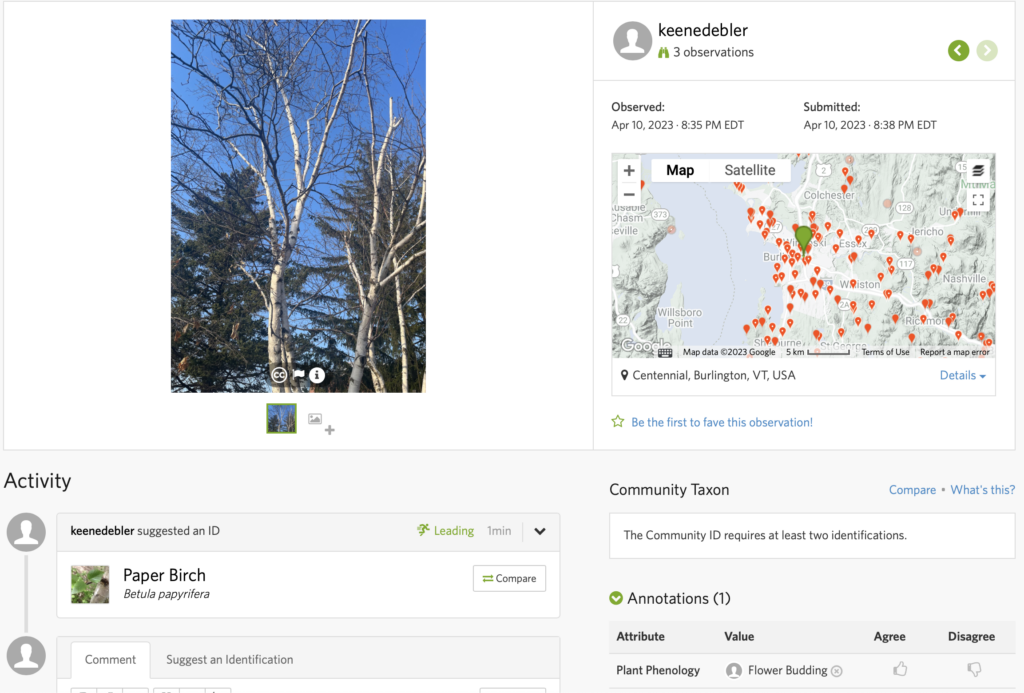
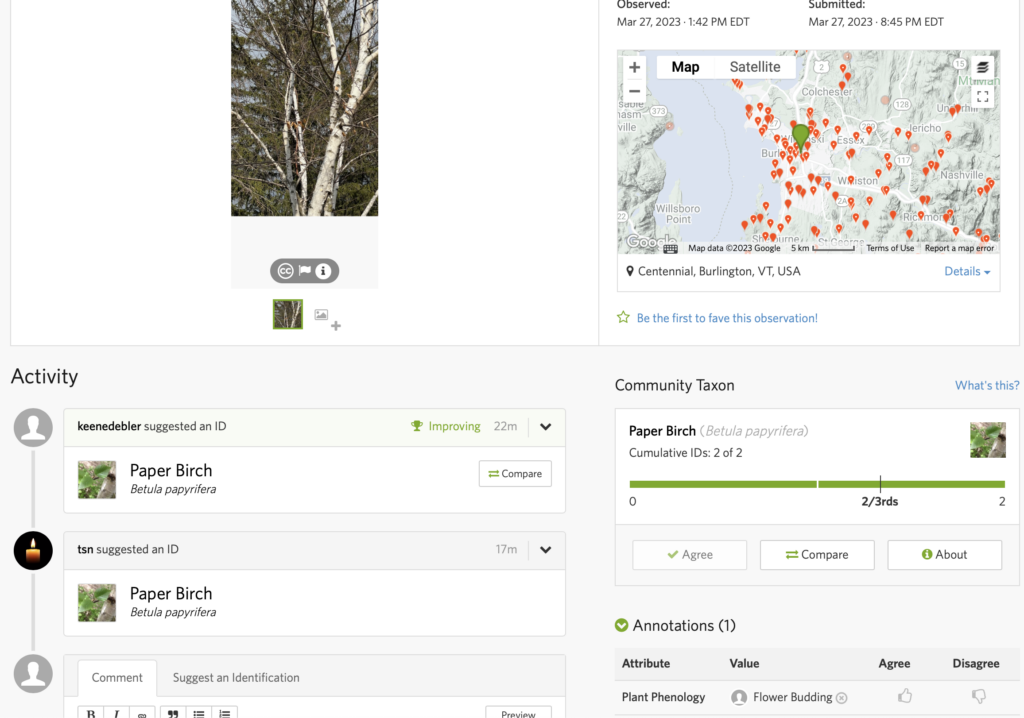
I had a friend visit me during this BioBlitz so it was a great chance to go explore all the different natural areas around Burlington. We went to Rock Point, Centennial Woods, and Red Rocks. It was fun to just explore these areas and see the differences in these natural communities even though they are so close together. I personally didn’t love the layout of iNaturalist but I think it as a really cool system that not only helps with compiling data but also bringing people together. My friend and I saw a lot of different species on our walks, but the only ones I uploaded on iNaturalist was the paper birch tree from previous posts. The species we did see included northern white cedar, sugar maple, eastern white pine, red pine, etc. I found it fascinating how different participation was in different cities. Some big cities across the World had very few observations while other had a large amount of observations showing that certain cities, schools, etc encouraged the use of iNaturalist.
Original Spot

Phenology #6

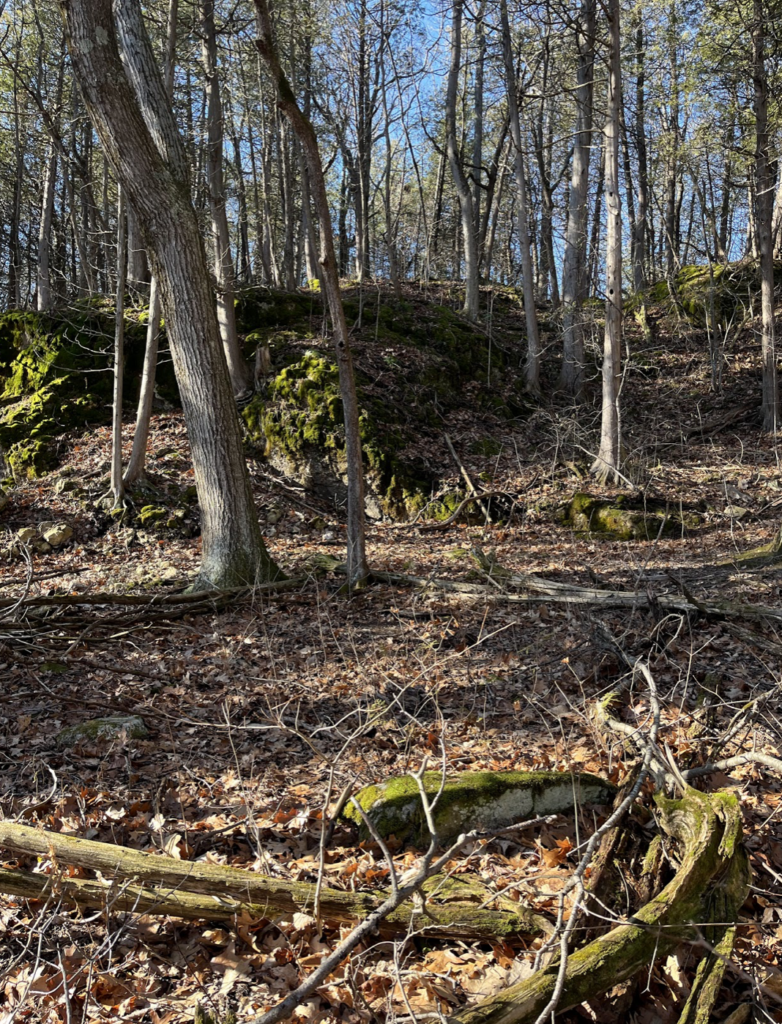
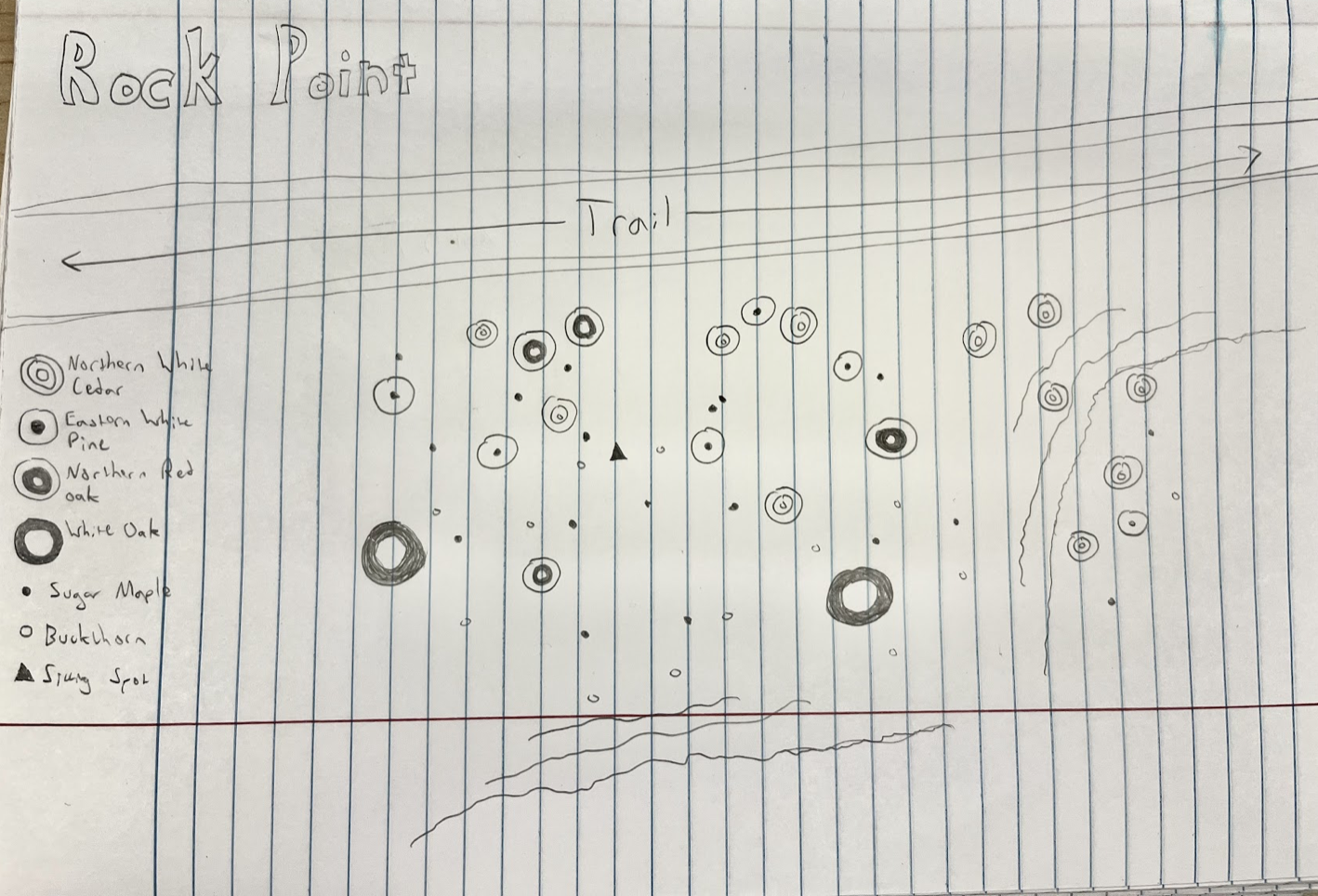
This is my quick sit-sketch of the area. I remember when I first came to this spot, it was hard to wiggle myself into the forest from the trail because of how dense it was. Even though it was so close to the trail it felt secluded. As winter rolled around and all the leafs cover went away, it lost its privacy and all the leaves filled the ground. I wasn’t there to see it when it was snowy but when I returned recently the leaves were starting to come back in. This wasn’t going to be enough for the spot to be secluded though because a decent amount of trees and shrubs near the trail edge had been cut down. Within the area, a lot of trees had seemingly fallen from storms while I had been gone.

I’ve become familiar with the little “cliffs” that surround my spot as well and the exact point I entered the first time visiting. The white oak closest to the cliffs is also very memorable because of its grand size and odd shapes.

The culture surrounding this area is unfortunately not very positive with the nature. It seems like trail maintenance requires trees bordering the trail to be cut down and up on the cliffs if noticed a bit of trash leftover gatherings.

I don’t consider myself as a part of the place. That is probably because I am someone who sees humans as separate from nature so my presence in the spot takes away from its purity. I enjoy visiting nature and being at my phenology spot as an observer of nature, but if I would never want be considered as a part of nature. To me, the area would be tainted by my inclusion.

Phenology #3

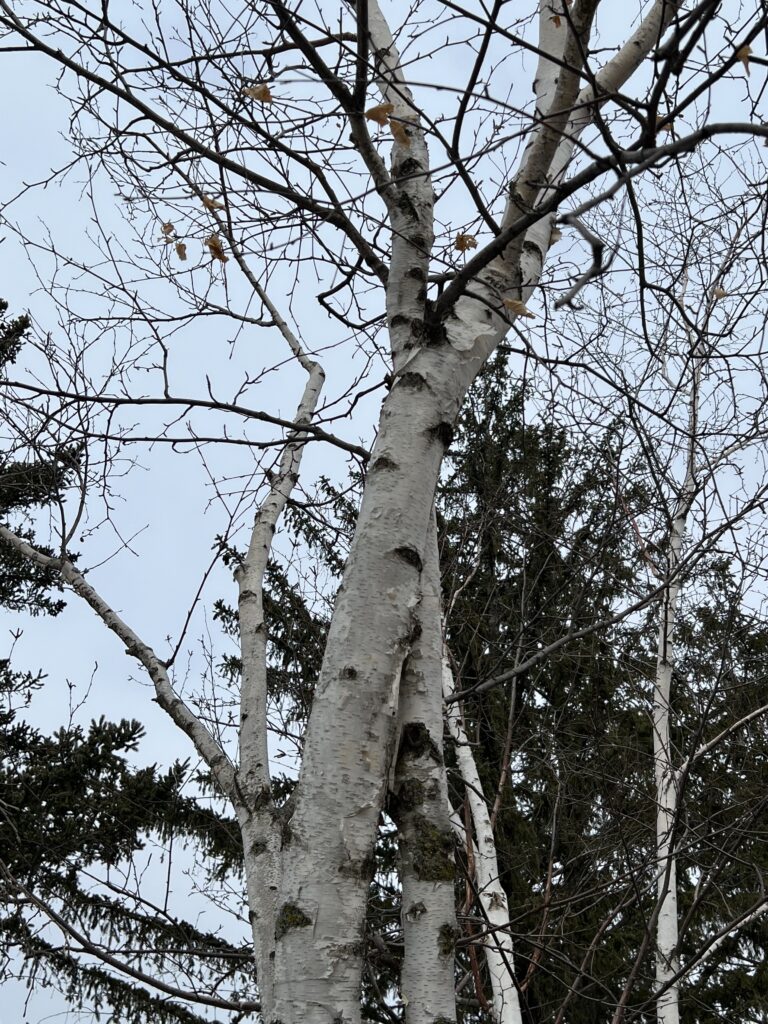
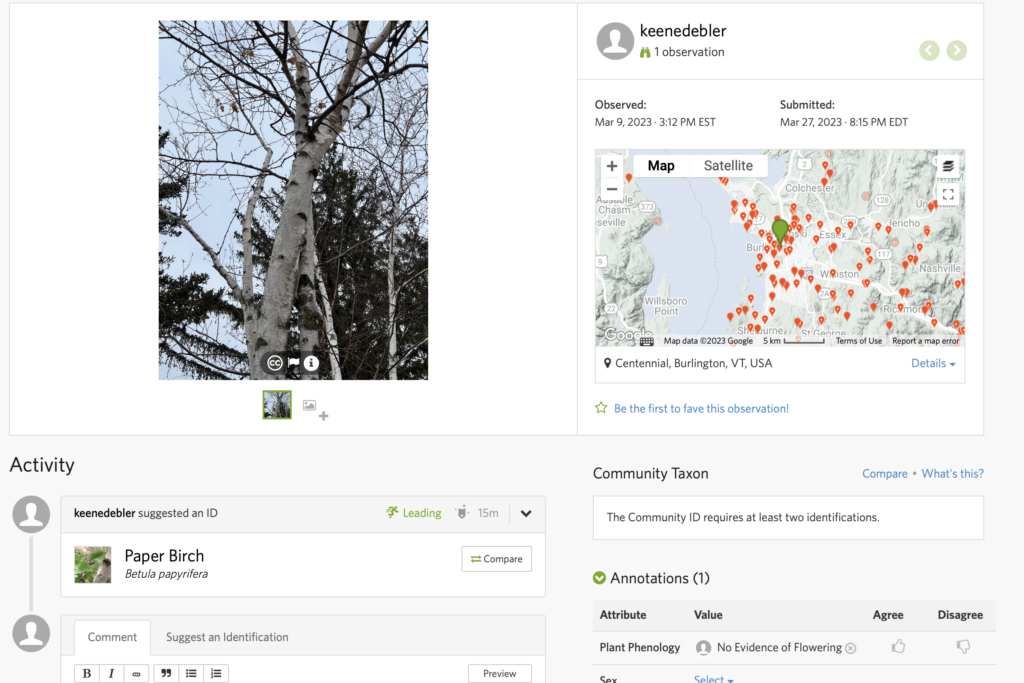
This was obviously a birch tree but what distinguishes it from a yellow birch, gray birch, and river birch is that slightly papery texture where it looks like it is peeling off at some spots on the bark. River birches have a super papery and peeling looks with a light brown color instead of white bark. Yellow birch has a yellow or almost golden color and is also very peel but peels horizontally in small strips unlike the random less frequent peels on the paper birch. The gray birch is the most similar to the paper birch but doesn’t peel at all and has quite smooth bark.

Spring Break Phenology

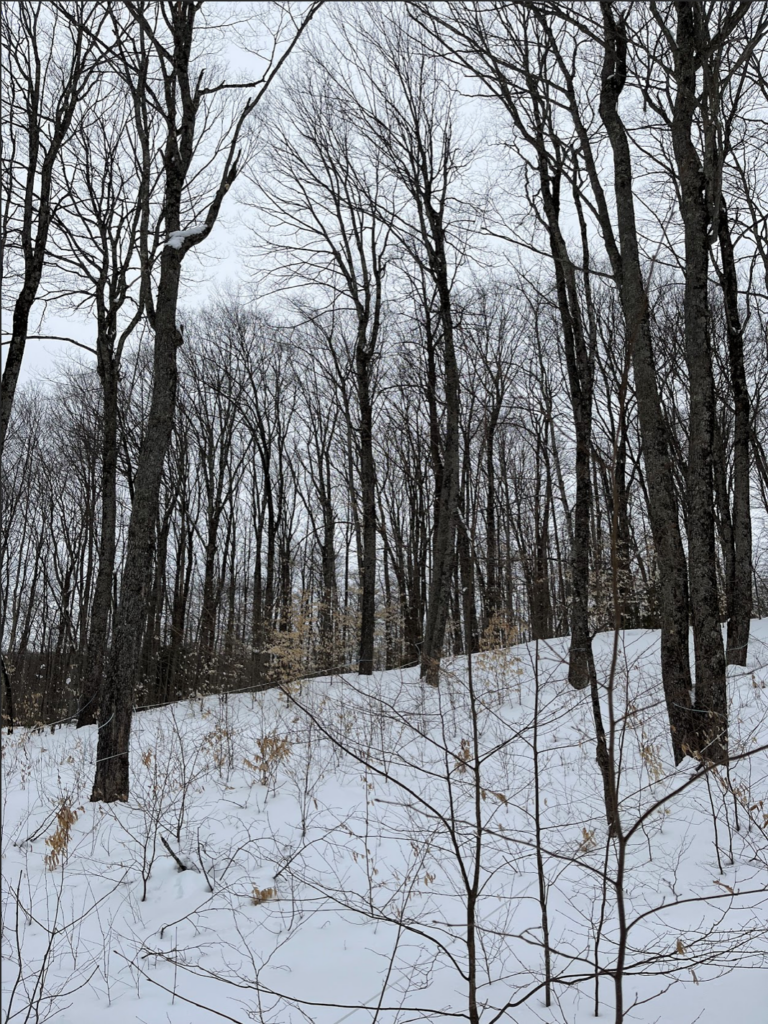
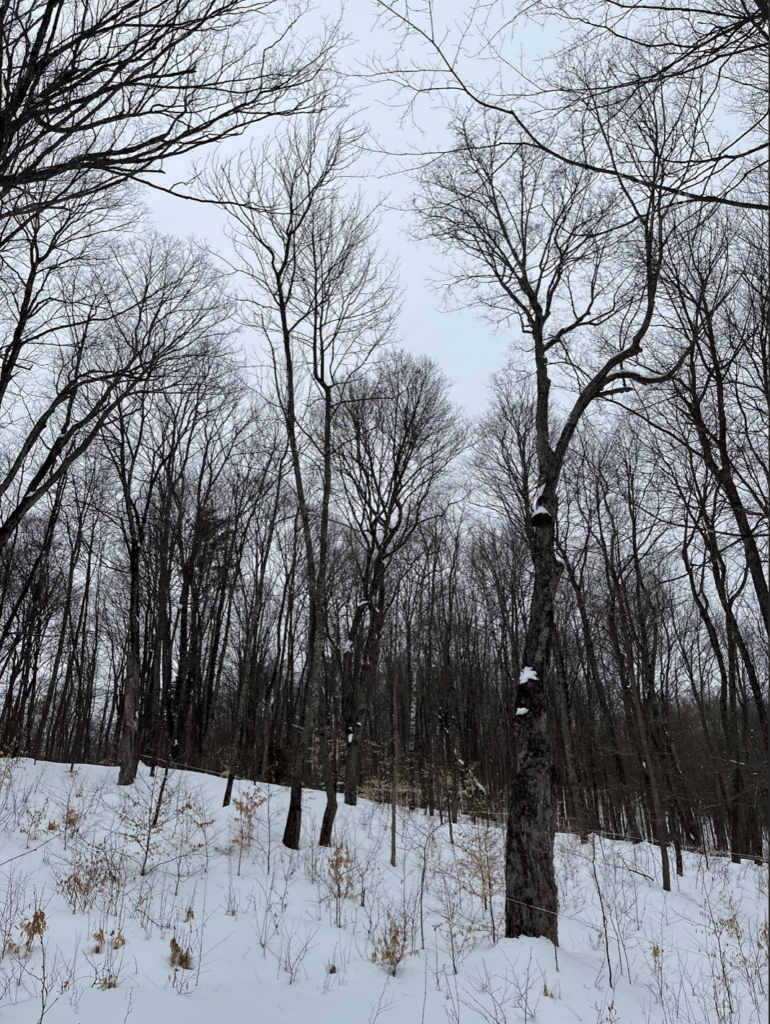
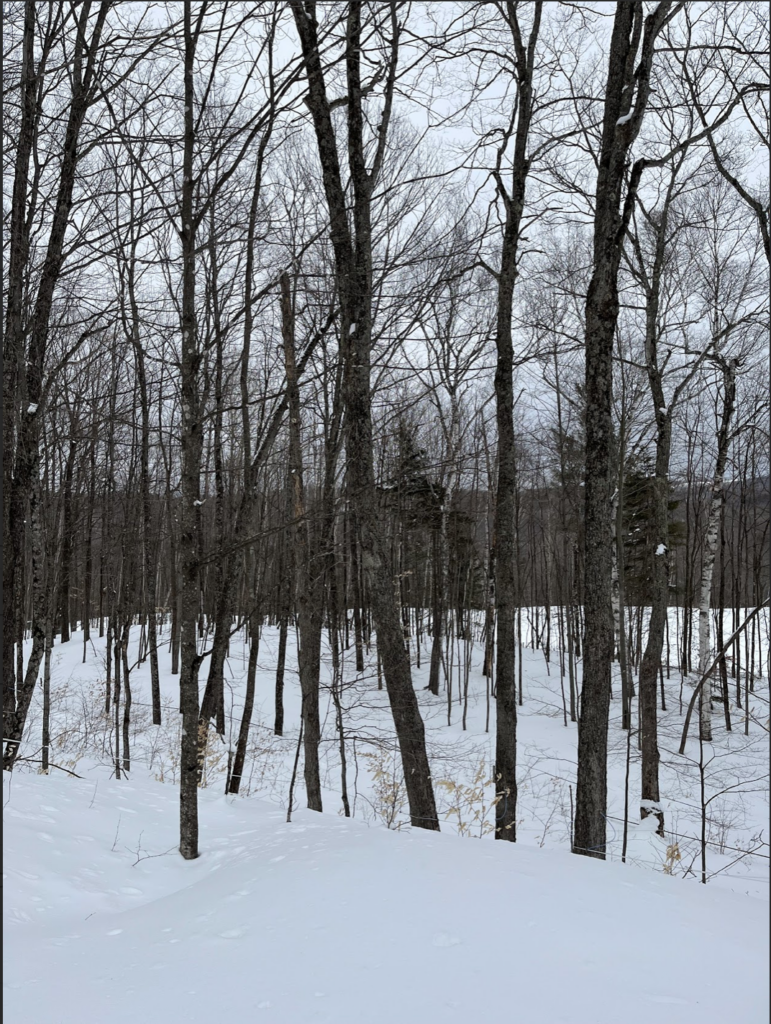
Over spring break I stayed with a friend in southern Vermont where I got to experience the true culture of sugaring in Vermont. Luckily, I was there for the first boil of the season and got to hike around the woods where all the trees were tapped. Those woods were the new phenology spot I chose to compare.

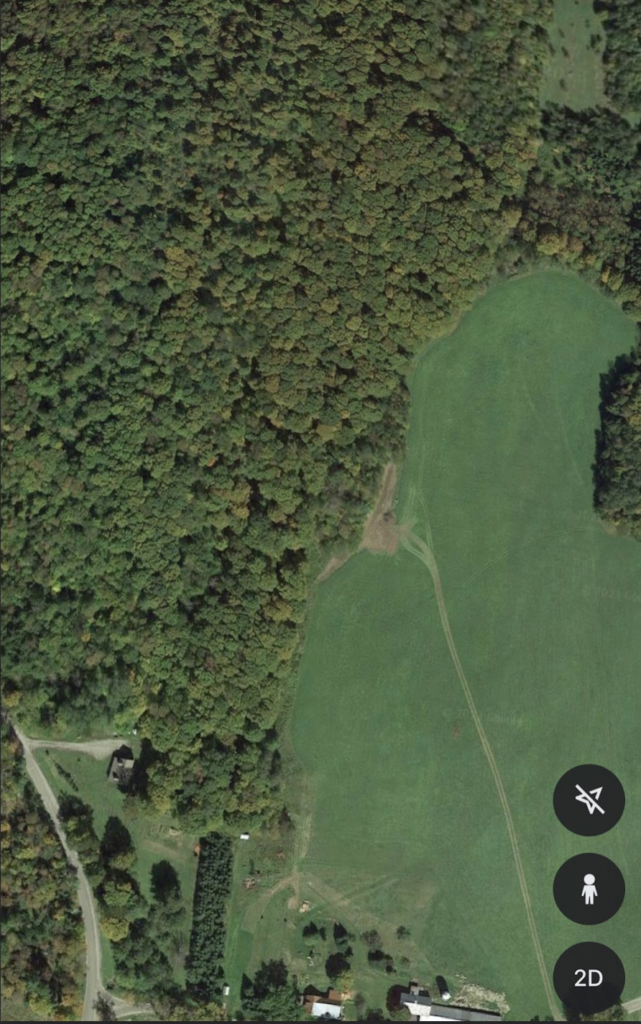
These woods have been tapped since 1972 and are very open woods, not very dense. It’s comprised of mostly sugar maples with he occasional white ash and young beeches. While walking through the woods you could see some trees that used to be tapped but are now dying because of tapping as well as other blown over trees from past storms. In comparison to my phenology spot in Burlington there are no coniferous trees and this area is close to a monoculture which makes sense as this area is used for tapping trees. While walking we saw a couple crows flying overhead and heard some crow calls from a distance. My friend said there is also commonly chickadees and sparrows in this area. The woody trees in this area are still bare, but sap is now flowing since it has begun to get warmer.

iNaturalist

I went to red rocks to explore an area I haven’t been before. It was actually pretty fun walking through the woods with friends. We saw a lot of grey squirrels and a lot of dog tracks.

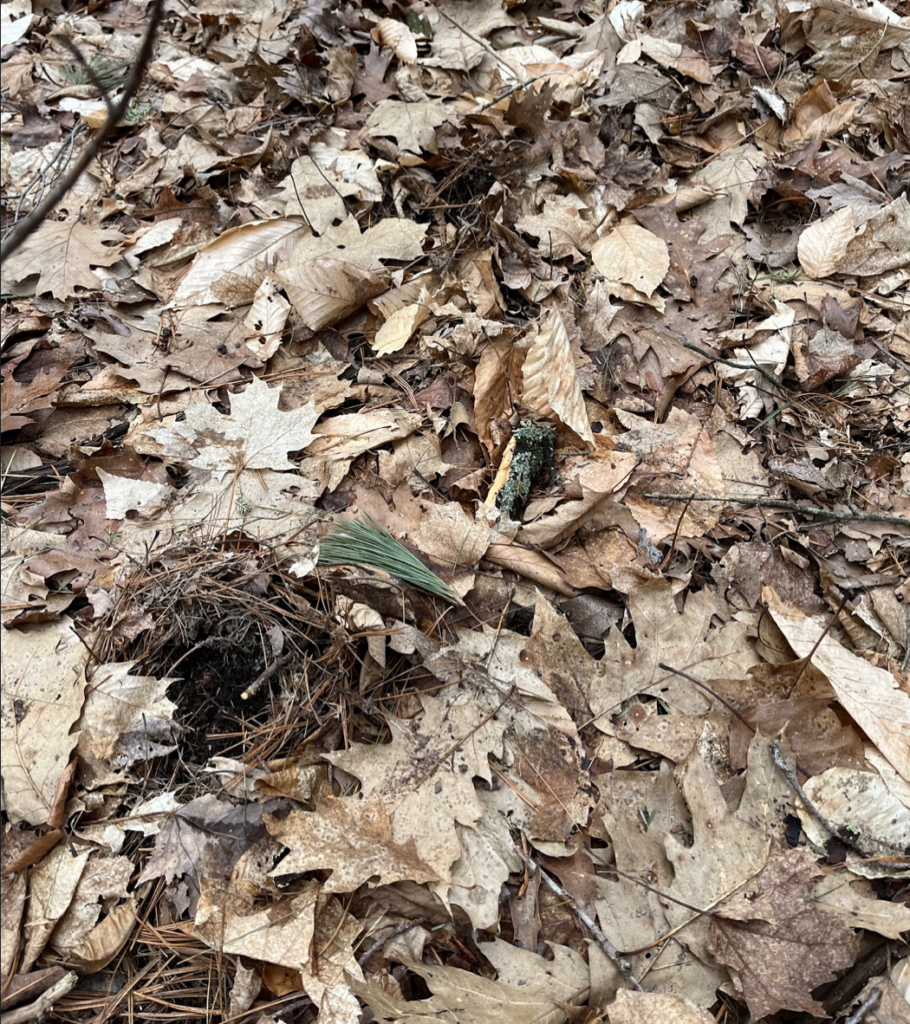
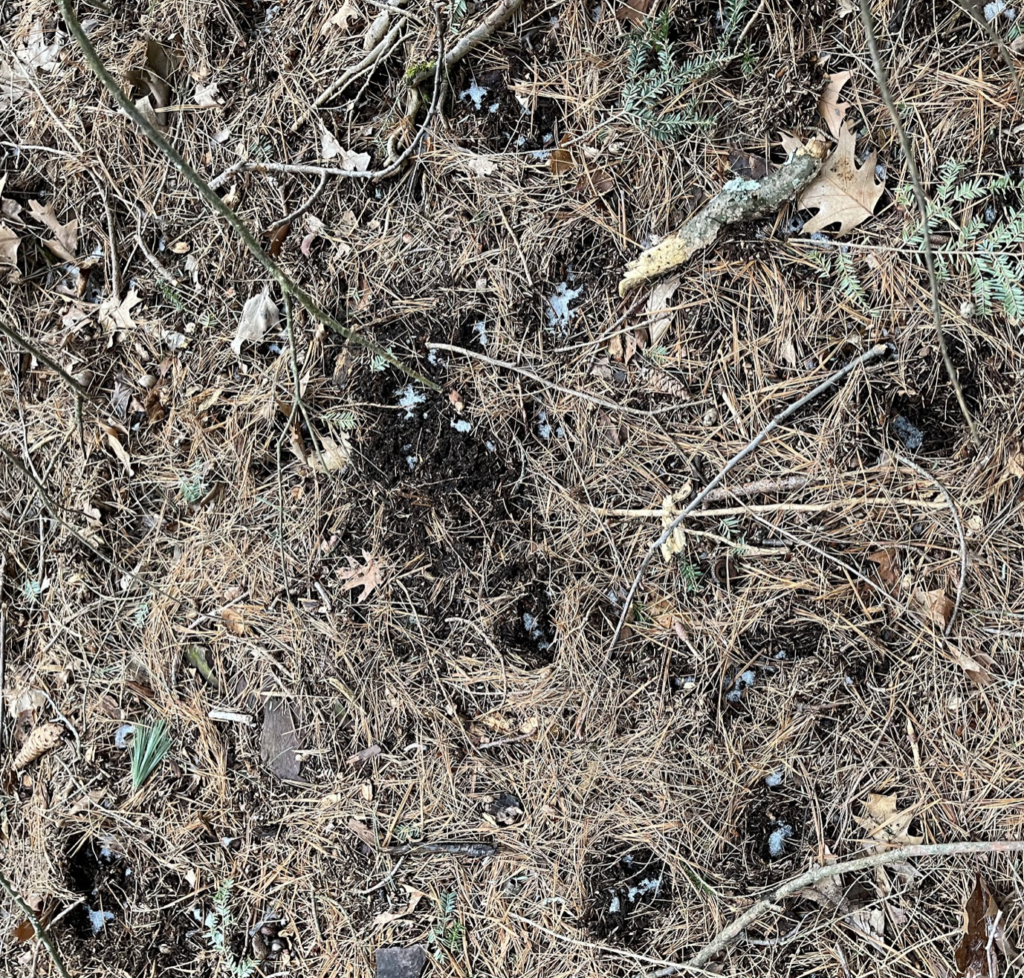
Because of the way the leaves and ground is upturned, these are animal tracks from most likely a dog.

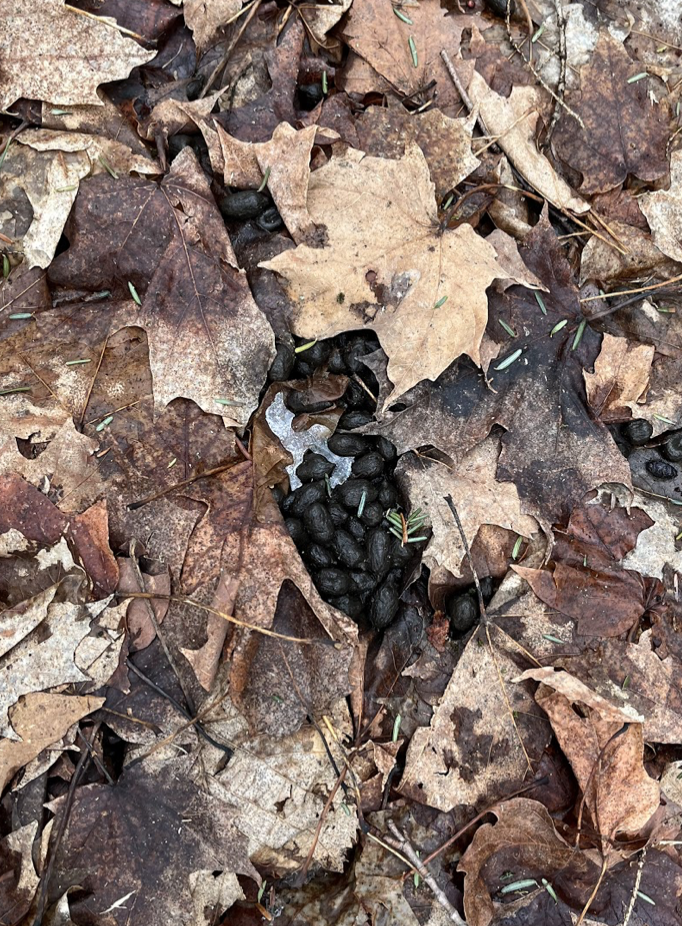
Deer scat

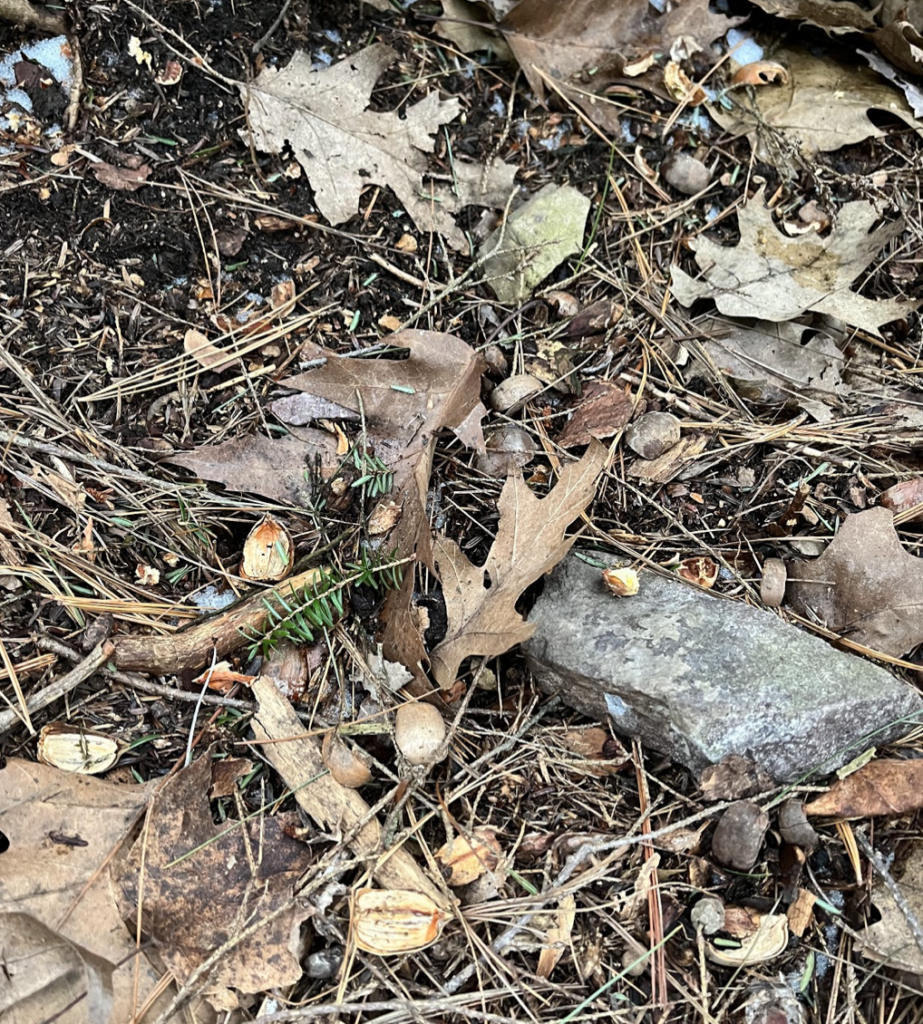
All these nut shells indicate a squirrel eating food at this spot.

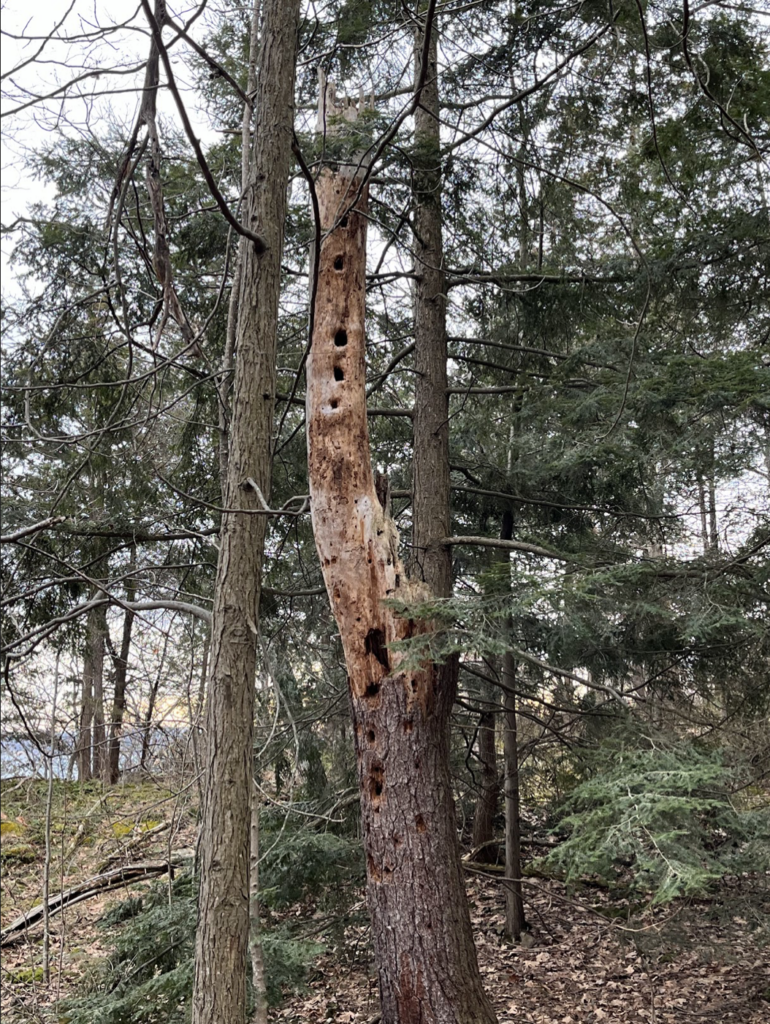
The holes in the tree indicate a presence of woodpeckers in the area.

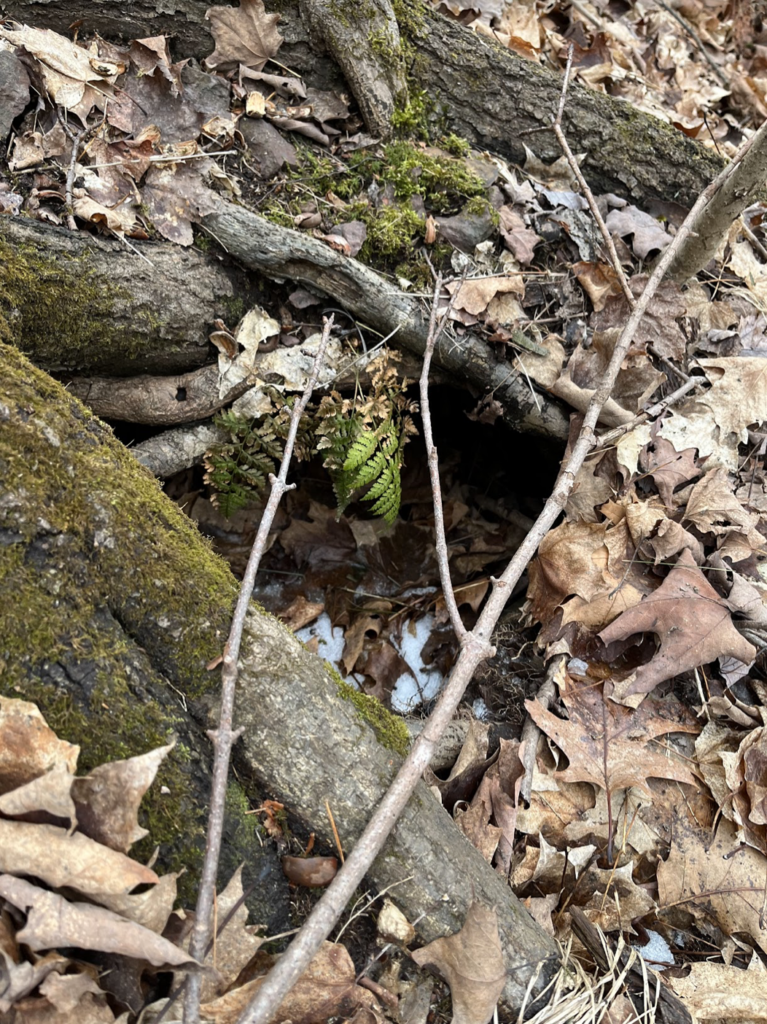
These tracks could be an interaction between multiple animals as it seems like there is a lot of non linear movement. The hole in the tree seems to be vacant but could’ve once housed a squirrel.

Phenology Spot (New #1)

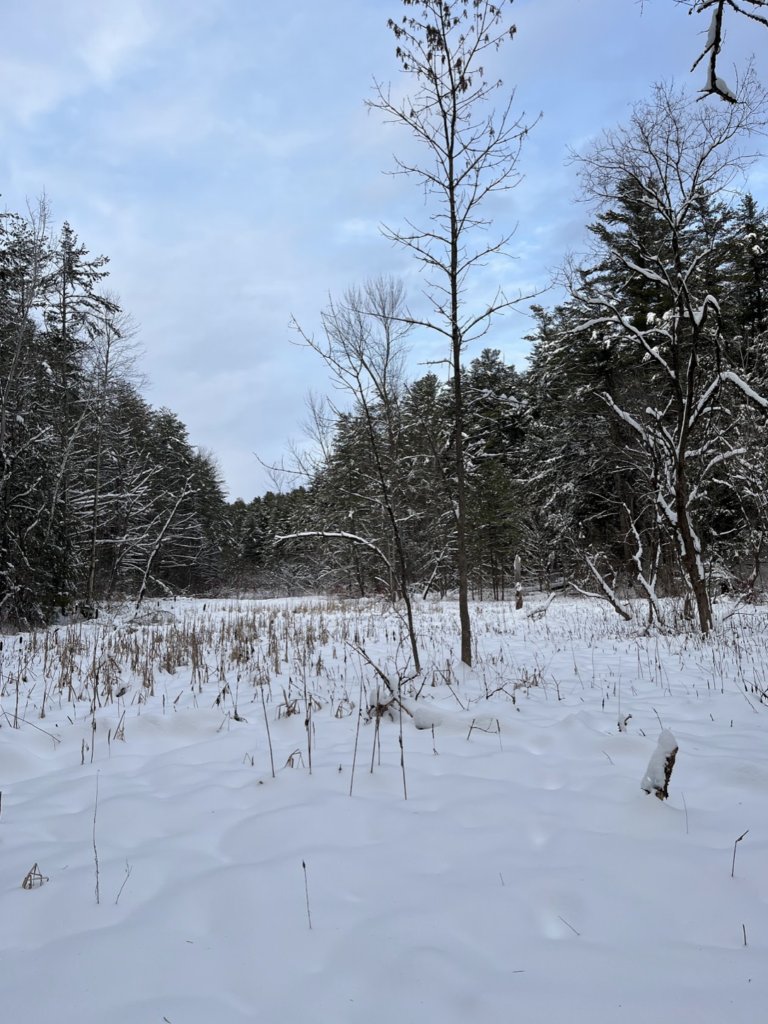
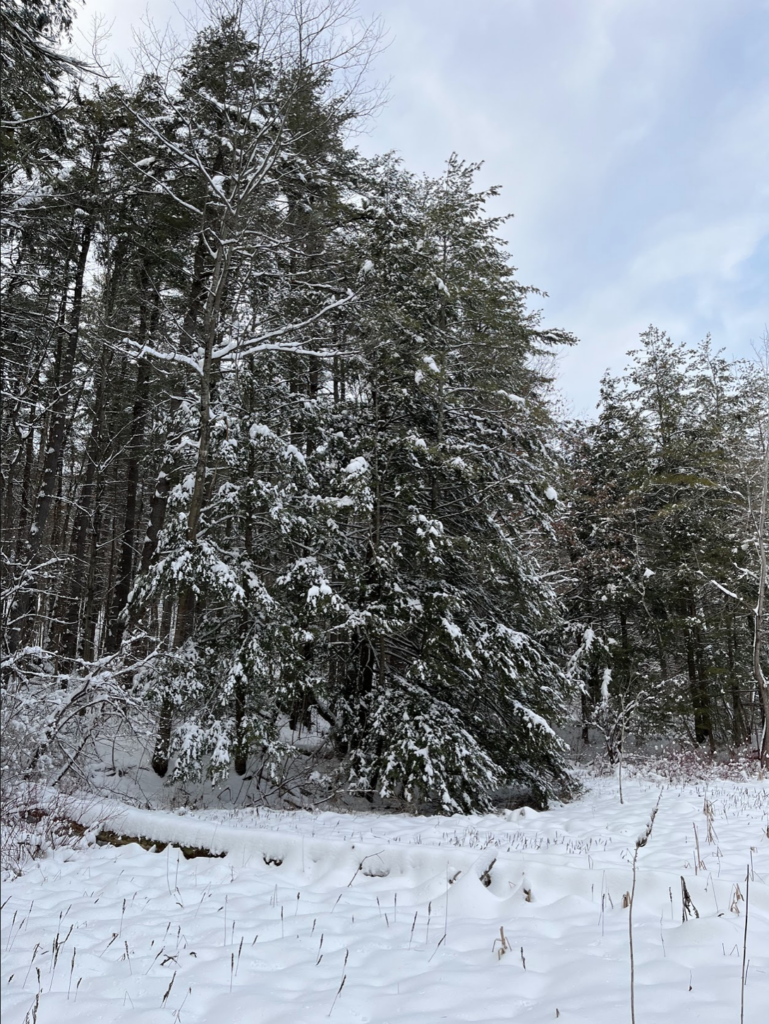
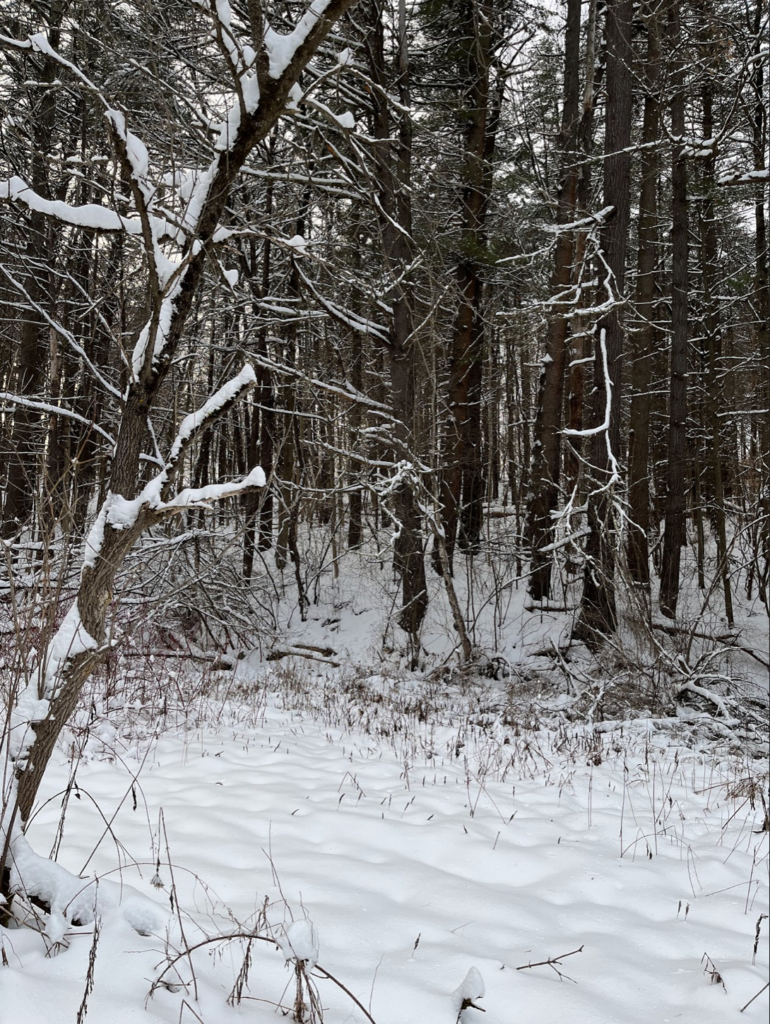
I’ve chosen a new spot for my phenology blog this semester. It is located in centennial woods and can be located by entering through the first path found on Catamount Dr and walking along the path until it branches out. At the fork in the path walk down to the brook, cross it, and walk into the meadow of cattails. Unfortunately throughout my walk down to my spot and while searching my area, I could only find other human tracks and dog tracks. Although this is a different spot, there is now a thick blanket of now covering the ground that came up to my shins when walking. The coniferous plants still have their needles while the other trees are still completely bare. The cattails are now brown and seem less dense with many drooping down into the snow.

Phenology Spot Final Post

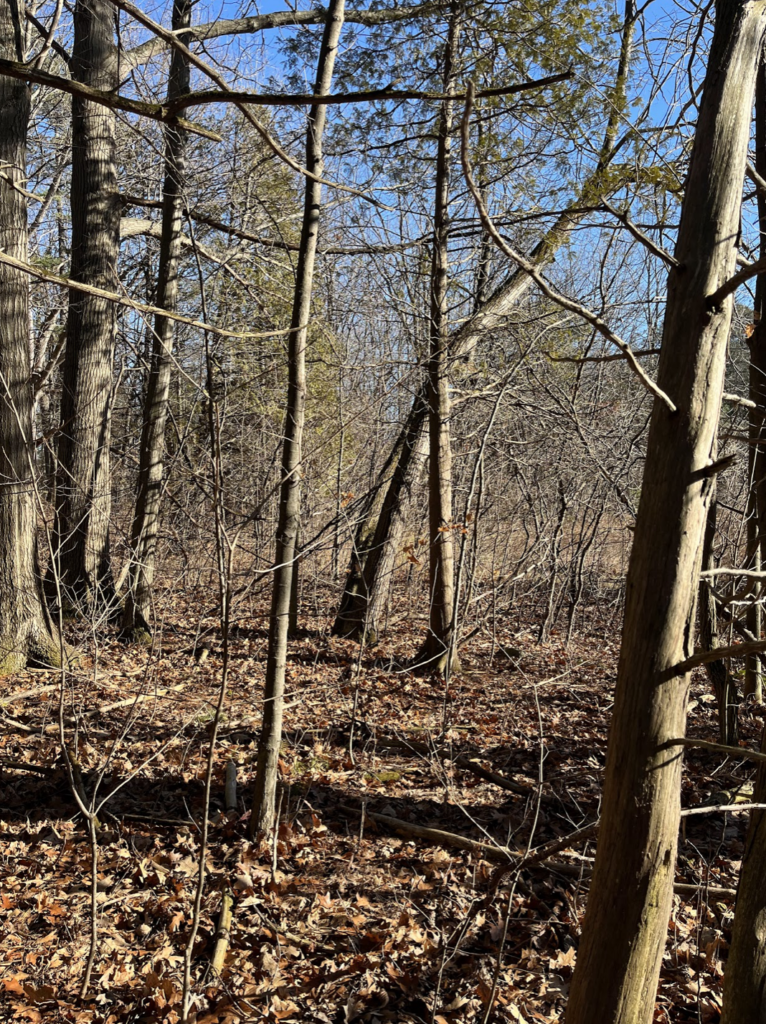
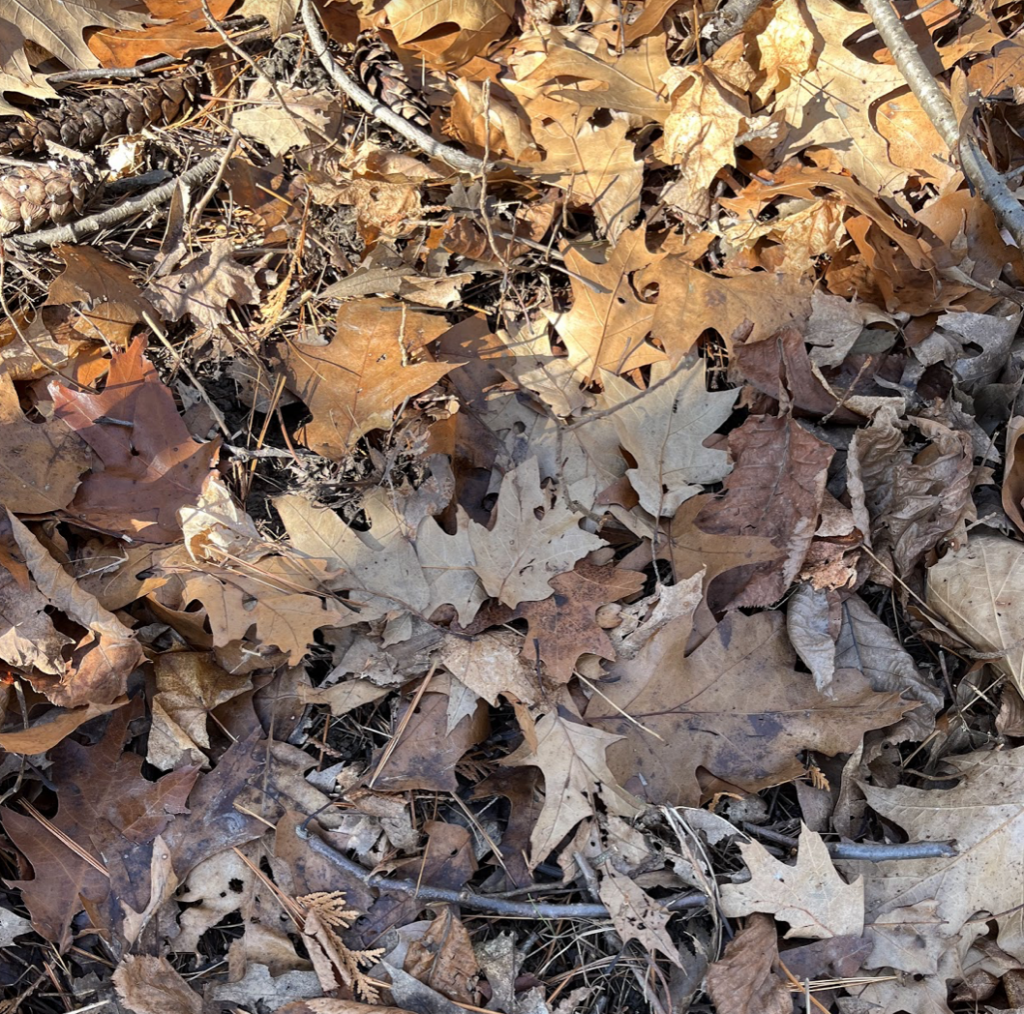
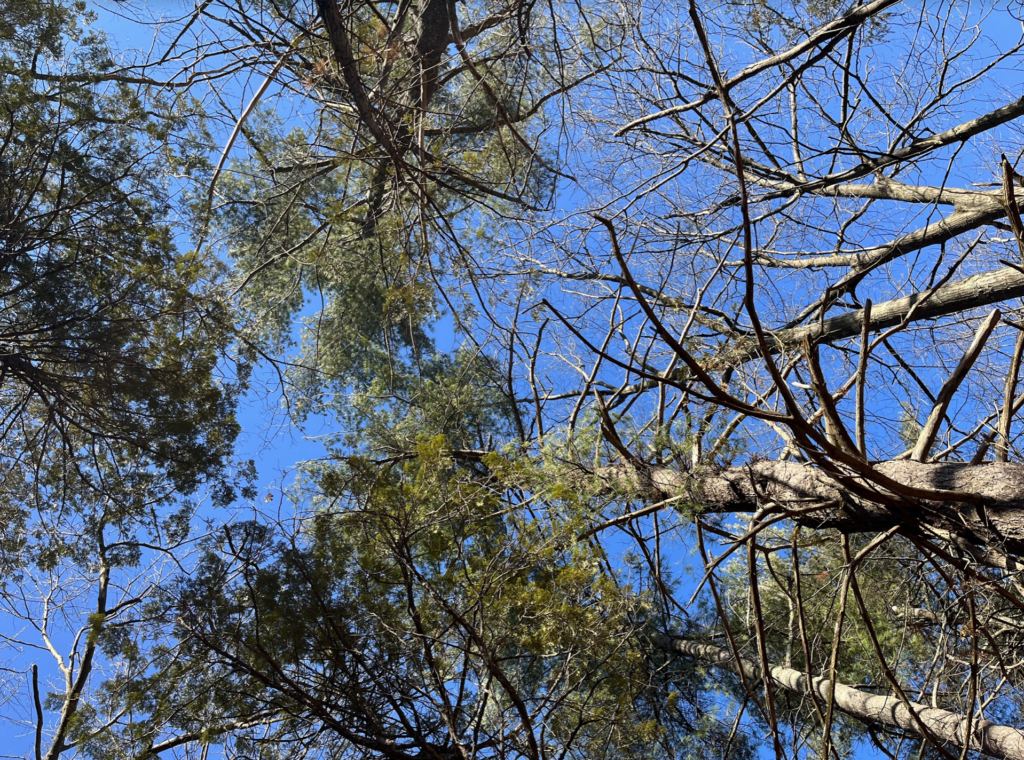
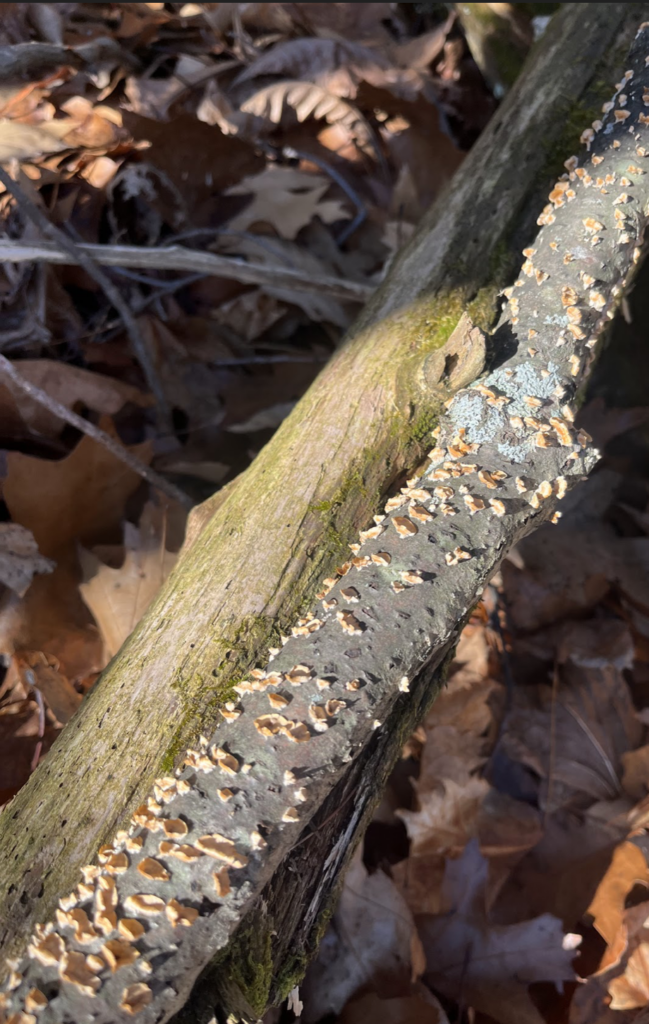
Visiting my phenology spot for the last time, it seemed even more bare and desolate as ever. All non-coniferous trees had absolutely no leaves left hanging from them. At the last checkup it seemed bare but there were still leaves waiting to fall. Now there was nothing. The eastern white pines and northern white cedars still had needles on their higher up branches though. The leaves on the floor were no longer as fresh and crunchy but rather sot and soggy. When sitting in silence, I couldn’t hear all the birds I heard and saw before and didn’t see any squirrels this time. I noticed more mushrooms than before which showed some decomposition occurring.

Thanksgiving Break Phenology Spot

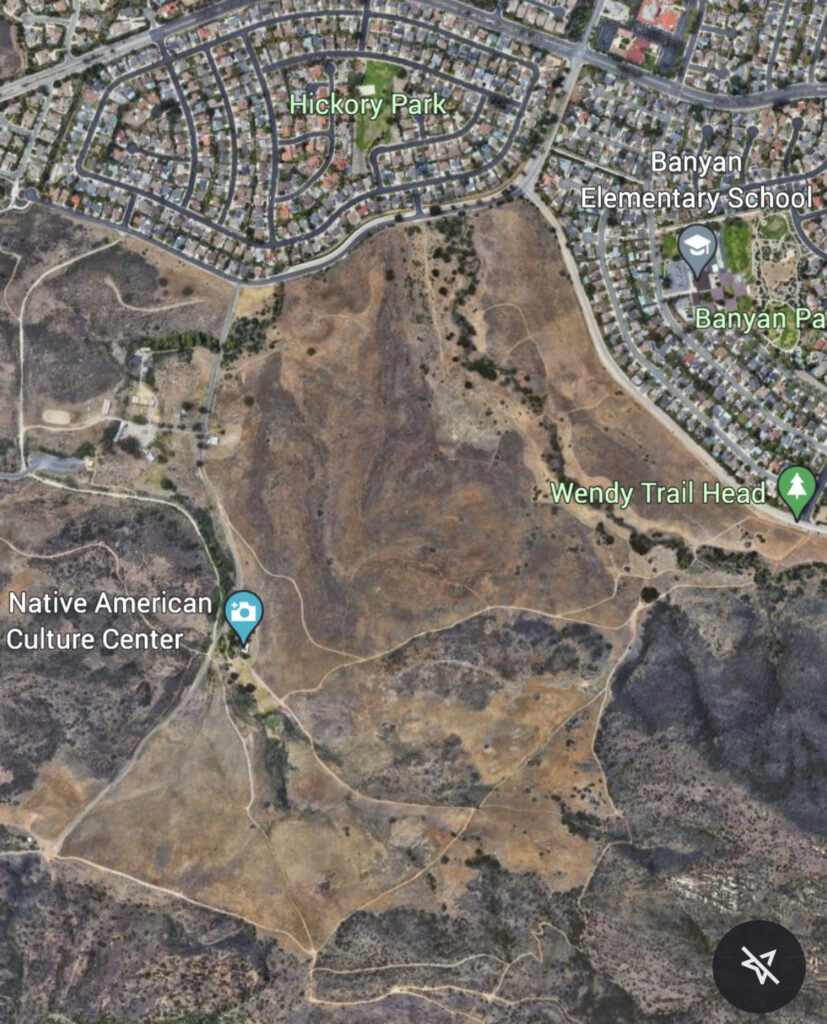
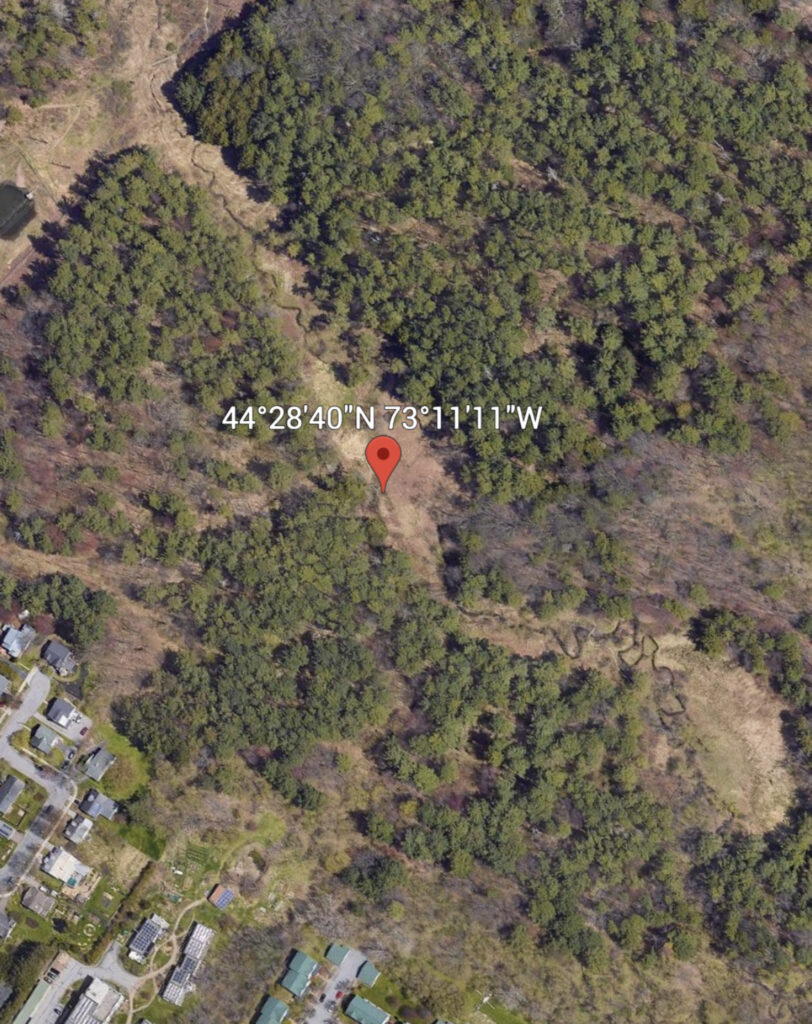
This is the location of my phenology spot

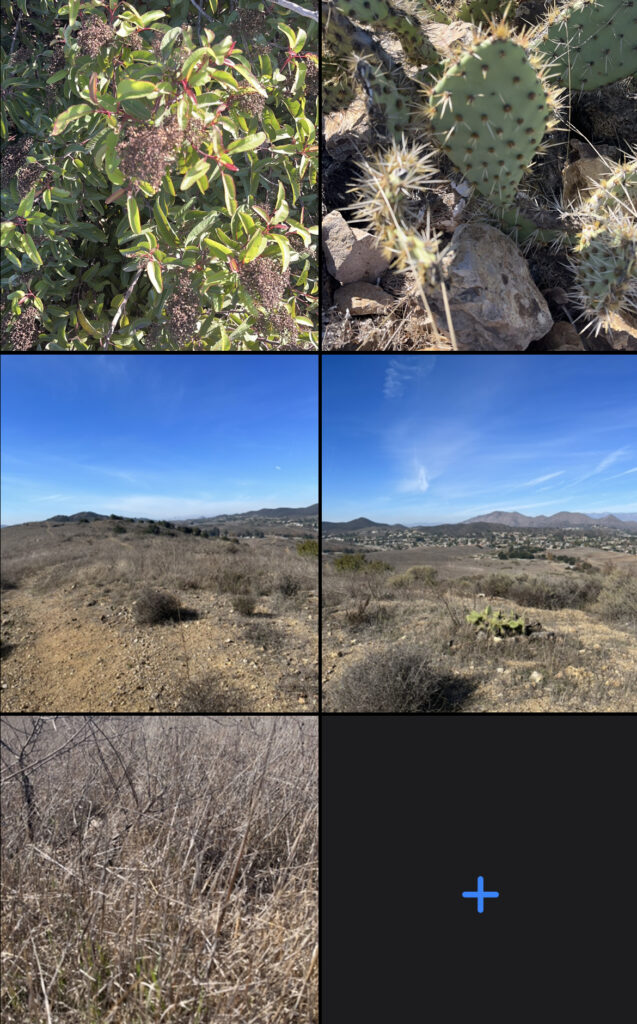
This area is called Satwiwa. It’s right behind the Santa Monica Mountains and is a nature spot I’ve been around my whole life. I’ve hiked, biked, and run through the trails throughout my life. I chose a spot on top of one of the little hills that outlooks most of the area.

As you can see, this spot is very different from the one in Burlington. There are pretty much no trees, just bushes and tall grasses. The soil is dirt that is loose and rocky and everything looks kind of dead. The only trees in sight are along what resembles a stream. You can notice this in the google earth photo and a bit in the picture. I’ve never actually seen water there, but whenever it rains, that’s were all the water must end up which allows those larger trees to survive. I was lucky to see a roadrunner when I visited this spot and some lizards of of course. In the past I’ve seen a few rattlesnakes and hawks along these trails.

Skip to toolbar