1/30/2023
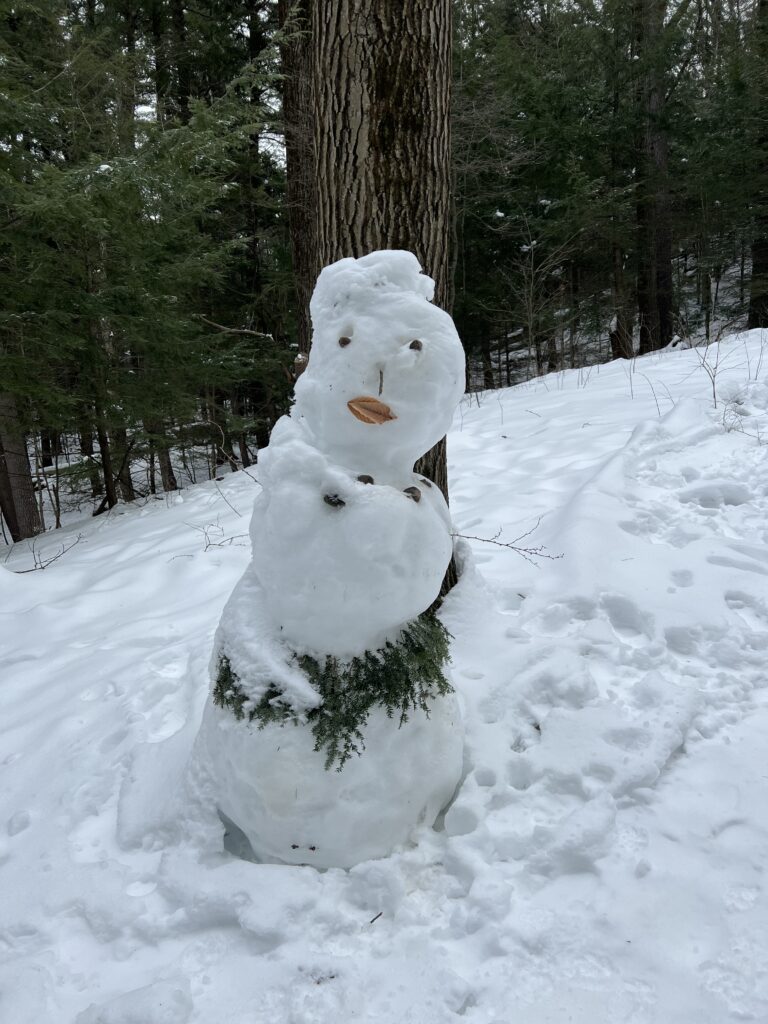
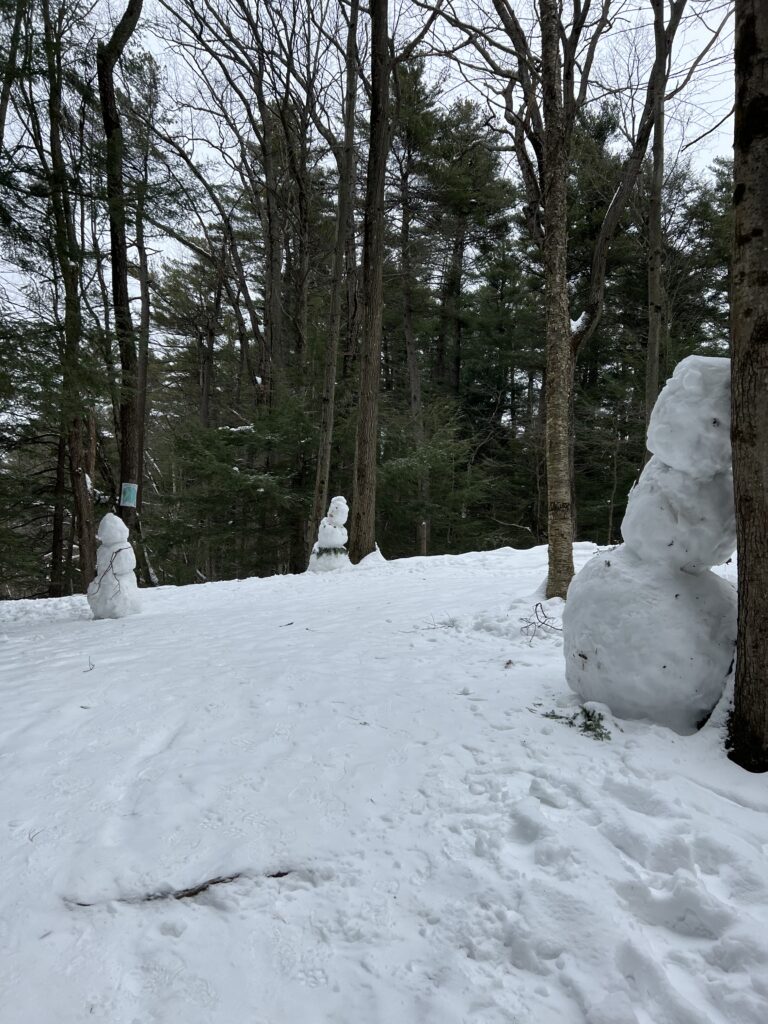
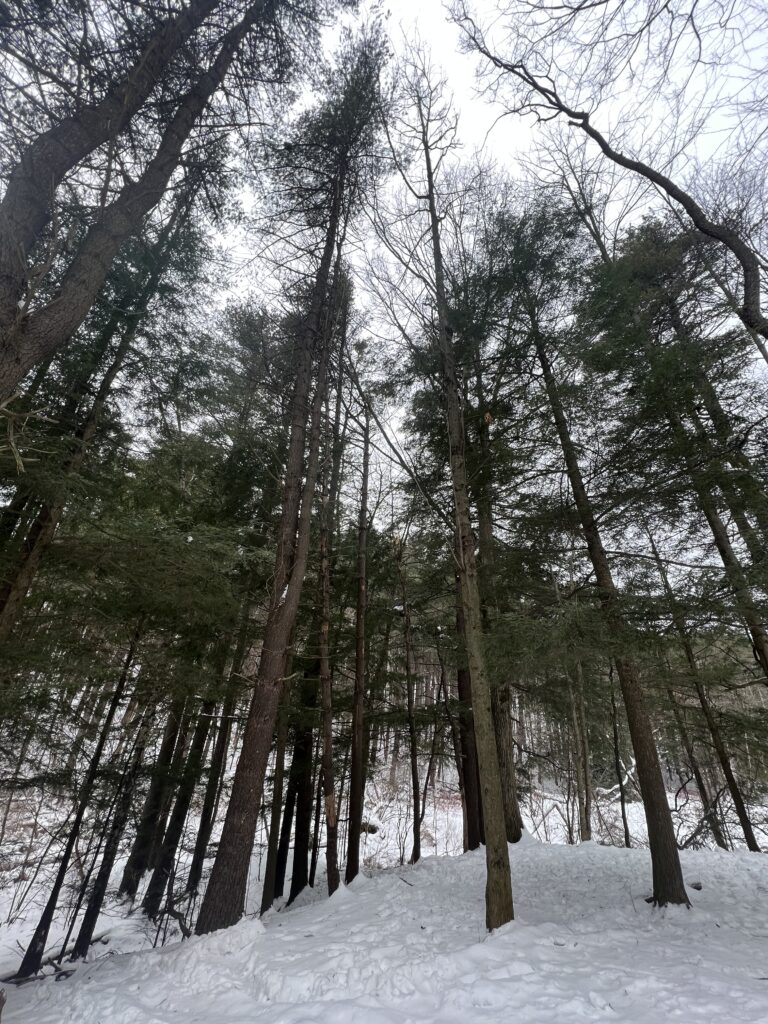
Coming back to my spot since December, there have been some changes. First, these are a lot of snow and it’s a little icy. With the snow im able to see how many people come to this location based on footprints, both human and animal! Based on the pictures above, some people had enjoyed making snowman! In the pictures you can kinda see all the human foot prints. The area definitely gets more sunlight now because of how open it is.
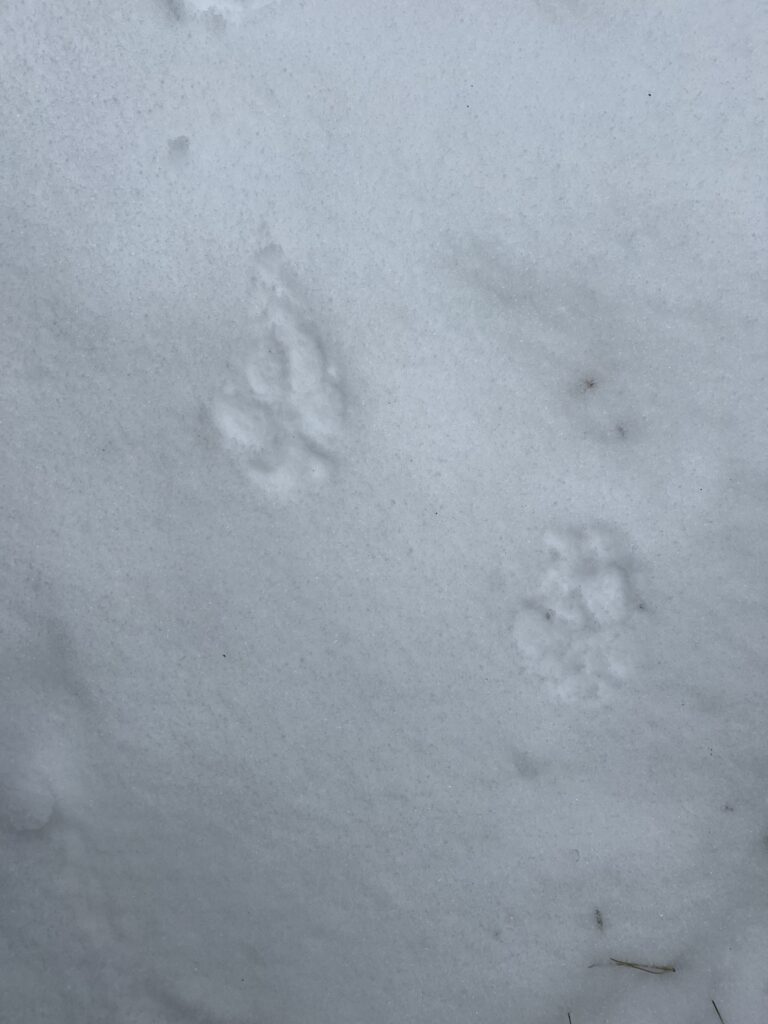
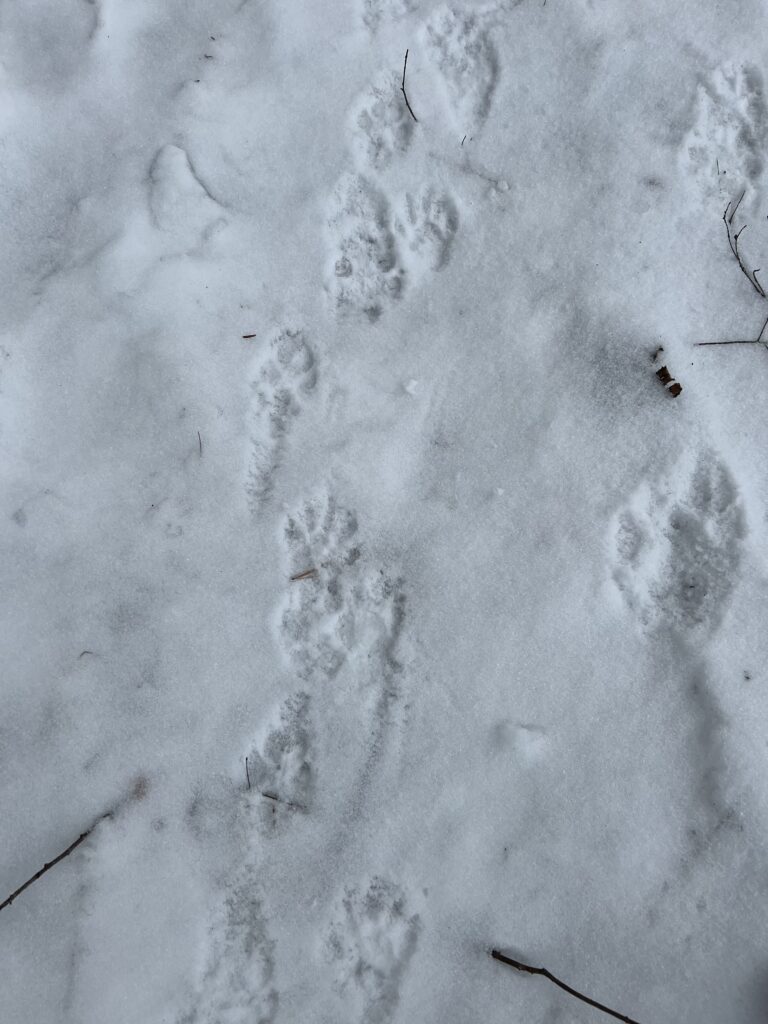
These were the footprints I had noticed along my spot. I believe these are just dog footprints because with all the human activity, it’s a popular place for people to take their dogs on walks, and I ran into a dog on my walk back! These tracks were all along the trail to my spot so it wouldn’t surprise me if it was just a dog. It looks like there are 4 paws, but I can’t really tell if there are claw prints. Usually, bobcats and mountain lions have 4 toe prints and no claws, so it could possibly be a bobcat!
2/20/2023
INaturalist
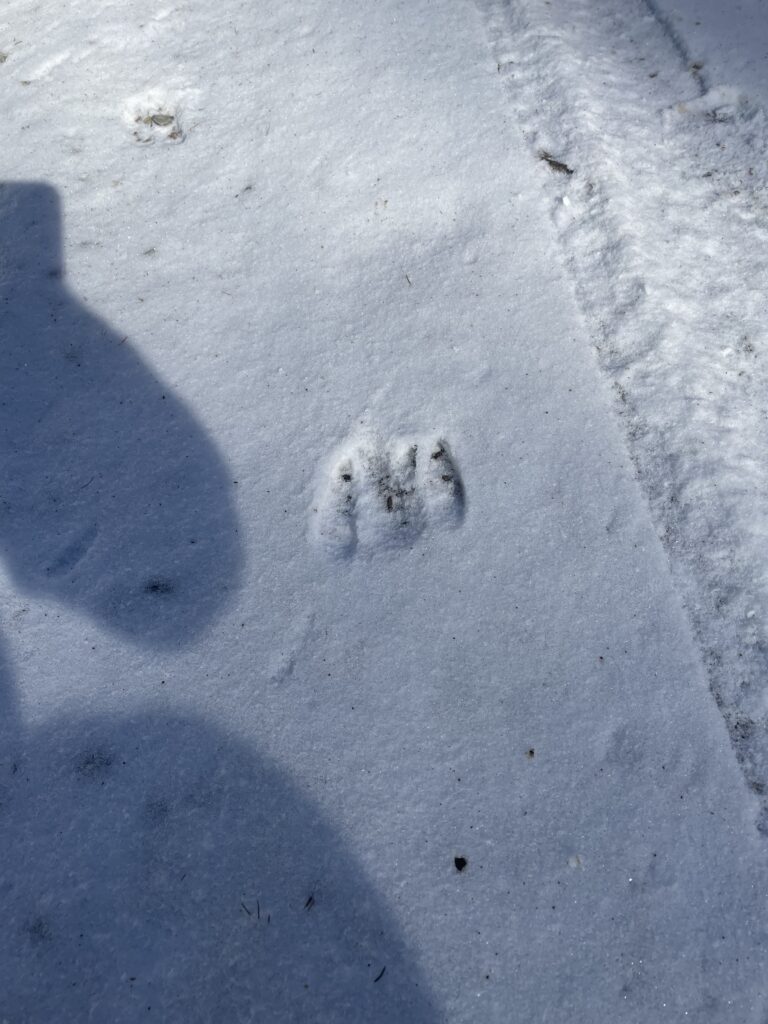
I went to East Woods Natural Area In Burlington for my observation. My experience with using iNaturalist was pretty good. Overall, I liked how they gave like recommendation and animal suggestions. For my observations, I wasn’t really sure if they were correct. For example, I am pretty sure I found prints of a Whitetail deer, but INaturalist said that it could have been a, fisher, American mink, snowshoe hare, and striped skunk. In the picture, you can see the two hove marks. This makes me believe it was a deer, especially because the deer are so populated in this area. All of the recommendations that INaturalist gave me, all their foot prints have toe and claw marks. for these marks, it was kind of obvious that I naturalist wasn’t really sure of what it could be, but I definitely think it was obvious that it was some type of deer because of the hooves. The marks were about 5 1/2 inches.
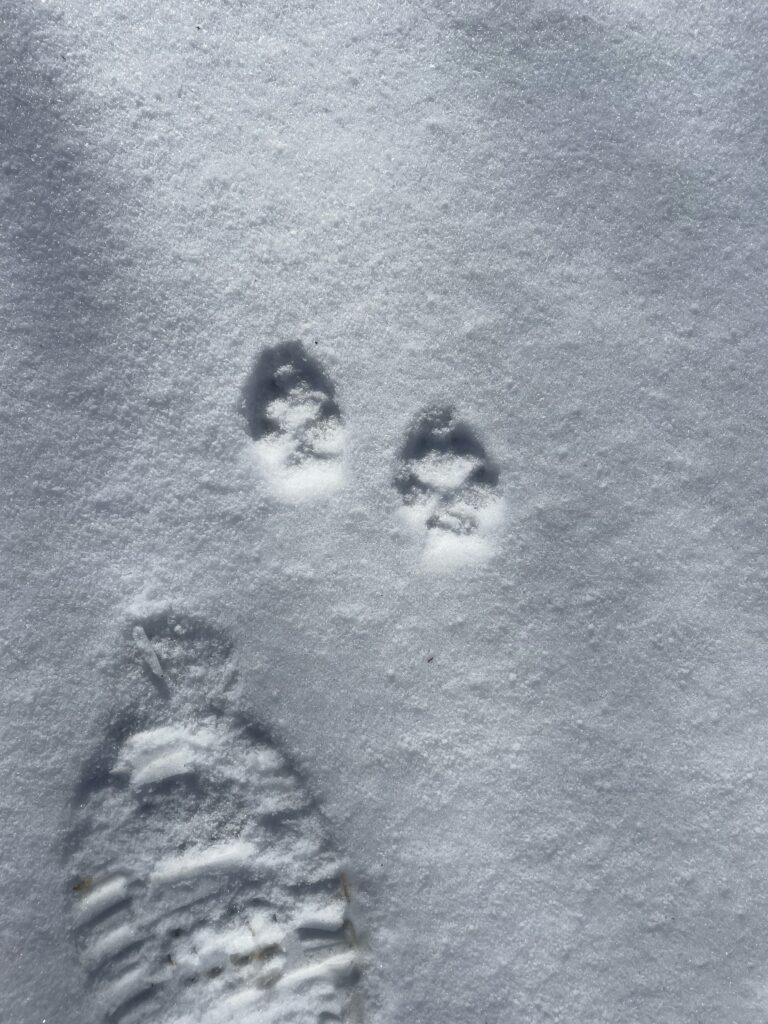
For these foot prints, INaturalist kind of gave me the same recommendation as the Whitetail deer, but for these prints I think it could actually be the eastern cottontail or snowshoe hare because the prints are pretty small. The foot prints were kind of frozen, but when I got a closer look and I felt the foot prints. I could feel the toe marks and a little bit of the claw marks. I’m not actually quite sure what this animal could be. The way I narrowed it down to either a snowshoe hare or an eastern cottontail was because I believe it is some sort of bunny/rabbit because of how small the prints are. These prints were only about 3 inches.
03/6/2023
Lookalikes
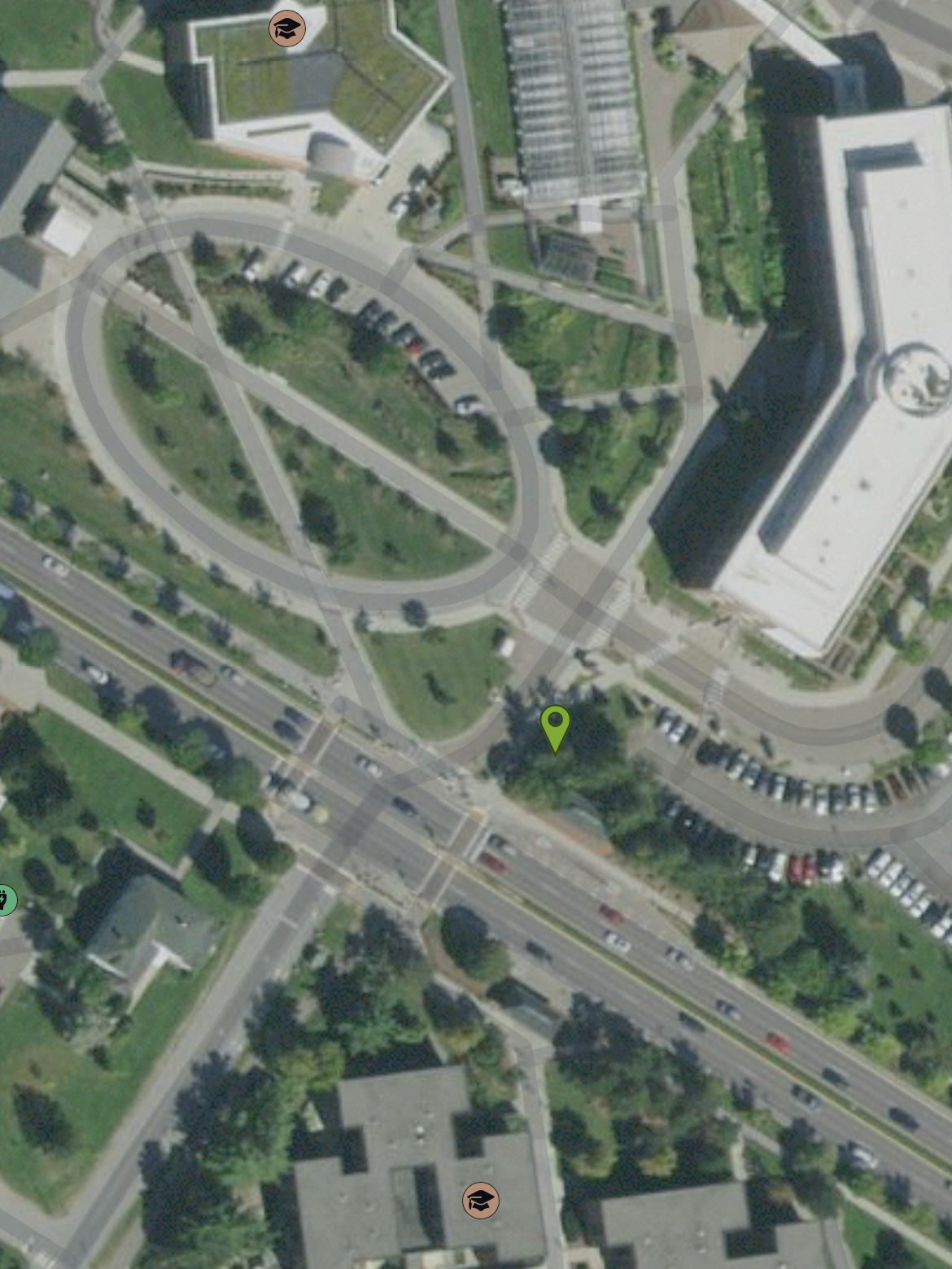
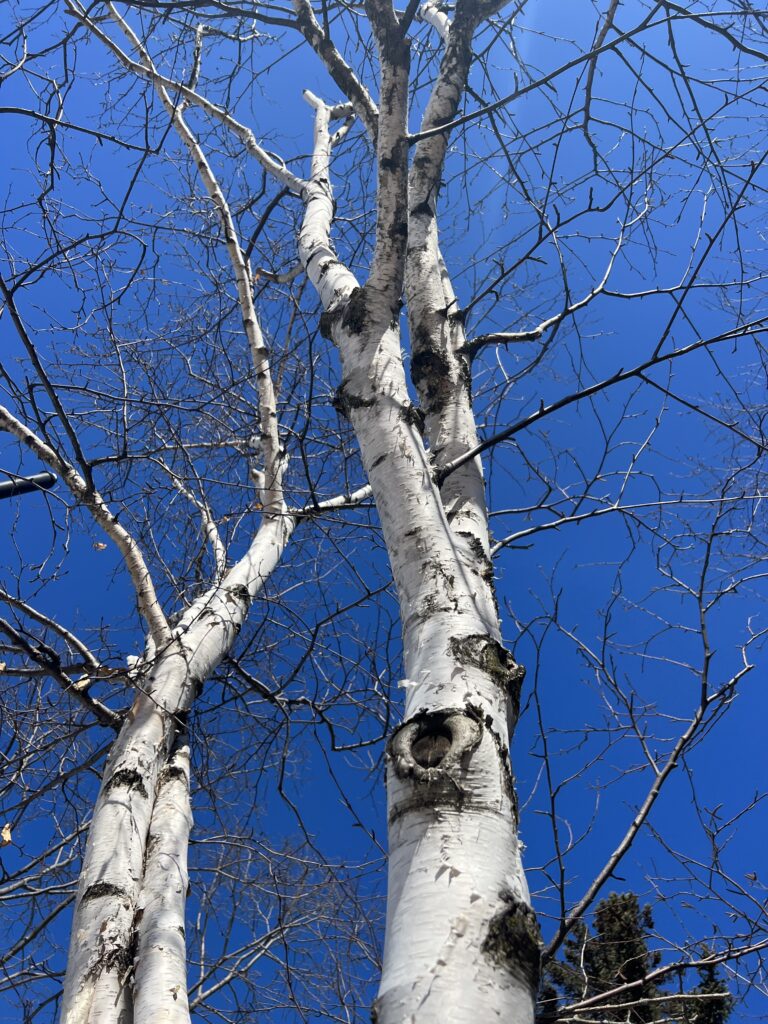
For this assignment, I walked around campus to find myself by a paper birch tree. The way I eliminated the lookalikes was based on the tress bark. I knew that is couldn’t be gray birch, river birch, or yellow birch because of its white peeling bark. While the bark of the Yellow Birch is more bronze in color, and it peels off in thin papery ringlets. As for gray birch, the bark is typically shiny red-brown or often pink-white or silver-bark. And finally river birch has a cinnamon-colored bark that curls and peels. Another give away was how thin the bark was peeled off. There were no leaves or catalyst so I could decipher between those two but the only other way would be the twigs and buds. Yellow, paper, and gray birch twigs have alternating buds. Im not the best with twig identification so I stuck with what INaturalist told me and my identification on the bark. There was no evidence of flowering!
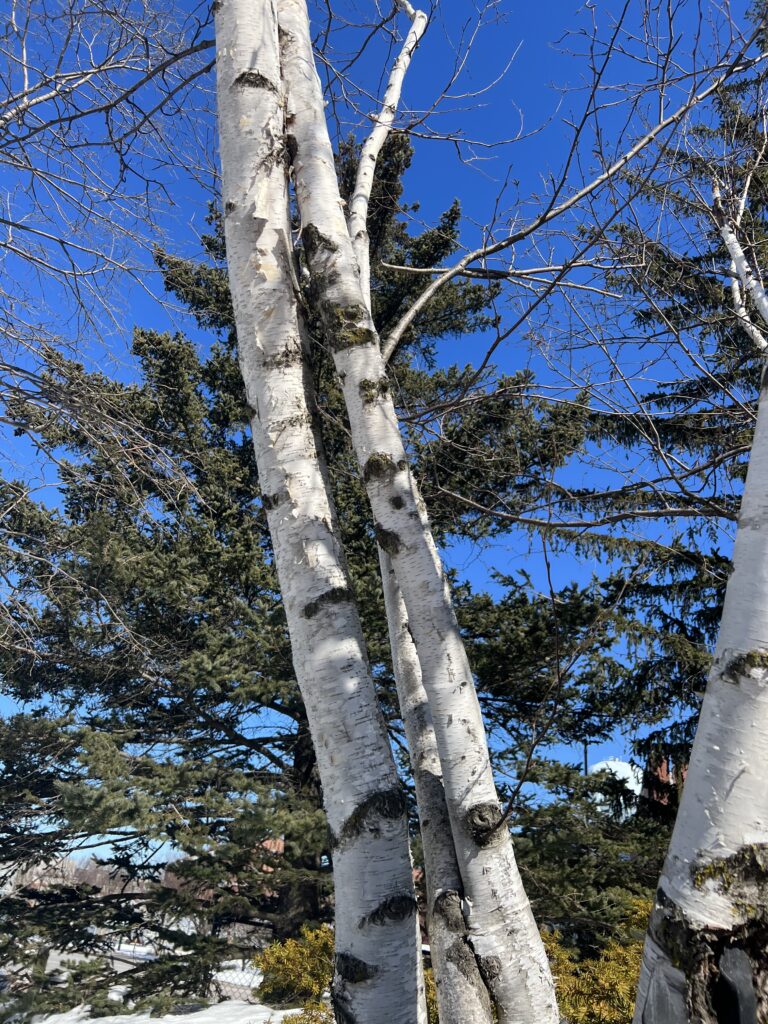
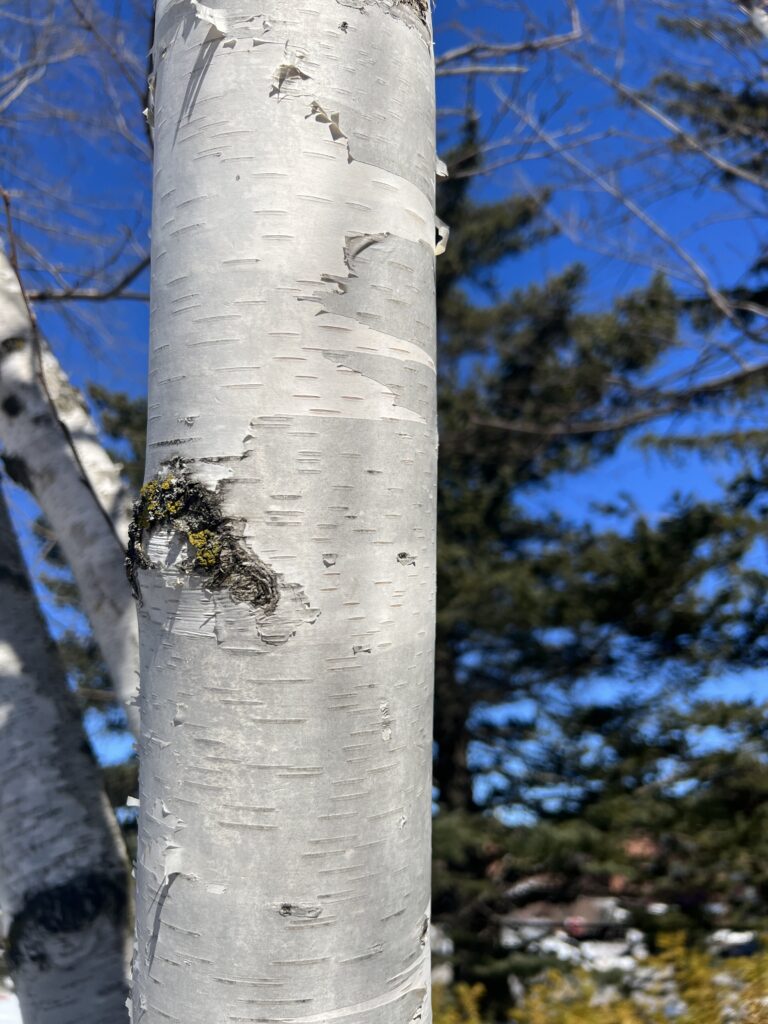
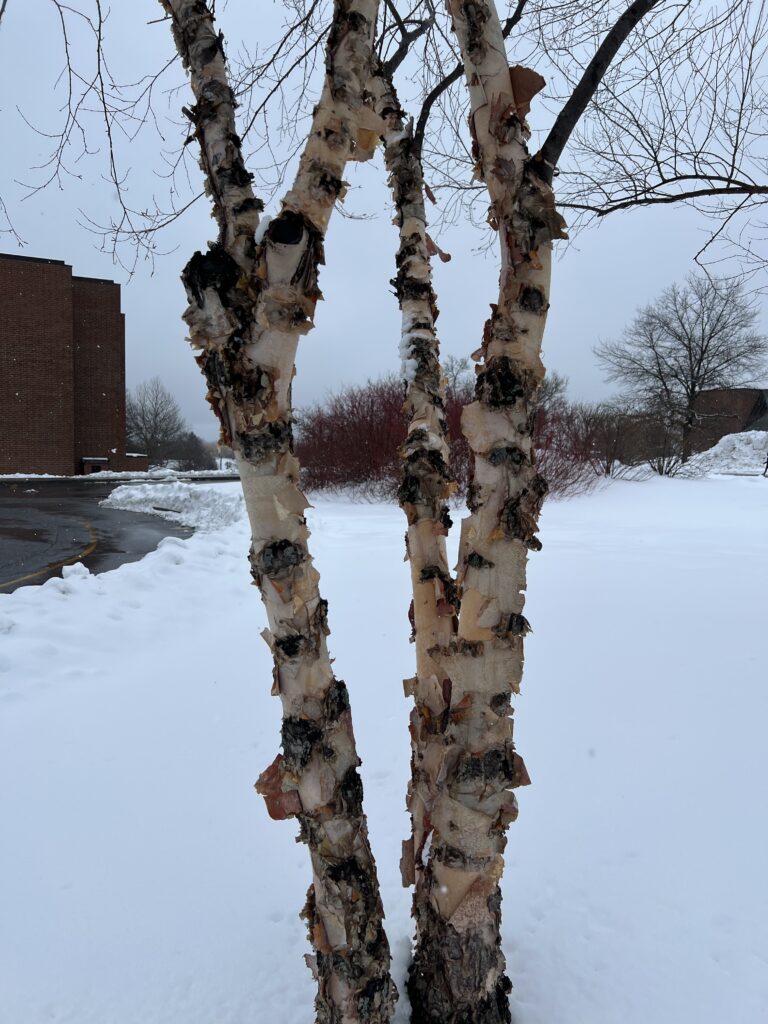
I believe this is one of the paper bitches lookalikes that I also saw on campus. I think this is a river birch based on the bark!
3/26/2023
revist
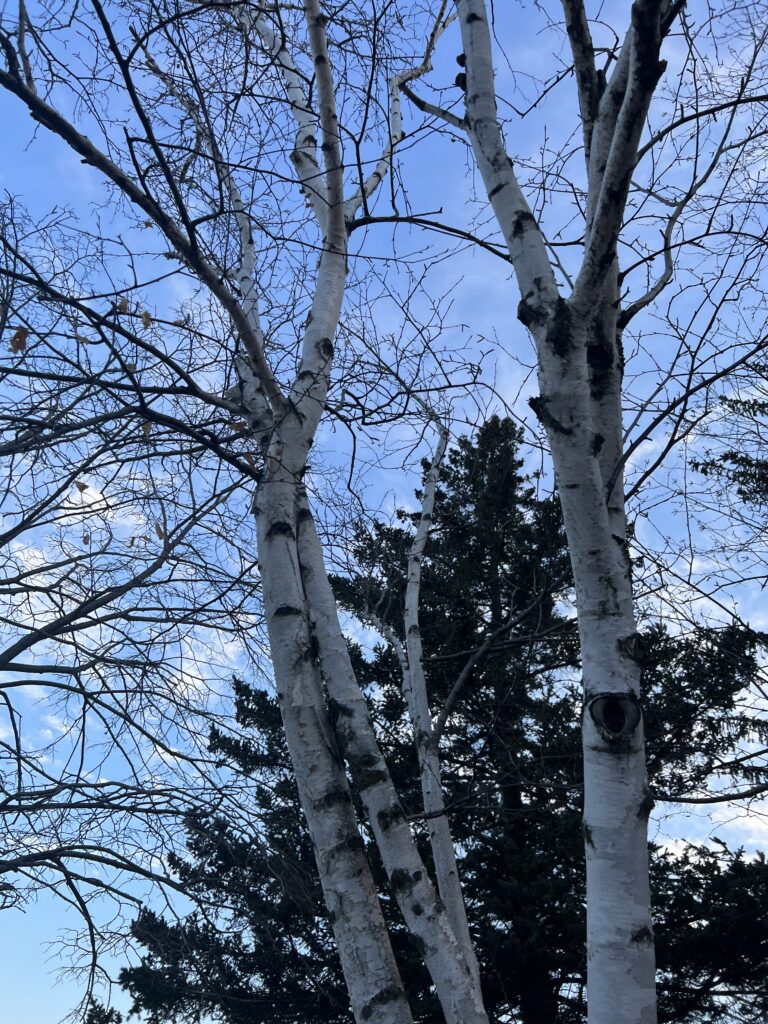
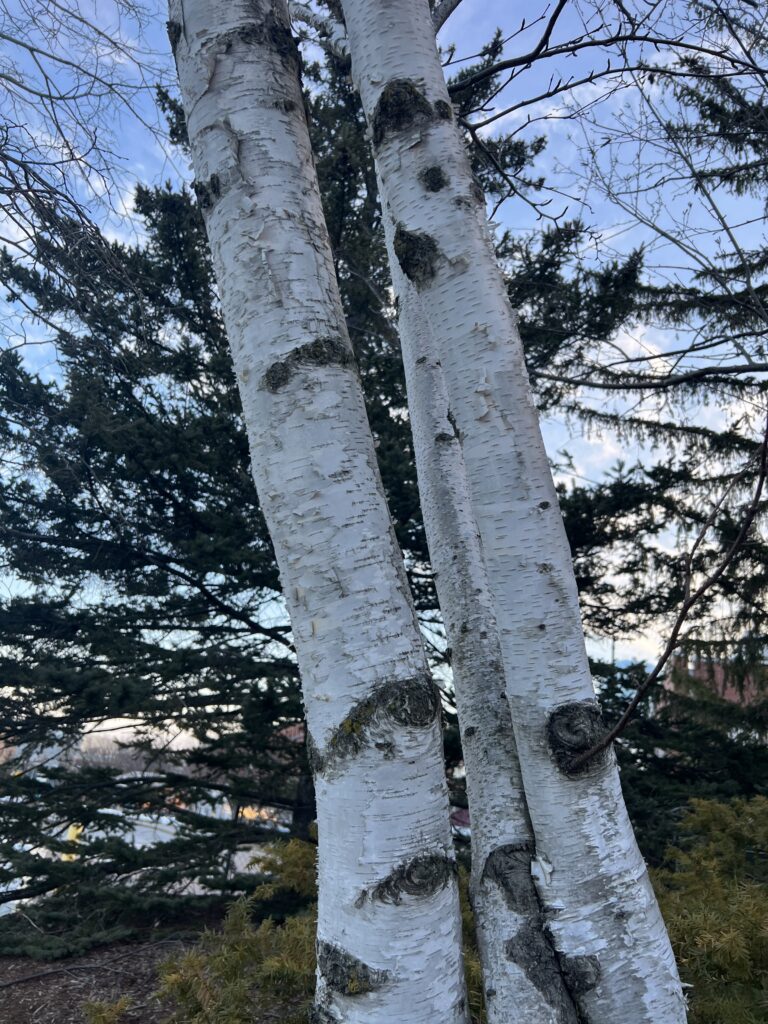
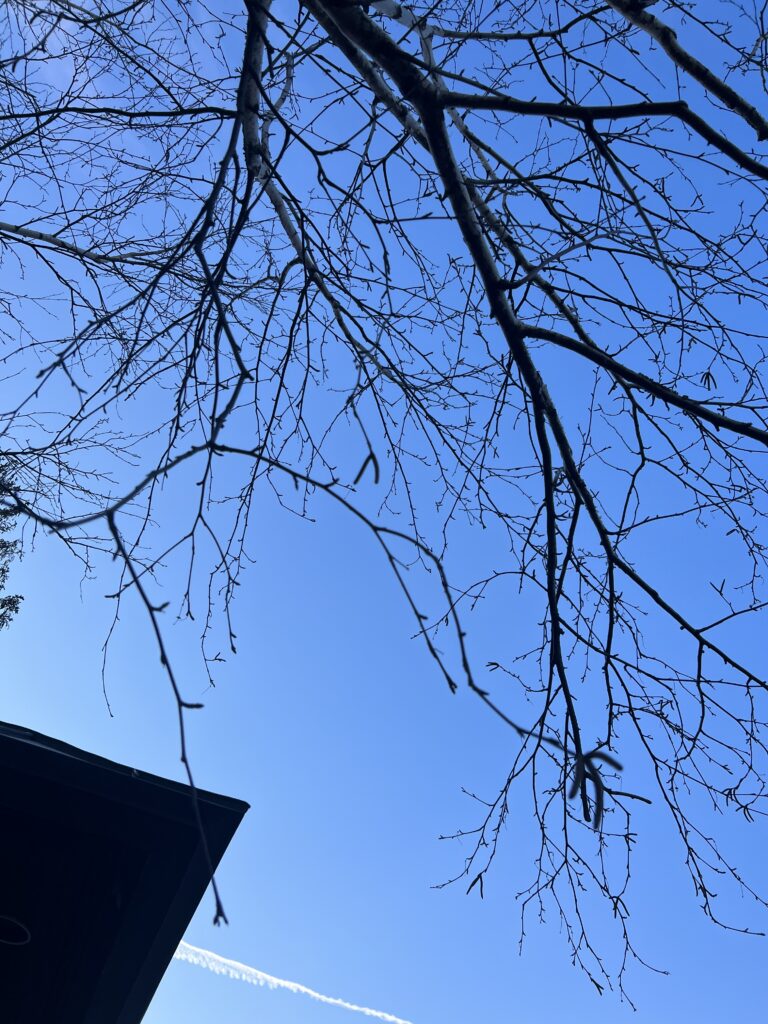
I don’t see any changes to my tree. I think this is because it has only been around 3 weeks since I last visited. I have read that in the spring the birches produce catkins that are pollinated by the wind. Since the first day of spring was only March 20th I believe that things will definitely start happening more in season! Also, INaturalist didn’t say anything new from last time.
4/10/2023
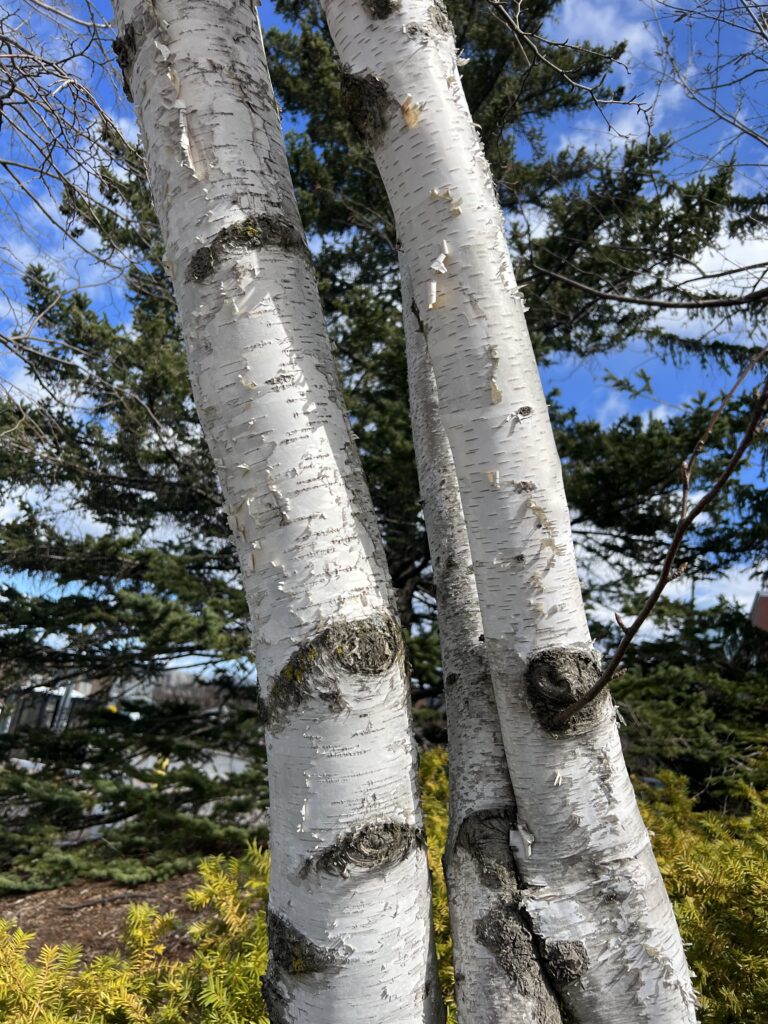
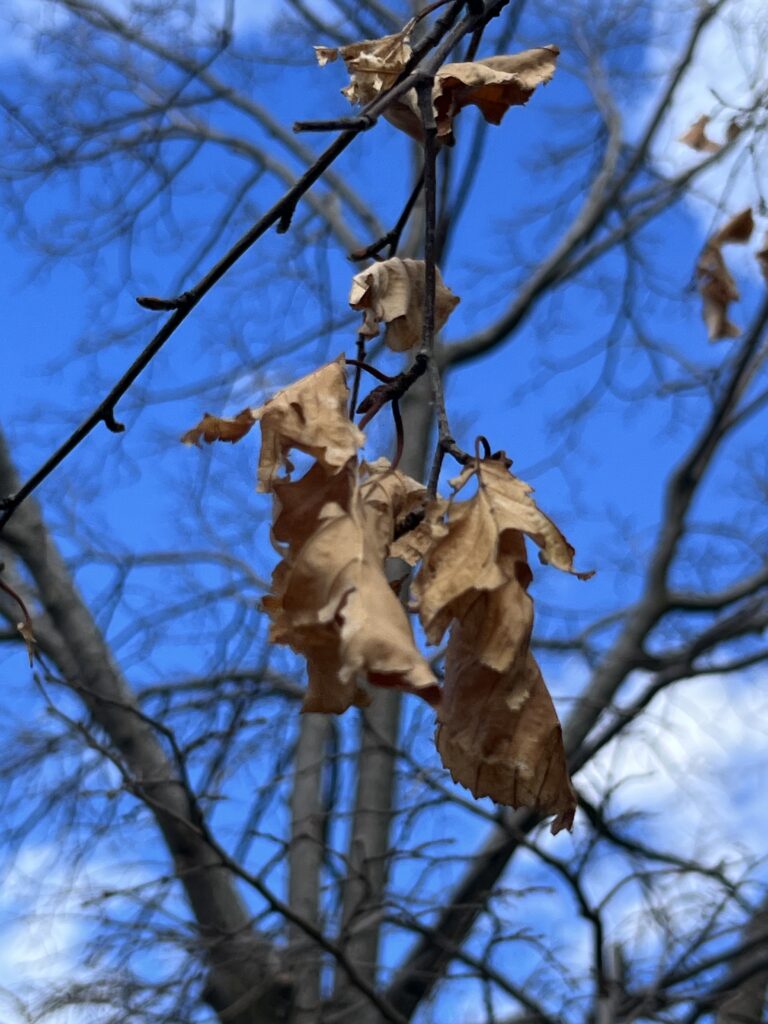
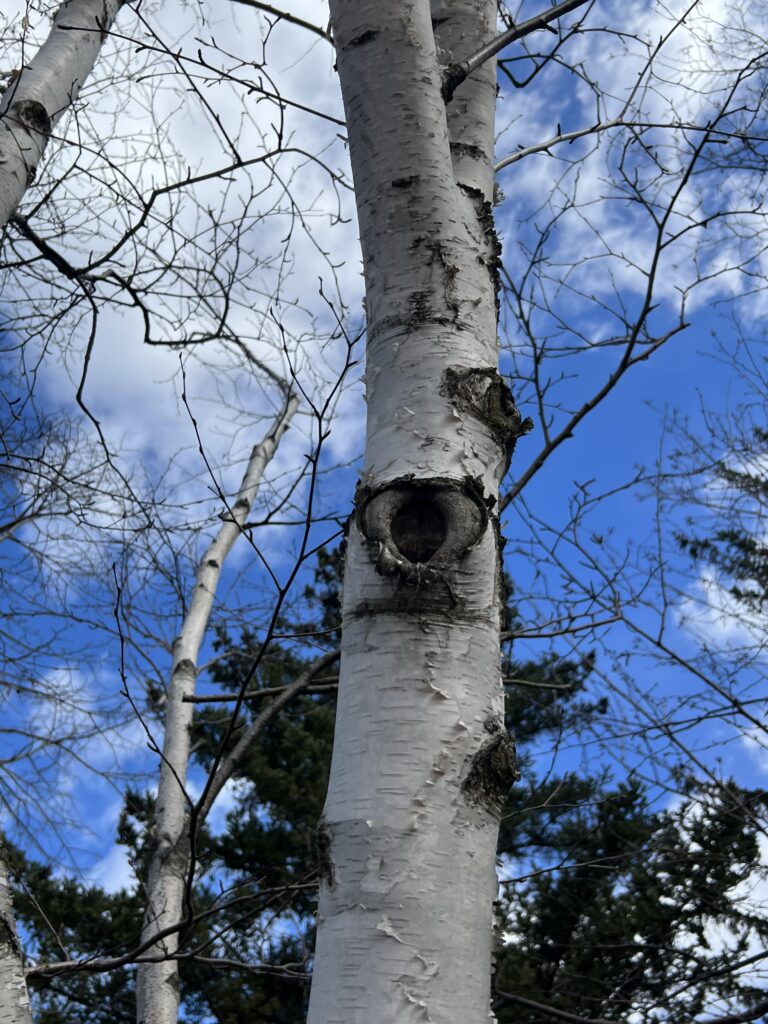
For my final visit to my tree, I was hoping to see some changes because the weather has been getting nicer and we have begun spring. But as I went back I had seen again, no changes. I thought there would be catkins or even leaves, but the only leaves on the tree are dead.
04/22/2023
The walk to Centennial Woods is usually not bad at all. There aren’t many objects in the way of the paths. But today, as I was walking on the trail, I noticed so many fallen and damaged trees! Here are a few photos I took on the path with fallen trees on my way to my phenology spot:
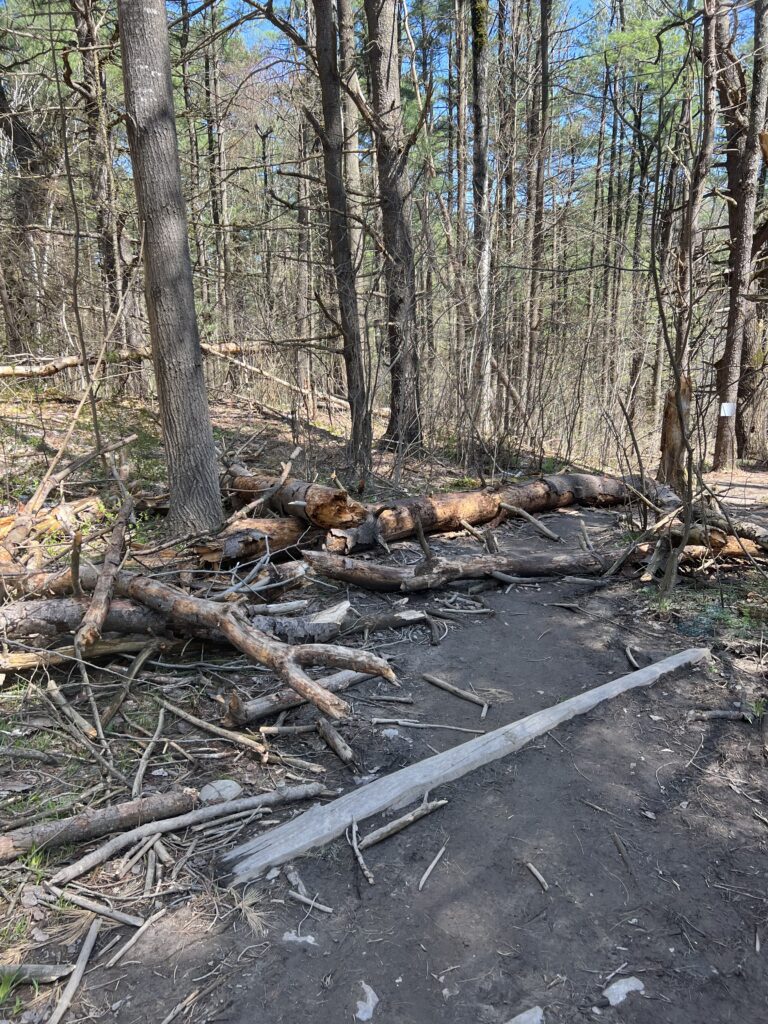
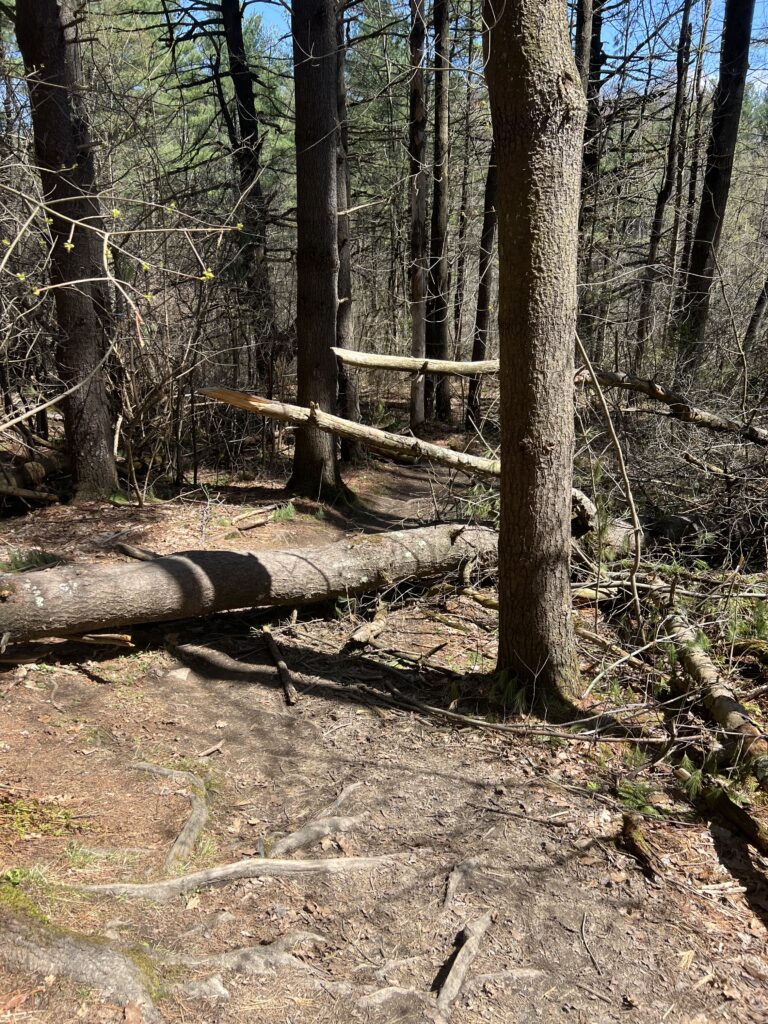
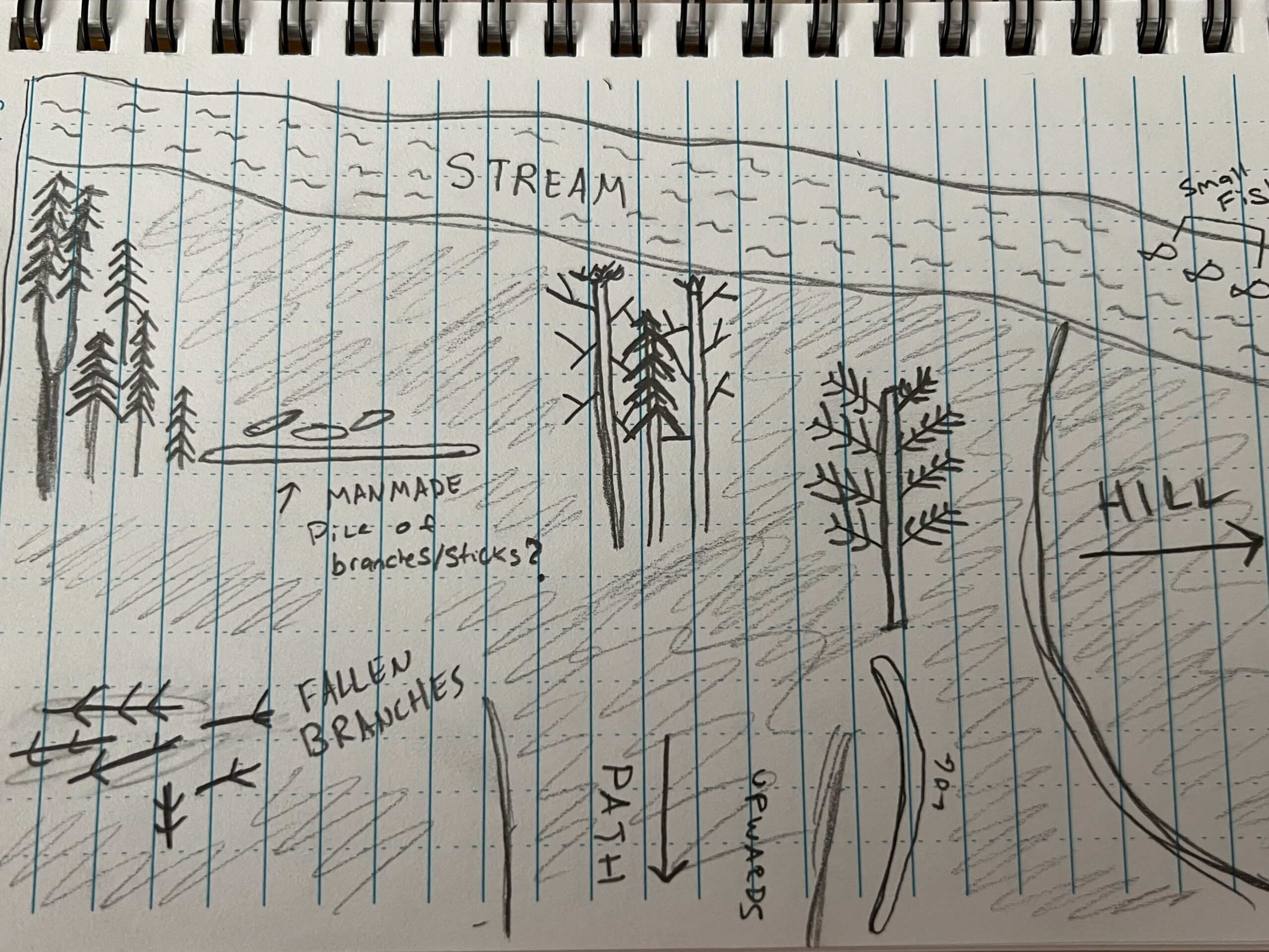
My site hasn’t changed that much over time. Other than the fact of whatever windstorm or winter it went through this year, I would say it looks the same. I feel as though now, rather than in the winter, the soil and ground has hardened more. Centennial is definitely a popular place so many people walk through my spot in which they leave a trace. But other than that I didn’t really see any drastic changes, besides the storm impact change causing many trees to be on the ground. Some of the minor landmarks that I have become familiar with are the small wooden bridges that cross over the little stream in the woods. And every time I go to my spot there is always something manmade. For example, in the winter there were snowman and today there was a little manmade shelter/tipi looking thing that was made out of sticks and logs. Nature and culture intertwine in my area because Centennial woods is a result of a dynamic change over time. The area is also a result of the complex interactions between, natural systems, human-driven development on landscape and shifting views of environmental values. And it’s an example of what happens in a cultural urbanized watershed. And finally, I don’t consider myself apart of my phenology place because I don’t really feel connected to the area. I hate to admit it because I love nature but, I feel I only come to my spot when there is a phenology assignment. I never have enough time to actually appreciate the beauty of Centennial Woods and I wish I could go to it more.
05/06/2032
Final Post
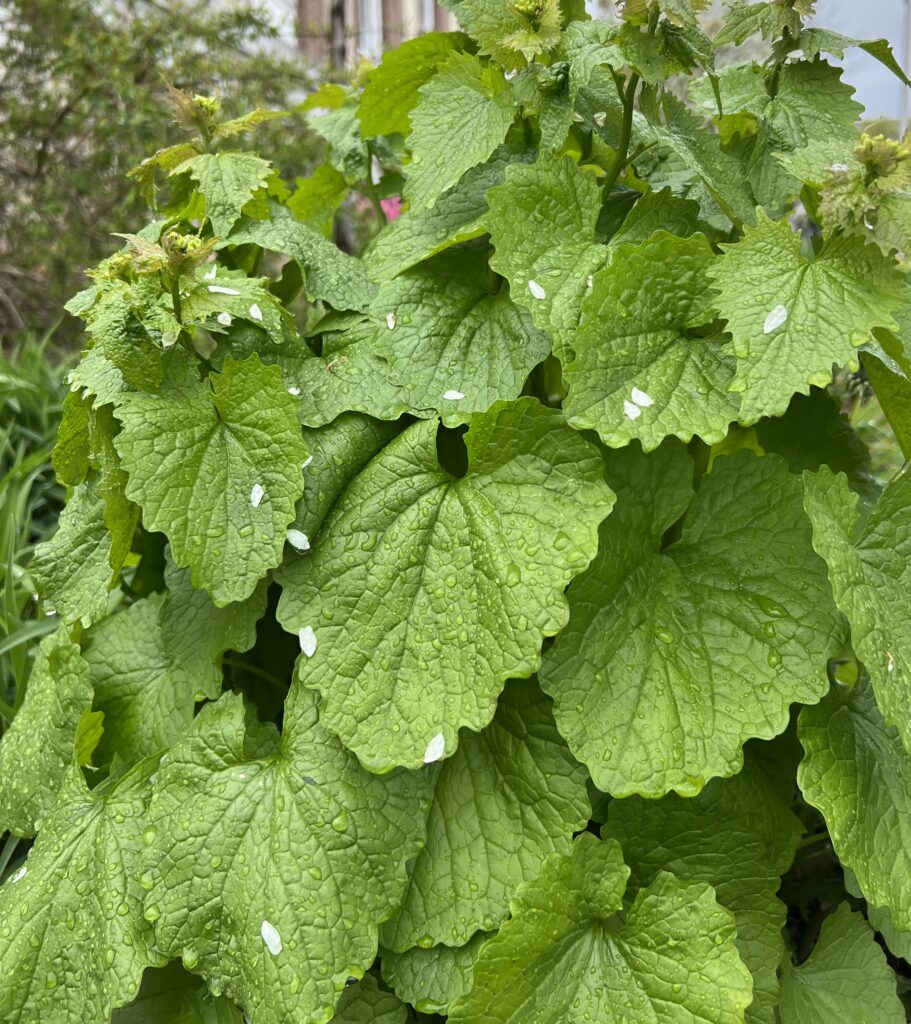
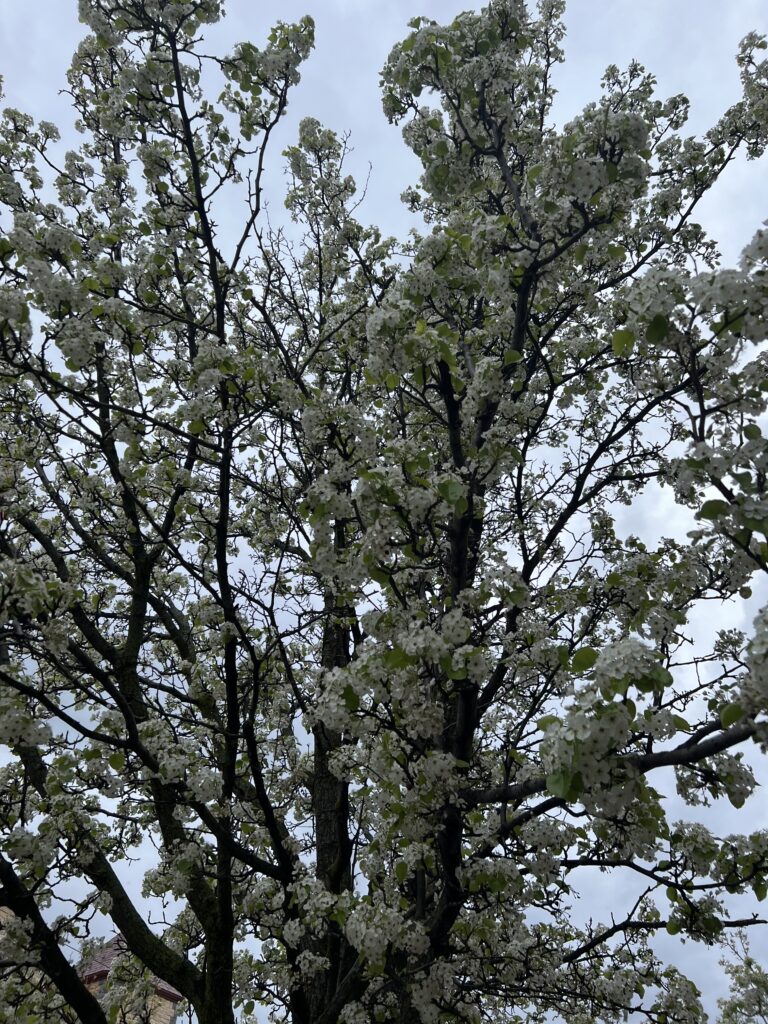
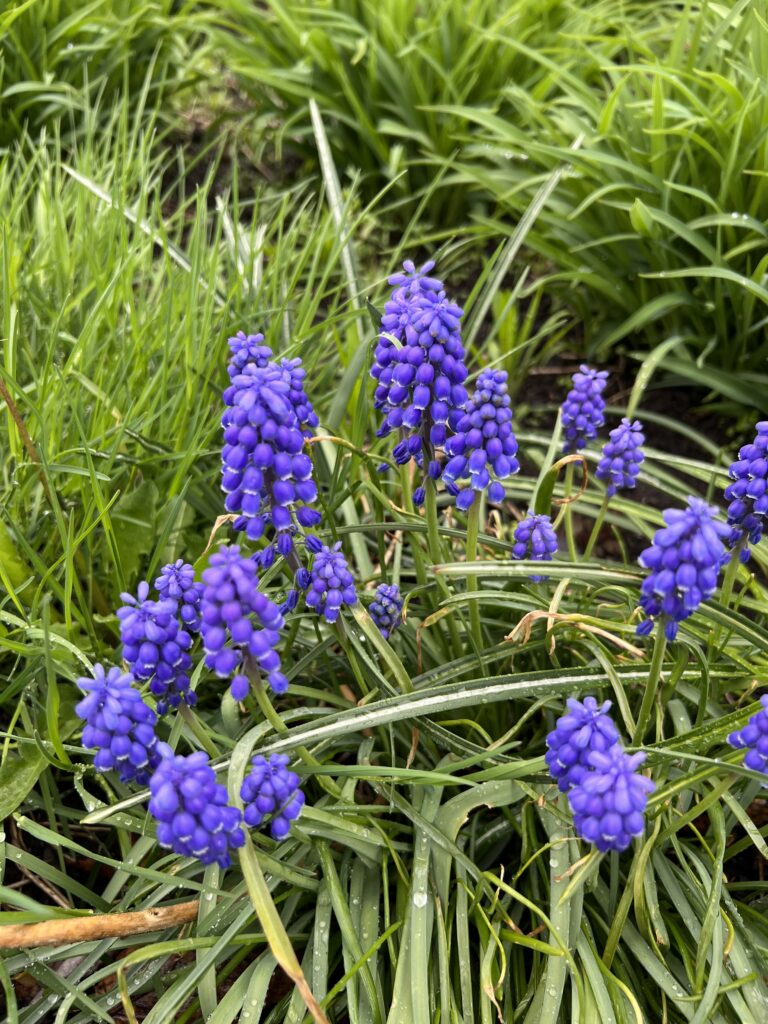
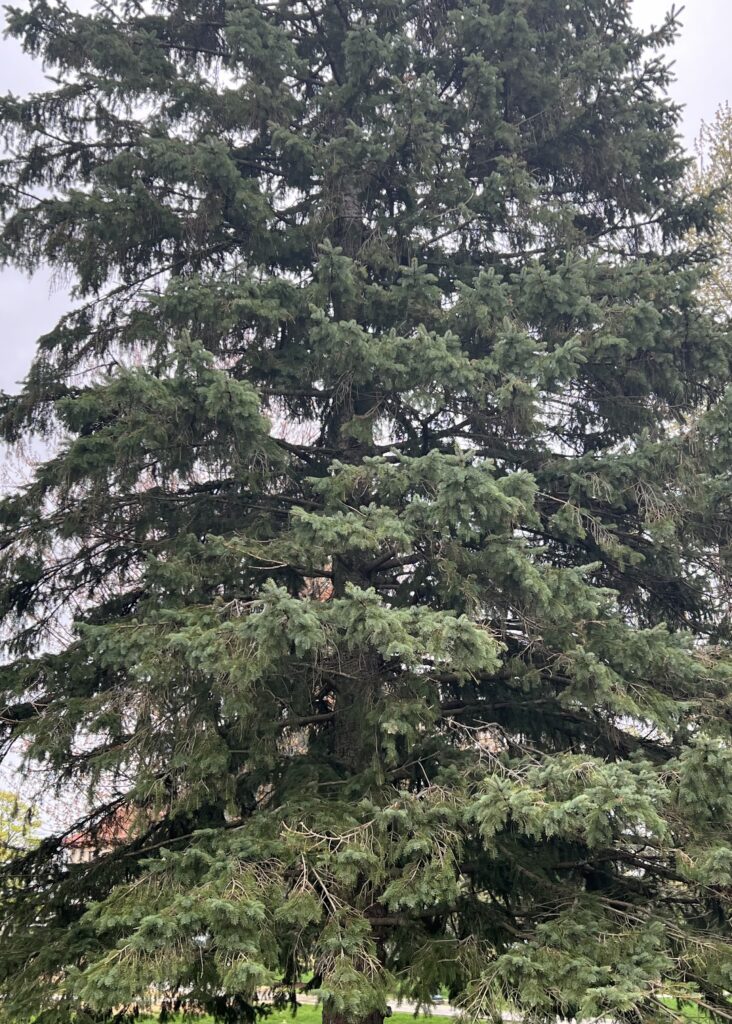
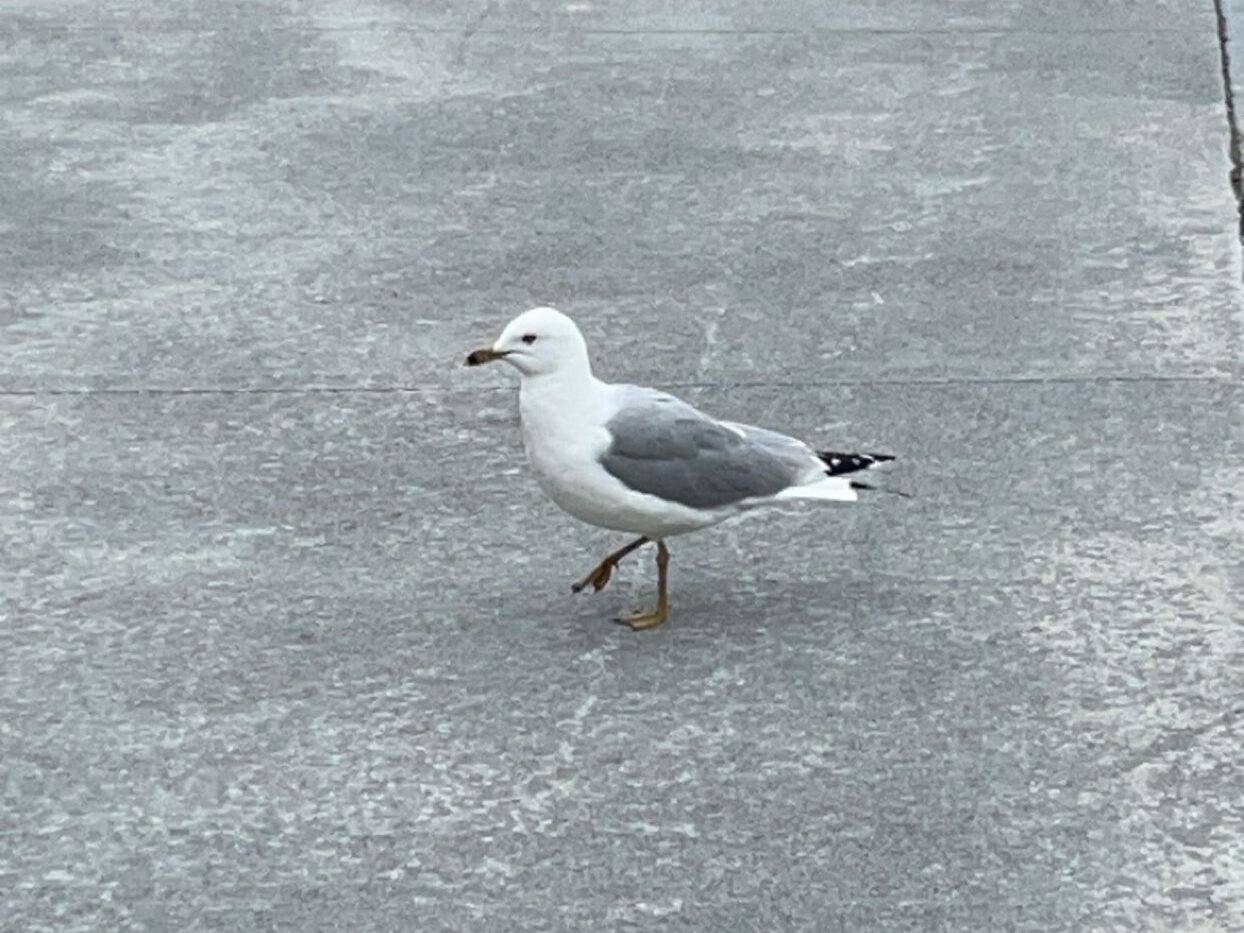
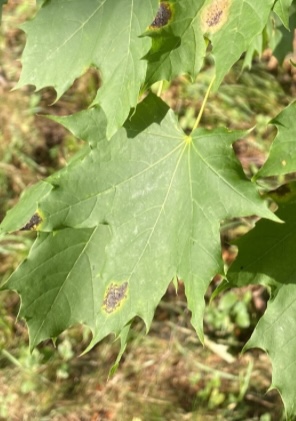
I visited the New North End and Indian Brook Park which is located in Essex, for the four-day urban BioBlitz. My experience with INatrulist went well. It’s crazy to see that there were around 1,672,698 observations and 53,718 species. And it was also cool to see what other people had found and where they found it. I encountered a lot of species but I didn’t record a lot. Some things that I recorded/thought were cool were Grape Hyacinths, Garlic Mustard, Norway Maple, Callery Pear, Gull, and Spurs. I found many things we learned in NR1 for example, Norway maple and Spurs but I also encountered Honeysuckle, Yellow Birch, Paper Birch, and Black Cherry. I also saw more birds besides seagulls but I wasn’t able to take a picture, I just identified them by Merlin Bird ID. I heard black-capped chickadees and pileated woodpeckers. Some interesting finds I found were Mossy Maze Polypore, Common Pill Woodlouse and Turkey Tail. These were the most interesting of all because I have never heard of any of these besides turkey tail because I have eaten turkey tail before (it’s edible) and it’s good for your immune system!