Posts

May 5th Bioblitz

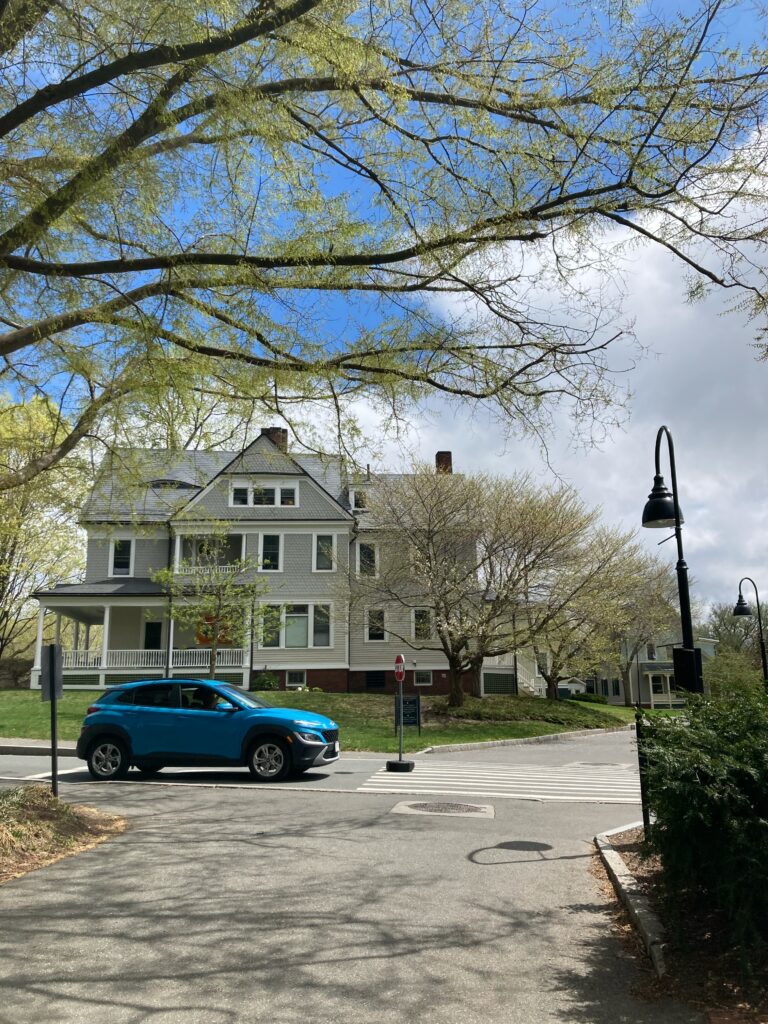
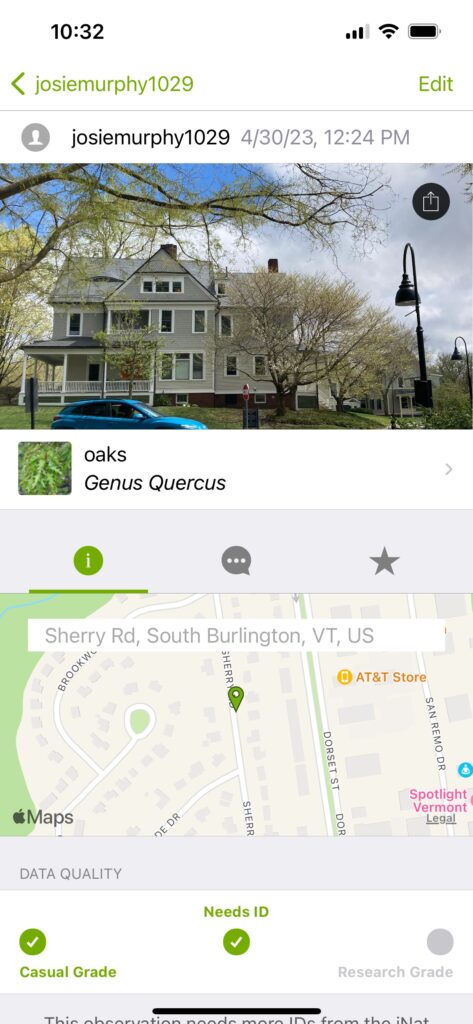
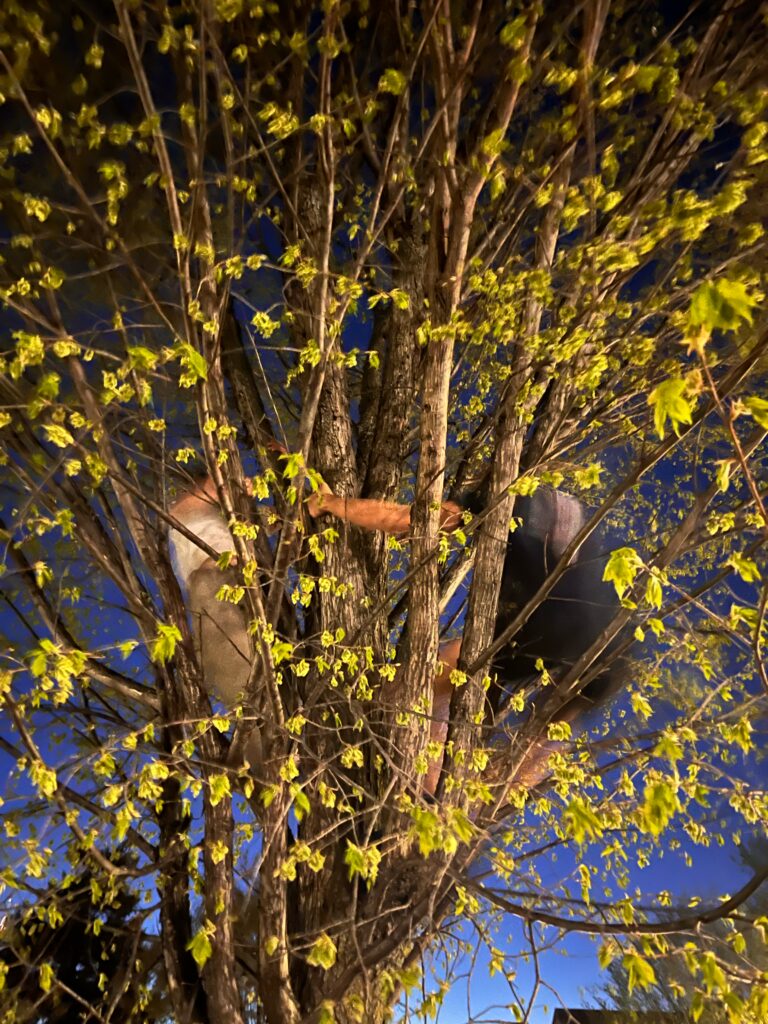
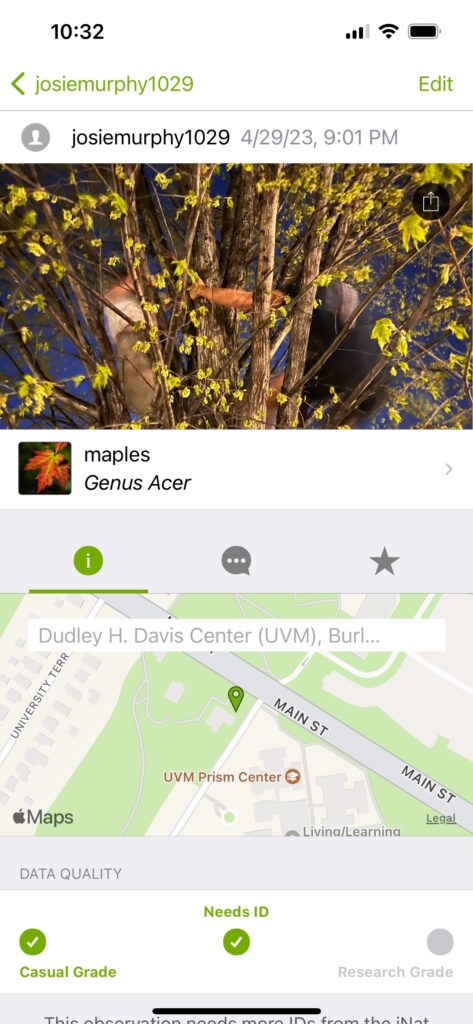
During the city Bioblitz, I walked around parts of campus that had a lot of trees, as well as down in South Burlington near the target. I found two species of trees, one maple and one oak, Inaturalist wasnt able to tell me the exact species but I believe it was a sugar maple and a White Oak. Inaturalist was a cool way to identify the species I encountered, however I never really got to understand how to use it that well with uploading so that people can see it. So, I would give it maybe a 6/10. I found it interesting that other places more tropical had such interesting species. Obviously more tropical areas have more biodiversity, but places like Florida recorded alligators, as if they just walk outside and find an alligator.
April 24th last visit

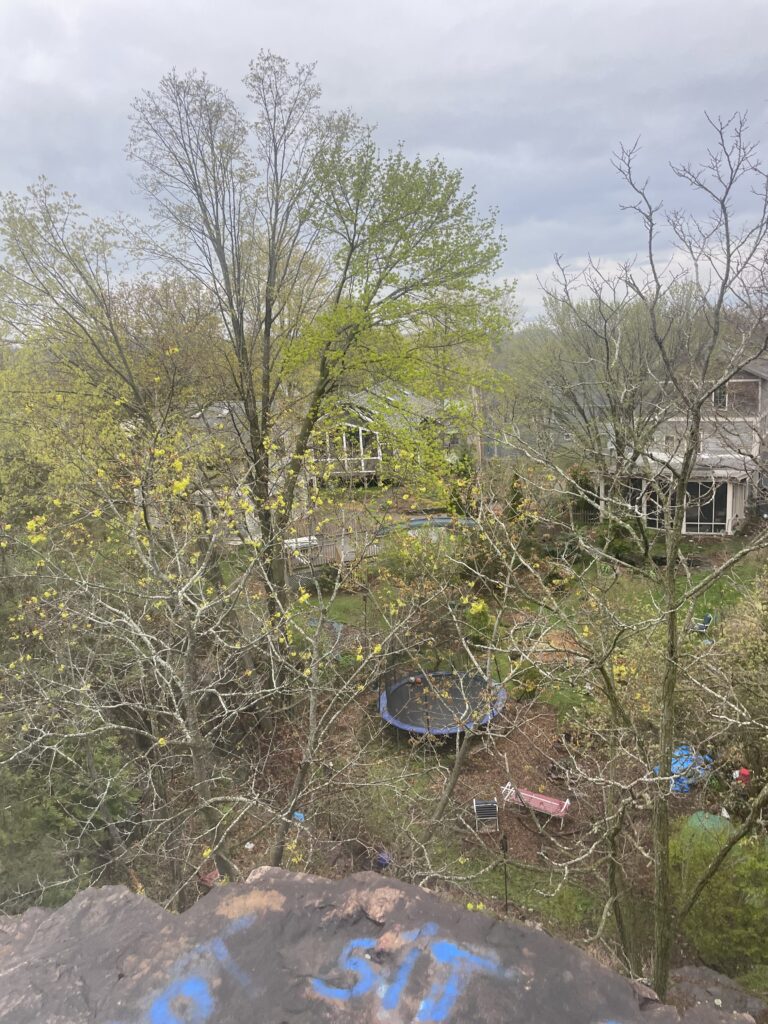
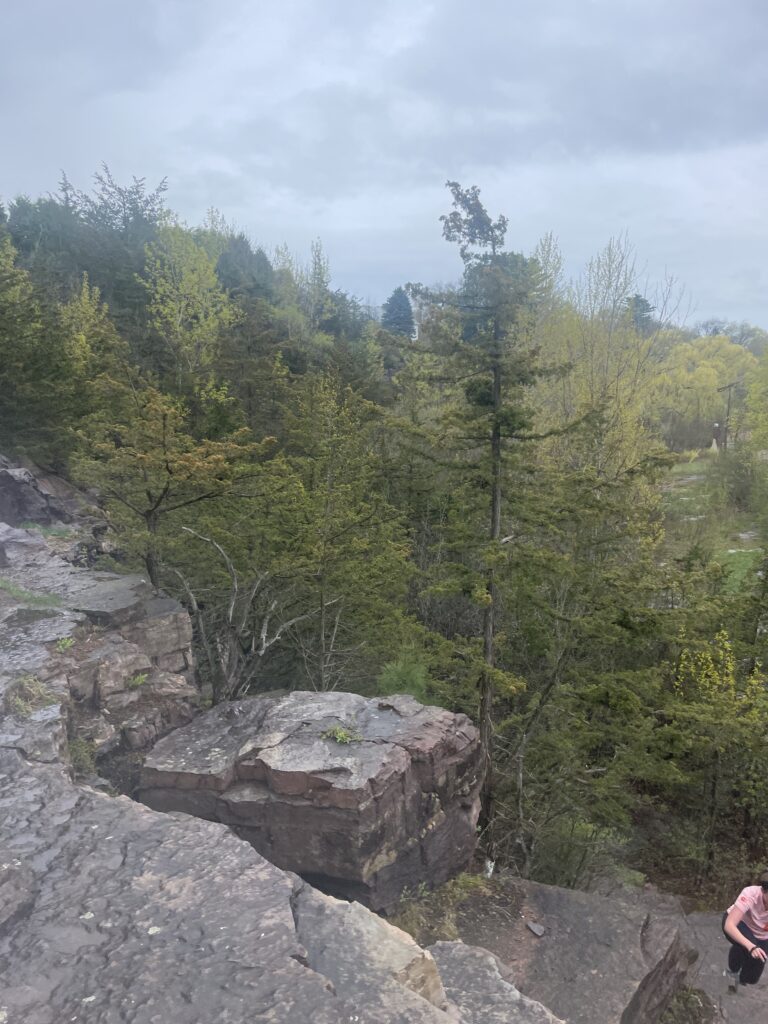
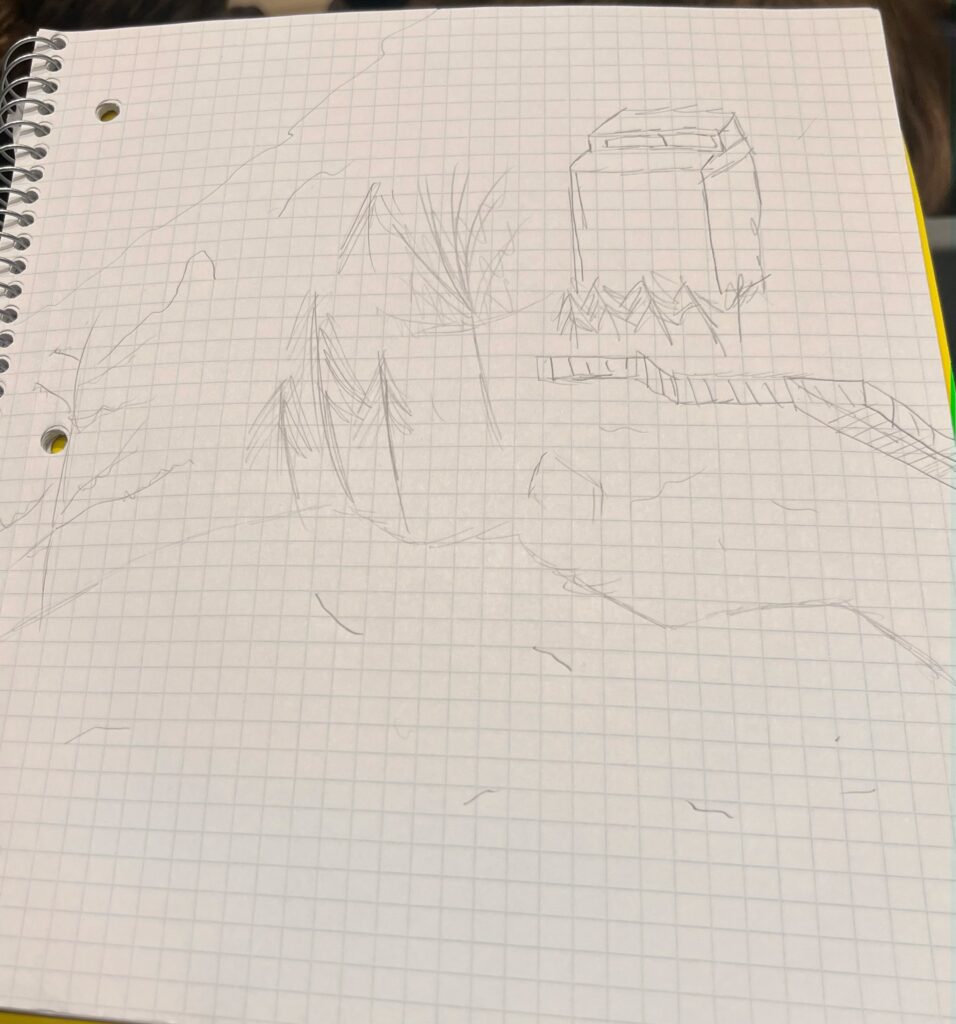
My site has grown and changed significantly over time in terms of flowering and budding. It is much more green now and resembles what it looked like on my first visit. Every tree has green or has at least started budding, the grass between the rocks seems to be making a comeback, and I can hear the birds again! A major landmark I’ve become familiar with are the cliffs to the left of the entrance of my spot, I always catch myself staring at them the most because they’re so jagged and its honestly concerning the houses are built right on them. A minor landmark would be the small, man-made walkway at the bottom of the rocks because it reminds me that people ave inhabited this place. Nature and culture come together here by having the plants of this spot reach the houses built around it, the plants grow on and around the house making a cool natural architecture. I would consider myself a part of this place because I have visited so many times and its also very secluded and not too many people know about it so I feel special.

April 10th, Tree

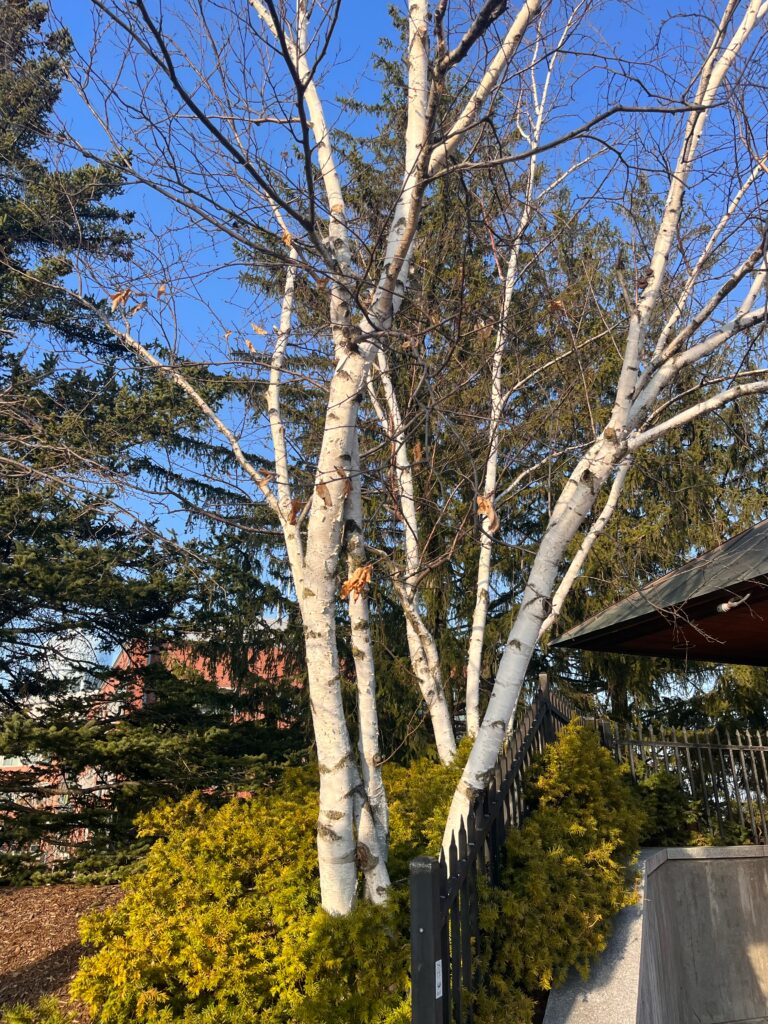
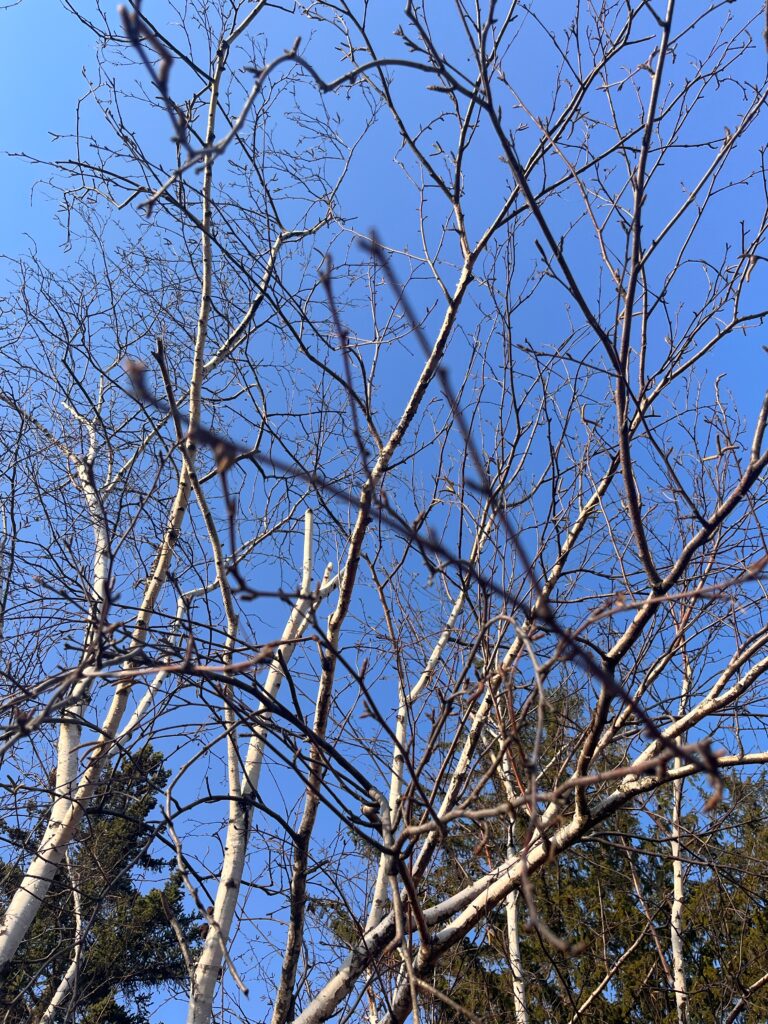
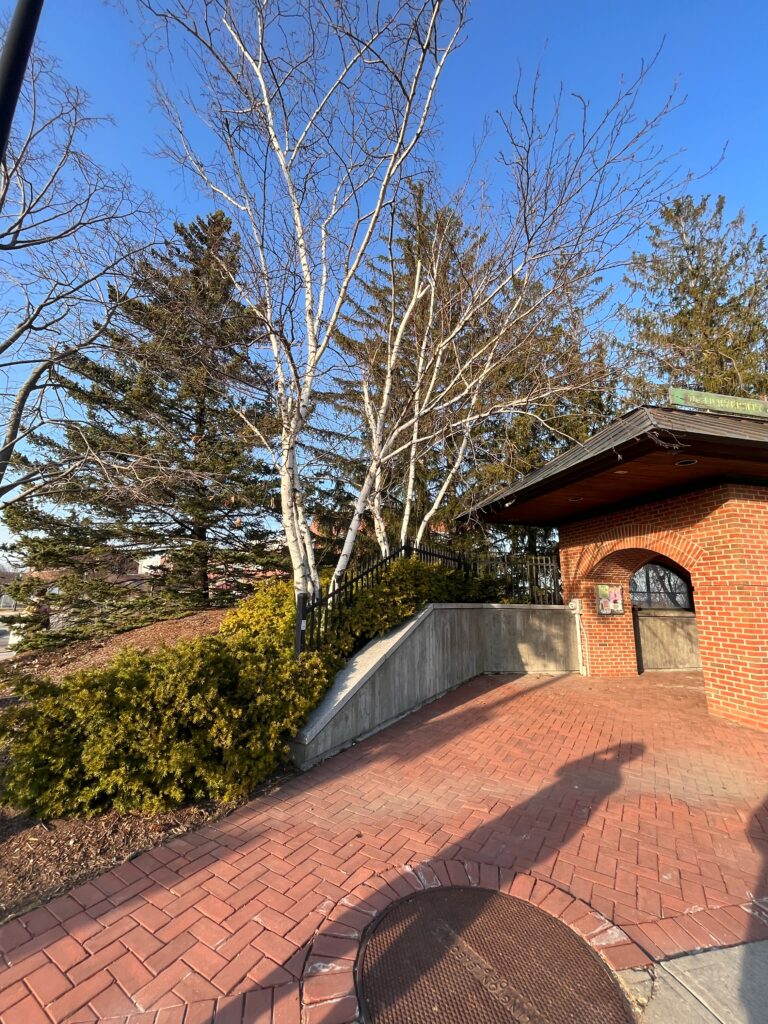
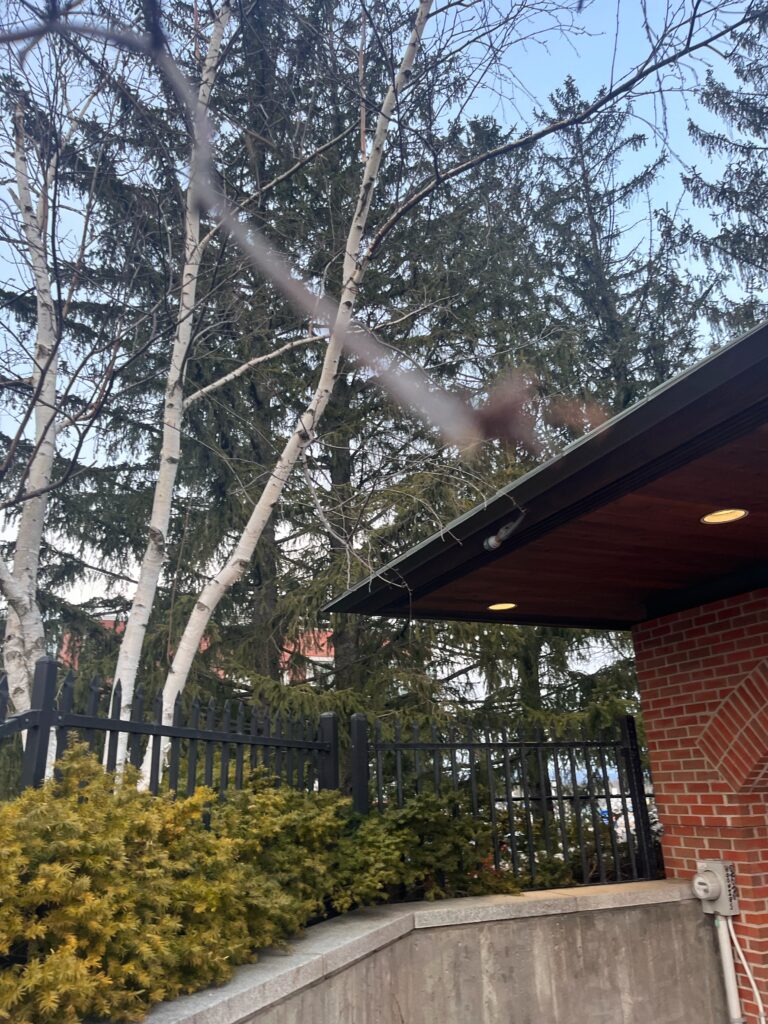
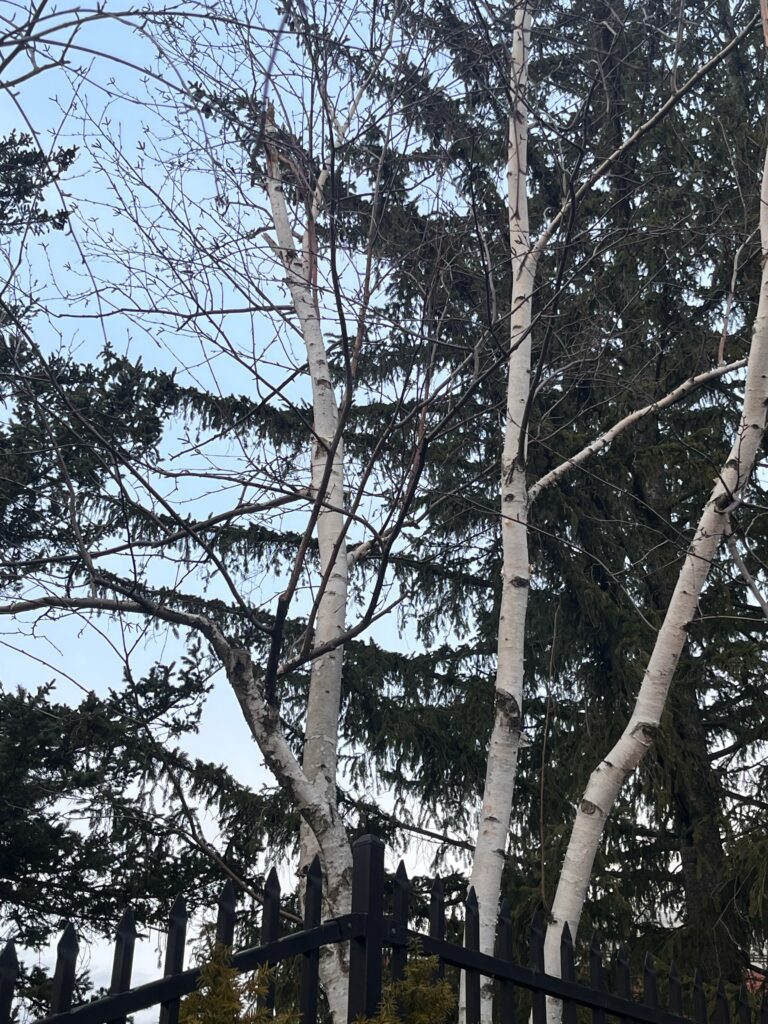
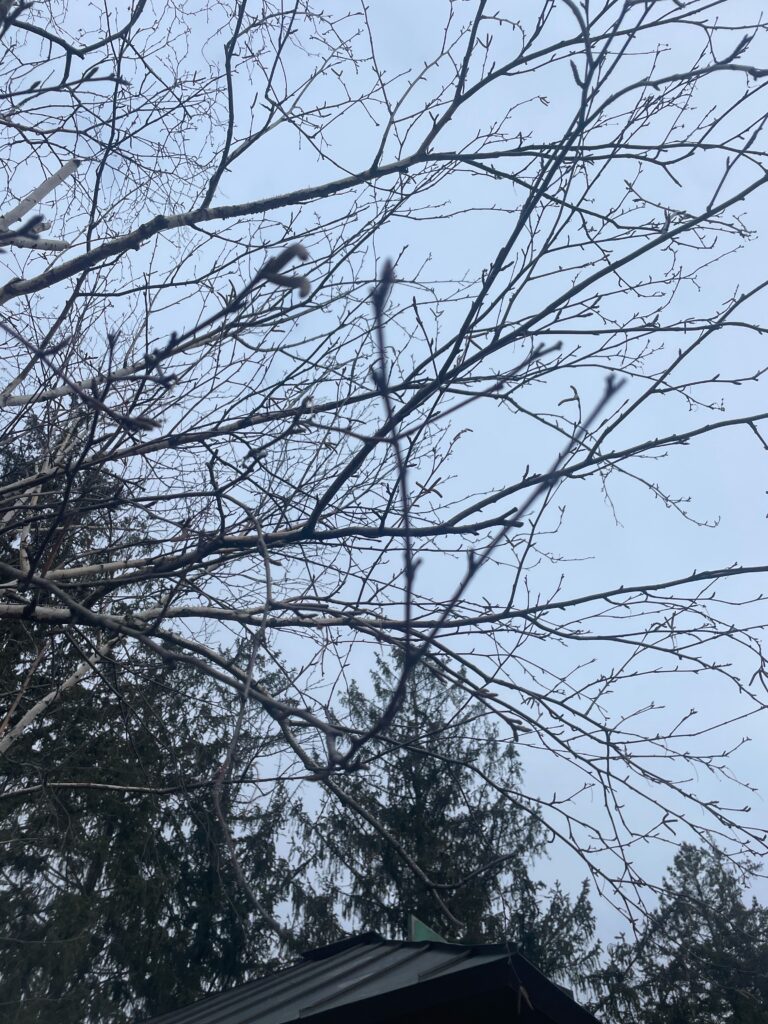
I returned to my tree today to find that not much had changed which I kind of expected. Going off of last post, there are now orange-ish buds at the end of every branch on the tree. The bark of this Birch tree has remained in tact and there didnt appear to be much change in the health of the tree. Main Street was as busy as always so not much wildlife was found. However, today was quite warm and over the sounds of the cars on the street I could hear Seagulls chirping, which means that some of the birds have officially migrated back!

March 27th, Tree

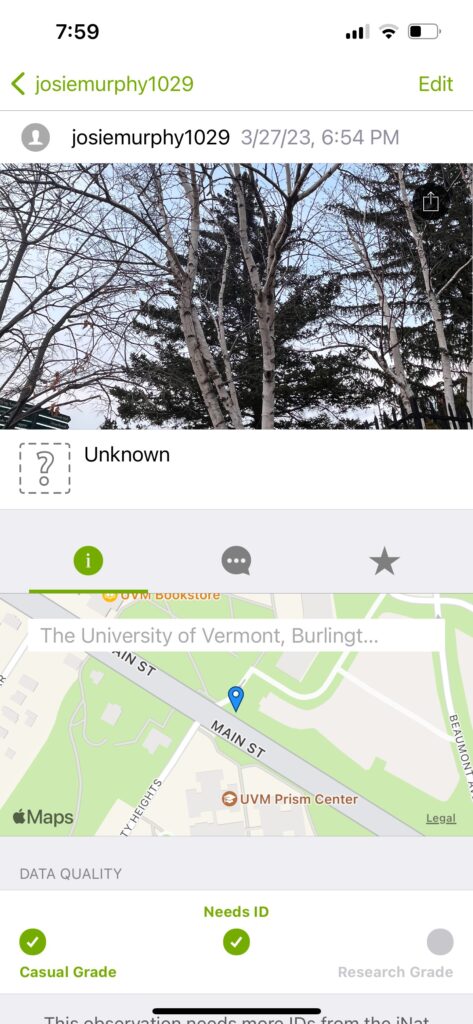
When I revisited my tree, I noticed a change in the buds. Im not entirely sure if this has to do with flowering or anything like that but I notices these orange-ish almost cocoon like things at the end of the branches. I visited in the evening after the sun had set so it was a bit dark and it was just a little bit more difficult to make out the features of the tree. There weren’t any animals but that can be expected as the tree is right off of Main Street which is always very busy and noisy.

March 10th, Tree identification

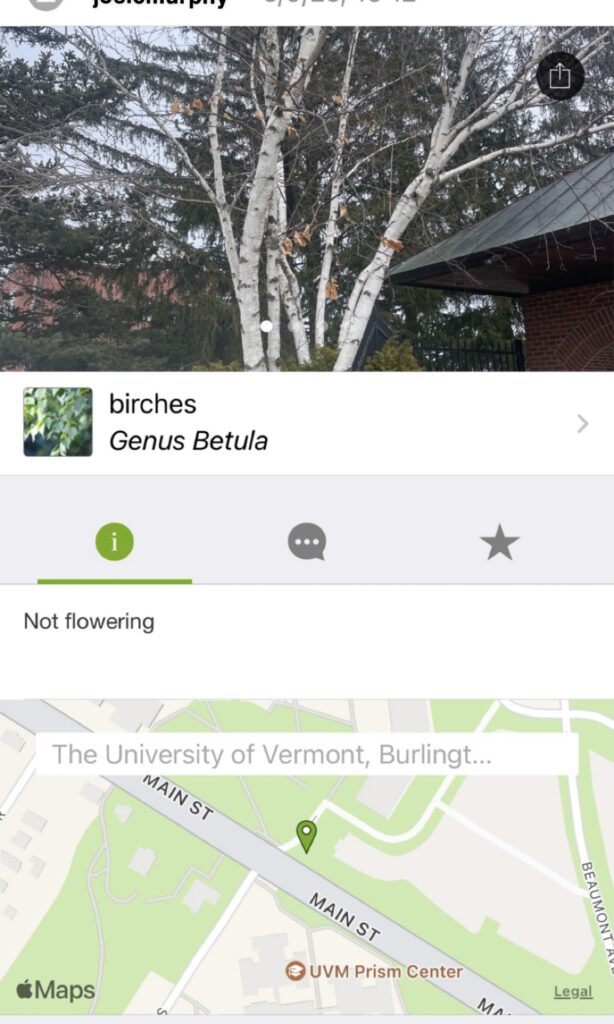
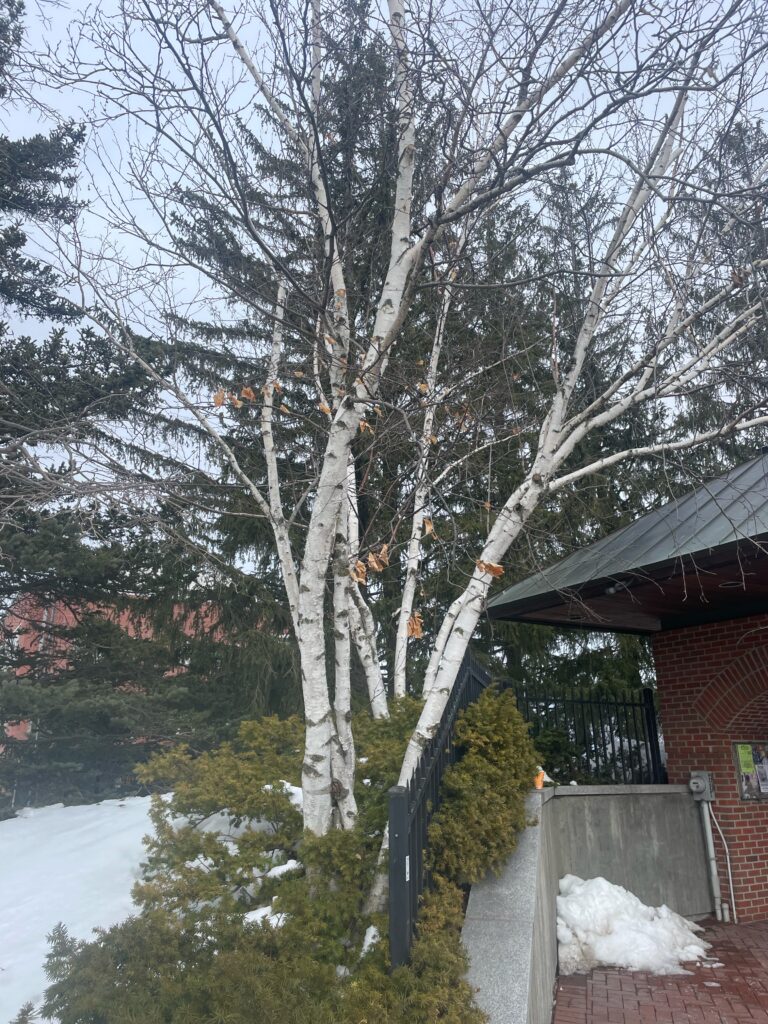
This is a paper birch tree. I was able to differentiate it from a yellow, and river birch because of its bright white bark (Yellow and River Birch has more of a brown bark). However, finding the difference between Gray Birch and Paper Birch was a bit more difficult. I was able to finally idea tidy the tree as paper when I peeled the bark and it came off in nice thin pieces like paper, rather than chunks like a gray birch would. It is definitely an easier species to identify.

Sunday, Feb 19th, Red Rocks

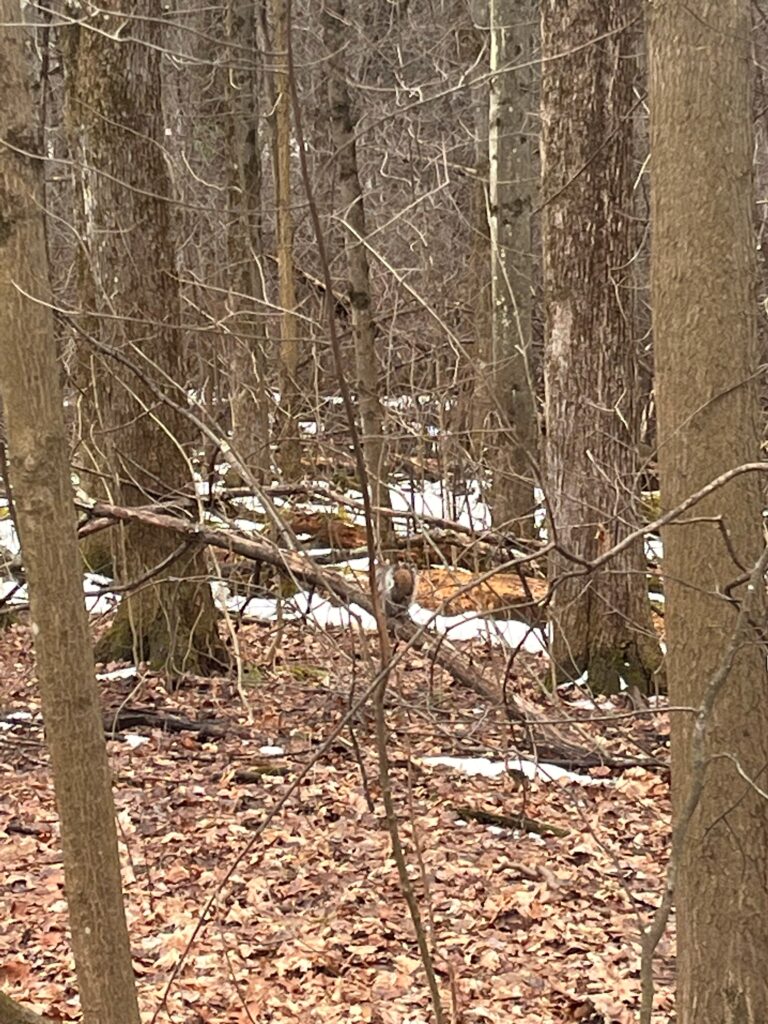
Me and my NR friends went to the Red Rocks park on Sunday around 3 pm. The weather the previous week had been slightly warmer than usual and most of the snow in the woods had melted which made tracking anything a bit difficult. During our little hike, we saw lots of grey squirrels which I didn’t think was that interesting but they were the only animals we actually saw.

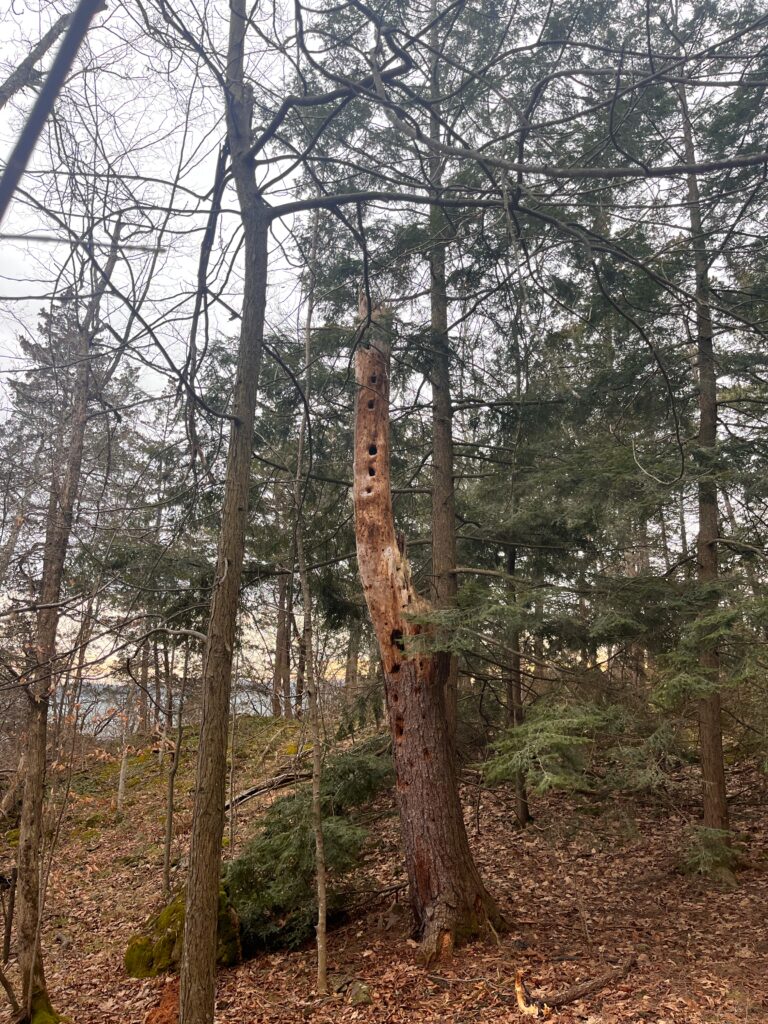
Continuing through the woods, we saw many trees with what looked like holes drilled into them. Thinking about it more we realized it was the work of a woodpecker.

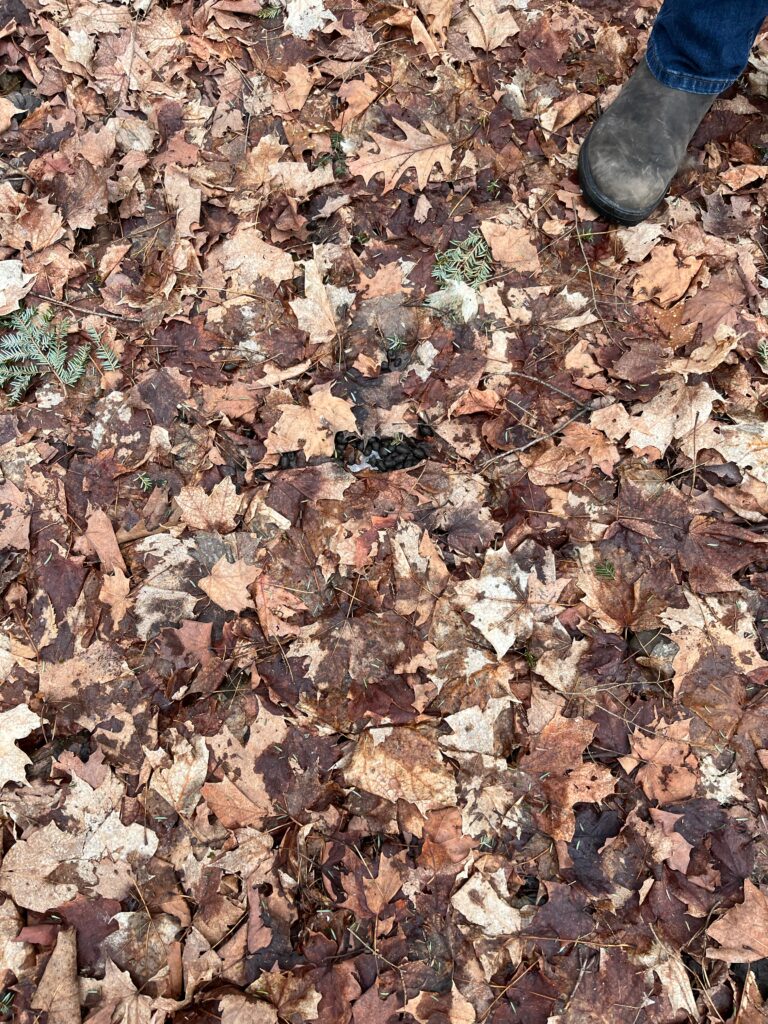
Although it was hard to find because it kind of blended in with the dirt, we found some deer scat! We figured out it was a deer because of the small round shape. The INaturalist app was helpful in identifying tree species, but not so much animals. We mainly used our scat and track guide.

Josie Murphy’s, “The Ledges” Phenology Blog

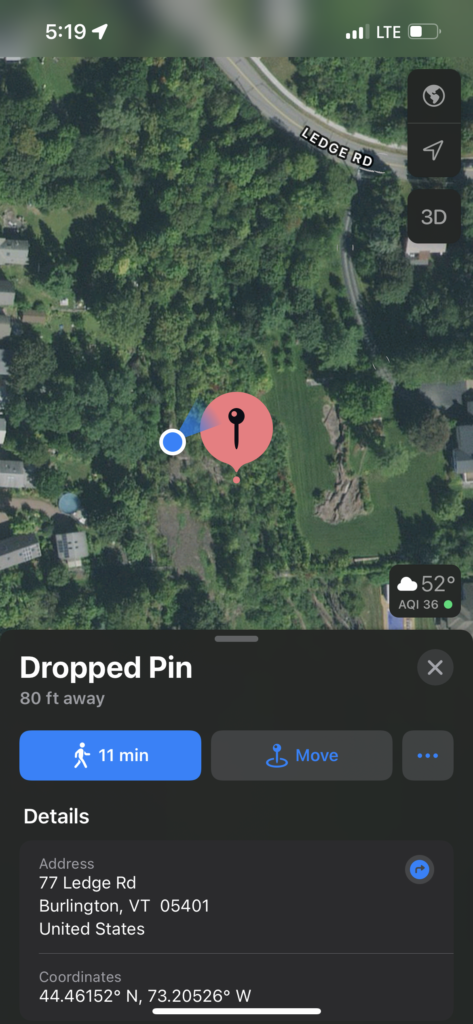
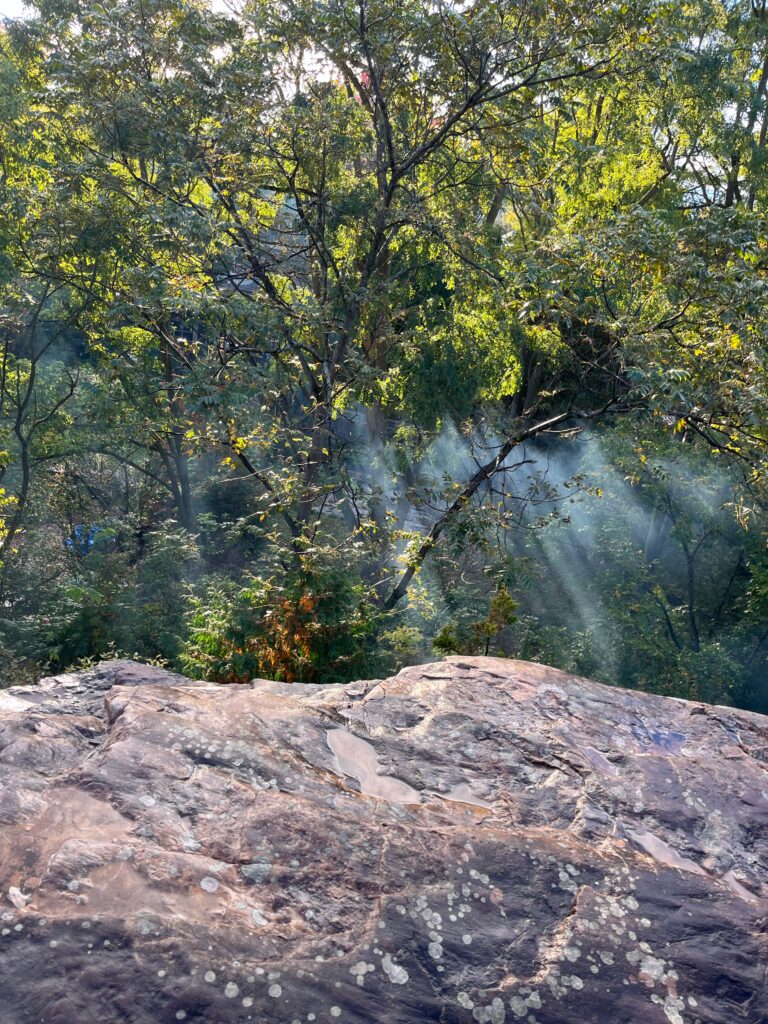
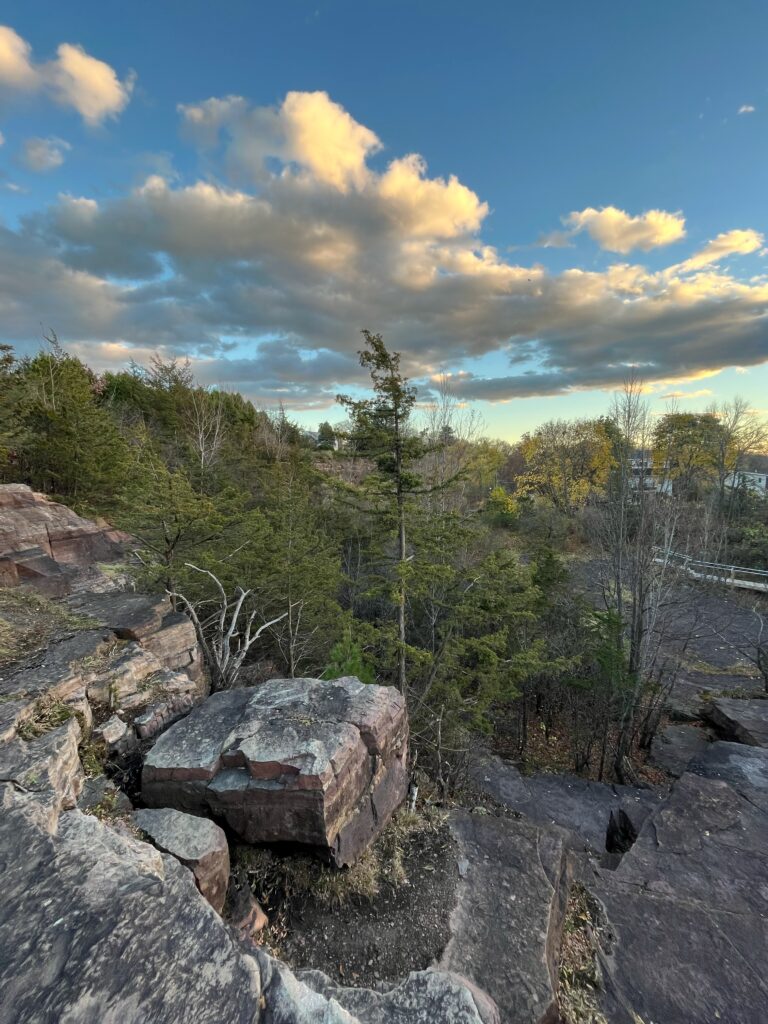
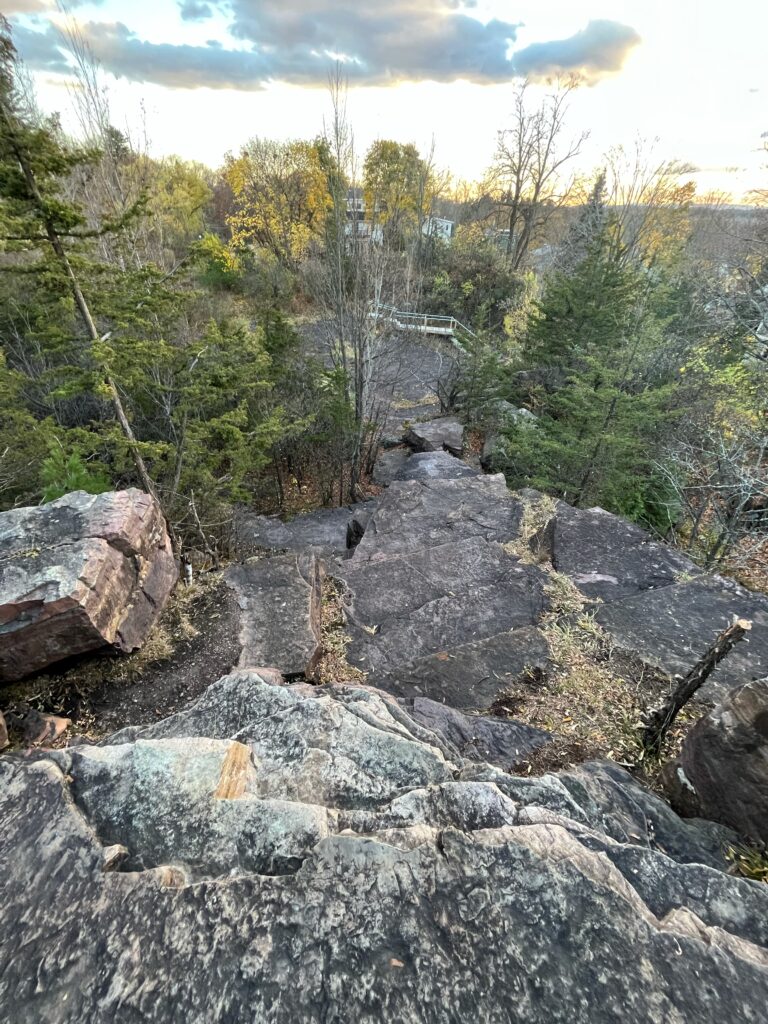
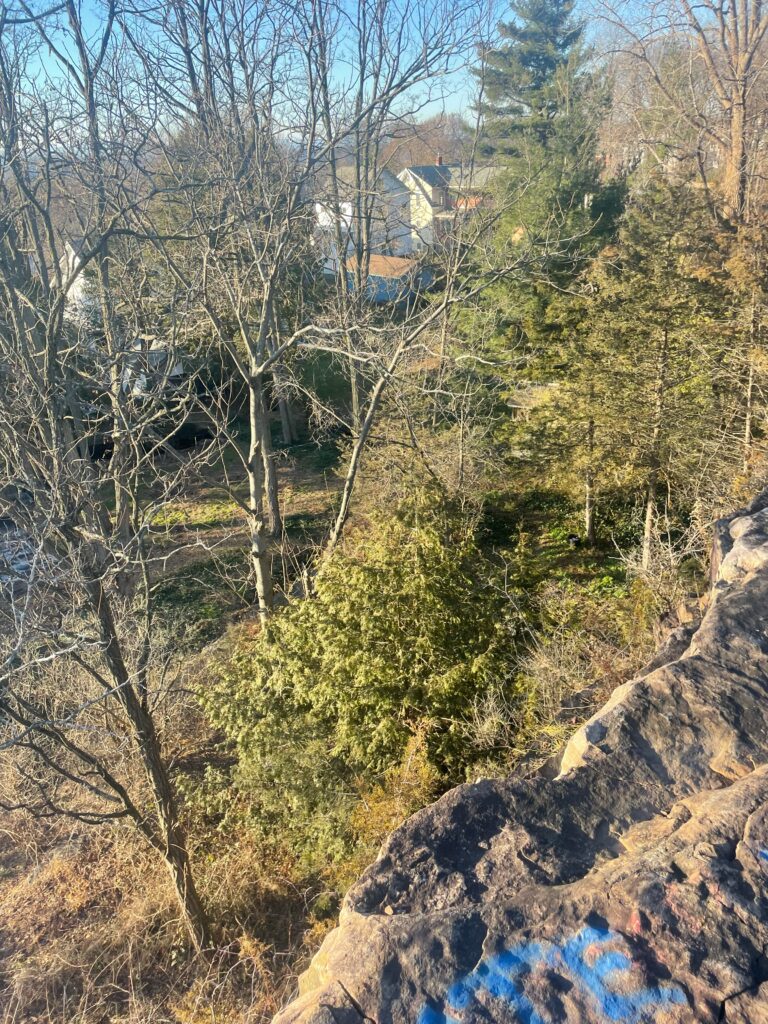
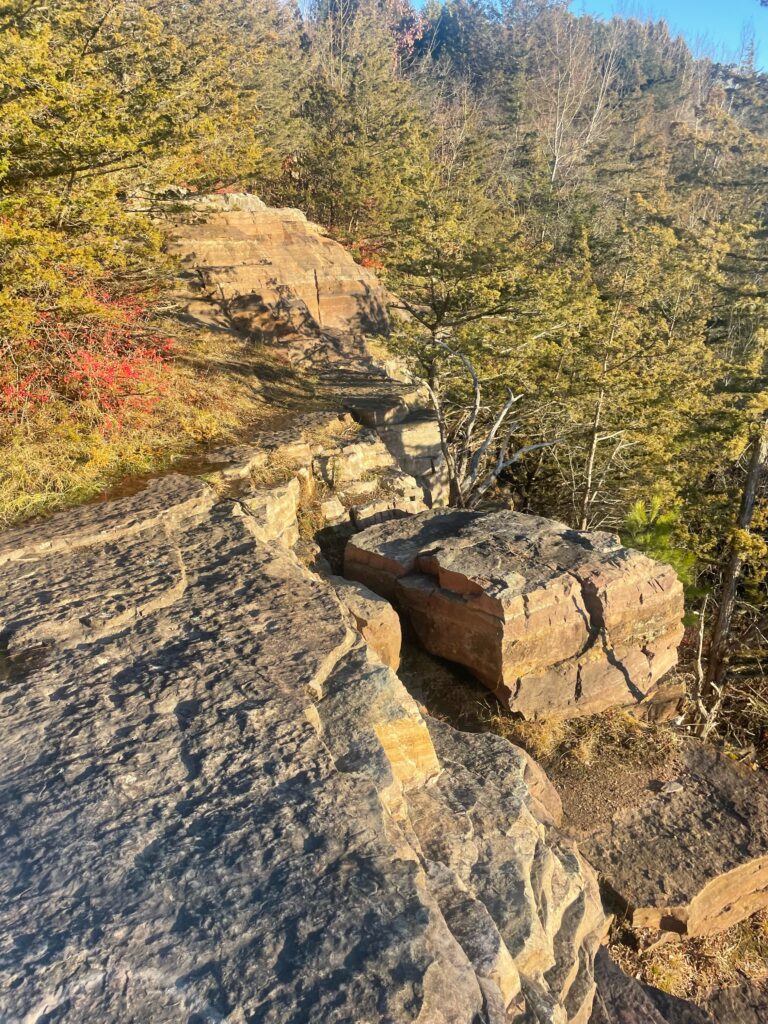
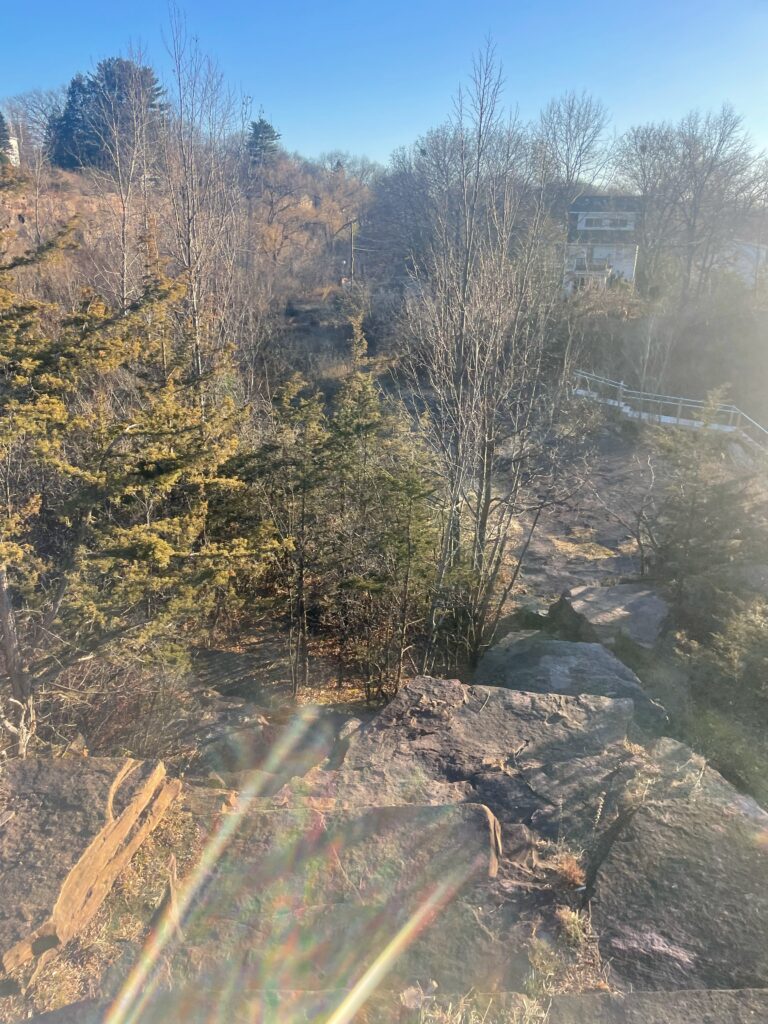
I haven’t exactly picked a name for my place but it is off of a street called “Ledge Road”, so as of now, I’ll call it the ledges. You get to the ledges by walking past redstone, and past the country club, which takes you onto Ledge Road. Walking down the hill of the road you’ll notice a few streets that you have to walk past until, on the left side of the road, there is a little clearing for a path. You take the short path all the way to the ledges and that’s how you get there! I chose this place literally because it’s pretty and has an overlook. There are all types of trees here at the ledges as well as more understory plants on the path. Theres also some moss and grass growing between the rocks. The trees are all changing colors and are super vibrant at this point.

Most common woody plants

  • Eastern Hemlock 
  • Sugar Maples
  • American Beech

11/7/22

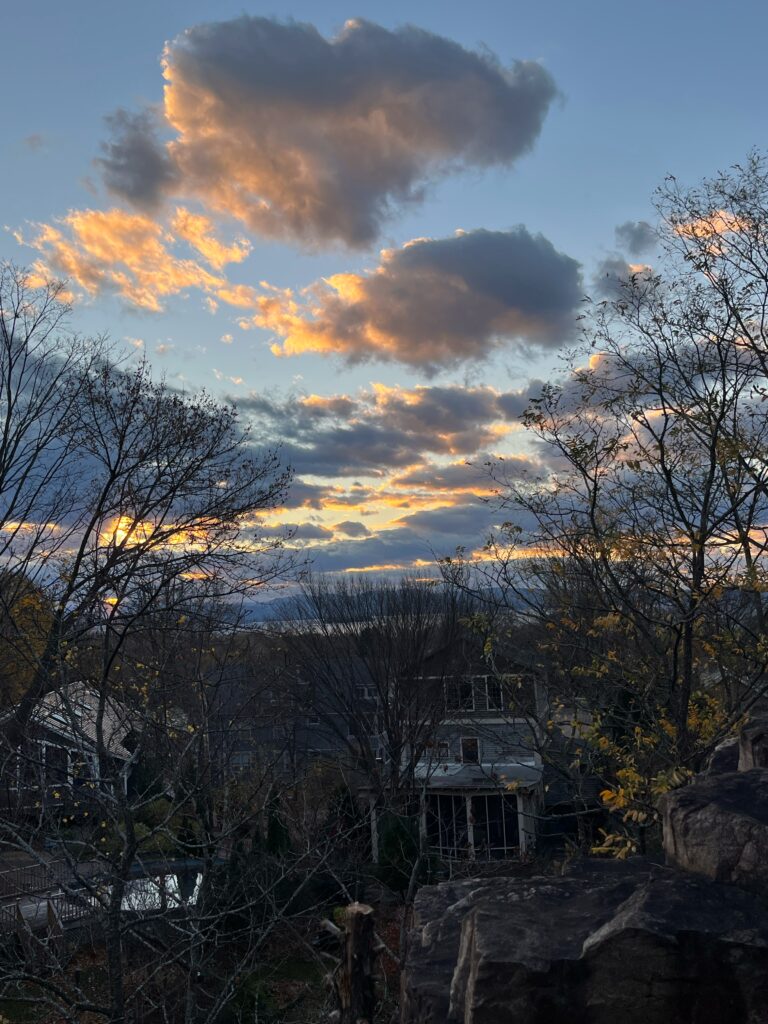
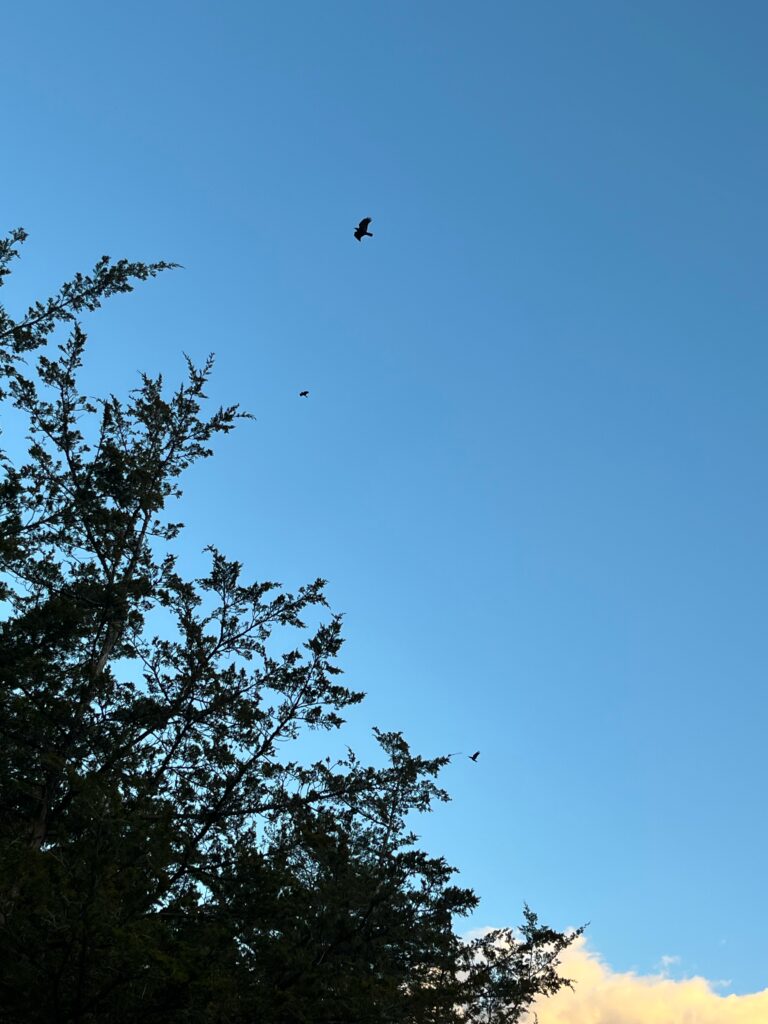
Today was very windy but still very peaceful at the ledges. In my 15 minutes of peace, i heard the hind whistle of the wind and shockingly the tweets of smaller sounding birds (for some reason I feel like birds dont exist in November). I heard geese that were probably migrating south. Lots of crows were circling around overhead. A very big bird day I suppose! Some of the Sugar Maples still have their bright yellow leaves but most of the other trees are bare at the moment. The rocks are dark from rain that had just happened. The moss and grass previously thriving between the rocks is now starting to die. An interesting moment was when I saw something red fly by and I thought it was a cardinal (which is the state bird of Virginia, where I am from), so that was a very exciting moment for me. Even though it was most likely not a cardinal and just a red leaf it was like a spiritual connection I felt to the place. Now that most of the trees, aside from the cedars, are bare, I have a pretty good view of the lake and was able to enjoy a nice sunset.

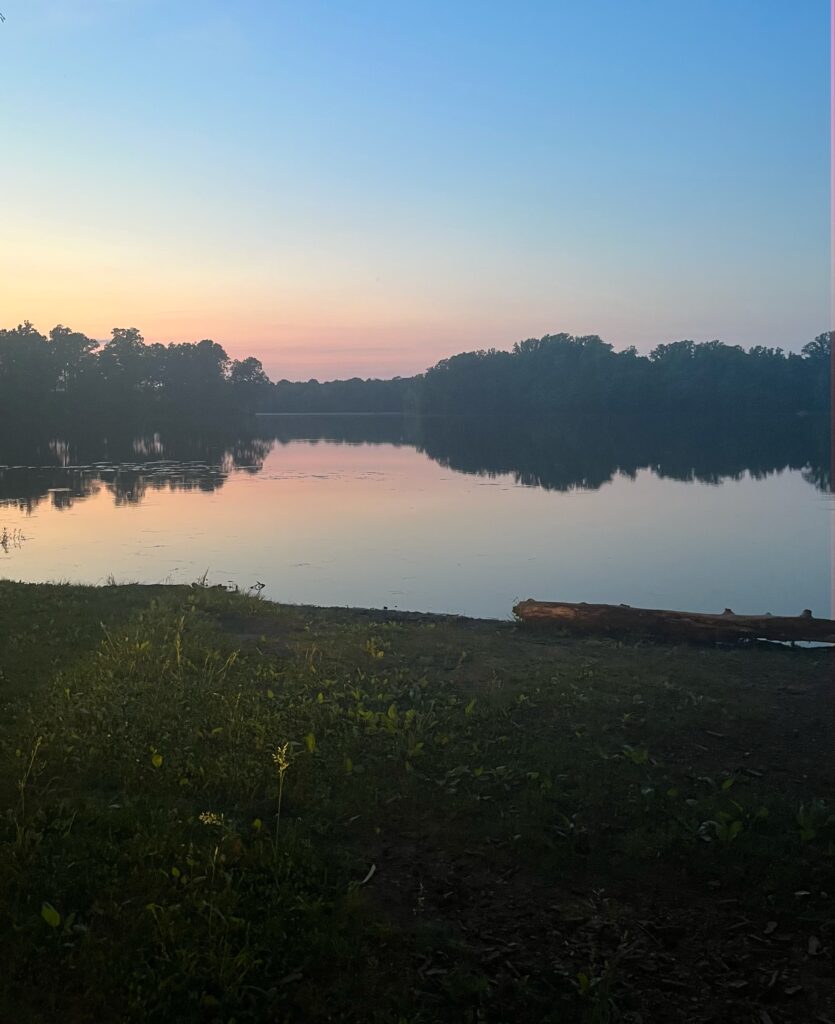
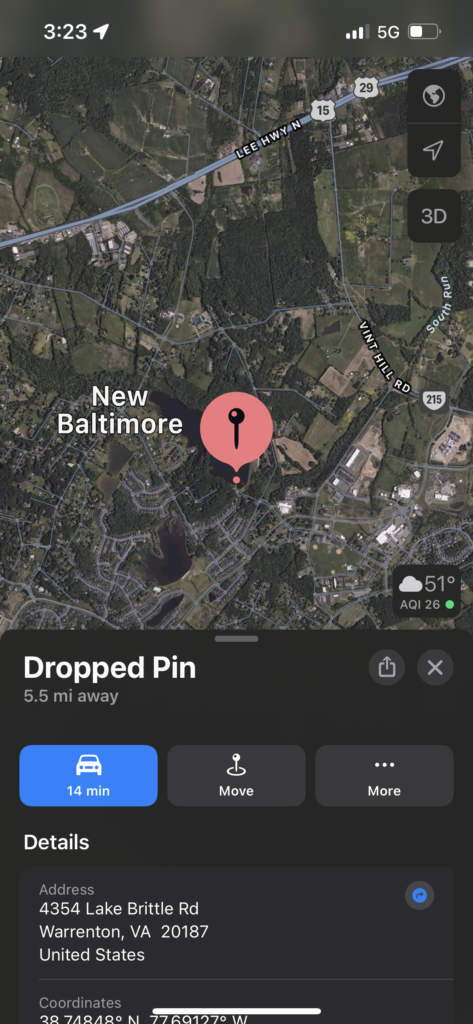
My new phenology spot is in my hometown known as Lake Brittle. Lake Brittle is a big lake surrounded by forest in Warrenton, Virginia. I went to the lake at sunset which looking back on wasnt such a great idea because it was darker than expected and I could see much of the trees. From what I did see though, there were many Yellow Poplars, Red Oaks, and American Beech. My spot in Vermont similarly has American Beech as well. Experiencing the lake was very different than my original phenology spot, as the lake has aquatic organisms such as frogs that I could hear croaking, while my other spot has strictly terrestrial animals such as birds and squirrels. As Virginia is way more southern than Vermont, it is a lot warmer and some of the trees still have their leaves.

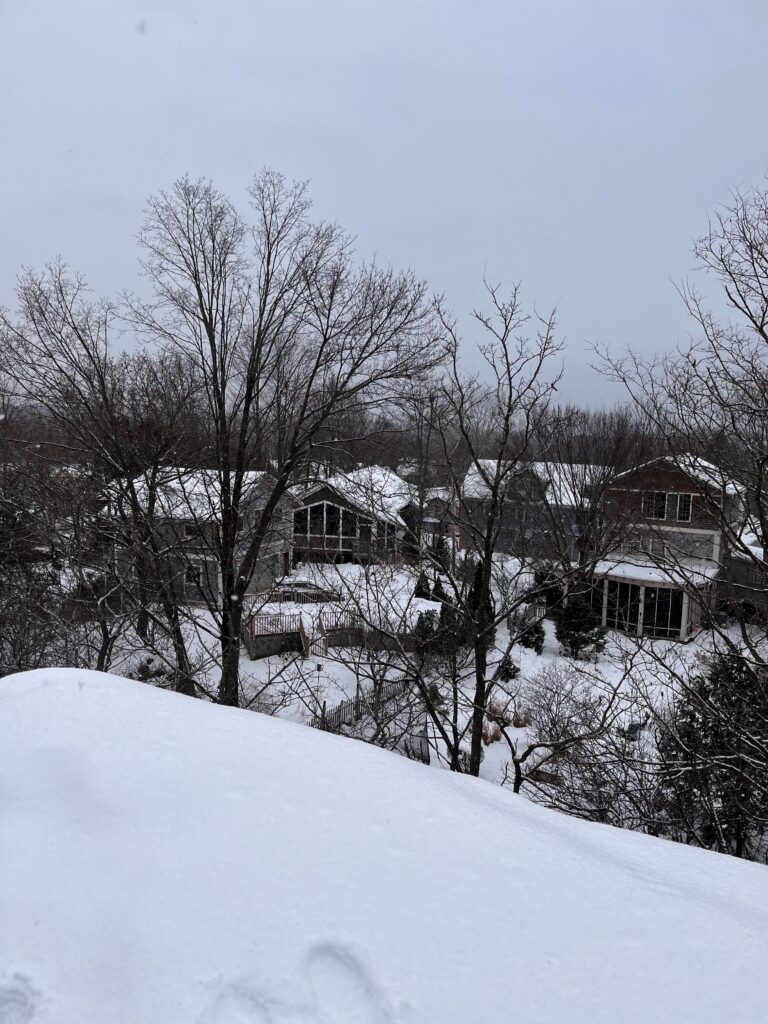
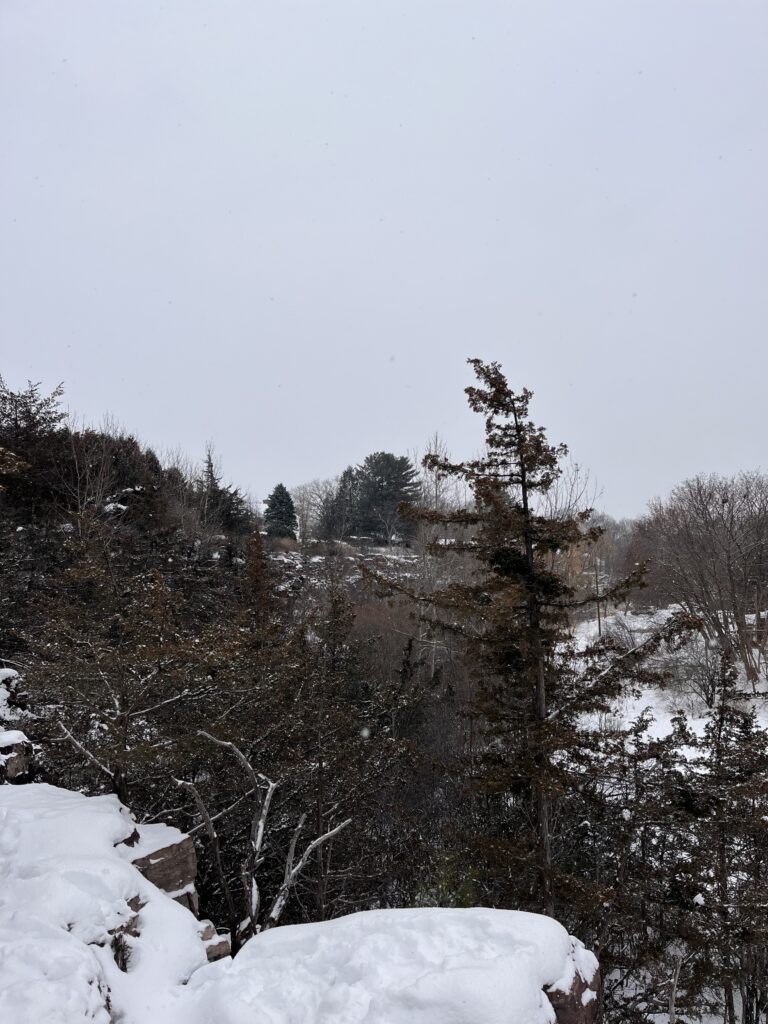
Looking back at my first phenology post, there was an abundance of leaves on basically all of the trees. Throughout the season, all but a few trees lost their leaves. The trees that toughed it out were the firs and the pines, keeping all their needles. The ground at my spot was mostly covered in dead leaves with little sign of decomposition. I did notice some squirrel poop on the rocks nearby where I was standing. I could hear some scuffling in the trees  and a few birds flew out, there were also crows circling around the site. In contrast to my first visit, there was less noise from wildlife, though that could have been from the wind howling. I also saw more animals during my first visit such as squirrels and chipmunks. The aspects I love the most about my site are the views, the rocks overlook the small woods behind cute neighborhood houses and you can see the lake. This was overall an enjoyable experience and I’ll definitely be making visits back to my spot.

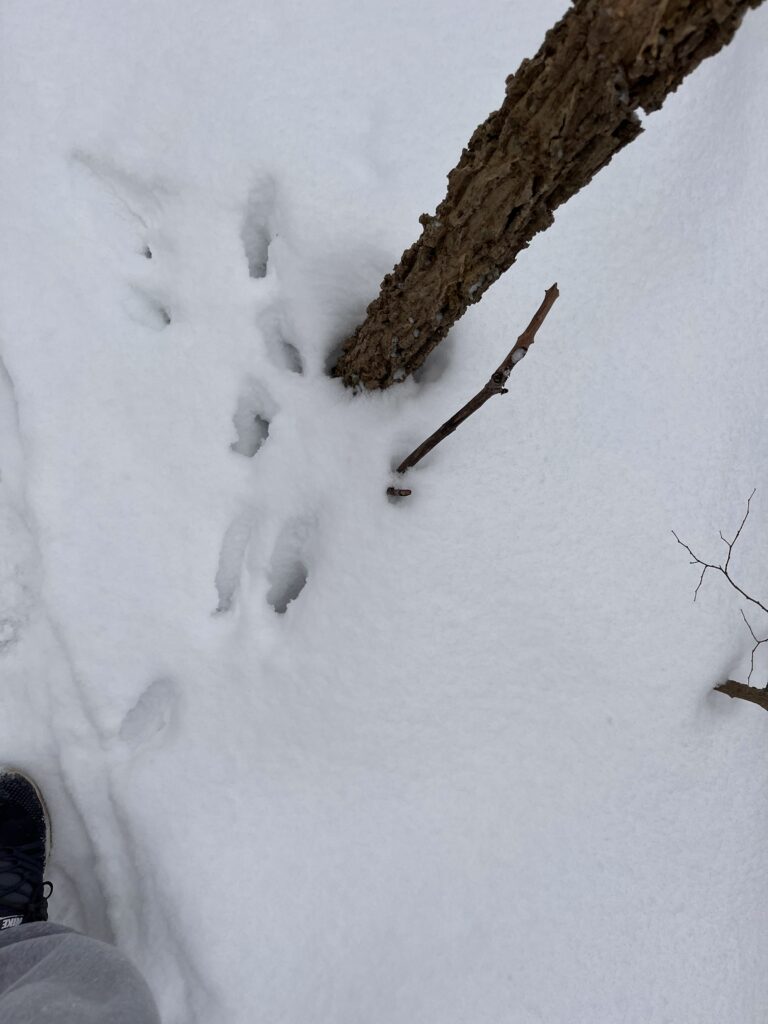
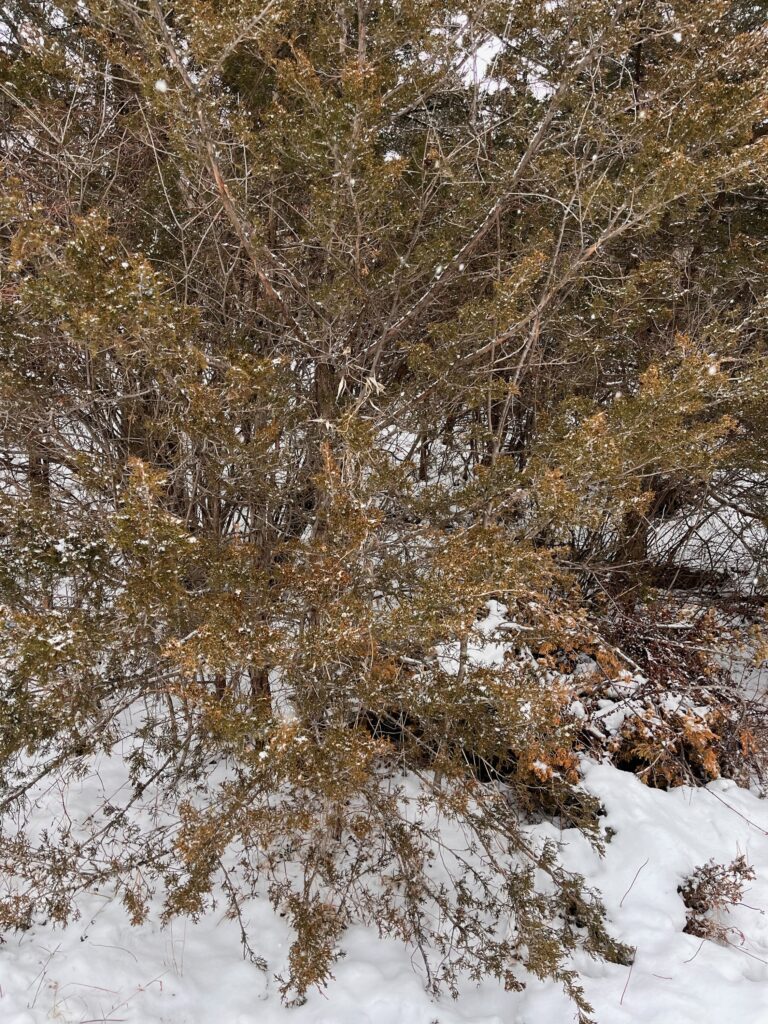
Returning to my spot after a good long break made the phenological changes really stand out. There are no more leaves on the trees, except for the cedars, and as far as I can tell, the grass and moss between rocks is still dead. There were no berries left on the bushes. Usually I can see the lake and the New York mountains from my spot, but with the snow, it made visibility hard. Snow covered every part of my spot so it kind of sound proofed the area so I couldn’t really hear much wildlife. Although I did one track of animal prints that I believe to be Rabbit or Hare!

Skip to toolbar