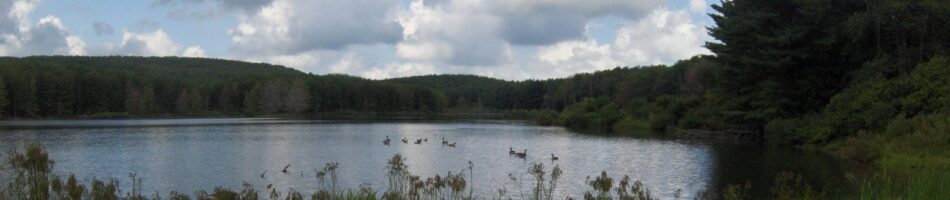
Coming to a close: Wonder Blog #4
7/11/2022
The prospective concepts of this project clogged my mind for many days. I had already covered much of the obvious such as visible species of plants, trees, animals and had looked into the reasoning of the patterns I had noticed. I had covered the important environmental history and evolution of the pond and in spite of this, I was clueless as to what I could look at for this last entry. Stoney Pond is peaceful, so peaceful in fact that the life of the State Forest could be considered sedentary.
Then it came to me, to expand my options, I simply had to explore the regions of the State Forest I had not yet… the pond itself. I secured my kayak to my car, checked my SCUBA equipment and headed off for this last visit.
My goal was to observe the life of the pond below the surface as well as the rest of the park from the waters eye. I began with a SCUBA dive into the pond and quickly found my fair share of troubles, there was rooted aquatic weeds everywhere, and the visibility was poor so I was forced to maneuver slowly. I determined that the deepest part of the pond (from my bearings) was ~13 ft. The composition of rock throughout the pond was primarily metamorphic and igneous, with very little loose sediment. This aligns with my online findings that Stoney Pond was likely formed as a result of the Alleghany Orogeny and sits on the Alleghany Plateau. I retrieved some rock and plant life samples (shown below) and then dived again to attempt to observe other aquatic life. I waited a long time, but eventually saw numerous fish which I did not identify until later recounting details of the fish to fishermen throughout the pond. As they report, the fish I encountered were Black Crappie, Pumpkinseed Sunfish, Bluegill and Largemouth bass.
I later explored the pond further from the seat of my kayak, and found large populations of frogs (pickerel frogs by my guess) in the swamp borders of the pond (no pictures :(, they were too fast).
Shown below are the samples I collected throughout the pond. I observed that there was not much variation in the types of aquatic life or rock types.
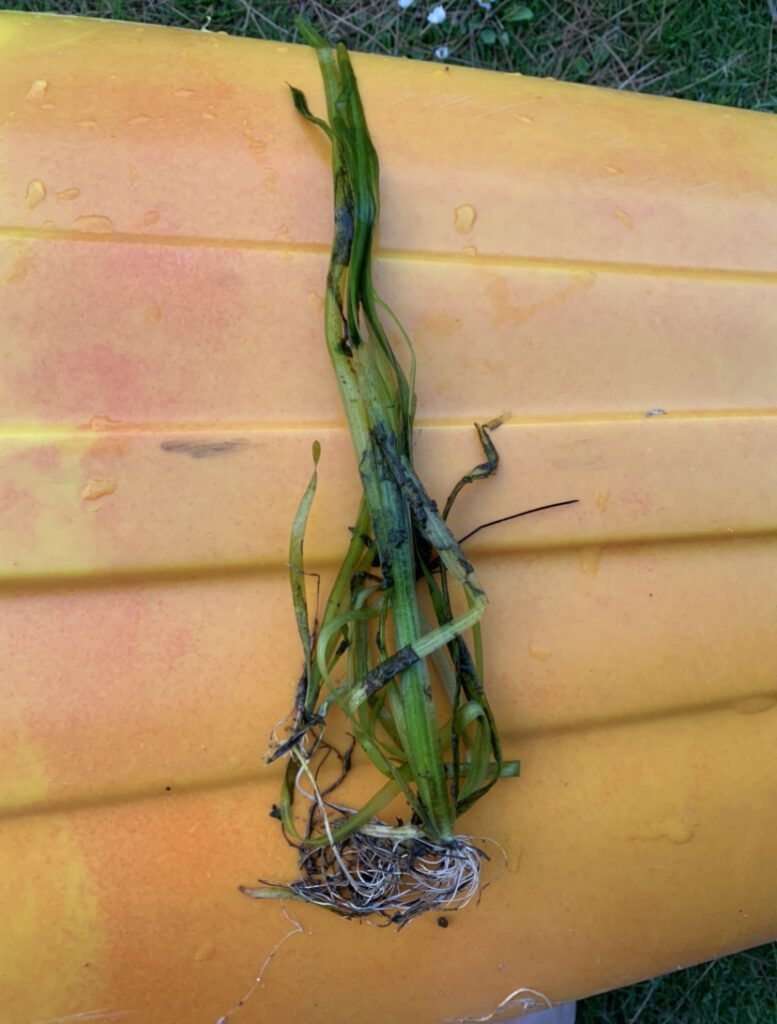
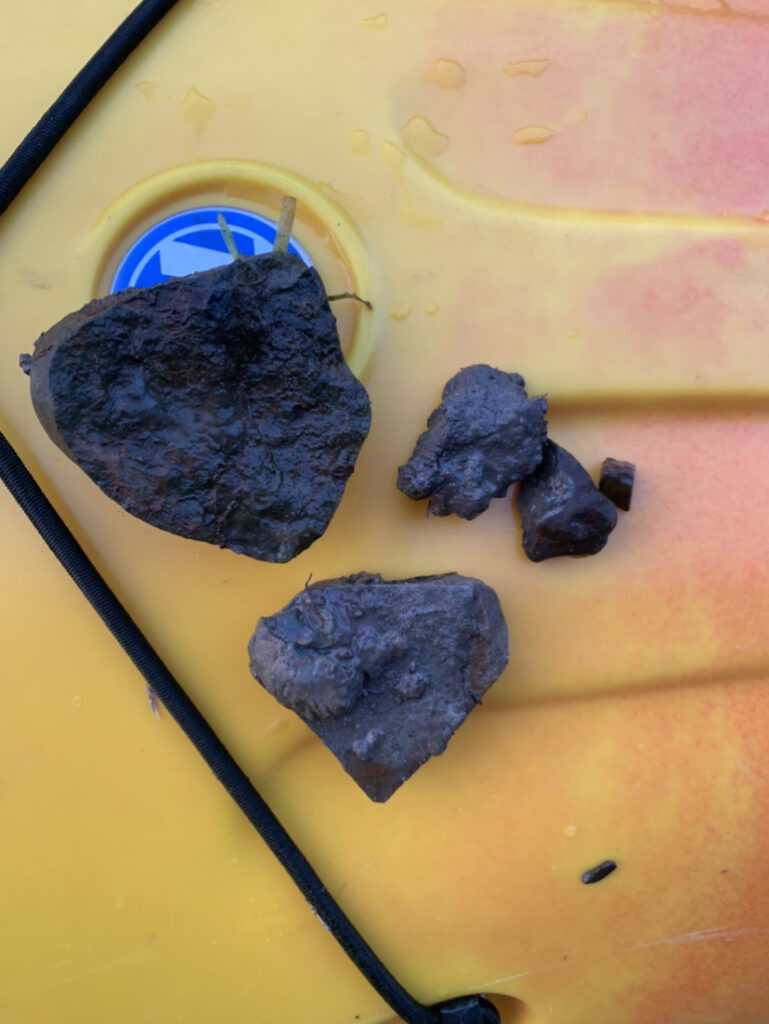
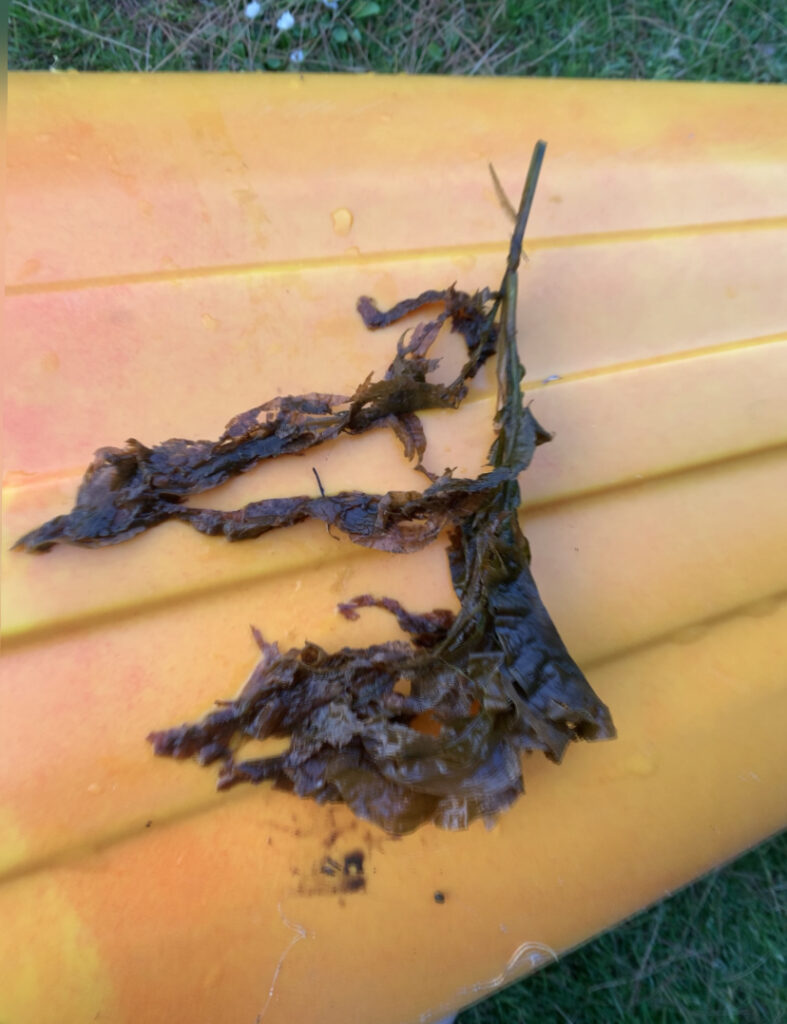
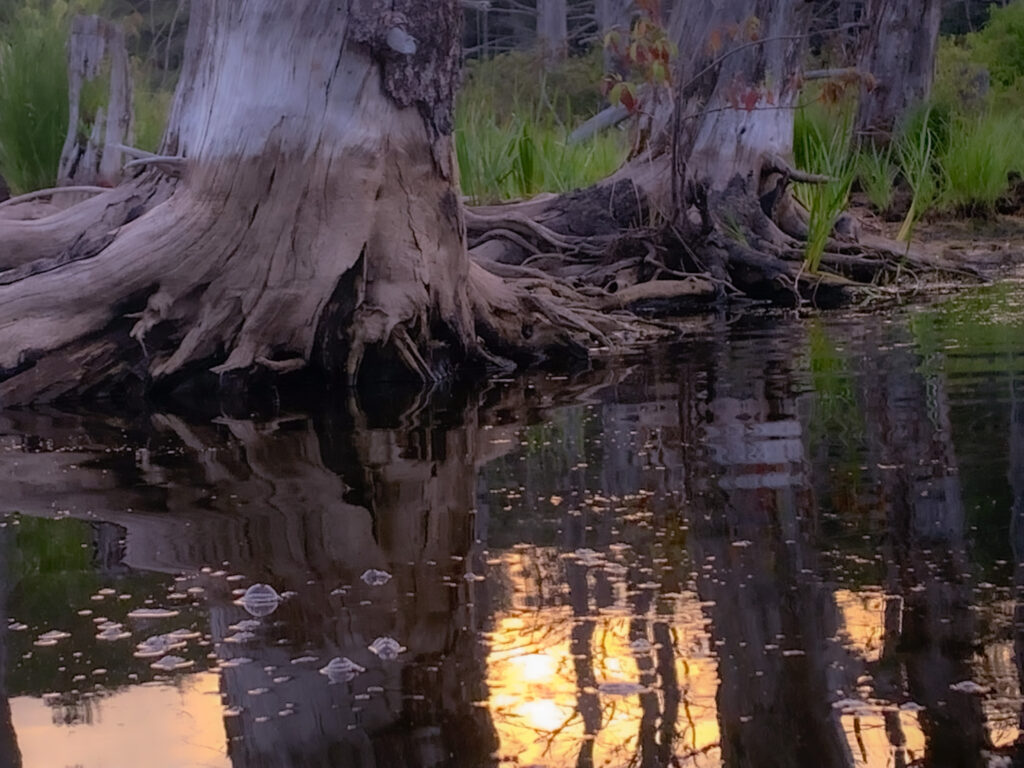
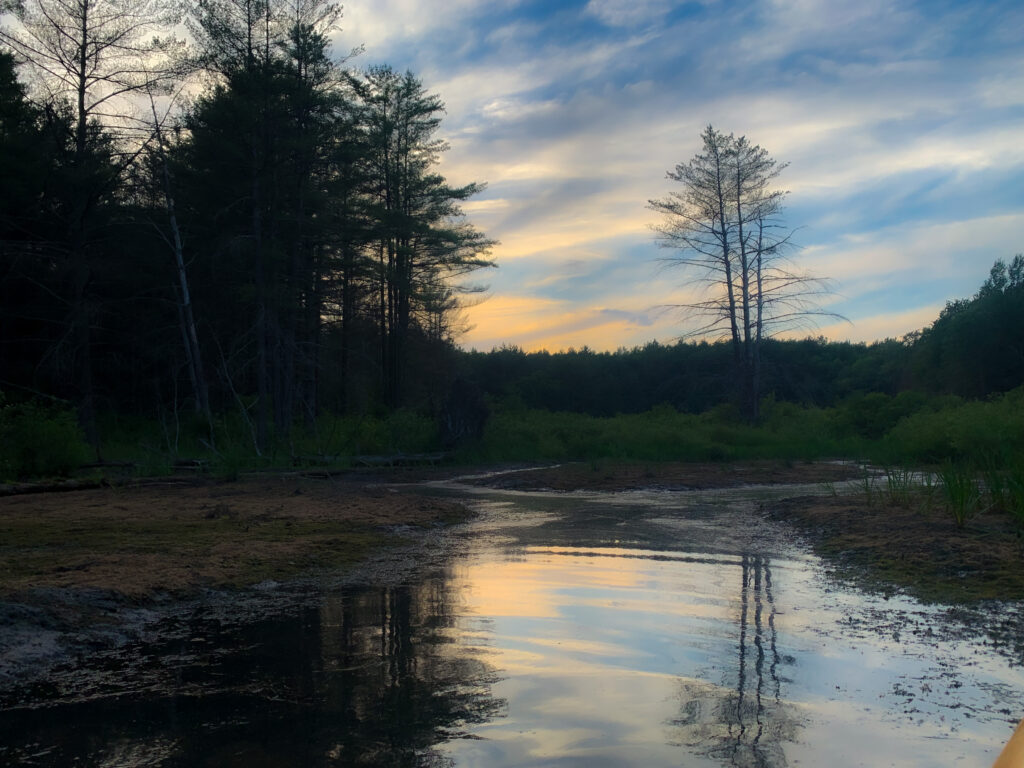
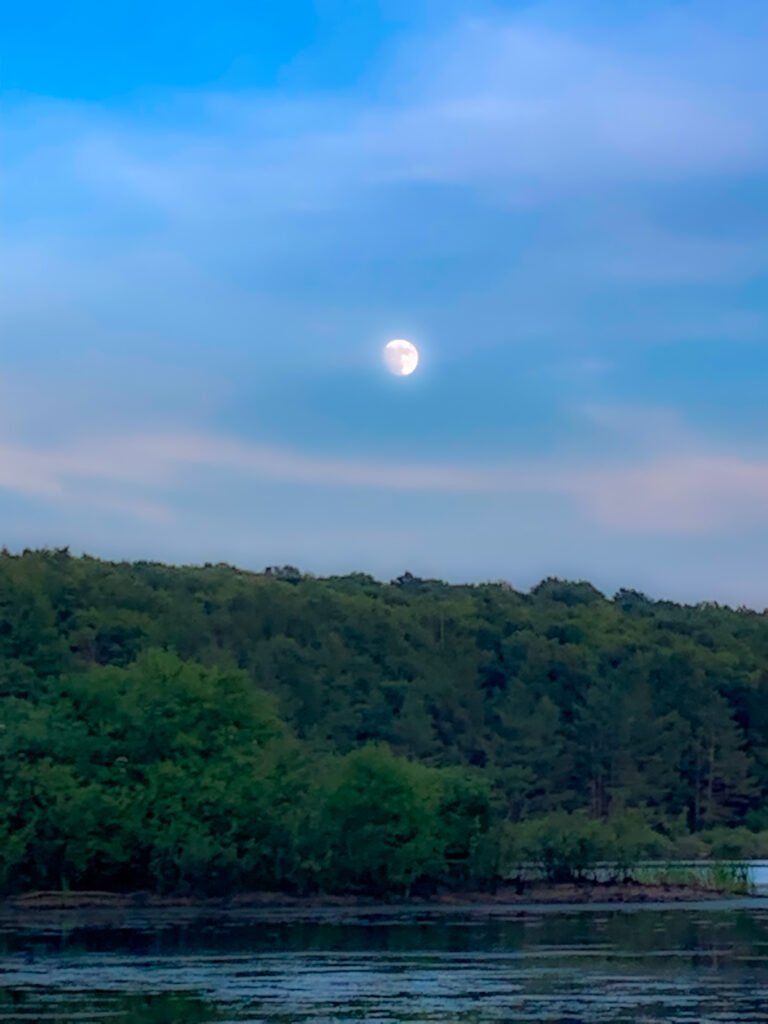
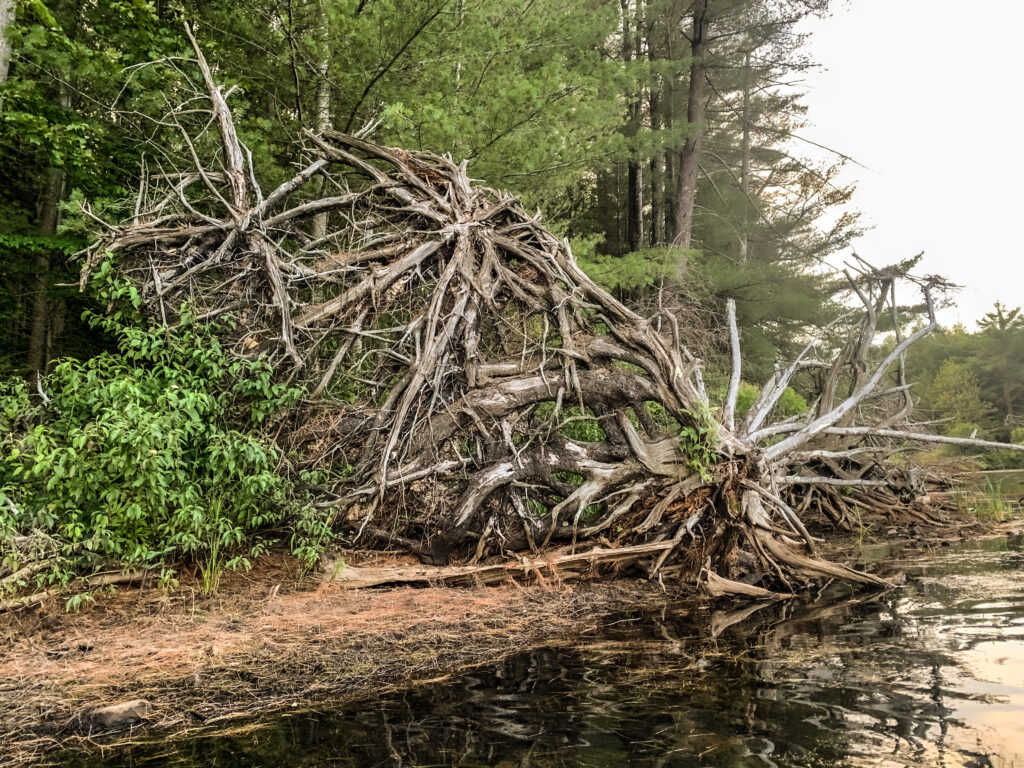
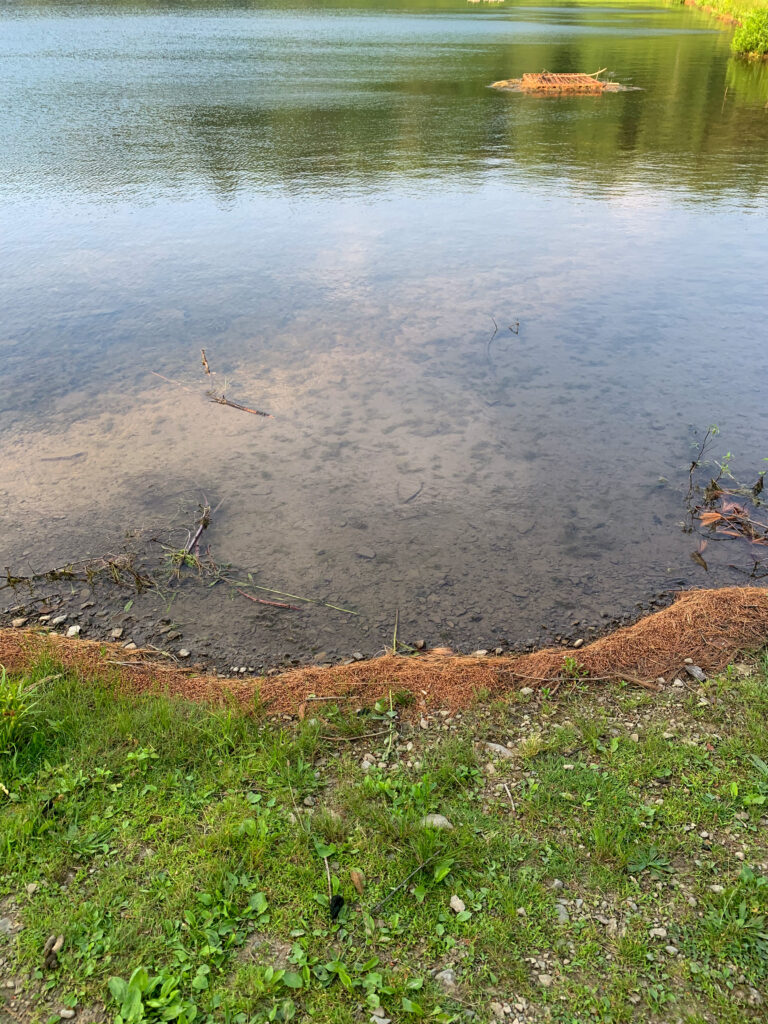
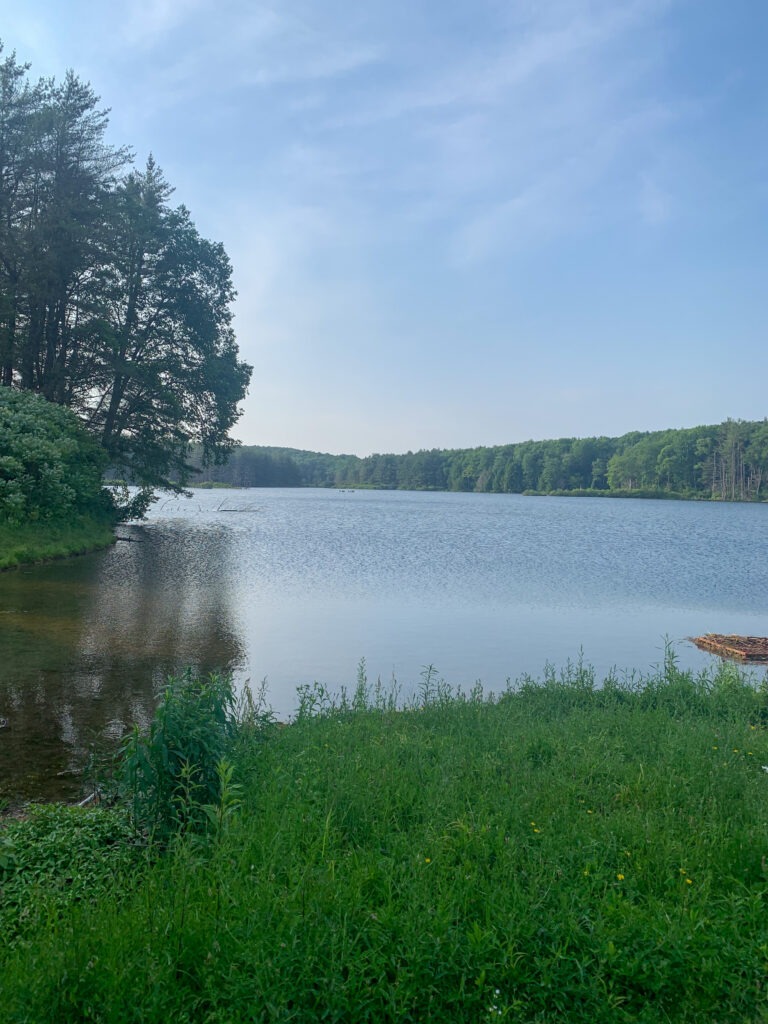
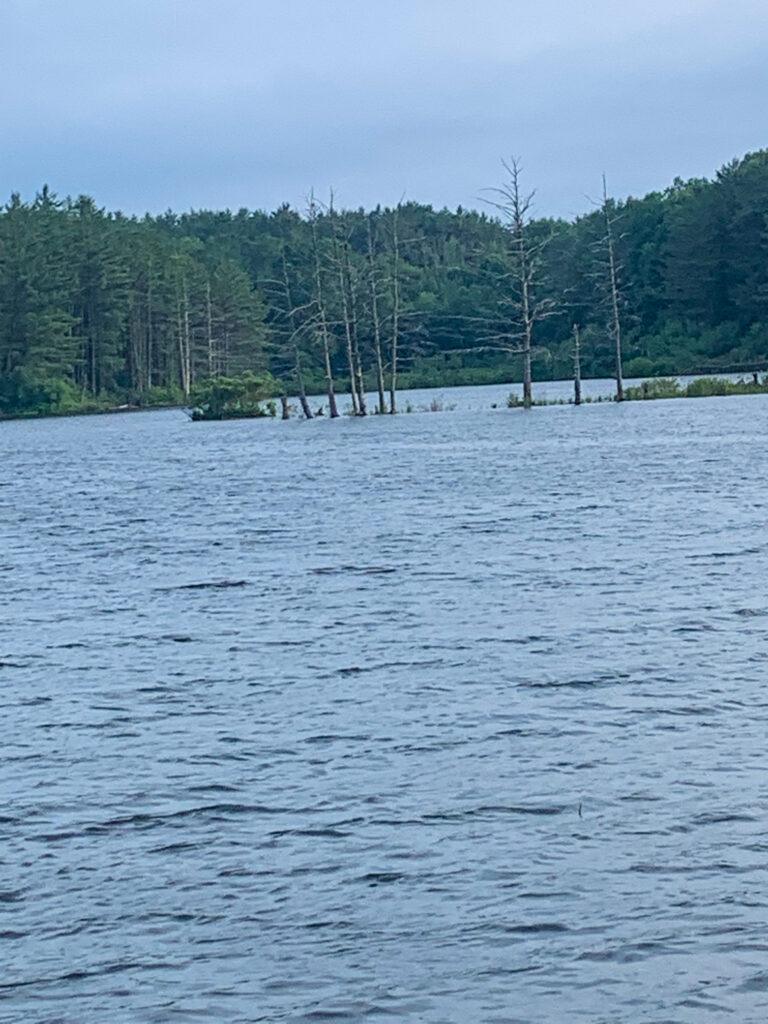
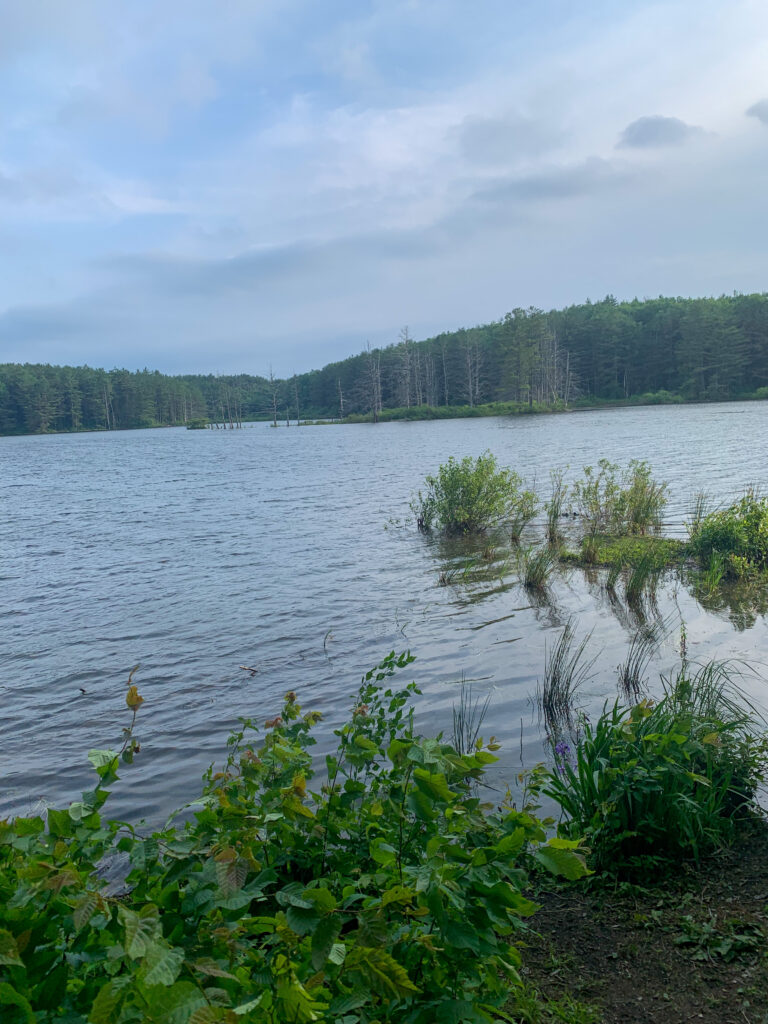
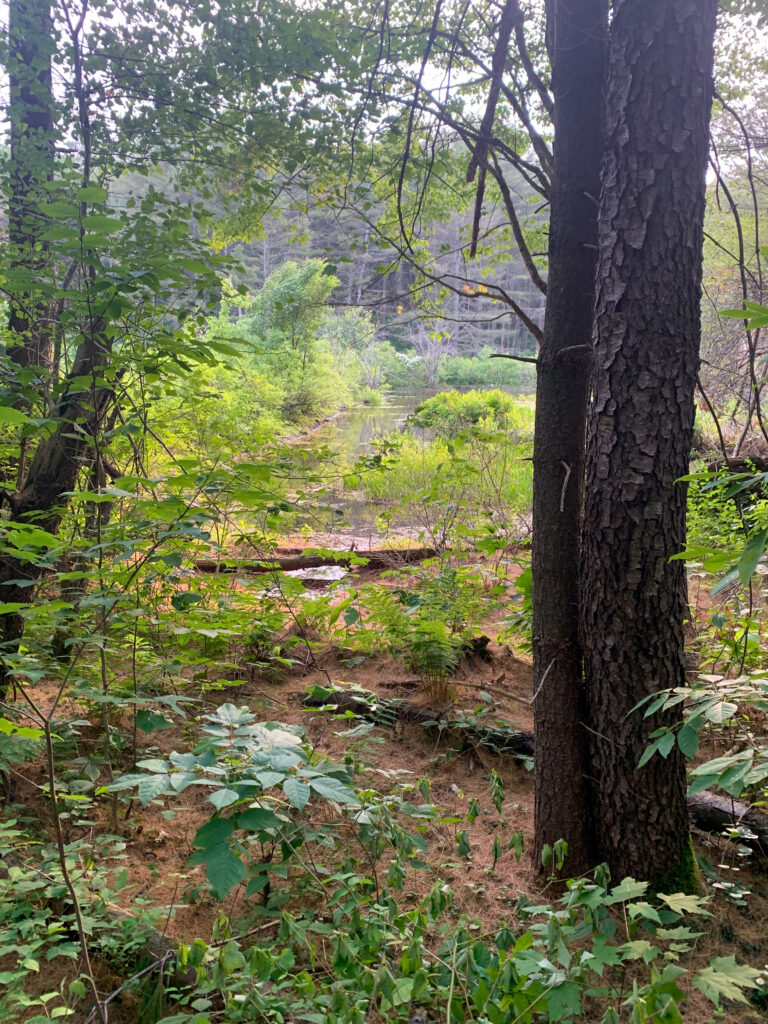
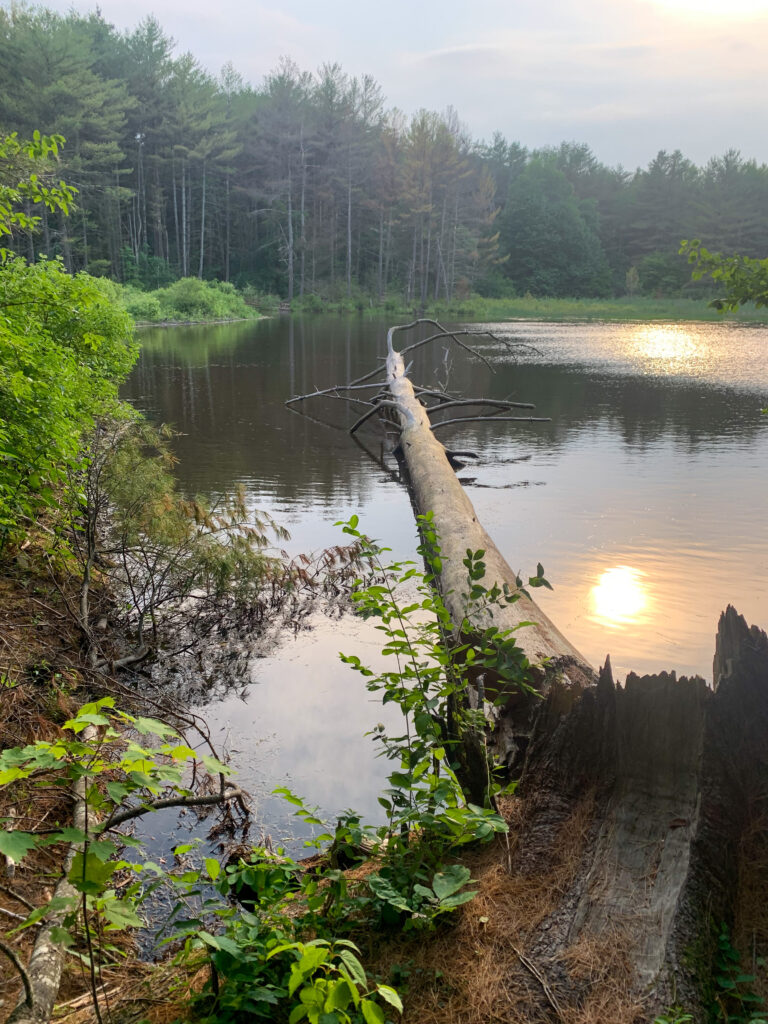
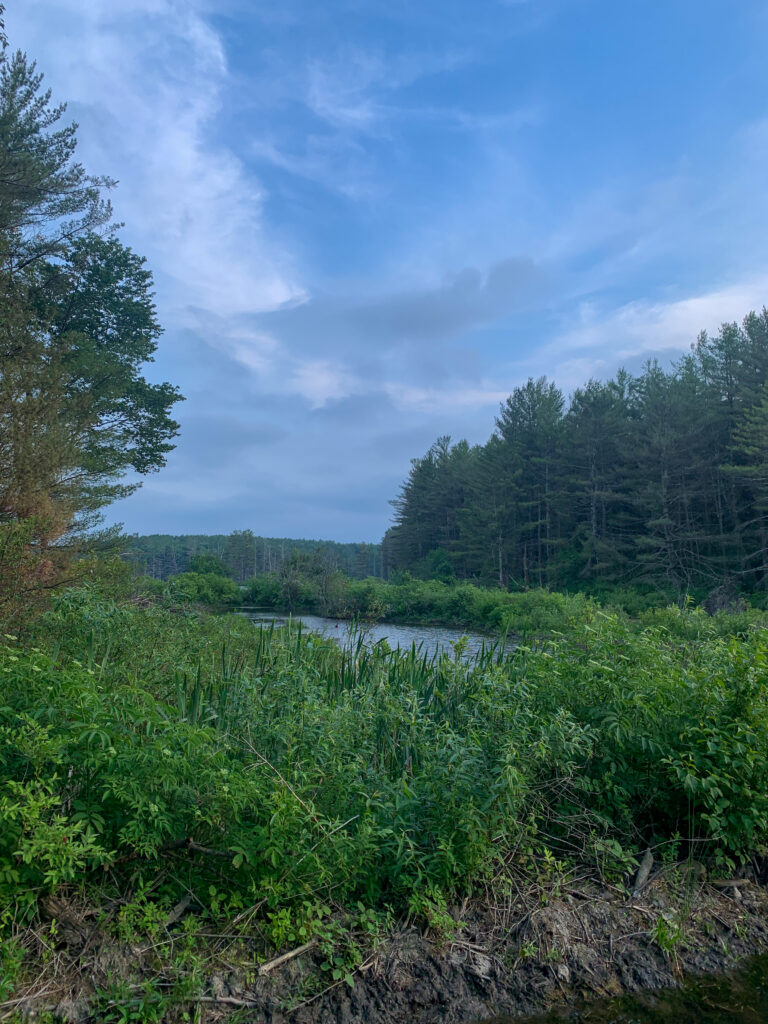
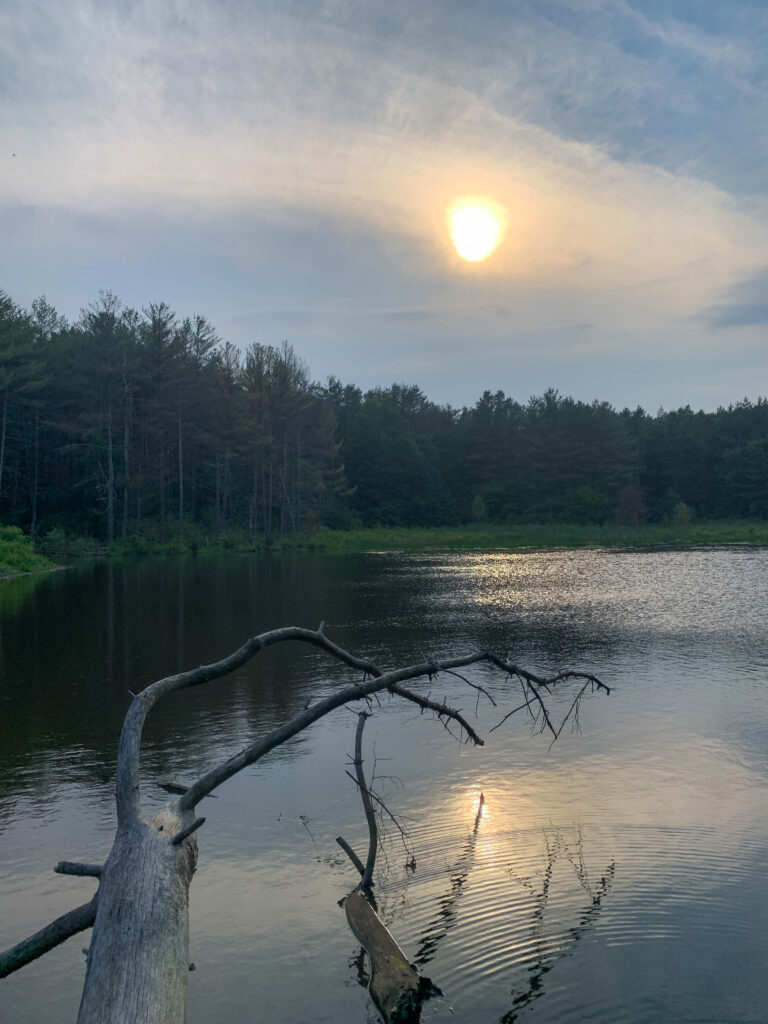
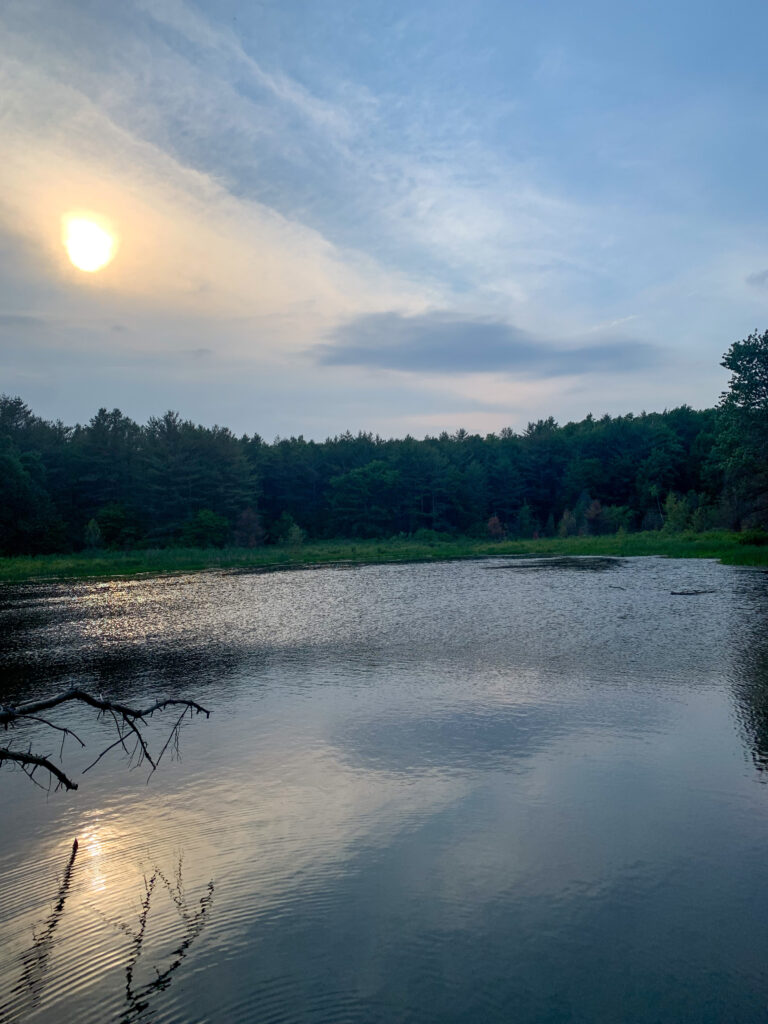
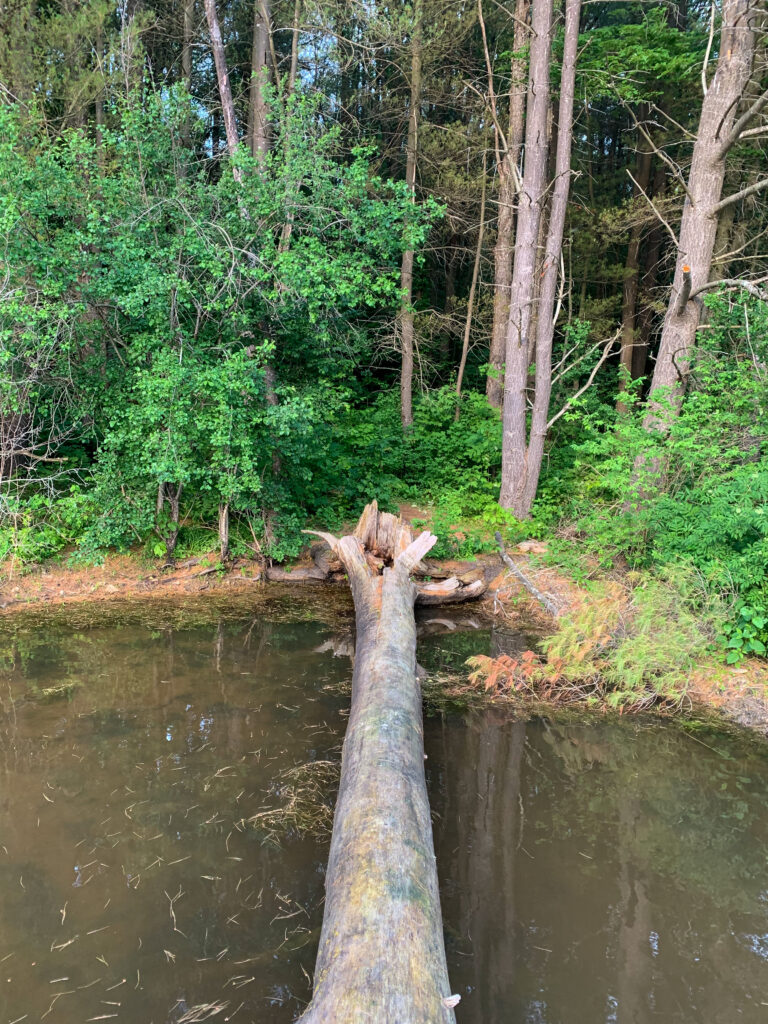
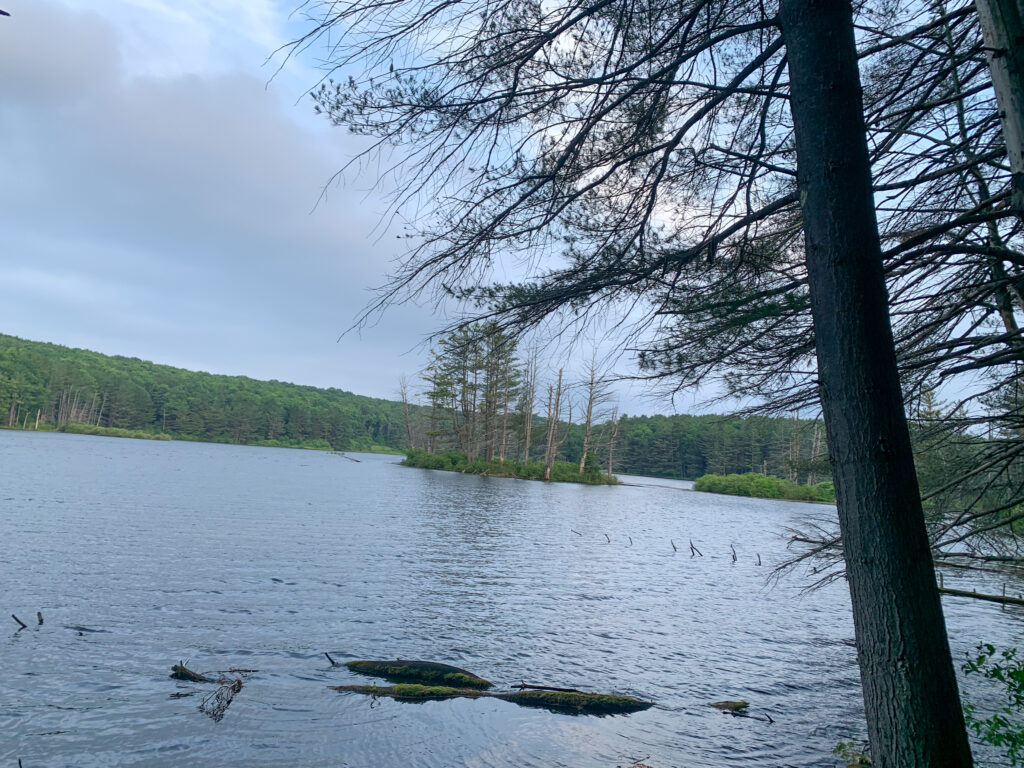
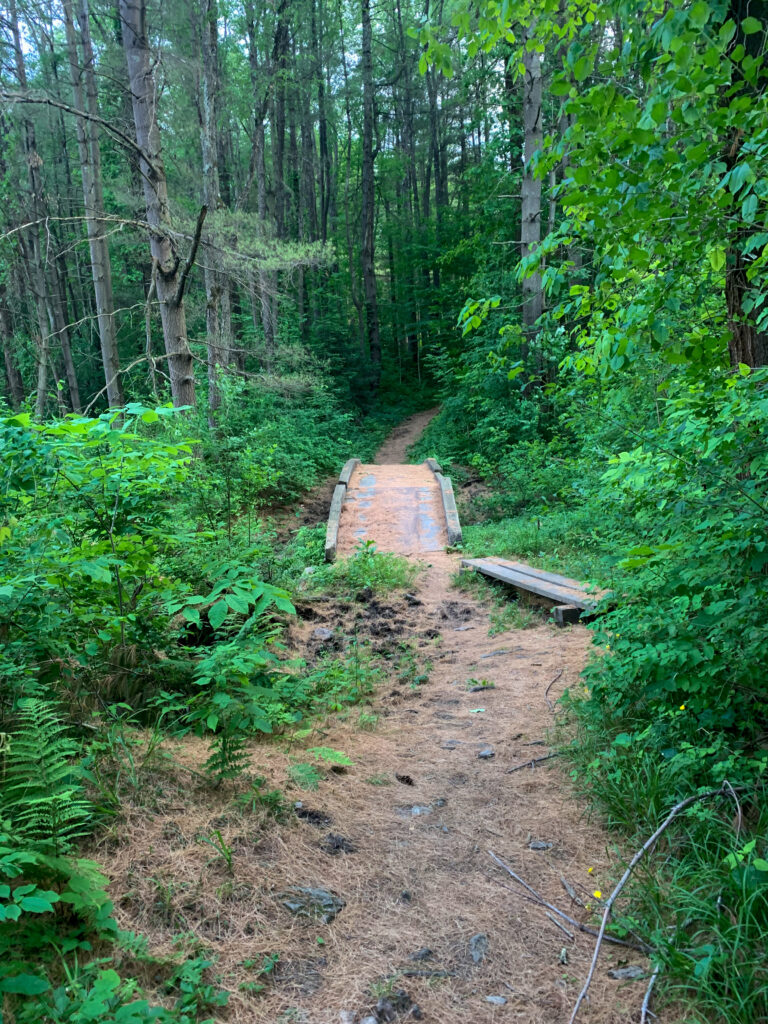
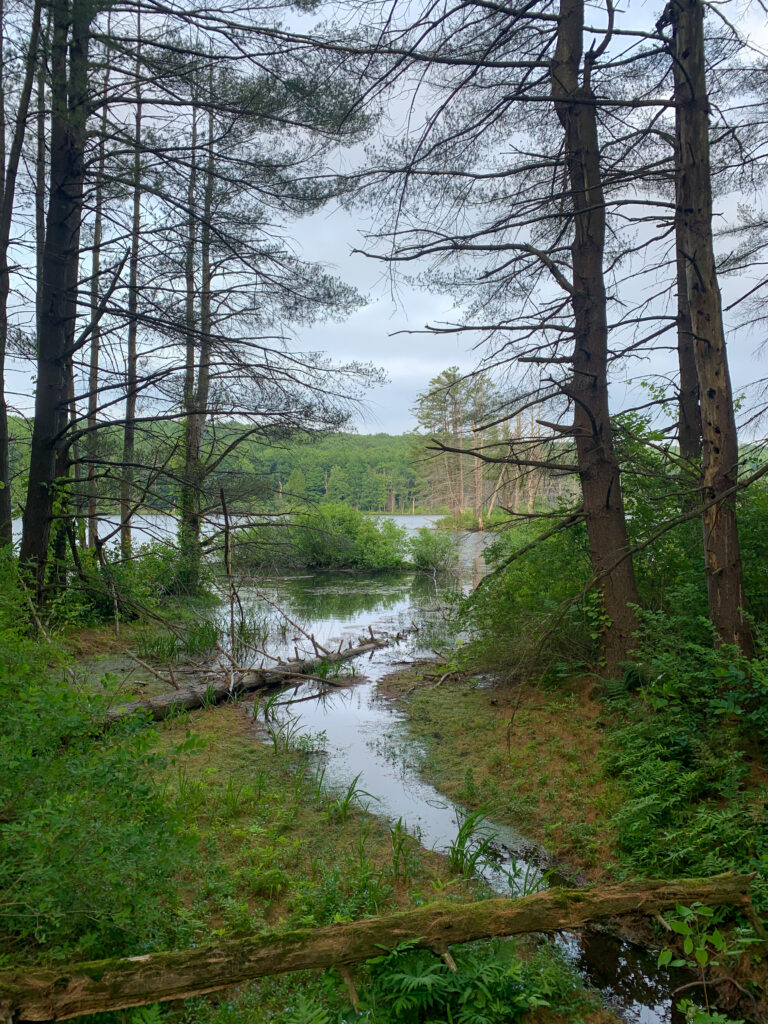
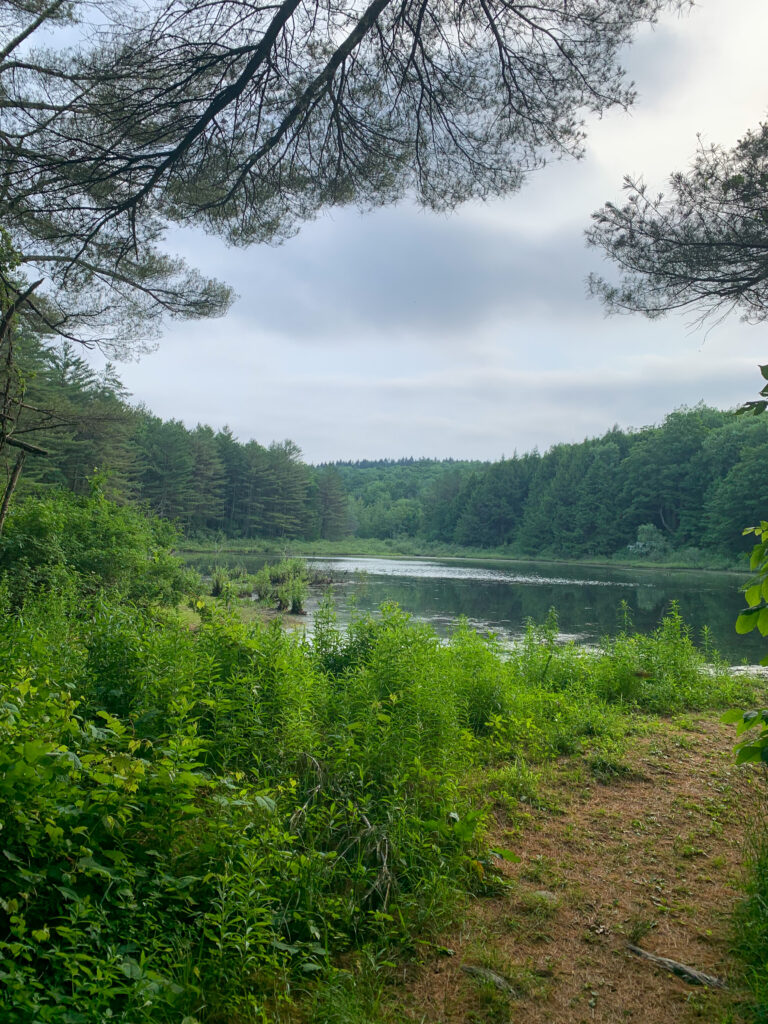
As I noted early, I have found the State Forest to be refreshingly peaceful, this has meant that I have had to find beauty in places I normally would have not, instead of having a plethora of possible subjects I have had to loom elsewhere towards what may normally be considered boring or lifeless. Shown below are the best photos I took from my last visit to the pond. Taking these photos, I was trying best to visually capture the simple wonder that has fueled this blog and sparked a reborn curiosity for woods, valleys and other natural sites I had previously grown tired of visiting.

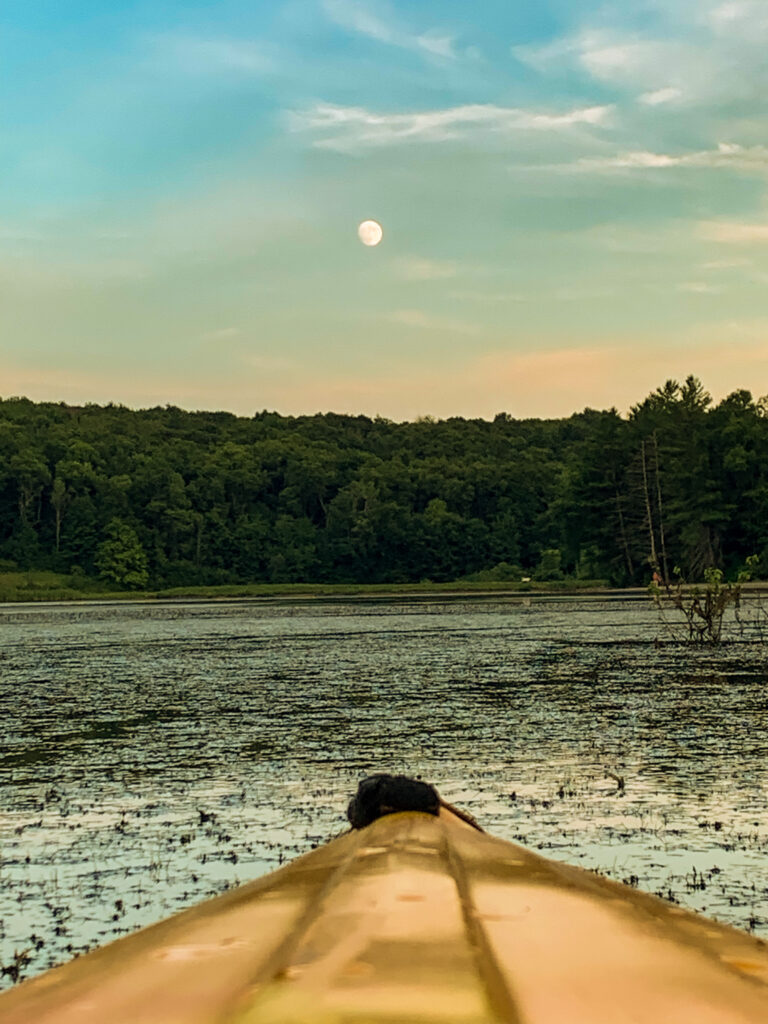
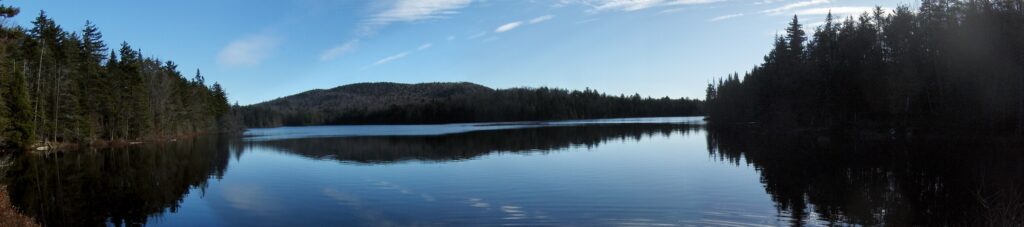
This blog overall, has trained me to have a higher attention to detail, patience for timely and an acceptance that beauty can be found in the simplest forms of our surrounding environments. Through hiking around the pond, SCUBA and kayaking I have come to understand the existing components and the geological history and makeup of the State Forest. Though there are areas where I wish I could have expanded further (wildlife sightings, underwater imaging; to name the two I am most regretful to have missed) I am content with the progress I have made in my field study habits and methods. Looking back, I wish I would have realized sooner the vast opportunities the pond itself presents (though solo SCUBA diving in this environment was quite difficult), but I am left with enough insect bites across my body tonight to be satisfied. Most importantly however has been the realization that there will always be more to be explored, nooks and crannies to uncover and understanding to gain.
Thank you Wonder Blog
– Jacob Ives
Beauty in the Simple Things
Wonder Blog Entry #3, Stoney Pond State Forest
[1] It’s Monday, July 4th, I made my visit to Stoney Pond between 1 PM –> 3 PM, it’s sunny out with pretty clear skies, a bit more humid than it has been in my previous visits, but overall there is no drastic weather.
[2] It’s July 4th and a plethora of campers have arrived to celebrate the holiday at this picturesque outlet. The noise they have created over the weekend and today has disrupted the ecosystem and has resulted in a noticeable lack of animals I have seen today compared to prior visits. The proximity to nearby towns where fireworks were most likely recently set off certainly doesn’t help.
Since the time of my last visit, the grasses and flowers have grown, the place has erupted in color, and there are more insects in the forest than ever. As we reach and crest the peak of summer, the insects will dwindle. I then identified some species of trees that I will discuss later on.
I then found a few new paths that led me off into mostly unexplored areas of the forest and came across a rocky setting that distracted me for more time than I would like to admit (I climb). After my distractions ended, I continued on into the borders of the forest until I found a stream, and followed the stream for a bit before turning around (at this point I think I had completely strayed off-trail).
[3] Building upon the question I had made for myself in the last blog (why I only came across American Beech trees on one side of the pond) I wandered around some trails I had previously left unexplored in a better attempt to not only answer this question but gain a better idea of Stoney Pond’s sectoral growth in general. Observing the hill that the American Beeches were shaded by, I did some research and found that American Beeches do well in moist, well-draining environments; which is exactly what this area is, the hill gives the American Beeches enough water to survive, but also provides reasonable drainage so they do not drown. As I continued up the hill, I noticed that many of the tree species I had identified around the pond (Red Pine, White Pine, Scotch Pine, Red Oak, Sugar Maple, Red Maple, Black Cherry, White Ash, Eastern Hemlock, and Norway Spruce) were appearing in lesser numbers as I got closer to the top of the hill. These trees all favor well-drained and acidic soils, which increasing elevations do not give. The top of the hill and the part of the forest at the top are all relatively flat, which would not provide the drainage the tree species identified prefer. This explains why the hilly parts of the forest consist of mostly tall grasses. None of this research provided an explanation for why the American Beeches only grew in that one specific area, however. The only reasonable explanation I can draw is that because most of the forest is second-growth, the American Beeches were planted in that area and have failed to spread to other parts of the forest.
[4]
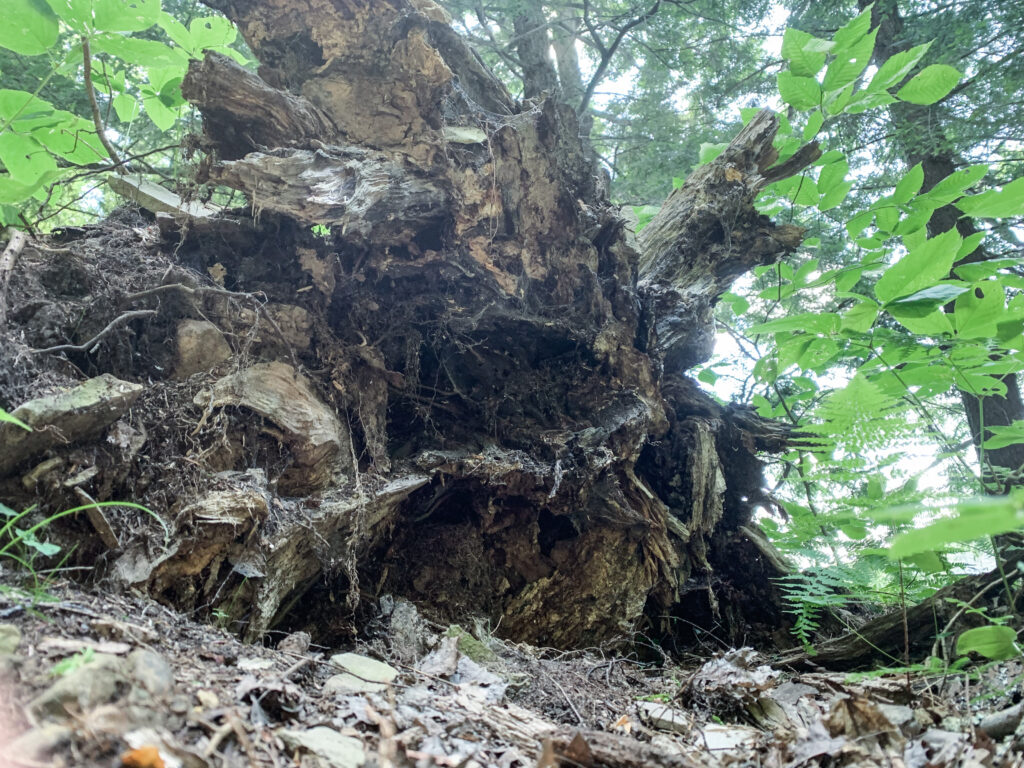
Image 1: The subject of this photo is the upheaved roots of this tree. I chose this photo because many of the photos I took today aim to focus on capturing images of smaller ecosystems within a bigger picture. Essentially, how the subject of this image (the dead tree) provides a different ecosystem than the areas around it.
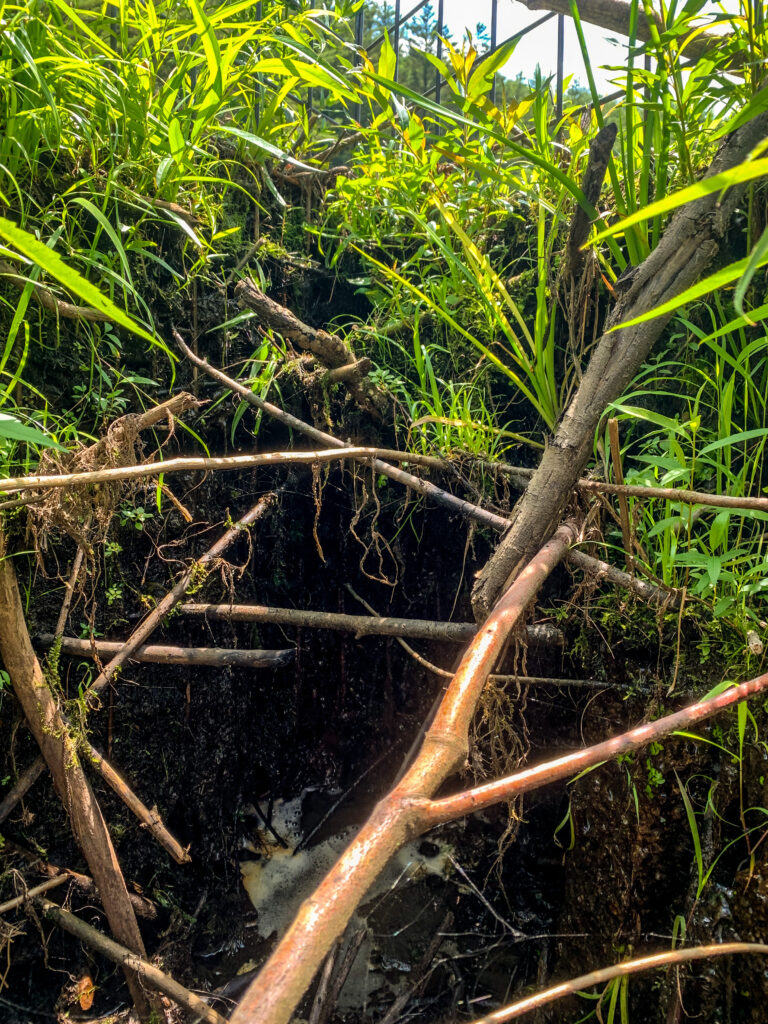
Image 2: The subject of this photo is the inside of a small closed-off area inside of a swamp. I chose to take this photo primarily because I was curious as to what the inside of the containing structure looked like, so I waded into the swamp to see.
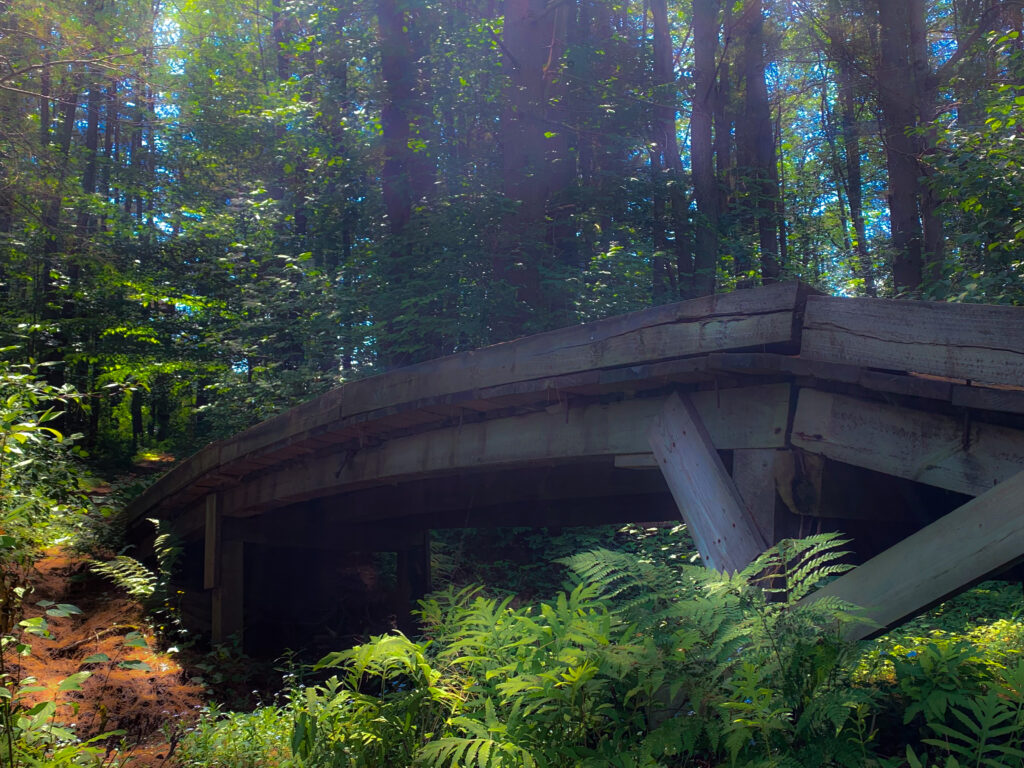
Image 3: The subject of this third image is the bridge. Following the theme of the prior two images, I was attempting to observe smaller ecosystems that might exist under the bridge but the surrounding area was too muddy to capture the underside. So I settled for just a picture of the bridge because it looked pretty.
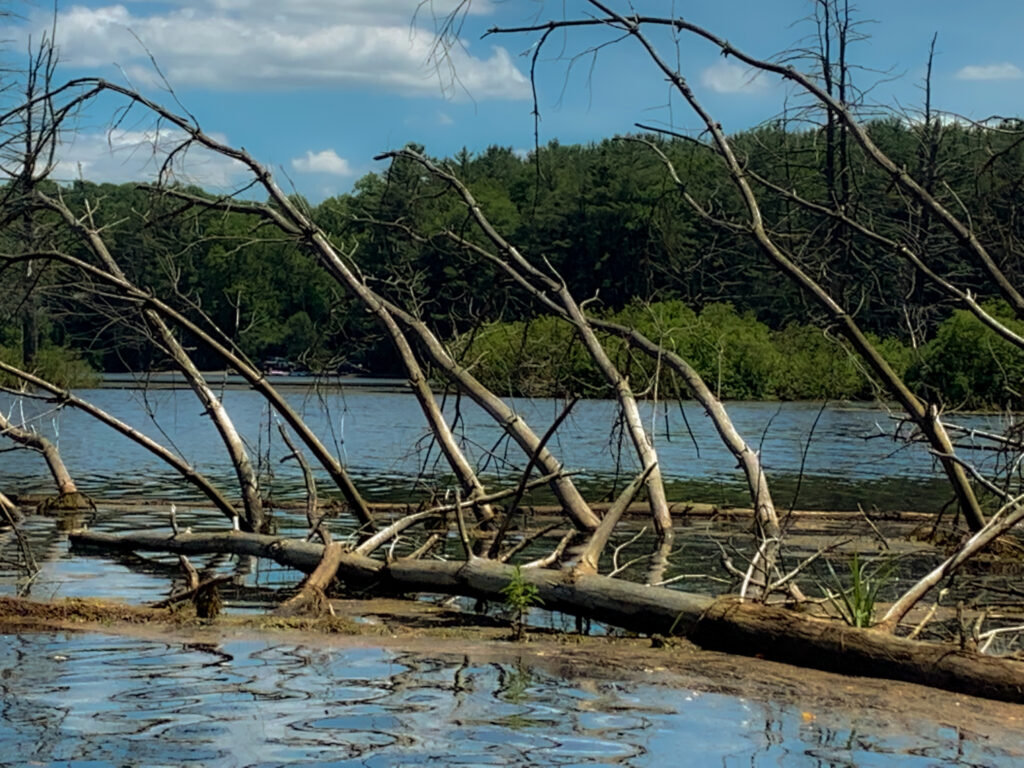
Image 4 (“Ribs”): The subject of this image is the dead trees that are sticking out of the water. I chose to take this image because this setting looked like a set of ribs from afar and I found the feature eye-catching.
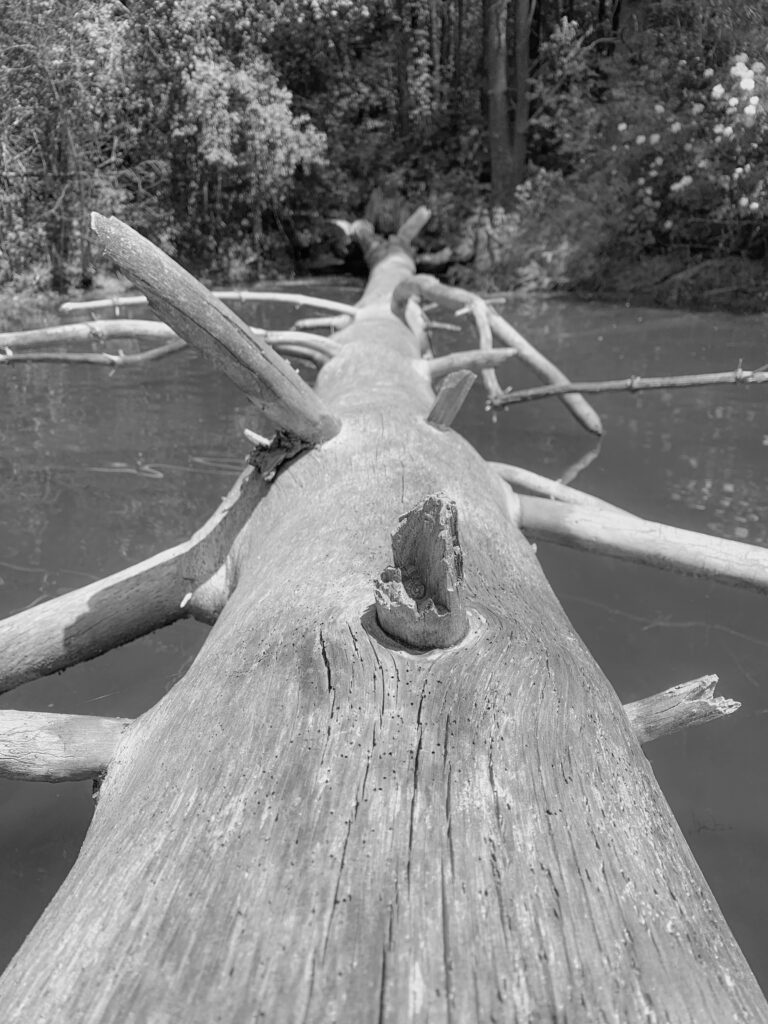
Image 5: The subject of this image is another dead tree that has fallen in the water. I chose to take this image because this tree has become a staple of my blog, and I wanted to observe it from a different angle this time.
[5] Through this process, I noticed that the requirement of taking high-quality photos forced me (in a good way) to think about Stoney Pond in new ways and observe it in ways that are off the beaten path. Today also got me thinking about what small ecosystems I may be missing because I am focusing on the bigger picture, instead of trying to observe smaller facets that compose the detail that assembles the bigger picture. This process was similar to sketching in that I was trying to capture the beauty of Stoney Pond through a lens other than words but different in that I didn’t get frustrated as often, and taking a good photo often requires thought of frames, angle, color, and light while sketching requires those thoughts, but also time and patience. Essentially, taking a photo delivers you the end product all at once, while with sketching you are responsible for delivering each step of creating the final product. This entry expanded my knowledge of the tree patterns within Stoney Pond, and despite my repeated visits, allowed me to see the same features and sections in new ways.
All about Trees – Episode 2
Wonder Blog Assignment #2, Stoney Pond State Forest, NY
[1] It’s Saturday July 2nd, I’m here at Stoney Pond for about two hours, from 1:12 PM to 3:27 PM, it’s slightly breezy here, but if you forget about the wind for a moment’s time its hard to notice its presence. The temperature is in the mid 70s and the sun is shining. It may have rained the night before for a short time as the ground is a bit soggy, but not unbearably saturated.
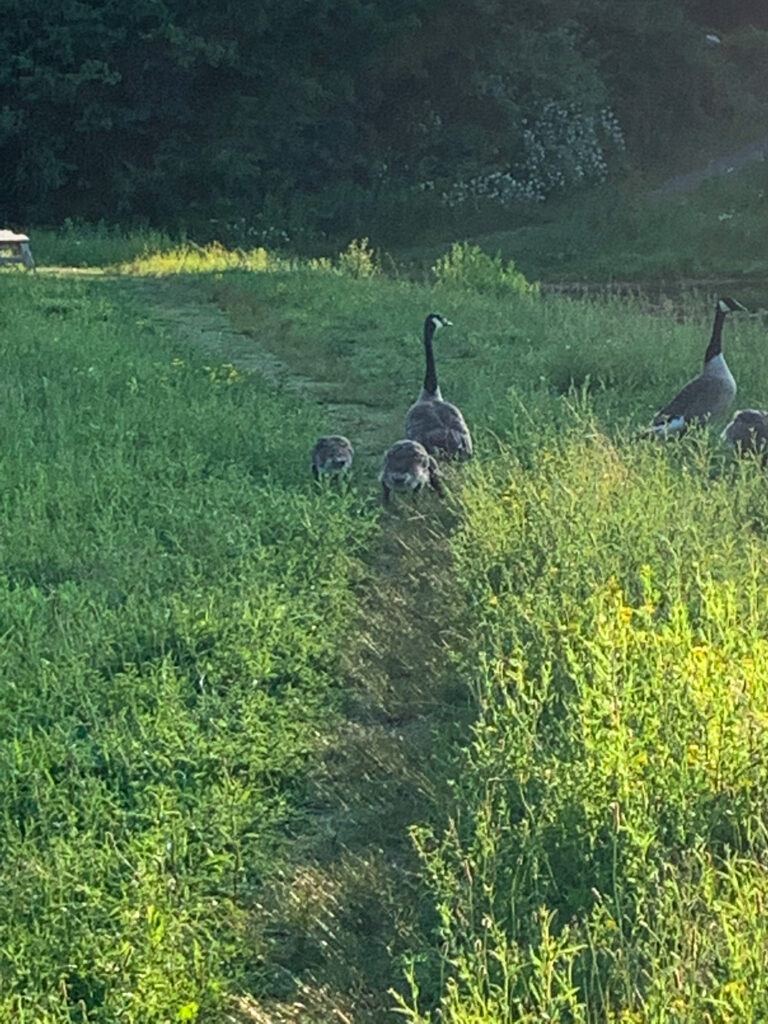
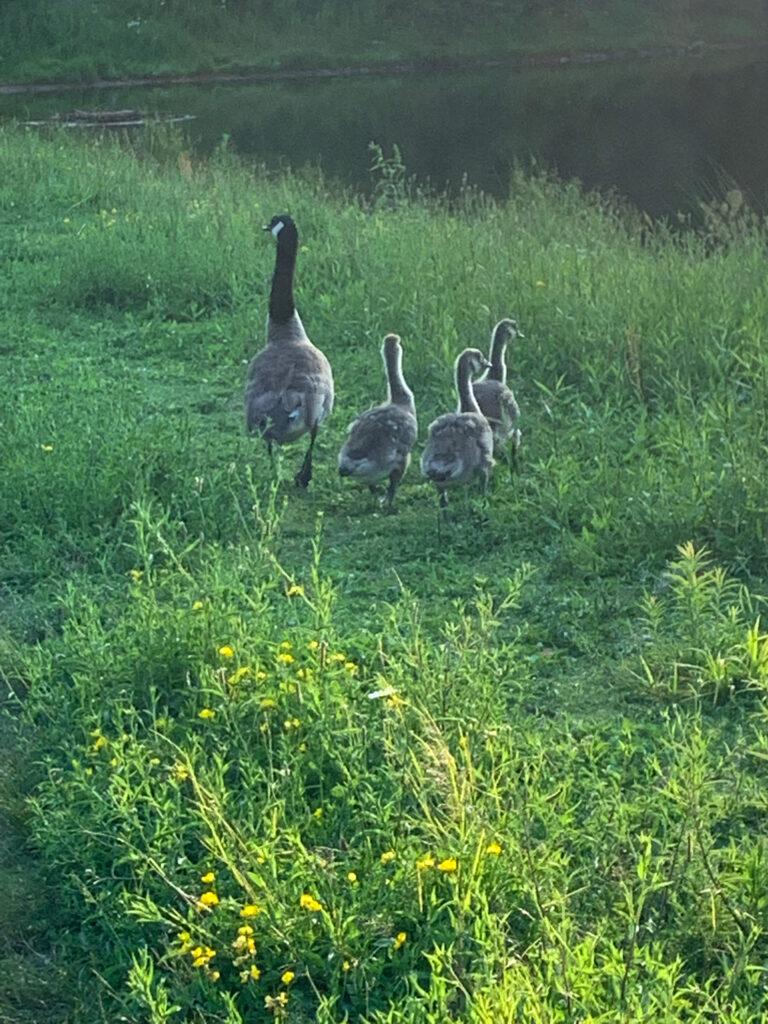
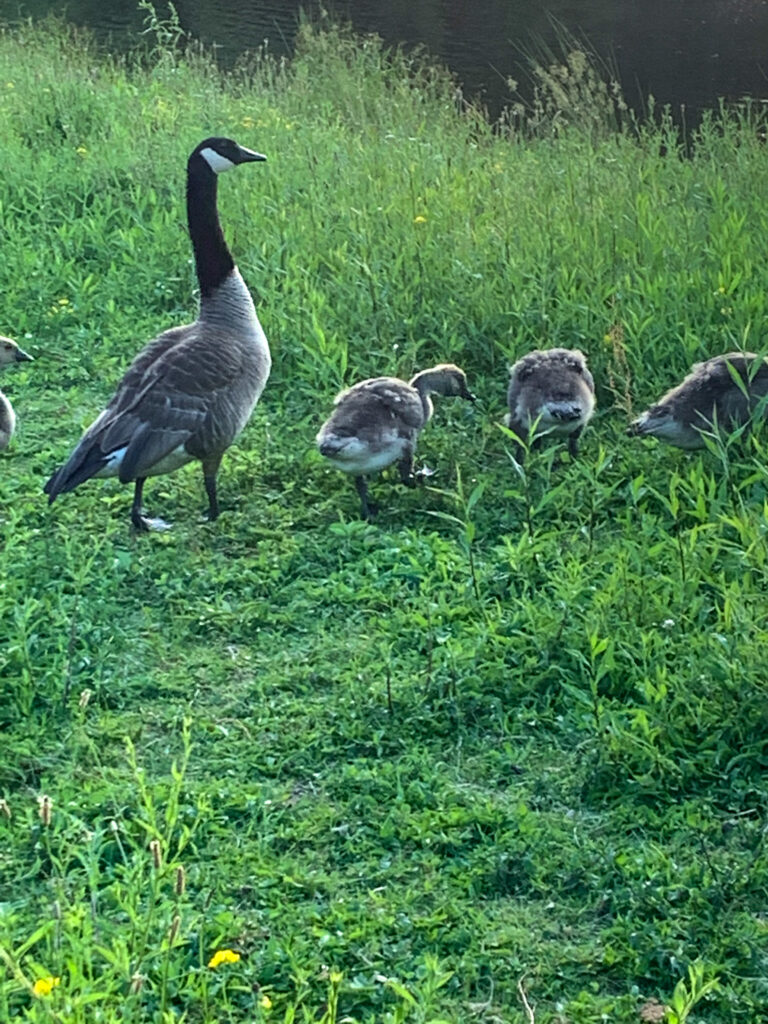
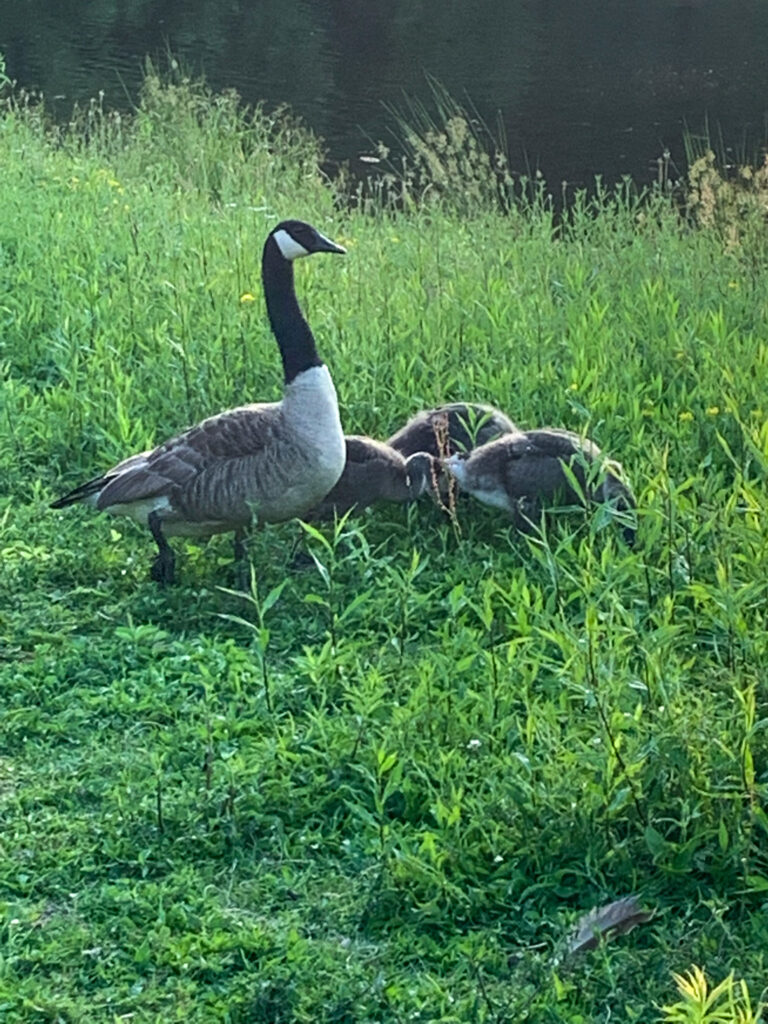
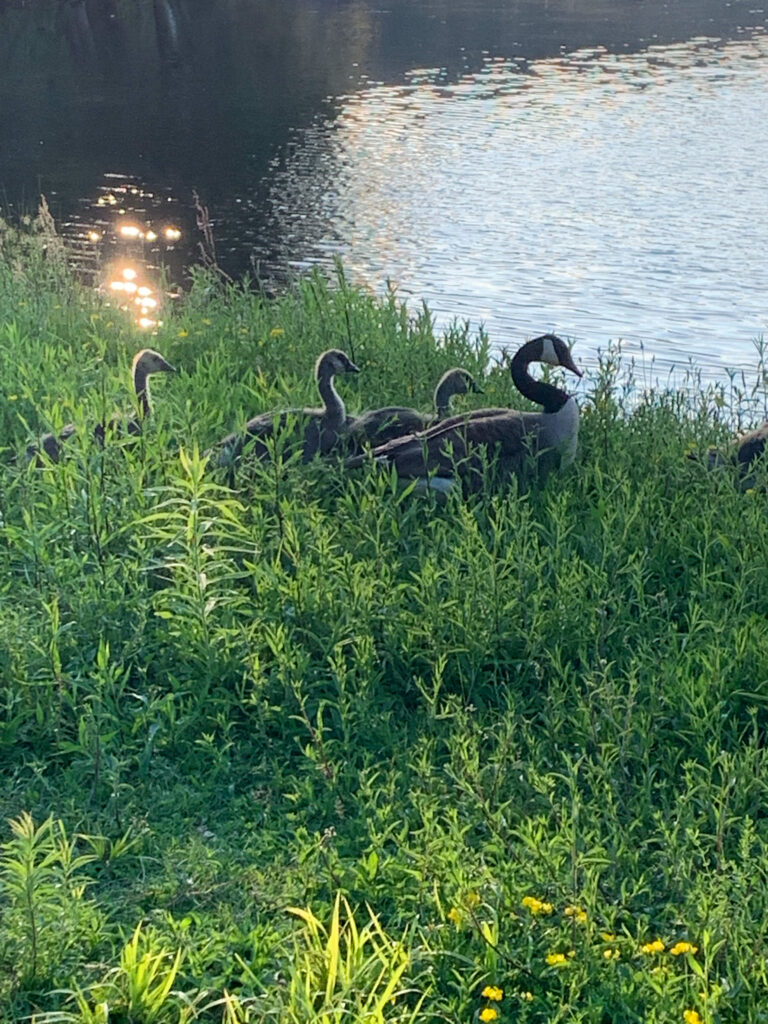
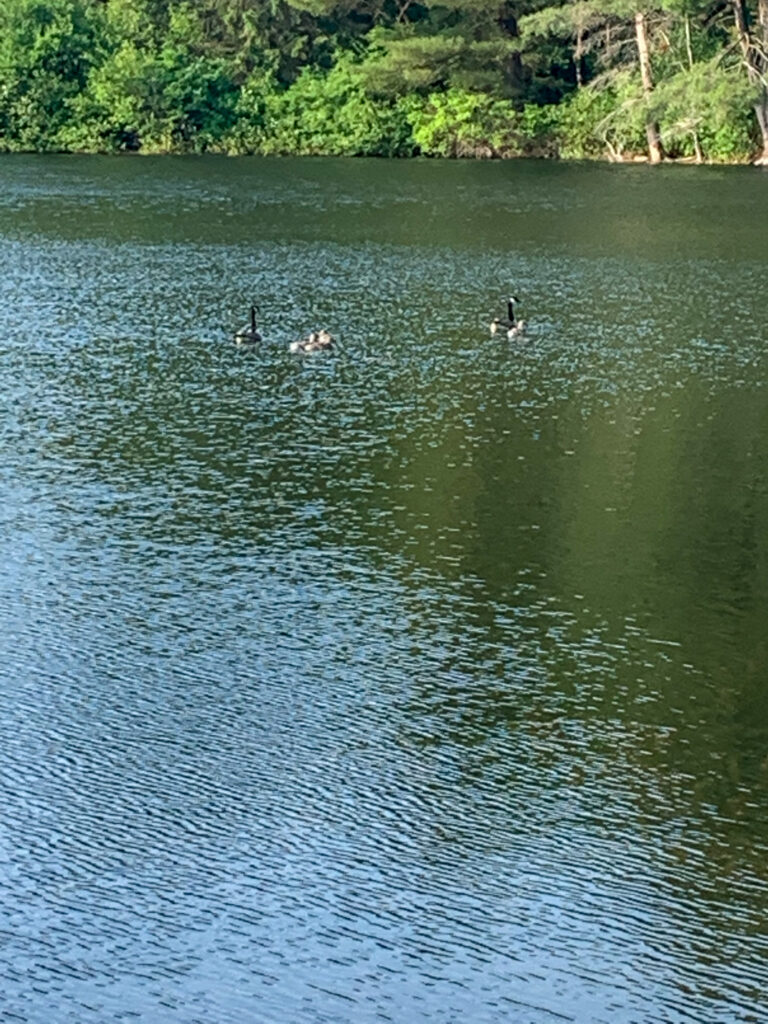
[2] I originally intended to observe different fungi species in the marshland bordering the pond, but I was unsuccessful in these efforts so I became distracted by a gaggle of geese following two adult geese (one of them presumably the mother). The baby geese often became disorientated, and the mother led them by beginning to bob her head back and forth in the direction she was moving. The baby geese followed the mother when she was doing so. I was able to get relatively close to take some pictures, and noticed that the behavior of the two adult geese was more peaceful than the adults who tend to graze at the pond at my house. No honking, hissing wing flapping was observed. Though perhaps the movement of the mother’s head could’ve signaled she felt threatened. So, I made my best effort to make a wide arc around them to get back on the trail. From the other side, I spend some time observing the gaggle’s behavior in the water, the mother consumed the insects around her and the infants attempted to do the same. After they had left the area, I approached where they had been walking and made the observation that the areas with the highest concentration of their feces were also the areas with the most healthy plants and bordering aquatic life that merged with the land. Could their feces be high in nutrients/organic matter?

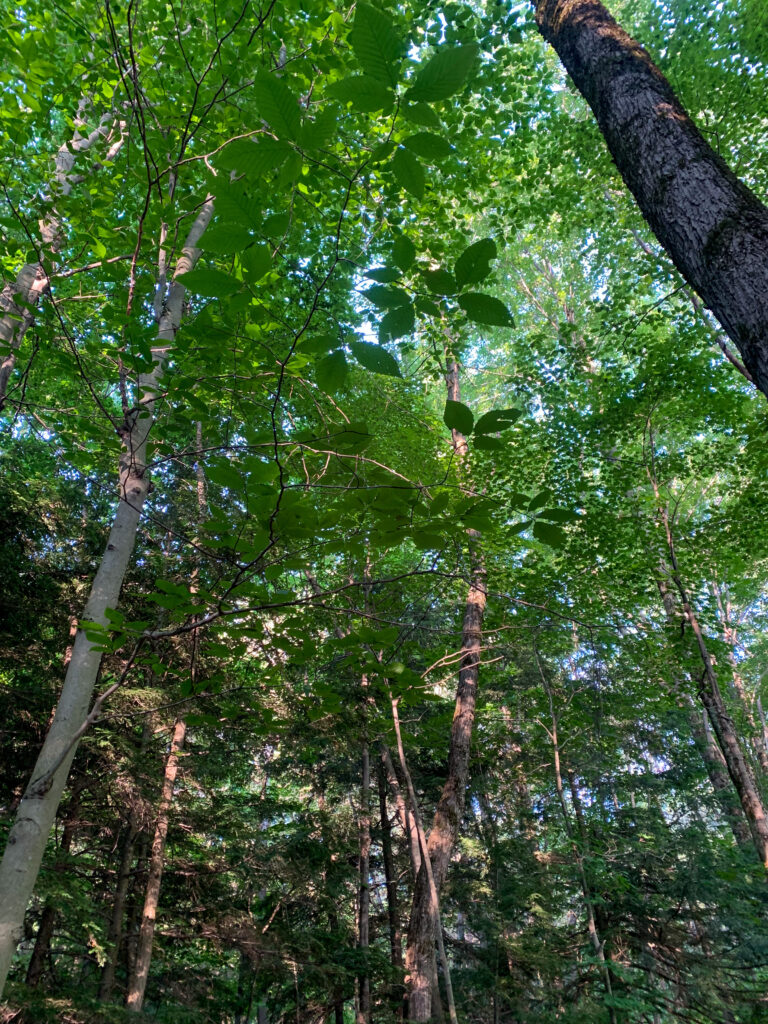
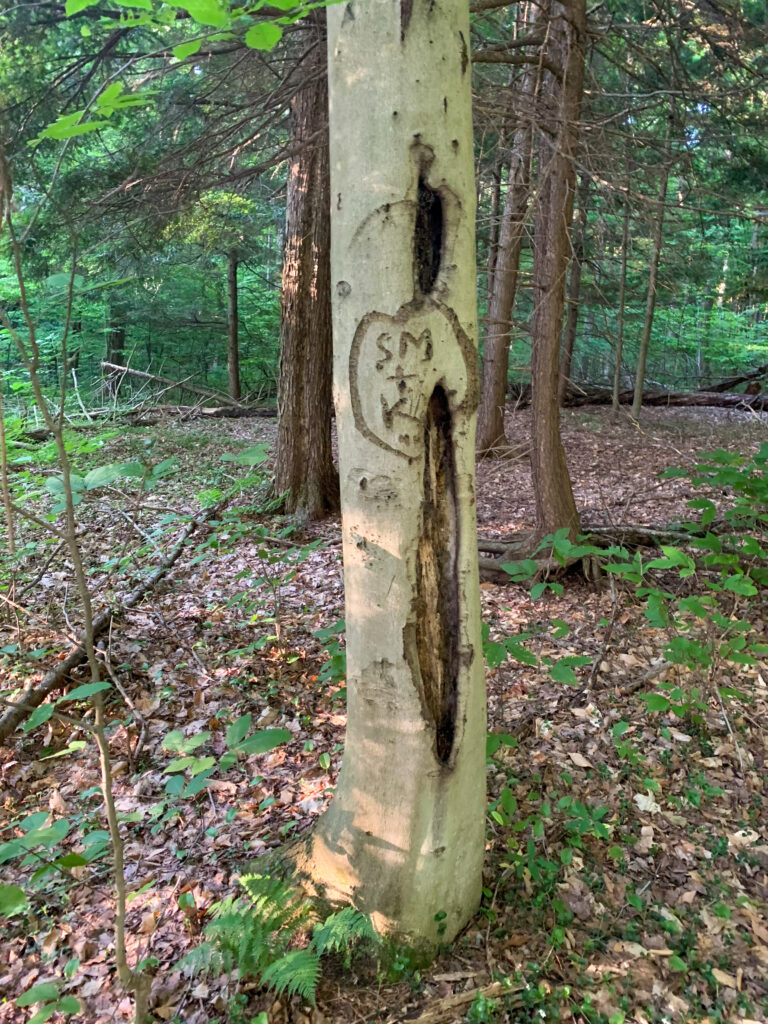
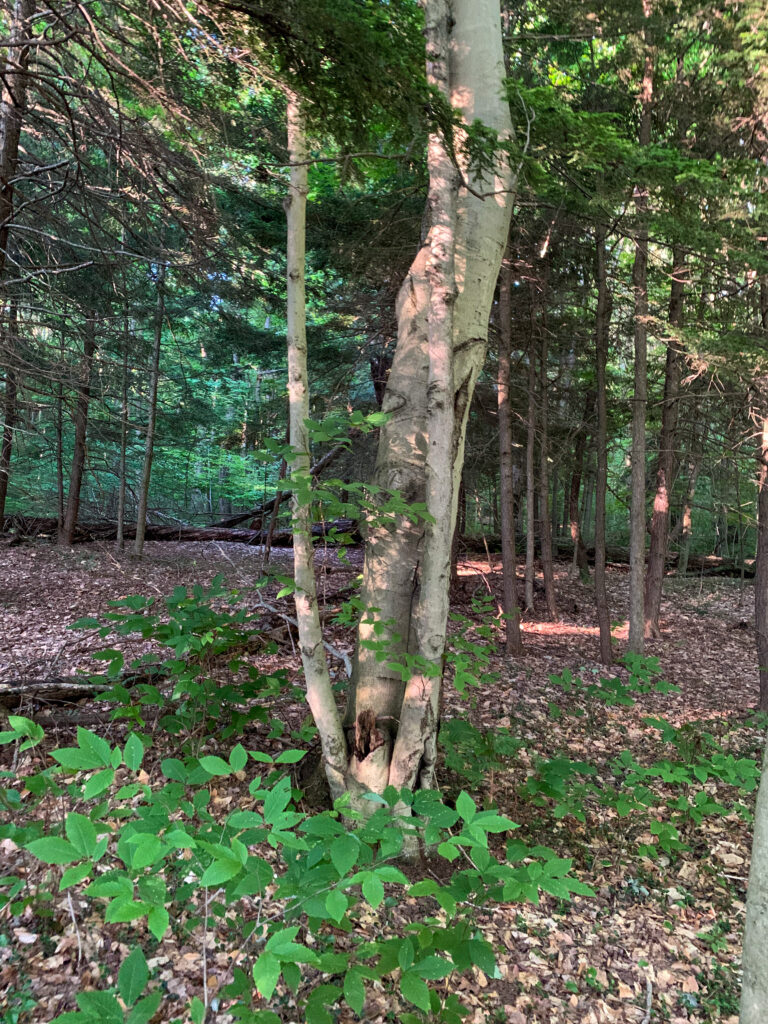
[3] I identified a species of tree named named American Beech (Fagus grandifolia). I identified this tree through a tree identification handbook I keep at home. Distinctive features of the American Beech that were helpful in my identification of the specific species were: the bark is particularly gray and smooth, dark green leaves aligned oppositely with pointed tips, parallel leaf veins off of a midrib and each side veins having their own points on the leafs. An interesting fact that I found about the American Beech is that the tree produces edible beechnuts which are consumed by squirrels, raccoons and game birds. I chose to identify this tree because as I was walking around the pond I only noticed one particular area with the tree, and I found that intriguing. Photos of the American Beech that I gathered are shown below:

[4]
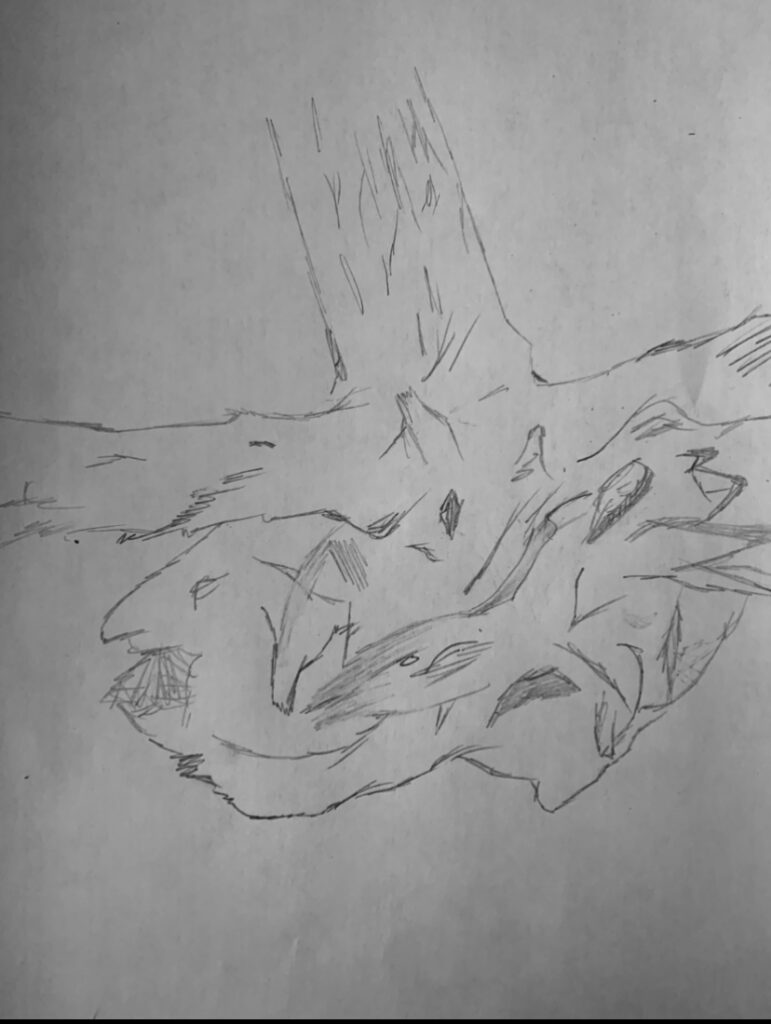
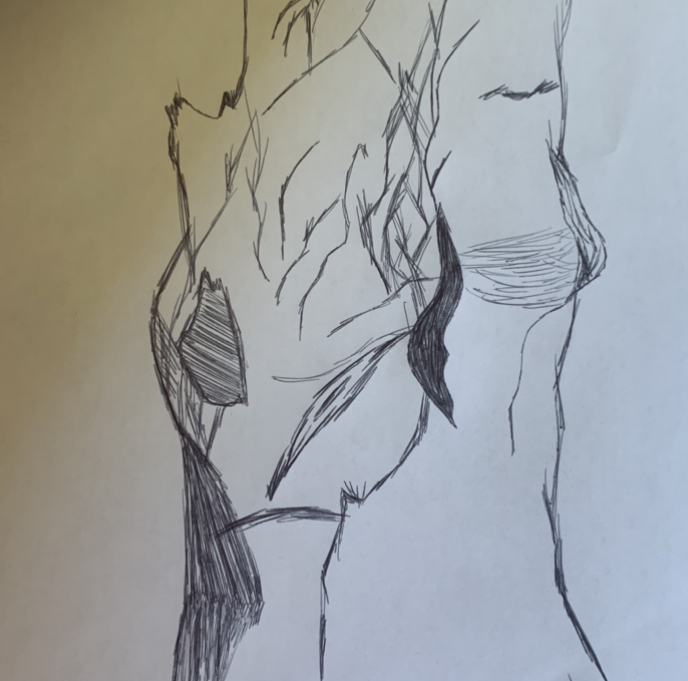
Sketch 1: Felled Tree’s Rotting Carcass
Description: In this short series of sketches depicting trees, I attempt to perceive trees through a variety of states and forms. This tree is rotting and had fallen, and I found interesting the many features and activities that were occurring within the tree. Unfortunately, I did not see in advance how hard it is to draw trees with detail past a thin layer.
Sketch 2: Knotted Tree
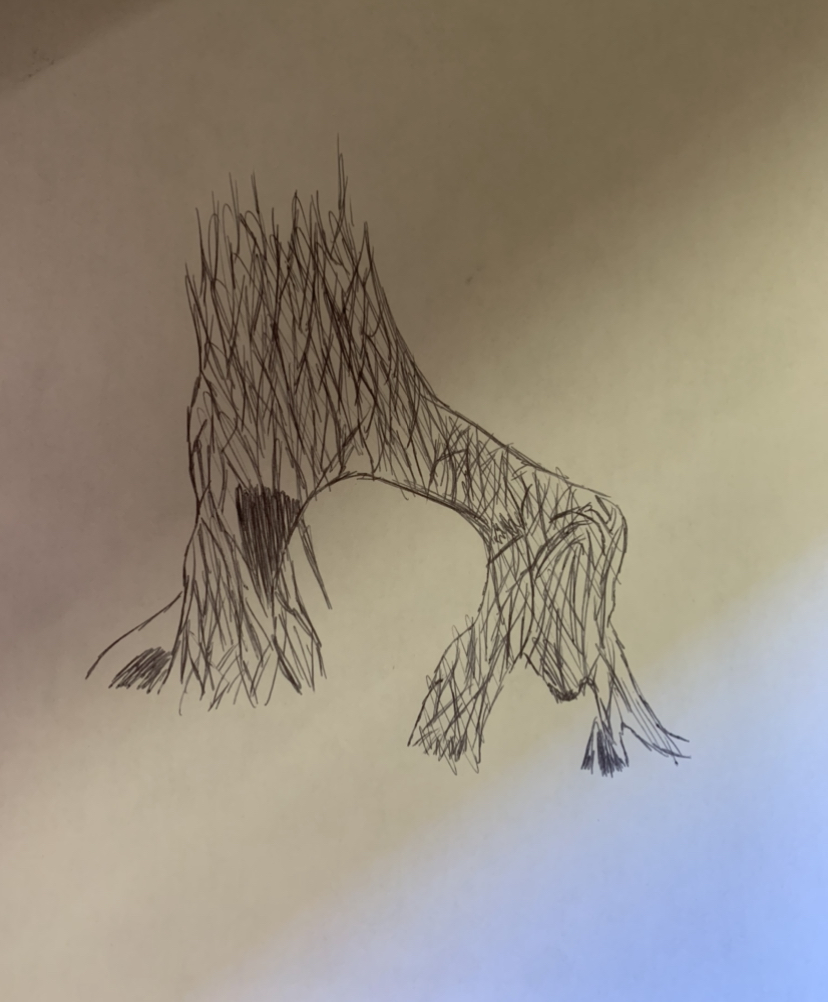
Description: Continuing in my series of sketches of trees. I considered to switching to a different theme for my sketches but I then remembered that the only way to get better is to practice. As I continued my walk around the pond, I saw another tree that was extremely knotted was lumpy in its midsection, finding this vast amount of knots and mutations interested, I sketched the tree.
Sketch 3: Two-Footed Tree
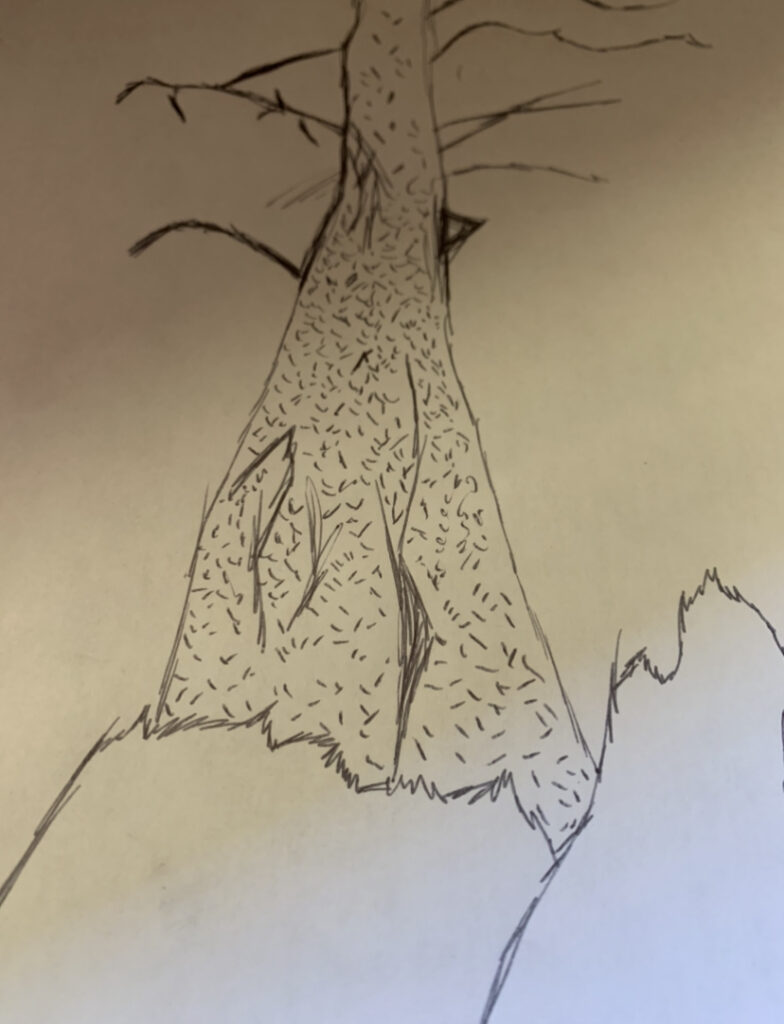
I found this tree particular interesting because to me, it looked like it had separated legs and feet and for a brief moment from a distance, looked like a human in the shadows.
Sketch 4: Felled Tree Sinking
I chose to sketch this tree because I found the way it challenges perspective intriguing and I was curious to as how I would be able to sketch this.
Conclusion:
The sketching itself was very peaceful and opened a door of curiosity for the objects I was studying. I think through practice I will be able to better portray what my eyes see onto paper, but for now and am left with the frustration that the mass majority of the details I saw were left off paper. Granted, I may have done this to myself but accidentally thinking trees were going to be relatively simple to draw. However, I think through more practice I can get to a level that better portrays nature. As I did with these sketches, I will continue to choose settings that challenge me to think about the way I am sketching as I did today: perspective, shadows, different colors and size). Aside from sketching, I would like to capture Stoney Pond’s most beautiful moments on camera in coming visits. I don’t feel yet as though I have correctly portrayed the charm of this woodland setting yet.
Nostalgic Beginnings (Wonder Blog #1)
Wonder Blog Entry #1, Stoney Pond State Forest, 6/22/2022
Content
[1] I first visited my Wonder Blog location (Stoney Pond State Forest) on Wednesday, June 22nd at 6:30 PM until I left at 7:20 PM. The sun is out when I visit, with light winds blowing in from the Southeast. It lightly rained earlier in the day, but no rain clouds were to be seen when I made my visit.
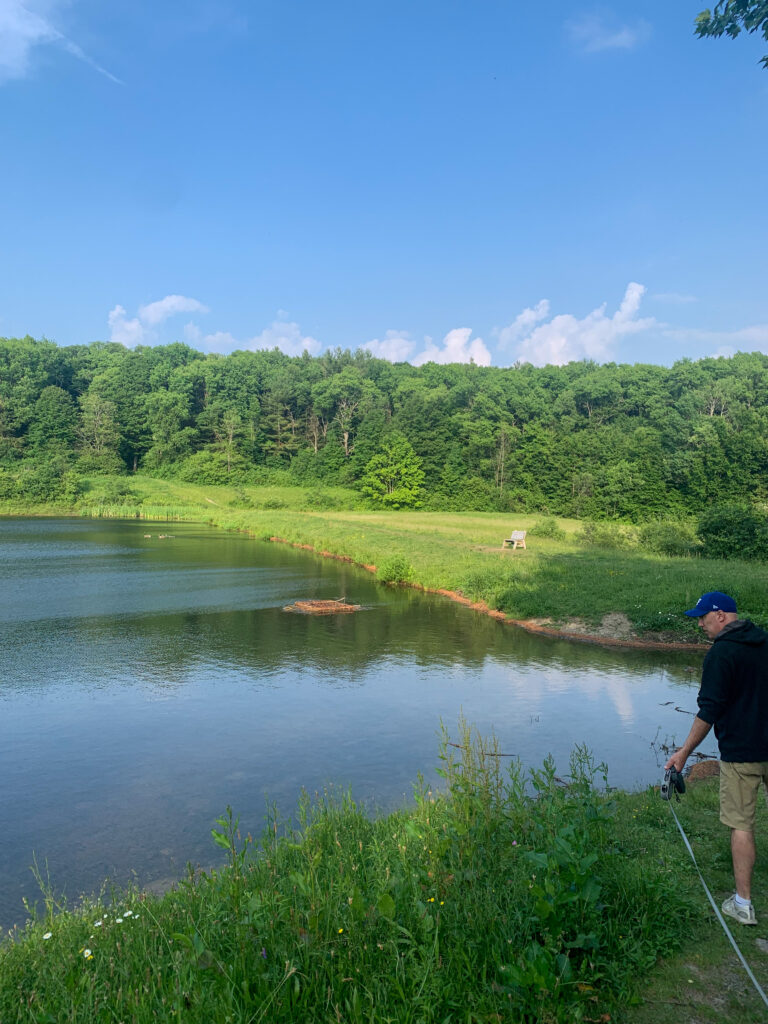
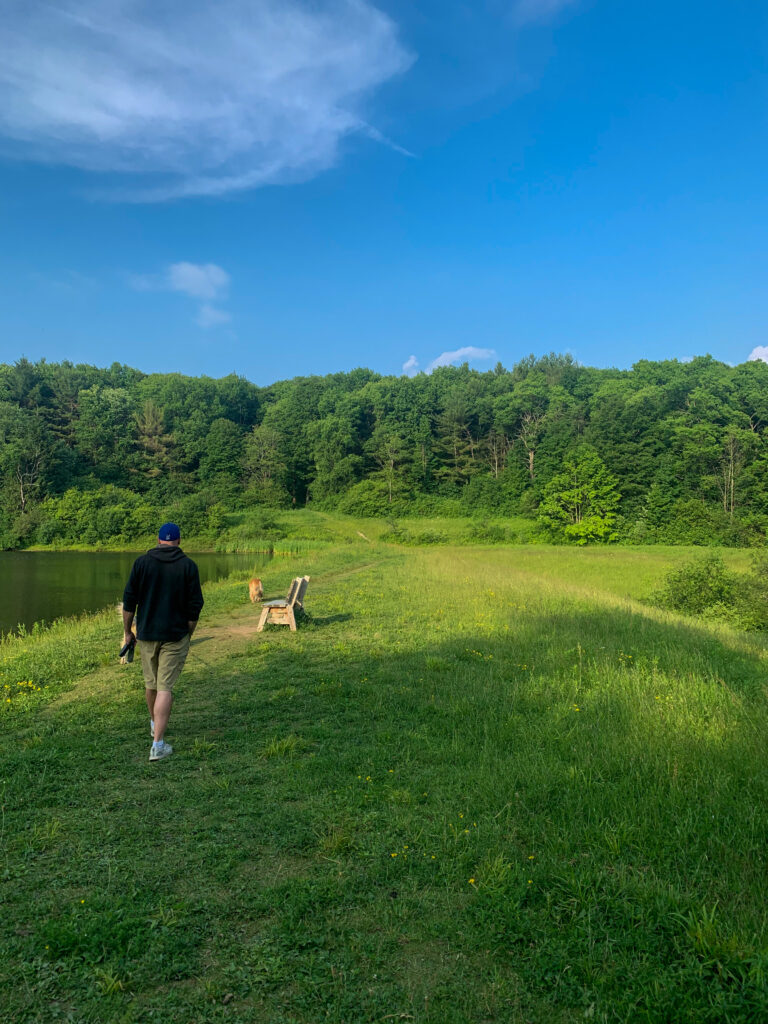
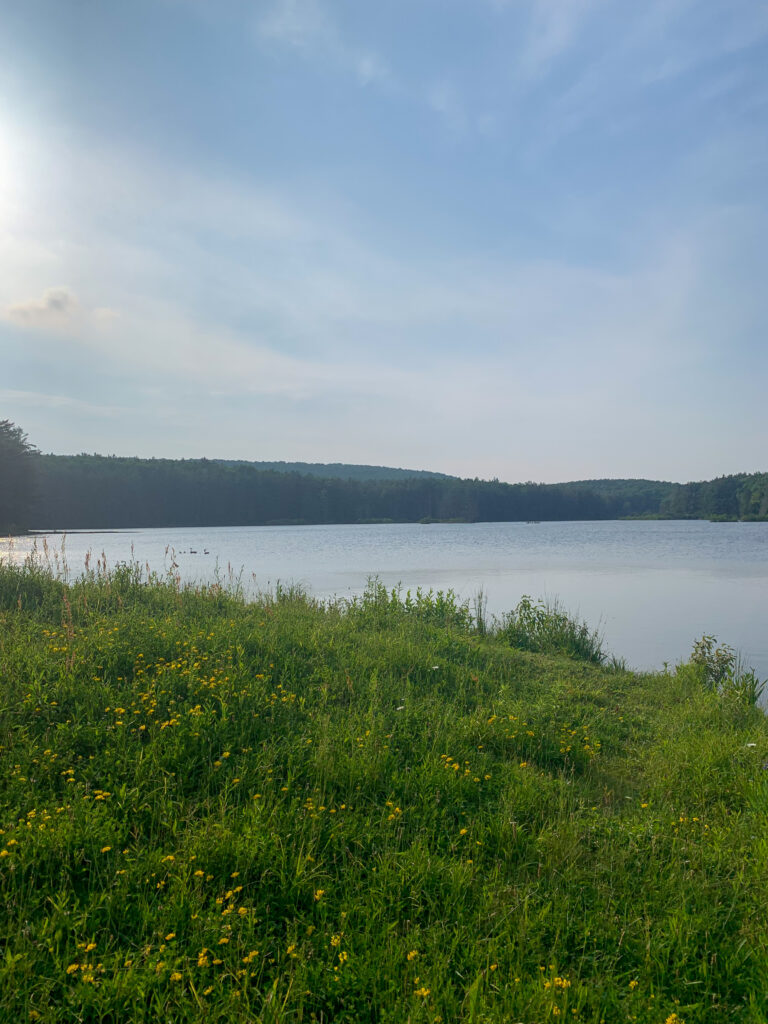
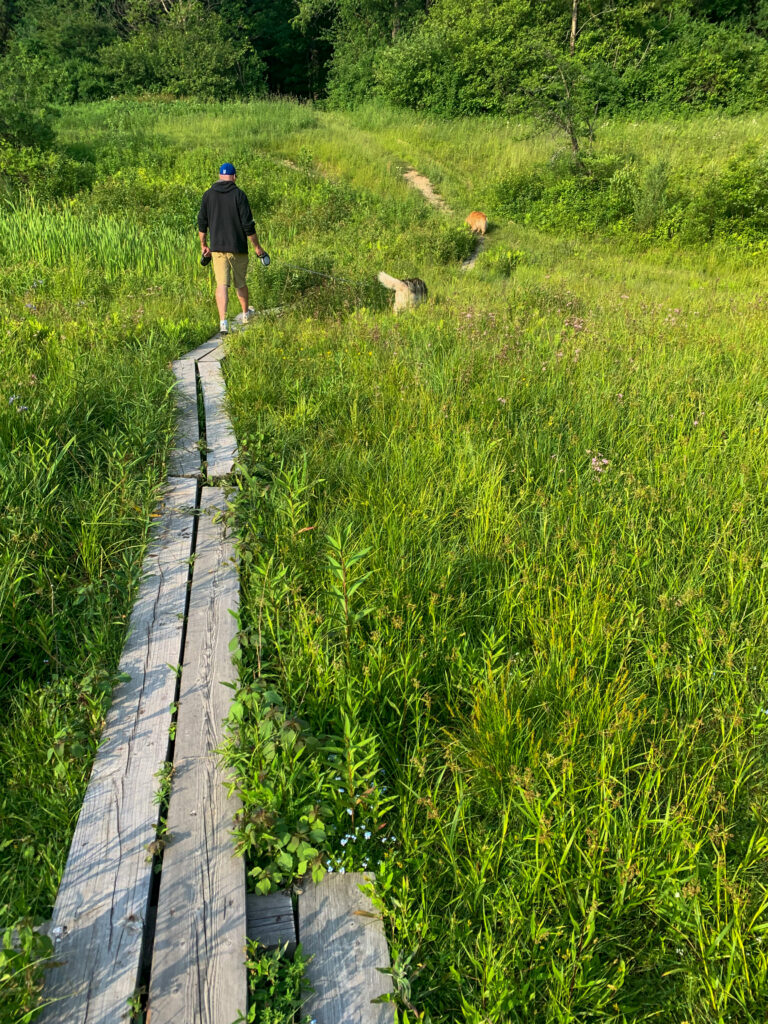
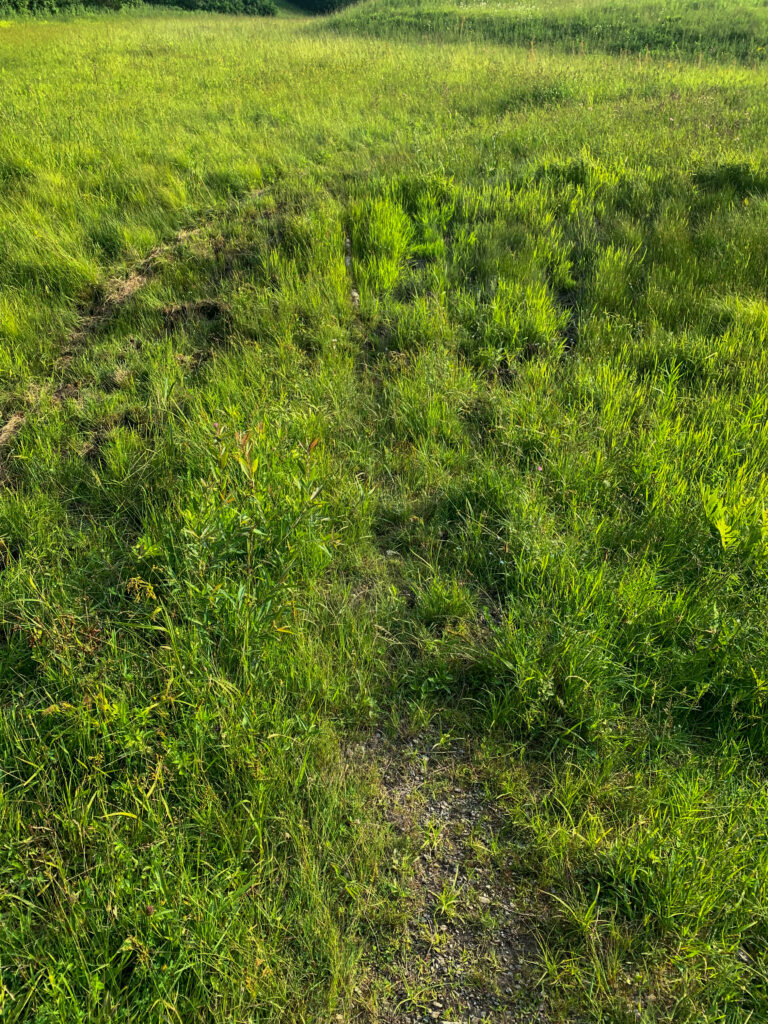
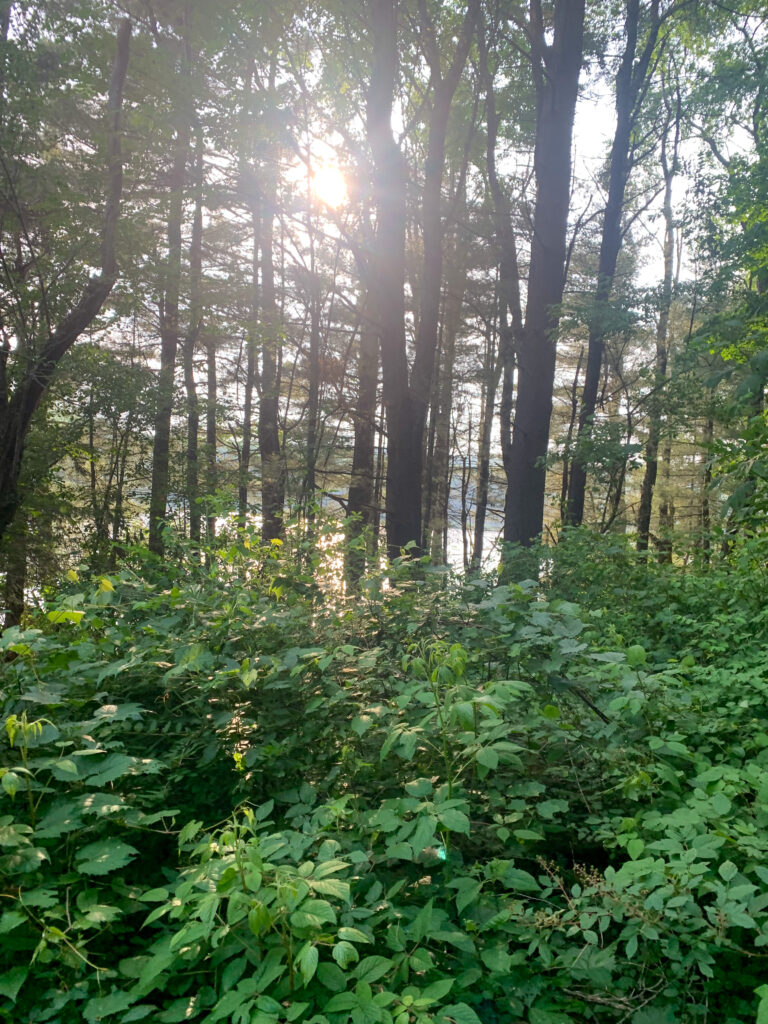
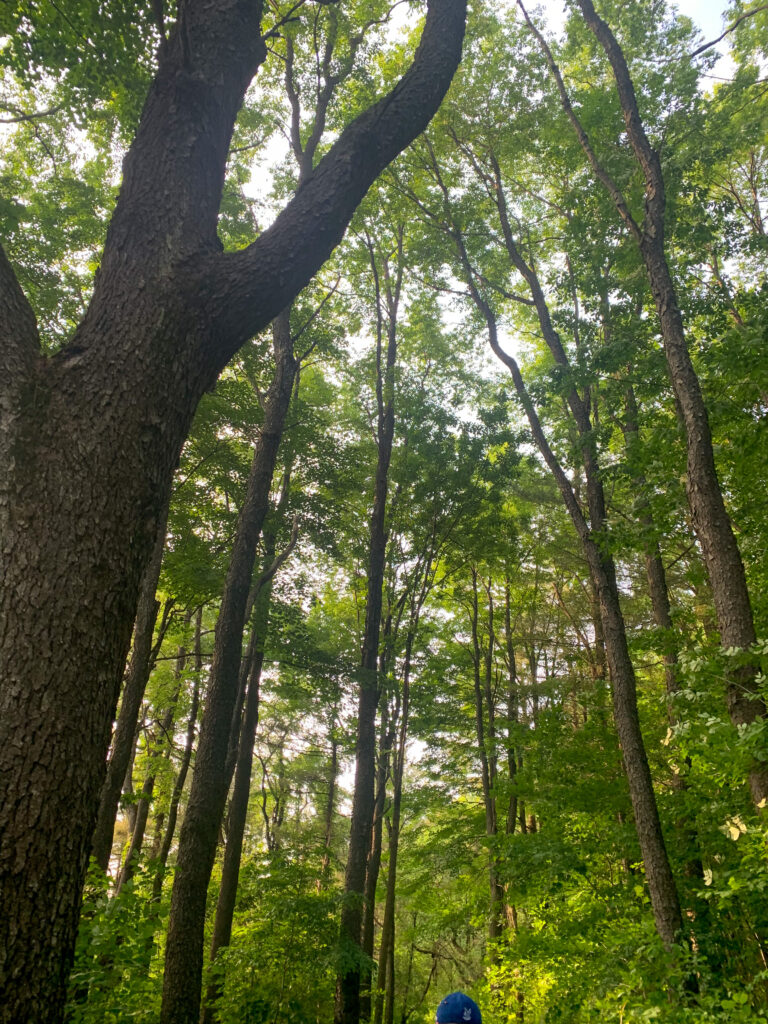
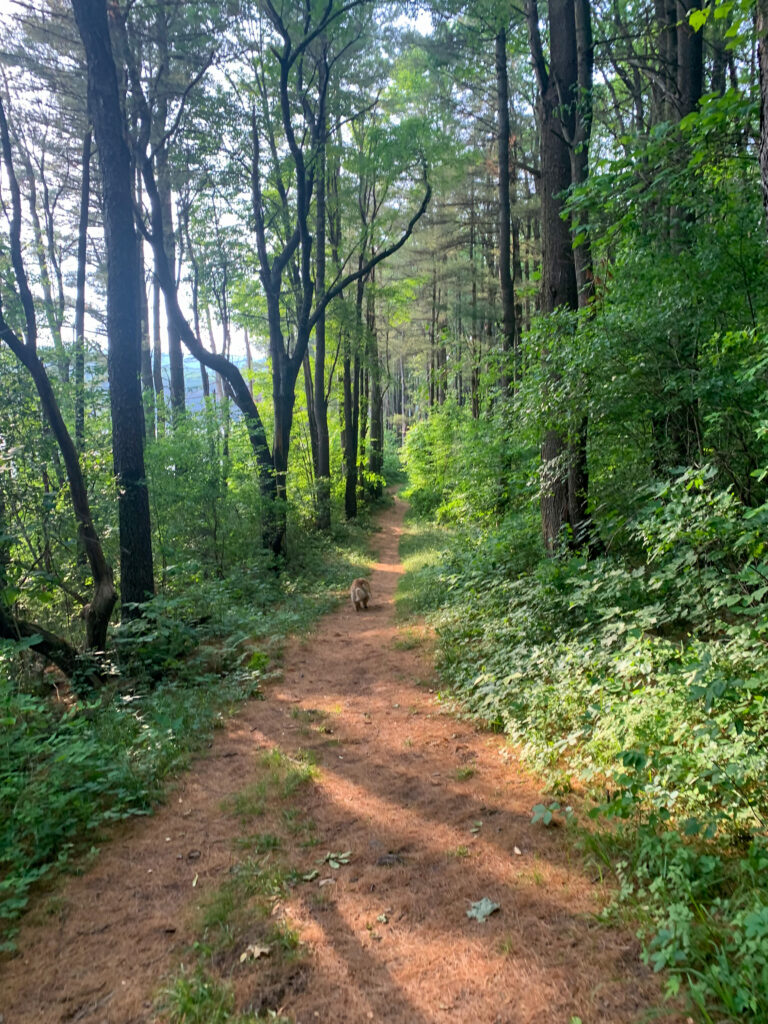
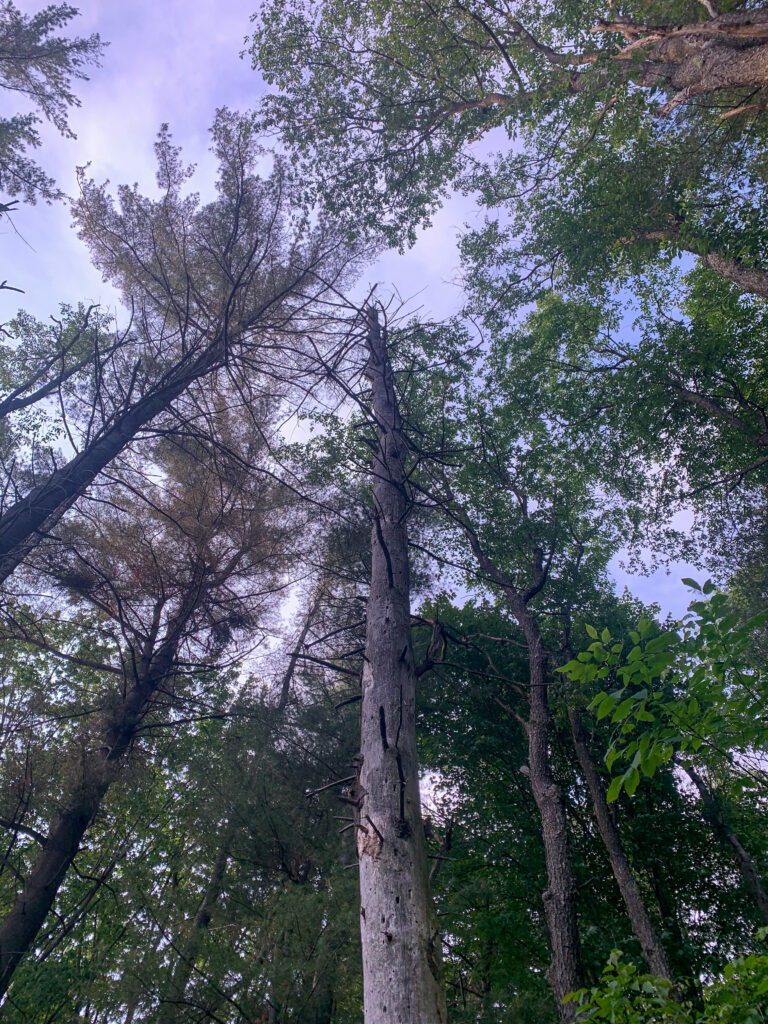
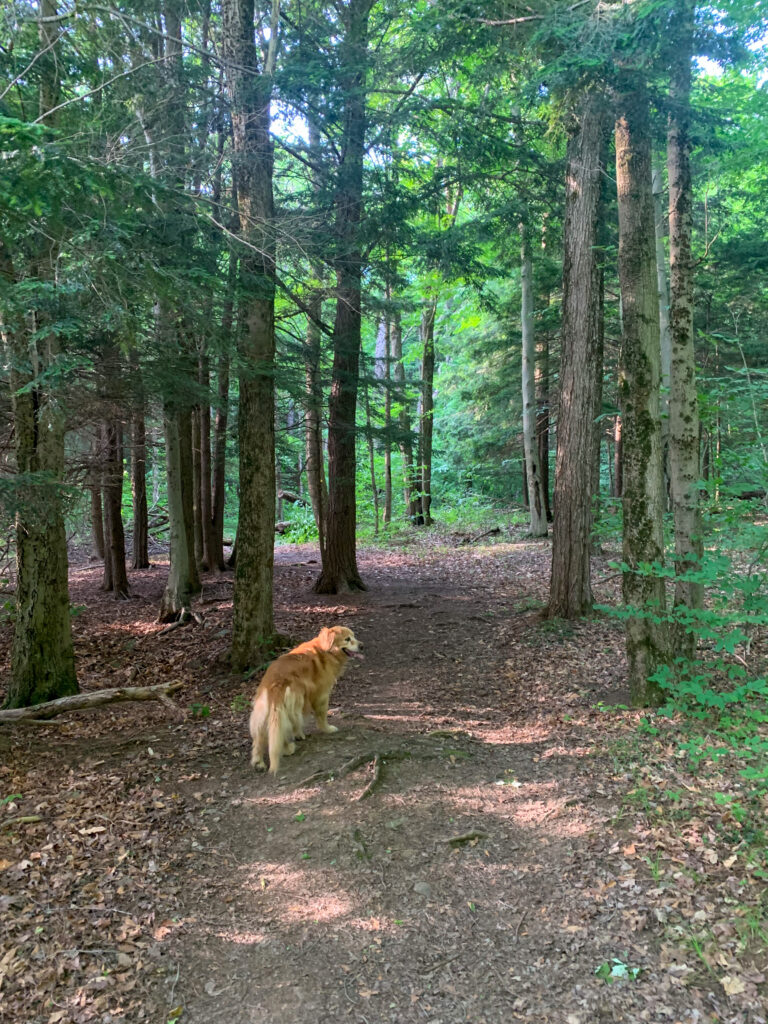
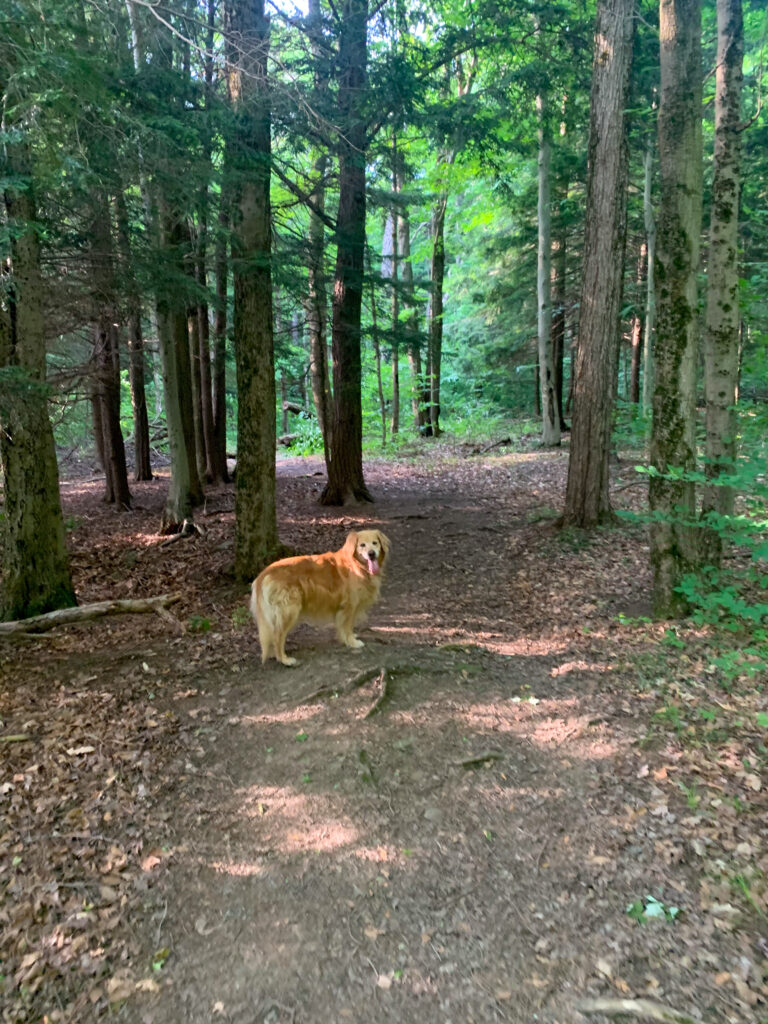
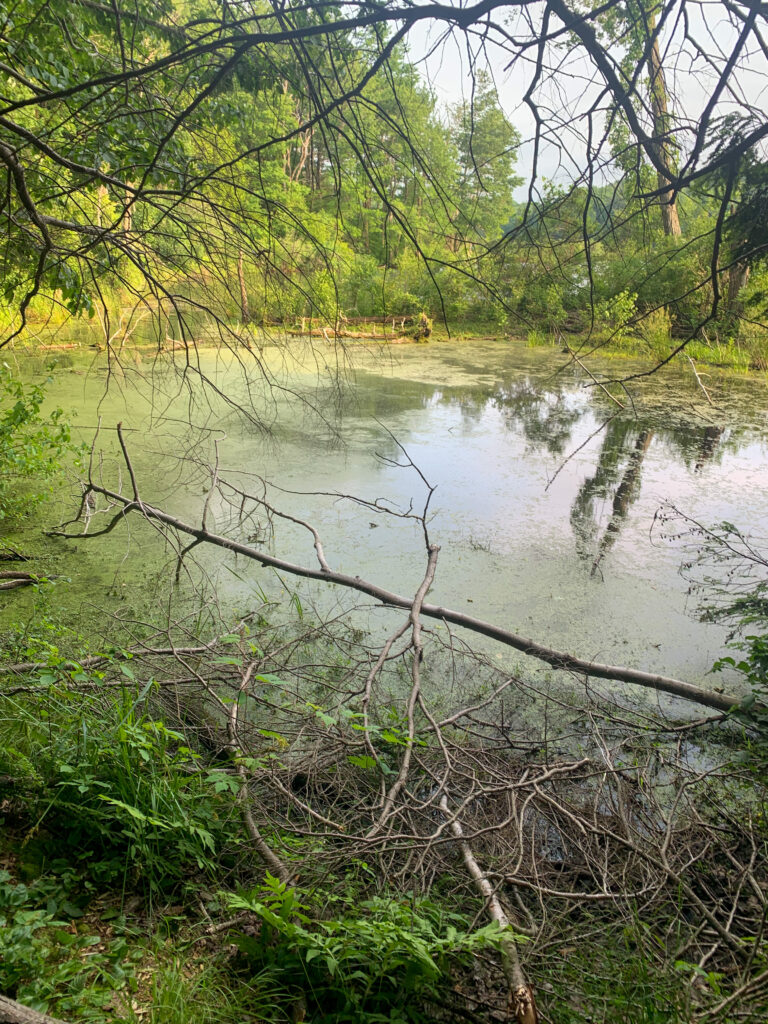
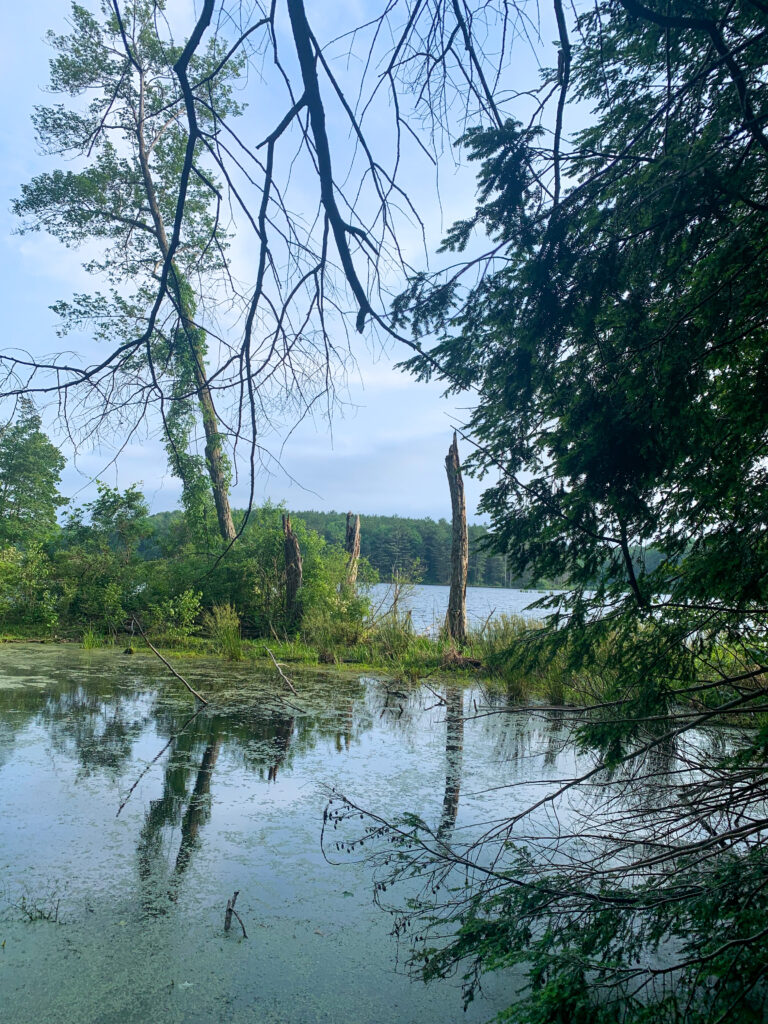
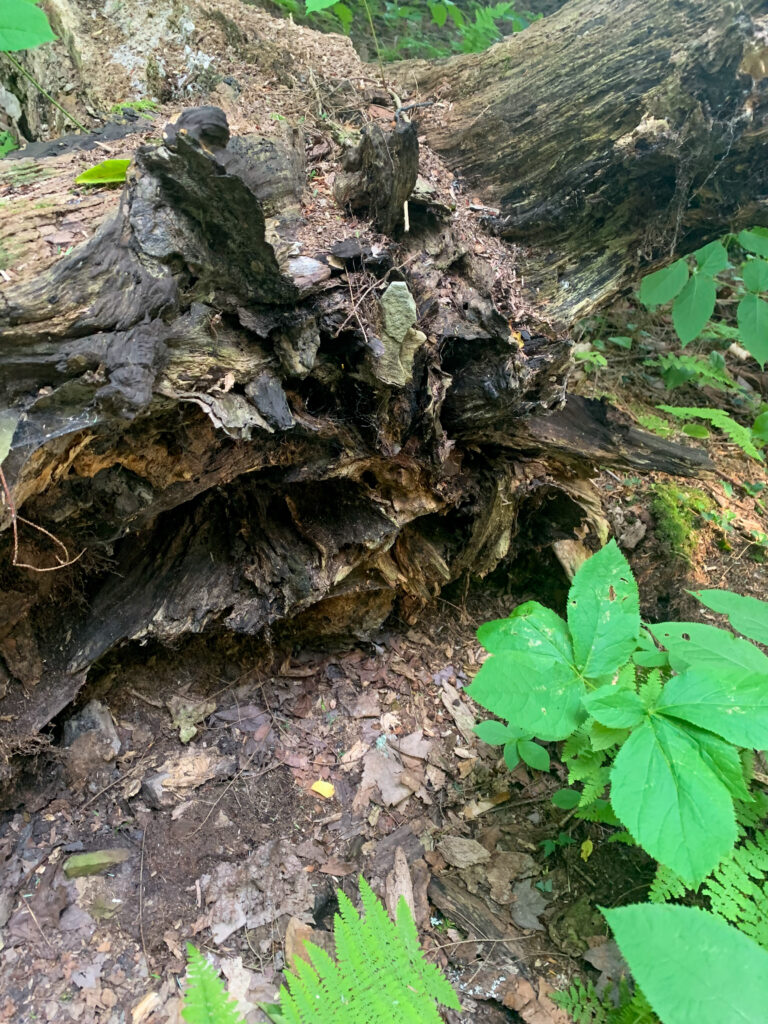
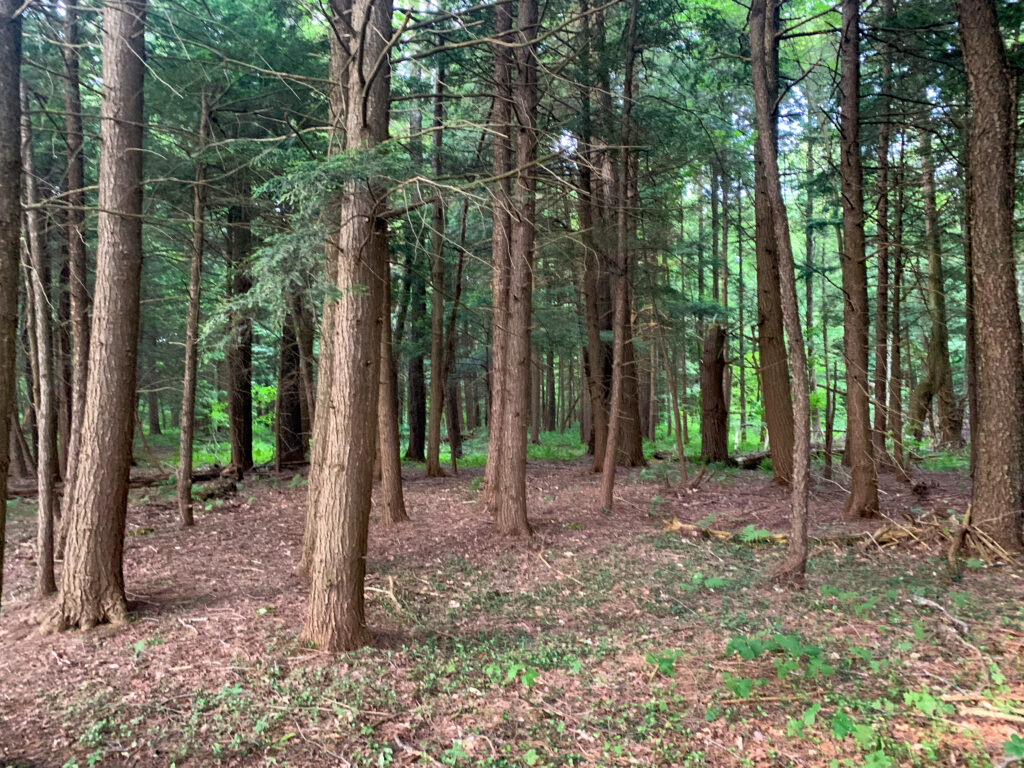
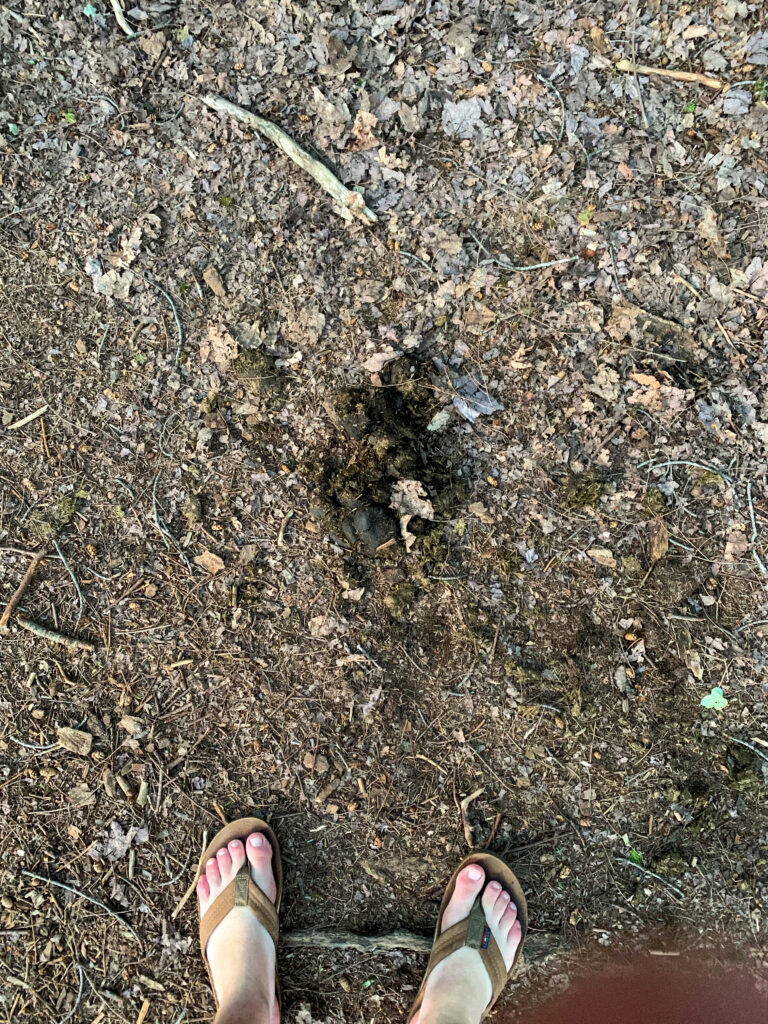
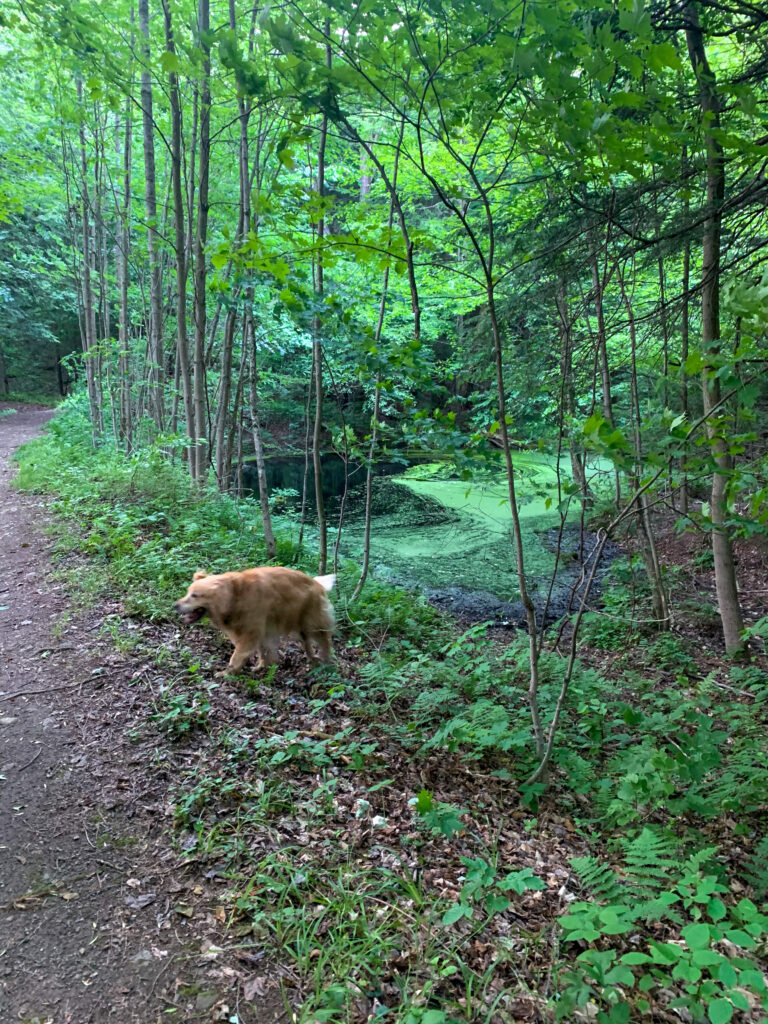
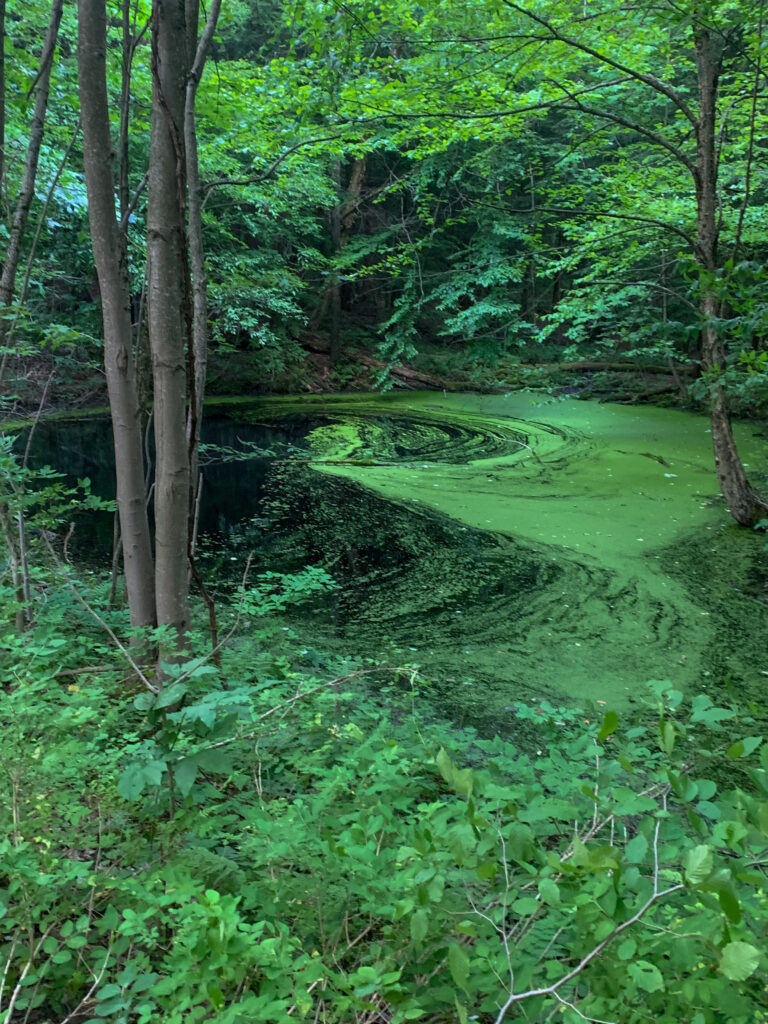
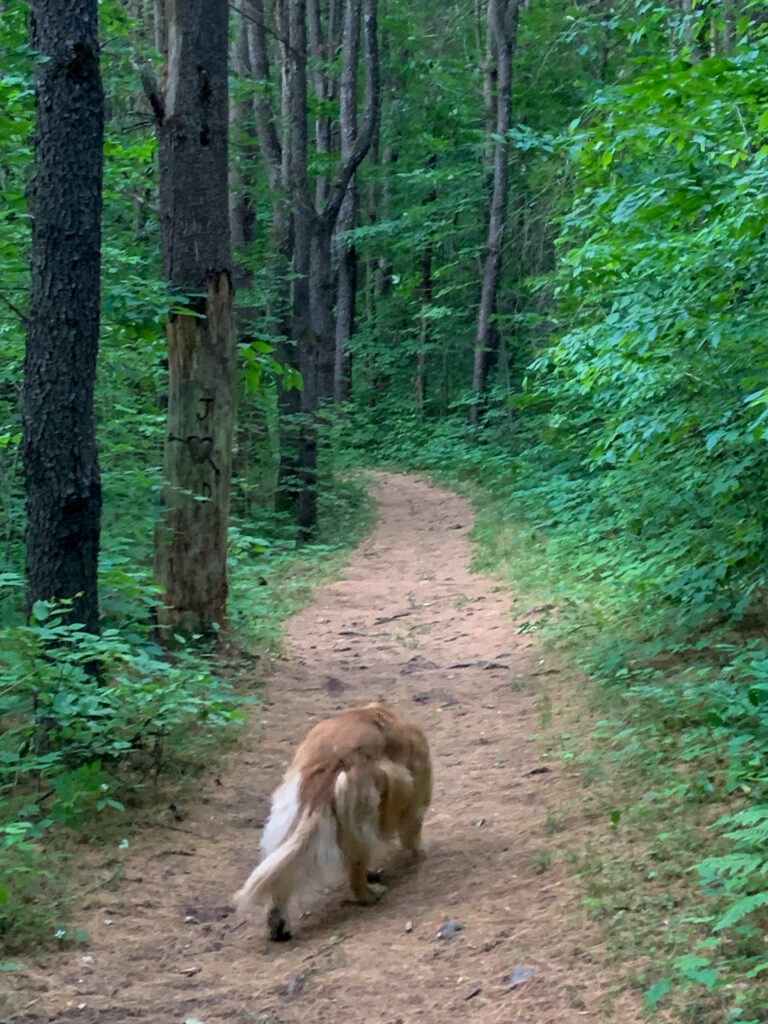
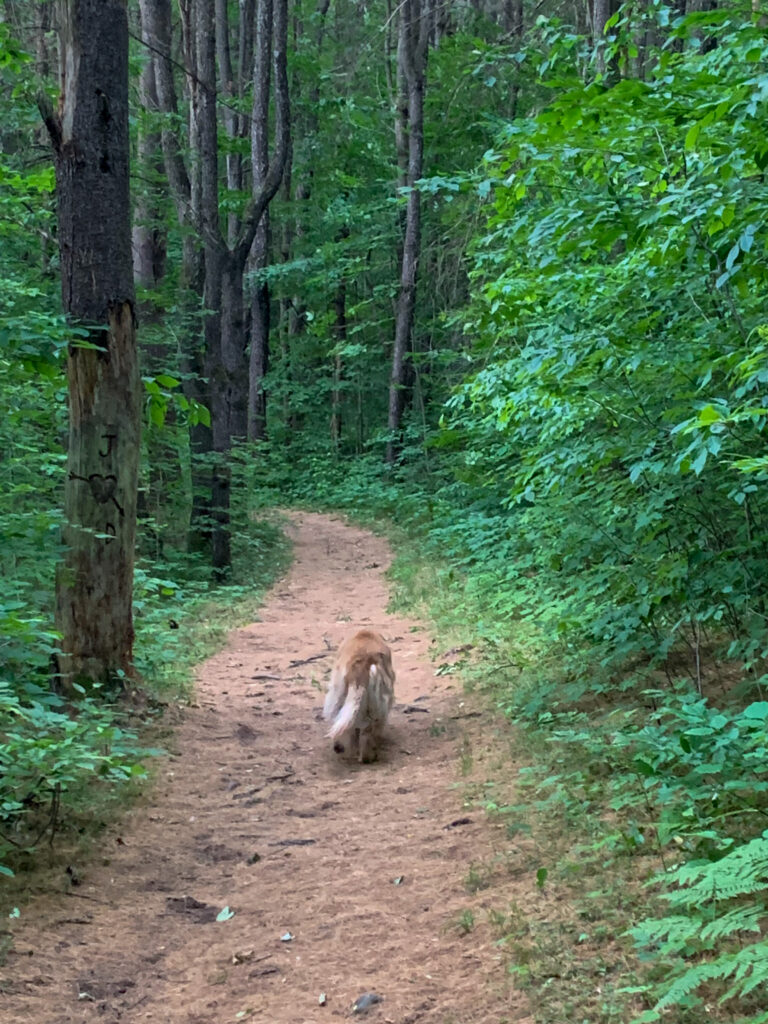
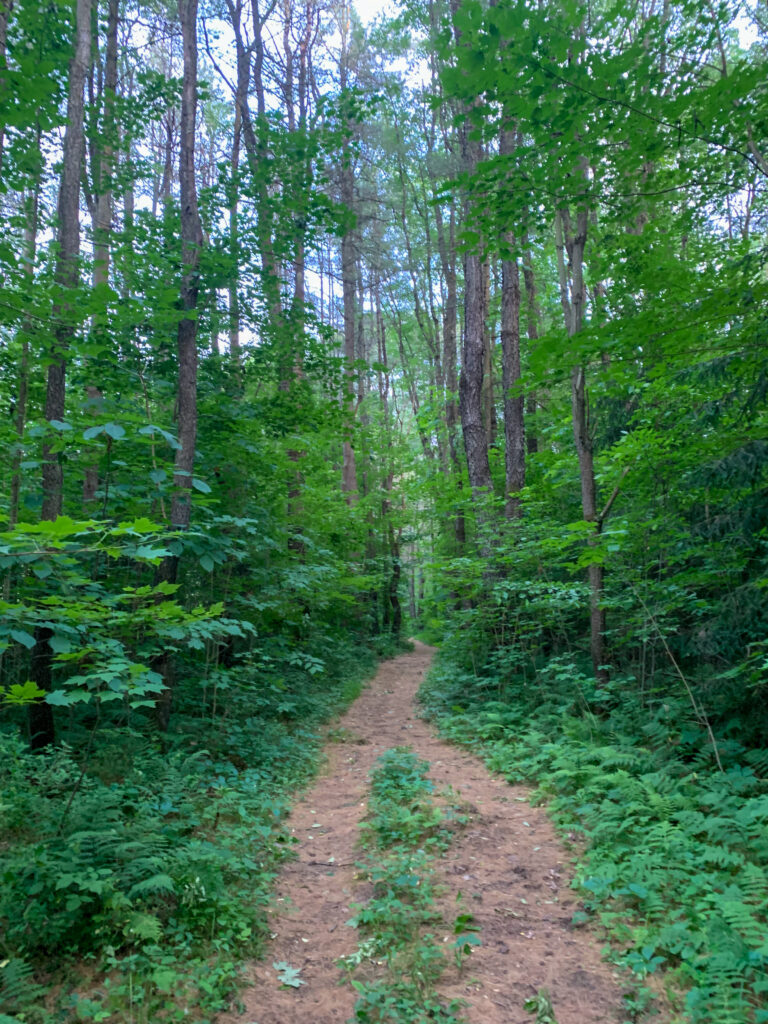
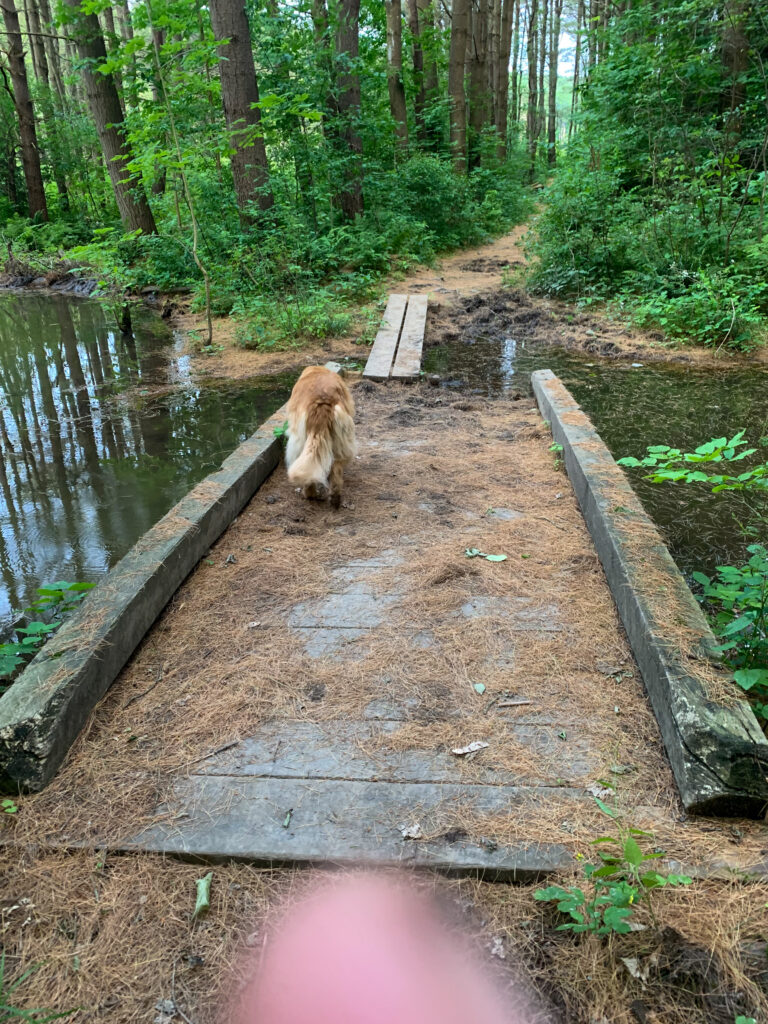
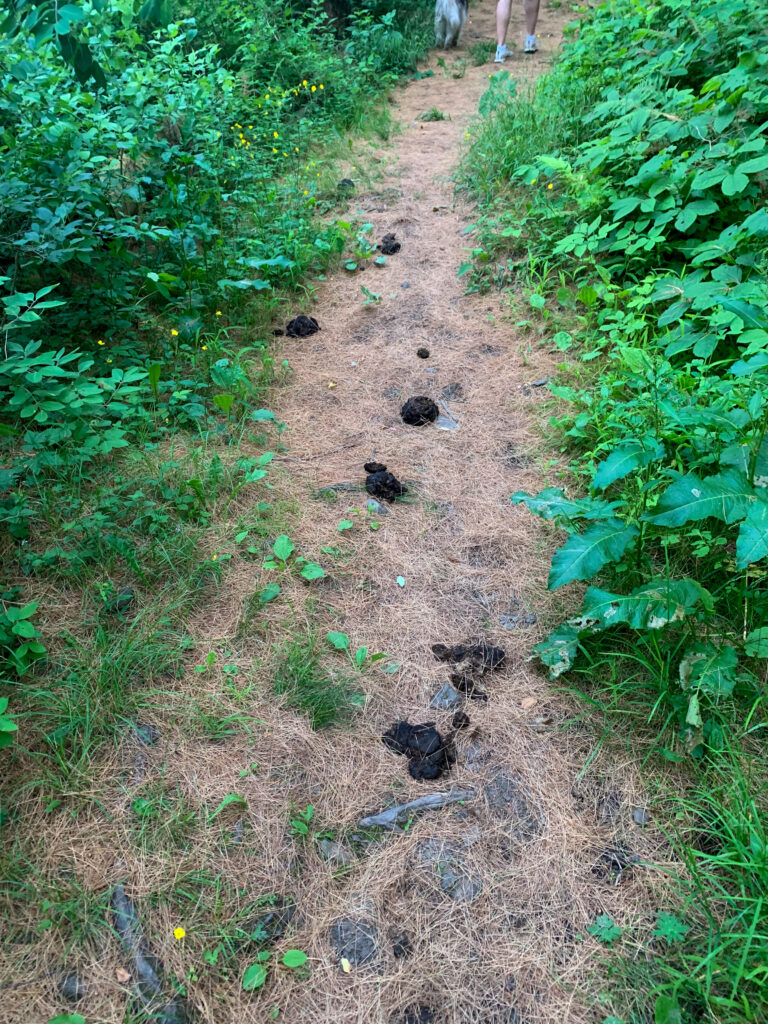
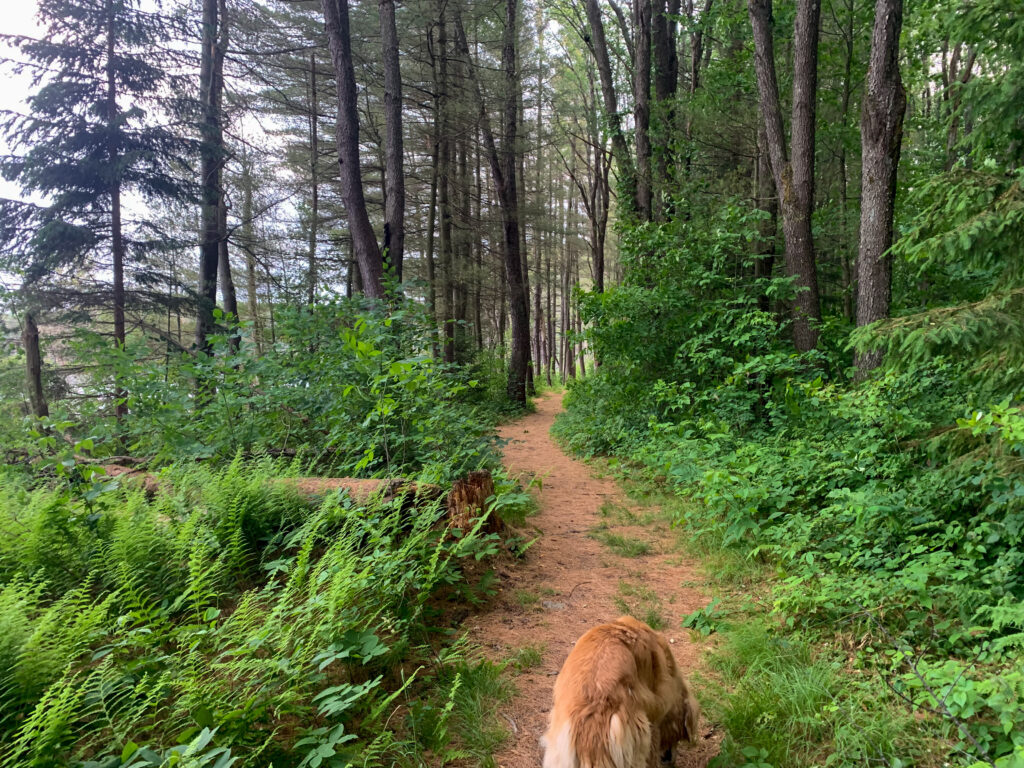
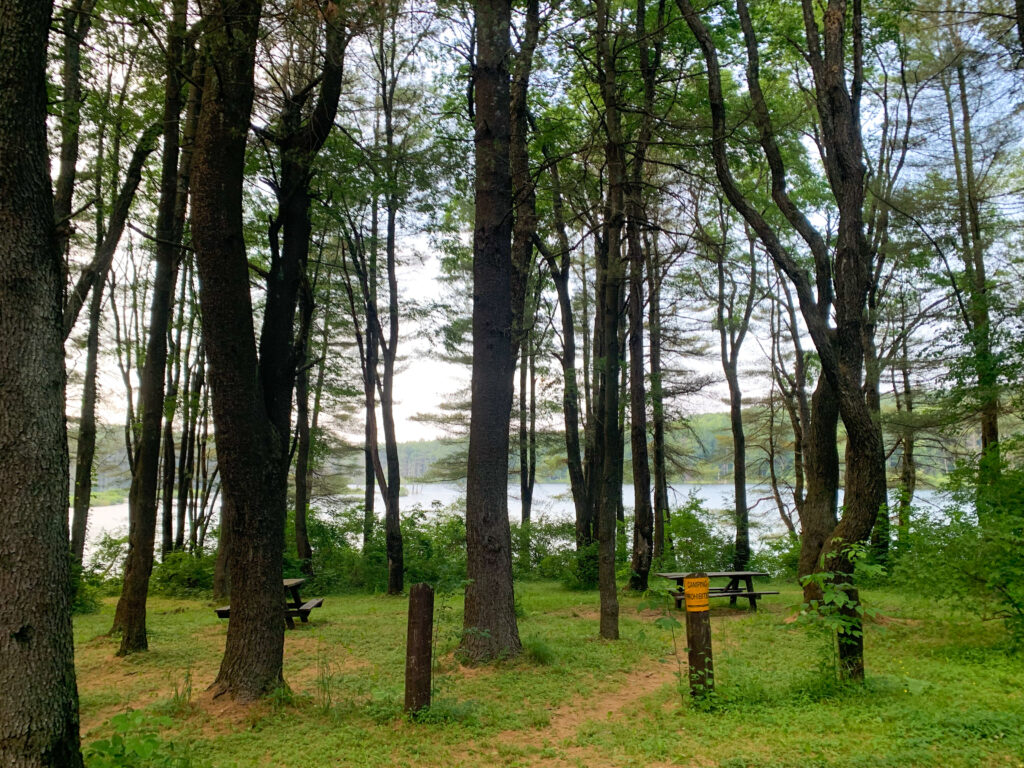
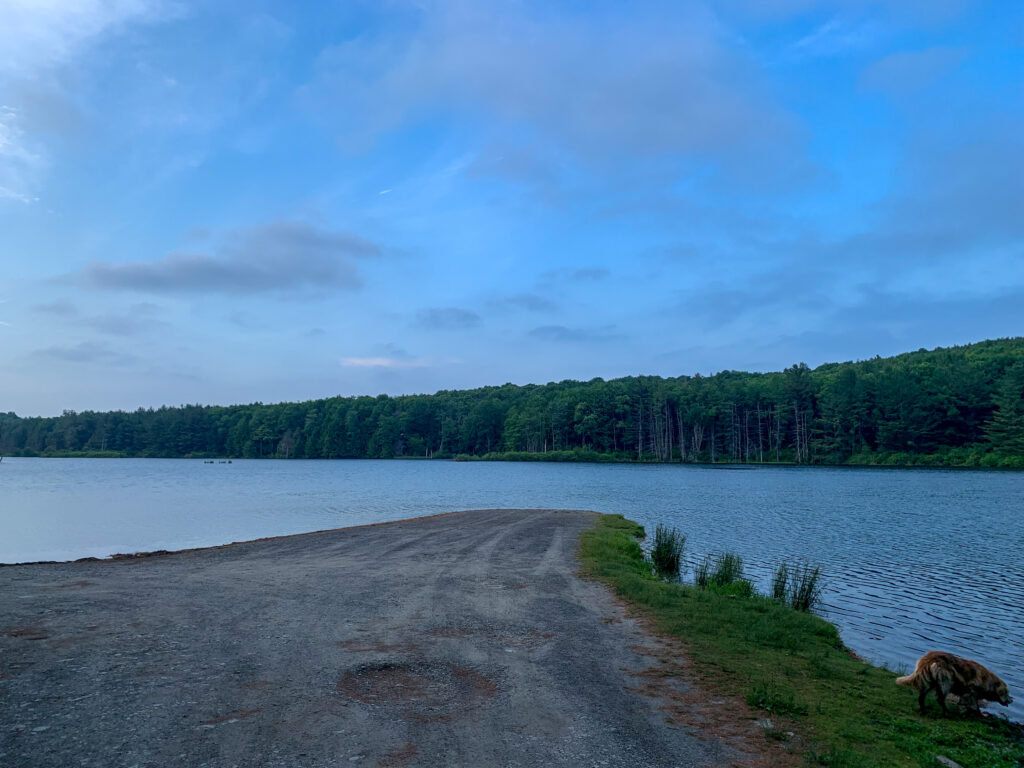
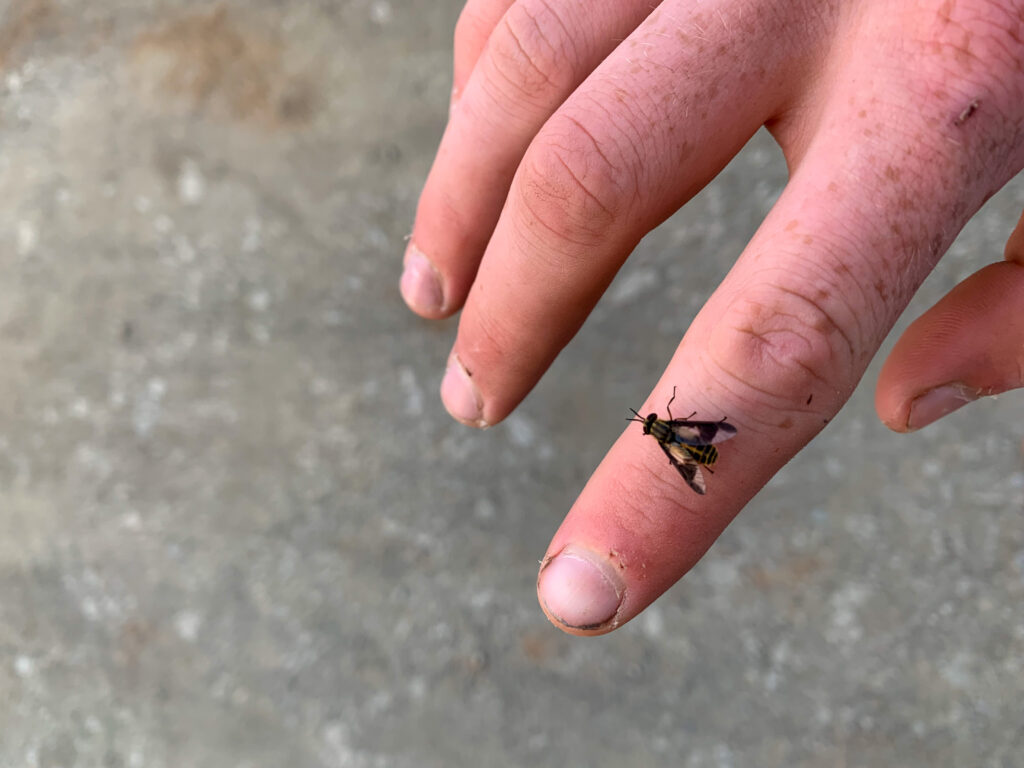
[2] Stoney Pond is a campground and state forest located in the town of Nelson, Madison Country (NY), and is about an 8 minute drive from where I live. The location is comprised of beautiful green forests surrounding a small pond, with some swampland and meadows sprinkled randomly throughout the area. There are trails encircling the pond as well as going off at tangents into the rest of the surrounding forest. I notice the vast array of tree and plant species as I walk around the pond, the insects buzzing around my head and my dogs, I catch a few and hold them in my hand. I inhale the newly arisen petrichor, which is still fresh from the earlier rain. I hear the chirp of birds, the hymn of crickets, and the occasional drill of a woodpecker and the croak of a frog. There’s the occasional dung, accompanied by horse tracks that tend to stay on trail; my golden retriever would randomly explore the woods, and when I followed I caught glimpses of the occasional wildlife, mostly deer but once a red-tailed fox.




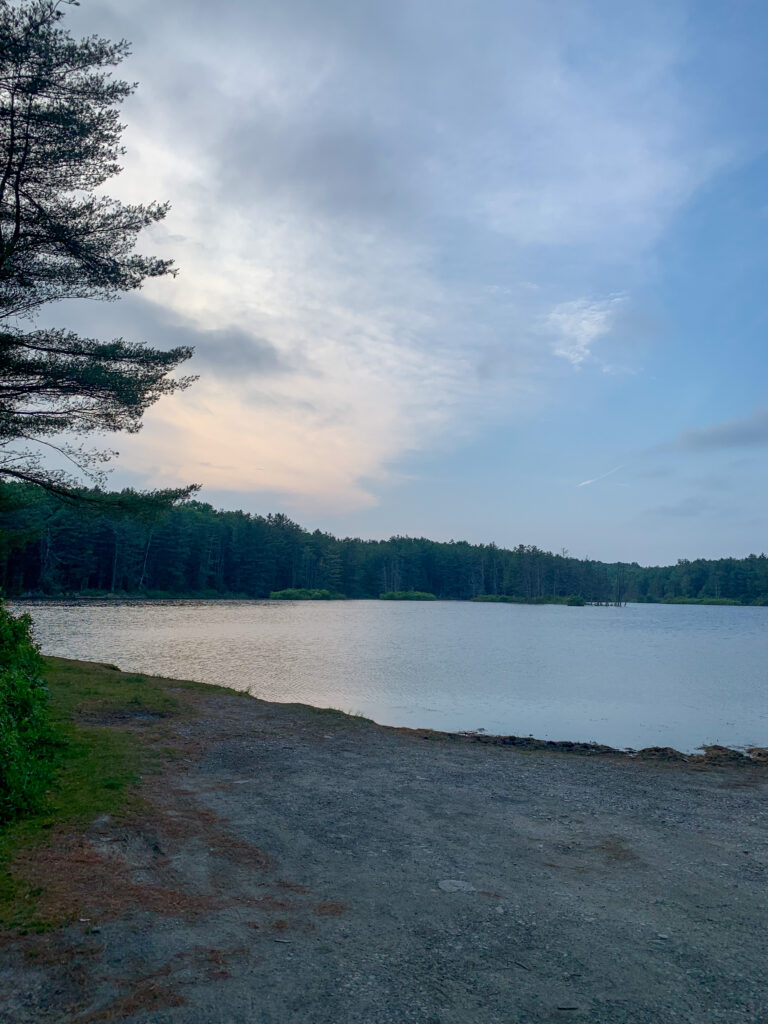
[4] Question Marathon
1- How big is Stoney Pond?
2- What natural communities is Stoney Pond comprised of?
3- How was Stoney Pond made/assembled?
4- What geologic event created Stoney Pond?
5- What animal and insect species inhabit Stoney Pond?
6- What tree/plant/fauna or shrub species inhabit Stoney Pond?
7- When was Stoney Pond created…discovered…established?
8- What is the ecosystem/food chain like?
9- How has human disturbance to the area affected Stoney Pond?
10- How much traffic does Stoney Pond receive?
11- How is Stoney Pond affected by the aspect on the Eastern shore (large hills, creating valley and noticeable shadows)?
12- Is Stoney Pond natural or man-made?
13- Are the forests second-growth or natural?
14- Is Stoney Pond the result of a merging of drainage basins?
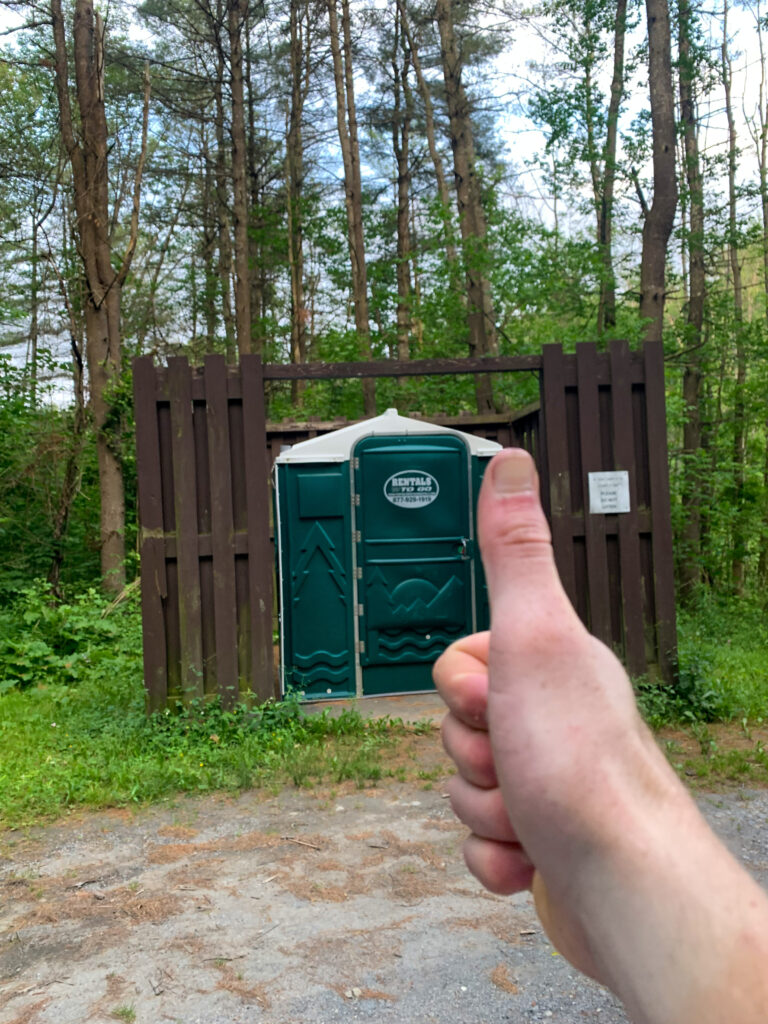
15- What type of feces is this (Viewer Discretion: Pictures shown above)?
16- Does logging/timber production occur here or nearby?
17- If so, how does this affect Stoney Pond?
18- How biodiverse is Stoney Pond?
19- How did the stone foundations and walls come to be at Stoney Pond?
20- Do blue or grey herons occupy the pond (couldn’t tell from afar)?
21- How does the allowance of water vehicles affect the ecosystem of the Pond?
22- How does Stoney Pond drain?..fill?
23- What type of rock can primarily be found at Stoney Pond?
24- Is there significant aquatic vegetation at Stoney Pond?
25- How deep is Stoney Pond?
26- What fish species exist in Stoney Pond?
27- Where does the geese population seen at Stoney Pond originate from?
28- Stoney Pond is kind’ve a gem of the nearby area…why don’t similar parks/locations exist nearby?
29- Are there any invasive species at Stoney Pond?
30- There are often summer droughts in this area, how do these droughts affect Stoney Pond?
31- Do the vast amount of trees at Stoney Pond help soak up all the runoff the valley receives?
32- Why is the air noticeably purer at Stoney Pond compared to three minutes away (by car)?
33- Is the hunting of animals allowed at Stoney Pond?
34- How clean is the water at Stoney Pond?
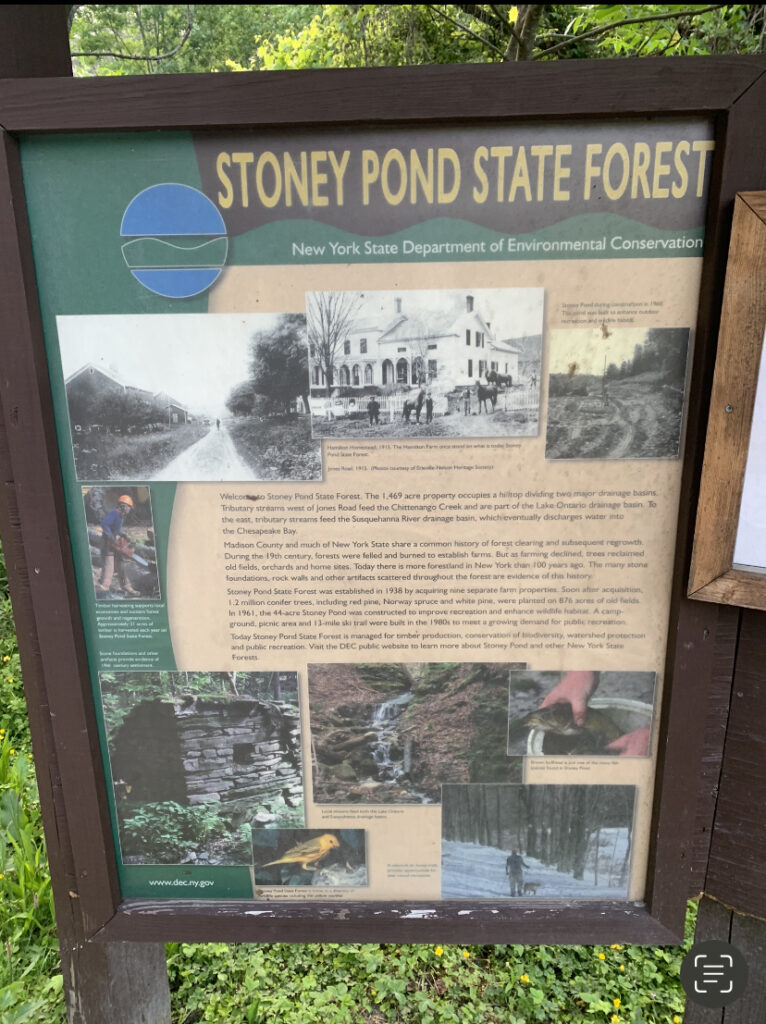
[5] How does Stoney Pond drain?..fill?
: Stoney Pond is set on a hilltop that divides two major drainage basins in the area. The Lake Ontario drainage basin and the Susquehanna River drainage basin. Stoney Pond is connected to the Lake Ontario drainage basin via tributary streams that feed the nearby Chittenango Creek and and is connected to the Susquehanna Basin through more tributary streams. The Susquehanna River basin drains water into the Chesapeake Bay.
(I was not able to find an online source but pictured below is an infographic I found at Stoney Pond)
Final Paragraph:
Though I’ve visited Stoney Pond in the past, this is the first time I’ve visited with truly wide open ears and eyes. And this allowed me to notice facets of the State Forest that I haven’t noticed prior; and this allowed me to ask questions that expand my understanding and curiosity in this location that for much of my childhood, was a nearby retreat to relax with my family, when we couldn’t make longer trips. Today, I encountered the curiosity and “wonder” in Stoney Pond that I haven’t felt since I was a young boy. When I was younger, my interest was conquered by trips to grander and more elegant locations. But today, I viewed the Forest through a new lens and ran into a younger version of myself that I wasn’t expecting to see again, much less on the first day of doing this blog. Something that I didn’t remember about Stoney Pond from my childhood was its vast enormity (the entire State Forest is 1440+ acres), and most of these expansive trails I cannot recall much memory of. Following up in coming weeks, I’d love to finish my exploration of the Stoney Pond State Forest that I may have never finished as a child, while coming to understand this rare Central New York gem in a way I have not yet.