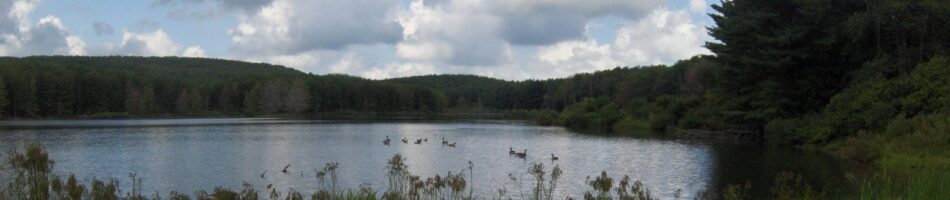
Beauty in the Simple Things
Wonder Blog Entry #3, Stoney Pond State Forest
[1] It’s Monday, July 4th, I made my visit to Stoney Pond between 1 PM –> 3 PM, it’s sunny out with pretty clear skies, a bit more humid than it has been in my previous visits, but overall there is no drastic weather.
[2] It’s July 4th and a plethora of campers have arrived to celebrate the holiday at this picturesque outlet. The noise they have created over the weekend and today has disrupted the ecosystem and has resulted in a noticeable lack of animals I have seen today compared to prior visits. The proximity to nearby towns where fireworks were most likely recently set off certainly doesn’t help.
Since the time of my last visit, the grasses and flowers have grown, the place has erupted in color, and there are more insects in the forest than ever. As we reach and crest the peak of summer, the insects will dwindle. I then identified some species of trees that I will discuss later on.
I then found a few new paths that led me off into mostly unexplored areas of the forest and came across a rocky setting that distracted me for more time than I would like to admit (I climb). After my distractions ended, I continued on into the borders of the forest until I found a stream, and followed the stream for a bit before turning around (at this point I think I had completely strayed off-trail).
[3] Building upon the question I had made for myself in the last blog (why I only came across American Beech trees on one side of the pond) I wandered around some trails I had previously left unexplored in a better attempt to not only answer this question but gain a better idea of Stoney Pond’s sectoral growth in general. Observing the hill that the American Beeches were shaded by, I did some research and found that American Beeches do well in moist, well-draining environments; which is exactly what this area is, the hill gives the American Beeches enough water to survive, but also provides reasonable drainage so they do not drown. As I continued up the hill, I noticed that many of the tree species I had identified around the pond (Red Pine, White Pine, Scotch Pine, Red Oak, Sugar Maple, Red Maple, Black Cherry, White Ash, Eastern Hemlock, and Norway Spruce) were appearing in lesser numbers as I got closer to the top of the hill. These trees all favor well-drained and acidic soils, which increasing elevations do not give. The top of the hill and the part of the forest at the top are all relatively flat, which would not provide the drainage the tree species identified prefer. This explains why the hilly parts of the forest consist of mostly tall grasses. None of this research provided an explanation for why the American Beeches only grew in that one specific area, however. The only reasonable explanation I can draw is that because most of the forest is second-growth, the American Beeches were planted in that area and have failed to spread to other parts of the forest.
[4]
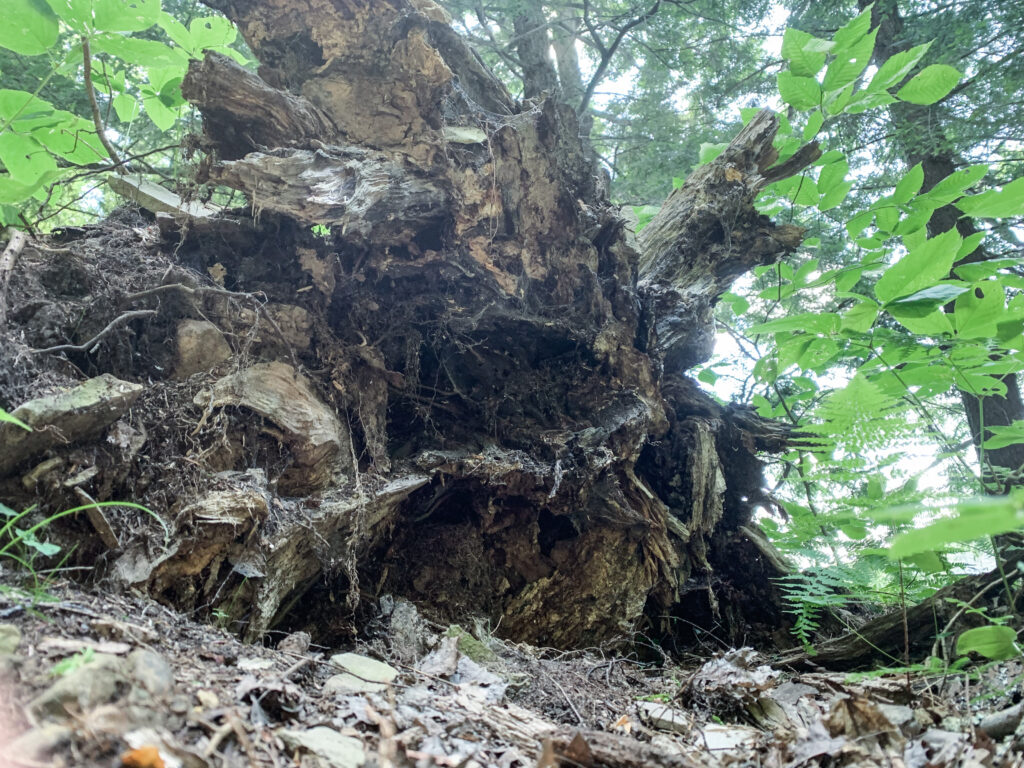
Image 1: The subject of this photo is the upheaved roots of this tree. I chose this photo because many of the photos I took today aim to focus on capturing images of smaller ecosystems within a bigger picture. Essentially, how the subject of this image (the dead tree) provides a different ecosystem than the areas around it.
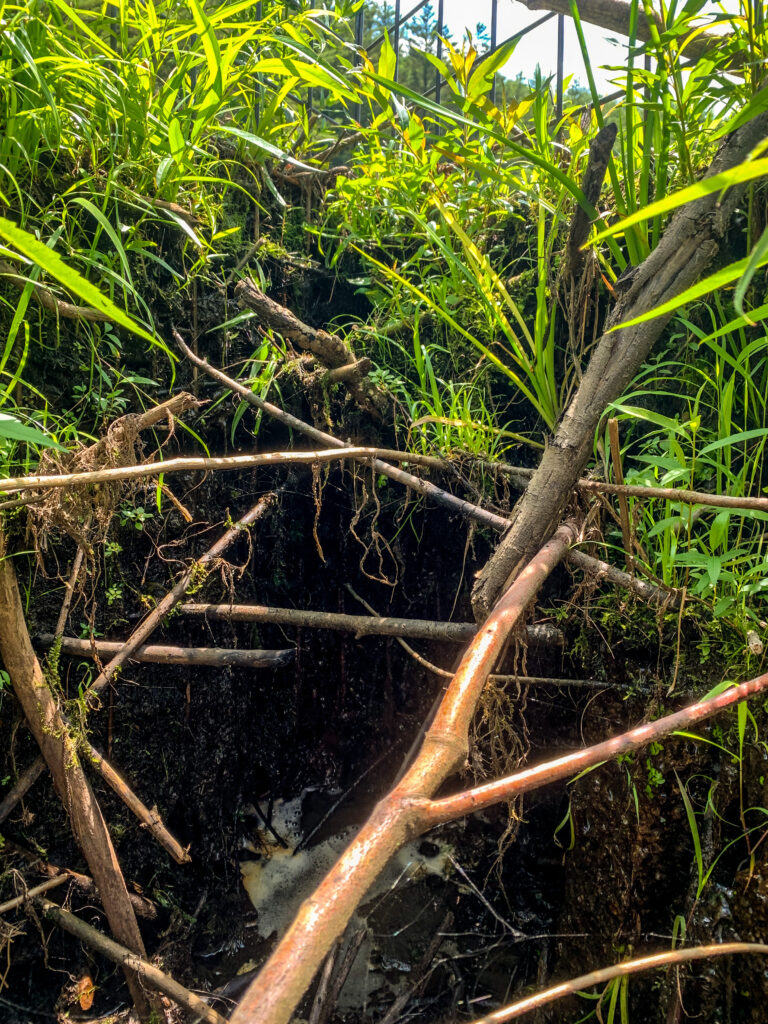
Image 2: The subject of this photo is the inside of a small closed-off area inside of a swamp. I chose to take this photo primarily because I was curious as to what the inside of the containing structure looked like, so I waded into the swamp to see.
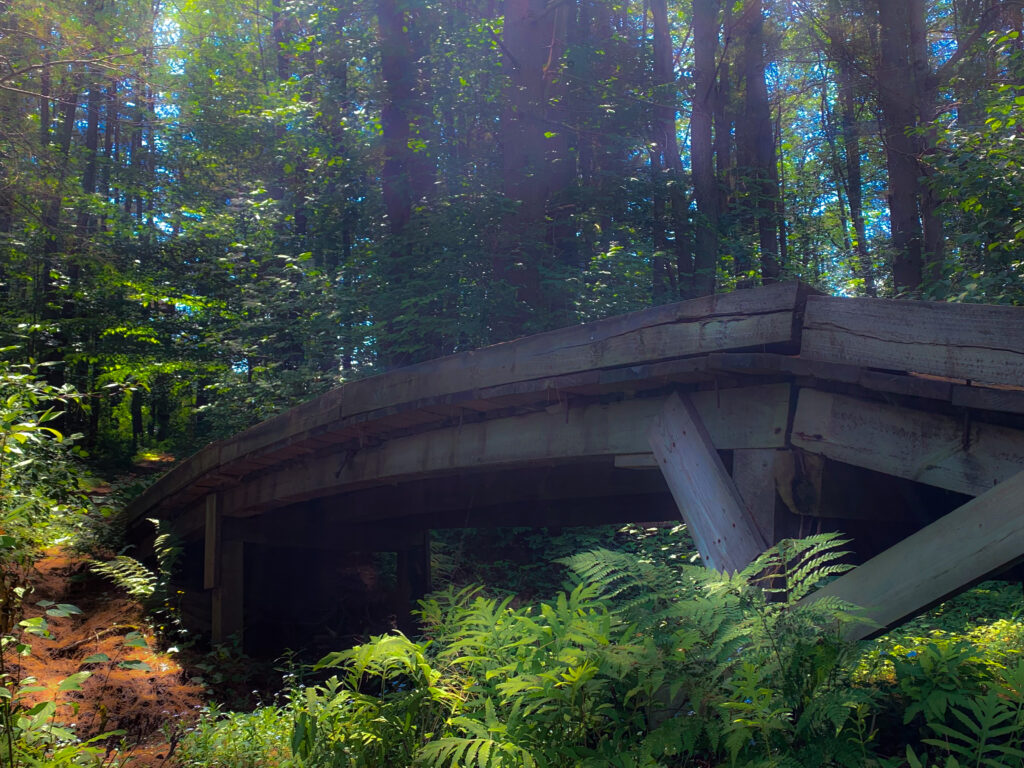
Image 3: The subject of this third image is the bridge. Following the theme of the prior two images, I was attempting to observe smaller ecosystems that might exist under the bridge but the surrounding area was too muddy to capture the underside. So I settled for just a picture of the bridge because it looked pretty.
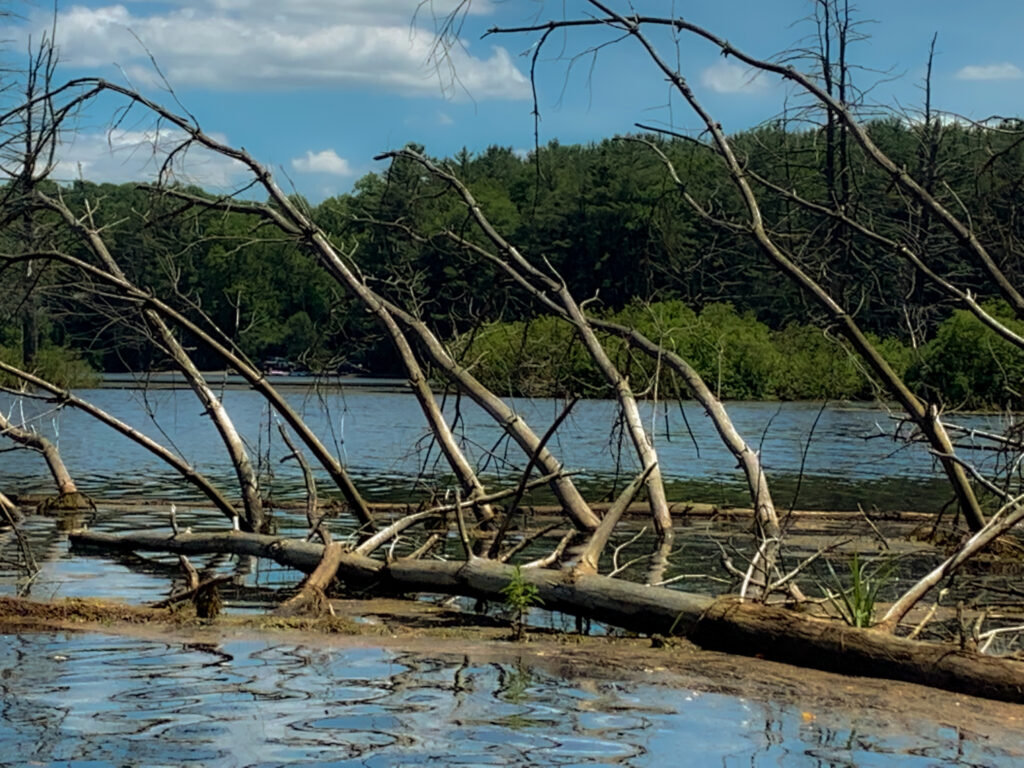
Image 4 (“Ribs”): The subject of this image is the dead trees that are sticking out of the water. I chose to take this image because this setting looked like a set of ribs from afar and I found the feature eye-catching.
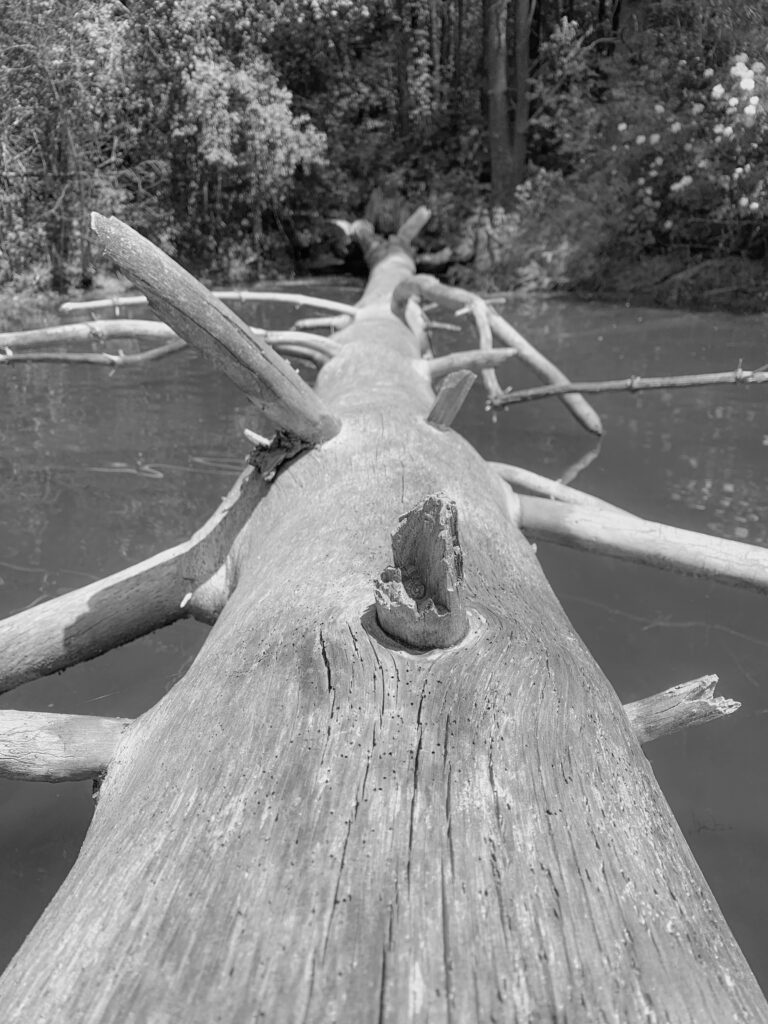
Image 5: The subject of this image is another dead tree that has fallen in the water. I chose to take this image because this tree has become a staple of my blog, and I wanted to observe it from a different angle this time.
[5] Through this process, I noticed that the requirement of taking high-quality photos forced me (in a good way) to think about Stoney Pond in new ways and observe it in ways that are off the beaten path. Today also got me thinking about what small ecosystems I may be missing because I am focusing on the bigger picture, instead of trying to observe smaller facets that compose the detail that assembles the bigger picture. This process was similar to sketching in that I was trying to capture the beauty of Stoney Pond through a lens other than words but different in that I didn’t get frustrated as often, and taking a good photo often requires thought of frames, angle, color, and light while sketching requires those thoughts, but also time and patience. Essentially, taking a photo delivers you the end product all at once, while with sketching you are responsible for delivering each step of creating the final product. This entry expanded my knowledge of the tree patterns within Stoney Pond, and despite my repeated visits, allowed me to see the same features and sections in new ways.