Posts

April 18th

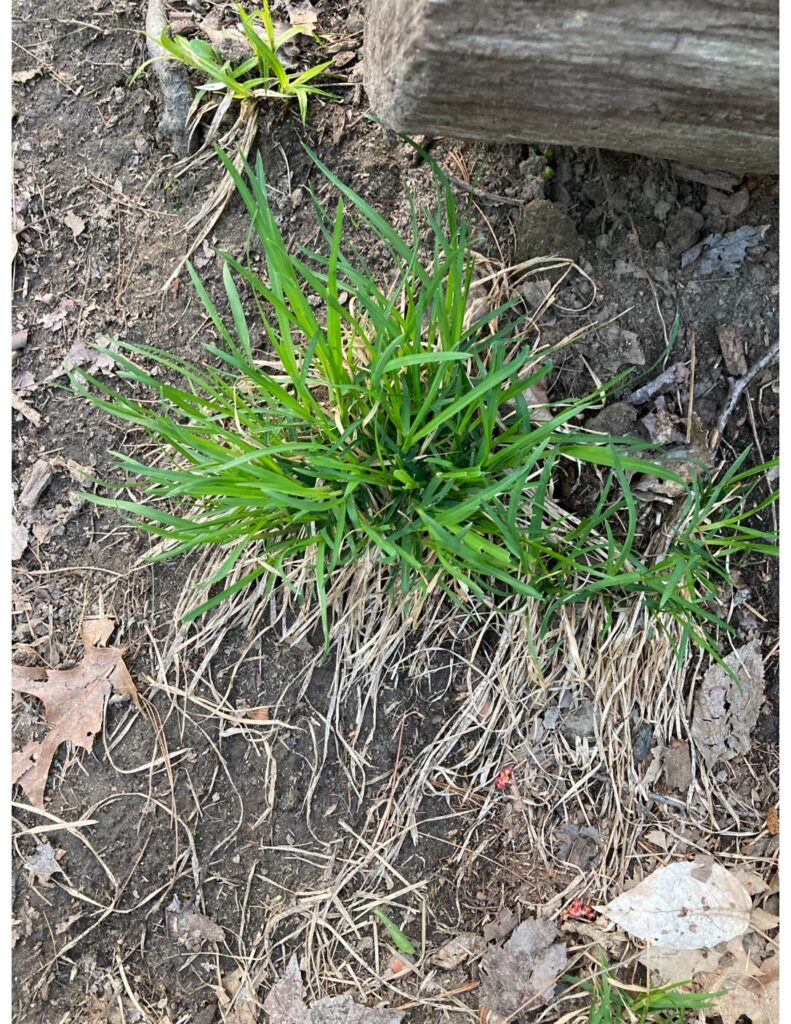
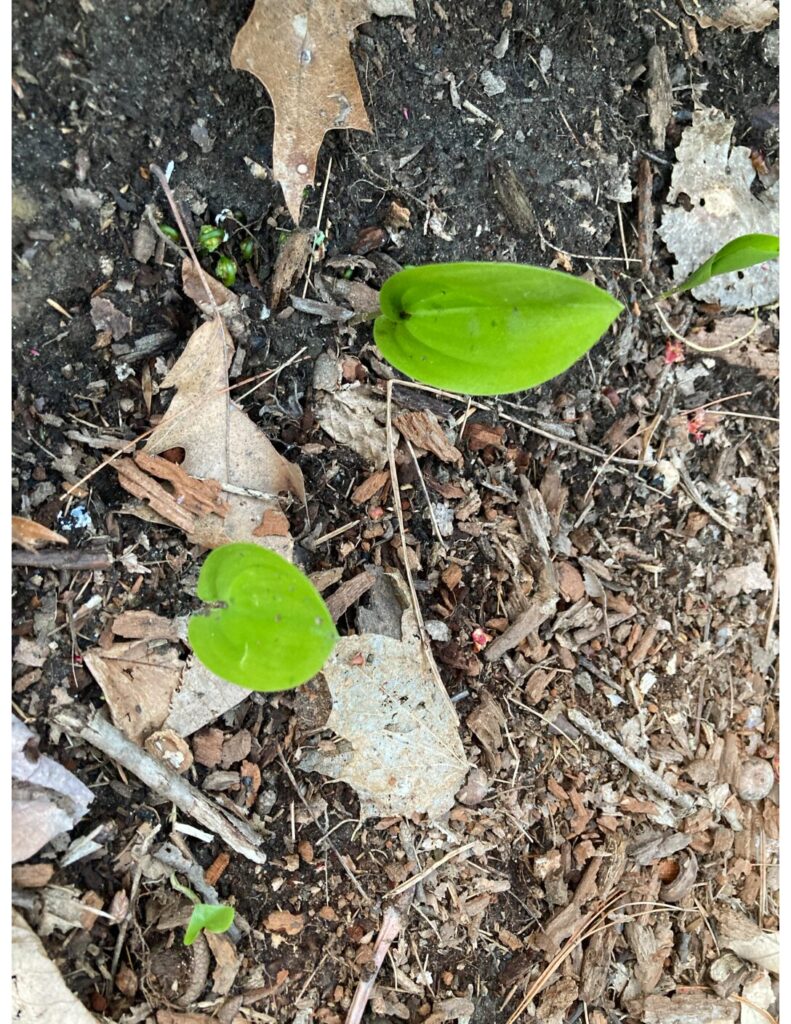
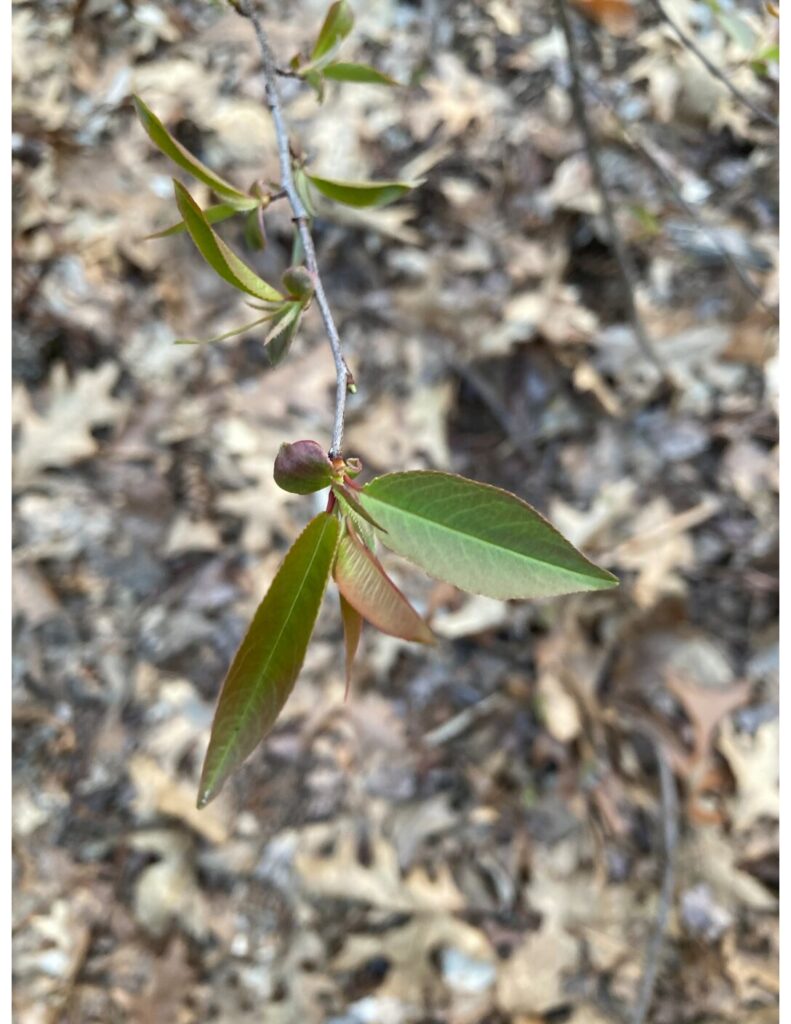
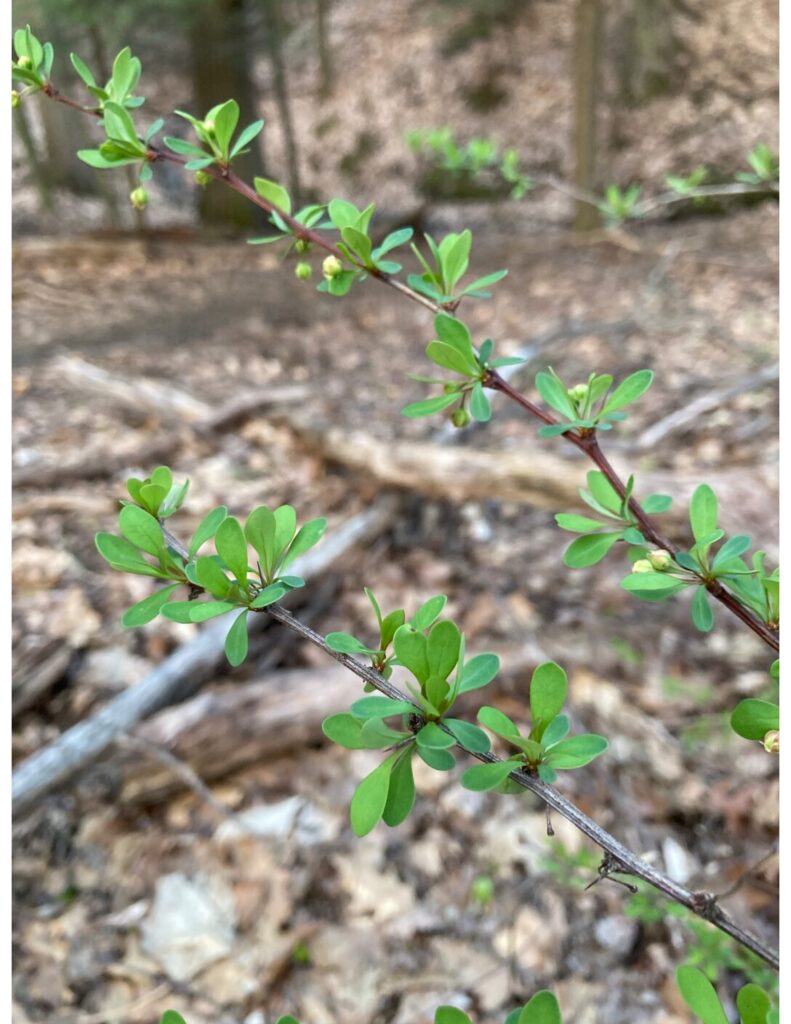
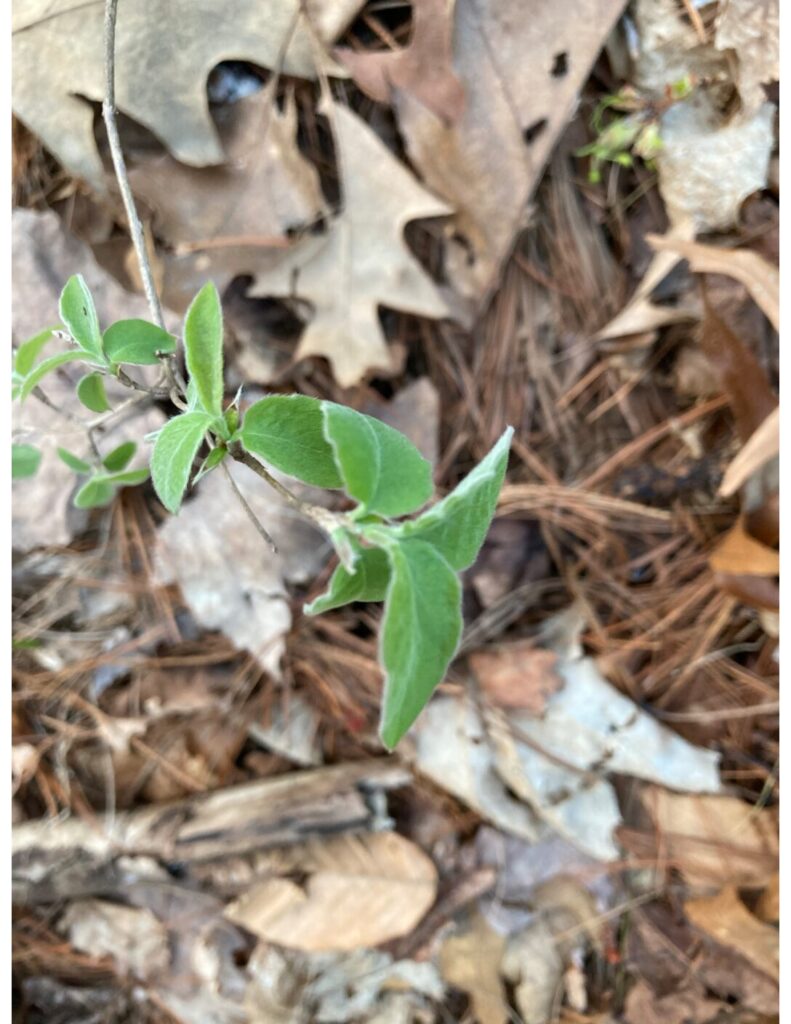
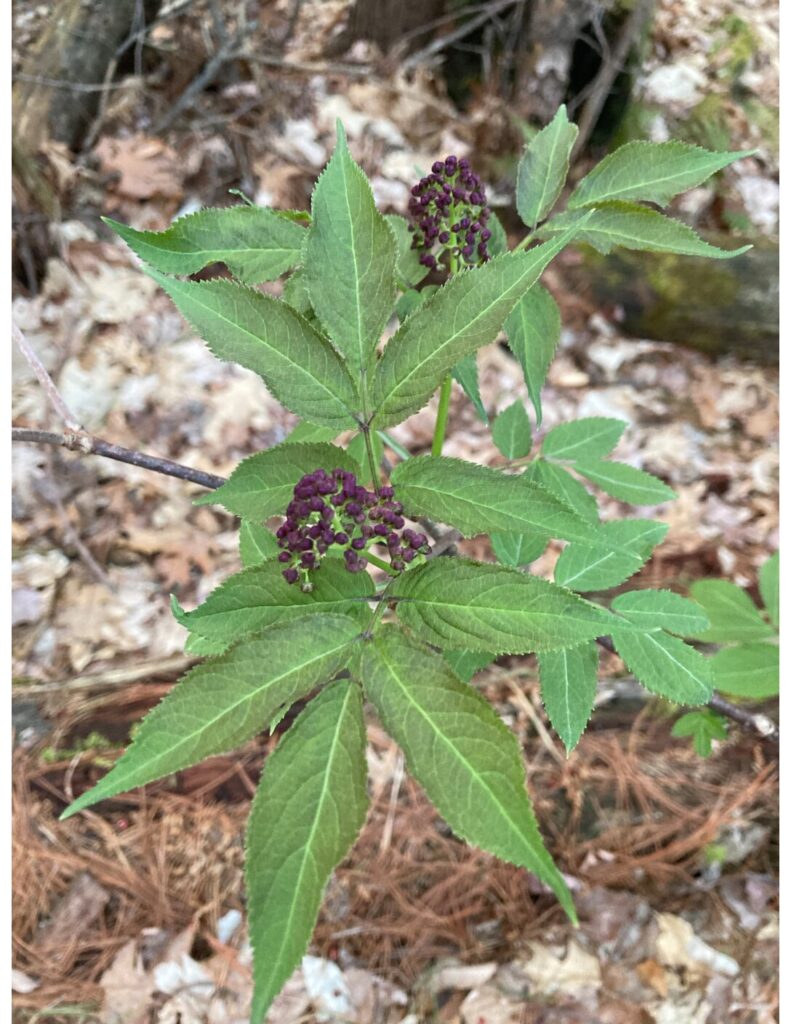
There was a lot of new plant growth at my phenology spot from the last time I visited. There was also a lot of animal activity. I went near dusk and could hear 5 or more birds singing near my site, and I saw a few squirrels running around. One bird I could see picking insects out of a tree, which I think may have been a hermit thrush.
March 7th

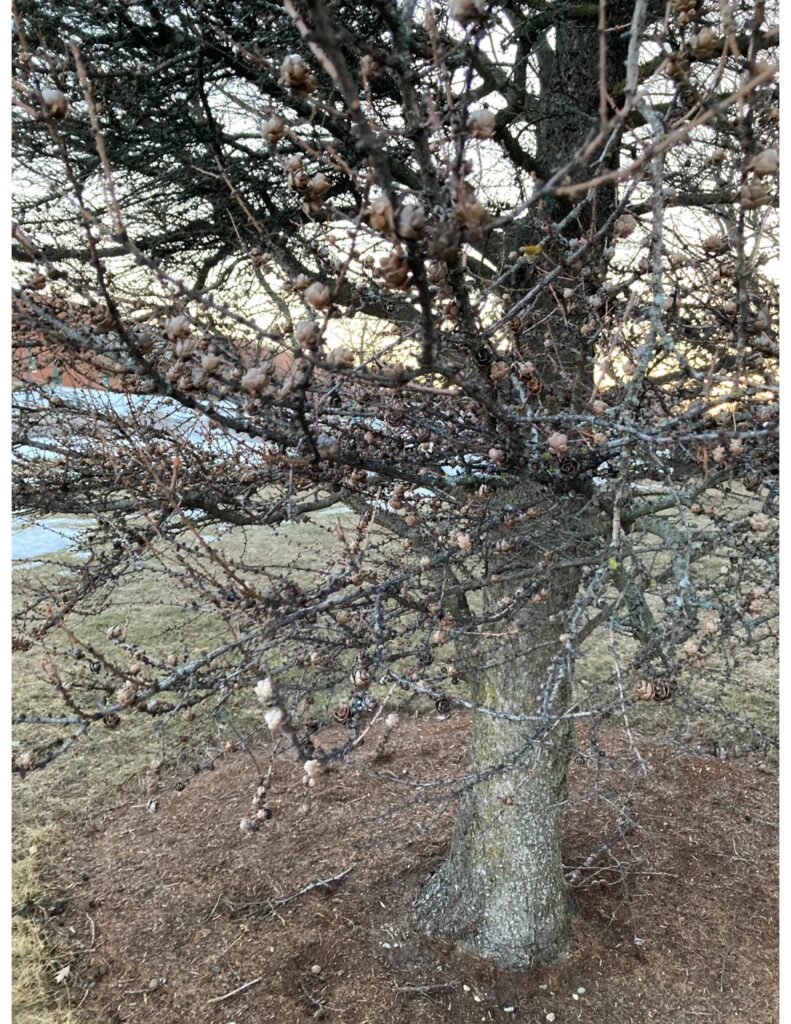
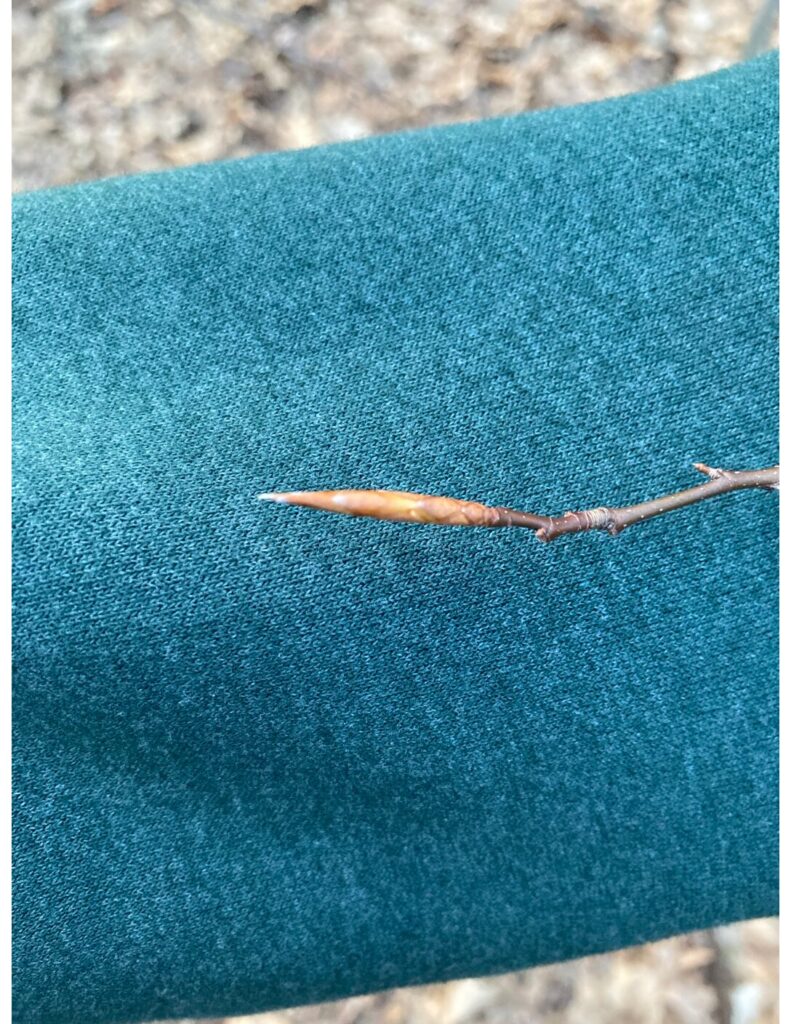
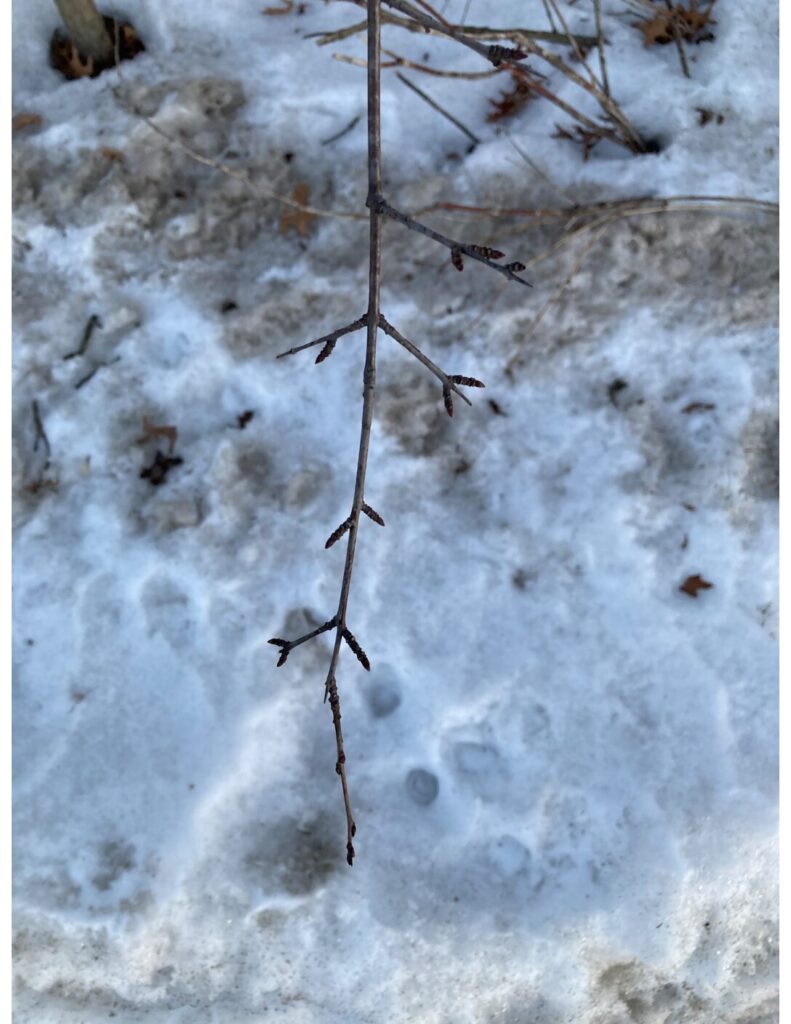
Most trees that I saw still had small buds similar to this one.
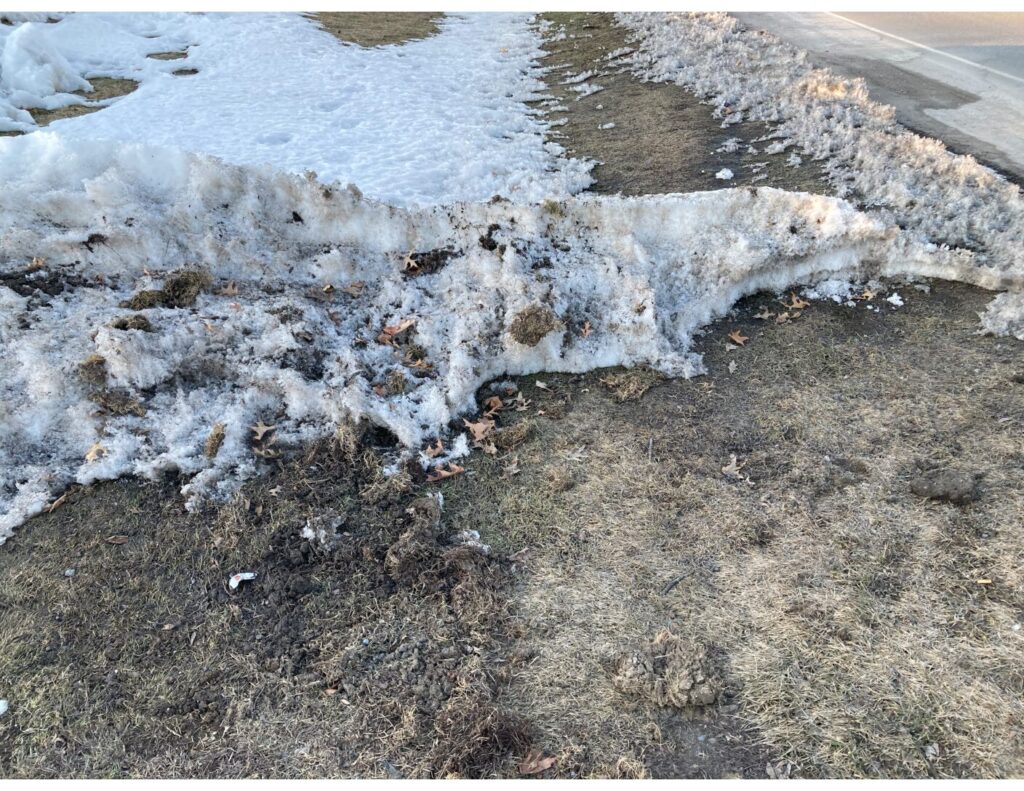
A lot of the snow has started melting and exposing the ground.

I walked around part of Burlington Sunday afternoon, and it was chilly but sunny all day. Some of the snow that has been covering the ground for months has started to melt over the past week, exposing brown grass. I didn’t really see many signs of plant growth yet, and I didn’t hear any birds which could be due to the time of day that I went. Because of recent thawing and freezing of snow, it was hard to see any identifiable animal tracks. I saw a few people walking outside while I was, likely because it was a sunny day. Overall, it looks like we are still in winter but spring could be coming soon, especially with the warm weather coming this week.

February 7th Update

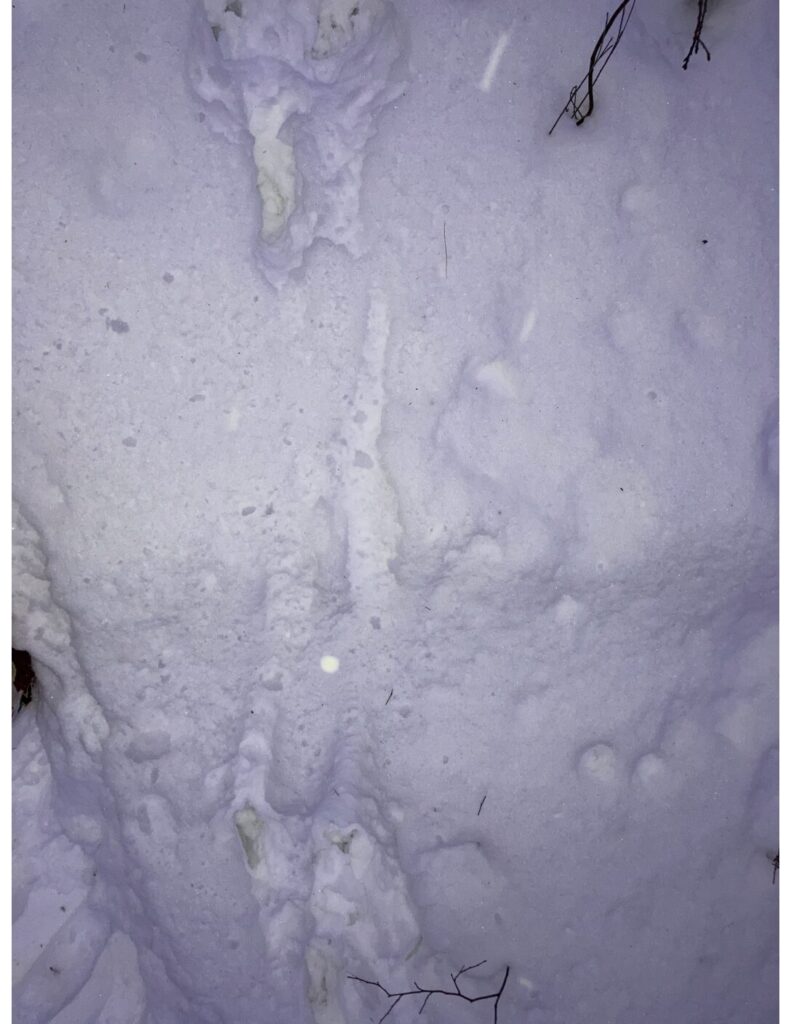
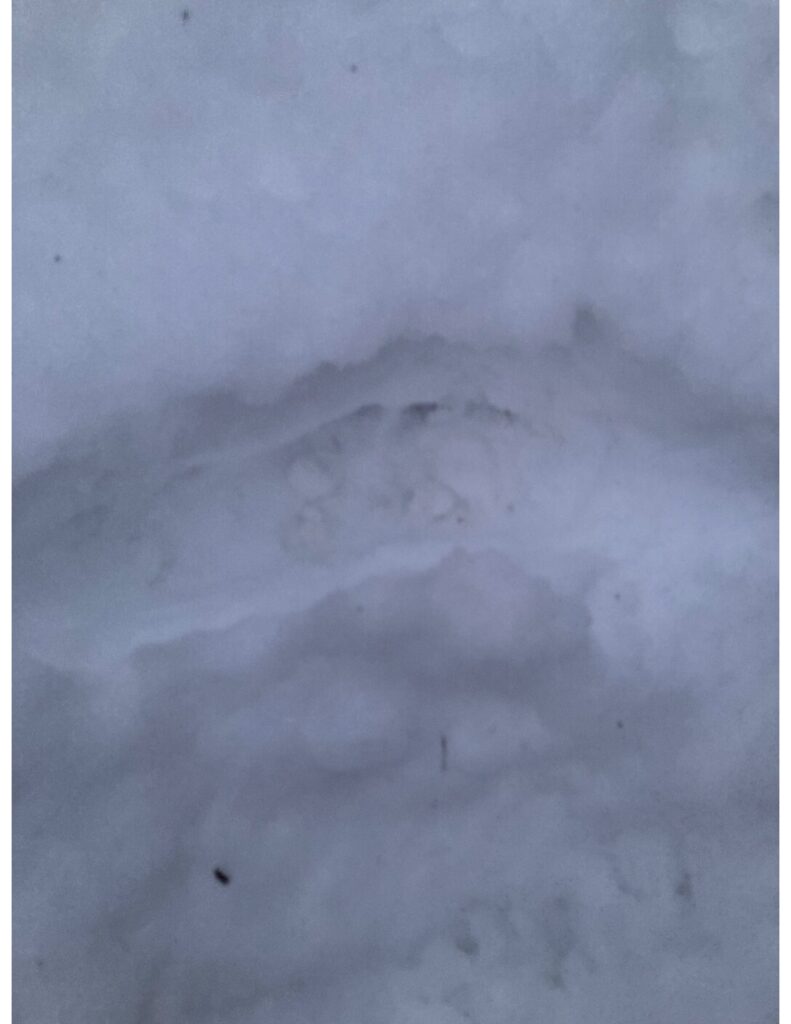
Snow is fully covering the ground and the trees at my phenology site are bare. No buds have started growing on trees and bushes yet. A few different animal tracks can be seen at my site. I believe one of the tracks I saw was a rabbit, and the other was likely a dog.

History of my phenology spot

I chose my phenology spot in Centennial Woods. Although Centennial Woods is mostly forested now, it has seen a lot of human land use. From the 1800s into the early 1900s, the area that is now Centennial Woods was mostly farm land. This land was sold to The University of Vermont in 1904. The University used a portion of the land for ROTC training at one point, and some structures still remain from that. I believe the area of my site was likely cleared for farming at some point because some barb wire was wrapped around one of the trees. I didn’t see any other indications of past land use at my site.

Works Cited

Hall, Erin. (2015). Centennial Woods Land Use History. Centennial Woods and Brook. https://blog.uvm.edu/efhall/2015/12/09/centennial-woods-land-use-history/

Burlington phenology site vs. home phenology site

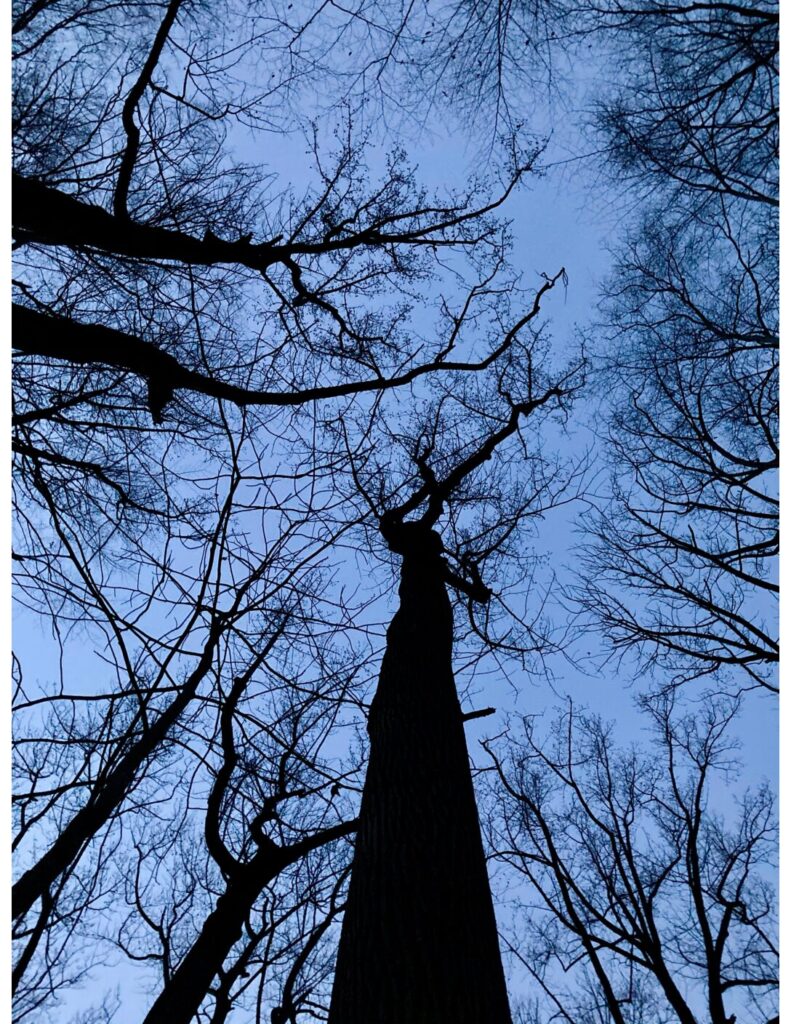
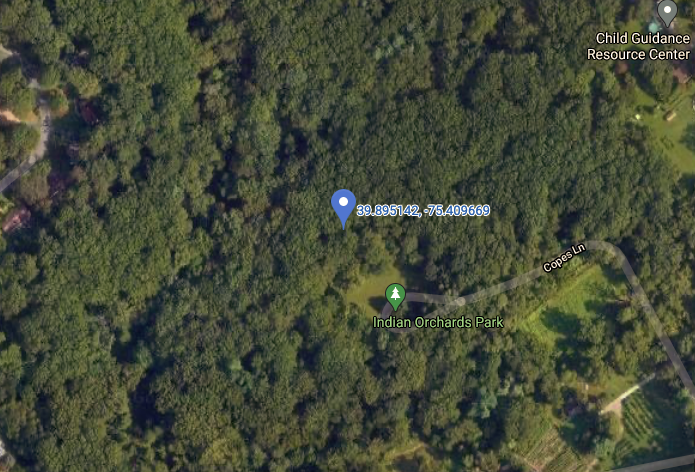
For my phenology site in Burlington, I chose a spot in Centennial Woods, and for my home phenology site I chose a fairly similar area in a nearby, wooded park. The first thing that I noticed about my home phenology site is that the forest floor is covered pretty densely in bushes, unlike my site in Burlington which had almost no plants on the forest floor. My home site also does not have any waterways going through it, while my Burlington site had some small streams running through it. One thing my sites have in common is that the largest trees are a mix of oak and American beech, which I thought was interesting. I wasn’t able to accurately identify all of the plants at my home site because all of the leaves have fallen off of them, but I believe a lot of the trees are the same as at my Burlington site.

Skip to toolbar