
This phenology spot is one that I have stewarded for years through the UpStream Pittsburgh EcoSteward program. These past few months have been the longest I have been separated from it for around 2 years. Routinely, before I moved to Burlington, I would visit this spot and clear it of the massive amounts of litter it accumulates from highway runoff and careless littering, as well as pull invasive species and plant native plants. Upstream even has a milkweed seed party! I have missed this spot, and I am happy to see that it is still fairly tidy even in my absense and not being able to clean the litter away.
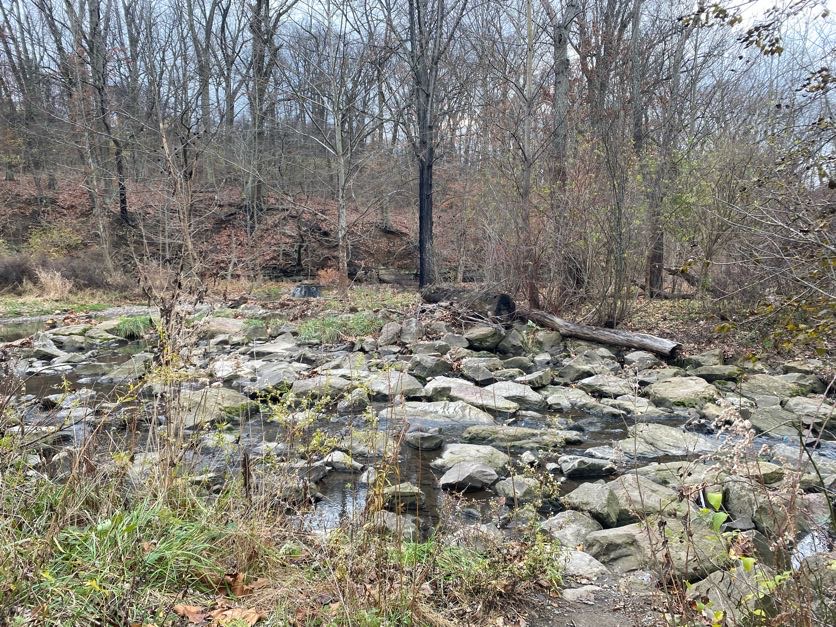
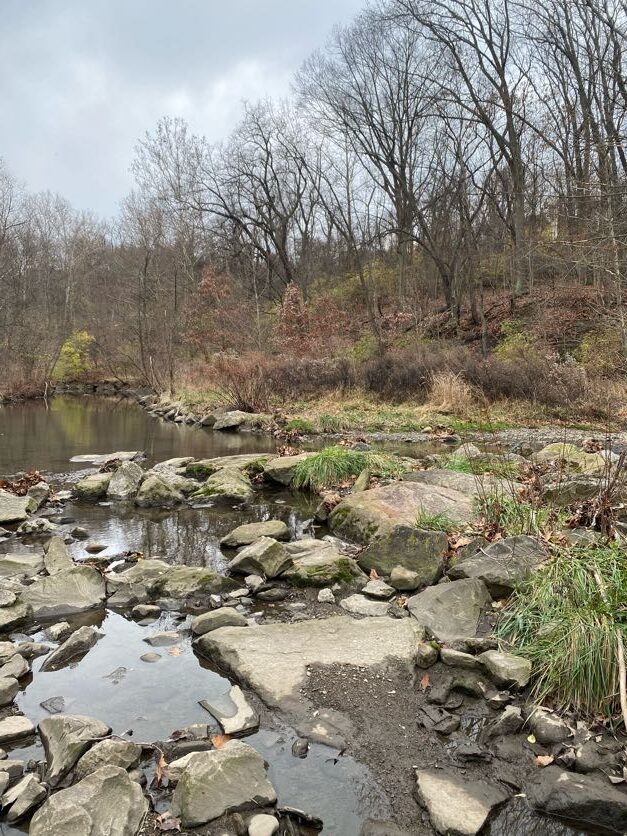
I feel particularly connected to this place due to the sheer amount of time I have spent here, as well as the effort and labor I have put into keeping it natural and clean. Due to the amount of time I spend here, I have had the opportunity to see many tiny details that I think I otherwise would not have. For example, I noticed last year that one of the trees I normally had to pass on the way into the creek was burnt, on further inspection and inquiry to other stewards, we found it had been struck by lightning! I also have encountered lots of wildlife here, with some of the most notable being water snakes, and a great blue heron! All of these encounters and small details that I have been able to notice in this space has only brought me closer to the natural world, and I feel very lucky that I have been able to experience it so deeply.
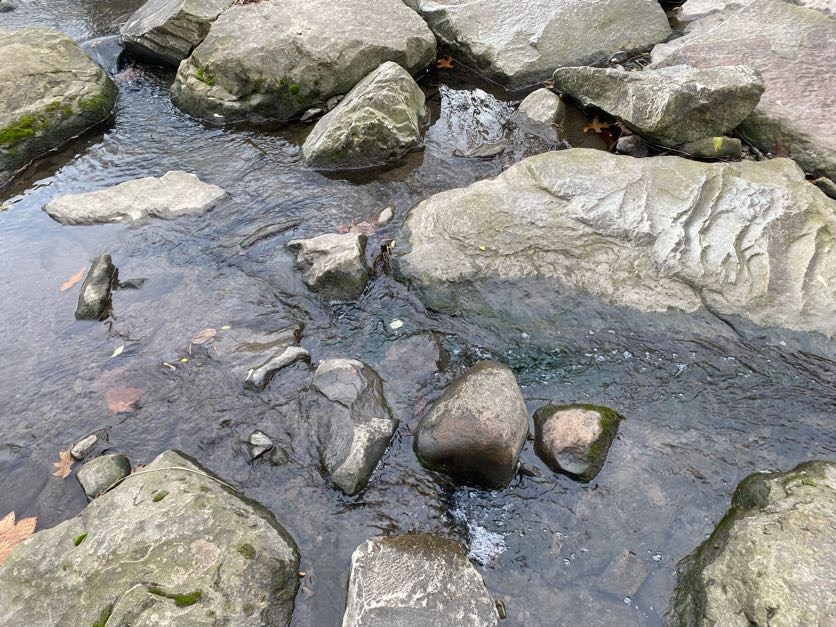
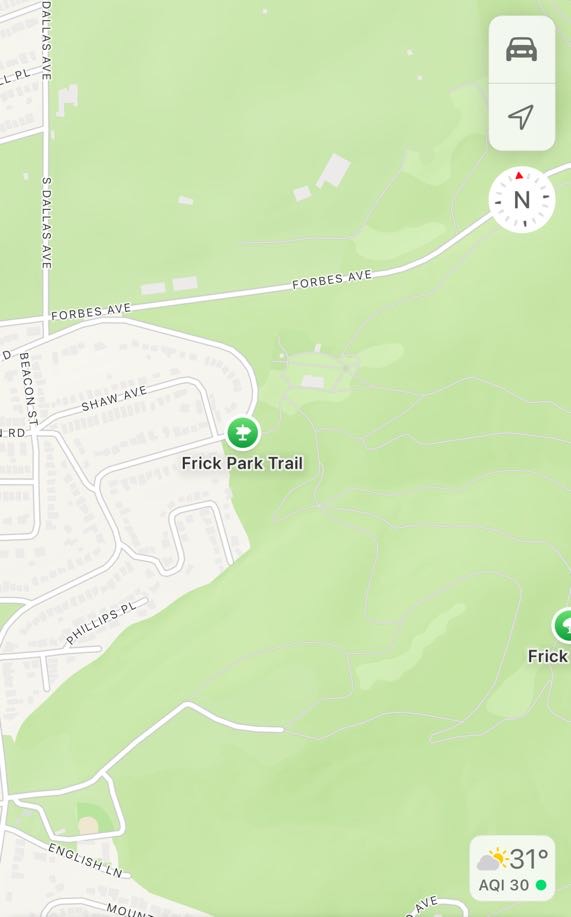
In comparison to my Burlington Phenology spot, there are many differences between the two. For one, my spot in Pittsburgh is mainly situated in the creek and a body of water, as that is where I spend most of my time cleaning and sweeping for pollution. In Centennial Woods, although I now realize that my phenology spot is also along a creek, this creek seems to have little physical pollution, and is much smaller and seemingly less diverse than my Pittsburgh Creek. Comparitively though, I do think it is interesting I was drawn to a creek for both of my spots. I also found that the spot in Centennial Woods is far more dense than the area in Pittsburgh, containing far more Eastern White Pine, where as Pittsburgh contains majoritarily smaller hardwoods such as maples and beeches, indicating that this forest is much younger than the one in Centennial Woods. My spot in Pittsburgh is also far more impacted by water, not only in the fact that the body of water near it is larger, but also due to the frequent floods it experiences. When it rains, the bank of shrubby green plants becomes engulfed in polluted highway water, often leaving traces of litter and chemical-ridden water behind. Large rains are almost always catastrophic, and without a large flood plain or wetland to hold the water, the natural resources surrounding the creek are almost always impacted in a detrimental way. This is not the case with my spot in Centennial Woods, as the creek is smaller and has a much deeper furrow to flow through, and therefore does not cause as much catastrophic damage when rainfall hits.