A UVM blog Phenology project!

Posts

Last post :(

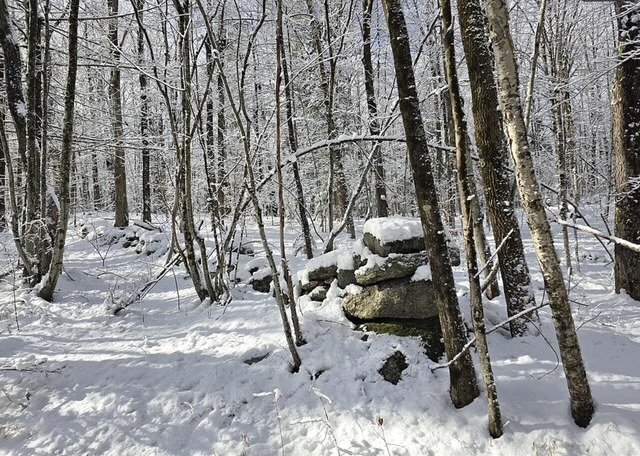
Since I last came back to Intervale much has changed! There are no longer leaves on the trees and the first snow has touched down to the valley! As expected throughout the snow there is no ground level flora peaking through, a couple dead fiddlehead stems being the most noticeable. Although the snow was blocking much of what there was to be studied that doesn’t mean that I couldn’t take note of some cool things! While going along the trail I noticed many tracings of dogs, birds, and squirrels. I also noticed a bit of dog scat at the head of the trail. I’d say that because of the cold and snow the animal activity has greatly decreased.

Pictures as always!
Screenshot

I got asked to answer this question by the people on the other side of the 4th wall “What aspects of your phenology spot did you like the most?”. I’d say that it’s a bit of a tricky question, and this is why. On my first drive up to Intervale the Uber driver told me the history of intervale and that the center/barn is a popular spot for people to get married which I think is so beautiful. For many people there’s an emotional connection to this place, not only because of its beauty but because a keystone moment of their life was there. This is my favorite aspect of my phenology spot.

Phenology in your backyard!

Hey guys! I’m home for thanksgiving break and I wanted to share a bit about my experience. Unlike the beautiful woods of Intervale I only had my backyard to study, not that it’s not beautiful too!

Some pictures of my backyard and my dog!

New England ecology is much different than that of The South, Texas specifically. The most noticeable difference being the trees and soil, my neighborhood used to be a pecan orchard meaning that all the trees in my backyard are pecan trees. This is much different than the many different types of hardwood trees such has maple, which aren’t usually seen in the landscape. Texas soil also differs by being made up of clay slow drained soils, unlike the sandy soils that’s usually seen in Vermont. A cool fun fact is that squirrels in the south are different! Instead of the cool grey squirrels that we have here in Vermont the Texas squirrels are a warm hazelnut brown.

Back at intervale!

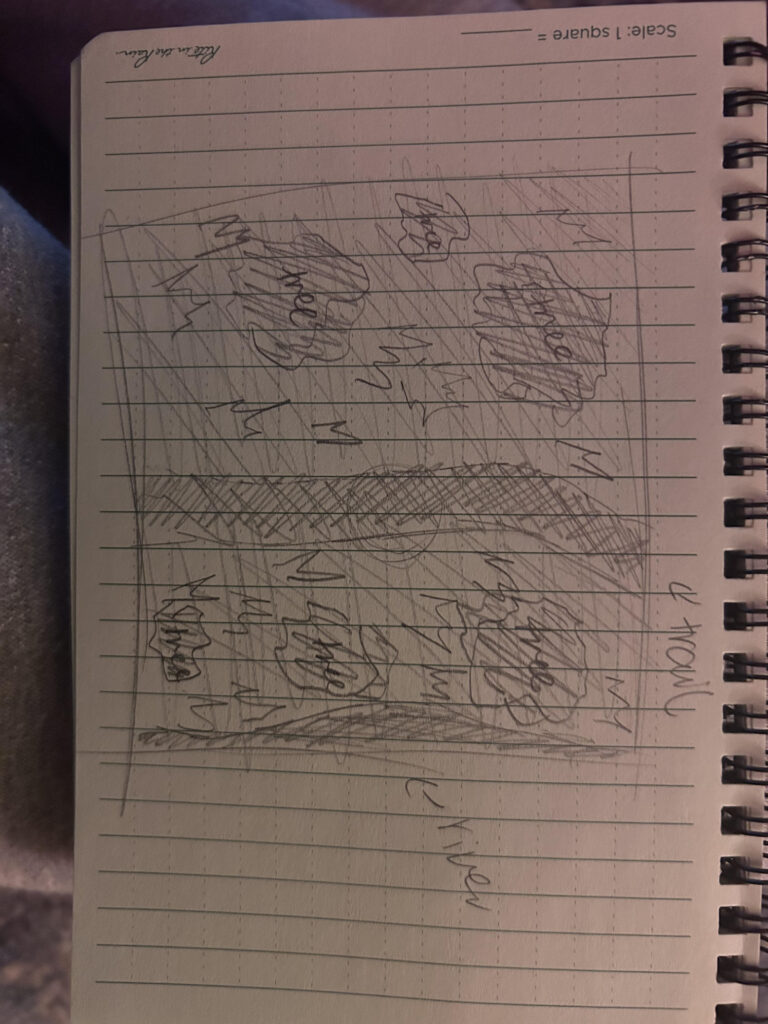
And I’m back at Intervale! Remember the place with beautiful scenery? Now that It’s November, peak foliage season is over and most of the leaves are falling/have fallen off of the trees and lots of the flora has wilted into the ground. Nonetheless still beautiful. Instead of wondering around this time I was tasked to sit down and just listen while taking in my surroundings. I heard the most beautiful things for the most part, like birds chirping, squirrels running around, distant footsteps of people, and water running. The only downside about the interval center is that since it’s so close to the airport there is a LOT of noise pollution coming from planes and army jets. This noise pollution can cause a reduction in wildlife in the area such as , deer, coyote, bears, and chipmunks.

Here is a hand drawn visual of where I was sitting!

Hello world!

Hello fellow naturalists!!

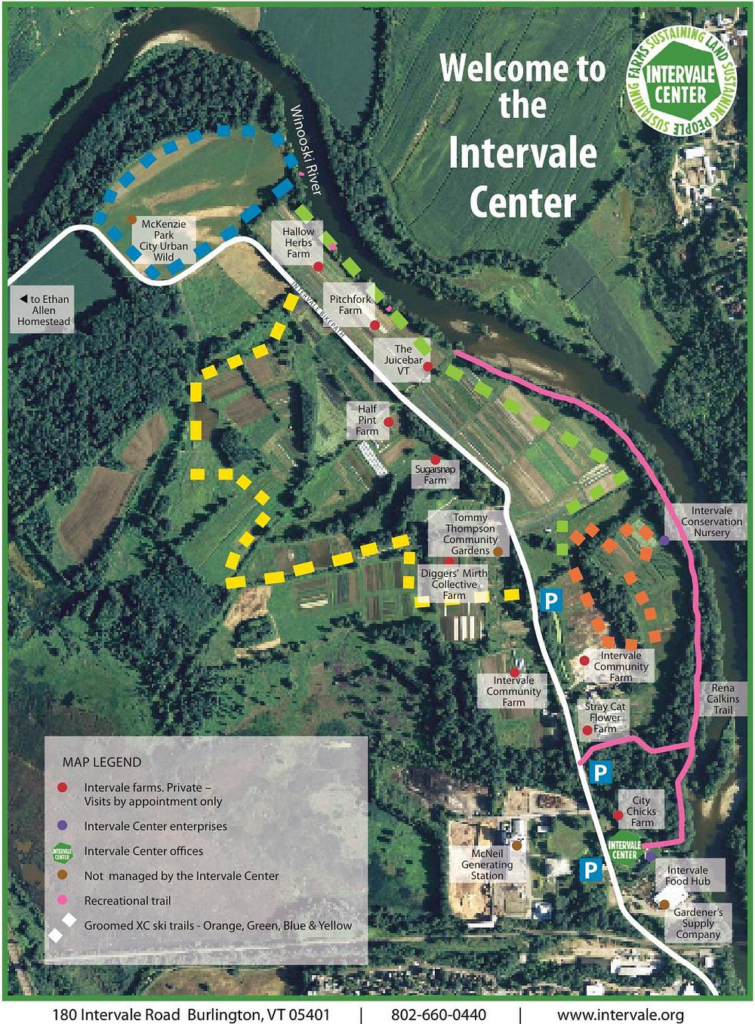
For my first post I would like to talk about the Intervale center. The Intervale center is an 870 acre floodplain on the Burlington side of the Winooski river. This area has a rich amount of flora and animals including birds, culturally vulnerable plants, bear, and even moose. I chose this area because it was a part of Burlington that I have not yet traveled to, which gives me an excuse to explore. I decided to travel to this part of town by Bering since it would be such a long walk there by myself and I don’t own a bike.

If you haven’t been to the Intervale center here is how to get there 🙂

The vegetation in this area was very lively and gorgeous. I decided to go during the peak foliage week so this scenery was extra beautiful, but many lower flora was covered by the leaves. During this hike through Intervale I noted lots of Buckthorn and ash, which are invasive species. I noticed lots of cedars towards the shoreline but as we got closer to the wooded areas they tend to dissipate. Looking more towards the soil, there was a silt soil texture with a basic PH. This functions as clay wetlands surrounding us. There were also many signs on the trails informing passersby’s of endangered species and and more invasive species such as invasive ground worms and endangered birds.

Photo of Intervale center:

(I cant input the picture 🙁 but I’ll email you)

Skip to toolbar