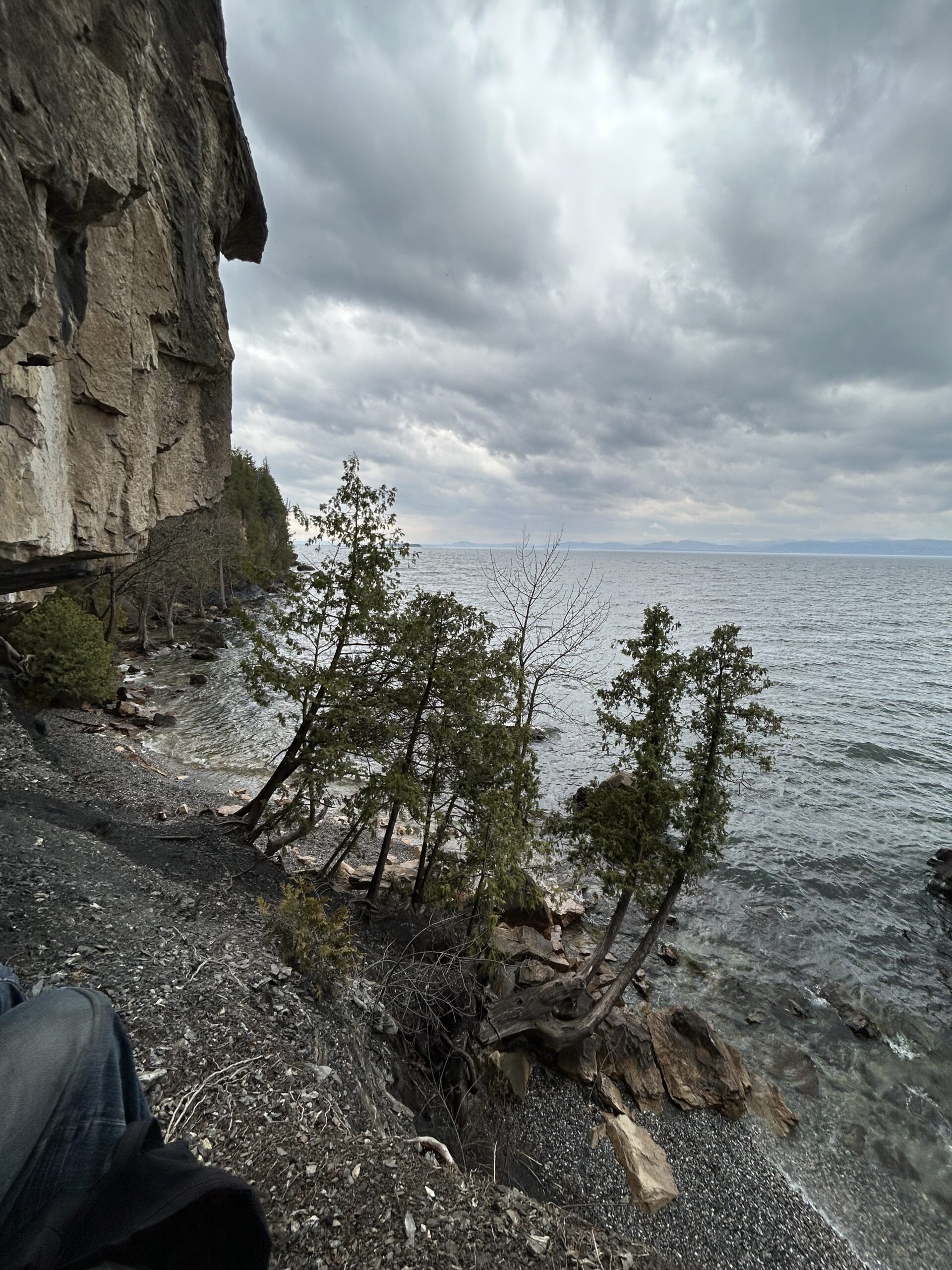
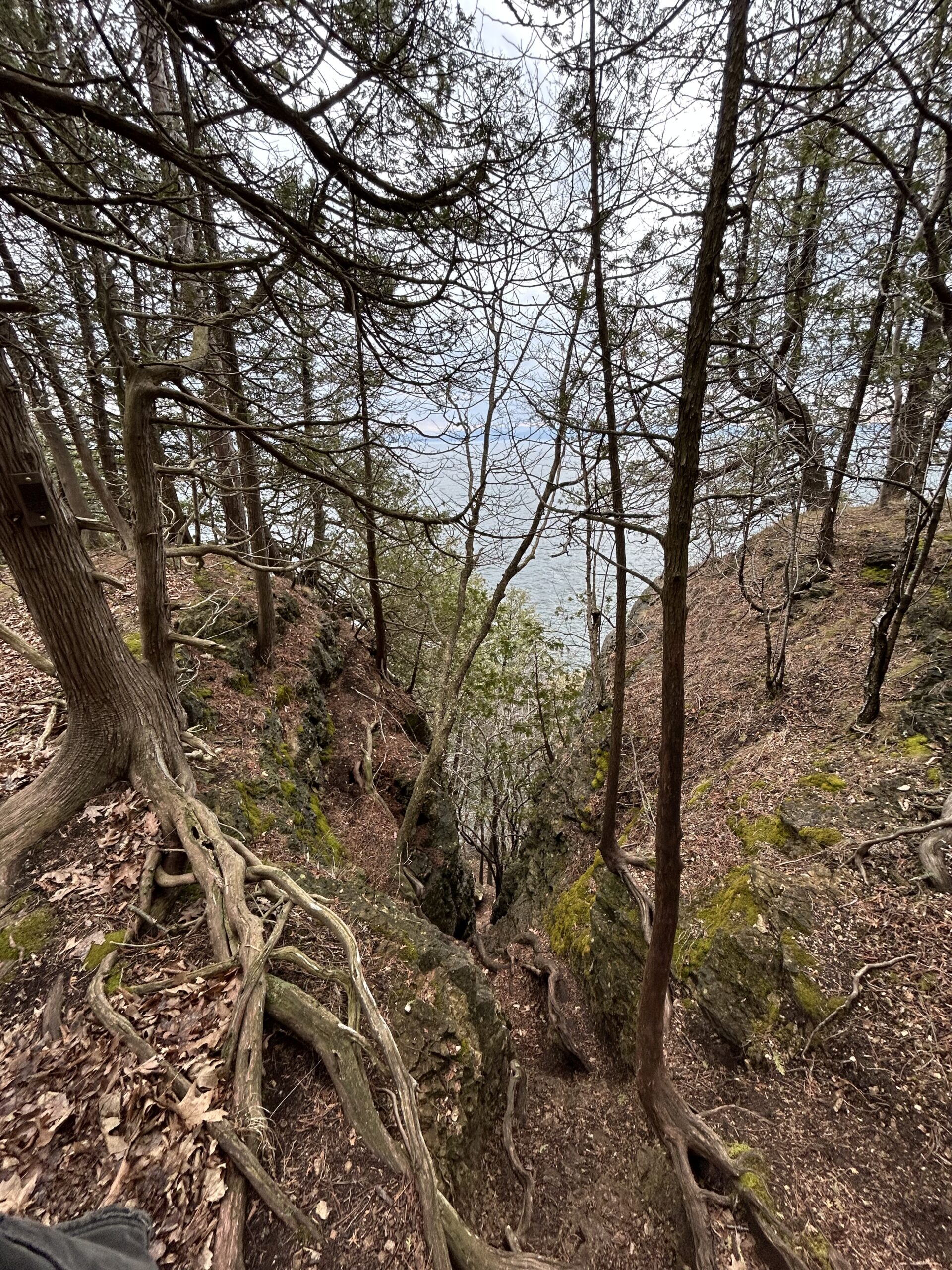
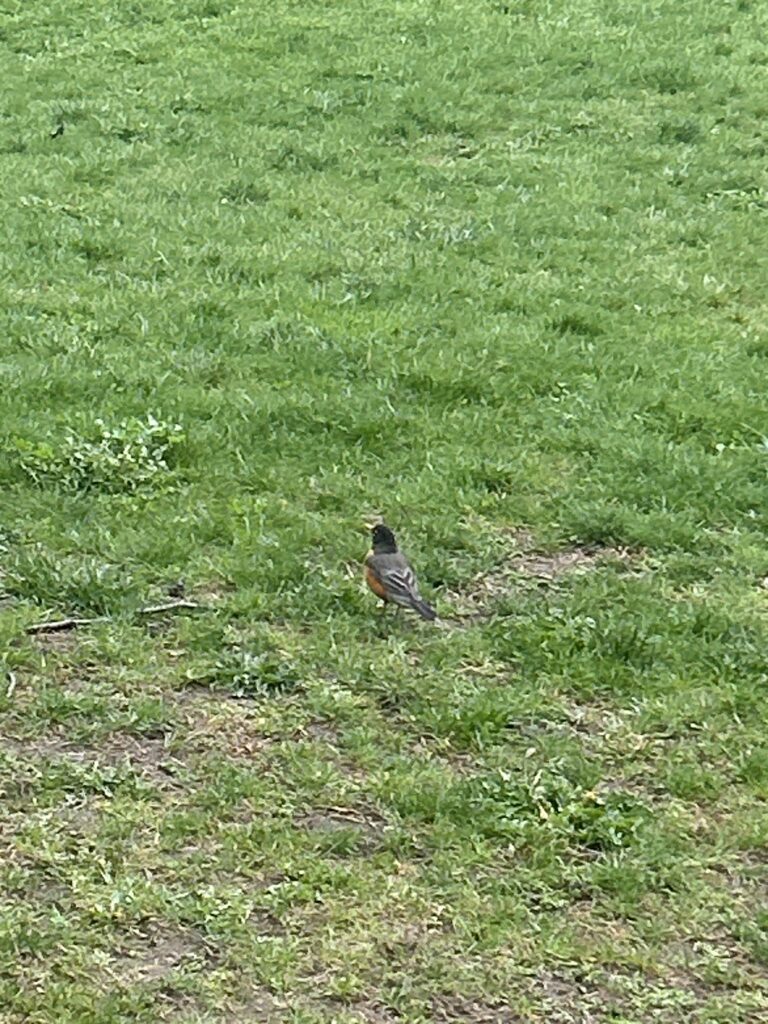
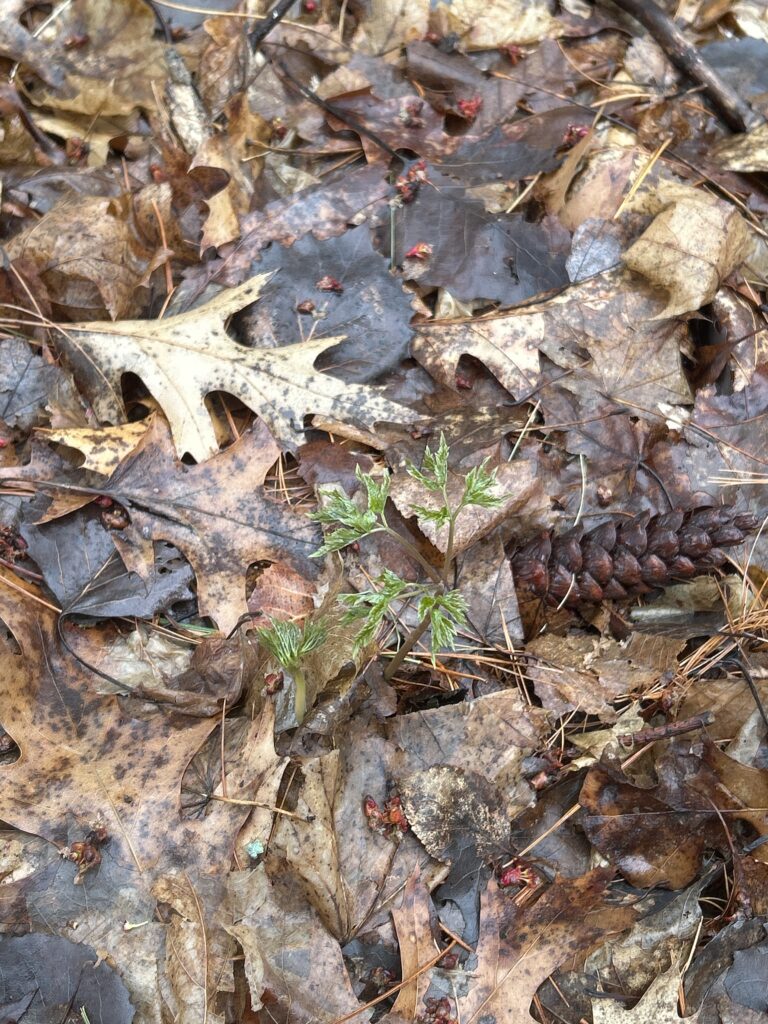
During the Urban Bio-Blitz that took place over the past 4 days, I have had several opportunities to get out in nature, and make some observations. On Sunday (4/27) I went for a walk in the Trinity woods, during which I recorded several different species in Inatrualist. I recorded a couple different woody species that were pretty common in the area, including chokecherry and baneberry bushes. I also spent some time searching for different animals, but the only ones I came across were a few robins feasting on worms freshly brought to the surface by the rain.
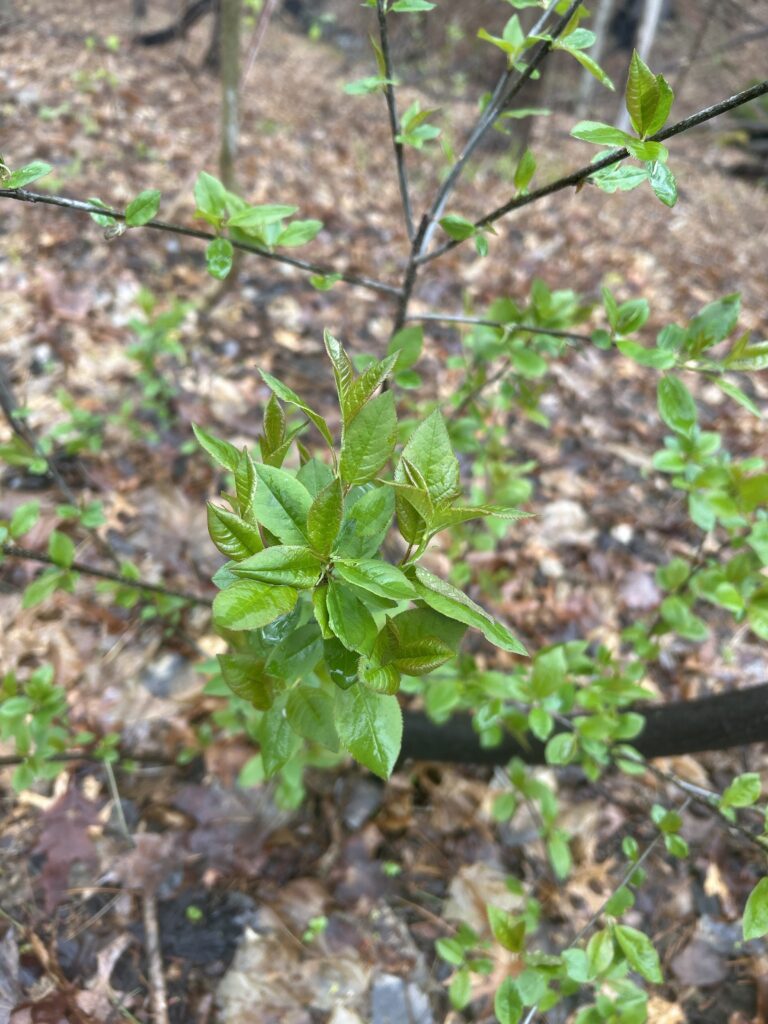
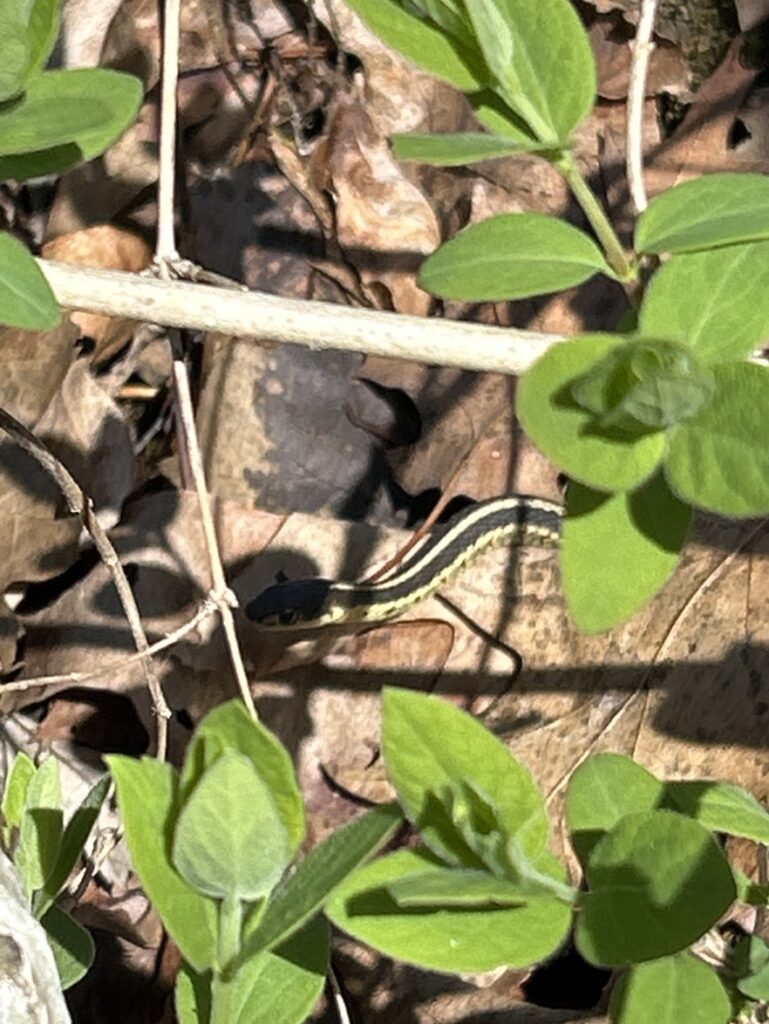
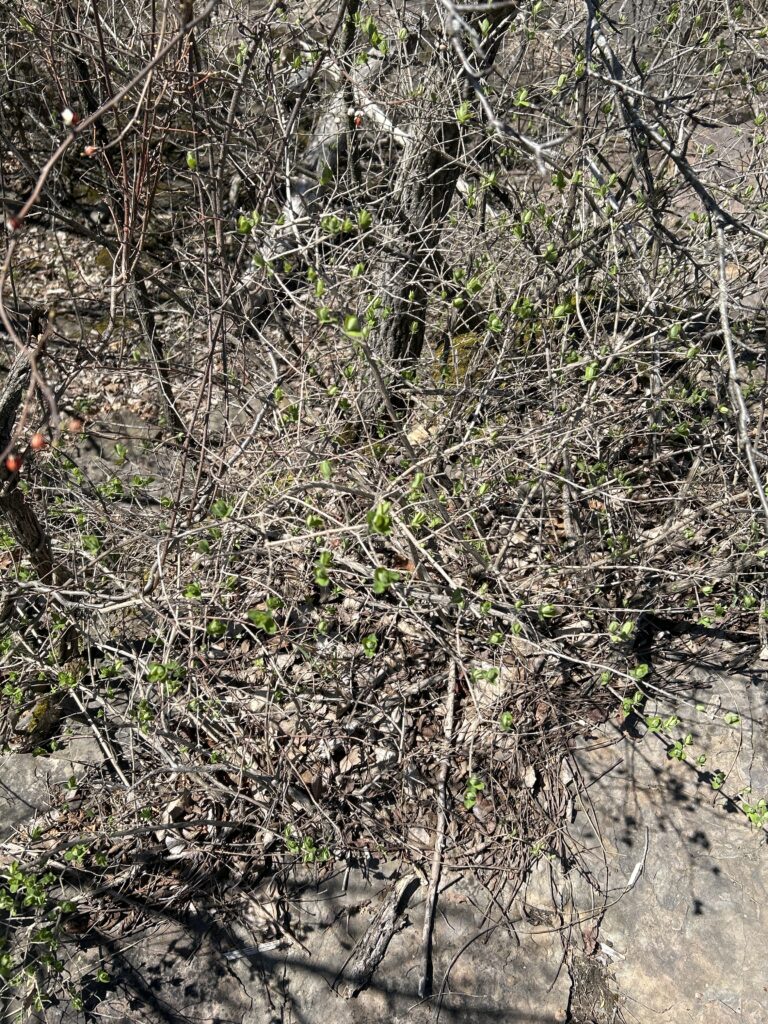
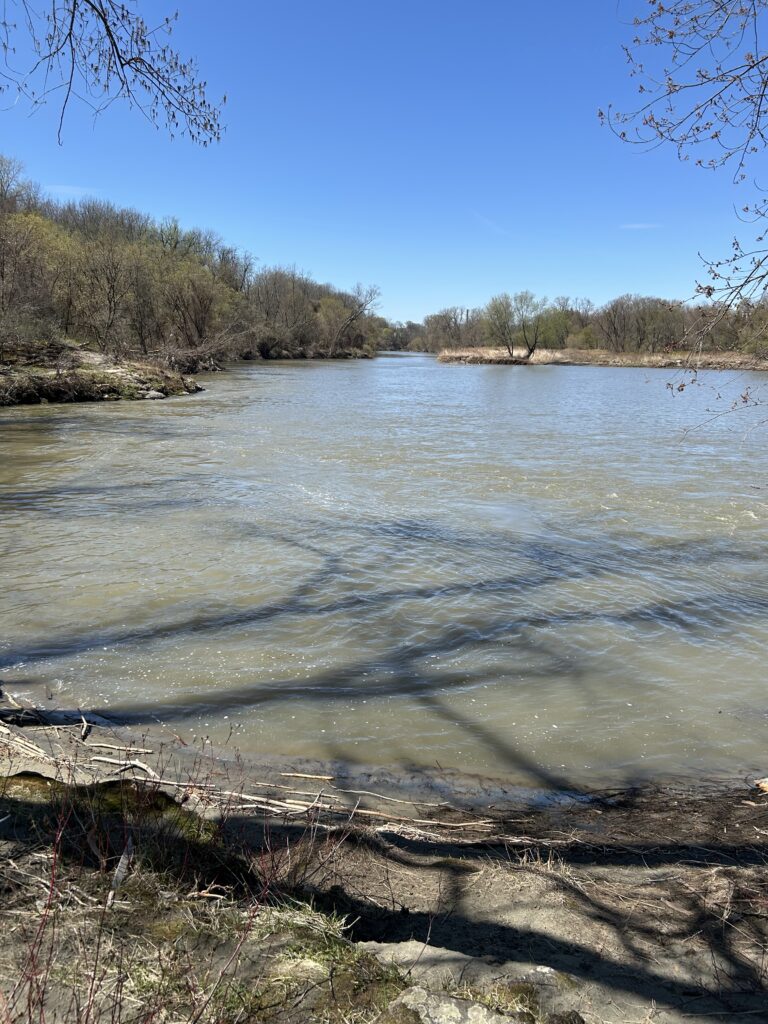
This afternoon –Monday (4/28)– I went down to salmon hole in Winooski. In contrast to the Trinity woods, Salmon hole felt much more lively. Notable species I observed here included several honeysuckle bushes, and a garter snake.
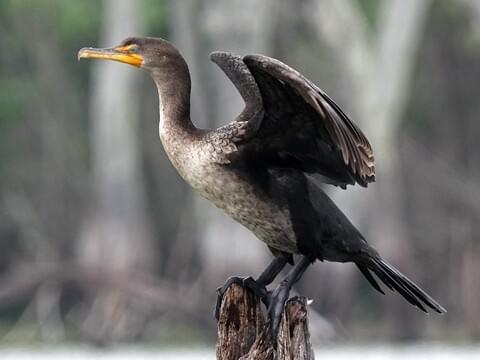
Overall, using Inatrualist to document species went pretty well. I think my biggest issue with it is that it’s just hard/ impossible to get a clear picture of all of the species I want to document, for example, at salmon hole, I saw a medium sized dark colored bird sitting on a rock with its wings spread. Once I got home and looked it up, I discovered it was most likely a Double-crested Cormorant, but since I couldn’t get a clear image of it I didn’t feel like there was any point in posting it since it was unverifiable.
After my walk at Salmon hole, I looked at the global standings and reports from the Inatrualist Bio-Blitz. In particular, I looked at La Paz, Bolivia which had the most observations of any zone at the time of my writing this. One thing I found pretty interesting was that a lot of the observations seemed to be peoples houseplants. The diversity and species selection was also much more robust than Burlington, but this kind of expected when you consider how close Bolivia is to the equator.