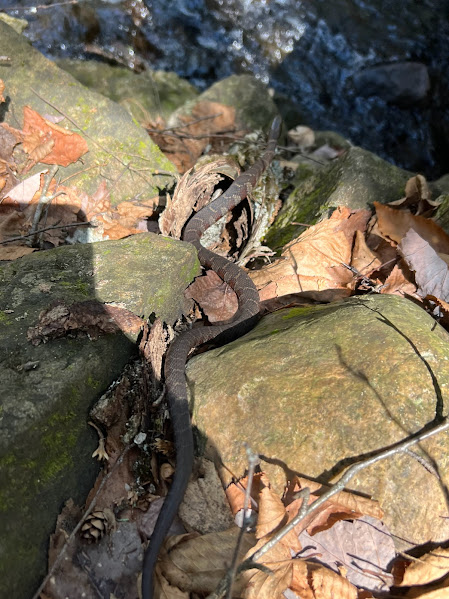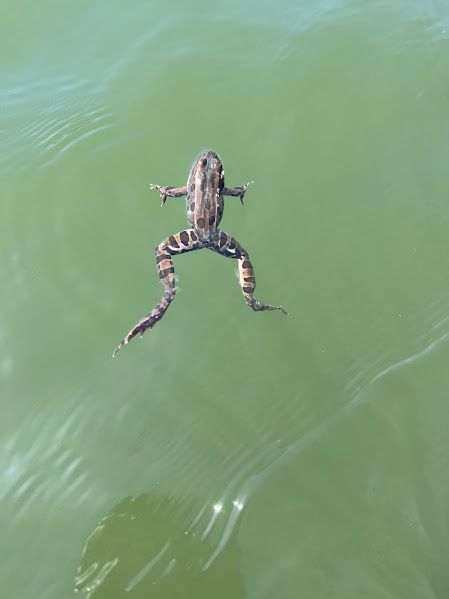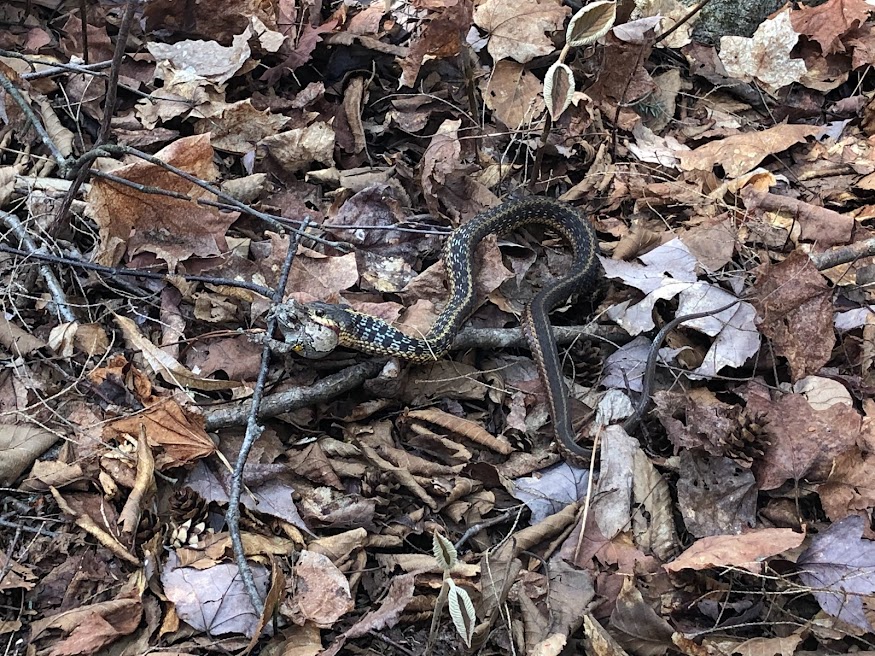

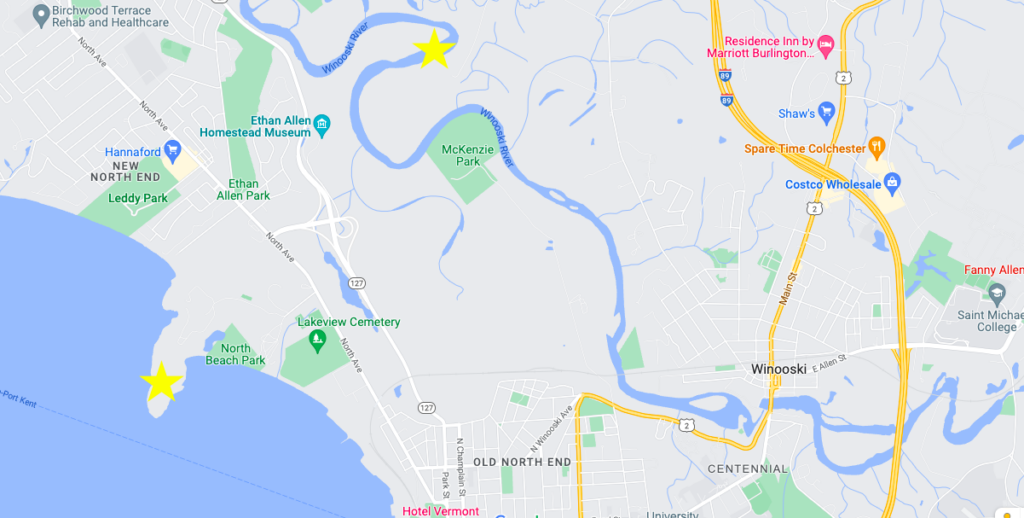
HAPPY SPRING, COOL CATAMOUNTS AND KITTENS! In this edition, I’ll tell you about my participation in this year’s City Nature Celebration, including my contributions to the iNaturalist BioBlitz. I’ll admit, I got a lot more involved than I originally anticipated. As the weather continues to brighten up in the North, it becomes increasingly enjoyable to be in the outdoors. I started off the weekend on Friday at Rock Point. It was a mostly quiet and sunny morning — except for the chorus of birds. I heard the melodies of black-capped chickadees, American robins, a ruby crowned kinglet, and even a Northern cardinal. Red squirrels and Eastern chipmunks were milling about. Moss, ferns, and trout lilies were scattered around, but most prevalent were the Eastern white pine needles characteristic of the cedar pine limestone bluff natural community seen here at Rock Point. On Saturday, I was canoeing on the Winooski River which provided a prime opportunity to see even more birds. I identified a turkey vulture, red-winged blackbird, and an American robin. One of my favorite finds was a Northern leopard frog that was floating alongside us. Although not in the Greater Burlington area, I was hiking in the Adirondacks on Sunday and saw some snakes! I spotted a few common garter snakes as well as a common water snake. One of the garter snakes was in the process of eating a toad! The phenology was alive with the emergence of amphibians, birds, and trees ready to blossom. Another key phenological event was the return of mosquitos and other bugs. The unfortunate event seems to occur earlier every year as the climate warms.
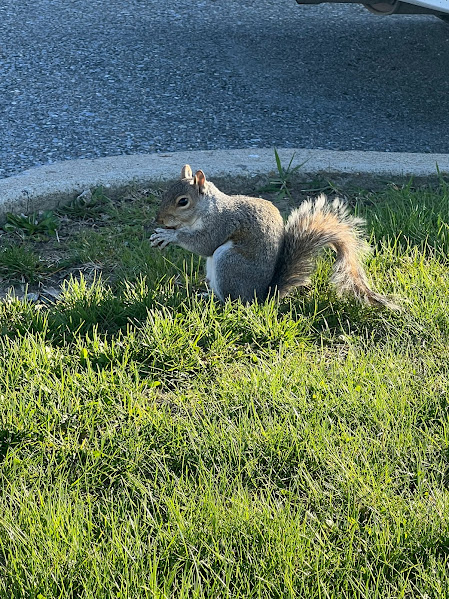
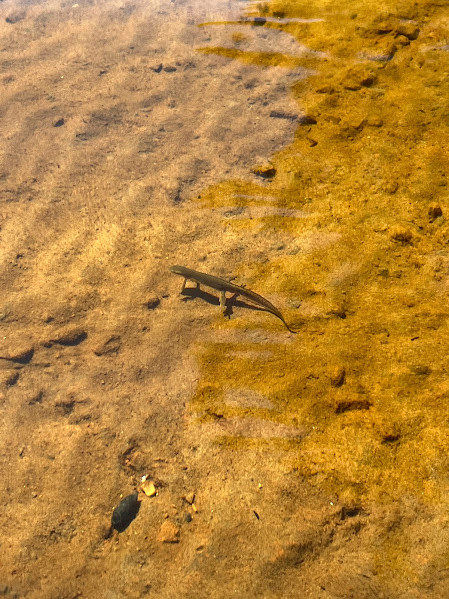
I ended up making a total of 33 observations that contributed to the City Nature Challenge and identifying 26 species. I found that the user interface was very accessible and easy to adjust to when needing to make a quick observation. By focusing on species identification, I found myself more in tune with the landscape and learned more identification skills as I progressed. I will continue to use iNaturalist in all and every outdoor setting, especially as I return home for the summer. It is a great global tool, and I had lots of fun seeing which species were most common around the world, like dandelions and robins. Below are some pictures of the species I found. Enjoy!