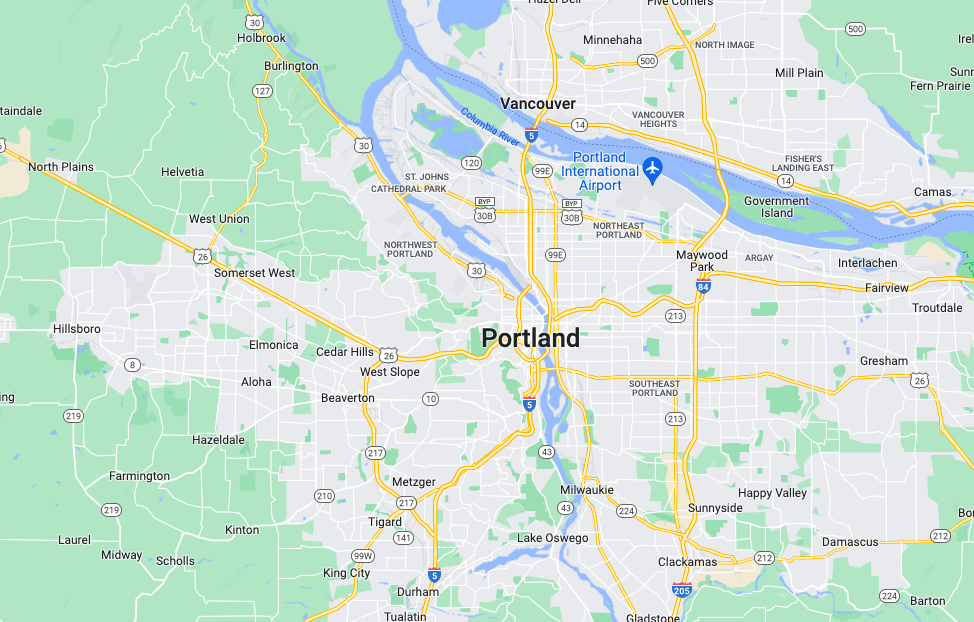
WElCOME BACK COOL CATAMOUNTS AND KITTENS! In this edition we will be heading west to the hills of Portland, OR (map shown below). For break, I went home and decided to visit one of my old haunts and favorite running trails. Situated just northwest of downtown, Forest Park is one of the largest urban forests in the United States. Interestingly, the proposal to protect this land as a forested park was first mentioned in 1903 by the Olmstead brothers, John Law and Fredrick Charles Jr., sons of Fredrick Law Olmstead designer of Central Park and Shelburne Farms.
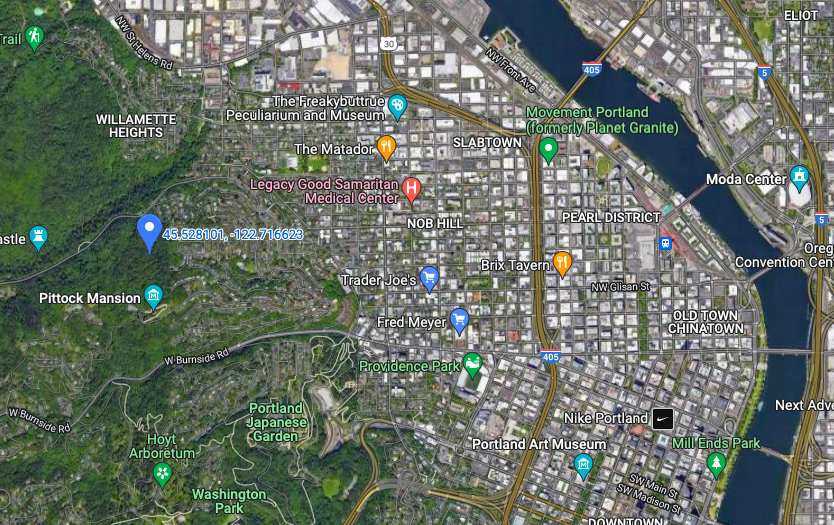
On the edge of the city, Forest Park has battled development throughout history. The hillside terraces yield relatively unstable geology for housing development but a 15 mile dirt road and various firelanes through the park indicate early attempts. In the early 1900’s, the park was a major source of timber for the developing city. This has left much of the forest to be second-growth although a few old-growth patches remain in the depths of the forest.
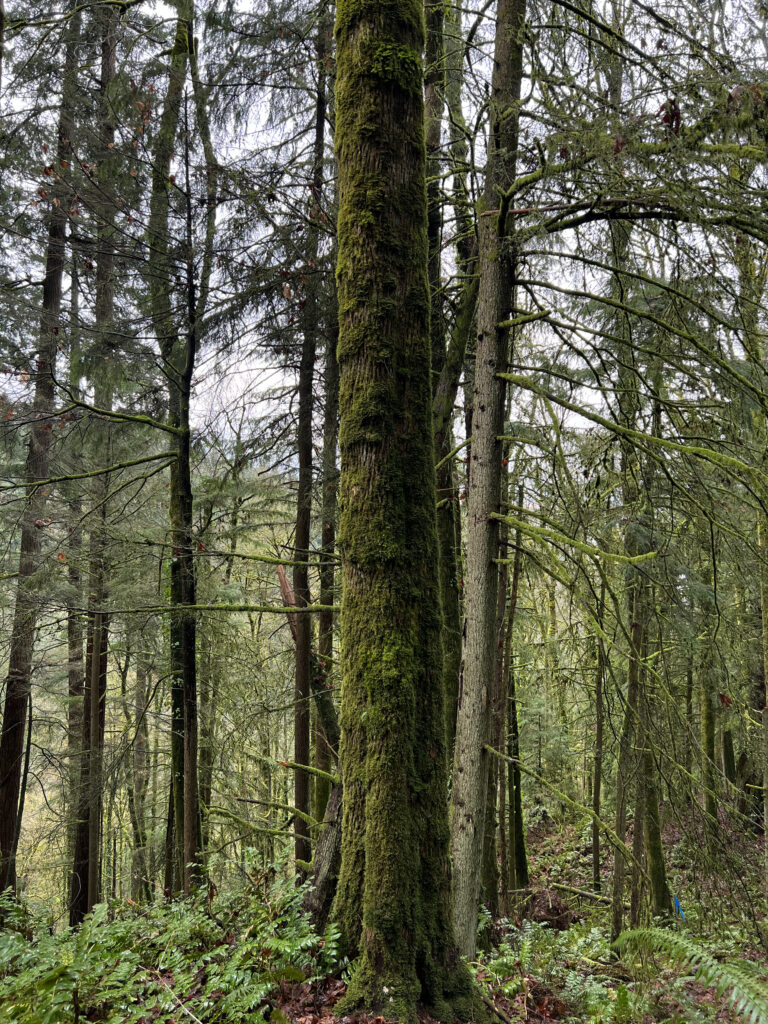
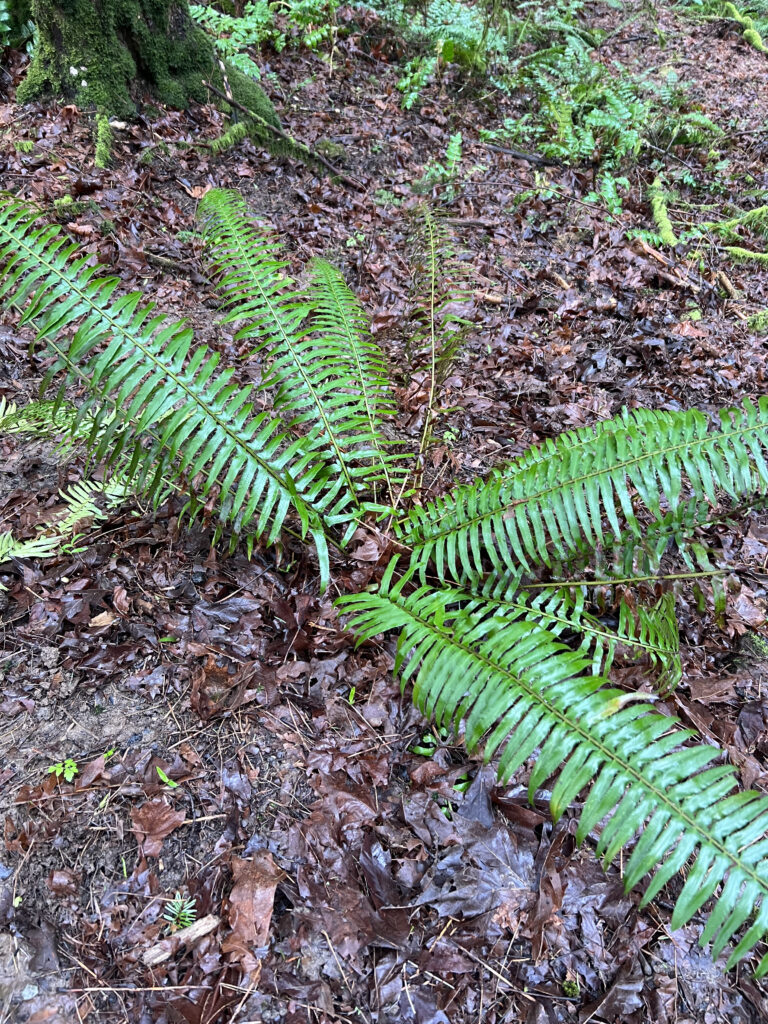
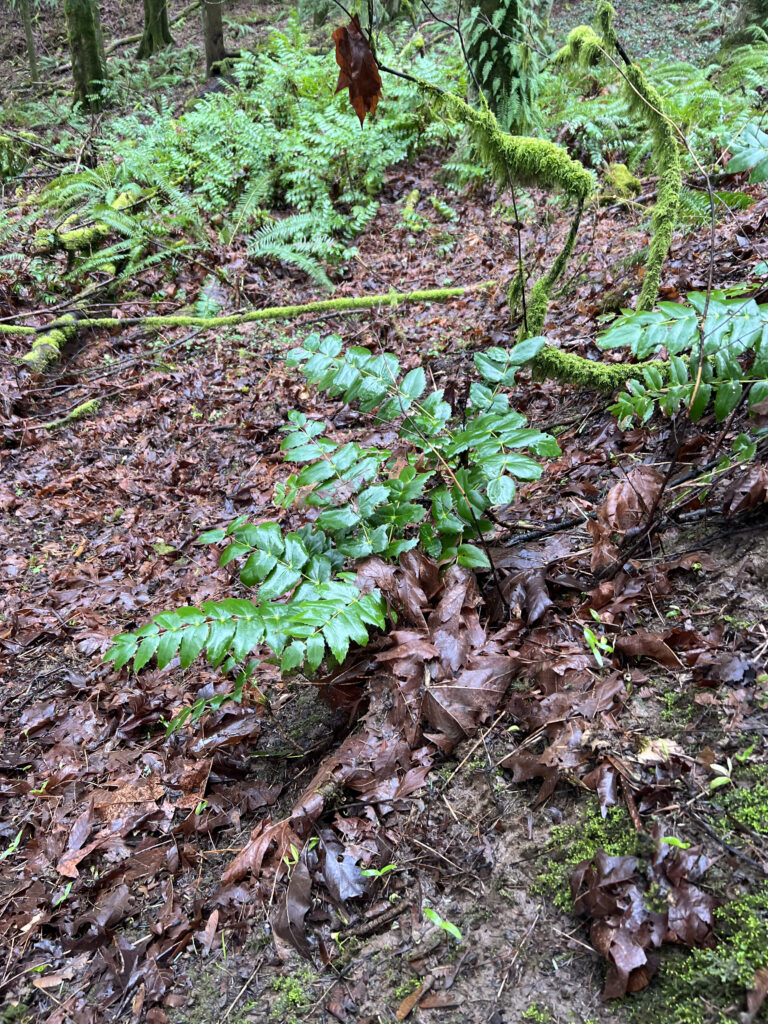
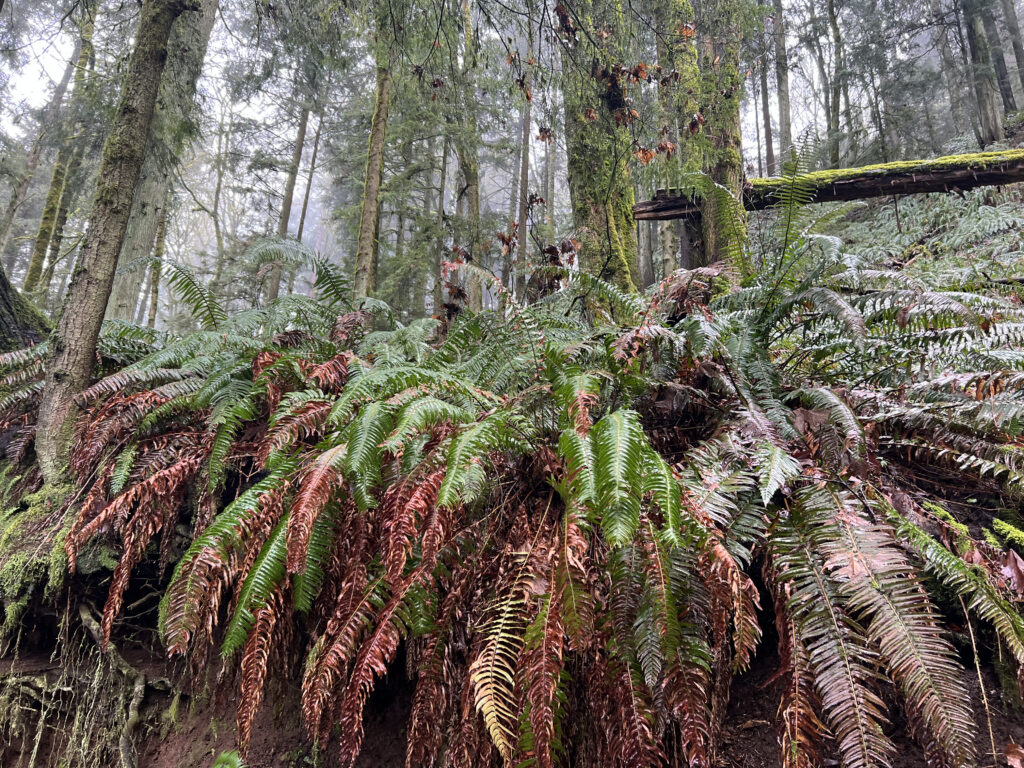
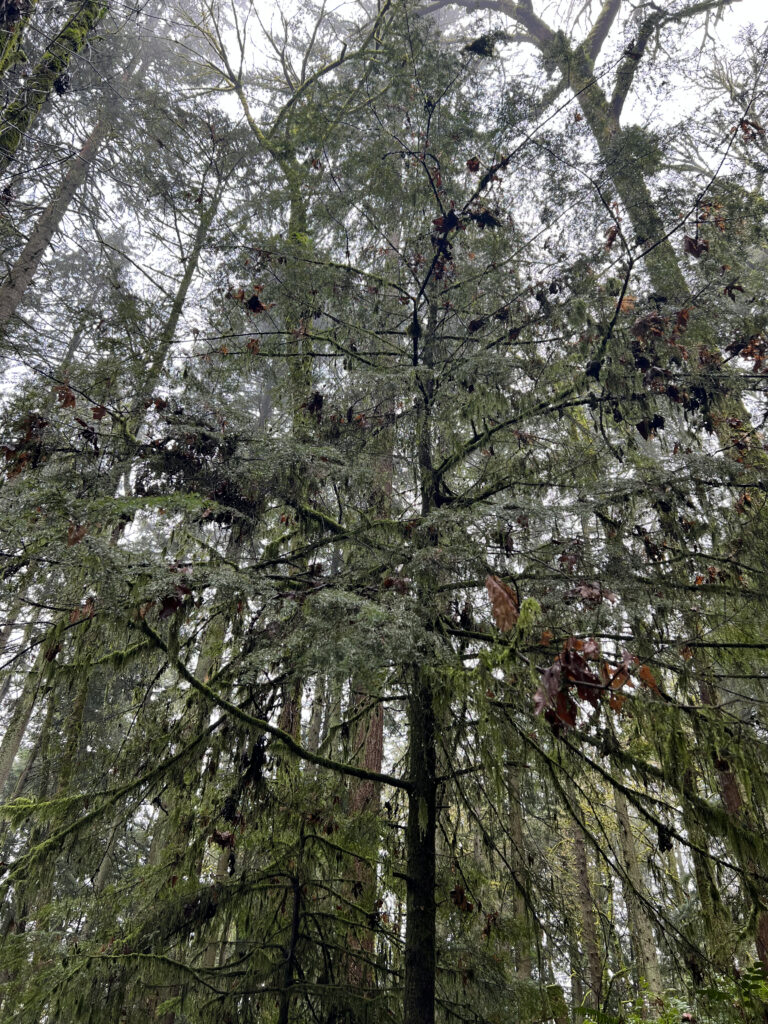
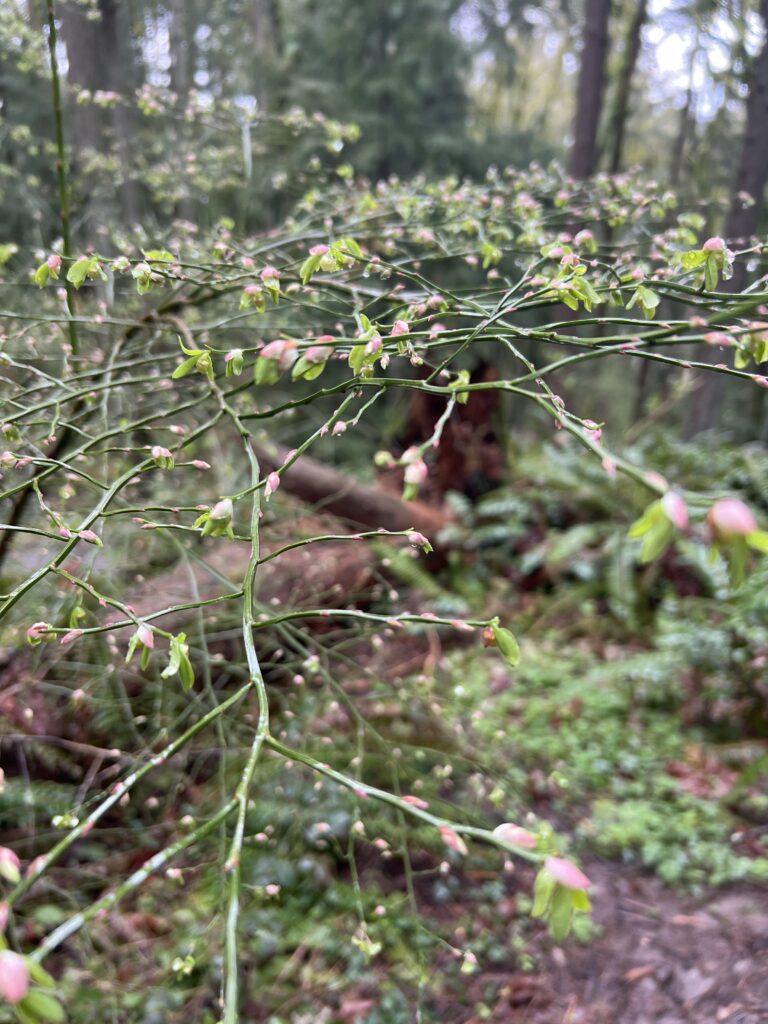
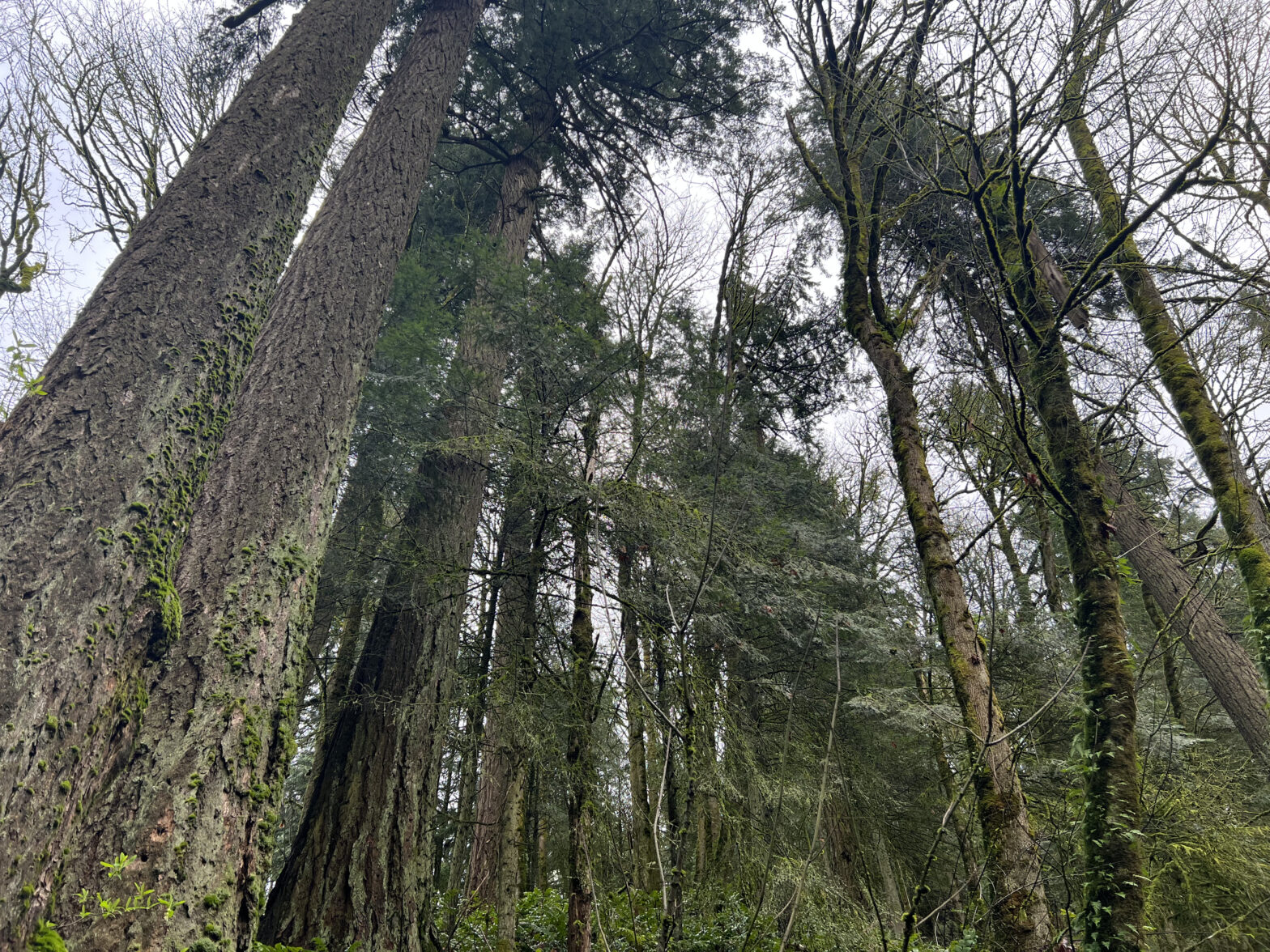
Forest Park is rich with plant life. Contrary to Vermont, this is the time of year when species are most alive and thriving due to the high levels of precipitation and mild temperatures in this temperate forest. Most trees are evergreens, including Douglas Firs (Oregon’s state tree), Western Hemlock, and Western Red Cedars. Bigleaf Maples and Red Alders are the most common deciduous species, of which their decomposing leaves were littering the ground below. On the ground, plant life is dominated by Sword Ferns, a few Maidenhair Ferns, Oregon Grapes (state flower), and the invasive English Ivy. Thankfully, there has been a large effort in the park to remove ivy lead mostly by volunteers and now ferns outnumber the ivy cover. There was a budding Salmonberry Plant as well, an indication that spring is on the way and the flowering plant is making preparations to produce one of my favorite summer treats!
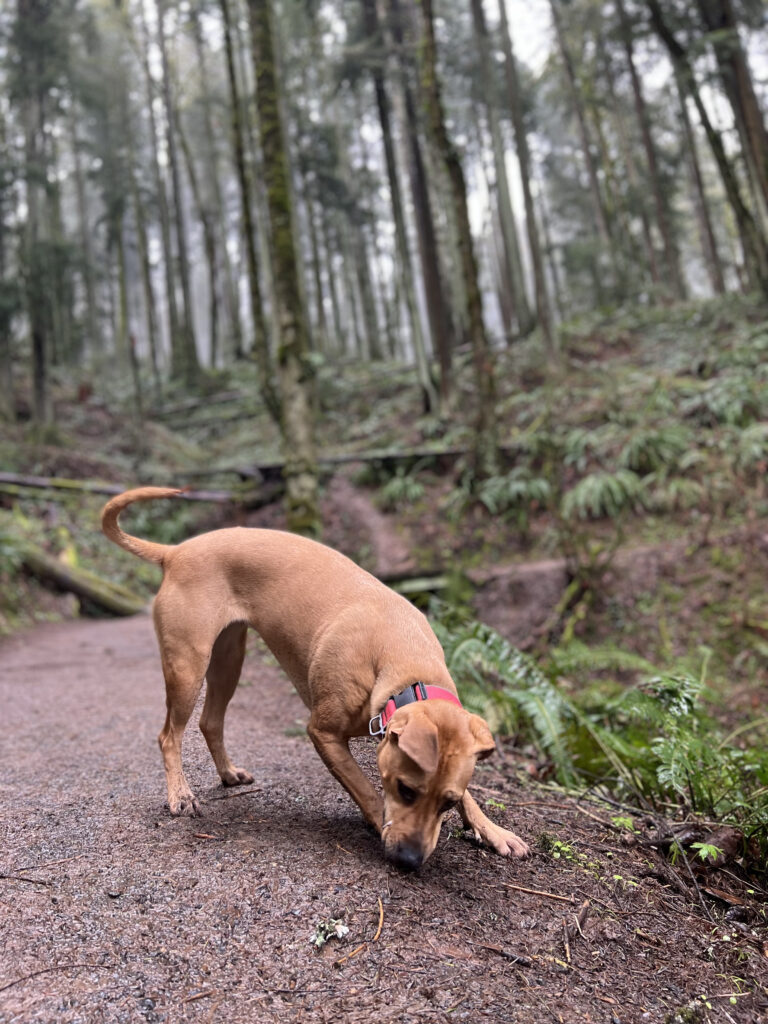
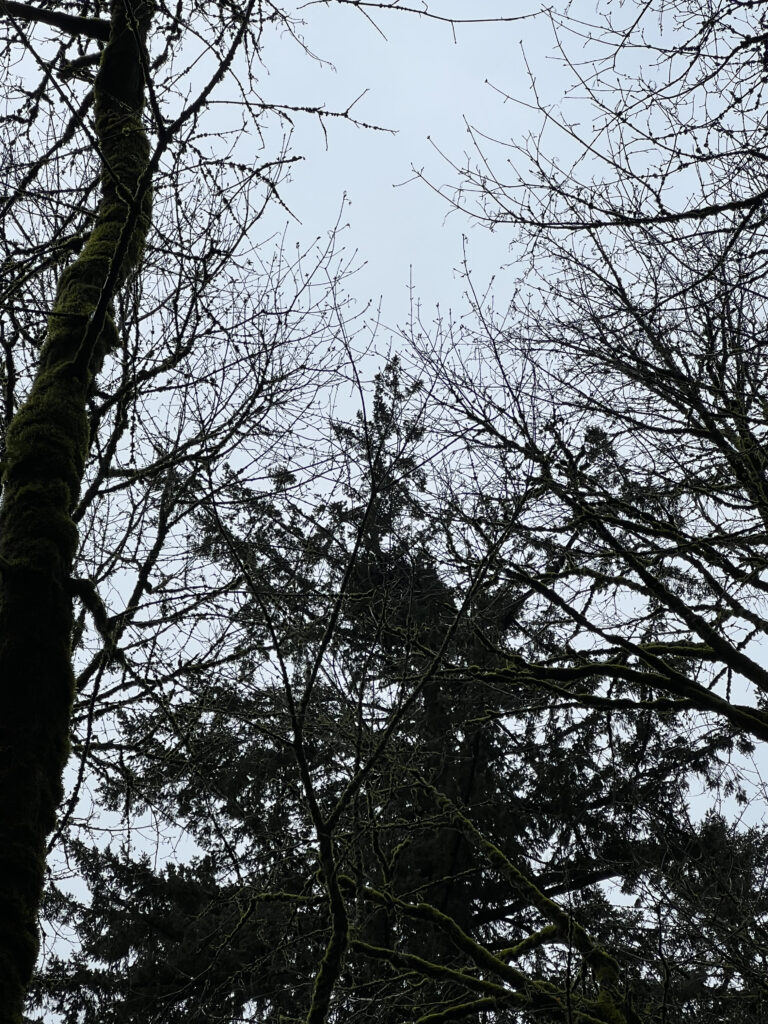
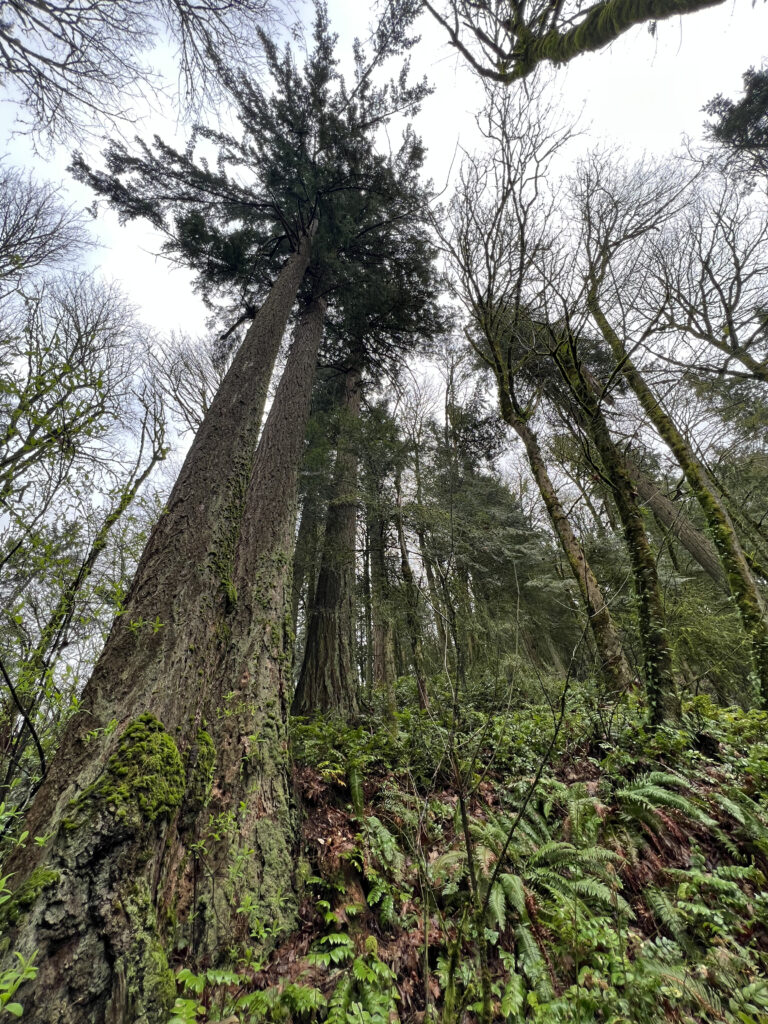
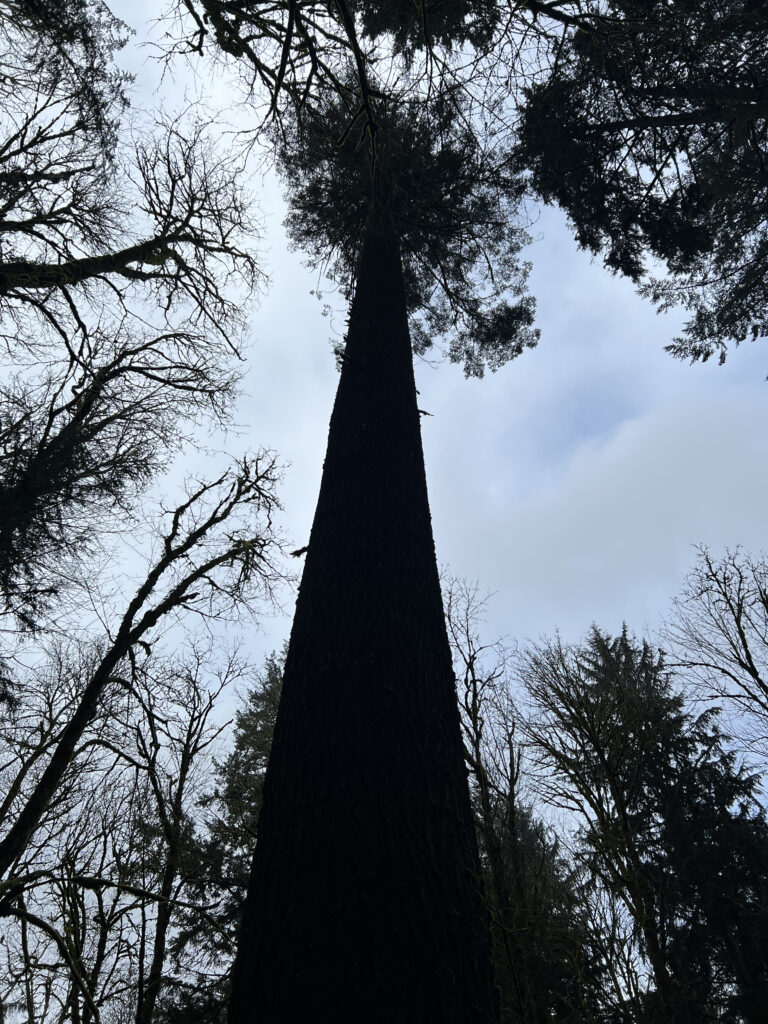
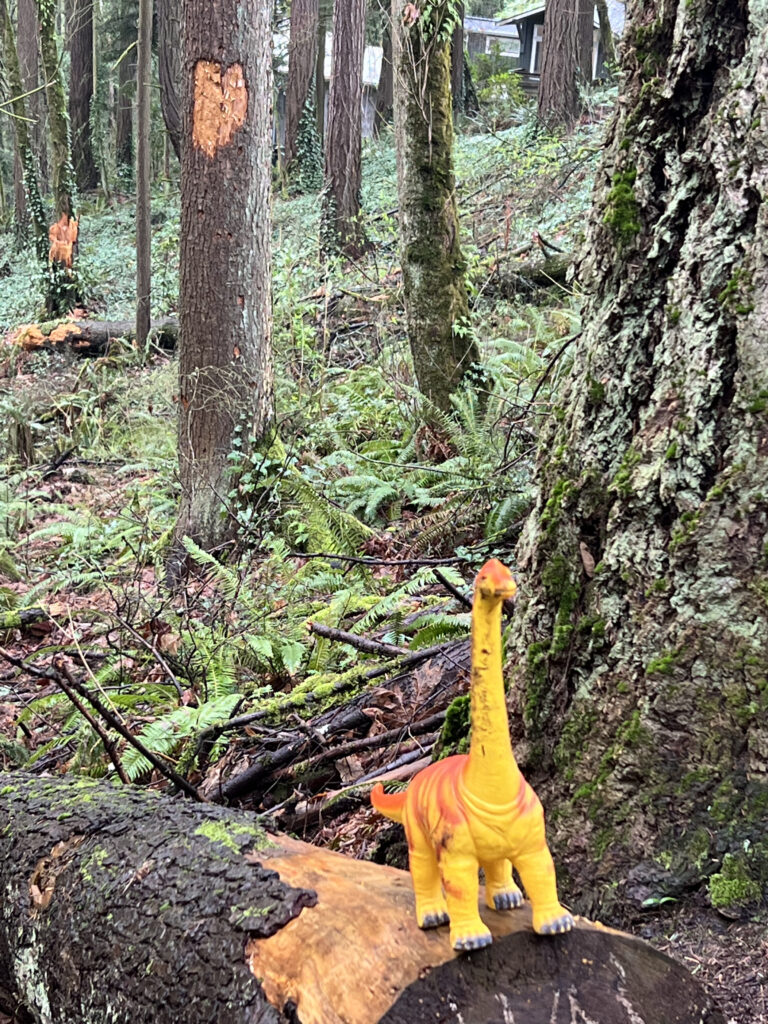
On my excursion, I did not see much animal life save my dog Molly (pictured below) and a bald eagle landing in its nest. Unfortunately I was unable to pull my camera out in time to capture the eagle, but I saw it landing in its nest atop a Douglas Fir (third picture in gallery, just looks like a dense clump). This particular eagle has been nesting here for a few years and I’ve seen it before during my time in the park. Considering that March is egg hatching season, my guess is that she was flying back to feed her new young. The low levels of human traffic due to weather is a phenological response to cold, wet, and muddy spring. By May, these trails will be buzzing with hikers at all times of day. Lastly, on my way out I ran into an unexpected visitor that may have been chewing on tree bark (final picture). This place is close to my heart and I’m glad I had the choice to come back to it equipped with a newly trained eye for phenological changes. Until next time Portland!