Posts

Featured

First Post: Intro to my Phenology Place!

HEY COOL CATAMOUNTS AND KITTENS! For my phenology place I adventured to the confluence of Potash Brook and Lake Champlain. The impetus for choosing this place was my affinity for water resources, which I’m hoping to choose as my concentration as an Environmental Science major. Getting there requires about a 20 minute bike ride from campus and a jaunt over some train tracks to reach this beautiful area. I discovered it by following along the brook on Google Maps and intensely zooming in to pinpoint this area of the stream. Some visuals are included below!
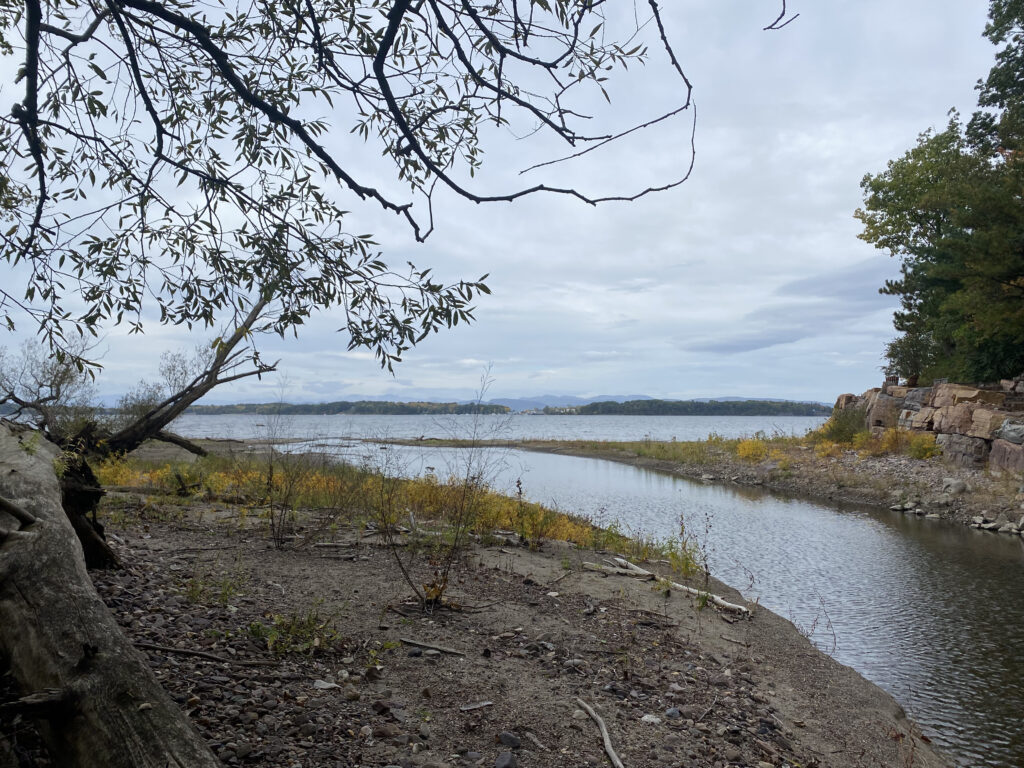
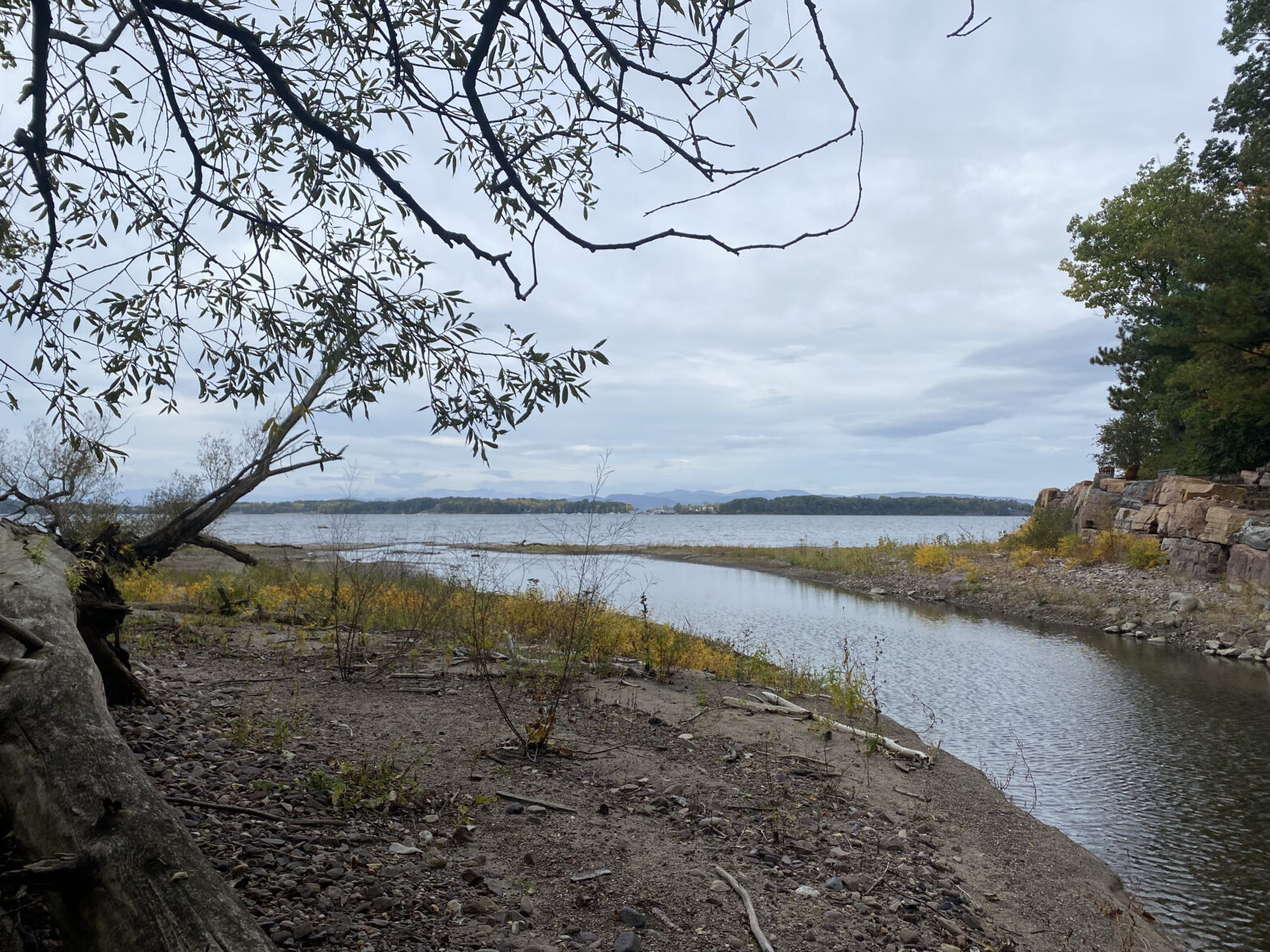
In this picture, I am positioned slightly inland looking out to Shelburne Bay, in the area of Lake Champlain just South of Burlington.

From stream to lake to forest to wetland, this is a place where many ecosystems intersect. This means that the land also supports high biodiversity. The variety of life I observed at this location was truly amazing.
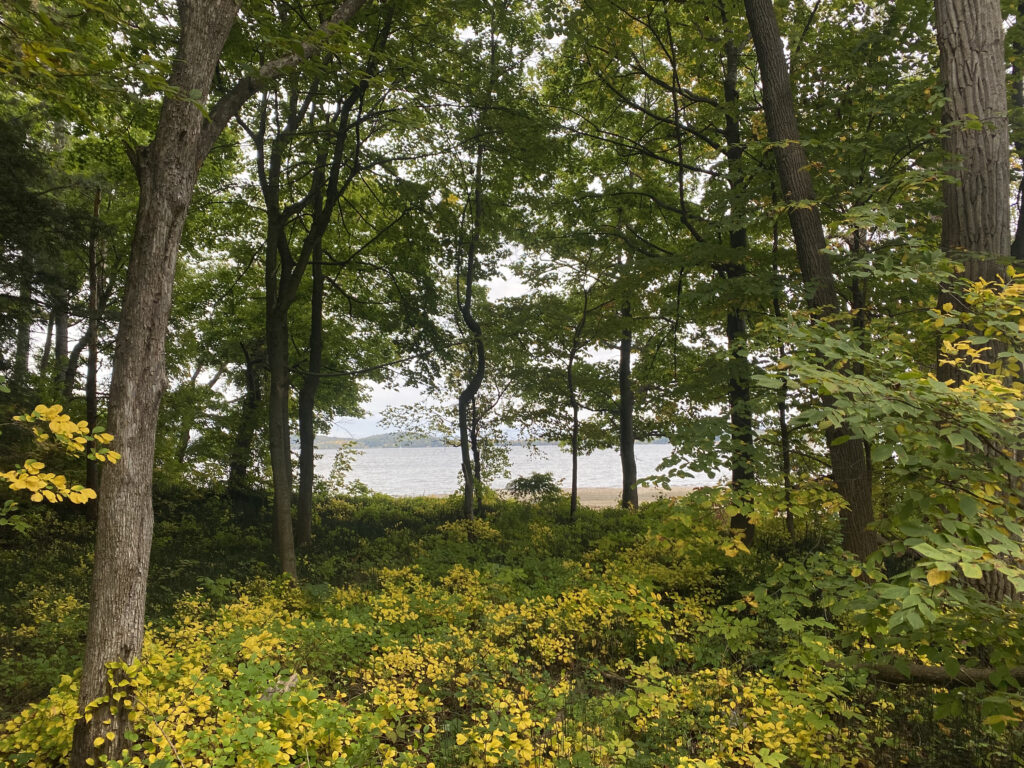
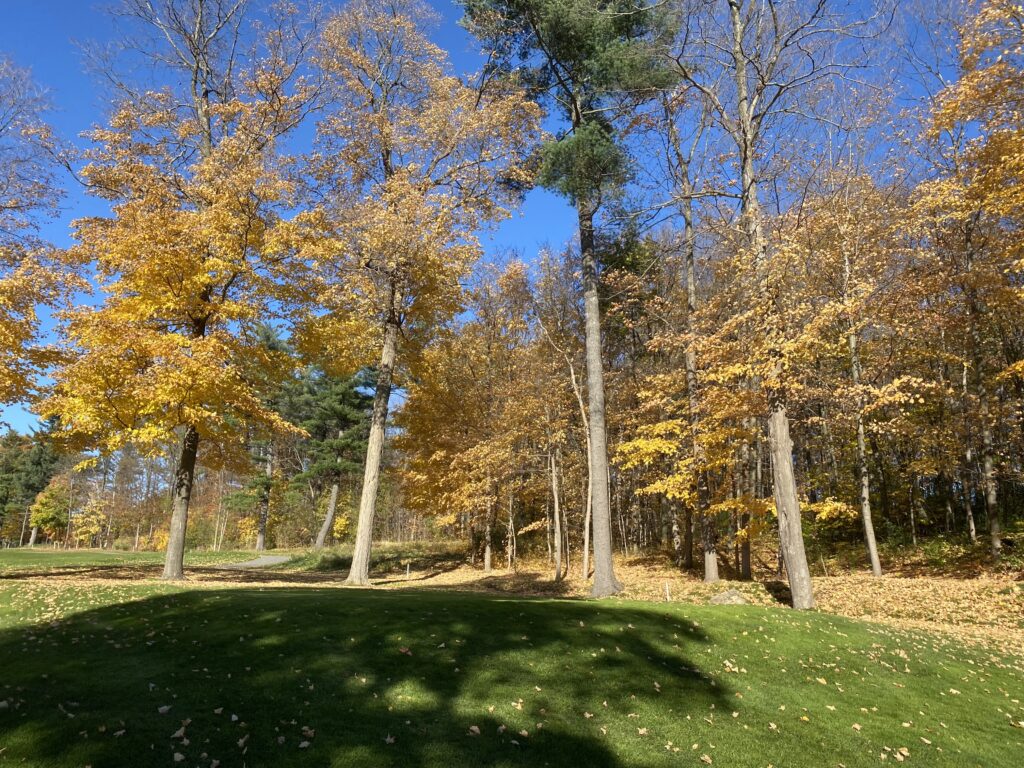
From stream to lake to forest to wetland, this is a place where many ecosystems intersect. This means that the land also supports high biodiversity. The variety of life I observed at this location was truly amazing. The main tree species I observed were Common Buckthorn, Northern Red Oak, American Beech, Sugar Maple, Eastern White Pine, and Hemlocks. Also we are in the midst of October here in Vermont, so you know what that means: fall foliage! Our grand maples and beeches were turning color (above) and I anticipate seeing a much thinner canopy the next time I visit this place.
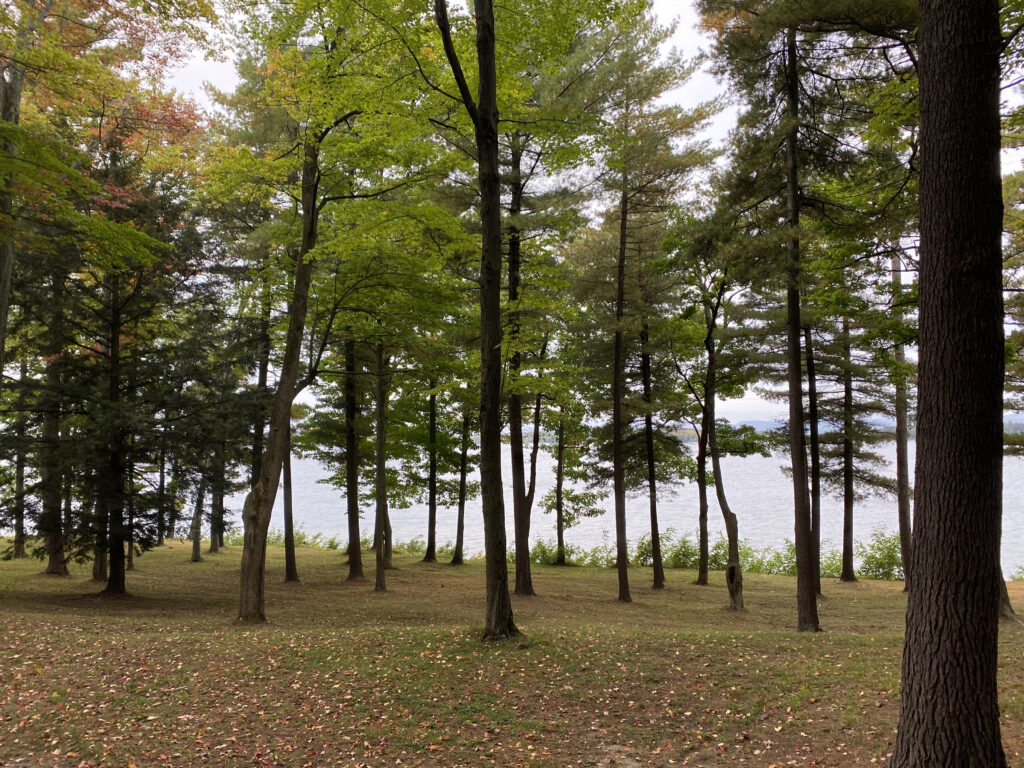
Pine and Hemlock stand just on the edge of the lake.

BioBlitz!

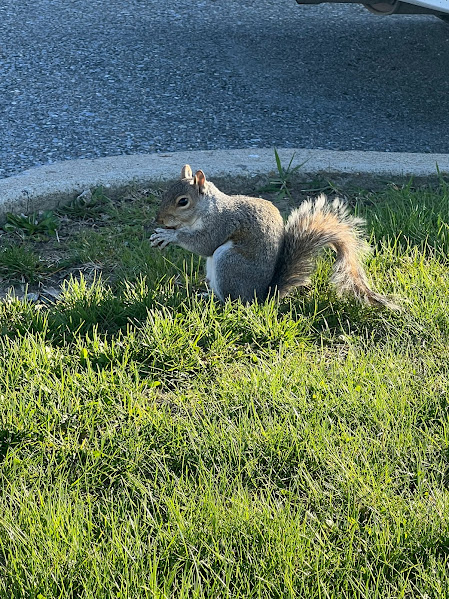
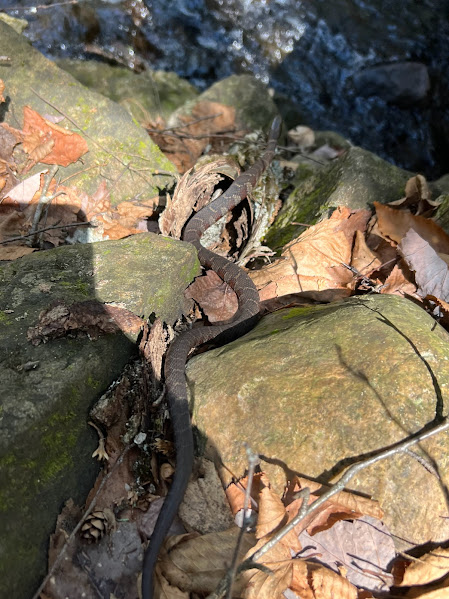
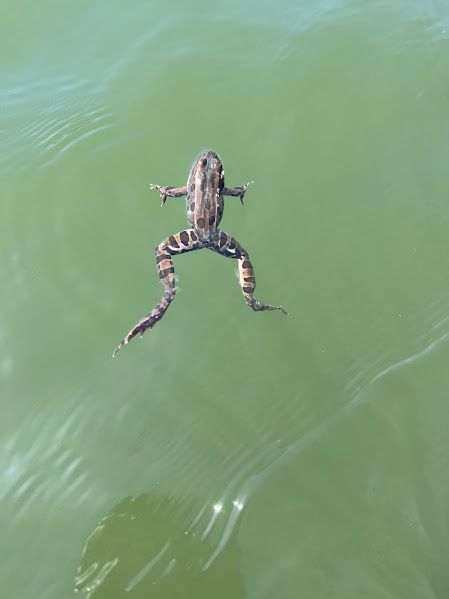
HAPPY SPRING, COOL CATAMOUNTS AND KITTENS! In this edition, I’ll tell you about my participation in this year’s City Nature Celebration, including my contributions to the iNaturalist BioBlitz. I’ll admit, I got a lot more involved than I originally anticipated. As the weather continues to brighten up in the North, it becomes increasingly enjoyable to be in the outdoors. I started off the weekend on Friday at Rock Point. It was a mostly quiet and sunny morning — except for the chorus of birds. I heard the melodies of black-capped chickadees, American robins, a ruby crowned kinglet, and even a Northern cardinal. Red squirrels and Eastern chipmunks were milling about. Moss, ferns, and trout lilies were scattered around, but most prevalent were the Eastern white pine needles characteristic of the cedar pine limestone bluff natural community seen here at Rock Point. On Saturday, I was canoeing on the Winooski River which provided a prime opportunity to see even more birds. I identified a turkey vulture, red-winged blackbird, and an American robin. One of my favorite finds was a Northern leopard frog that was floating alongside us. Although not in the Greater Burlington area, I was hiking in the Adirondacks on Sunday and saw some snakes! I spotted a few common garter snakes as well as a common water snake. One of the garter snakes was in the process of eating a toad! The phenology was alive with the emergence of amphibians, birds, and trees ready to blossom. Another key phenological event was the return of mosquitos and other bugs. The unfortunate event seems to occur earlier every year as the climate warms.

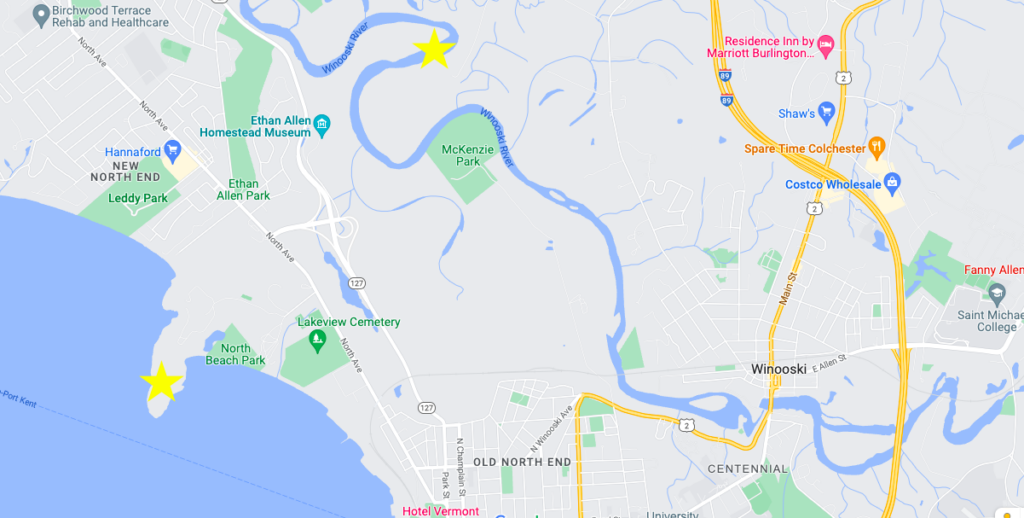
Areas I observed are starred. Bottom left is at Rock Point, top of the picture is on the Winooski River at the Ethan Allen Homestead.

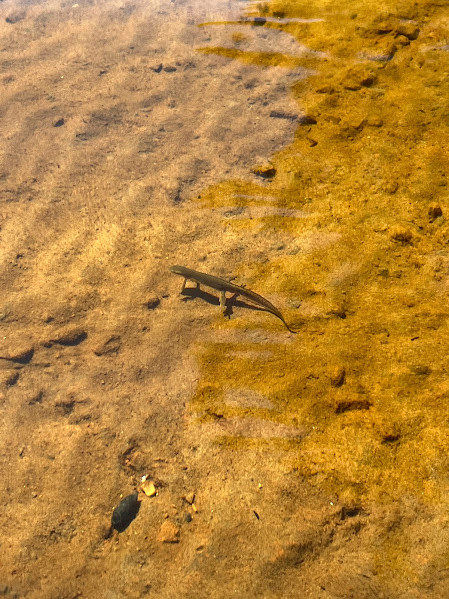
I ended up making a total of 33 observations that contributed to the City Nature Challenge and identifying 26 species. I found that the user interface was very accessible and easy to adjust to when needing to make a quick observation. By focusing on species identification, I found myself more in tune with the landscape and learned more identification skills as I progressed. I will continue to use iNaturalist in all and every outdoor setting, especially as I return home for the summer. It is a great global tool, and I had lots of fun seeing which species were most common around the world, like dandelions and robins. Below are some pictures of the species I found. Enjoy!

Spring Break Phenology

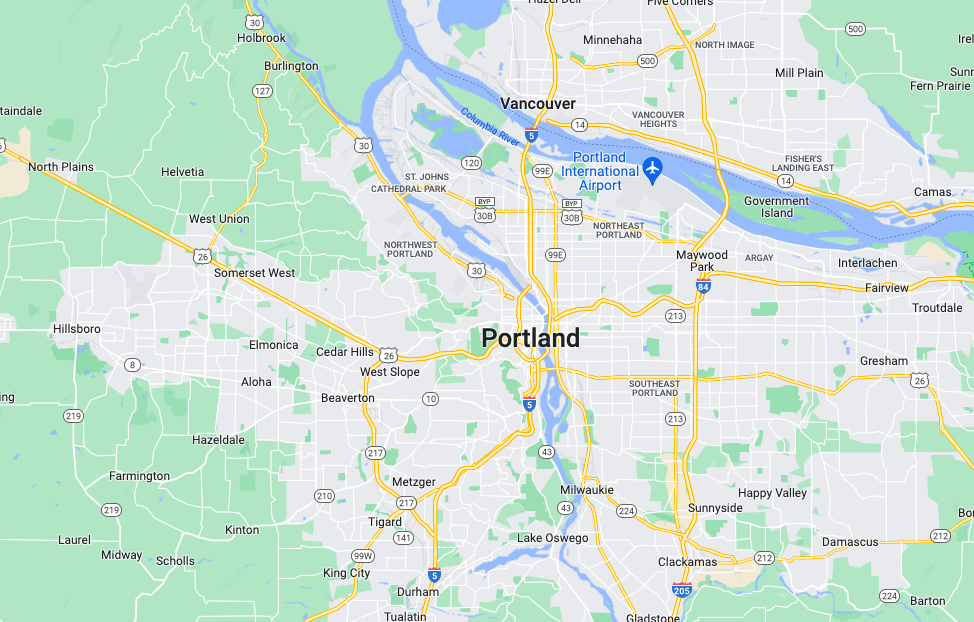
WElCOME BACK COOL CATAMOUNTS AND KITTENS! In this edition we will be heading west to the hills of Portland, OR (map shown below). For break, I went home and decided to visit one of my old haunts and favorite running trails. Situated just northwest of downtown, Forest Park is one of the largest urban forests in the United States. Interestingly, the proposal to protect this land as a forested park was first mentioned in 1903 by the Olmstead brothers, John Law and Fredrick Charles Jr., sons of Fredrick Law Olmstead designer of Central Park and Shelburne Farms.

Overview of Portland metro area
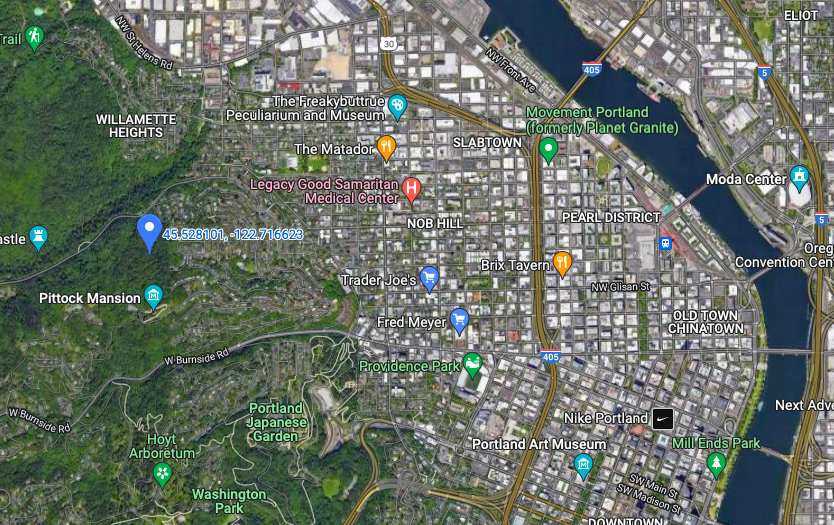
Zoomed in on Northwest Portland, the forested area to the West is the edge of Forest Park. Forest Park consists of 5,200 acres and 80 miles of trails within city limits. The blue pin with coordinates (on left above Pittock Mansion) was my phenology location.

On the edge of the city, Forest Park has battled development throughout history. The hillside terraces yield relatively unstable geology for housing development but a 15 mile dirt road and various firelanes through the park indicate early attempts. In the early 1900’s, the park was a major source of timber for the developing city. This has left much of the forest to be second-growth although a few old-growth patches remain in the depths of the forest.

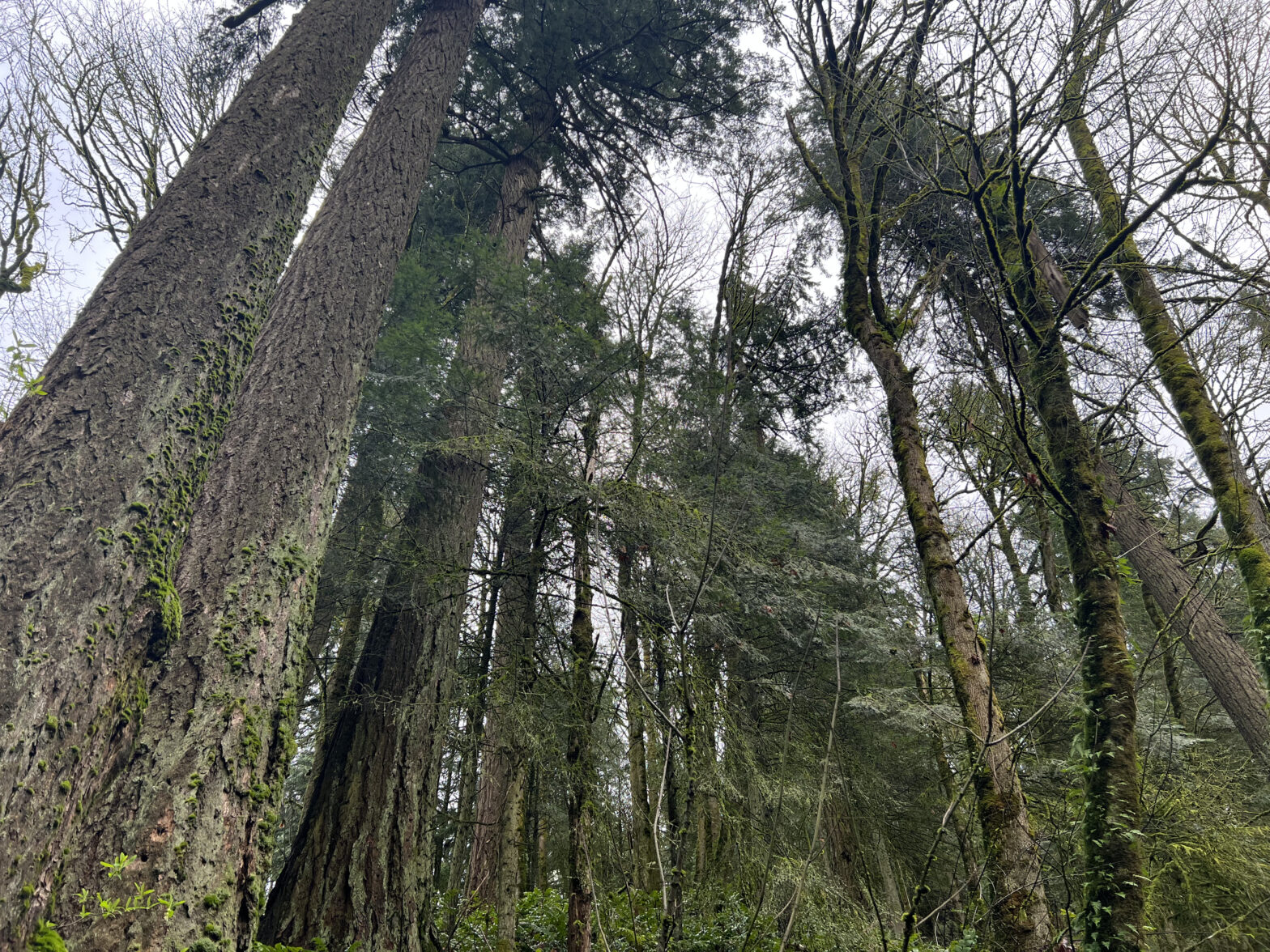
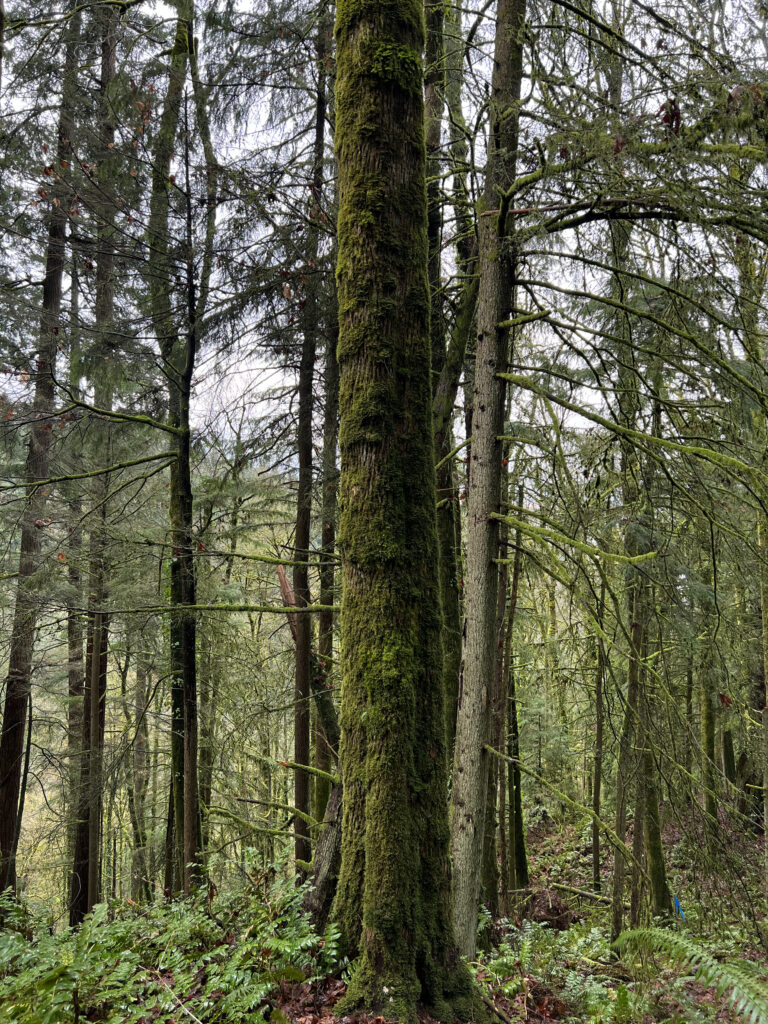
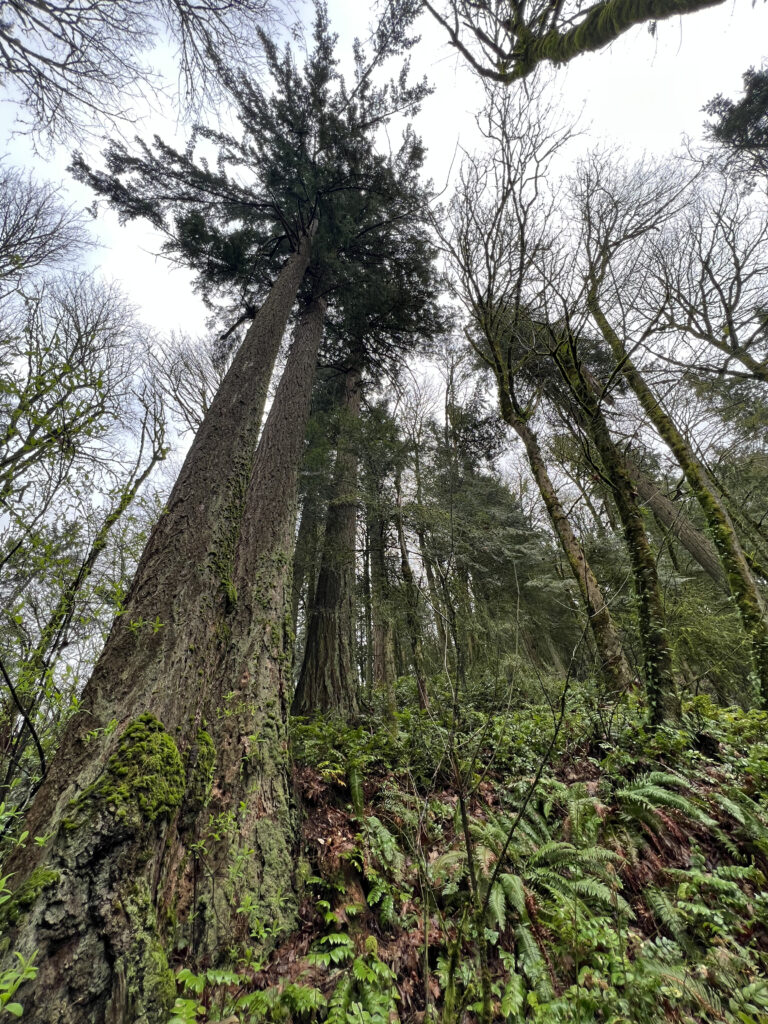
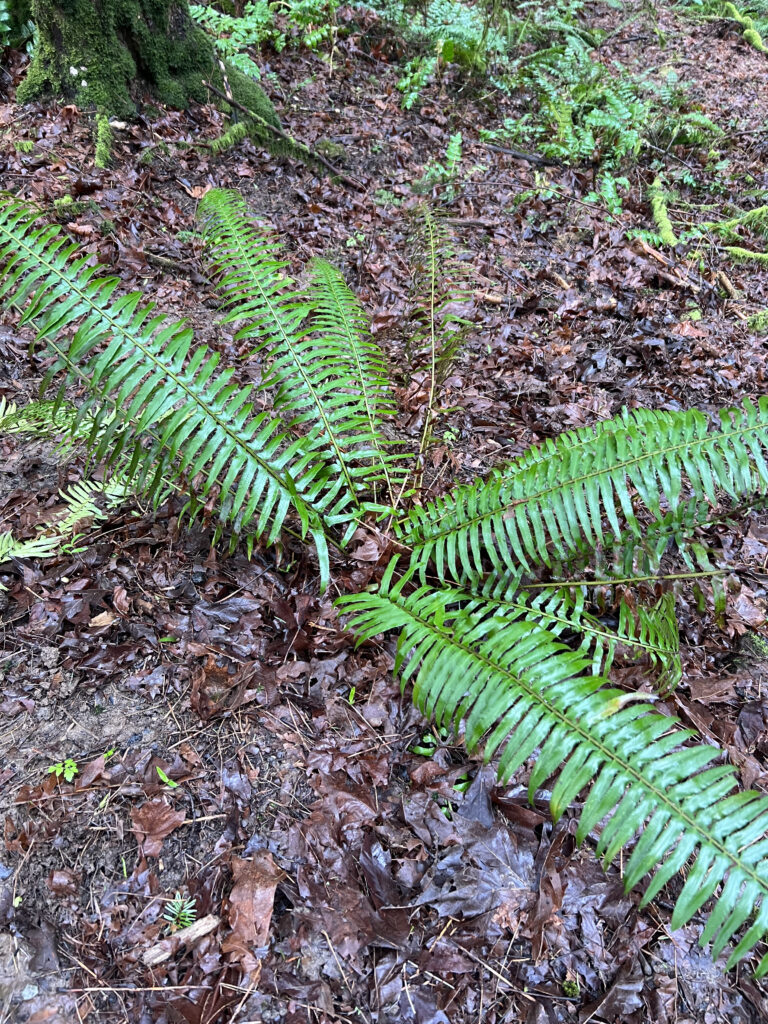
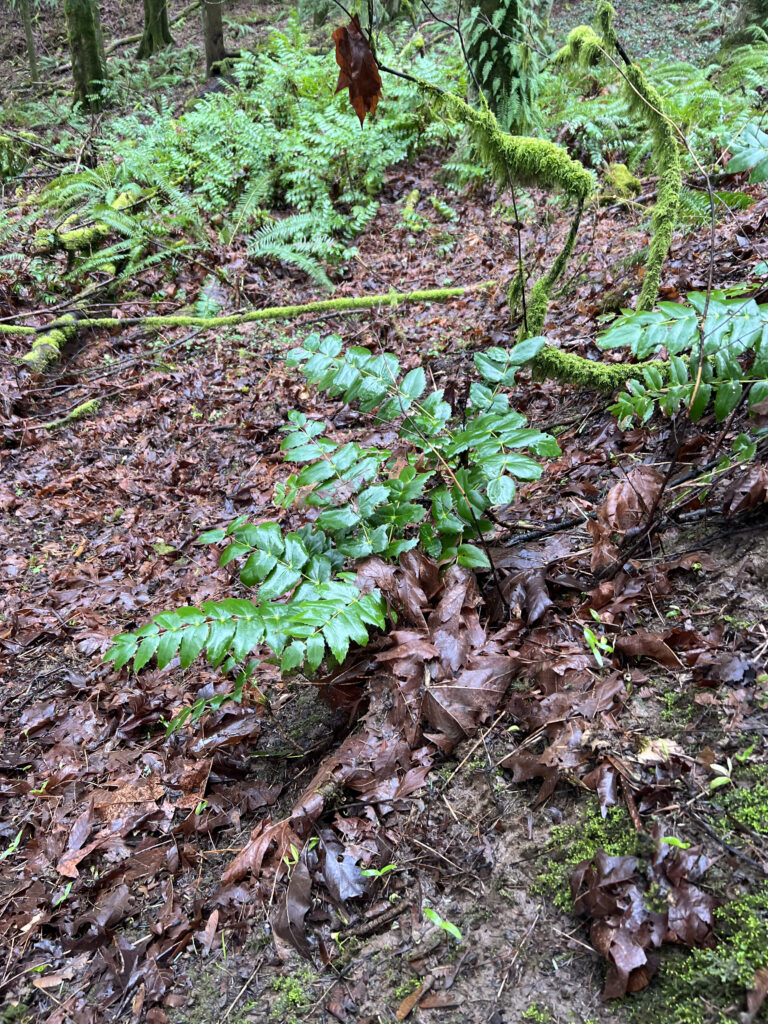
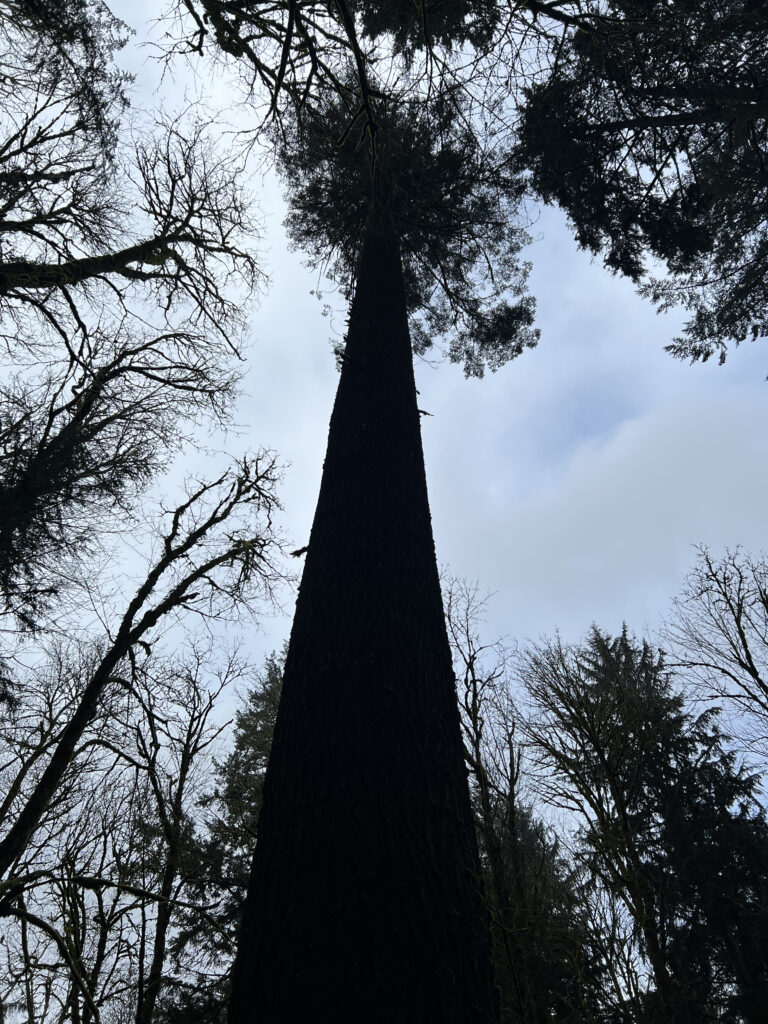
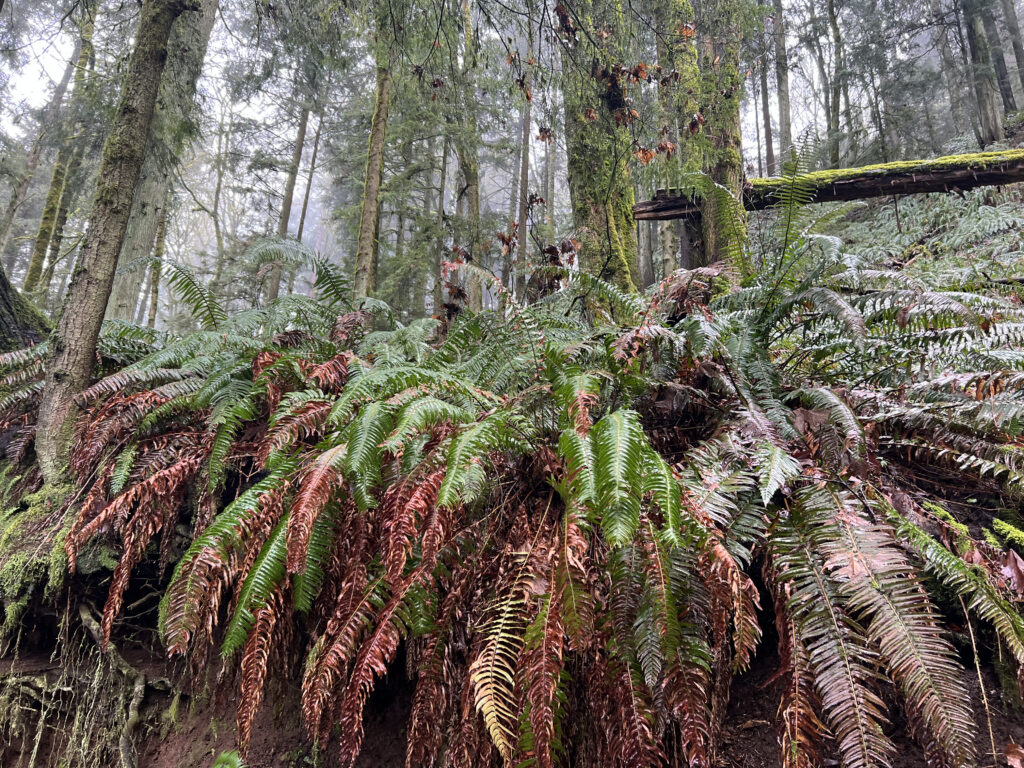
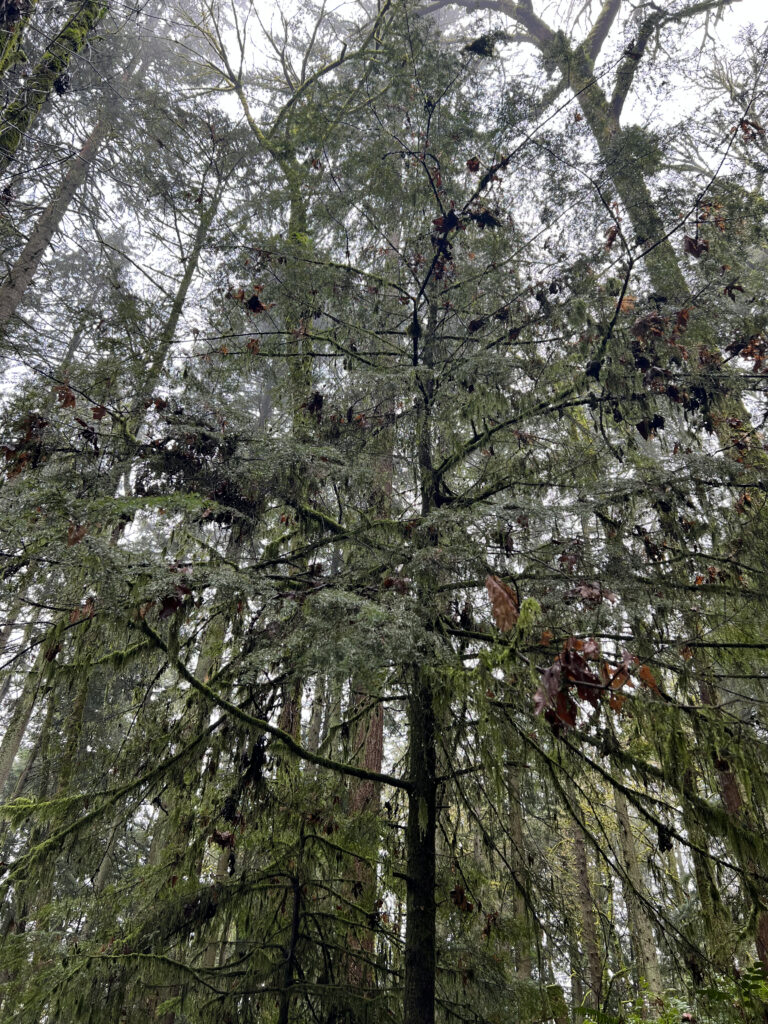
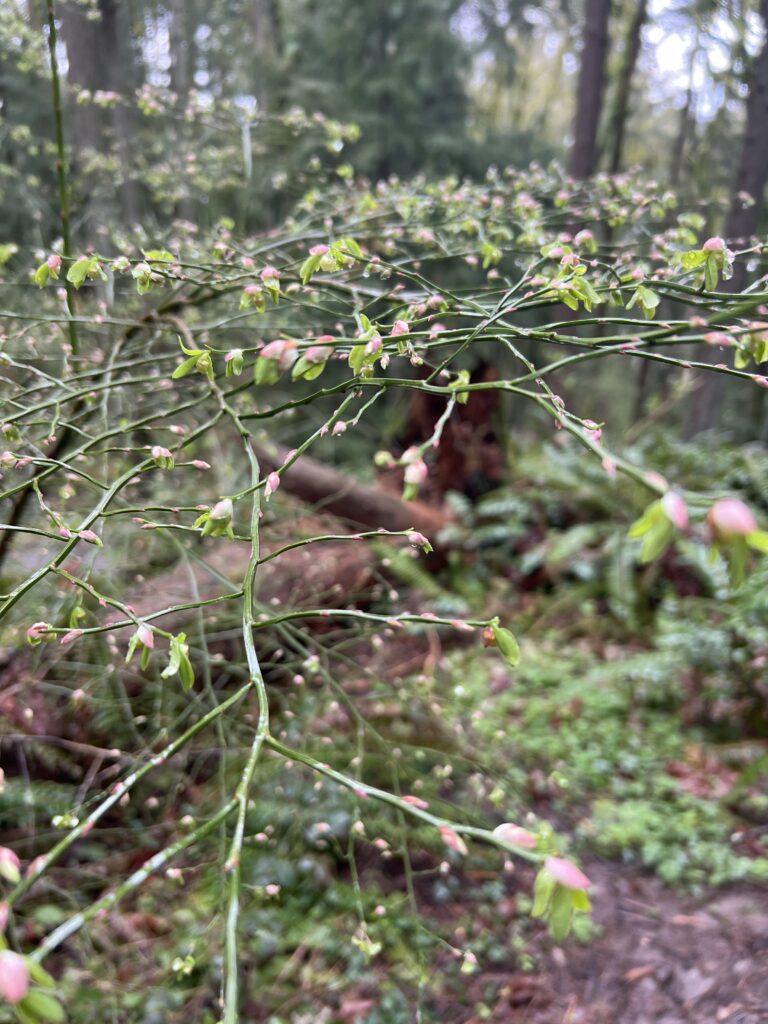
Forest Park is rich with plant life. Contrary to Vermont, this is the time of year when species are most alive and thriving due to the high levels of precipitation and mild temperatures in this temperate forest. Most trees are evergreens, including Douglas Firs (Oregon’s state tree), Western Hemlock, and Western Red Cedars. Bigleaf Maples and Red Alders are the most common deciduous species, of which their decomposing leaves were littering the ground below. On the ground, plant life is dominated by Sword Ferns, a few Maidenhair Ferns, Oregon Grapes (state flower), and the invasive English Ivy. Thankfully, there has been a large effort in the park to remove ivy lead mostly by volunteers and now ferns outnumber the ivy cover. There was a budding Salmonberry Plant as well, an indication that spring is on the way and the flowering plant is making preparations to produce one of my favorite summer treats!

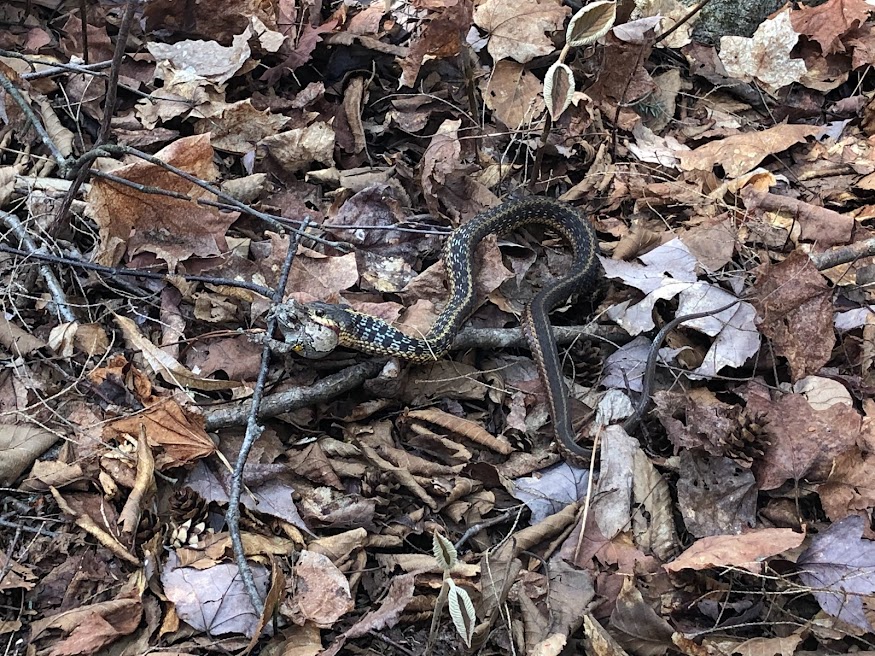
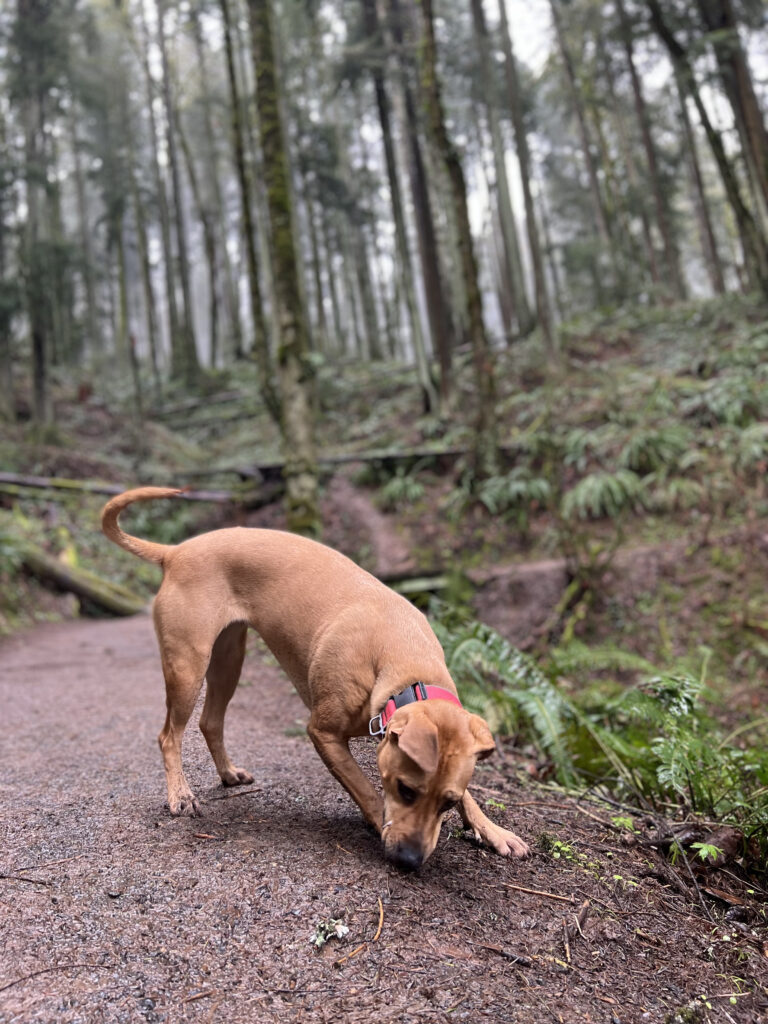
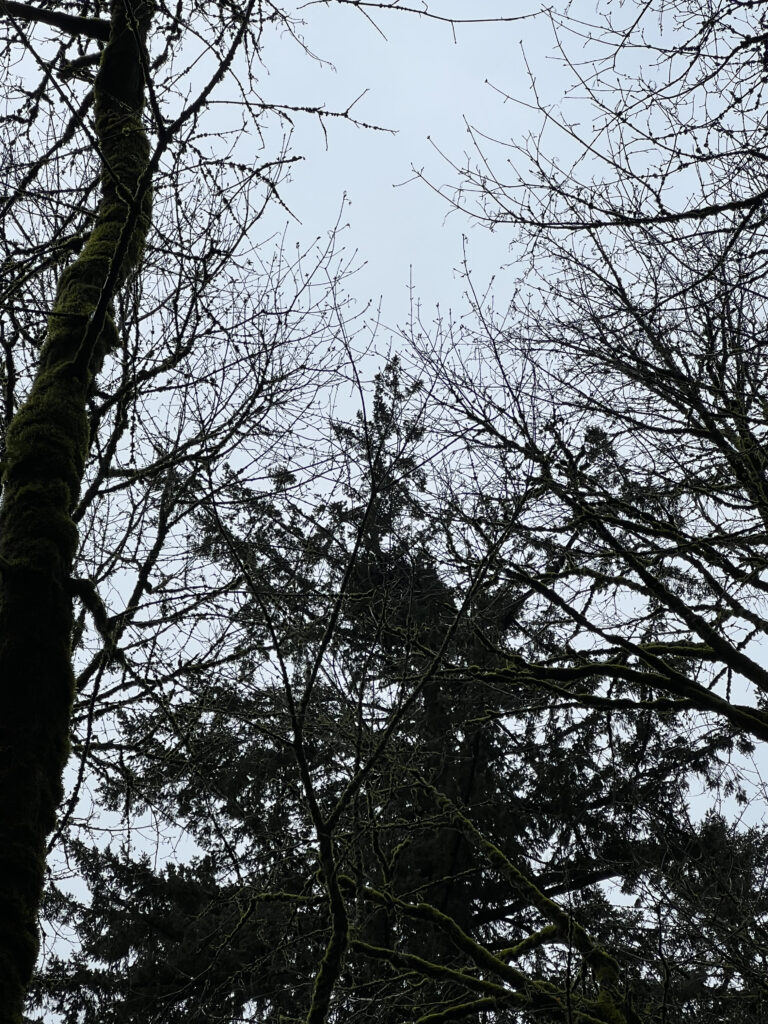
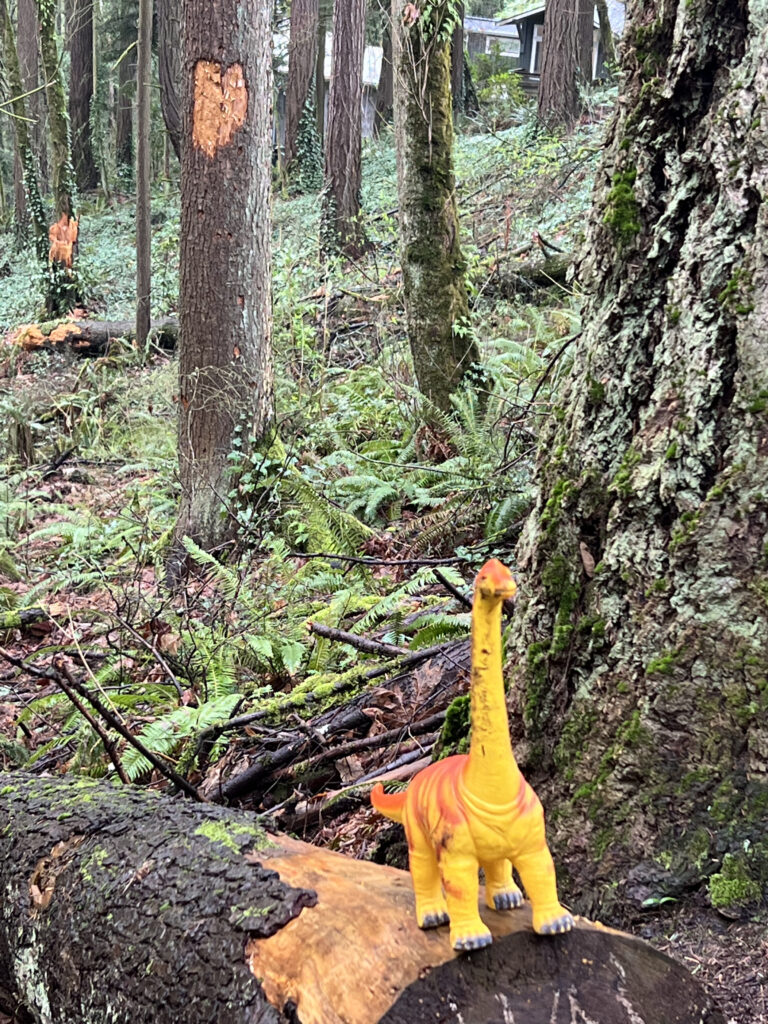
On my excursion, I did not see much animal life save my dog Molly (pictured below) and a bald eagle landing in its nest. Unfortunately I was unable to pull my camera out in time to capture the eagle, but I saw it landing in its nest atop a Douglas Fir (third picture in gallery, just looks like a dense clump). This particular eagle has been nesting here for a few years and I’ve seen it before during my time in the park. Considering that March is egg hatching season, my guess is that she was flying back to feed her new young. The low levels of human traffic due to weather is a phenological response to cold, wet, and muddy spring. By May, these trails will be buzzing with hikers at all times of day. Lastly, on my way out I ran into an unexpected visitor that may have been chewing on tree bark (final picture). This place is close to my heart and I’m glad I had the choice to come back to it equipped with a newly trained eye for phenological changes. Until next time Portland!

February Phenological Frenzy

HELLO COOL CATAMOUNTS AND KITTENS! On this wild and windy Wednesday I ventured to the golf course just south of campus. I figured that on a gusty day like today, animals might find any way to seek shelter and the patch of trees on the golf course would have just the place to go to avoid the open fields. The conditions were very hostile, requiring me to bundle up sufficiently and try my best to keep my hat on. Below I describe to you a few of my findings which correspond to pictures attached in the gallery below.

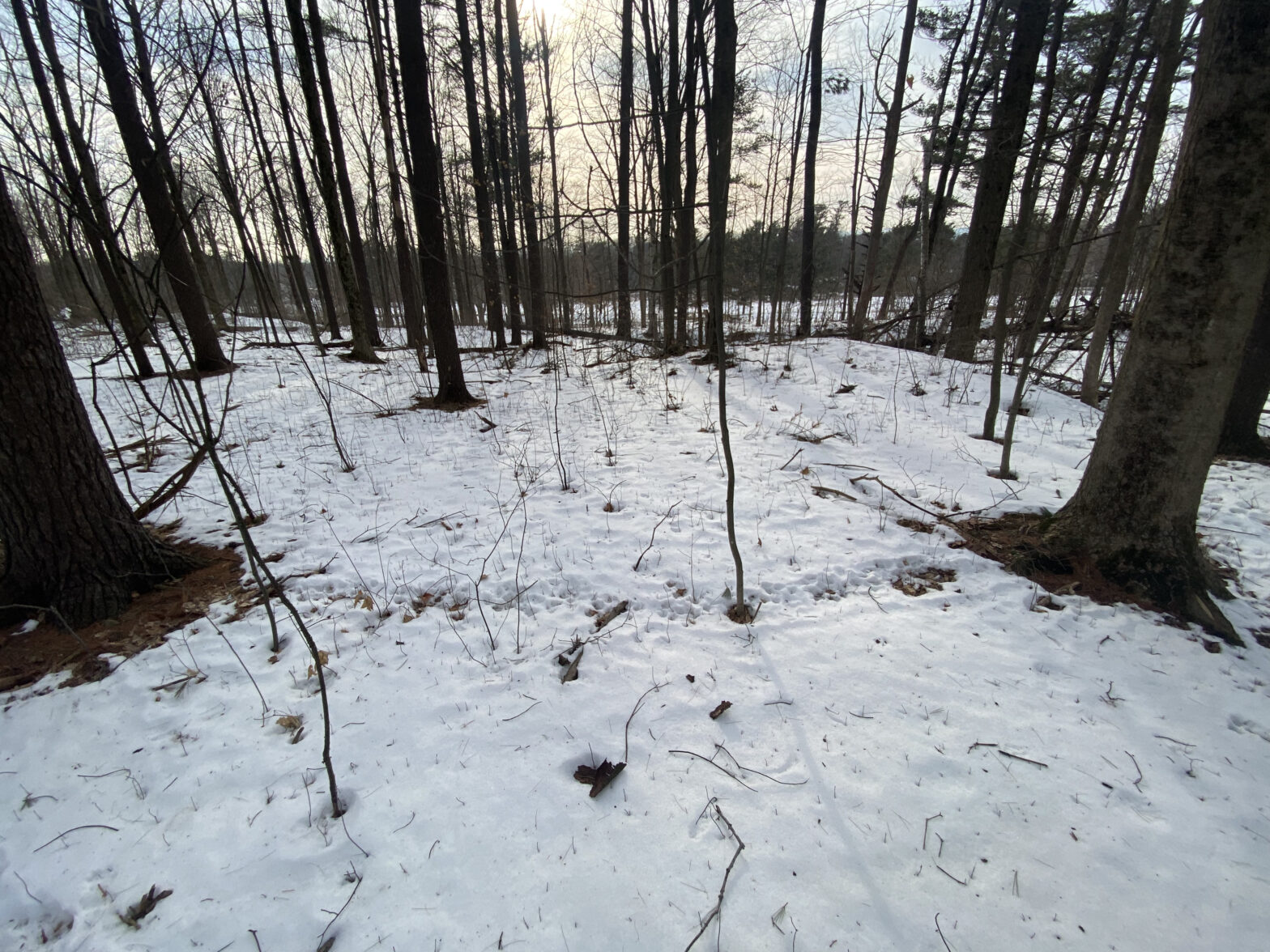
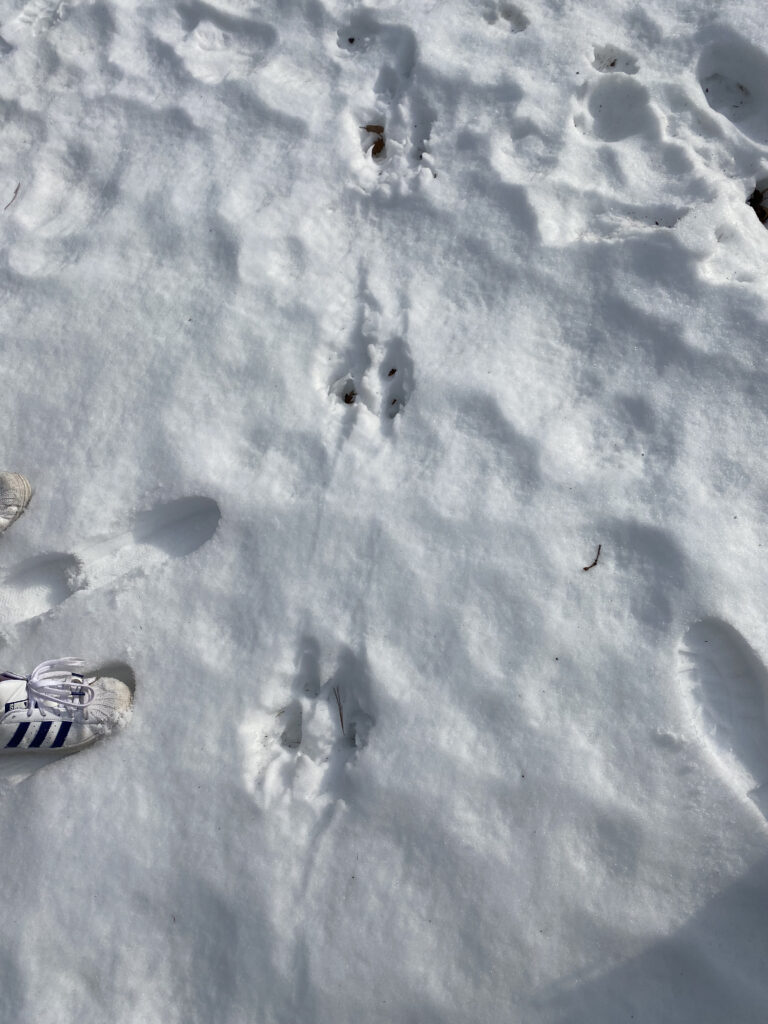
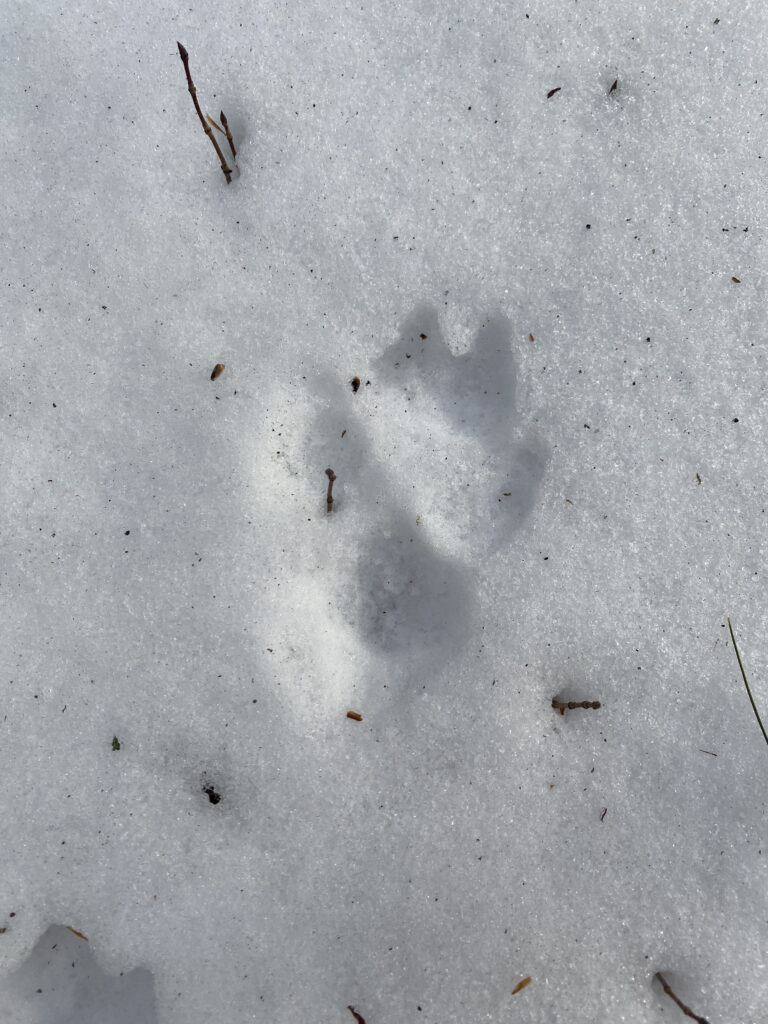
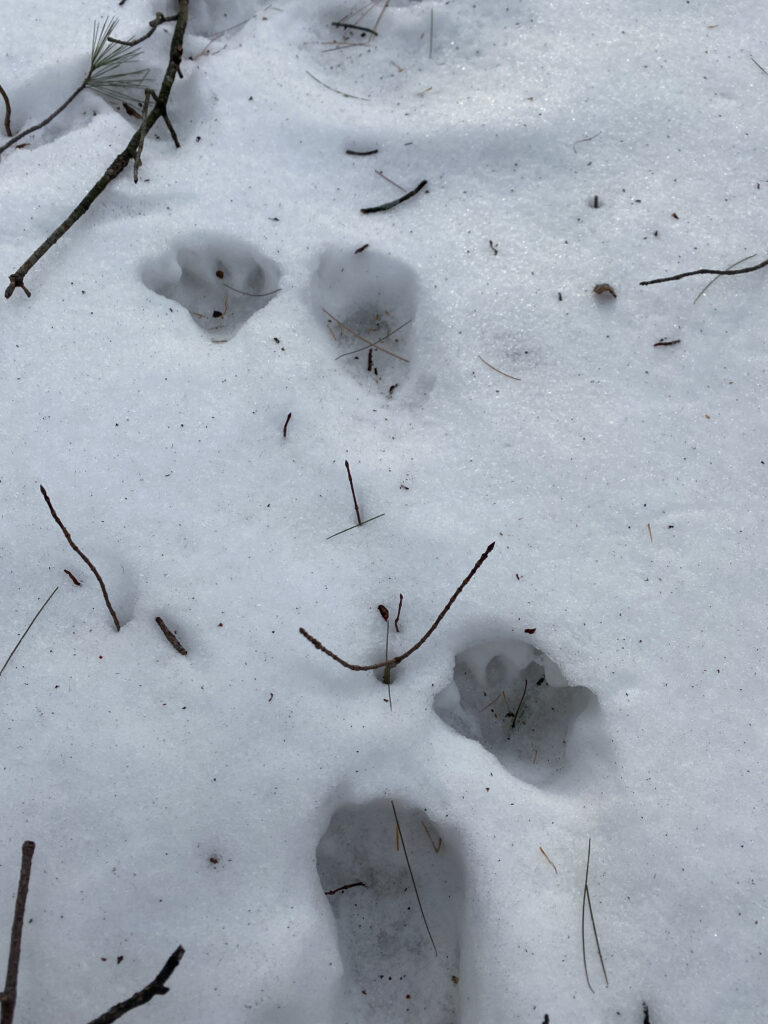
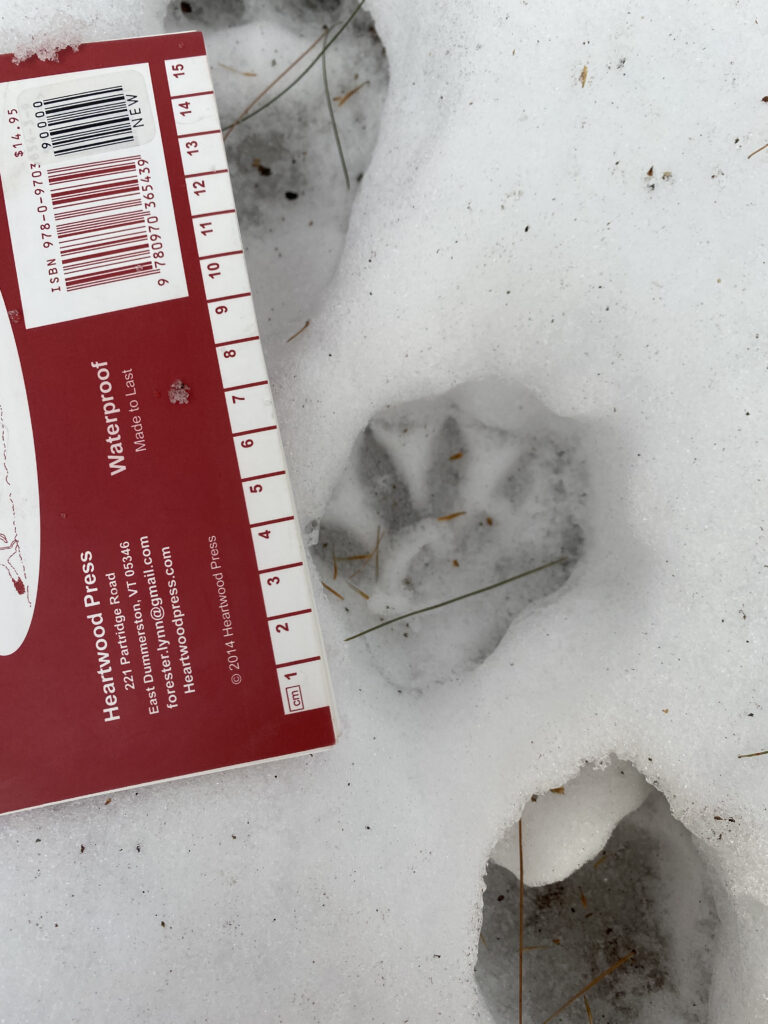
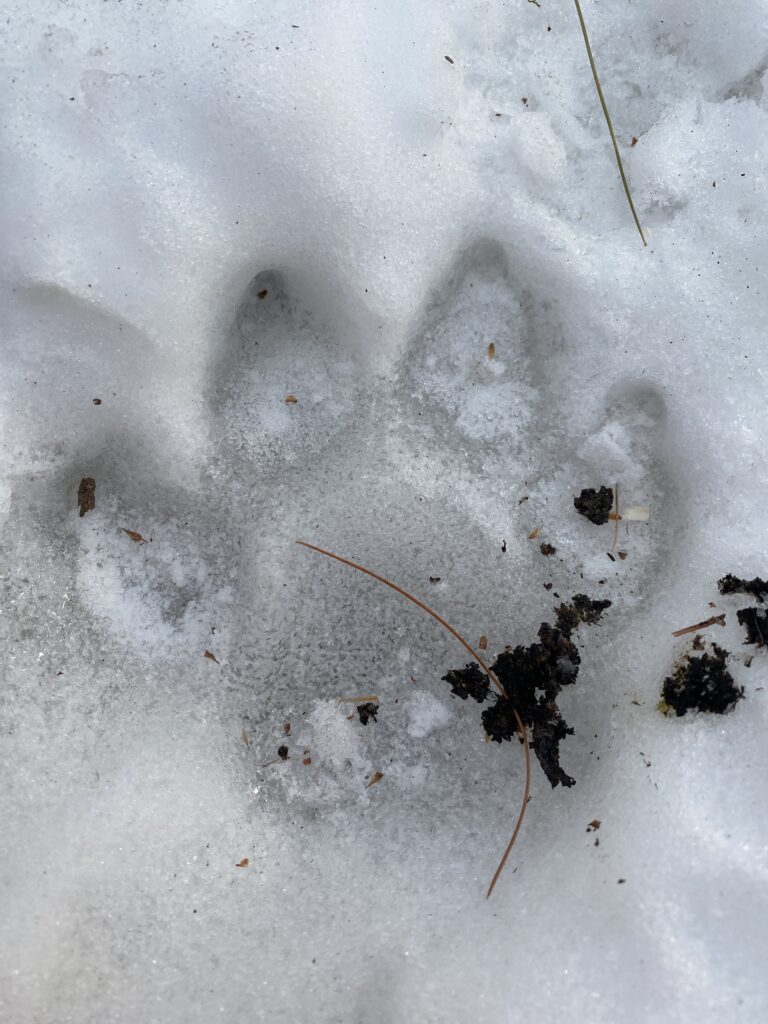
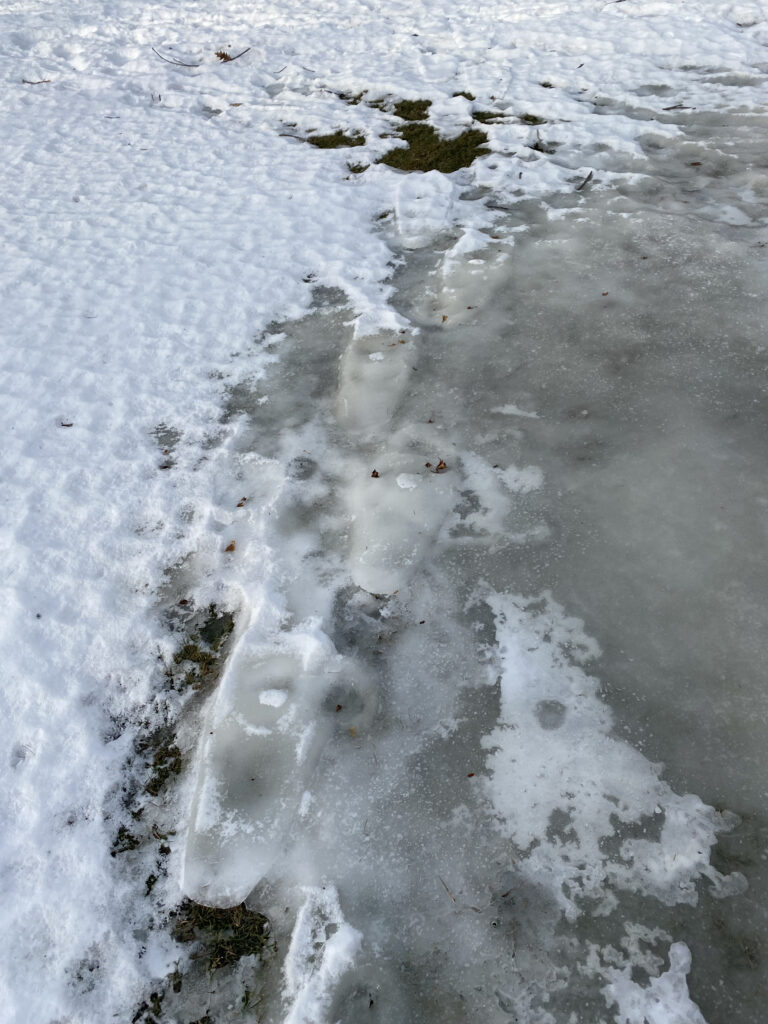
While meandering through the rolling hills, the most common tracks to find were grey squirrels, just behind the nordic and dog tracks. At the base of every tree, many lines radiated out often times to a neighboring tree or a sheltered area, providing refuge for the rodents during their quest for cached food. Upon entering the densely covered patch of trees there were more clear paths to follow. The first of which being a coyote, made clear by the four toes and narrow, slender shape of the print. Next, I came across tracks with the distinct bounding pattern of the weasel family and the unmistakable 5-toed, 6cm long track of the fisher. It was going up the hill towards a tree. I tried following the tracks then lost them at the base of a tree. Then I came across a single print that stumped me. With the wide pad and four toes, I presumed it to be a part of the feline family, but this track was large. Larger than a typical bobcat track and on par with the size of a mountain lion track at about 10cm. I find it odd that a mountain lion would make it down to the Burlington Country Club, but I guess you never know what those crazy cats are up to in the wee hours of the night. Could it have been Rally? The last mystery I solved was on an open stretch of the course where I found some rectangular imprints which instead of depressions, was raised. I conclude it to be the tracks of a snowshoeing human.

When I tried to use iNaturalist, it did not help much with identifying the tracks. I imagine it could have been useful with pictures of the actual animal, but without a good sense of scaling and some of the images not being very defined, it was not very helpful in tracking.

My New Phenology Spot!

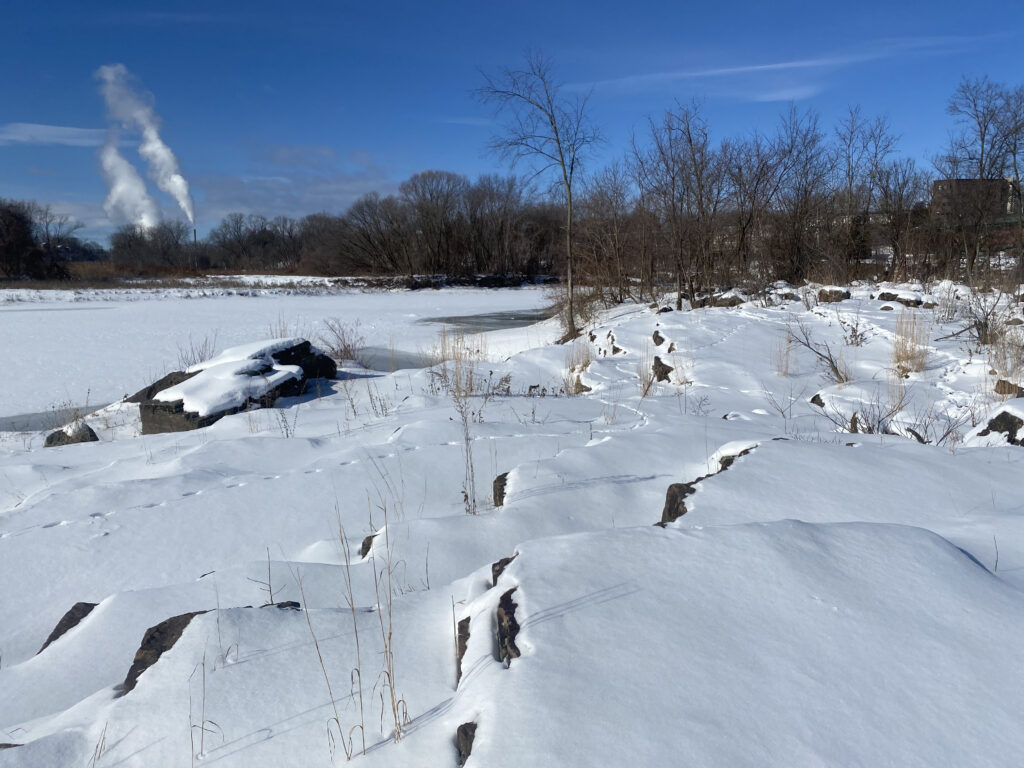
HEY COOL CATAMOUNTS AND KITTENS! With a new semester upon us, I’ve chosen a new phenology spot. Today I bring you to Salmon Hole on the Winooski River. I chose a new spot because my prior spot, at the delta of Potash Brook and Lake Champlain, was a further trek than I was willing to embark on in these cold winter months. This isn’t my first rodeo at the Hole, though. I’ve visited this spot on various runs and nature walks throughout different seasons, giving me an idea for some phenological changes occurring.

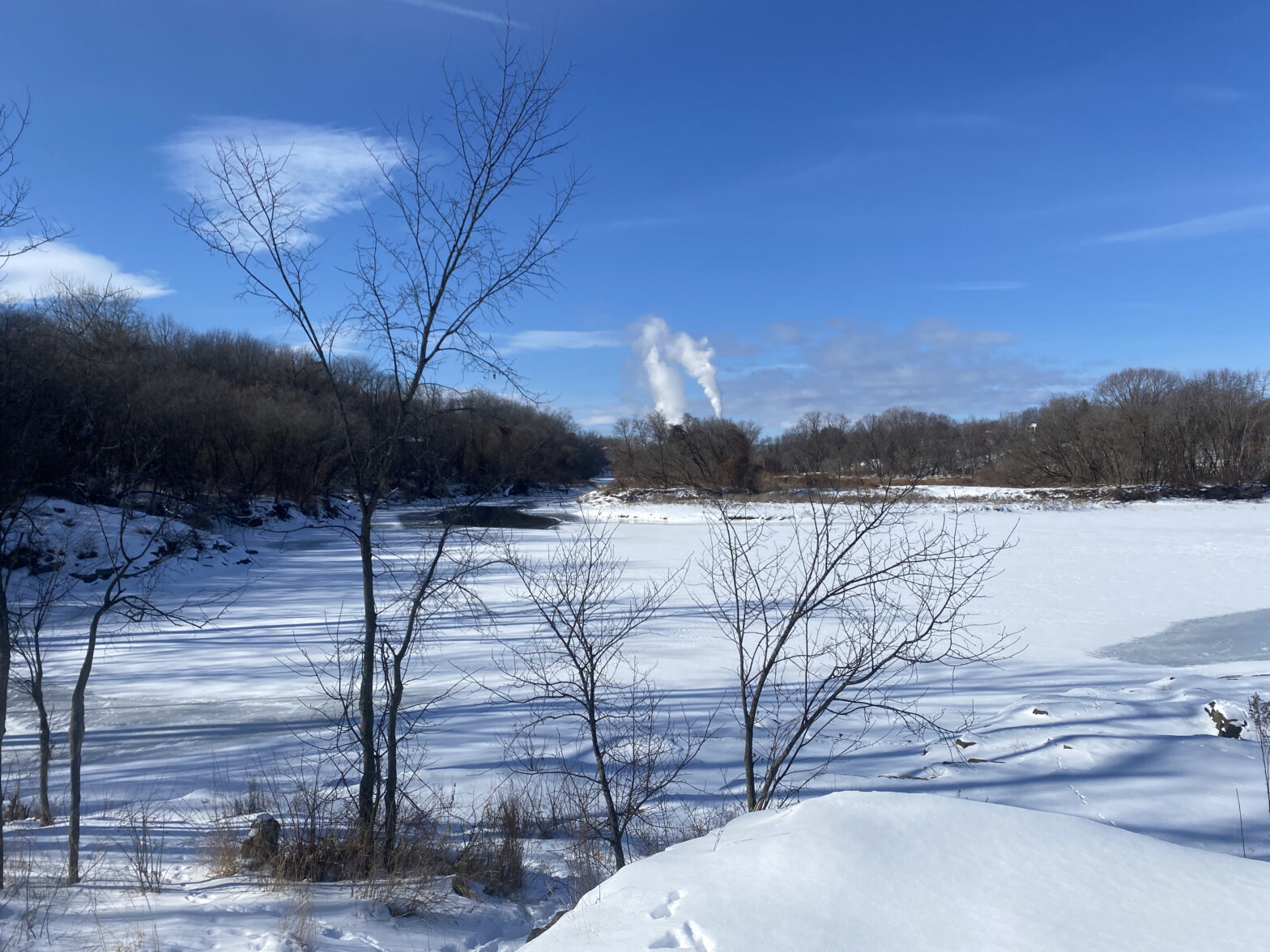
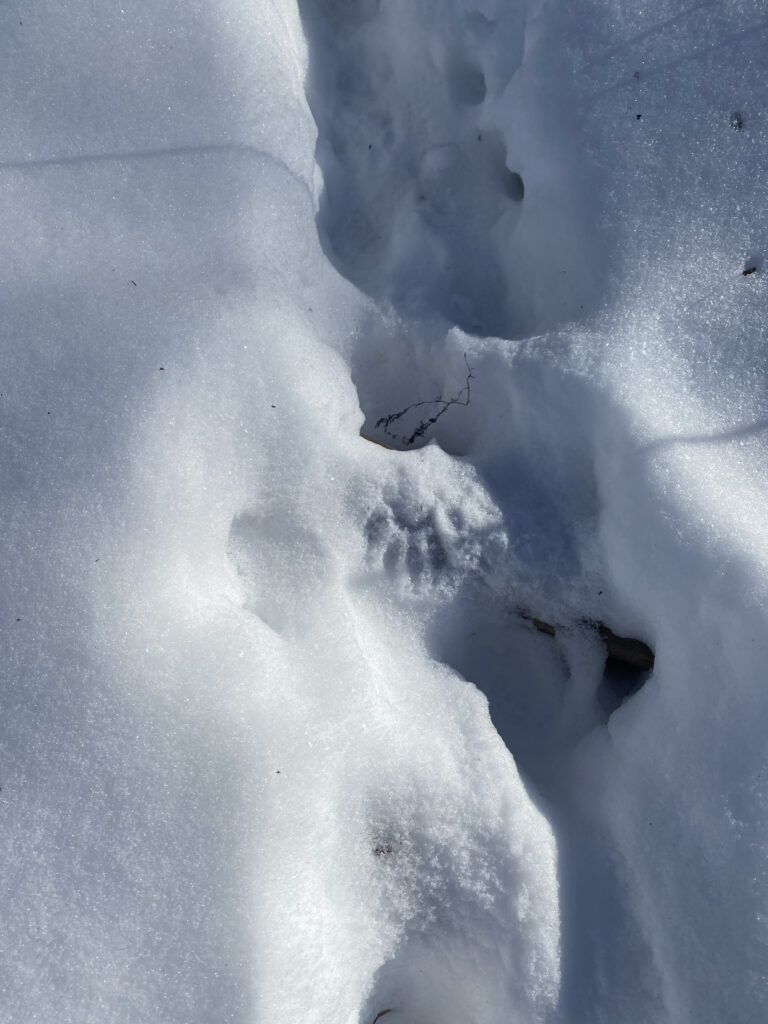
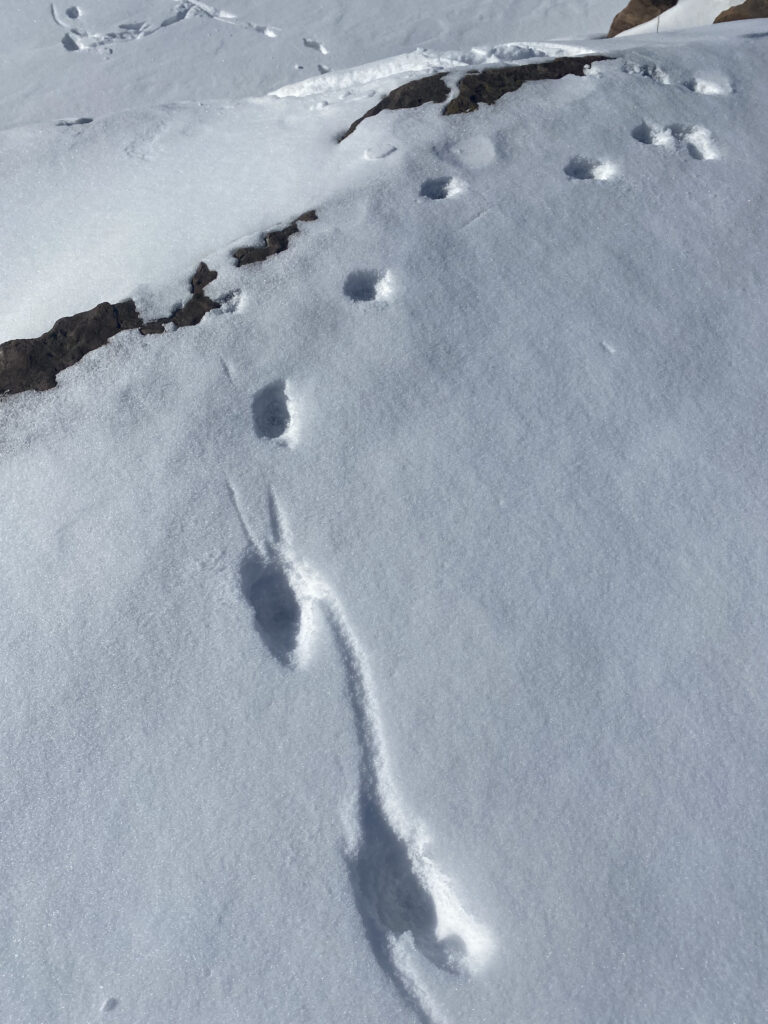
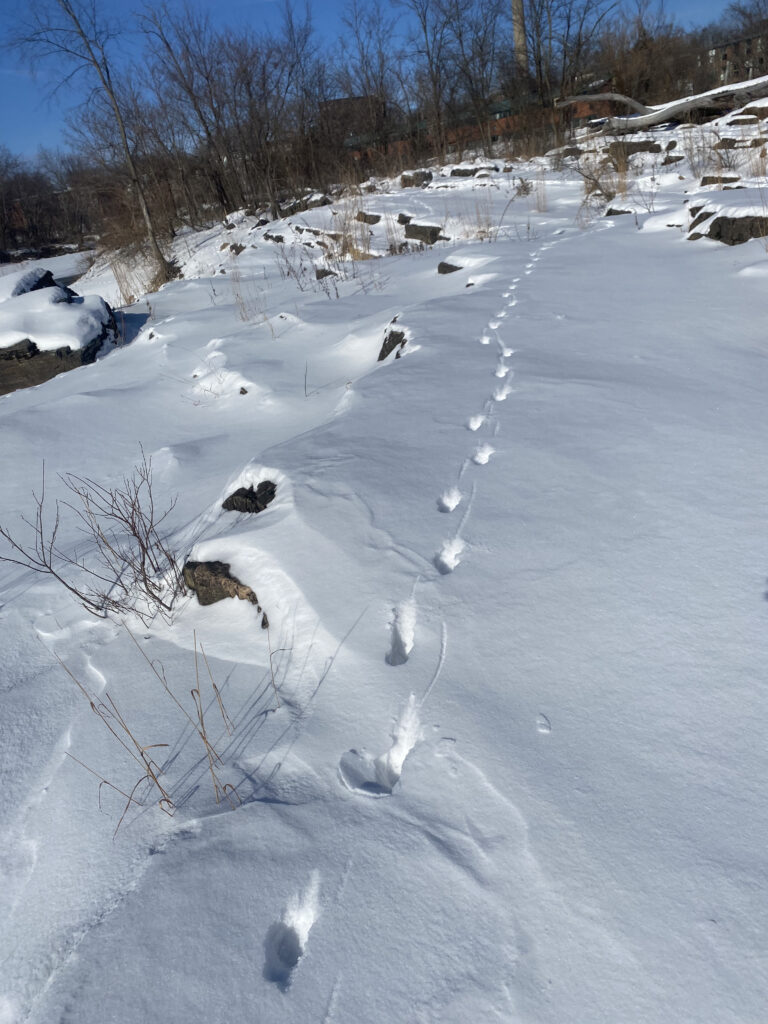
Today, the sky is blue and sun is shining, but a few differences stand out from previous months. I stand here on the rocky dolostone outcropping with a fresh blanket of snow. A few months ago, I would not have been able to be here seeing as the rocks I traversed would have been classified as rapids, requiring me to walk on water. The passageway, along with the riverbank, is completely frozen over, diverting the flow towards the Winooski side of the river. The trees are barren and the air is calm and quiet, but there are still signs of life. Many tracks sizing from small rodent tracks to paw prints to human footprints dot the powdery cover. Paw prints alongside the human tracks about 2-3″ wide indicate the presence of canine companions. A meandering track with some trailing streams indicate a potential coyote or fox searching for food. The most interesting mystery were two parallel trails ending in some faint imprints that looked like wing marks — something made away with a tasty lunch. Below I’ve attached pictures of many of the tracks I witnessed.

Ice creaks beneath my feet as I cross back through what once was a rushing river. In the coming months, I anticipate an increased rate of flow as thawing begins. In the mean time, I’ll take in the silence and piece and quite and hope I don’t become the meal to something in the sky.

One Last Time at the Phenology Spot

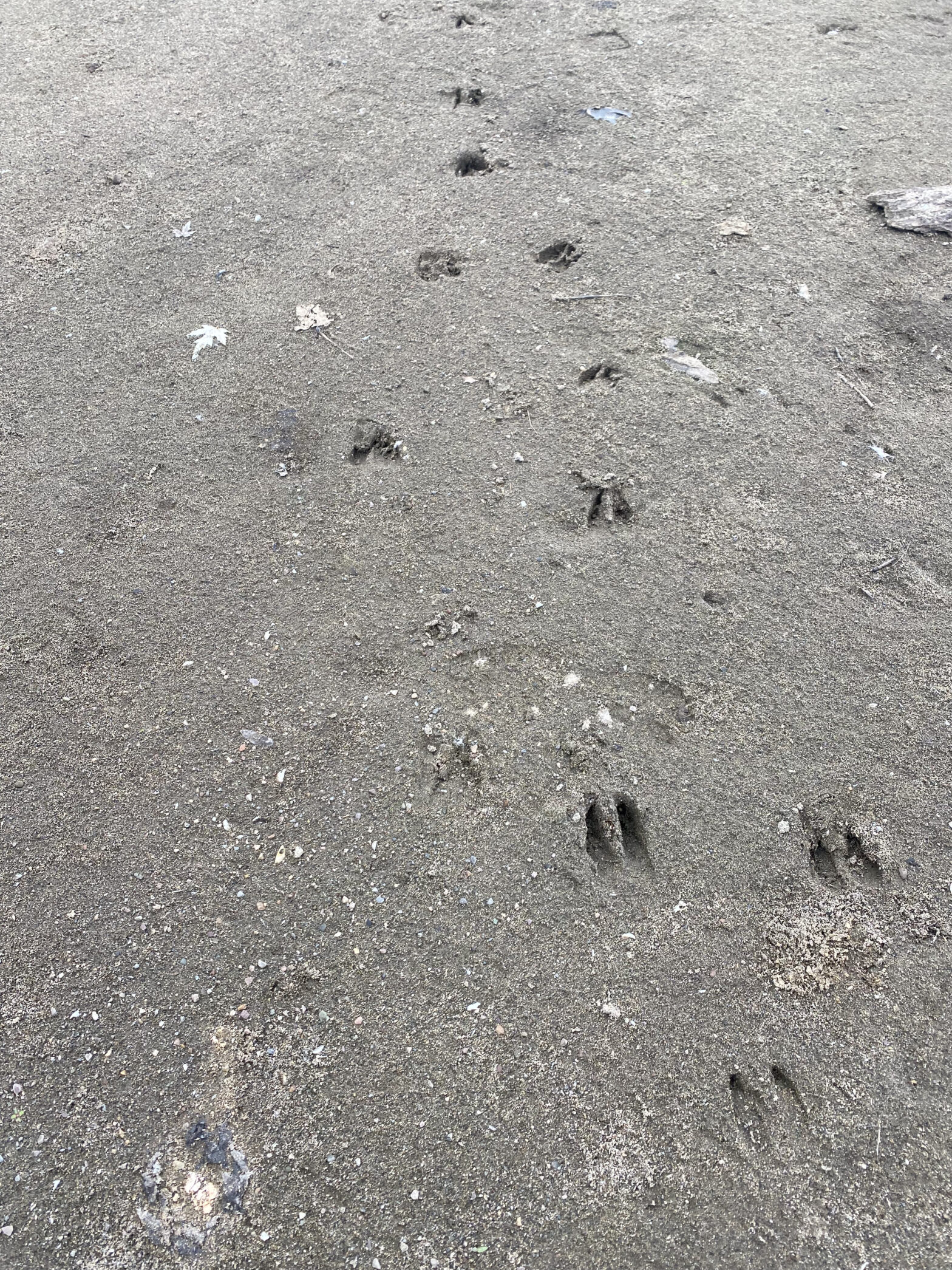
HEY COOL CATAMOUNTS AND KITTENS! This week I returned to my serene location at the confluence of Potash Brook and Lake Champlain. Unfortunately, I did not make it before the snow melted and missed out on the opportunity to look for tracks. Luckily there is a sandy beach at my spot that preserves tracks quite well. Among them, I found some white tailed dear tracks from the water retreating back into the woods. Perhaps someone was a little thirsty? There were also a few crisscrossing bird tracks, but not quite as many as earlier this year when the beach was completely covered. I suspect the last few seagulls hanging around the area are the culprits.

As we transition seasons and head into the depths of winter, the trees are bare of leaves (except for the pines, of course) and there are less signs of animal activity as they become dormant or less active to conserve energy during these harsh times. Squirrel activity was limited, and I didn’t see any birds flying around. In the windy conditions, I spotted some white caps out on the turbulent lake. The water right at the delta wasn’t frozen over, but a few feet down the stream, where the depth of the water was about 4-6in, there were sheets of ice among the stream edges.
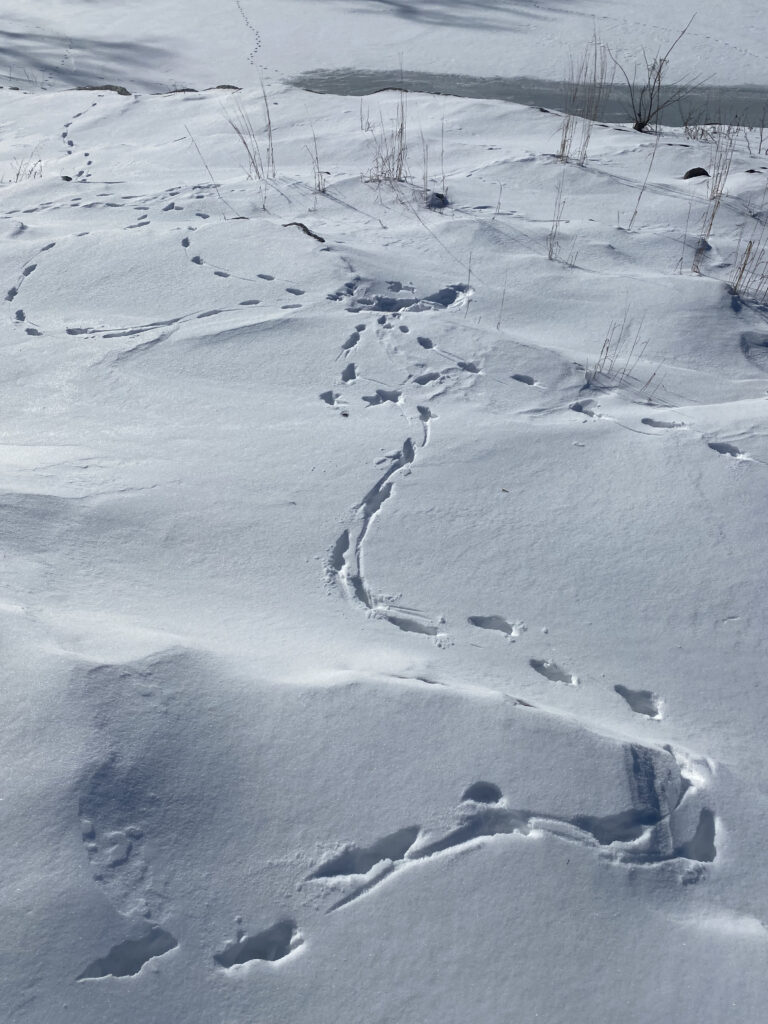
It was nice to be able to say a final goodbye to this spot after observing it through the seasons. I look forward to visiting next semester and possibly in the warmer months to investigate possible algal blooms. In the mean time, so long to my beloved peaceful sit spot!

Thanksgiving Phenology Spot

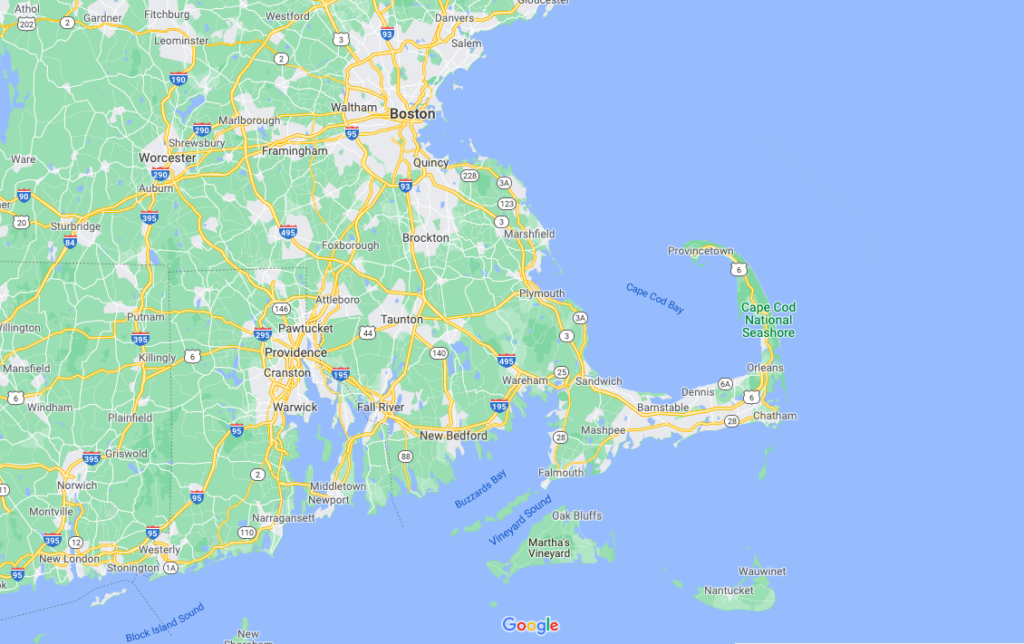
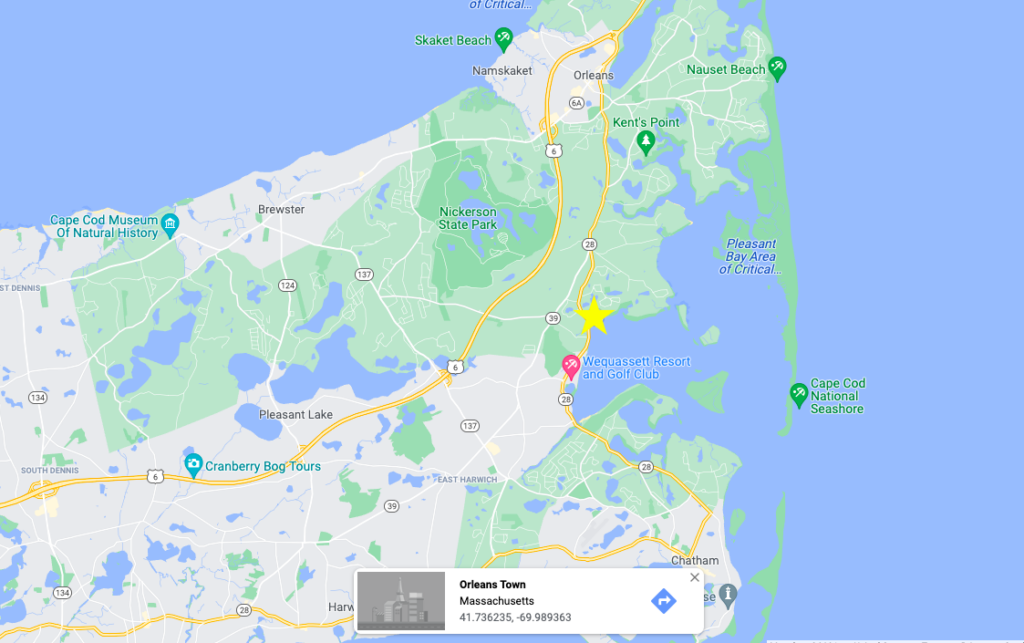
HAPPY HOLIDAYS COOL CATS AND KITTENS! In this edition, I am writing to you from Cape Cod, MA. I am fortunate to have family living in Orleans on the elbow of Cape Cods that affords me the opportunity to go visit the beautiful shores of the coast. The maps below can be used to help orient where I was in relation to Boston and the rest of Massachusetts.

This screenshot depicts an overview of the entirety of Cape Cod and its surroundings. The smaller inset map of the elbow below has a star to mark my phenology spot on Pleasant Bay.

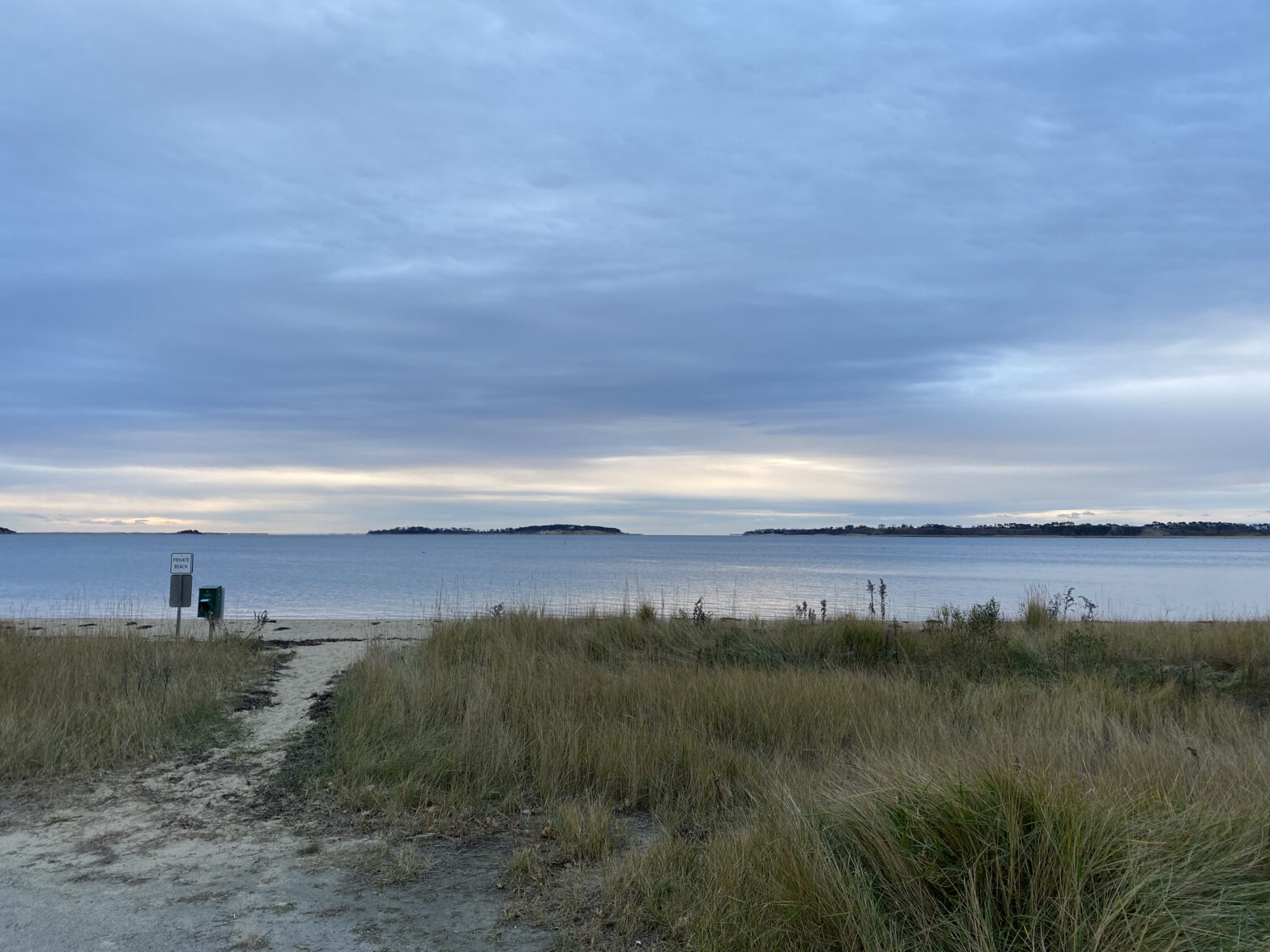
My phenology spot was on the shore of Pleasant Bay, which is almost completely enclosed by land/sandbars. This means that the conditions on the bay are much more mellow and can support a variety of smaller prey while protecting them from harsh conditions at sea. I was situated on a part of the beach that was private, which is indicative of the attitude towards land use on the Cape. Most, if not all, of Cape Cod’s land is privately owned and has been avidly developed as a popular vacation and retirement destination. Highly treasured real-estate spots tend to be amid the most natural beauty, such as waterfront locations. As an easily accessible location with many bays and a history of human traveling, it is likely that many invasive species have been brought onto the cape. Landscaping, a popular undertaking for cape homeowners, is another reason why many invasive species might be present.
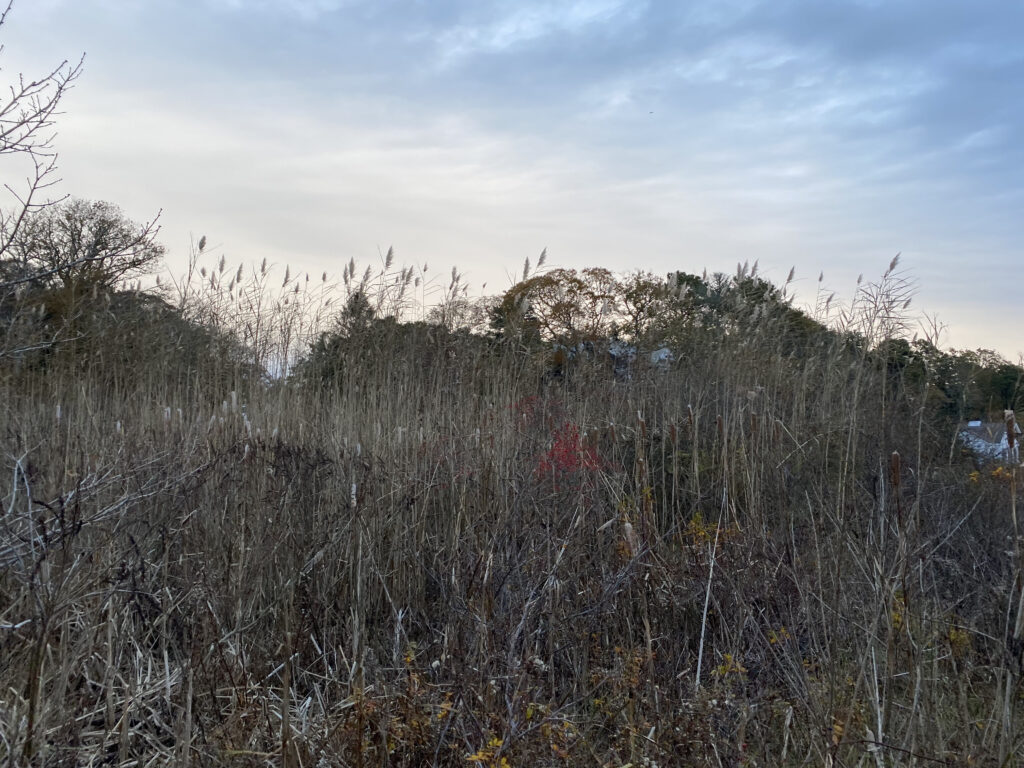
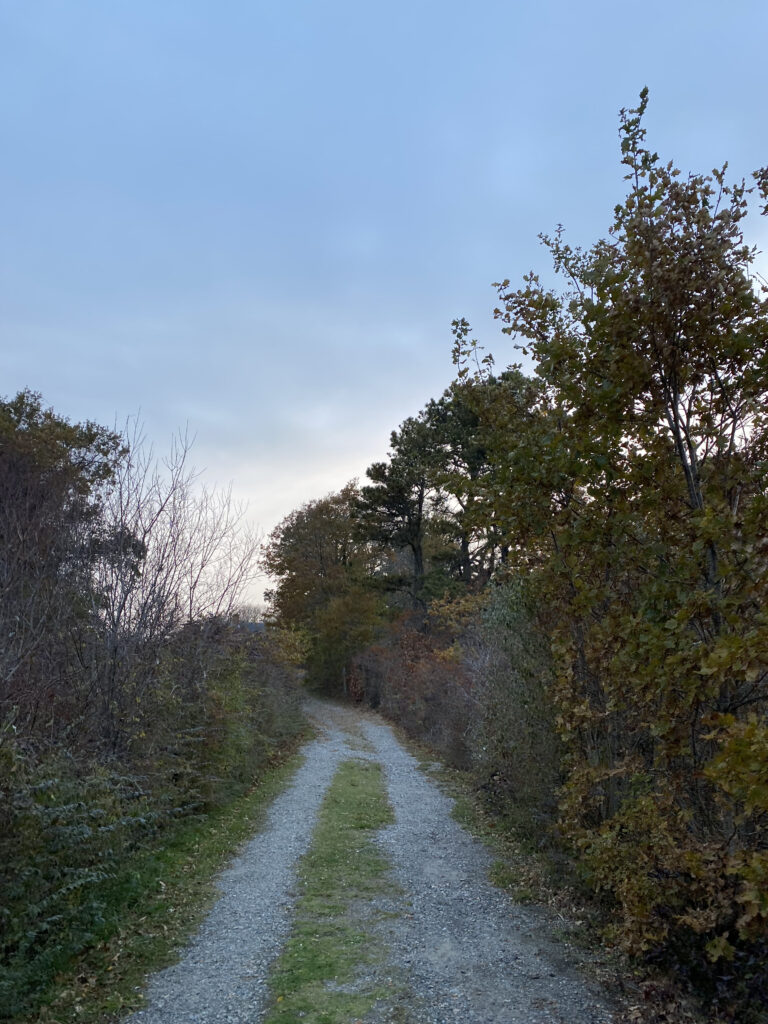
Some tree species that came right up to the edge of the beach were Yellow Birch, Norway Spruce, Red Oak, Norway Maple, and Eastern White Pine. A swamp of cattails buffered the forest and the beach, but most of the ground was sandy and was deposited as glacial till as the glacier moved over this last bit of land before receding into the ocean. This is very similar to my Burlington phenology place, which is also on a beachy area at the confluence between Potash Brook and Lake Champlain. There were commonalities in the presence of Eastern White Pine, which makes sense seeing that this is an acidic and well-drained habitat. Another phenological difference was that most of the trees were still hanging onto their leaves here in comparison to the Vermont forests further north which have mostly shed their leaves by now. See some pictures below for more details!

Swamp buffer between forested neighborhood and beach (above). Path lined with oak trees leading from the road to the beach (left).

A Phenology Walk With Friends

HEY COOL CATAMOUNTS AND KITTENS! We are back in the fine Burlington outdoors, but in this edition, we are on the move! Here’s a recounting of my encounters during this fine fall stroll.

On a brisk Sunday afternoon, I met two friends in front of Patrick Gym. A slight breeze and bright blue sky characterized this crisp November day. Here we embarked on our journey only to observe a dusting of snow on Mount Mansfield far in the distance. Although not nearby, this phenological change is an important indicator of the turning of seasons from mild to harsh. Luckily, we were not afflicted by malicious conditions. As we set foot towards Spear Street, we noticed a constructed marsh of cattails buffering the parking lot and athletic facilities. This area likely collects a lot of runoff seeing that it is adjacent to many impermeable surfaces. Walking past the athletic facilities, we noticed that the trees lining the street, mostly maple, were baren, their leaves littering the muddy ground. Save the one pine tree, still green and holding onto its needles. Milkweed populated the nearby shrubbery and there were signs of recent seed dispersal due to windy conditions.

While reaching the bike path, we noticed an instant change in species composition. Rather than planned plantings with calculated spacing, the paved path is in a corridor of mixed species flourishing amidst the nearby disturbances of neighborhood and golf course development. A mix of native and nonnative, we primarily observed crabapple, sugar maple, buckthorn, basswood, apple, and sumac trees. I was curious to know how the golf course impacted these plants and what the succession would look like if the land were not clear. Also, many of these plants were fruiting plants. Could birds perusing the pathways be consuming the fruitful seeds in one spot and dispersing them by defecation in the next?

Then for the showstopper location: the UVM Dairy Barn!

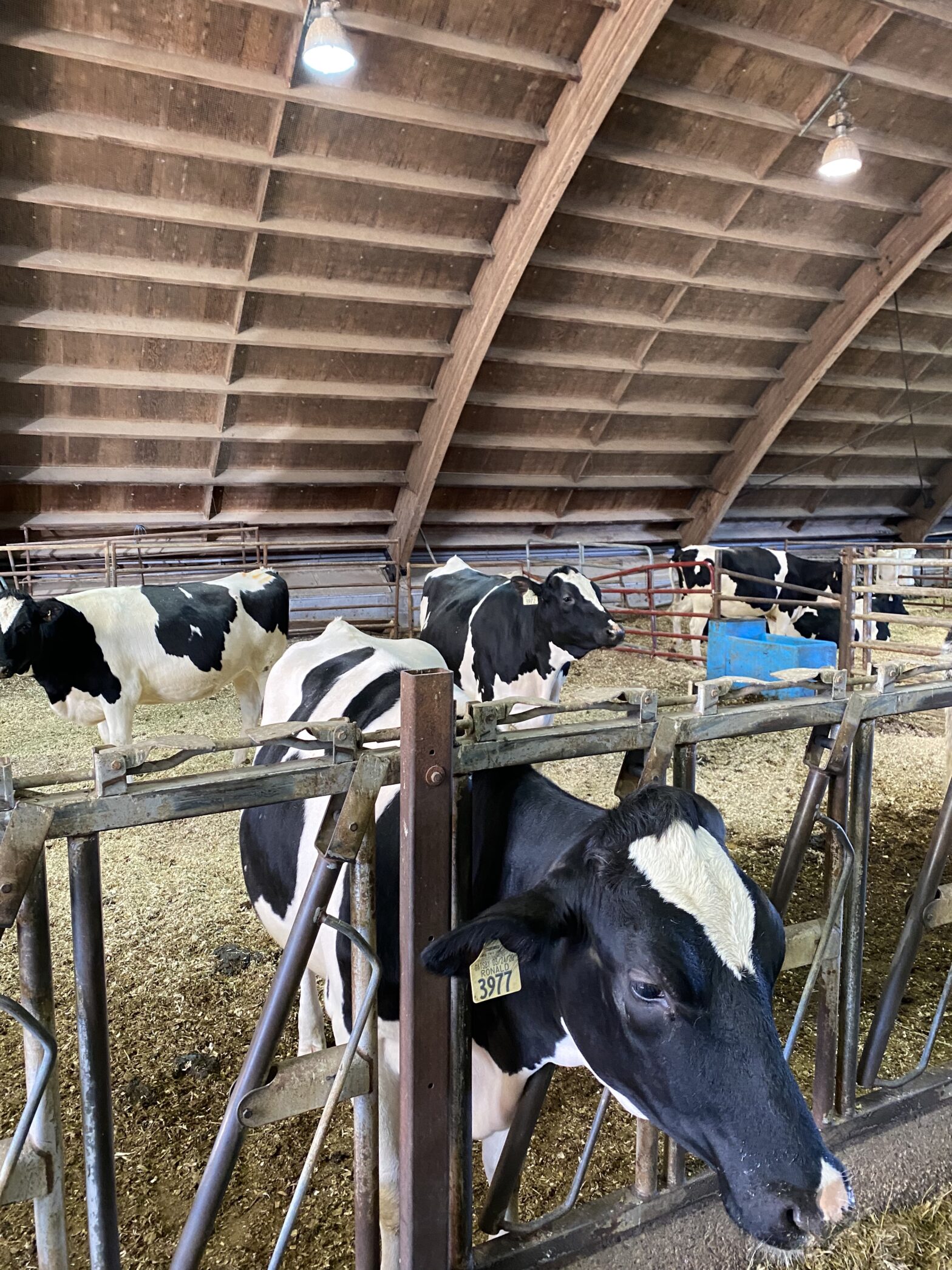
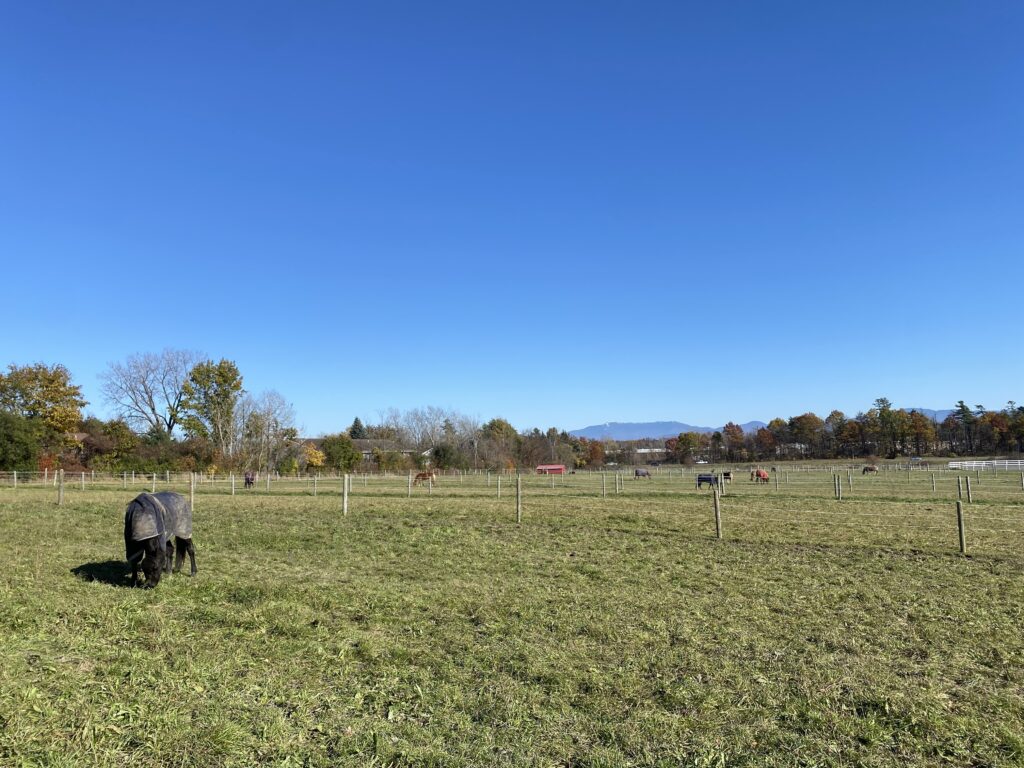
Although a phosphorous and pollutant producing haven, the cuteness of the cows was too hard to resist. Now that winter is upon us, most were in the barn and some horses were grazing in the field and wearing jackets. Pigeons also seemed to be sheltering from the elements and forming nests amongst their odorous bovine friends. Here I learned that cows are impregnated year-round so they can remain lactating throughout the year. No bulls are kept on the property, but there were plenty of calves! Receiving cow kisses was the highlight of my day and might possibly be the highlight of my week. All cleared land consisting of grassy fields and muddy clearings, no trees to be seen. The highway bordered the eastern edge of the farm. This is not a friendly place for the pollution intolerant.

We continued through the golf course and escaped unscathed. There were intermittent stands of trees. Many pines, some were walnut. But most of the land was cleared and kept pristinely trimmed. As winter approaches, we are likely to see less people frequenting the land as they retreat into the warmth of their homes. There was lots of greenery as of now, but this is highly likely to change as the weeks draw on.

For visual reference, here’s a map of our journey including locations and landmarks along the way. Until next time, toodles!

Nature Meditation in the 802

WELCOME BACK COOL CATAMOUNTS AND KITTENS! This week I went back to the lush sandy beach, as you would expect in Vermont, to meditate at the confluence. I settled into a nice smooth spot on a cool rock and dug my feet into the sand. A thick layer of clouds I laid back in nature’s handmade chair (a cluster of perfectly positioned rocks), closed my eyes, and settled my mind. Achieving a state of full relaxation was at first difficult. Anyone who meditates knows that it takes time to learn how to clear the mind. It helped that my place is not near much traffic or other human activity. Instead, I got to soak in the seagulls chirping, onslaught of waves lapping at the shore, and wind ruffling the trees while chilling my cheeks. The longer I sat, the deeper the chill sunk into my bones, thus requiring me to bring my attention back to my breath and the wisp of campfire smoke that I caught on the tip of my nose — could a nearby neighbor be lighting up a burn pile? Then at last I felt a droplet atop my head — am I imagining it? Then another. Then another. A steady drizzle began, and that’s when I knew it was my cue to pack up in leave.

Engaging all the senses for a full 15 minutes was no easy task, but demanding the focus to find a state of peace was very rewarding. We don’t often get a nature escape, so when we can take time from our day to get a little dose of Mother Nature, it leaves us feeling freshly renewed and reenergized.

This week when I visited my spot, I noticed a yellowing of the leaves on the Sugar Maples and Beeches — the little buggers are holding on for dear life! Luckily they have one more week of sunshine ahead of them before storms progress. The coniferous trees of the area, the pines and hemlocks, had dropped a few needles as a result of the weekend weather systems. No major changes, but I look forward to returning next time. Hopefully I will get to catch a glimpse of sunshine then!

In the mean time, here’s a glimpse of the bird’s eye view of my phenology place! Toodles!

Skip to toolbar