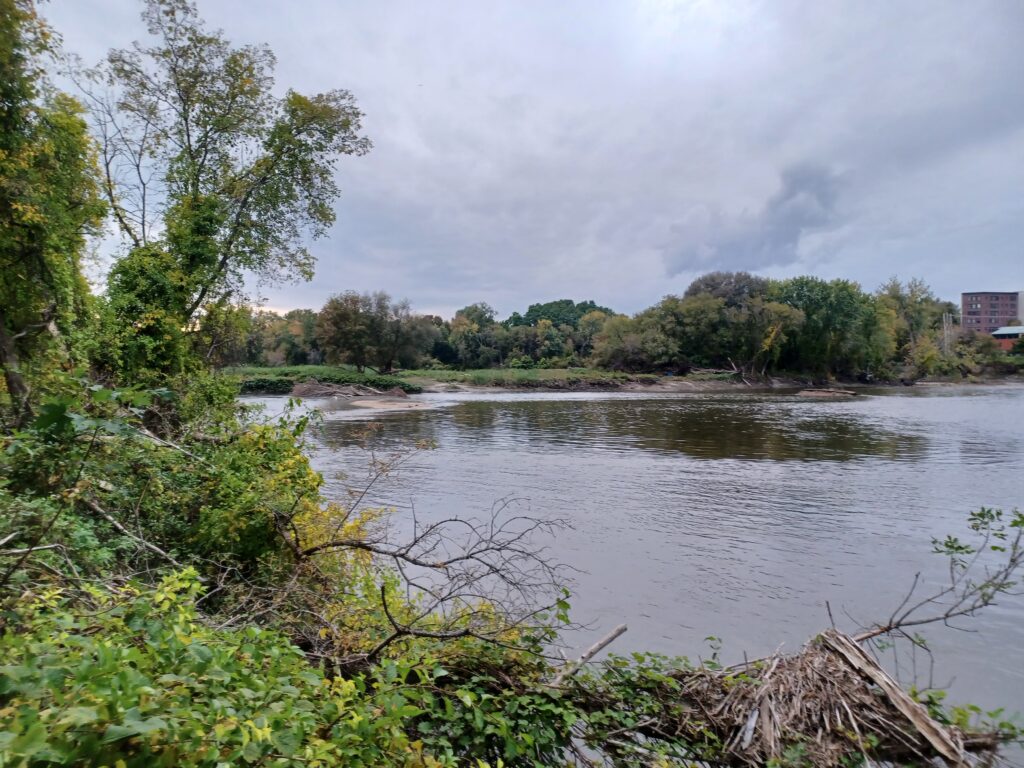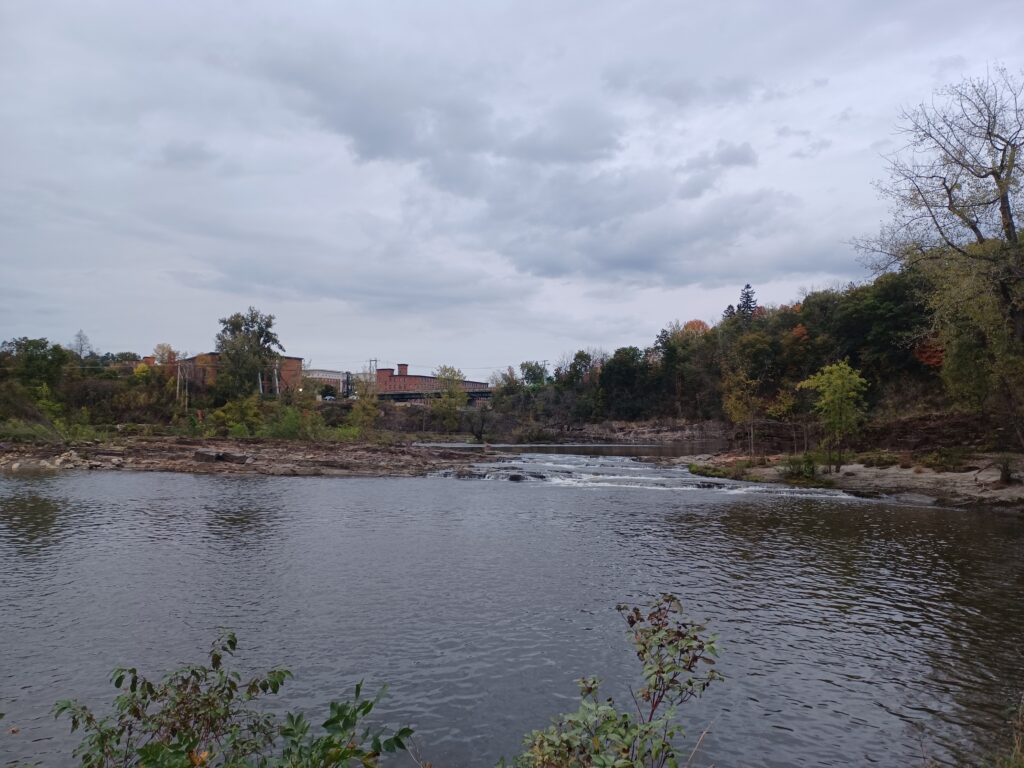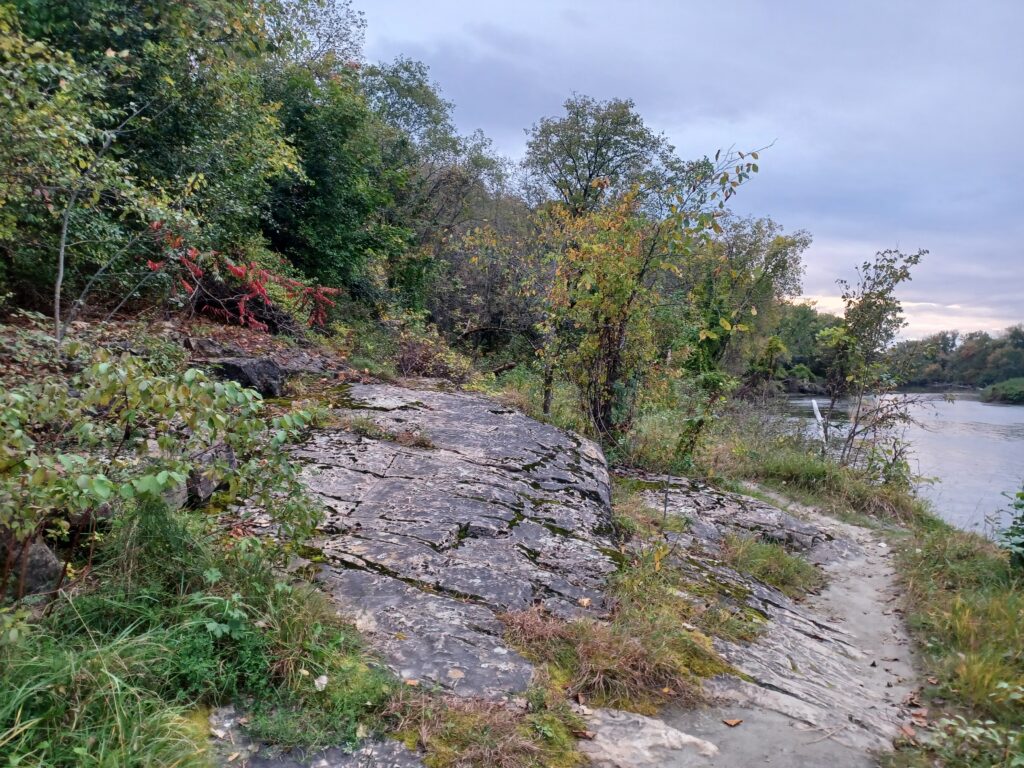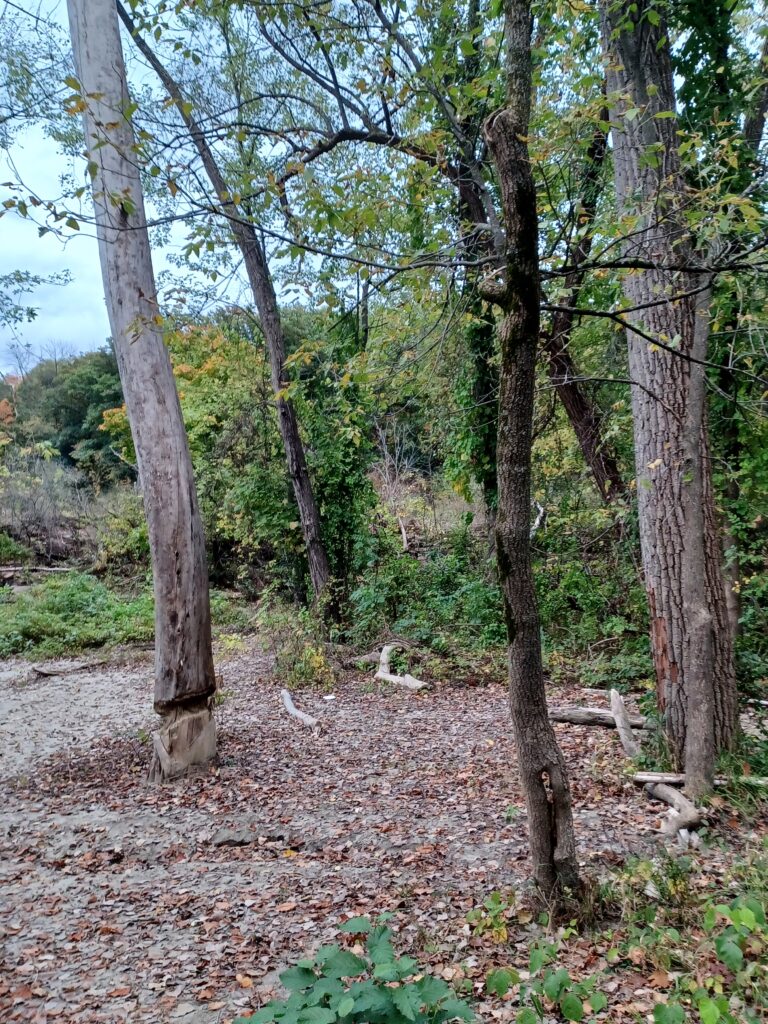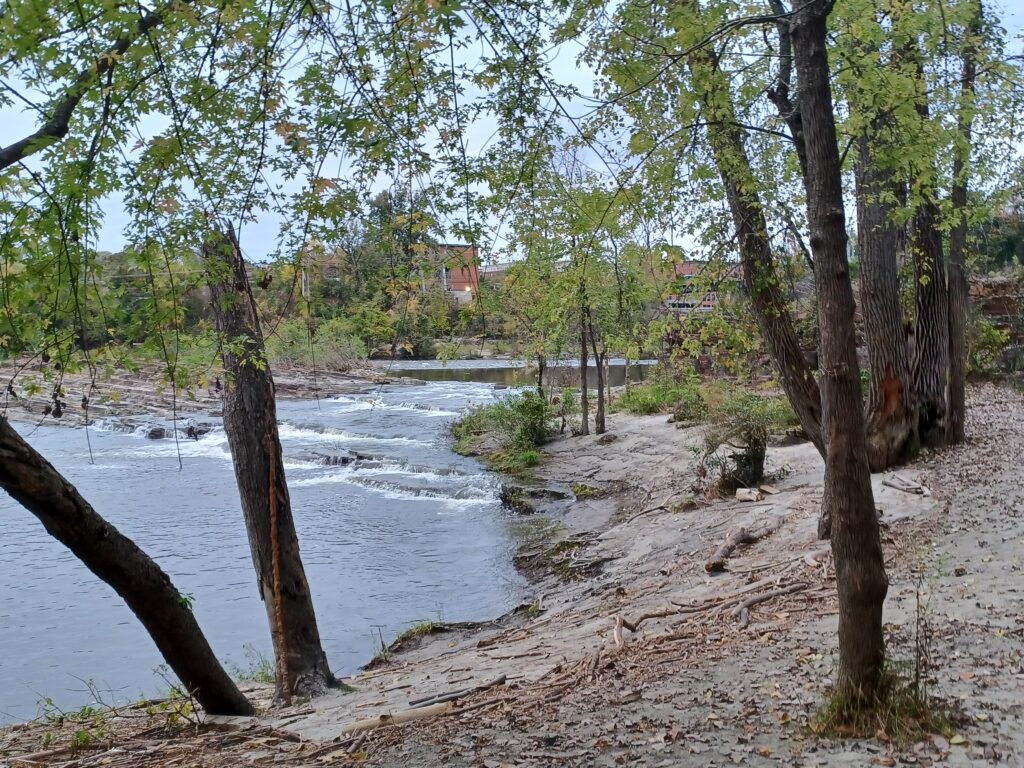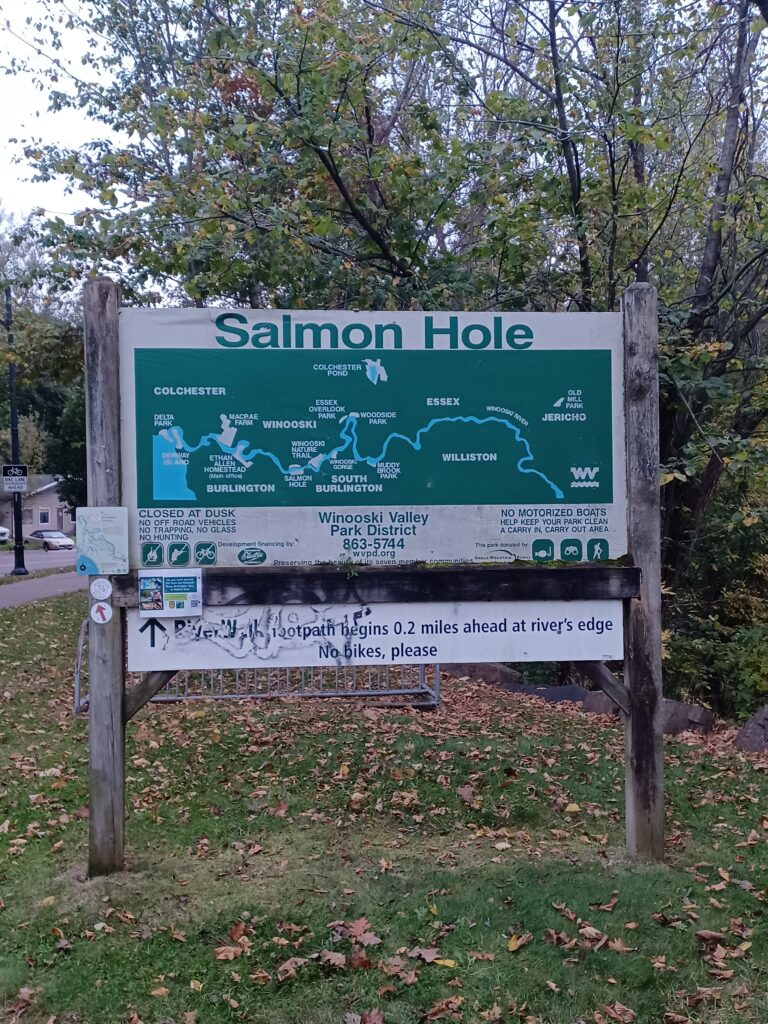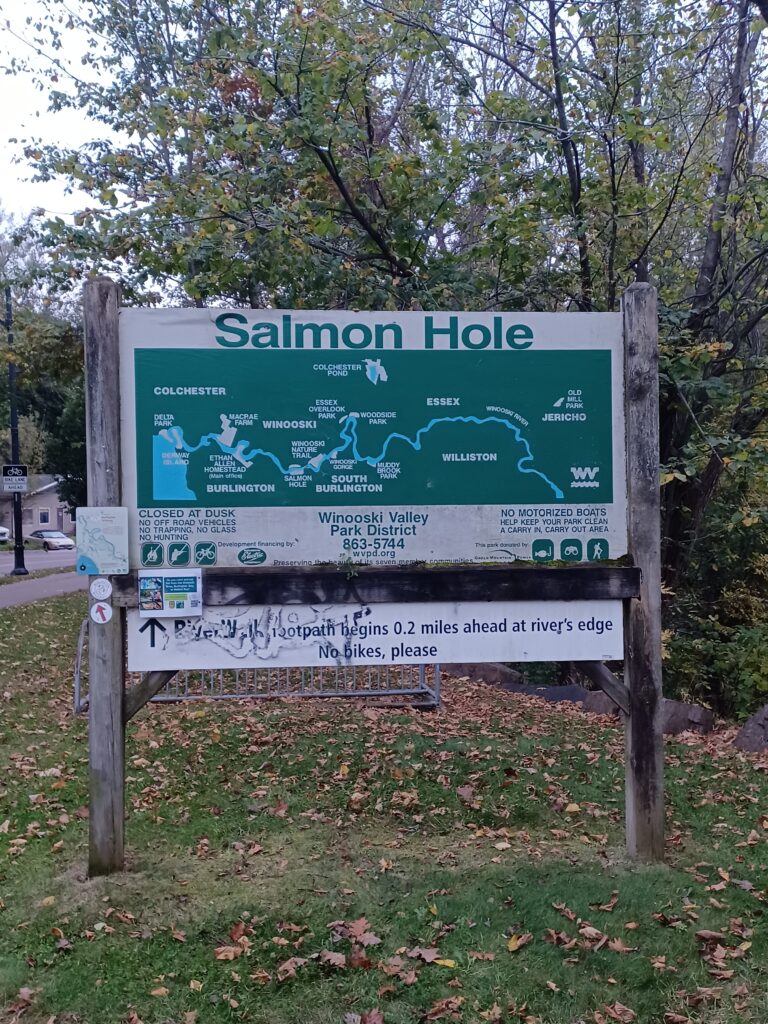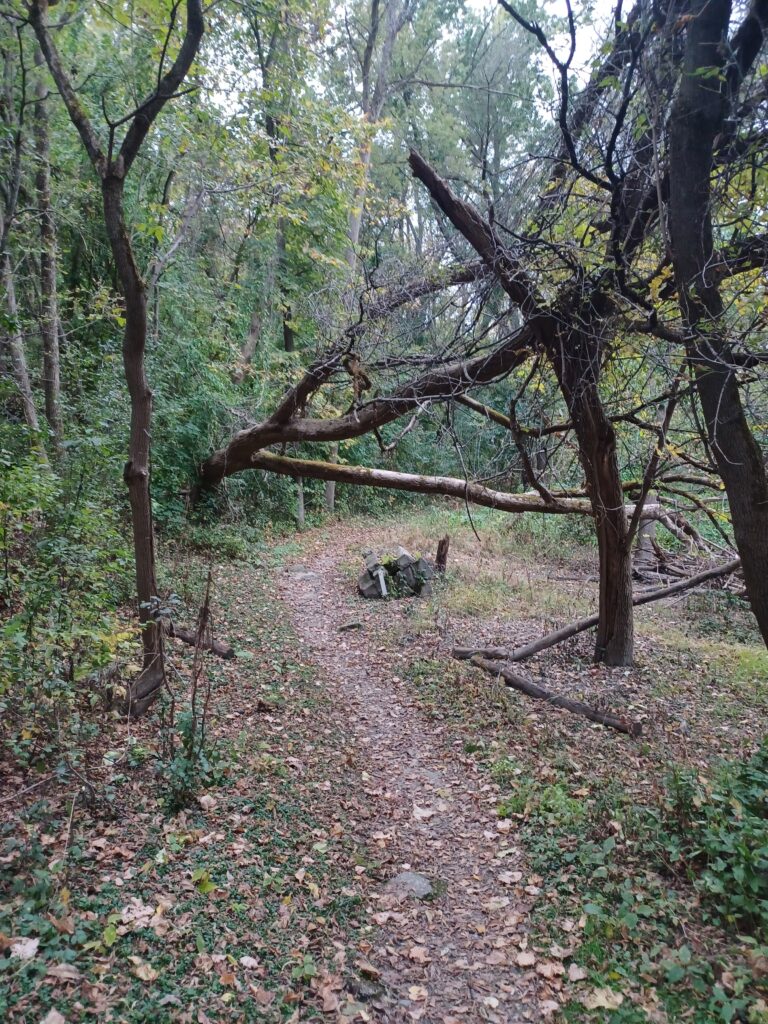
My final expedition of the semester took place on a very windy, very cold December morning, with a slight dusting of delicate snowflakes having already blanketed the forest floor. As I walked to Salmon Hole, I began to reminisce about the time I have spent this semester exploring my little alcove of land, tucked away along the Winooski River. At first, the long walk from UVM’s Athletic Campus to the Salmon Hole seemed daunting and extremely unappealing – but in my visits past, I have found myself becoming more and more appreciative of the journey. Even with the overcast sky, low temps and high winds, and almost completely frostbitten fingers, toes, and nose, I had a uniquely warm feeling in my chest as I approached the tiny sanctuary of natural beauty that I chose as my phenology location.
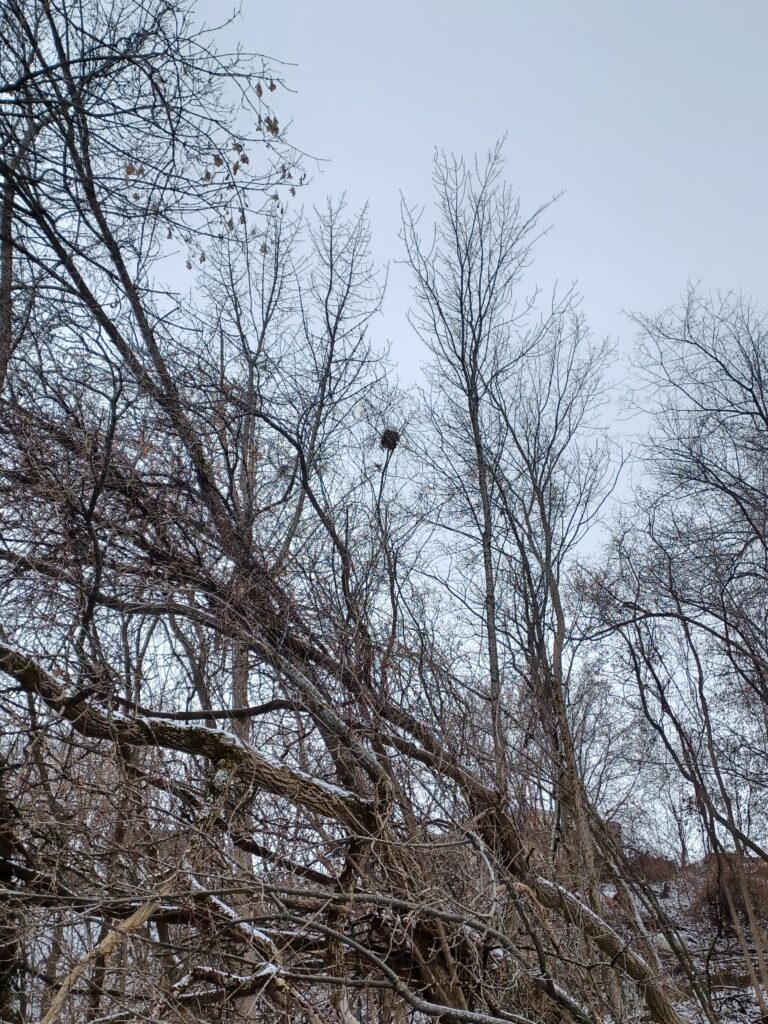
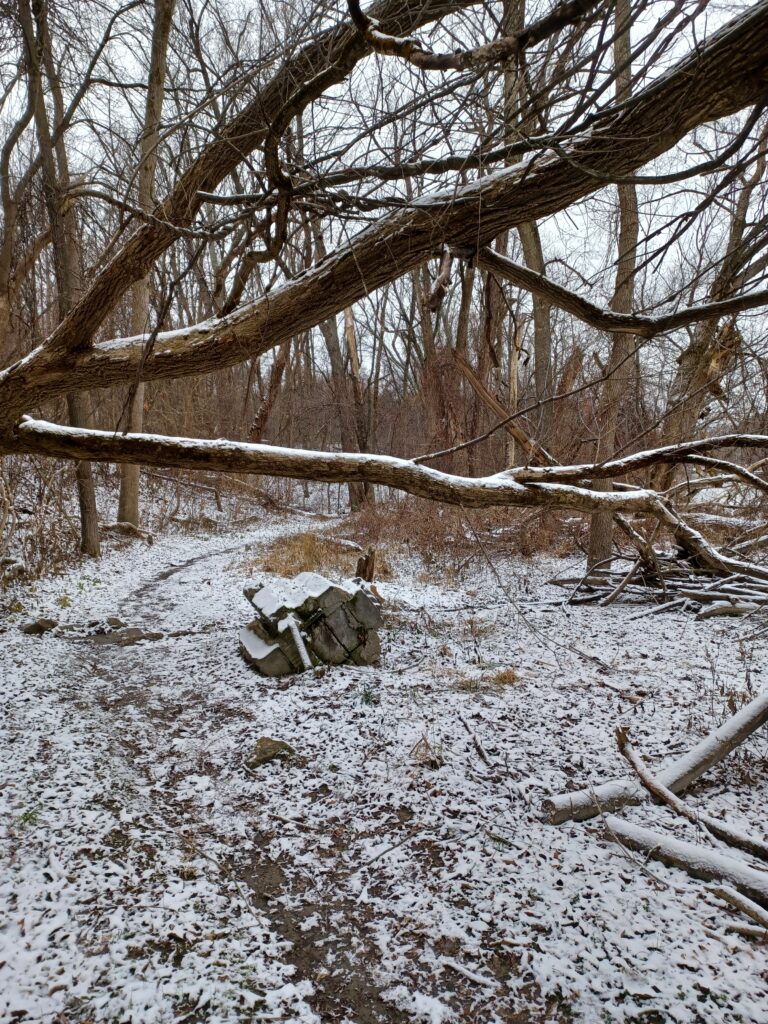
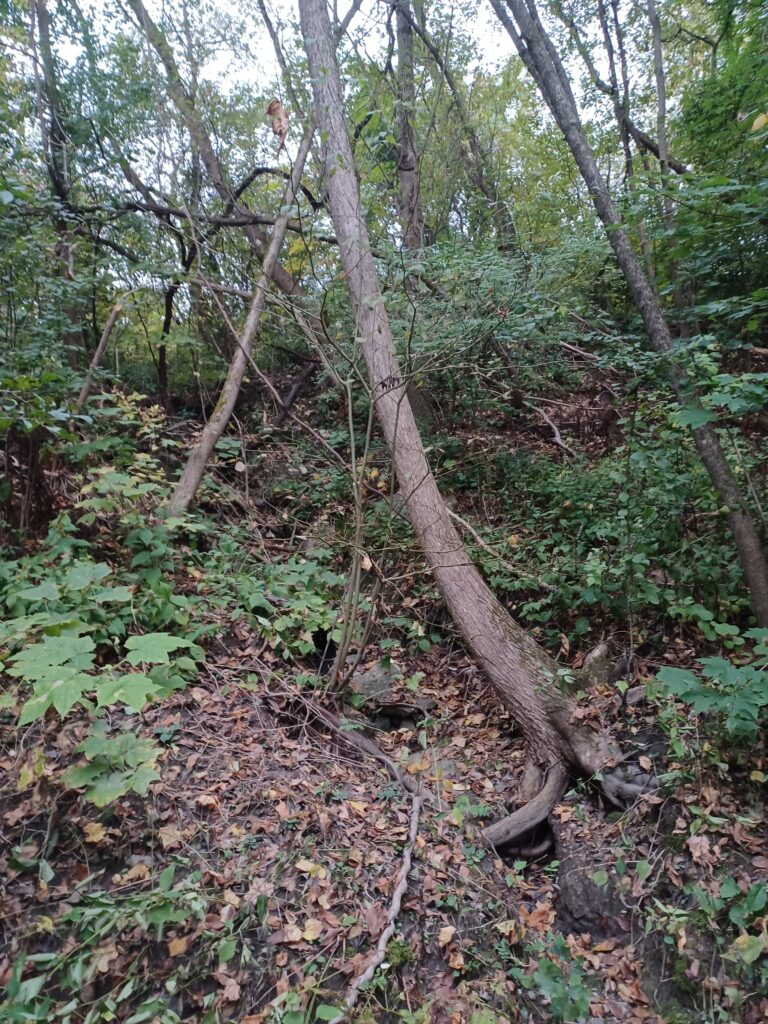
Upon my arrival, I found a barren landscape; the last of the trees has lost their leaves, nearly all the previously flourishing foliage had disappeared, and the little scurry-ings of squirrels, rabbits, and chipmunks could no longer be heard. There were several signs of life, however. I was able to capture audio of a herd of geese flying in v-formation above me, and also saw/heard a couple of crows echoing in the distance.
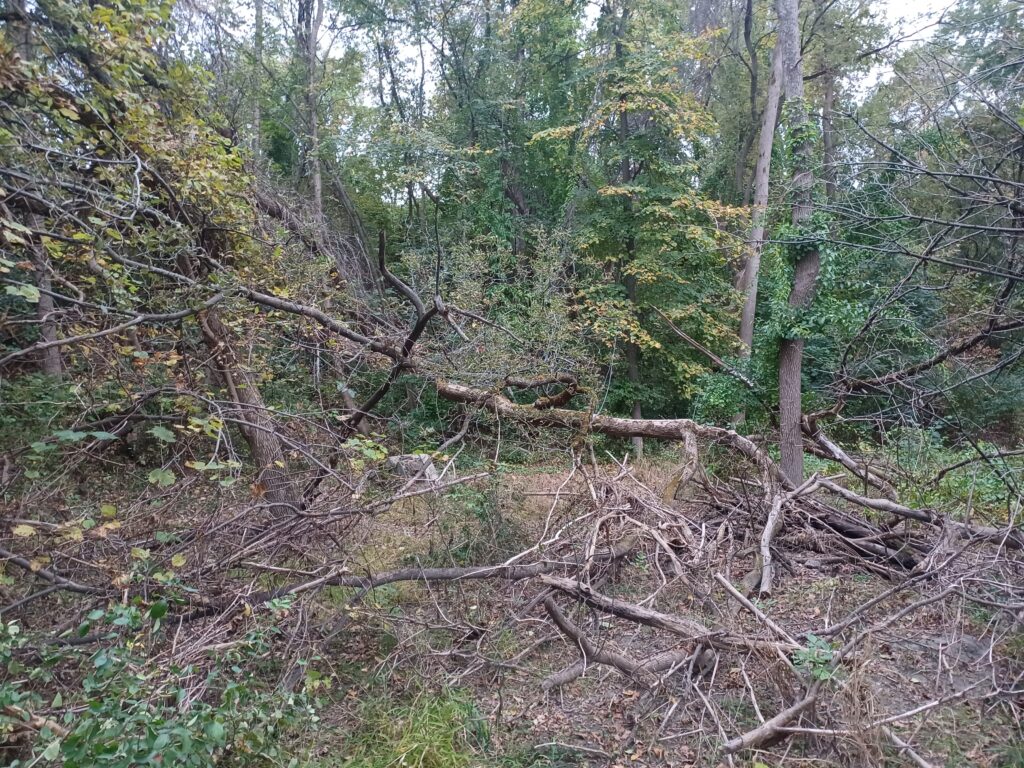
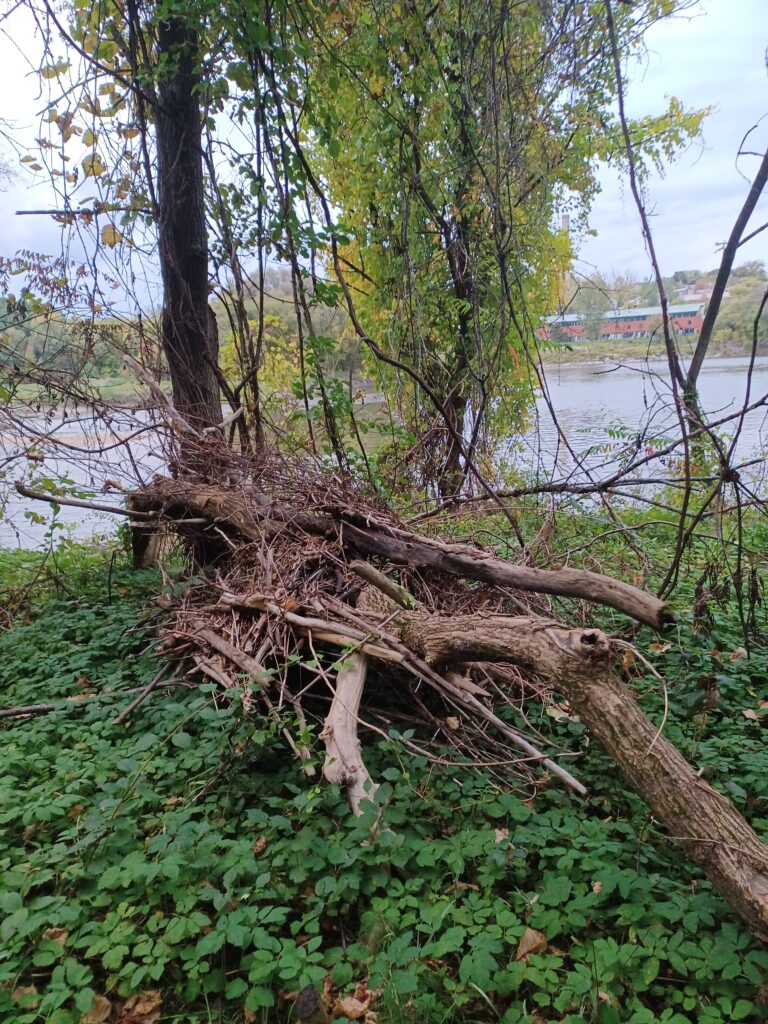
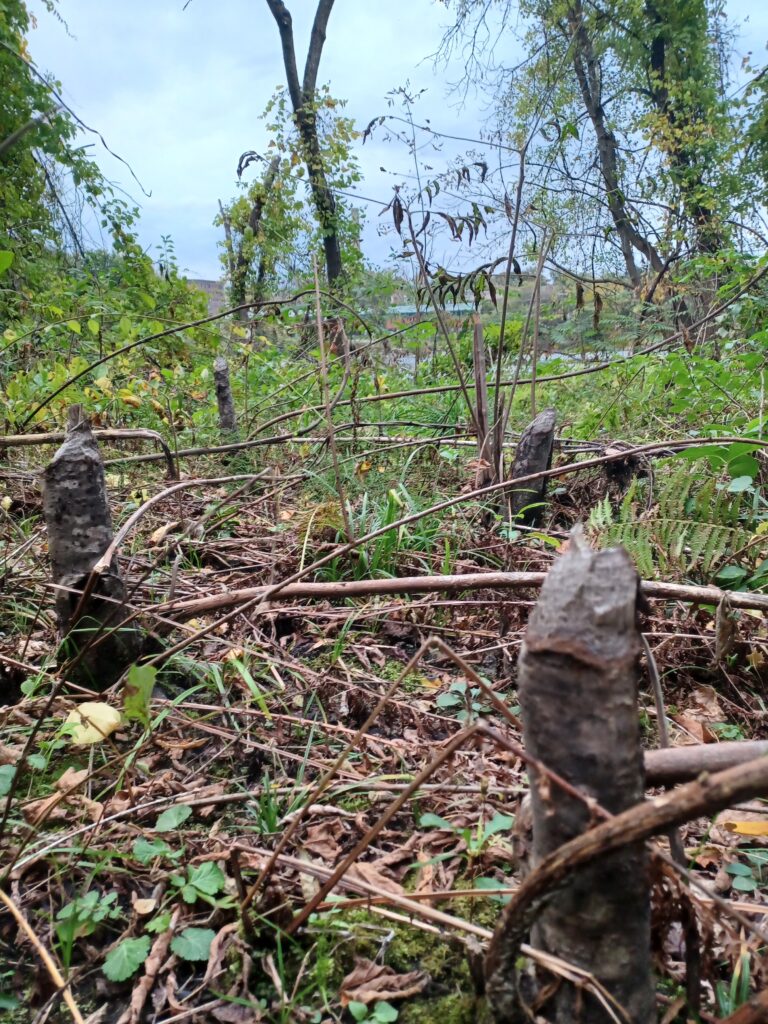
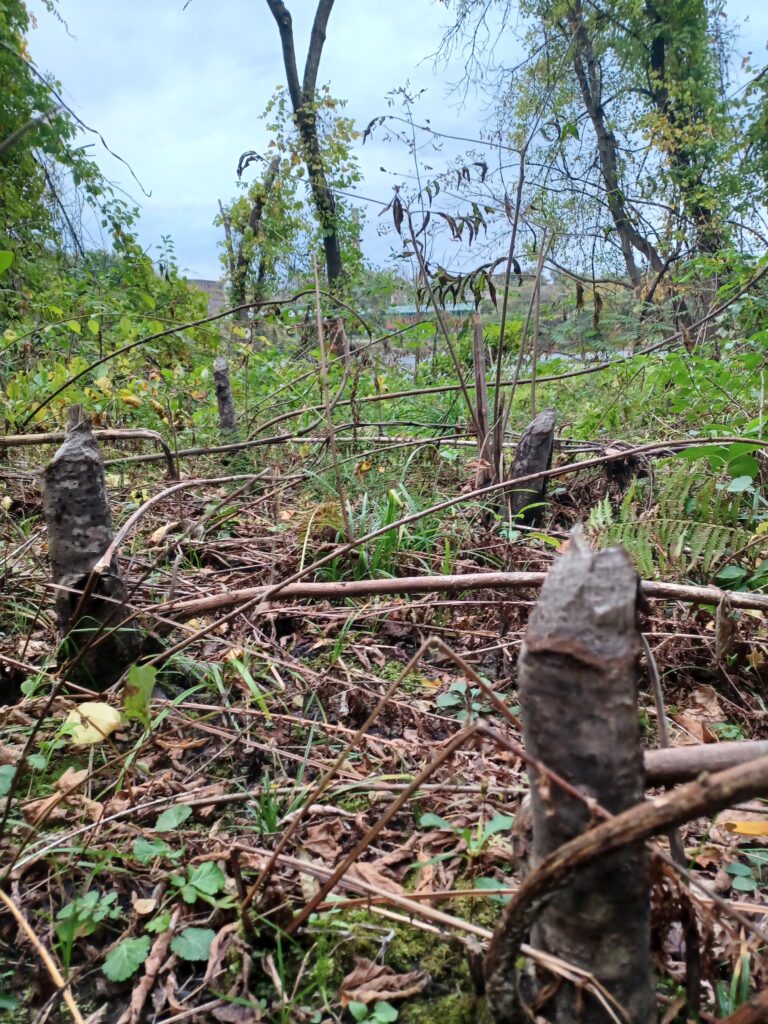
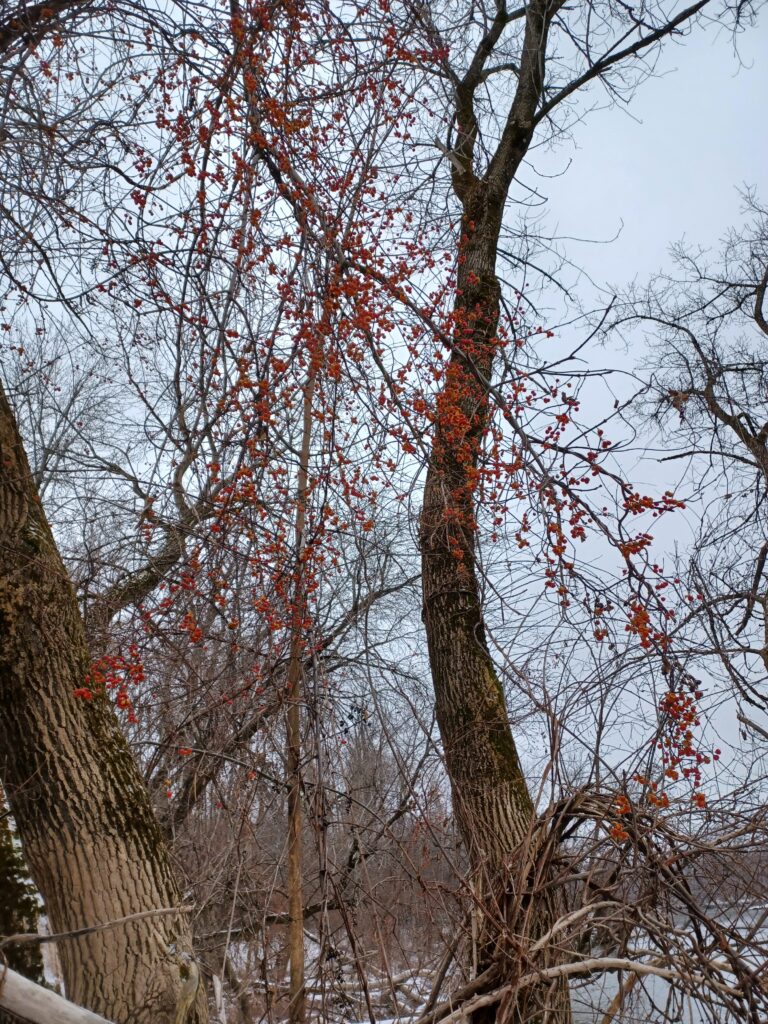
There were still some signs that some creatures had been bustling around since snowfall, however. Although many of the forest animals have settled in for winter, there were still a few up and about. I noticed a couple of severed tree branches, with the fresh inner “meat” of the stump exposed and chewed off. Maybe our little beaver friends aren’t quite ready to accept the arrival of winter, and that’s okay! As beavers continue to stock up on twigs, sticks, and branches to supply them with food for these next few months, many other animals are also gathering supplies to get them through the harsh Vermont winter, like berries, nuts, or other miscellaneous weeds/plants that can tolerate the bitterly cold temperatures yet to come.


Although I am not absolutely certain as to what species they may belong to (one may be a very small dog?), I was able to find two separate animal tracks on my way out of my phenology spot. I am excited to see just how many tracks I might be able to find come spring semester.
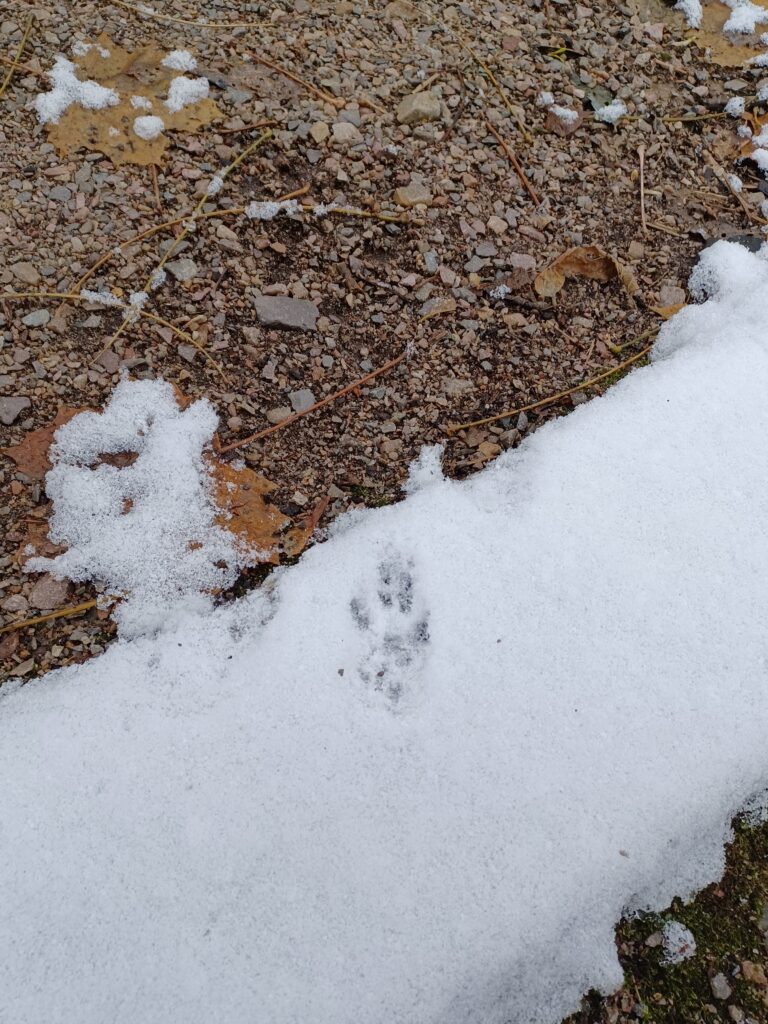
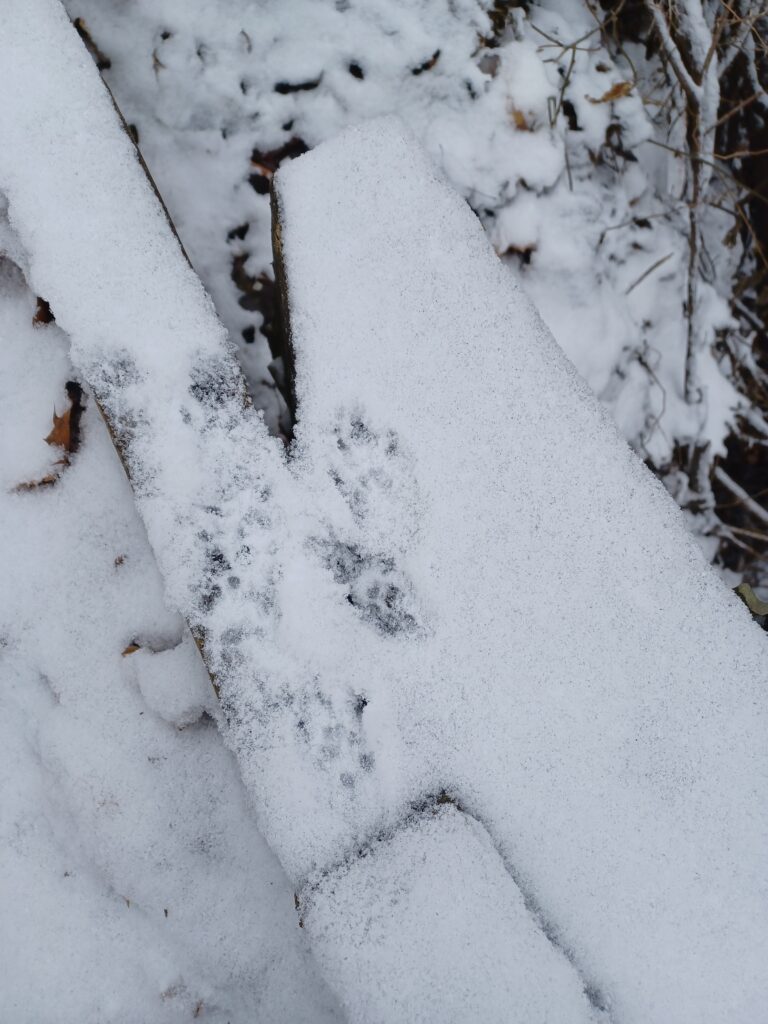
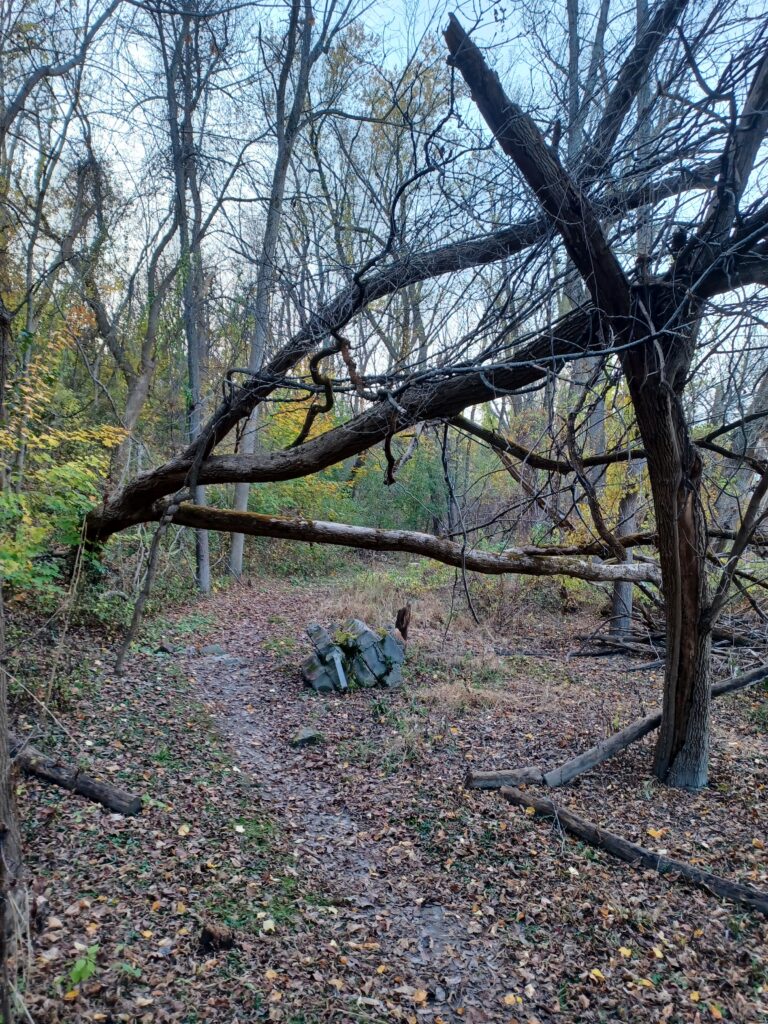
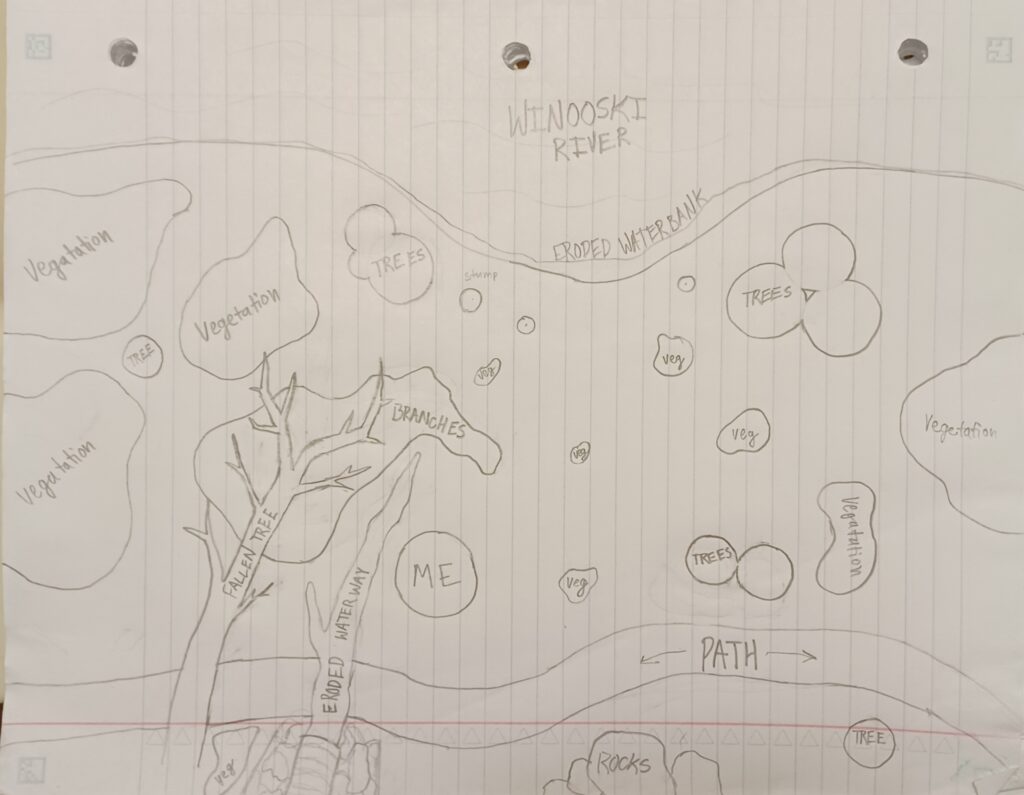
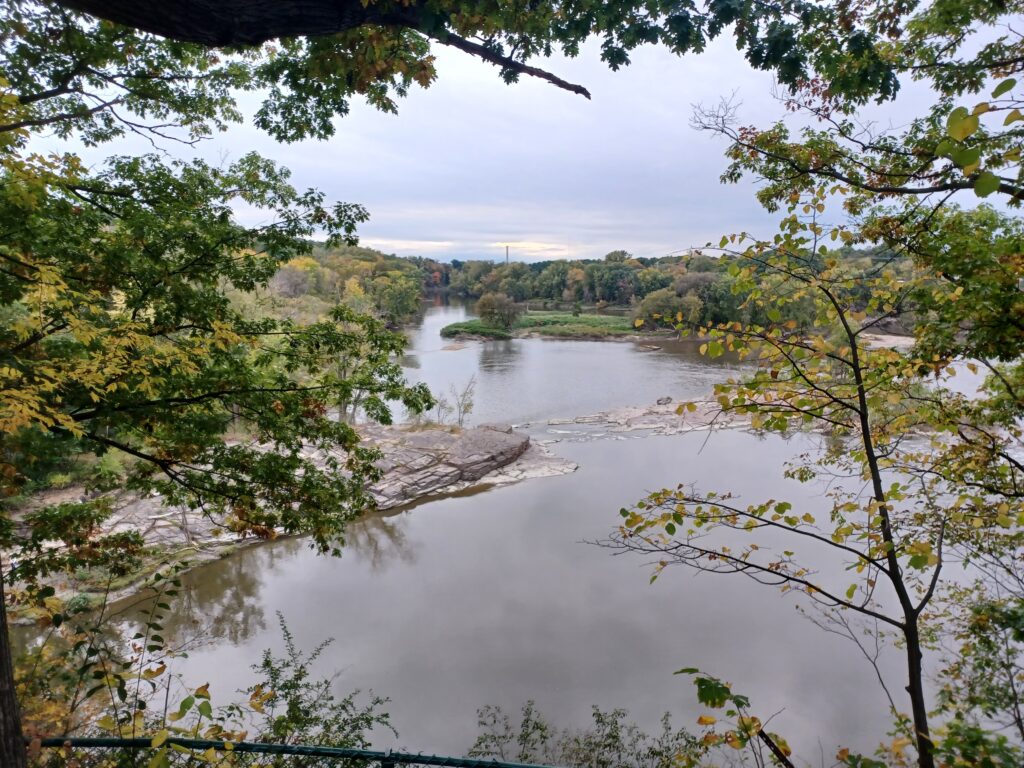
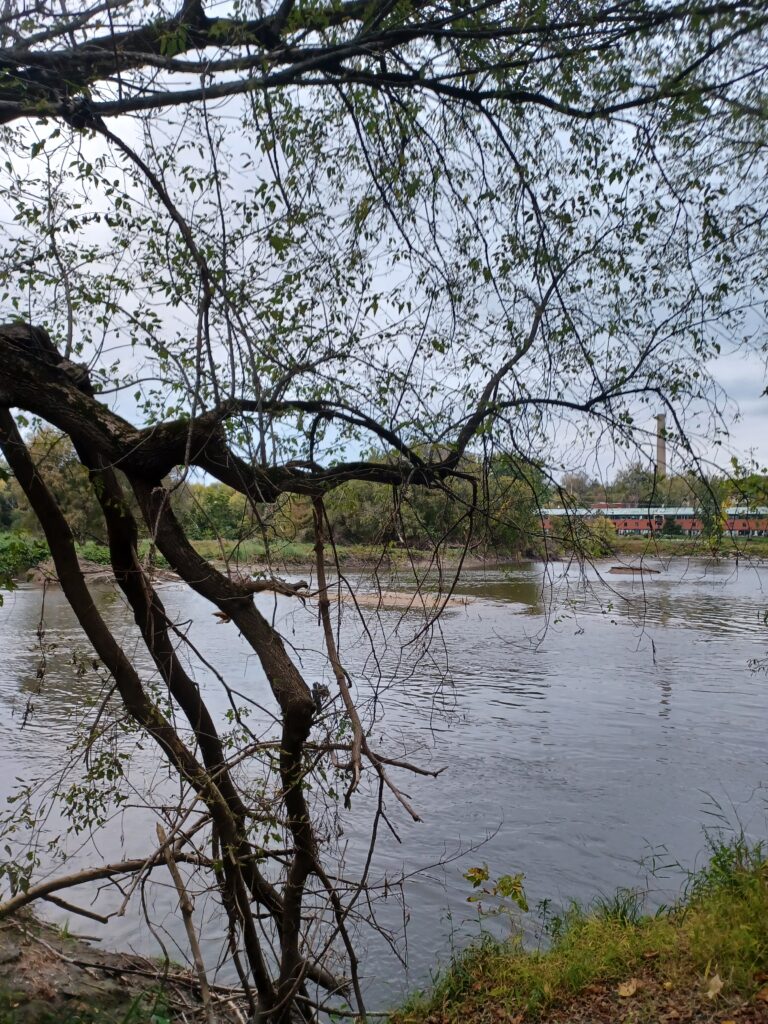
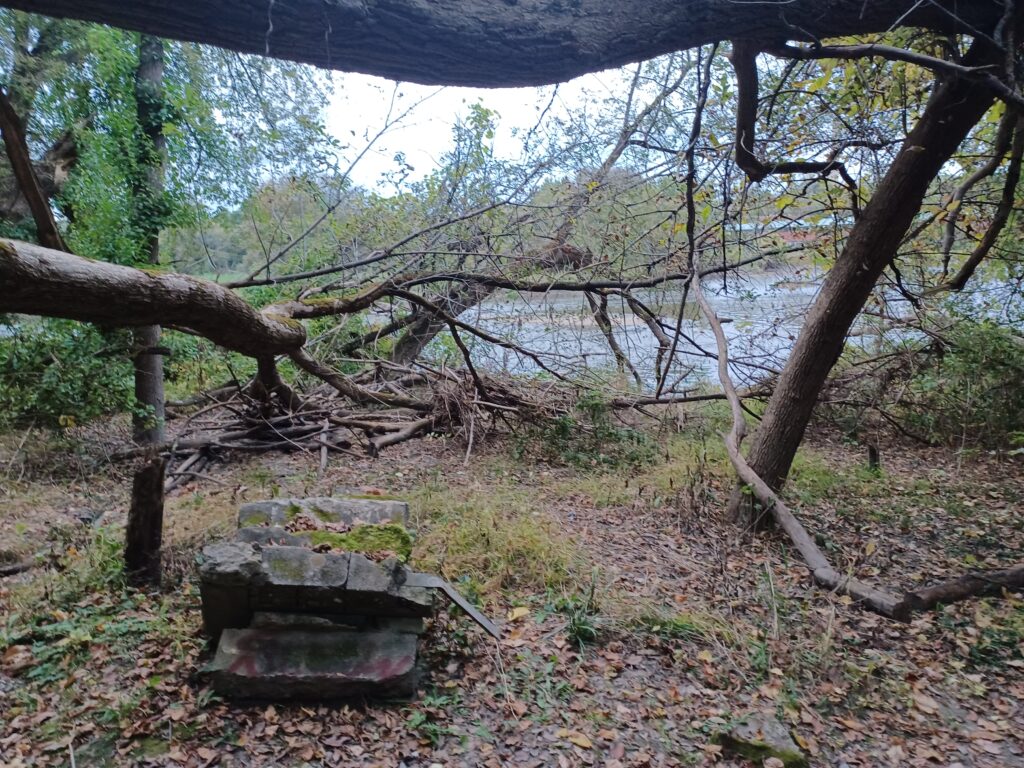
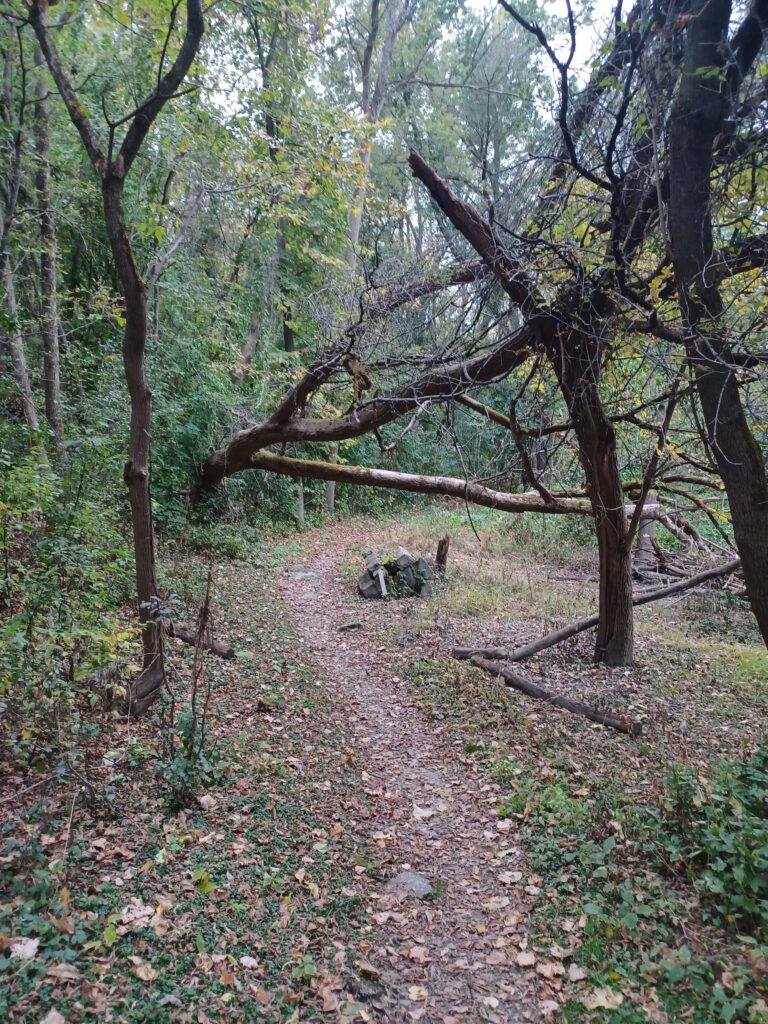
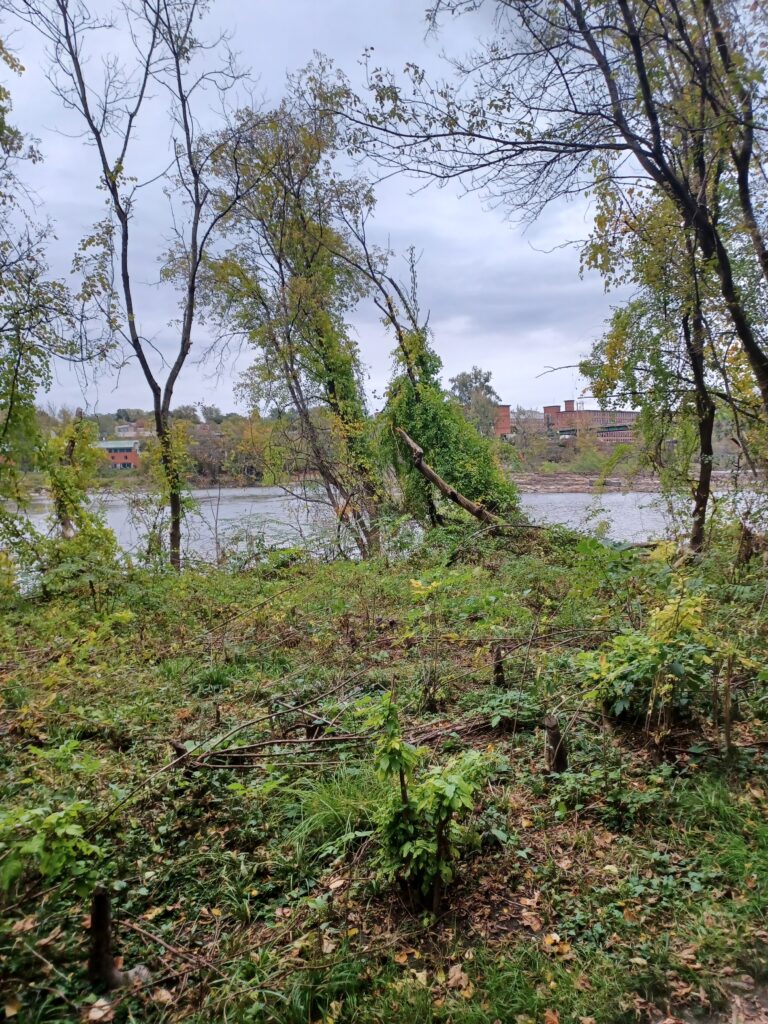
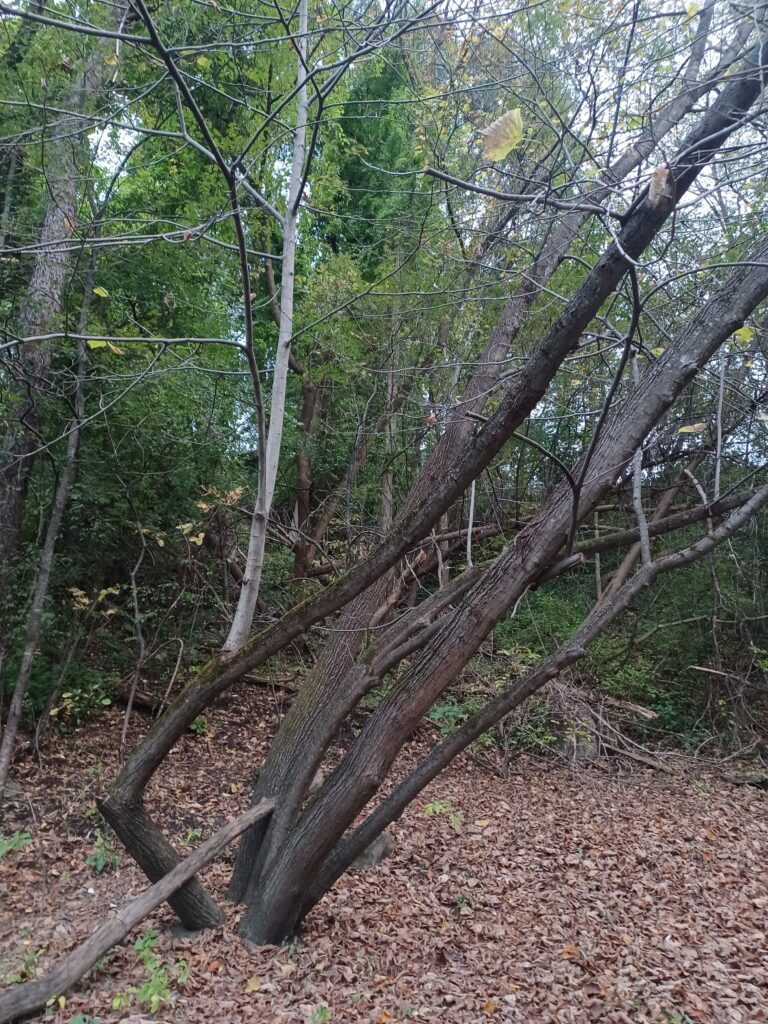
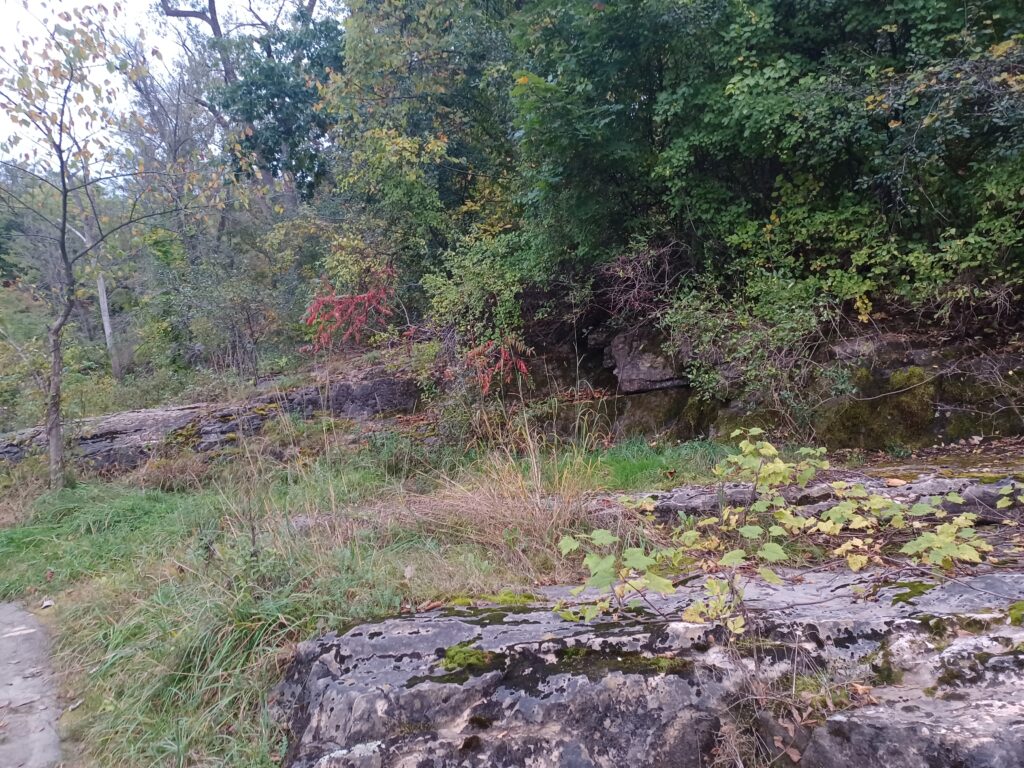
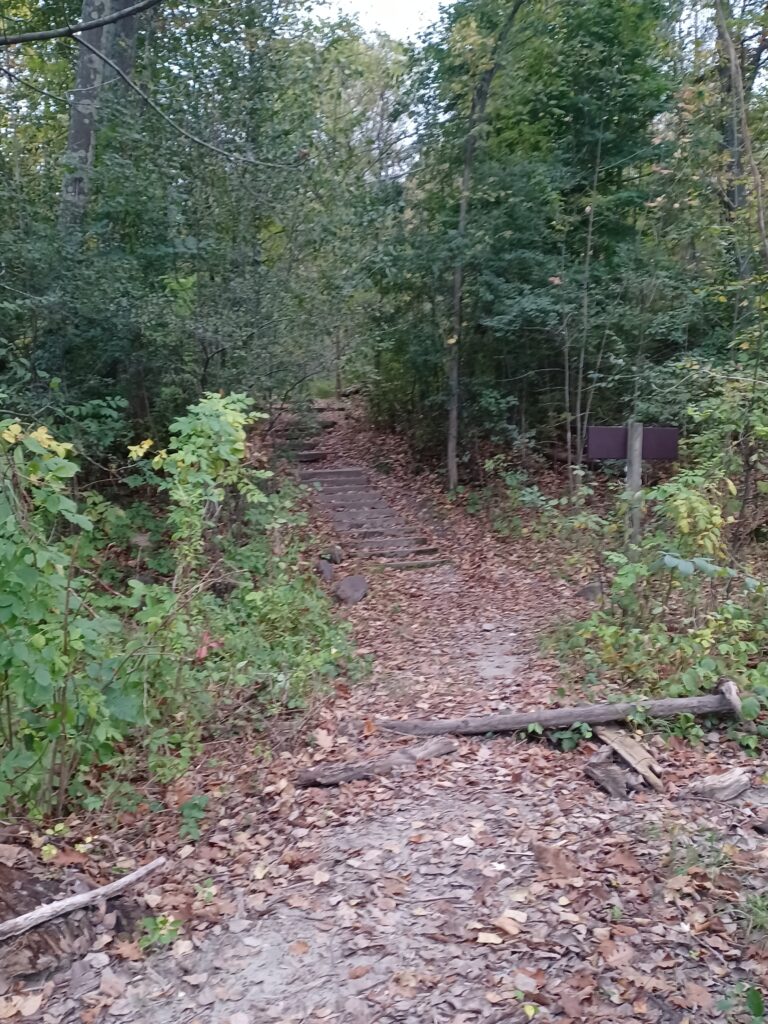
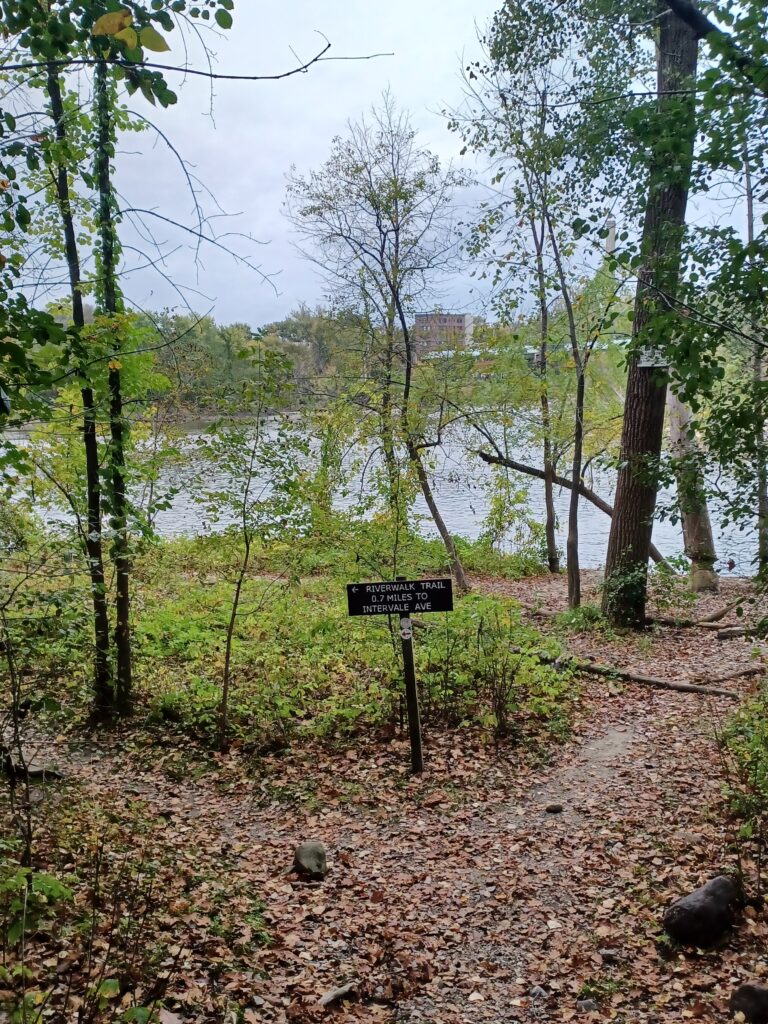
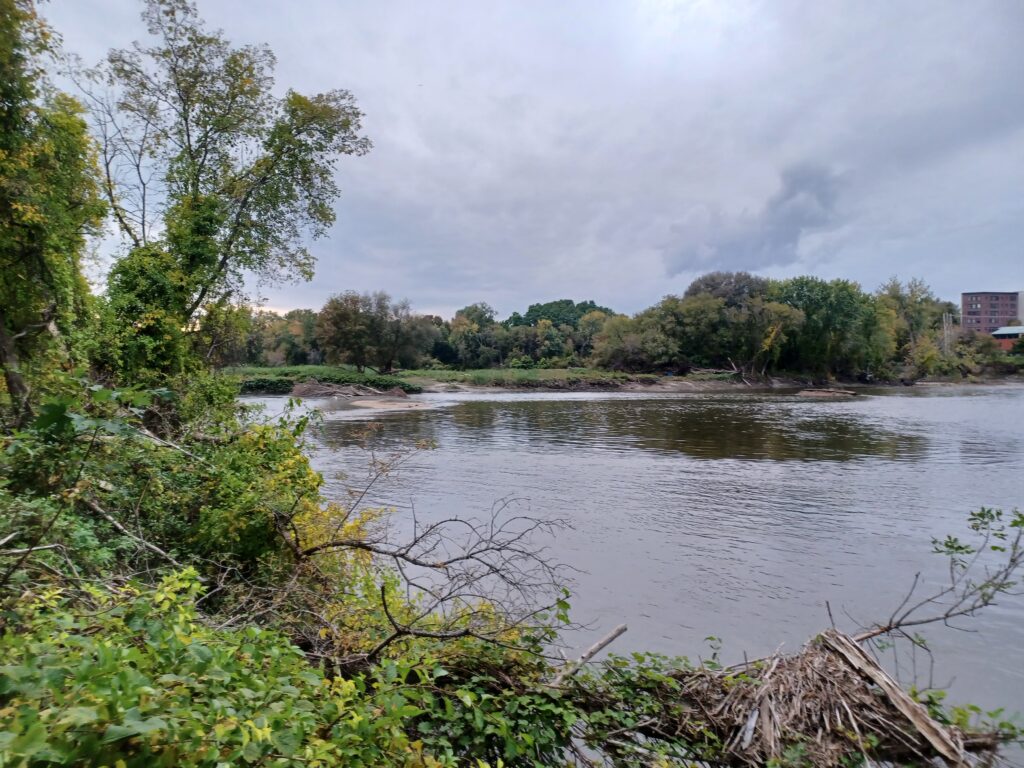
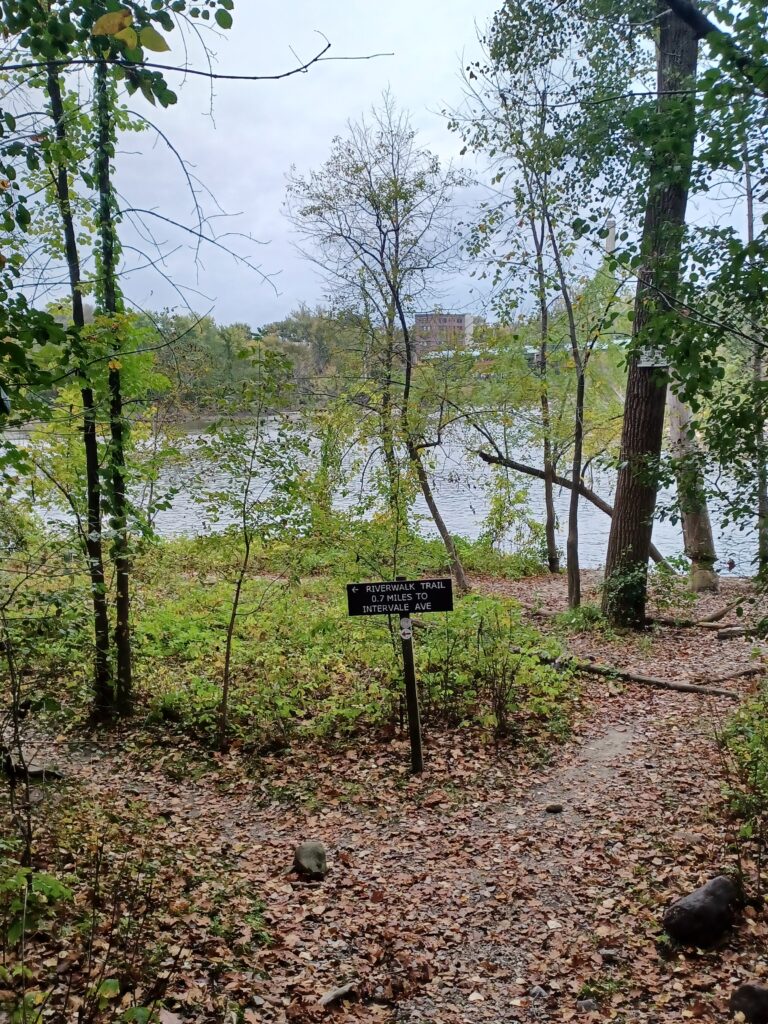
To conclude my final phenology blog of the fall semester, I wanted to reflect on some of the things that has brought Salmon Hole so close to my heart. Salmon Hole is a public space, open for anyone to enjoy – yet it has very little pollution and minimal human disturbance. I also find the structural layout of my spot to be unique and beautiful. A large tree hovering almost magically over the path, creating a natural archway above a large concrete block, perfectly positioned to be a resting spot for joggers, hikers, or other adventurers. The inlet of water against the mini ledge along the river makes me feel as though I am standing high above (10 feet max) the river, just taking in its beauty. My spot is also a little further into the woods than where I have seen others stationed for their blogs. This means I get to spend more time outside, just observing the natural world around me. I am not certain if I will continue visiting Salmon Hole as my phenology spot in the spring semester, however I do plan on making my way down here every now and again to see how this place changes through seasons.
Finally, I wanted to end with a little poem from my favorite poet, Robert Frost, who actually lived in New Hampshire! His work inspires me to view the land I inhabit as more than just dirt and rocks. He encourages readers to see the world in a way that puts human, animals, and landscapes on one, beautifully harmonic level of existence. Enjoy.
Dust of Snow
By Robert Frost
The way a crow
Shook down on me
The dust of snow
From a hemlock tree

Has given my heart
A change of mood
And saved some part
Of a day I had rued.
Until next time!