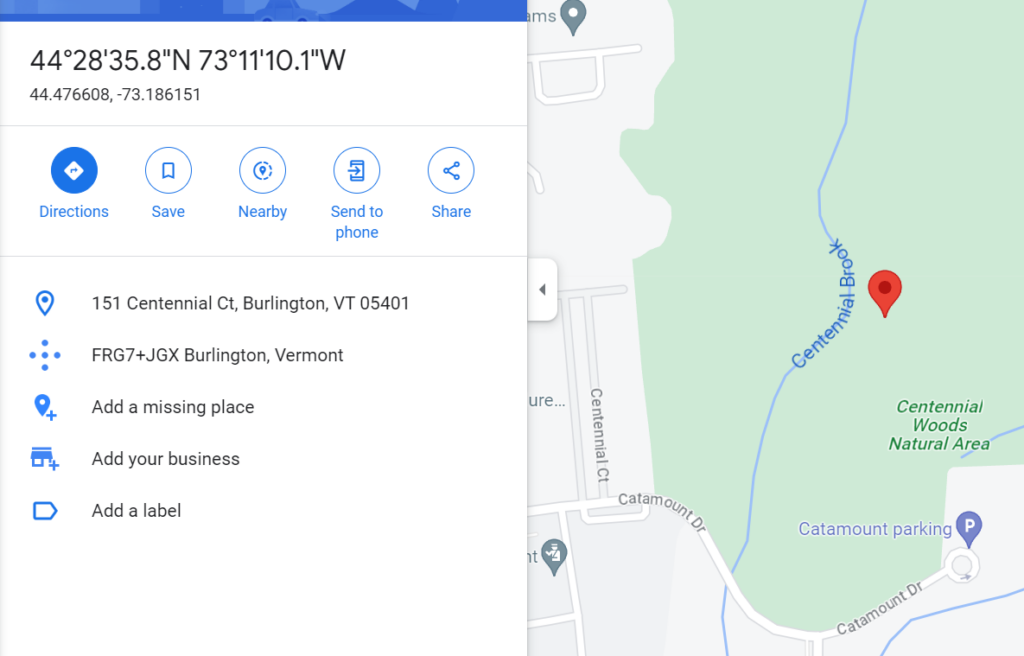
I chose Centennials Woods due to its close proximity to campus. Being a project that follows phenology, this location would allow me too watch the changes of plants, animals, and abiotic factors practically in my own backyard.
But how does one get to this spot? The answer comes in two parts, depending on how you like your directions. The simple way would be to drop a link which uses google maps to bring you there. But other directions to get there include walking down from the centennials woods trailhead until you cross over three bridges/wooden footpaths and come to a slightly more open clearing.
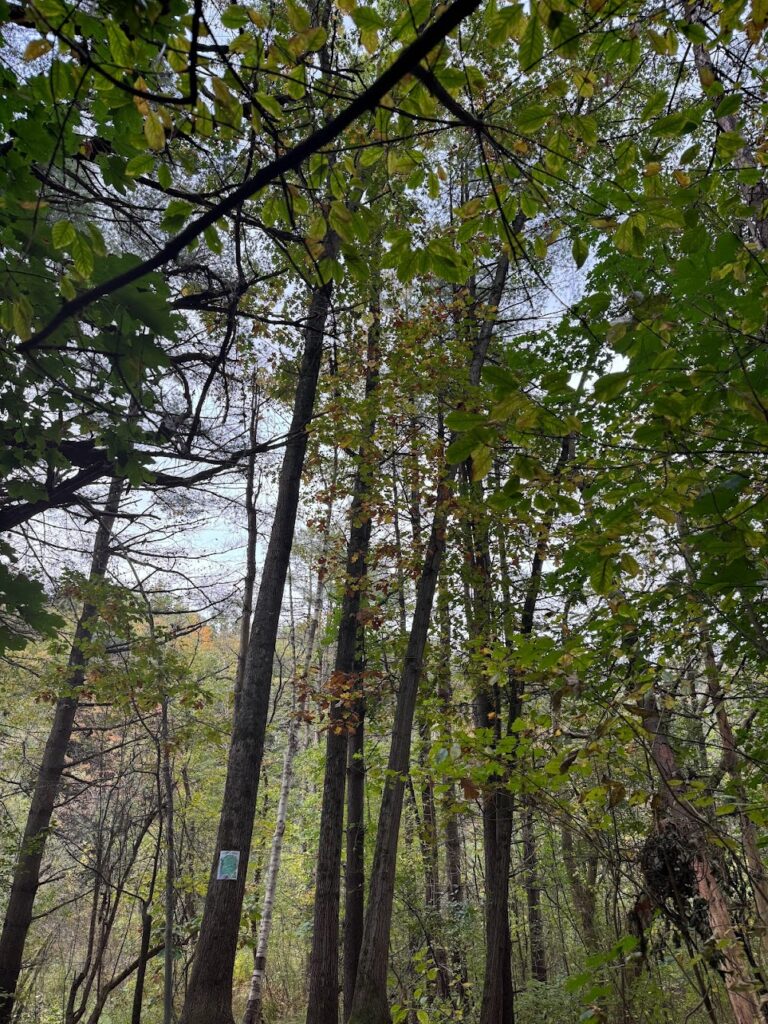
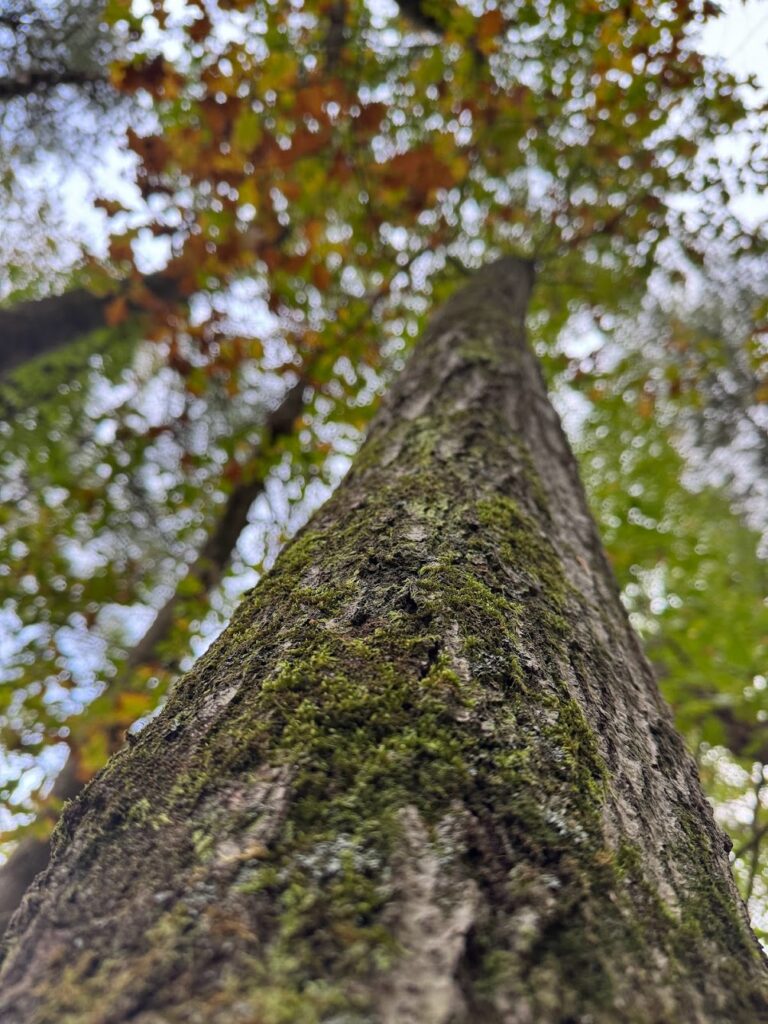
The vegetation within the area consists of a light layer of wood ferns. Along with ferns, there are fallen leaves and many pine needles which make up a soft forest floor. Above that there are tree saplings and young trees (many being Norway Maple) along with small Buckthorns. The tallest tree story is mainly composed of Eastern White Pine, Northern Red Oak, Norway Maple, and the occasional Paper and Yellow Birch.