Final Visit to the Redstone Pines

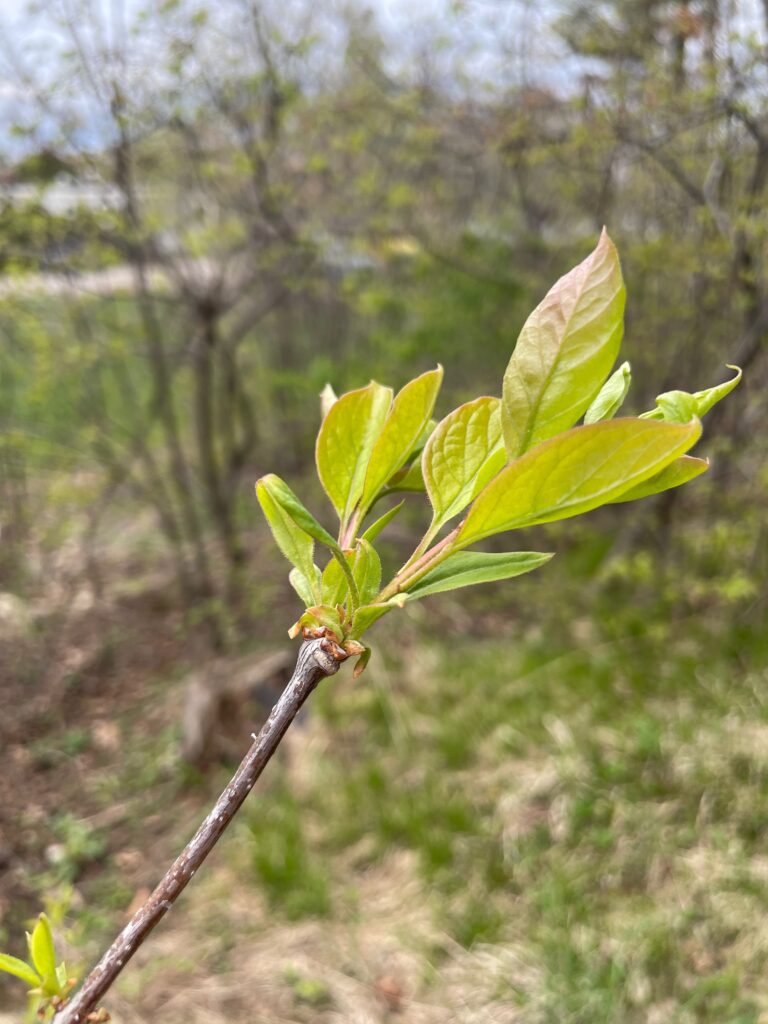
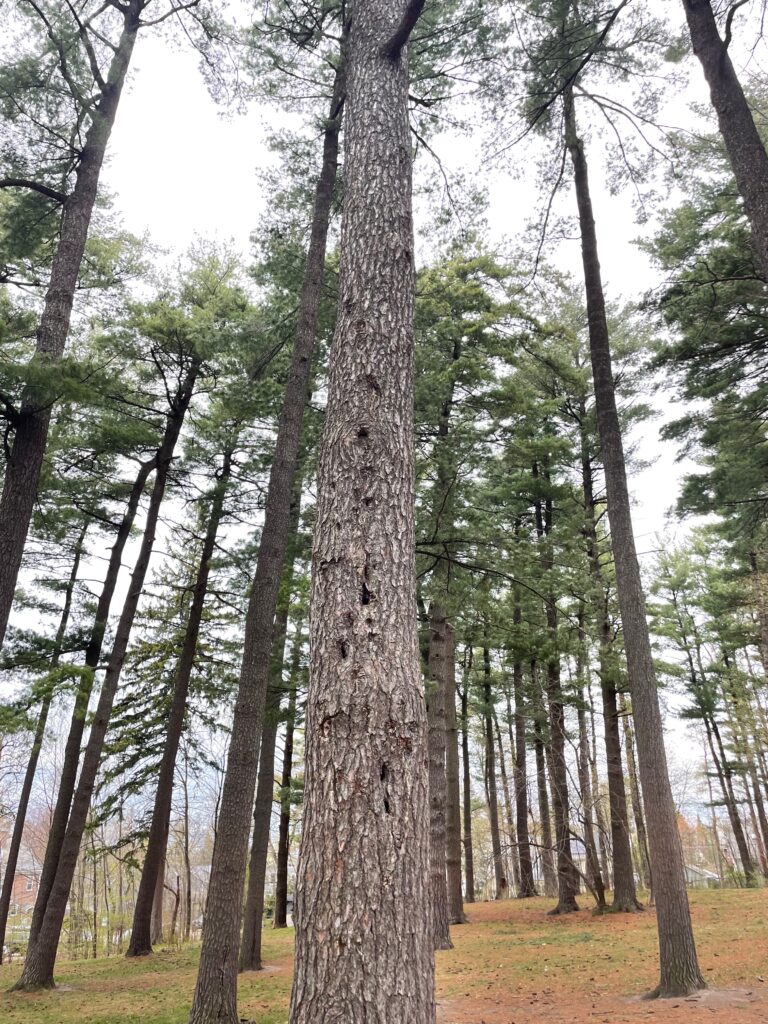
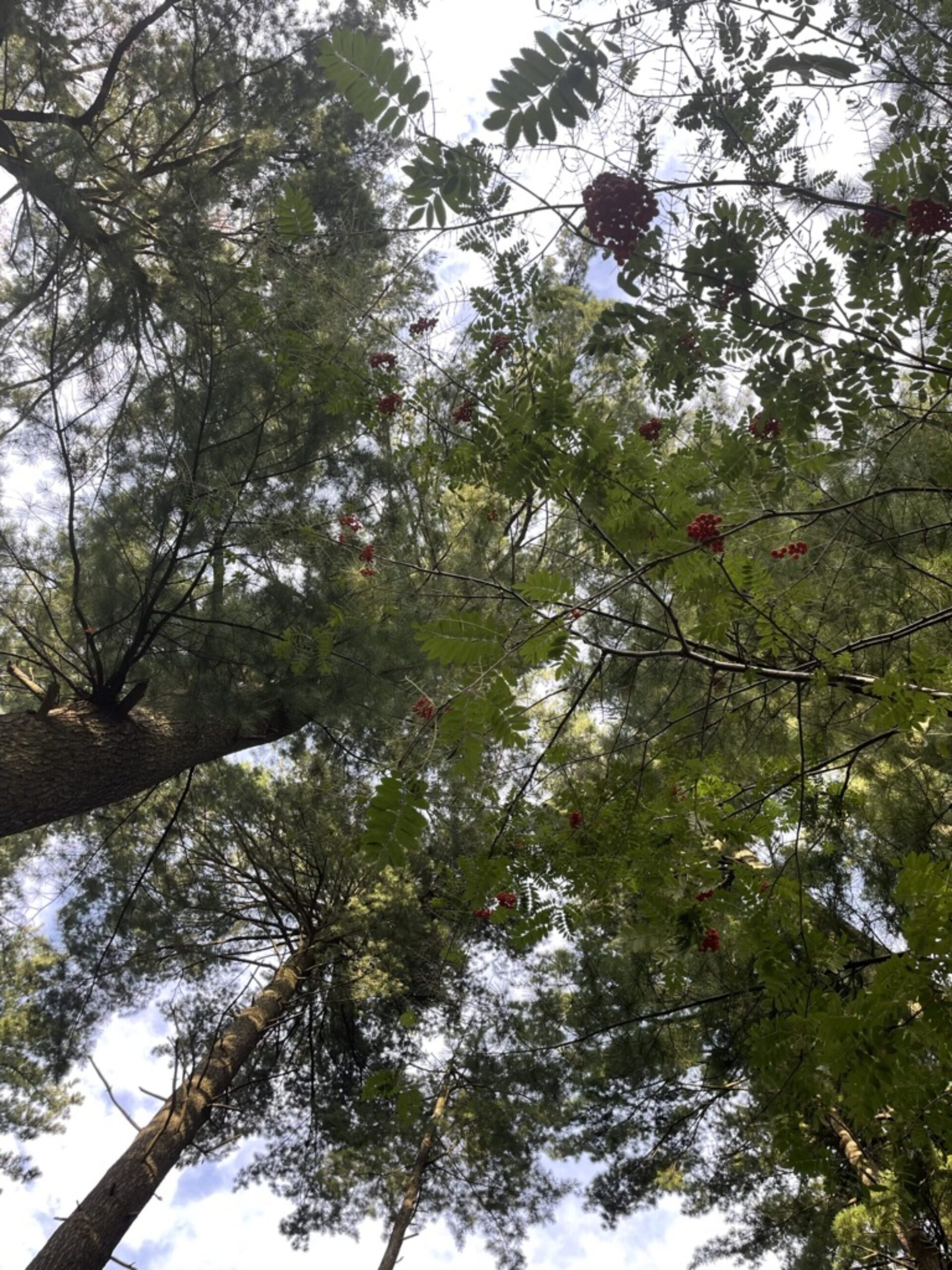
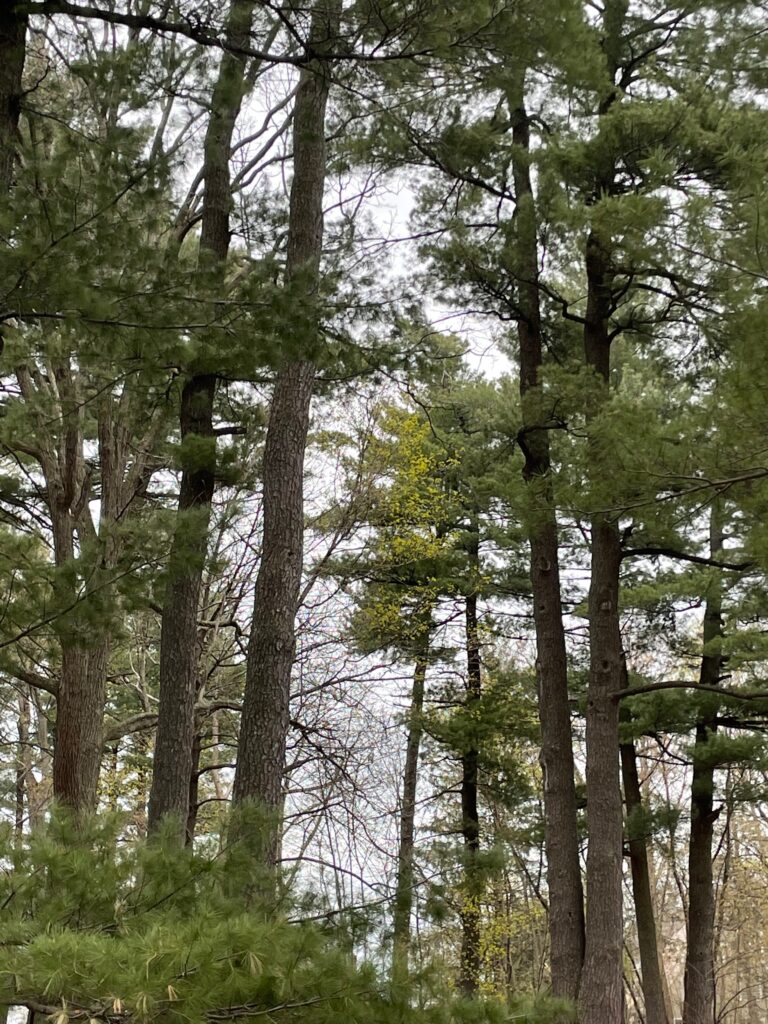
Since I last posted about my phenology place, a lot has changed. The snow is gone, birds are chirping, and new growth is taking place. The Redstone Pines area has started to return to how it looked when I first visited. The grass is getting greener, and leaves are starting to come back. Although many of the trees are pines and never lost their needles, there is a new sense of life to the place and it is an exciting thing to witness.

At my phenology place, nature and culture intertwine in a special way. This area is somewhere that students go to take a break, socialize, or just enjoy being in nature. I use this area as a place of serenity and relaxation, and it holds a special place in my heart because of this. The culture of the Redstone Pines is care-free, fun, and pleasant. Nature contributes to this because it allows students to get out into the fresh air and enjoy time with their friends. I definitely consider myself a part of this place, because I am one of the many people who regularly use and enjoy it. I am a member of a community that finds joy in sitting under the cover of these towering pines.
City Nature Challenge 2022

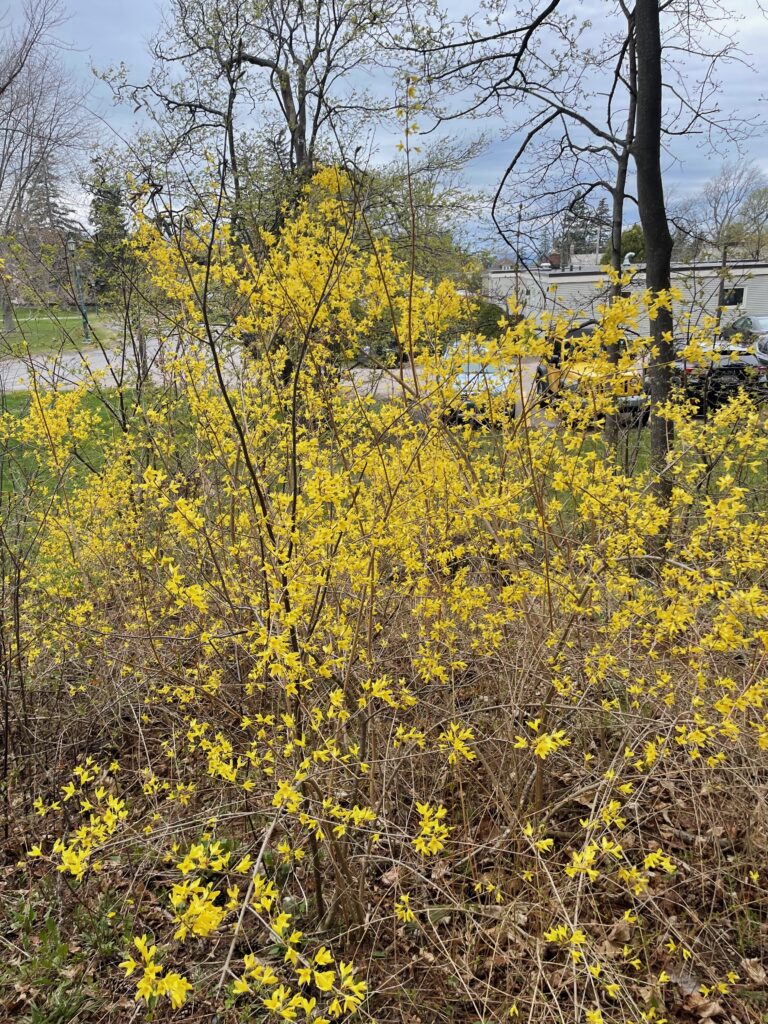
During the four-day City Nature Challenge iNaturalist BioBlitz, I explored my own phenology spot, the Redstone pines, as well as the waterfront park and Perkins Pier. I really enjoyed being able to document my findings using the iNaturalist app, because it allowed me to look back at everything that I found, and I also liked being able to see what other Burlington residents were observing. When looking at reports coming in from other areas of the world, I wanted to specifically look at Columbus, OH, which is where I am from. I found it interesting that there were so many more flower observations in Columbus than Burlington, and fewer animal sightings. I was not surprised by the fewer animal sightings because Columbus is landlocked and surrounded by development, which is unlike Burlington. However, I never realized how many species of flowers are present in Columbus until I looked at the city’s nature challenge page. The species that I encountered included American Robins, Eastern Gray Squirrels, Northern Cardinals, ladybugs, worms, and house flies. I also observed many plant species such as dandelions, garlic mustard, blue violets, border forsythia, and many of the native trees that we studied during first semester. I think in total I observed about 15 species.  

Arthur Park Sea Caves

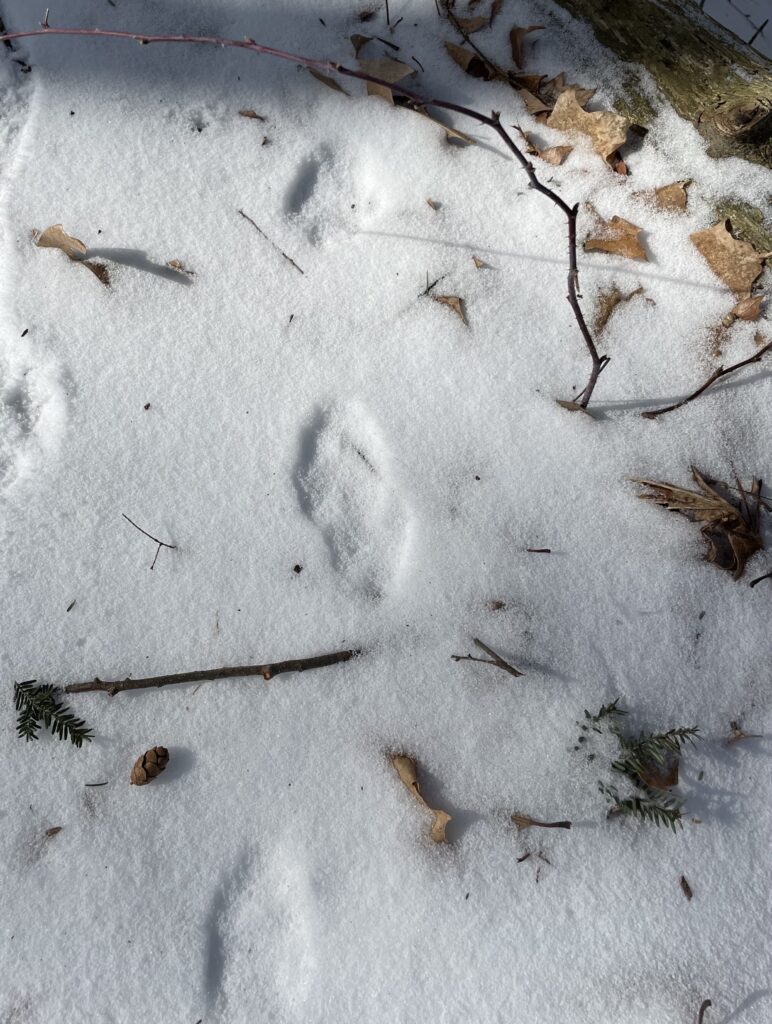
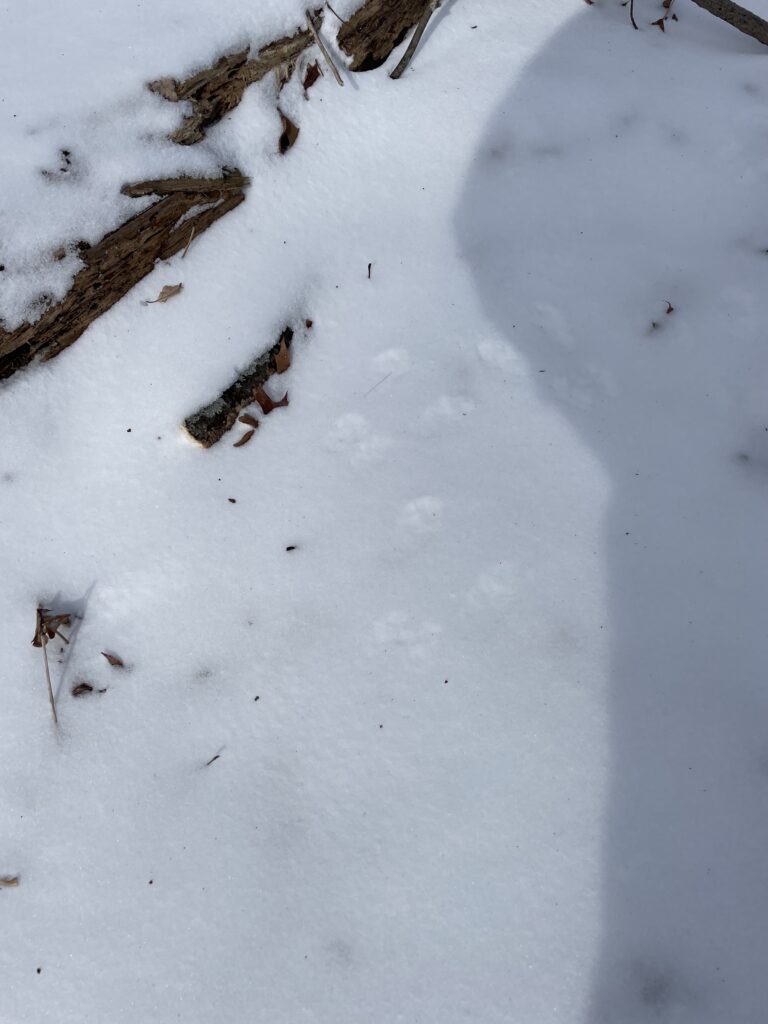
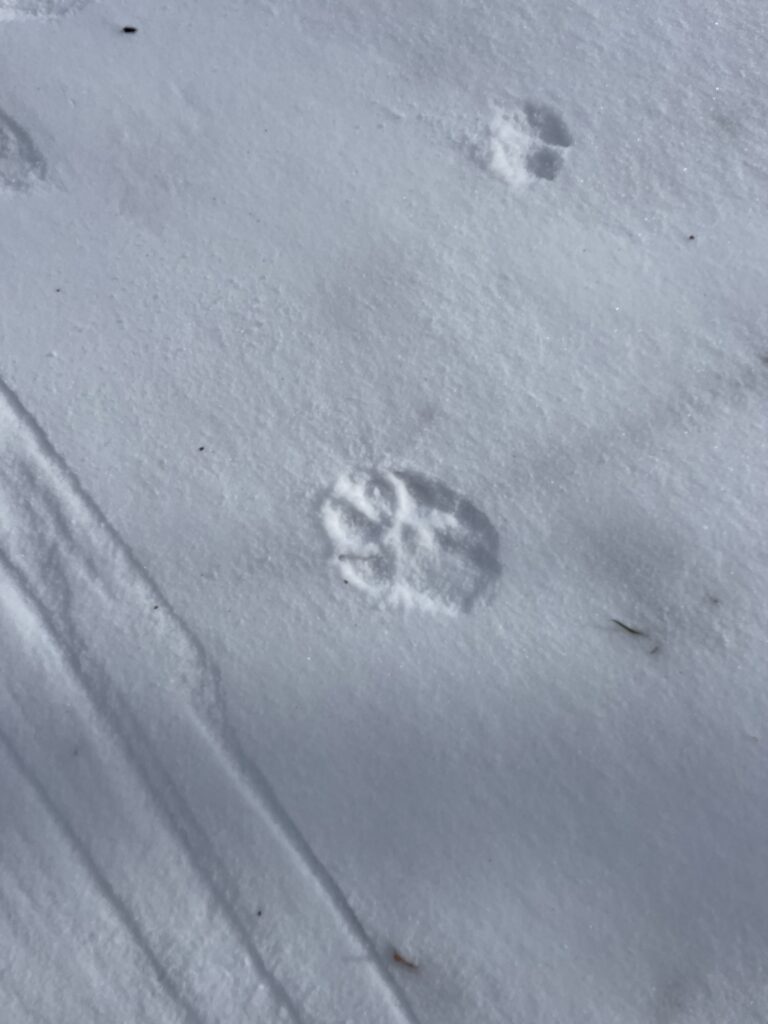
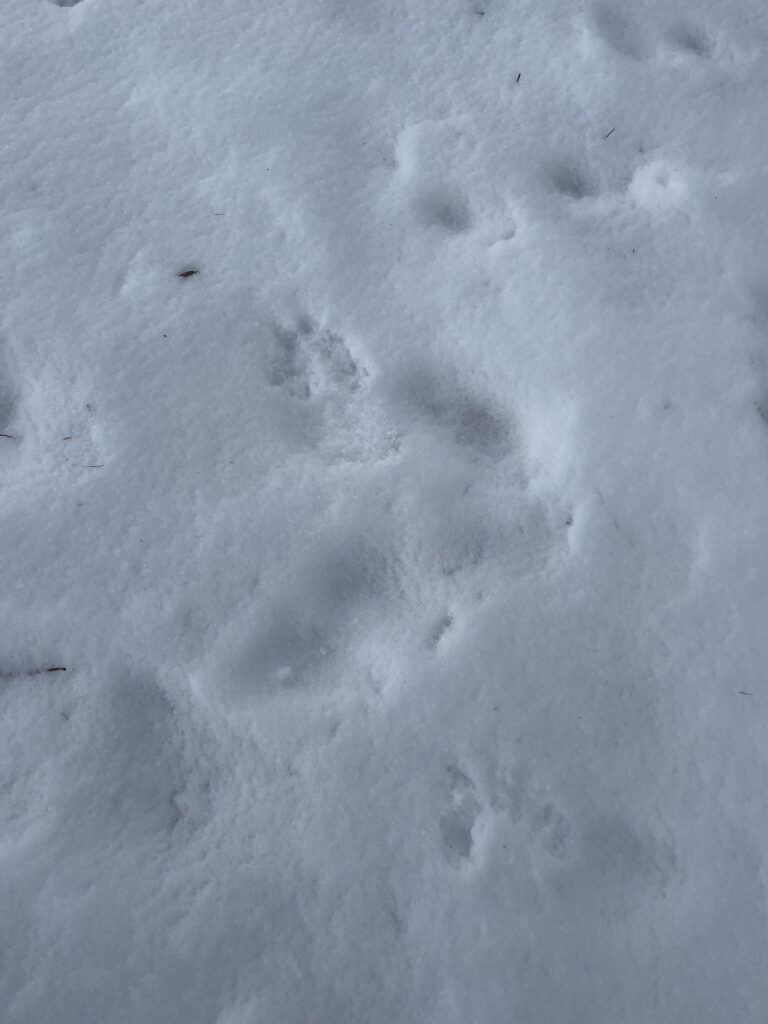
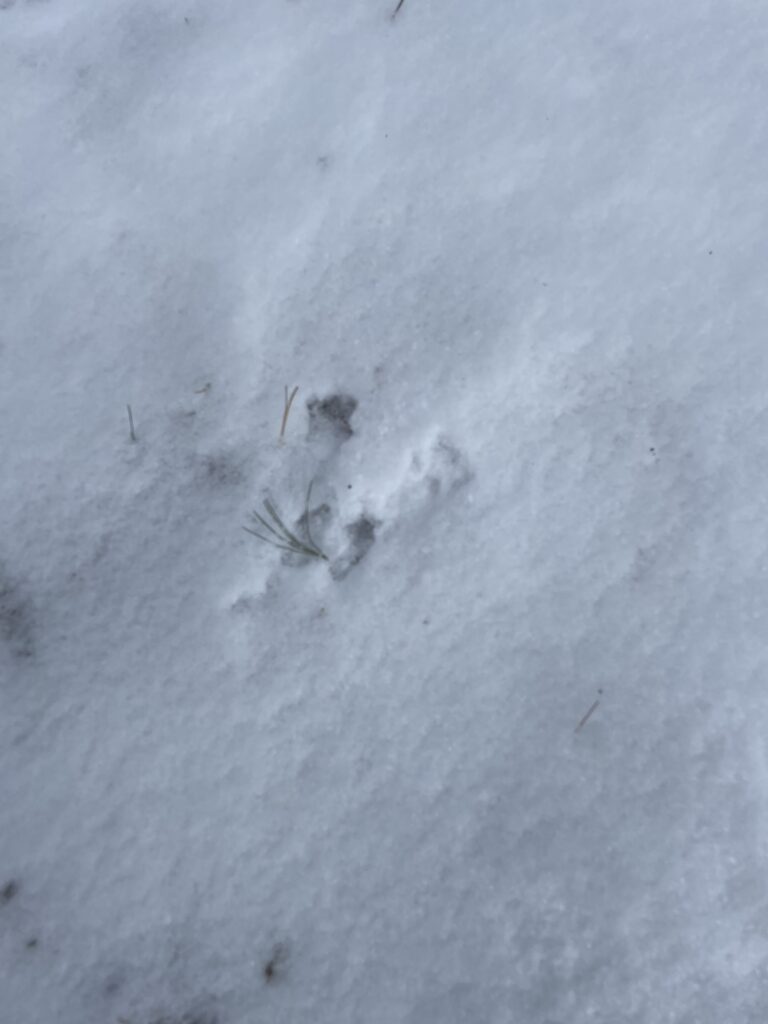
This weekend, I visited the Arthur Park Sea Caves and saw numerous animal tracks in the fresh snow. I saw these tracks in the woods leading down to the pond as well as on the actual frozen water. I found fisher, squirrel, and dog tracks, which were all pretty easy to spot and made good impressions in the snow. I liked using iNaturalist to document this encounter because it gave me some recommendations of what the tracks might be and I enjoyed seeing my classmates’ sightings as well. I am excited to keep using iNaturalist to document my sightings in Burlington!

1/27/22

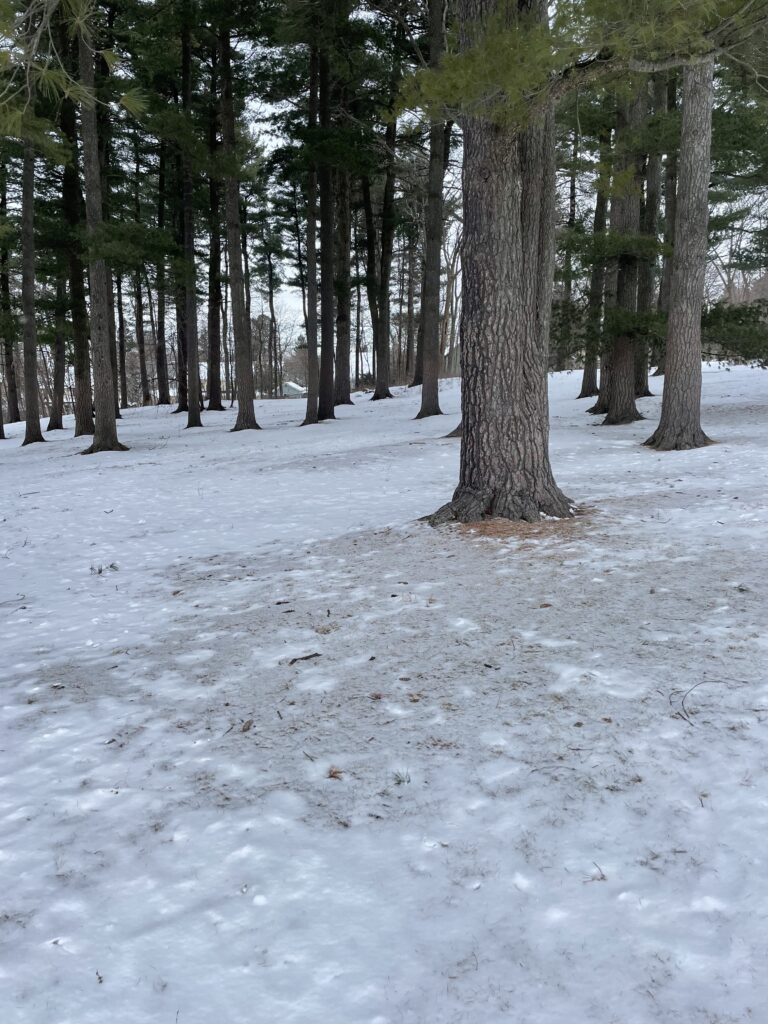
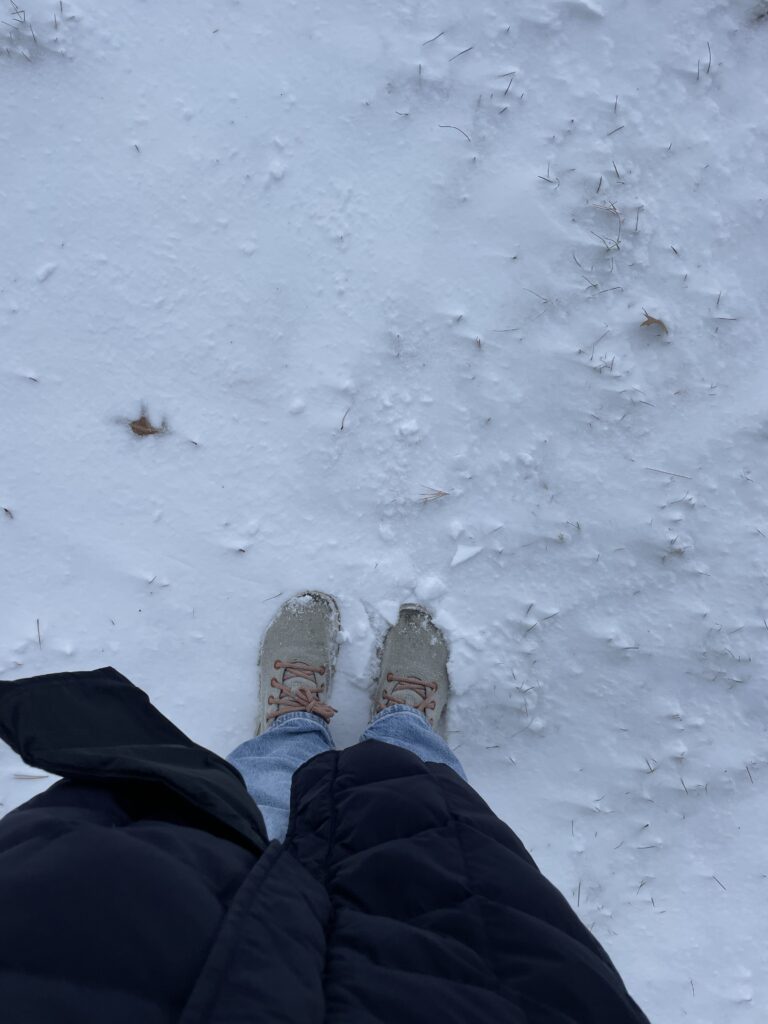
Happy January!! Since I last visited the Redstone Pines, there have been some phenological changes taking place. First of all, although there was snow cover back in December when I visited, there is now a much larger base and the snow is quite frozen. The ground underneath has been frozen and covered for many weeks now. One snow mystery that I noticed was the absence of snow close to the trunks of the trees, which is just due to the fact that the tree’s canopy provides a shelter that snow doesn’t fall under. The pine trees still have many needles which provide this cover, but there are no more leaves to be seen from the maples. I noticed two different snow tracks, which seemed to be from a dog and a squirrel.

December

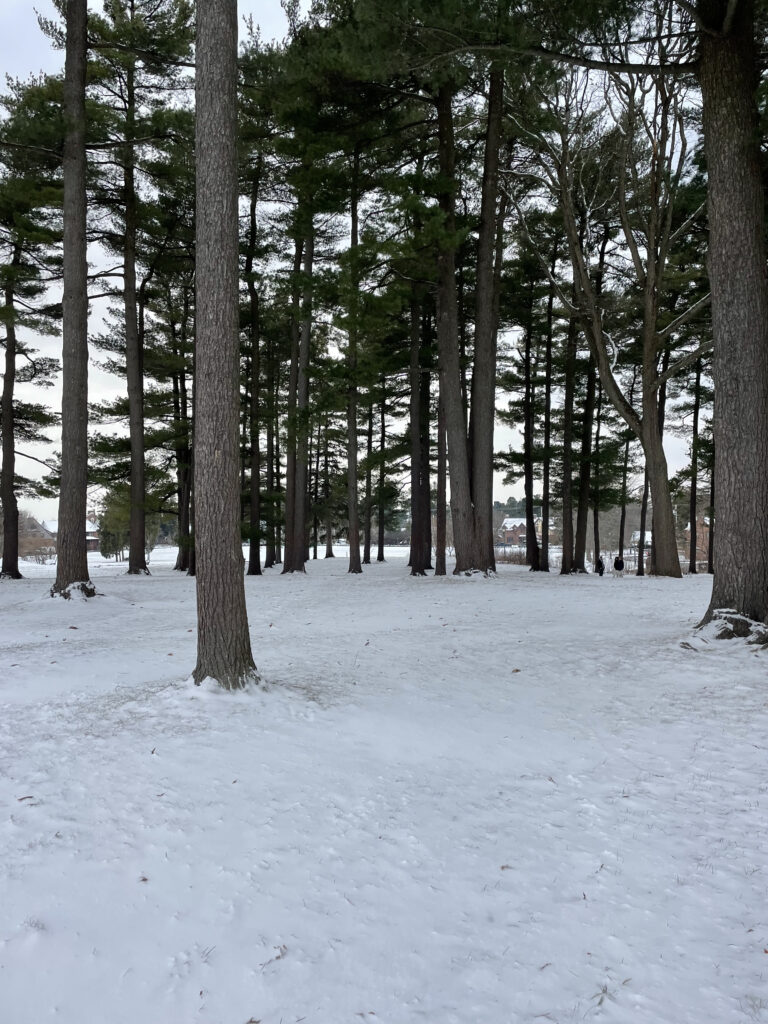
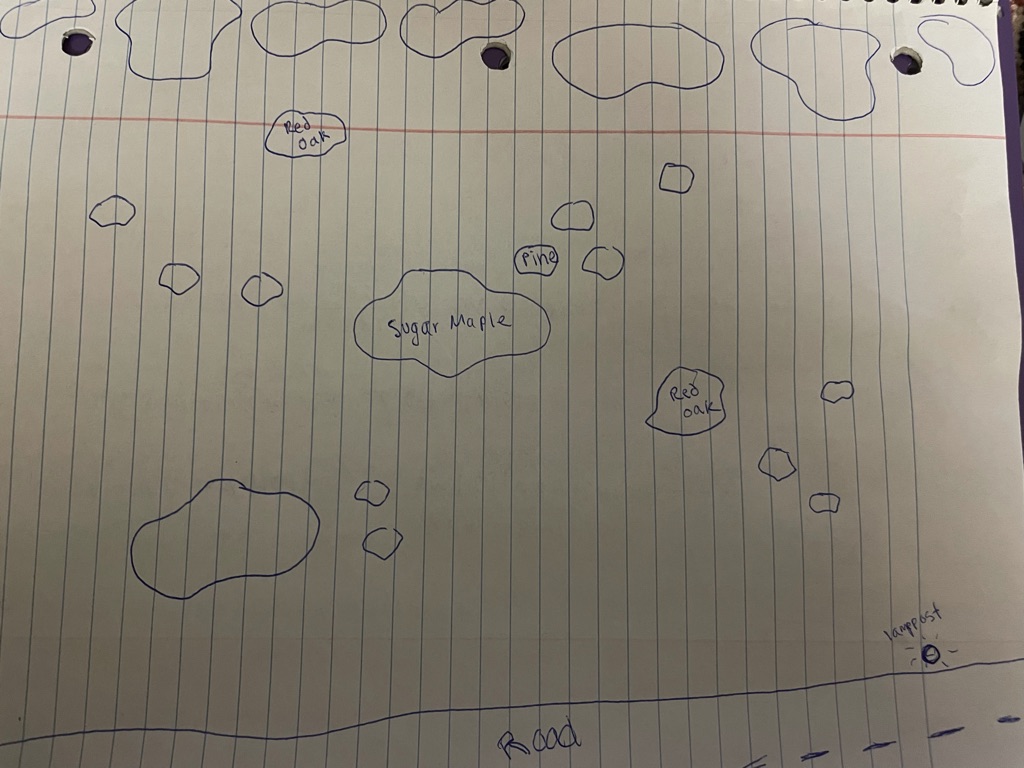
As December unfolds at the Redstone Pines, many changes to the environment are occurring. The squirrels that I have watched throughout my time observing this place have almost completely disappeared. Because they spent the fall collecting acorns, they can now settle in for the winter with the food they saved. I also noticed very few birds, because many have migrated south for the winter. The pines don’t look very different since they don’t lose their needles, but the maples have lost all of their leaves and are now just bark and branches. There is often snow on the ground covering the grass and the absence of leaves makes the area look more wide-open. December in this area has made it even more peaceful because there are no hammocks or speakers when it snows, and the snow muffles any other natural sounds which creates a super serene and calm environment. This is my favorite of any of the conditions I have observed my site in.

15 Minute Observation

When sitting in silence in my phenology place, I noticed that the air was very fresh and it was very easy to breathe. The weather was slightly cold, but the lack of wind and presence of sun made it nice for sitting outside. I noticed that it smelled like fall, and there were plenty of pine needles and maple leaves on the ground. This is different than the first time I visited this place, because all of the leaves were still green and hanging at that point. I also noticed fewer birds singing, and more squirrels running around looking for acorns.