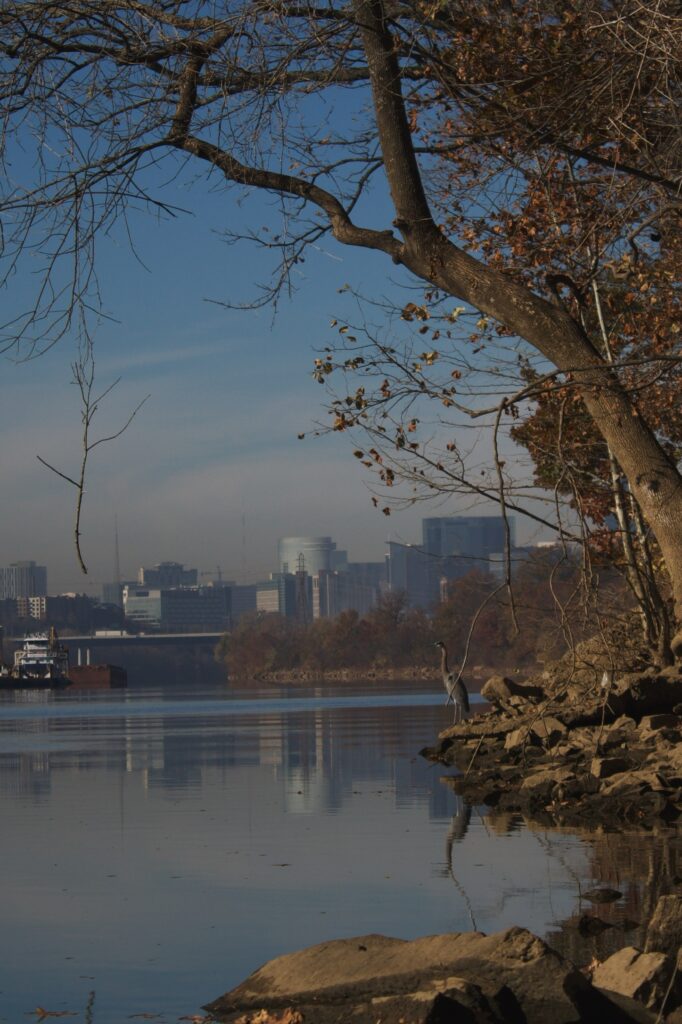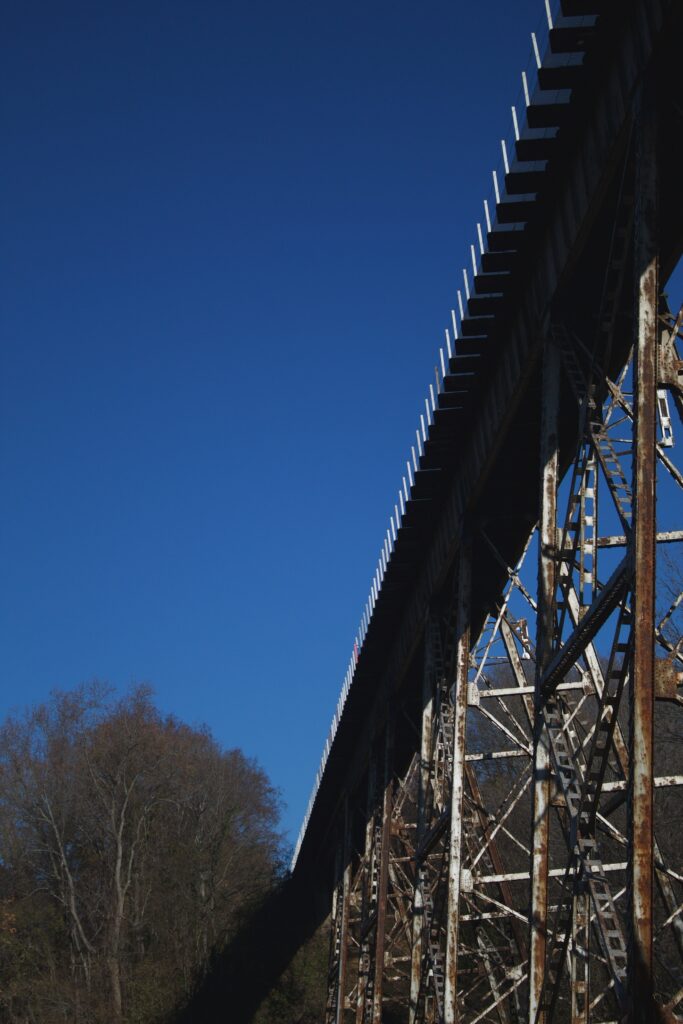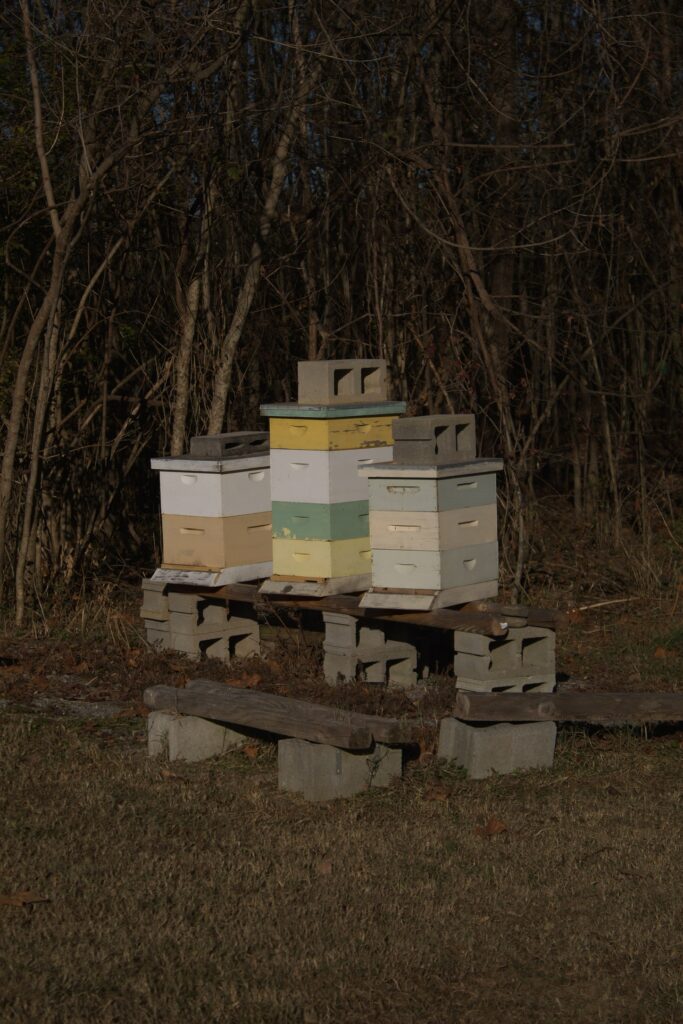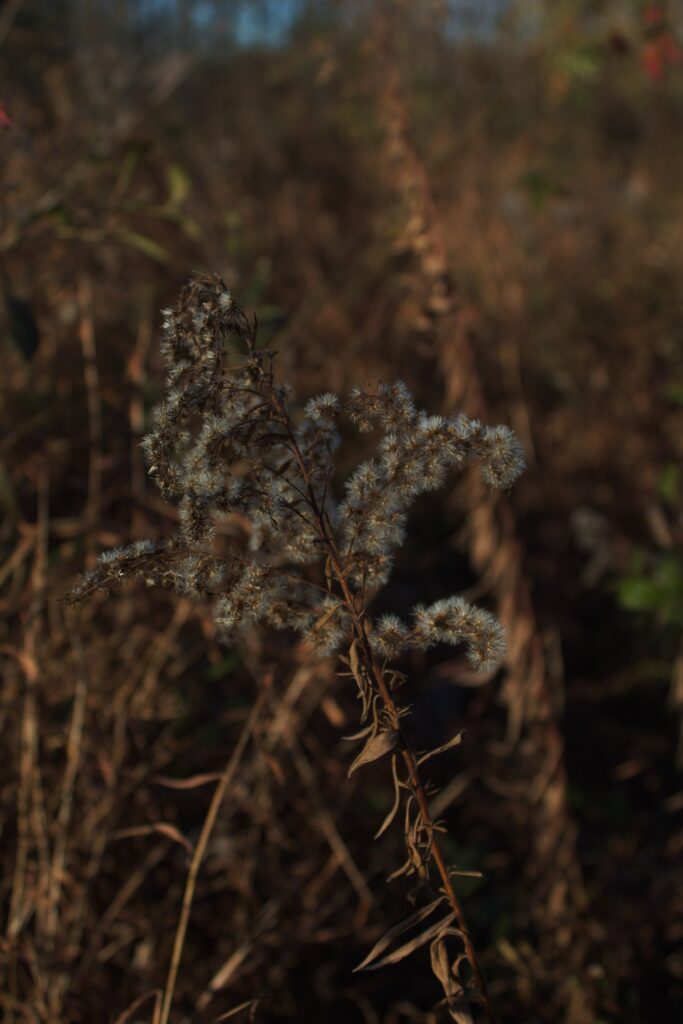
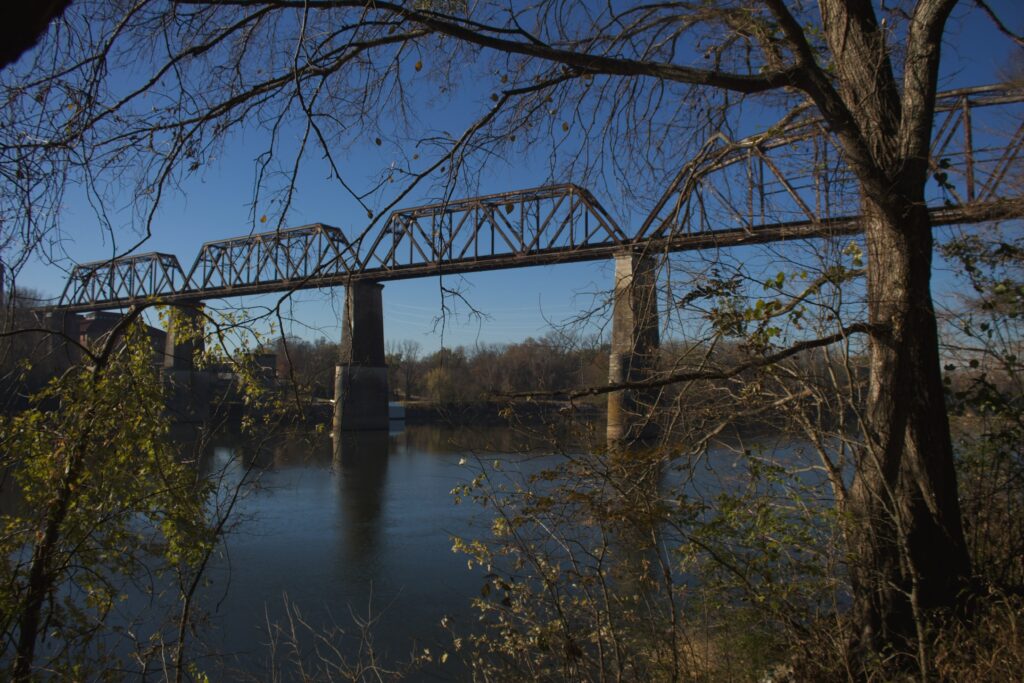
This week for Thanksgiving break, I traveled home to Nashville, Tennessee to see my family. During my trip home, I visited Shelby Park, located about two miles east of downtown Nashville and on the banks of the Cumberland River. The park is multi-use and expands over 1200 acres. The park consists of playgrounds, baseball fields, golf courses, hiking trails, and an abandoned airpark that people use for biking, skating, and other forms of recreation and has a railway cutting right through it. This park happens to be one of my favorite to visit when I am home because of its uniqueness and proximity to the city. Below is a hyperlink and an image of a Google Map of the area of the park that I visited.
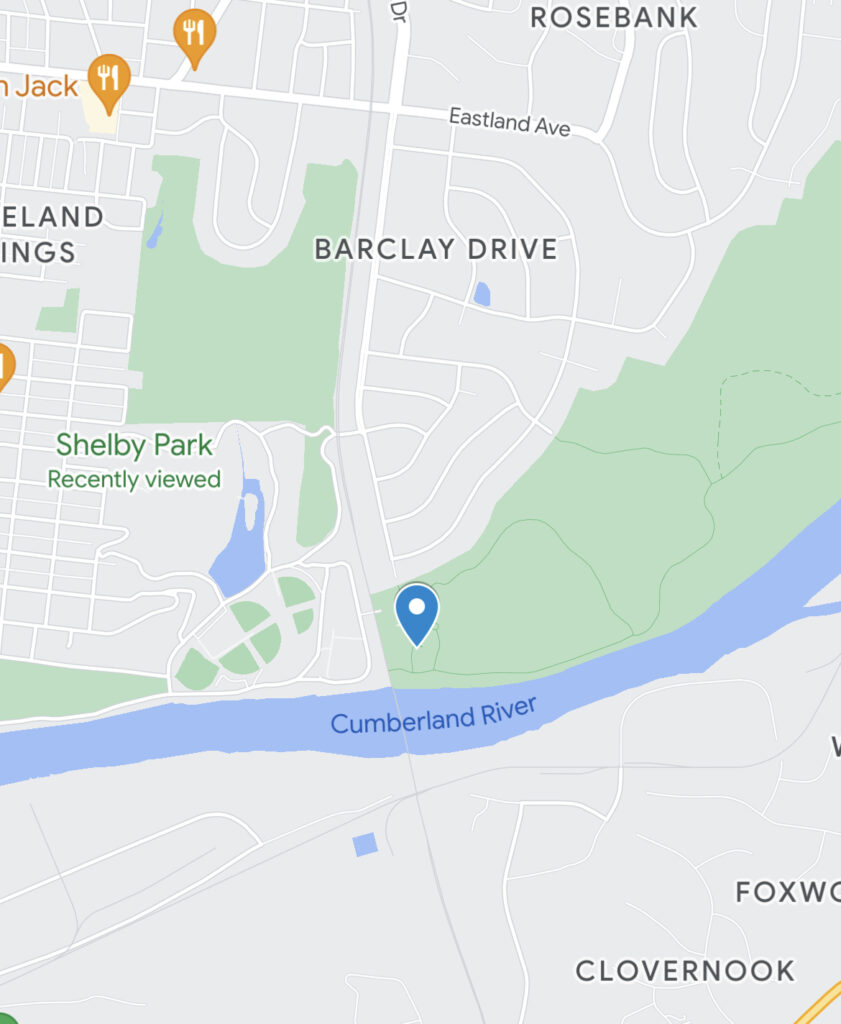
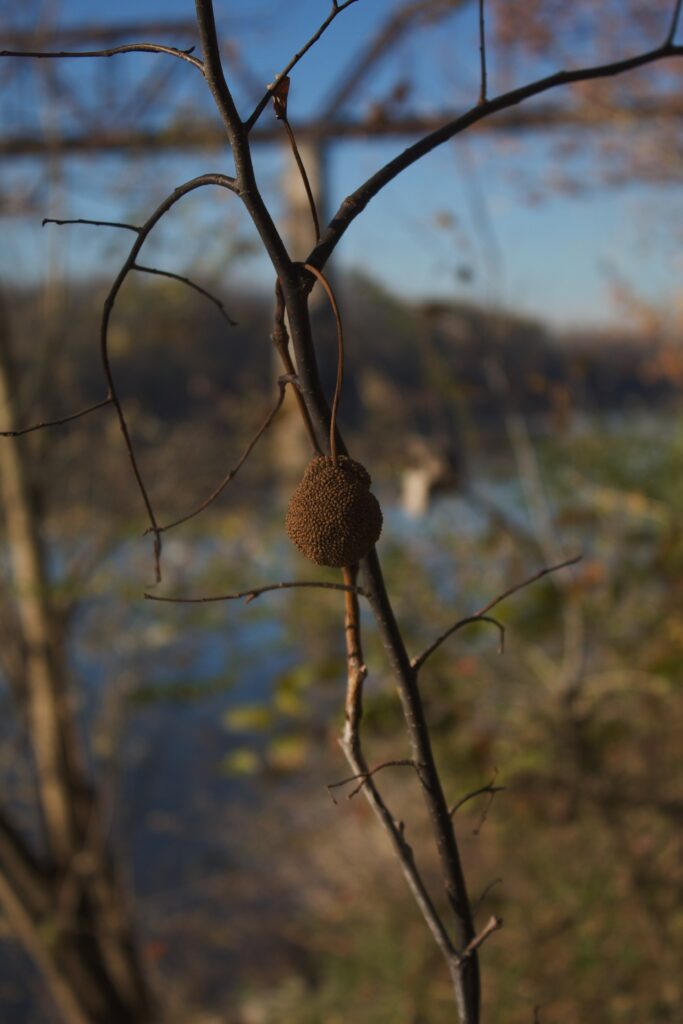
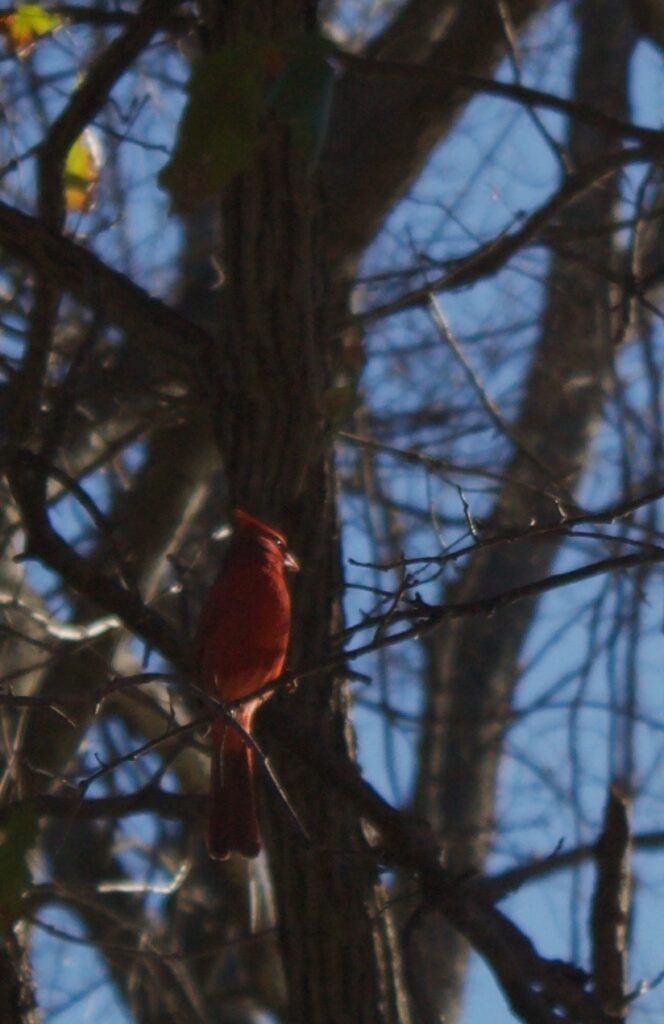
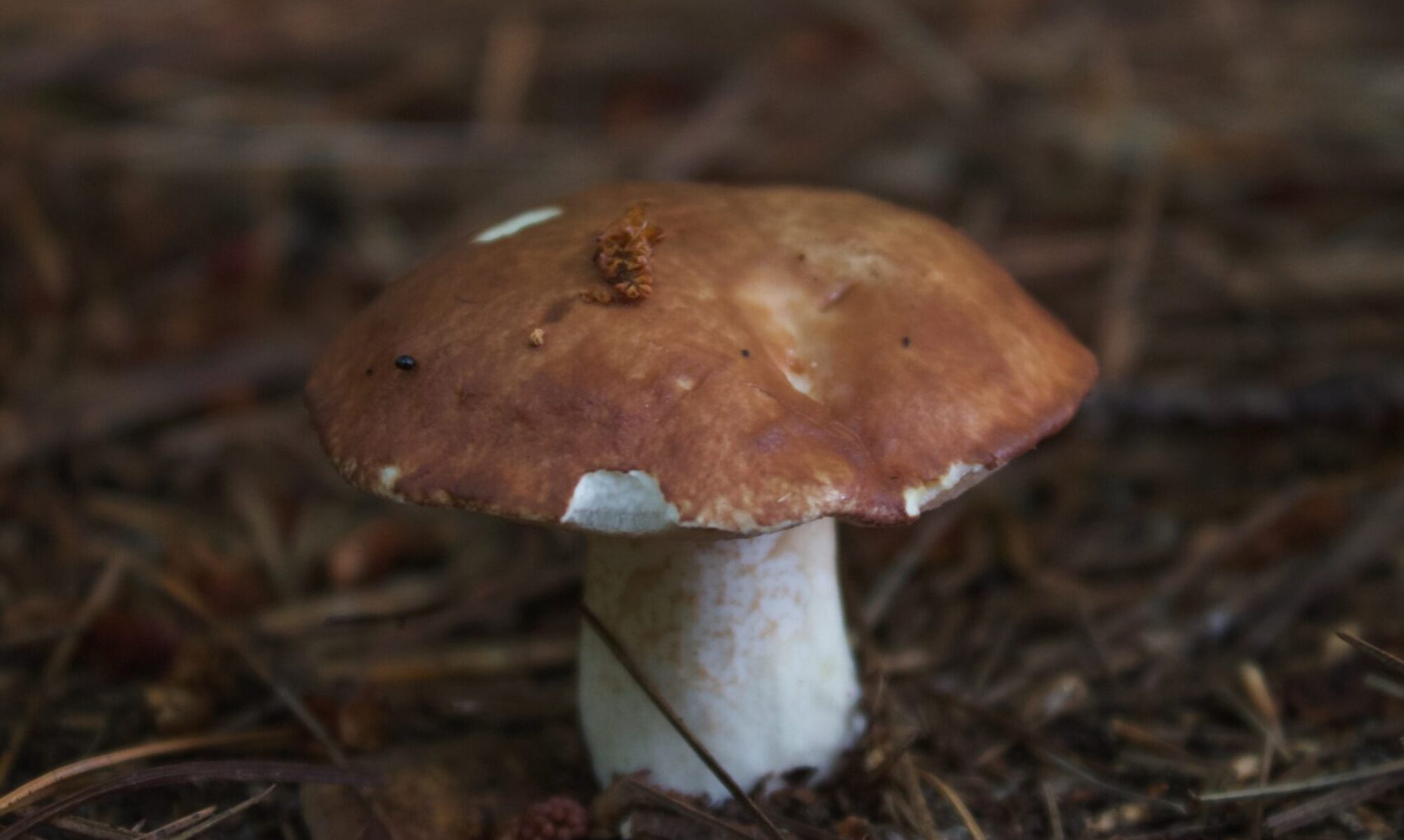
Similarly to the site that I have been studying in Burlington, Shelby Park is heavily influenced by the human impacts from the community around it. There are many impervious surfaces both in and surrounding the park, similarly to how Potash Brook is surrounded by impervious surfaces. Many of the pathways in the park have been paved over for bikers to utilize and there are roads and parking lots scattered throughout the park as well as an old abandoned airpark with paved tarmacs. Because of all of these impervious surfaces, there is a considerable amount of runoff that affects the park and its natural areas. The Cumberland River, like Potash Brook, cuts right through my site. The river goes through all of the city of Nashville and it is known for being some of the dirtiest and most polluted water in the city. During my visit to Shelby Park, I saw many signs warning people of the pollutants on the boat ramp. One of the largest signs near the end of the boat ramp strongly warns against eating any sort of catfish found in the river. Another sign warned that the river was known as an infested water because of the presence of an invasive species of fish known as Asian Carp. While Potash Brook is considerable healthier than the Cumberland River, both are considered impaired, with at least 28% of the water that passes through Middle Tennessee classified as impaired. Though Potash Brook and Shelby Park have many similarities, there are quite a few differences with wildlife and vegetation. I usually never see any wildlife when I visit Potash Brook, but while visiting Shelby Park, I encountered a family of four deer, flocks of geese, a heron, and many other species of birds. The vegetation was also different, many trees were still holding onto their leaves and there were not as many maple trees or coniferous trees as there is in Burlington. Overall though, I was surprised by the similarities between Potash Brook and Shelby Park.