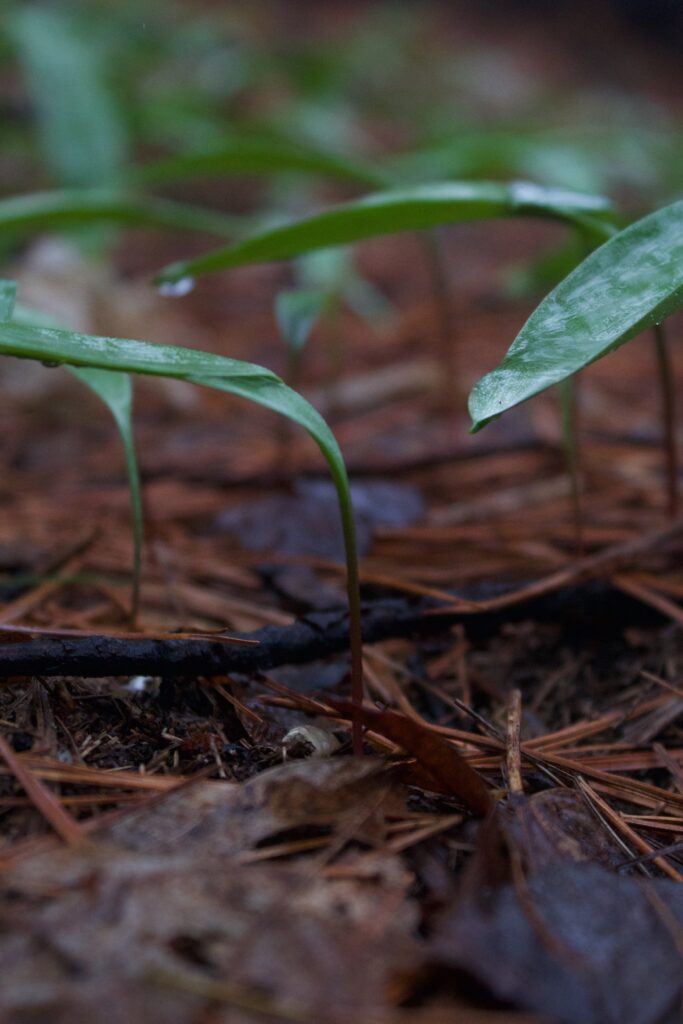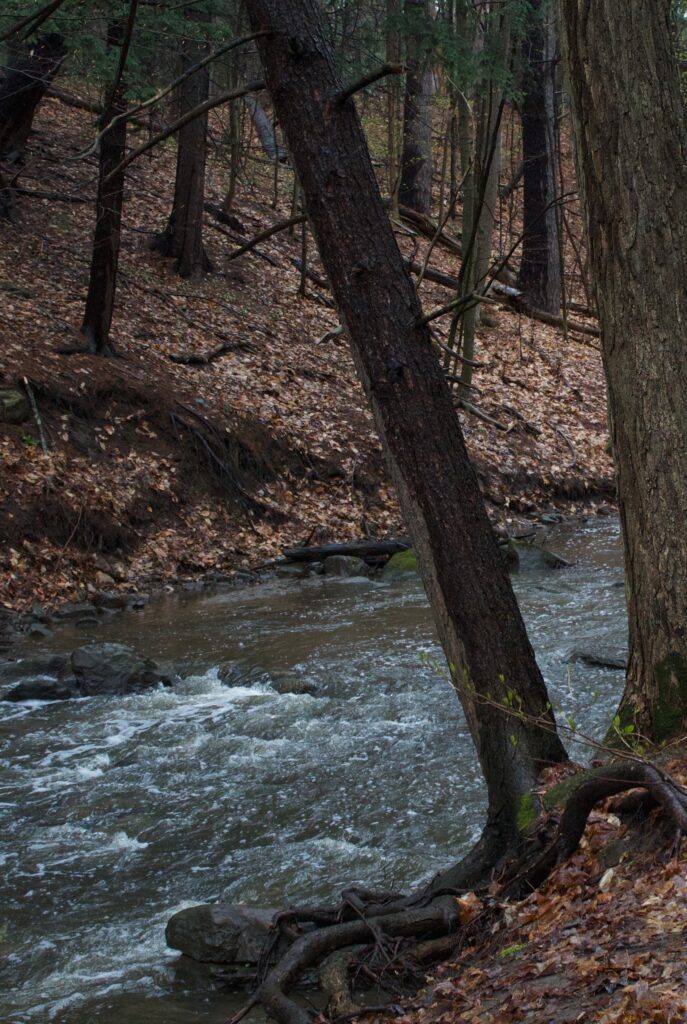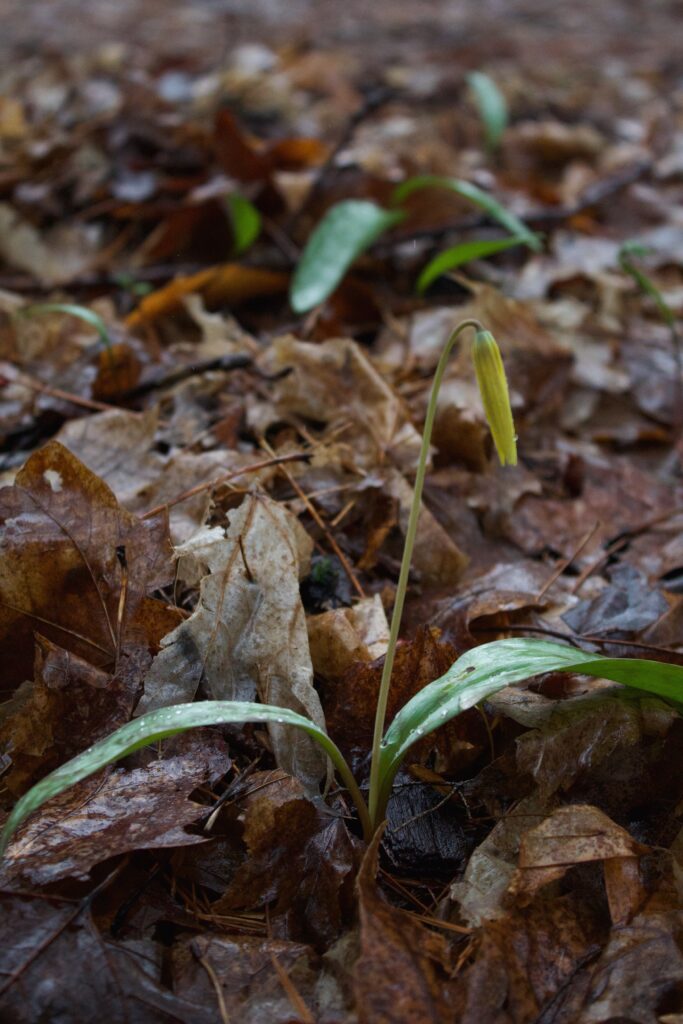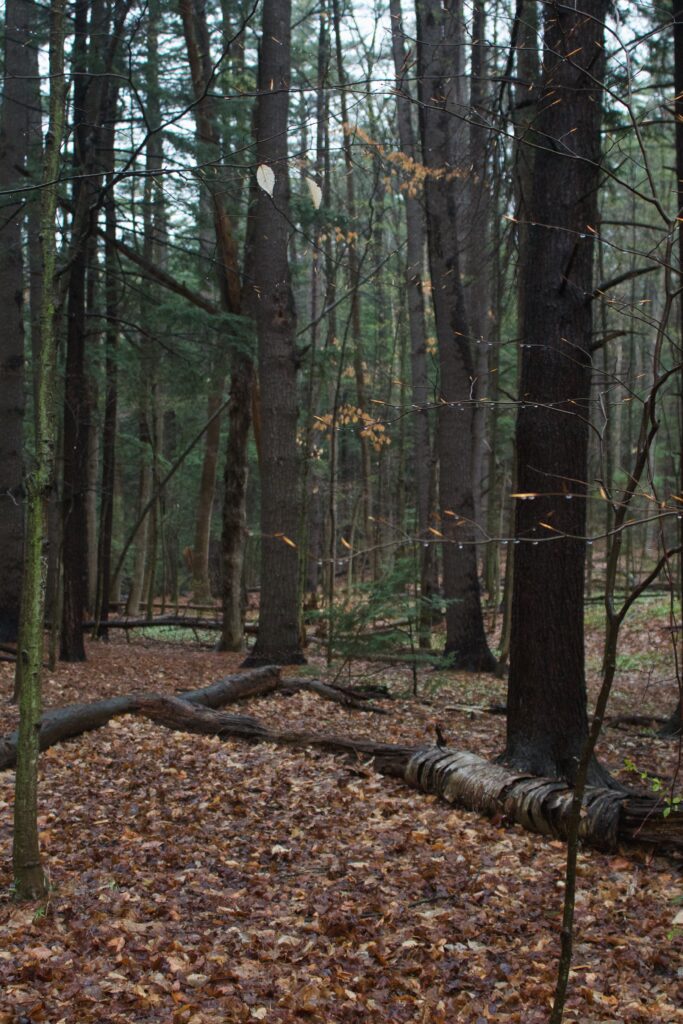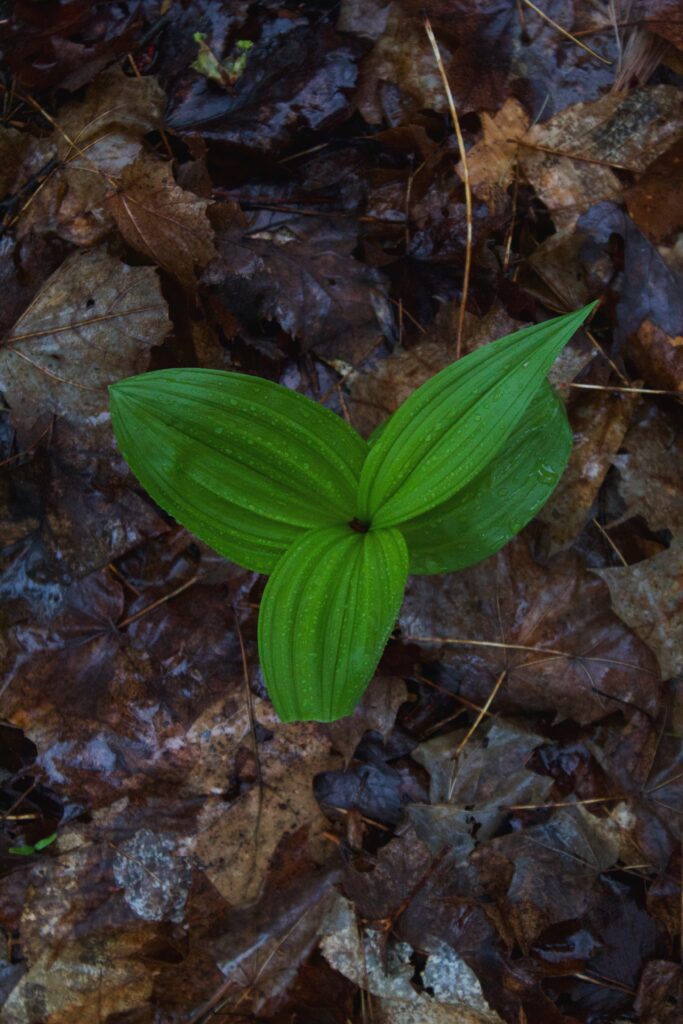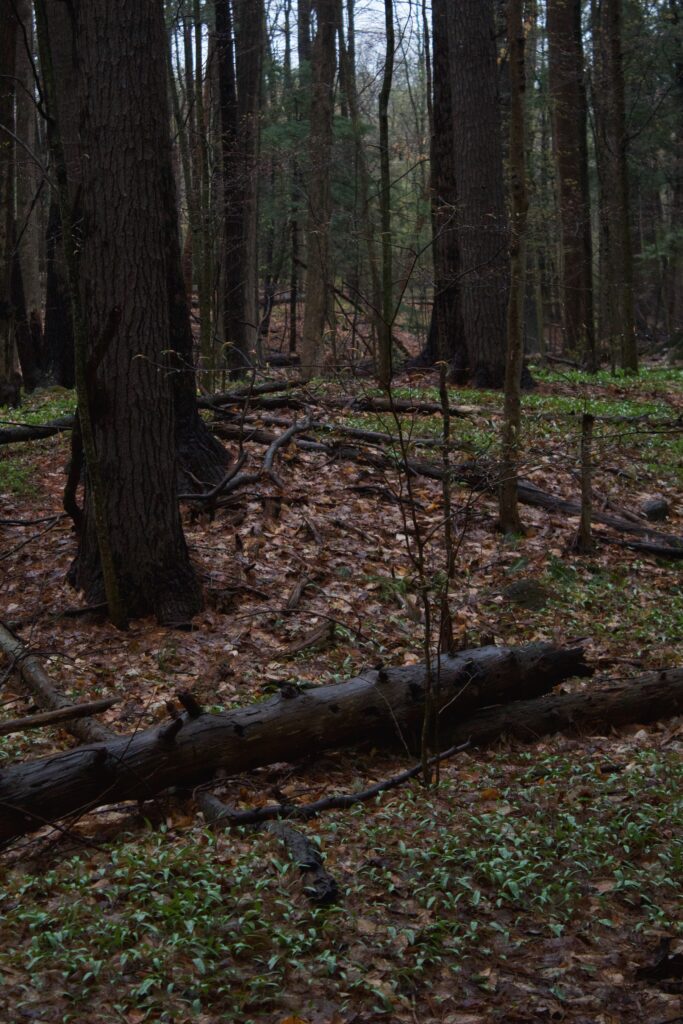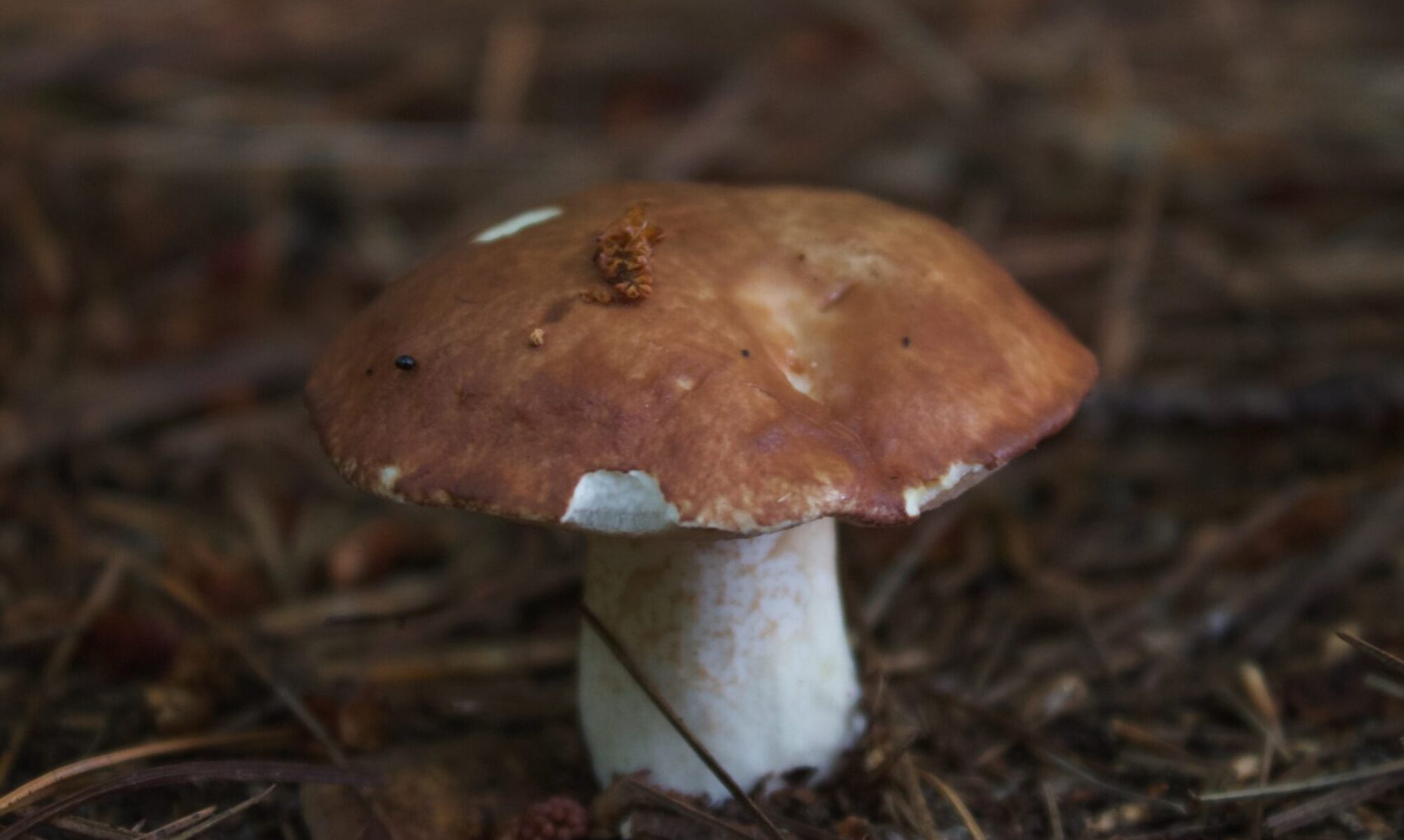
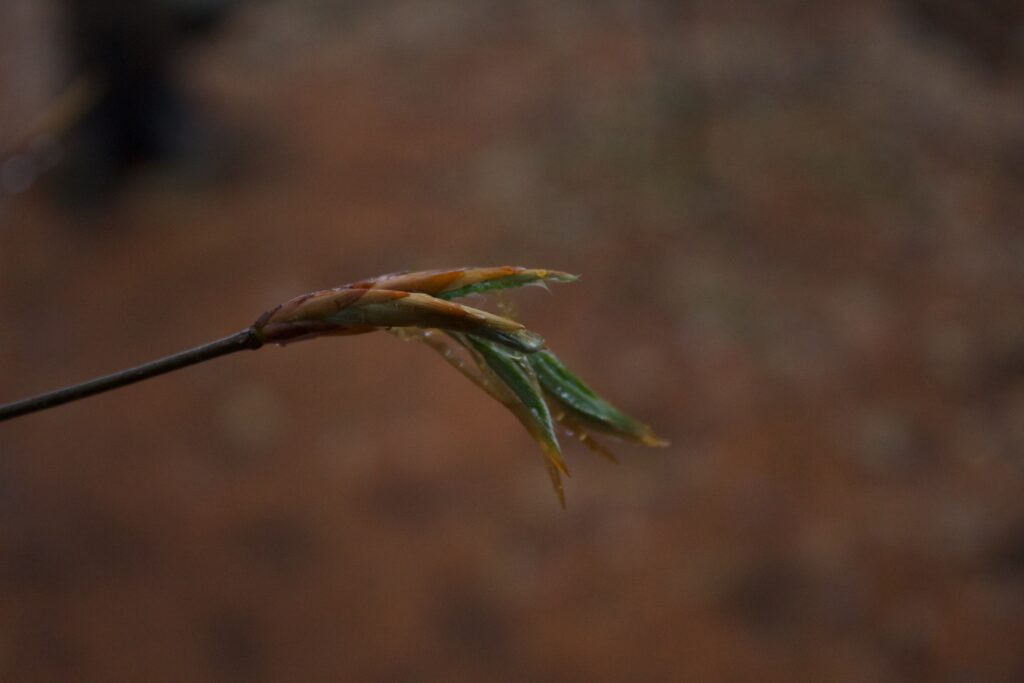
Today, I took my last trip to Potash Brook. I have really enjoyed spending time here throughout these past two semesters watching how the natural area changes throughout each season. This site has gone from having dry soils and being full of greenery to having its ground be blanketed by large amounts of leaves and being full of orange, yellow, and red foliage, to going through stick season, to being covered in a layer of snow and ice, and then finally to mud season with budding trees and greenery. Most of the large phenological changes here throughout the year have been due to storms instead of humans. Every time the water of the Brook had risen or was moving much faster than it normally did, a storm had occurred a few days prior, or snow had started melting. Most of the fallen logs and trees in this area were also due to strong winds from recent storms. The phenological changes that were human-caused were not as noticeable as the storm-caused changes, however there were still human-caused changes, such as litter. The dumpsters that belong to Klinger’s Bread Company and Domino’s are close to the Brook, so there has been quite a bit of litter that has blown over. However, I also noticed that some of the litter had been cleaned up each week.
The major and minor landmarks I became familiar with over these past two semesters have been the Brook, the shoreline of the Brook, the American Beech tree sapling that I posted about previously, and the small stream that ran off from the Brook at the beginning of the trail. It became easier to see changes in these landmarks seasonally, the more changes I noticed each time I visited. This made me feel more connected to nature because I knew that the average passer-by would most likely not notice.
Nature and culture intertwine here due to its proximity to stores and other businesses in the area. The things these businesses do directly influence this natural area and can affect the health of it. It has been really interesting seeing how diverse and beautiful this environment and comparing it to how close it is to such an industrialized area.
Now that I have reached the end of this project, I can say that I do consider myself a part of this place. I have watched this area grow and change phonologically throughout these semesters, and I, too, have changed and grown over the seasons as well. I really felt connected to this place while I was observing the phenological changes and I was surprised about how close this project made me feel to nature overall. I definitely plan to visit this area when I return to UVM for my sophomore year because of how connected to this area I have felt.