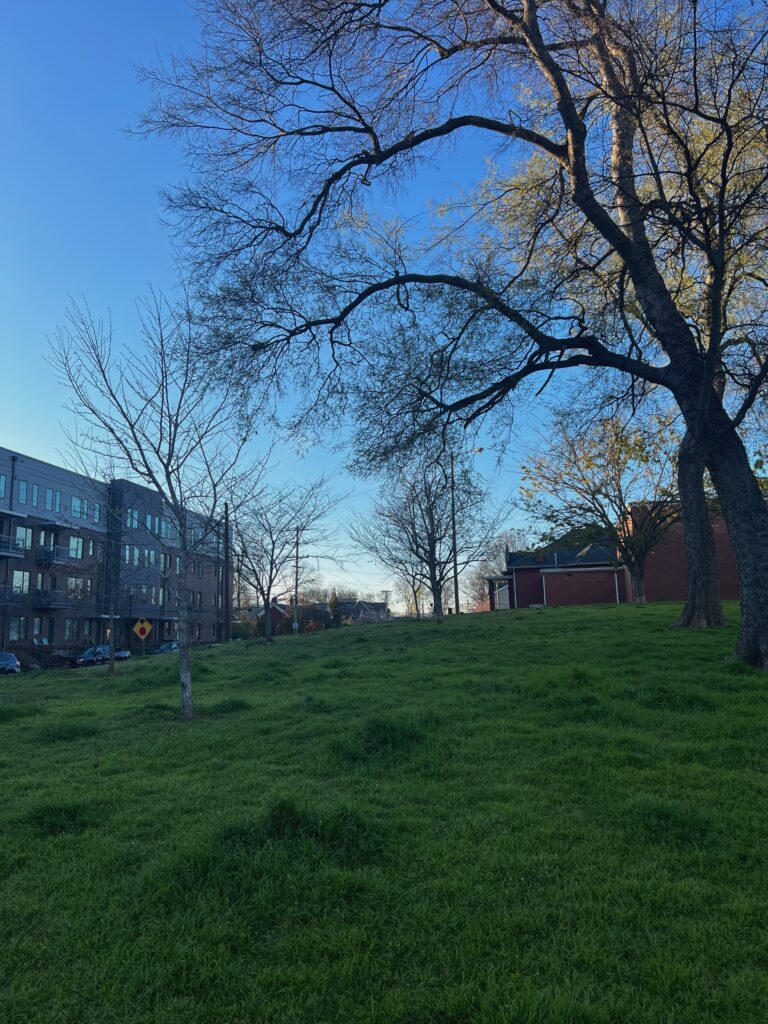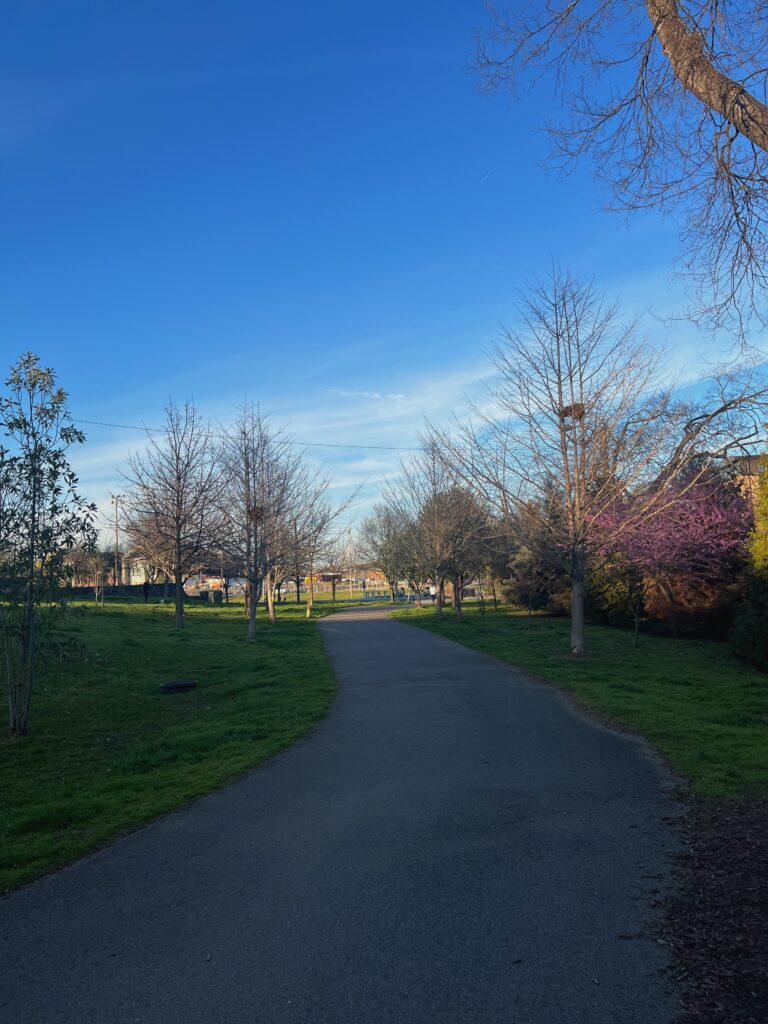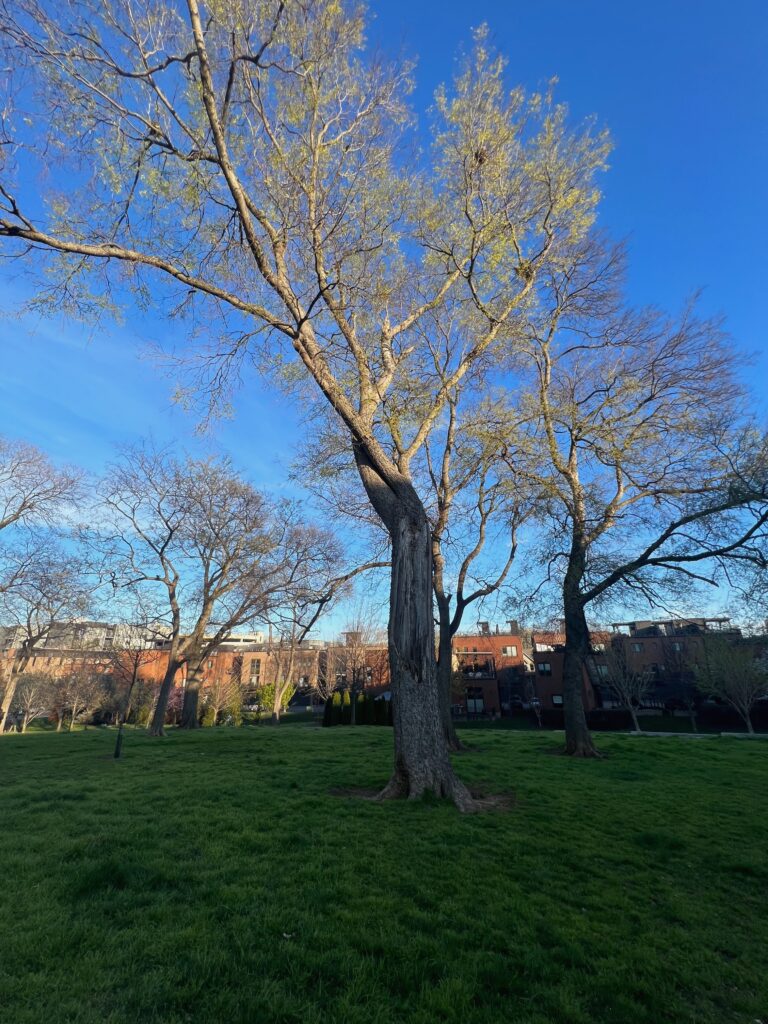
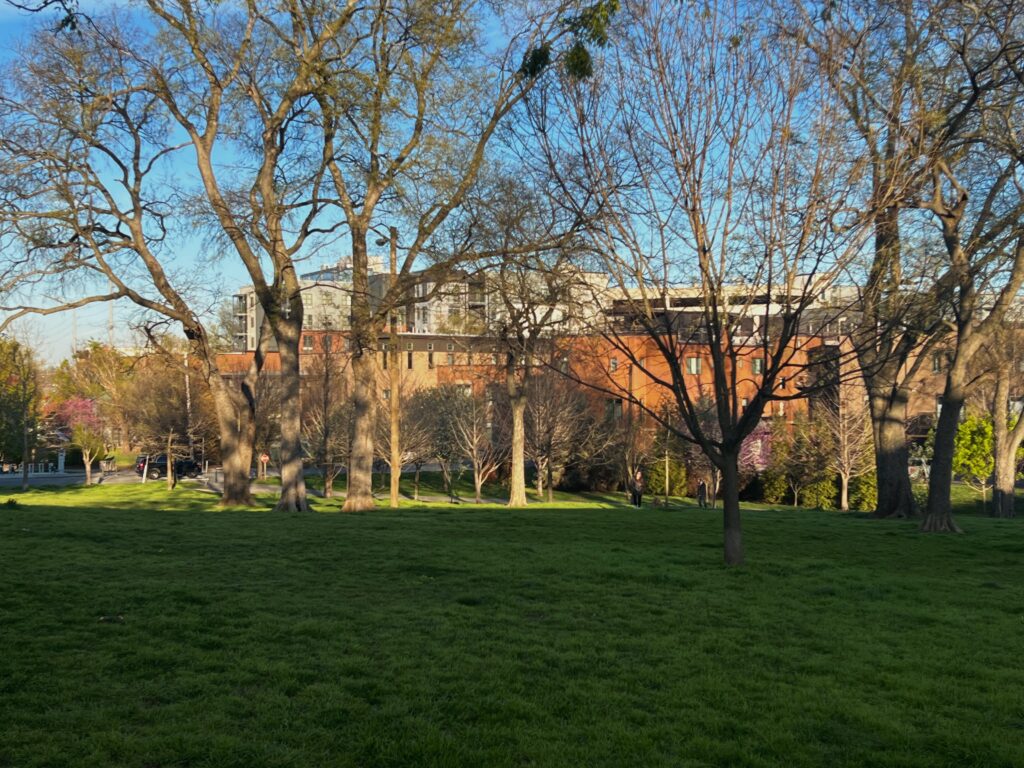
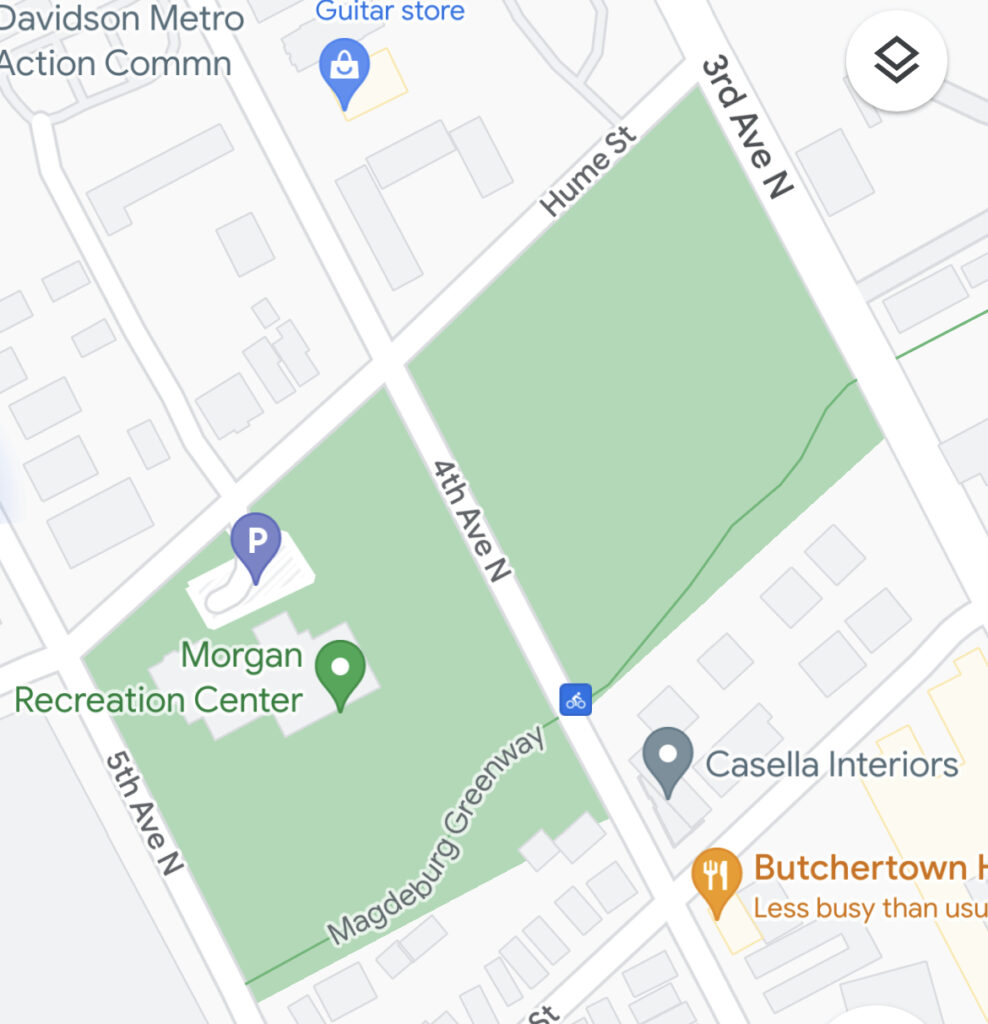
For my the second half of my spring break, I traveled back home to visit my parents in Nashville, Tennessee. Their house is across the street from a city park called Morgan Park. I grew up going to this park throughout my childhood so I was curious to see what I would notice about the environment surrounding me after learning more about phenology. Even though Nashville is considerably warmer than Burlington right now, there is currently a cold front going through the South, making the early Spring weather feel much cooler than it usually is around this time. It was around 54 degrees when I visited this park yesterday and made my phenological observations. Morgan park is only about 1 mile from downtown Nashville, so it is very different than my site at Potash Brook. This area is surrounded by many busy roads, apartment complexes, houses, and other businesses and frequented by both people and pets on a regular basis. It is considerably more polluted than Potash Brook and a lot busier because of this. Below is a map of the park.
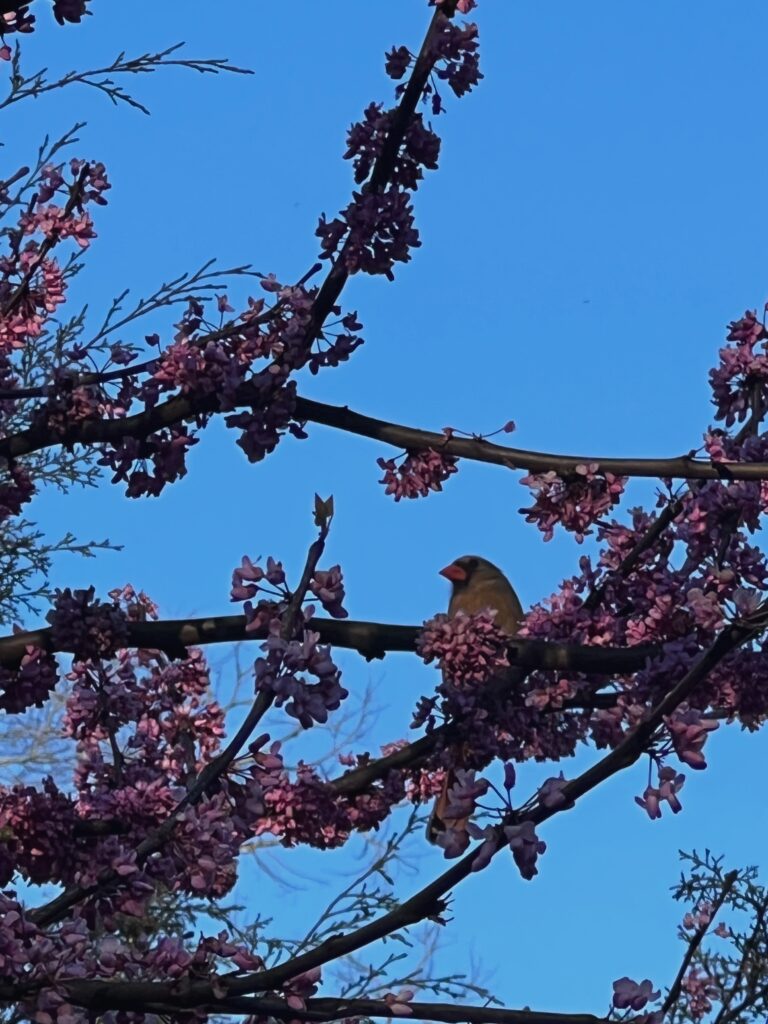
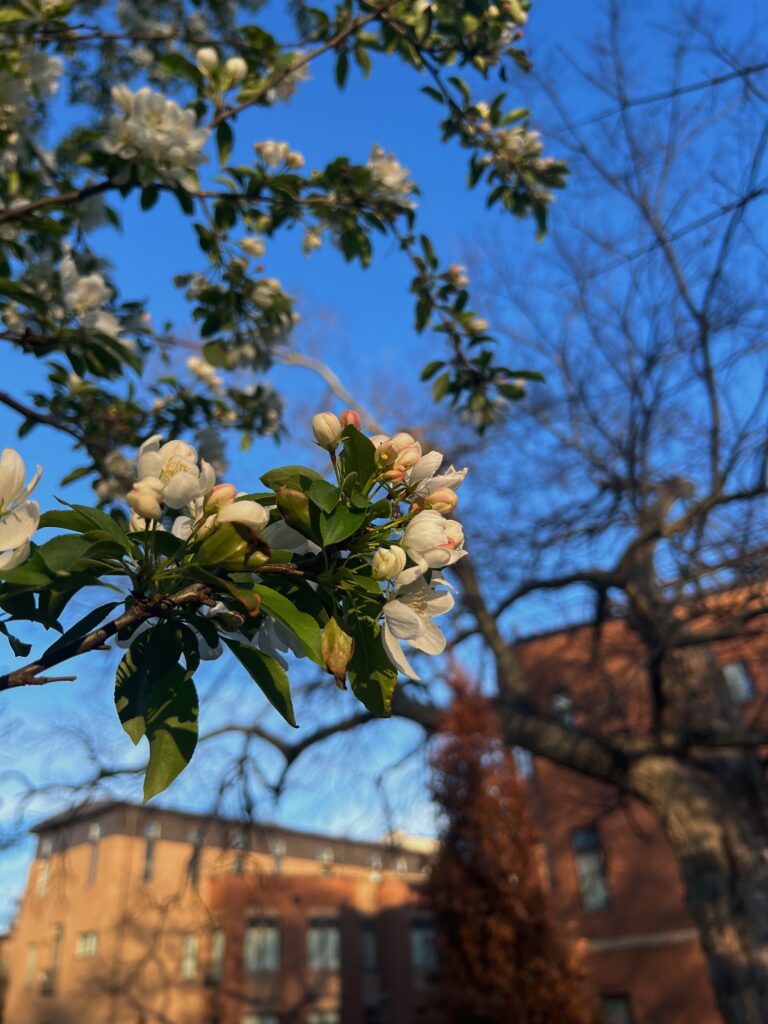
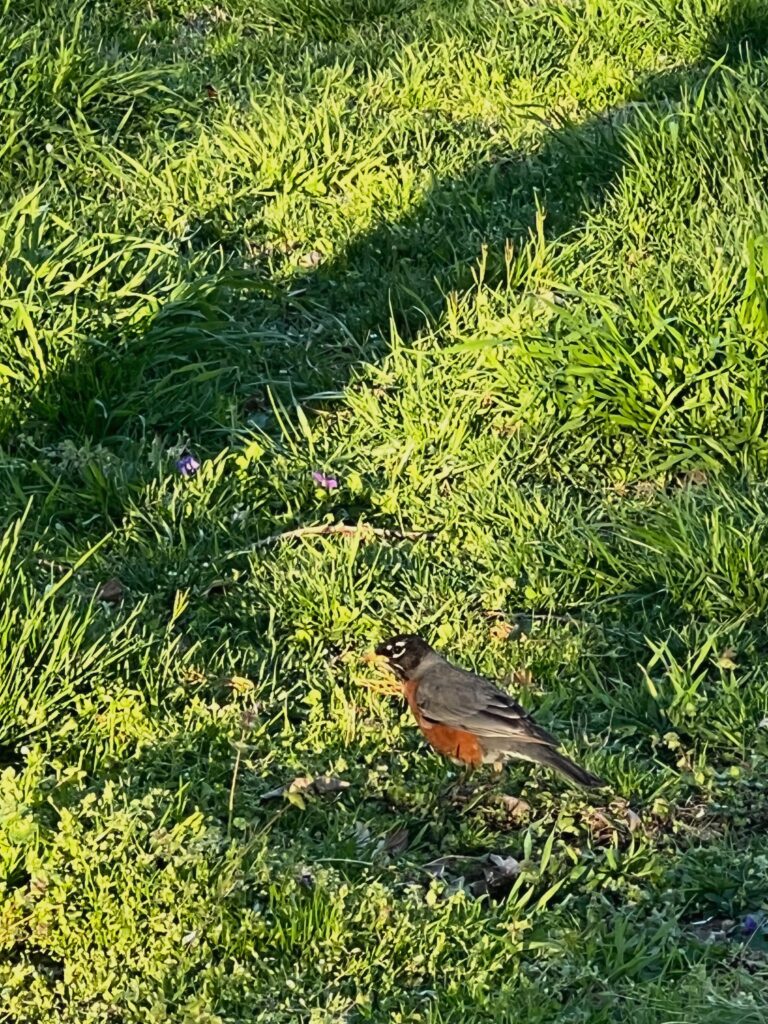
Phonologically speaking, Morgan Park is very different than Potash Brook. There is no visible source of natural water that cuts through the park. The nearest body of water is the Cumberland River, however this water is very polluted, especially considering it is the area of the river that the waste water management company in Nashville uses. However, there is a nearby sulfur spring that is piped into the park that was very popular among the locals in the early 20th century. These drinking fountains were capped in the 90’s due to health concerns, then redesigned as an ornamental water fountain in the early 21st century for the park. So sulfur water still pumps to this day, however no one ever drinks from the fountain. As for the woody vegetation of the site, many of the trees are flowering and blooming. Nashville has different tree species than Burlington. The species in my site included cherry trees, hackberries, Chinese fig trees, ginkgos, shingle oaks, and crepe myrtles. None of the species I found were any of the focal species we studied in Burlington which demonstrates how different the climate and weather patterns are between these two places. There are also different bird species here than there are in Burlington. The birds I saw were robins, mockingbirds, cardinals, and slate-colored Juncos, and I saw many nests throughout the park. It seemed like the birds were far more active in Nashville than they were when I left Burlington last week. After spending an hour at this site, I was surprised by how much more I noticed after learning more about phenology and natural history.