
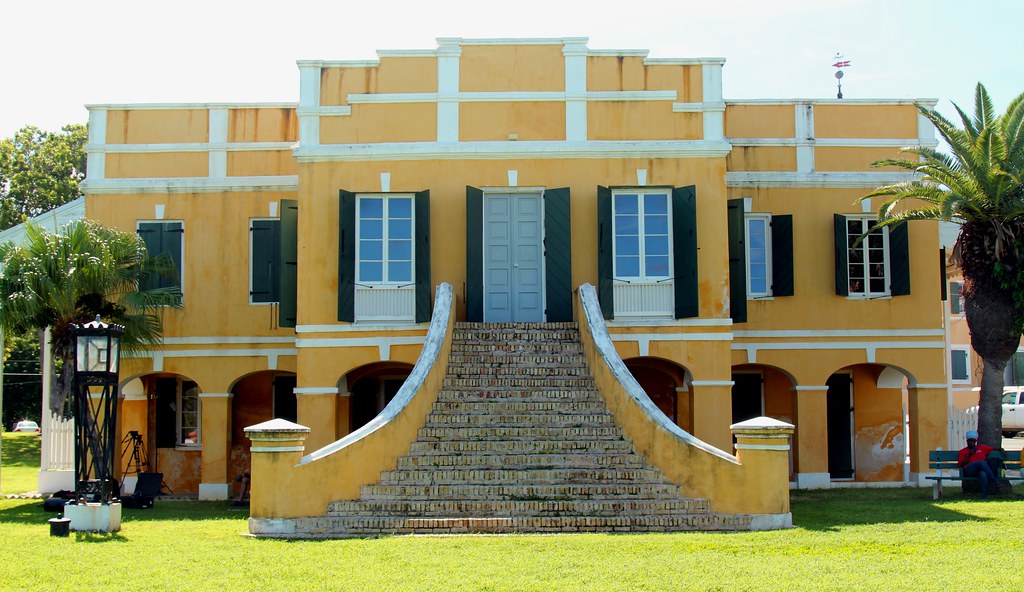
Christiansted. Old Danish Custom House
(Nov. 28, 2015) .Christiansted ~ St. Croix. Flickr. https://www.flickr.com/photos/prayitnophotography/23063040190/in/photostream/
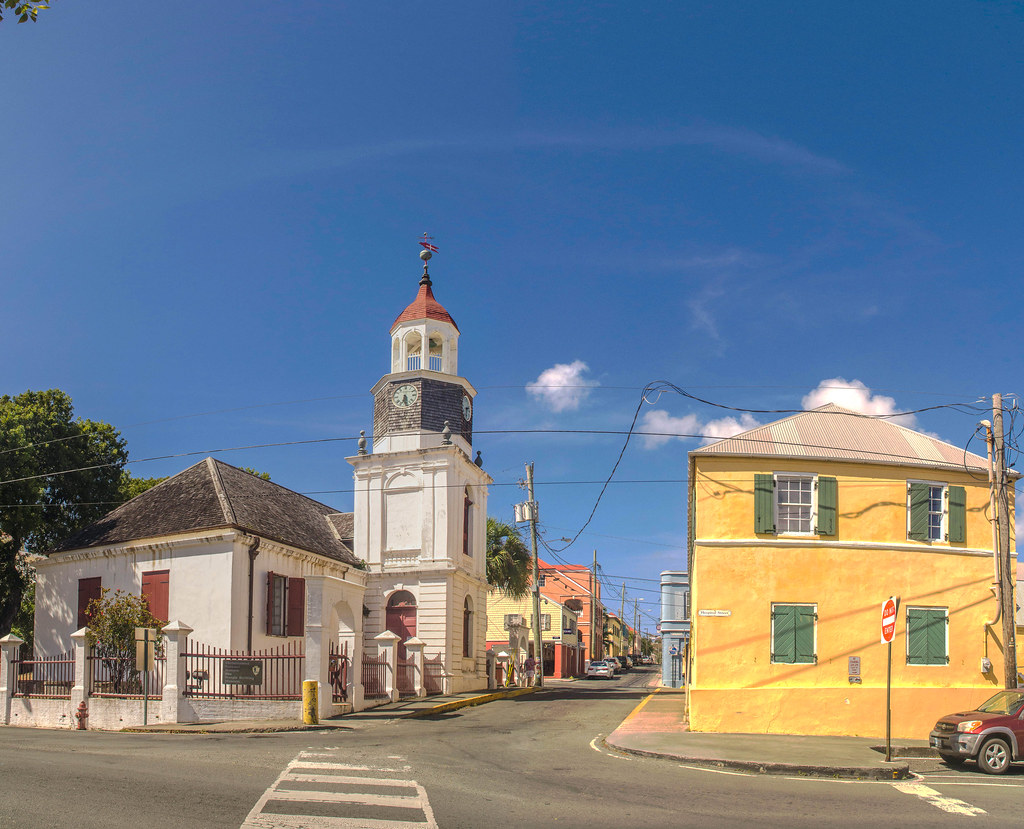
First Lutheran Church on St. Croix and former headquarters of the Danish West India and Guinea Company
Hsieh, Wayne. (May 02, 2015) Steeple Building and Danish West India and Guinea Company Warehouse. Flickr. https://www.flickr.com/photos/whsieh78/17321564056/in/photostream/
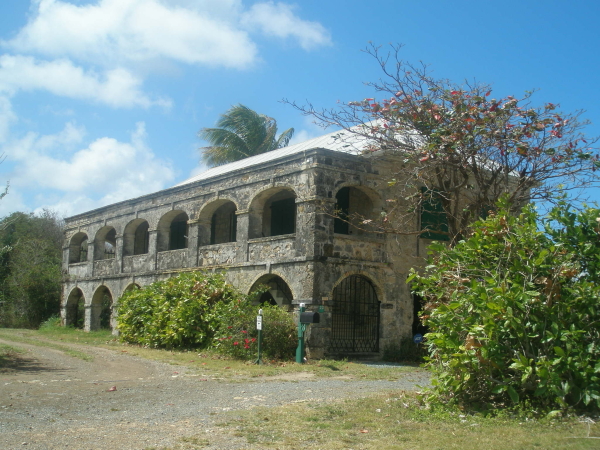
Danish Hospital Building on St. Croix
(2008) Saint Croix. Wikimedia Commons. https://commons.wikimedia.org/cwiki/File:Estate_Little_Princess_building.jpg

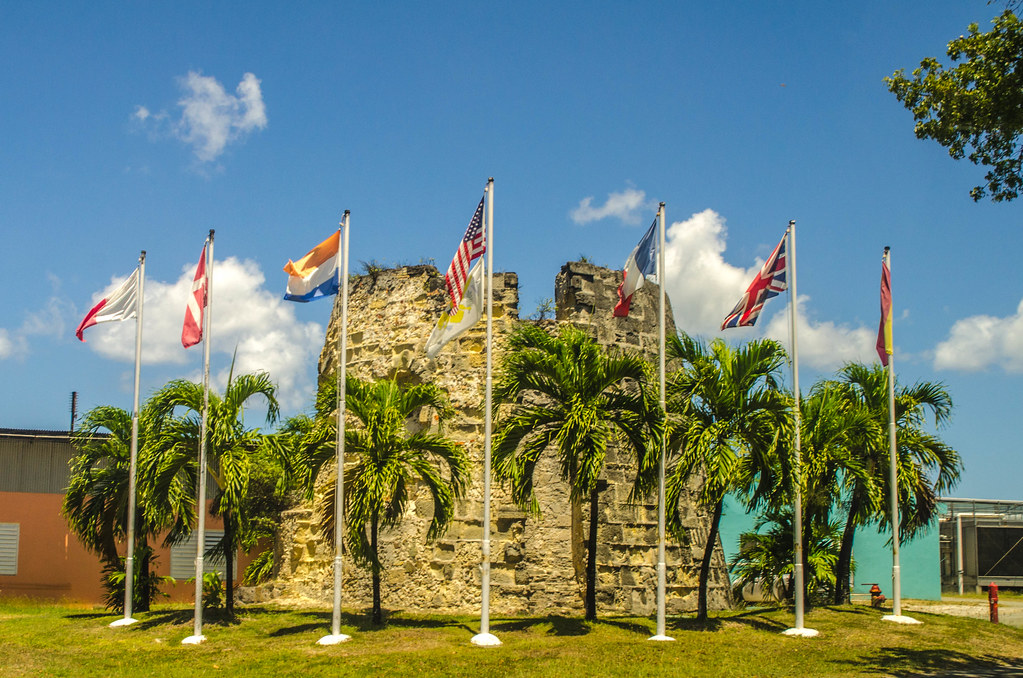
Ruins of the Rum Sugar Mill in St. Croix
Hsieh, Wayne. (March 29, 2015). Cruzan Rum Sugar Mill Ruin. Flickr. https://www.flickr.com/photos/whsieh78/16750632904
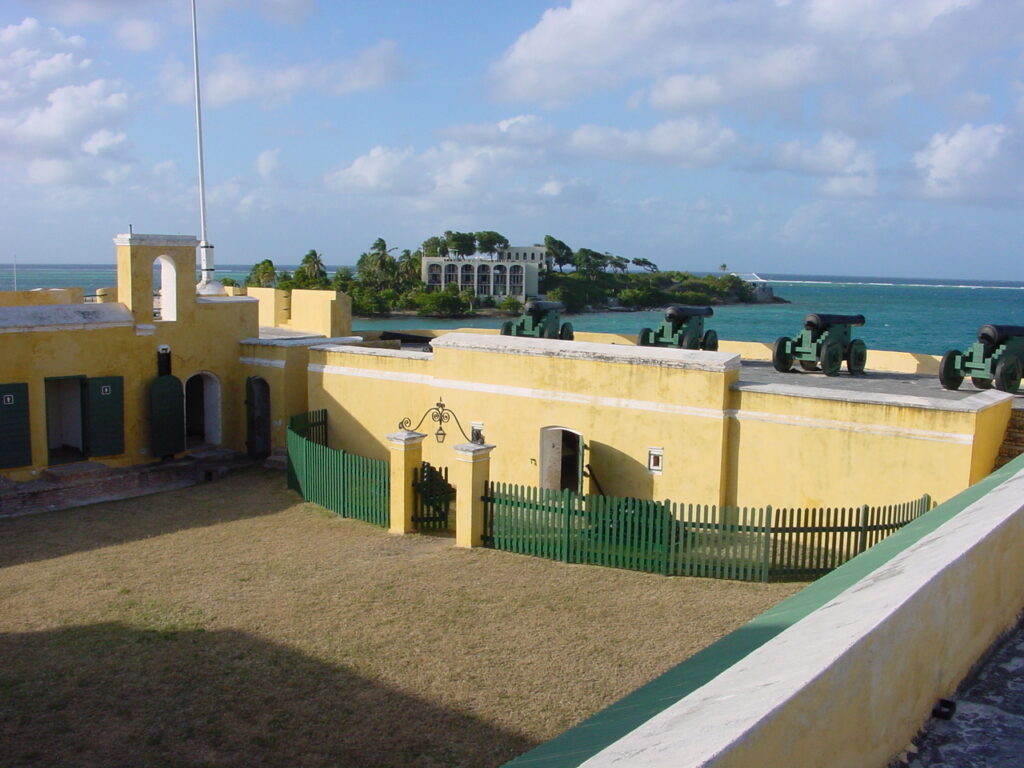
Cannons on the Courtyard of Fort Christiansvae
(Feb 13, 2005). Fort Christiansvaern Christiansted St Croix. Wikimedia Commons. https://commons.wikimedia.org/wiki/File:Fort_Christiansvaern_Christiansted_St_Croix_USVI_27.jpg

St Croix
- The colonial economy of St. Croix was based upon slave labor on plantations. Sugar production was the most profitable, but there were also other crops grown on the island, like cotton, rum, and molasses. Slave labor was the source of all the crop production that took place in St. Croix. The majority of the population were slaves imported from West Africa.
- Before the European colonization of St. Croix, the original inhabitants of the island had been there for thousands of years. There were various indigenous tribes, but one tribe of Cannibals was called the Caribs. Christopher Columbus and the Spanish first arrived in St. Croix in 1493. The first encounter between the Spanish and the Caribs was violent and was the beginning of nearly a century of conflict between the indigenous tribe and Spanish colonizers. The Spanish were in St. Croix for about 100 years before they gave up. Then, both the Netherlands and Great Britain colonized the island in 1643. St. Croix was becoming a more attractive colony because of how profitable sugar production was. After the Dutch Governor was killed on the island, St. Croix was controlled by the English until the Spanish came back in 1650 and killed nearly everyone. The Spanish rule was short-lived, as that same year, the French captured St. Croix. The French colonization was also short-lived, because in 1651, a religious group from Jerusalem, called The Knights of Malta, bought St. Croix. In 1665, The Knights of Malta resold it to the French West India Company, as they could live up to the job of a colonizing ruler. Once St. Croix became a French colony, its plantation economy flourished. By 1696, the French could no longer control St. Croix, and the Island was uninhabited until 1733 when it was then sold to Denmark. Under Danish rule, other colonial powers could move to the island and purchase plantations. This led to rapid development on the island. Once the sugar industry began to fall and slaves were freed in 1878, St. Croix’s economy declined. Denmark sold the island to the United States in 1917, and since then it has been a part of the US Virgin Islands.
- The colonization of St. Croix was motivated by capitalism and the vent for surplus from the beginning. This is evident with the hostile relationship the Spanish initially had with the indigenous people of the island before slaughtering them and importing slaves to carry out production on the island. Whipping out the indigenous population made it easier for the various colonial powers that ruled St. Croix to establish power and exploit the resources on the island.
Britannica, T. Editors of Encyclopaedia (2018, February 15). Saint Croix. Encyclopedia Britannica. https://www.britannica.com/place/Saint-Croix
Lawaetz, Frans. Seven Flags : The History of St. Croix. (June 18, 2014). US Virgin Islands. https://usvi.net/st-croix/seven-flags-the-history-of-st-croix/
Columbus Landing Site–Historic Places in Puerto Rico and the Virgin Islands; A National Register of Historic Places Travel Itinerary. National Parks Service. https://www.nps.gov/nr/travel/prvi/pr47.htm