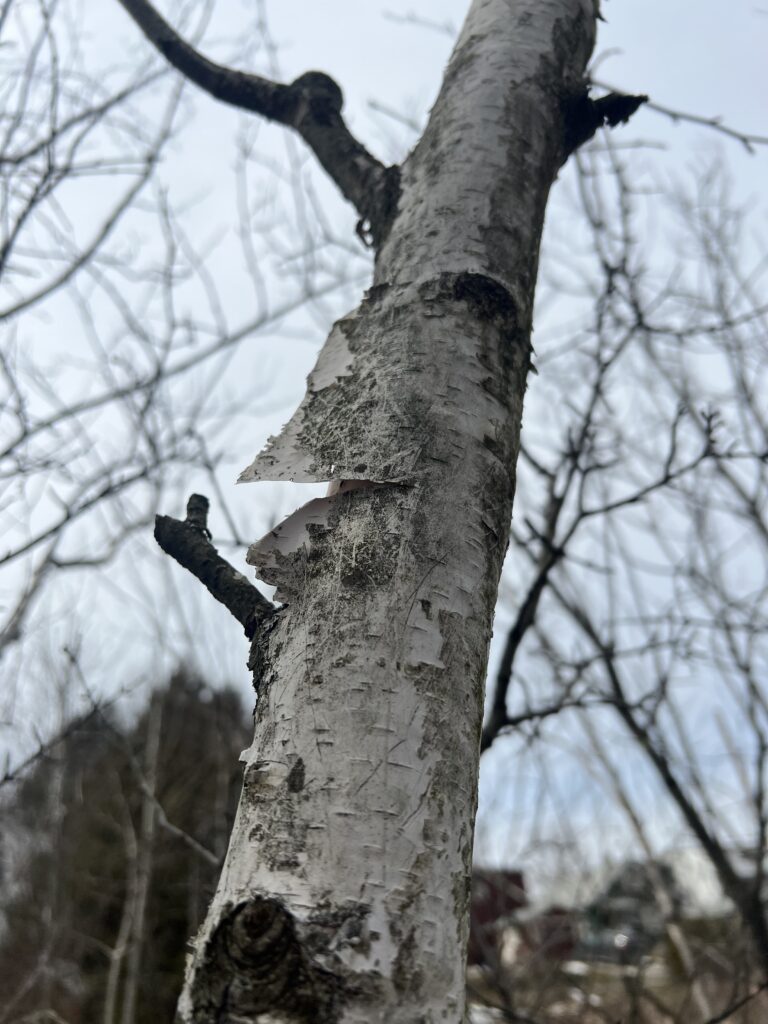
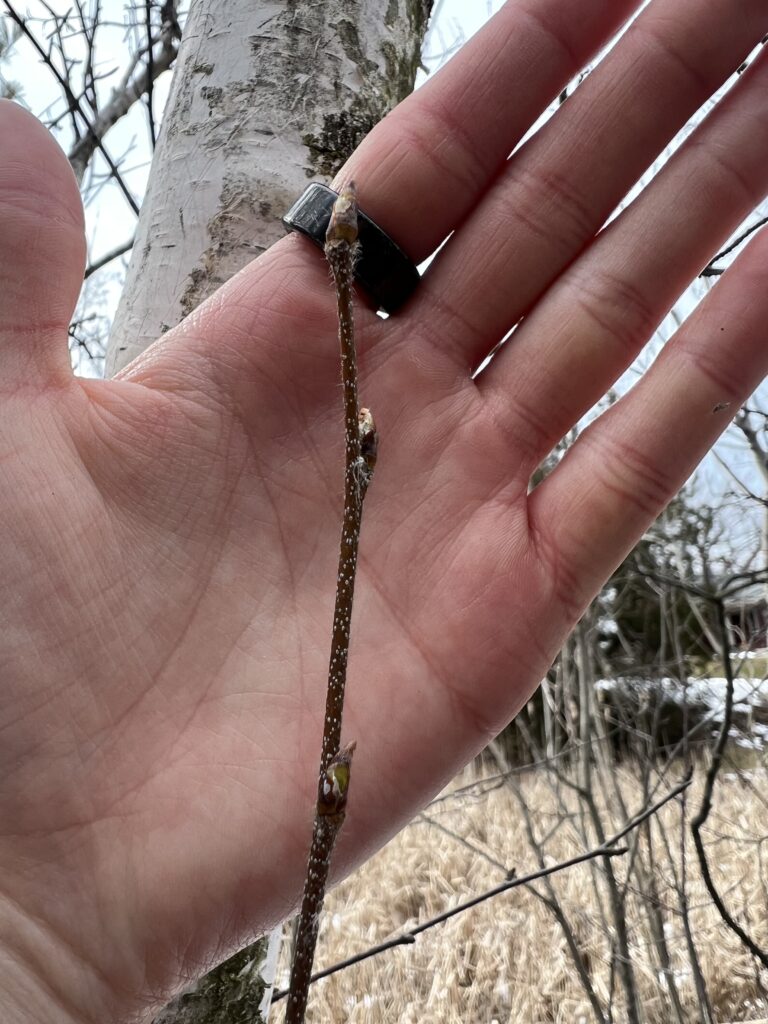
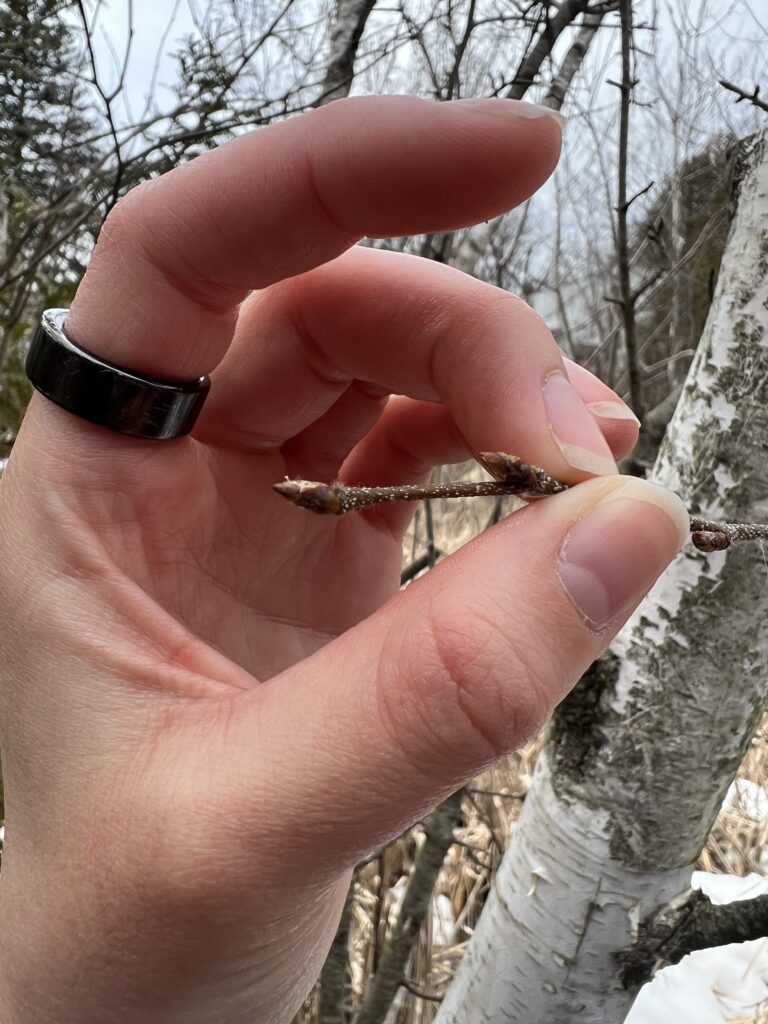
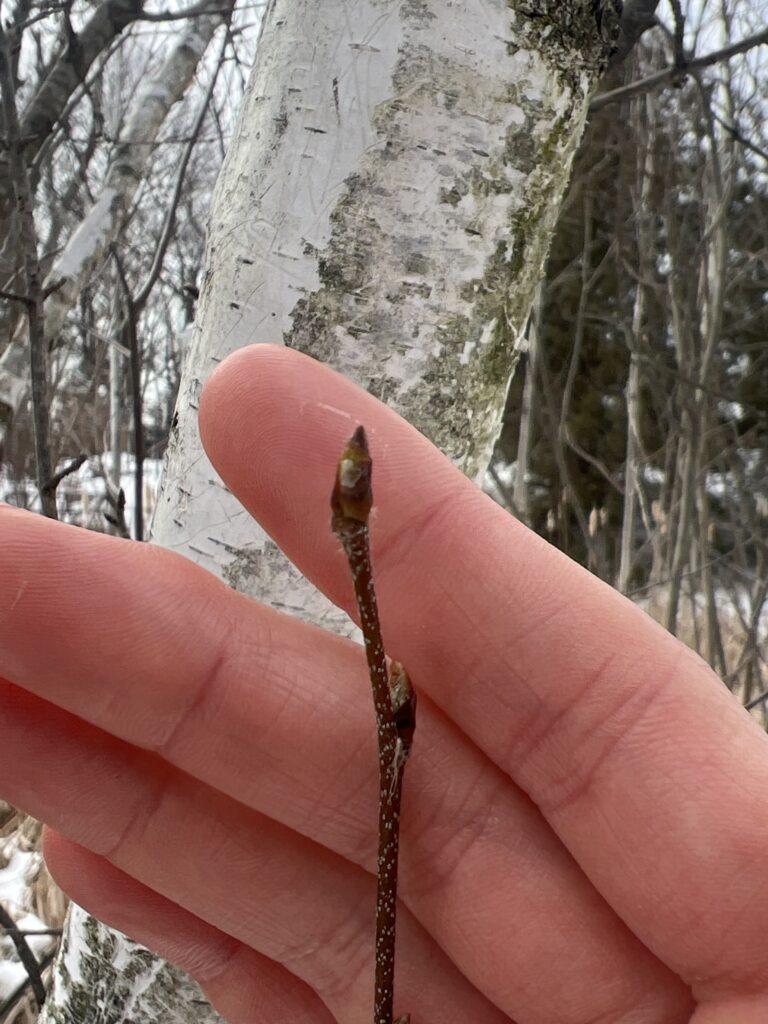
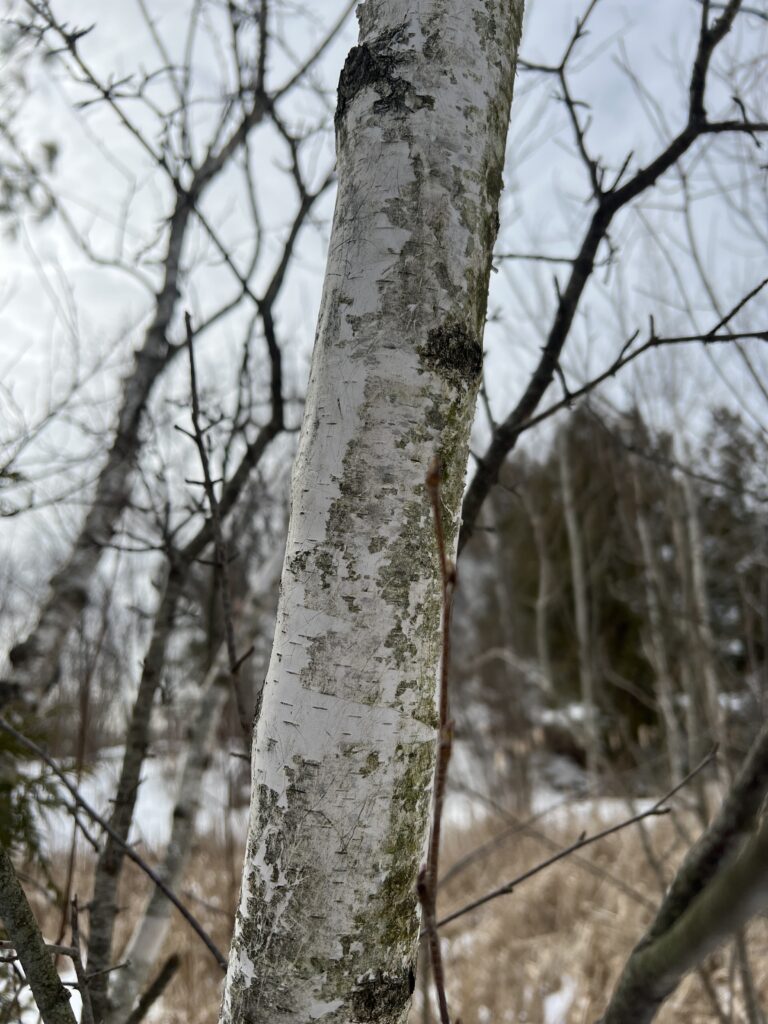
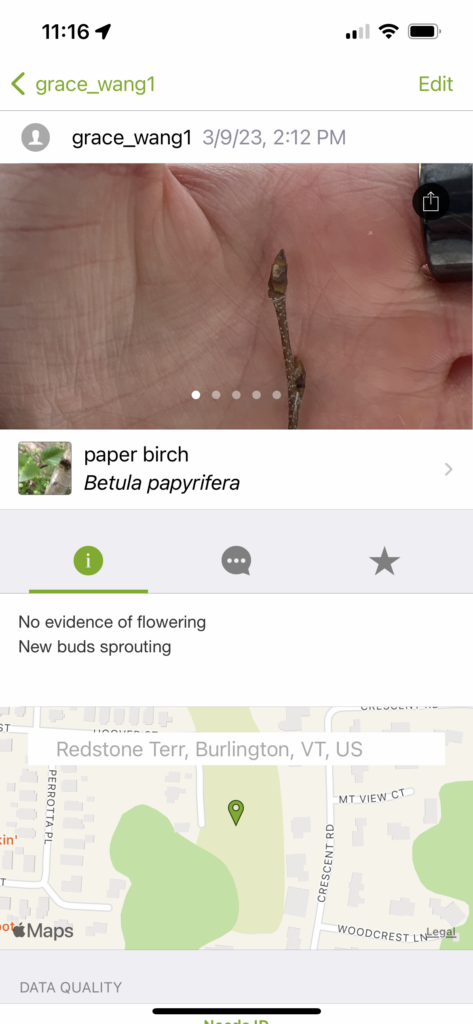
This week’s trip to the quarry culminated in the re-examination of the paper birch tree I got to know earlier this month. While I was hoping to see significant changes in the birch’s budding, flowering, and overall phenological state, there were not many noticeable differences. The buds are certainly a bit larger than before, but otherwise, the tree looks very similar to how it did two weeks ago.
I did notice some other phenological differences in the quarry though! There was much-increased bird activity, of which I identified Northern Cardinal, Black-capped Chickadee, Tufted Titmouse, Dark-eyed Junco, and Fish Crow using the Merlin app. Additionally, the pond has begun to melt and grasses are beginning to spring up again!
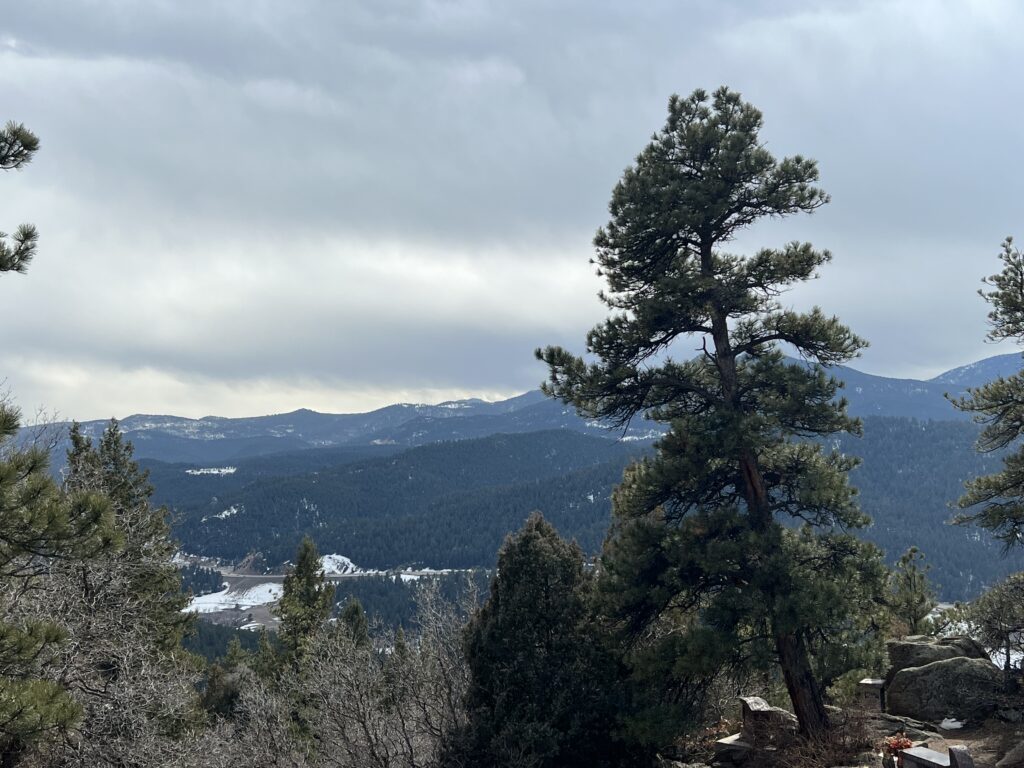
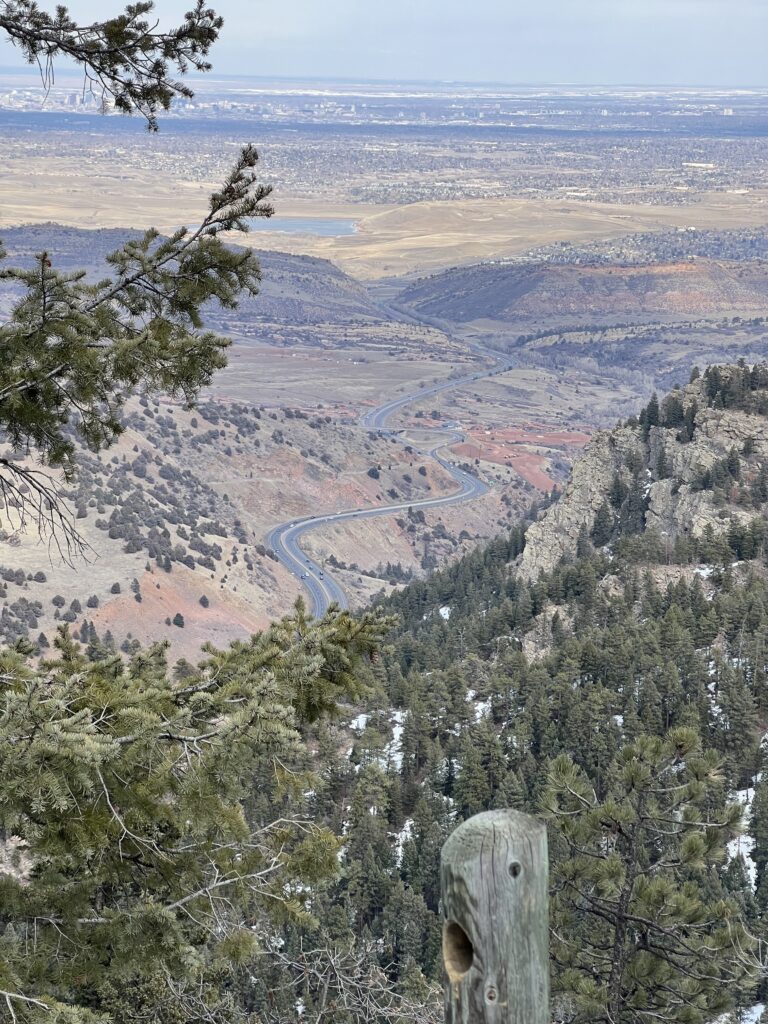
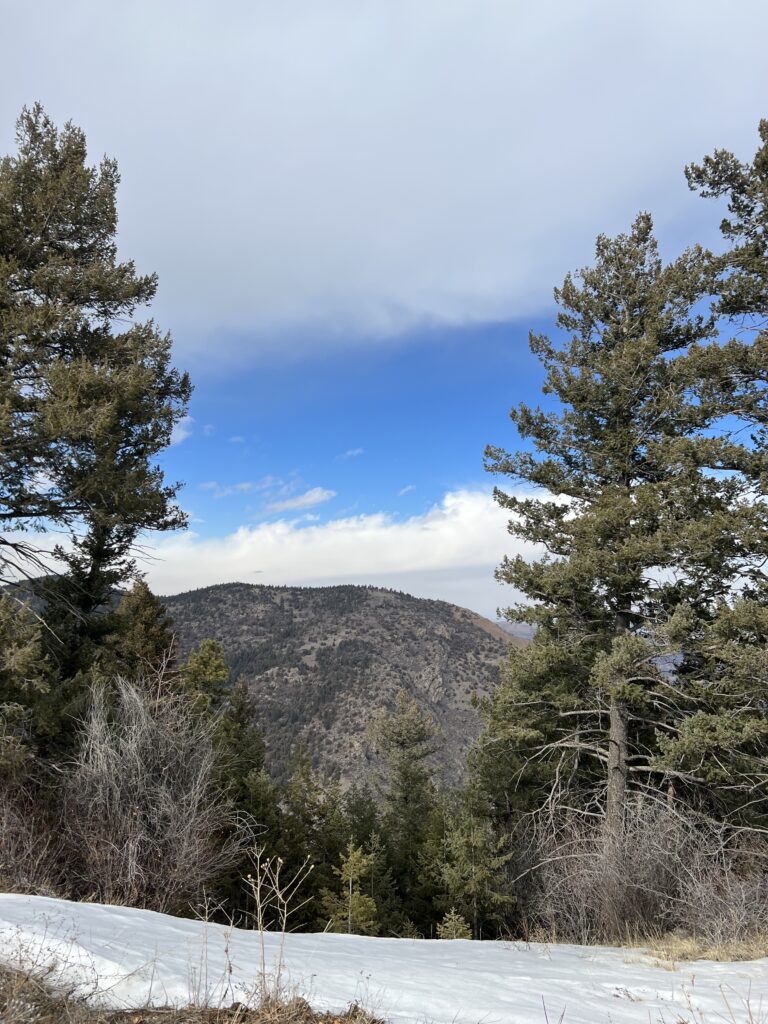
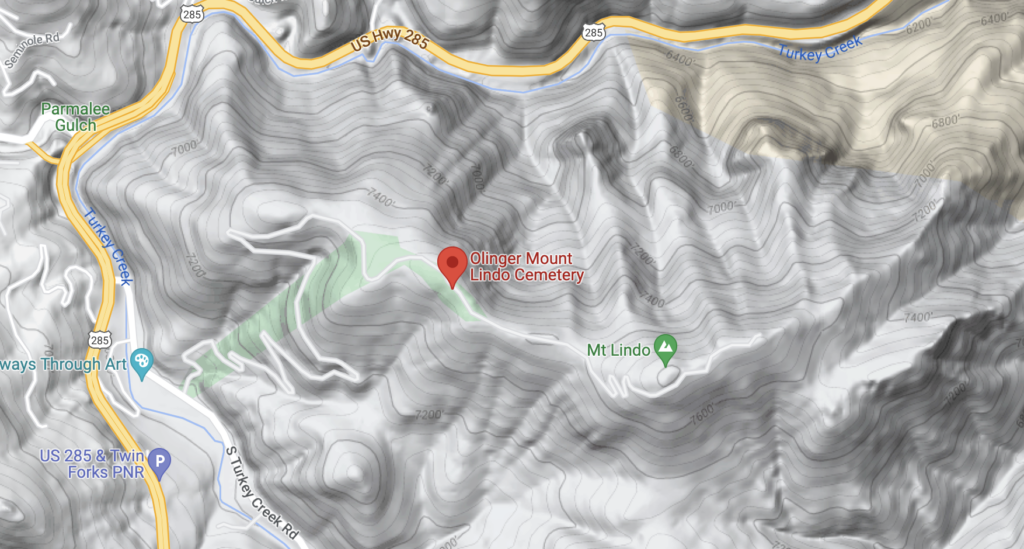
My spring break this year was spent in and around Conifer, Colorado. Near the start of the week, on March 12 in the early afternoon, I visited Ollinger Mount Lindo Cemetery. This new phenology site differed greatly from my spot in Redstone Quarry back in Burlington. While the natural communities were certainly prioritized and an integral part of the cemetery, the natural processes were not the main land-use priority of this space. The mountain top provides scenic overlooks and gardens which are in place to make the area aesthetically nice for those mourning to find peace in.
Redstone quarry is much different in its purpose as a conserved natural area in Burlington for recreation, research, and also aesthetic purposes. However, the peaceful benefits of nature are exemplified in both spaces. The quarry is also about 7000 ft lower in elevation than Mount Lindo which contributes to the distribution and kind of woody plants I encountered.
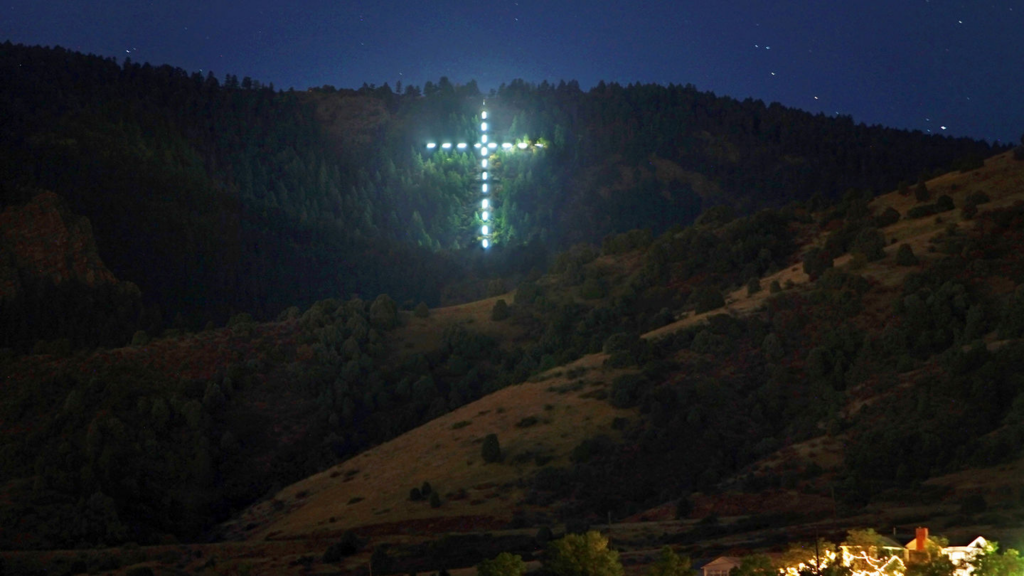
Wind chimes on a Douglas FirCross illuminated on the face of the mountain
An excerpt from the cemetery website explains the history of the cross.
“If you drive along Highway 285 at night, you can’t miss the huge illuminated cross that rests on the east side of the mountain. First illuminated on Easter morning in 1964, this historic feature is the largest electrically lighted cross in the country. It measures in at 393 feet high and 254 feet wide and can be seen from miles away. The cross was built by Francis VanDeber, who owned the land on Mount Lindo in the 1940s before it became a cemetery. Francis built the large illuminated cross on the mountain so his wife could see his final resting spot from her home in Denver after he passed away.”
The cemetery now serves Denver area families in finding final resting sports for their loved ones. The website describes the pines surrounding the site as dignified which is a testament to the power of wildlife to define a sense of place.
While sitting on the mountaintop, I noticed some birds I did not recognize and used the Merlin App to identify them as Mountain Chickadees and Black-billed Magpies.
The site consisted mostly of coniferous trees which were an amalgamation of pines and firs. I focused mainly on Douglas Firs which had not begun to form visible cones yet. The needles on the trees I examined were also well-developed and I did not see many signs of budding needles.
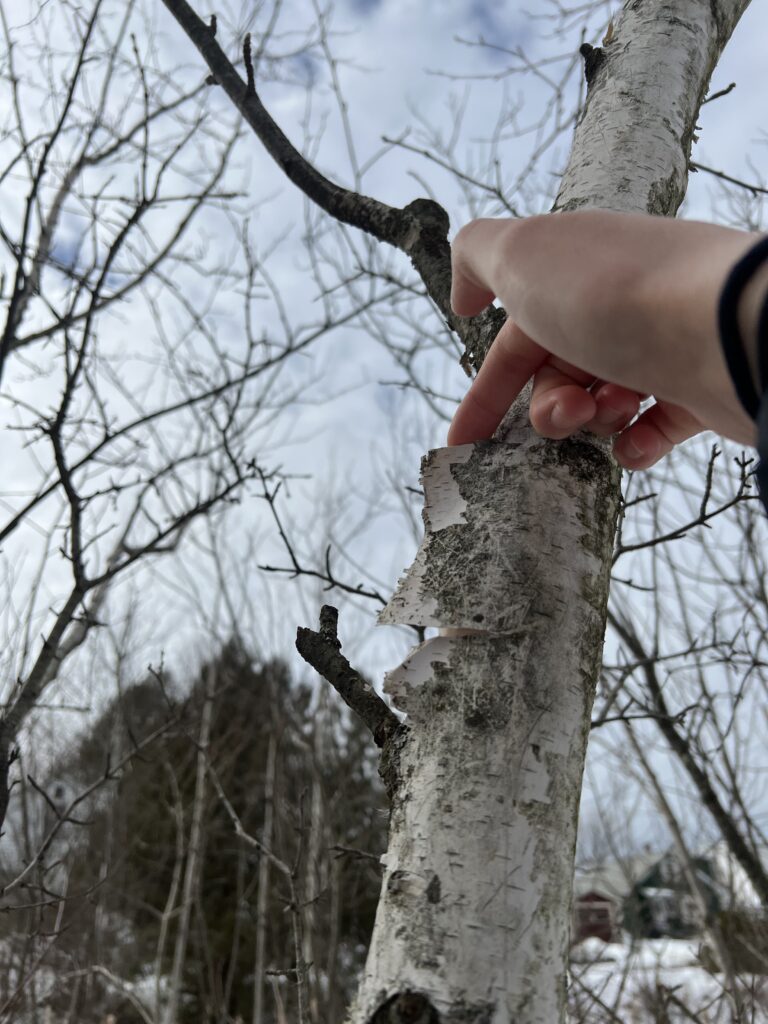
This week I went down to Redstone quarry in search of one of our focal species of trees. Walking down to the pond area, I saw a Paper Birch. While it could have been one of the winter lookalikes, gray, yellow, or river birch, I was confident in this identification because the bark was clearly peeling, which gray birches don’t do. The bark was also the characteristic white color of paper birches and not the gray/gold of yellow birches. River birch also tends to peel much more than paper birch.
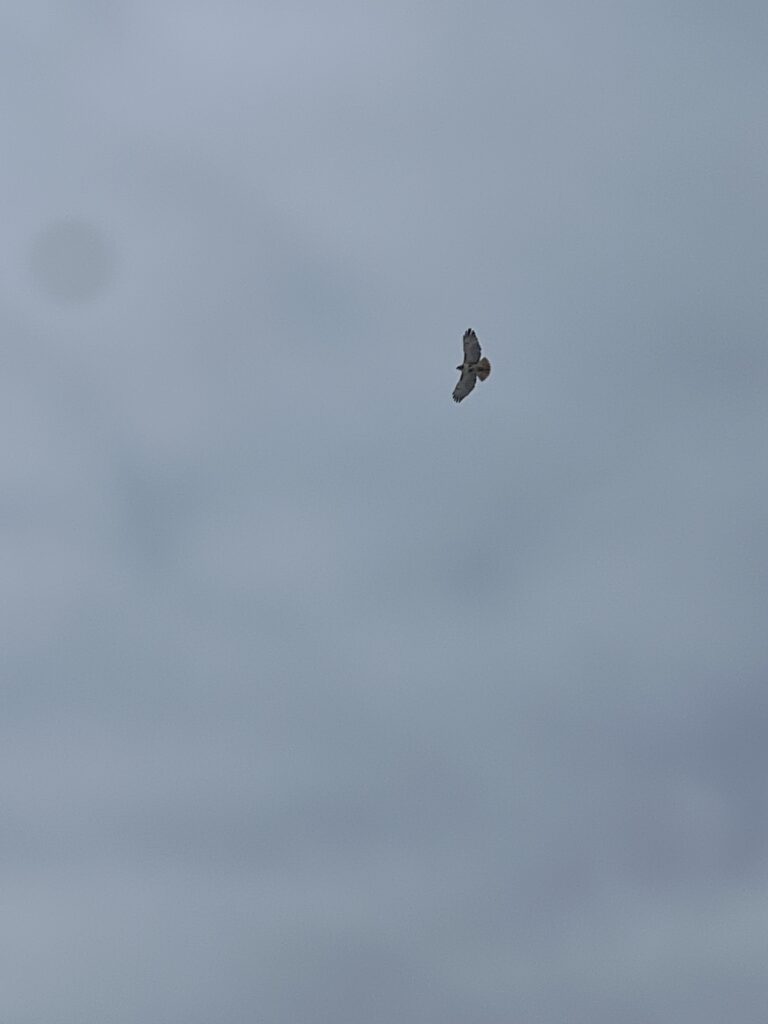
There was a lot of bird activity at the quarry this day as well. I saw a Red-Tailed Hawk and recorded a bunch of Cardinal and Blue Jay calls!