Posts

BioBlitz

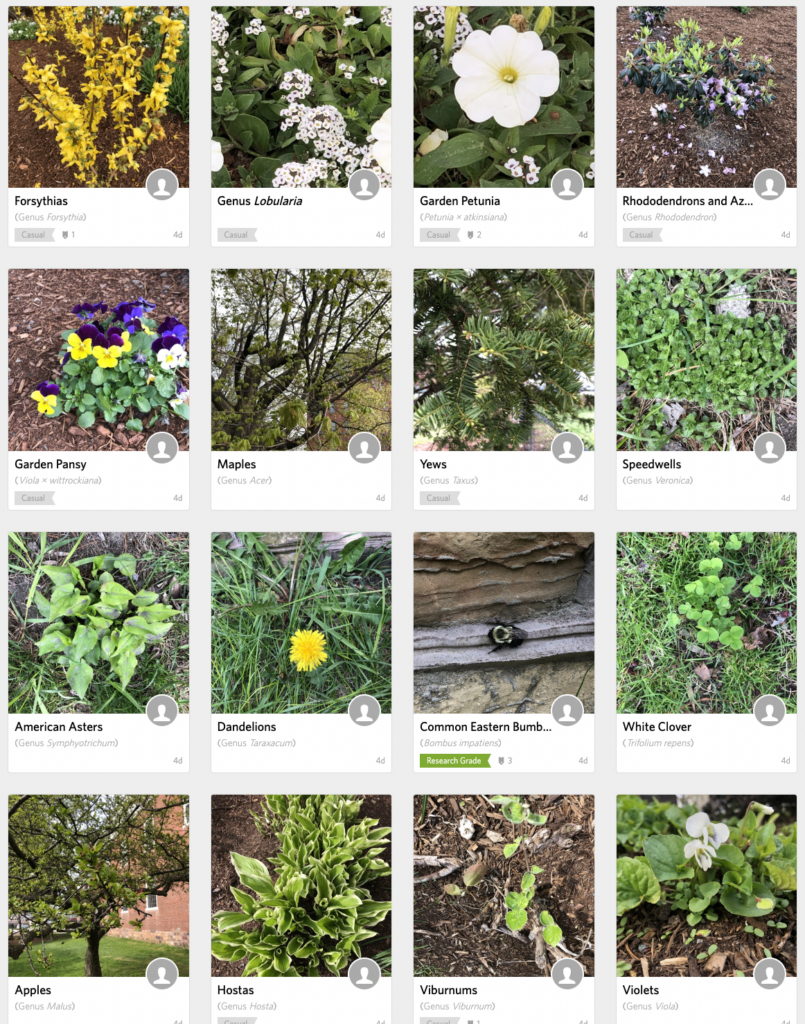
My experience using iNaturalist was pretty chill. I think that the app is easy to use and it’s convenient. I encountered a lot of species, I think I ended up recording like 20 species so nothing crazy but I was winning for our lab group for a second. I had a lot of fun just wandering around Burlington and taking pictures of random plants and other species that I was seeing. I did all of my observations just off of Church street, so it was super easy for me. Looking at the overall leaderboard, I thought that it was cool to see the greater Burlington area on the leaderboard in between much larger cities. I also think that it is crazy that La Paz had double the observations as the group that came in second, like 100,000 observations is absolutely absurd.
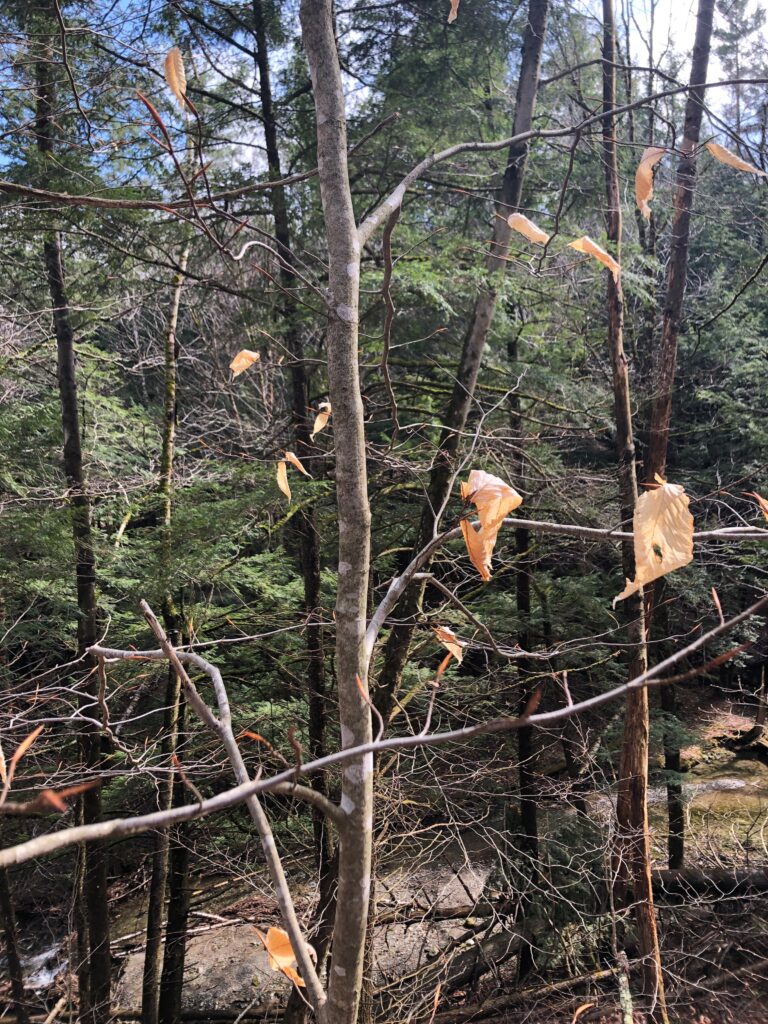
Final Beech Visit 4/23

Buds!
Beech Tree!

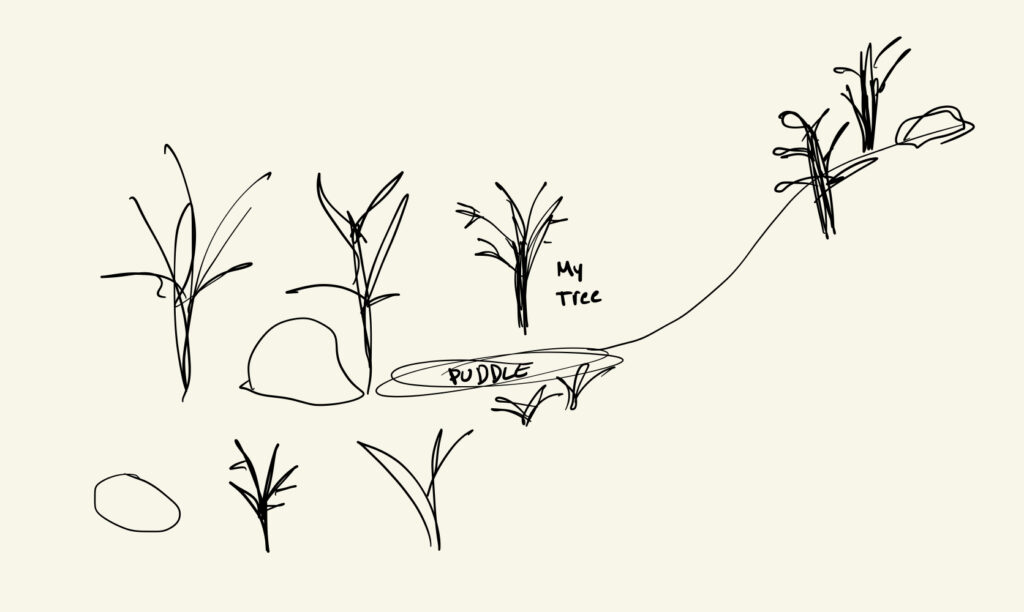
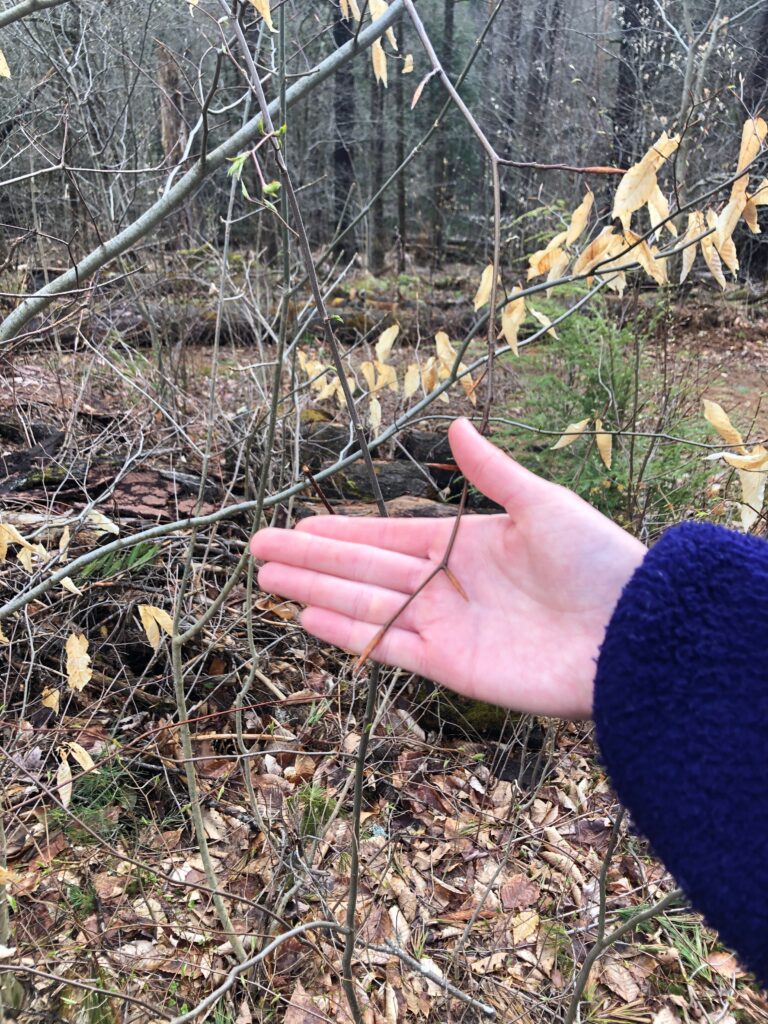
Over time not much has changed. There are still a few leaves and no flowering or budding. The trees around it have started to bud and a nearby sugar maple has baby leaves. Over time not much has changed. There are still a few leaves and no flowering or leaves. The trees around it have started to bud and a nearby sugar maple has baby leaves. I have become familiar with the trees around my area. There are some fun boulders and a hill, and the area at the bottom of the hill is very wet from rain so there was a fun puddle. I wouldn’t say that I am a part of my place. I’ve visited it just a few times so it doesn’t feel like I have a huge connection however I think that I’ve visited enough that it feels super familiar to me. I think that because I don’t have any memories associated with my place other then visiting for like 20/30 minutes I won’t form an actual bond with it.

Tree Check-In 4/09/23

My visit to my tree was pretty similar to every other visit I’ve had. This time, there was no snow on the ground and it was 60 degrees and sunny which was a nice change. There is still no budding on my tree however I noticed some buds on neighboring trees which was exciting for me. Now that I am getting more familiar with the area, it’s nice to look around and notice slight changes in the landscape. I could hear more birds today and I saw some green grass and small flowers growing, which I loved. Other than that, like I said above my tree hasn’t changed. There are still some brown leaves hanging on to most branches and the buds are closed. I’m hoping by my next visit there are buds on my tree too.

Tree Check In 3/26

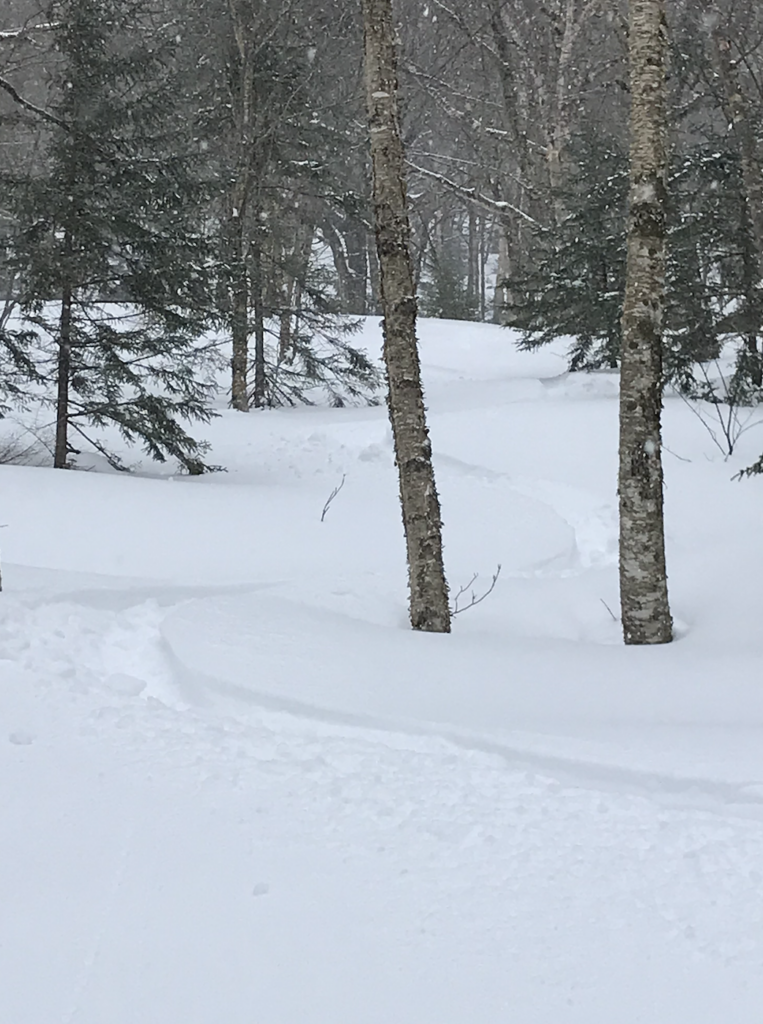
Over time my site hasn’t changed much. The biggest difference is that there is less snow and more mud than there was when I initially visited. There wasn’t any damage done to the area from the storm over break or from anything else. I would say that I have just become familiar with the trees around my beech tree more than other things. There are a few large boulder situations and a small hill, but besides that there are just a lot of young maples, some paper birches, and a few other beech trees. I wouldn’t consider myself a part of my place because I just visit a few times like it hasn’t become a place that feels close to me so I wouldn’t say that I feel like I am a part of it. I think with more time I could build a stronger connection with my place but I only form bonds with places when I have strong memories connected with it and I don’t think I will have those at my place.

Extra Credit Opportunity 3/19/23

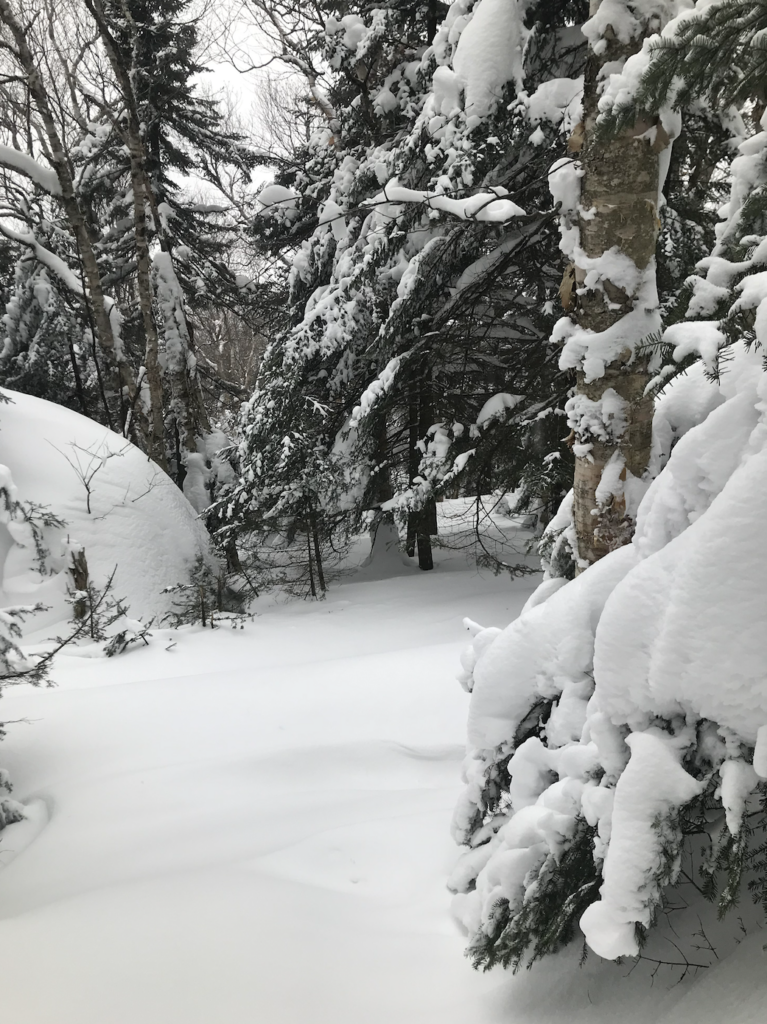
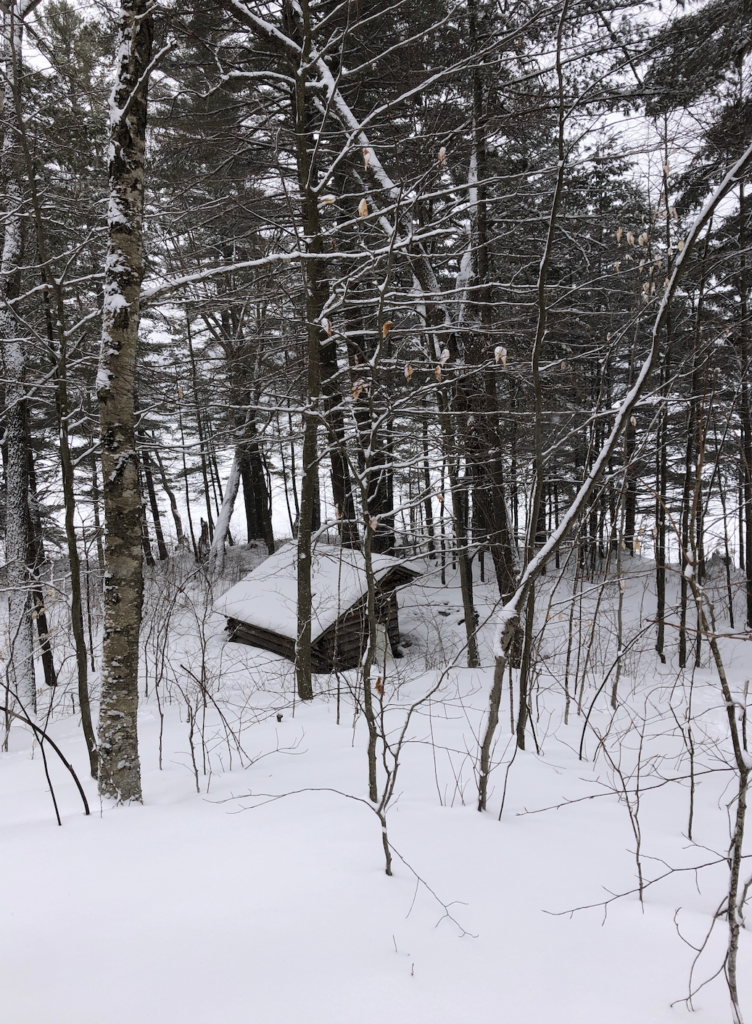
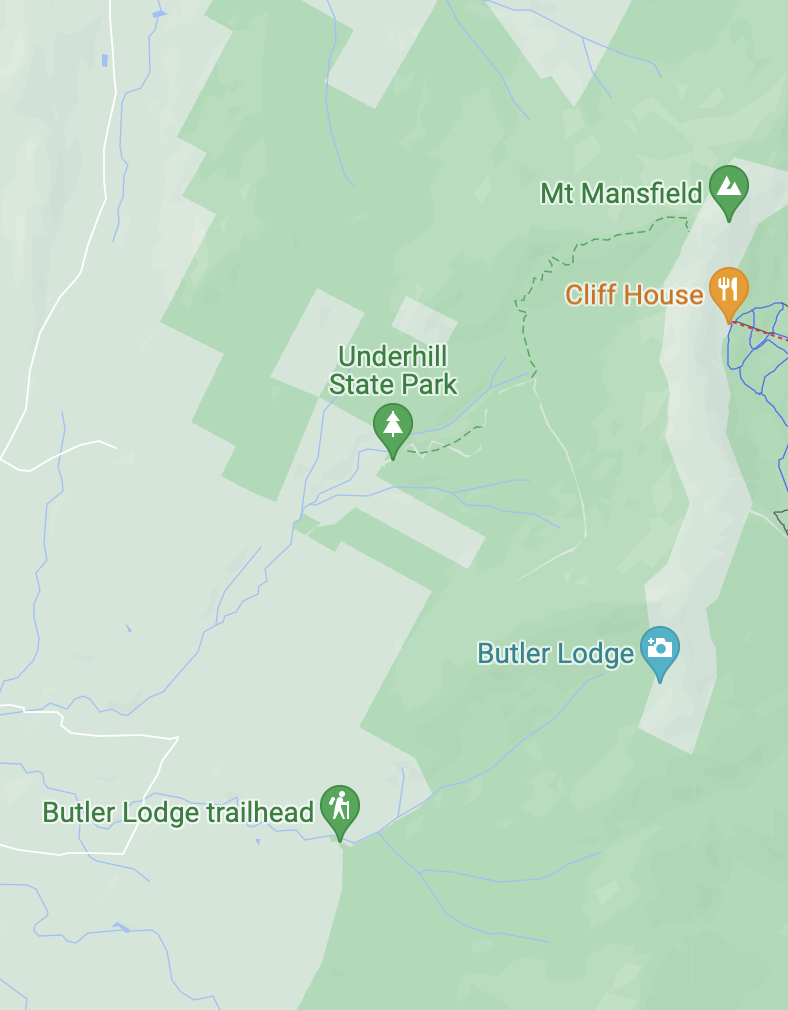
The place I visited was Underhill State Park. It was pretty similar to my phenology site because they are only 40 minutes away from each other. However, because the area of Underhill I was in was at a much higher elevation, there was more snow and more coniferous trees. While I didn’t see many species of birds, I heard a ton of different birds singing in the trees. I did see a few chickadees in trees and flying overhead. The tree species I observed the most of were mature Eastern White Pine and Paper Birch. I also saw quite a few young American Beech trees.

Tree Phenology 3/9/23

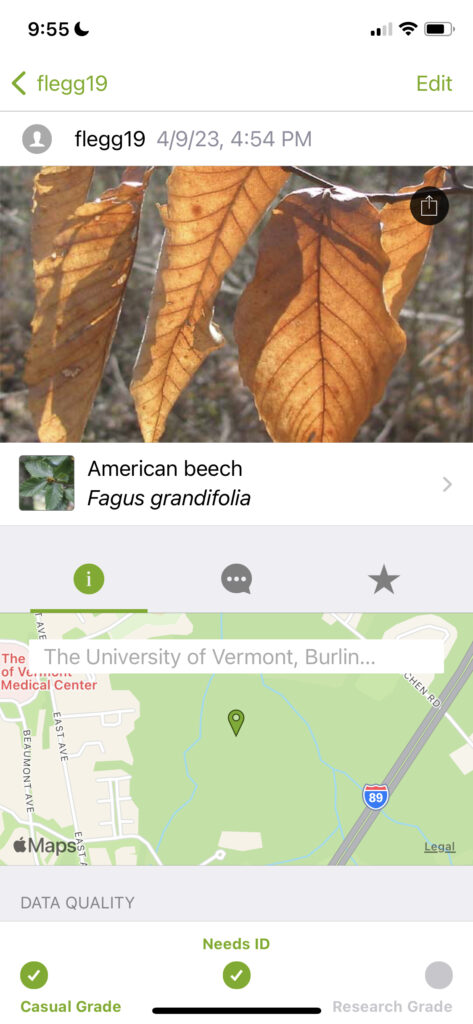
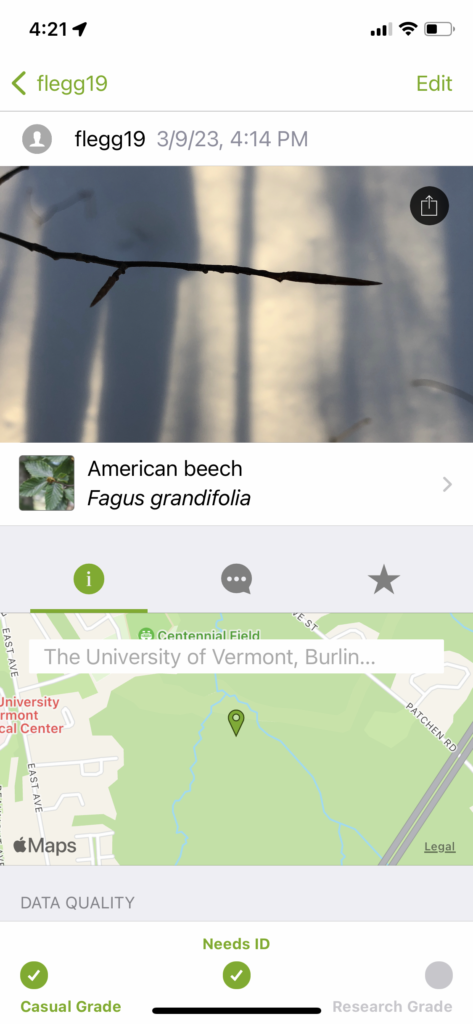
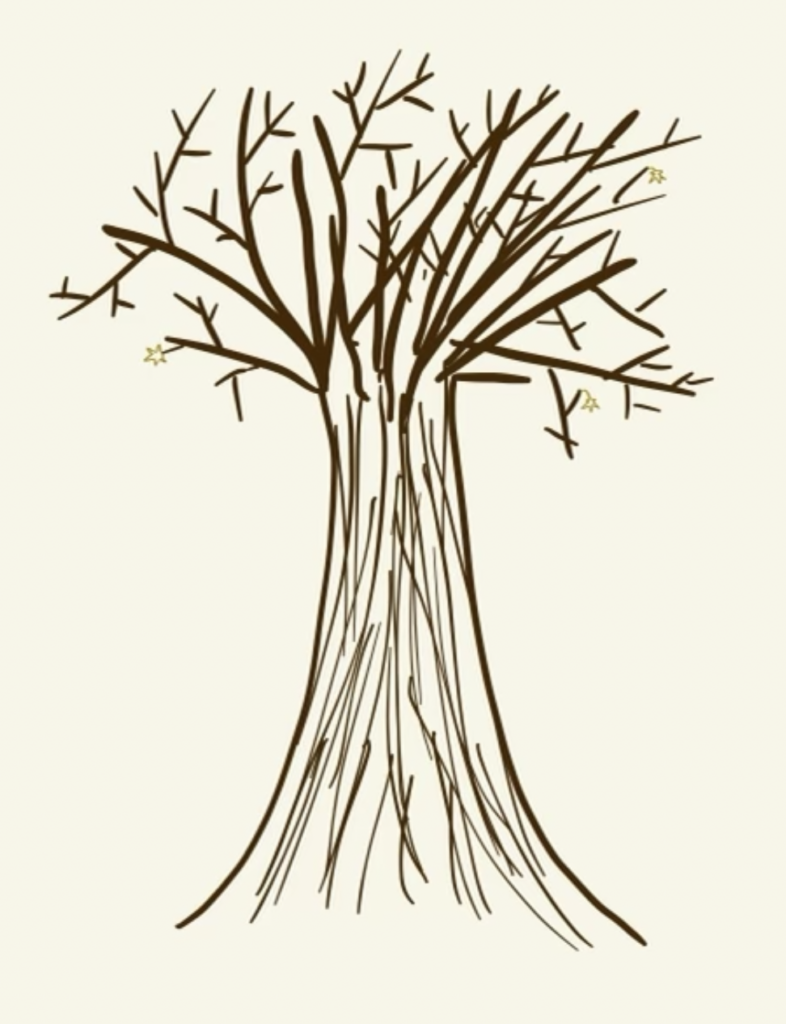
The tree that I found and identified was an American Beech. I knew that it was an American Beech rather than a young maple because its buds were long and pointy. Also the buds had a zigzag pattern where they were growing out of the branch and were cigar-like. Young maples buds are typically a little plumper than the buds of an American Beech. Also, the tree itself was quite large and had Beech Bark disease, which again means that it must be an American Beech. Finally, I observed no signs of flowering.

Greater Burlington Exploration 2/20

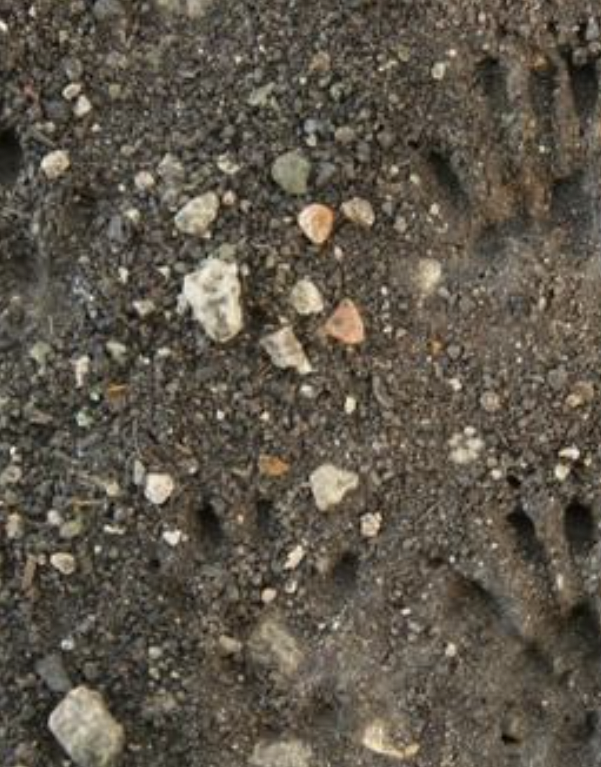
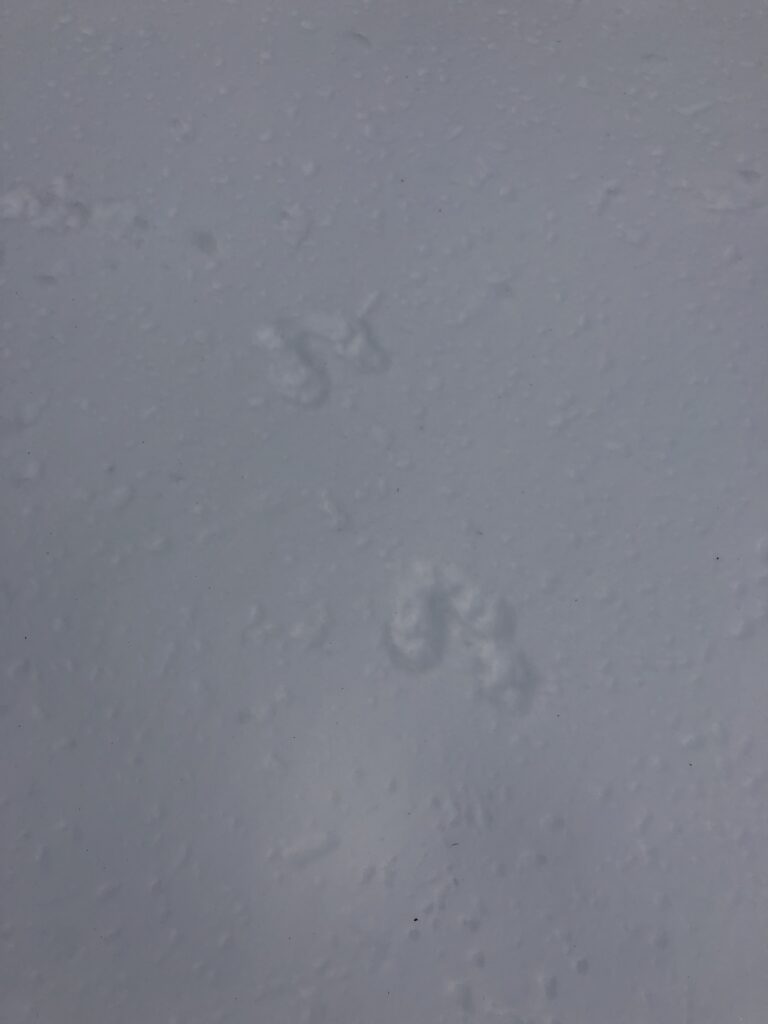
On my exploration of the greater Burlington area, I visited Centennial Woods, Waterfront Park, and the woods between the waterfront and North beach. While doing this I found a lot of evidence of animal life including a lot of squirrel tracks and actual squirrels, rabbit tracks, and red fox tracks. I did not get very many images of these as my phone died, however I was able to identify the squirrel tracks because they are gallopers and their larger hind feet were seen just above their smaller front feet. The rabbit tracks were identifiable because they are also bounders but their prints were much more oval and their front feet were staggered. Finally, I found what I thought were red fox tracks because they were more diamond shaped and had claw marks on their front two toes. Also I think that it was a red fox rather than a grey fox because of the slightly larger size. However I am not sure that this was a fox at all. As for iNaturalist the app was easy to use, though I am unsure if I submitted the image I took to the right group.

Squirrel prints in Centennial Woods

Salmon Hole 1/27/23

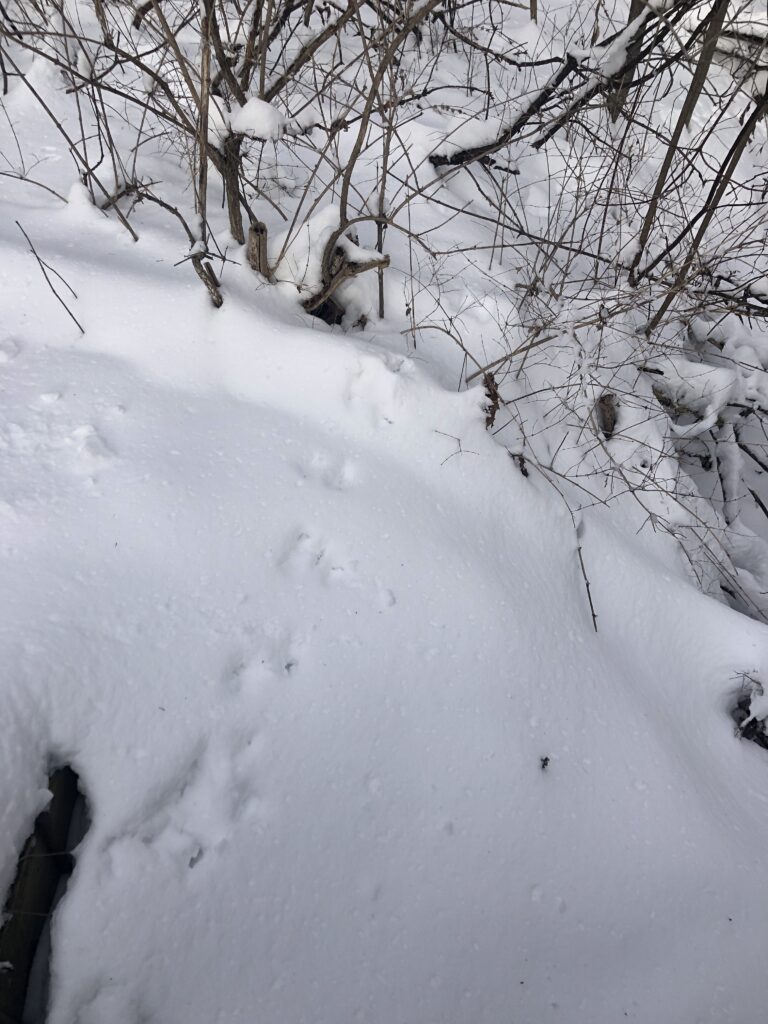
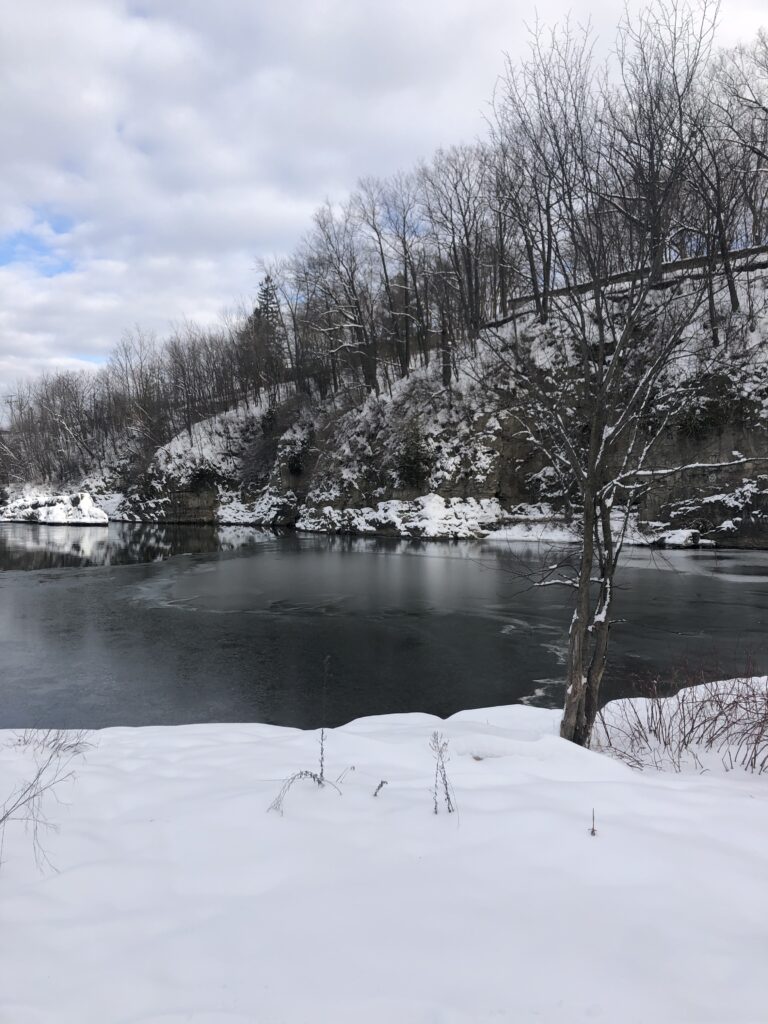
At my most recent visit to Salmon Hole, I found a lot of tracks that seem to be from small mammals and rodents, like mice, squirrels, and rabbits. There were very few trees that had leaves left, although the Oriental Bittersweet still had berries, and the snow below it was covered in fallen berries as well. Since my last visit, the biggest change is that now the landscape is covered in snow and the stagnant water has a layer of ice. The trees have pretty much lost the last of their leaves that were hanging on and the leaf litter that was present on my last visit is now covered in snow as are the smaller plants in the understory. Finally, I saw no evidence animal life outside of the tracks I mentioned above.

Final Visit 12/10

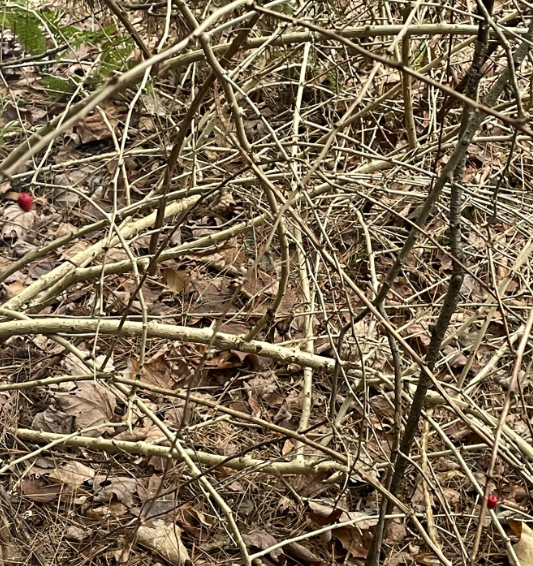
The foliage has changed since my last visit, but it looked pretty similar to my visit to Indian Brook. The most noticeable changes since my visit in the beginning of November is that the ground is no longer covered in a thick layer of leaf litter. The layer, while still there, is much thinner, and the colors of the leaves on the ground are much more brown than they were in November. Most of the trees that had had leaves last visit have lost all their leaves. That being said, both the Norway and Silver Maple had a few leaves still hanging on. While walking in the woods around my spot, I found barberry, which wasn’t included in my initial list of species but it did have a few berries left although no leaves remained. On the same trek through the woods I found both Eastern White Pines and an Eastern Hemlock, which both had needles left. The hemlock had significantly more needles remaining than the pine trees. I also noticed that the Oriental Bittersweet still had its red berries.

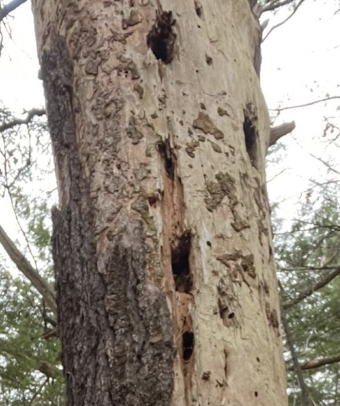
I found little evidence of animals during my visit. I saw a flock of birds in the water for a few minutes as well as some flying overhead. I also saw what I am assuming were woodpecker holes in trees, but I did not see the woodpeckers themselves. Animal activity has significantly decreased, as my first visit I saw much more wildlife out and about then I did this visit.

Barberry
Woodpecker holes
Silver Maple with just a few remaining leave

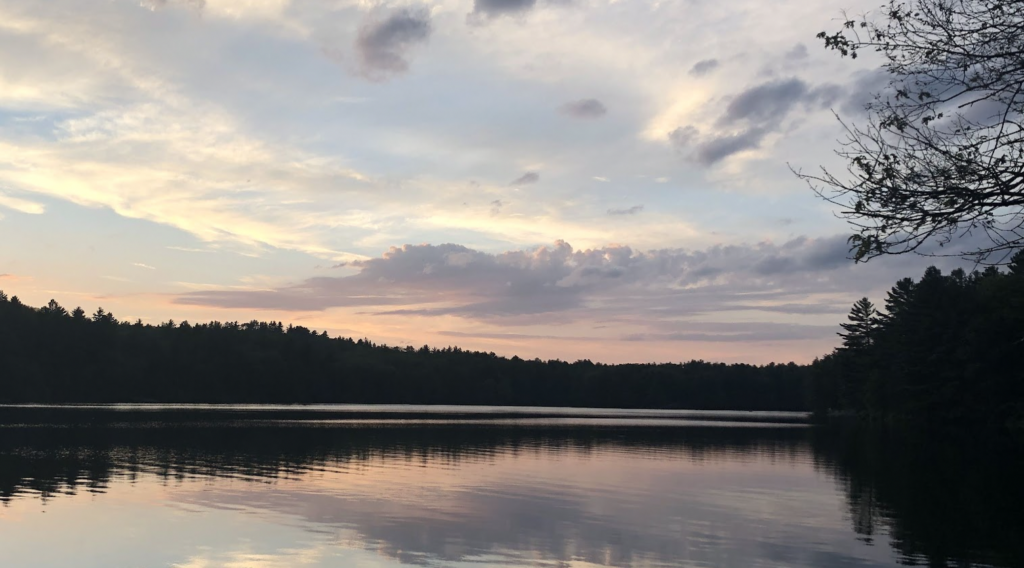
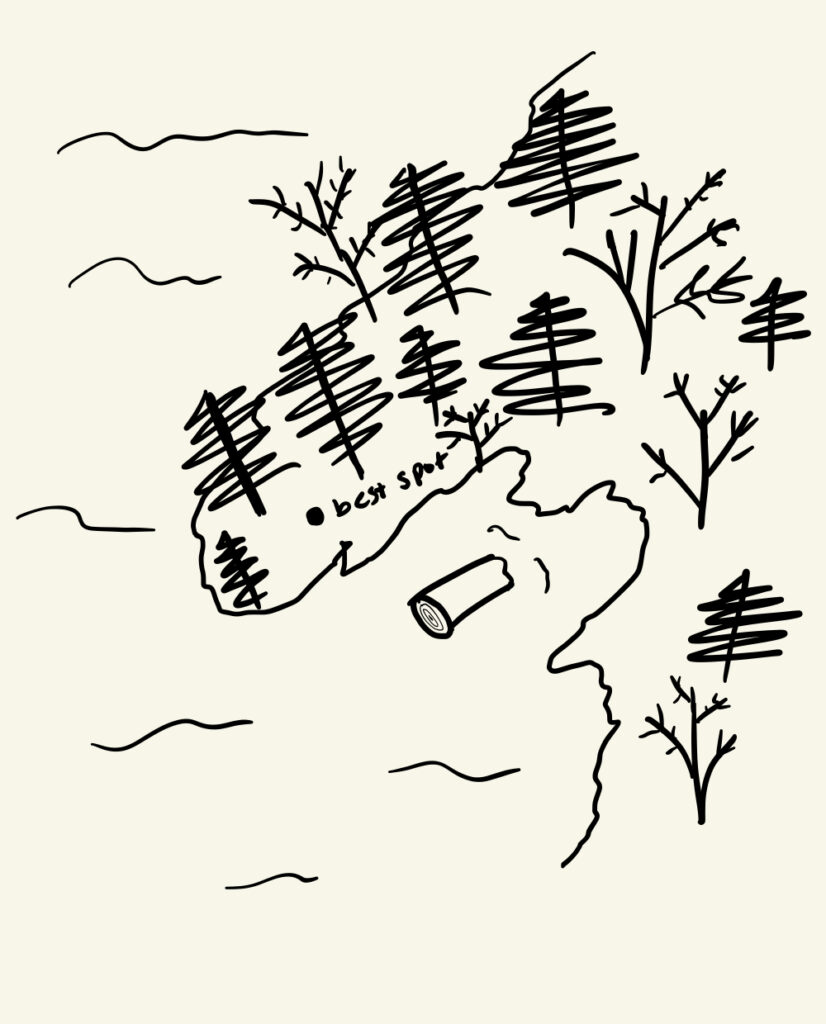
Reflection : I really enjoyed seeing the seasonal changes in my phenology place. The first time I visited it was the middle of fall, so the foliage was colorful and there were green plants everywhere, as well as animals out and about. This past visit, many of the trees had lost all of their leaves entirely, and I saw much less wildlife. But because I was visiting biweekly, I was able to see the changes as they occurred, so it didn’t seem sudden at all. This was really cool because I looked at past pictures of my site while I was there on this visit and I could compare how it used to look to how it does now. Another thing I enjoyed was the geography of my site, I liked that there was a rocky point, as well as a beach and woods. It was nice because I could explore many different environments in one site. Finally, I liked that my site was active, it had a lot of wildlife around at the beginning, as well as a huge variety of species that I was able to learn more about.

Home Location 11/28

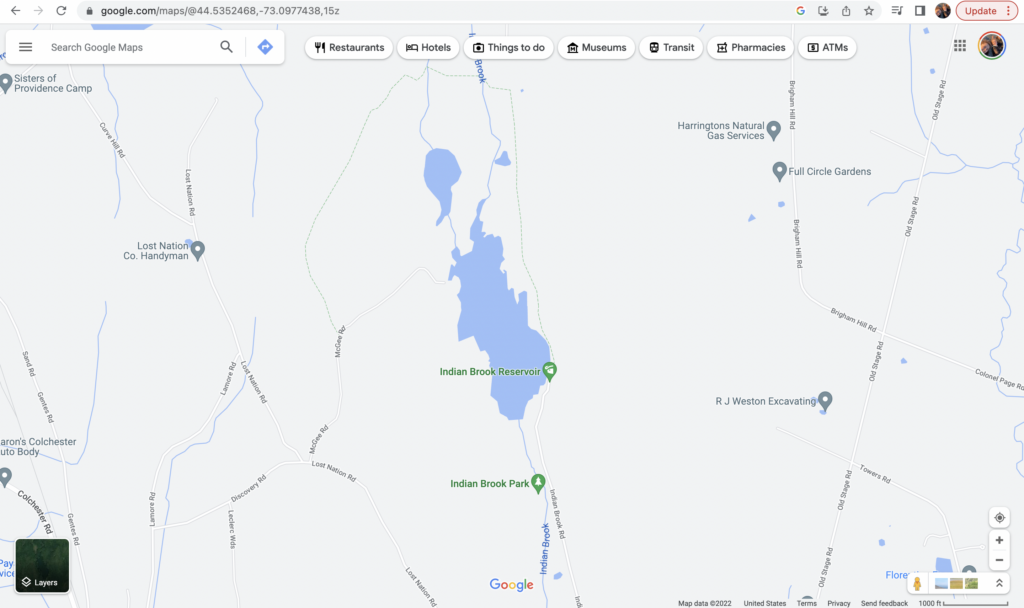
My Phenology Spot at home is Indian Brook Reservoir. It’s about 3 miles from my house, so a 10 minute drive or a 65 minute walk.

Indian Brook Reservoir has pretty similar ecology and phenology to Salmon Hole. This is because they are only 8.5 miles apart from each other. However, I did note some differences. There was a lot more active wildlife at Indian Brook than I saw at my last visit to Salmon Hole. The reservoir was filled with Canadian Geese, and the woods surrounding it had many squirrels and chipmunks out and about. Indian Brook also had more foliage than Salmon Hole at this time of the year, and it also had more organic matter on the ground. I do think that Salmon Hole has more of an understory than Indian Brook. On the other hand, Indian Brook and Salmon Hole both have many of the same species. They are both dominated by maples and have pretty dense forest. I also saw a heron at both sites. Finally, the water at both sites had the same clarity, though Salmon Hole has somewhat of a beach and Indian Brook does not.

Skip to toolbar