Final Phenology Visit

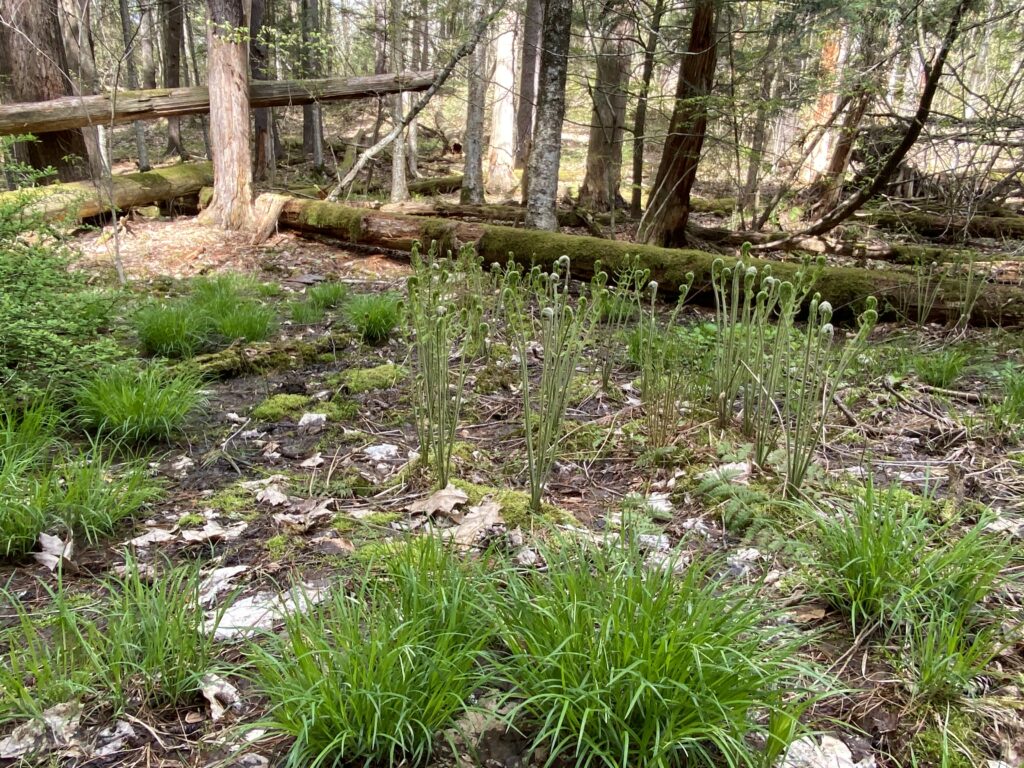
Since the last time I visited my phenology site, much more new growth has emerged. Many of the fiddleheads had opened up more or were fully open, and the ferns were much taller than last month. There were blooming flowers, particularly trilliums and small field flowers, scattered across the ground. There was also a lot of understory growth, with tiny 1-2 year old sugar maples only a few inches tall beginning to leaf out. The rest of the more well-developed understory had filled out much more, with more leaves unfurling on the branches. Similarly, the forest sounded much more active; I constantly heard an array of bird calls (particularly woodpeckers and chicadees), rustling, and chipmunks.

I think that the biggest way in which nature and culture intertwine at my spot has to do with recreation in the area. Although my area is off the trail, I’ve seen quite a number of individuals hammock or hikers wander down into the valley when I’ve been down there, implying that human interactions are still occurring at the site. Although there may be less damage to the ecosystem than right off the trail, there is still trampled plants and disturbed ground. As with the rest of Centennial, the woods offer locals and students the ability to experience the outdoors within the city. Personally, stepping into my site has offered me a sense of peace and tranquility, despite the sound of the planes overhead or sirens in the distance. I think that Vermonters value the woods, whether its for running, hiking, reading, school, or just wandering around. As Centennial is easily accessible, the area offers a chance for humans to disappear into the outdoors for a bit.

I don’t necessarily feel as if I’m a part of my place, but I do feel a connection to it. Because I do not largely impact the ecosystem, I don’t necessarily think I have a large role in the place as a whole. However, I do recognize I fit into the system, as my presence impacts the life around me. I think that the biggest way that I “fit into” my site, however, is through a self-decided connection to the area just from watching it and routinely visiting it throughout the semester. Although I don’t see the site as “mine” and I recognize other people visit it, I do feel as if I have gotten to know the place well and associate a sort of importance to the area. I noticed this most on my last visit, as I realized I was a little bit sad about it being my last official “phenology visit”. I also noticed how I felt almost proud to see all of the new growth, and a connection to all of the small saplings sprouting or flowers opening up. It was nice to see a place that I had created a connection with thrive and healthily enter into spring after such a long winter.
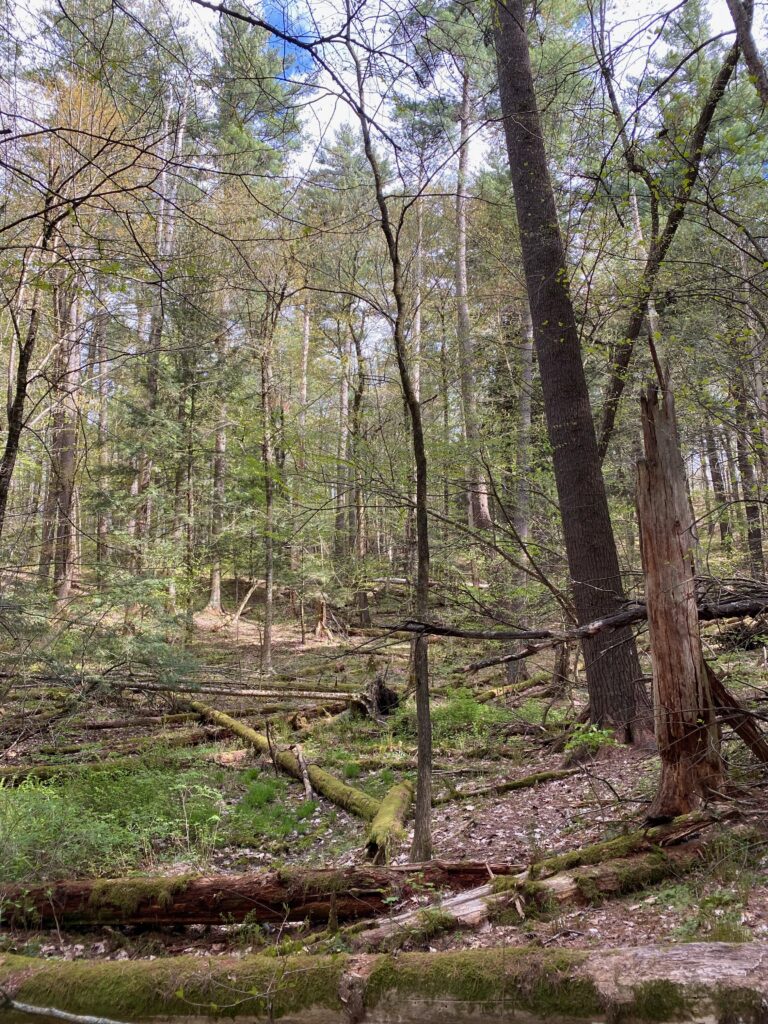
Overview of my site
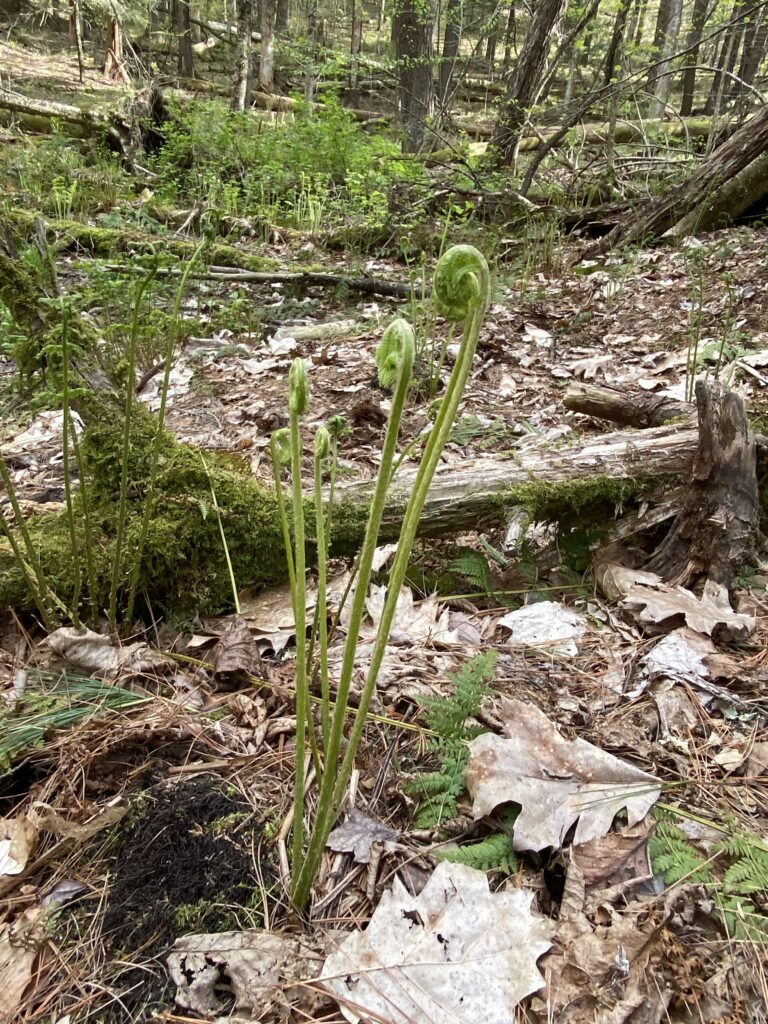
New growth of ferns, grasses, and other greens in the clearing. The fiddleheads are still still opening up, although they were much taller (around 2 to 3 feet tall).
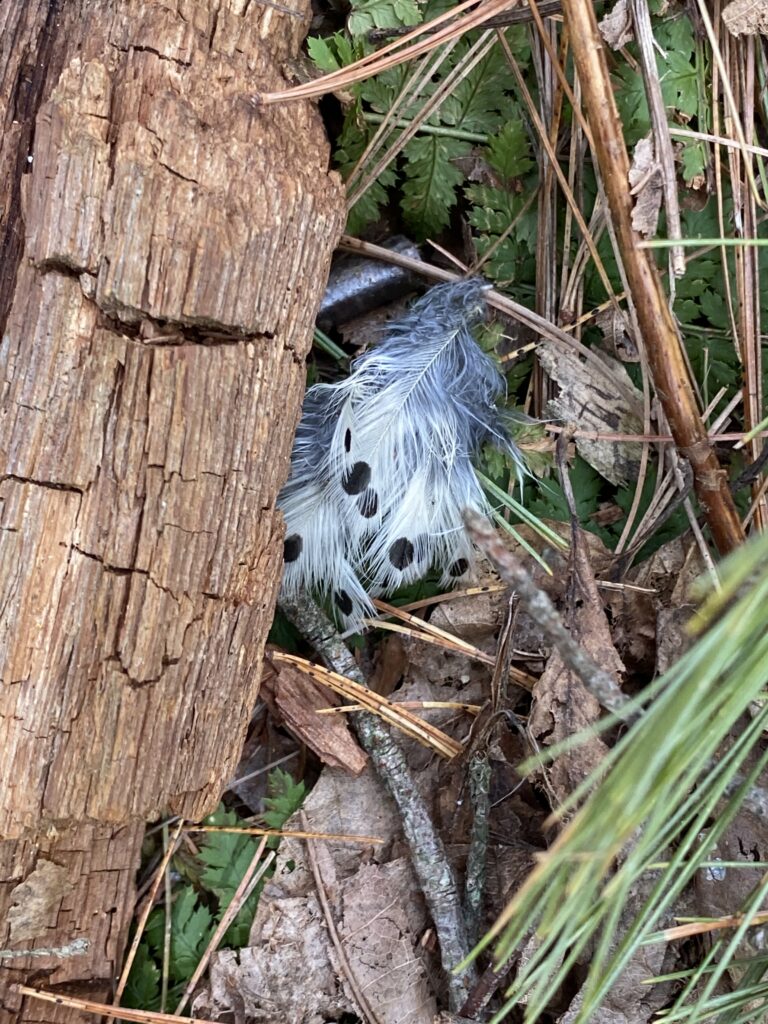
A small bird feather I found on the ground, indicating bird activity and moulting in the area.
A close up of some of the fiddleheads at my site.
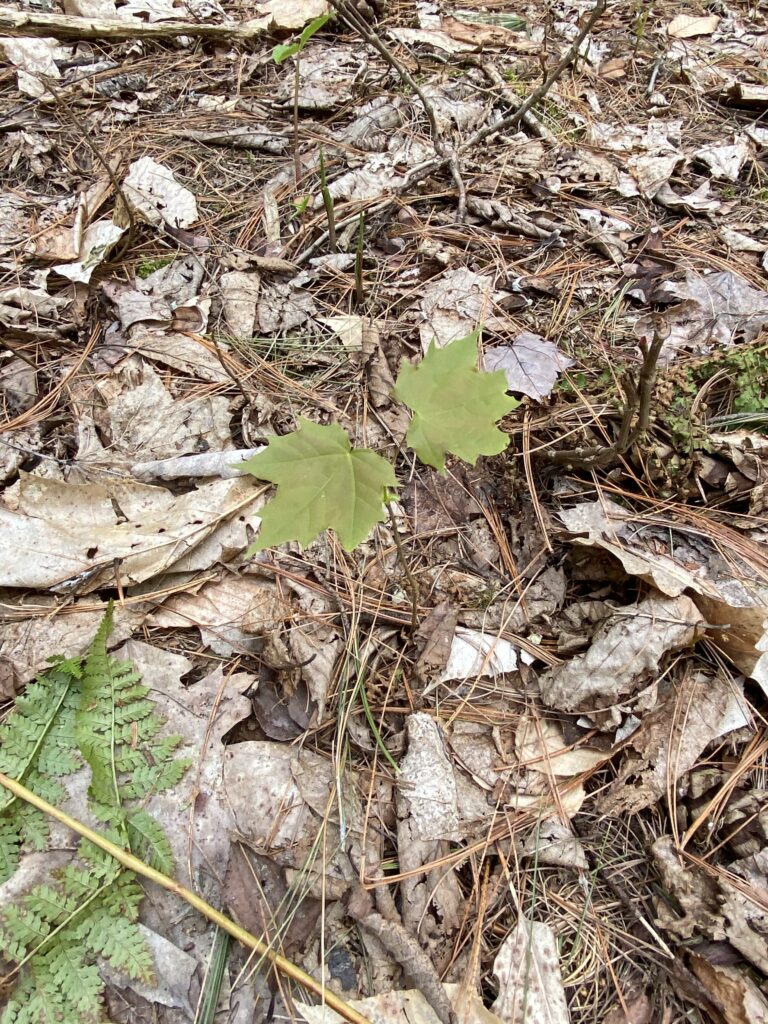
A small sugar maple sapling sprouting and opening up.
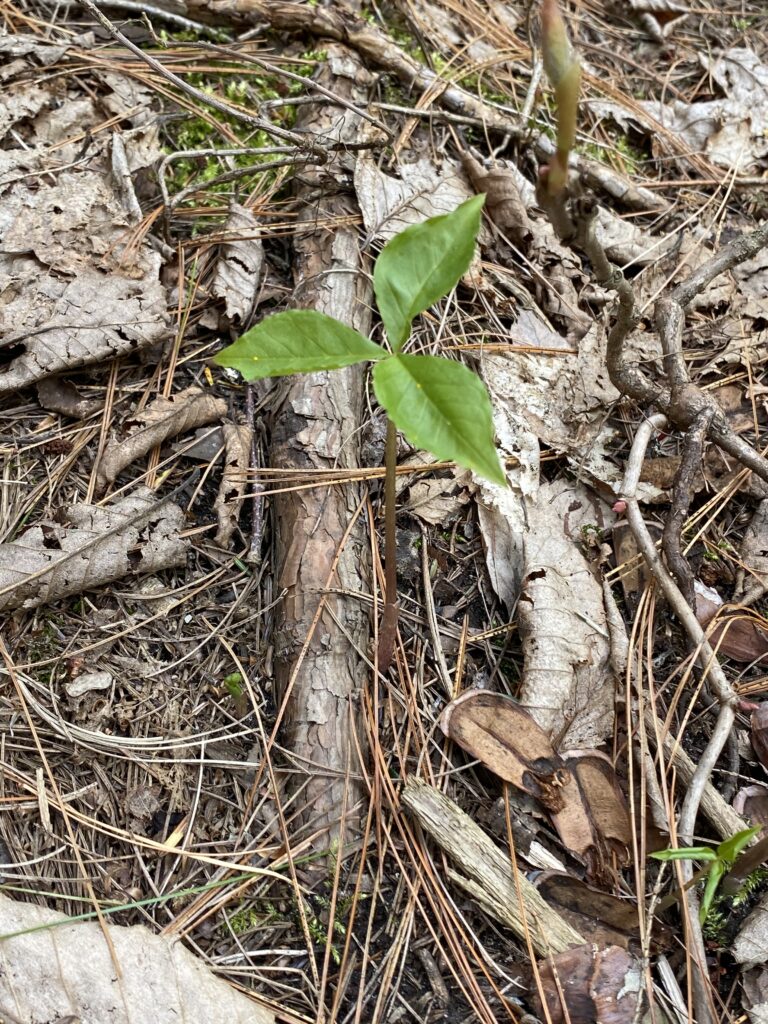
Another small plant sprouting (potentially a trillium?)

City Nature Challenge

This city nature challenge, I explored around campus, down Main street, and around Lake Champlain. Although I didn’t run into too many shocking observations, I had a really good time looking around more urban areas of Burlington and documenting the wildlife present. I liked the challenge because it made me more aware of my surroundings; instead of just walking to the dining hall, I was paying more attention to what species of grasses and flowers were growing on the ground next to me, or kept my eyes on the sky searching for birds. I especially appreciated doing the challenge in spring, as I picked up on more seasonal changes than I would have otherwise. When I was little, my parents and I would go out looking for as many “signs of spring” as possible. Doing this challenge was the first time in a while that I remember going out specifically in search of signs of spring, and it reminded me why I loved doing it with my parents so much when I was little.

My experience using INaturalist was pretty positive. I found it relatively easy to use, and I liked how I could upload photos from my camera roll directly. I also thought it was really helpful that INaturalist recommended species for the photos, as I oftentimes didn’t know the exact answer or the scientific name. I found it relatively confusing to join my lab group, but after an email from Greta, I’m relatively sure that I was able to successfully log my observations under our group.

Looking at observations from around the world was a really interesting way to see species that I usually don’t. For example, I really enjoyed some of the marine species observed, such as bay barnacles and the Atlantic Blue Crab. I also really enjoyed some of the bird species, such as the Glittering-bellied Emerald hummingbird seen Brazil.

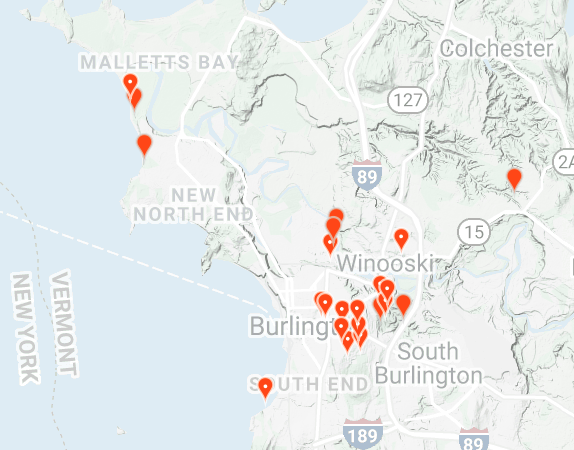
Image of my lab group’s observations on a map.

Attached above is a photo of my lab group’s observations. I thought it was really interesting to explore all of the different species recorded in different areas, especially the ones in areas I haven’t been to very much (for example, Malletts Bay). It was also interesting to look through all of the observations closer to campus and get a better understanding of what species are seen on the daily right by where we live.