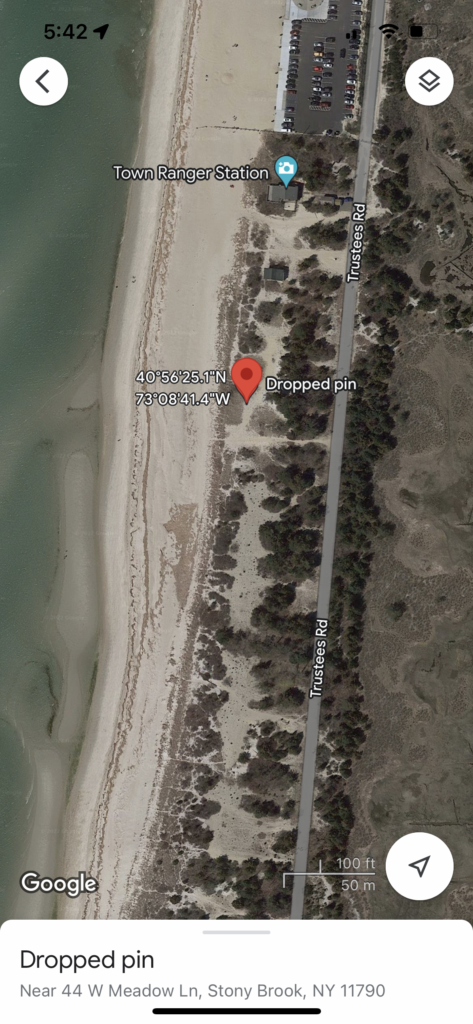
Only a short drive north from my house, West Meadow Beach is one of my favorite spots to go all throughout the year. Located on the Long Island Sound, this beach, like all of the north shore beaches, is extremely rocky from the remaining glacial debris. The waves on this side of the island are significantly smaller than the south shore, thus the rocks aren’t facing much erosion. For this reason, it is great for swimming and paddle boarding in the summer months. The specific spot of this beach that I chose is along the walking path, and past a few abandoned huts. It is situated between the maritime shrubland of the upper beach and the water itself, surrounded by plentiful beachgrass. During this time of the year, it is perfect for scenic walks and picnics. When it is too cold to sit on the windy beach, you will still find people sitting in their cars to watch the sunset.
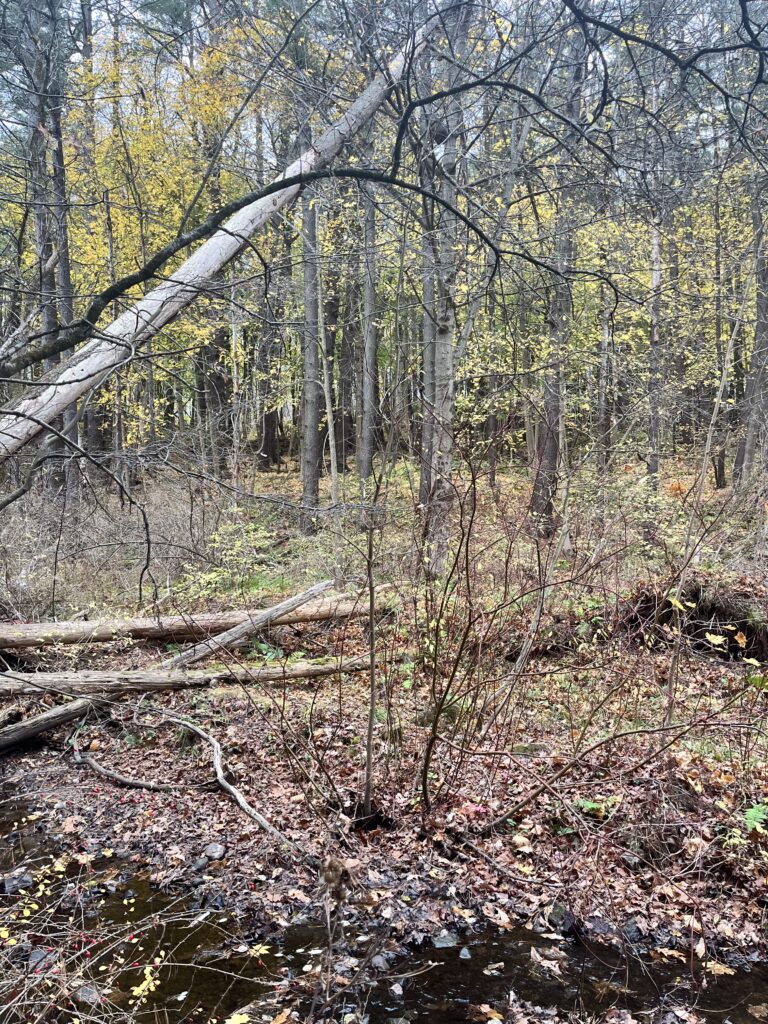
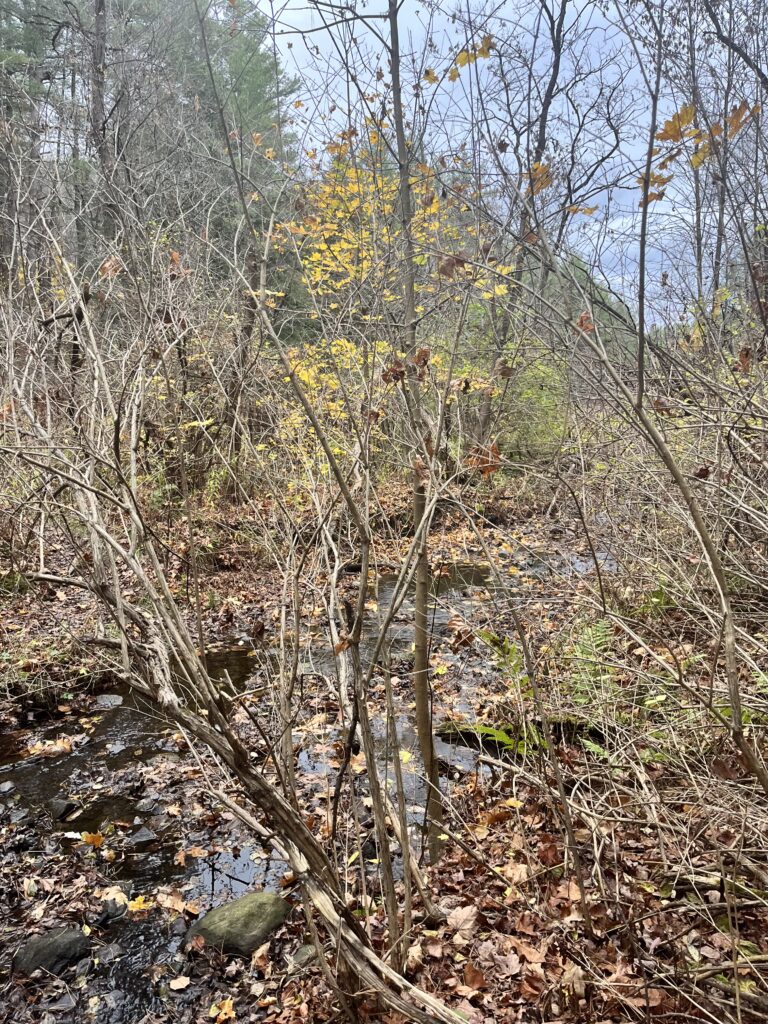
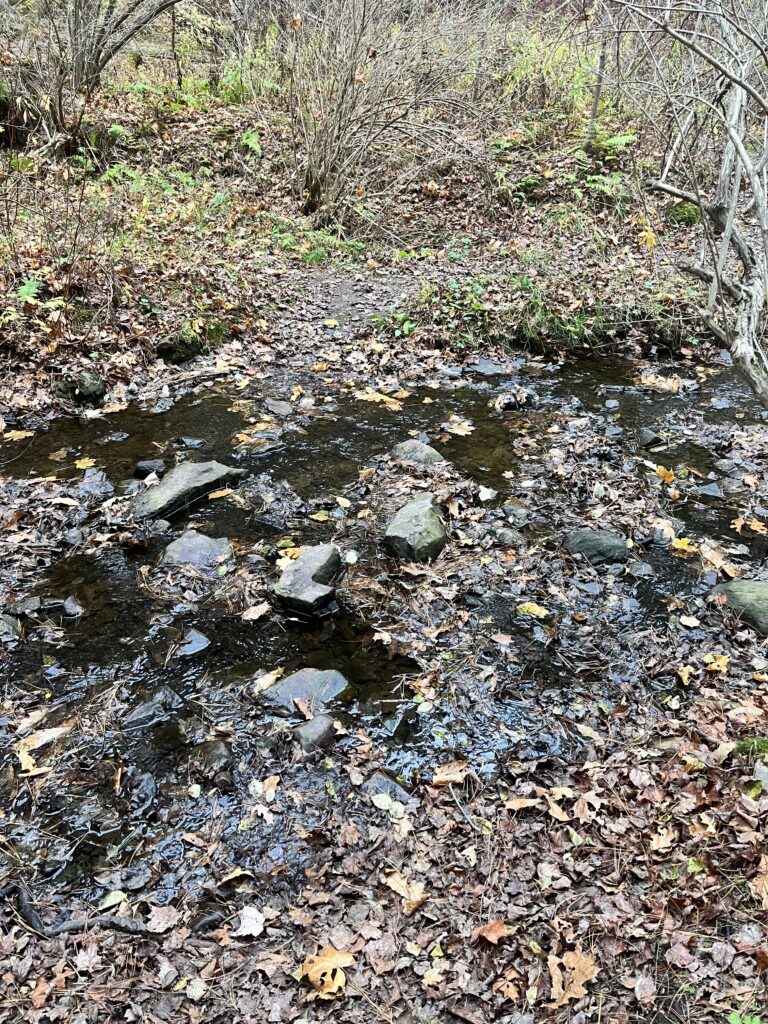
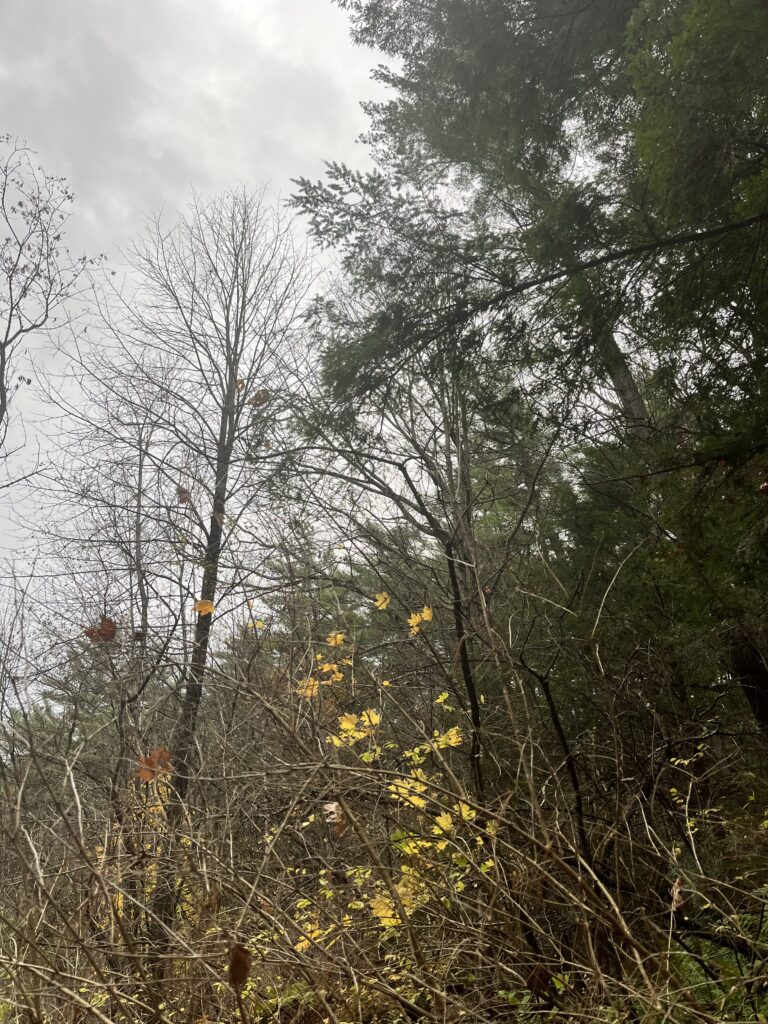
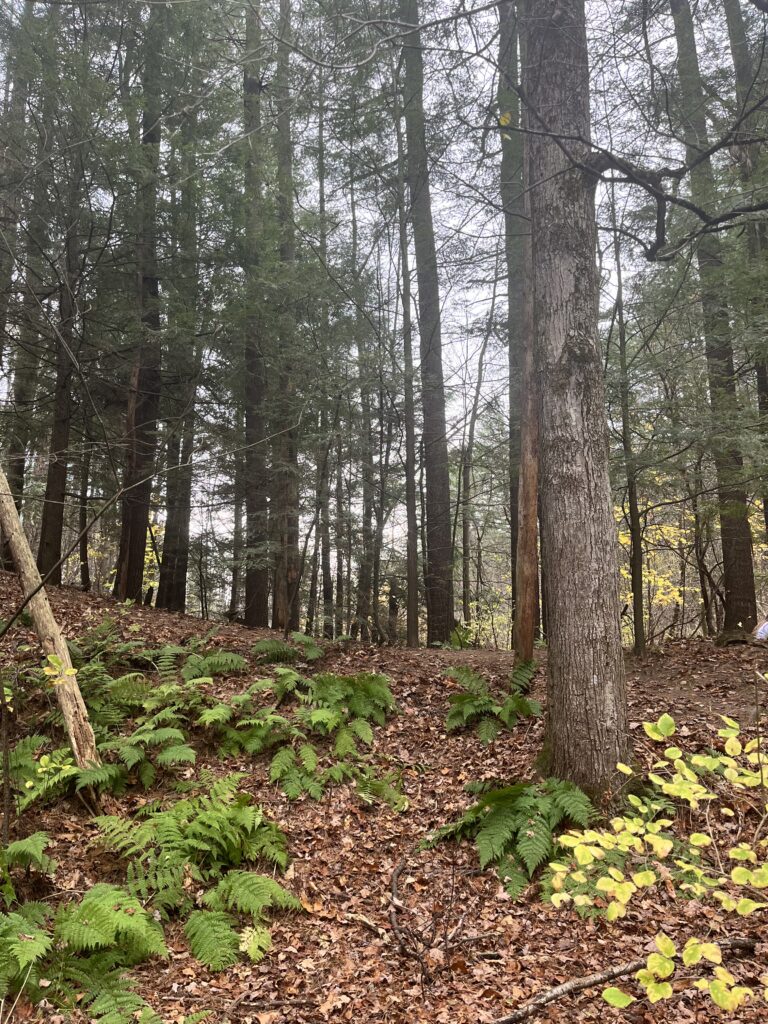
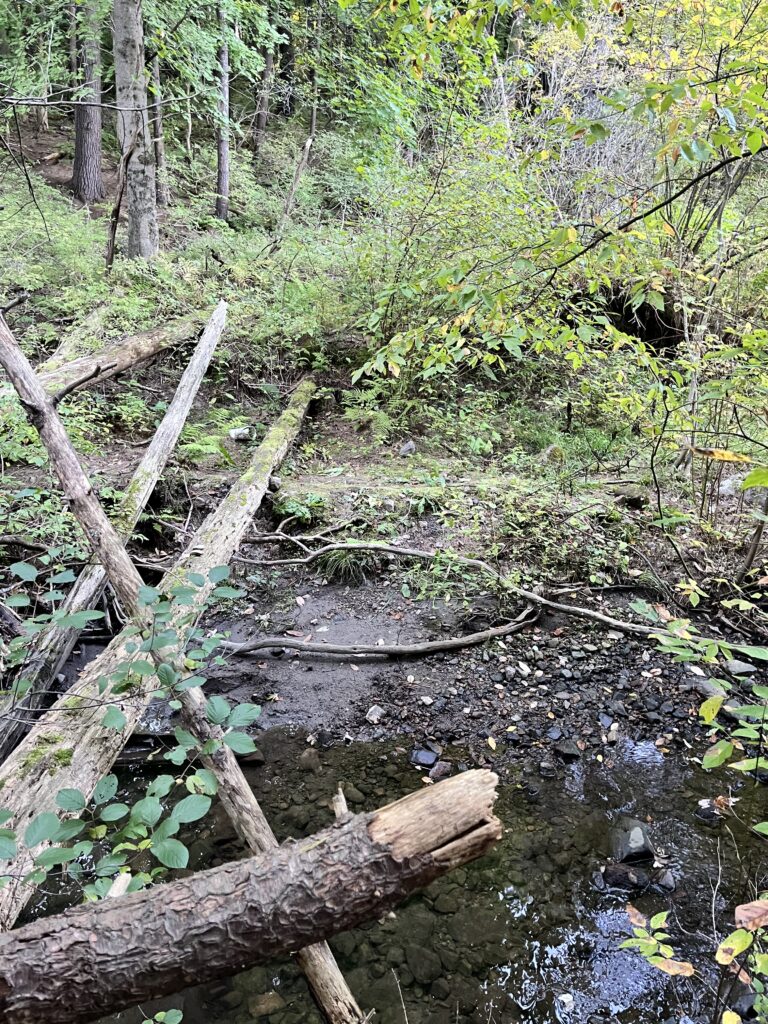
It was a particularly warm and cloudy day at my spot in Centennial Woods with a rainstorm looming. I was shocked to see just how much the vegetation has changed since I was last at my spot 3 weeks ago. The ground was densely covered in the fallen leaves of most of the trees, so much so that they were obstructing the flow of the brook. At some points of the brook, the water was stagnant as the buildup of leaves had caused almost a dam. Naturally, because all of the leaves are on the ground, all trees except the conifers were bare. The Eastern White Pines seem to be thriving, as well as the many ferns that reside below the canopy. At the brook I did find a honeysuckle plant that was still holding onto its leaves as well as a Norway Maple, although that tree will be bare soon enough. The woods are almost completely prepared for winter, even though the weather proves otherwise.
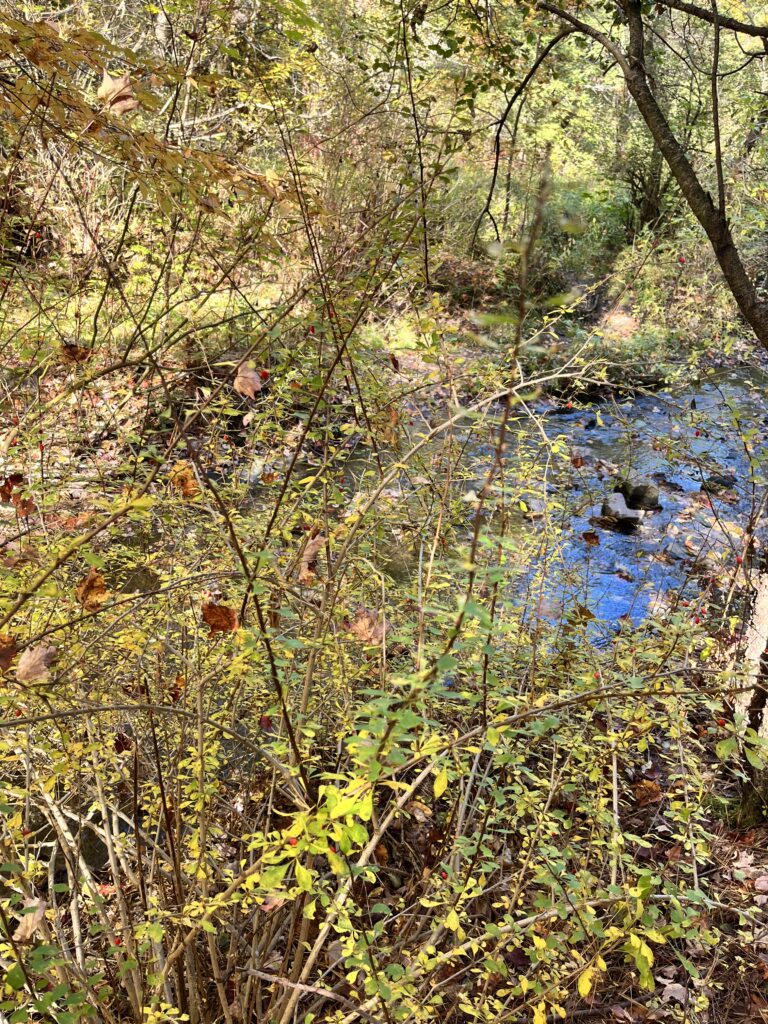
Today I visited my spot and took a seat next to a honeysuckle plant, right at the edge of the brook. It was an unusually warm day, being 73º in November but it was nice to sit comfortably for a few minutes and enjoy the scenery. During my time in my spot I noticed that the sky was growing darker and the winds were picking up, but I could still hear the pleasant chatter of many birds. Many of the species were unidentifiable, but I did notice a crow passing by as well as a pileated woodpecker. I heard the woodpecker for a few minutes while I was sitting, but I was pleasantly surprised when he decided to land on an eastern white pine right next to me. In addition, the sound of the brook was extremely calming, especially with the loud rustle of leaves in the background. There was also a considerable decrease in the amount of insects that joined me today in comparison to my past visits. As always, my visit to my spot was an overall enjoyable and relaxing break from all my schoolwork, at least until I was caught in the storm on my way out.
Located on the eastern edge of the University of Vermont’s campus, Centennial Woods provides easy access to the various sights, sounds, and smells Vermont’s wild has to offer. Over the course of the phenological year, this blog will be a place where I document the changes in land as temperature fluctuates, animals move, and plants grow. Specifically, I will focus on a plot of land near Centennial Brook, a flood plain surrounded by a dense and diverse forest. Thank you for visiting this blog and I hope we can enjoy this lands journey throughout the year together!
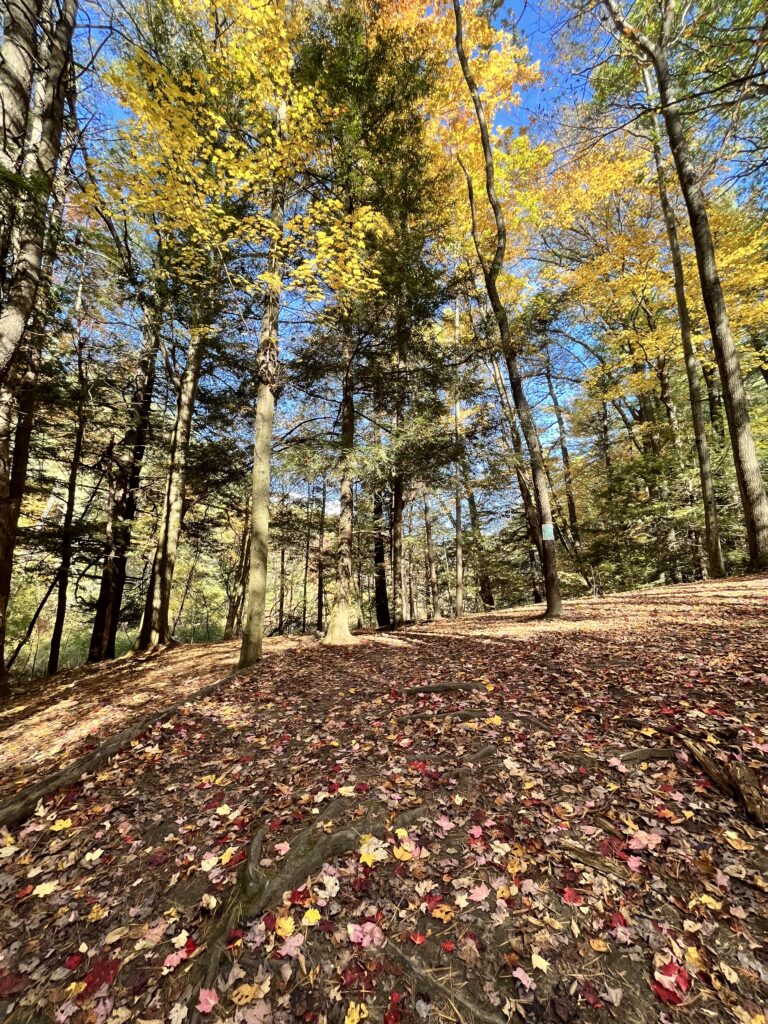
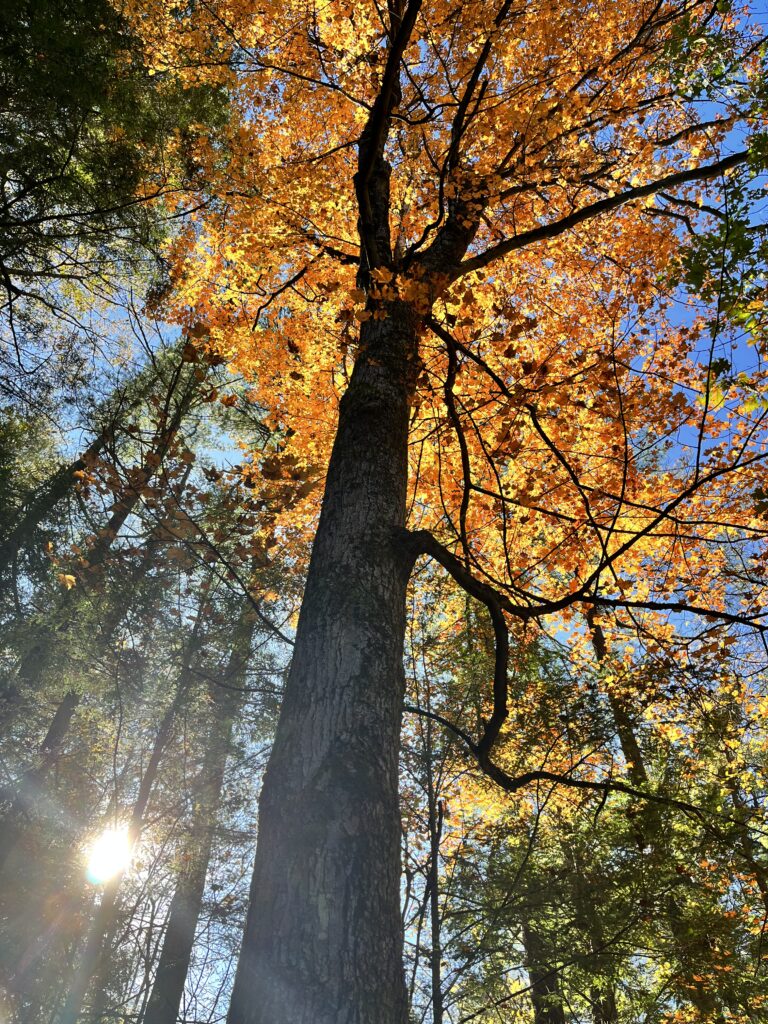
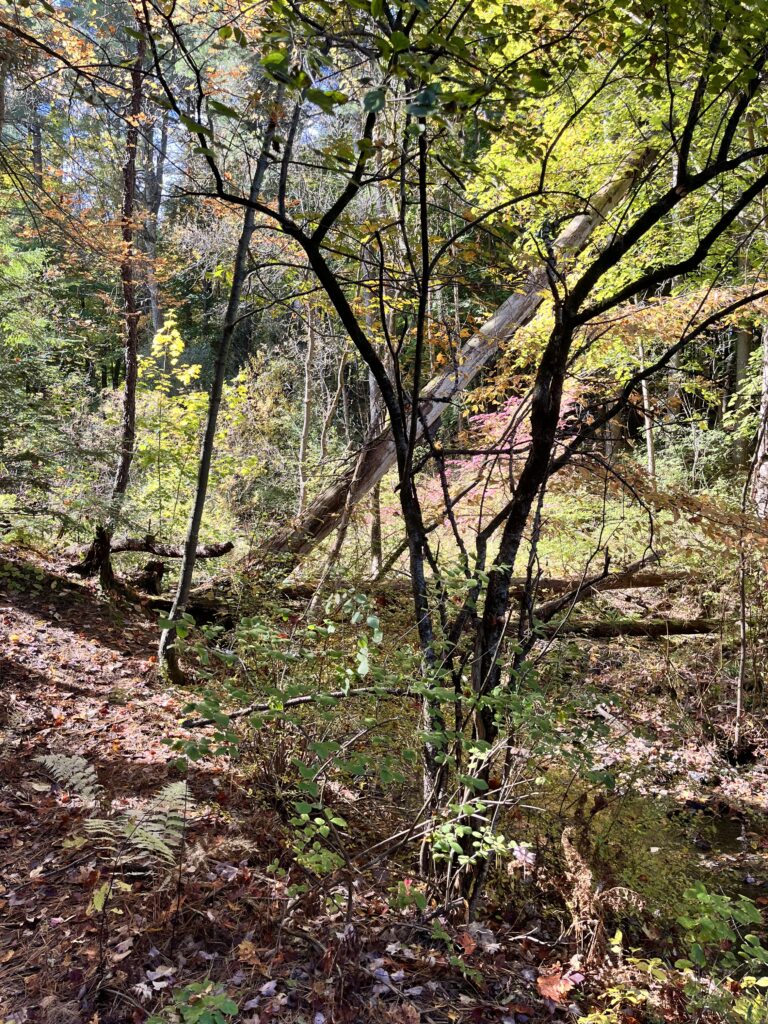
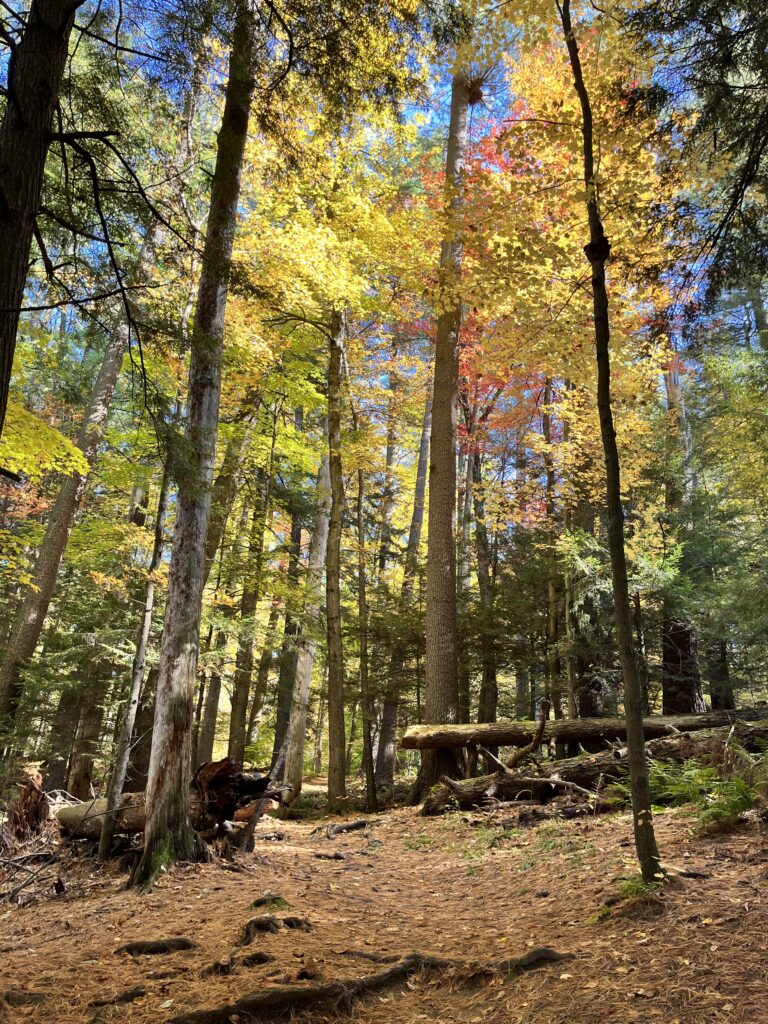
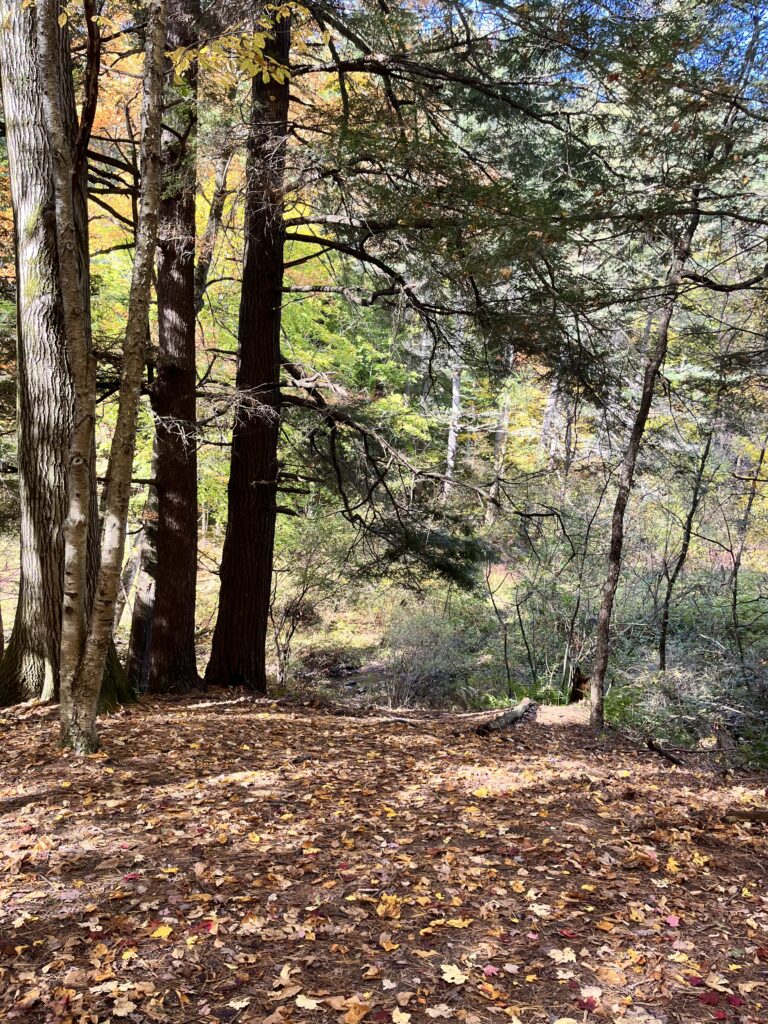
I visited my spot for the third time today and it seems as though fall is officially here! The first two times I came to my spot, it was very hot, the brook was shallow, and all of the plants were very green. Today, the air was crisp, the brook is flowing strong, and the beautiful autumn colors were on full display. The trees in my area are still holding onto their leaves, but soon enough they will be bare! It was such a lovely day to go out and visit my phenology spot (I even got to meet a few dogs in Centennial Woods)!
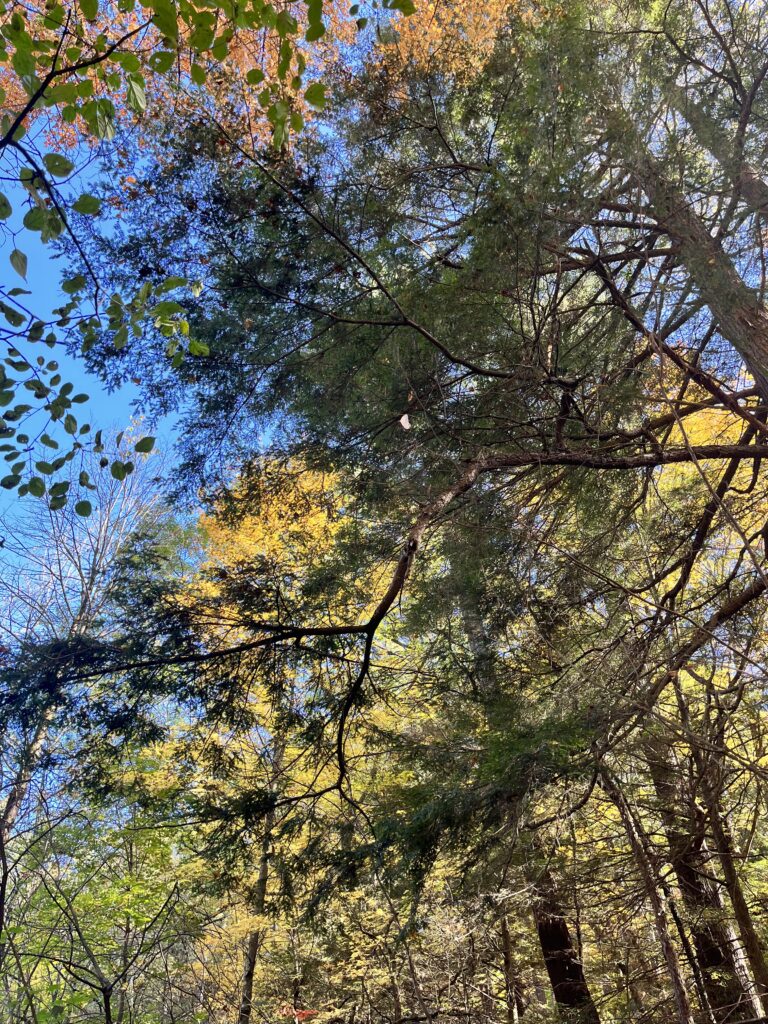
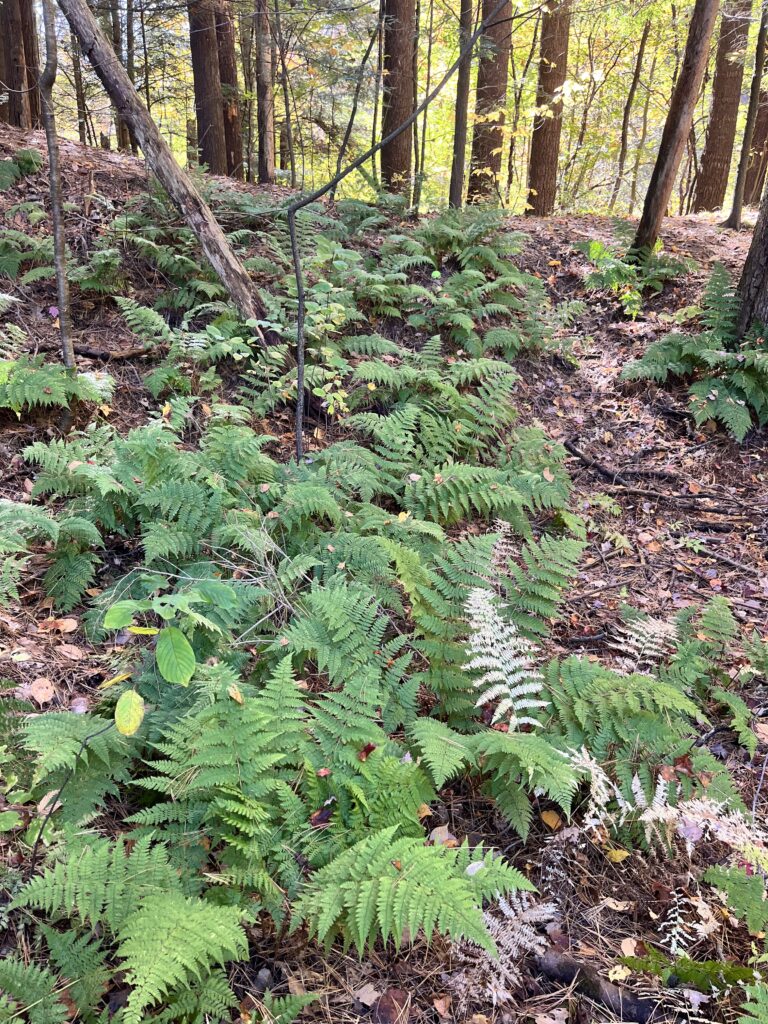
Along the brook the ground is densely covered in different species of fern, shrubs and even Poison Ivy. Further up the bank the mature coniferous trees dominate the land providing a dense canopy and plenty of herbaceous materials to cover the ground. In this area it is common to see Eastern Hemlocks thriving in the overstory while other deciduous trees seem to be thriving in the understory. There are many Common Buckthorns that line the edge of the brook as well as many other woody species competing for light. The identified species of plants are as follows, Barberry, Fern, Common Buckthorn, Red Maple, Eastern Hemlock, Norway Maple, Eastern White Pine, Poison Ivy, Yellow Birch, and Sugar Maple. This diverse area is already displaying signs of winter approaching, but we will monitor their changes over the phenological year.
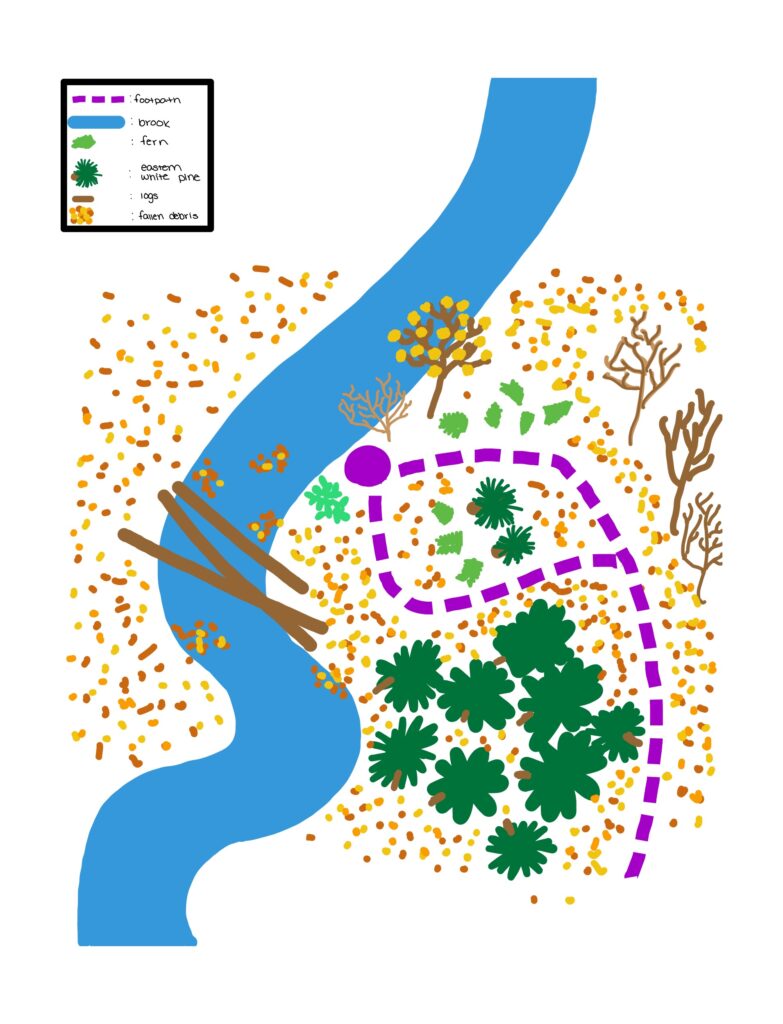
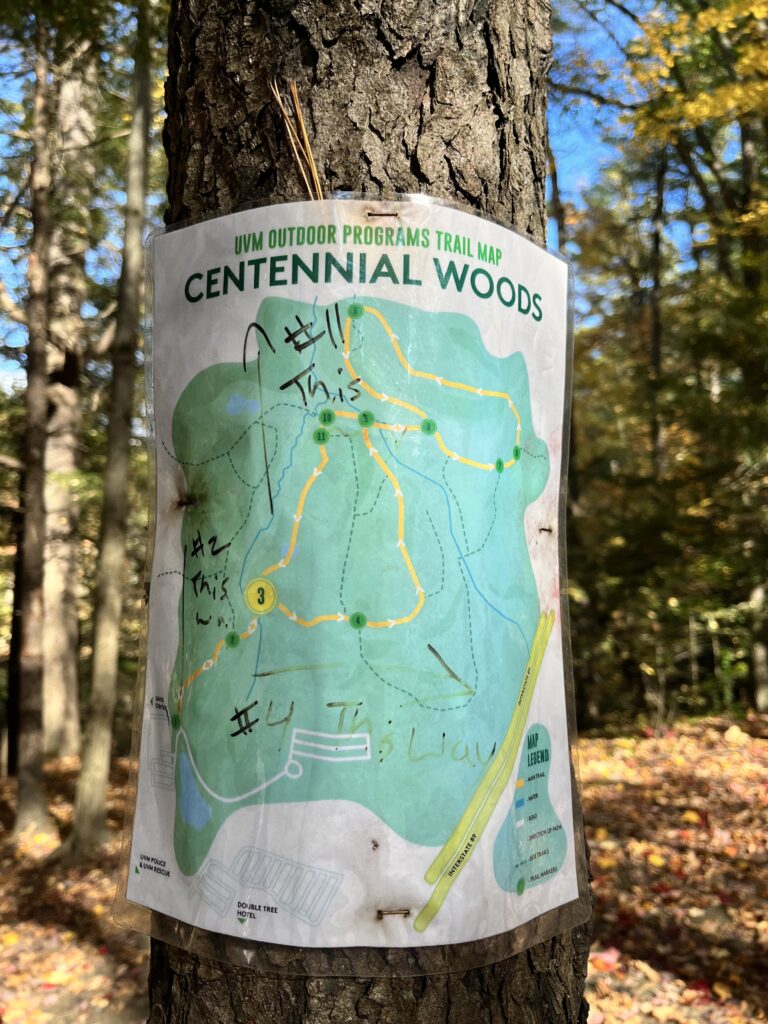
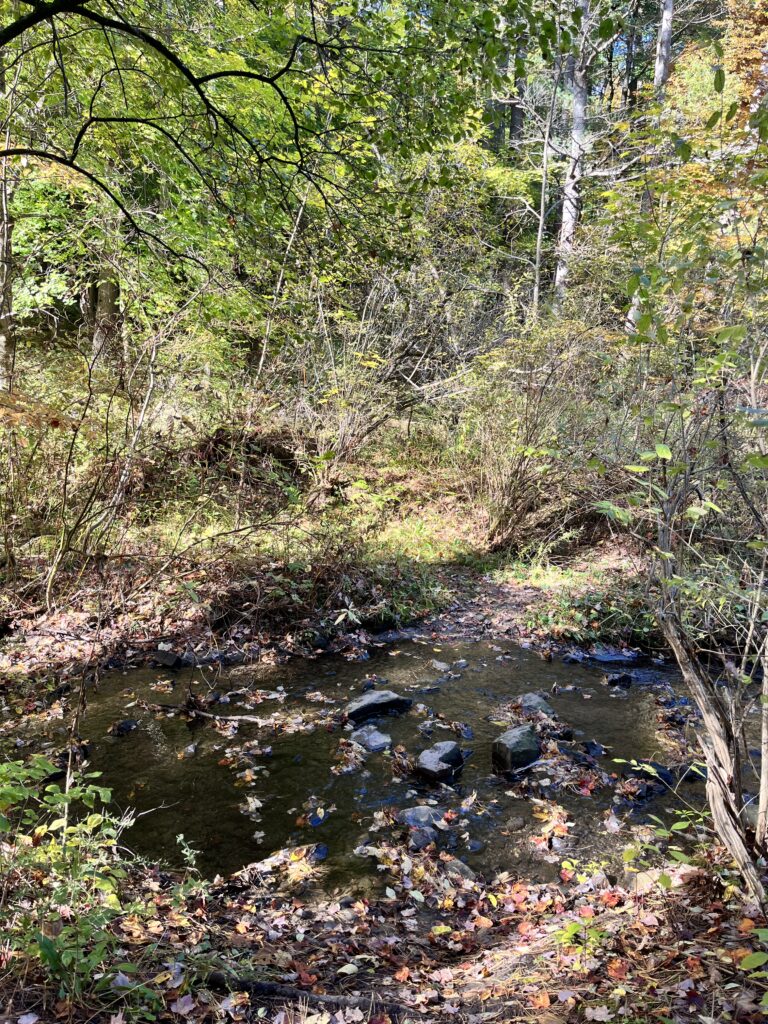
If you’re a student in NR 1, you probably have fond memories of your first self-guided lab in Centennial Woods. Although my spot is in Centennial Woods, it is a bit off the trail, but by following my directions you will easily find it and follow along on this journey. First, you will enter the natural area at the trailhead (past the bike rack and the kiosk), then follow the trail over all of the bridges until you get to a large clearing in a coniferous area. This is a crossroads for the trails, and you’ll know you’re at the right spot if you see a map stapled to a maple tree in the middle. Instead of following the trails up to the right, make a hard left and head downhill towards the stream. Once you have successfully navigated down the steep terrain and are surrounded by ferns, search for a small path that leads across the water. Once your toes are wet at the bank of the brook, you have reached your destination!
When this project was announced in class, my mind immediately thought of Rock Point as my phenology spot, but after considering the fact that I lack transportation, and probably won’t enjoy an icy hour long walk in the winter, I thought of Centennial Woods. Only a short walk from my dorm, I knew these 70 acres of protected land would offer something as special as any other place in the greater Burlington area. After class, I traveled with my friend to this natural area waiting for a plot of land to speak to me, and when I arrived at the trail crossroads, I had a vivid memory of our first lab. Back in August when we were asked to identify patterns, I excitedly ran down the bank to the brook to log the difference in species of plants close to and far from the water. This serene spot on the edge of the brook came to mind when in the clearing, thus it became my spot for this project. While also being a beautiful plot in Centennial Woods, I thought it would be interesting to note the changes in the water. As a Wildlife Biology major, I also hope to document the fauna of the area, maybe even observing various tracks after it snows.
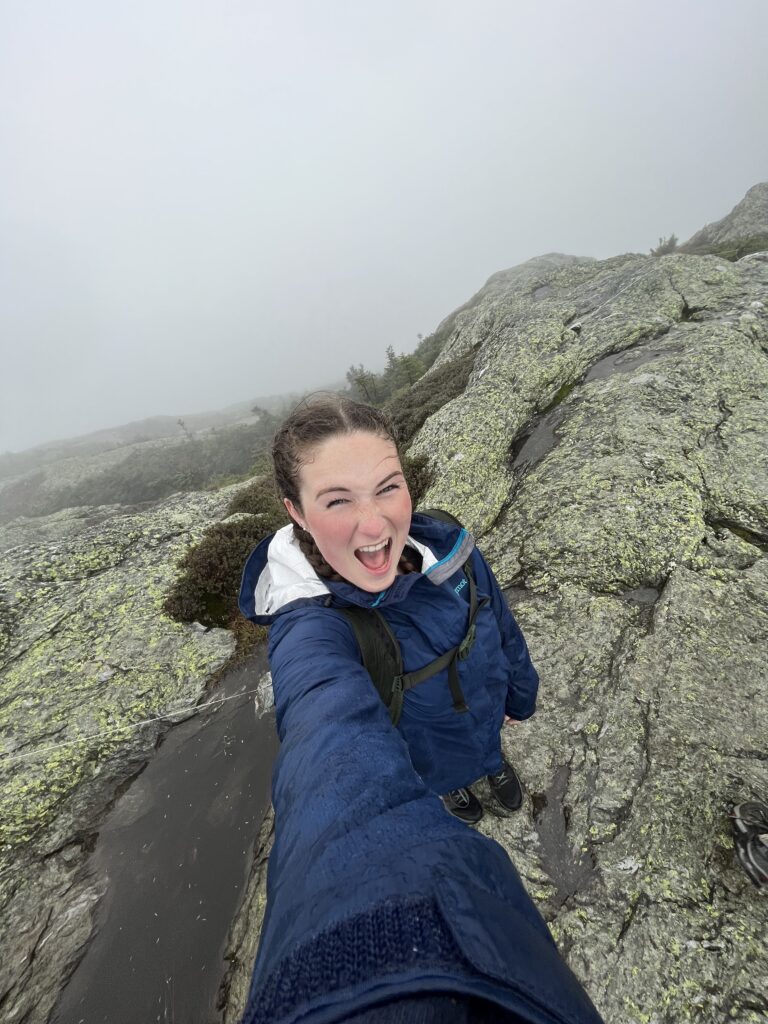
Hi guys! My name is Emily and I'm from Long Island New York! I'm a Wildlife Biology major and I'm very passionate about wildlife conservation. Some fun facts about me are that I'm allergic to gluten, I love to travel, and I have two dogs:) Welcome to my phenology blog!