What areas of Greater Burlington did you explore during this four-day urban BioBlitz?
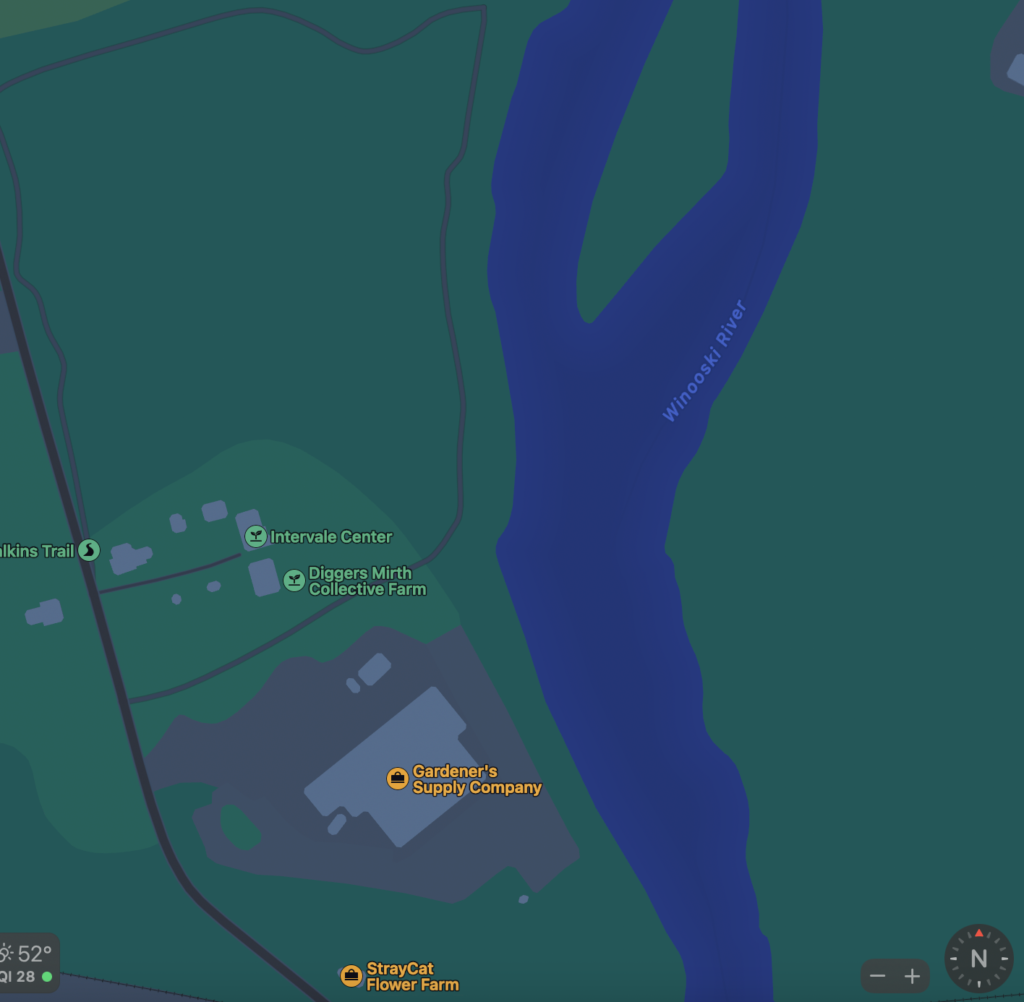
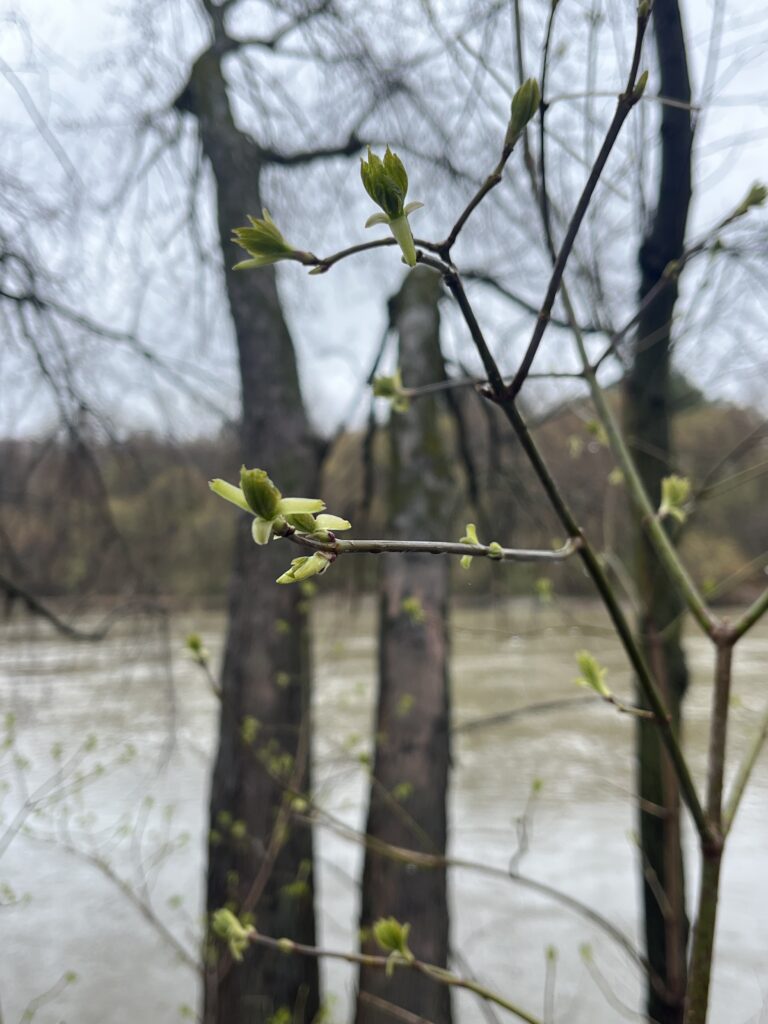
During this exploration I explored the area down by the Intervale Center near the Winooski River along with the UVM campus.
How was your experience using iNaturalist?
My experience was very positive as the NR1020 students are now very well versed with this app because we have been using it throughout the entire school year to document our explorations. It is a very simple app to use, helps with identifying unknown species, and it is fun to see all of my classmates findings along with my own, all in one place.
How many species did you encounter?
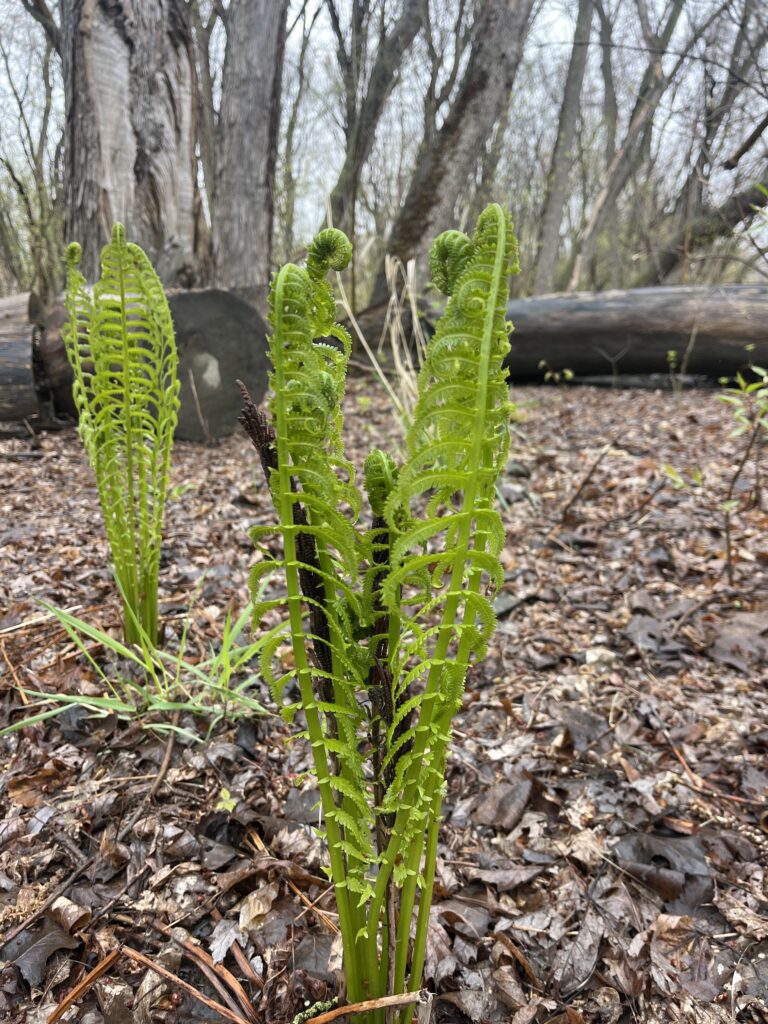
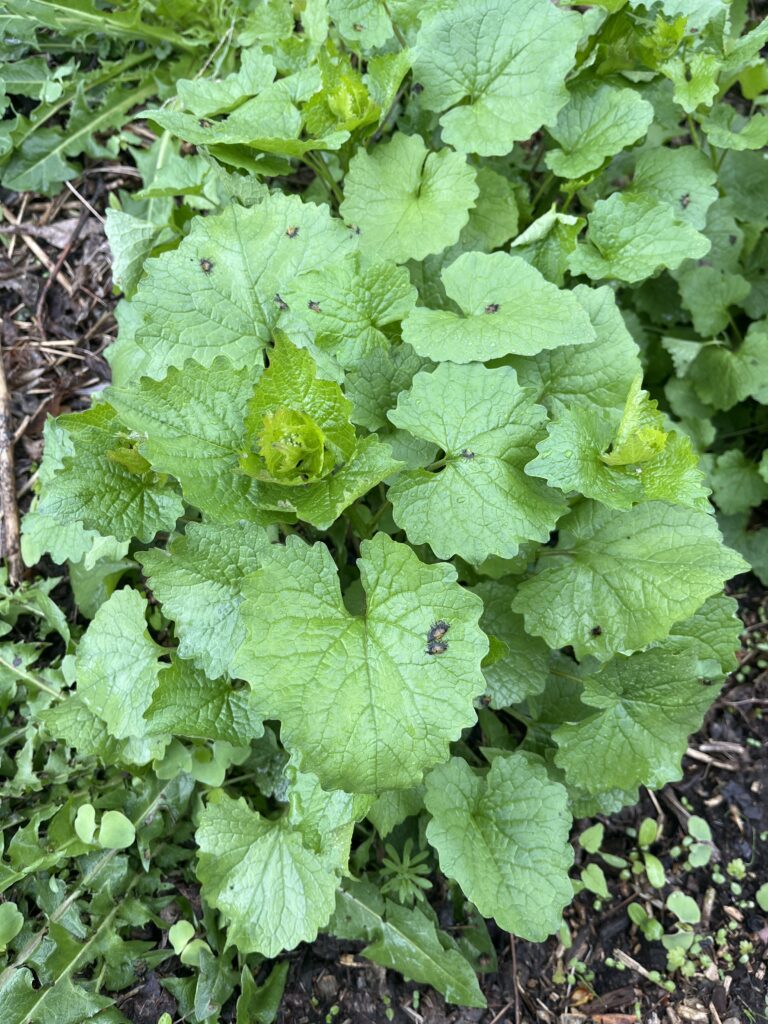
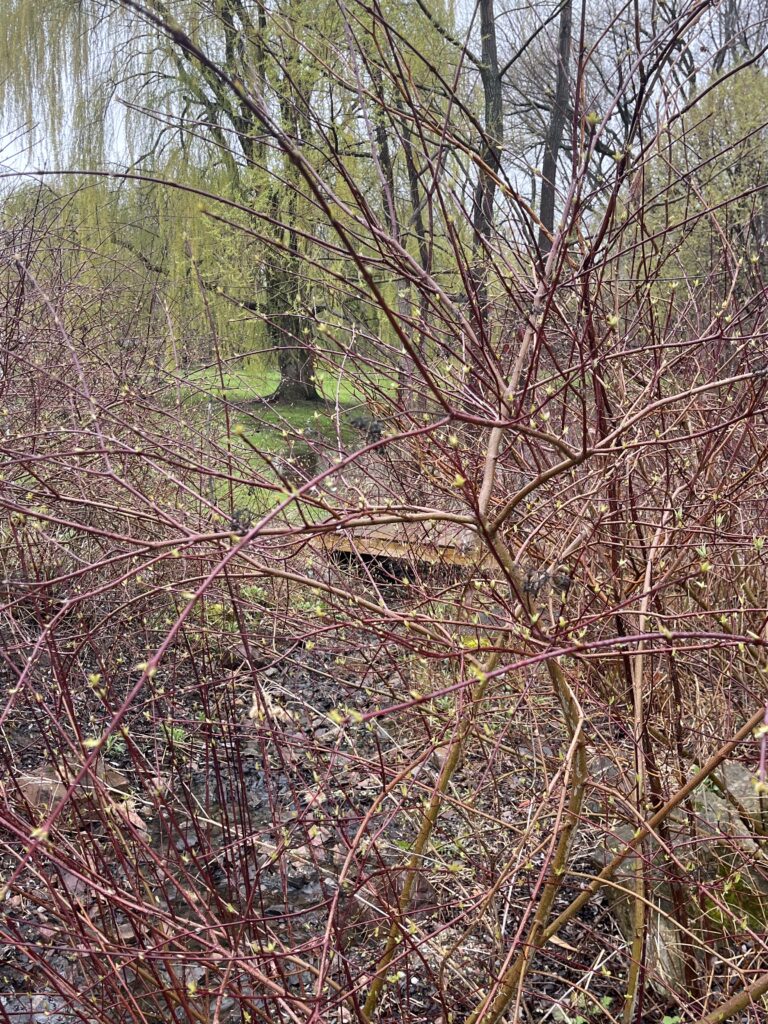
Throughout the BioBlitz I encountered a total of 10 species including sugar maple, dogwood, garlic mustard, box elder, ostrich ferns, american robin, common merganser, black-capped chickadee, northern cardinal, and herring gull.
What did you find interesting about reports coming in from other cities participating globally?
I found it interesting that the majority of observations were plants, however some participants were able to identify an animal based on the influence they had in an area, for example a beaver. Someone identified a beaver just by the clear bite marks on a tree. I sometimes forget that even if I can’t see the actual animal in front of me, their presence has still been there and made an impact on the specific area. The same theme goes for woodpeckers. Whether that be hearing them drilling into a tree or discovering the deep indents they create with their sharp beaks, we are able to identify animals without even seeing them directly which I think is something very important to remember when participating in challenges like this one.